17-23 Oct, MATBOCK will be attending ADEX out in South Korea. MATBOCK will be in the booth with SUOPTICS, booth E577. Send them an email at sales@matbock.com to get on their schedule.
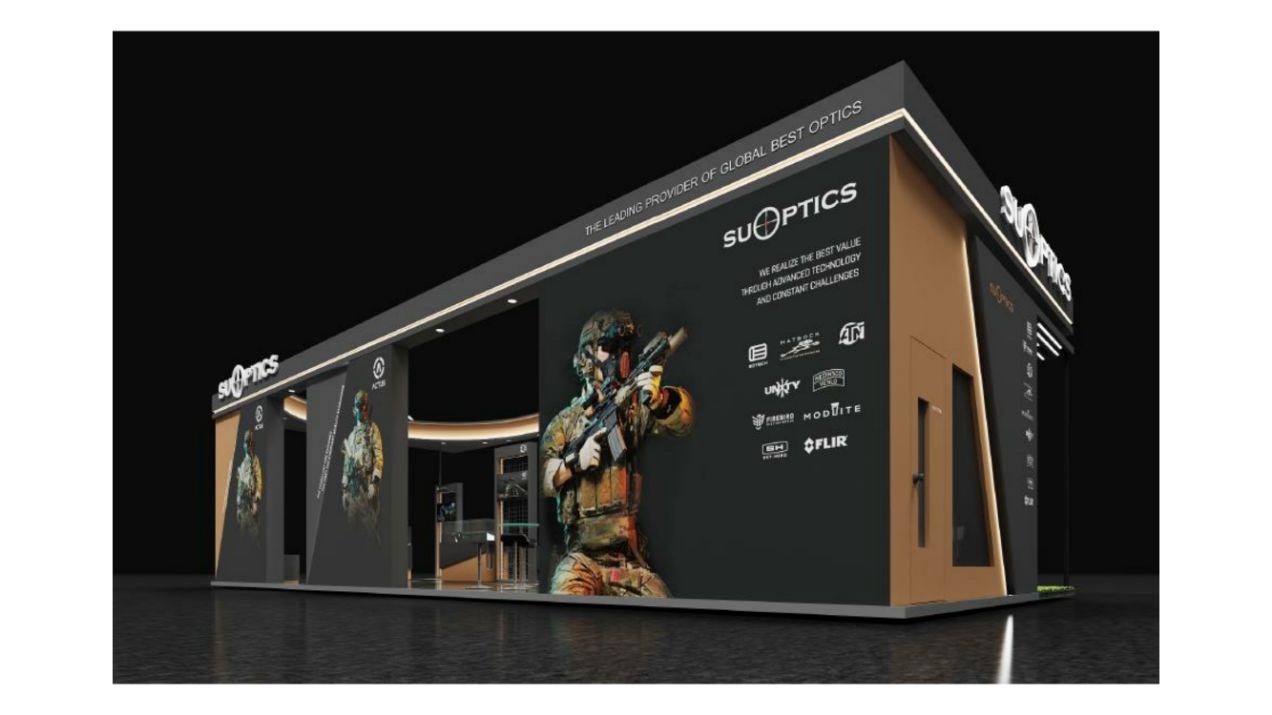


17-23 Oct, MATBOCK will be attending ADEX out in South Korea. MATBOCK will be in the booth with SUOPTICS, booth E577. Send them an email at sales@matbock.com to get on their schedule.
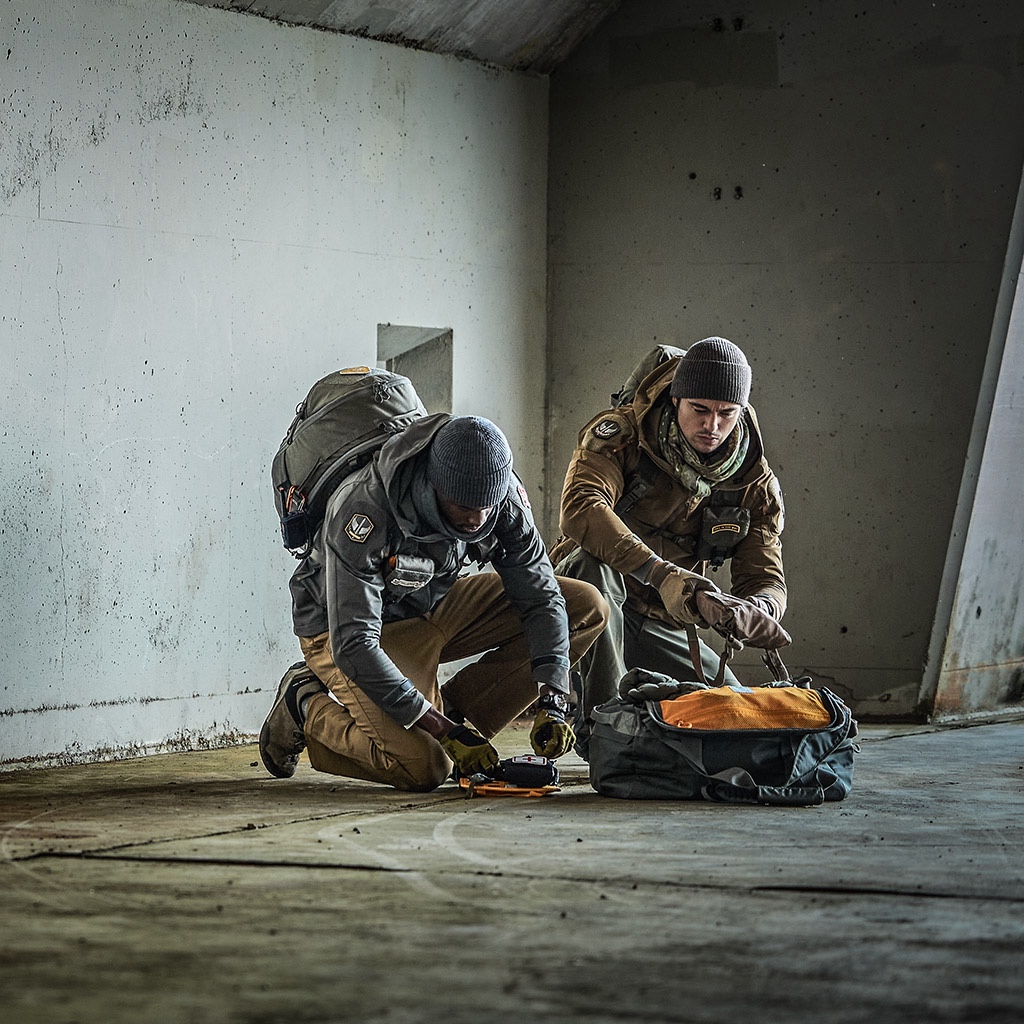
The SPD Paladin Hoodie is built to perform, built to last, built in the USA. A rugged, technical, soft-shell hoodie designed for adventurous pursuits in cool to cold weather and made for those who are more than just capable, speak softly, carry big sticks and the self-reliant who can move with confidence in wild to dangerous places. The Paladin Hoodie has ample freedom of movement by virtue of its 4-way stretch materials, blocks wind, is highly breathable, and shrugs off snow, damp, and drizzle. Made with traditional industrial sewing techniques and fully stitched construction, featuring our Expedition Cloth shell exterior, and fully lined with our Guide Cloth, this hoodie has got you covered. Cut to fit over moderate layers when desired for variable temperatures and features strategically placed pockets for generous storage of your EDC tools.
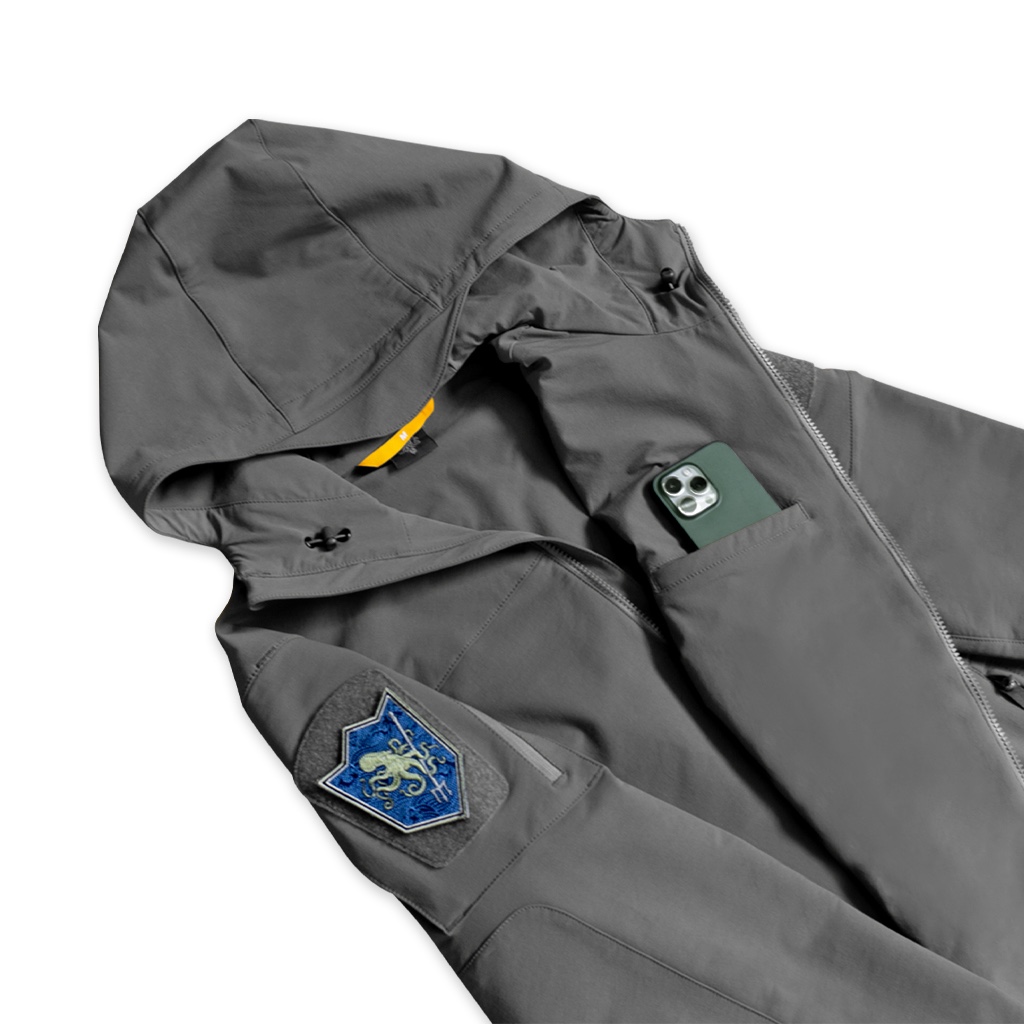
The Paladin Hoodie is made under Prometheus Design Werx’s sub-label Special Projects Division, and a part of their CORE-Line. Available in Universal Field Gray and All Terrain Brown.
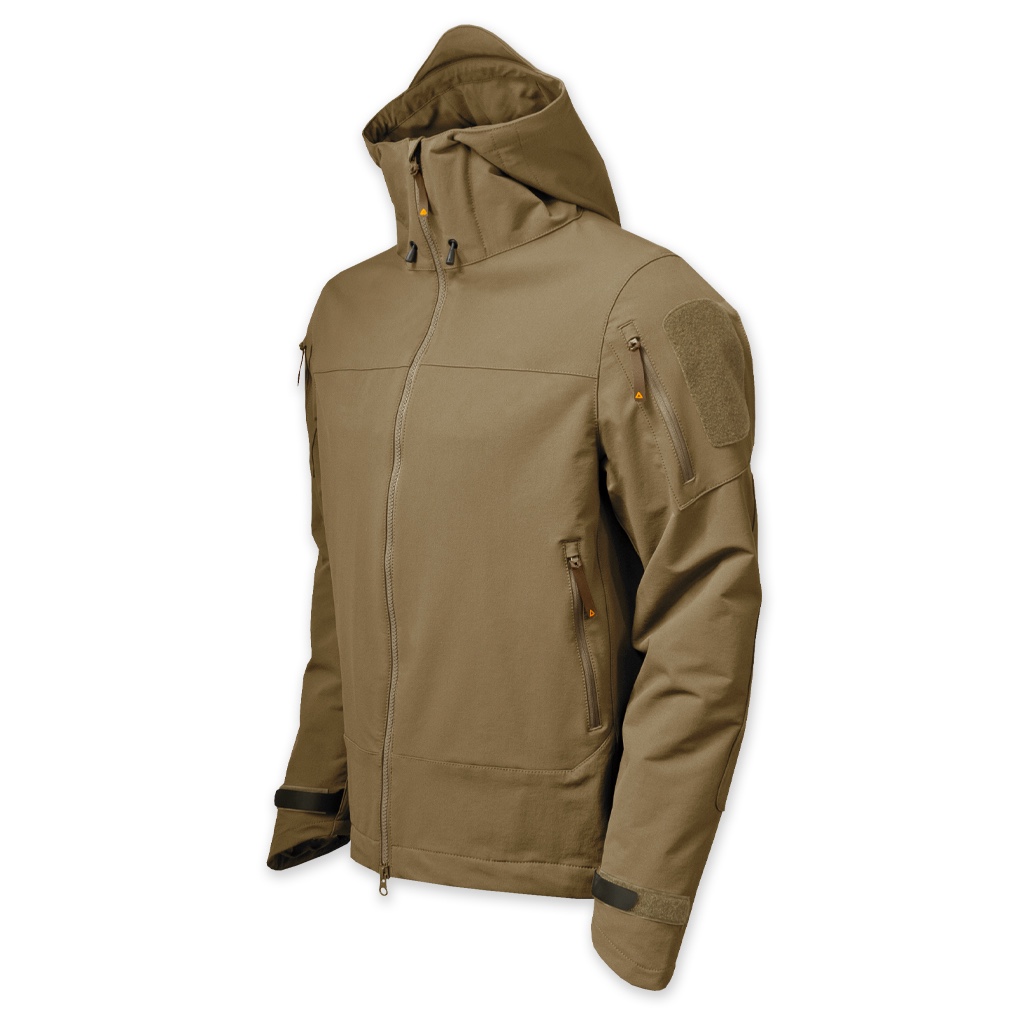
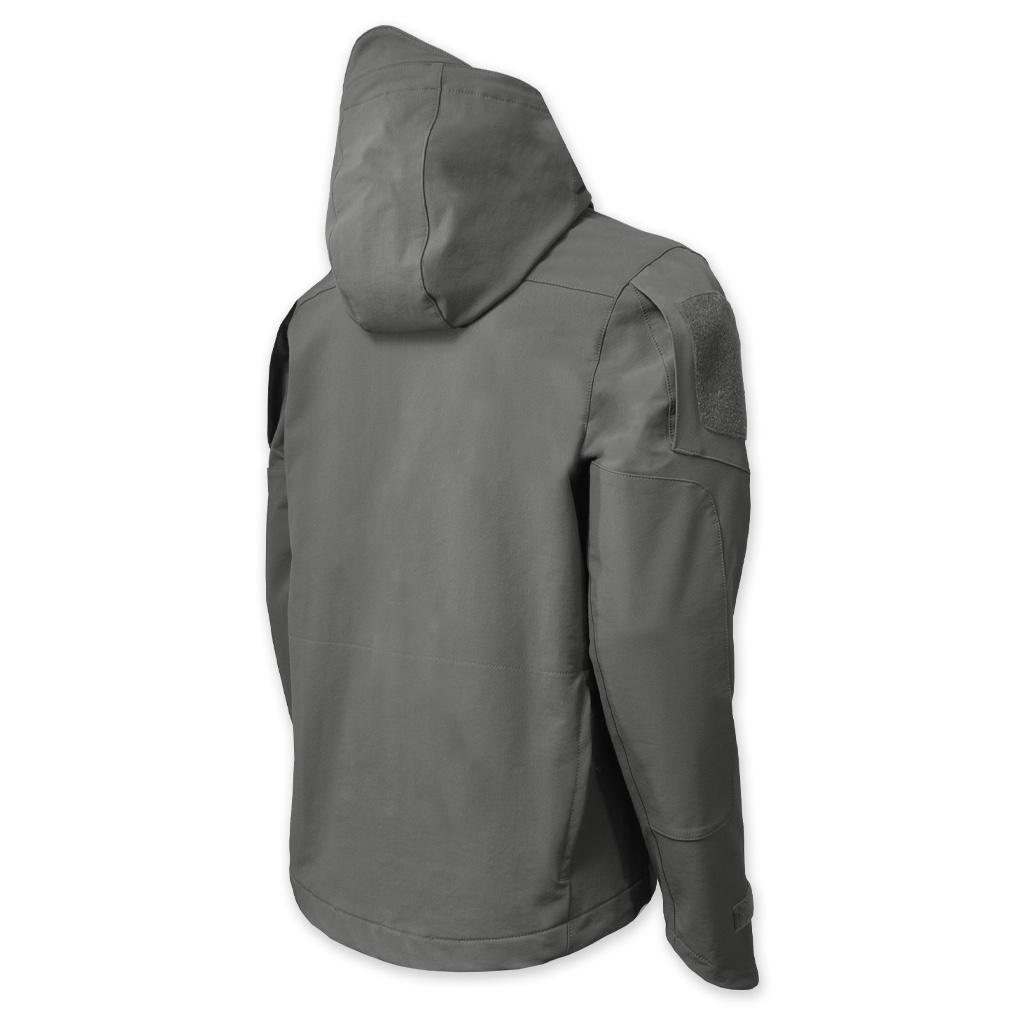
The Design and R&D Team at PDW states:
“The Paladin Hoodie is something of a legacy style from our company Founder and Chief Designer, where his early apparel designs were often fielded by those who found themselves in dangerous places all over the globe. Purpose driven, practical, useful, versatile. Whether you’re running over washboard in a Hilux, stuck in a hurricane seat, or horse packing through Charyn Canyon, the Paladin Hoodie is your one grab-n-go, do-it-all cool-cold weather jacket. Like all of our apparel, we follow our own Long Life Apparel ethos where we design and produce our apparel to last far beyond the typical industry life cycle standards and do not subscribe to ‘fast fashion’ or disposable consumerism.”
The SPD Paladin Hoodie will be available for purchase for $309.00 via their website, prometheusdesignwerx.com on Wednesday 11OCT23 at noon PST.
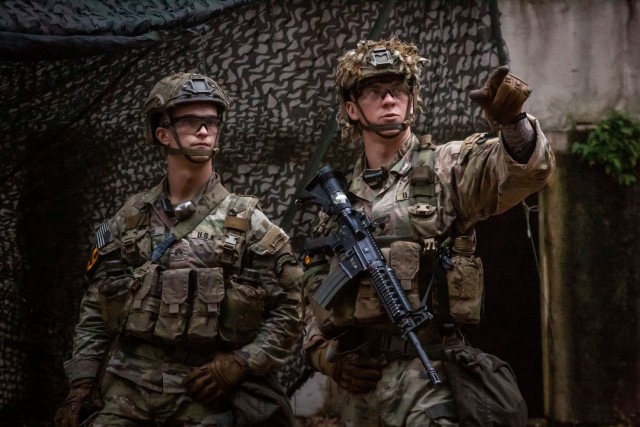
WASHINGTON — With the Georgia heat bearing down on them, Sgt. Jake Phillips and members of 3rd Ranger Battalion, 75th Ranger Regiment, struggled to finish the final leg of the 2023 Army Best Squad Competition’s first phase in September.
Still, the Soldiers had confidence in one another as they carried 35-pound rucks for 15 miles in the woods of Fort Stewart, Georgia. The Soldiers operated on only two hours of sleep and endured food deprivation. Fortunately, the squad boasted some of the most physically-fit Soldiers in the Army including Spc. Chancellor McGuire, who had the highest physical training test scores among all 60 competitors.
They had also competed and trained together for at least three years and some members even deployed together. Knowing his team’s robust fitness levels, Phillips wanted to push his squad to its limits.
The fire team leader learned that slowing their speed during the march actually helped his squad find the endurance needed to secure victory.
“I was always wanting to push the pace past what I think we’re capable of as a squad,” said Phillips, 25. “I was wanting to put more gas when it should have been more brakes. That was personally more challenging.”
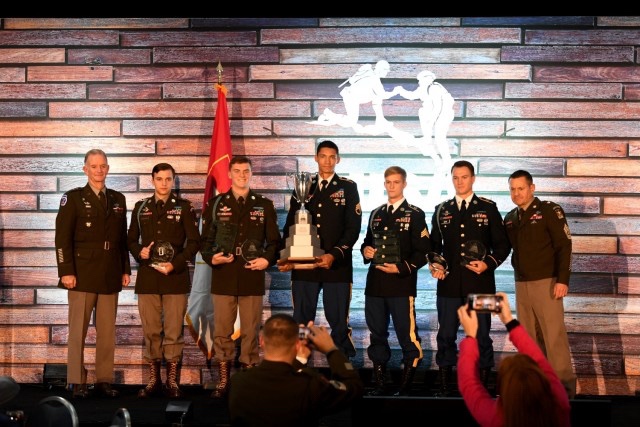
Phillips’ guidance helped his 75th Ranger Regiment, U.S. Army Special Operations Command squad win the 2023 U.S. Army Best Squad of the Year award. Phillips, a native of West Chester, Pennsylvania, took Non-Commissioned Officer of the Year honors. McGuire, who hails from Austin, Texas, won Soldier of the Year.
“I think the key for us to win was we’ve all been working together for years,” Philips said. “We all know each other pretty well.”
Sgt. Maj. of the Army Michael R. Weimer presented the awards in a ceremony at the 2023 Association of the United States Army Annual Meeting and Exposition in Washington, D.C. today. Soldiers from Army Medical Command finished in second place while the Army Pacific Command squad took third.
McGuire said keeping the goal in sight helped his squad weather through the endurance march.
“It was the last day of the competition. You can do anything for however long you tell yourself you can,” he said.
The 24-year-old McGuire credited his squad leaders and company commanders with helping mold him into a more capable special operations Soldier.
“It means I’m doing something right,” McGuire said of winning Soldier of the Year. “I took a lot from my team leaders coming up, my squad leaders. I took in everything that they have taught me … I’ve kind of become a sponge, so really I’m an image of them.”
The Army revamped its former Best Warrior contest two years ago into the Best Squad Competition to encourage a greater focus on team building and unit cohesion.
This year’s contest, executed by 1st Armored Brigade Combat Team, 3rd Infantry Division, featured another incentive. While competing, the participants could simultaneously earn their special skills certifications: the Expert Infantry Badge, awarded to Soldiers in infantry and Special Forces units; the Expert Soldier Badge, given to Soldiers who are not in infantry, Special Forces and medical branches; or the Expert Field Medical Badges, earned by outstanding medical technicians.
Twelve, five-person squads competed in the first phase of the competition during 10 grueling days at Fort Stewart.
The Soldiers went on ruck marches, completed exercises and did battle drills across more than 200,000 acres of land. The Soldiers engaged in land navigation, operated in urban areas and rucked from each destination. They learned to operate while sleep-deprived, while also taking part in night exercises.
During the competition’s final phase, the competitors travelled to Washington D.C. to be interviewed and evaluated by senior leaders.
McGuire said that his squad, which also includes Staff Sgt. Andrew Ewing, Spc. George Mascharka, and Spc. Shane Moon, finished first because of the bonds that the Soldiers share during and outside of duty. The Soldiers know each other’s families. They work out together and spend time studying in coffee shops.
The USASOC Soldiers faced stiff competition, particularly from the MEDCOM squad of Sgt. Jaime Padilla, Spc. Axxel Pasos, Sgt. 1st Class Kaleb Richardson, Spc. Robert Rupers and Christopher Trejo.
“My squad is the best squad,” said McGuire, a fire team leader. “We achieved something that we set our hearts and minds to, but at the end of the day we came out on top.”
By Joe Lacdan, Army News Service

Heading to AUSA? Join TenCate Protective Fabrics for Happy Hour at their booth (#2333) beginning at 3pm on Monday, October 9th for an afternoon of good drinks and great friends. During that time, TenCate Protective Fabrics will be giving out Free Anchor Lite T-Shirts (Booth #2333 *while supplies last).
Checkout TenCate Protective Fabrics at booth #2333 to see their full lineup of innovative fabrics designed to keep you comfortable and protected in the field and on the job.
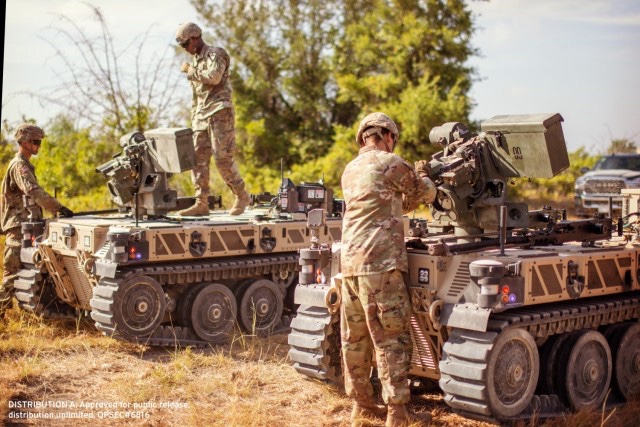
WASHINGTON — As ground robotics and autonomy are expected to play a critical role in future warfare, four Army leaders will jump start AUSA with a Warriors Corner discussion on human-machine integration at 12:50 p.m. Monday, Oct. 9, 2023.
Michael Cadieux, director of U.S. Army DEVCOM Ground Vehicle Systems Center; along with Brig. Gen. Geoffrey Norman, director of the Next Generation Combat Vehicles Cross-Functional Team, shortened NGCV CFT; Maj. Gen. Curtis Buzzard, commanding general at Maneuver Center of Excellence; and Col. Shane Upton, director of the Contested Logistics CFT, will address formation-based concepts developed with human-machine integration advances. Brig. Gen. Stephanie Ahern, concepts director at Army Futures Command, will moderate the panel discussion.
The session will be livestreamed on DVIDSHub.net.
Transforming for the future fight requires engagement across the Army and joint force. Advances in ground robotics and autonomy and the effective fusion of robotic systems into formations will provide new capabilities to help the Army achieve goals for multi-domain operations.
The fusion of robotics in formations is already taking place on the ground at various Army training locations.
“Soldier Touchpoints help us to help define future tactics and techniques for fighting with these revolutionary systems while informing future required capabilities for the science and technology community to develop,” Cadieux said.
“Human-machine integration is all about bringing the right mix of robotic elements to our formations to enable a total formation that is more capable than the sum of either the human or robotic elements,” he said.
Robotic combat vehicles will provide formation leaders new options on both the offense and the defense. The NGCV CFT has been at the forefront of robotic combat vehicle development and the experimentation that refines those vehicles.
“We’re already seeing the first robotic capabilities that we’ll be fielding, and our teams for years have been experimenting with the best way to integrate them into formations,” Norman said.
“We’re not sure yet what the integrated formations will look like, but it could require warfighters to control multiple platforms simultaneously, or perhaps multiple warfighters working different parts of the same system, or the flexibility to move between these two paradigms as the mission requires,” Norman said.
Robotic combat vehicles can accomplish some of the more dangerous and mundane tasks, such as refueling and for port logistics, while freeing up Soldiers to do the tasks that call for more thinking.
“Human-machine integration is fundamental to sustaining the future joint force operating in a contested logistics environment,” Upton said.
The integration of robotics into manned formations will iterate between doctrinal and training insights informing what the robots need to do and insights from experiments with the robots informing how doctrine and training need to adapt.
The Army has created a ground vehicle autonomy strategy built on a foundation of modular open systems approach, or MOSA, which will enable common unmanned maneuver capabilities across the ground vehicle fleet.
“Building a MOSA based, common approach to ground autonomy software lets the Army collaborate with a wide range of industry-leading partners while controlling current and future costs,” Cadieux said.
Understanding formation-based concepts developed with Human-Machine Integration advances is a key priority to designing the Army of 2040.
“The technologies Army pursues in the ground vehicle space drive at both robotic capability growth and in strengthening the interface between the Warfighter and the robotic elements,” Cadieux said.
By Jerome Aliotta
JOINT BASE SAN ANTONIO-LACKLAND, Texas —
Integrated deterrence starts at the lowest level and at 16th Air Force’s (AFCYBER) 67th Cyberspace Wing A39, the Information Operations team is making a global impact at their level.
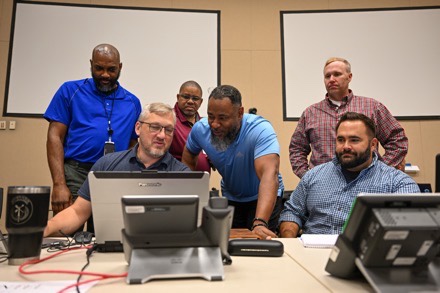
The IO team supports real-world operations, reach back, exercises and operations security.
“We are the only Air Force and Space Force OPSEC Support Team,” said Tyrese Stafford, 67th CW, A39 IO chief. “We are the ‘operational arm’ supporting units worldwide.”
As the two services’ OST, they are responsible for OPSEC Management Assessments and OPSEC External Assessments traveling around the world assisting organizations to achieve a more effective OPSEC program, while also testing units for vulnerabilities and their ability to mitigate them.
“This past year, our OST has assisted and evaluated over dozens of wings and deltas all over the world from the 100th Air Refueling Wing at RAF Mildenhall, England, to the 31st Fighter Wing at Aviano Air Base, Italy,” said Stafford. “Additionally, the OST conducted a multi-year, Air Force-wide OPSEC External Assessment to understand the Air Force’s ability to protect sensitive aircraft deployments.”
Once the team identifies any vulnerabilities, they incorporate them into exercises to test the units again and integrate lessons learned.
One such exercise is Air Force Special Operations Command’s Emerald Warrior, where the IO team applies these lessons learned from real-world operations to deliver trained and ready joint forces.
From Sept. 11-15, 2023, the IO team was leading the white “fusion” cell team that replicated a Theater Special Operation Command J39 and adjacent Joint Task Force along with other Information Warfare forces from space, cyber and public affairs.
The white fusion cell provides realistic and relevant training for personal recovery, humanitarian support and direct action missions to prepare headquarter special operations staff for an evolving strategic environment.
“The team trained the joint force on ISIO, Intelligence Support to Information Operations, making the exercise more information focused,” said Stafford. “The force is taught whether to reveal or conceal information depending on the objective and the adversary’s physical means.”
The ISIO training was first introduced at the 16th annual Emerald Warrior exercise in March 2023, to further synchronize information capabilities across cyber, space and public affairs, and prime AFSOC’s Special Operations Task Group (Expeditionary Group) and Special Operations Task Unit (Expeditionary Squadron) commanders when deployed.
For the past three years and four iterations, the IO team has supported Emerald Warrior exercises with exercise design, integration of military information support operations, OPSEC and military deception.
They have provided over 150 years of their combined experience and expertise in IO, which is why their unit trains the Air Force’s 14F Information Operations officers.
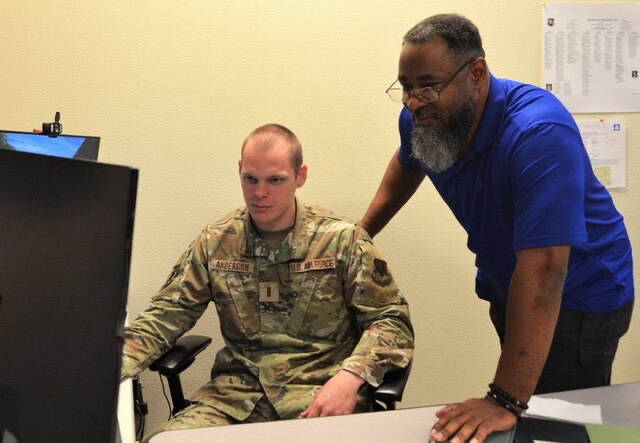
“We train continuously from the time we’re on board at the A39,” said U.S. Air Force 2nd Lt. Conner Anderson, 67th CW, OPSEC branch chief. “I’ve learned joint planning principles and the application if IO from the tactical to the operational level.”
Since 2013, over 20 IO officers have been trained at the 67th CW A39 with follow on assignments with Pacific Air Forces, 16th Air Force to Joint Task Forces under U.S. European Command, U.S. Africa Command and U.S. Central Command.
“Our IO officers go out into the force equipped to protect Air Force assets and operations,” said Stafford. “They also know, they can reach back to us anytime for support, even the IO officers we trained at Emerald Warrior.”
Through its mission, the IO team has created a global reach leveraging IW capabilities and achieving an information advantage across the competition continuum.
By Capt. Dorothy Sherwood
16th Air Force (AFCYBER)
New Hooded Field Shirt v2 – ACM Base 150
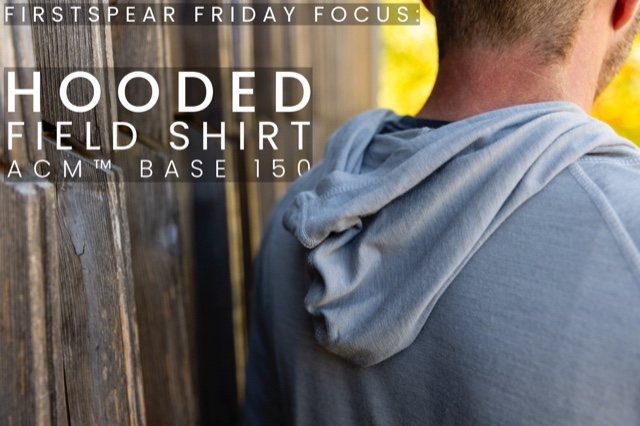
When it comes to gear, only the best will do. That’s why our updated take on the popular Hooded Field Shirt is the perfect choice. Made right here in the USA from American wool, you’ll experience long-lasting comfort that will stand up to any challenge you throw at it.

Don’t be fooled by its lightweight feel – the ACM Base 150 wool fabric offers unparalleled performance and durability. Updated with 55% Lenzing, 33% wool and 12% nylon, the new Hooded Field Shirt offers the perfect blend of synthetic and wool. Features include a slightly larger hood, low profile cuffs, and thumb holes.

Use it as a base layer or standalone, no matter which way you choose, it will be a year-round go-to. The moisture-wicking properties of wool, means it’s perfect in all seasons. Whether its protection from the sun or a base layer in inclement weather, the Hooded Field Shirt gets it done. Available sizes are S-3XL and colors include Heather Grey, Black, Charcoal and Commando.
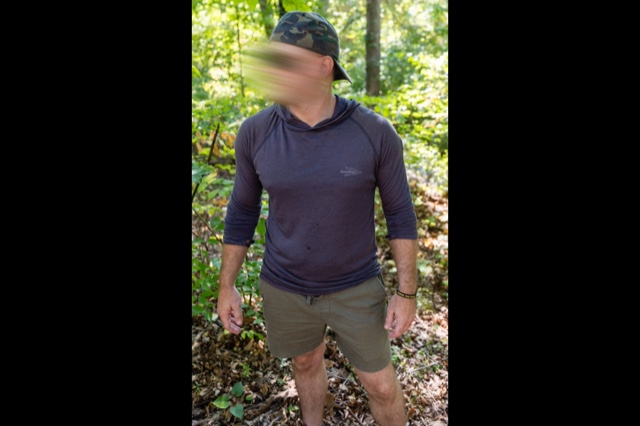
FirstSpear is proud to partner with Texollini in the creation of the Hooded Field Shirt. They are a fully vertically integrated company who specializes in yarn and fabric capabilities, and have a long standing history of quality fabrics, specifically in their wool offerings. They have been in the military industry for decades and are well versed with Berry Compliant offerings such as the Hooded Field Shirt. Check them out here: www.texollini.com.

Visit FirstSpear to find American Made kit and accessories, Built For The X.
HURLBURT FIELD, Fla. —
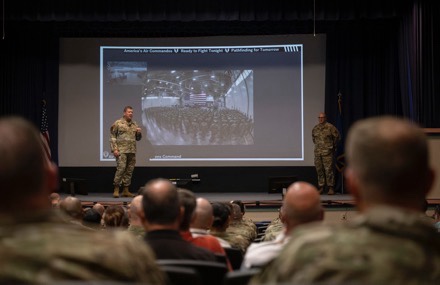
Lt. Gen. Tony Bauernfeind, Commander of Air Force Special Operations Command, released the 2023 AFSOC strategic guidance on September 18.
The strategic guidance aligns with the 2022 National Defense Strategy and sets forth a framework for Air Commandos, their readiness, and pathfinding efforts. The command is transforming to properly prepare, prevent, and prevail against any adversary in today’s complex and uncertain operational environment.
“Warfighting, valor, and innovation are in our DNA,” said Bauernfeind. “We draw inspiration from the great legacy of Air Commandos who came before us. AFSOC has an immense history of Air Commandos who have paved the way, and we are committed to continuing the legacy in the years to come.”
The strategic guidance emphasizes that the AFSOC mission is to enable the joint force by delivering SOF Mobility, Strike, ISR and Air-to-Ground capabilities across the spectrum of competition and conflict.
The three lines of effort to achieve this mission are:
– Inspire and Develop a High-Performing Air Commando Force
– Trained and Ready Air Commandos
– Rapidly Pathfinding Concepts and Capabilities to WIN
Through these efforts, AFSOC will ensure that we sustain the level of peerless and professional Air Commandos in our force, that we are always ready to answer the nation’s call, and that we will advance our capabilities to create dilemmas for our adversaries.
“It’s going to take every Air Commando to implement this guidance,” said Bauernfeind. “I acknowledge that we’re in the whitewater of change, but I also know that we’re up for the challenge. The current and future operating environments will be demanding, but we will succeed because of our competitive advantage… our Air Commandos.”
By Air Force Special Operations Command Public Affairs