XC3 Weaponlight

Archive for the ‘Guest Post’ Category

Army Accepts Delivery of First Prototype Mid-Range Capability Battery

Thursday, December 8th, 2022

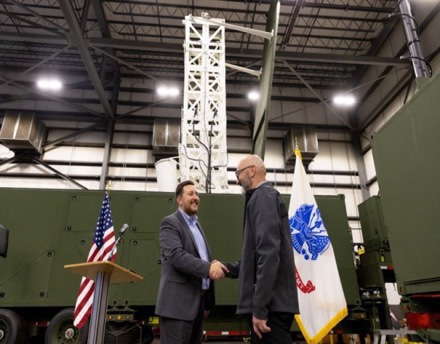
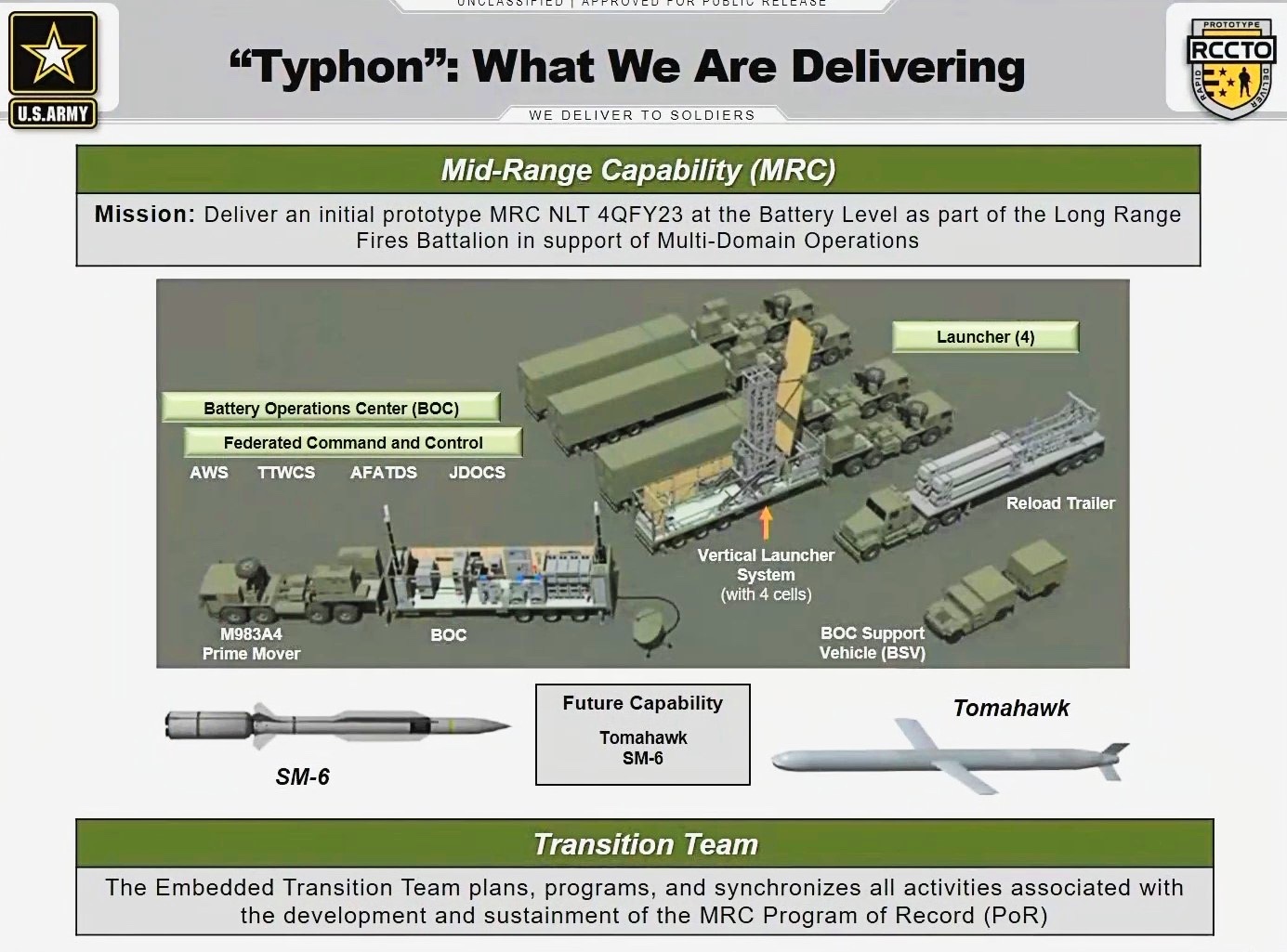
Middle River, MD. – The US Army accepted delivery of the first prototype Mid-Range Capability (MRC) battery. The MRC provides a land-based, ground-launched system with a range between the Army’s Precision Strike Missile and the Long-Range Hypersonic Weapon.

Building from existing US Navy missile and launcher systems, the MRC provides a fires capability that has not existed in the US Army since the implementation of the Intermediate Nuclear Forces (INF) treaty in 1987. Answering the call to the Army’s No. 1 modernization priority, Long-Range Precision Fires, the MRC can defeat a variety of mid-range targets.

“The MRC rapidly progressed from a blank piece of paper in July 2020, to the Soldiers’ hands in just over two years. The RCCTO team, as well as our joint service and industry partners, delivered this hardware so Soldiers can begin training as quickly as possible,” said Lt. Gen. Robert Rasch, Director of the Army Rapid Capabilities and Critical Technologies Office (RCCTO).

Initial hardware delivery occurred with ongoing support planned through December 2022 in preparation for training to begin after the holidays. The delivery includes a complete MRC ground equipment and reload capability, which comprises a battery operations center, four launchers, prime movers, and modified trailers.

The MRC achieves operational capability in fiscal year 2023 upon completion of system testing, training, and delivery of the missiles. Delivering the ground hardware first allows the Soldiers to train on the equipment, create doctrine for the system, and develop tactics, techniques, and procedures.

The MRC Project Office works closely with the Soldiers and Sailors who benefit from this system via embedded Soldier-Sailor Centered Design Events. These events provided critical user feedback throughout the design process and ensured Soldiers and Sailors were at the center of this effort.

In executing the mid-range fires system and testing, the Army continues to work in close coordination with its joint service and agency partners.

By Venetia Gonzales

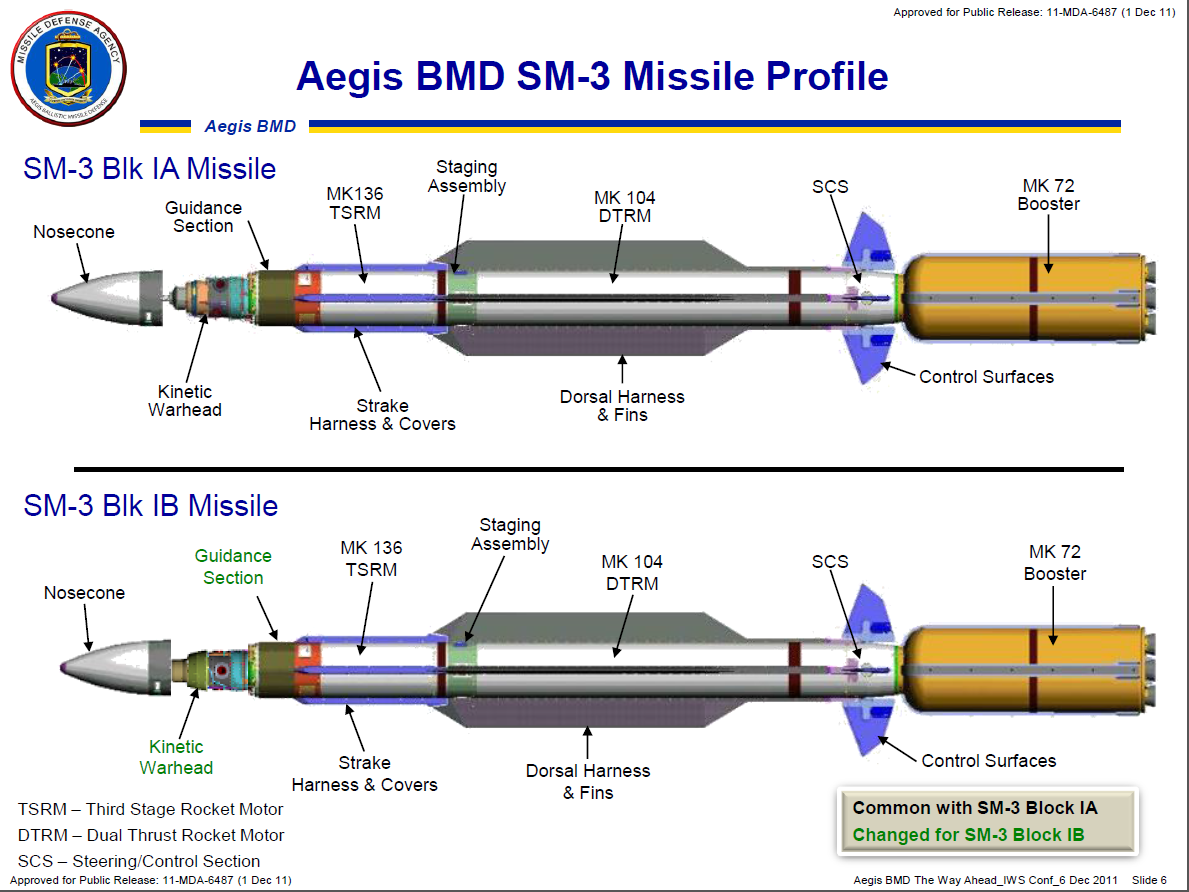
Editor’s note: These DoD image depict the anticipated MRO capability using the RIM-174 Standard Extended Range Active Missile (ERAM), or Standard Missile 6 (SM-6) currently in service with the US Navy.

B-21 Raider Makes Public Debut; Will Become Backbone of Air Force’s Bomber Fleet

Wednesday, December 7th, 2022

PALMDALE, Calif. (AFNS) —  

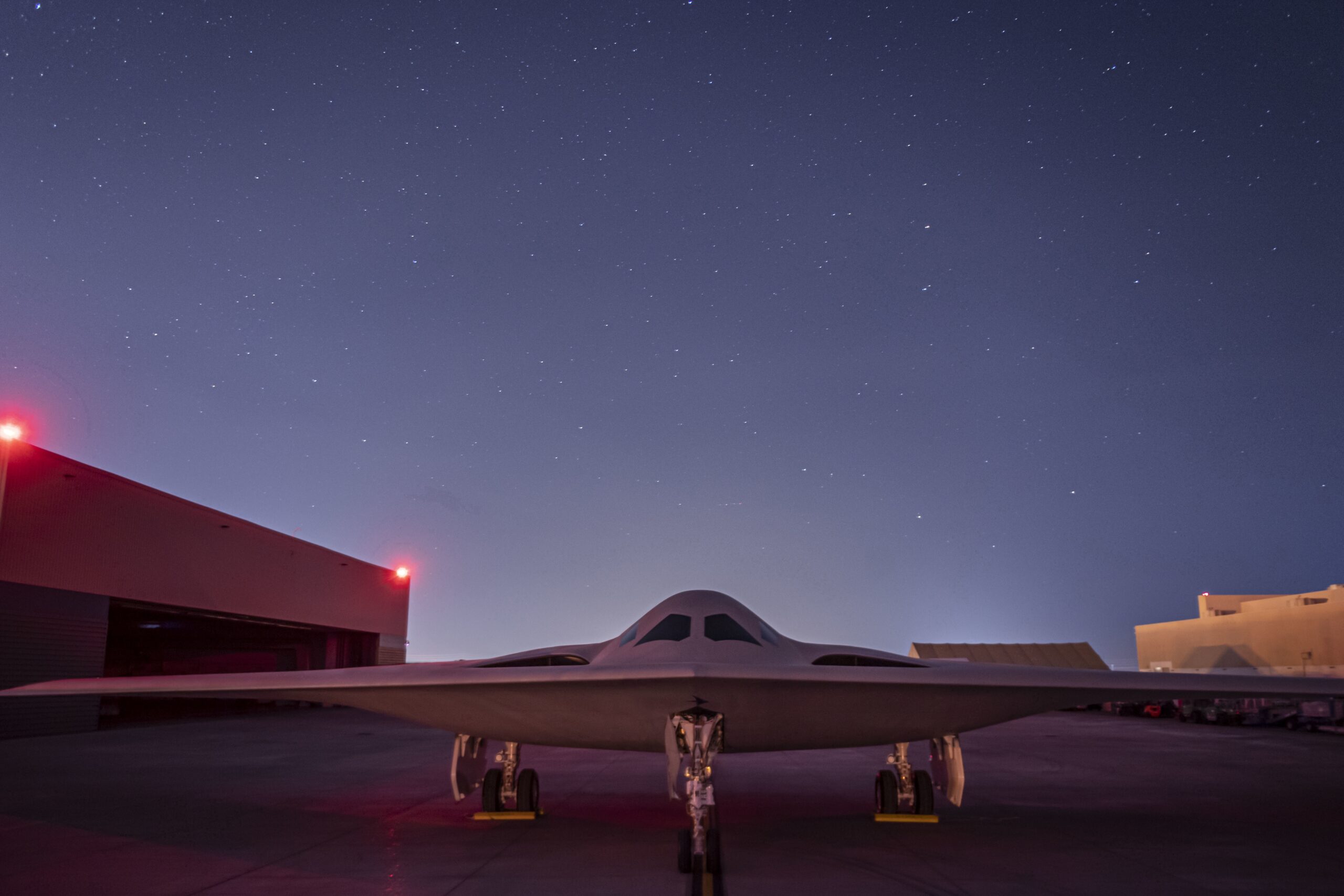
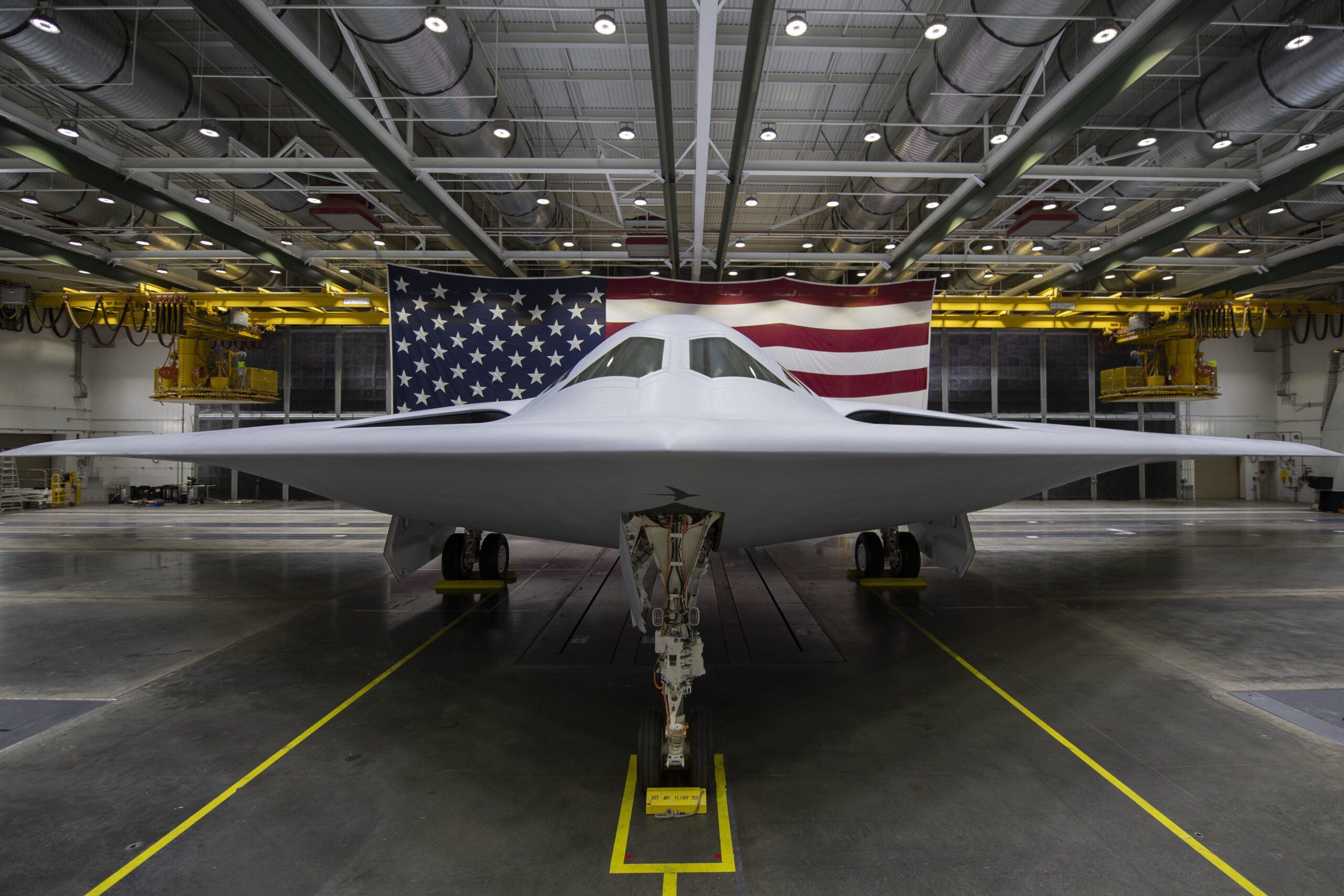
In a tangible display of the nation’s resolve in meeting security threats, the U.S. Air Force, on Dec. 2, publicly unveiled the B-21 Raider, the first new, long-range strike bomber in a generation and an aircraft specifically designed to be the multifunctional backbone of the modernized bomber fleet.

While the B-21 isn’t expected to be operational and introduced into service for several more years, the formal unveiling ceremony hosted by Northrop Grumman Corporation at its production facilities in California is a significant milestone in the Air Force’s effort to modernize combat capabilities. The B-21 is designed to be a more capable and adaptable, state-of-the-art aircraft that will gradually replace aging B-1 Lancer and B-2 Spirit bombers now in service.

According to design requirements, the B-21 is a long-range, highly survivable stealth bomber capable of delivering a mix of conventional and nuclear munitions. The aircraft will play a major role supporting national security objectives and assuring U.S. allies and partners across the globe.

Senior defense officials note that the National Defense Strategy and other analyses make clear the need for the B-21 and its capabilities.

“The B-21 Raider is the first strategic bomber in more than three decades,” Secretary of Defense Lloyd J. Austin said during the ceremony. “It is a testament to America’s enduring advantages in ingenuity and innovation. And it’s proof of the Department’s long-term commitment to building advanced capabilities that will fortify America’s ability to deter aggression, today and into the future.”

The B-21, Austin said, “is deterrence the American way. … This isn’t just another airplane. It’s not just another acquisition. … It’s the embodiment of America’s determination to defend the republic that we all love. It’s a testament to our strategy of deterrence—with the capabilities to back it up, every time and everywhere.”

The world and its threats have changed dramatically since the last new bomber was introduced in 1988, as has the way the Air Force, other U.S. military services and allies work together as a joint, multi-domain force. Senior defense officials say that new thinking and innovation are needed to meet the new and emerging threats.

“That innovative spirit is sitting behind us right now,” Air Force Chief of Staff Gen. CQ Brown, Jr., told reporters shortly before the plane was unveiled.

“You think about what we’re able to do in the amount of time with the workforce here from Northrop Grumman, the collaboration with the United States Air Force to bring in a capability using a digital approach which is new and different from anything we’ve done any major program, that’s part of the Raider spirit,” he said.

The B-21 is the first new bomber to be introduced since the end of the Cold War. Air Force officials envision an ultimate fleet of at least 100 aircraft with an average procurement unit cost requirement of $692 million (base year 2022 dollars).

“When I think about accelerate change, this is exactly what it means to be able to bring this kind of capability very quickly and be able to adapt it vis-à-vis the threat,” Brown said in his meeting with reporters. “And so today, I’m really excited that we bring the B-21 Raider into the future. It’ll be the backbone of our bomber fleet.”

The aircraft is designed with updated stealth qualities and mission flexibility that senior leaders in the Air Force and across the Department of Defense say are necessary to achieve the U.S. goal of achieving integrated deterrence, and if necessary, capabilities required to successfully respond to aggression anywhere in the world at any time.

The specific B-21 unveiled Dec. 2 is one of six under production. Each is considered a test aircraft, but each is being built on the same production line, using the same tools, processes, and technicians who will build production aircraft. This approach has enabled production engineers and technicians to capture lessons learned and apply them directly to follow-on aircraft, driving home a focus on repeatability, producibility and quality.

The timing for first flight will be data and event, not date driven.

While the precise date when the B-21 will enter service is unknown, basing decisions have been made. Ellsworth AFB, South Dakota will become the first Main Operating Base and formal training unit for the B-21. Whiteman AFB, Missouri, and Dyess AFB, Texas, are the preferred locations for the remaining home bases. Each will receive aircraft as they become available.

In addition to building a bomber with state-of-the-art technology and capabilities, Air Force officials emphasized the focus on containing costs while simultaneously allowing for maximum flexibility.

For example, the B-21 is designed with an open systems architecture that will enable rapid future capability integration to keep pace with the highly contested threat environment.

The B-21 design is based on firm requirements with existing and mature technology to control program costs. In fact, the plane’s prime contractor, Northrop Grumman, has been directed to use production processes, production tooling, and a production workforce that ensures sustained and seamless production while avoiding unnecessary costs.

“Leveraging innovative manufacturing techniques, open systems architectures and active management allows us to integrate new technology as it matures and ensures the B-21 can adapt to future threats and be successful when and where we need it,” Assistant Secretary of the Air Force for Acquisition, Technology and Logistics Andrew P. Hunter, said.

By Secretary of the Air Force Public Affairs

Pease ANG Crew Flies Record-Breaking Endurance Mission

Tuesday, December 6th, 2022

PEASE AIR NATIONAL GUARD BASE, N.H. (AFNS) —  

In a feat of air mobility endurance, a KC-46A Pegasus from the 157th Air Refueling Wing flew a non-stop mission halfway around the globe and back, Nov. 16 to 17.
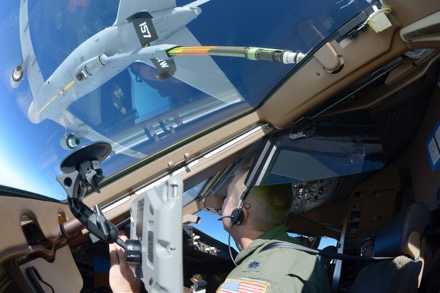
The point-to-point, 36-hour, 16,000-mile, multi-crew, total force sortie was the longest such mission in the history of Air Mobility Command, the active duty major command to which the 157th ARW is aligned.

Gen. Mike Minihan, AMC commander, has relentlessly driven the command to find new ways to employ current assets in anticipation of a future fight.

“This extended mission is yet another example of capable Airmen taking charge and moving out to accelerate our employment of the KC-46A,” Minihan said. “This total force mission boldly highlights the imperative to think differently, change the way we do business, and provide options to the joint force.”

Leaving from the east coast of the U.S. on a cold and rain-soaked morning, the crew flew west across the country and out into the Pacific Ocean. After overflying Hawaii, the crew flew across the International Dateline to Guam, before turning around and retracing their steps home to New Hampshire, where they landed on the evening of Nov. 17; 36-hours to the minute after they launched.

Maj. Bill Daley, the mission’s aircraft commander and a traditional member of the New Hampshire Air National Guard, said the flight demonstrated the aircraft’s abilities to project and connect the joint force through its capacity for endurance, aircrew sustainment, refueling, situational awareness and connectivity, and airborne mission planning.

The KC-46A provides strategic flexibility to the Air Force through its unique blend of persistence and presence. It takes a continuous supply of fuel to stay aloft for hours on end. Since every KC-46A can itself be refueled in flight, each aircraft can persist in operations areas to provide sustained support to armed aircraft. The endurance mission put these capabilities on display, taking on fuel three times throughout the flight and delivering gas to F-22 Raptors while flying a closed-loop pattern off the coast of Hawaii.

The crew also leveraged the KC-46A’s secure and unclassified networks and situational awareness systems, which allow for a broad array of future uses. The platform’s situational awareness capabilities enable its protection in contested environments.

It takes more than gas to stay in the air — the crew must also be sustained, and this was another refueling barrier tested and shattered on the mission. Taking turns at the stick were two aircrews from the New Hampshire ANG’s 133rd Air Refueling Squadron and one active-duty crew from the affiliated 64th ARS. While one crew flew, the other two rested, taking advantage of the modern amenities provided by the jet.

According to Daley, earlier generations of refuelers lacked the basics needed to sustain crews for long-duration, multi-day missions. He said the old jets were incredibly uncomfortable and could go from hot to cold, contributing to crew fatigue. The Pegasus is a stark contrast to this.

“It’s like flying with first-class service,” Daley said, who is a civilian airline pilot when not flying for the Guard.

The KC-46A is climate controlled and comes equipped with kitchen, crew bunks and a lavatory. The configurability of the cargo area also allows for the placement of airline-style seats and additional sleeping areas to accommodate larger crews. For the endurance mission, a palletized kitchen and lavatory was also added to support the crew of 16 that included boom operators, aircraft maintainers, and a flight surgeon.

To pass the long hours when not on duty, the crew, spent time reading, watching movies, preparing meals, and sleeping in cots spread out through the cargo area.

Master Sgt. Michael Windy, a 133rd ARS boom operator who had nearly 3,000 hours of flight time on the KC-135 before converting to the KC-46, agreed with Daley on the increased comfort levels on the new aircraft that make missions like this one possible. With only a few hours remaining in the endurance sortie, Windy said he felt rested and comfortable.

“I was on the 22-hour sortie we flew to Saipan a few months ago, so I already had an idea of what to expect,” Windy said, who worked hard to keep the rest of the crew comfortable and fed. “I really haven’t noticed that much of a difference in how I feel.”

Senior Airman Paige Dunleavy, a 157th ARW avionics technician, said this was her first trip with a crew.

“The joke is that my first TDY is to Pease,” she said of the unusual point-to-point mission.

As a newer Airman who is in upgrade training, it was an excellent opportunity to see first-hand how the crew uses the systems she maintains.

“I definitely learned things and it was the first time I was able to troubleshoot a system in flight,” she said, indicating the civilian satellite communications system reboot she and another avionics technician were called on to execute when it was giving the aircrew problems.

Near the end of the mission, Dunleavy reported feeling normal overall, though she added that the hiker in her was excited to get back to the ground after flying over the Grand Canyon on the return leg of the trip.

Maj. Heidi MacVittie, a Pease ANG base flight surgeon, served as a human performance monitor aboard the flight and collected quantitative data throughout the mission. This data, along with that collected during the wing’s recent 20-hour mission, will be used to inform decision making for similar missions in the future.

“This mission was a true example of total force integration,” said Lt. Col. Brian Carloni, the 157th Operations Group commander. “The expertise of both our Guard and active-duty Airmen in executing this mission, demonstrated how critical teamwork is in any wartime scenario.”

Daley said the success was due to more than the total force crew aboard the jet. The mission, which came nearly two months to the day after Minihan approved the KC-46A for worldwide deployments—including combat missions—was the result of the hard work and dedication of the whole wing over multiple years and ultimately demonstrated the strength they bring to the fight.

“We have a healthy fleet and demonstrated full mission-readiness with onload and offload capabilities. We could execute tomorrow if we had to,” he said.

By SMSgt Timm Huffman, 157th Air Refueling Wing

3rd Marine Aircraft Wing Activates New Air Defense Unit

Monday, December 5th, 2022

CAMP PENDLETON, Calif. —

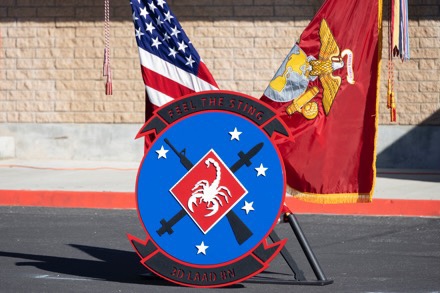
The 3rd Marine Aircraft Wing activated a new air defense battery on November 18, 2022, as part of its ongoing efforts to modernize its existing ground-based air defense capabilities to continue responsibly modernizing the force.




Charlie Battery, which belongs to 3rd Low Altitude Air Defense Battalion, Marine Air Control Group 38, increases 3rd MAW’s ground-based air defense weapon systems and capabilities. The activation demonstrates the Marine Corps’ investment in growing the ground-based air defense community.

“The Charlie Battery activation is another piece to the pie of modernizing the force to meet future threats.”

-Maj. Crispus M. Kimani, operations officer for 3rd LAAD Battalion

The unit’s activation sets the foundation for the arrival of Marine Air Defense Integrated System Increment 1 to the battalion. This system modernizes the existing ground-based air defense capabilities by mounting a mix of legacy and emerging technologies and capabilities onto the Joint Light Tactical Vehicle. The new capabilities will help the unit mitigate the threat from unmanned aerial systems, fixed, and rotary-wing aircraft.

Once fully equipped, the new unit will have the MADIS, FIM-92 Stinger missiles, and a kinetic remote weapon system designed to counter adversary unmanned aerial systems. The remote weapon system, an organic RPS-62 RADAR, provides additional capabilities, including multi-function electronic warfare and significant command and control improvements.

“The Charlie Battery activation is another piece to the pie of modernizing the force to meet future threats,” said U.S. Marine Corps Maj. Crispus M. Kimani, operations officer for 3rd LAAD Battalion. “It increases air defense capacity within the Marine Expeditionary Force.”

Activating Charlie Battery and integrating new technologies, including the MADIS, enables 3rd LAAD to detect, track, identify, and defeat aerial threats. Additionally, the new capabilities will enable expeditionary counter-unmanned aerial systems operations in austere and isolated environments.

Story by 2nd Lt Andrew Baez, 3rd Marine Aircraft Wing

Photo by Cpl Sean Potter

SCUBAPRO Sunday – Operation Flipper

Sunday, December 4th, 2022

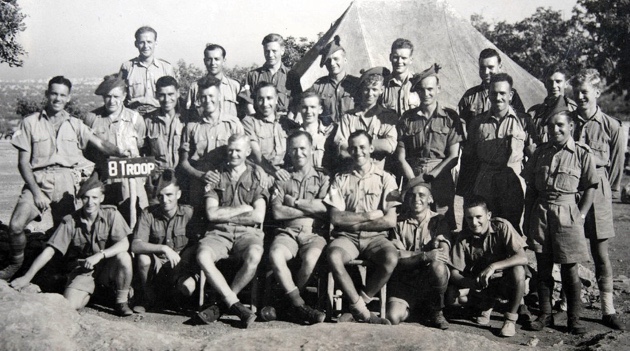
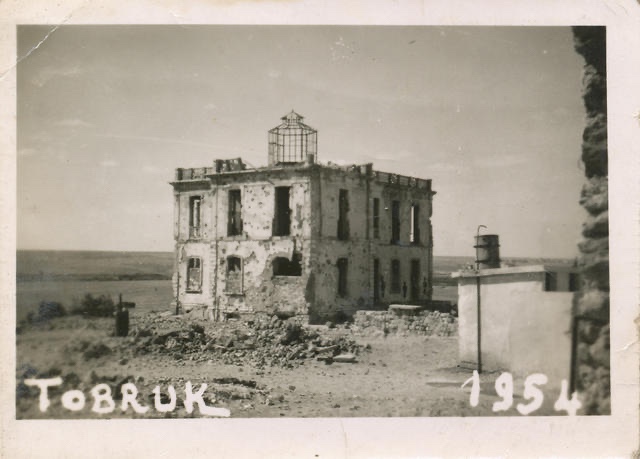
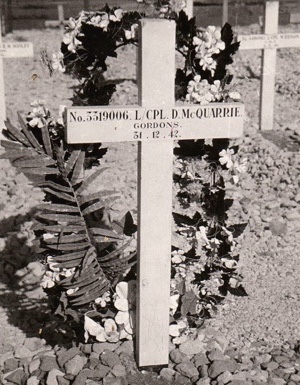
Operation Flipper was a raid by the Combined Operations to kill Field Marshall Erwin Rommel at his headquarters in Sidi Rafa, Libya, that would take place between 10-19 November 1941. The attack would use man from Combined Operations, Special Boat Services (SBS), No. 11 Commando, Long Range Desert Group (LRDG), and also the man from the Special Operations Executive (SOE) G(R). This raid was to be a smaller part of a more significant campaign to relieve Tobruk and push the Axis from North Africa.

The operation had four main objectives, first and foremost was to kill Rommel at his headquarters, destroy the nearby Italian headquarters and its communications network, sabotage the Italian Intelligence Office in Appolonia and its communications network between Faidia and Lamdula, and lastly, conduct general sabotage actions elsewhere in the Axis forces rear area.

Leading the mission was Colonel Robert Laycock. His second in command was Lieutenant Colonel Geoffrey Keyes. On November 10, 1941, Laycock’s six officers and 53 men boarded the submarines Torbay and Talisman and left Alexandria harbor for Beda Littoria, Cyrenaica. Waiting for them on the beach was Captain Jock Haselden and an Arab soldier from the SOE’s G(R). They would guide the folbots (early versions of Klepper type canoes) to the beach and help them ashore. Once ashore, they would meet up with the rest of Haselden man, including two more Brits, a free Belgian, and another Arab soldier who stayed further inland; all had been dropped off by the LRDG earlier that day. Haselden’s team had local knowledge of the area; one of the Arabs would lead the assault team to the target while the rest of Haselden’s team would sabotaging the communications. Keyes got himself and all his men ashore. But as Layton and his men prepared to disembark, a storm struck. Heavy seas drove Talisman aground, and only Layton and seven men reached the beach.



With his force cut in half, Keyes modified the plan. It would be a two-part assault; Keyes would attack Rommel’s HQ, and Lt. Roy Cooke would lead the Italian headquarters’ attack. Layton and a small force would defend the force’s escape route. On the evening of November 15, Keyes, Cooke, and their men headed inland. Despite the weather, the groups managed to reach their respective launch positions on the evening of November 17. At midnight, they attacked. Keyes, leading a three-person assault team, burst into the villa identified as Rommel’s headquarters. They surprised a German officer who was killed as he struggled with Keyes. The attackers then rushed down the hall, and Keyes opened a room where ten Germans were arming themselves. One of the Germans shot Keyes, killing him. What the team didn’t know was that Rommel had left the compound a week earlier for Rome. After Keyes’s death, things started to get worse.

Campbell was shot in the leg by one of his men. He passed command to Sergeant Jack Terry and remained behind. Terry gathered the raiding team and retreated with 17 men to rejoin Laycock at the beach. Cooke’s men encountered a platoon or so of Italian police paratroopers. The Italians had been searching for the British raiders close to the village Mansura north of Cyrene. With the Italian and Germans looking for the raiding party, Laycock knew it would be impossible to re-embark on the submarines as they waited for the weather to improve. They were discovered and exchanged fire with local Italian and German troops. Low on ammo and aware that they could not stand off a larger force, Laycock ordered the men to scatter. Laycock and Terry made it to safety after 37 days in the desert. Bombardier John Brittlebank, one of the SBS teams who had guided the commandos in the folbots, escaped and survived alone in the desert for forty days until Allied troops picked him up. The rest of the raiding force was captured, some of them were wounded.  

The raid was considered a failure by the British high command, but to the Germans, especially to Rommel, it showed what the Combined Operations could do. It would also help Winston Churchill decide to put the Commando’s and other groups under the SOE after the British military decide they didn’t need them anymore. Rommel was quoted as saying, “It was a brilliant operation and with great audacity.” Rommel ordered that Keyes and all the rest of the Commandos be buried with full military honors, sending his personal chaplain, priest Rudolf Dalmrath, to officiate. He had cypress crosses and wreaths made for the British and German dead. Rommel also instructed that photographs be taken of the ceremony and Keyes’ grave and sent them to his parents, a chivalrous act that increased British respect for him. British Special Operations would continue to wreak havoc thru out the Africa Theater of Operation, significantly contributing to the Allies victory.

Security Force Assistance Primer

Saturday, December 3rd, 2022

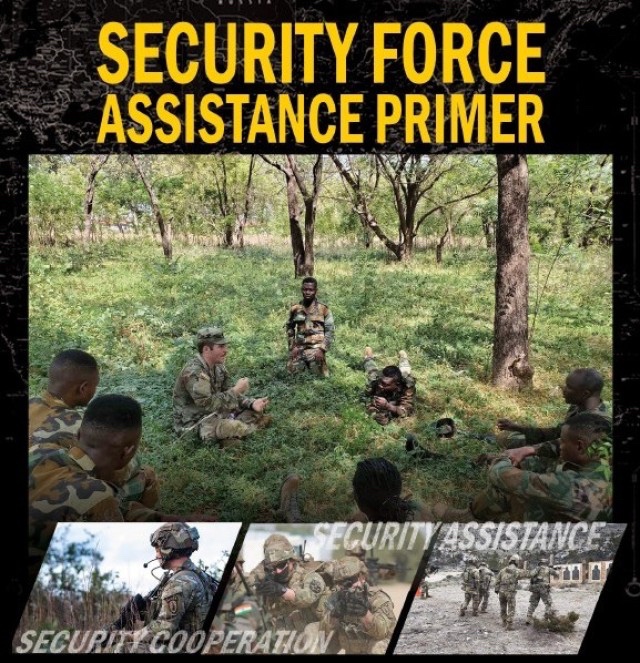
Since 2018, the Army has fielded six purpose-built security force assistance brigades (SFABs) to advise or train with vetted foreign security forces so Army brigade combat teams could focus their training and readiness to participate in large-scale combat operations.

Most of the security force assistance (SFA) planners and practitioners interviewed for this SFA primer publication agree that the authorities to conduct SFA are inconsistent with current SFA activities conducted in several countries around the world.

A general lack of understanding on how these activities are funded has led to inefficient SFAB use. This primer explores current SFA literature to determine if the doctrine is accurate, understandable, and consistent with other doctrine or if further doctrine revisions are required.

The intent of this primer is to review how the Army provides trained and ready SFA capabilities for combatant commands’ (CCMDs’) security cooperation (SC) programs and related activities coordinated through their theater armies.

The principal audience for this primer is theater army SC planners, division and brigade leaders and staffs, and Soldiers assigned or attached as advisors to brigades that execute SFA missions or echelons above brigade accomplishing the same missions.

Read Full Document:

23-02 (703)_Security Force Assistance Primer (Nov 22) (Public).pdf [PDF – 2.3 MB]

Visit Our Website:

www.army.mil/CALL

CALL Restricted Site

call2.army.mil

By Center for Army Lessons Learned

FirstSpear Friday Focus: 12 Days of Christmas

Friday, December 2nd, 2022

Click HERE to enter. Happy Holiday’s killers.

Visit FirstSpear to find America’s Best tactical gear this holiday season.

US Army Completes Fielding of Short Range Reconnaissance System

Friday, December 2nd, 2022

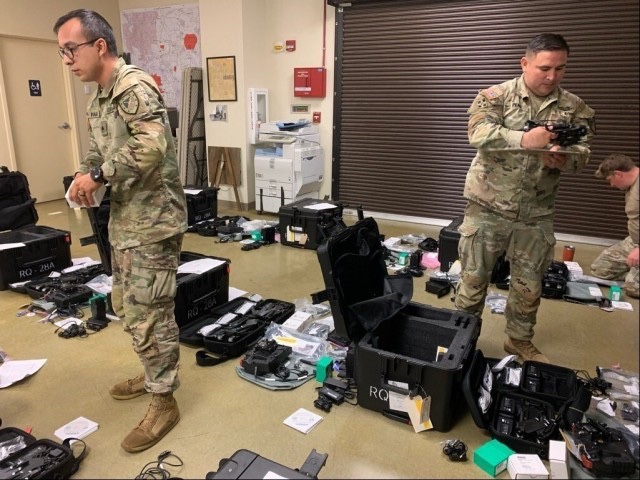
REDSTONE ARSENAL, Ala. — The Soldier Unmanned Aircraft Systems (UAS) Product Office successfully completed fielding of the RQ-28A, Short Range Reconnaissance (SRR) system to the 3rd Battalion, 75th Ranger Regiment at Fort Benning, GA, in early November.

The Skydio RQ-28A is the Army’s first program of record quadcopter. It is a new and disruptive organic capability that is fielded to the platoon echelon in the form of a portable rucksack Vertical Take Off and Lift, small, unmanned aircraft. It provides Warfighters with enhanced situational awareness and a standoff capability in urban and complex terrain, enabling accurate reconnaissance and surveillance of targets of interest. It can be used to conduct surveillance during routine combat operations.

During the new equipment fielding and new equipment training, UAS project office leaders, along with crucial personnel from the SUAS offices, traveled to Fort Benning to participate in the final day of training with the Soldiers and engage critical stakeholders.

“It’s very intuitive with great obstacle avoidance, additionally the thermal is better than expected.” Said Staff Sgt. Adam McDevitt the UAS section platoon sergeant. “I can’t wait to use this on full mission profiles to see what it can really do.”

“The SRR RQ-28A capability will provide game-changing technology to Army platoons, enhancing both Soldier lethality and survivability” said Carson L. Wakefield, product lead for Soldier Unmanned Aircraft Systems. “It is a new capability for the Army, and I am so proud of my team for delivering an innovative solution in just under three years from prototype to delivery.”

The quadcopter system weighs less than five pounds, can be carried and stowed in a transport case and is rucksack portable. It has vertical take-off and landing, hover, perch and stare capabilities. The system is hand launched and capable of being recovered within confined areas.

The Soldier UAS Product Office is scheduled to field 480 systems across the Army in 2023 with a total of 1,083 delivered during low-rate initial production systems through the second quarter of F25.

The RQ-28A is the first tranche of the SRR program and delivers a much-needed capability to Soldiers. Tranche 2 will include a prototyping effort and will include threshold requirements and multiple performance objectives.

By David Hylton