SIG SAUER - Never Settle

Archive for the ‘Guest Post’ Category

SCUBAPRO SUNDAY – Full-Face Masks

Sunday, March 20th, 2022

Diving with a full-face mask is a great way to protect the face from the water. You may not want the water to touch you for various reasons. The most important reason is if you are in contaminated water or simply chilly, and no one likes cold water on the face. Most masks have a mouthpiece that allows the diver to breathe and speak while wearing the mask. This enables you to communicate while underwater. The direct connection of the full-face masks (FFMs) to the second stage regulator allows for this, rather than biting into the regulator mouthpiece.
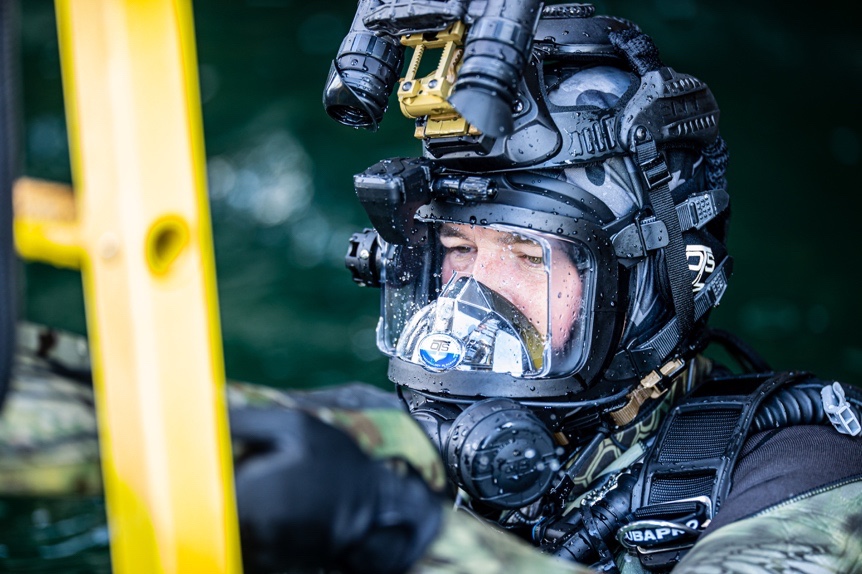
Like just about everything, there are benefits and some drawbacks to diving with an FFM. While full-face masks come in various forms, many of them have a larger field of view than standard masks. This gives you a better peripheral for keeping track of your swim/ dive buddy and allows you to view more of the environment during your dive. There is less chance of the mask fogging with the air coming in. There is less chance of you losing your mask from, say, someone was kicking it off in a confined space.
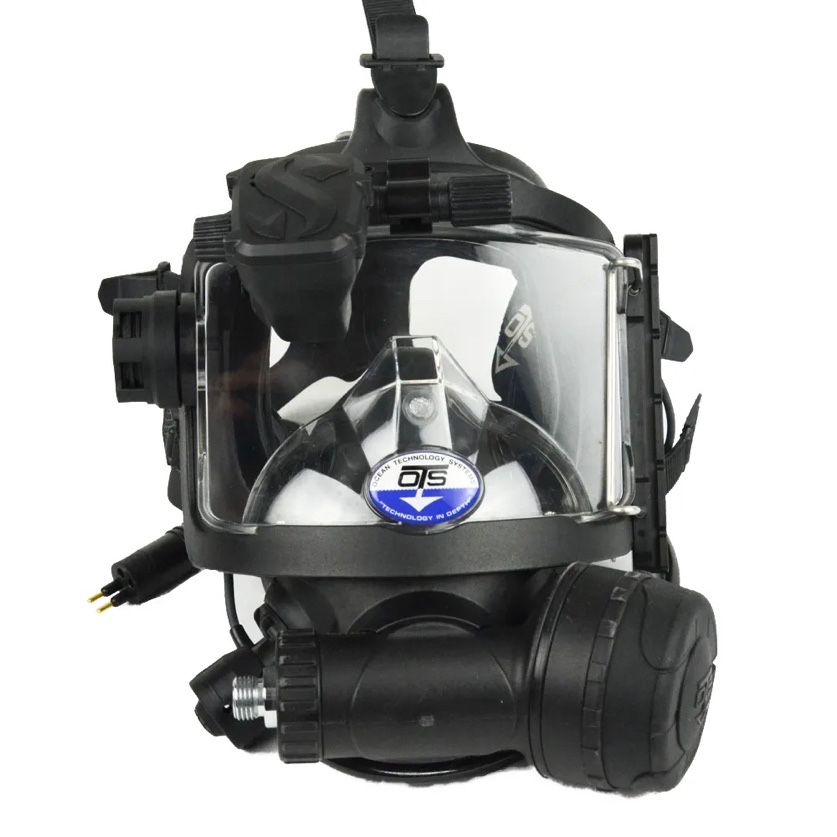
Most FFM can be equipped with a built-in microphone, allowing divers to communicate with one another and the surface. For this reason, professional divers have been using them for years.

The integrated regulator is one of the most considerable positives and can be one of the biggest negatives of diving with an FFM. Because the regulator is built into your mask, it’s less likely to be pulled out of the diver’s mouth.

If your mask comes off abruptly, the regulator comes off with it, making mask retrieval something that could freak some people out if not practiced a lot. The mask is kept from traveling too far by hoses attached to the regulator, but if a diver panics after losing both his mask and regulator, it can cause an emergency. This is why anyone interested in diving an FFM should take a course on using it. One of the main drills in this training is mask removal and replacement and switching to your backup regulator.

If you decide to attempt diving with an FFM, make sure you practice your basic skills, like mask cleaning and retrieval, so that you can switch back and forth.
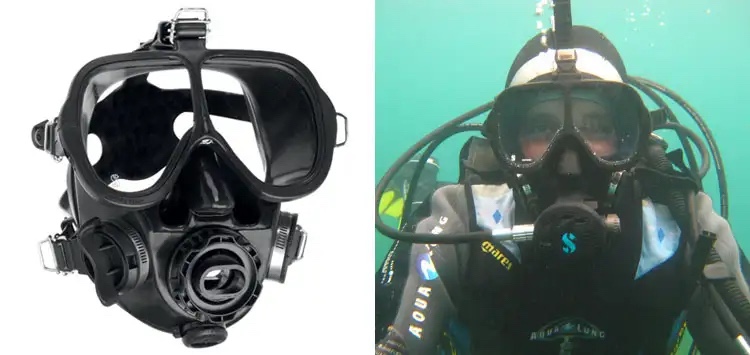
The diver’s whole face is protected from the water by the FFM. The mask also has a mouthpiece that allows the diver to speak and breathe normally while wearing it. Instead of biting into the regulator mouthpiece with your teeth, the FFM connects directly to the second stage regulator. As you might anticipate, breathing through an FFM is more pleasant than a regular mask and regulator.
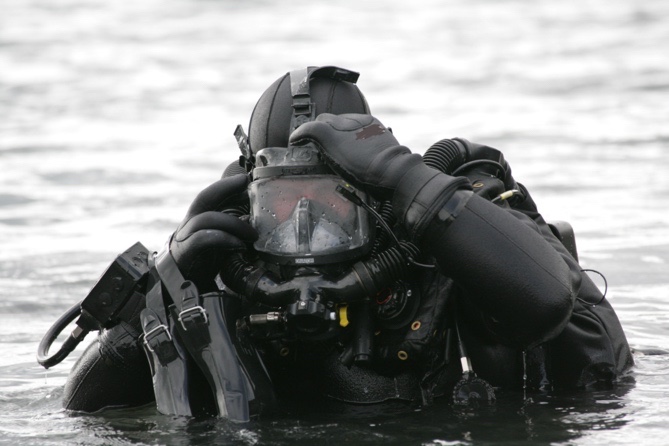
Some of the disadvantages are compared to ordinary dive masks. FFMs are notably larger and heavier. Although straps can be tied around the head to prevent the mask from falling off and cutting off your air supply, they are theoretically easier to use. The seals that encircle the entire face are also airtight, lowering the risk of water seeping during a dive. Some people have a more challenging time equalizing when using an FFM. FFM has levers around the nose or a cushioned pocket that allows you to pinch your nose to equalize pressure like you would with a standard mask. There are depth limitations for FFM, so make sure the one you are using/buying can meet what you would like it to do. This could be a pro or a con, you can’t use all FFM on rebreathers only some of them are certified for that use. The Interspiro is used worldwide by the military on rebreathers as is the Dräger FFM.
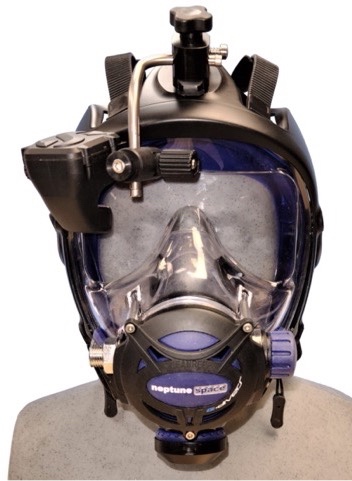
The biggest advantage is that the mask’s airtightness permits communication devices. This allows the diver to talk to each other and the surface with the right communications set up.

Due to the additional materials required in their manufacture, FFM can be more expensive than half-mask models, making it much more important to know what you’re getting when you buy one.

There are two main types of FFM. One that comes with a regulator like the Ocean Technology Systems (OTS) Guardian, and you add your regulator to, like the SCUBAPRO FFM and the OTS Spectrum.
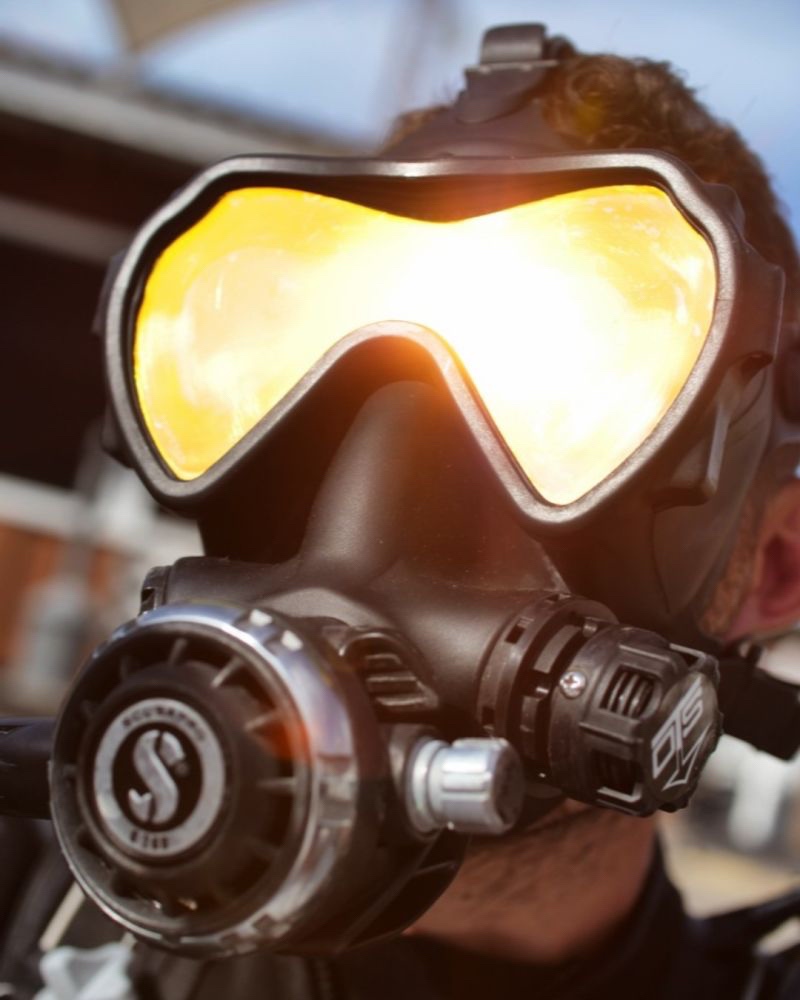
So how do you choose the right FFM to use? If you are in the military or on a Public Safety Dive team, you will have the mask selected for you. The two most popular groups are the OTS Guardian and the Interspiro AGA. Consider what kind of diving you’ll be undertaking with the mask before starting your search for full-face scuba masks online or in stores.

For easy cold-water diving, all you need is some minimal protection from the water splashing on your face. Full-face dive masks with communications functions, such as those used for underwater weddings, are available if you want to communicate underwater. There are basic underwater transceiver units and more advanced communication systems available.

Look for brands that have received a lot of positive feedback.

Skimping on quality is never a wise idea when choosing equipment that could save your life. Rather than a third-party copycat brand that has never been formally tested for product efficiency, it’s best to invest in a product that has been developed through time and is also guaranteed to last years of use.
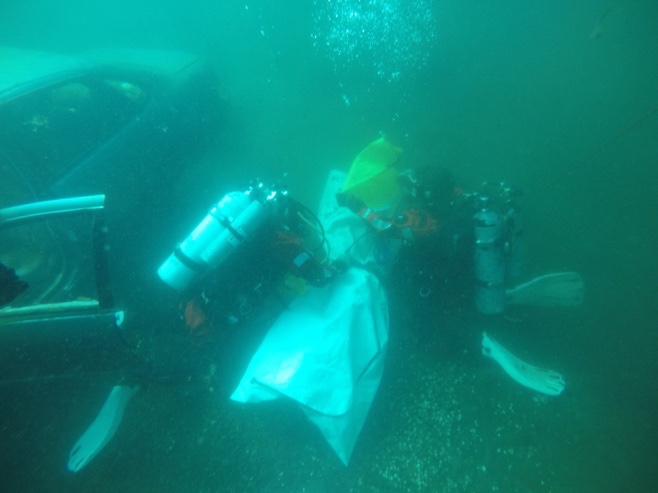
Fortunately, today’s market has a lot of great brands producing high-quality full-face diving masks. A few of the brands available include SCUBAPRO, Ocean Technology Systems (OTS), Interspiro, and Ocean Reef.

The sizes of masks are not standard. As a result, you must try them on to make sure they’re comfortable. Make sure when you try it on that you also try it on while wearing a hood, move your head like you would if you were underwater. Also, check to make sure you can clear your ears. Do this by gently pushing upwards on the chin; you may also verify the mask’s snugness. There are different size nose pieces, so make sure you have one in there that fits your nose. Most public safety dive team dive in very low visibility water. A FFM used together with a SCUBAPRO Heads Up Dive Computer are truly one of the best combinations in diving in any situation. It gives you the ability to see your gauges no matter what the visibility. Just about alll the masks shown have a SCUBAPRO HUD on them.
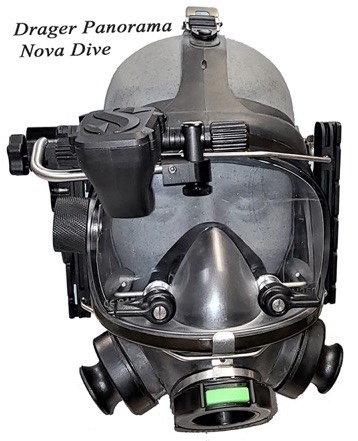
Before you buy an FFM, you should take a class. Honestly, if you have been diving for a while, you will have no problem with this, but there is a class for everything in today’s world, and if you learn one thing, it is worth taking.

Overall, the FFM is a great tool to have in your toolbox.
505th TTG Provides C2 Expertise to 23rd WG‘s Ready Tiger Exercise

Sunday, March 20th, 2022

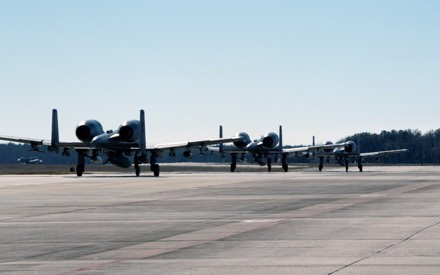
The 505th Test and Training Group, Hurlburt Field, Florida, provided critical command and control expertise during the 23rd Wing’s execution of their Lead Wing exercise, Ready Tiger 22-01 at Moody Air Force Base, Georgia, Feb. 28 to March 4.


The 23rd WG conducted RT 22-01, an Agile Combat Employment LW exercise, in preparation for their upcoming, certification- exercise Agile Flag slated for later this summer. 

In November 2021, the 705th Training Squadron team provided LW C2 academics to the 23rd WG A-Staff which established base-line procedures for interacting with operational C2.  During RT 22-01, the 505th’s team evolved these procedures by providing a small scale Air Component replication for the 23rd WG.

 “The goal of providing replication, in place of standard white-cell injects, was to give the Lead Wing the realism of having to communicate and coordinate directly with entities at the AOC [Air Operations Center] and AFFOR [Air Force Forces] staff,” said David Hetzler, 705th TRS, ACE LW C2 subject matter expert, Hurlburt Field, Florida.

The four-day, LW exercise focused on maturing the 23rd WG’s ability to employ Air Base Squadrons to generate airpower downrange and maintain C2 in contested environments.

“The 505th CCW provided outstanding support to exercise Ready Tiger and brought realism to the interaction between the Lead Wing and Air Component. This integration, the first during any wing-led ACE exercise, brought valuable lessons learned from both the 505th CCW and 23rd WG, and will ensure future ACE exercises are more realistic and successful,”  said Maj. Paul Ochs, 41st Rescue Squadron RT deputy exercise director, Moody AFB, Georgia.

The future Agile Flag exercise will test the LW’s mission generation, C2, and base operations support elements to prepare warfighters from multiple installations and major commands for what they may encounter deployed while supporting the joint force air component commander. 

 “The 705th is using their subject matter expertise in creating tailored academics that prepare Lead Wings to integrate quickly with Air Components.  Our academics provide a baseline that the Lead Wing can build upon while developing TTPs [tactics, techniques, and procedures] to integrate with an Air Component’s staffs,” said Lt. Col. Marcus Bryan, 705th TRS commander, Hurlburt Field, Florida.  “Our participation in Ready Tiger keeps us current on ACE Lead Wing employment concepts which directly informs our upcoming Lead Wing academic courses.”

Bryan continued, “This was the first time that a Lead Wing exercise used a real-time AOC replication cell to simulate the ‘normal’ back and forth interaction between an AOC/AFFOR and the Lead Wing, greatly increasing training fidelity for the 23rd Wing.  The experimental use of 505th TTG personnel sets the groundwork for using an operational C2 replication team during Agile Flag.”

“During Ready Tiger, I was able to replicate numerous, yet scaled functions such as the Chief of Combat Operations, Senior Offensive Duty Officer and Joint Personnel Recovery Center director directly with the 23rd WG’s WOC,” said Shawn Holsinger, 505th Training Squadron senior Combat Operations Division instructor, Hurlburt Field, Florida. “With extensive doctrinal knowledge and real-world experience on operational-level C2, our team is able to provide critical replication, similar to our AOC initial qualification training for 1500+ students per year.”

The 505th TRS is the USAF’s only AOC Formal Training Unit and trains geographic AOCs and functional OCs joint and coalition warfighters on C2 processes and systems used to employ air, space and cyber at the operational level of war.

In previous exercises, the Air Component was simulated however in RT 22-01 interactions between the 505th TTG replication team provided realistic interaction between the LW WOC and the Air Component.

“Our combined team of 705th Training Squadron and 505th Training Squadron C2 experts created an initial Air Component Replication Team for the Lead Wing exercise successfully providing operational C2 interaction within exercise Ready Tiger.  The connection and growth of Wing Operations Centers within theater battle management constructs and with the Air Component staffs is a necessary evolution to the future success of integrating the Lead Wing construct into ACE concepts,” said Col. Adam Shelton, 505th Test and Training Group commander, Hurlburt Field, Florida.

By Deb Henley, 505th Command and Control Wing, Public Affairs

Duke Field Airman Among Newest DAGREs

Saturday, March 19th, 2022

DUKE FIELD, Fla. —  

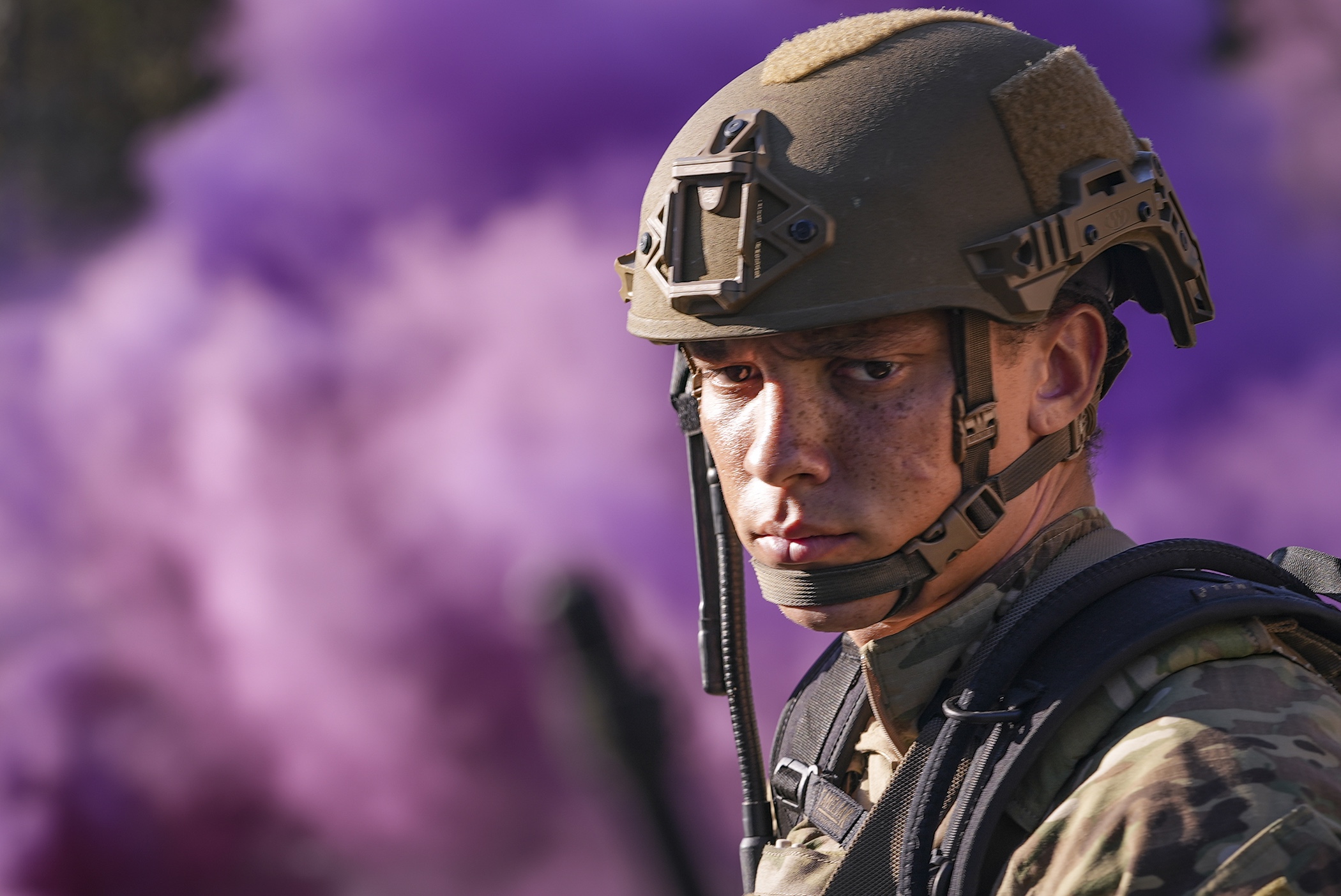
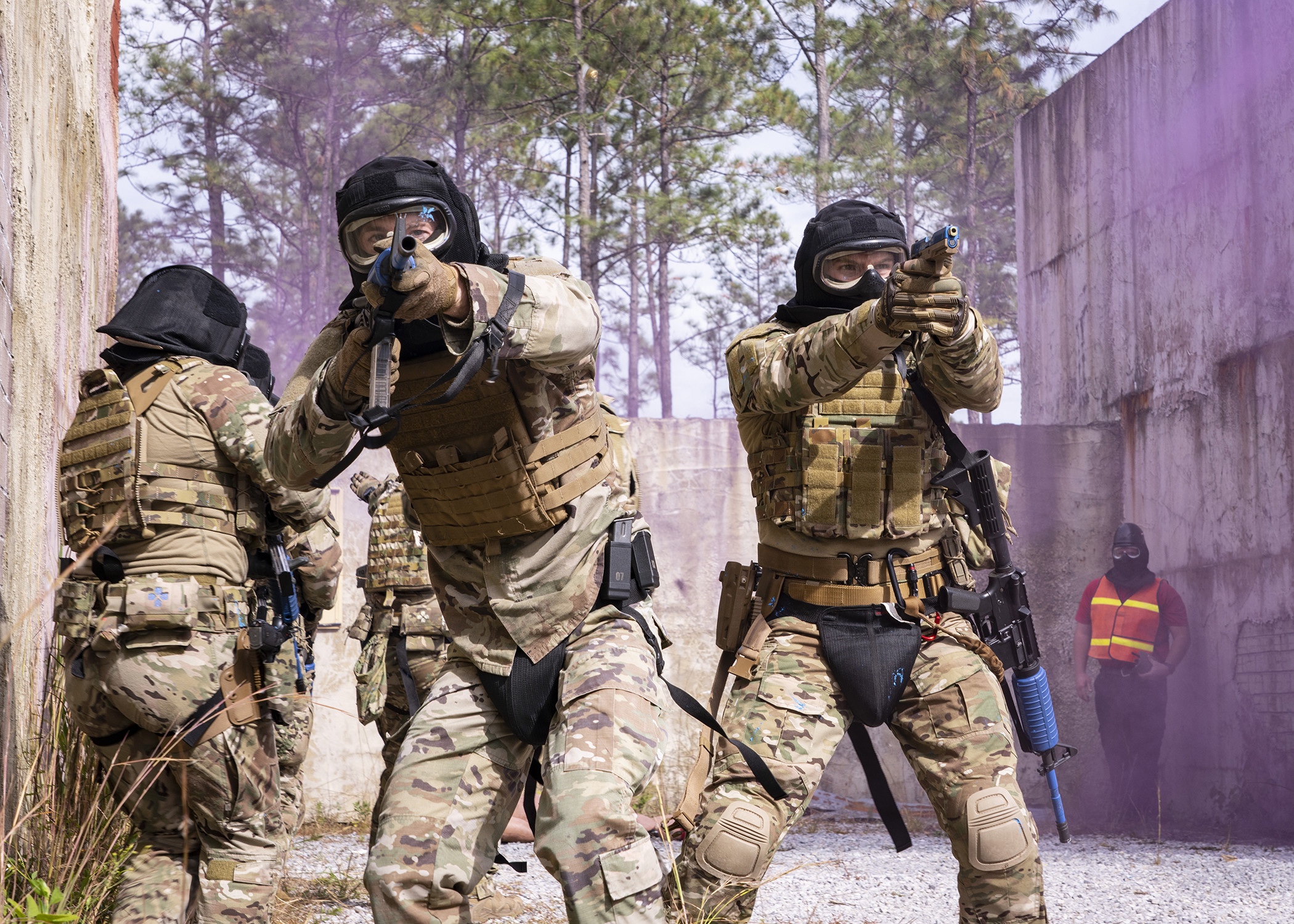
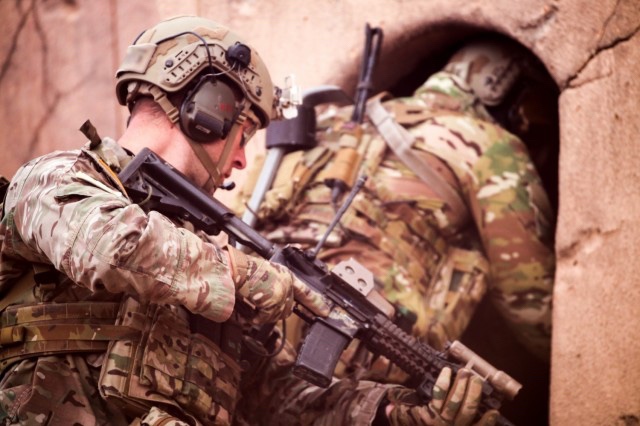
A lone security forces Airman ran through plumes of purple smoke while fighting off opposing forces before taking cover behind a building with their own ammunition flying through the streets of the mock village.

The sound of gunfire consumed the “city” comprised largely of shipping containers while the determined service member rejoined his wingmen to get a wounded Airman to an evacuation point. This was a small taste of what any DAGRE needs to be prepared for in a contingency environment.

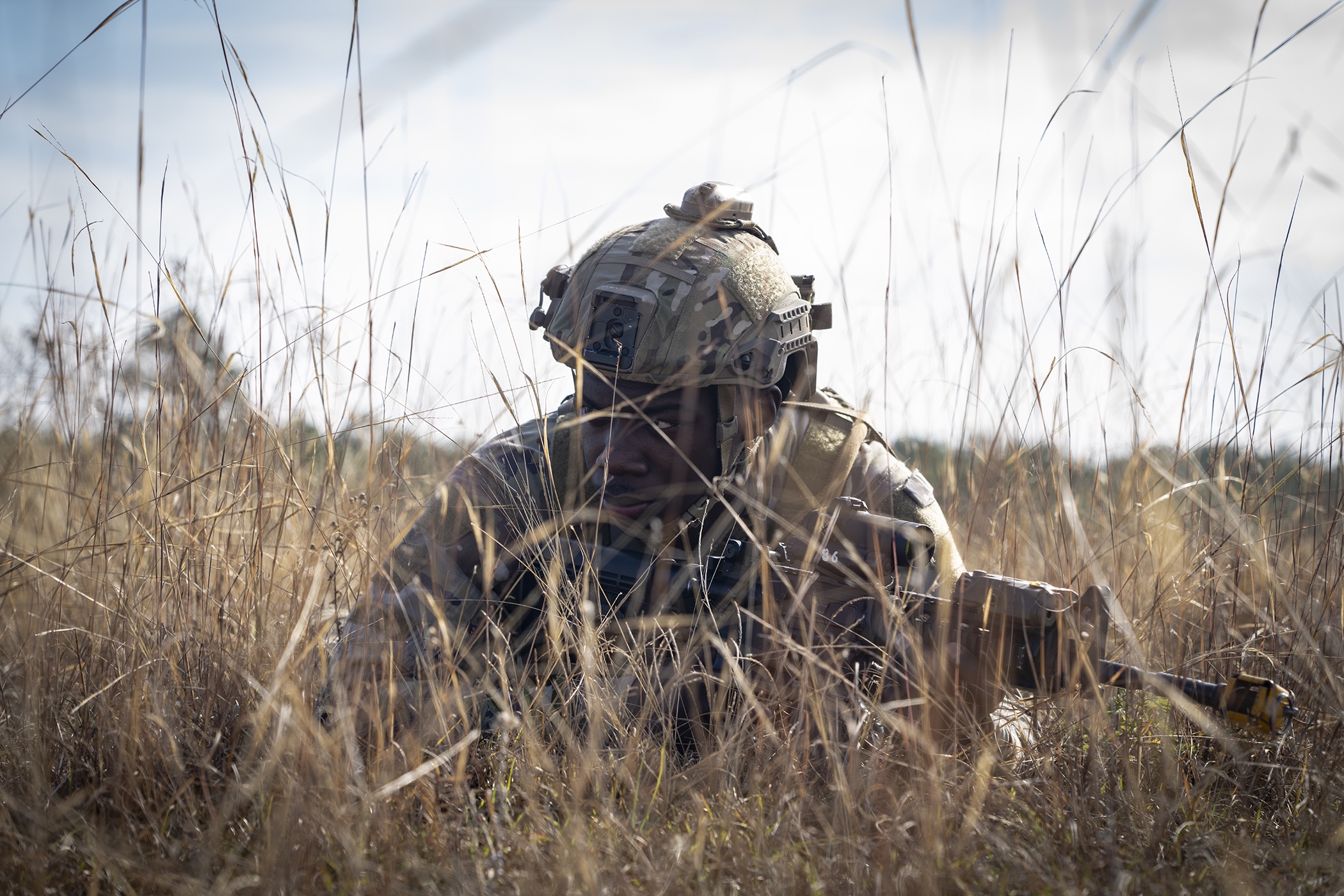
Deployed Aircraft Ground Response Elements provide security for Air Force Special Operations Command assets and personnel in environments where security is unknown or deemed inadequate. They are highly specialized security forces members that receive more training than their counterparts and can perform a variety of defensive operations in remote environments.

“I joined initially because I thought it was one of the coolest slots in my unit,” said Senior Airman Amahd Rasheed, 919th Special Operations Security Forces Squadron member. “Everybody wanted to be ‘that guy’ so they could do those missions and wear that DAGRE tab.”

The first step for Rasheed in achieving his goal was passing the 919th SOSFS assessment. In this phase of training, DAGRE candidates learn and perform many of the tasks they will have to demonstrate during their qualification course. The assessment involves ruck marching, sleep deprivation, shooting, land navigation, and a multitude of other tasks and skillsets.

He pulled through and advanced to the next step of his DAGRE training at Hurlburt Field with the 371st Special Operations Combat Training Squadron. Here, Rasheed went through the Air Commando Field Skills Course, the first stop for all Airmen supporting Special Operations Forces.

“Most of the Airmen in this course are learning how to hold their own while supporting special operations,” said Dirk Baier, course director for ACFSC. “In this course, they’re learning how to go downrange, shoot, move, communicate, and get themselves out of a bad situation.”

The Airmen in this course work in support functions such as medical, communications, logistics and other career fields that provide for AFSOC’s special operations forces.
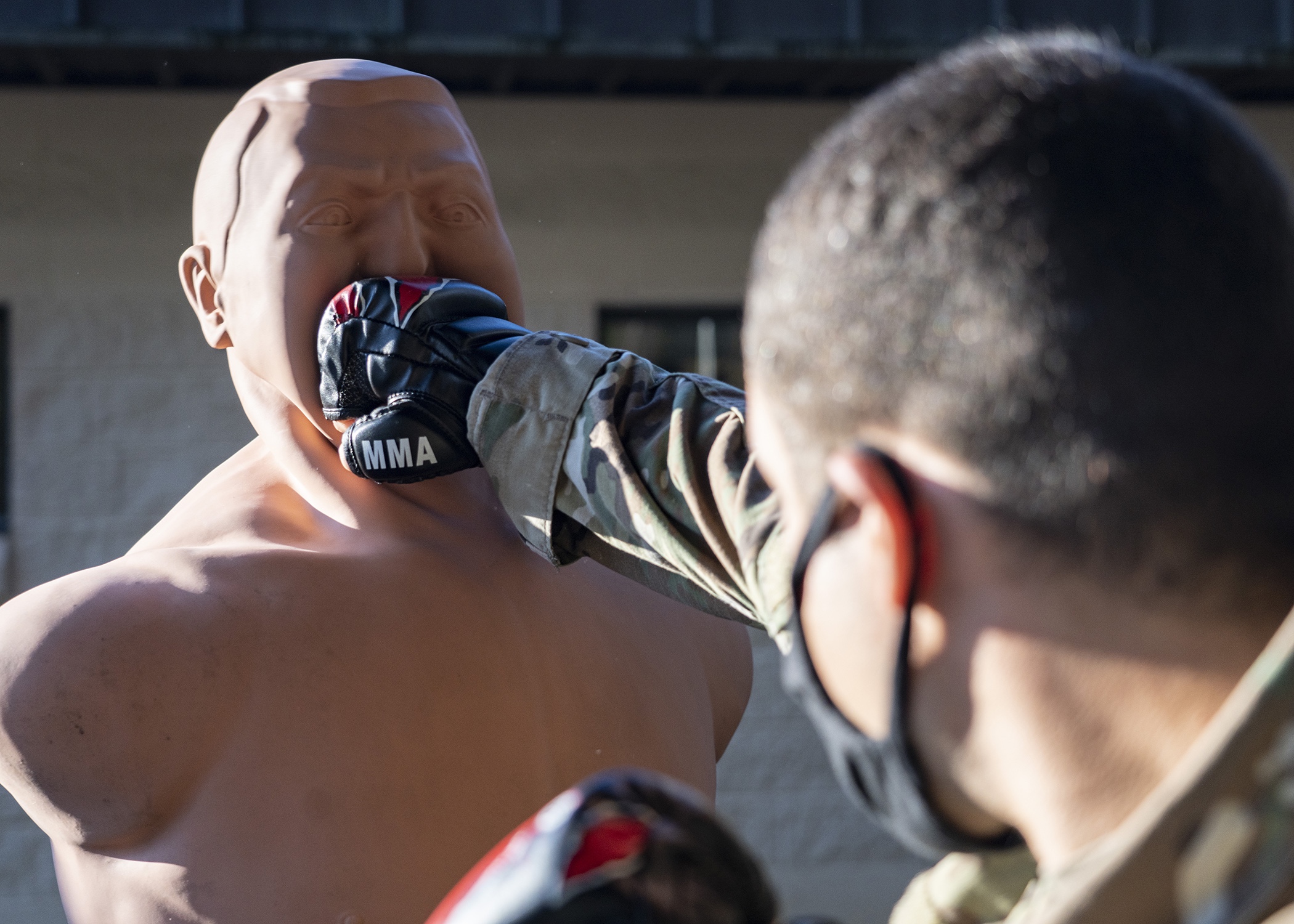
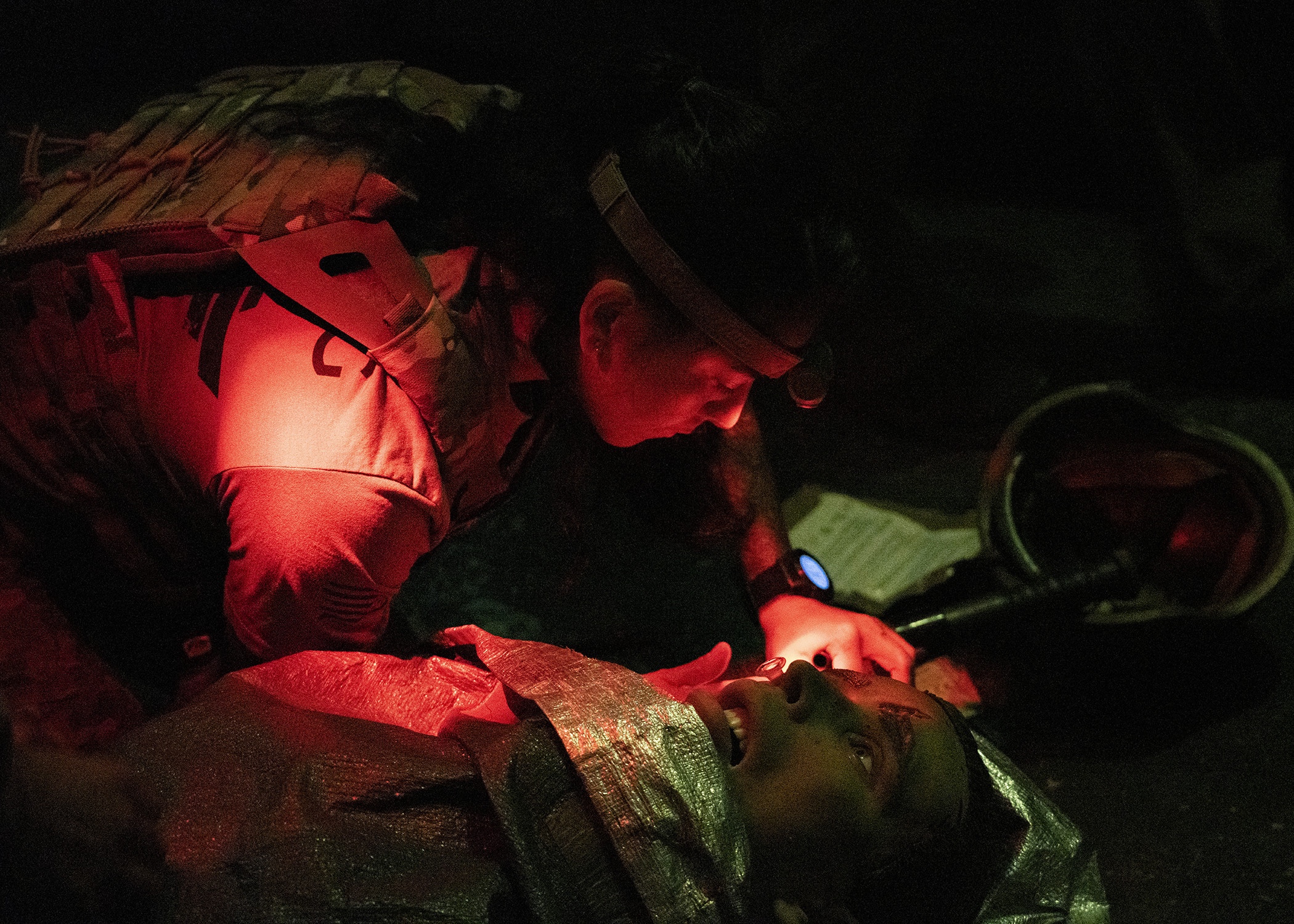
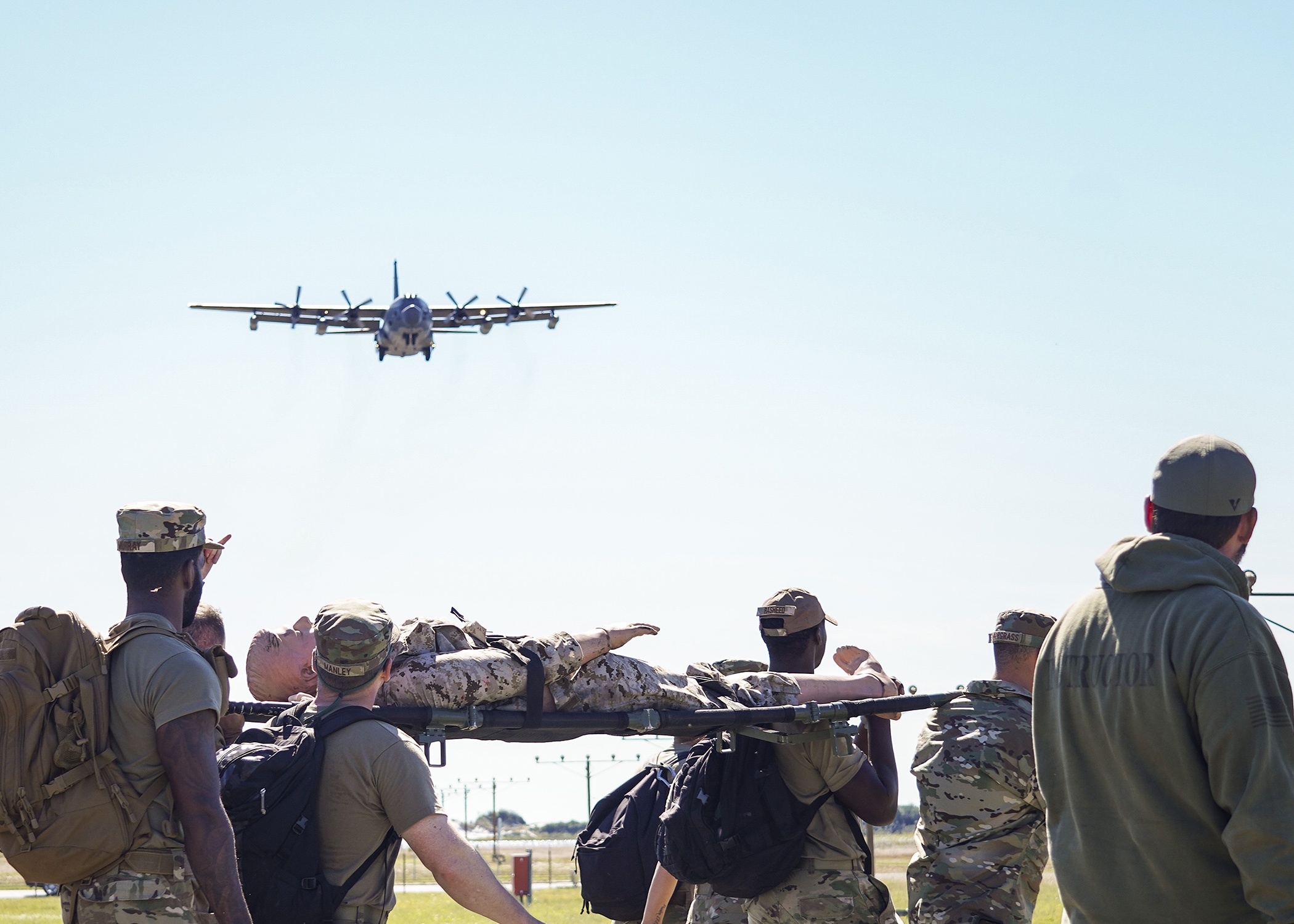
At ACFSC, Air Commandos from bases around the command learned advanced weapons tactics, participated in Tactical Combat Casualty Care training with robotic lifelike dummies, learned Defensive driving, practiced combatives, and mastered some security techniques.

“This course is geared towards on-the-ground tactics,” said Baier. “It gets them used to remote locations typical to DAGRE.”

According to Baier, the DAGRE program is relatively new. Leadership recognized the need for a capability similar to the Ravens (a team that provides security for Air Mobility Command airframes) to protect AFSOC assets and personnel.

“The difference is our security teams tend to operate in more remote environments,” said Baier.

For Rasheed and his fellow DAGRE candidates, they combined the skills they learned from the ACFSC course with their DAGRE qualification training.

“When they come to us, we sharpen the skills they learned in ACFSC and their time in security forces,” said Tech. Sgt. Thomas Geerts, NCO in Charge of the DAGRE qualification course. “We expect a lot from them and train them in a whole new range of skill sets.”

The qualification course moved the trainees to various locations across the Eglin Range over the course of five weeks. Some days are devoted to academics and some days they covered their combat boots with Florida’s red clay.

“Every day was like the night before Christmas where you just stayed up all night,” said Rasheed. “I never knew what to expect next with all the different classes and training that was planned for us.”

Students learned advanced tactics on weapons many had never used before and were required to complete tasks associated with higher skill levels such as mission planning.

The DAGRE trainees took on close quarter battle exercises, small unit tactics, tactical security details, and incorporated some of the lessons of their experienced instructors into their operations.

“They spent a lot of time doing urban operations and recovery, normal security forces also possess these skills but we sharpen them,” said Geerts. “As we transition into a new style of warfare, these small specialized teams are going to become more important.”

Rasheed and his wingmen’s training culminated in a field exercise, where instructors validate the knowledge students were expected to retain over the past several weeks.

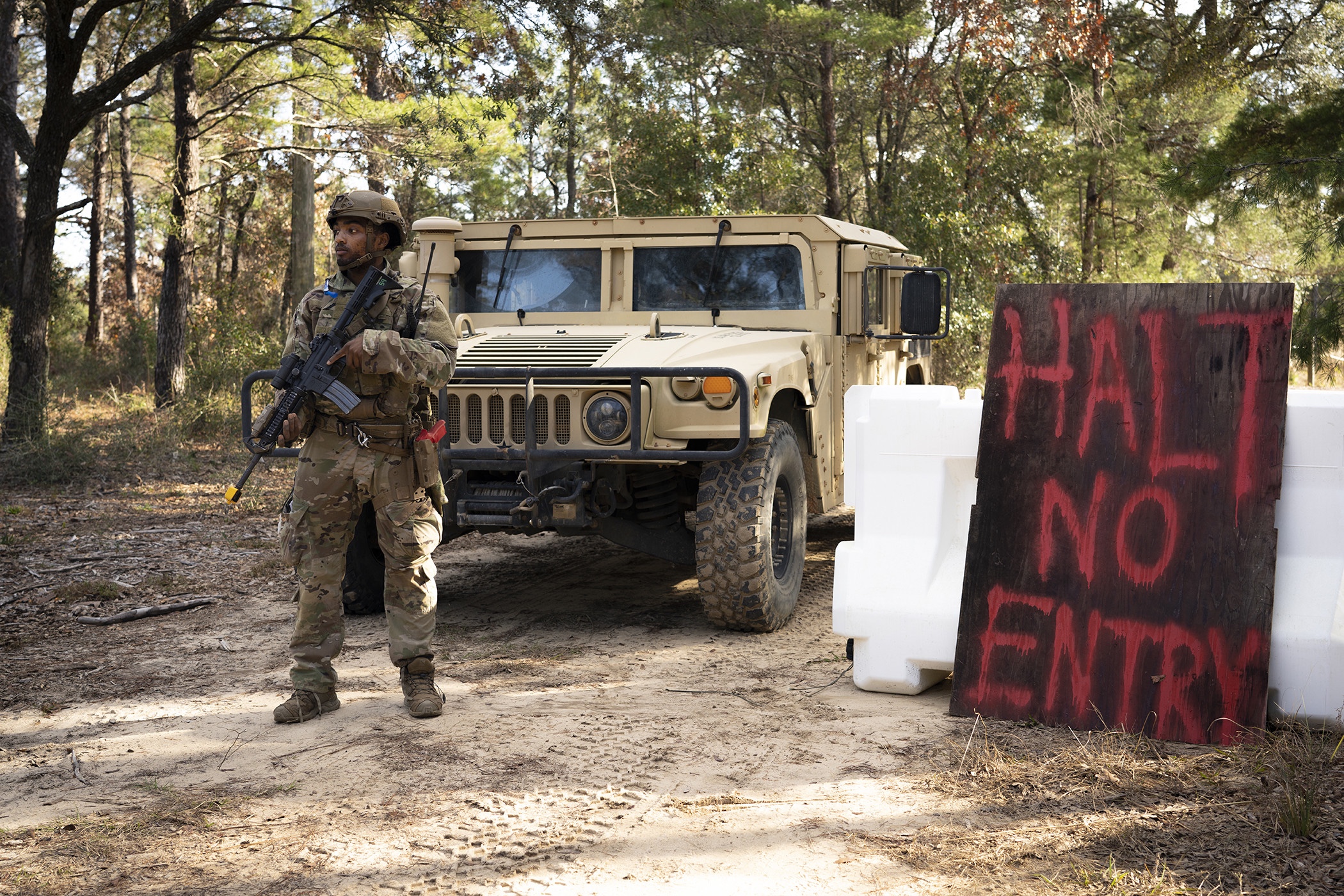
During the exercise, they defended airframes from oppositional forces, de-escalated tensions with local nationals, and secured a Forward Operating Base tucked in the woods where they planned their mission.

At one point, they had to secure and protect the encampment from enemy fire while providing emergency medical care to a wounded local.

After the team successfully completed their culmination exercise, instructors decided who went on to graduate and wear the DAGRE tab, and who went back home to their units without one.

Two months of training, demonstrations, and academics for the team going through the courses culminated with a graduation ceremony December 2021. Rasheed was the first 919th Special Operations Wing Citizen Air Commando to graduate the full course and earn the tab in four years.

“My family and my team motivated and pushed me through the training,” said Rasheed. “I felt like I was cloud nine, I was so excited to have pushed through and finally graduated. I would highly recommend this training course to others”

While one journey ended here, another one began for Rasheed and other newly minted DAGRE team members who are fully trained and ready to defend AFSOC assets and SOF members wherever the Nation needs them.

By Senior Airman Dylan Gentile, 919th Special Operations Wing

FirstSpear Friday Focus: NEW Gustaf T-Shirt

Friday, March 18th, 2022

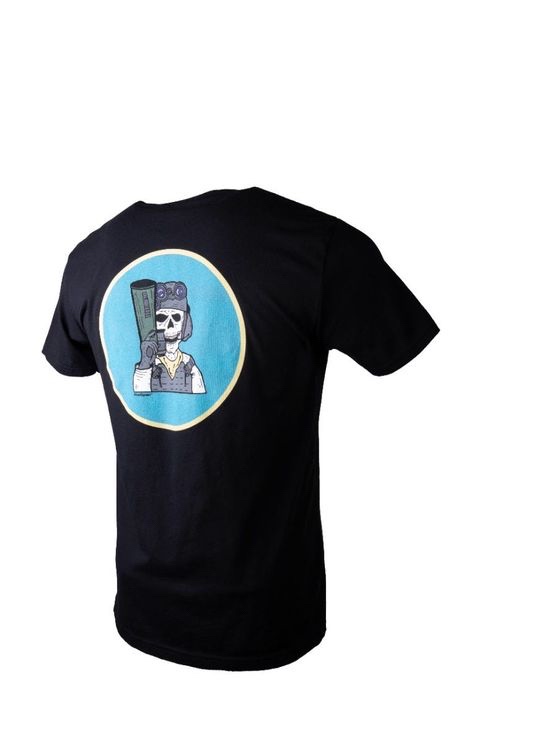
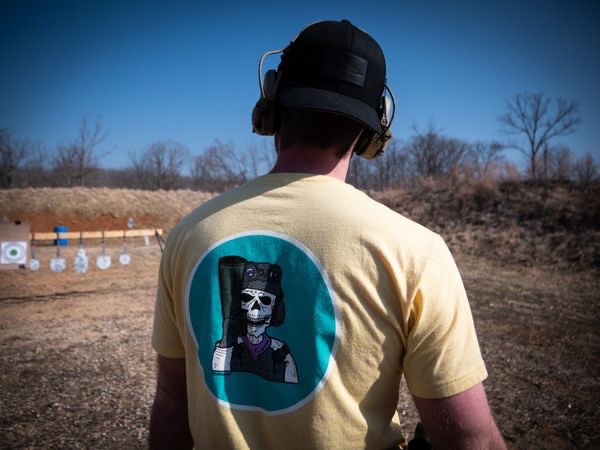
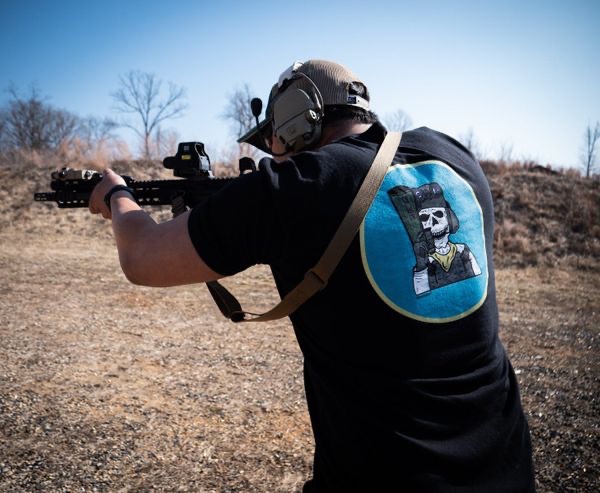
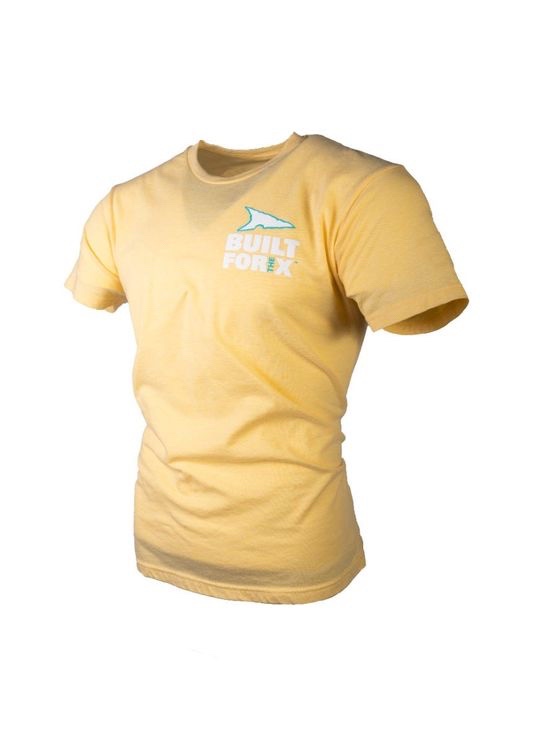
The FS skull is back, shouldering a recoilless Carl Gustaf, and is taking no prisoners. Who doesn’t love a good game of duck, duck, goose? Nothing spreads freedom like an 84mm. Like everything we do, this shirt is high-quality and Built for the X.

Don’t lose your head and full send to the cart before they’re gone. These are limited edition colors— offered in Laguna Yellow & Black.

Check them out now: www.first-spear.com/gustaf-t-shirt

‘Project Arcwater’ Reigns as 2022 USAF Spark Tank Winner

Friday, March 18th, 2022

ORLANDO, Fla. (AFNS) —  

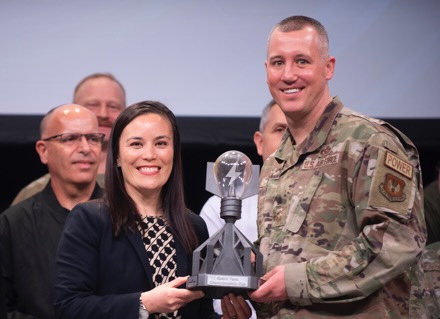
Senior Master Sgt. Brent Kenney, 52nd Fighter Wing, Spangdahlem Air Base, Germany, received the 2022 Spark Tank trophy at the Air Force Association’s Warfare Symposium, March 4.

Kenney’s idea, “Project Arcwater,” is a simple, green, expedited way to save energy and provide drinking water by using solar fabric and environmental water harvesting in an agile combat employment. This will cut the operational energy and logistics associated with operations all around the Department of the Air Force.

It was a close competition as the six semi-finalist teams pitched their ideas to Air and Space Force senior leaders and industry experts during the symposium. As judges deliberated between the pitches, audience members online and in person cast their votes and selected Arcwater as a fan favorite. Shortly after, Arcwater was awarded as the 2022 Spark Tank winner.

The Arc Water system is a simple, green, and expedited way to save energy, provide drinking water, and support contingencies across the world in a small agile package. The project was submitted as part of the Spark Tank 2022 competition. (United States Air Forces in Europe – Air Forces Africa courtesy video)

“It was an amazing experience,” Kenney explained. “Being part of this process was amazing, getting to know all these other innovators and seeing how they are just as passionate as you are.”

The Spark Tank initiative allows Airmen from around the force to put forward some of their best innovative ideas and compete to make it reality.

Kenney created Arcwater to provide a system that aims to significantly decrease the logistics of transporting water and energy needs at off-the-grid locations through solar panels, a water harvester, and AC/heating tool, creating gallons of potable water out of thin air.

According to Kenney, now that Arcwater is the 2022 Spark Tank winner and has support from DAF, it can shift to reaching its full potential.

“Without the support of those that I work with in my office, I would not be here,” Kenney said.

By TSgt Armando A. Schwier-Morales

Secretary of the Air Force Public Affairs

Soldier Lethality Team Reimagines Movement, Vision and Combat Capabilities

Thursday, March 17th, 2022

AUSTIN, Texas — The Army’s vision for a future force includes the ability to expertly wield modern weaponry, systems and technologies, at command, squad and individual Soldier levels.

To tackle the challenge of how to best prepare American Soldiers for the fast-paced, multi-domain battlefields of the future, U.S. Army Futures Command is developing equipment designed to improve Soldier movement, vision and combat capabilities.

Coordinating modernization priorities in this area is the Soldier Lethality Cross-Functional Team, based at Fort Benning, Georgia. Brig. Gen. Larry Q. Buris serves as the CFT’s director and as Fort Benning’s Infantry School Commandant, ensuring the needs of the Close Combat Force — a group that includes select infantry, scouts, combat medics, forward observers, combat engineers and Special Operations Forces — are at the forefront of Soldier Lethality CFT efforts.

“Close combat is warfare characterized by brutal physical confrontation,” Buris said. “The CCF designation identifies those positions in the brigade combat team that are truly the tip of the spear, those who close with and destroy our adversaries.”

Buris noted that CCF “make up 4% of the military, but since World War II, have sustained 90% of the casualties — and they receive less than 4% of the DoD budget for Science and Technology.”

The Soldier Lethality CFT seeks to not only identify unique and evolving warfighter needs, but also to harness promising technologies in ways that skillfully and efficiently meet these needs, through improved equipment, training and resources. The team works closely with Program Executive Offices and other partners across the Army to apply Soldier-centered design, frequently using Soldier touchpoints to ensure advances align with Soldiers’ tactical requirements. The CFT includes approximately 55 Soldiers, Department of the Army Civilians and contractors working across four divisions: Capabilities Management, Operations & Integration, Acquisition Management and Science & Technology.

One of the CFT’s signature efforts is the Next Generation Squad Weapons (NGSW) program. The NGSW program includes a common fire control, common family of ammunition and two 6.8mm caliber weapons – a rifle (the XM5) and an automatic rifle (the XM250). The XM5 and XM250 will eventually replace the M4/M4A1 Carbine and M249 Squad Automatic Weapon, respectively, in the CCF.

The program, which is scheduled to begin fielding prototypes by late 2022, aims to provide Soldiers with the highest quality, most capable small caliber weapons and ammunition to achieve and retain overmatch against adversaries. Specific advantages offered by the NGSW include increased performance at range, integrated squad fire control, enhanced ergonomics, lightweight case ammunition technologies and signature suppression capabilities. The new weapons will improve Soldier mobility and maneuverability, enhancing ability to execute missions and evade adversaries.

The Soldier Lethality CFT is additionally working to advance the Army’s Integrated Visual Augmentation System program. IVAS allows for augmented reality capabilities, such as the ability to see around corners or project 3D terrain maps onto a Soldier’s field of vision, to increase lethality. IVAS also maps and captures 360-degree images of any environment, day or night, and preserves that information for Soldiers to use during training and rehearsals. The Army continues to work with Microsoft, which manufactures the mixed-reality headsets through a fixed-price production agreement with the Army, to develop their durability for all-weather field use.

Until recently, the CFT also led the development of the Enhanced Night Vision Goggle-Binocular for the Army. The ENVG-B offers improved depth perception and rapid target acquisition by providing dismounted Soldiers with unparalleled vision day or night, including in low or no light, fog, smoke and inclement weather. In 2021, the CFT transitioned the ENVG-B to the Maneuver Capabilities Development and Integration Directorate’s Soldier Readiness Division for further development and fielding, in an effort to continually improve the visual aids available to Soldiers operating in low-visibility environments.

To learn more, visit the Soldier Lethality CFT on Twitter.

By Maureena Thompson, Army Futures Command

Orders Open Soon for 0241 Tactical Smock-Lite Jackets

Wednesday, March 16th, 2022

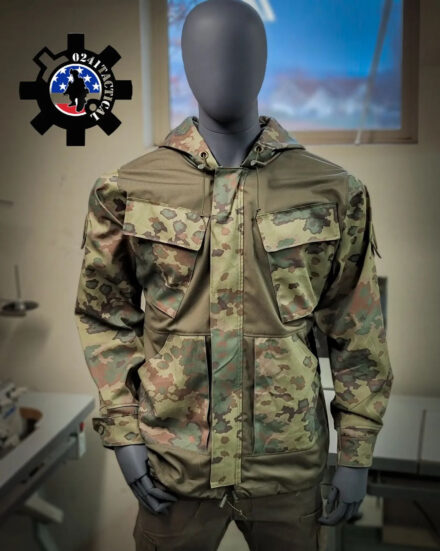
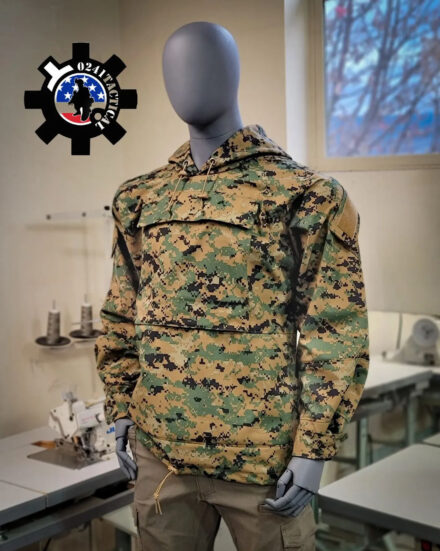
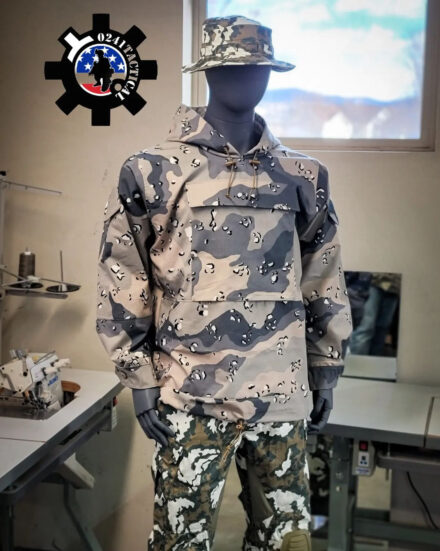
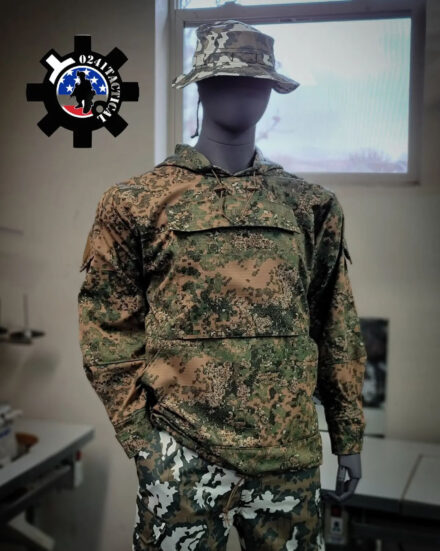
Hamilton Montana-based 0241 Tactical will soon be taking orders for their next round of “Smock-lites” and “Tactical Operators Pullovers”. The most recent batch was spoken for almost immediately — which is why you should be watching for release announcements on their social media if you want one.

(SSD loves smocks.)

The process goes like this:

They take orders for 10 garments. Once orders for 10 jackets have been taken, they pause order availability until that run has been completed and shipped. Then the “books” are opened once more.

Why are sales of jackets only open periodically?

Such constraints are dictated by practical considerations of manpower vis-à-vis the wide array of possible camouflage pattern combinations (See below.)

0241 Tactical explains further,

“We are a small shop with limited production quantities. Allowing customers to choose features (colors, linings, etc.) requires a unique approach to how we sell jackets. To offer made-to-order Tactical Operator Pullovers and Smock-Lites in a wide variety of colors and patterns we needed to approach sales differently. We are forced to regulate the number of jackets ordered to the number of jackets shipped.

When a jacket is ordered it’s added to the bottom of the production list. When a jacket is shipped it is taken off the top of the list (the top of the list being the oldest order by date) and every order then moves up the list towards the top of the production list. When we open orders, they are added to the bottom but move up daily towards the top as each jacket ships moves the next jacket to the top.”

As you can see, it’s a constant rotation of new orders coming in once others go out, but in blocks of limited numbers.

Shop online here: www.0241tactical.com/s/shop; the jackets will not be accessible to browsing until they open those particular garments back up for order availability.

Why a smock?

The smock is literally a concept unlike anything we have in the US. I’ve heard them compared to the M65 field jacket but that idea is simply uninformed. A smock isn’t just a coat.

Rather, the smock is much more than a simple jacket. In addition to use as clothing, the smock is also intended to carry much, if not all of the wearer’s fighting load. They were originally envisioned to carry several days of combat equipment including rations, ammunition, and radios.

More at: Blast from the Past: the Story of Smocks.

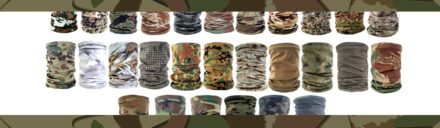
As you can see, they have a wide variety of niche and typically hard-to-find patterns available. And these aren’t hte only ones available.

0241 Tactical Cammie Patterns

Some of the camo patterns available at 0241 Tactical.

Some of the camo patterns available at 0241 Tactical.

DRW


US Navy Updates Policy for Sailors with Pseudofolliculitis Barbae (PFB)

Wednesday, March 16th, 2022

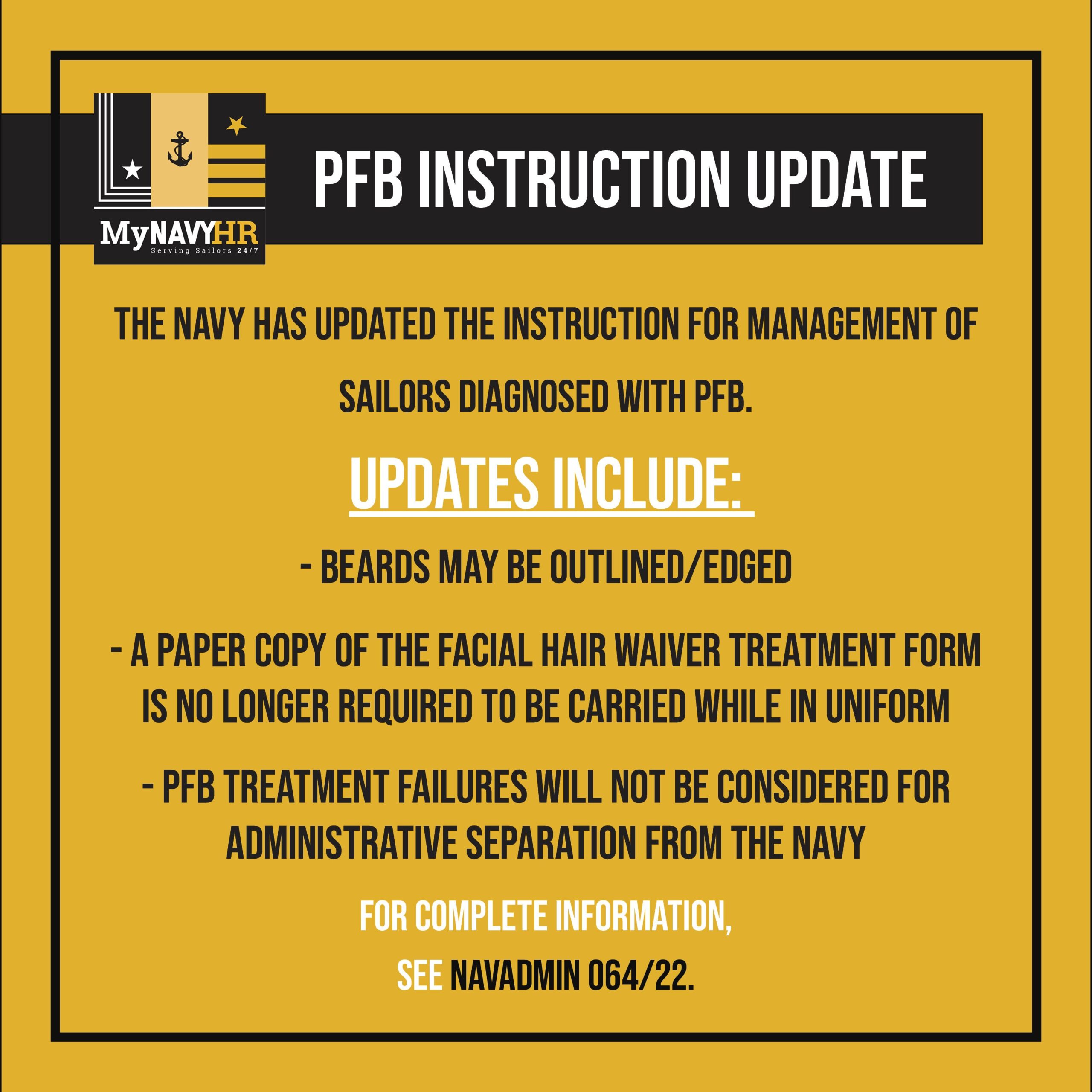
As a result of feedback from Sailors and waterfront leadership, the Navy has updated grooming policy and requirements for Sailors diagnosed with the shaving-related condition pseudofolliculitis barbae (PFB) in NAVADMIN 064/22, Mar. 9.

Navy dermatologists and the Navy Uniform Matters Office conducted the latest periodic review of the instruction regarding management of Sailors diagnosed with PFB, and took into account recommendations from Sailors directly affected by PFB.  This latest update provides guidance for those Sailors, military medical care providers and commanding officers.

PFB, also referred to as razor bumps, is caused when tightly curled beard hairs, sharpened by shaving, curve back and re-enter the skin, resulting in facial inflammation, bumps and infections.  

The first on the list of updates announced that Sailors diagnosed with PFB will be authorized to outline or edge their beards.

“We listened to recommendations by Sailors personally affected by PFB and we worked with our medical professionals to refine the Navy’s PFB management policy and procedures,” said Robert B. Carroll, head of the Navy Uniform Matters Office.  “These changes directly reflect the Navy’s commitment to Sailor health, safety and mission readiness in the force.”

With this update, the Navy will also eliminate the mandate of carrying a facial hair waiver or “no-shave chit” while in uniform. Sailors have the option to maintain a copy of their waiver treatment form on a personal portable electronic device or a paper copy for convenience in situations such as embarking a ship or temporary duty assignments where medical records may not be immediately available.

Another major update to the instruction will ensure that PFB treatment failures are not considered as grounds for a Sailor’s administrative separation. In the vein of prescribed treatments, Sailors diagnosed with PFB no longer have to consider laser hair reduction as a required treatment.

For Sailors whose conditions do not improve with PFB medical treatments, the duration between required evaluations will now occur every two years, unless prescribed more frequently by their military medical care provider.

Prior to this latest review, the last update to BUPERS Instruction 1000.22C was released Oct. 8, 2019.  The NAVADMIN announcing current PFB program changes was released in advance of BUPERS Instruction update.  The Navy continues to update grooming standards and uniform policy based on Fleet feedback and direction from Navy leadership.

The Navy Uniform Matters Office welcomes feedback and recommendations from Sailors regarding uniform and grooming policies via the MyNavy UNIFORMS App or MyNavy Portal. Once signed into MNP, select Professional Resources, then select U.S. Navy Uniforms and “Ask the Chiefs.”

By MC1 Jeanette Mullinax, Chief of Naval Personnel Public Affairs