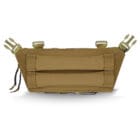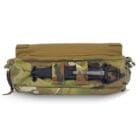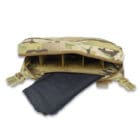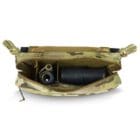
XC3 Weaponlight

Archive for the ‘Guest Post’ Category

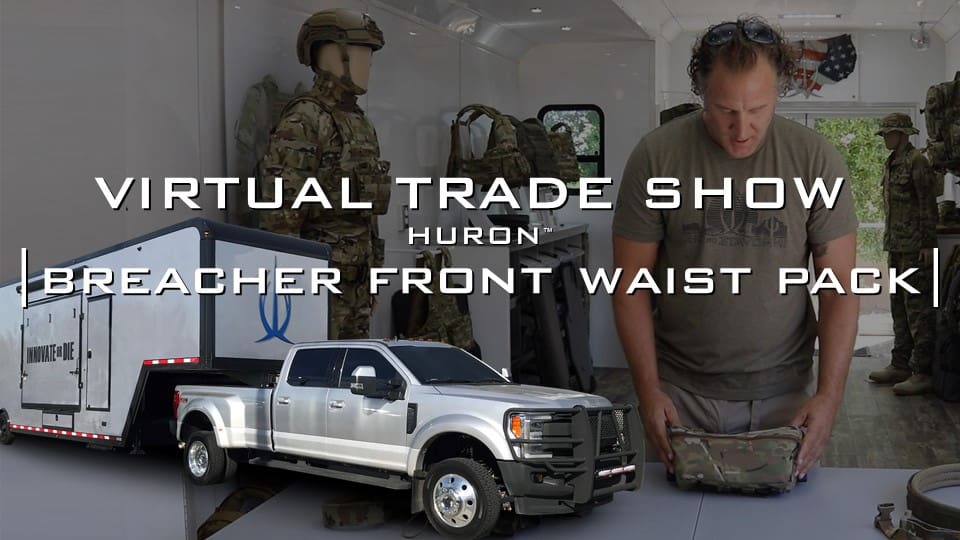
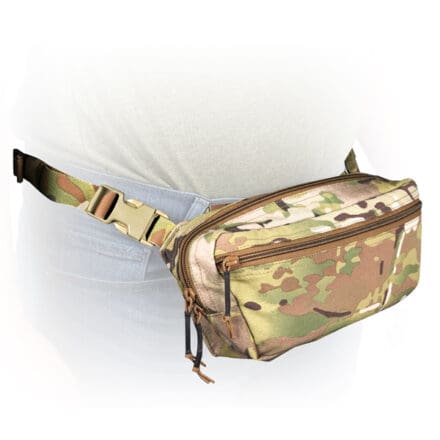
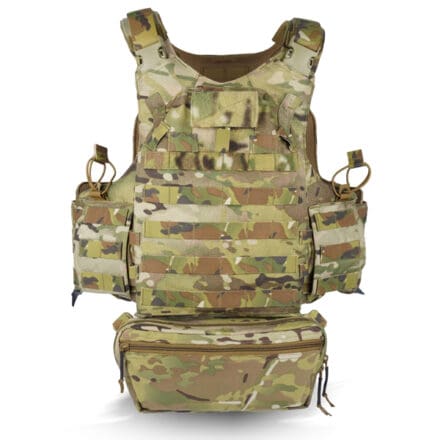
TYR Tuesday – IDTOUR VTS & HRN-FWP002 Launch

Tuesday, September 29th, 2020

The Innovate or Die® Tour Virtual Trade Show #IDTOURVTS is back!

WATCH THE VIDEO:

IDTOUR VTS |Virtual Trade Show| Breacher Front Waist Pack

HRN-FWP002 Available Now: www.tyrtactical.com/products/details/new-featured-products/huron-front-waist-pack-breacher

New episode launching every Tuesday.

What is IDTOURVTS?

Our mission has always been about protecting those who run towards the threat.  To that end, we created the Innovate or Die® Tour and Mobile Showroom. Over the past couple years it has allowed us to meet you face-to-face, gather your feedback and answer your questions.


Life has been put on hold for many people around the world, but you have not stopped risking your safety and health against all the threats we face today.


We can’t wait to meet you on the road again.


Thank you to the men and women of the armed forces, first responders and health care professionals who continue to put their lives on the line. You haven’t stopped working and neither will we.


Episode One:

IDTOUR VTS |Virtual Trade Show| PICO-DS & DSX Plate Carriers

Episode Two:

IDTOUR VTS |Virtual Trade Show| The Ultimate Range Bag

Episode Three:

IDTOUR VTS |Virtual Trade Show| Shield & Dolly System

Episode Four:

IDTOUR VTS |Virtual Trade Show| Huron™ Hot Weather Uniform

Episode Five:

IDTOUR VTS |Virtual Trade Show| PICO-MVW-DSX Plate Carrier System

Episode Six:

IDTOUR VTS |Virtual Trade Show| EPIC-DSX Plate Carrier System

Episode Seven:

IDTOUR VTS |Virtual Trade Show| Gunfighter Belts

Episode Eight:

IDTOUR VTS |Virtual Trade Show| Shield Camera System Preview

Medevac Officer Looks to Help Army One Invention at a Time

Tuesday, September 29th, 2020

WHEELER ARMY AIRFIELD, Hawaii — Mahdi Al-Husseini had his whole career figured out as he enrolled in Georgia Institute of Technology back in 2013. He knew he would graduate with a joint degree in biomedical engineering and public policy before attending graduate school for computer science.

From there, he planned to pursue a job in the defense and space industry.

The idea of joining the Army never once crossed his mind, he said. He knew nothing of his school’s Reserve Officer Training Corps, or ROTC, and the vast opportunities in the Army.

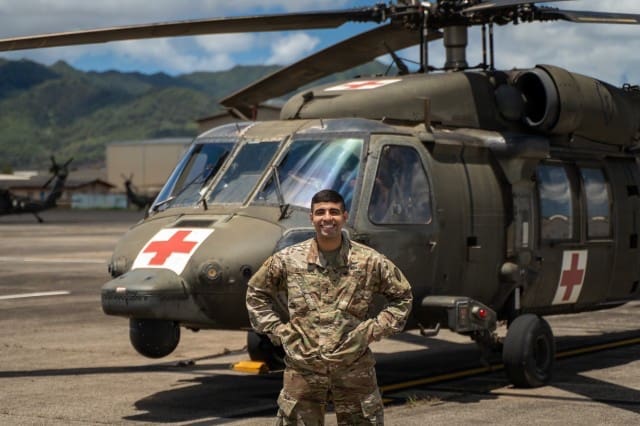
Now a first lieutenant, Al-Husseini serves as an active-duty aeromedical evacuations officer with 3rd Battalion, 25th Aviation Regiment at Wheeler Army Airfield, Hawaii.

He is also an engineer currently developing an aerial hoist stabilization system that could help save lives during an in-air medical extraction.

“There is something unique about the medevac mission,” he said. “We ensure that America’s sons and daughters — individuals that have experienced great tragedy — have an opportunity to return home.”

Best-laid plans

While Al-Husseini’s passion for engineering never wavered during college, he did find a deeper calling to support something greater than himself.

The Army quickly soared to the top of his list, as he joined ROTC during his junior year. He was determined to give back to the people and institutions that helped him succeed.

“After I joined, I was deciding between a few different Army branches: medical services, engineering, or cyber,” Al-Husseini said. “That same year, I interned at the U.S. Army Aeromedical Research Lab.”

The USAARL looks to deliver scientific solutions to help save lives, according to lab officials. Research efforts target biomedical, physiological, and psychological issues, as the Army aims to increase the performance of aviation, airborne, and ground personnel.

As an intern, Al-Husseini assisted the lab’s experimental testing efforts tied to various aviation helmets. He eventually crossed paths with two medevac pilots working on a separate project. The three became friends as they started to exchange ideas.

“This was the first time I talked in depth about the medical evacuation mission,” Al-Husseini said. “We are responsible for bringing home America’s wounded warriors. In my opinion, this is truly one of theArmy’s no-fail mission sets.”

Influenced by his peers’ passion and drive, Al-Husseini’s outlook on engineering and his future career decisions started to shift.

“My experience [with USAARL] cemented my interest in the aeromedical mission. I decided to request medical services as my first choice of branch,” he said.

“I [now] look at engineering and computer science as tools in my toolbox,” he added. “I love engineering and computer science … but as an engineer, you have to decide what to do with those tools.”
Training, engineering, competing

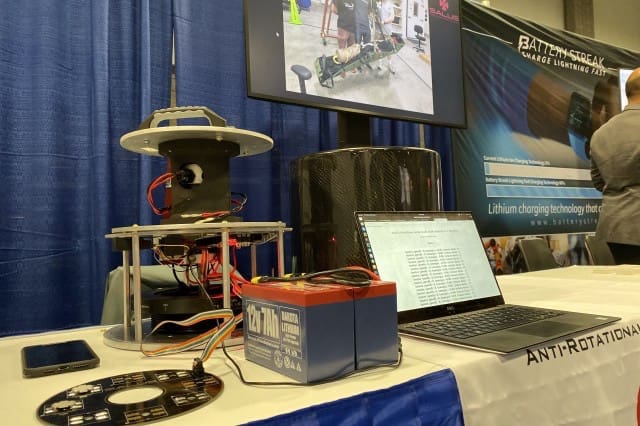
Shortly after college, Al-Husseini found himself at Fort Rucker, Alabama, for flight training. It was around the same time that he started building his own company, a combined team of Army aviators and engineers, to develop their Stabilizing Aerial Loads Utility System.

“When we perform a medical evacuation on a real mission, usually it is the worst day of a patient’s life,” he said. “I wanted to use my skills and tool in a way that supports these Soldiers.”

During an in-air medevac mission, pilots are trained to control the aircraft as the hoist-line sways from the downward force of air created by the vehicle’s rotor system. Commonly known as downwash, this aerodynamic force can cause the hoist line to spin or oscillate, putting a patient or operator at risk.

“There have been fatalities connected to the spin, sway, or oscillation of the hoist line,” Al-Husseini said. “There have been a lot of folks that are negatively affected, either through asphyxiation, fatigue, or nausea. These real problems are impacting our patients, which are already in a compromised state.”

The new hoist-line system is designed to connect between a patient’s litter and the line’s base. The device’s internal control system will help stabilize the patient through a series of automatic spinning reaction wheels to counter the hoisted load movement.
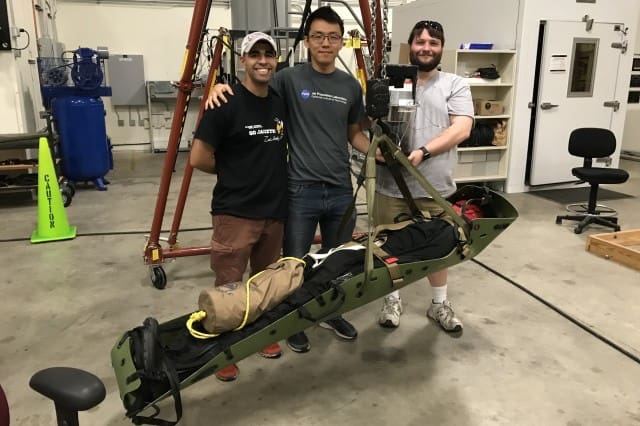
As Al-Husseini continued through flight training, he split himself between two worlds. He spent most of his time learning to be an aeromedical evacuation officer, and then his free time on his invention.

He credits much of his success to the overwhelming support he received from leadership and colleagues during training and his career, including Capt. Kimberly Smith.

“It is amazing to see everything that he’s done and accomplished, all while learning how to fly,” said Smith, commander of Company D, 1st Bn., 145th Avn. Rgt. at the Army Aviation Center of Excellence.

Al-Husseini remained committed to his team as they entered their new aerial load system into several competitions, including the Army’s xTechSearch.

“The xTechSearch program is incredibly well run,” he said. “It is so important to the many small businesses that are working to develop technology” that might aid in the Army’s future.

The Army’s acquisition process can be confusing and overwhelming for a smaller business, he added. Through the competition, small business owners develop connections and can earn possible funding for a specific program.

“It is an exciting time to be in the Army right now and be an engineer,” Al-Husseini said. “The Army is working to improve on a technical level, and the xTechSearch program is a model blueprint” for the way ahead.

To attend these competitions, Al-Husseini had to request a delay in training, Smith said. Pausing a Soldier’s education could negatively impact their career, and is typically granted on a case-by-case basis.

“When you are on the flight line, it can definitely become very challenging. Your purpose is to learn how to fly,” Smith said. “I always preach to the students: you have to find balance.

“I am impressed that [Al-Husseini] managed all of flight school and graduated, all while designing a device that could be beneficial for the Army,” she added.

Currently, the device from Al-Husseini’s team is being evaluated by USAARL. If selected, it could become a vital tool in support of the medevac mission, he said.

Seeing the device on an Army aircraft, “would be a dream come true,” he added. “Not for myself and the success of my team, and not for any financial gain. Just knowing that each Soldier will be better off because of what we developed … is more than I could possibly ask for.”

Alternatively, if his device does not meet the Army’s final selection process, Al-Husseini would applaud the decision.

“I do not want my device to be selected if there is a better device that exists,” he added. “I want whatever is best for our Soldiers in the field. That is what it means to be an engineer. You have to continue to scrap your designs or refine to pivot and to create new ideas.”

Overall, Al-Husseini said, the Army is a diverse force full of incredibly inventive and resourceful people.

“Identify a problem and find a way to solve it,” he added. “You will be amazed at how supportive the Army can be. I think this is one of the things that makes our Army the greatest in the world.

“I want to encourage Soldiers to think outside the box and continue to push their limits to find ways to improve their organization. Because at the end of the day — no one knows their mission set better than they do.”

By Devon Suits, Army News Service

MATBOCK Monday D-Lift

Monday, September 28th, 2020

D-Lift

Good morning and Happy MATBOCK Monday!

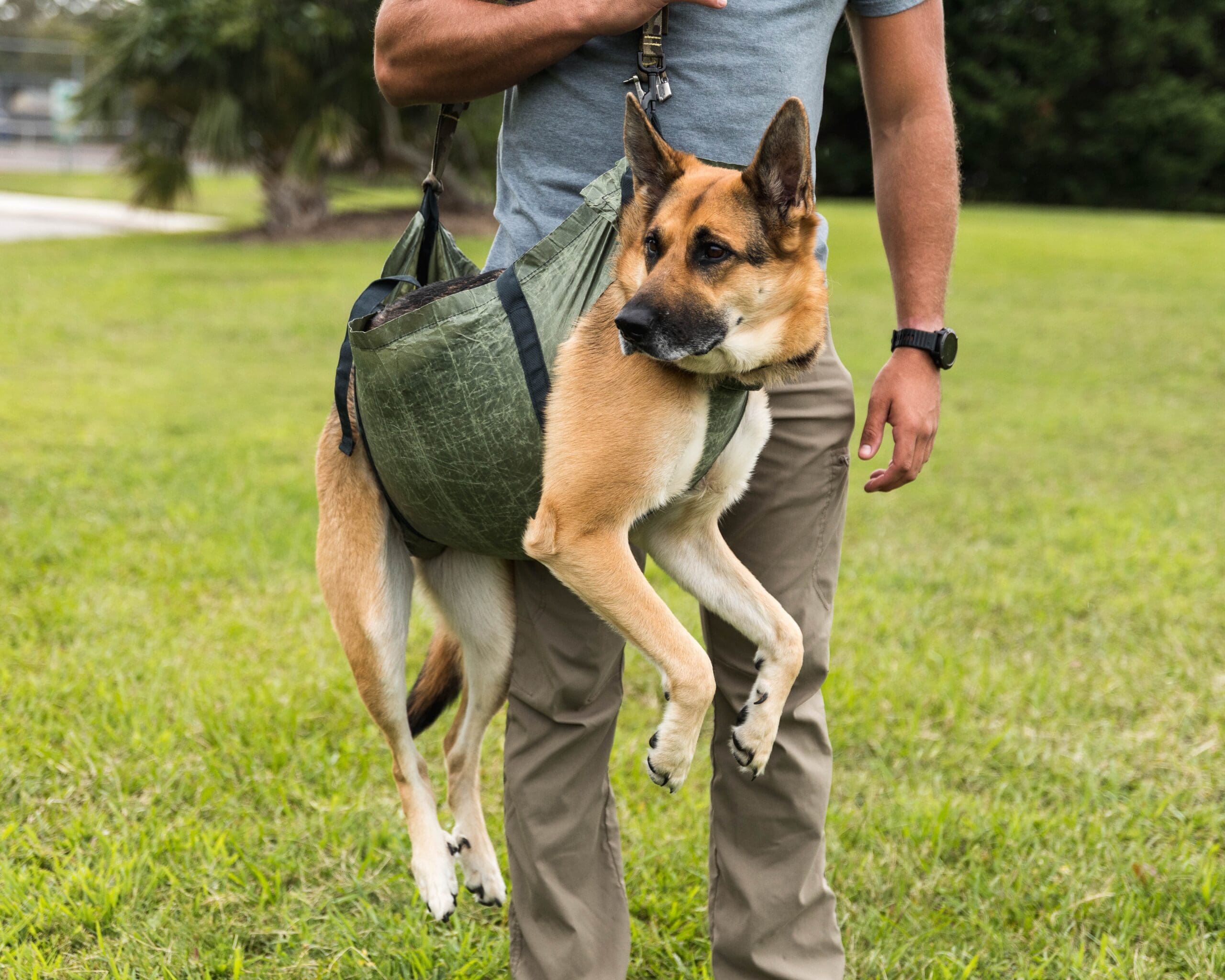
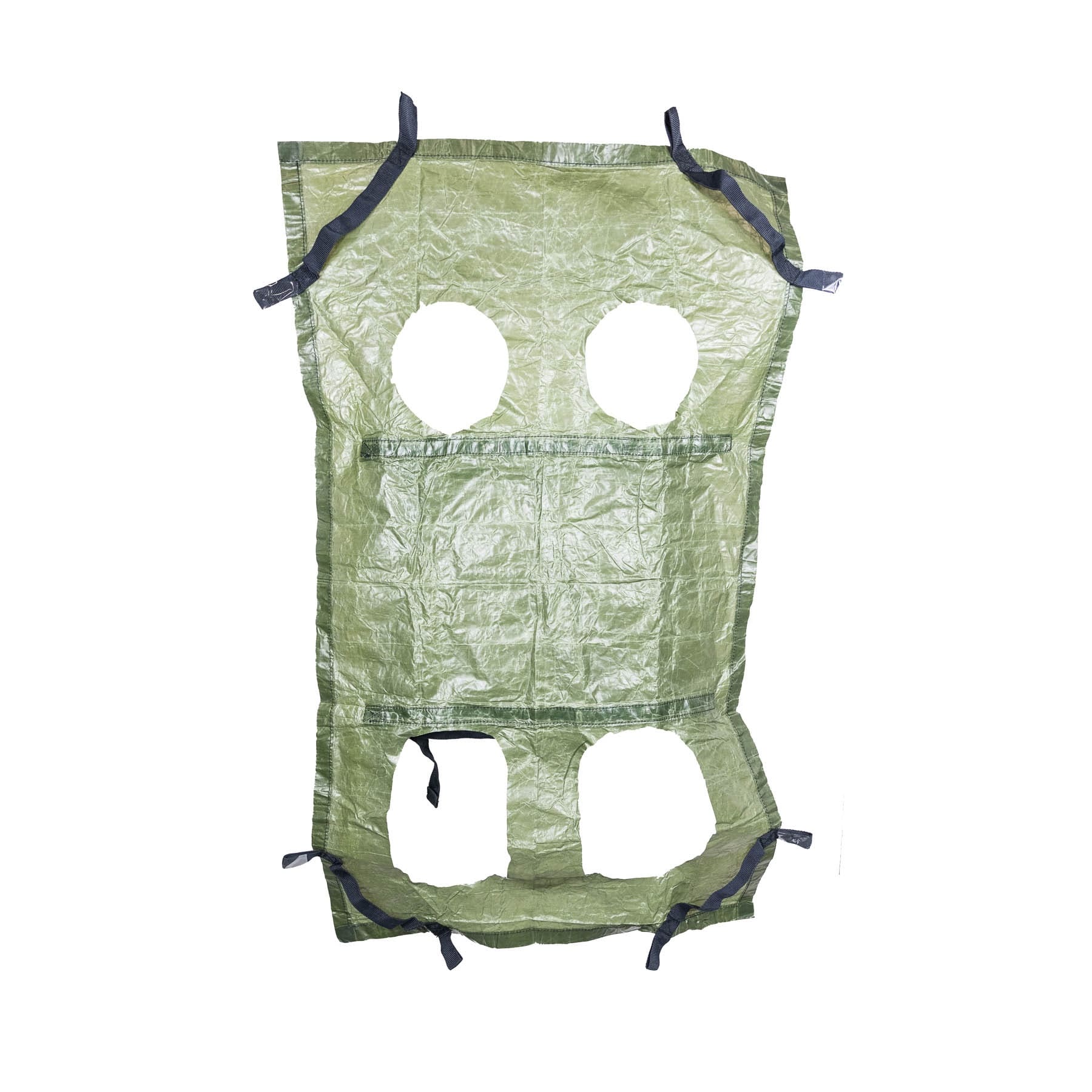
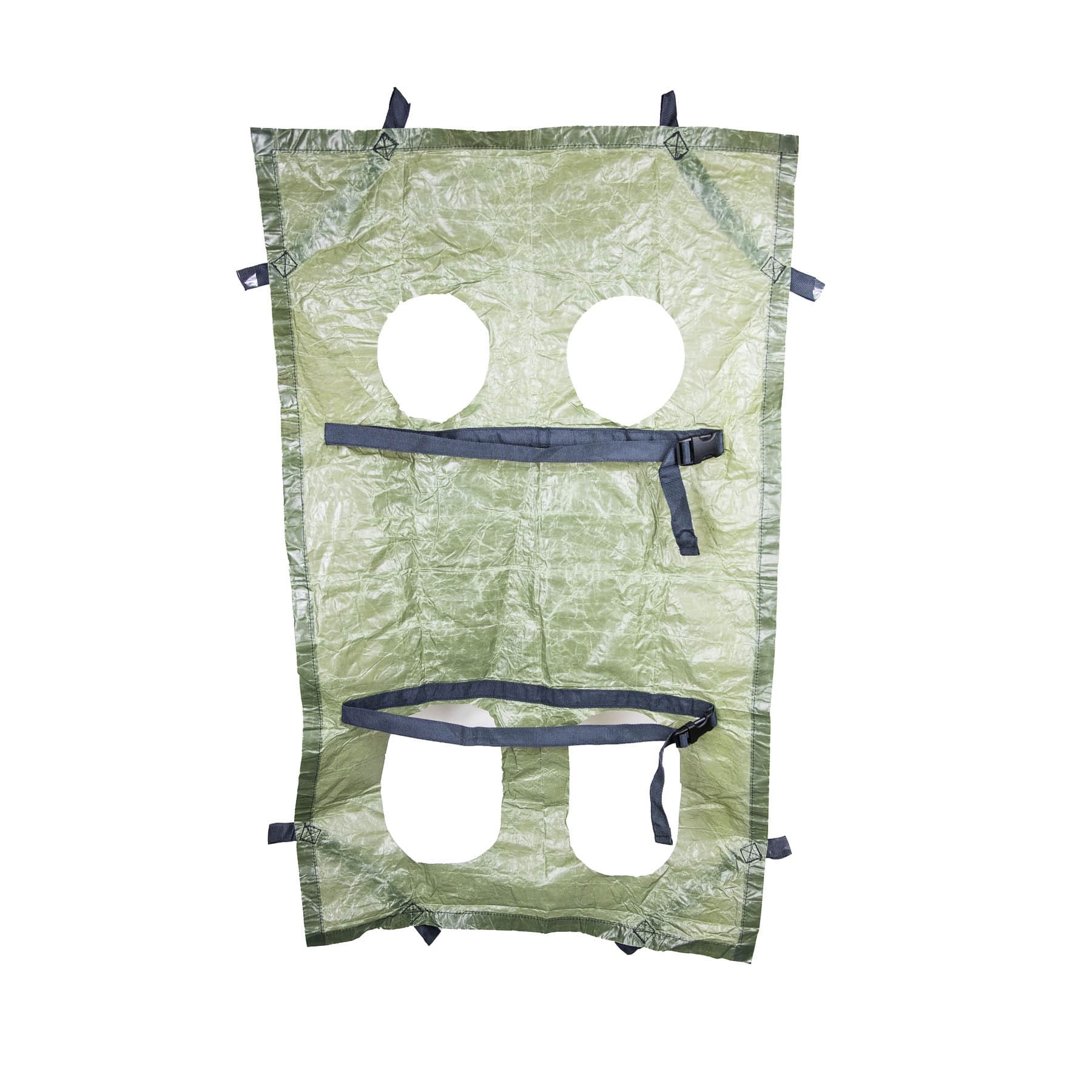
The D-Lift or Dog Lift is a super lightweight stretcher designed for working dogs. It’s constructed with our waterproof Ghost Heavy material and kevlar thread making it easy to decontaminate and clean without degrading the material and thread. It can be used with the Kodiak Releasable Dog Leash to form a carrying strap for the handler or as a hoisting strap for helicopter operations.

Specifications:

Dimensions: 40.5″ x 24.5″

Weight: 5.8oz

Don’t forget to tune in on Monday at 1:00 PM EST as we go live to demo the D-Lift and answer your questions!

www.matbock.com/collections/dog-handler/products/d-lift

SCUBAPRO Sunday – National Gold Star Family Day

Sunday, September 27th, 2020

Gold Star Mother’s and Family Day is observed on the last Sunday in September. Also known as National Gold Star Mother’s Day, it honors the mothers and families of fallen military service members. The observance began during World War I and was created to recognize and honor those who have lost a son or daughter who served our country in the Armed Forces. On June 23, 1936, a joint congressional resolution designated the last Sunday in September as Gold Star Mother’s Day and proclaimed annually by each president.  

The history of National Gold Star Mother’s Day and their families begins with the U.S. entering WW1. An Army Captain Robert L. Queasier, whose two sons were serving on the front-line, created what is now called the Service Flag. The flag was displayed (normally hung in a window) with a blue star to represent a child serving in the military during times of war or hostilities. The flag quickly became the unofficial symbol of someone in the family in the service. 


A Gold Star Family is the immediate family member of a fallen service member who died while serving in a time of conflict. A Gold Star Family can display a Gold Star Service Flag for service members who were killed or died, while serving in the Armed Forces, from causes other than dishonorable. The number of gold stars on the flag corresponds to with the number of individuals who were killed or died. A gold star is placed over the blue star on a Blue Star Service Flag so that the blue forms a border and creates Gold Star Service Flag. The U.S. Department of Defense also issues Gold Star lapel pins to immediate family members of a fallen service member of the military. These pins can be worn by spouses, parents, and children of service members killed in the line of duty and contain a gold star on a purple circular background. 









The Women’s Committee of the Council of National Defenses ask President Wilson to authorize that mothers who had lost a child who served in the war could wear a traditional black mourning armband with a gold gilt star in 1918. This approval led to the tradition of a gold star covering the blue star on the Service flag to show that the service member had passed. It’s is also believed that Wilson coined the term “Gold Star Mother.”


George Washington once said, “The willingness with which our young people are likely to serve in any war, no matter how justified, shall be directly proportional to how they perceive the veterans of earlier wars were treated and appreciated by their nation.” I believe this is also true when it comes to our veterans and families of the fallen. There are many groups and organization out there that help the family’s, but nothing will replace the fallen service member. But being involved with the family and helping those organizations is an amazing way to stay connected to your brothers and sisters that are gone.  

 

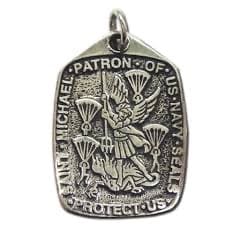
Later this week on Tuesday the 29th is St Michaels day. In the Christian, Jewish and Islamic he is known for leading gods’ arms against satan. He is not really a saint but an archangel. In medieval Christianity he was made a patron saint of chivalry, now he is considered the patron saint of Law Enforcement, Military and Paramedics (technically medics also have/ lean towards St Luke and St Albert). Please take a minute or two on Tuesday and say thank you for having people that will do those jobs. Even if it is just saying it in your mind to yourself.        


FirstSpear Friday Focus – Weapons Retention Catch

Friday, September 25th, 2020

Today we are taking a look at FirstSpear’s Weapons Retention Catch.

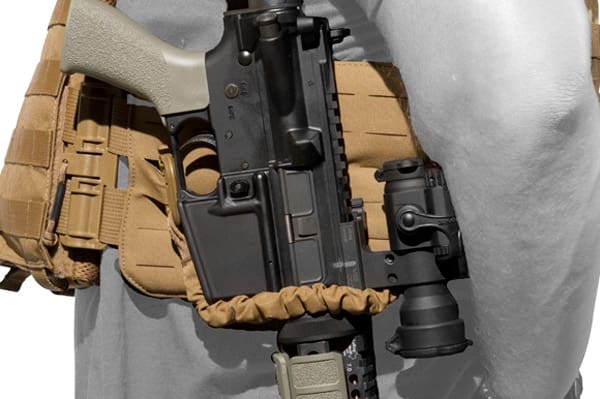
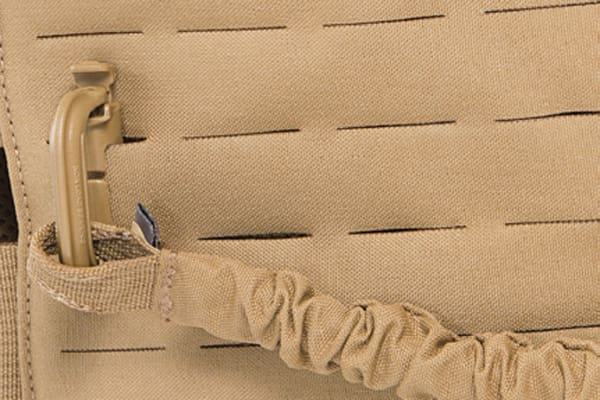
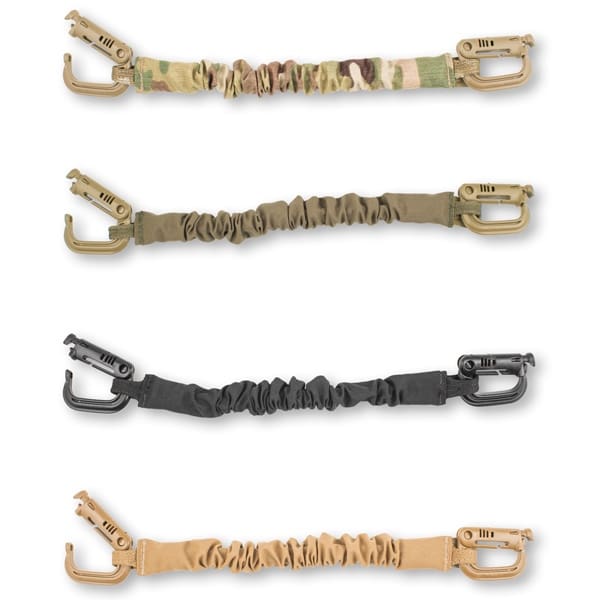
The Weapons Retention Catch is designed to help secure your weapon and is versatile enough to be worn on practically any platform. This essential item provides solid retention for carbines, sub guns, and shotguns. Its plastic closures are easy to adjust and they can be over-powered if required and reset to use again. This allows you to quickly access your weapon when needed.

Available now in a variety of colors and is 100% American Made.

www.first-spear.com/weapons-retention-catch

US Army, Estonia Sign Historic Agreement for Collaborative Research in Cyber Defense

Friday, September 25th, 2020

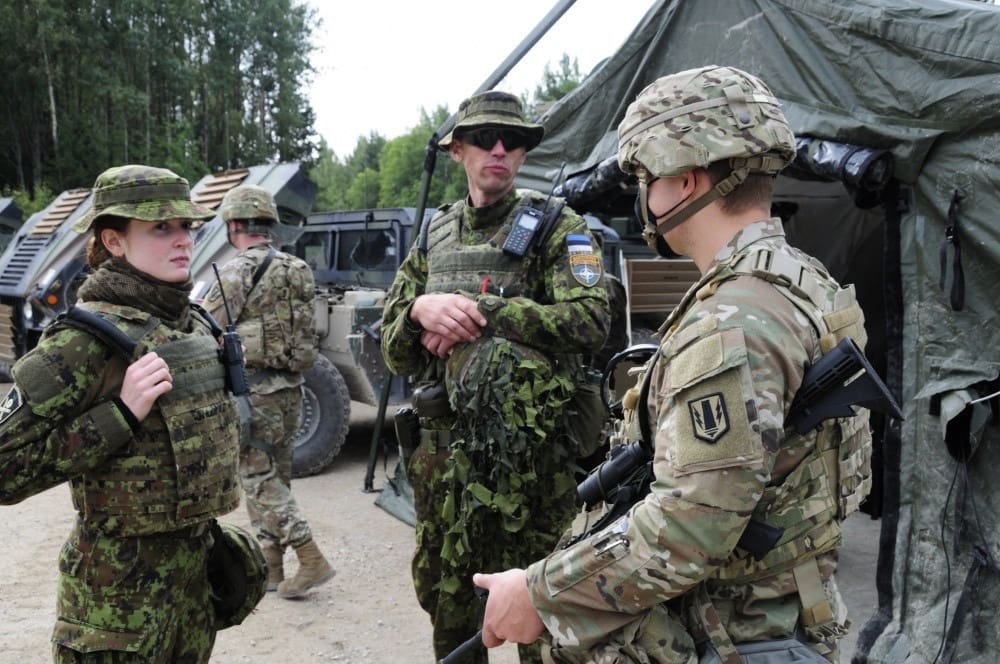
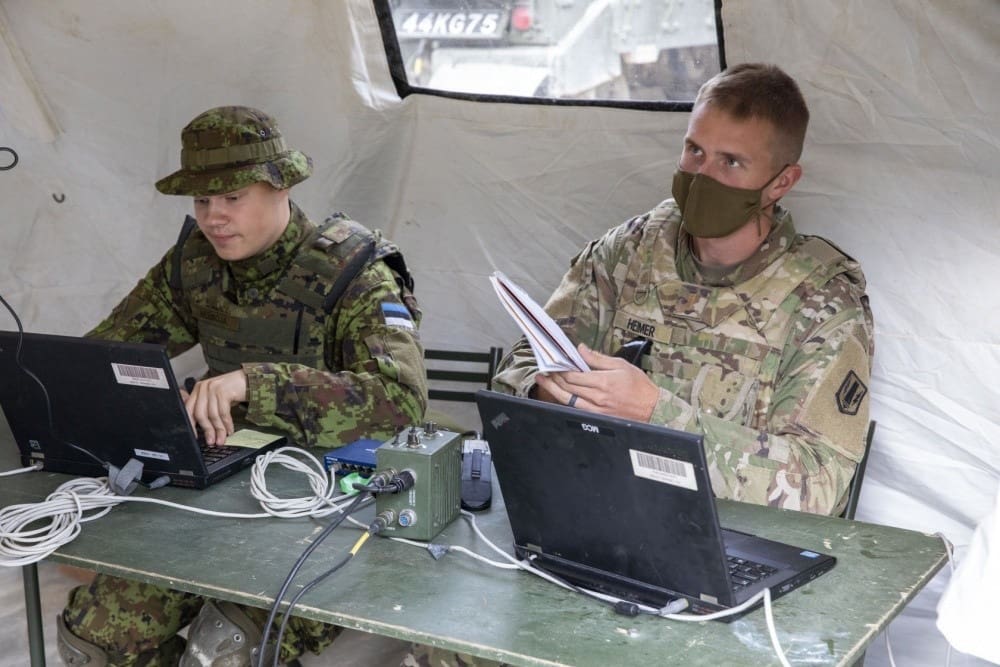
ABERDEEN PROVING GROUND, Md. – The U.S. Army and the Republic of Estonia’s Ministry of Defence signed an agreement today that will enable the two countries to conduct future collaborative science and technology efforts in cyber defense.

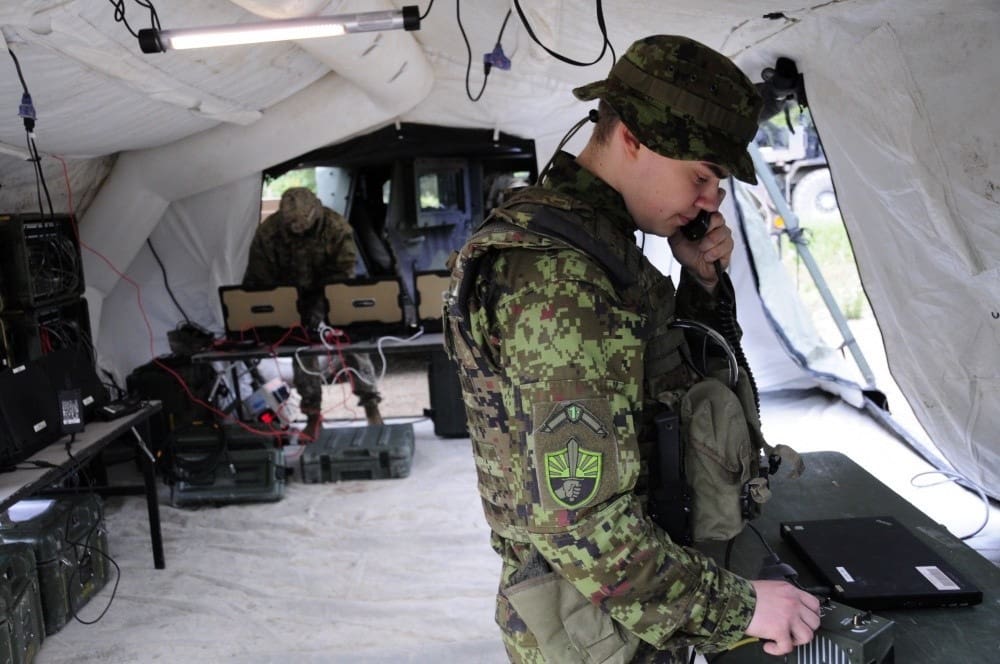
The Command, Control, Communications, Computers, Cyber, Intelligence, Surveillance and Reconnaissance (C5ISR) Center – a component of Army Futures Command’s Combat Capabilities Development Command – and the Estonian Ministry of Defence will establish a multi-domain operations, cyber domain working group to identify opportunities for interoperability experimentation and demonstrations.

The working group will provide a forum to exchange information on the research of defensive cyber capabilities for multi-domain operations and improved coalition interoperability. Specific collaborative activities identified by the working group may be carried out under future agreements involving projects, equipment and material, and information exchanges.

“This historic agreement provides the opportunity for two nations with substantial defensive cyber capabilities to leverage their respective cyber experience to drive new research and development to reduce cyber threats across the spectrum of conflict,” said Director of the C5ISR Center Patrick J. O’Neill.

The effort – which falls under a 2016 U.S. Department of Defense Research, Development, Test and Evaluation memorandum of understanding – is the first of its kind between the U.S. Army and the Estonian Ministry of Defence. It supports a “Vision for Security Cooperation” document between the countries to develop capabilities that will deter and defend against malicious cyber intrusions and attacks.

“The Estonian Ministry of Defence is very pleased to establish formal cooperation with the U.S. Army’s C5ISR Center, adding another partner with increased knowledge and capabilities. Our countries are close NATO allies who share fundamental values. Our collaboration in the cyber domain will advance our common security,” said Director of the Estonian Ministry of Defence’s Cyber Policy Department Andri Rebane.

“We hope that the knowledge generated from this bilateral relationship will not only be useful for the U.S. and Estonia but also our other allies. With that, I am pleased to sign the terms of reference to begin this important work,” said Rebane.

Prior to the event, Deputy Assistant Secretary of the Army for Defense Exports and Cooperation Elizabeth Wilson noted her office played an integral role in bringing together key personnel from U.S. Army headquarters, the C5ISR Center and counterparts at the Estonian Embassy to reach this milestone event.

“Exchanging information and optimizing our research and development efforts to modernize our militaries will help deter great power competitors and regional state adversaries. The U.S. Army is proud to partner with our Estonian counterparts in this unique opportunity,” said Wilson.

The complementary research will explore tactical and strategic challenges to enable standardization, rationalization and interoperability while improving the mutual defenses of both countries, said Robert Kimball, the C5ISR Center’s senior research scientist for cyber security.

“Estonia is a cyber country of excellence with a robust cyber defensive system in terms of technology and people. Given their deep expertise, I believe they will have substantial lessons to share, which will be enormously helpful in finding efficiencies in our science and technology efforts while understanding how best to defend against cyber warfare,” said Kimball, who noted Estonia is home to the NATO Cyber Defense Center and Cyber Range.

The agreement is slated to last until Sept. 30, 2023, at which point it may be extended.

“I am honored to have signed this agreement with Mr. Rebane today,” said O’Neill. “This is more than just a document that governs science and technology efforts; it affirms our two countries’ mutual commitment to work side by side to proactively address global security challenges. The C5ISR Center looks forward to this collaborative effort as we continue to explore the realm of the possible for cyber security. I am extremely pleased that the efforts on both sides have come to fruition.”

By Edric Thompson, CCDC C5ISR Center Public Affairs

Army to Host Tactical Assault Kit Virtual Workshop for Industry, Federal Agencies

Thursday, September 24th, 2020

ABERDEEN PROVING GROUND, Md. (Sept. 23, 2020) — The U.S. Army is hosting a virtual workshop to expedite the development and integration of situational awareness tools Sept. 29 – Oct. 2.

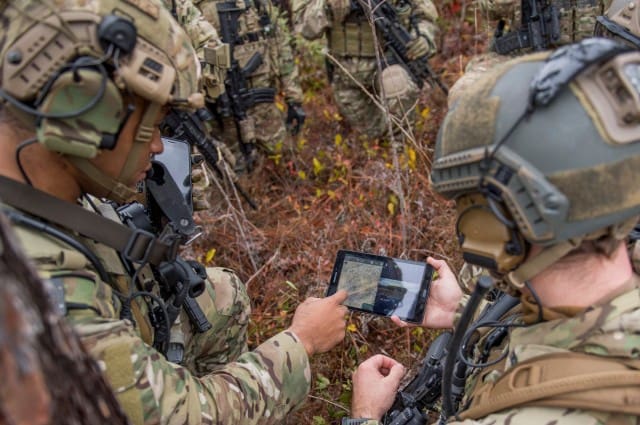
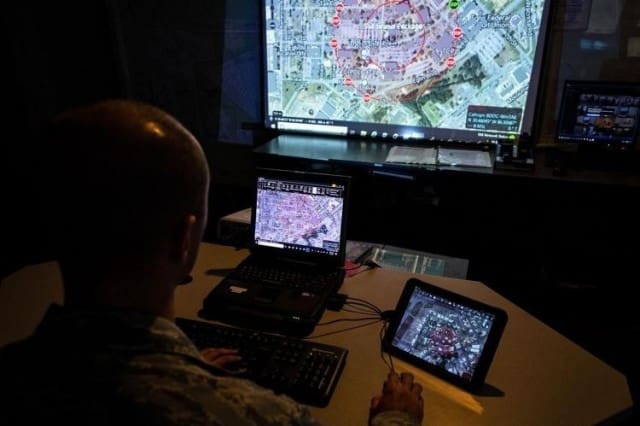
The Tactical Assault Kit (TAK) is a map-based software application that enables coordination among thousands of users with features such as a position data, chat, mission planning and shared overlays. It is compatible with Android, Apple iOS and Windows.

The Tactical Assault Kit virtual offsite will offer stakeholders from across the Department of Defense (DoD), federal agencies and industry an opportunity to exchange information and identify critical needs. The event will offer tracks for software development, programmatic updates and training on TAK platforms.

“The intent of these sessions is to learn from issues that may have arisen in the past year, produce innovative capabilities and reduce duplicative efforts,” said Josh Sterling, director of the TAK Product Center at the The Command, Control, Communications, Computers, Cyber, Intelligence, Surveillance and Reconnaissance (C5ISR) Center – a component of Army Futures Command’s Combat Capabilities Development Command.

“Any time we can get more feedback and lessons learned, it’s a data point we can use to improve the platform. I think this is a great way to generate cross-team collaboration that will spur both the development cycle and integration as we continue to push and facilitate a more universal type TAK operation.”

As the central software development hub for all TAK efforts, including 15 DoD programs of record, the C5ISR Center’s TAK Product Center provides software updates and testing for an enhanced user experience.

To foster innovation, the TAK Product Center approved the public release of a non-military variant for federal and government agencies – known as the Android Team Awareness Kit-Civilian (ATAK-CIV) application – on Google Play and the open-source Standard ATAK Software Development Kit on TAKmaps.com.

“TAK is an extensible platform, meaning that we give you a baseline and based on your mission requirements you can build on that baseline to bridge capability gaps,” said Mark Roberts, deputy director for the TAK Product Center.

“Anyone who has a job requirement to display point location information – the military, DoD and federal agencies, state and local authorities, firefighters and emergency responders – will benefit from these sessions. This is a great opportunity to give them a peek at what’s being done around the TAK community,” he said.

Registration for the offsite is available at tak.gov/offsite until Sept. 28.

By CCDC C5ISR Center Public Affairs

USAF and Microsoft Partner to Empower Airmen with Modern IT

Wednesday, September 23rd, 2020

The U.S. Air Force is breaking the glass as a leader in harnessing the power of cloud, rapidly rolling out modern services to enable airmen to advance the mission through more effective collaboration. As part of their digital transformation journey to achieve global access, persistence, and awareness for the 21st century, the U.S. Air Force is deploying targeted workloads that allow airmen to focus on their missions rather than spending time managing IT infrastructure.

Mission focus and efficiency

A key part of their digital transformation strategy is leveraging the technology industry’s capabilities for cloud infrastructure, allowing the U.S. Air Force to re-tool and refocus their resources. As part of our collaboration with the U.S. Air Force, we’re deeply aligned on a joint mission to drive IT enhancements that enable airmen to be more efficient and effective. Building out the capabilities for this targeted mission focus started with planning for how the organization will manage their data in the future, deploying core functions such as Exchange Online, SharePoint Online, OneDrive and other capabilities delivered through the Microsoft 365 suite of productivity applications.

Improved total cost of ownership

The rapid deployment of cloud tools at this scale is made possible by the U.S. Air Force’s leadership in building the multi-cloud factory Cloud One, a migration center of excellence designed as a foundation for future innovation. Leapfrogging more traditional cloud migration strategies with a Platform as a service (PaaS)-first approach and secure systems boundary, Cloud One enables the U.S. Air Force to rapidly transform legacy systems into modern apps and exploit the agility, scale and global presence afforded by the cloud.

William Marion, U.S. Air Force Deputy Chief Information Officer, says that Cloud One is the U.S. Air Force’s “path to the cloud, but further it is fundamental to the Digital Air Force and the future of Multi-Domain Operations. It enables our teams to achieve unprecedented cost efficiencies and productivity through automation, agile software development at scale, and a streamlined process for moving applications to production.”

Cloud One has recalibrated what internal teams expect from a cloud migration, providing all the foundational cloud capabilities including networking, monitoring, access control and identity. In addition, apps deployed to Azure Government inherit the platform’s security controls by design, further reducing operational costs and freeing up resources to focus on the mission.

Focus on security and compliance

The U.S. Air Force understands the importance of a dynamic, foundational risk management framework that can react quickly to cyber-attacks and changes in the threat landscape. With Microsoft 365 Government and Azure Government, they can obtain the scale and performance of modern cloud tools while maintaining compliance with the strict compliance requirements of the Department of Defense (DoD), including DoD Impact Level 5.

Next-generation collaboration

One of the primary goals of the U.S. Air Force is to empower airmen to collaborate and execute their missions with modern technology best practices. The Air Force Life Cycle Management Center, Enterprise IT and Cyber Infrastructure Division (AFLCMC/HNI) at Hanscom Air Force Base in Massachusetts has planned, tested and started deployment of Microsoft Teams to improve project management and teamwork. With geographically separated organizations, Teams will streamline collaboration and communication between airmen across the globe.

The massive scale of this U.S. Air Force organization – wide rollout requires massive change management – so we’ve developed a joint plan with focused training, deployment and service adoption to drive mission-focused use cases. The plan includes learning events with modern modalities, creating consumable resources to enable airmen to learn more about how Teams can work for their unit. This includes product immersion events, ask-me-anything events, and video content so airmen can learn efficiently from wherever they are in the world.

These advances in productivity, cloud acceleration, and collaboration are a result of ongoing teamwork across the 16th Air Force, the Air Force Life Cycle Management Center, and the Defense Information Systems Agency. As thought leaders and innovators, these organization have planned, built and deployed modern IT experiences at massive scale using Microsoft 365 Government and Azure Government, enabling airmen to continue to fly, fight and win in air, space and cyberspace.


By Leigh Madden – Microsoft General Manager, National Security

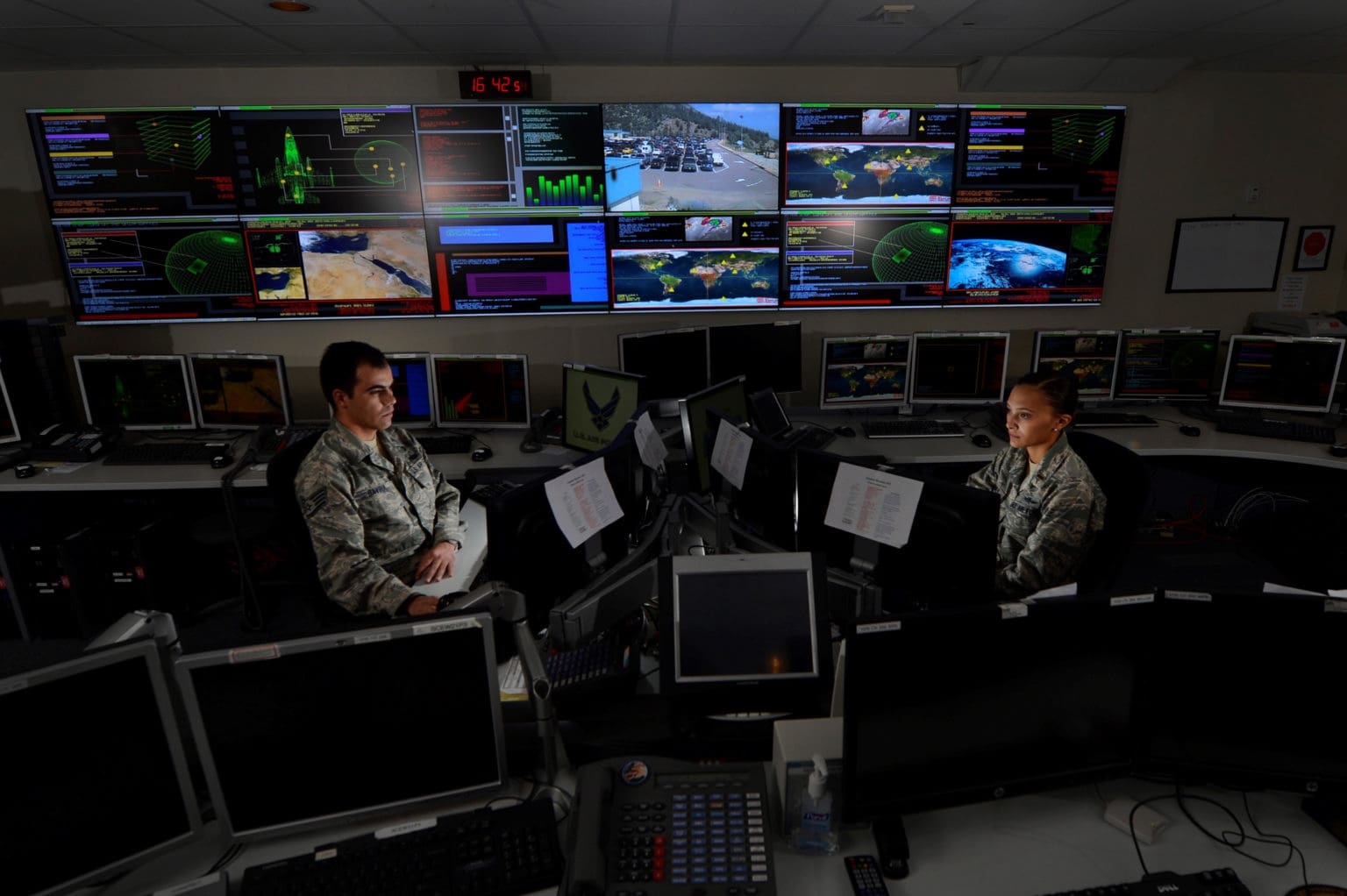
Photo – US Air Force