GORE-TEX Professional

Archive for the ‘Guest Post’ Category

Brigantes Presents – The REBS Wire Ladder

Wednesday, September 23rd, 2020

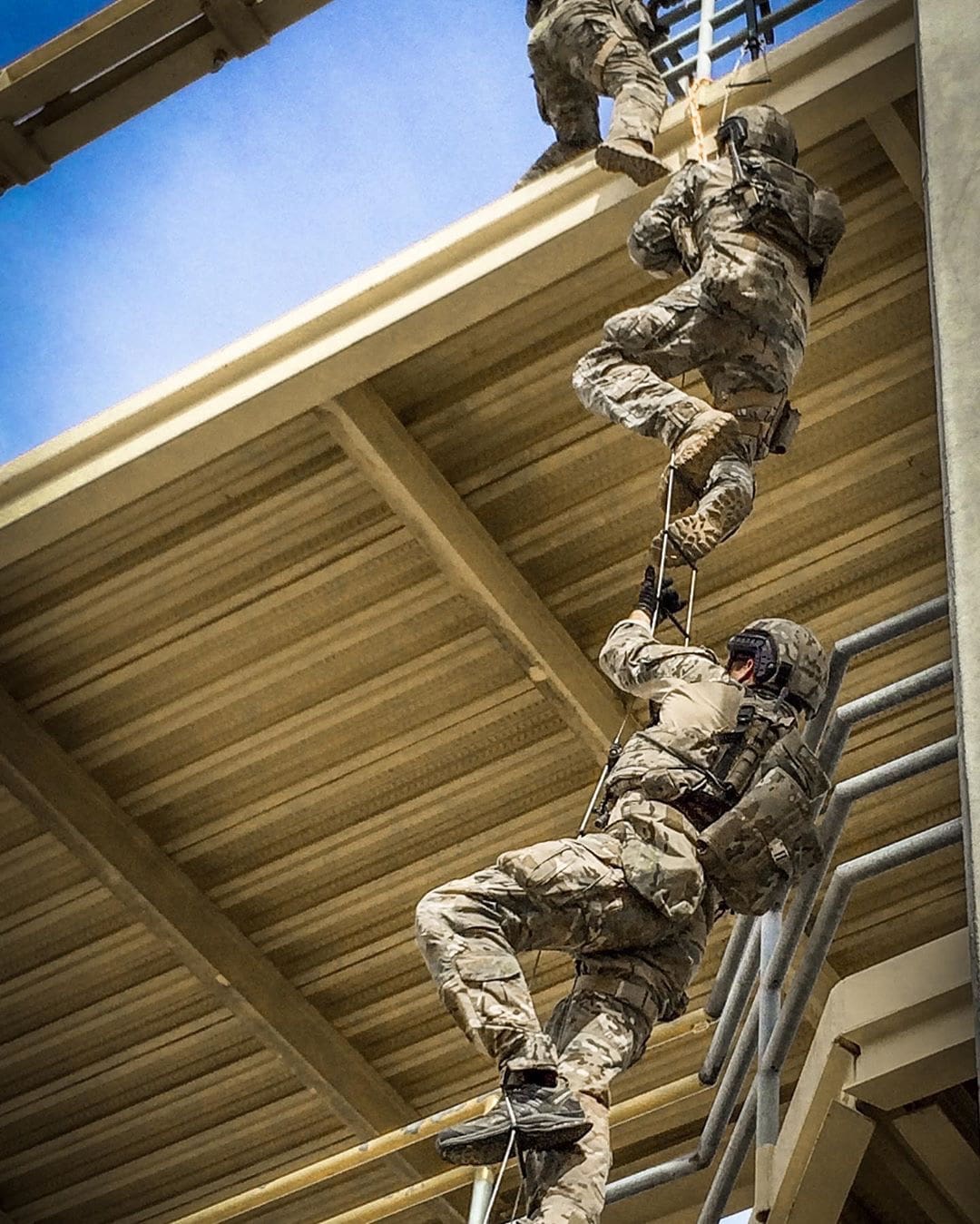
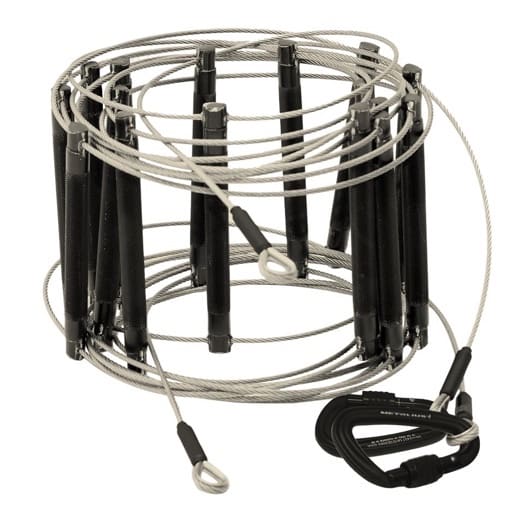
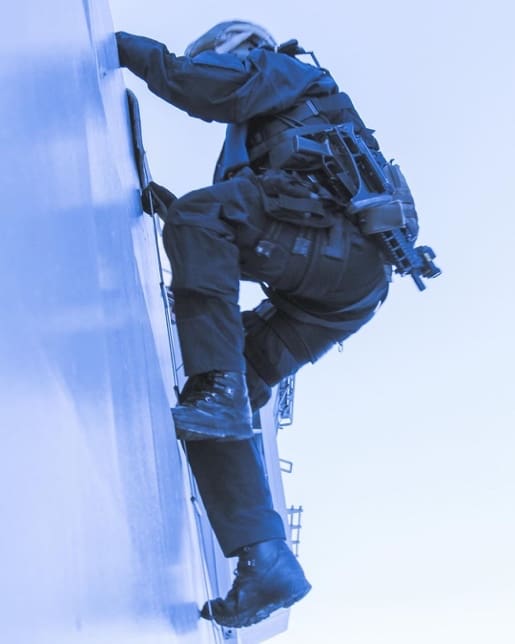
The REBS Wire Ladders has been developed with input from professional users and have high-end features for superior performance in tenuous situations.


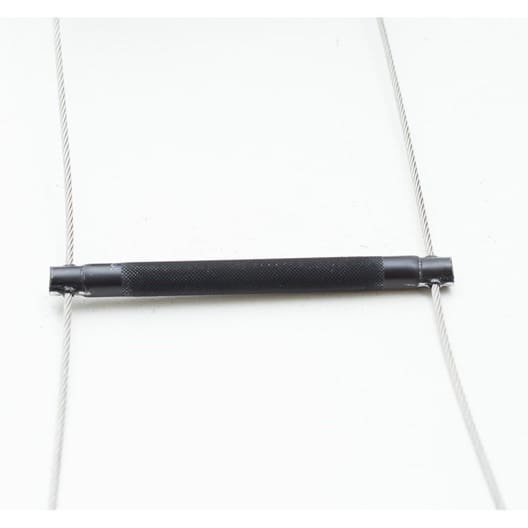
The rungs are diamond knurled and provide a durable high friction grip surface and every ladder is fitted with thimbles and proper connectors. Made from the highest quality components and materials, the wire rope has a diameter of 3mm, the thimbles are made from 316 stainless steel and the rungs are black anodised 6082 T6 aluminium. The rungs are fastened to the wire rope with an innovative and very strong mechanical bond which has been tested to 470kg on a single side without breaking. The REBS Wire Ladders are often used in combination with telescopic poles

The new design of the wire ladders has the highest strength to weight ratio of any wire ladder in the world. The wire ladders have been developed with input from professional users and have high-end features for superior performance in tenuous situations. The rungs are diamond knurled and provide a durable high friction grip surface and the ladder has a market-leading minimum breaking load (MBL) of 1200 kg.

For more information contact: international@brigantes.com

For UK sales contact: warrior@brigantes.com

Or visit our website: brigantes.com/collections/ladders

US Military Lands C130 on Newly Renovated Angaur Airfield in Palau

Tuesday, September 22nd, 2020

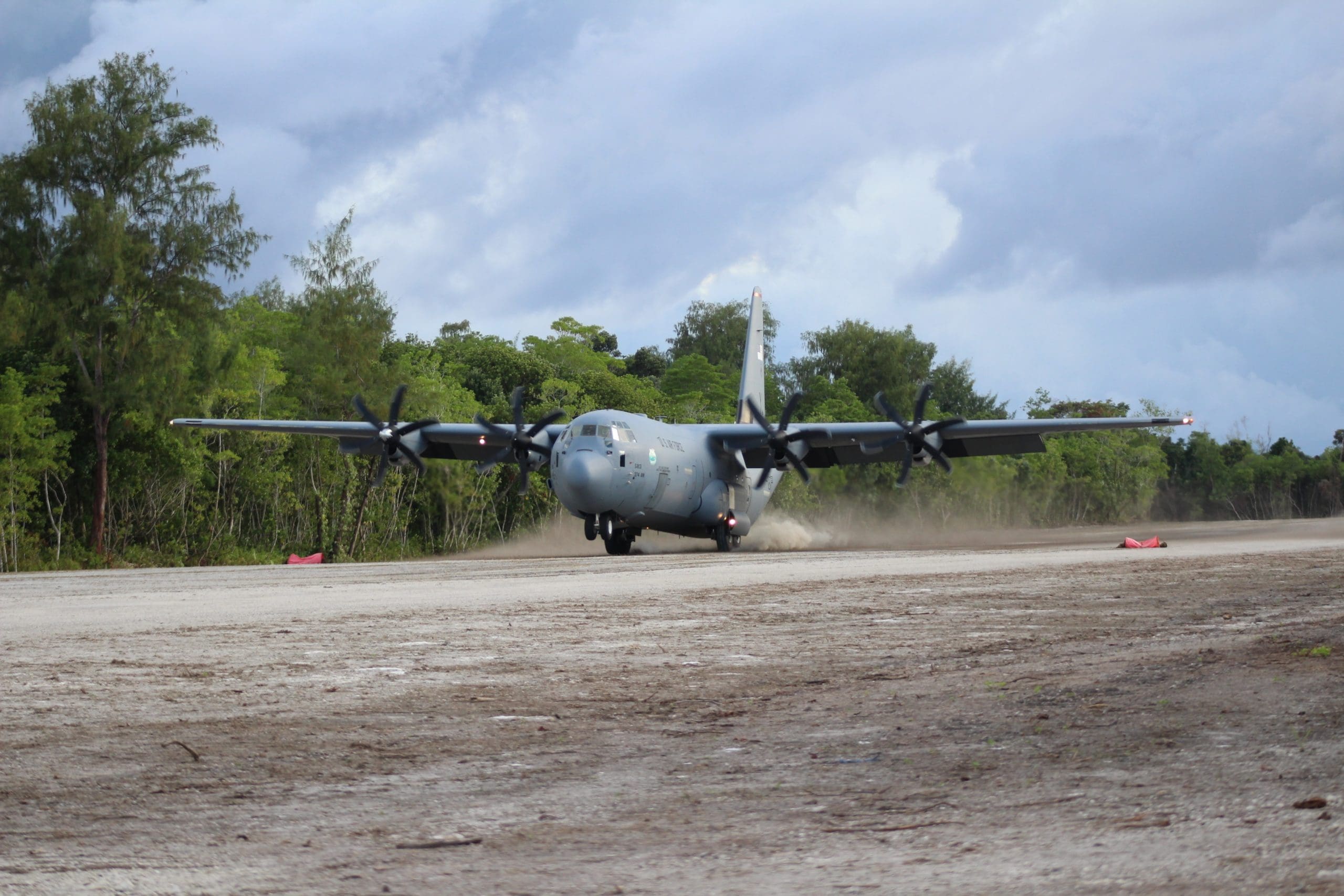
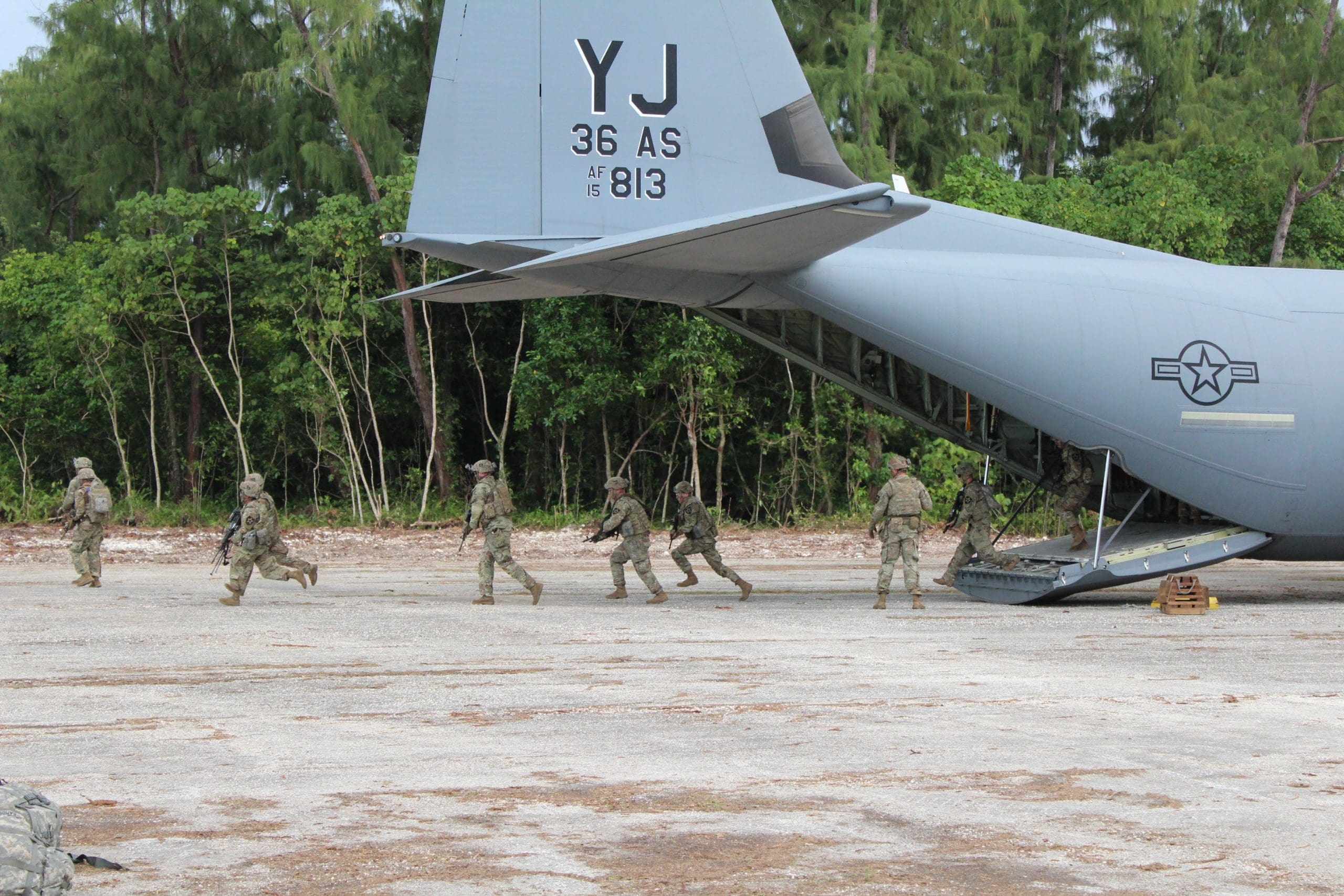
KOROR, Palau — A U.S. Air Force C-130 Hercules delivered U.S. Army Pacific Soldiers onto the newly renovated Angaur Airfield for training exercises in the Republic of Palau, Sept. 5.

The successful arrival of the military cargo plane validates the airstrip’s use by military and commercial aircraft, a little more than a week after the project’s completion and ceremony August 27. In the weeks prior, a U.S. civil-military engineer joint task force reconstructed and expanded the runway as part of the Angaur Airfield Joint Improvement Project.

The U.S. Ambassador to Palau, John Hennessy-Niland remarked that making a rudimentary airstrip capable of hosting cargo aircraft is a significant milestone in support of the people of Palau. “The completion of the Angaur Airfield Joint Improvement Project is a game changer,” said Hennessy-Niland. “Palau now has a secondary airstrip. This had been a long-standing request from the government of Palau and the State of Angaur.”

Adding a second airfield allows the U.S., along with other allies and partners in the region increased opportunity to support the delivery of humanitarian assistance in times of crisis or address other regional security concerns.

The USARPAC Soldiers are arriving as part of Defender Pacific 20, a theater-wide exercise that demonstrates strategic readiness by deploying combat credible forces in support of the Compact of Free Association agreement and the U.S. National Defense Strategy.

“The deployment of forces onto a newly certified airstrip demonstrates our ability to rapidly project joint combat power across the Indo-Pacific Command and reinforce international rules-based order,” said Col. James Bartholomees, USARPAC Deputy Chief of Staff for Operations. “This new runway demonstrates America’s investment in our important alliances and partnerships and our overall commitment to the people of Palau.”

U.S. Army Pacific worked closely with the U.S. Embassy, Government of Palau, and the Joint Region Marianas command in Guam to minimize risk of exposure to COVID-19 through 100% testing and quarantine measures. USARPAC would like to thank the Palau Ministry of Health for all their efforts and assistance with COVID-19 testing and clearance. All soldiers tested negative for the virus prior to their arrival to Angaur.

Courtesy of US Army News.

MATBOCK Monday – Kodiak Releasable Dog Leash

Monday, September 21st, 2020

Good morning and Happy MATBOCK Monday!

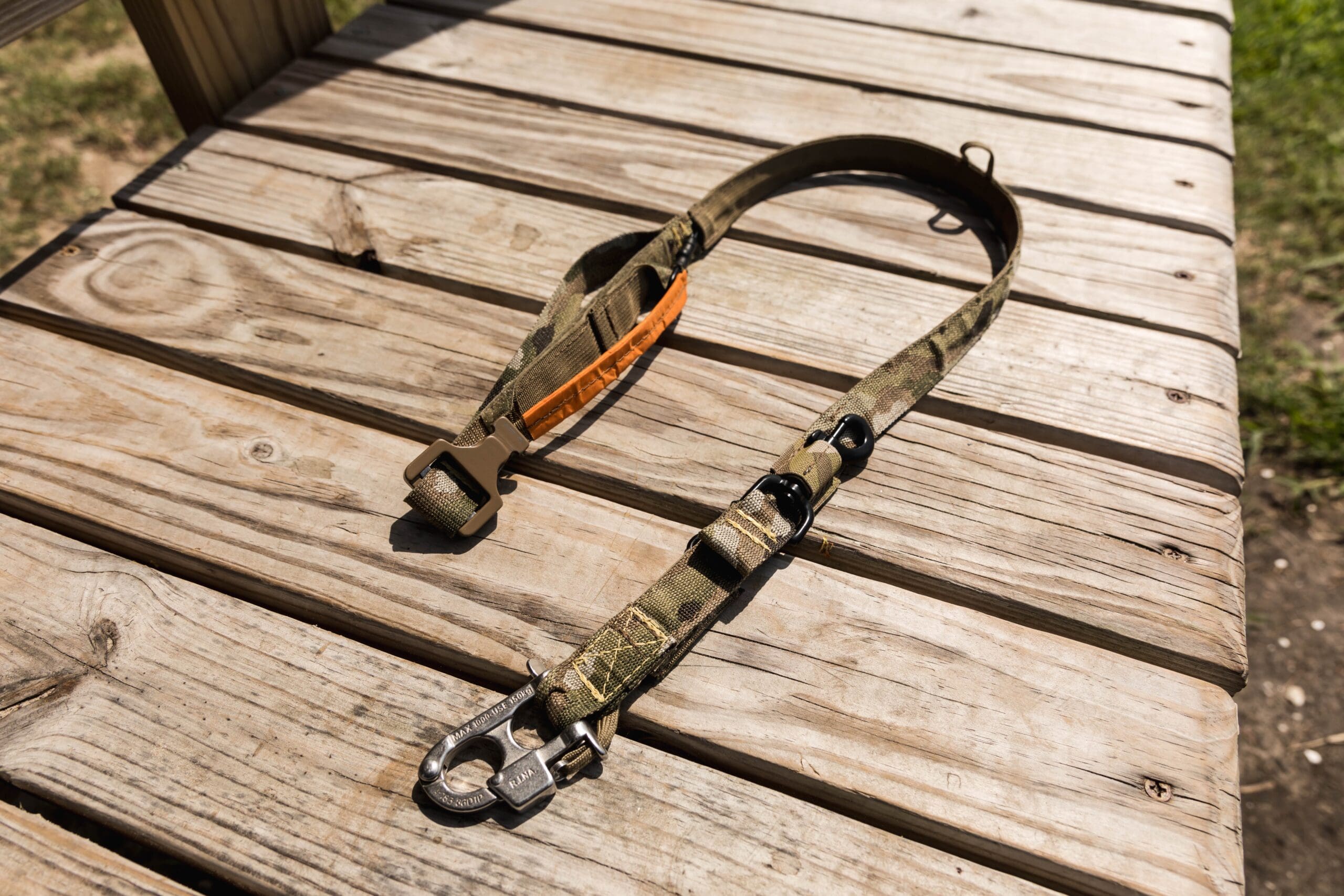
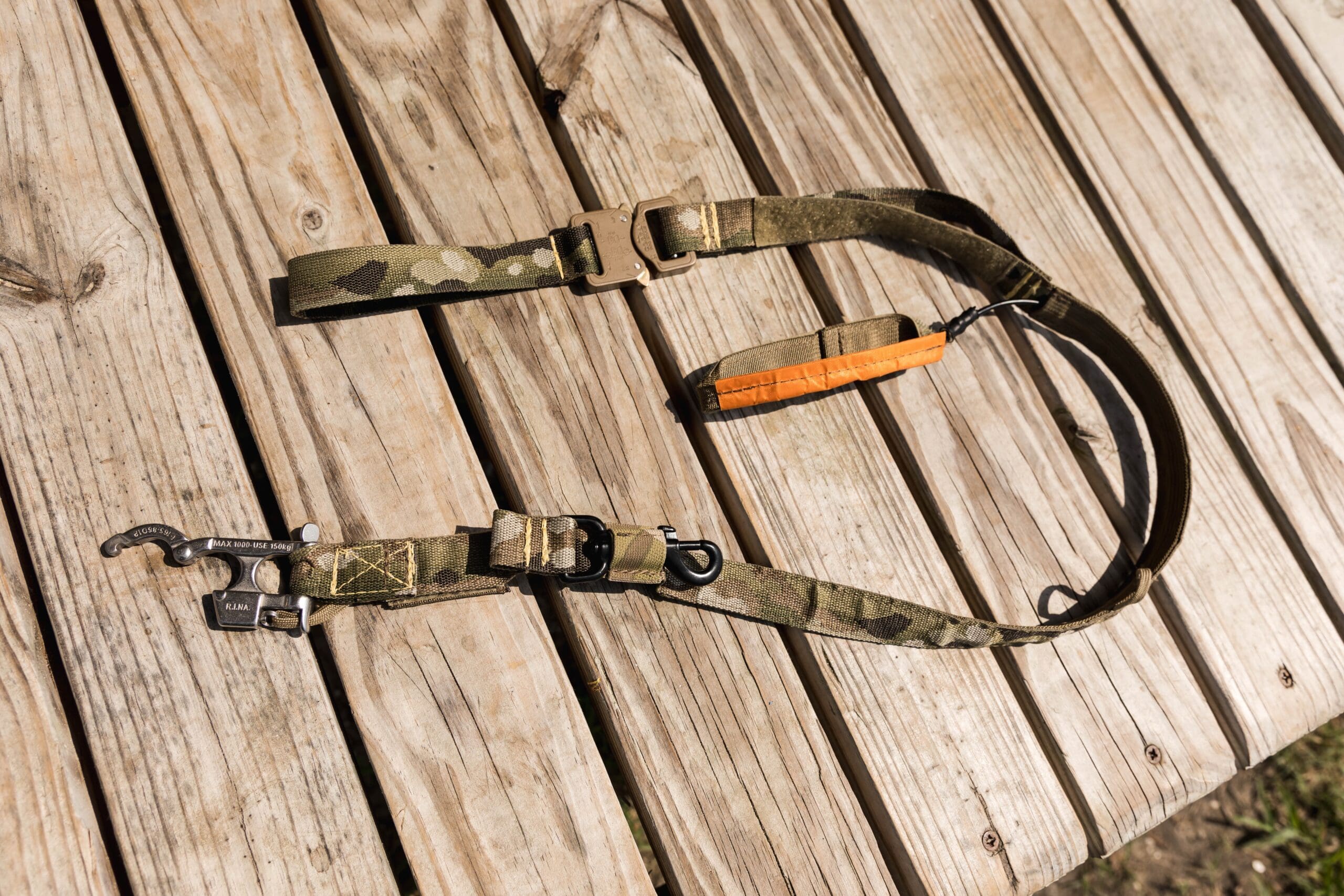
KODIAK Releasable Dog – (KRD) Leash

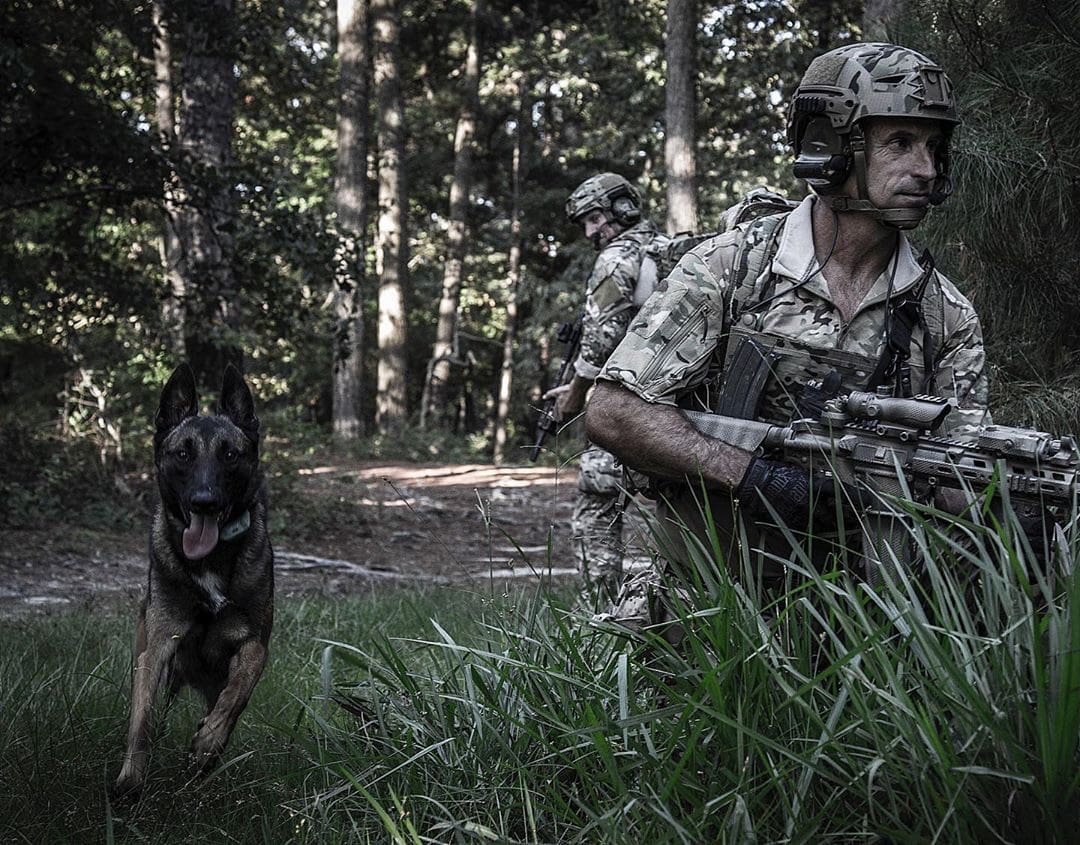
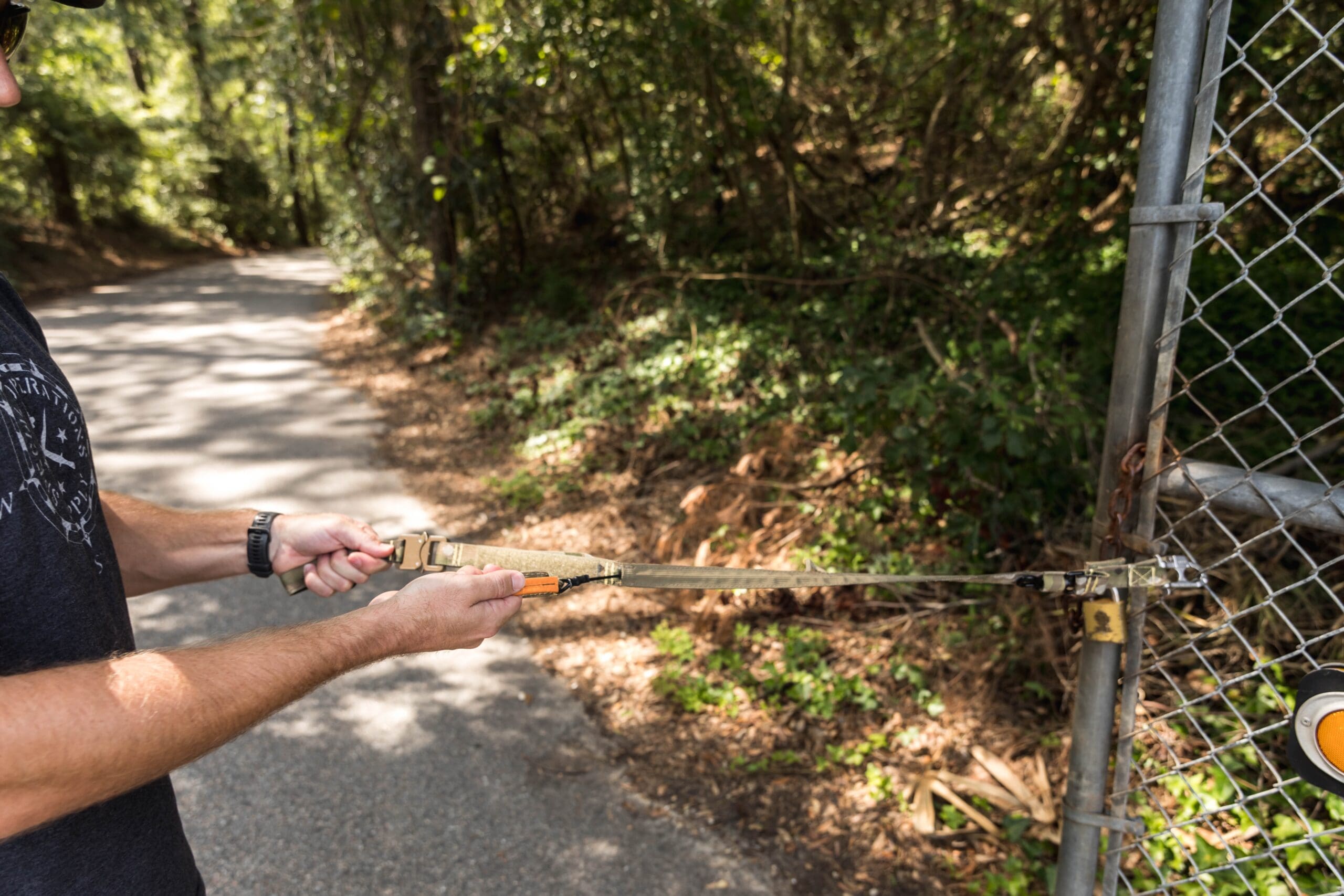
A 43” dog leash made from MILSPEC MultiCam webbing and stitched with KEVLAR thread to maximize durability and resist salt water & sun corrosion. The KRD leash has an ergonomically designed quick release buckle which allows the handler to release the dog from the end of the leash vice unclasping the leash at the collar. The leash features a quick disconnect that can be girth hitched to the belt as well as a standard clasp for secure dog attachment when the remote release is not required.

The KRD leash also doubles as a sling to be used with the MATBOCK Dog Litter allowing the handler to carry out an injured dog or even the added ability to hoist.

Quick Release!

Don’t forget to tune in Monday at 1:00 PM EST as we go live to demo the Kodiak Releasable Dog Leash!

www.gsaadvantage.gov/advantage/ws/catalog/product_detail?gsin=11000074649578

SCUBAPRO Sunday – Finning Techniques

Sunday, September 20th, 2020

Finning is the process of generating propulsion. In that sense, it is probably the most basic of all the diving skills, and one that most of us are already able to do when we first start diving.

In particular, a better finning technique, choosing the right technique for the right circumstances, can increase your dive’s efficiency.

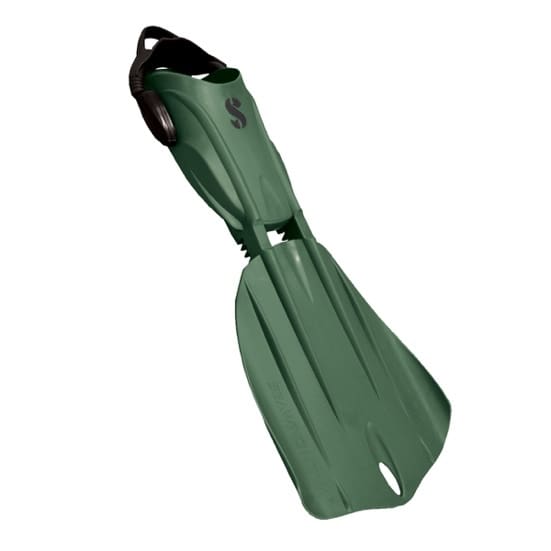
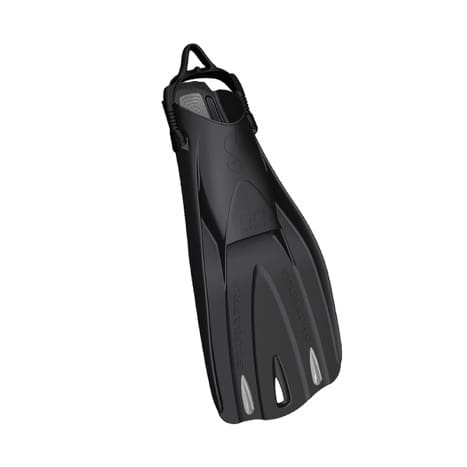
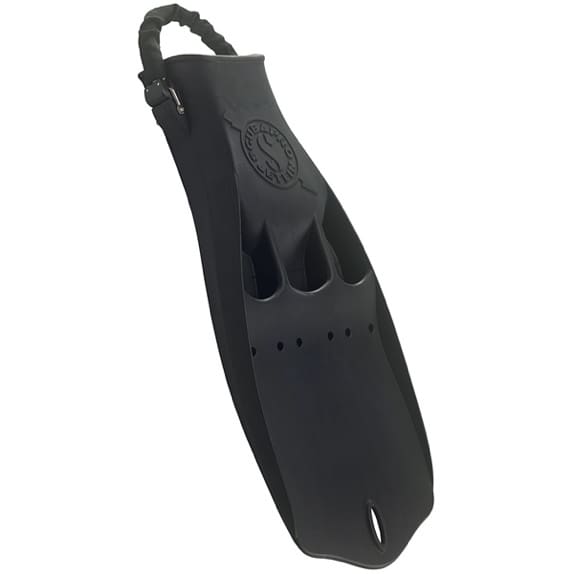
This will decrease your air consumption, reduce physical fatigue, and extending your dives. Picking the right finning technique will also decrease the amount of silt you turn up. I am going to talk about four types of SCUBAPRO fins. The Jet fin, the Seawing Nova Gorilla, The Seawing Nova, and the Go Sport fins. The Jet Fin is the most wildly used fin in the world by profession divers, the SeaWing Nova, the SeaWing Nova Gorillas (a stiffer version of the Seawing Nova that is great for people that who are strong kickers). The Go Sport fin is new to our line and is a tremendous all-around fin for diving, surface swimming like OTB and River and Stream crossing. Lastly are the Twin Jet fins, again a SCUBAPRO iconic fin; it is used by strong kickers that like to use a flutter kick type stroke.

There are three main fin kicks that any diver should know. These are flutter kicks, frog kicks, and bent-knee cave diver kicks.

Flutter kicks

The flutter kick is the basic finning technique that most divers use. This technique is similar to the leg part of freestyle swimming.

Watch 90 percent of all divers, and you’ll see them use flutter kicks. In the early days of diving, it was the only technique taught. The reason for its popularity is quite simply that it is the strongest of all the kicking techniques, and it generates a lot of propulsion. Back in the early days of diving, before the invention of the BCD, speed was the primary way of maintaining buoyancy. The advantage of this kick is the forcefulness of it. It is excellent for moving at high speed or when fighting a current. The legs’ vertical up-down movement also means it is beneficial for wall diving, mainly when diving by a wall covered in corals. There’s less risk of kicking something on the side of you like your dive buddy, coral or the finning’s backwash, stirring up sediment. The disadvantages of this kick are related to the advantages. The forcefulness of the kick means that it is relatively strenuous and increases air consumption because of it. The vertical movement can steer up a lot of silt; this is bad for many reasons. If you are on a combat swimmer operation, the trail of silt can give you away. Second, it will make it hard for anyone following you to see their gauges and find the target. (unless you are using the SCUBAPRO HUD dive computer) (shameless plug, but it is excellent for low visibility). In confined spaces like close to the target around the piers or in a cave, it can cause a blackout and make it very hard to see what you are doing.

A fast, powerful technique is useful when fighting a current, for short bursts of speed. The best fins for this are the SCUBAPRO SeaWing Nova Gorillas, The Go Sports, and the Jet fans.

Frog kick

The frog kick looks very similar to the leg portion of the breaststroke from swimming. A large and wide kick that utilizes the leg’s full strength is a good, general technique for open-water diving, either in the water column or close to the bottom. Because the movement and propulsion aren’t continuous, good buoyancy technique is required, though.

The movement here is horizontal, or close to it, meaning that there is minimal disturbance of the bottom when swimming close to the bottom, which will maintain the visibility for any divers that come after you. However, the kick’s width means that the kick isn’t recommended for caves or when diving close to a wall.

This kick, combined with good buoyancy, will quickly become your go-to technique once you get used to it, and will likely decrease your air consumption significantly. The more adequately trimmed your position in the water, and the more you take advantage of the gliding phase before initiating the next kick, the more you’ll reduce your energy (and air) consumption.

The powerful kick that can be extremely efficient, especially if you master the kick-and-glide aspect. Suitable for open-water diving in mild currents, in the water column, or close to the bottom. Not advisable in stronger currents or close to walls.

The best fins for this are the Jet fins.

Bent-Knee Cave Diver Kick

With the complicated name, this technique is the go-to technique for technical divers and is the one that causes the least disturbance of the environment. The bent knees mean that the movement is minimal, with the entire kick coming only from a small movement in the hips, combined with a kick of the ankles. This means that propulsion is limited, compared to the two kicks above, but it also decreases strain and air consumption.

The small movement means that it works well in cramped areas, such as inside wrecks and caves, and, when executed correctly, can minimize the amount of silt kicked up to almost nothing. For this reason, it is also the recommended technique for diving close a very silty bottom, like in a confined space, close to piers or around ships.

The slow movement also means that this technique helps you slow down, making it useful for muck dives or other nature dives where you’ll be looking for small animal life. Because it is a very low-propulsion kick, this technique has its limitation when swimming against a current, though. This is a minimal-impact kick that is ideal for cramped environments and close to very silty bottoms, as well as helping you slow down during your dives and maximize your available air. The Jet Fin is the best fin this, and with some practice, the Go Sport is good also.

Lastly, the SeaWing Nova Gorillas come in OD Green or Orange, but they can be special ordered in all black. You can also order the SeaWing Nova in all black. Special orders require a minimum of 24 per size, but we can work to get you want you need.

Contact ecrazz@clannfive.com for more information.

SECAF Unveils New “eSeries” Classification in Nod to Department’s Digital Future

Sunday, September 20th, 2020

ARLINGTON, Va. (AFNS) —

Secretary of the Air Force Barbara Barrett told Air Force Association conference attendees that the future of Air and Space technology will include aircraft, weapons and satellites which will be digitally engineered and virtually tested before ever taking physical form.

A true paradigm shift, systems being considered for acquisition will be designed, developed and manufactured on a digital foundation, just like the Boeing eT-7A Red Hawk advanced trainer. The new process is part of the Department’s digital eSeries approach.

The secretary made her remarks during the keynote speech at this year’s Air Force Association Air, Space and Cyber Conference, which is being held virtually due to the global pandemic.

“To inspire companies to embrace the possibilities presented by digital engineering, today the Department of the Air Force is announcing a new weapons system designator—the ‘e’ series,” Barrett said. “Aircraft, satellites, weapon systems and more that are digitally engineered will receive an ‘e’ prefix.”

The first U.S. Air Force aircraft designed using the digital approach, the eT-7A Red Hawk, embraced model-based engineering and 3D design tools which reduced assembly hours by 80% and cut software development time in half. The aircraft moved from computer screen to first flight in just 36 months.

Other Air and Space Force programs have leveraged the power of digital engineering to reduce design and testing time. In the future, more Air and Space Force acquisition programs will be using digital engineering principles to design, code and build systems.

According to Air Force officials, an eSeries digital acquisition program will be a fully-connected, end-to-end virtual environment that will produce an almost perfect replica of what the physical weapon system will be. It will bring unprecedented speed and agility to help compete in the technology battlespace by enabling thousands, even millions, of virtual iterations at machine speeds to design the best possible system — but only build the single, best design.

By Secretary of the Air Force Public Affairs

RADM HW Howard III Relieved RADM Collin P Green as Commander, Naval Special Warfare Command During Recent Change of Command Ceremony

Saturday, September 19th, 2020

NAVAL AMPHIBIOUS BASE CORONADO (NNS) – (Sep. 11, 2020) Rear Adm. H. W. Howard III relieved Rear Adm. Collin P. Green as Commander, Naval Special Warfare Command (NSWC) during a change of command ceremony at Naval Amphibious Base Coronado, Sept. 11, 2020.

U.S. Army General Richard D. Clarke, commander, United States Special Operations Command (USSOCOM) was the presiding officer.

“But on all days, today, September 11th, we all remember an event that changed many things for our country. And for our special operations forces, it changed our course, it changed many of our joint force individuals, and changed many families for years to come. And I would ask everyone to keep that foremost in your mind today, as we recognize the import of today’s event,” said Clarke. “For 19 years, SOF has been the tip of the spear operating around the globe to protect our American people, our interest and our way of life. From the beginning the Navy SEALs and the entire NSW team has been an absolutely essential part of that effort. …The incredible ethos of teamwork and excellence established in the tradition of this command firmly holds true today.”

Green assumed command of NSWC in July 2018 and in his next assignment, he will serve as chief of staff, U.S. Special Operations Command.

Howard arrives as Commander, NSWC from his most recent assignment as Commander, U.S. Special Operations Command Central located at MacDill Air Force Base, Fla.

NSW Command is committed to its Sailors and the deliberate development of their tactical excellence, ethics, and leadership as the nation’s premiere maritime special operations force supporting the National Defense Strategy.

NSW is the maritime component of U.S. Special Operations Command, and its mission is to provide maritime special operations forces to conduct full-spectrum operations, unilaterally or with partners, to support national objectives.

Courtesy Naval Special Warfare Command

FirstSpear Friday Focus – Wind Cheater Available in 3XL

Friday, September 18th, 2020

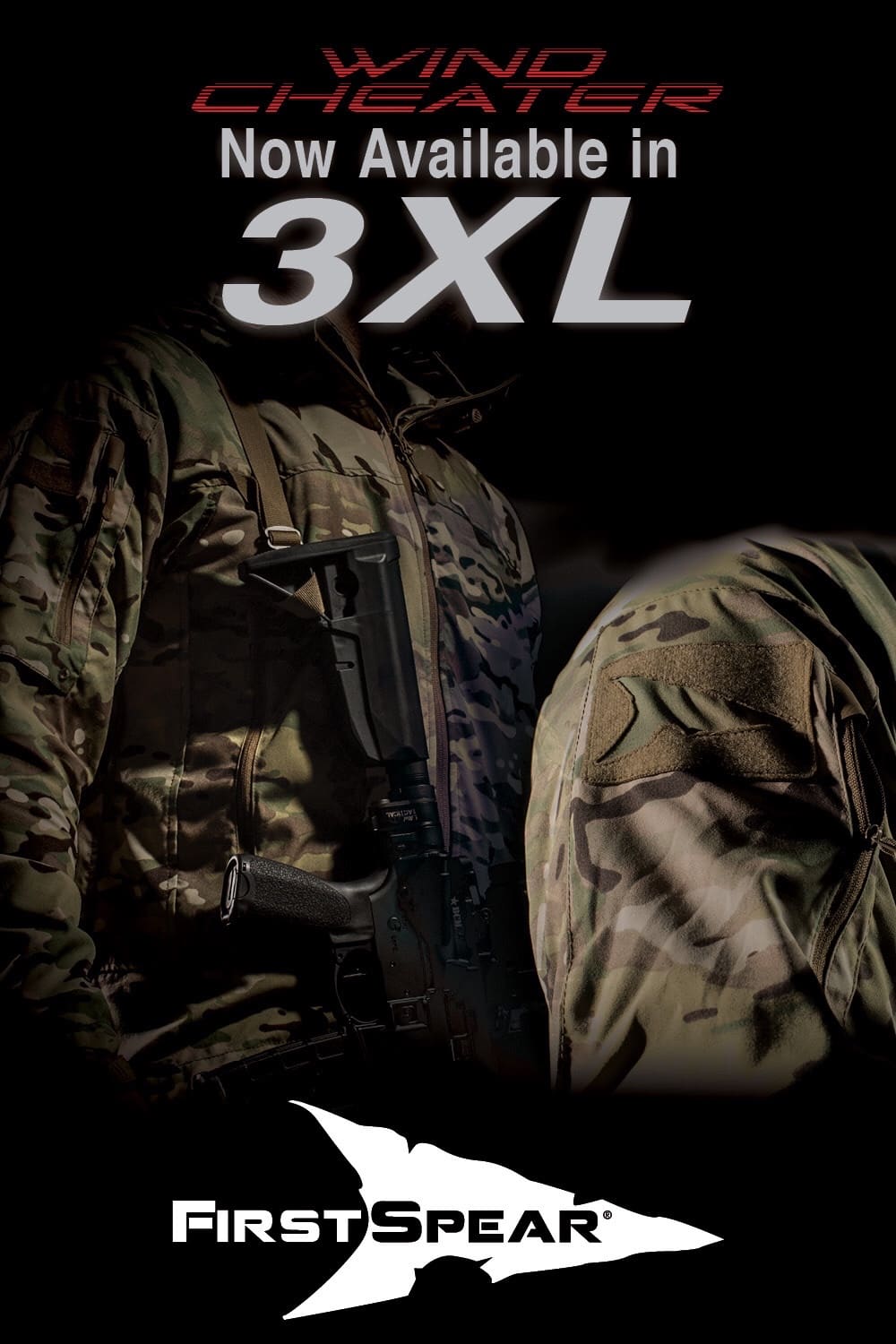
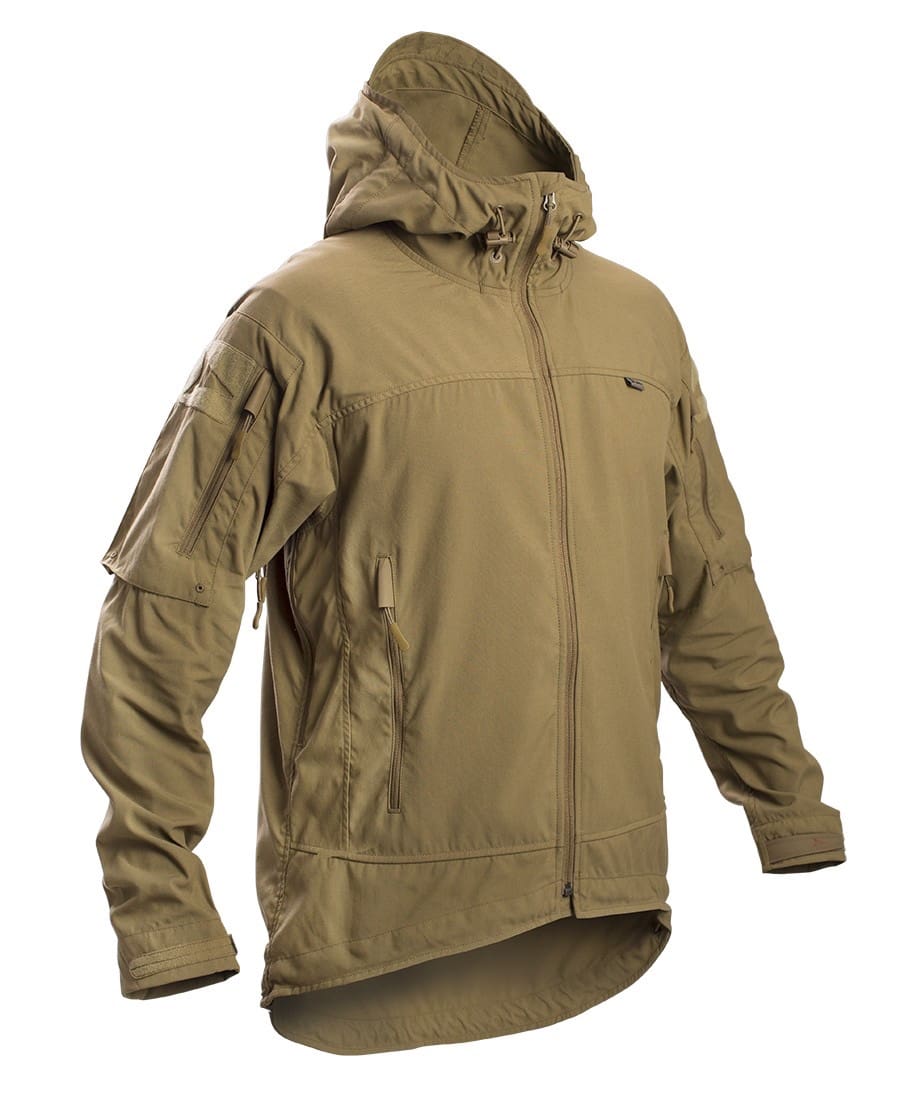
This Friday we are getting a look at the popular all season Wind Cheater now available in 3XL! 100% Berry Compliant constructed from 330D ambush the Wind Cheater is a unique garment very light in weight, breathes like a t-shirt yet still sheds wind and light precipitation thanks to a DWR coating.

The Wind Cheater features a long tail great for colder days with just the right height on the front for easy access to belt mounted accessories. Oversized hood works well with hats or helmets with a wide range of bungee adjustment for user defined fit. Two large bicep pockets, pit zips and torso pockets allow for exceptional ventilation when required.

Offered in Multicam, Manatee Grey, Coyote, Black and Ranger Green. 100% American Made.

www.first-spear.com/wind-cheater

Revision Presents: Invisible Danger – Laser Devices, Effects and Laser Eye Pro

Wednesday, September 16th, 2020

Since July, reported incidents of laser attacks on law enforcement have skyrocketed around the nation leading to a variety of eye effects and injuries, including reports of partial blindness. While handheld lasers aren’t new, their widespread use with intent to harm is increasing, just as the demand for laser protective eyewear to prevent effects and injuries. We’ve learned there are a lot of questions from end-users about lasers, and Revision has offered the following article with some education about the laser threat and how to combat it. Revision has been at the forefront of laser and ballistic protective eyewear solutions for the past decade.

INVISIBLE DANGER – LASER DEVICES, EFFECTS AND LASER EYE PRO

One of the latest tools of mayhem employed by street protestors is the handheld laser. Easily concealed, simple to use, and cheap to the point of disposability, they pose a serious threat to tactical law enforcement officers working a crowd control detail.

LASER SPECS

There are three important laser device specs to note when looking for laser eye protection. The power level of the device (measured in milliwatts), the color of the laser it emits (expressed as its wavelength in nanometers), and beam divergence (measured in minute of angle or milliradians.) We’ll cover power and color in more detail, but beam divergence is a complex sounding term that indicates how tightly focused the laser beam is. Wider beams are less of a threat.

MORE POWER

Handheld lasers used in street protests range from mostly harmless low-power keychain laser pointers to high intensity handheld lasers that rival the power of lasers used by the military to mark targets miles away.

How do you know the level of danger you’re facing when the crowd is shining lasers at you? Bottom line, you won’t. Like you, the protesters slinging light beams at you probably don’t even know how powerful their handheld lasers are.

Sure, the U.S. FDA regulates all laser products for safety. But, handheld lasers are considered a novelty, often sold on the gray market, imported by the shipload, and are among millions of products the government is supposed to inspect. It’s not surprising that laser safety regulation is a massive game of whack-a-mole that’s got regulators on their heels.

And because it costs more to make a less powerful laser that complies with safety standards than a more powerful one that doesn’t, it’s common to order a 3 mW laser from the internet and get one that puts out 10 or more times the stated output. So, it’s safe to assume every laser you see on the street is powerful enough to be dangerous, regardless of what the label says.

POTENTIAL INJURY

Laser danger comes in a few forms, the most feared is irreversible injury caused by a highly focused light burning the retina. The more common, but just as serious threat posed by lasers is the loss of situational awareness.

A laser in the eye has the same effect as any bright light source, it’ll first elicit a startle response causing you to blink. If you continue looking into the laser, you’ll be dealing with glare that obscures your vision and if you look into it long enough you’ll get temporary bright spots, called afterimages. While these effects aren’t as severe as permanent blindness, situational awareness is the last thing you want to lose when flying bricks and homemade pyrotechnics are in play.

Above: A Green laser being aimed at Law Enforcement during Portland, Oregon protests.
Photo by Dave Killen,
Oregonlive.com

INVISIBLE DANGER

Good news: you’ve got an involuntary blink response. Bad news: The blink response only occurs if the offending light is in the visible spectrum, and cheap lasers are often contaminated with invisible, IR and near-IR light.

This means a dim, 5mW visible laser could be pumping out hundreds of mW of light in the near-IR spectrum, and you won’t know it until you feel your eyes itching and burning for no apparent reason. By that point, that light is cooking your retina.

HOW DO YOU STOP A LASER

At the simplest level, a laser’s color is its Achilles heel. Want to stop a red laser? Put a red-absorbing filter in its path. Generally laser protective lenses will look the opposite of the color they absorb.  Of course there’s more to blocking a laser than that, but a key consideration when looking for laser eye pro is knowing the color of the light you want to block. Eye pro manufacturers list this spec as a specific wavelength or a range of wavelengths in nanometers (nm).

LENS CONSTRUCTION MATTERS

To make a lens that stops a laser means choosing a dye that absorbs light at the same wavelength as the laser and incorporating it into the lens. This can be in the form of a coating applied after a glass or polymer lens is made, or by mixing the dye into the base material of a polymer lens before it’s molded into shape. The later method of construction results in a much more durable form of laser protection, since the dye is impregnated into the lens and can’t be scratched off.

Most laser protective lenses are made for use in a laboratory or on a manufacturing line where getting punched in the face or fragged by a BB-covered M-80 isn’t a concern. Keep that in mind when looking for laser eye pro that’ll be used on the street. There are only a few companies making laser eye pro that also provides mil-spec ballistic protection.

Above: Ballistic laser protective eyewear being tested against a laser hazard in the Revision Military Advanced Laser Research Lab.

CHOOSING THE RIGHT LENS

It’d be great if there was one lens that could block all laser wavelengths, but there isn’t. Knowing that blocking a laser is accomplished by filtering its particular wavelength of light, the practical cost of protection for a given color of laser is limiting the ability to see that color. So, a lens that would block all laser colors would need to filter out all colors of light, and that lens would essentially be impossible to see through.

Because each lens can only provide laser protection in a certain wavelength, or range of wavelengths, determining what color lasers you’re likely to face on the street is critical in choosing a protective lens.

LASER EYE PRO SPECS

Carefully consider the time of day you’ll use the laser eye pro. Nighttime is the right time for mayhem, so you’re going to want to get lenses that aren’t so dark that they can’t be used at night. The spec that tells you how much light a lens allows through is called its visible light transmission (VLT.) VLT tells you how much regular light a lens allows to pass though it as a percentage. Higher percentages allow more light to pass.

Another important spec you’ll see is a lens’s optical density (OD). OD tells you how much of a laser’s light is blocked by the lens. It’s given as a number from 0 generally up to around 7, with higher numbers offering the most protection. Each additional OD absorbs ten times as much laser light, so a lens with OD 3 absorbs 10 times as much light as a lens with OD 2.

Practically speaking, the higher the OD, the more laser energy a lens can absorb. The higher the VLT, the more natural light is passing through the lens. 

BEWARE OF IR ONLY LENSES

Before heading out to work a protest with the eye pro that came with your IR aiming lasers, confirm those lenses also provide protection in the visible light spectrum. IR rated lenses are generally only good for stopping lasers in the IR/Near-IR spectrum and won’t necessarily offer protection against visible lasers.

LOOKING FORWARD

The current limitations of protective laser lens technology means the need for situational awareness and broad spectrum protection are at odds with each other. Want to see everything? You have to give up protection. Want to be protected from the widest range of threats? You’re going to have to decide how much visual awareness to give up. 

The threat of lasers to guys on the ground is still emerging, as is the response from companies making eye protection. Cutting edge research and development in tactical laser eye protection is focused on finding a no-compromise solution that provides full spectrum laser protection, uninhibited vision, and mil-spec ballistic protection using high tech solutions that can survive the rigors of the street and the battlefield.

For more information, visit www.revisionmilitary.com, write sales@revisionmilitary.com, or call +1 802.879.7002.