XC3 Weaponlight

Archive for the ‘Guest Post’ Category

17th Special Tactics Squadron Surpasses 6,900 Days in Combat in Middle East

Wednesday, September 2nd, 2020

HURLBURT FIELD, Fla. —

In the wake of the 9/11 terrorist attacks which marked the beginning of the Global War on Terrorism, U.S. service members saw an increased spike in deployments that has ultimately sustained its high tempo for nearly two decades.

For the men and women of the 17th Special Tactics Squadron, since their initial response to the GWOT in October 2001, there have been no breaks in deployments and combat operations for over 6,900 days in support of Operations IRAQI FREEDOM, ENDURING FREEDOM, FREEDOM’S SENTINEL and RESOLUTE SUPPORT.

Day in and day out, members of the unit can be found scattered around the globe, bringing the fight to the enemy’s front door. These never-ending actions are one of the many that directly reflect the testament of the heritage, courage and sacrifice of the unit that can only be foreseen to continue.

“The 17th STS members have single handedly removed [thousands] of [high value targets] from the battlefield and therefore severely degraded terrorist networks that pose a threat to U.S. interest,” said U.S. Air Force Lt. Col. Travis Deutman, the commander of the 17th STS. “Most importantly, our operators are consistently providing desperately needed close air support at the most critical times in combat, while also coordinating insertion, extraction, and medical and casualty evacuation lift for critically wounded teammates.”

The 17th STS is unique within the Air Force Special Tactics community in several ways.

The squadron, instead of residing in one location, is geographically separated in three locations so that the unit can train and deploy alongside all five of the U.S. Army Special Operations Command’s 75th Ranger Regiment battalions. Headquartered at Fort Benning, Georgia, alongside the Regimental Headquarters, 3rd Ranger Battalion, Regimental Special Troops Battalion, and Regimental Military Intelligence Battalion. Two operational detachments are located at Hunter Army Airfield, Georgia, alongside the 1st Ranger Battalion, and Joint Base Lewis-McChord, Washington, alongside the 2nd Ranger Battalion.

Consisting of primarily tactical air control party Airmen, the unit’s primary mission is to provide Air Force Special Operations Command’s Special Tactics TACPs to the 75th Ranger Regiment, pairing the Department of Defense’s most lethal joint terminal attack controllers with the most premiere direct-action raid force. Essentially, the 17th STS operators are directing precision strike munitions and delivering destructive ordnance on enemy targets in support of the Ranger ground scheme of maneuver.

Aside from TACPs, the unit also provides special reconnaissance Airmen, combat controllers, Special Tactics officers and combat mission support Airmen to the 75th Ranger Regiment to enhance its precision strike and global access capabilities.

“No other unit in the [United States Air Force] offers the opportunity to close with and destroy enemies of the United States like those of us selected to support the Ranger Regiment,” said an ST TACP operator with the 17th STS. “The Ranger Regiment is its own legend-generator and the opportunity to serve alongside one of the most lethal light infantry forces on earth is humbling.”

The bond between the 17th STS and the 75th Ranger Regiment is inimitable due to the respective units being geographically located together and conducting entire training cycles with the exact team that they will be deploying with.

“The 17th STS promotes what I would argue is the foremost example of joint service relationships,” said U.S. Air Force Staff Sgt. Aaron Inch, an ST TACP operator with the 17th STS. “This unit has an extremely proud lineage and comes with the responsibility for each member to uphold and/or surpass the standard that has been set by those before us.”

With ongoing involvement in combat comes valor, and the Special Tactics community has just that. It is the most highly decorated community in the Air Force since the end of the Vietnam War with the 17th STS having a large hand in that statistic, seeing its members receive more than 80 high valor medals for courageous actions in combat.

“The foundation of this unit is the heritage of warriors that distinguished themselves in combat before we walked these halls,” said U.S. Air Force Senior Master Sgt. Steve Reedy, the 17th STS operations superintendent. “Every member of this organization earns their right to be a member every day in keeping with that heritage.”
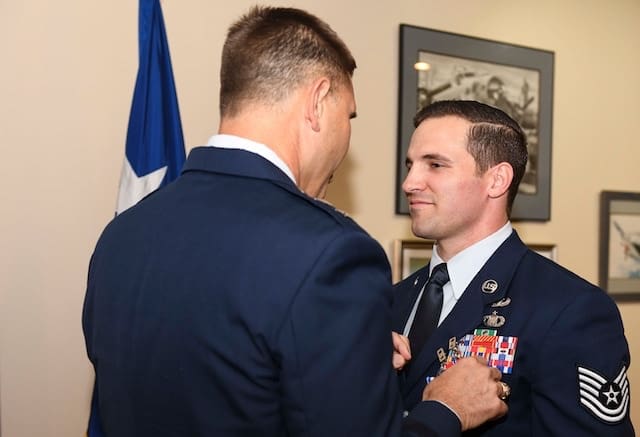
One of the latest examples of recognition that the 17th STS has been awarded was in April 2019 when U.S. Air Force Tech. Sgt. Cam Kelsch, an ST TACP operator with the 17th STS, was awarded the Silver Star Medal for actions while deployed with the 75th Ranger Regiment to Afghanistan in 2018. With this presentation, Kelsch became the first TACP to be awarded a Silver Star for actions in combat during the last seven years.

“Getting to lead people for whom undertaking such dangerous missions are just another day is inexplicable,” said U.S. Air Force Senior Master Sgt. Evan Serpa, the 17th STS Senior Enlisted Leader.

For the quiet professionals of this prestigious squadron, it is common to hear throughout the unit for one operator’s battlefield successes to be credited to his entire team. They spend days, weeks, and months training alongside each other to forge trust and competency to take downrange.

“The training that we provide simply adds different layers and different [tactics, techniques, and procedures], seeing that the Ranger Regiment conducts operations in a very specific way,” said U.S. Air Force 1st Lt. Evan Patoray, 17th STS, Detachment 2 flight commander. “All of our training is fast paced and complex, and although the basics do not change, the level and repetition at which we do the basics is what sets us apart. As a team, we push each other beyond what we have all seen in combat. We do this because we understand that if this training does not save their own life, it will allow them to save the lives of the Rangers around them.”

The physical and mental challenges the operators undergo for at least 275 days out of the year equips them for the demanding environment they will face downrange.

“Technical competency matters, professionalism matters, but your mental fortitude and intellectual flexibility might be the most important attributes,” said an ST TACP operator with the 17th STS. “The training to get here and working with [the Ranger Regiment] prepares you for the realities of combat.”

The high-speed operations tempo can be brutal and toxic to the operator and their home life if they do not have the proper training and decompression time, according to U.S Air Force Staff Sgt. Ryan Duhon, an ST TACP operator with the 17th STS.
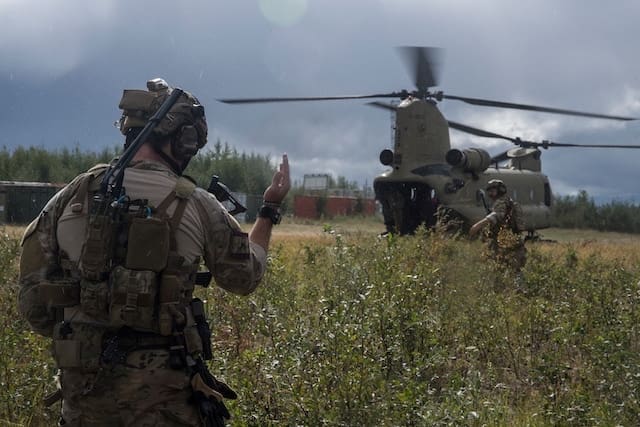
The Special Tactics Airmen aren’t alone with their sacrifices; their families have also sacrificed immensely for over 6,900 days in support of their loved ones. They’ve missed birthdays, holidays, anniversaries, and much more, to be a part of something bigger than themselves.

“A lot of personal sacrifice has to happen to make a unit like this one so effective and professional,” said U.S. Air Force Master Sgt. Ferguson, squadron flight chief. “We do not take breaks. We operate alongside our 75th [Ranger Regiment] brothers.”

In order to be welcomed into the Special Tactics community, aspiring conventional TACP Airmen undergo a harrowing week-long assessment at Hurlburt Field, Florida. The assessment is designed to test the candidates limits and determine if they have what it takes to join the ranks within ST. Candidates are then are hand-selected into the 17th STS.

“The team will push you to be the best version of yourself on and off the battlefield,” said U.S. Air Force Tech. Sgt. Joey Hauser, an ST TACP operator with the 17th STS. “The missions you will be of have impact felt at a national strategic level, and the legacy you will be of, will be some of your proudest accomplishments in life.”
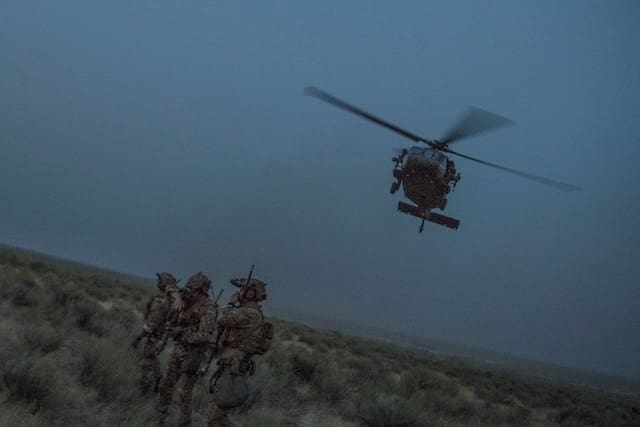
If you asked members of the 17th STS what it means to be a part of the combat-proven unit, one common answer would stand out – humbling.

“We fight, bleed and laugh beside [the Rangers]. We win as a team or fail as a team,” said Duhon. “When we are downrange, there is no deviation or segregation between Air Force and Army. We are one team fighting daily together to overcome adversaries.”

For anyone wanting more information on how to join the 17th Special Tactics Squadron, email SDScreening@jdi.socom.mil

Story by SSgt Rachel Williams, 24th Special Operations Wing

Photos by TSgt Sandra Welch and SrA Rachel Yates
TYR Tactical Tuesday – Hard Armor Facility and HA3/ST Plates

Tuesday, September 1st, 2020

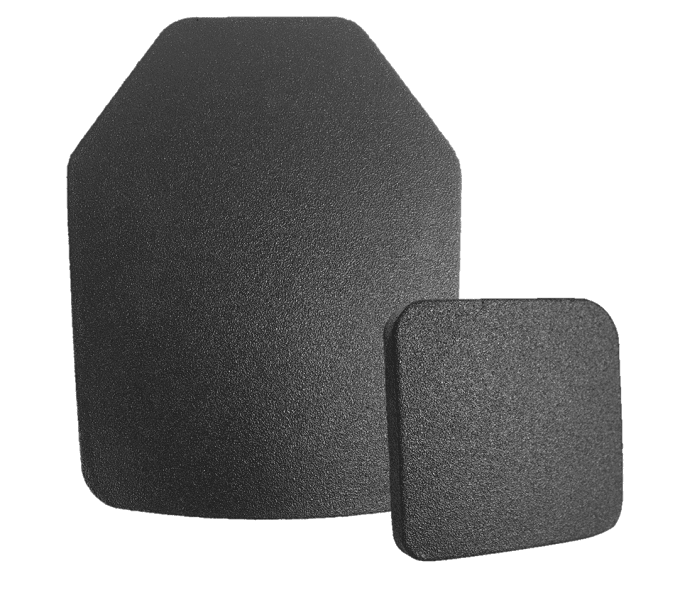
Since the beginning, TYR Tactical® has never stopped developing and improving upon their soft and hard armor offerings. They now offer Level II, IIIA, III and IV armor solutions. Additionally, they currently have the lightest Level IIIA, III and IV Shields on the market.

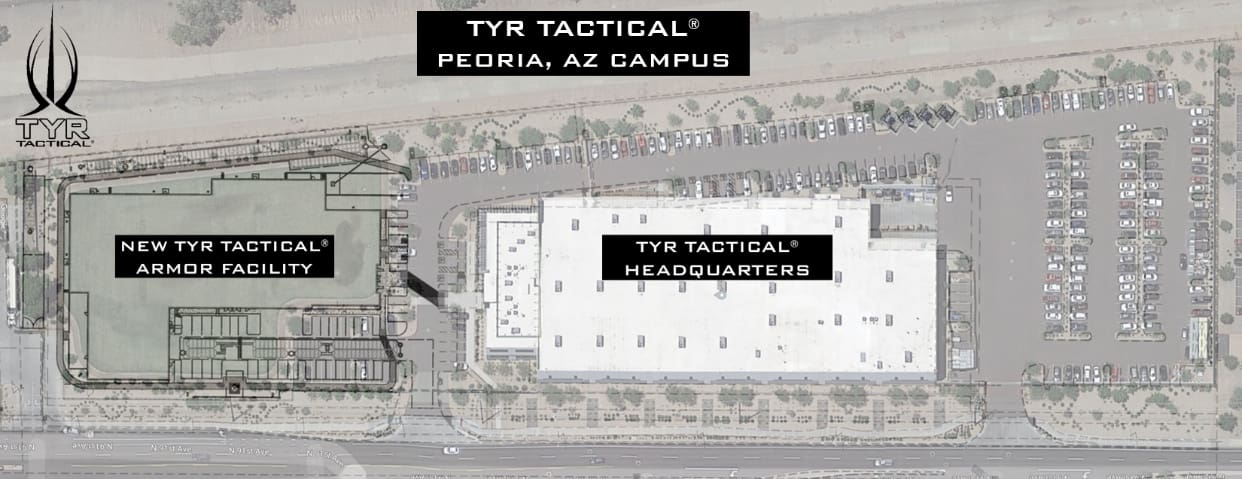
TYR Tactical® has invested nearly $14M to construct a New Armor Manufacturing Facility on their Peoria, AZ Headquarters Campus. This new building will house state-of-the-art presses and autoclaves to support hard armor production. This much needed expansion, along with their current in-house Ballistic Test Range, will give them unmatched armor development capability.

So why now? Owner & CEO Jason Beck had this to say about the driving force behind the Armor Facility Expansion: “As one of the few remaining family owned businesses in our industry I feel a responsibility to always be the guy making everyone else strive to get better. I felt the armor industry had grown stagnate, become too reactionary, and too contract focused. The industry stopped innovating and the end user community simply deserved better. We have had a very productive year in spite of the ongoing pandemic.  Investing back into the company and our people seemed like the right thing to do. We are building a world class armor production facility and adding next generation equipment, to continue to push our industry and build kit for the Next Generation Warrior®. Innovate or Die®!”


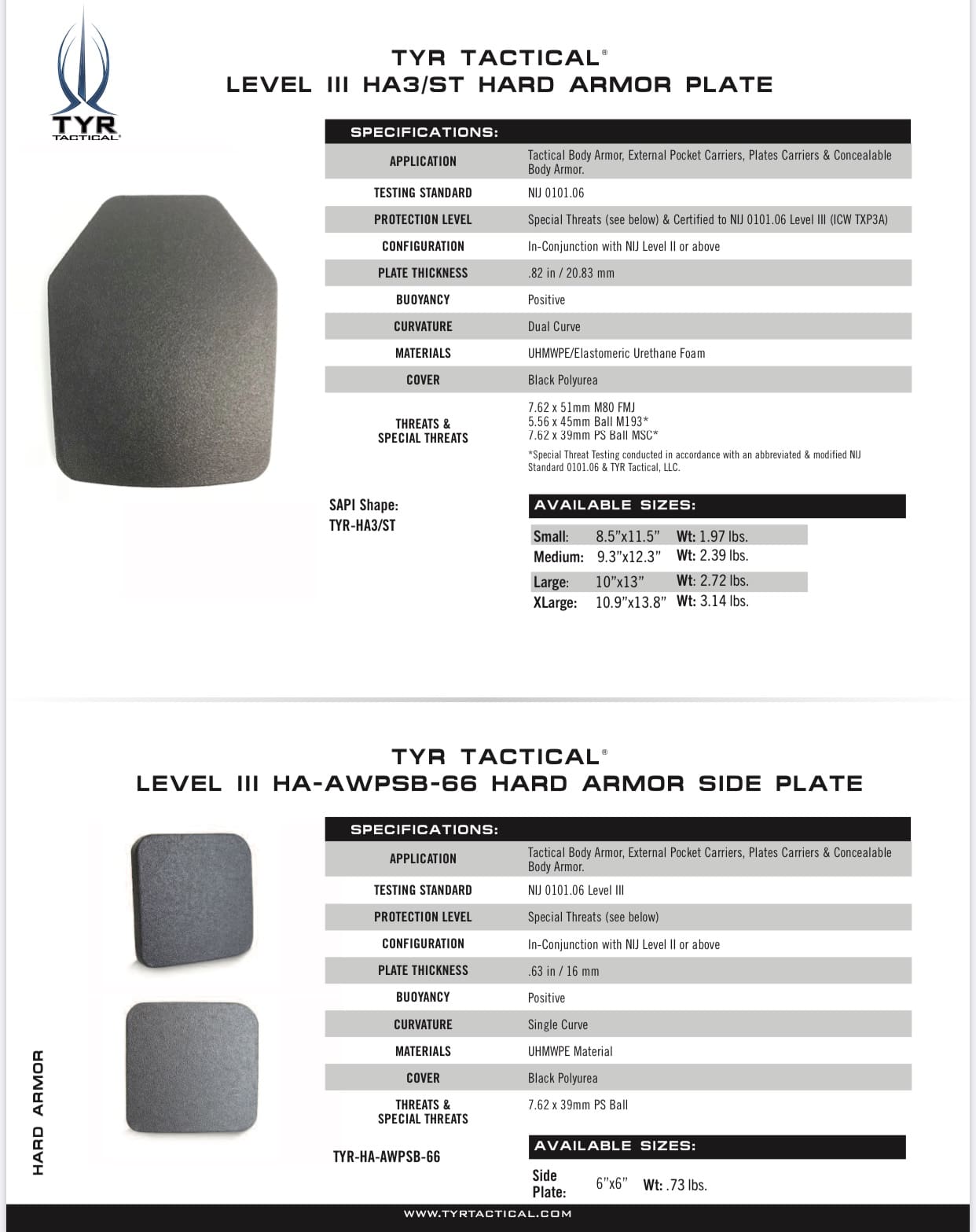
Download PDF here.

Check out the TYR Tactical® Level III HA3/ST Hard Armor Plates. Available now at www.tyrtactical.com.

HA3/ST Torso Plate: www.tyrtactical.com/products/details/hard-armor-plates/tyr-tactical-level-iii-ha3-st-hard-armor-plate

HA3/ST Side Plate: www.tyrtactical.com/products/details/hard-armor-plates/tyr-tactical-level-iii-ha-awpsb-66-hard-armor-side-plate

MATBOCK Monday – GRAVEROBBER Micro

Monday, August 31st, 2020

GRAVEROBBER Micro

Good morning and Happy MATBOCK Monday!

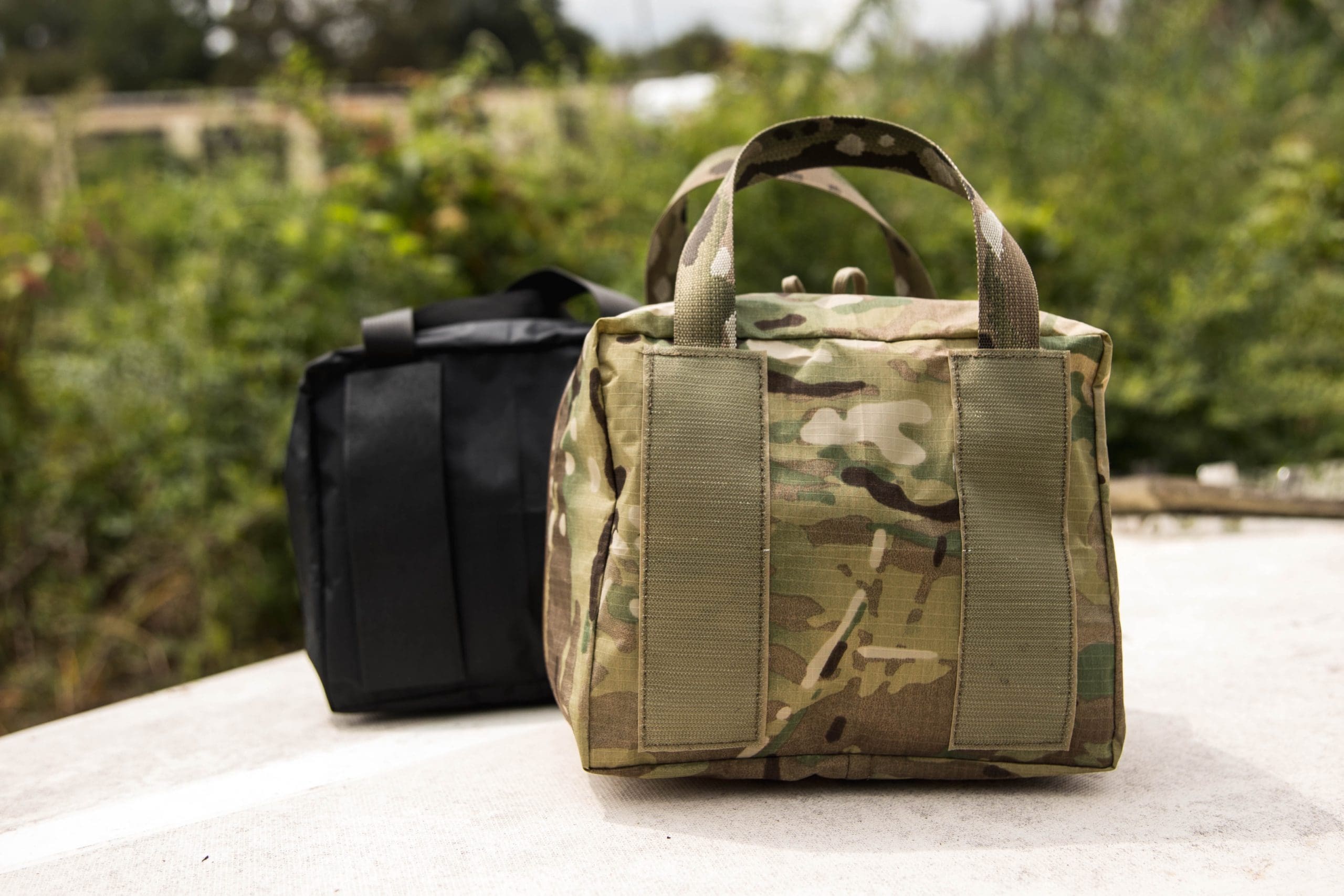
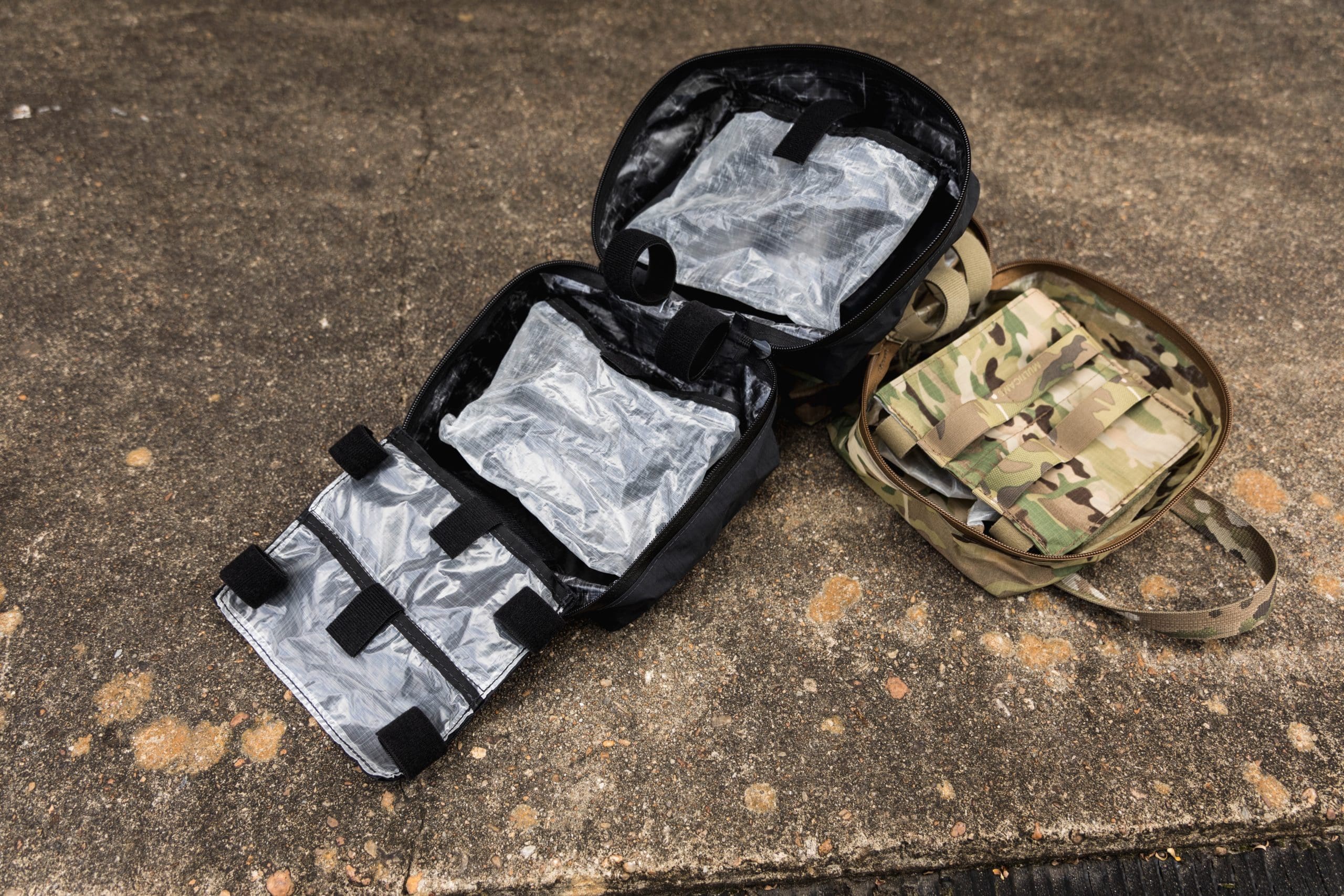
The GraveRobber™ Micro is a compact bag for enhanced portable medical supplies for easy attachment inside a larger pack or vehicle. Made of MATBOCK Ghost Light materials, it features multiple pockets and a fold down flap for easy organization and access to medical supplies.

Available in Black or Multicam
L x W x D = 7″ x 8.5″ x 6″
Weight – 0.6oz

Don’t forget to tune in on Monday at our new time 1:00 PM EST as we go live on Instagram to demo the GRAVEROBBER Micro.

www.matbock.com/collections/grave-robber/products/graverobber-micro

New Military ID Cards Being Issued for Military Family Members, Retirees

Monday, August 31st, 2020

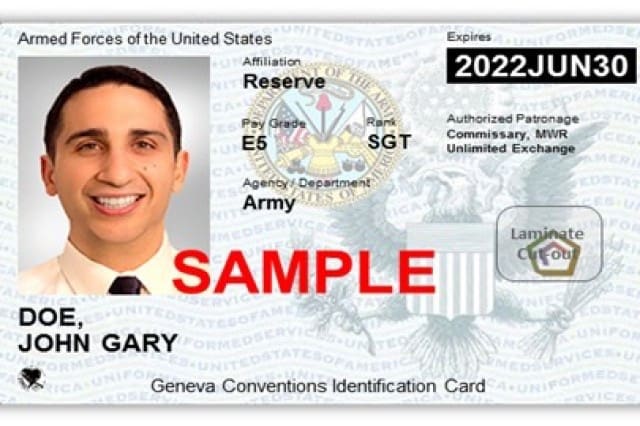
WASHINGTON — The Defense Department began issuing Next Generation Uniformed Services Identification Cards on July 31, 2020, the first time since 1993 that changes to the card have been made.

Michael Sorrento, director of the Defense Manpower Data Center, discussed the new ID cards that are for military family members, retirees and other eligible card holders.

The new ID card transitions the current laminated paper card to much more durable plastic material, similar to that used for the common access cards used by military members and DOD civilians, he said.

Also, the new ID cards feature enhanced security measures that will reduce the likelihood of them being compromised, Sorrento said.

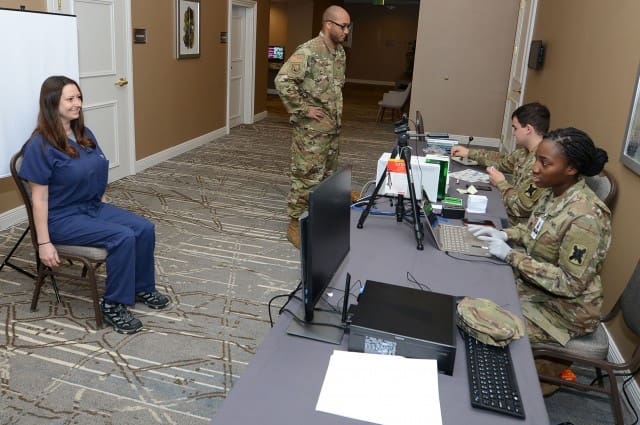
Although the new ID cards are available now, Sorrento said, only about 20 Real-Time Automated Personnel Identification Card System sites currently offer the card because new equipment is required to produce them, and that takes some time. All RAPIDS sites worldwide likely will have the new equipment by the end of the year, he said.



However, to reduce foot traffic — particularly in light of the COVID-19 pandemic — Sorrento said that unless a card is about to expire, it would be better to wait until summer to get a new one. Even then, he added, it would be good to call ahead first to schedule an appointment.

The complete transition to the new ID card, is targeted for January 2026, Sorrento said. In the meantime, the current cards will continue to work.

DOD is looking at future capabilities that can be provided with the new ID cards, Sorrento said. For example, users of the card may eventually be able to go online and order a card through a proper vetting process and have it directly distributed to them by mail, rather than sit in a RAPIDS office and wait for a card to be made.

The underlying technology could support greater and greater capabilities for a long time to come, he added.

SCUBAPRO Sunday – Knowing Your Pace

Sunday, August 30th, 2020

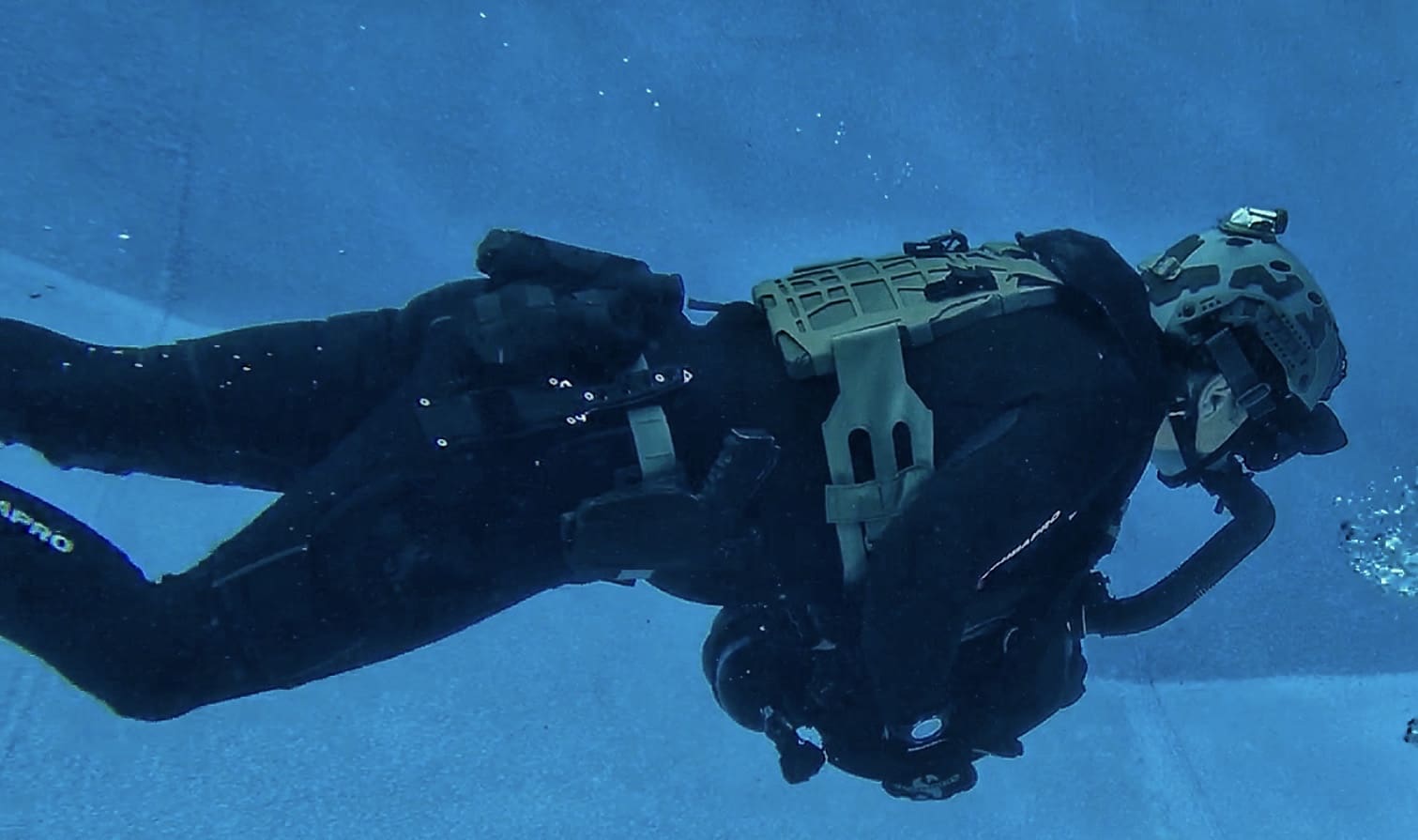
You should always know your pace, you will want to know how far each kick takes you, or you will want to see if it is the same as it has always been. If you have not been in the water in a long time or you have new fins. Here is how you go about finding/ checking your pace. It is basically the same as you would for checking your pace on land.  

 You will need to have a place you can do this. Next to a pier is a great place, as it will help save some steps. You will need the following gear.

• One hundred yards of line or you can use a wall that is that long. You will still want to mark it. You will need.
• A compass/ Navigation Board
• A stopwatch
• A slate so you can write your times down.

It would is best if you put markers on the line to help mark your time and pace, generally at the quarter, the halfway, and three quarters. This way, it will give you an idea of how fast you are going and help you to adjust if needed. Put something that floats, so that way, you can see it if the bottom gets steered up. Cyamlights, in a Gatorade bottle, works well for this. Secure the line to the bottom. If you have access to something stationary like a pier or dock, it makes it more comfortable to follow along with it. Ensure both ends are as secure as possible because some people tend to pull on the rope while doing this. It may be easier if you can keep your line close to the bottom (not always possible) because it’s easier to identify if the rope is relatively horizontal to the bottom as compared to in free water. Try to set up your rope parallel to any current, although it is best to do this in an area where the currents are mild. 

Swim normally from one end to the other while counting your kicks. When you reach the end of the rope, write down the number of kicks you did on your slate. Naturally, repeat this several times. Some people do this exercise at double their average speed because they are task-focused, but this is not a realistic representation of how you would typically dive. Like doing your pace on land, you can count every time your left foot goes up or your right or both. If you are only counting one, then you might tend to push harder on the leg. So be aware of that. Use the stopwatch to adjust how long this takes you. You want to do the 100yards in 3 min.  

Do this at least twice so you can average between swimming into the current with swimming with the current. The more time you do this, the better and you are more likely to relax, the more you do it.  

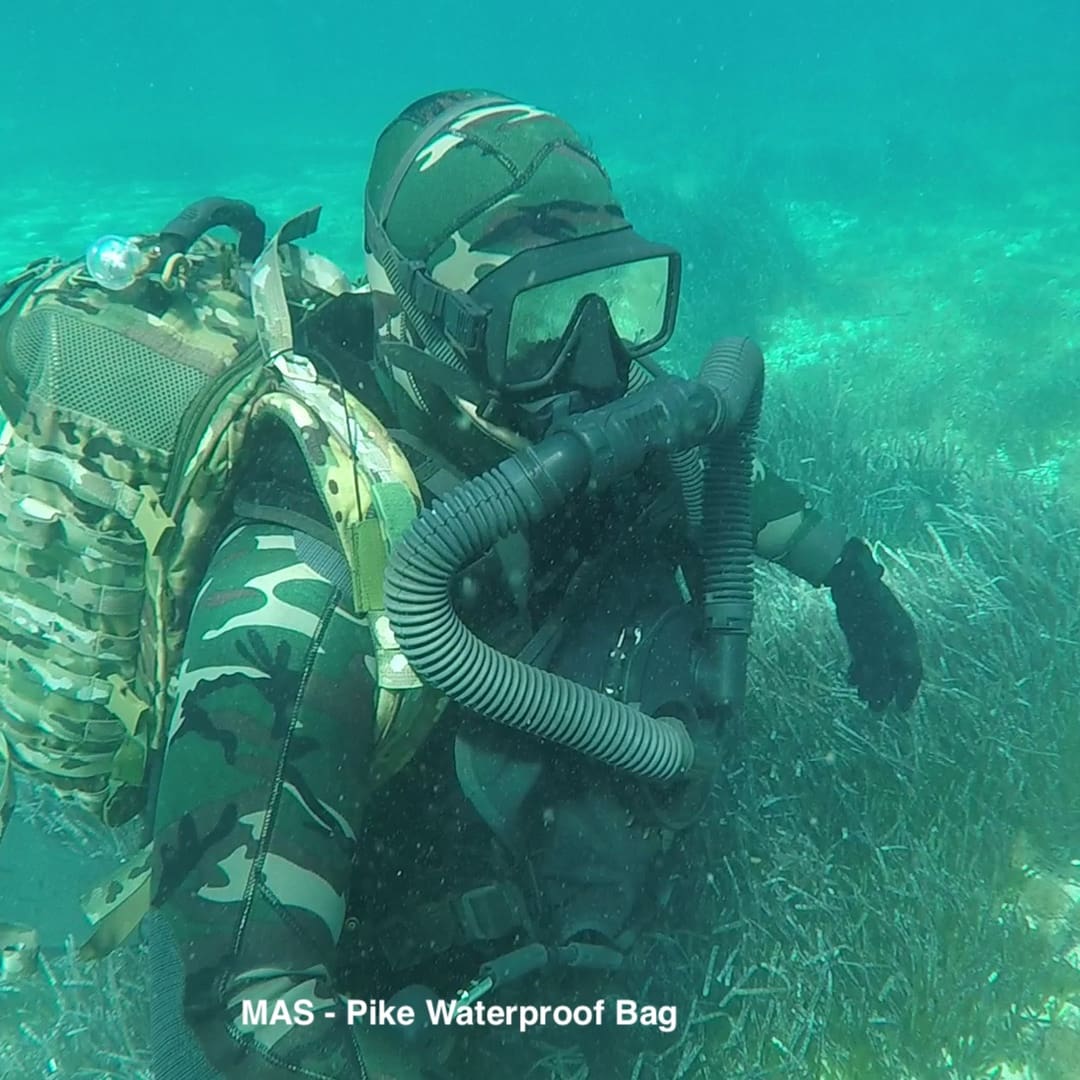
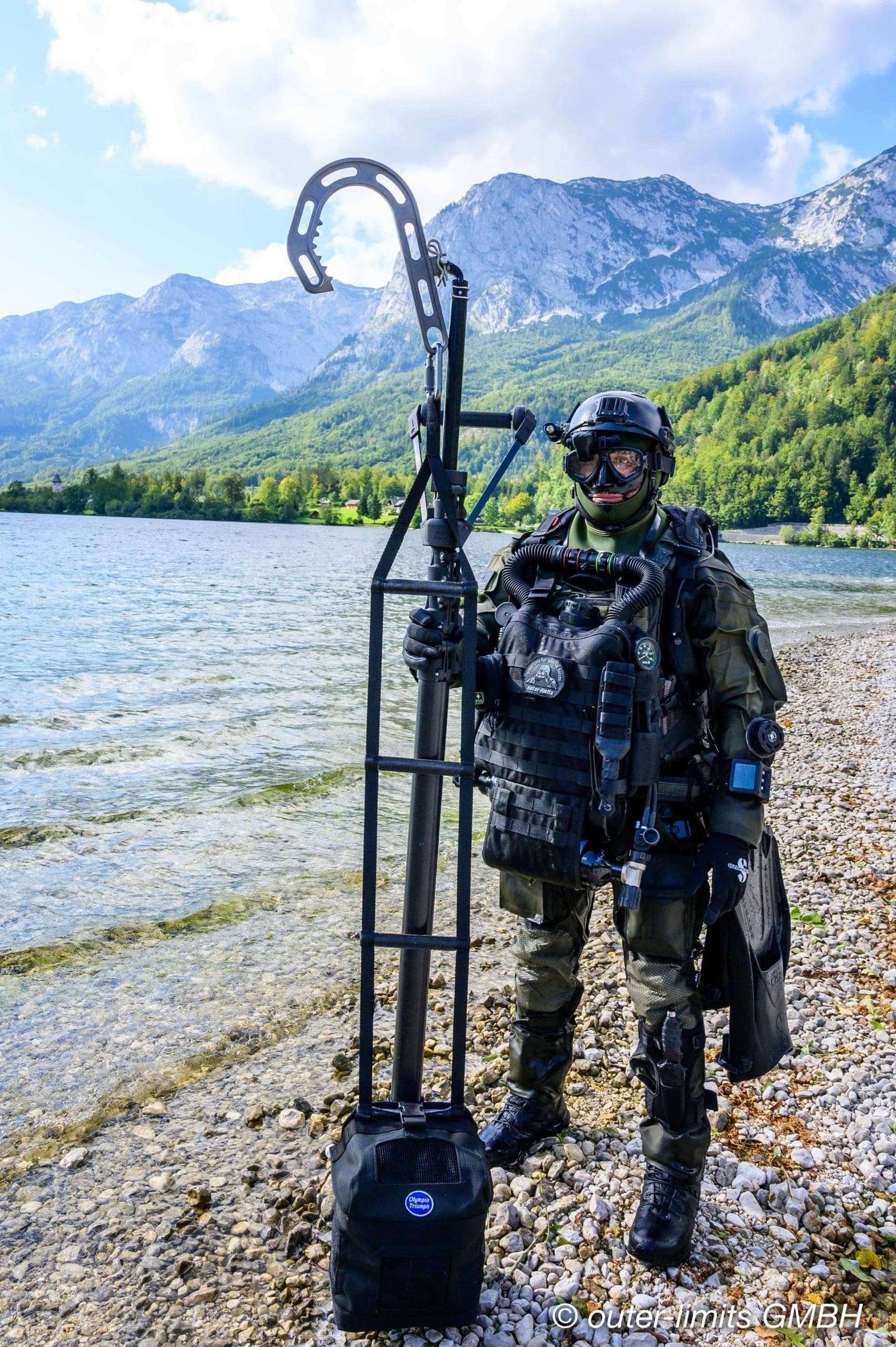
Now, take the average of all of your samples and divide that number into the distance traveled. If you averaged 50 kicks to go 100 yards along the line, each fin kick you make averages just over seven and a half feet in distance traveled. This will help with any time you need to cover a certain distance. You will also want to do this if you are using things you have not used before. For example, if you are carrying heavier gear, a Ladder with a hook for breaching gear or a waterproof bag.

Fifteenth Air Force Activates, Consolidates Air Combat Comand’s Conventional Forces – Includes Significant Amount of AF Ground Forces



Saturday, August 29th, 2020

SHAW AIR FORCE BASE, S.C. (AFNS) —

Fifteenth Air Force activated Aug. 20, integrating wings and direct reporting units from Twelfth Air Force and Ninth Air Force to form a new Numbered Air Force responsible for generating and presenting Air Combat Command’s conventional forces.

ACC’s conventional capabilities include fighter, remotely piloted aircraft, command and control, and rescue flying units plus Air-Ground Operations Airmen who integrate Air Force capabilities in combined arms operations, the Air Force’s dedicated base defense group, RED HORSE, or Rapid Engineer Deployable Heavy Operations Repair Squadron Engineers, and the agile combat support units that open and operate our bases. In addition to organizing, training, and equipping ACC’s conventional forces, this new NAF will also present a deployable joint task force-capable headquarters that can provide command and control of integrated ACC forces.

“Consolidating these forces into the Fifteenth Air Force is another step toward implementing the Air Force’s new force generation construct and will enable the delivery of dynamic and agile combat airpower as directed by the National Defense Strategy,” said Gen. Mike Holmes, commander or ACC. “This reorganization will streamline and improve the way we present our conventional forces as part of the new USAF construct, while honoring our history and the dedication of our Airmen.”

Following this transition, Twelfth Air Force will focus on its component role for U.S. Southern Command as 12 AF/AFSOUTH. Meanwhile, the existing Ninth Air Force will be inactivated and U.S. Air Forces Central Command will be re-designated as 9 AF/AFCENT.

The creation of the new NAF is part of a larger force optimization effort within ACC, which began with the stand-up of Sixteenth Air Force, a dedicated information warfare NAF, last fall.

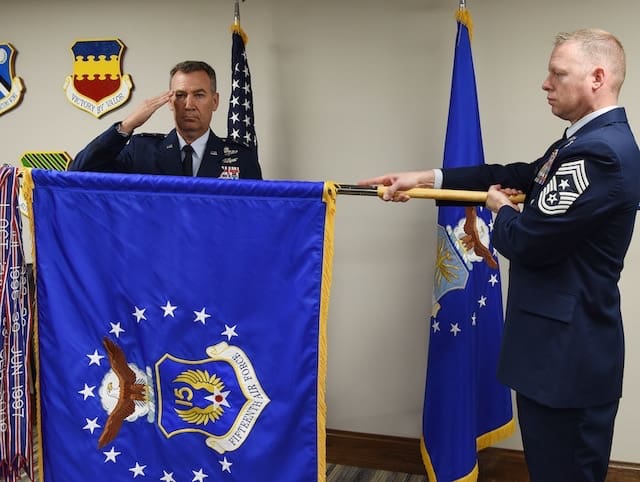
Maj. Gen. Chad Franks received the guidon from Holmes, assuming responsibility for leading the more than 45,000 Airmen assigned to the new NAF.

“When I took command of the Ninth Air Force in June 2019, I stated we would focus on getting even better, so we could continue to deliver unmatched lethal fires for our joint and coalition partners wherever it is required,” Franks said. “Through our joint task force-capable mission and the advocacy for our units, we have done that. As the Fifteenth Air Force, we will continue to progress further toward that vision and provide a lean and agile mission command and control of forces to enable us to protect, deter, and deploy against emerging threats. Thank you for allowing me the great honor to be the commander of the Fifteenth Air Force and I look forward to visiting all of the units in the near future.”

The Fifteenth Air Force was first established in 1943 as the Mediterranean theater’s air force. After World War II, it served as one of the primary NAFs in Strategic Air Command deterring Cold War Soviet aggression before transferring to Air Mobility Command in 1992 as an expeditionary task force.

No units will be physically moving and the majority of affected Airmen will not experience changes in their day-to-day operations.

www.af.mil/News/Air-Force-TV/videoid/764061

By Staff Reports, Air Combat Command Public Affairs

SOLGW – Bolt Carrier Group – the Heartbeat of the Rifle

Wednesday, August 26th, 2020

Stick to this formula and you’ll do well. Wizard piss and gimmicks come and go. Look at what’s stood the test of time. Return to the fundamentals of function.

sonsoflibertygw.com/solgw-5-56-bolt-carrier-group-158-carpenter-sp-hpt-mpi

Bolt:
• Precision machined from Carpenter Technology No. 158 alloy,
• Heat treated per mil-spec,
• Shot peened per ASTM B851/SAE AMS2430S,
• Vibratory tumbled
• Individual high pressure/proof (HP)
• Full Auto test fired as an assembly
• Individual magnetic particle inspection ASTM E1444/E1444M (MP)
• Markings deep laser engraved (SP=Shot Peened, HP=High Pressure Tested, MP=Magnetic Particle Inspection.)

Extractor
• Precision machined from 4340 tool steel alloy per SAE AMS6415T/AMS6484D (vs 4140),
• Heat treated
• Shot peen per ASTM B851/SAE AMS2430S.

Extractor Retaining Pin
• Precision machined and ground S7 Tool Steel
• Heat treated per ASTM A681-08
• Shot peened per mil-spec print
• Manganese phosphate

Extractor Spring:
• Tactical Springs/Sprinco 5 coil, ASTM Grade A401 Chrome Silicon wire stock
• Heat treated
• Stress relieved, Molybdenum-Disulfide infused
• Cryogenic processed (all post winding)
• Mil-spec black insert/synthetic elastomer extractor buffer (nitrile-butadiene, shore hardness 80+/-5 durometer per MIL-PRF-6855)

Ejector:
• S7 Tool Steel
• Heat treated per ASTM A681-08
• Shot peened per Mil-Spec
• Manganese phosphate

Ejector Spring:
• Heat treated
• Mil Spec

Gas Rings:
• Standard stainless steel per Mil-Spec X3

Carrier:
• Machined from AISI 8620 aircraft quality alloy per ASTM A108/A322-13
• Full auto profile
• Heat treated
• Carburized/strain relieved, hard chrome bore
• Precision ground gas key interface
• Sons of Liberty Battle Flag logo deep laser engraved
• Manganese phosphate

Gas Key:
• Machined from 4130 chromoly steel alloy per ASTM A108/A322-13
• Heat treated, hard chrome internal
• Manganese phosphate
• Permatex sealed
• Grade 8 hex screws torqued and staked all per mil-spec

Cam Pin
• Precision machined 4340 chromoly steel alloy per SAE AMS6415T/AMS6484D
• Heat treated/processed per mil-spec
• Manganese phosphate
• Solid film lubricant applied and cured per mil-spec

Firing Pin:
• Precision machined 8640 steel alloy
• Heat treated/processed per mil-spec
• Hard chrome plate

Firing Pin Retaining Pin
• Precision machined from 1038 carbon steel
• Heat treated/processed per mil-spec
• Manganese phosphate

TYR Tuesday – IDTOUR VTS |Virtual Trade Show| Shield Spec Review

Tuesday, August 25th, 2020

Episode Nine of Innovate or Die® Tour Virtual Trade Show #IDTOURVTS is here!

Episode Nine:
IDTOUR VTS |Virtual Trade Show| Shield Spec Review

CQB Shield with Viewport Available Now:
www.tyrtactical.com/products/list/shield-systems/ballistic-shields-and-armor

New episode launching every Tuesday.

What is IDTOURVTS?
Our mission has always been about protecting those who run towards the threat. To that end, we created the Innovate or Die® Tour and Mobile Showroom. Over the past couple years it has allowed us to meet you face-to-face, gather your feedback and answer your questions.

Life has been put on hold for many people around the world, but you have not stopped risking your safety and health against all the threats we face today.

We can’t wait to meet you on the road again.

Thank you to the men and women of the armed forces, first responders and health care professionals who continue to put their lives on the line. You haven’t stopped working and neither will we.

Episode One:

IDTOUR VTS |Virtual Trade Show| PICO-DS & DSX Plate Carriers

Episode Two:

IDTOUR VTS |Virtual Trade Show| The Ultimate Range Bag

Episode Three:

IDTOUR VTS |Virtual Trade Show| Shield & Dolly System

Episode Four:

IDTOUR VTS |Virtual Trade Show| Huron™ Hot Weather Uniform

Episode Five:

IDTOUR VTS |Virtual Trade Show| PICO-MVW-DSX Plate Carrier System

Episode Six:

IDTOUR VTS |Virtual Trade Show| EPIC-DSX Plate Carrier System

Episode Seven:

IDTOUR VTS |Virtual Trade Show| Gunfighter Belts

Episode Eight:

IDTOUR VTS |Virtual Trade Show| Shield Camera System Preview