XC3 Weaponlight

Archive for the ‘Guest Post’ Category

SCUBAPRO Sunday – The Aladin A2 Dive Watch

Sunday, July 26th, 2020

The new SCUBAPRO A2 dive watch was developed for all levels of divers, from beginners to advanced, technical and working divers. The A2 offers full timekeeping functions and a Sport mode. When it’s time to go diving, the A2 provides everything an advanced recreational diver wants and everything a technical diver needs. It starts with wireless air integration that monitors tank pressure and provides true remaining bottom time. The digital tilt-compensated compass offers easy navigation underwater or on the surface. The A2 lets you choose from six Dive Modes, including Trimix and CCR, and because it’s designed with Human Factor Diving, it incorporates cutting edge biometrics that enables you to live your life in dive mode. Whatever type of diving you do, the A2 is ready to go there with you.
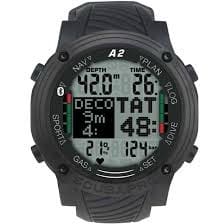
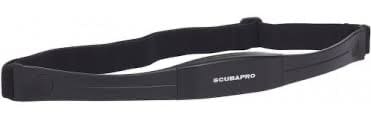
With advanced, technical, CCR, and freedivers in mind, Smart technology wireless air-integration can handle multiple transmitters. Optional air-integration monitors tank pressure and provides true remaining bottom time (RBT) calculations based on the workload from breathing (transmitter sold separately). The Heart rate monitor records your heartbeat and skin temperature (with SCUBAPRO HRM Belt only; sold separately) that can be factored into the decompression calculation along with workload. Digital tilt-compensated 3D compass allows for easy navigation. Predictive Multi-Gas ZH-L16 ADT MB algorithm accommodates eight gases (21-100% O2) plus two in CCR mode. PDIS (Profile Dependent Intermediate Stops) calculates an intermediate stop based on N2 loading, current, and previous dives and breathing mixes for safer diving. Microbubble levels let you adjust the level of conservatism in the algorithm to match your experience level, age, and physical conditioning.
Multiple Dive Modes: Scuba, Gauge, Apnea, Trimix, side mount, CCR. Sport mode offers sport-related functions like a swim stroke counter, activity counter (pedometer), and stopwatch. High-resolution matrix display with large numbers is easy to read underwater, even in adverse conditions. Lightweight design is so comfortable on the wrist you won’t want to take it off. Intuitive menu and four-button controls make it easy to navigate through the system. Bluetooth Low Energy interface lets you download dives to any iOS or Android device or PC/Mac. Firmware can be user-updated by going to scubapro.com. Power is provided by a standard CR2450 battery that is rated for up to two years/300 dives. The computer’s maximum operating depth is 394′ (120m) and is altitude adjustable from sea level to approximately 13,300′ (4,000m). Included with the computer are a protection foil, quick card, arm strap extension, read first (the user manual is available online)—optional equipment: transmitter, heart rate belt.

SCUBAPRO Aladin A2 Dive Watch Wrist Computer:

• Compactness & Convenience of Wrist-Style Dive Computer

• Versatile Wristwatch-Style Computer: Worn-On-the-Surface As-Well-As-Underwater

• Full Timekeeping Functions, 6-Dive Modes Plus Sport Mode

• Features & Functions Enable You to Excel-In-Your Sport

• Everything Advanced Recreational Divers Want, & Everything Technical Divers Need

Optional:

Wireless Air Integration Monitors Tank Pressure & Provides True Remaining Bottom Time (RBT)

• Digital Tilt-Compensated 3D Compass Allows for Easy Navigation, Underwater & On Land

• Algorithm: Predictive Multi-Gas ZH-L16 ADT MB

• Accommodates 8-Gases (21-100% O2) Plus 2-In CCR Mode

Intuitive Menu System:
Clearly Marked Button Controls
Easy to Access & Understand All Functions
Just-the-Right Balance of Topside Features, Underwater Functions & Ease of Use
4-Button Controls
Easy to Navigate Thru-System

• Quickly Becomes an Integral Part of Your Diving Life & Everyday Life-As-Well

PDIS (Profile Dependent Intermediate Stops):

Calculates Intermediate Stop

Based-On N2 Loading

Current & Previous Dives

Breathing Mixes for Better Diving

• Microbubble Levels Let You Adjust Level of Conservatism In Algorithm
• Multiple Dive Modes: Scuba, Gauge, Apnea, Trimix, Side Mount, CCR
• Sport Mode: Sport-Related Functions, Swim Stroke Counter, Stopwatch Can-Be-Activated

US Army Awards Contract for Hybrid Electric Prototype

Saturday, July 25th, 2020

Fort Belvoir, Va. — The Army recently issued a contract award to rapidly prototype hybrid electric drives into an Army combat vehicle as a key step in scaling-up this widely available commercial technology.

Hybrid electric drives (HEDs), used today in commercial cars, buses, heavy trucks and other vehicles, could significantly reduce Army vehicle costs related to maintenance and fuel consumption, increase reliability, and improve performance, with no added size, weight and power (SWaP) demands.

Under an Other Transaction for Prototype Authority (pOTA) agreement, issued by the Army Rapid Capabilities and Critical Technologies Office (RCCTO) on July 16 in the amount of $32.2 million, BAE Systems will deliver two vehicles retrofitted with HEDs. The entire effort, from contract to delivery, is expected to take 24 months.


The HED – consisting of an upgraded engine, a transmission replaced by an electric drive motor, and the addition of lithium ion batteries – turns engine power into electricity for greater mobility and operating additional onboard equipment.

“By rapidly prototyping HEDs on a small scale, we can jump-start advanced electrification and hybridization of Army platforms, and encourage our industry partners to invest in these products to meet Army standards,” said LTG L. Neil Thurgood, director of Hypersonics, Directed Energy, Space and Rapid Acquisition, who oversees the RCCTO.

With the HED replacing the traditional heavy mechanical powertrain, the design has the potential to provide increased automotive performance, increase survivability by reducing the thermal and acoustic signature of the vehicle, increase acceleration capability, and improve lethality. The Army anticipates reduced fuel consumption by as much as 20 percent, and with a smaller number of parts, vehicles with HED technology should be easier to maintain.

Under the contract, the Army will use the A2 Bradley as the surrogate vehicle. BAE will integrate two HED vehicles, which will then undergo contractor performance assessments, testing and validation, ultimately leading to the transition to Program Executive Office Ground Combat Systems (PEO GCS). The RCCTO is working closely with PEO GCS throughout the effort.

“HEDs add a high-voltage generator that turns engine power into electricity for greater mobility and for operating additional equipment, both of which increase combat effectiveness,” said Mike Foster, director of the RCCTO’s Rapid Acquisition Prototyping Project Office. “It also offers the ability, because of its electric powertrain, to conduct silent over-watch missions and silent mobility.”

The Bradley is being used because of the small form factor fit of the engine, which is smaller than other tracked vehicles and can then scale-up to be applied to other platforms, including future vehicles.

Once the two vehicles are complete, the RCCTO will conduct additional field assessments on the HED technology with Soldier feedback prior to the handoff with PEO GCS.

The Army RCCTO, headquartered at Redstone Arsenal, Ala., is chartered to develop rapid prototypes and field residual combat capabilities. Its top focus areas are hypersonics and directed energy, but the organization is also conducting rapid prototyping in areas such as the hybrid Bradley, an electronic warfare kit for dismounted threat mapping, and advanced radars.

By Nancy Jones-Bonbrest, Army Rapid Capabilities and Critical Technologies Office

Purdue University Study Finds the Most Important Task for a PTSD Service Dog for Veterans is Disrupting Anxiety

Saturday, July 25th, 2020

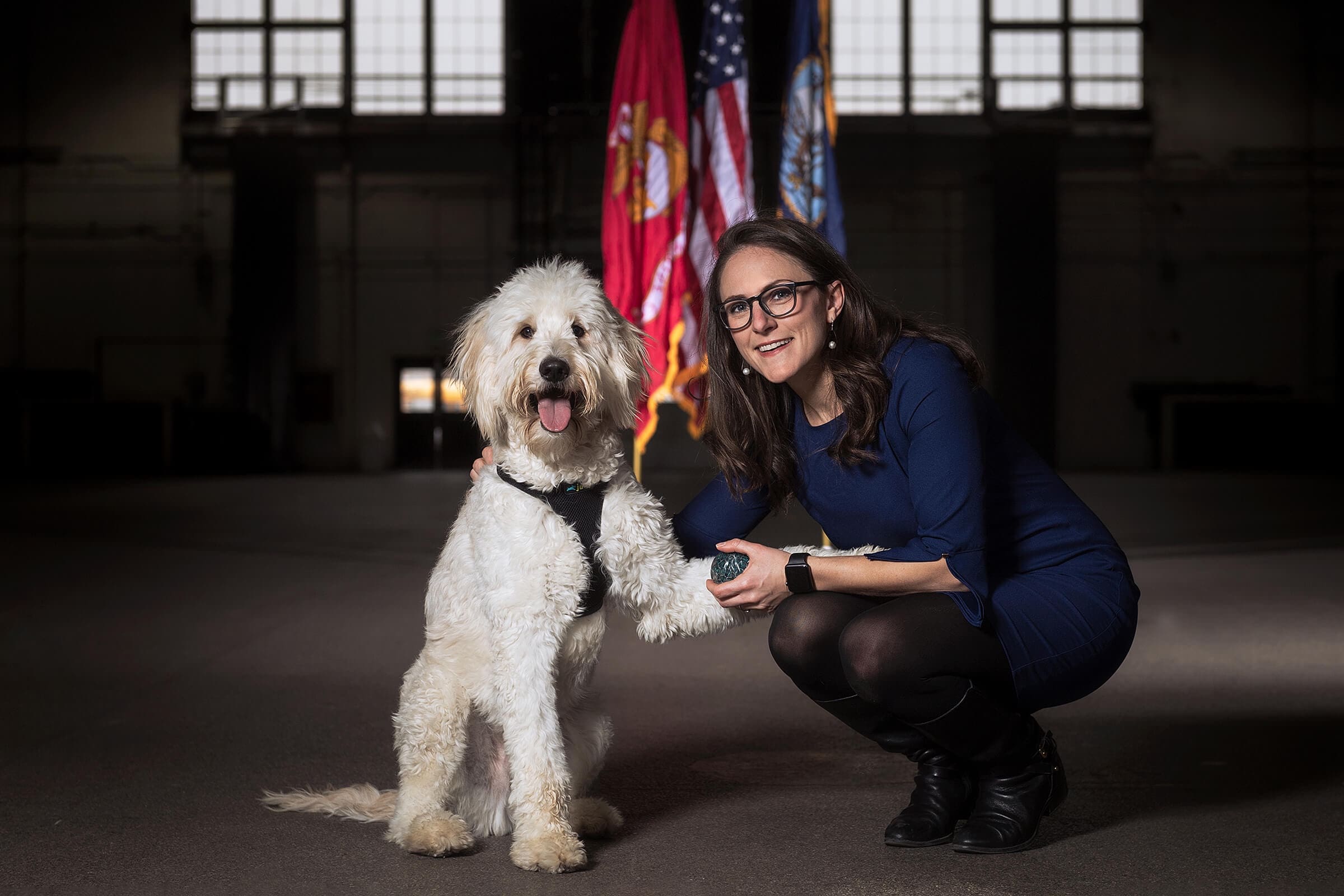
WEST LAFAYETTE, Ind. — Science has shown that service dogs can benefit some veterans with PTSD. But the exact role service dogs play in the day-to-day lives of veterans – and the helpfulness of the tasks they perform – is less known.

A recent study led by Purdue University’s College of Veterinary Medicine shows what trained tasks service dogs perform the most often and which ones are the most helpful to veterans with post-traumatic stress disorder. The study found that the task of disrupting episodes of anxiety ranked among the most important and most often used.

“There has been some debate on what kind of training PTSD service dogs need to be effective and how their assistance may be different than what a pet dog can provide,” said Kerri Rodriguez, a human-animal interaction graduate student and a lead author on the study. “This study suggests that veterans are, in fact, using and benefiting from the specific trained tasks, which sets these dogs apart from pet dogs or emotional support dogs.”

Kerri Rodriguez
Rodriguez led the work with Maggie O’Haire, associate professor of human-animal interaction. Their research was published in Frontiers in Psychology. The study was done in conjunction with K9s For Warriors, with support and funding from Merrick Pet Care, and is in preparation for an ongoing large-scale clinical trial that is studying veterans with and without service dogs over an extended period of time.

The study found that, on average, the dog’s training to both alert the veteran to any increasing anxiety and providing physical contact during anxiety episodes were reported to be the most important and the most often used in a typical day. Veterans with a service dog also rated all of the service dog’s trained tasks as being “moderately” to “quite a bit” important for their PTSD.

Some trained tasks include picking up on cues veterans display when experiencing distress or anxiety and consequently nudging, pawing or licking them to encourage the veteran to focus on the dog. The service dogs also are trained to notice when veterans are experiencing anxiety at night and will actively wake up the person from nightmares.

The dogs also are trained to perform tasks in public – such as looking the opposite way in a crowded room or store to provide a sense of security for the veteran.

The study also found that trained service dog tasks were used on average 3.16 times per day, with individual tasks ranging from an average of 1.36 to 5.05 times per day.

Previous research led by Rodriguez showed that the bond between a service dog and the veteran was a significant factor in the importance of untrained behaviors. Although all trained tasks were reported to be important for veterans’ PTSD, those with a service dog actually rated the importance of untrained behaviors higher than the importance of trained tasks. This suggests that there are some therapeutic aspects of the service dog’s companionship that are helping just as much, if not more, than the dog’s trained tasks, Rodriguez said. “These service dogs offer valuable companionship, provide joy and happiness, and add structure and routine to veterans’ lives that are likely very important for veterans’ PTSD.”



The study surveyed 216 veterans from K9s For Warriors, including 134 with a service dog and 82 on the waitlist. The study complements a previous publication published last year that focused specifically on the service dogs’ training, behavior and the human-animal bond.

While service dogs were reported to help a number of specific PTSD symptoms such as having nightmares, experiencing flashbacks, or being hyperaware in public, there were some symptoms that service dogs did not help, such as amnesia and risk-taking.

“Both this research, as well as other related studies on PTSD service dogs, suggest that service dogs are not a standalone cure for PTSD,” O’Haire said. “Rather, there appear to be specific areas of veterans’ lives that a PTSD service dog can help as a complementary intervention to other evidence-based treatments for PTSD.”

Veterans on the waitlist to receive a service dog expected the service dog’s trained tasks to be more important for their PTSD and used more frequently on a daily basis than what was reported by veterans who already had a service dog.

 “Veterans on the waitlist may have higher expectations for a future PTSD service dog because of feelings of hope and excitement, which may not necessarily be a bad thing,” Rodriguez said. “However, it is important for mental health professionals to encourage realistic expectations to veterans who are considering getting a PTSD service dog of their own.”

The work was funded by Merrick Pet Care, Newman’s Own Foundation and the Purdue University College of Veterinary Medicine. More information about O’Haire’s research is featured online.

Writer: Abbey Nickel, nickela@purdue.edu

USAF Makes Badges More Identifiable On OCP Uniforms

Friday, July 24th, 2020

Name, rank, service and badges will be more identifiable on OCP

ARLINGTON, Va. (AFNS) —

Air and Space Professionals will soon be more recognizable in their Operational Camouflage Pattern uniforms.

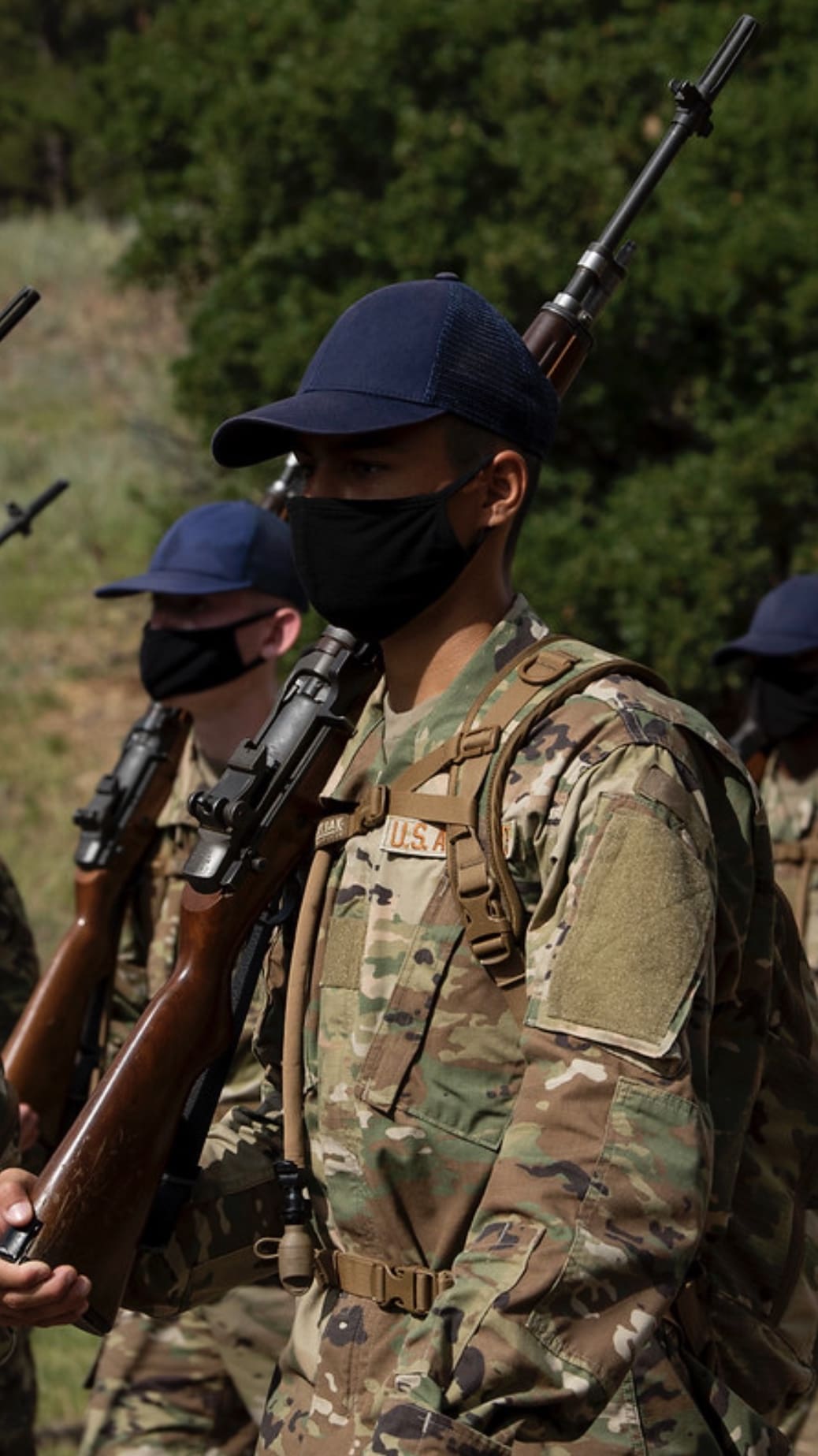
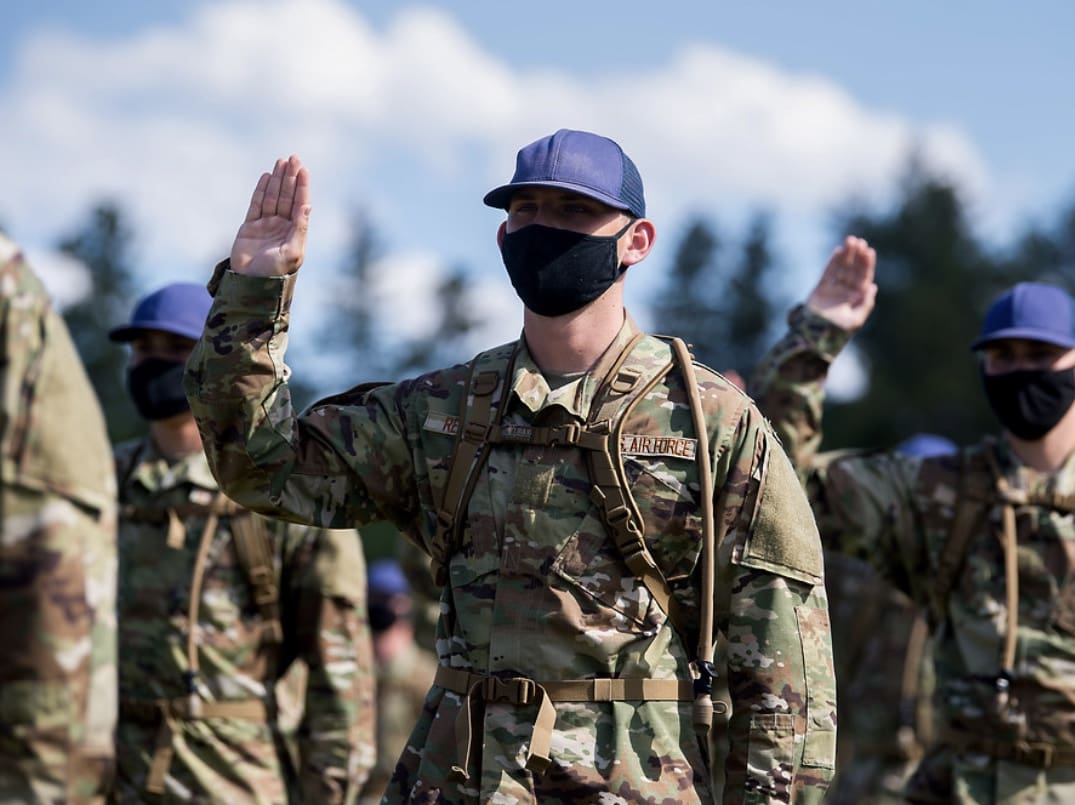
OCP rank insignia, badges, name, and service tapes will now feature a lighter, three-color background pattern, versus the current seven-color pattern, to increase readability and ease rank recognition. 

“We received significant feedback that prompted this update,” said Lisa Truesdale, Air Force military force management policy deputy director. “The current rank insignia, badges, name, and service tapes on the OCP uniform are sometimes challenging to see against a seven-color background. Simplifying these features on a lighter, three-color pattern—while not compromising the overall functionality of the uniform—will improve our situational awareness in day-to-day interactions.”

The Air Force name and service tapes will retain their current spice brown letter stitching, while Space Force versions will still feature space blue stitching. Stitching for the Air Force rank insignia and badges will remain spice brown.

The Army and Air Force Exchange Service has already begun to transition inventories to the new three-color pattern name and service tapes. The Defense Logistics Agency is placing orders for the three-color pattern as seven-color backgrounds are phased out; some of the three-color insignia name tags should be in the inventory by Nov. 2020.

The U.S. Air Force Academy implemented the uniform change for the June 2020 class and Basic Military Training is on target for Oct. 2020.

The current seven-color background rank insignia, badges, name and service tapes are and will remain, authorized for wear.

By Secretary of the Air Force Public Affairs

Army Greens Slated to Reach All Installations by Mid-2021

Friday, July 24th, 2020

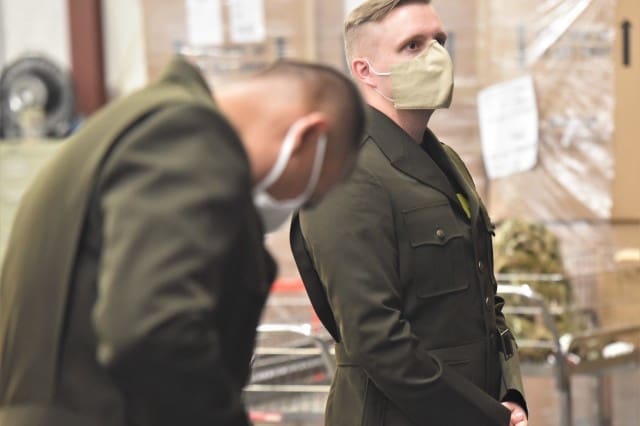
WASHINGTON — Recruiters, drill sergeants, and initial entry trainees will be among the first to receive the new Army Green Service Uniform, as program officials look to distribute it to all installations by the middle of next fiscal year.

The uniform harkens back to the “greatest generation” of Soldiers who fought during World War II.

“For the past year, I’ve been wearing the Army Greens. Wherever I go, people tell me that they love the uniform,” said Army Vice Chief Of Staff Gen. Joseph M. Martin.

“As we transition to the next phase of the rollout, I’m excited for the Soldiers who are about to receive the uniform,” he added. “I think that when they see themselves in the mirror they’ll feel connected to the Soldiers of the past and realize that they’re writing the next chapter of what people feel about our Army.”

Rollout schedule

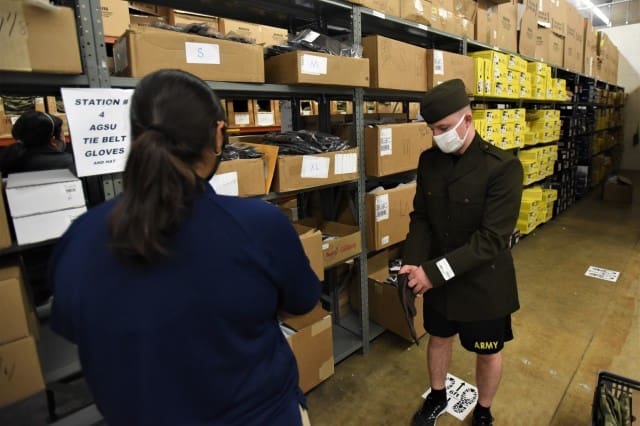
Personnel in basic combat training and one-station unit training should receive the AGSU beginning in the first quarter of fiscal year 2021, said Lt. Col. Naim Lee, product manager of Soldier Clothing and Individual Equipment at Program Executive Office Soldier.

Fort Sill, Oklahoma, will be the first training location to issue the uniform, shortly followed by Fort Leonard Wood, Missouri; Fort Benning, Georgia; and Fort Jackson, South Carolina, he added.

The Army had originally planned to begin issuing the uniforms at IET locations before the end of this fiscal year. However, Lee said, setbacks during production related to COVID-19 forced a short delay in the rollout process.

Soldiers attending the Army’s Recruiting and Retention College at Fort Knox, Kentucky, started to receive their AGSUs earlier this month, he said.

The Army is continuing to work through its distribution and production channels to ensure all recruiters are issued the uniform starting in November through April 2021.

“The Army prioritized recruiters and drill sergeants, because they serve as the face of the Army,” Lee said.

After a select group of recruiters were able to wear the uniform as part of a pilot, they indicated that the new uniform may help attract quality applicants. The uniform may also help inspire the next generation of leaders by connecting the “all-volunteer force” to its historical lineage, Lee said

Moving forward, the Army and Air Force Exchange Service will supply the new uniform through a wave-based rollout approach, Lee said. The AGSU is currently available for purchase at the Fort Knox AAFES location.

The majority of AAFES locations within the U.S. are scheduled to have the new uniform by December. Stores in Alaska, Europe, Japan, and South Korea, along with National Guard and Reserve military clothing locations, should have a supply of uniforms by February 2021.

The mandatory wear date for all Soldiers is Oct. 1, 2027.

Active-duty enlisted Soldiers, including Active Guard and Reserve Soldiers, will continue to receive their annual clothing-replacement allowance to offset the new uniform’s cost, Lee said. Other Guard and Reserve Soldiers will begin receiving uniforms no later than the fourth quarter of fiscal year 2021.

Everyday service uniform

The Army is currently the only service without an everyday business uniform, Lee said.

The current Army Service Uniform, commonly known as dress blues, was previously considered an optional purchase uniform prior to 2008, PEO Soldier officials said. Over time, leaders realized that the dress blues were too formal for everyday business use.

With the launch of the AGSU, Soldiers will now have an everyday service uniform, which will set an appropriate standard for professionalism within an office setting, Lee added.

Eventually, the Army will stop issuing the dress blues to all Soldiers. The uniform will continue to be optional and serve as a dress uniform for all Soldiers requiring a formal attire.

Limited user test, evaluation

As the Army delivers its new uniform, PEO Soldier will continue to conduct limited user testing and evaluations through May 2021, Lee said.

Early in the development process, the Army held an all-female uniform board that determined the design, components, features and fit of the female uniform. While both the male and female uniforms are similar, PEO Soldier officials said the female version allows for an elective skirt and shoe wear option.

In January, leaders held an additional uniform board to solidify minor changes to the uniform that were identified during ongoing user evaluations.

“Soldiers shared how the uniform is a better fit to their body,” when compared to the Army Service Uniform, Lee said. “In terms of comfort — we made changes through the limited user evaluation feedback process” to improve the Army Greens.

Feedback will continue to be solicited from a larger Army population, specifically from Soldiers who wear the uniform often. Through this process, program leads will shape future iterations of the ensemble to accommodate different body types or make improvements to the product’s longevity.

“We have teams that will receive feedback through Soldier touchpoints,” Lee said. “And given the current environment [with COVID-19], we will have to incorporate” other forms of communication.

“Soldiers are enjoying this new uniform and they are eager to go out and get it,” he added. “We can’t get it to them fast enough.”

By Devon Suits, Army News Service

FirstSpear Friday Focus – Leave a Review Get $300

Friday, July 24th, 2020

FirstSpear wants to hear from you! Through this weekend only go to first-spear.com and leave a review on your favorite FS product for 10% off your next order and a chance to win a $300 store credit! Winner will be chosen and notified next Friday the 31st.

First-spear.com

SOLGW Gas Block Overview

Thursday, July 23rd, 2020

This is a critical, yet often overlooked, part of building a fighting a gun.

If you’re hemorrhaging gas between the block and journal you have a less efficient system…which means you’ll need more gas…or the rifle will be more sensitive to conditions that are less than ideal.

These are some of the details that make SOLGW a more robust system. Our tolerance specifications are written specifically for this.

“But they don’t actually make anything…”

Yes we do. We make very reliable rifles…

www.solgw.com

US Army Leaders See Data as ‘Ammunition’ in Future Warfare

Wednesday, July 22nd, 2020

WASHINGTON — Every service member and platform will serve as a network sensor in future combat to expand what the Army undersecretary calls a “joint kill web” to support rapid decision making.

James E. McPherson and other Army leaders discussed Tuesday the role of “enabled joint overmatch” that describes how Soldiers will work alongside Airmen, Sailors and Marines to increase lethality across multiple domains.

“[The multi-domain force] has to be expeditionary and responsive at scale, bringing the right capabilities in the right place at the right time,” McPherson told a virtual audience during the Armed Forces Communications and Electronics Association’s Army Signal Conference.

By enabling overmatch, the Army can quickly achieve lethality through all sensors, with the best shooter in the right command and control node, he added.

The undersecretary said the Army’s network, communication and cloud capabilities must provide quick delivery of data to augment the effort in preparation for the future battlefield that will be contested in all domains.

“What we build now must be survivable in that fight,” McPherson said. “It must be mobile, it must support, see on the move and … it must be tailorable.”

Protecting data will be critical, he added, as it will be the ammunition used for success on the battlefield. The Army’s information and intelligence assets will provide an advantage over adversaries, and therefore must be protected by migrating data to hybrid and multiple cloud ecosystems and bolstering the service’s network.

He noted that the Army’s other modernization priorities depend upon its network, which is one of the six priorities, to operate successfully.

Using simplified training that is accessible to each military branch will increase readiness and lethality, he added, while delivering mission-ready troops capable of fighting in the multi-domain environment.

Providing real-time access to every communications center, weapons system and control node will also allow greater control of the service’s data.

“Data, the ammunition of the future fight, is a strategic asset of the Army,” McPherson said. “Our data provides us a competitive advantage over adversaries. As with any strategic asset, we must manage and protect our data.”

Lt. Gen. Bruce Crawford, the Army’s chief information officer and G-6, said that he and Lt. Gen. Stephen Fogarty, head of Army Cyber Command, have partnered to posture the Army’s network to enable communications centers worldwide to gain a firmer grasp on data.

“It goes back to this idea that data is the ammunition in the future fight for any shooter or weapons platform, in any command and control node, in near real time, in order to create a joint kill chain,” Crawford said.

Real-time access will provide critical convergence that will help win below the level of armed conflict.

“That’s a monumental lift, and a monumental task,” Crawford said. “But that’s our goal.”

The Army will take its next steps in strengthening its networks and protecting its data to Fort Gordon, Georgia, where ARCYBER plans to move into its new headquarters this month. The move will better connect the three-star command with the U.S. Army Cyber Center of Excellence.

The transition presents challenges as each unit member moving to Fort Gordon must undergo two weeks of quarantine to meet COVID-19 safety precautions, said Ron Pontius, deputy to the ARCYBER commanding general.

As of June 1, the Army Network Enterprise Technology Command, or NETCOM, now has full operational control of the Army’s five regional cyber centers as well as responsibility of the Army’s network.

Army Cyber Command transferred the responsibilities to NETCOM for greater efficiency and to balance risks to the network, said Col. Scott Bird, NETCOM defensive cyber operations chief, in a press release earlier this month.

The Army also recently announced to reassign its chief information officer role into two positions: CIO and G-6 deputy chief of staff. The change will be implemented by Aug. 31 to meet the demands of advancing technology and artificial intelligence.

Operating under pandemic conditions has also forced the Army to adapt how it does business. Crawford estimated about 2% of the Army accessed the virtual space to telework from home. That number jumped to about 90% during the pandemic.

Crawford said up to 400,000 Soldiers and Army civilians have signed up for the Microsoft Teams workplace platform and that number continues to grow.

By Joseph Lacdan, Army News Service