SIG SAUER - Never Settle

Archive for the ‘Guest Post’ Category

3D Printing Technology Enhancing Logistics for Army

Wednesday, February 27th, 2019

FORT MEADE, Md. — As 3D printing increases both in the field and at depots, the Army’s Center of Excellence for Additive and Advanced Manufacturing is slated to reach initial operating capability this year at Rock Island Arsenal, Illinois.
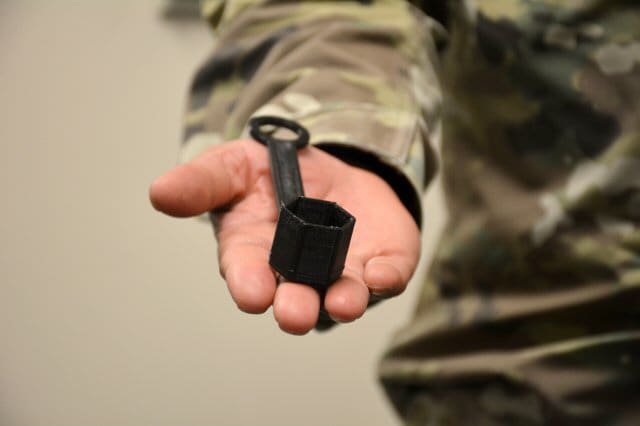
A Soldier holds a cap used to protect the fire extinguishing system housed in the wheel wells of Mine-Resistant Ambush Protected vehicles. Without the cap, MRAPs are deemed non-mission-capable. Soldiers in Korea saved 1,472 operational days for their MRAPs by 3-D printing the caps for about $2.50 each. (Photo Credit: Sam Curtis)

Lt. Gen. Aundre Piggee, the Army’s deputy chief of staff, G-4, outlined the Army’s current 3D printing capabilities at the 2019 Military Additive Manufacturing Summit and Technology Showcase Feb. 6, in Tampa, Florida.

At the summit, defense, academia, and industry officials were privy to the latest additive manufacturing technologies, event officials said. The Army will leverage these improved 3D printing capabilities to bolster equipment readiness and reduce logistics burdens, Piggee said.

The forum served as an opportunity to hear from military leaders and subject-matter experts on the future of additive manufacturing to support warfighter readiness and achieve operational effectiveness.

SAVING OPERATIONAL DAYS

Back in December 2017, Army G-4 released an executive order allowing commanders in the field to invest up to $10,000 of their operating budgets in 3D printers, software, and training, Piggee said.

3D printing technology “enables our Soldiers to explore and implement creative solutions to problems we can only imagine, but they live with on a daily basis,” he said. “We wanted to give them flexibility and the power to innovate.”

In Korea, for example, Soldiers identified a fire-suppression cap degradation issue, impacting their fleet of Mine-Resistant Ambush Protected vehicles known as MRAPs. These caps protect the fire extinguisher nozzles, housed in the MRAP’s wheel wells, and blow off when the fire extinguishing system activates.

“There are 20 caps per vehicle. Without them it makes the MRAPS non-mission capable,” Piggee said. “Soldiers put an order in October for replacements — estimated delivery: five months later.”

“Without the caps, Soldier safety would be an issue. We do not need to add any extra risk to Soldiers,” he added.

In turn, Soldiers in Korea turned to 3D printing technology and requested engineering support from the Armament Research, Development and Engineering Center at Picatinny Arsenal, New Jersey.

The team in Korea went on to produce 284 fire-suppression caps, which are currently in use until replacements arrive, the general said.

“We fixed a readiness problem with our MRAPs. It was only a small cap that was the issue, and we 3D printed a fix for it. Just 1,472 non-mission-capable days saved — for about $2.50 per part — and some creative thinking.”

FUTURE CHALLENGES

While the Army has seen success through its additive manufacturing processes, there are several key challenges the military must face before moving forward, Piggee said.
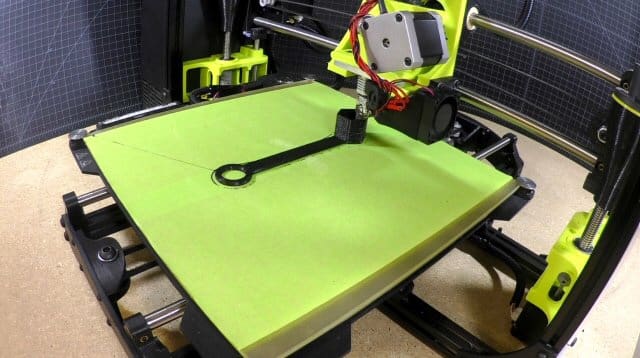
This photo shows a 3D printer producing six-inch cap, used to protect the fire extinguishing system housed the wheel wells of Mine-Resistant Ambush Protected vehicles. Soldiers in Korea identified a fire-suppression cap degradation issue and turned to 3D printing technology for help. The team requested engineering support from the Armament Research, Development and Engineering Center at Picatinny Arsenal, N.J. (Photo Credit: U.S. Army)

For example, intellectual property rights could restrict the Army’s authority to reverse engineer a part, or produce a component locally, he said.

“Almost everything we use in the field is designed by contractors, using federal dollars,” Piggee said. “This is more legal, than technical. IP is an important issue as we modernize, and we will work with industry to find solutions.”

Cybersecurity is another concern moving forward, he added.

The additive manufacturing community employs a digital library of 3-D printed parts, called the “Repository for Additive Parts for Tactical and Operational Readiness,” or RAPTOR. As Soldiers or engineers produce parts, they put the blueprint in the system.

“The repository now has more than 140 certified parts, and it is growing,” Piggee said.

“We don’t want adversaries to get into our files and download our spare parts. Or to make counterfeit parts that … are engineered to fail,” he added. “And we do not want internal flaws in the printing that could degrade our weapon systems.”

Aside from their cybersecurity concerns, the Army needs to find a way to certify and standardize all 3D printed parts and materials, to meet a product’s predetermined safety standards.

“This takes a lot of labor, and there is a price tag on that, but this is crucial for Soldier safety,” Piggee said.

In spite of all the challenges, combining innovative thinking with today’s technology will help the Army evolve and prepare the force for combat against a near-peer threat, he said.

“Logistics will be contested in every domain. We need every innovation to set a theater and sustain Soldiers in future missions — whether it is artificial intelligence, autonomous vehicles dropping off supplies, or a 3-D printer at the point of need,” Piggee said.

By Devon L. Suits, Army News Service
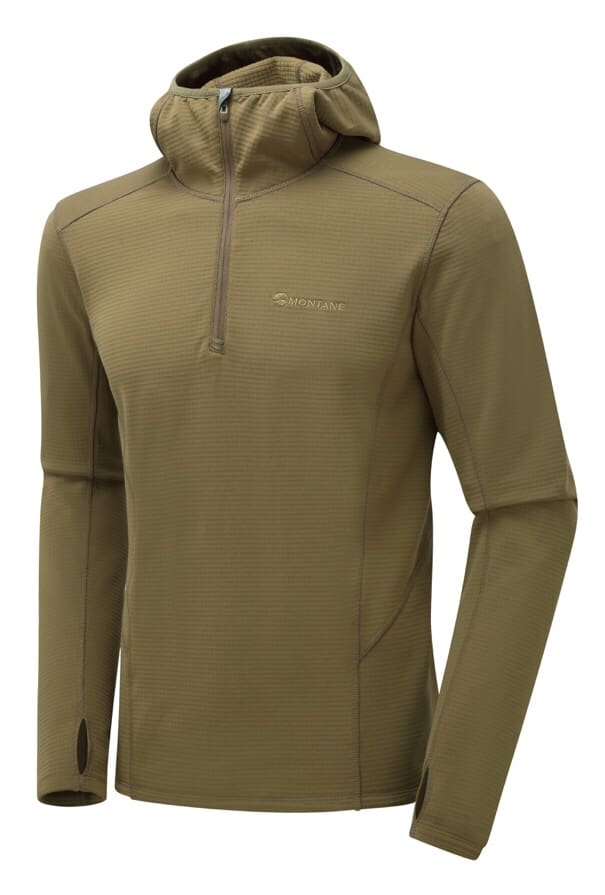
Brigantes Presents – High Angle Solutions – Montane Allez Micro Hoodie

Wednesday, February 27th, 2019

The Allez Micro Hoodie from Montane’s Tactical Range is a versatile super lightweight, warm and breathable hoodie.
Montane is one of the UK’s leading outdoor clothing brands and have used their decades of experience in both technical garments and expeditionary warfare, to provide a focused range that is intended to be used for long range light role operations.

They were the first brand to truly push the limits of single layer mountain clothing and work closely with serious mountain professionals working in hostile conditions across the globe as a proving ground for garment design.

The Allez Micro Hoodie is constructed from wicking and fast drying POLARTEC® Power Grid™ fabric and features POLYGIENE® permanent odour control. The Micro Hoodie has flatlocked sewn seams throughout to provide stretch and articulated arms with engineered tailoring for greater freedom of movement when navigating through the coarse terrain of forest and mountain environments. Once you take into account the additional features of Montane’s ½ length YKK MONTANE® reverse coil semi-auto front zip with wind-strip and low profile cuffs with thumb loops, the Allez hoodie is adaptable, super lightweight and specifically engineered to be meet the needs of troops in the most extreme environments.

MACV-SOG History

Tuesday, February 26th, 2019

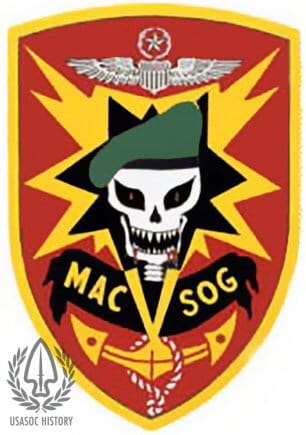
FORT BRAGG, N.C., – Today marks the 55th anniversary of the activation of the Military Assistance Command, Vietnam, Studies and Observations Group (MACV-SOG) in the Republic of Vietnam.

The Military Assistance Command, Vietnam, Studies and Observations Group (MACV-SOG) was activated, January 24, 1964, to function as a joint special operations task force. Commanded by a U.S. Army Special Forces colonel, MACV-SOG was a subcomponent of MACV. Born from a need to conduct more effective special operations against North Vietnam, many Central Intelligence Agency programs were transferred to SOG, which eventually consisted of personnel from U.S. Army Special Forces, U.S. Navy Sea-Air-Land (SEALs), U.S. Air Force, U.S. Marine Corps, Force Reconnaissance and CIA personnel. Special operations were conducted in North Vietnam, Laos, Cambodia, and South Vietnam.


MACV-SOG grew in size and scope over the next eight years. Missions evolved over time, and included strategic reconnaissance, direct action, sabotage, personnel recovery, Psychological Operations (PSYOP), counter-intelligence, and bomb damage assessments. Maritime operations covered the coastal areas of North Vietnam. PSYOP missions included ‘Voice of Freedom’ radio broadcasts into North Vietnam, to publicize the advantages of life in South Vietnam.

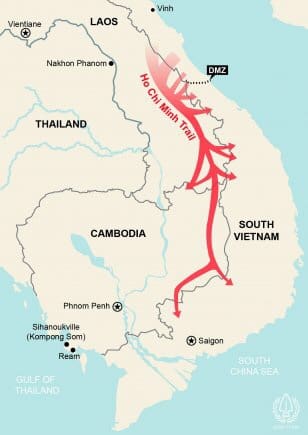
The so-called ‘Ho Chi Minh Trail,’ a vital enemy logistical system named for the North Vietnamese communist leader, was a target of many operations. The trail was a well-developed ‘highway’ that ran from North Vietnam through Laos and Cambodia. The communist insurgency was sustained by the trail, as troops, trucks, tanks, weapons and ammunition flowed south into South Vietnam. Aerial reconnaissance of the trail was difficult; SOG teams provided the most reliable ‘boots on the ground’ intelligence.

SOG headquarters remained in Saigon, with subordinate commands and units located in various forward operational bases over the years, with command and control camps, launch sites, training centers, and radio relay sites in all four U.S. Corps Tactical Zones. By late 1967, MACV-SOG had matured and split into three subordinate geographical commands: Command and Control North, Command and Control Central, and Command and Control South. CCN, at Da Nang, was the largest in size and conducted operations in southern Laos and northern Cambodia. CCC, at Kontum, also operated in southern Laos and northern Cambodia. CCS, at Ban Me Thout, was the smallest, and operated in southern Cambodia.

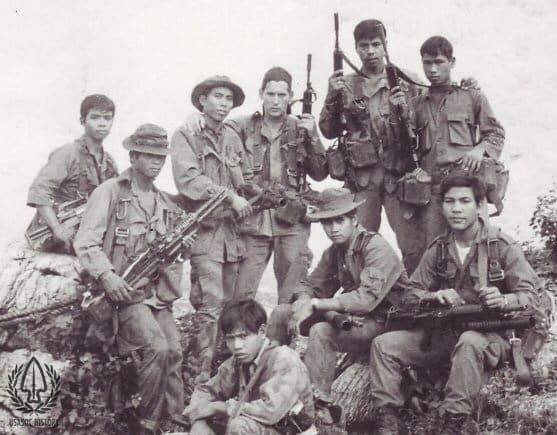
SOG command and control sites operated independently. Each was organized based on the ground tactical situation, but all three had reconnaissance, reaction or exploitation, and company-sized security forces. Each site was about the size of a modern SF battalion. Reaction or exploitation forces were used to extract reconnaissance teams or conduct raids or other assault missions. Reconnaissance teams (RT) consisted of two-to-three Americans and six-to-nine indigenous personnel, normally Vietnamese, Montagnards, Cambodians, or ethnic Chinese. Teams were given a variety of code names (U.S. states, poisonous snakes, weapons, tools, or weather effects). Support troops on site provided logistics, signal, medical, and military intelligence support.

Each mission was unique, but most followed a similar tactical profile: after being alerted of a mission, the reconnaissance team was briefed and conducted detailed planning, rehearsals, inspections, and training, time permitting. Teams were inserted by helicopter into the target area. Team leaders were Americans and designated as One-Zeros (10), with American assistant team leaders, and radio operators serving as One-Ones (11) or One-Twos (12). Indigenous troops were Zero-Ones (01), Zero-Twos (02), and so forth. Teams were given considerable latitude regarding tactics, uniforms and weapons. Captured enemy equipment was often used. Vital communications were maintained with a Forward Air Control fixed-wing aircraft. Such airplanes coordinated for close air support for immediate extraction if a team was compromised, or upon completion of the mission. A mission lasted from three-to-five days. SOG was all-volunteer, and personnel could leave without prejudice.

After 1970, the scope and intensity of SOG operations were affected by the ‘Vietnamization’ of the war, and steady withdrawal of U.S. forces from Southeast Asia. In March 1971, 5th Special Forces Group, the largest source of volunteers for the unit, returned to Fort Bragg, North Carolina. Congressional restrictions prevented U.S. personnel from accompanying operations into Cambodia and Laos. On April 30, 1972, the unit was deactivated. Colonels Clyde R. Russell, Donald D. Blackburn, John K. Singlaub, Stephen E. Cavanaugh, and John F. Sadler served as SOG commanders.

The first true JSOTF organization formed to support a theater campaign, SOG ‘blazed a trail’ for current Army and joint special operations task forces in the war against transnational terrorism. The teams conducted special operations missions, often across international borders, to support the commander’s mission in Vietnam. Nine ARSOF SOG soldiers received the Medal of Honor and the unit was awarded a Presidential Unit Citation. Some sources credit the organization with providing upwards of seventy-five percent of intelligence on the Ho Chi Minh Trail. SOG innovative tactics, personal equipment, and lessons learned influence SOF to this day.

By Robert Seals, USASOC History Office

Editor’s note: This article was originally published on 24 January, 2019.

SCUBAPRO Sunday – What to Wear Under Your Wetsuits

Sunday, February 24th, 2019

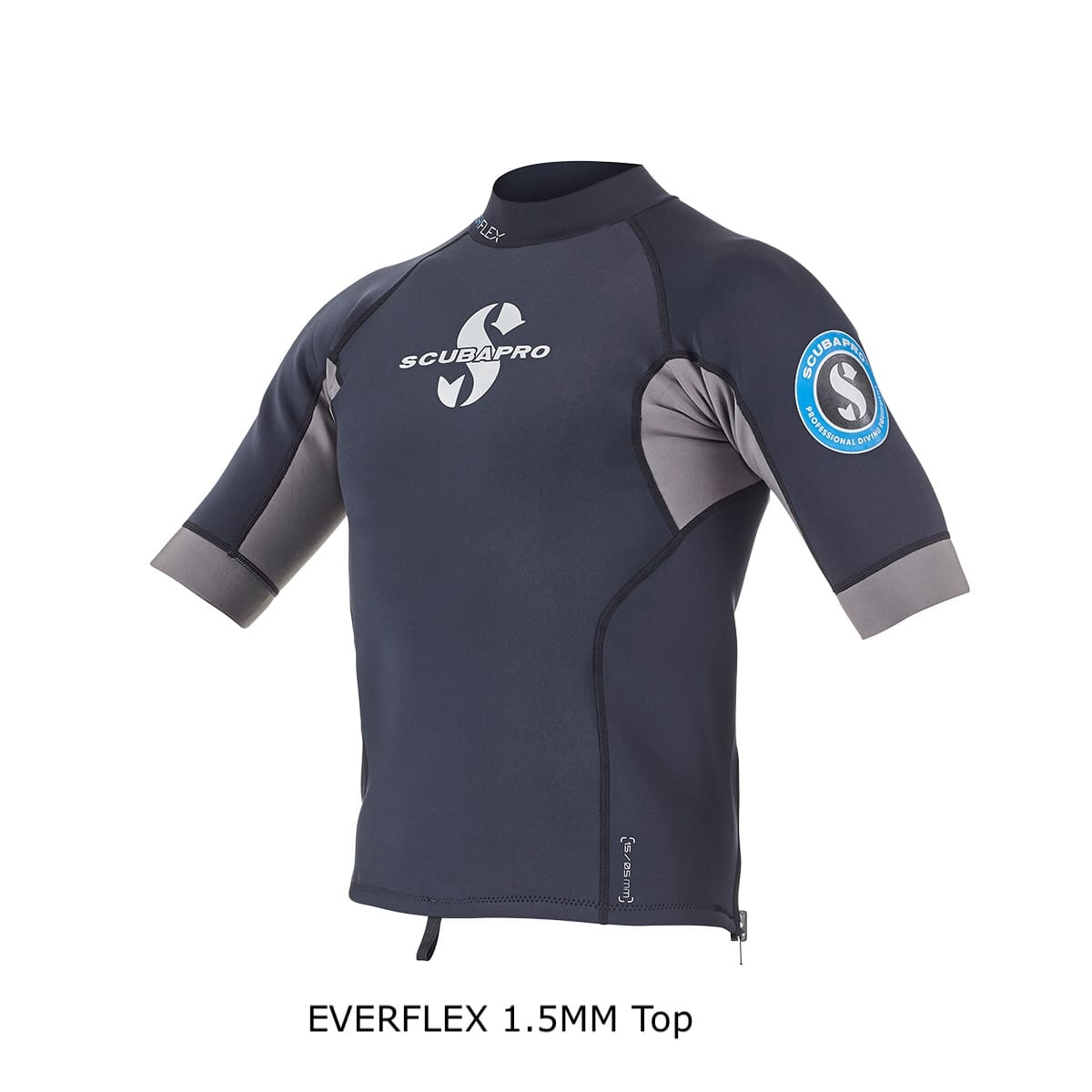
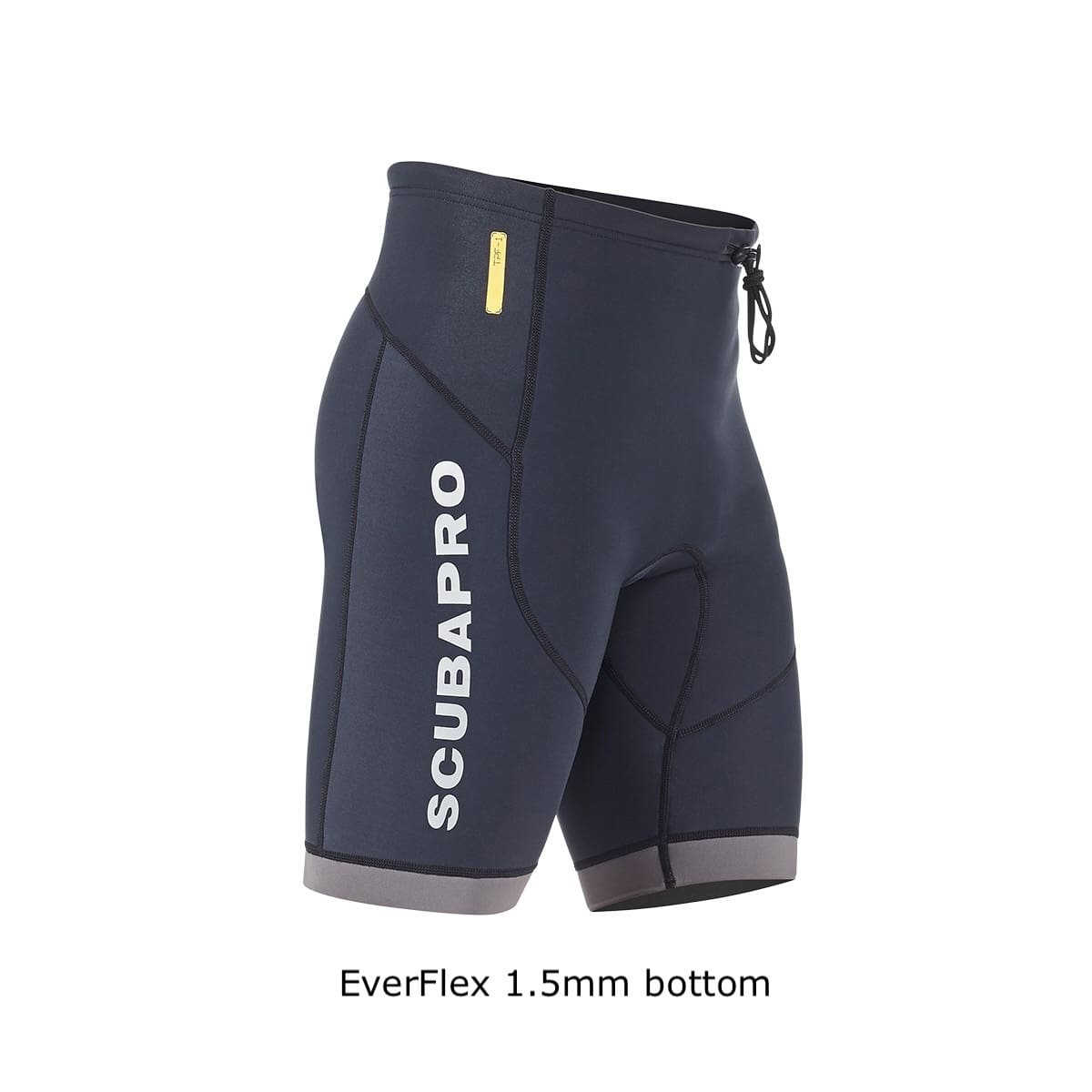
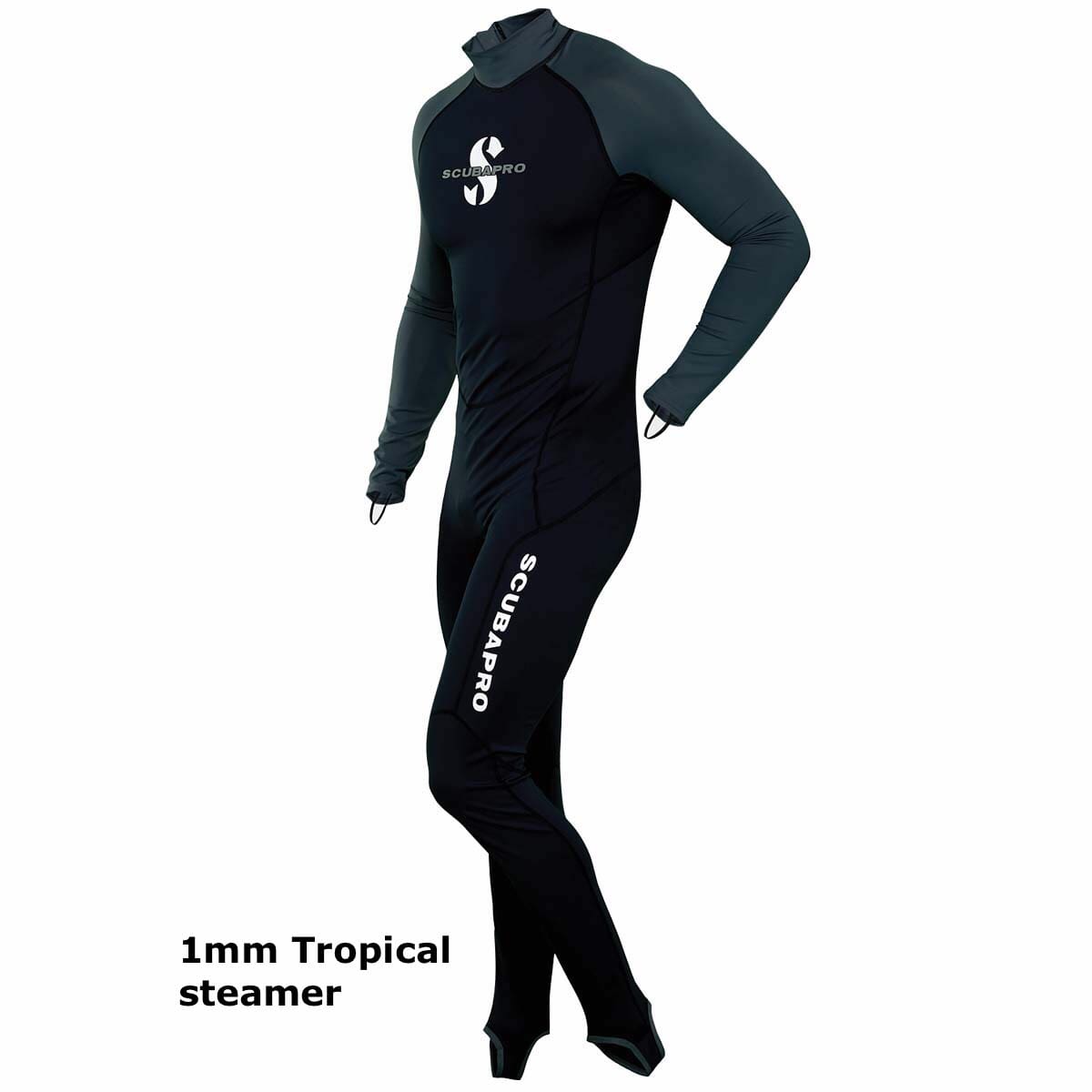
Most people wear something under their wetsuit to help with getting your wetsuit on easier. The other reason for wearing something under your wetsuits is that the extra layers can help keep your body warmer. Instead of wearing a thicker wetsuit that will restrict your movement it allows you to wear a thinner suit that will give you more flexibility. You can wear a short sleeve top or bottom to help keep your core warmer. The other thing to think about is the air temperature/ wind on your way to the dive site. If you have to worry about the air temp/ wind when you are traveling to the dive site, a linebacker jacket (the kind football players wear on the sidelines) is good to have as you can take it off before the dive and put it on when you are done. For colder temperatures, adding layers underneath the suit is definitely the way to go. You have several options to choose from. If you already have a thinner wetsuit that you usually use for warmer environments a 1mm rash guard, or any other type of garment that’ll provide you with the added warmth around your chest will help.

 When you have to worry about the wind most surf wetsuit or wetsuits that are glossy like surf suits, are designed to stop the wind. That all suit surf suits are not great for diving as most are not made from a material (yes surfing is different then diving) that is designed to be used under water for long periods. Some people go nude under their wetsuits. After wearing a wetsuit for an extended period of time, this can be painful, due to the constant rubbing against their skin it begins to chafe. Normally the neck, armpits, behind the knees, and the crotch are the first to go. You can apply anti-chafing gel/ Vaseline to help with this on long dives. You can also wear a dive skin or bike shorts this will help with getting your suit on and off also.

Whatever you decide to wear keep in mind the water/ air temperature, duration of the dive and what you will be doing. That should put you at a good starting point.

www.scubapro.com


Soldiers Train With New Chemical, Biological, Radiological and Nuclear Protective Equipment

Sunday, February 24th, 2019

Fort Hood, Texas — In the Army, readiness is the No. 1 priority. Soldiers train vigorously to always be ready to deploy in support of the nation’s defense. While training efforts focus on weapons proficiency and physical readiness, one critical task is sometimes overlooked, but it’s something that can quite possibly save a life.

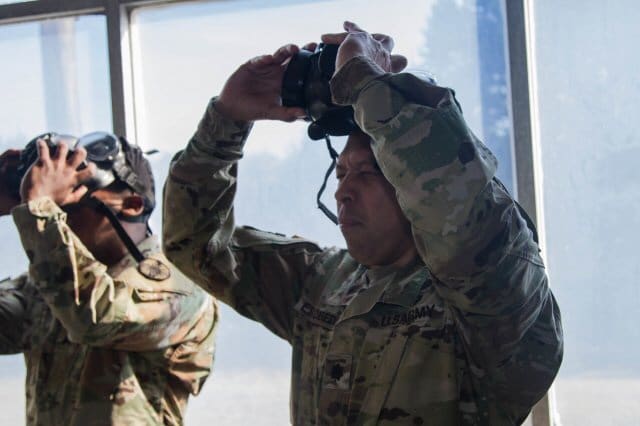
Soldiers break the seal on their M50 protective masks before re-sealing them at Fort Hood, Texas, Jan. 17, Soldiers gained familiarity with their protective equipment, and learned warrior skills one level tasks.

Soldiers from Headquarters and Headquarters Company, 13th Expeditionary Sustainment Command, braved the chemical, biological, radiological and nuclear chamber, Jan. 17.

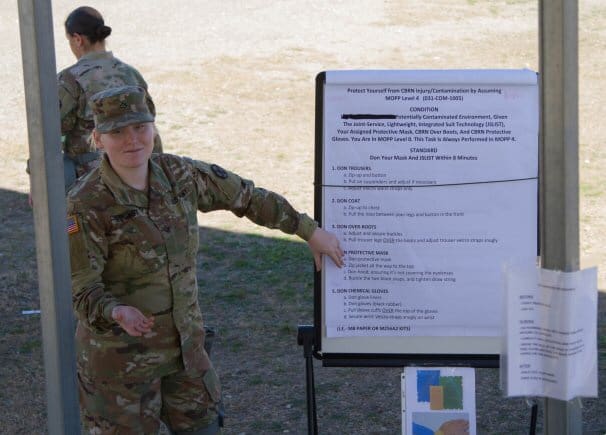
Known as the confidence course, the CBRN chamber allowed the sustainers to test the capabilities of their assigned M50 protective masks, learn CBRN warrior skills tasks.

Sgt. 1st Class Lisa Smith, a 17-year senior CBRN noncommissioned officer with 13th ESC, believes in what the training does for Soldiers, “Soldiers need to be confident in their equipment,” Smith said. “As a CBRN NCO, I have more confidence in the protective masks because we execute live nerve agent chamber missions as a graduation requirement for advanced individual training and the senior leader course.”

After going through 11 weeks of CBRN training during Advanced Individual Training, Pfc. Muirne Cooney made it a priority to do everything she could to bring attention to the unit’s CBRN program.

“I feel like CBRN gets overlooked and that people don’t care, but I want to make them care,” Cooney said.

Having graduated AIT in October 2017, this was Cooney’s first time being able to set-up and train Soldiers, but it’s something she knows is crucial.

Sgt. 1st Class Lisa S. Smith, senior CBRN noncommissioned officer, HHC, 13th ESC, instructs sustainers on how to ensure their M50 masks are properly sealed at Fort Hood, Texas, Jan. 17. Known as the confidence course, the CBRN chamber allowed the Soldiers to test the capabilities of their assigned M50 protective masks and learn CBRN warrior skills level one tasks.

“It’s important for Soldiers to understand the importance of their protective equipment,” Cooney explained. “A lot of Soldiers didn’t want to go in the chamber because they didn’t want to breathe in the gas, but that’s kind of the point. We use protective posture to negate that and provide Soldiers with confidence in their equipment, and that’s what training in the chamber provides.”

Training with the new M50 protective masks was an upgrade from the older version of the mask Soldiers used to don.

“They made the filters more compact in design in comparison to the M40s,” Cooney said. “So they are easier to fire weapons with, because you don’t have to worry about the filter, or lack of filter, getting in the way. I also like the lens because they give you a much wider field of vision.”

Pfc. Muirne Cooney, Headquarters and Headquarters Company, 13th Expeditionary Sustainment Command chemical, biological, radiological and nuclear specialist, instructs Soldiers on CBRN warrior skills level one tasks during training. Soldiers from HHC, 13th ESC, braved the CBRN chamber Jan. 17 to test the capabilities of their assigned M50 protective masks.

This training event allowed Cooney to finally execute the training using the skills she learned in CBRN training.

“This was the first chamber that I’ve been a part of in the planning and execution phases, so that was really exciting for me to learn the ins and outs of running a chamber,” Cooney said.

Spc. Matthew Martin, 13th ESC legal specialist, hadn’t been through the chamber since he graduated basic training over two years ago, and found this time was an all-around better experience.

“It didn’t hurt as bad as it did the first time,” Martin said. “I handled it way better than when I was in basic.”

In total, 78 Soldiers were successfully trained, and Cooney hopes this eases the nervousness some feel about the chamber.

“CBRN training isn’t scary, it’s meant to be informative,” Cooney said. “You have a CBRN NCO in every unit and there’s a reason for that.”

By SFC Kelvin Ringold

Marine Corps Seeks ideas, information on Organic Precision Fires-Mounted capability

Saturday, February 23rd, 2019

MARINE CORPS BASE QUANTICO, Va. —

Marine Corps Systems Command released a Request for Information it hopes goes beyond traditional defense partners to gain an innovative edge for a potential Organic Precision Fires-Mounted capability.

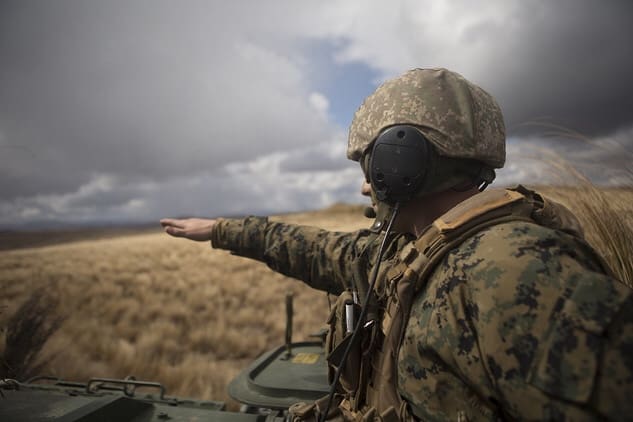
U.S. Marine Cpl. Hunter Badgett orients his target prior to calling for fire from a Light Armoured Vehicle as part of exercise Joint Assault Signals Company Black, Waiouru Military Camp, New Zealand, Sept. 27, 2018. Marine Corps Systems Command recently released a Request for Information for a potential Organic Precision Fires-Mounted capability. (U.S. Marine Corps photo by Sgt. Jordan E. Gilbert)

According to the RFI, released on the Federal Business Opportunities website Jan. 31, the OPF-M system must be capable of attacking targets at ranges that exceed weapons systems currently in an organic infantry battalion.

For program officials, this is the first step toward developing a future acquisition strategy that may include a Family of Systems—or even a tiered capability for maneuver units.

“The OPF-M will enhance indirect fire capability within the Light Armored Reconnaissance Battalion,” said Jeff Nebel, team lead for Program Manager Fires.   

The OPF-M is consistent with Marine Corps Operating concepts and the commandant’s priorities to modernize the force with investments in long-range and precision fires. OPF-M enhances the ability of maneuver and provides the LAR community the ability to shape the battlespace with an organic fire support asset.

The program office anticipates development of the OPF-M system to begin in 2020. The initial capability will also consist of several subsystems, including an aerial reconnaissance, surveillance and target acquisition platform, a vehicle-launched loitering aerial munition, and a digital command and control system.

“Organic Precision Fires has the ability to transform how we fight,” Nebel said. “We are committed to giving our Marines the systems they require to maintain their superiority over any adversary.”

Responses to the RFI must be received by March 1. An industry day is scheduled for March 13-14.

By Barb Hamby, MCSC Office of Public Affairs and Communication | Marine Corps Systems Command

MCTSSA Briefs Industry Leaders During Partnership Event

Friday, February 22nd, 2019

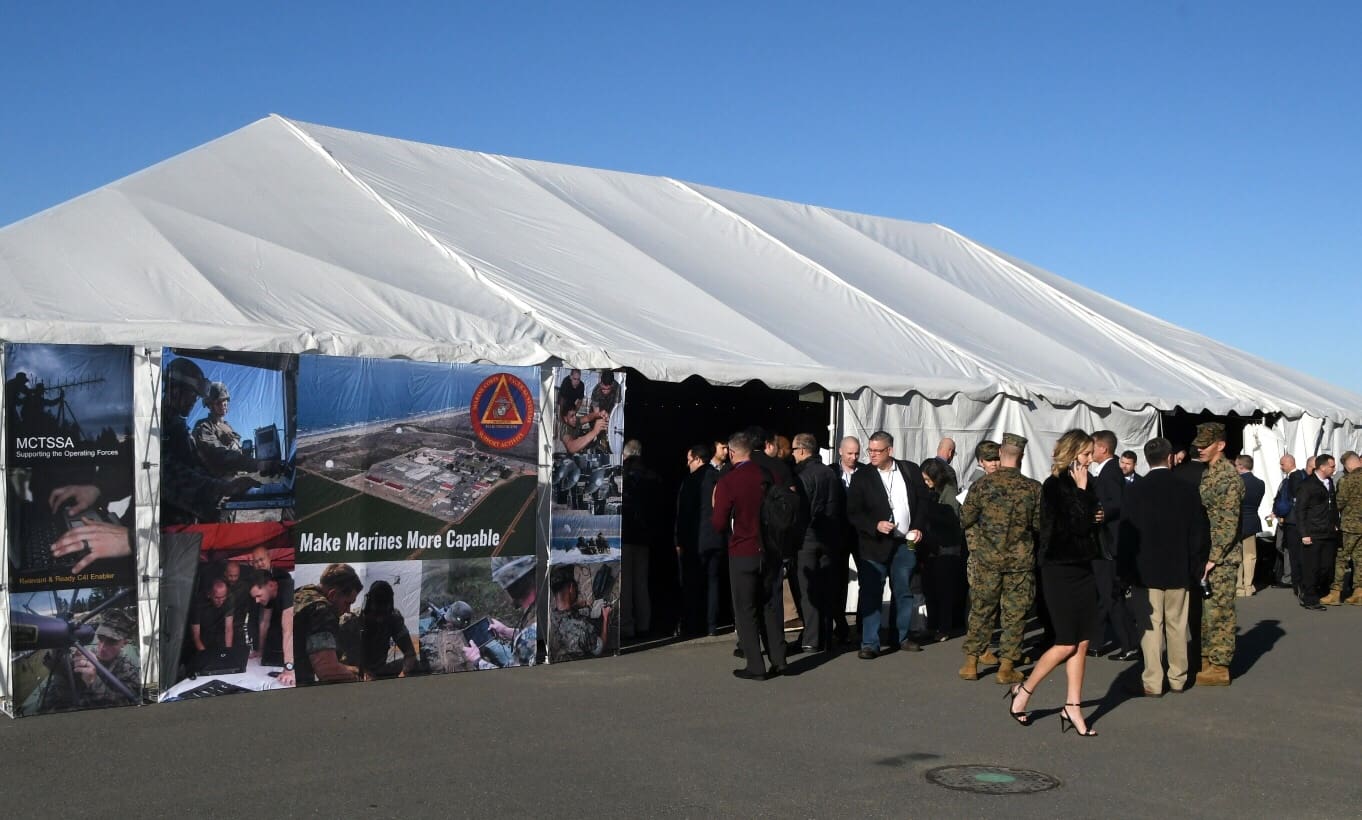
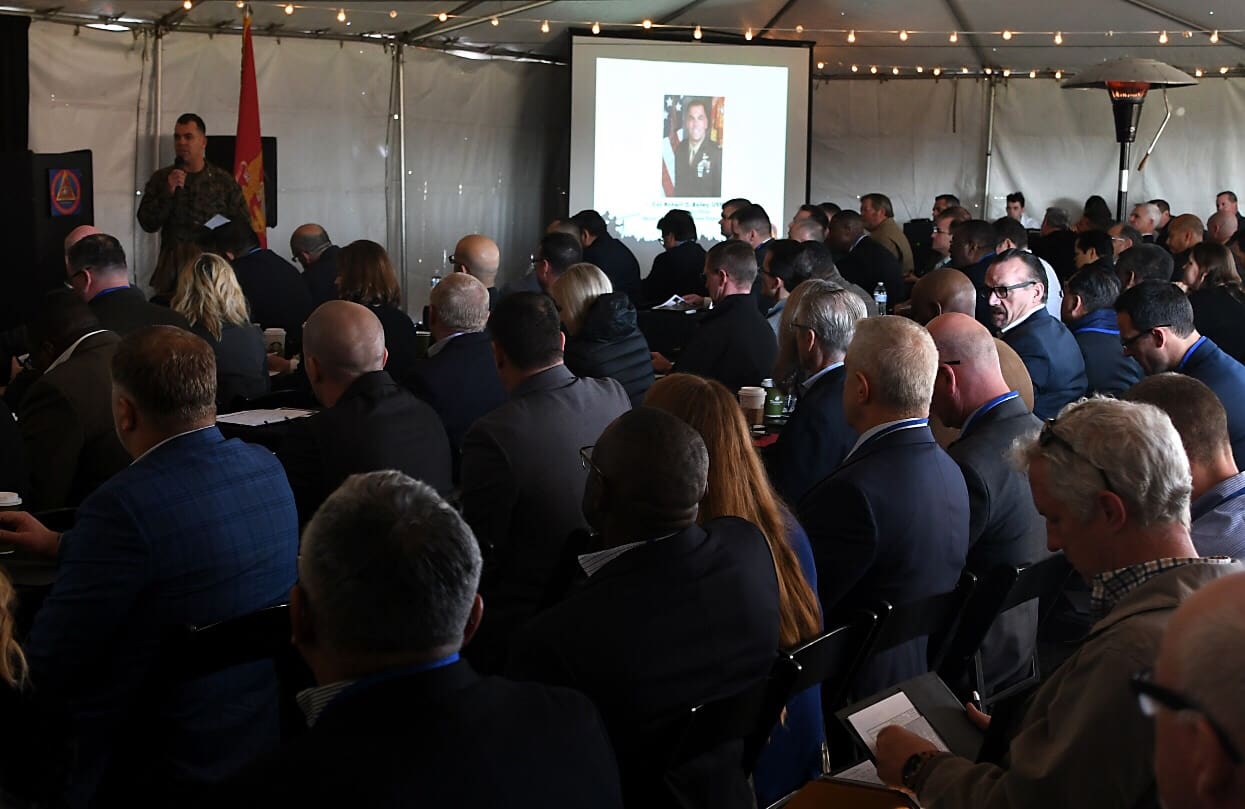
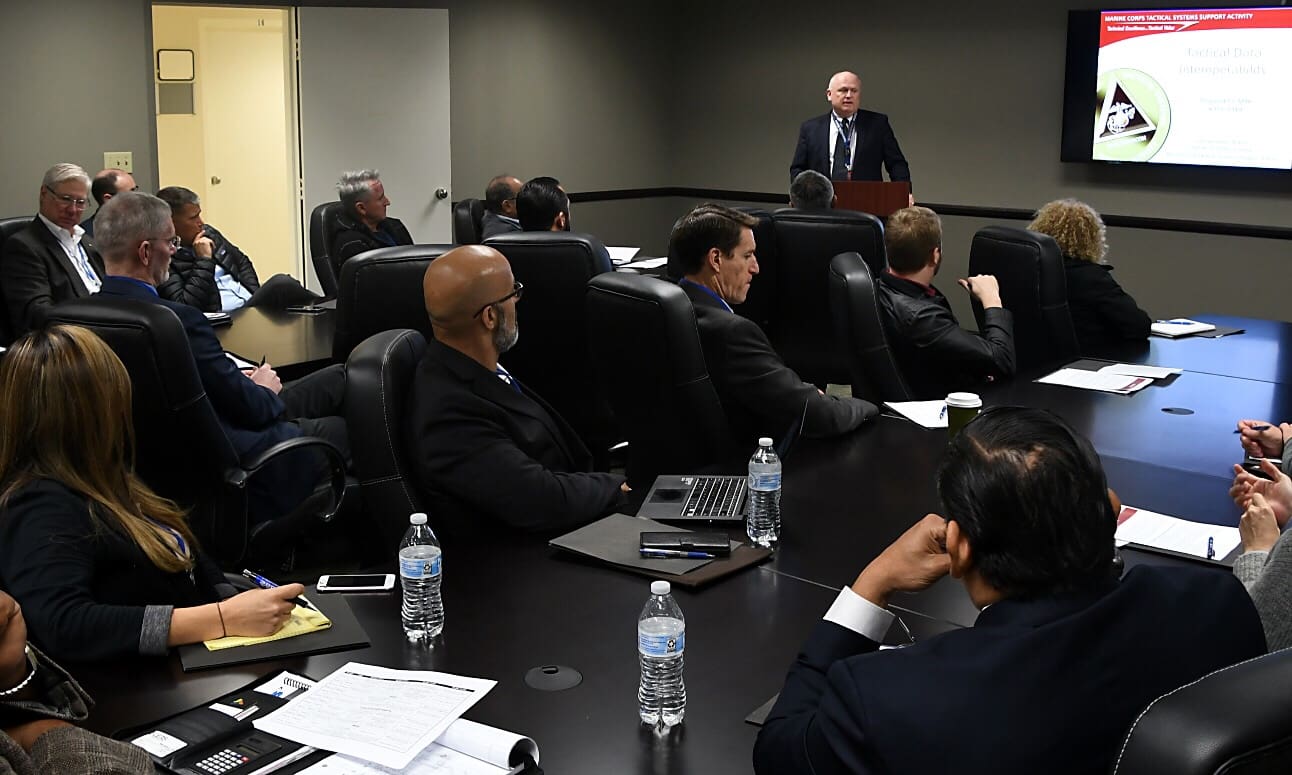
CAMP PENDLETON, Calif.— Marines, engineers and technical experts from Marine Corps Tactical Systems Support Activity hosted nearly 200 business leaders from across the country during an Advanced Planning Briefing to Industry Feb. 6, aboard Marine Corps Base Camp Pendleton.


Marine Corps Tactical Systems Support Activity hosted nearly 200 business leaders during an Advanced Planning Briefing to Industry Feb. 6 aboard Marine Corps Base Camp Pendleton. (Photo Illustration courtesy of U.S. Marine Corps)

The one-day event highlighted current technical objectives and associated challenges involved in supporting the command, control, communications and computers—or C4—systems used by expeditionary warfighters.

“The mutually beneficial partnership between private industry and the United States Marine Corps is our competitive advantage,” said Col. Robert Bailey, MCTSSA commanding officer. “Our talented business partners will be the ones creating the next generation of C4 systems, which must integrate seamlessly with the Marines operating at the tactical edge of the network.”

Specific areas discussed were, cybersecurity testing, wireless technology, advanced manufacturing, cloud computing, naval systems integration, automated testing, systems engineering, system and system of systems testing, data link analysis, tactical networking, and United States Marine Corps Operating Forces technical support.


Industry partners gathered with MCTSSA subject matter experts during an Advanced Planning Briefing to Industry Feb. 6 aboard Marine Corps Base Camp Pendleton.

“MCTSSA is doing some exceptional 21st century work for our Marine Corps,” said APBI participant and marketing director Greg Goodman. “This was a superb event.”

Other participants sought to gain knowledge of the technologies and processes that are important to the United States Marine Corps.

“MCTSSA and industry are trying to solve the same problems, there is a significant opportunity for cooperation if a business model can be worked out,” said James Valentine, a business development director.


Col. Robert Bailey (left), MCTSSA commanding officer, spoke with business leaders during an Advanced Planning Briefing to Industry Feb. 6 aboard Marine Corps Base Camp Pendleton.

Technical briefs were conducted at various locations throughout the MCTSSA compound and put the command’s subject experts in direct contact with their business counterparts.

“I’ve been able to learn more about command requirements and how Hewlett Packard Enterprise can assist,” said Ray McCrea, an account manager and APBI participant. “By starting that dialogue and meeting these contacts, I’ve accomplished my goal here today.”

Hearing directly from requirements officers was beneficial to many of the industry participants.

“Partnerships are vital in creating win-win relationships,” said APBI participant Wil Granados. “I am extremely supportive of these type of events and would like to see more in the future.”


Buck Connally (right), a MCTSSA subject matter expert, briefs industry leaders on joint interoperability of tactical command and control systems during an Advanced Planning Briefing to Industry Feb. 6 aboard Marine Corps Base Camp Pendleton.

MCTSSA leadership echoed similar sentiments.

“Cultivating and enhancing our relationship with industry will become even more essential as our nation faces new and evolving threats from a strategic and asymmetric adversary,” said Bailey. “We must make Marines more capable, enabling combatant commanders’ real-time command and control superiority and this industry event helps us strive to do just that.”

Business leaders taking part in the event equally expressed the importance of the day.

“These are valuable interchanges for industry,” said Valentine. “It ties industry into the Marine user through MCTSSA and will help steer our investment.”

MCTSSA, an elite, full-scale laboratory facility operated by the Marine Corps, is a subordinate command of Marine Corps Systems Command. MCTSSA provides test and evaluation, engineering, and deployed technical support for Marine Corps and joint service command, control, computer, communications and intelligence systems throughout all acquisition life-cycle phases.

Story and Photos By Sky M. Laron, Public Affairs Officer, MCTSSA

FirstSpear Friday Focus – IFAK Pouch, Non Stocking – Non Standard

Friday, February 22nd, 2019

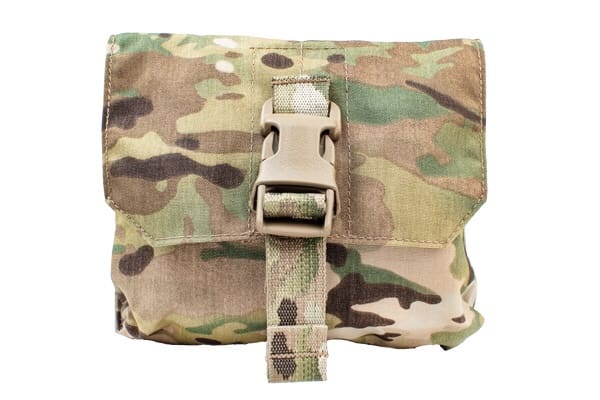
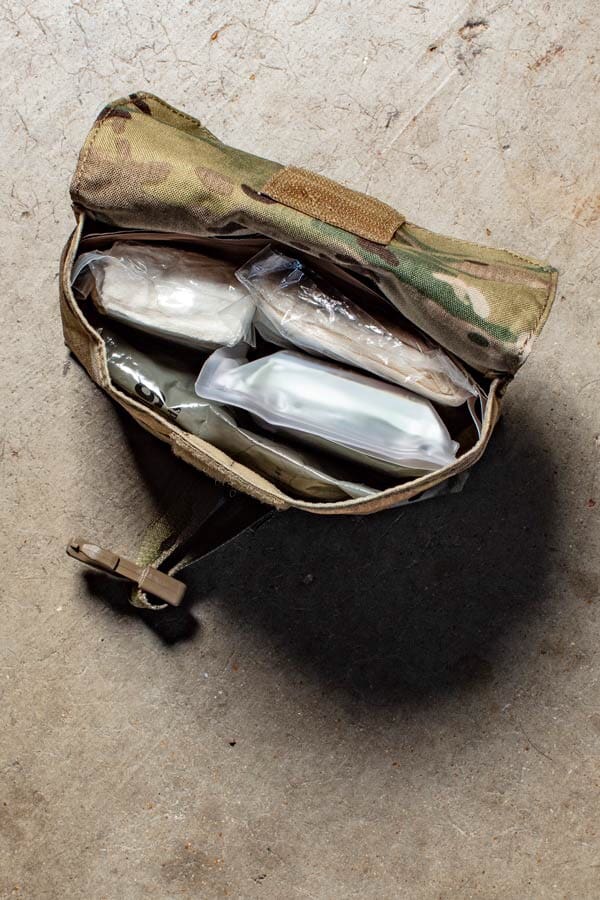
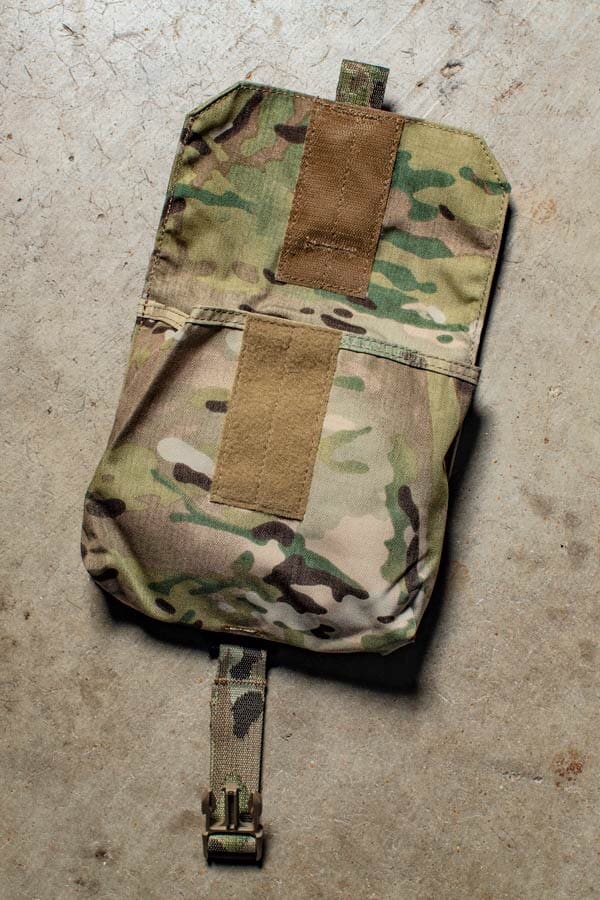
All new in the Non-Stocking Non-Standard section from FirstSpear is the IFAK Pouch. These are brand new first quality goods from a government overrun and only available in Multicam while supplies last. Features a large hook and loop flap and a side release buckle for secondary retention which can be removed by the user. 6/9 attachment style. Made in the USA.

Approximately 7.5×5.5×3

www.first-spear.com/non-stocking-non-standard/ifak-pouch