GORE-TEX Professional

Archive for the ‘Guest Post’ Category

Brigantes Presents – High Angles Solutions – Black Crows Orb Freebird Militairi Review: (with a Touring binding set up)

Wednesday, February 20th, 2019

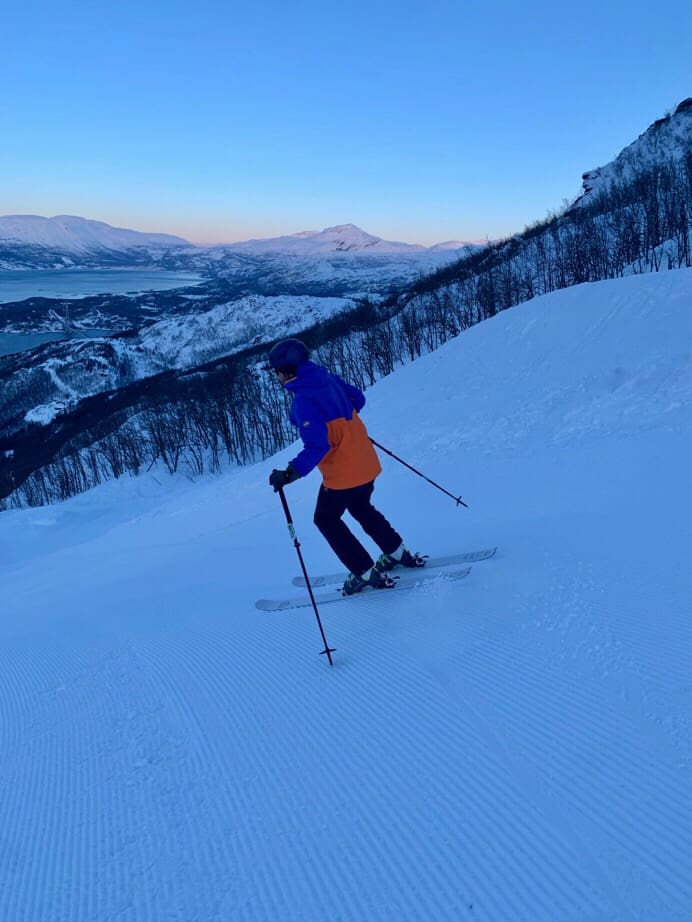
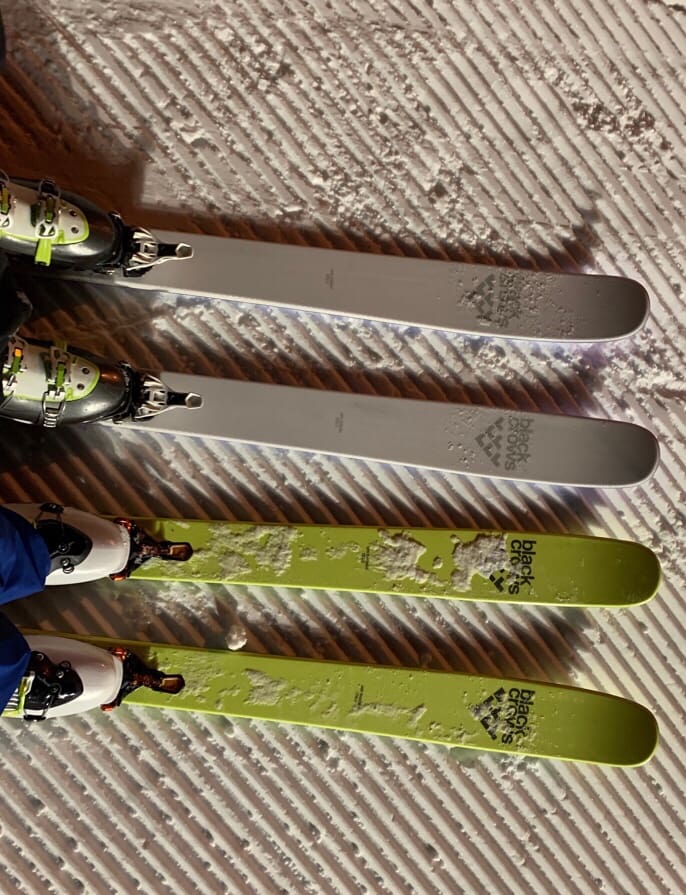
The Militairi ski is a great Intermediate/advanced touring ski. Within the Touring category it is an ‘all-rounder’; at 91mm underfoot it is light and manoeuvrable both up and downhill and the surface area gives enough float in soft snow. At 179cm long it is a good compromise of manoeuvrability and speed. With a turn radius of 18m it is turns quicker than your average stiffer ski.

The main differences (other than the colour) between the Militairi and standard Orb Freebird is the full titanial plate and thicker edges. The full-length plate makes the ski 5% stiffer which gives it more strength and helps military users who are carrying more weight on their backs; it should prevent bindings being ripped out of the ski. It also helps the ski punch through in changeable snow conditions. The thicker edges make the ski tougher preventing less edges being popped and gives the ski more edge tuning and longevity. 

When skied the Militairi ski has slightly more grunt than the civilian Orb Freebird, it needs to be pushed to get the most out of it; passenger skiers should treat with care.

The stiffer titanial plate on the Militairi gives it more torsional rigidity which allows it to perform well when carved on piste and gives it more pop in fresh snow. The stiffer tails should be respected, back seated skiers may find that the ski propels them forward, which can be a positive for advanced skiers but not so much for nervous beginners. The stiffer plate does make the ski more responsive on short terms and there is no chatter at high speeds like on the standard Orb Freebird. 

In summary, a ski that will please a lot of people as it punches well above its weight category in terms of downhill performance and yet is light and nimble on the uphill.

Reviewed by Ben Shephard – BASI ski instructor and ex Army Alpine Ski Racer.

Air Force Leaders Implement New Warfighting Planning Process

Tuesday, February 19th, 2019

WASHINGTON (AFNS) — Air Force leaders directed the implementation of a new approach to planning to better meet future threats. The team focused on this effort will be led by Maj. Gen. Clinton Crosier.

“The Air Force needs to plan across stove pipes to prepare for warfare of the future,” Secretary of the Air Force Heather Wilson said. “This will change the way we develop Air Force programs and budgets to face threats from high-end adversaries.”

In today’s technologically competitive, multi-polar world, the Air Force must be able to innovate and operate faster and more effectively than its potential adversaries. However, under the current force design model, planning and development are sub-divided into 12 core functions, such as rapid global mobility and air superiority, managed across seven major commands.

In October, Wilson and Air Force Chief of Staff Gen. David L. Goldfein initiated an interim effort to move forward an Air Force Warfighting Integration Capability.

Wilson and Goldfein charged Crosier with leading a 70-person team to develop the AFWIC way forward. The team is made up of Airmen from across the Air Force.

“Warfighting in the 21st century is all about multi-domain integration, agility in decision-making, and speed of action. We must consistently innovate, integrate and field capabilities more effectively than our adversaries,” Goldfein said. “AFWIC will help us evolve and transform our processes and organizations to meet the challenges of future warfighting.”

AFWIC will explore and wargame innovative solutions, develop an integrated family of concepts, and direct capability development efforts across the Air Force.

This organization will also develop a single, multi-domain strategy that will identify, guide, and prioritize future force development. That will improve Air Force agility, readiness, and lethality in the joint fight, Goldfein said.

By Tech. Sgt. Robert Barnett, Secretary of the Air Force Public Affairs

Soldiers Learn Arctic Survival from Northern Neighbors

Sunday, February 17th, 2019

MANNING PARK, B.C., Canada — Lights from headlamps in the distance dart across the blue snow horizon, mirroring the shooting stars above in the brilliant Canadian winter night sky. Through the darkness, Canadian Army Reserve Soldiers lead the way towards camp, breaking trail with their snowshoes through six feet of untouched snow.
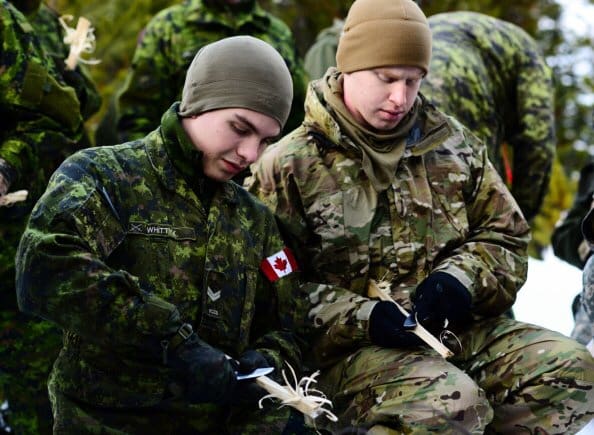
Nearly 40 Oregon Army National Guard Soldiers with 2nd Battalion, 162nd Infantry Regiment, 41st Infantry Brigade Combat Team, traveled to British Columbia, Canada, Jan. 24-28, 2019, to participate in the Westie Avalanche Exercise alongside the Royal Westminster Regiment (RWR), 39th Canadian Brigade Group (CBG).

Westie Avalanche is an introduction to arctic warfare focusing on winter survivability, cold weather tent operations, and light infantry winter mobility. The purpose of the exercise is to build winter survival skills while cultivating relationships between the North Atlantic Treaty Organization allies.
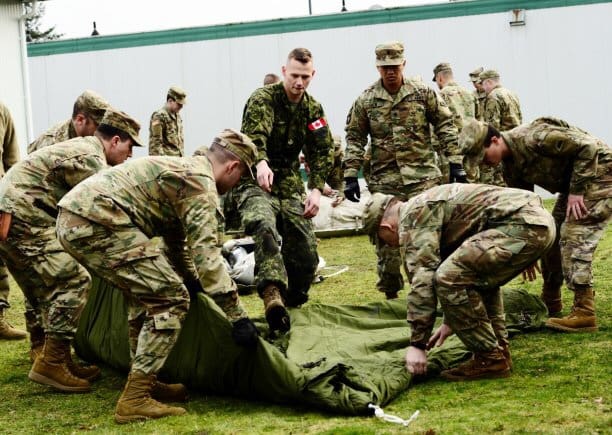
“Through active participation in light infantry engagements we continue to build our ability to conduct our mission in any environmental situation alongside partner NATO nations,” said Oregon Army National Guard Lt. Col. Kyle Akers, commander, 2-162nd Infantry Battalion.

Akers emphasized that 2-162nd Infantry Battalion Soldiers must be effective and ready to serve in any condition or terrain. However, Oregon Army National Guard Soldiers don’t often get a chance to train in adverse winter conditions, an environment Canadian Soldiers are familiar operating in.
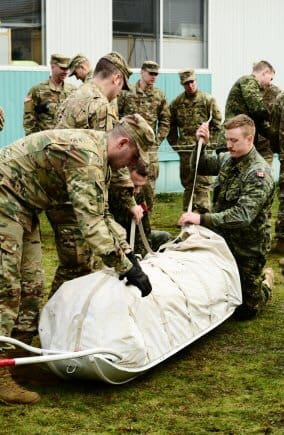
“It’s one thing to be able to tactically operate, but it’s another thing to be able to sustain yourself throughout prolonged operations in arctic conditions,” said Canadian Army Reserve Maj. Greg Chan, commander of Alpha Company and operations officer for the RWR. “We thought it would be a good exercise to invite elements of 2-162 up here and showcase some of the skills that we have and share our knowledge with you.”

DIFFERENT ANGLES ON INTEROPERABILITY

Canadian Lt. Col. Chuck MacKinnon, commander of the RWR, emphasized the importance of understanding different interoperability perspectives.

“The U.S. is our partner and the reality is we both end up operating together in places around the world,” said MacKinnon. “Our armies are now intermingling so much, and what I found overseas is that we approach the same problem with two different perspectives. Understanding what we both bring to the picture and how we think differently is a huge advantage.”

The Oregon and Canadian Soldiers gained real-world interoperability experience by fully integrating with their peers. Each Oregon Soldier was paired with a Canadian Soldier to encourage the exchange of knowledge and skills.
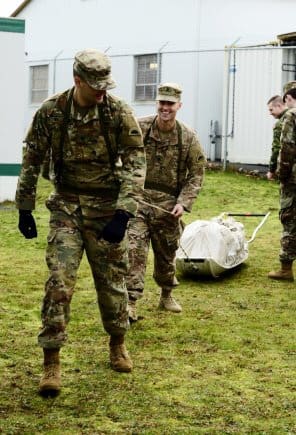
“With Soldiers on both sides being integrated, they’re more likely to learn those different perspectives in a very short period of time,” said MacKinnon. “They both get to understand the different language we have: cultural references, acronyms, and terminology, having different equipment, understanding how the different command and rank structures work.”

SHOULDER-TO-SHOULDER

The Canadian and U.S. Soldiers worked shoulder-to-shoulder and camped together in combined ten-man infantry squads, known as toboggan or tent groups.

“They all integrated at every level and I think there was great sharing of information,” said Chan. “They [U.S. Soldiers] got to experience some of what Canada has to offer, but also learned a lot of the critical Soldier skills to survive in a winter environment.”

Oregon Army National Guard Staff Sgt. Eric Givens, training noncommissioned officer with Delta Company, 2-162nd Infantry Battalion, said the Oregon and Canadian infantrymen worked really well together.

“It was just as if we were Canadians,” said Givens. “Being integrated into their daily operations felt like I was part of the Canadian Army.”
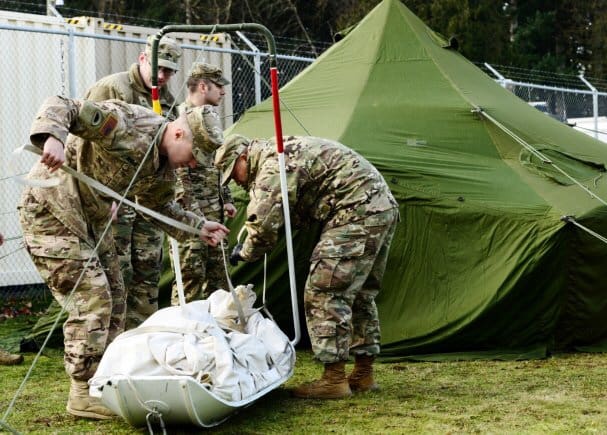
The Oregon Guard Soldiers spent the first day of training, Jan. 25, at the Chilliwack Armoury becoming familiar with the Canadian Army’s arctic tent/toboggan kits, and learning proper procedures for tent group operations.

“They were open to informing and teaching us; giving us ample time to get hands-on experience with their equipment,” said Givens.

The Soldiers received classes on cold weather clothing and gear in which the objective is to stay comfortably COLD: Clean, Overheating (avoid it), Layered, and Dry. The forecast for the weekend predicted highs around 30 degrees Fahrenheit and lows dipping down below 20. The Soldiers packed their rucksacks and assault packs in preparation for their frozen adventure, only taking what they could manage to carry on their backs.
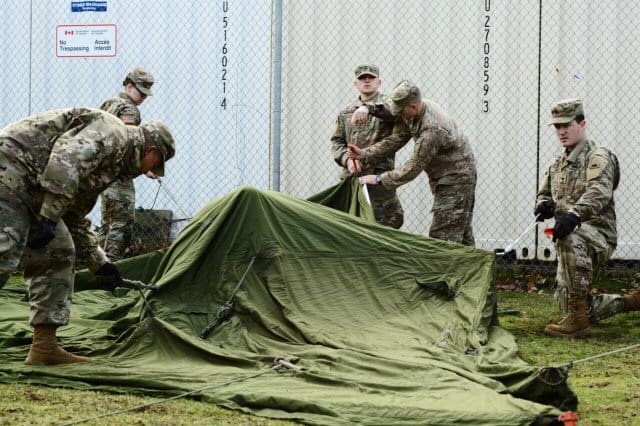
“You pack to survive, but you also have to count out your weight per pound,” said Givens. “You have to decide if you want to be uncomfortable while moving, carrying more weight, or uncomfortable while stationary and packing fewer layers and thermal barriers.”

On Friday evening, the Canadian-U.S. formations were bussed to E.C. Manning Provincial Park where they had to establish a hasty campsite. The Canadian Soldiers blazed a trail through the snow with snowshoes and toboggans as though they were walking on clouds. The Oregon Soldiers’ boots sank deep through the soft snow as they were weighted down with heavy rucksacks.
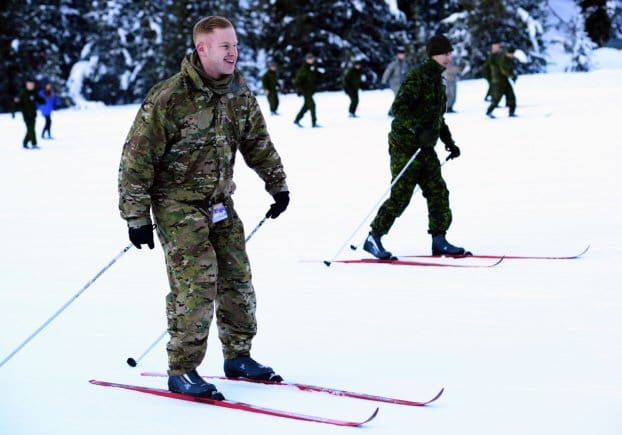
“We were all cold and tired, but we laughed and made jokes about it, and at that moment you wouldn’t want to be anywhere else,” said Givens. “As infantry Soldiers, there was camaraderie in sharing the misery of being cold together.”

CAMARADERIE IN THE COLD

Together, the U.S. and Canadian Soldiers worked under the cover of darkness to stake down their tents in the snow and set-up camp. Relief from the cold finally came when the tents were up, the stoves and lanterns were lit, and the Soldiers could finally cram together in their sleeping bags.
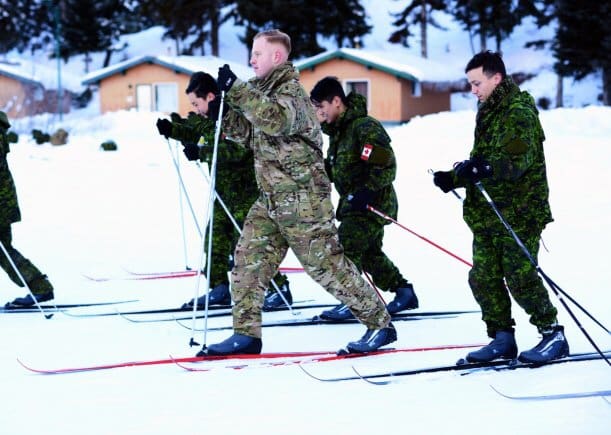
“Even though we wore different flags, I was cold, and they were cold too,” said Oregon Army National Guard Staff Sgt. Dionicio Vega, with Charlie Company, 2-162nd Infantry Battalion. “Everyone was dying to get that stove lit and that was our most important task. Once it was lit, there was a level of comfort and peace that came over.”

The Soldiers didn’t stay “cozy” for too long. Tag, “you’re it” … as their buddy woke them up in the middle of the night for a turn at pulling fireguard, manning the stove and lantern. That “tag” from their buddy came again too soon the next morning as they were woken up early to begin the day’s events.
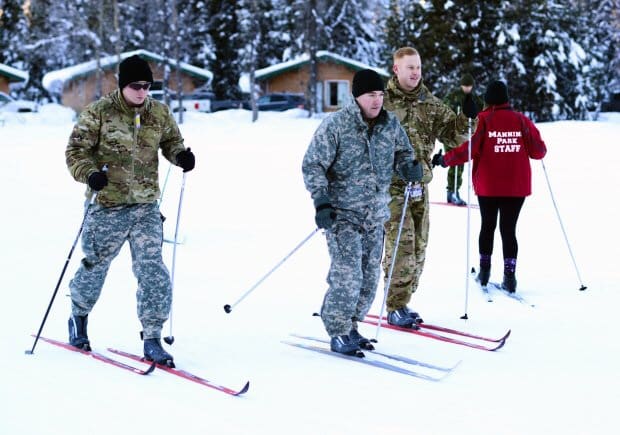
Over the course of the next two days, the units rotated through winter mobility training, including cross-country ski lessons and snowshoeing. Several Soldiers had experience downhill skiing and snowboarding, but many of them had never been cross-country skiing and were surprised to learn how strenuous it can be.

“Cross-country skiing really slowed us down,” said Vega. “I don’t want to do that again, but I was a real fan of snowshoeing and I will probably buy my own and pick it up as a hobby back home.”

Most of the Oregon Soldiers had never been snowshoeing before this experience. Their introduction to it was a 12-kilometer march along a steep, narrow path that winded around frozen Lightning Lake. Canadian and American Soldiers took turns hauling the toboggans up and down the peaks and valleys of the mountain path, shadowed by towering trees drooping with the burden of heavy snow.
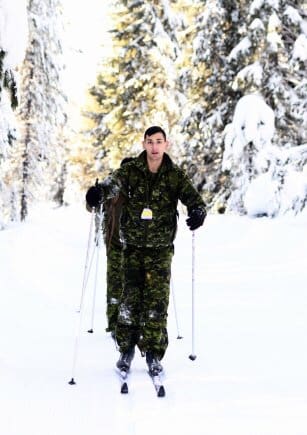
“We were simulating an infantry movement, as close as possible, but without weapons,” said Givens. “The Canadians set the pace and we were hustling.”

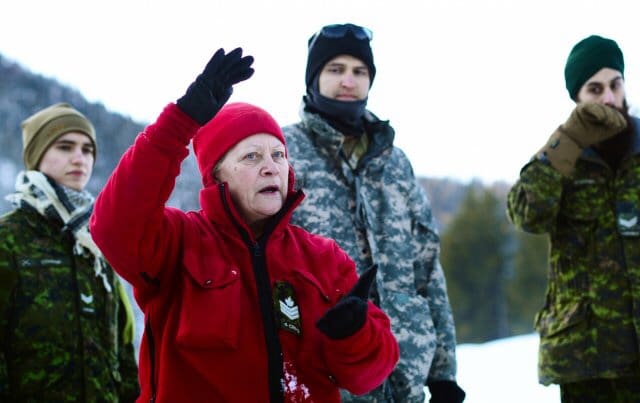
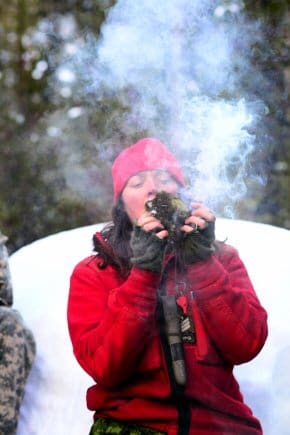
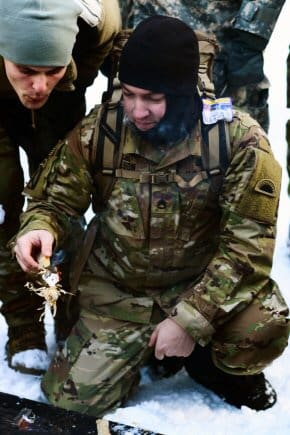
There was little time to rest their aching muscles as the winter survival lessons continued on through the evening. Instructors from the 4th Canadian Rangers Patrol Group (4th CRPG) taught the Soldiers how to make a fire in winter conditions, tips for survival food, and how to construct snow shelters. The 4th CRPG assists the Canadian Armed Forces with national security and public safety missions in sparsely populated, coastal and isolated areas of Western Canada.

“The instructors training us in these techniques are some of the best in the world,” said 1st Lt. John Rohrer, intelligence staff officer for 2-162nd Infantry Battalion, who volunteered to lead the U.S. Soldiers for this mission. “It was some of the highest quality training, learning how to survive in arctic conditions from winter survival experts who work for the Canadian government in the far north.”
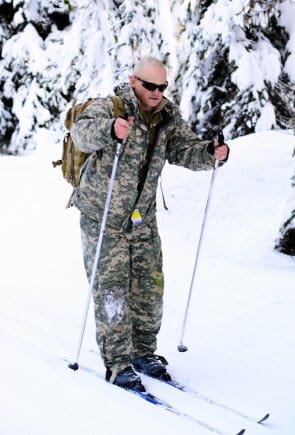
Part of the exercise included establishing a tactical bivouac in austere conditions. As the sun went down over the camp on Saturday night, January 26, the Soldiers were instructed to forego their tents and build their own survival shelters where they would be sleeping in the snow for the night. The sharp winter night air stung their lungs as they feverishly dug through the snow to make arctic beds.

“We were already in our tents warming up and finally getting a chance to eat, so we weren’t too excited to get back out in the cold,” said Vega. “But as soon as we got out there, all of us started working together on one task and we knocked out the first snow cave in 45 minutes. We immediately started working on another one.”
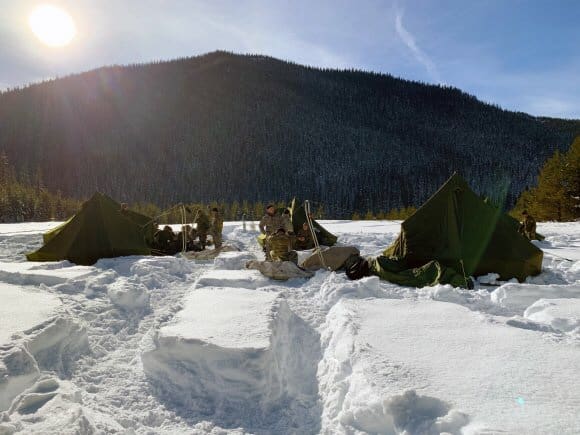
Vega said making snow shelters alongside the Canadian Soldiers ended up being his favorite part of the entire exercise because it was unique.

“Many of us were doing this for the first time and we only had 40 minutes of training on it,” said Vega. “We asked for the Rangers’ expertise and the Canadian sergeants’ experience and it felt good to know that we were doing it right.”
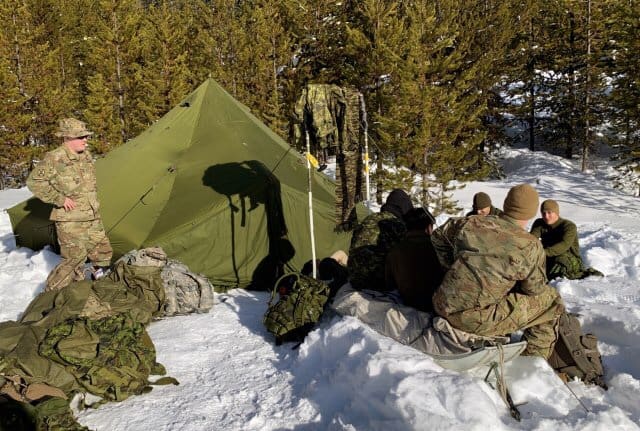
Clouds of steam hung in the air above their heads with every breath and every word spoken on that frigid, sleepless night. The goal was to build the Soldiers’ confidence, to recognize that they can endure extremely cold weather conditions.

TACTICAL TRAINING IN A NEW ENVIRONMENT

“From a tactical perspective, it’s always good to enhance Soldiers’ skills and situational awareness in an unfamiliar environment,” said Rohrer. “You’re forced to learn a new skillset, such as awareness for how to manage and regulate your body heat. The more times you do that, the better you get at the mechanism of adapting and the learning curve won’t be as steep the next time.”
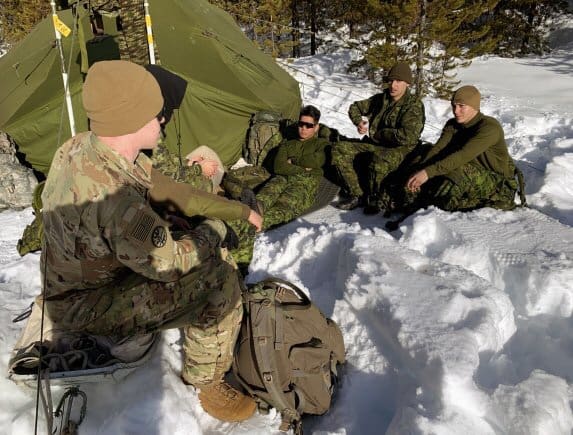
Givens, with ten years of service and two deployments (Iraq and Afghanistan), said he has a newfound confidence that he can operate in any conditions and any climate after this training.
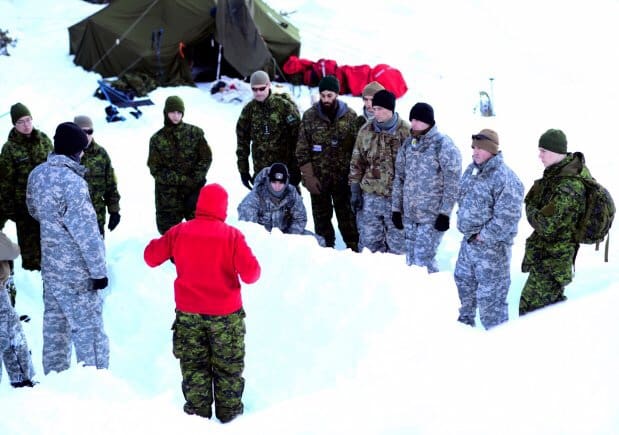
“I feel like I can confidently challenge different weather and elevations now, and maybe even go backpacking in extremely cold weather at Mt. Hood or Mt. Bachelor,” he said.

The training was also a chance to develop and/or refine standard operating procedures (SOP) for winter operations. Soldiers representing every company in the 2-162nd Infantry Battalion participated in the exercise with the objective to take their new knowledge and experience back to their units and train others.
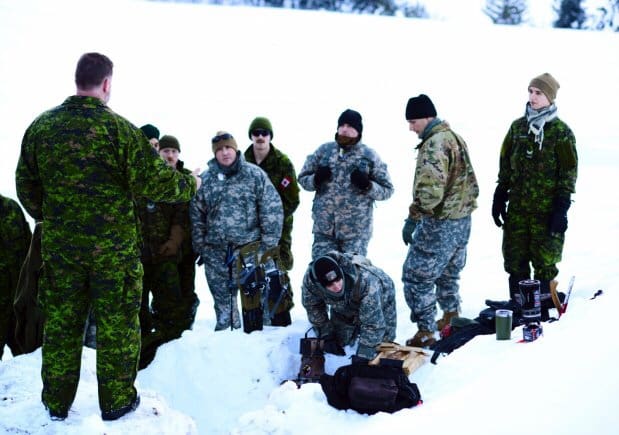
“Unknowingly, the Canadians taught us to trust our own equipment,” said Givens. “We never had the chance to use our [Extreme Cold Weather System] equipment to its full capability and this was the perfect opportunity to test it. So, I plan to develop a cold weather SOP with everything I’ve learned for the Soldiers in my unit.”

Working and living together in austere cold weather conditions, the U.S. and Canadian Soldiers discovered they have more commonalities than differences with their Pacific Northwest neighbors. Many of them made new friends that they plan to stay in touch with.
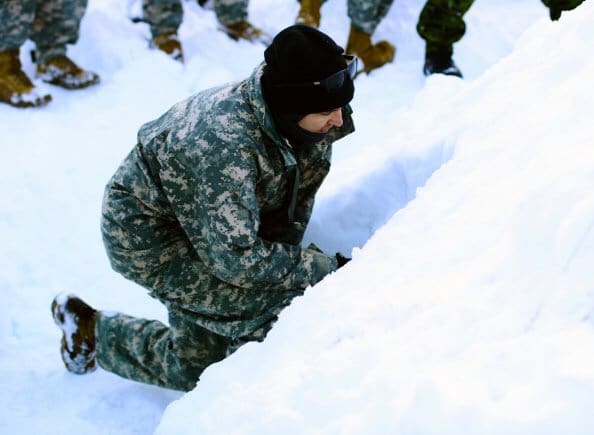
“The two militaries are pretty similar, at the end of the day we are just guys, doing the same job,” said Canadian Army Reserve Cpl. Riley Turner, with A Company, RWR. “Being around staff sergeants and seeing different leadership styles was a good learning experience. We worked well together and I made new friends [pointing towards Vega].”

Vega agreed saying, “We are the same, there’s really no difference. Two armies can come together. We may be different armies wearing different flags, but we all came together at end of the night joking about the same things and we overcame some stereotypes. So, I feel more Canadian and hopefully, Corporal Turner feels a little more American.”

A COMMITMENT TO BUILDING READINESS

The Oregon Soldiers said they want to continue this relationship with their Canadian partners and are looking forward to more opportunities to train with them again in the future. A sentiment the leadership in both the 2-162 and RWR also share.
“This unique opportunity and relationship will help posture our units for future engagements with our different platoons and companies across the formation,” said Akers. “We are committed to building readiness and an enduring, mutually beneficial partnership with the RWR and the 39th CBG.”

“It’s a great opportunity for members of the RWR to work with a partner nation and just be better infantry Soldiers and better prepared for future deployments,” said Chan. “The more interoperability training that we can do always benefits our troops. It helps them become familiar beforehand, so the first time we’re working together is not when we’re deployed overseas.”
This was the second time that the 2-162 Infantry Battalion and RWR have partnered-up for a bi-lateral training engagement. In April 2018, the two units jointly planned and executed a multi-day infantry exercise known as “Cougar Rage” at Joint Base Lewis-McChord, Washington.
“These training opportunities have turned out to be very beneficial lessons for both organizations, as well as the troops participating. You can’t put a price on its value,” said Canadian Army Reserve Maj. Pavel Dudek plans officer for the 39th CBG. “We want to continue this relationship with our Oregon National Guard partners and expand on it. We hope it will be enduring in nature.”

By SFC Class April Davis

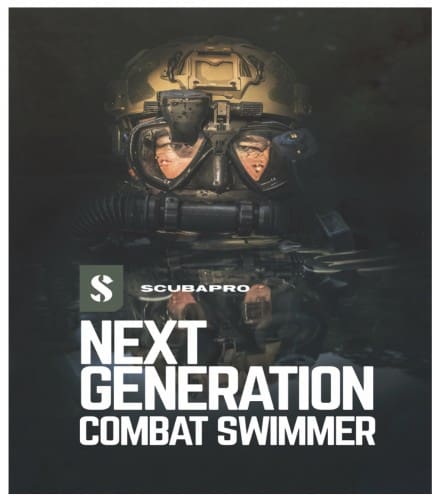
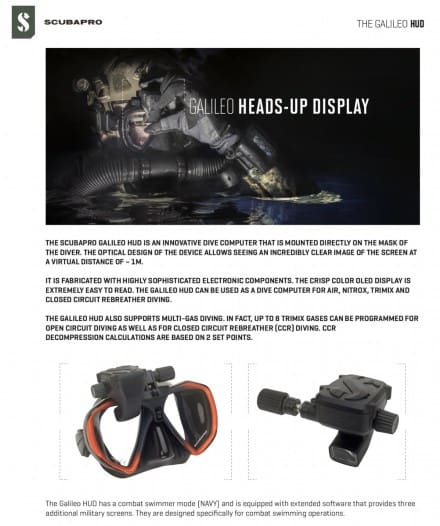
SCUBAPRO Sunday- Galileo Heads Up Dive Computer

Sunday, February 17th, 2019

E17D741E-6173-44F7-8870-A2737EC43952
8D133DE7-2F56-4764-9098-B8E7AC680CA2
54A2A869-CAAF-4B0E-B1E8-AA7B92CC2ED7
For more information please contact ecrazz@clannfive.com

Airmen Test Resolve During Air Assault Assessment

Saturday, February 16th, 2019

MOODY AIR FORCE BASE, Ga. —

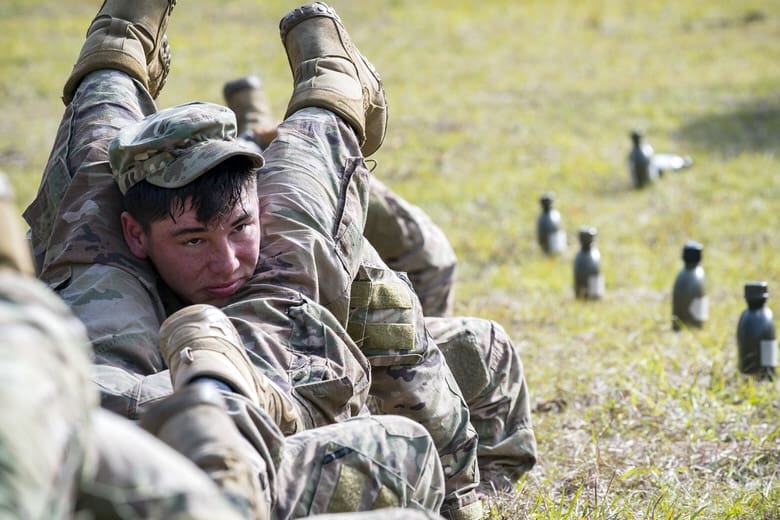
Cadres from the 820th Base Defense Group (BDG) evaluated approximately 37 Airmen during an Army Air Assault Assessment (AAA), January 28-31, here.

The assessment measured each Airmen’s readiness to determine who would be selected to attend the 10-day Army Air Assault School (AAS), at Fort Campbell, Ky. The BDG is one of the few units within the Air Force that sends their Airmen to AAS to enhance their personal readiness and also reinforce their unit’s lethal capabilities.


“Everything we learn at AAS is a part of our mission scope within the BDG,” said Staff Sgt. Nicholas Groomes, 822d Base Defense Squadron (BDS) training instructor and cadre team member “It’s rare to find an Army school that’s curriculum falls under our umbrella, so the more experience we can get for our Airmen the better off the BDG can be downrange.”


The AAA provided Airmen with an opportunity to challenge themselves personally and to self-assess their physical and mental readiness to perform in high-stress situations.

“The reason I wanted to go to AAS was to test myself and to prove that I could get through something so difficult,” said Senior Airman Jeffrey Lewis, 822d BDS fireteam leader. “You always hear of how superior the Army Air Assault School is and how physical it is. I saw this as a milestone to achieve and an opportunity to improve.”

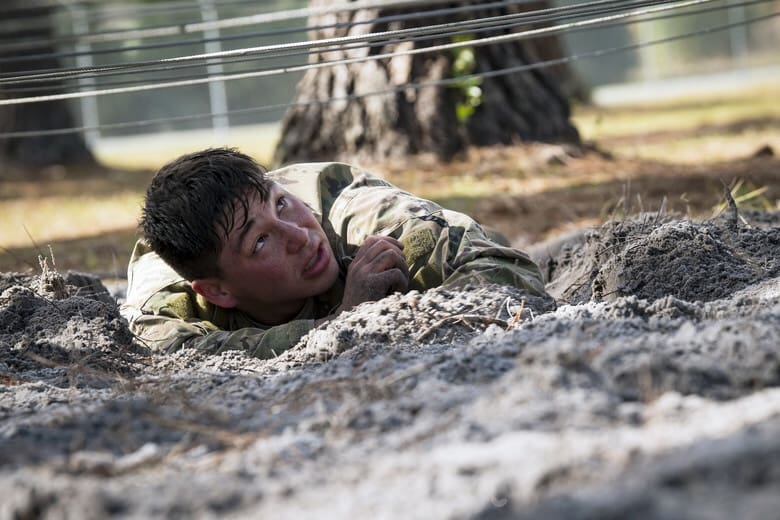
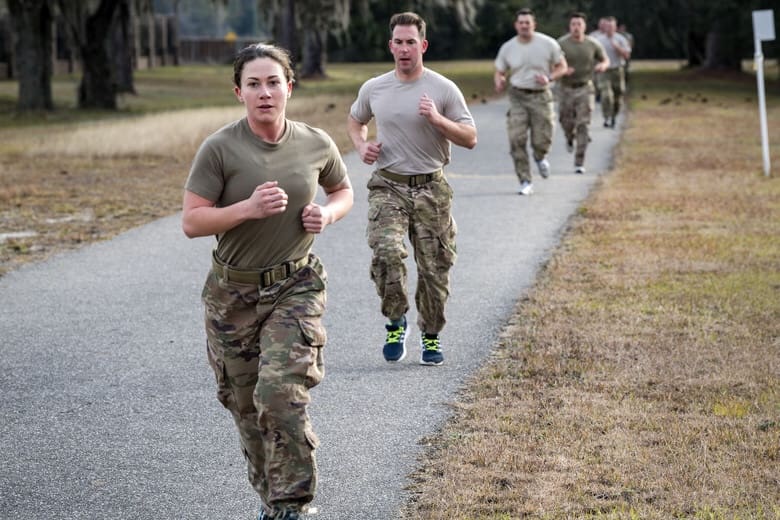
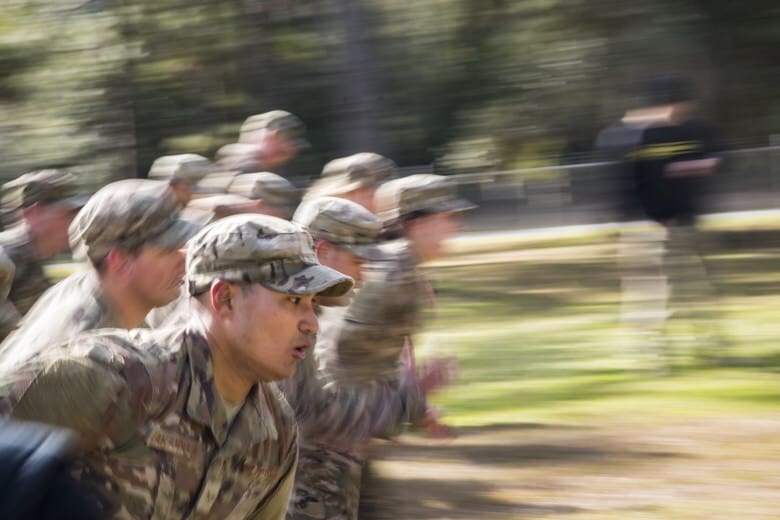
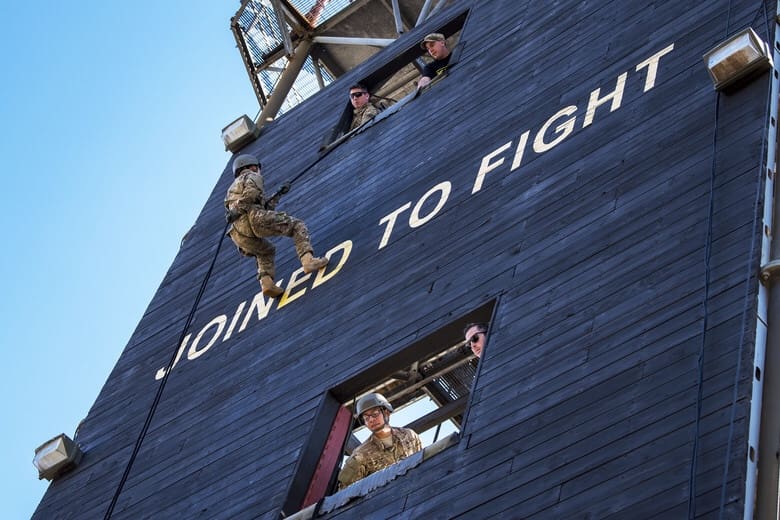
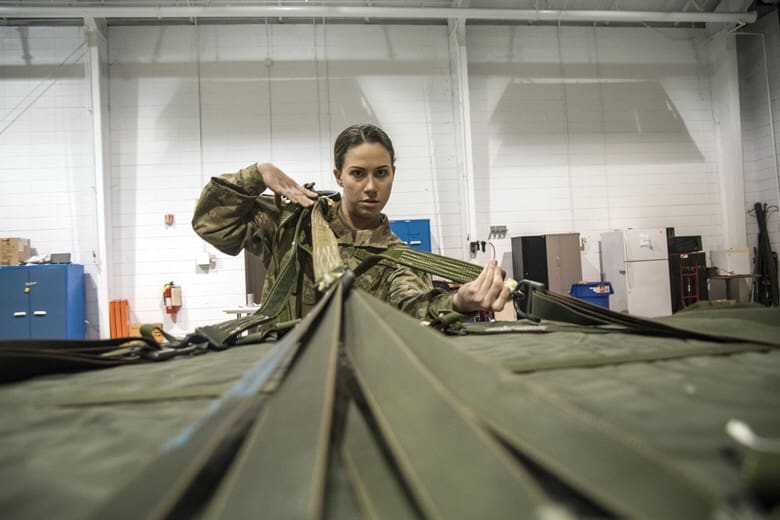
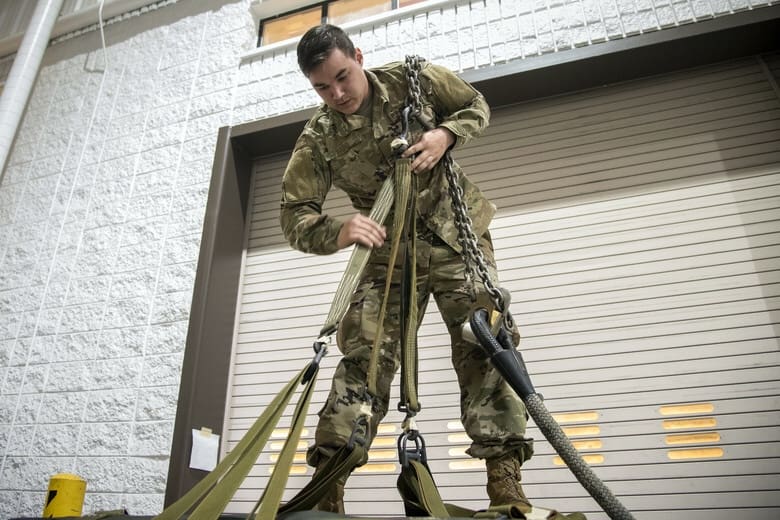
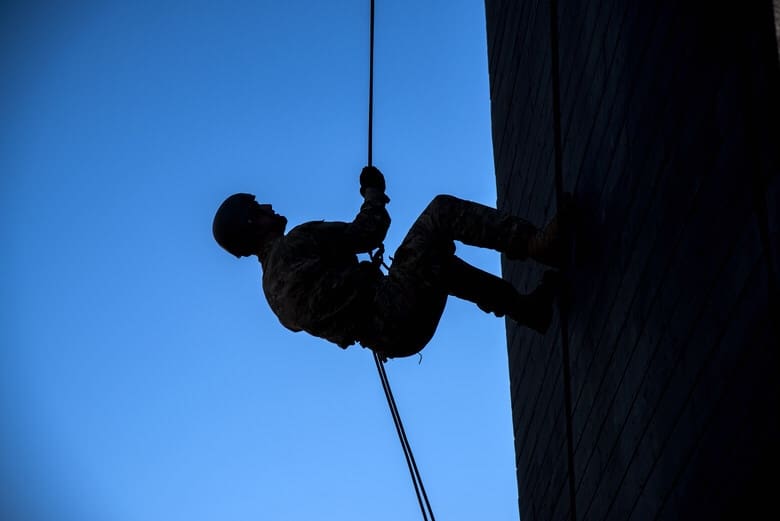
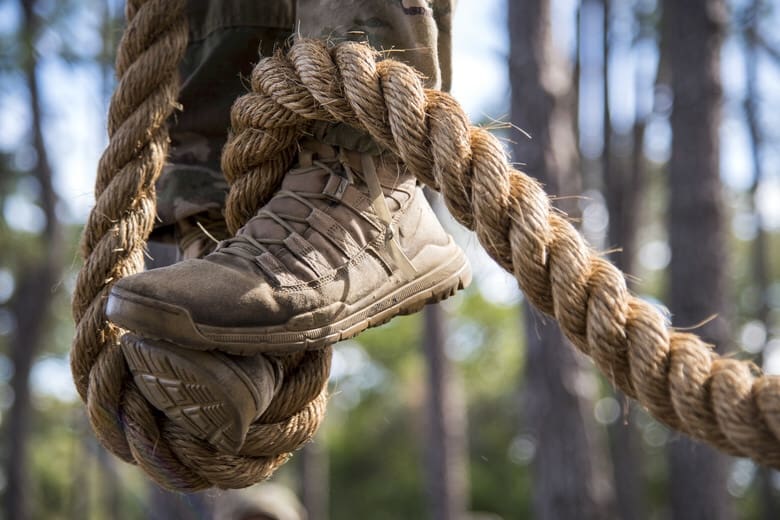
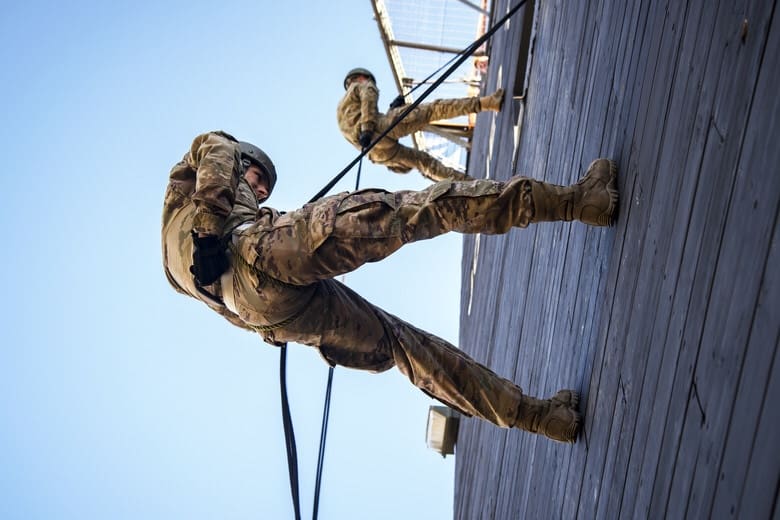
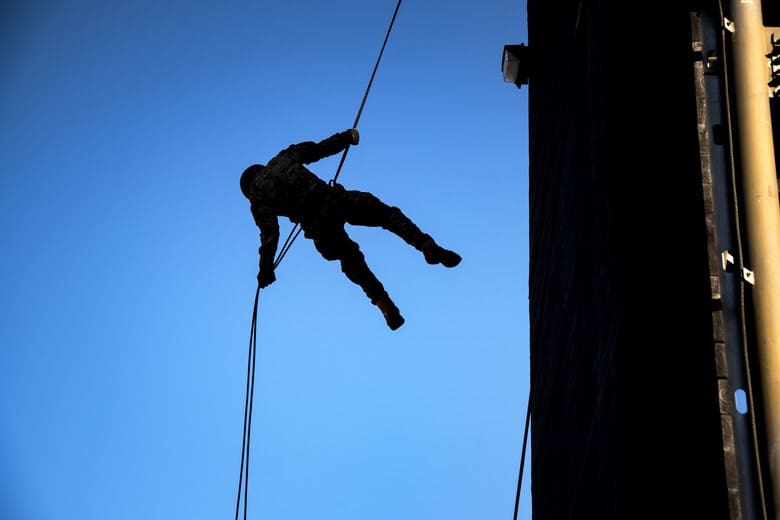
In order to be eligible to attend the school, Airmen have to complete a wide array of tests consisting of: rappel tower operations, ruck layout and sling load inspections, the Army physical fitness test, an obstacle course and finally a 12-mile ruck march.

“There are very few opportunities for Airmen to go to AAS and the BDG is one of the only units that gives their Airmen the chance to attend, so I wanted to take advantage of that,” said Groomes. “It’s a great opportunity for Airmen to [assess] themselves and learn what things they need to improve, not only physically, but mentally to push through.”

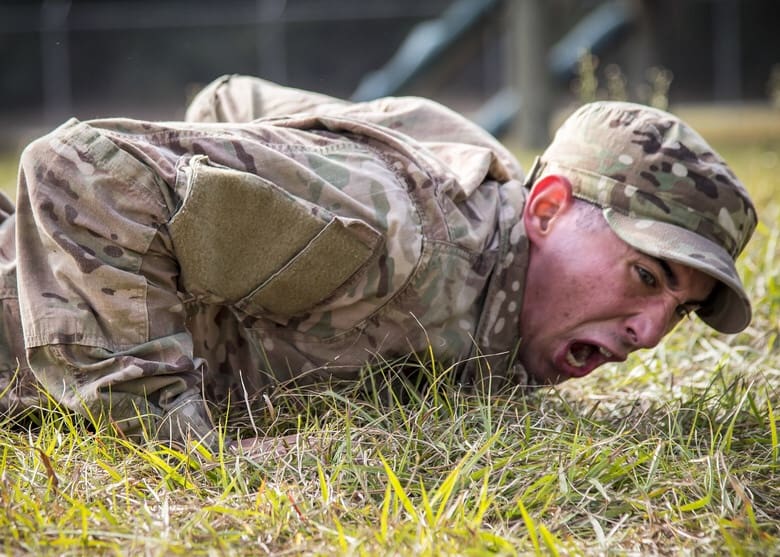
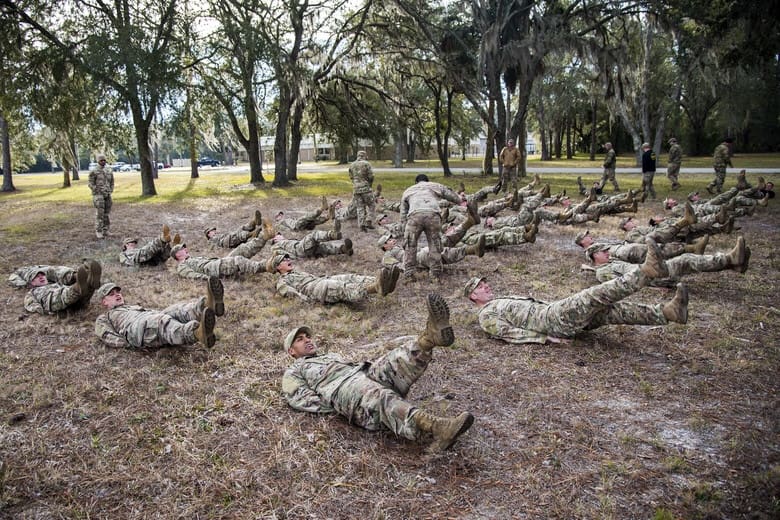
While still having to pass all proficiency tests, Airmen were required to perform constant remedial physical training throughout the duration of the assessment to test their physical and mental resiliency.   

“The biggest thing I needed, to get through (the assessment), was a strong drive and motivation,” said Lewis. “Being self-aware and keeping my mental composure through very intense situations was key.”

Cadres already know the physical and mental demands it takes to complete AAS, so during AAA they implemented strenuous measures to help simulate what an Airman should expect at Fort Campbell.

“We intentionally try to make the assessment more rigorous than the school to better prepare our Airmen for success when they arrive there,” said Staff Sgt. Ulysses Ortiz, 820th Combat Operations Squadron unit trainer and lead cadre team member. “We have very few slots at the schoolhouse, so we only want our most deserving Airmen to go.”

Of the 37 Airmen that started the assessment, approximately 10 were deemed qualified for AAS.

Upon completing the assessment, Tech. Sgt. Christopher Zavala, 822d BDS squad leader, explained what it took to finish the assessment and how attending Army Air Assault School will benefit not only himself but other Airmen’s careers in the future.

“The biggest thing it took for me to push through the AAA was just channeling that inner drive that motivated me to train so hard for it in the first place,” said Zavala. “I wanted to lead by example and Air Assault will add more tools to my toolbox, which gives me the ability to explain and elaborate those things to my Airmen coming in from [technical] school to help them succeed.”

By A1C Eugene Oliver, 23d Wing Public Affairs

New US Army Electronic Warfare Vehicle Tested At Ft Irwin

Friday, February 15th, 2019

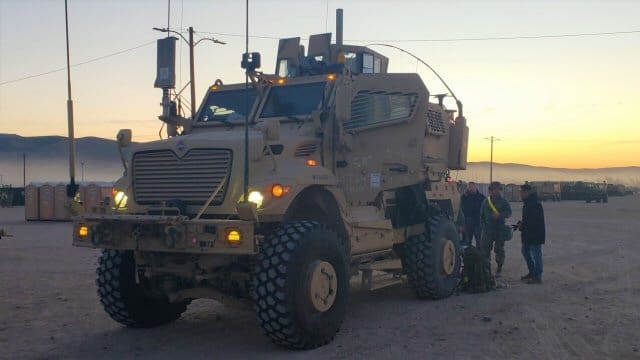
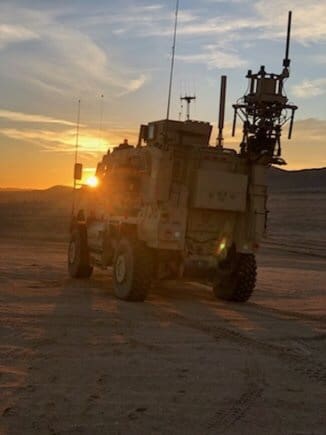
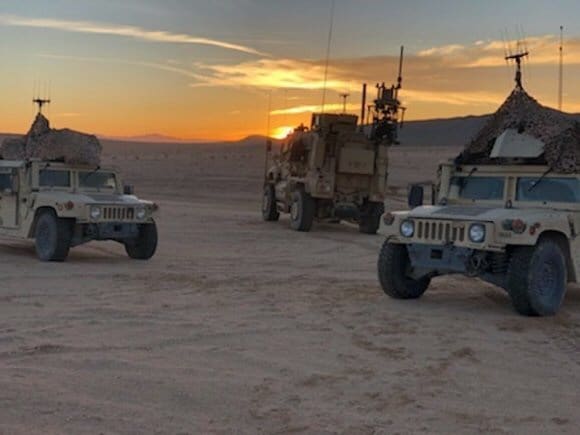
FORT IRWIN, Calif. — The Army’s newest electronic warfare vehicle was tested at the Army’s toughest training ground, the National Training Center in Fort Irwin California in January.

Electronic Warfare Soldiers from 3rd Armored Brigade Combat Team “Greywolf,” 1st Cavalry Division conducted electronic attack and electronic support operations during the month-long exercise using the Electronic Warfare Tactical Vehicle (EWTV).

“Our main purpose was to provide support by denying communications to the enemy, jamming comms,” said Sgt. First Class Cristian Holguin, the EWTV team leader. “In addition we were able to listen in on FM communications from the enemy and detect enemy electronic signatures to use for call for fire missions.”

The brigade received the Army’s first dedicated electronic warfare vehicle in September of 2018 in time to test it out during the Brigade’s external evaluation, Pegasus Forge III, at Fort Hood, Texas. The team then provided feedback to the team at the Rapid Equipping Force, which had developed the vehicle.

“It’s like version one of the system. And for being version one it is a very good system,” said Holguin. “The folks at REF listened to our feedback following Pegasus Forge and actually were making upgrades to the vehicle as we were on ground at NTC.”

According to Staff Sgt. Darron McCracken, a EWTV operator, the shortened timetable between Pegasus Forge and NTC presented a challenge to the team, but they were able to overcome them and help integrate the system fully at the brigade and battalion-levels.

“Initially the battalions were a little skeptical of the system. Not only was it an asset they had to provide forces to help protect, but it’s a pretty big vehicle as well,” he said. “But once they saw what it could do and they benefited from its effects, they recognized the benefits of the system.”

The near-peer enemy along with the terrain and elements that the Brigade faced at NTC made it an ideal environment to test the EWTV. Once the force-on-force fight was completed, the team conducted situational training that helped further test the capabilities of the vehicle.

“We worked on finding ways to better improve our jamming and detection capabilities,” said Staff Sgt. Francisco Becerra, a EWTV Operator. “For instance, we learned by raising the antenna two more inches we were able to getter better lines of bearing. These are things that you can’t necessarily test out in the middle of a fight.”

Measuring the performance of the vehicle at NTC was sometimes difficult to do since there was no immediate feedback through real time measures and sensors. According to Holguin it is something that NTC is working to improve, however they were able to validate and measure effects in other ways.

“There are two aspects of performance. Performance of the equipment and performance of the teams themselves,” Holguin said. “And I think we’ve accomplished more than we expected for integration and employment; having and using the EWTV validated our position as an effective asset on the battlefield.”

Greywolf was the first to test the vehicle in an austere environment against a near-peer foe, but they won’t be the last. The EWTVs belong to III Corps and are being moved to other units so that their teams can test them and add their inputs to improve the system.

“The intent is to take all of the lessons learned and build on it,” said McCracken. “Towards the end of the process we will have an SOP, something that is predictable and can be translated across the Army.”

When asked if, after testing it out at NTC, they felt it was an effective system, McCracken answered, “Absolutely. Absolutely.”

The new vehicle was developed to provide Army Electronic Warfare Teams with the ability to detect and attack in the electromagnetic spectrum from an operationally relevant range at the brigade combat team level. It was developed by the Rapid Equipping Force to give the Army’s Brigade Combat Team a dedicated electronic warfare vehicle.

By CPT Scott Kuhn

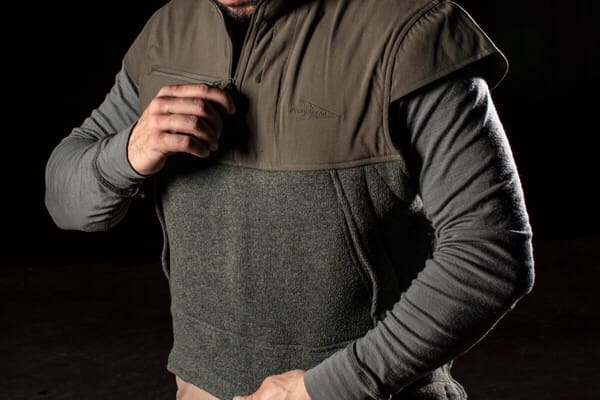
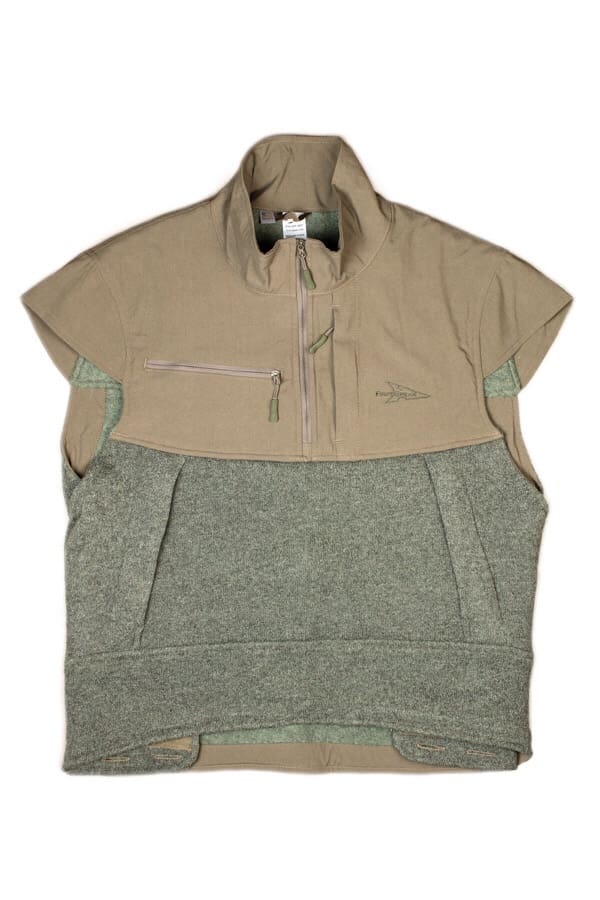
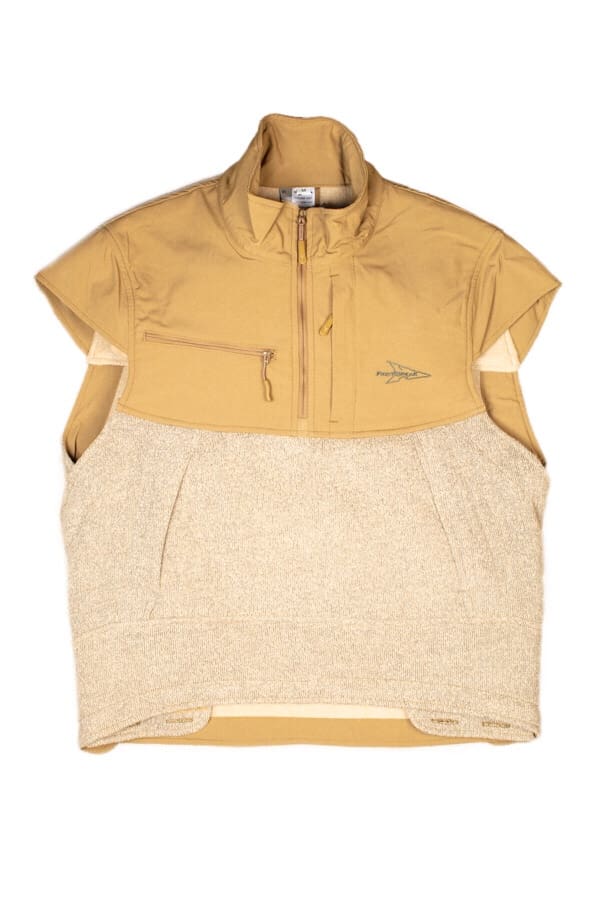
FirstSpear Friday Focus – New Stalker Vest Color Options

Friday, February 15th, 2019

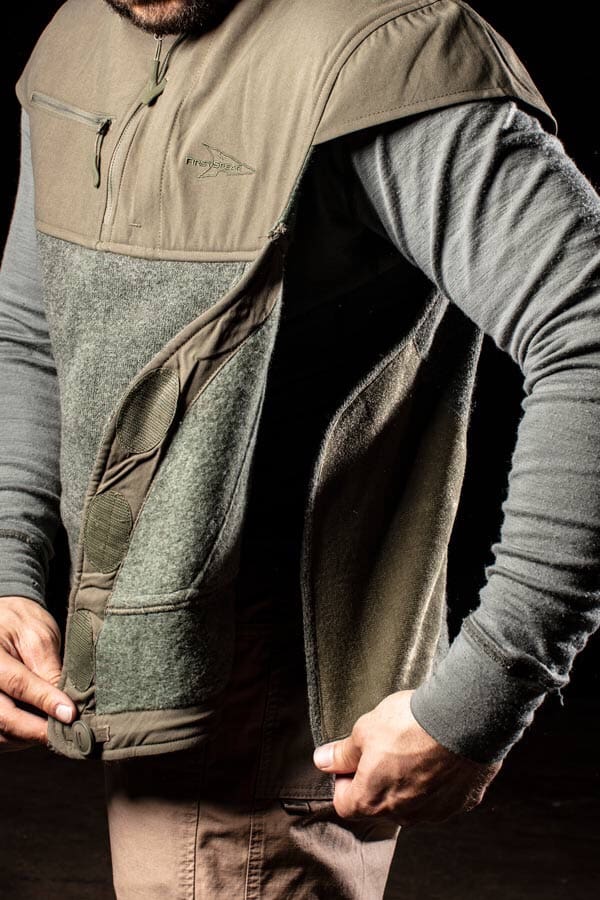
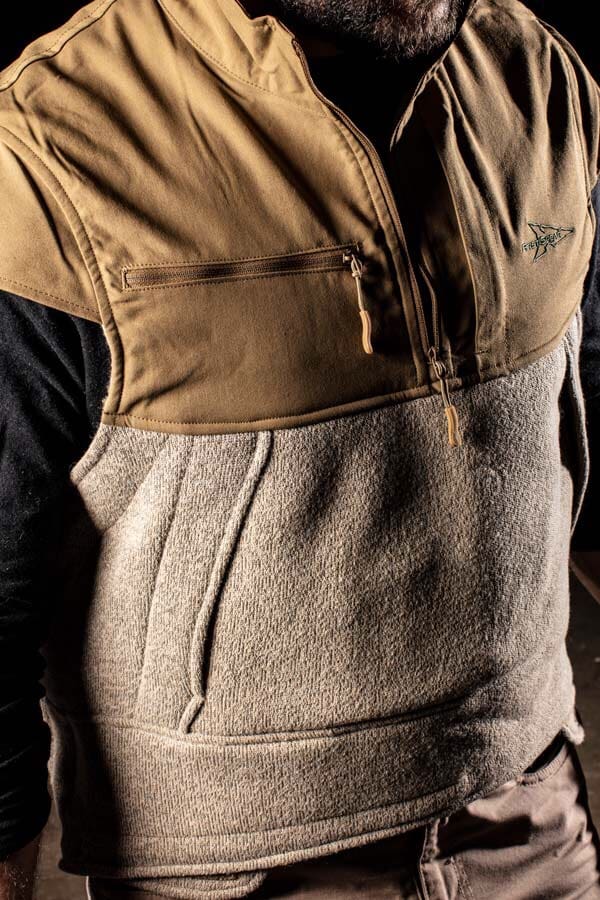
On this Friday Focus we are taking a look at two all new colors for the Stalker Vest.

Built from FirstSpear’s all American merino wool ACM Warm 600 package. The unique design allows the sides to open up for ventilation but more specifically so the garment can be removed while wearing outerwear, backpacks, or even plate carriers.

Features left and right side pockets and a stand up collar with a large hand warmer pocket in the front.

Available now in black, black/heather, commando, and sand. 100% Made in the USA.

www.first-spear.com/stalker-vest

SPAWAR Systems Center Names Change to Naval Information Warfare Centers

Thursday, February 14th, 2019

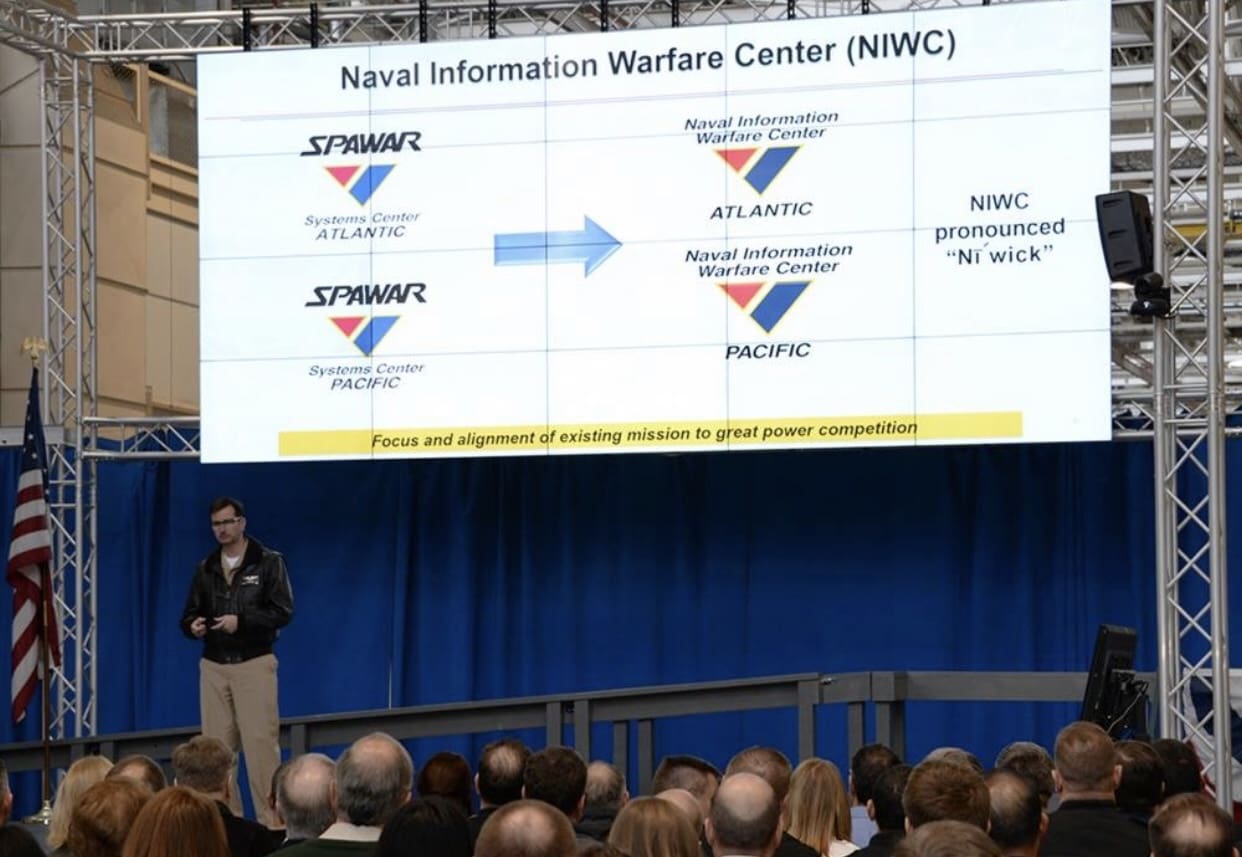
SAN DIEGO (NNS) — Space and Naval Warfare Systems Command (SPAWAR) announced it will change the names of its Echelon III systems centers, SPAWAR Systems Center Atlantic in Charleston, South Carolina, and SPAWAR Systems Center Pacific in San Diego, to Naval Information Warfare Centers Atlantic and Naval Information Warfare Center Pacific, respectively.

The changes will be effective Feb. 18. The new language “Naval Information Warfare Center,” with the acronym NIWC, (pronounced N’ wick) will apply to the names of all Naval Information Warfare Center sites falling under NIWC Pacific and NIWC Atlantic worldwide.

SPAWAR Commander Rear Adm. Christian Becker made the announcement, Feb. 13, in his address to attendees at the WEST 2019 conference co-hosted by the U.S. Naval Institute (USNI) and the Armed Forces Communications and Electronics Association (AFCEA) at the San Diego Convention Center.

The name change demonstrates that information is a fundamental element of warfare, an essential concept of the Navy’s Design for Maritime Superiority 2.0.

Use of “warfare centers” in the names reflects the centers’ focus, core capabilities and importance in the full spectrum of warfighting. It also improves clarity of mission and purpose with stakeholders across the fleet and industry, and throughout the broader information warfare community and Naval Research and Development Enterprise.

The name Naval Information Warfare Center also aligns the centers with Naval Air Systems Command’s (NAVAIR) air warfare centers and Naval Sea Systems Command’s (NAVSEA) surface and undersea warfare centers.

The intent of the name change is to recognize the importance of the information warfare mission and does not signal a change in SPAWAR’s mission of identifying, developing, delivering and sustaining information warfighting capabilities.

“The advantage information warfare brings to the fight is at the core of our Navy’s ability to compete and win today and in the coming decades,” said Becker. “Recognizing our systems centers as Naval Information Warfare Centers reaffirms our commitment to accelerate the development and delivery of advanced warfighting capabilities to the fleet.”

SPAWAR identifies, develops, delivers and sustains information warfighting capabilities supporting naval, joint, coalition and other national missions. SPAWAR consists of more than 10,000 active-duty military and civil-service professionals located around the world and close to the fleet to keep SPAWAR at the forefront of research, engineering and acquisition to provide and sustain information warfare capabilities to the fleet.

Get more information about the Navy from US Navy facebook or twitter.

For more news from Space and Naval Warfare Systems Command, visit www.navy.mil/local/spawar.

By Space and Naval Warfare Systems Command Public Affairs