FirstSpear

Archive for the ‘Guest Post’ Category

Max Talk Monday – Buddy Pair Fire & Movement: Assault

Monday, September 24th, 2018

This is the sixth installment of ‘Max Talk Monday’ which shares select episodes from a series of instructional videos. Max Velocity Tactical (MVT) has established a reputation on the leading edge of tactical live fire and force on force training. MVT is dedicated to developing and training tactical excellence at the individual and team level.

An instructional session buddy pair fire and movement (assault), including a live fire demo. This is a follow up to the ‘Why the Lone Wolf Operator will Die’  Max Talk Videos, designed to show the advantages of the correct application of fire and movement at the basic building-block of a two-man buddy pair. This video is followed in series by a buddy pair break contact demonstration.

Max is a tactical trainer and author, a lifelong professional soldier with extensive military experience. He served with British Special Operations Forces, both enlisted and as a commissioned officer; a graduate of the Royal Military Academy Sandhurst. Max served on numerous operational deployments, and also served as a recruit instructor. Max spent five years serving as a paramilitary contractor in both Iraq and Afghanistan; the latter two years working for the British Government in Helmand Province, Afghanistan. 

Website: Max Velocity Tactical

YouTube: Max Velocity Tactical

Navy Announces Updates to Uniform Policies

Monday, September 24th, 2018

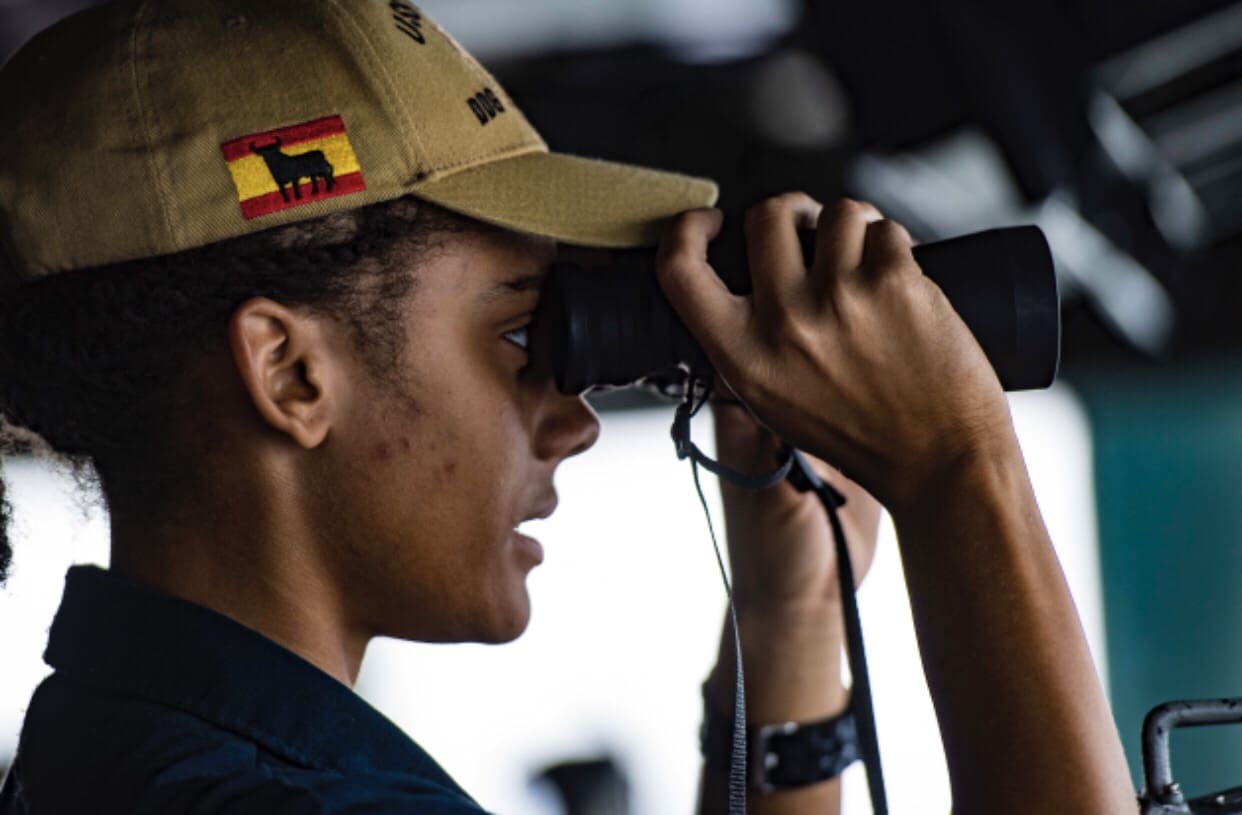
WASHINGTON (NNS) — Navy announced updates to uniform policy, grooming standards and the launch of a uniform working group in NAVADMIN 233/18, Sept. 21.


U.S. Navy photo by Mass Communication Specialist 1st Class Ryan U. Kledzik.

Highlights of the changes include:
• Completion of fittings and wear tests for new, improved female officer and chief petty officer slacks and skirts, scheduled to be available for purchase by the end of 2018
• Announcement of the improved general safety boot (I Boot 4) with enhanced comfort and durability features, expected to be available for purchase in October 2018
• Commanding officer’s (CO) approval for the wear of coyote brown ball cap with coveralls and flight suits
• CO authorization of command logos on t-shirts worn with Navy Working Uniform (NWU) Type I, II and III, coveralls and flight suits
• Fingernail grooming standards for men and women, including guidance on length, shape and color of nails
• Lock hairstyle standards for wear, size, length and guidance for wear in uniform
• Wear guidance and changes to the allowed material for rings and bracelets
• Announcement for Sailors assigned to Marine Corps units, who must now abide by Marine Corps grooming standards when wearing Marine Corps uniforms
• Authorization and wear guidance for the optional simultaneous wear of the Post-Tour Command at Sea and Command Ashore/Project Manager insignia

Navy has launched a uniform policy working group to provide a forum for direct Fleet feedback on uniform wear and regulations. Commands interested in having a crew member participate in a future working group can submit a command endorsed request with the name, rank, rate and availability of the Sailor to the “Ask The Chiefs” email list at umo_cmc@navy.mil.

Sailors can provide feedback and recommendations on Navy uniforms and the Navy Uniform App at any time via the “Ask The Chiefs” email, on the Navy Uniform Matters Office website at www.npc.navy.mil, or a link available on the Uniform App.

Read NAVADMIN 233/18 in its entirety for details and complete information on all of the announced uniform changes, updates and guidelines at www.npc.navy.mil.

Get more information about the Navy from US Navy facebook or twitter.

For more news from Chief of Naval Personnel, visit www.navy.mil/local/cnp/.

From Chief of Naval Personnel Public Affairs

Editor’s Note: The message is available here.

Tom Cruise Spotted With MAWL/GIGN

Monday, September 24th, 2018

img_6204.jpg

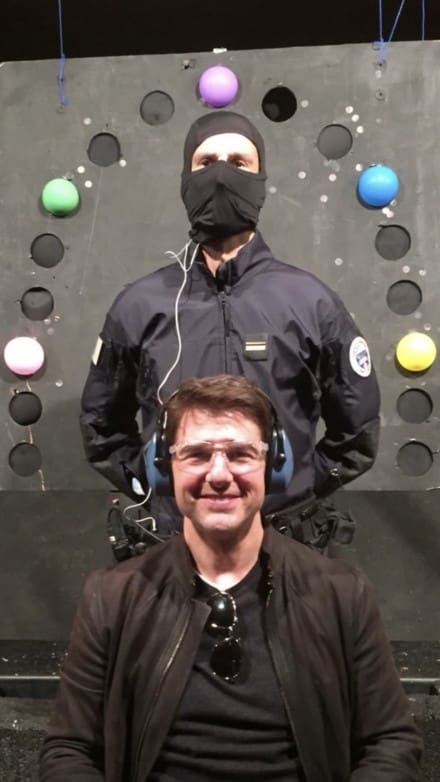
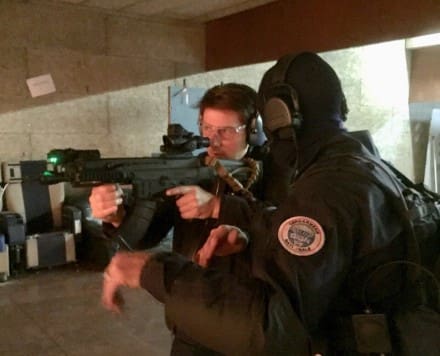
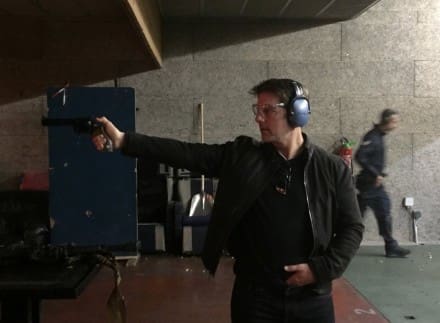
Last July, while on a promotional tour through France for Mission Impossible: Fallout, Tom Cruise paid an unplanned visit to the National Gendarmerie Intervention Group (GIGN) in Versailles. These photos from the GIGN’s Twitter account showcase Cruise on the range with GIGN operatives, shooting various weapons from their arsenal, including their primary weapon, the CZ Bren 2 equipped with the B.E. Meyers & Co. Modular Advanced Weapon Laser – Direct Action (MAWL®-DA).

DB2A0164-ACB6-40F2-B772-D4DEF1EDBFC9

The MAWL®-DA is the most end –user centric high powered NIR/VIS aiming and illumination laser available for individual weapons. It was designed from the ground up to provide improved ergonomics, interface, and performance for night fighters across the globe. After rigorous testing, the GIGN selected the MAWL®-DA as the superior choice for formal procurement and deployment within the unit.

img_6206.jpg

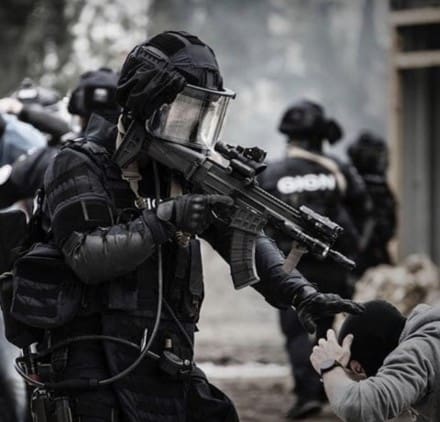
Known for missions including counter-terrorism, hostage rescue, surveillance of national threats, protection of government officials, and targeting organized crime, it makes sense that the Mission Impossible star would want to meet with the elite unit that helped inspire the action in Fallout, and try their gear firsthand.

img_6205.jpg

SCUBAPRO Sunday – Snorkels

Sunday, September 23rd, 2018

As far back as 3000 B.C.E, (5000 years) people were going after natural sponges off the coast of Crete and breathing through the world’s first snorkel tube that they made from hollow reeds. Aristotle, the Greek philosopher, recalled instances of divers breathing through a device similar to the trunk of an elephant.

In later years, the Assyrians developed an alternative snorkel device. They filled animal skins with air to breathe from when they were under water. Aristotle wrote about divers who used a tube that led from the surface to the divers below.  The consummate Renaissance Man, Leonardo Da Vinci had many designs that he called diving or underwater apparatuses. He designed a self-contained dive suit and even sketched diving gloves with webbed fingers. Technically, they could be considered the fist fins.

The development of the diving bell which contained air bubbles for divers to inhale while underwater was overseen by Alexander the Great.

• 900 B.C.E- Assyrian divers used animal skins filled with air in order to lengthen the time they could spend below the surface of the water.

• 333 B.C.E Alexander the Great encourages divers to develop and use the first diving bell — a large bell-shaped object that trapped air in the top of the bell (and a person) to submerge and maintain the ability to breathe.

• 1538- Greeks in Spain (Toledo) submerge themselves in large diving bell-like contraption to the bottom of the Tagus River only to emerge later with dry clothes and a still burning candle.

The same concept allows modern-day snorkelers to breathe air from the surface with their face submerged. Modern rubber and plastics make equipment durable and comfortable while offering maximum safety. With the advances in rubber and plastic composite materials, snorkels have significantly improved their function and use. The most popular snorkels is the J-shaped plastic tubes connected by a flexible strap or clip assembly to the diver’s mask.

Snorkels for diving

The snorkel makes it possible to breathe safely on the surface without using the air in your tanks. When choosing a snorkel, think first what you want to use it for and how you will use it the most. The diameter is important because it minimizes your effort while using it. Most snorkels are brightly colored so dive boats can easily spot them and more importantly you.

Free-diving Snorkels

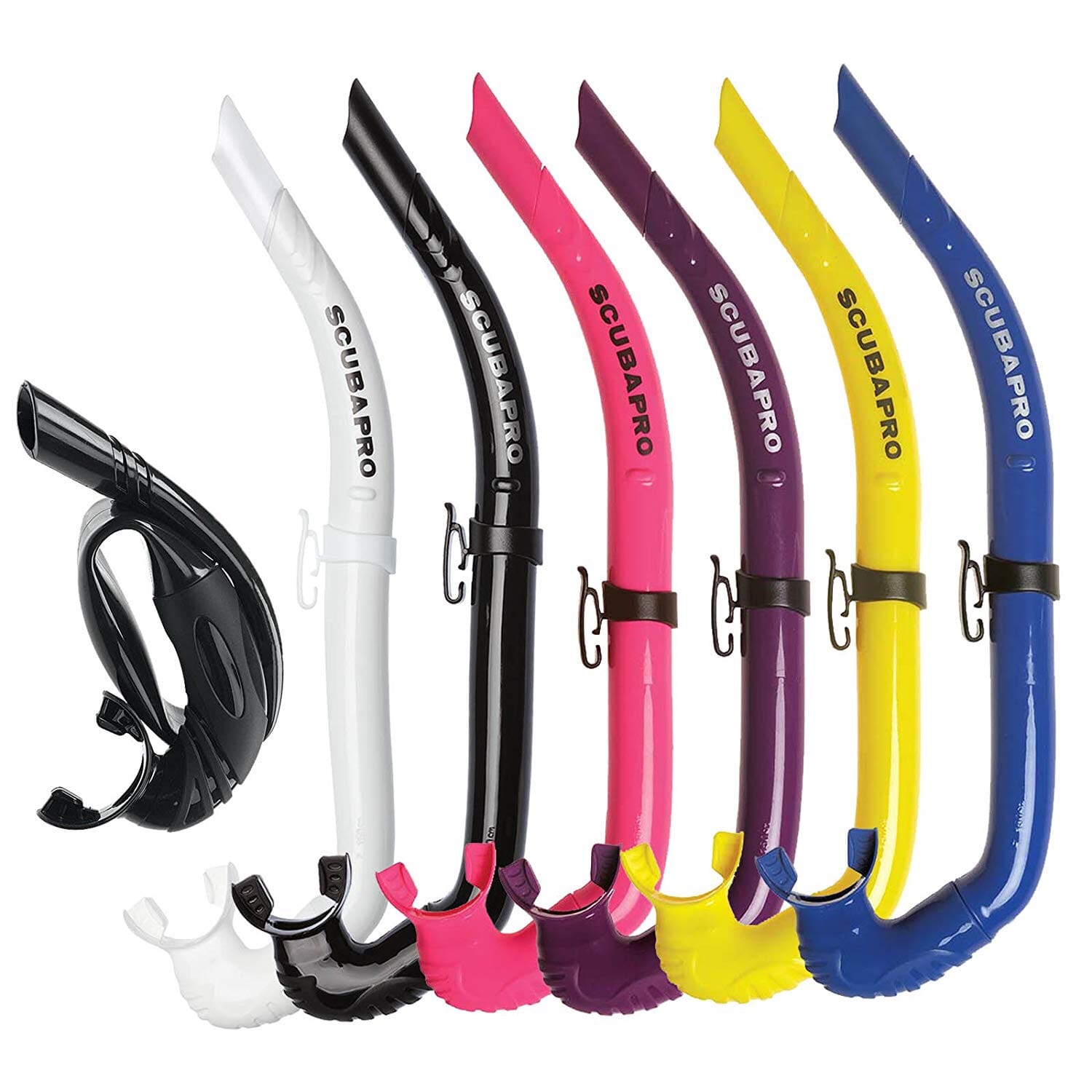
Free-diving snorkels are often the simplest models. They are made without a complex purging system and without valves to limit breathing noise, those snorkels are also shorter to easily expel water from the tube and are easily tuck away. They usually have a slightly larger diameter to properly ventilate between two dive immersions. They are one of the best for Combat swimmer to use, as they are small and can be packed away easily and mostly come in dark colors.

Types of Snorkels

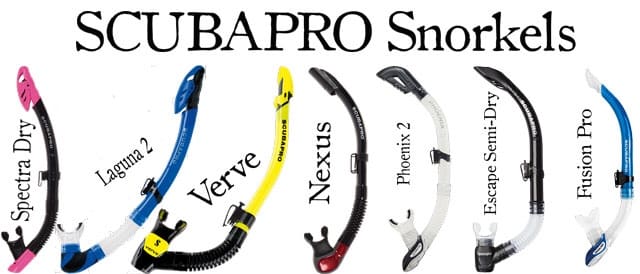
There are four common types of snorkels and each has their advantages and disadvantages.

Classic

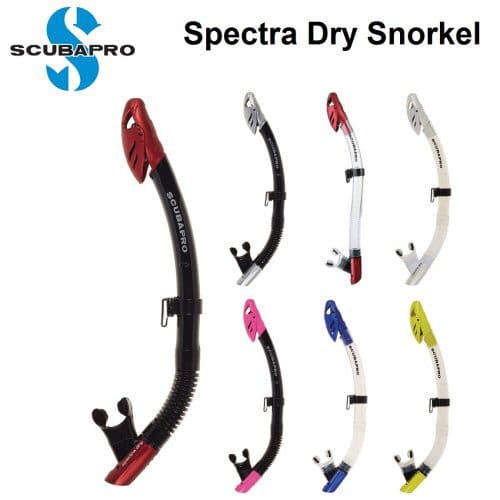
The classic snorkel, also called a J-style snorkel, is a plastic tube with a mouthpiece attached. This snorkel is usually slightly bent, but it can also be made to fit a more specific shape. The SCUBAPRO Apnea snorkel can be rolled up and easily stored in a pocket or attached to the sides or bottom of a Rebreather. This is the one best suited for combat swimmer operations.

Flexible Snorkel

The flexible snorkel has a purge valve. This snorkel has a flexible portion and a rigid portion, as well as a one-way valve located at the bottom that makes it easier to expel any water that may get into the snorkel. The added flexibility allows divers to fit the snorkel better around their masks and faces. The purge valve at the bottom of the mouthpiece helps ensure uninterrupted breathing as it flushes water out every time you exhale.

Semi-Dry

The semi-dry snorkel is a mix of a classic and dry snorkel. The top features a splashguard, and sometimes even a flexible tube and a purge valve. The splashguard at the top helps to prevent splashes or sprays of water from easily entering the tube. It doesn’t prevent all the water from entering, especially if you fully submerge yourself underwater or if water covers the top like in a high wave.

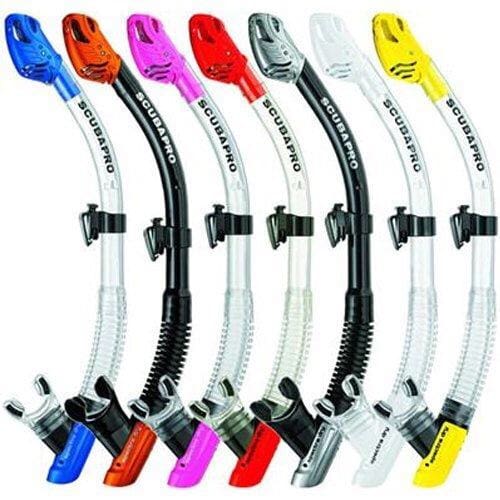
Dry

The dry snorkel has a valve at the top of the snorkel. The valve blocks water and air when the snorkel is submerged—and a purge valve at the bottom. They are great for snorkeling on the surface and occasionally dive without having to worry about constantly clearing water out of the tube. When used for diving, the advantage is that divers don’t have to clear them of water when they reach the surface.

As with semi-dry snorkels, the one-way purge valve at the bottom allows the user to easily flush water out with a few quick exhalations. While the dry snorkel is more convenient and efficient to use, it can also has its drawbacks. The valve at the top of the snorkel can sometimes become blocked. The dry snorkel may also be more buoyant underwater.

SCUBAPRO.com

MCTSSA Personnel Welcomes Vietnam Veterans, Share Legacy

Saturday, September 22nd, 2018

Marine Corps Tactical Systems Support Activity

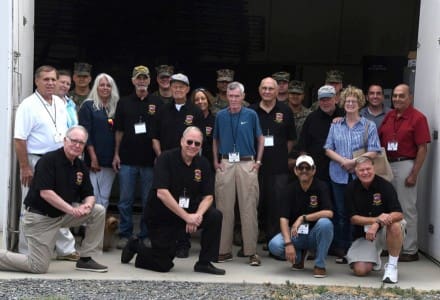
CAMP PENDLETON, Calif.— Marine Corps Tactical Systems Support Activity welcomed Vietnam veterans from Marine Air Support Squadron 3 to MCTSSA’s headquarters aboard Marine Corps Base Camp Pendleton this summer.
AE39095F-38C9-4B2C-8CED-E355AF648B98
Marine Corps Tactical Systems Support Activity personnel hosted U.S. Marine Corps veterans who served with Marine Air Support Squadron 3 in Vietnam and their family members, as part of a 50th reunion tour this summer aboard MCB Camp Pendleton. (U.S. Marine Corps photo by Sky M. Laron)

MCTSSA hosted the veterans and their family members, who hail from all over the country, as part of a 50th reunion tour that took them to various units across base.

As a Vietnam-era tactical technology support organization, MCTSSA has served the Marine Corps for nearly five decades and shares an aviation support-related background with the veterans.

Established in 1970, MCTSSA was formed around the nucleus of Marine Air Control Squadron 3, with its organic Tactical Computer Programming Section, which was recognized as the first computer automation effort by the Marine Corps.

Veterans who served at various times in the Marine Air Command and Control Systems, or MACCS, in Vietnam between 1966 and 1971 primarily supported close air support of fixed wing and helicopter aircraft in either the Direct Air Support Center or Air Support Radar Team.

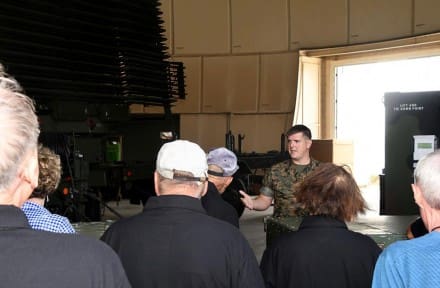
MCTSSA Marines and civilians spoke with these battle-tested veterans about the past, present and future of radar and overall support of operating forces.

“This tour brought back memories of the radars we used in the Marine Air Control Squadrons in the 60s and 70s,” said retired Lt. Col. Charles Manazir, former MASS-3 air support officer and participating veteran, adding that he enjoyed the tour and thought it was very informative.

Manazir had high praise for the MCTSSA Marines who briefed the group of veterans.

“The Corps is still in good hands,” said Manazir. “You are carrying on our proud Marine Corps tradition, and we salute you.”

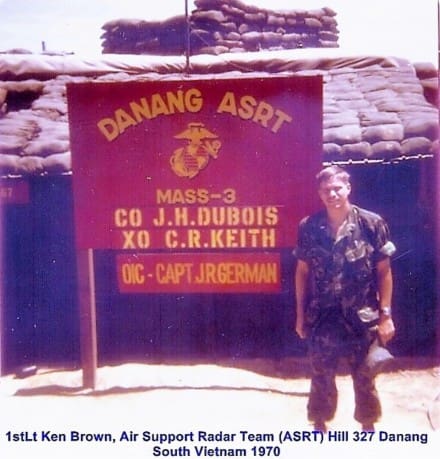
Another veteran who attended the event was retired Col. Ken Brown. Brown served with MASS-3 in Vietnam from February 1970 until June 1971, and holds the distinction of serving as MCTSSA’s commanding officer from 1990 to 1993.
4C832185-0A6A-422F-B189-3F4299FA3761
Then 1st Lt. Ken Brown poses in front of his unit in Danang, South Vietnam in 1970. Brown, a retired Marine Colonel and former Marine Corps Tactical Systems Support Activity commanding officer, was part of a group of Vietnam veterans from Marine Air Support Squadron 3 that toured MCTSSA’s headquarters aboard Marine Corps Base Camp Pendleton this summer. (Courtesy photo)

Brown said he felt proud and privileged to have been one of the “caretakers” of the MCTSSA legacy.

“MCTSSA has some of the smartest people, both Marines and civilians, in the entire Marine Corps,” said Brown. “MCTSSA is a very unique and valuable asset, capable of being a key component for ensuring our Marines continue to receive the technology and systems needed on future battlefields.”

Full-scale use of electronic data in military conflict has come a long way since Vietnam and has fundamentally changed the nature, timeliness and availability of battlefield information, with MCTSSA being a key enabler along the way.
2674590B-5874-4AFA-A578-18CB14295B10
Staff Sgt. Jedidiah Seiler, Marine Corps Tactical Systems Support Activity radar staff noncommissioned-officer-in-charge, discusses air search radar capabilities during a Vietnam veterans’ tour of MCTSSA this summer. (U.S. Marine Corps photo by Sky M. Laron)

This quantum leap in technology is even more significant, considering the state of electronic and computing technology during the late 1960s and early 1970s. The Marine Corps’ version of a standard Navy tactical computer – known as the CP-808 – was about the size of a refrigerator; radar “graphic” displays located in a Tactical Air Operations Center were enormous, immobile cathode ray tubes that presented data as simple alpha-numeric blips on the screen; and the world’s first eight-bit microprocessor – the catalyst in opening the door to the powerful, inexpensive personal computers commonly used throughout the Marine Corps today – had just been invented.

Whether providing close air support fifty years ago or enabling successful deployment of today’s command and control gear, Marines past and present deliver.

“These Marines fought for their country from Da Nang to Khe Sahn and many points in between giving the operating forces the eyes they needed to put steel on target,” said Col. Robert Bailey, MCTSSA commanding officer. “They were operating the most sophisticated military equipment of that time and five decades later, Marines are continuing to operate the most advanced systems to win the day.”

The event concluded with a group photo and many handshakes to go around.

“Thank you very much for the time you spent sharing the now and the future of Marine Corps radar advancements,” said Bruce Meachim, a participating veteran who was a sergeant during his time with MASS-3. “I was and always will be a 5961 TPQ-10 radar tech, oh yeah, and a rifleman.”

MCTSSA, the only elite full-scale laboratory facility operated by the Marine Corps, is a subordinate command of Marine Corps Systems Command. MCTSSA provides test and evaluation, engineering, and deployed technical support for Marine Corps and joint service command, control, computer, communications and intelligence systems throughout all acquisition life-cycle phases.

By Sky M. Laron, Public Affairs Officer, MCTSSA

High Angle Solutions – Brigantes Presents – Tactical Grivel G12 Crampon  

Wednesday, September 19th, 2018

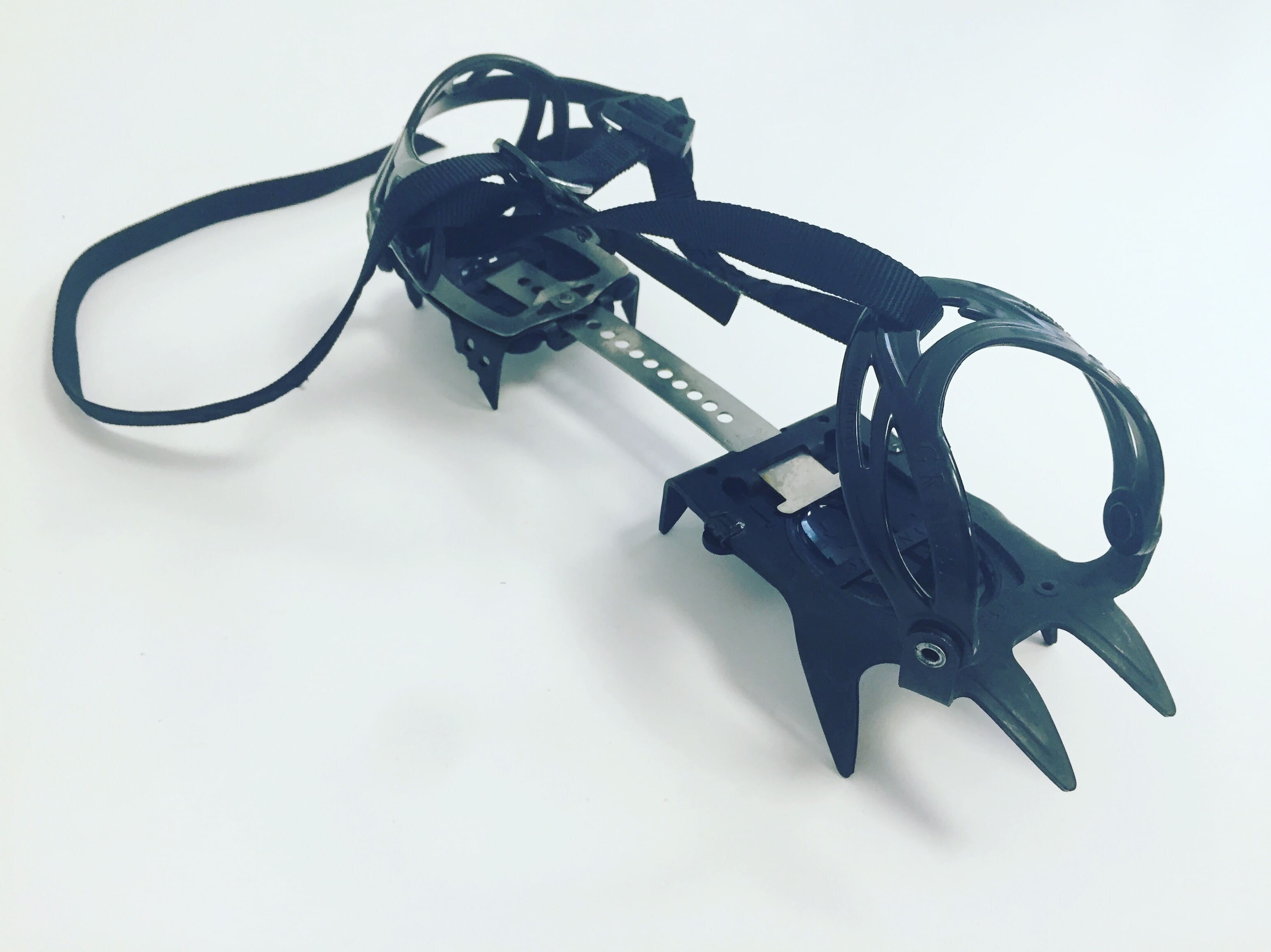
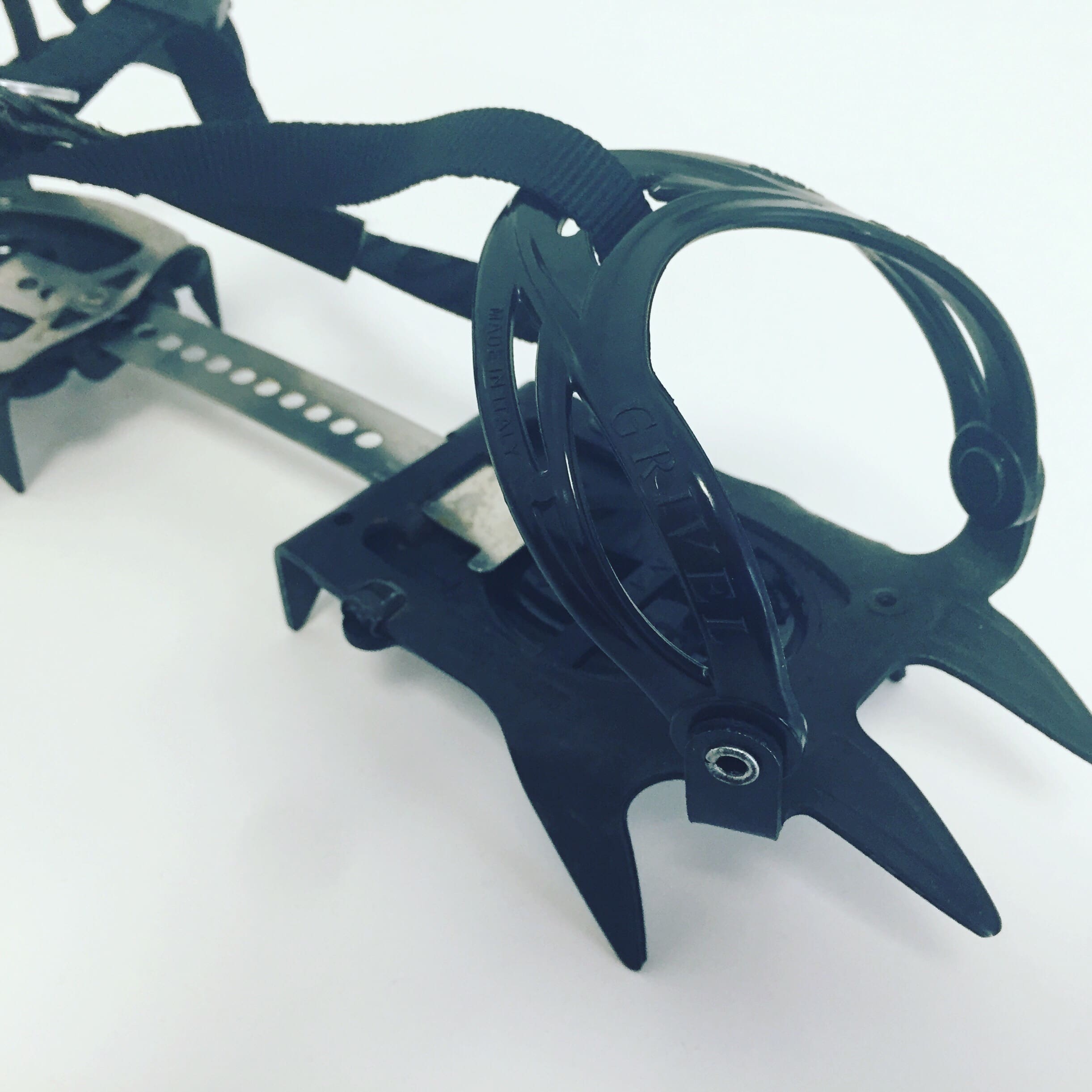
Who would of thought it?  Yellow isn’t a tactical colour!  This poses a small problem for Grivel who use yellow on the majority of their products and specifically on the balling plates and straps for their crampons.  Thankfully this has been an easy problem to fix and they have produced all black versions of their key crampons including the G12.  This is the primary crampon used by UK specialist mountain troops.

Designed for use with a B2/B3 boot, like the La Sportive Karakorum or Scarpa Manta Pro, the G12 is a 12-point crampon designed for general mountaineering, glaciers or easy ice.  The four points that are perpendicular to the crampon rails, prevent shearing in soft snow and improve security while descending (facing outward).  The crampons are fully adjustable by hand, without tools. G12 is easily folded for transportation.  The crampon comes with a variety of attachment options.  This can either be classic or use a new-matic system which provides fast easy on and off for moving quickly across mixed terrain.

The G12 is complemented by an all black Monte Rosa 10 point crampon to be used by normal mountain troops.  This is a great quality walking crampon designed to work with a B1 rated boot.

For more information get in touch by email on international@brigantes.com or for UK customers warrior@brigantes.com.  www.brigantes.com

Max Talk Monday – Survive a Gunfight: Use of Cover

Monday, September 17th, 2018

This is the fifth installment of ‘Max Talk Monday’ which shares select episodes from a series of instructional videos. Max Velocity Tactical (MVT) has established a reputation on the leading edge of tactical live fire and force on force training. MVT is dedicated to developing and training tactical excellence at the individual and team level.

An instructional session on the use of cover, taking and breaking cover, followed by a live fire demo of assault drills at the prone / crawl. This is a follow up to the “How to React to Enemy Contact’ and the two ‘Why the Lone Wolf Operator will Die’  Max Talk Videos. This video is followed in series by two demo videos on buddy pair fire and movement.

Max is a tactical trainer and author, a lifelong professional soldier with extensive military experience. He served with British Special Operations Forces, both enlisted and as a commissioned officer; a graduate of the Royal Military Academy Sandhurst. Max served on numerous operational deployments, and also served as a recruit instructor. Max spent five years serving as a paramilitary contractor in both Iraq and Afghanistan; the latter two years working for the British Government in Helmand Province, Afghanistan. 

Website: Max Velocity Tactical

YouTube: Max Velocity Tactical

Spartanat- Now New: Camouflage Systems With Nonvide

Sunday, September 16th, 2018

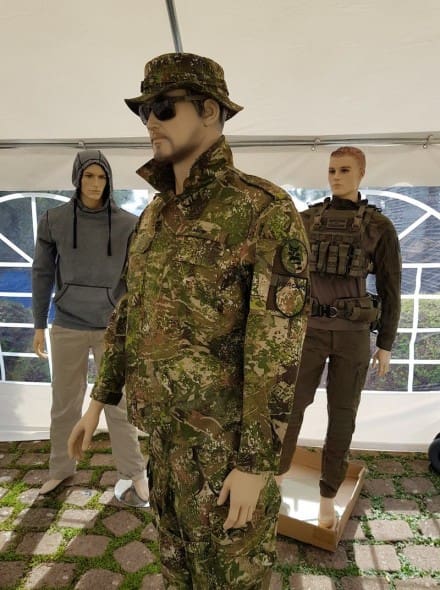
167FB224-33DA-4C19-A7EA-FE256EBDE52D

Have you seen everything? That’s not possible at all. These guys are so well camouflaged that you can’t see them. Only we can see them – and introduce them to you: NONVIDE is the name of the new name, specializing in the best camouflage. So, what you should be able to see …

980D0F54-B2CC-438B-8F1D-5E0A4A47E9A7

NONVIDE comes from Berlin and the makers have been seen before. It’s the people behind TACTICALTRIM, too. On board: CONCAMO, the new German camouflage pattern, developed by Matthias Bürgin. The picture shows the Leo Köhler KSK set, which we had already introduced in the review, which fits quite well where it is right now. It’s also an open secret that authority is CONCAMO’s target group. We wouldn’t be surprised if we heard good news soon. HERE the interview with the developer about CONCAMO.

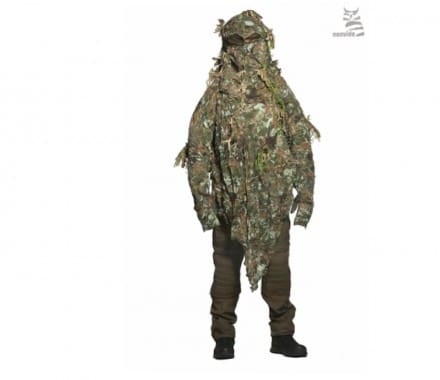
image-106.jpg

Brand new and fresh and hardly visible – unless you put it on a white background – is the Ultra-Light Basic quick camouflage poncho presented by NONVIDE . Here we see CONCAMO in a second application, after the first uniform of Leo Köhler. HERE you can find all information about this new product.

And if we take a look at the description, we can also see that CONCAMO will soon be split into four different patterns on certain dates:

o Concamo® Green (available)
o Concamo® Fall (from Q4/2018)
o Concamo® WinterForest (from Q4/2018)
o Concamo® Urban (from Q1/2019)

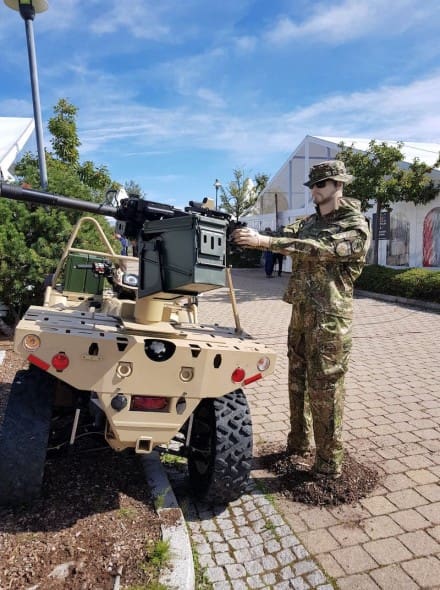
80C6E306-3E56-45E4-866C-4A6745CE69A7

CONCAMO at the machine grenade launcher in action, the man is very hard on it. And look at his feet: it is trench warfare …

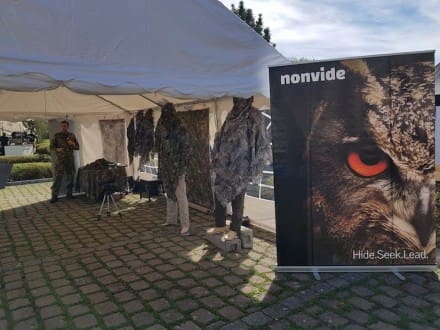
6E8D26E4-92DE-4EDE-A470-E40FF8206CB4

A quick look into the tent shows: NONVIDE has a lot to show on a currently running symposium at Calw, which doesn’t want to be named: all camouflage stuff. And let’s call it „KSK Symposion“. HERE you can get NONVIDE fresh on Facebook. Give them a Like!

NONVIDE: www.nonvide.com
SPARTANAT: www.spartanat.com

This story was provided to us by our friends at the German language website Spartanat. It has been translated from the original German to English.