SIG SAUER - Never Settle

Archive for the ‘Guest Post’ Category

SCUBAPRO SUNDAY – Marine Animals

Sunday, March 3rd, 2019

Many marine animals use toxins for self-defense or to prey on other animals. When direct contact is made is when the venom/toxin is injected by bite, puncture or sting.  
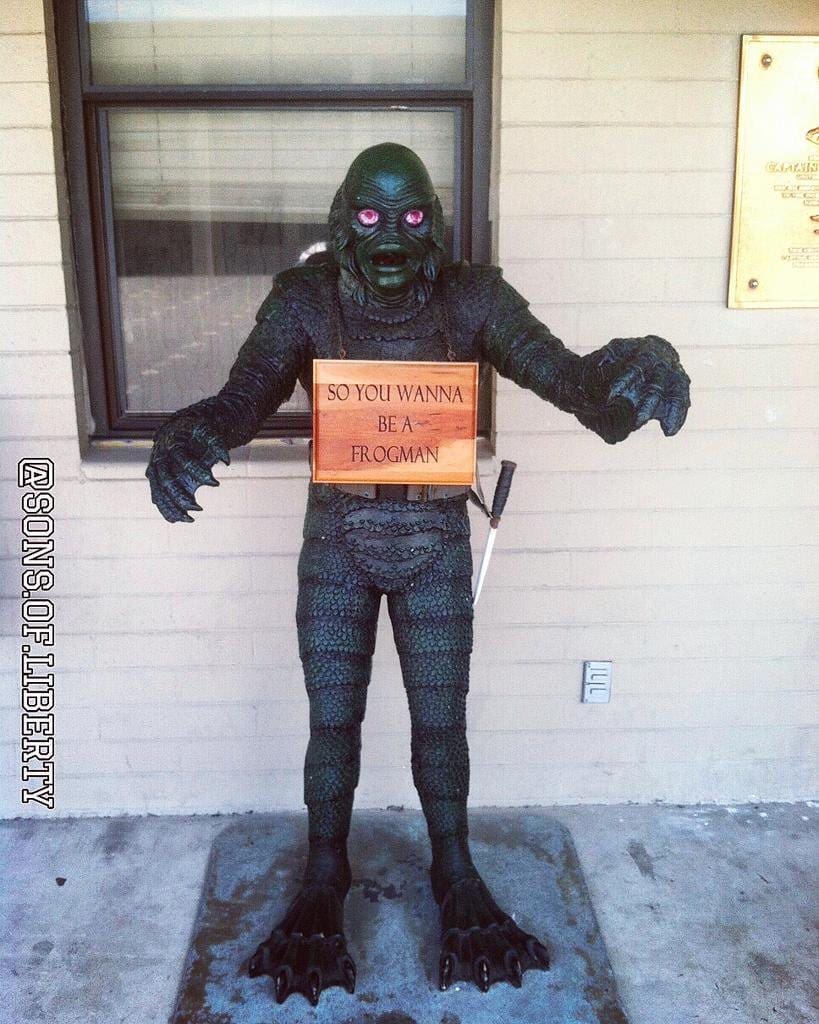

Injuries mostly occur as divers are entering or exiting the water. If you are climbing out of the water onto some rocks and the surf is pushing, you around or you are climbing up on a pier. They can also happen when a diver accidentally or deliberately attempts to handle an animal. Like when someone says “hey I bet you can’t lick that sea urchin.”

You should know where you are diving what animal are in the water. So, make sure you study what is native to the area that you are diving in. It doesn’t mean that something that is supposed to be in the water won’t be there. Someone was stung by a box jellyfish in Hawaii, and they are only native to Australia.

Jellyfish or Jellies

Flushing the sting with salt water, remove tentacle pieces with tweezers or a gloved finger. Once all the tentacles have been removed, apply an ice pack to reduce inflammation and pain. Never urinate on a jellyfish sting. Well Unless you are into that stuff. But it won’t help the pain. Vinegar was recommended for used to rinse the affected area. But it has been found out that vinegar, may activate stinging cells that haven’t fired yet. So, it is up to you if you want to try that. Most jellyfish stings are minor and require only basic first aid. But some stings can be severe or even fatal. The Box jellies are one of if not the deadliest animal in the world.  If you experience chest pain, difficulty breathing, or if a large area of your body was stung, seek medical help immediately. If you were diving in an area that had a lot of jellies, make sure you raise off your wetsuit before you take it off if you can. Jellies are like poison ivy, they can still infect you after it is removed and just hanging out on your gear. It will be dry, you will throw it on your shoulder and get stung

Sea urchins 

Remove any spines that are visible in the wound with tweezers or a knife. If the needles have penetrated deep into your skin, a doctor may need to remove them. Soaking the affected body part in hot water helps to relieve pain. You can also take nonsteroidal anti-inflammatory drugs. If you notice signs of an allergic reaction, such as difficulty breathing or chest pain, seek emergency medical help.

Stingrays 

If you are stung by a stingray, call an ambulance immediately. If a spine is embedded in your skin, it’s best to leave it in. You can rinse the area with salt water to remove any sand or debris. Usually, the sting is very painful. Standard first-aid treatment includes immersing the affected area in water that is as hot.  

Don’t take any of these situations lightly as you never really know how your body will react.

Coral cuts and abrasions

These are one of the most common diver injuries. Coral scrapes can occur whenever a diver makes contact with the reef. Coral is often sharp, and those who get cut will find that they take a long time to heal, and often become infected. To treat coral cuts and abrasions, first, stop the bleeding, make sure to remove any remaining coral fragments by flushing with clean, fresh water. Use antibacterial soap or hydrogen peroxide mixed with water to disinfect the wound. Finally, rinse again with fresh water. 

How to avoid this

Since most of this happens when you are getting into or out of the water. (getting in and out at a beach/ shallow water). You should shuffle your feet to help avoid stepping directly on something. The animal should feel you coming and get out of the way. Don’t touch marine animals, even if they are dead. This includes pieces of them. A tentacle can still be dangerous even when they are no longer attached to the animal. As an old E8, I say this with love, please don’t bet your buddy that he can hold or eat it. It’s all fun and games until someone gets hurt, then it’s just fun. 

Skin protection

Clothing can help protect you against stings from creatures and scratches from coral. Wearing shoes in the water is always a good idea especial if you are walking into the water. In the old day’s guys would wear blue jeans when working around coral to help protect them from it. That is the same reason some people in Vietnam wore jeans. Because the jungle is basically like being in the water. Everything wants to kill you. Everything wants to kill you and does want to be messed with. Keep in mind that some creatures have spines that can pierce your shoes or wetsuit. I did not talk about everything in the water that you might come in contact with. I just when over the most common animals that divers encounter.  

Lastly, there are a lot of parts of the world where you will dive (this is military diving, not recreational diving) there might also be other things in the water, like glass, barb wire, spikes and anything you can think of. So, make sure you do a proper study of the area and of the tactics that are being used by the people you are going against and what they are most likely to try to stop combat swimmers. 
 

Corps Strength – Setting up your Base Camp

Saturday, March 2nd, 2019

When attempting a climb on any of the world’s high peaks, there is always a well established Base Camp. This is a fairly high place that serves as the last large logistical point for a climbing team. It’s also the place where the trekking/hiking stops and the true mountaineering begins. Many of these places are themselves a tough physical challenge to get to. Just for one example, the Mt. Everest Base Camp sits at 17,600 ft and takes a hard week of trekking to get there, (Been there, done that, felt like shit there and loved every second of it). Establishing a solid base camp of health and fitness is kind of the same thing. In this case it means maintaining a well-rounded level of conditioning that can allow you to easily step up to some specialized (harder), training in preparation for a specific event, or activity. Simply put, you get yourself to a fairly high level, but it’s something you can do and then maintain without killing yourself.

I’ve put this to the test many times in my own life as I’ve channeled my lifelong ADD from one sport and outdoor activity to another. I had my high school sports years, then came my Olympic and Powerlifting phase. A few serious years of boxing, then martial arts. Later I was big into endurance events, completing lots of marathons, triathlons, cycling and other races. After that I got my adventure race fix and all along the way hiked, mountain biked, canoed, scuba dived, backpacked, kayaked, skied, road dirt bikes, hunted, fished, etc, etc, etc. Now for the past few years it’s been climbing, both rock and alpine. My poor wife is used to these every changing obsessions and asked me once when I was signing up for the Mars mission? Well……..

In any case, during this hyperactive race through life I was also serving as a Marine, doing typical Marine stuff, deploying and working a lot, with much of it around the world and aboard ship and as you well know, being a Marine has its own physical standards and time demands. Plus, being married with a family, my recreational interests took a back seat to my service and family (who would be glad to tell you how I drug them along on way too many of these things). Meaning that most of time that I wasn’t seriously training for any specific thing. So what I always did and still do during these times, was fall back to my own fitness Base Camp. I have a basic routine that I developed over the years that always kept in me in great all around shape. From that when something caught my interest (and I had the time), I already had a great base of fitness that I could quickly jump right into a harder, more specialized program. This is my basic program that I can maintain (just about indefinitely), without much mental effort, special gear or a big time investment. The fact is I could just follow my basic plan and without any specialized training and be able to do almost anything (most sane adult stuff), I would want to do and perform at a very good level. I know this because I’ve done exactly that, many times in fact.

Everyone has different interests and desires as far what they choose to do in their off time. For those of us that like to do different sports and outdoor activities, you know you need to be in at least decent shape to really enjoy it. I know some of you pursue your own interests very seriously, dedicating many hours of intense effort. I have friends that invest many hours every week preparing for their sport, while others like a more casual approach. In any case being fit is important. In my book Corps Strength I lay out the base camp routine I have used for many years. It has served me (and many others) well for a very long time and around the world. From that base I just add and/or subtract what I needed for more specific needs. For a simple example, as I prepare for some up coming mountain climbs, I have increased the weight of my training pack and the amount of stair climbing and hiking I do each week and due to the zero time equation of training, reduced my bike riding. The point is that for me to go from my basic fitness level to the specialized fitness I need for climbing will be quick, without injury (hopefully) and frankly, seamless.

On the other side after I complete an event, like when I came back from Nepal last spring, I just ramp down to my base camp routine to recover, yet remain in excellent condition. The fact is you need to cycle your training up and down from peaks to recovery, otherwise you’’ll just burn out and/or get injured. BTW, I follow my base camp eating plan all the time, I just eat more of the same stuff when I’m training harder and less when I’m not. The bottom line is if you want to participate in a variety of sports and outdoor pursuits, you need to have your own base camp fitness plan to keep you fit and ready between more specific goals. Mine has worked well for many people as well as myself and it’s easy to tailor it to your own needs and desires. In any case using my plan, (or your own) will give you that solid base of fitness you need to be ready for anything that comes your way. Because something new, fun and challenging is always out there and when it comes your way, you want to be ready.

Till next month: “Be safe always, Be good when you can.”

Semper Fi

MGunz

FirstSpear Friday Focus – Beanies and Neckies

Friday, March 1st, 2019

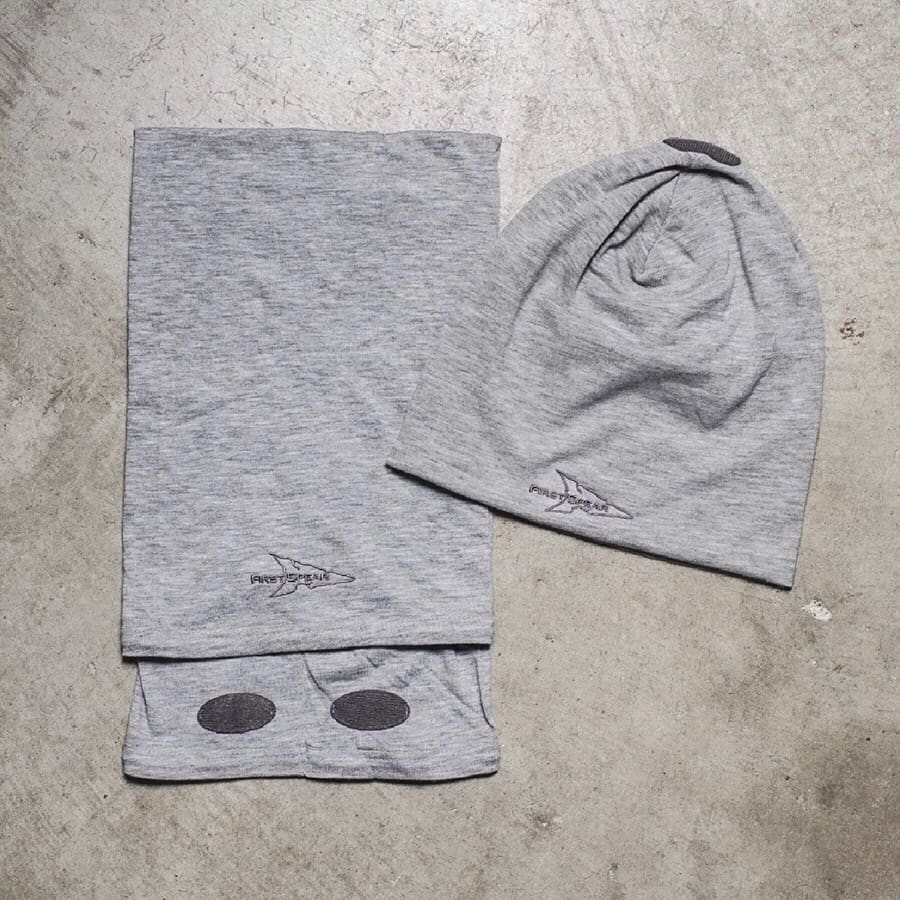
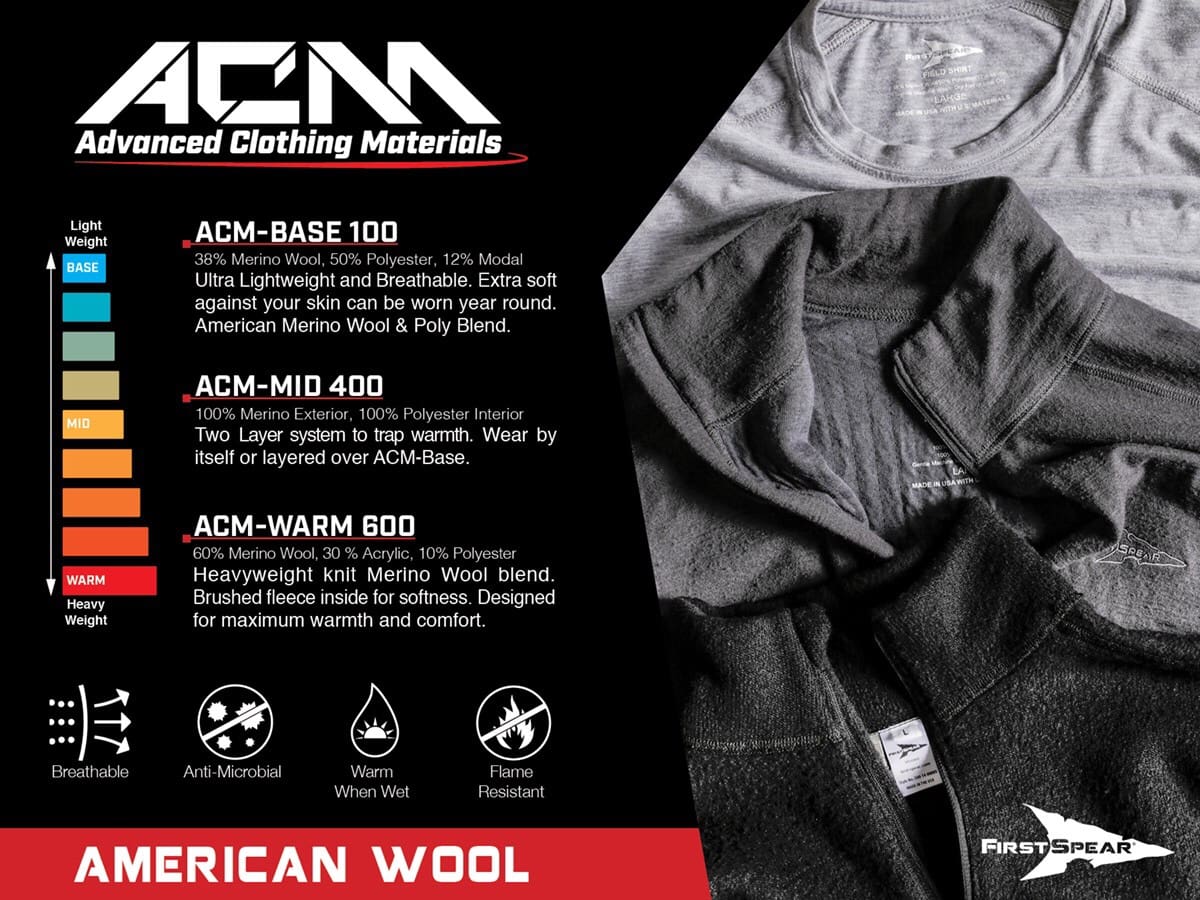
This Friday we are taking a look at the FirstSpear all American wool Beanies and Neckies. Constructed from FirstSpear ACM BASE 100, a merino, poly, and modal blend. Featuring flat seams for maximum comfort under helmets and just enough material to double up over the ears when temperatures drop.

The heather grey beanie / neckie color option is now a non-stocking non-standard option and will be available only while supplies last and will not be available for re-order. 100% American made.

www.first-spear.com/technical-apparel/headwear/beanie-acm-base-100

Soldiers Train With Allies To Survive Jungle

Thursday, February 28th, 2019

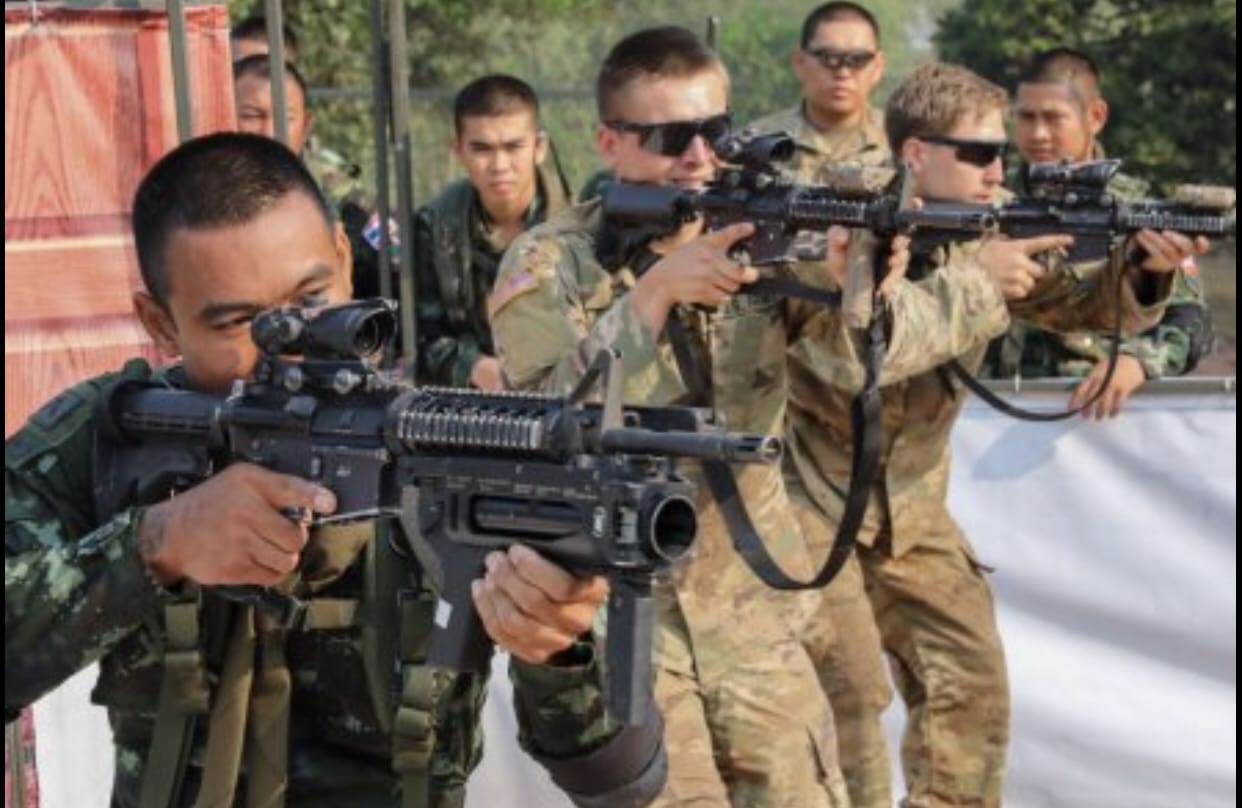
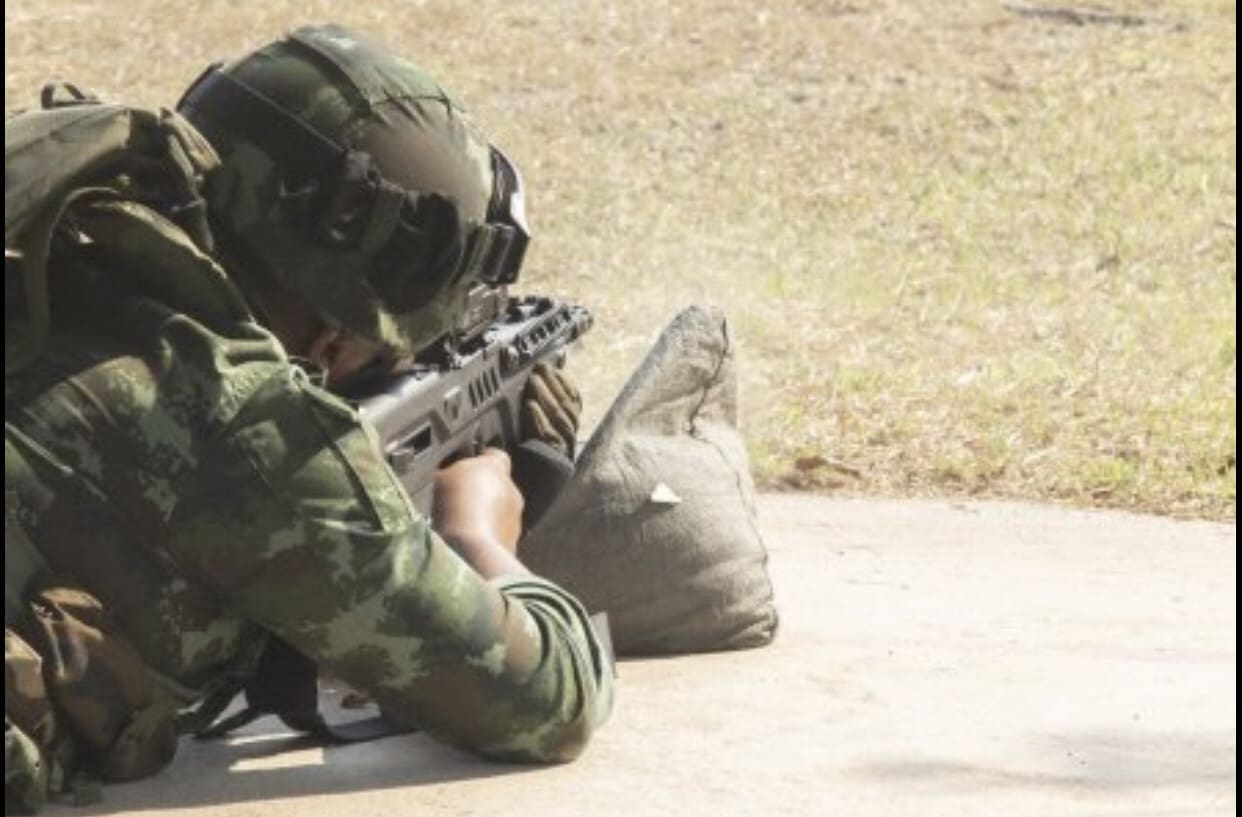
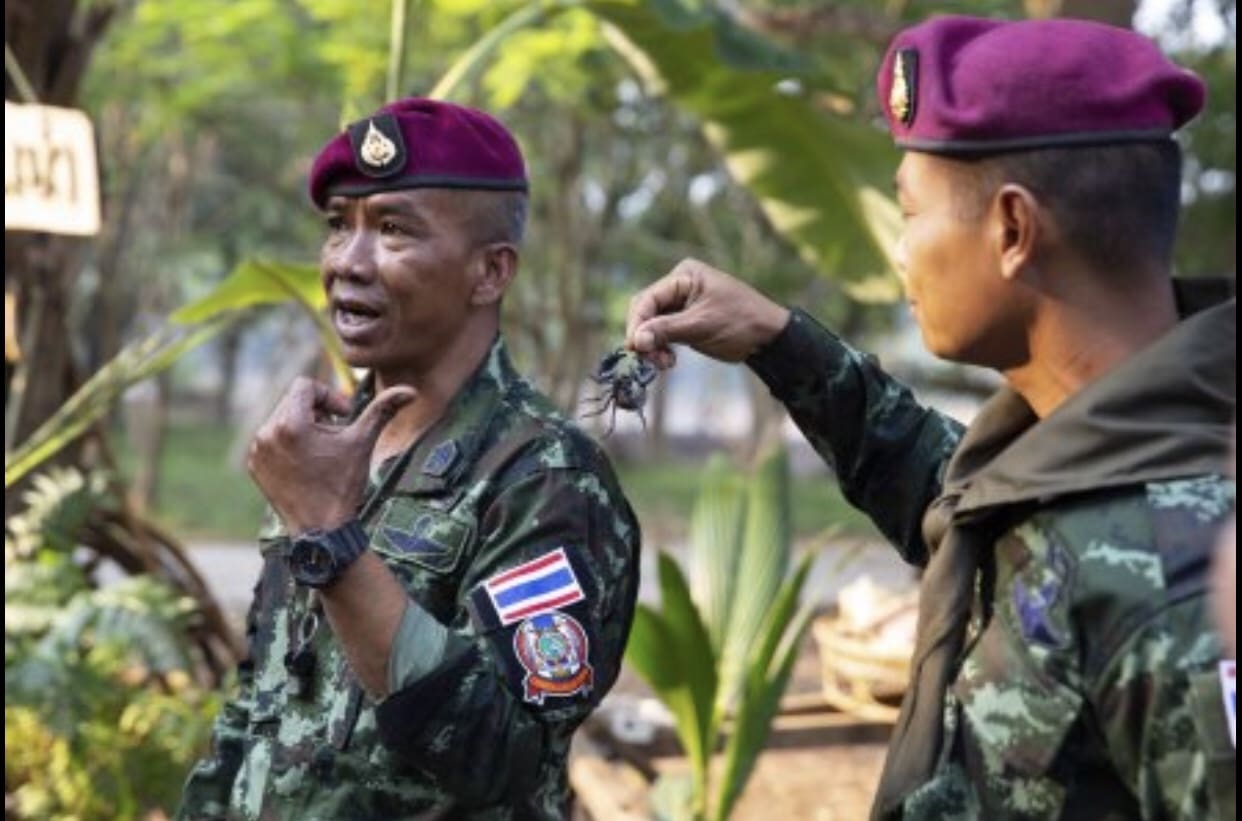
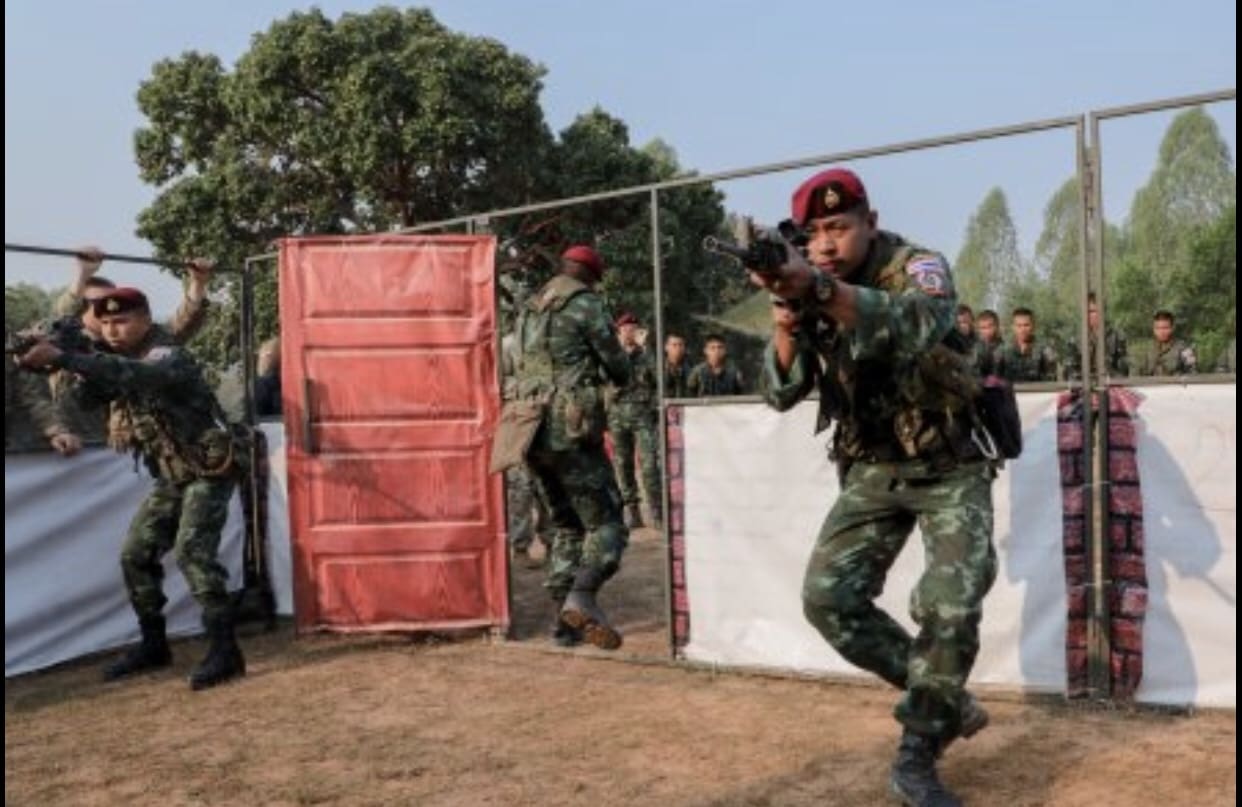
CAMP BAROMMATRAILOKKANAT, Thailand — Soldiers of the 5th Battalion, 20th Infantry Regiment, and the Royal Thai Army (RTA) learned jungle survival skills, basic rifle marksmanship and room clearing procedures Feb. 13, 2019, at Camp Barommatrailokkanat, Thailand, during Exercise Cobra Gold.

The training was an exchange of skills between the two armies. U.S. Soldiers would demonstrate their tactics and techniques, conduct practical exercises and the RTA soldier would do the same.

“This training increases interoperability by having us understand each army’s tactics better,” said Sgt. John Drayton, a team leader with 5-20th Inf. “We will be ready if we ever had to operate with each other in the future.”

This training helps build a common picture between the U.S. Army and the Royal Thai Army, said Sgt. 1st Class Derrick Dritchas, the first sergeant for B Company, 5-20th Inf. The U.S. Soldiers learned the Thai tactics, standard operating procedures, and shared their knowledge on the subject with the RTA.

“Being in Thailand is a new experience for most people here,” Drayton said. “Just training and operating in this environment teaches Soldiers how be better prepared for missions in this region.”

They don’t know what missions may come down in the future, said Dritchas. The jungle training gave these Soldiers the ability to find edible plants, wildlife and where to find water. Having those skills to survive off of the land in the jungle is invaluable.

The Thais taught them things he never knew such as ants can be a signal of where to find water, said Spc. Louis Smith, a Soldier with B Co. 5-20th Inf. He now knows how find those food and water sources in the jungle if something were to happen to him in the future.

“I want my Soldiers to fully experience the cultural of Thailand and understand the training value of going to another country,” Dritchas said. “Understanding this culture and how their army operates is a valuable skill for Soldiers to have.”

By SSG Samuel Northrup

3D Printing Technology Enhancing Logistics for Army

Wednesday, February 27th, 2019

FORT MEADE, Md. — As 3D printing increases both in the field and at depots, the Army’s Center of Excellence for Additive and Advanced Manufacturing is slated to reach initial operating capability this year at Rock Island Arsenal, Illinois.

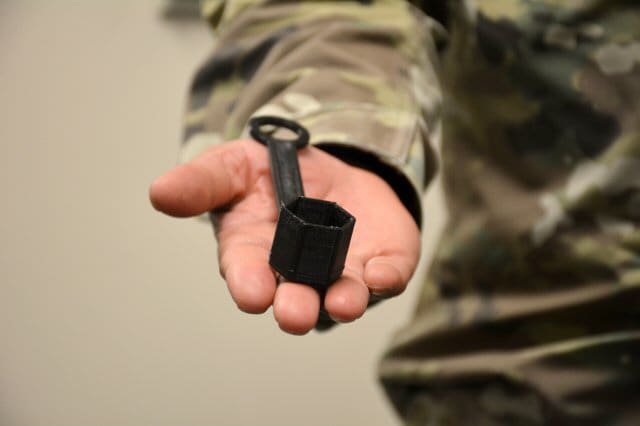
A Soldier holds a cap used to protect the fire extinguishing system housed in the wheel wells of Mine-Resistant Ambush Protected vehicles. Without the cap, MRAPs are deemed non-mission-capable. Soldiers in Korea saved 1,472 operational days for their MRAPs by 3-D printing the caps for about $2.50 each. (Photo Credit: Sam Curtis)

Lt. Gen. Aundre Piggee, the Army’s deputy chief of staff, G-4, outlined the Army’s current 3D printing capabilities at the 2019 Military Additive Manufacturing Summit and Technology Showcase Feb. 6, in Tampa, Florida.

At the summit, defense, academia, and industry officials were privy to the latest additive manufacturing technologies, event officials said. The Army will leverage these improved 3D printing capabilities to bolster equipment readiness and reduce logistics burdens, Piggee said.

The forum served as an opportunity to hear from military leaders and subject-matter experts on the future of additive manufacturing to support warfighter readiness and achieve operational effectiveness.

SAVING OPERATIONAL DAYS

Back in December 2017, Army G-4 released an executive order allowing commanders in the field to invest up to $10,000 of their operating budgets in 3D printers, software, and training, Piggee said.

3D printing technology “enables our Soldiers to explore and implement creative solutions to problems we can only imagine, but they live with on a daily basis,” he said. “We wanted to give them flexibility and the power to innovate.”

In Korea, for example, Soldiers identified a fire-suppression cap degradation issue, impacting their fleet of Mine-Resistant Ambush Protected vehicles known as MRAPs. These caps protect the fire extinguisher nozzles, housed in the MRAP’s wheel wells, and blow off when the fire extinguishing system activates.

“There are 20 caps per vehicle. Without them it makes the MRAPS non-mission capable,” Piggee said. “Soldiers put an order in October for replacements — estimated delivery: five months later.”

“Without the caps, Soldier safety would be an issue. We do not need to add any extra risk to Soldiers,” he added.

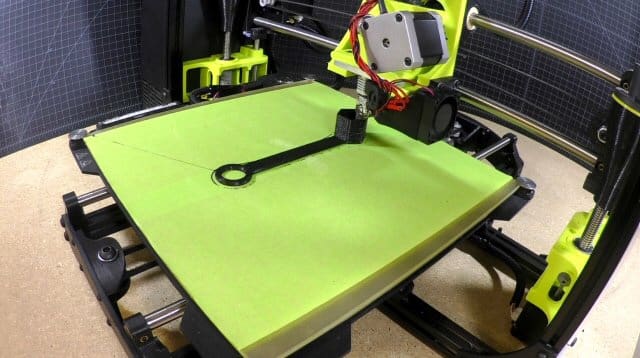
In turn, Soldiers in Korea turned to 3D printing technology and requested engineering support from the Armament Research, Development and Engineering Center at Picatinny Arsenal, New Jersey.

The team in Korea went on to produce 284 fire-suppression caps, which are currently in use until replacements arrive, the general said.

“We fixed a readiness problem with our MRAPs. It was only a small cap that was the issue, and we 3D printed a fix for it. Just 1,472 non-mission-capable days saved — for about $2.50 per part — and some creative thinking.”

FUTURE CHALLENGES

While the Army has seen success through its additive manufacturing processes, there are several key challenges the military must face before moving forward, Piggee said.

This photo shows a 3D printer producing six-inch cap, used to protect the fire extinguishing system housed the wheel wells of Mine-Resistant Ambush Protected vehicles. Soldiers in Korea identified a fire-suppression cap degradation issue and turned to 3D printing technology for help. The team requested engineering support from the Armament Research, Development and Engineering Center at Picatinny Arsenal, N.J. (Photo Credit: U.S. Army)

For example, intellectual property rights could restrict the Army’s authority to reverse engineer a part, or produce a component locally, he said.

“Almost everything we use in the field is designed by contractors, using federal dollars,” Piggee said. “This is more legal, than technical. IP is an important issue as we modernize, and we will work with industry to find solutions.”

Cybersecurity is another concern moving forward, he added.

The additive manufacturing community employs a digital library of 3-D printed parts, called the “Repository for Additive Parts for Tactical and Operational Readiness,” or RAPTOR. As Soldiers or engineers produce parts, they put the blueprint in the system.

“The repository now has more than 140 certified parts, and it is growing,” Piggee said.

“We don’t want adversaries to get into our files and download our spare parts. Or to make counterfeit parts that … are engineered to fail,” he added. “And we do not want internal flaws in the printing that could degrade our weapon systems.”

Aside from their cybersecurity concerns, the Army needs to find a way to certify and standardize all 3D printed parts and materials, to meet a product’s predetermined safety standards.

“This takes a lot of labor, and there is a price tag on that, but this is crucial for Soldier safety,” Piggee said.

In spite of all the challenges, combining innovative thinking with today’s technology will help the Army evolve and prepare the force for combat against a near-peer threat, he said.

“Logistics will be contested in every domain. We need every innovation to set a theater and sustain Soldiers in future missions — whether it is artificial intelligence, autonomous vehicles dropping off supplies, or a 3-D printer at the point of need,” Piggee said.

By Devon L. Suits, Army News Service

Brigantes Presents – High Angle Solutions – Montane Allez Micro Hoodie

Wednesday, February 27th, 2019

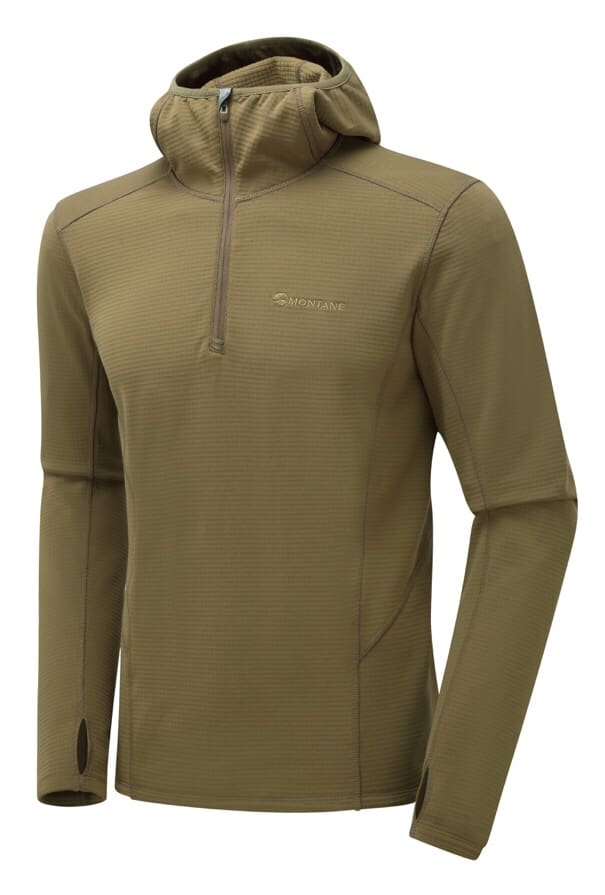
The Allez Micro Hoodie from Montane’s Tactical Range is a versatile super lightweight, warm and breathable hoodie.
Montane is one of the UK’s leading outdoor clothing brands and have used their decades of experience in both technical garments and expeditionary warfare, to provide a focused range that is intended to be used for long range light role operations.

They were the first brand to truly push the limits of single layer mountain clothing and work closely with serious mountain professionals working in hostile conditions across the globe as a proving ground for garment design.

The Allez Micro Hoodie is constructed from wicking and fast drying POLARTEC® Power Grid™ fabric and features POLYGIENE® permanent odour control. The Micro Hoodie has flatlocked sewn seams throughout to provide stretch and articulated arms with engineered tailoring for greater freedom of movement when navigating through the coarse terrain of forest and mountain environments. Once you take into account the additional features of Montane’s ½ length YKK MONTANE® reverse coil semi-auto front zip with wind-strip and low profile cuffs with thumb loops, the Allez hoodie is adaptable, super lightweight and specifically engineered to be meet the needs of troops in the most extreme environments.

MACV-SOG History

Tuesday, February 26th, 2019

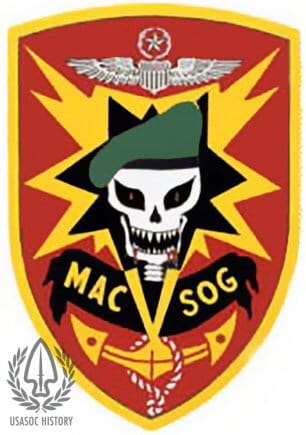
FORT BRAGG, N.C., – Today marks the 55th anniversary of the activation of the Military Assistance Command, Vietnam, Studies and Observations Group (MACV-SOG) in the Republic of Vietnam.

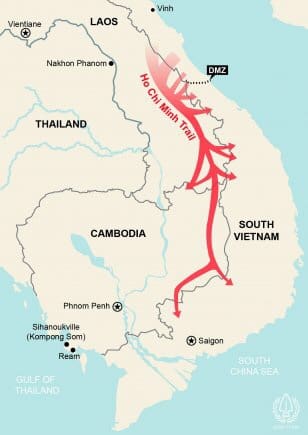
The Military Assistance Command, Vietnam, Studies and Observations Group (MACV-SOG) was activated, January 24, 1964, to function as a joint special operations task force. Commanded by a U.S. Army Special Forces colonel, MACV-SOG was a subcomponent of MACV. Born from a need to conduct more effective special operations against North Vietnam, many Central Intelligence Agency programs were transferred to SOG, which eventually consisted of personnel from U.S. Army Special Forces, U.S. Navy Sea-Air-Land (SEALs), U.S. Air Force, U.S. Marine Corps, Force Reconnaissance and CIA personnel. Special operations were conducted in North Vietnam, Laos, Cambodia, and South Vietnam.


MACV-SOG grew in size and scope over the next eight years. Missions evolved over time, and included strategic reconnaissance, direct action, sabotage, personnel recovery, Psychological Operations (PSYOP), counter-intelligence, and bomb damage assessments. Maritime operations covered the coastal areas of North Vietnam. PSYOP missions included ‘Voice of Freedom’ radio broadcasts into North Vietnam, to publicize the advantages of life in South Vietnam.

The so-called ‘Ho Chi Minh Trail,’ a vital enemy logistical system named for the North Vietnamese communist leader, was a target of many operations. The trail was a well-developed ‘highway’ that ran from North Vietnam through Laos and Cambodia. The communist insurgency was sustained by the trail, as troops, trucks, tanks, weapons and ammunition flowed south into South Vietnam. Aerial reconnaissance of the trail was difficult; SOG teams provided the most reliable ‘boots on the ground’ intelligence.

SOG headquarters remained in Saigon, with subordinate commands and units located in various forward operational bases over the years, with command and control camps, launch sites, training centers, and radio relay sites in all four U.S. Corps Tactical Zones. By late 1967, MACV-SOG had matured and split into three subordinate geographical commands: Command and Control North, Command and Control Central, and Command and Control South. CCN, at Da Nang, was the largest in size and conducted operations in southern Laos and northern Cambodia. CCC, at Kontum, also operated in southern Laos and northern Cambodia. CCS, at Ban Me Thout, was the smallest, and operated in southern Cambodia.

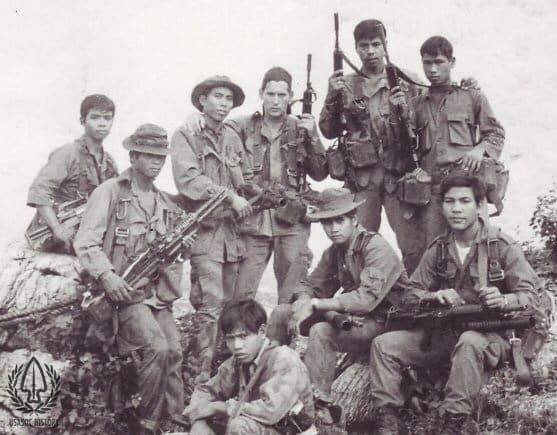
SOG command and control sites operated independently. Each was organized based on the ground tactical situation, but all three had reconnaissance, reaction or exploitation, and company-sized security forces. Each site was about the size of a modern SF battalion. Reaction or exploitation forces were used to extract reconnaissance teams or conduct raids or other assault missions. Reconnaissance teams (RT) consisted of two-to-three Americans and six-to-nine indigenous personnel, normally Vietnamese, Montagnards, Cambodians, or ethnic Chinese. Teams were given a variety of code names (U.S. states, poisonous snakes, weapons, tools, or weather effects). Support troops on site provided logistics, signal, medical, and military intelligence support.

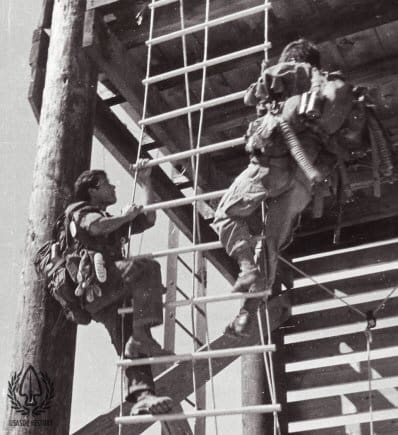
Each mission was unique, but most followed a similar tactical profile: after being alerted of a mission, the reconnaissance team was briefed and conducted detailed planning, rehearsals, inspections, and training, time permitting. Teams were inserted by helicopter into the target area. Team leaders were Americans and designated as One-Zeros (10), with American assistant team leaders, and radio operators serving as One-Ones (11) or One-Twos (12). Indigenous troops were Zero-Ones (01), Zero-Twos (02), and so forth. Teams were given considerable latitude regarding tactics, uniforms and weapons. Captured enemy equipment was often used. Vital communications were maintained with a Forward Air Control fixed-wing aircraft. Such airplanes coordinated for close air support for immediate extraction if a team was compromised, or upon completion of the mission. A mission lasted from three-to-five days. SOG was all-volunteer, and personnel could leave without prejudice.

After 1970, the scope and intensity of SOG operations were affected by the ‘Vietnamization’ of the war, and steady withdrawal of U.S. forces from Southeast Asia. In March 1971, 5th Special Forces Group, the largest source of volunteers for the unit, returned to Fort Bragg, North Carolina. Congressional restrictions prevented U.S. personnel from accompanying operations into Cambodia and Laos. On April 30, 1972, the unit was deactivated. Colonels Clyde R. Russell, Donald D. Blackburn, John K. Singlaub, Stephen E. Cavanaugh, and John F. Sadler served as SOG commanders.

The first true JSOTF organization formed to support a theater campaign, SOG ‘blazed a trail’ for current Army and joint special operations task forces in the war against transnational terrorism. The teams conducted special operations missions, often across international borders, to support the commander’s mission in Vietnam. Nine ARSOF SOG soldiers received the Medal of Honor and the unit was awarded a Presidential Unit Citation. Some sources credit the organization with providing upwards of seventy-five percent of intelligence on the Ho Chi Minh Trail. SOG innovative tactics, personal equipment, and lessons learned influence SOF to this day.

By Robert Seals, USASOC History Office

Editor’s note: This article was originally published on 24 January, 2019.

SCUBAPRO Sunday – What to Wear Under Your Wetsuits

Sunday, February 24th, 2019

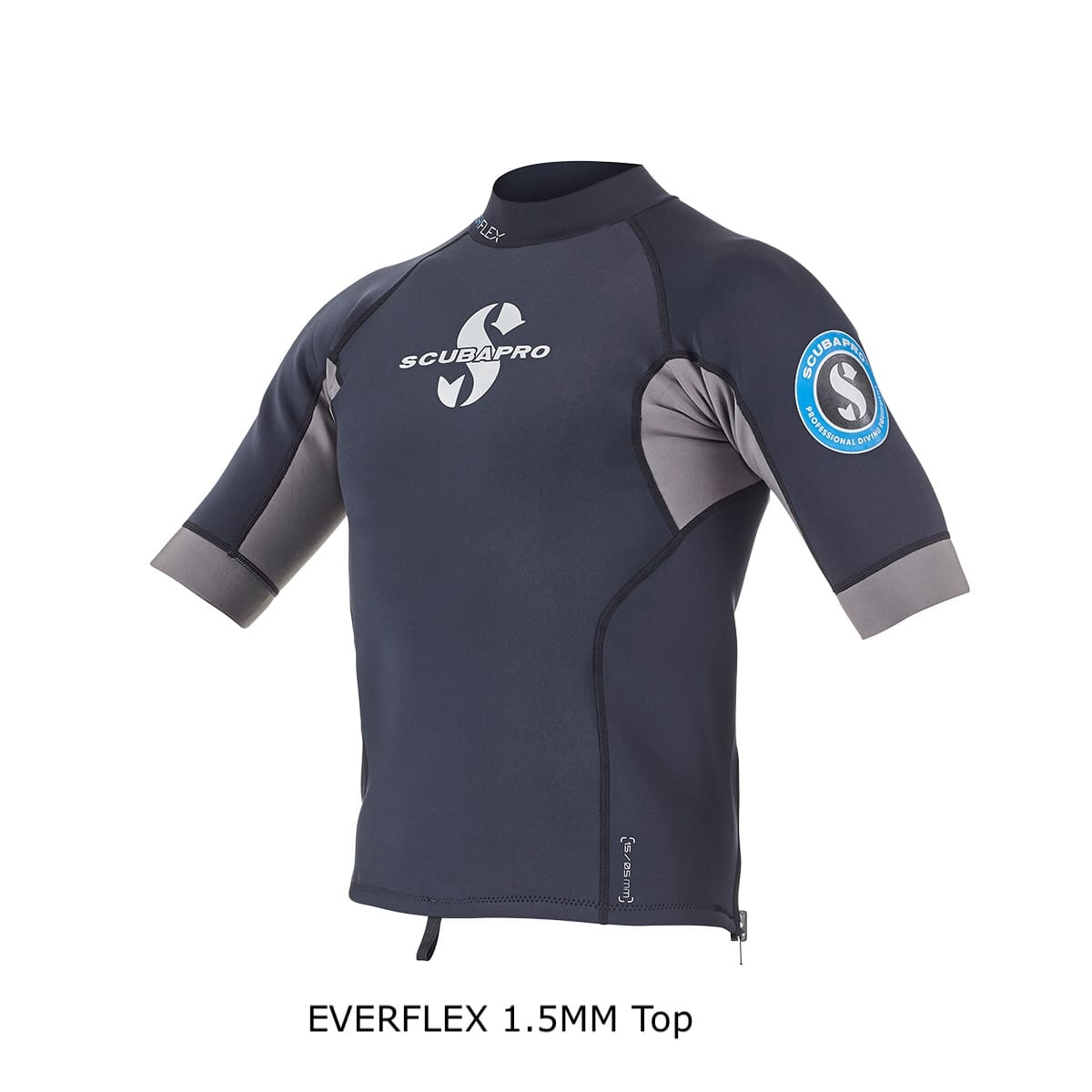
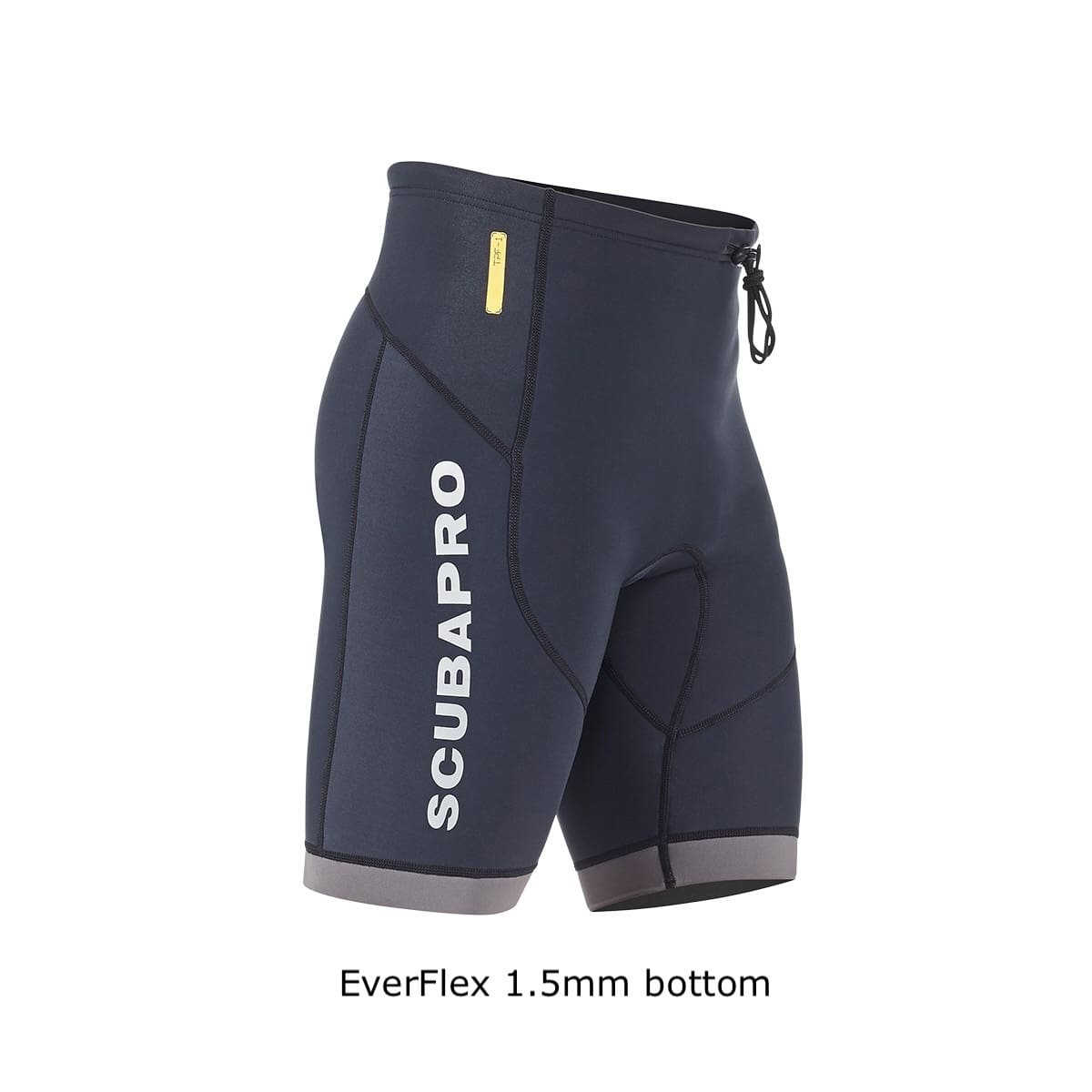
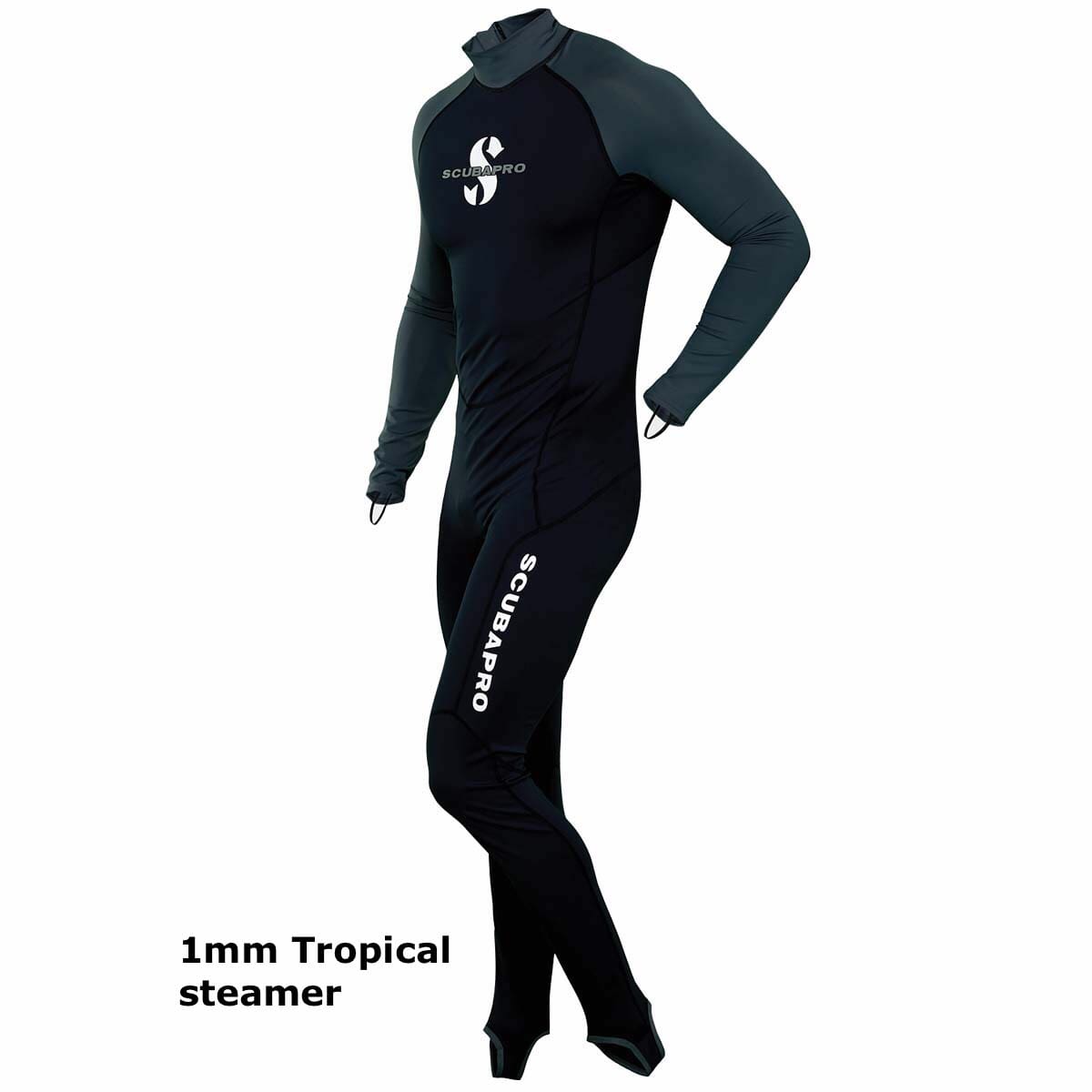
Most people wear something under their wetsuit to help with getting your wetsuit on easier. The other reason for wearing something under your wetsuits is that the extra layers can help keep your body warmer. Instead of wearing a thicker wetsuit that will restrict your movement it allows you to wear a thinner suit that will give you more flexibility. You can wear a short sleeve top or bottom to help keep your core warmer. The other thing to think about is the air temperature/ wind on your way to the dive site. If you have to worry about the air temp/ wind when you are traveling to the dive site, a linebacker jacket (the kind football players wear on the sidelines) is good to have as you can take it off before the dive and put it on when you are done. For colder temperatures, adding layers underneath the suit is definitely the way to go. You have several options to choose from. If you already have a thinner wetsuit that you usually use for warmer environments a 1mm rash guard, or any other type of garment that’ll provide you with the added warmth around your chest will help.

 When you have to worry about the wind most surf wetsuit or wetsuits that are glossy like surf suits, are designed to stop the wind. That all suit surf suits are not great for diving as most are not made from a material (yes surfing is different then diving) that is designed to be used under water for long periods. Some people go nude under their wetsuits. After wearing a wetsuit for an extended period of time, this can be painful, due to the constant rubbing against their skin it begins to chafe. Normally the neck, armpits, behind the knees, and the crotch are the first to go. You can apply anti-chafing gel/ Vaseline to help with this on long dives. You can also wear a dive skin or bike shorts this will help with getting your suit on and off also.

Whatever you decide to wear keep in mind the water/ air temperature, duration of the dive and what you will be doing. That should put you at a good starting point.

www.scubapro.com