
The Supplier Showcase is two days during SHOT Show, January 20–21 from 8:30 AM–5:30 PM in the Palazzo Ballroom, 5th Floor Venetian Hotel Meeting Rooms. See HLC Industries in booth #51902.


The Supplier Showcase is two days during SHOT Show, January 20–21 from 8:30 AM–5:30 PM in the Palazzo Ballroom, 5th Floor Venetian Hotel Meeting Rooms. See HLC Industries in booth #51902.
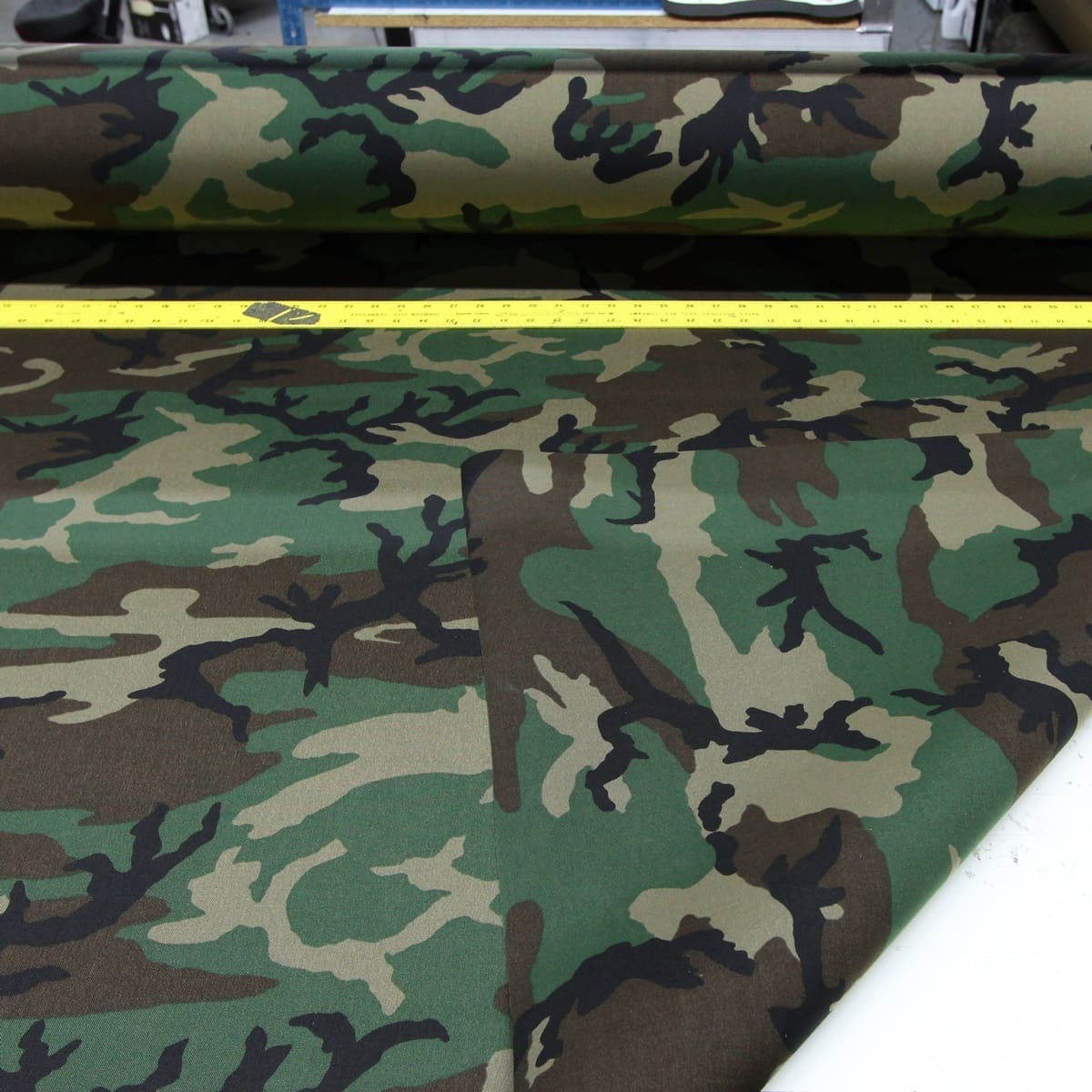
Whiskey Two Four are excited to offer 58″ wide ACRONYM in M81 woodland camo. ACRONYM (Advanced Composite Rugged Optimized NYlon material) laminate fabric is manufactured with milspec, Berry / IR compliant, solution dyed fabrics to produce a tough, medium weight fabric perfect for laser cut applications. Approx 18oz / sq yard.
www.wtfidea.com/acronym-500d-laminate-58-137cm-wide-per-yard
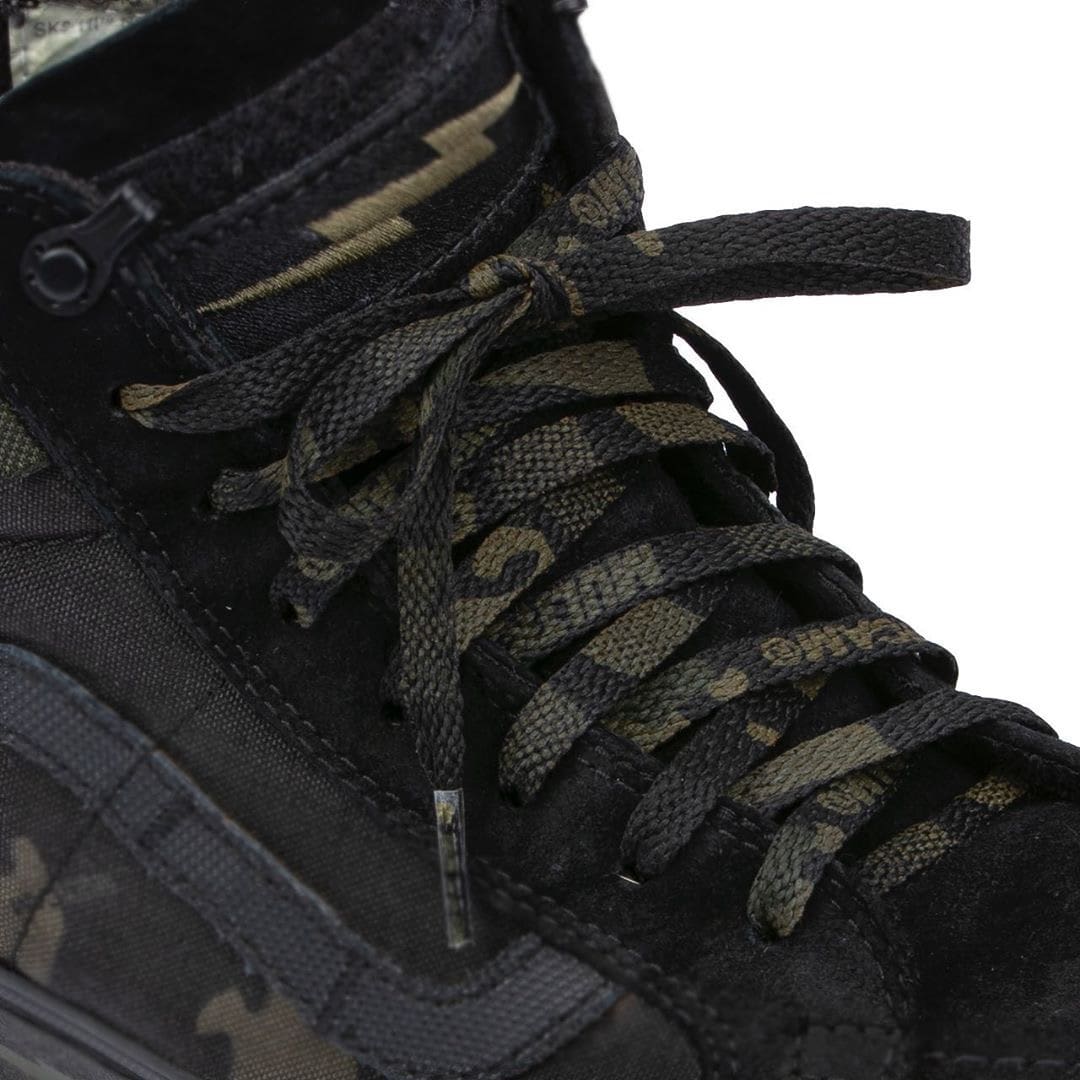
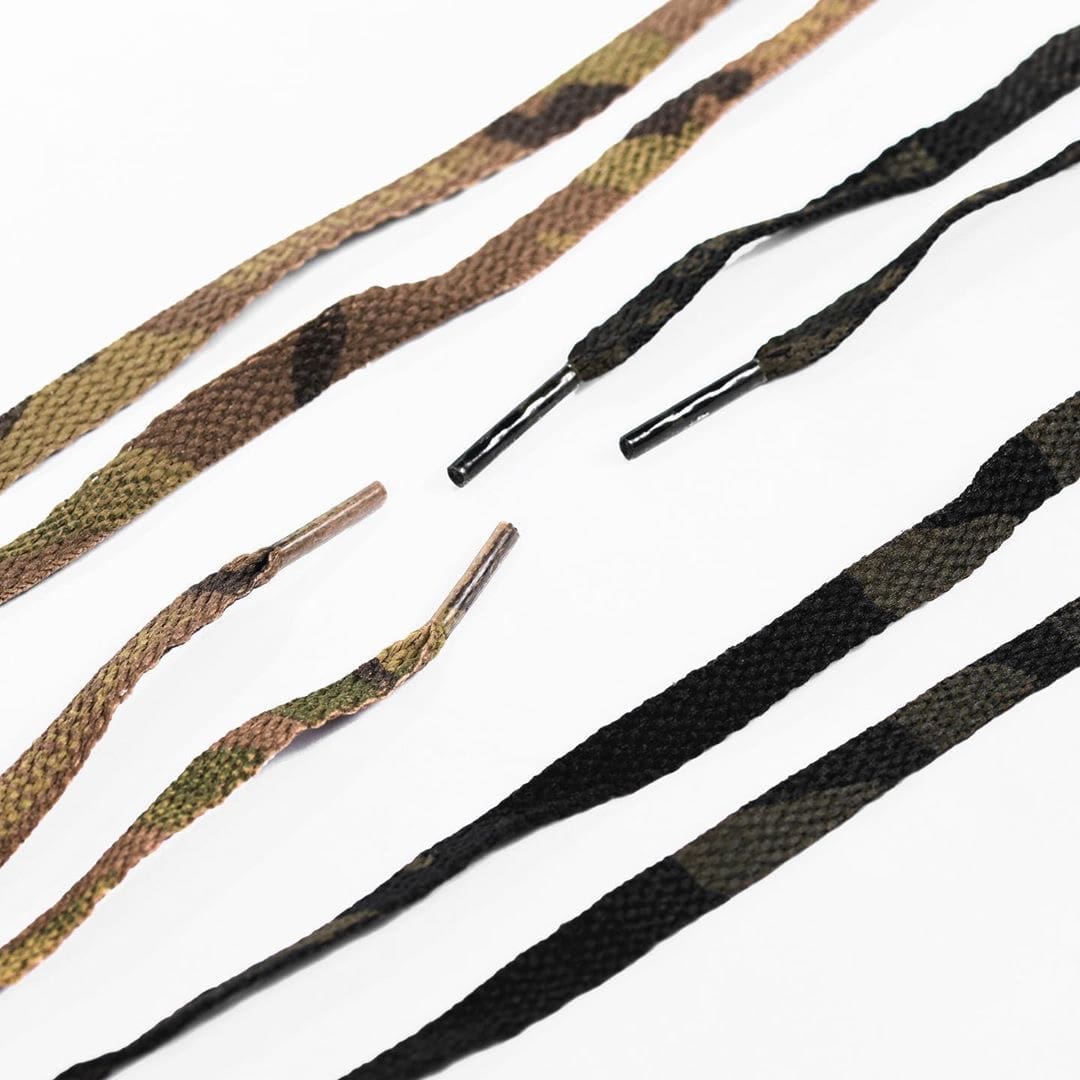
RESTOCKED: 72” MultiCam Shoelaces – MCB & MC Classic. Minimum order of 100 pairs. Made in the USA.
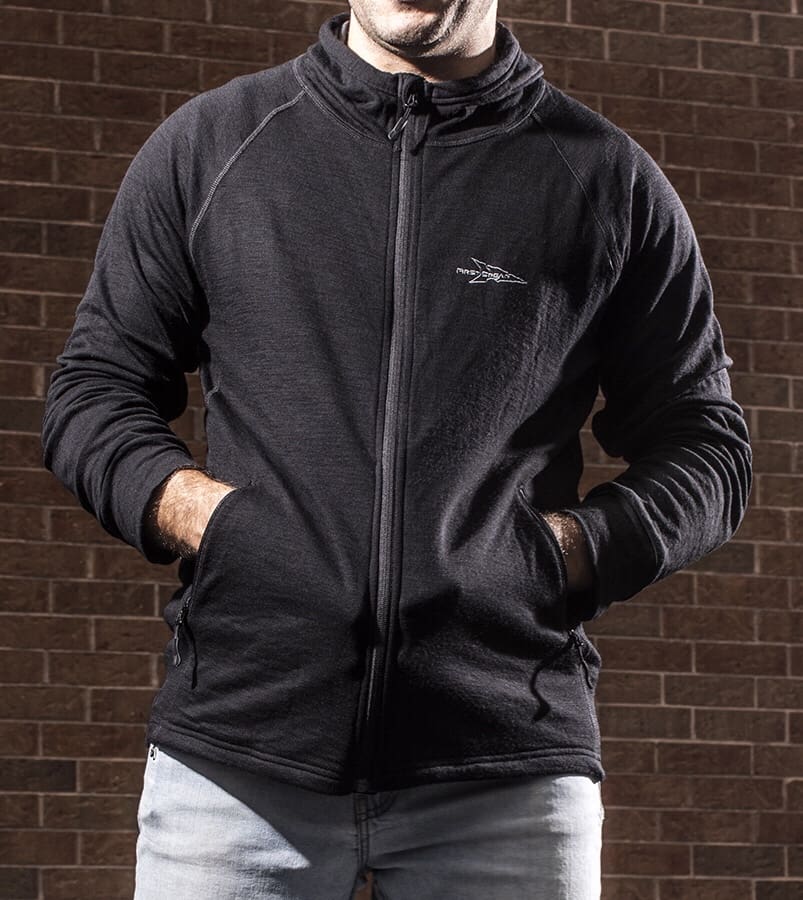
Today we are taking a look at another item in the FirstSpear American merino wool series. We started off with the lightest base layer package, ACM BASE 100, and we have since moved into the ACM MID 400 weight.
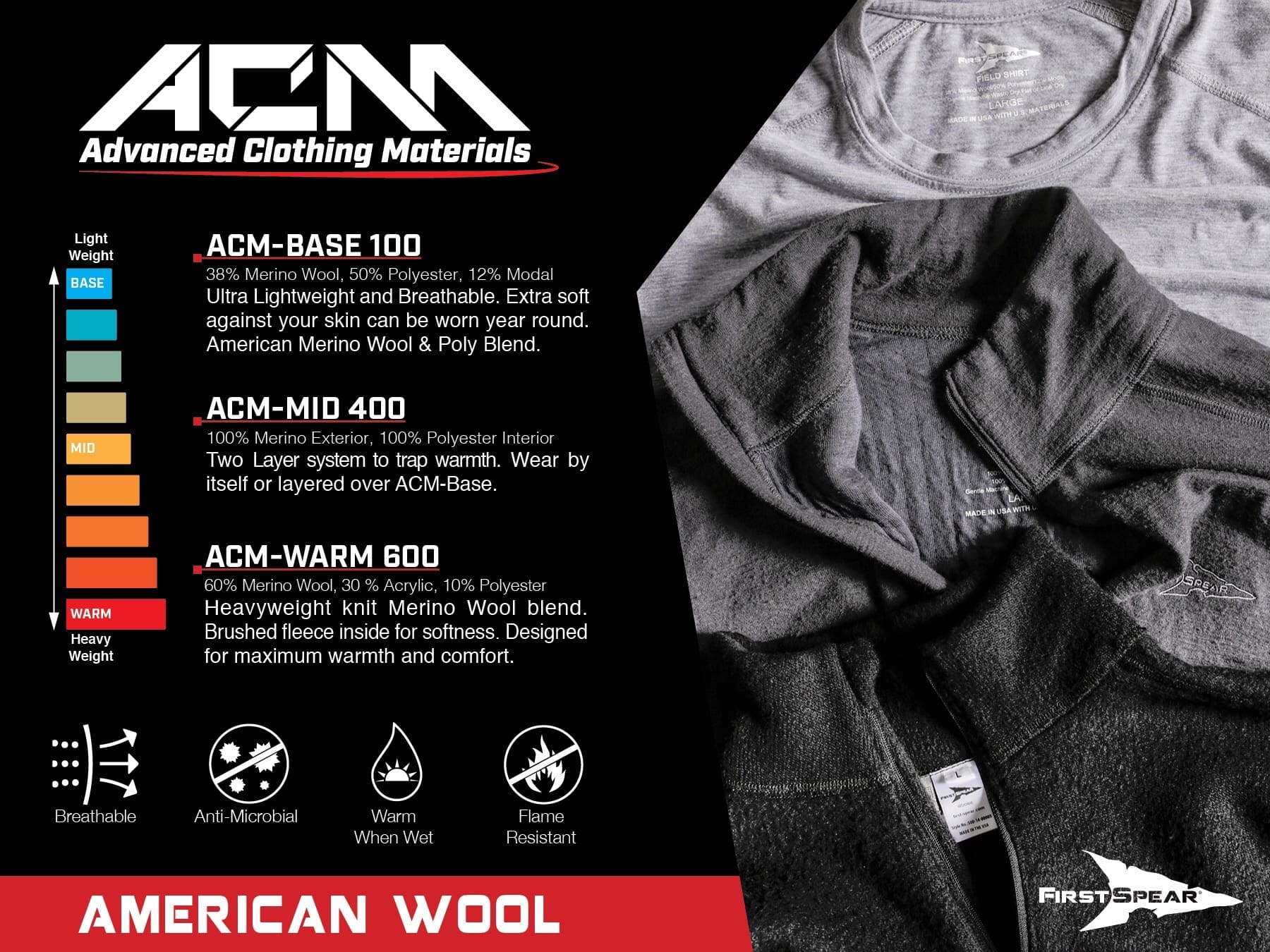
This package is particularly unique because it is double layer fabric, not a blend. Constructed from a fine polyester and merino wool, this material combo will quickly wick away moisture from the body and transfer it into the absorbent wool layer. This allows the poly layer to dry quickly and avoid the typical stink found in 100% synthetic apparel.

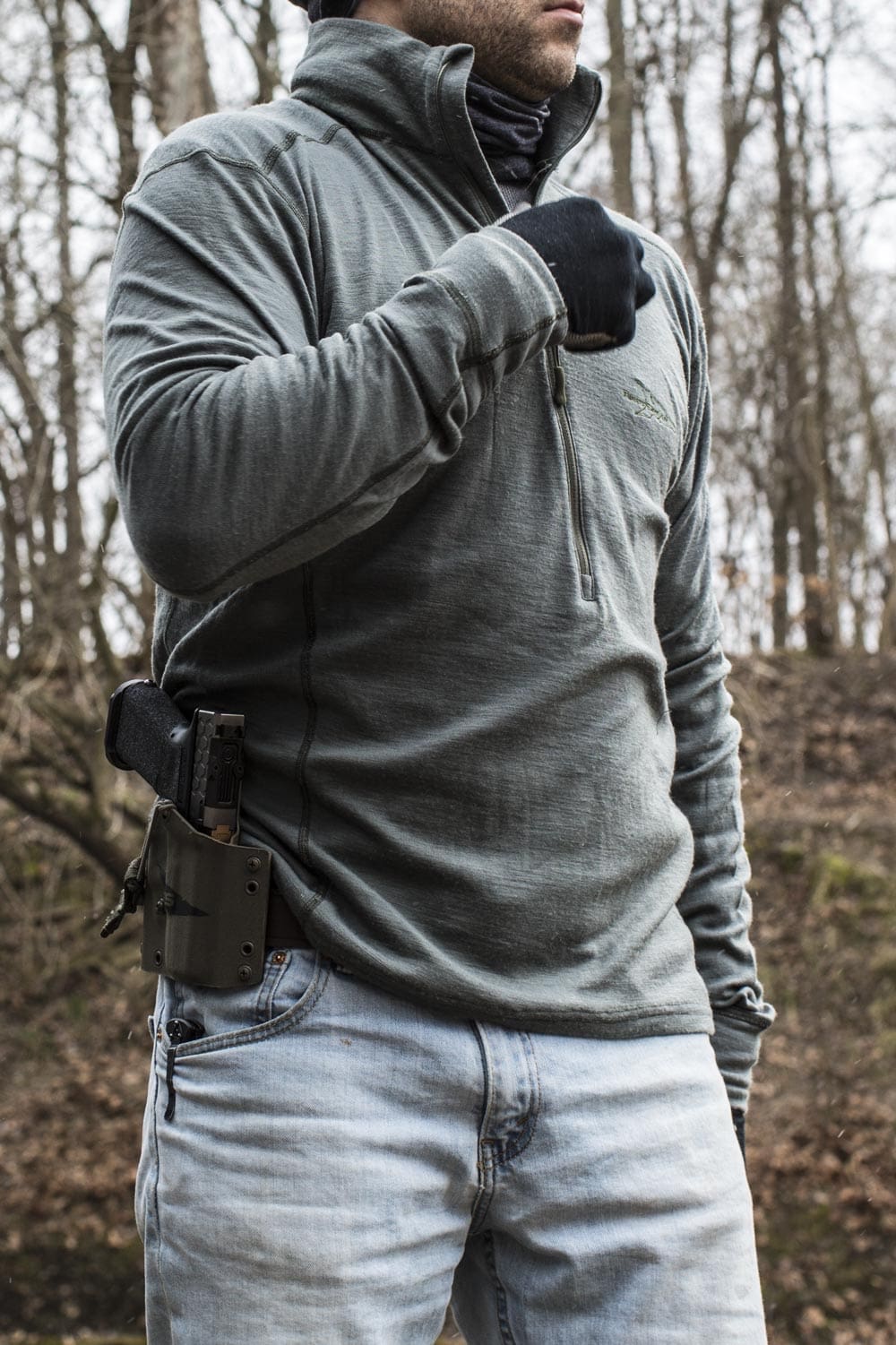
FirstSpear uses ACM MID 400 in several items, the Mid Shirt we saw several weeks ago and Today we are getting a look at the Hoodlum Hoodie. The Hoodie features a full zip front, thumb holes, low profile hood, and two zippered pockets in the front. The Hoodlum Hoodie is an exceptional standalone item that can be worn all its own or if you find yourself in particularly cold temps use it as mid layer to really keep you warm.

100% American Made with American Merino Wool. Available in black, charcoal, commando, manatee grey, and sand. Check out all of FirstSpear’s USA Merino wool Line Here.
Today we are getting another look at FirstSpear’s USA Merino wool packages.
In previous weeks we saw the lightest weight package ACM-BASE 100 which FS uses in a variety of their lighter weight garments like the field shirt and beanie/neckie. Today we will be looking at the next level up, ACM-MID 400. What makes this merino package so unique is that it is a dual layer material, not a blend. Using a super fine polyester on the interior and merino wool layer on the exterior, this material combo does some very incredible things. When the user sweats or gets wet the poly layer will quickly wick away moisture from the body and transfer it to the absorbent wool layer.
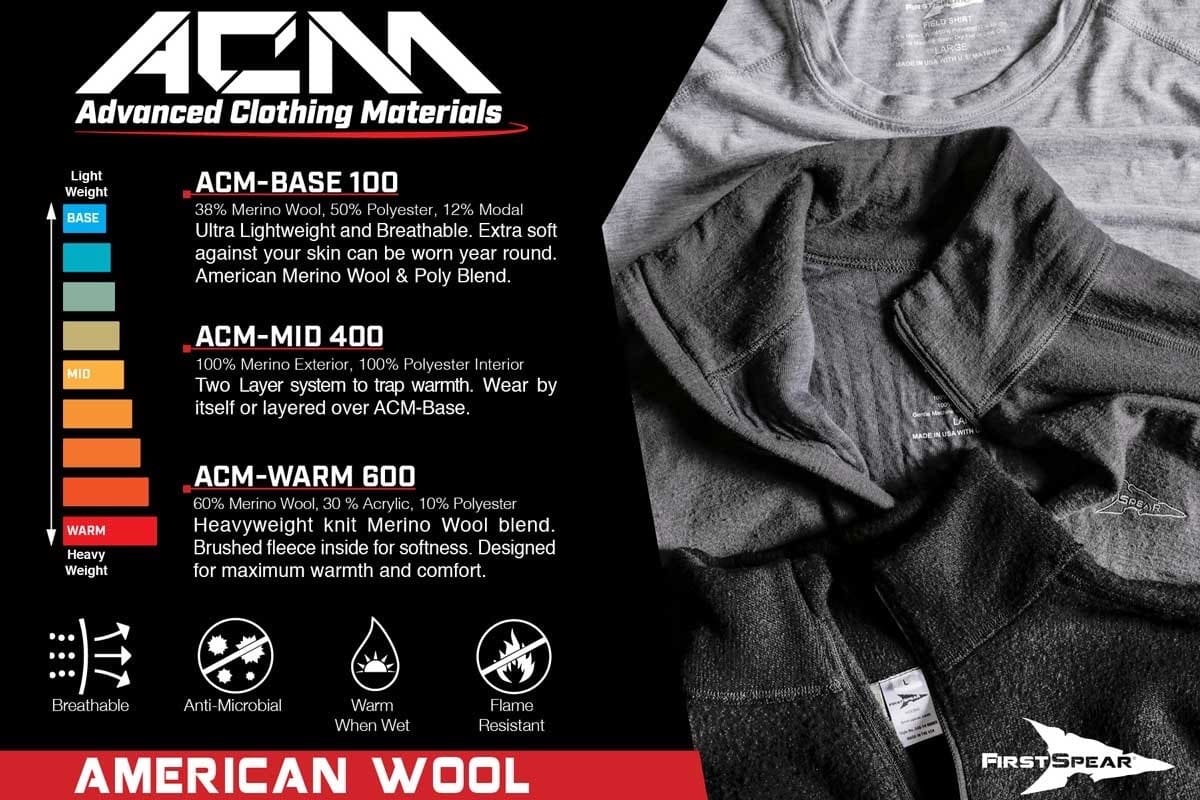
Once the moisture permeates into the wool layer it allows the poly to dry very quickly which helps avoid the typical stink you find with other synthetic layers, additionally wool is naturally antimicrobial which makes it incredibly difficult for the garment to produce bacteria that causes odors in all synthetic base layers. Furthermore, once the moisture is absorbed into the wool layer it will keep the user insulated and warm even when wet. These features provide for exceptionally high performance garments using ACM-MID 400. Today we will get a look at one of the more popular garments using this dual layer material, the FirstSpear Mid Shirt.
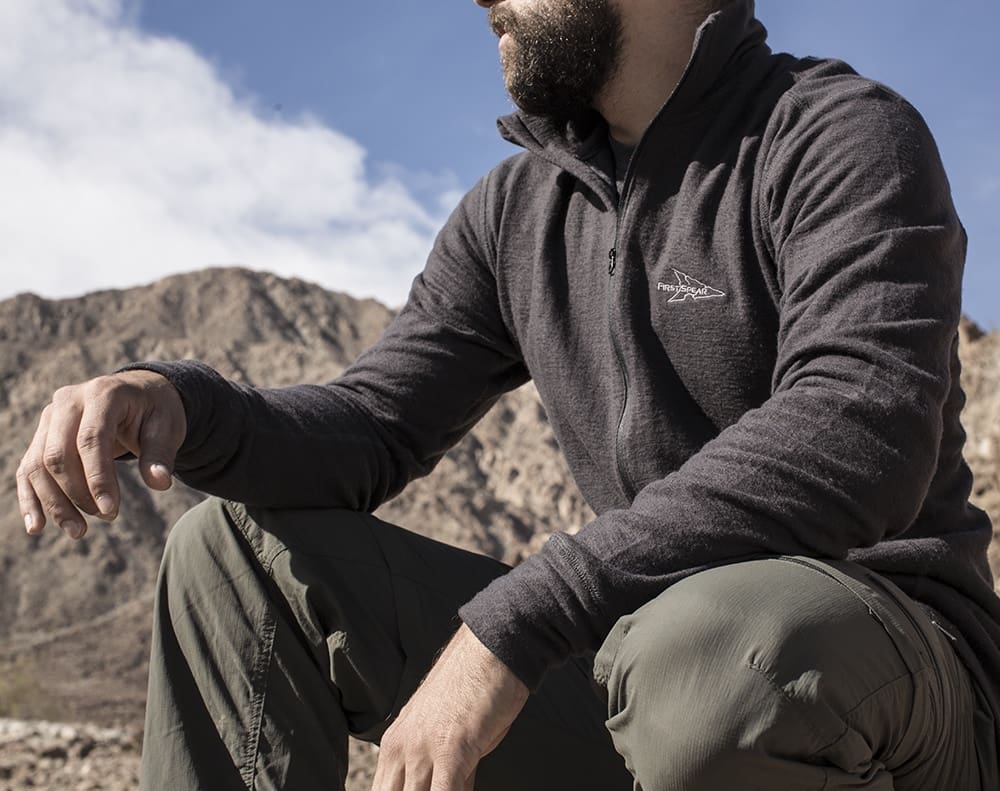
The Mid Shirt is super tough and ultra soft with a 2/3 length front zipper that allows extra ventilation when you really warm up. The high collar keeps your neck covered and is great for when you are working with a sling.
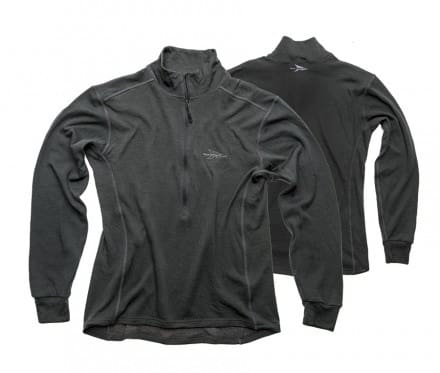
Like most FS products the Mid Shirt is Berry Compliant (100% American Made with 100% American Materials) and is available in Black, Charcoal, Commando, Manatee Grey, and Sand.
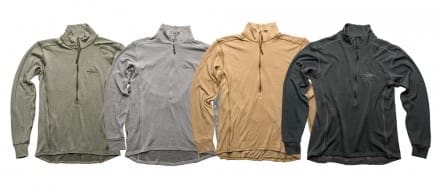
www.first-spear.com/mid-shirt-acm-mid-400
Under Armour announces the second delivery of its “UA Trek” collection featuring Polartec fabrics. Pairing its outdoor performance heritage with current style elements for a complete head-to-toe assortment, the collection includes apparel made with Polartec® Micro technical fleece as well as Polartec® Power Fill™ insulation, each made of 100-percent post-consumer recycled content.

Inspired by workouts in outdoor environments, the products utilize premium Polartec® Micro fleece for temperature-regulation in the body of the garments, with Polartec® Power Fill™ insulation in the hoods for added warmth and weather resistance in cold conditions, enabling the modern athlete to traverse both cityscapes and the great outdoors with equal confidence.

Engineered to provide comfort throughout a wide range of conditions and activity levels, premium 100-percent recycled Polartec® Micro fleece features a lofted structure with thermal air pockets to retain warmth without inhibiting breathability. Highly durable Polartec® Micro fleece is also hydrophobic and fast drying.

100-percent recycled Polartec® Power Fill™ insulation is engineered to provide maximum warmth without weight. The insulation is made of proprietary hollow fibers that are bonded together through a process that reduces environmental impact, while simultaneously providing superior insulating performance. Polartec® Power Fill™ insulation is also hydrophobic, fast-drying and highly compressible .

For women, the collection includes full-zip jackets (with and without a hood), a full-zip mock neck, and pants. For men, the collection includes full-zip jackets, reversible snap jackets, a crew sweatshirt, a 2-in-1 tee and pants. The pieces will retail for $55-120 (USD) and release globally on UA.com and UA Brand Houses beginning December 6.
Under Armour traveled to Iceland to capture the collection’s lookbook with distance runner, soccer player and nature enthusiast Angelina Krawczyk; softball athlete, model and Venice Beach, Calif. native Cailee Grayhorse; model and family member to basketball royalty Myles O’Neal; and former track athlete, celebrity stylist, model and artist Will Breveard.
One of the great things about Polartec is that they showcase products from manufacturers who use their materials. Although not well known, Ukrainian brand P1GTAC has some rather innovative designs. What’s really interesting is that military inspired fashion has really taken off in Ukraine since the beginning of their civil war involving neighboring Russia, with many Ukrainians wanting to show national pride.
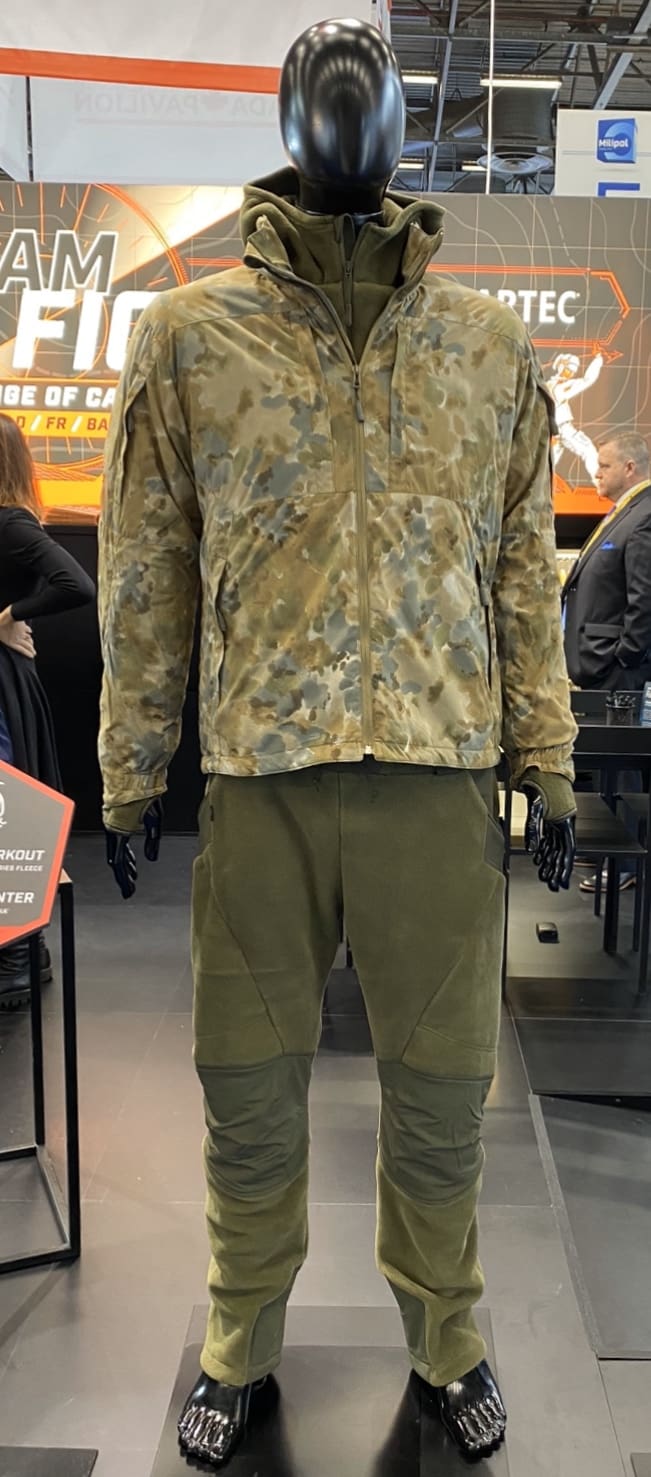
The Punisher Combat Winter Patrol Jacket is insulated with Polartec Alpha, a highly breathable insulation.
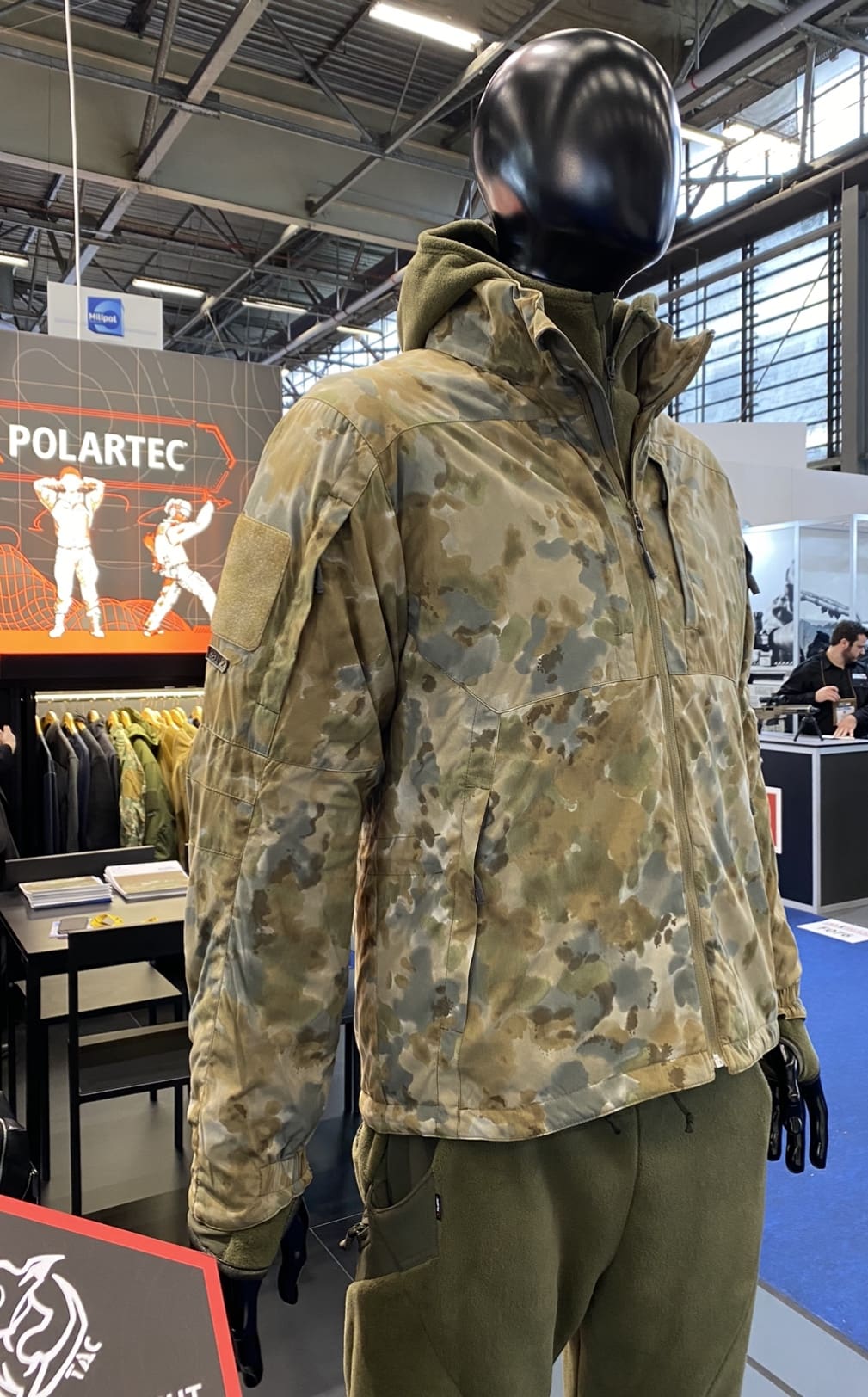
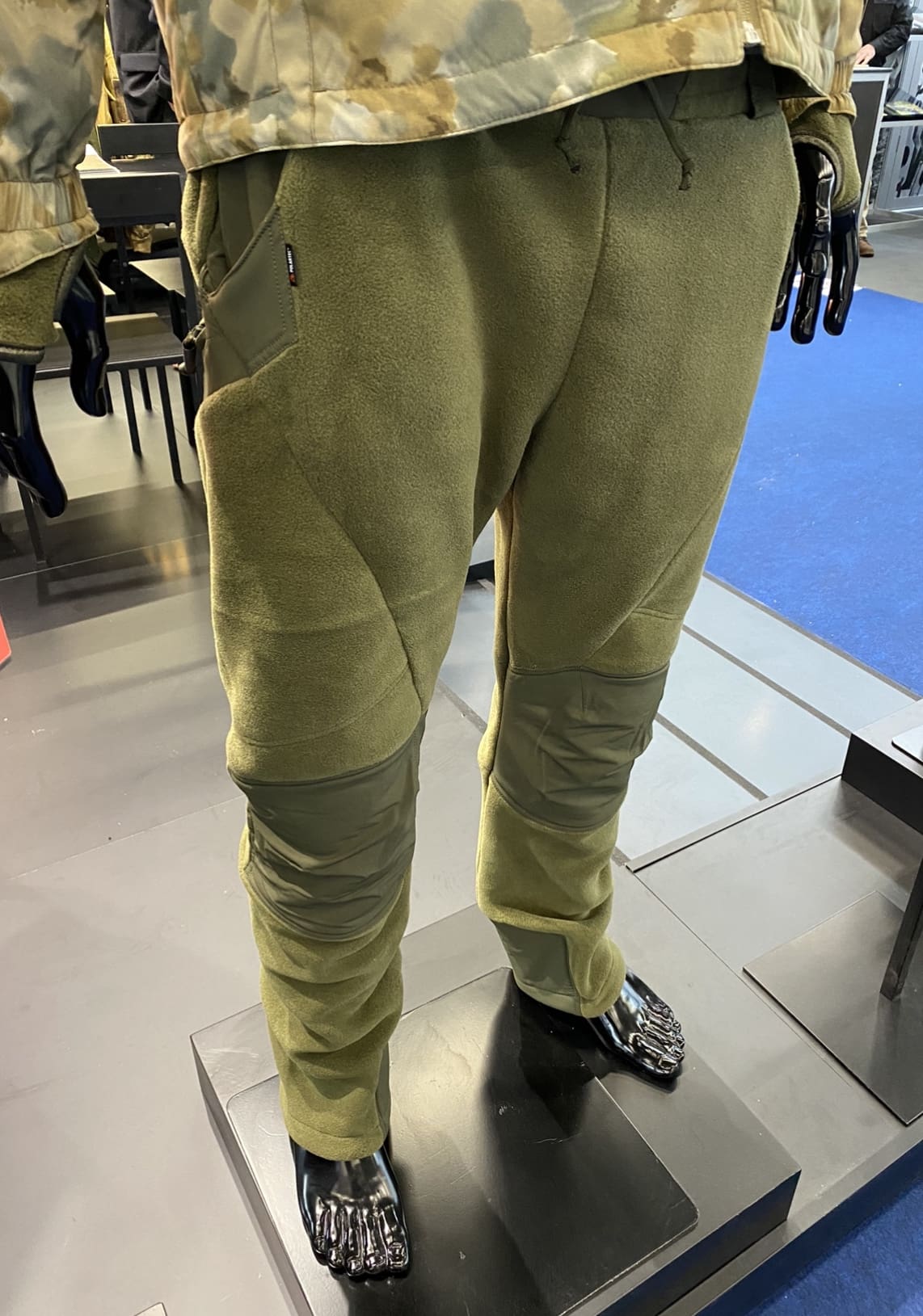
The Frogman Range Workout Jacket and Pant look awful comfy in the Polartec 200 Series fleece.
RESEARCH TRIANGLE PARK, N.C. — Synthetic biologists working on a U.S. Army project have developed a process that could lead to a new class of synthetic polymers that may create new high-performance materials and therapeutics for Soldiers.
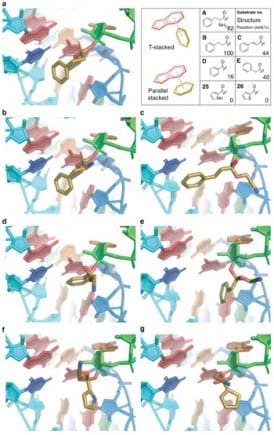
Nature Communications published research conducted by Army-funded researchers at Northwestern University, who developed a set of design rules to guide how ribosomes, a cell structure that makes protein, can incorporate new kinds of monomers, which can be bonded with identical molecules to form polymers.
“These findings are an exciting step forward to achieving sequence-defined synthetic polymers, which has been a grand challenge in the field of polymer chemistry,” said Dr. Dawanne Poree, program manager, polymer chemistry at the Army Research Office. “The ability to harness and adapt cellular machinery to produce non-biological polymers would, in essence, bring synthetic materials into the realm of biological functions. This could render advanced, high-performance materials such as nanoelectronics, self-healing materials, and other materials of interest for the Army.”
Biological polymers such as DNA, have precise building block sequences that provide for a variety of advanced functions such as information storage and self-replication. This project looked at how to re-engineer biological machinery to allow it to work with non-biological building blocks that would offer a route to creating synthetic polymers with the precision of biology.
“These new synthetic polymers may enable the development of advanced personal protective gear, sophisticated electronics, fuel cells, advanced solar cells and nanofabrication, which are all key to the protection and performance of Soldiers,” Poree said.
“We set out to expand the range of ribosomal monomers for protein synthesis to enable new directions in biomanufacturing,” said Michael Jewett, the Charles Deering McCormick Professor of Teaching Excellence, professor of chemical and biological engineering, and director of the Center for Synthetic Biology at Northwestern’s McCormick School of Engineering. “What’s so exciting is that we learned the ribosome can accommodate more kinds of monomers than we expected, which sets the stage for using the ribosome as a general machine to create classes of materials and medicines that haven’t been synthesized before.”
Recombinant protein production by the ribosome has transformed the lives of millions of people through the synthesis of biopharmaceuticals, like insulin, and industrial enzymes that are used in laundry detergents. In nature, however, the ribosome only incorporates natural amino acid monomers into protein polymers.
To expand the repertoire of monomers used by the ribosome, Jewett’s team set out to identify design rules for linking monomers to Transfer ribonucleic acid, known as tRNAs. That is because getting the ribosome to use a new monomer is not as simple as introducing a new monomer to the ribosome. The monomers must be attached to tRNAs, which are the molecules that carry them into the ribosome. Many current processes for attaching monomers to tRNAs are difficult and time-consuming, but a relatively new process called flexizyme enables easier and more flexible attachment of monomers.
To develop the design rules for using flexizyme, the researchers created 37 monomers that were new to the ribosome from a diverse repertoire of scaffolds. Then, they showed that the monomers that could be attached to tRNAs could be used to make tens of new peptide hybrids. Finally, they validated their design rules by predictably guiding the search for even more new monomers.
“With the new design rules, we show that we can avoid the trial-and-error approaches that have been historically associated with developing new monomers for use by the ribosome,” Jewett said.
These new design rules should accelerate the pace in which researchers can incorporate new monomers, which ultimately will lead to new bioproducts synthesized by the ribosome. For example, materials made of protease-resistant monomers could lead to antimicrobial drugs that combat rising antibiotic resistance.
The research is part of the Department of Defense’s Multidisciplinary University Research Initiatives program, supported by ARO, in which Jewett is working with researchers from three other universities to reengineer the ribosome as a biological catalyst to make novel chemical polymers. ARO is an element of the U.S. Army Combat Capabilities Development Command’s Army Research Laboratory.
“It’s amazing that the ribosome can accommodate the breadth of monomers we showed,” Jewett said. “That’s really encouraging for future efforts to repurpose ribosomes.”
Researchers at the University of Texas at Austin are working on a similar technology to develop adhesion and adaptive and responsive materials as part of a cooperative agreement with ARL and Army Futures Command.
Story by U.S. Army CCDC Army Research Laboratory Public Affairs
Photo courtesy of Northwestern University