February 9th, 2022
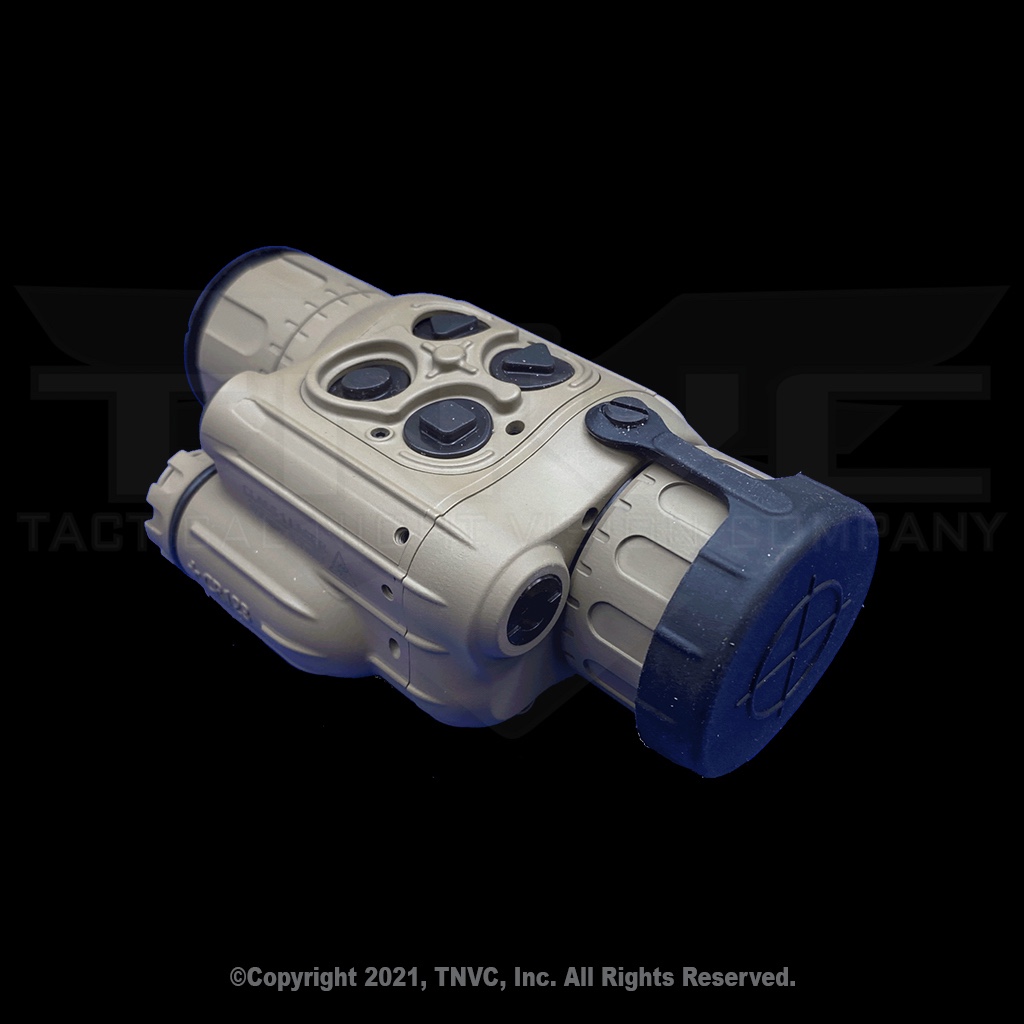
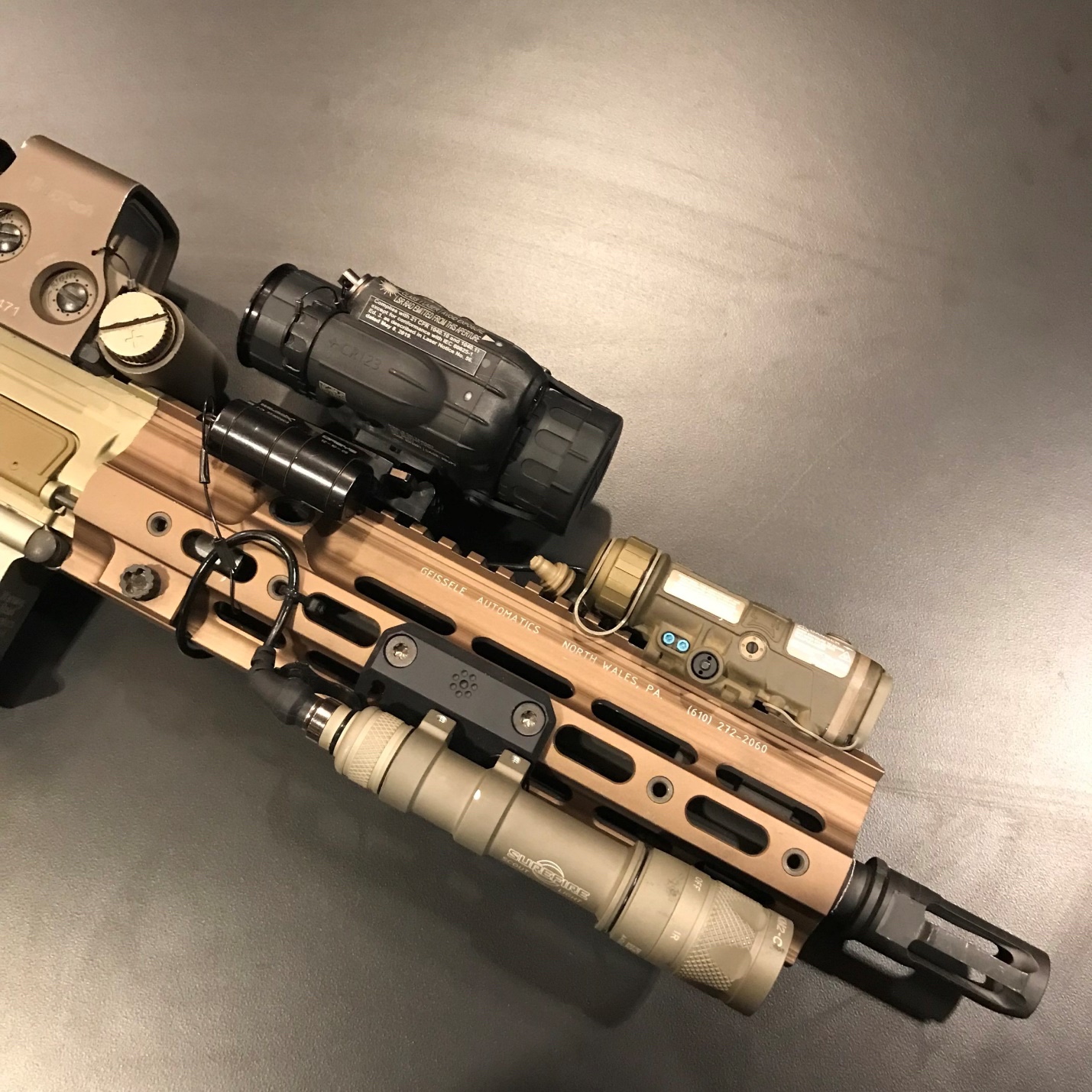
TNVC is proud to be partnering with Pixels on Target for the full, commercial release of the Pixels on Target VooDoo-S is a short/medium range multi-mission thermal sight.
Publicly debuted by TNVC at the 2020 NSSF Shooting, Hunting, and Outdoors Trade Show and featured during TNVC’s First Annual vSHOTT 2022, the VooDoo-S is the next generation of tactical thermal imaging. VooDoo-S is feature rich, yet easy to use. All in one hand, all under 10-ounces, and at long last, is available and in-stock now:
tnvc.com/shop/pixels-on-target-voodoo-s
The VooDoo-S is the latest thermal weapon sight, and is currently fielded and in-use by some of the most elite forces within the DoD as well as other government entities. Since the first time we handled the early Pixels on Target VooDoo-Family of Thermal Weapon Sights, we’ve been extremely impressed by these units and have been extremely eager to be able to offer these as the VooDoo has undergone multiple trials and continuous refinement to provide one of the best thermal weapon sights and clip-ons available.
Unlike many other products in its class, is available to both government AND Commercial markets. Not as gray market or contract-overruns or with reduced capabilities, the VooDoo-S is available as a COTS “Commercial Off The Shelf” product with the full range and capabilities and performance to all users (subject to ITAR compliance).
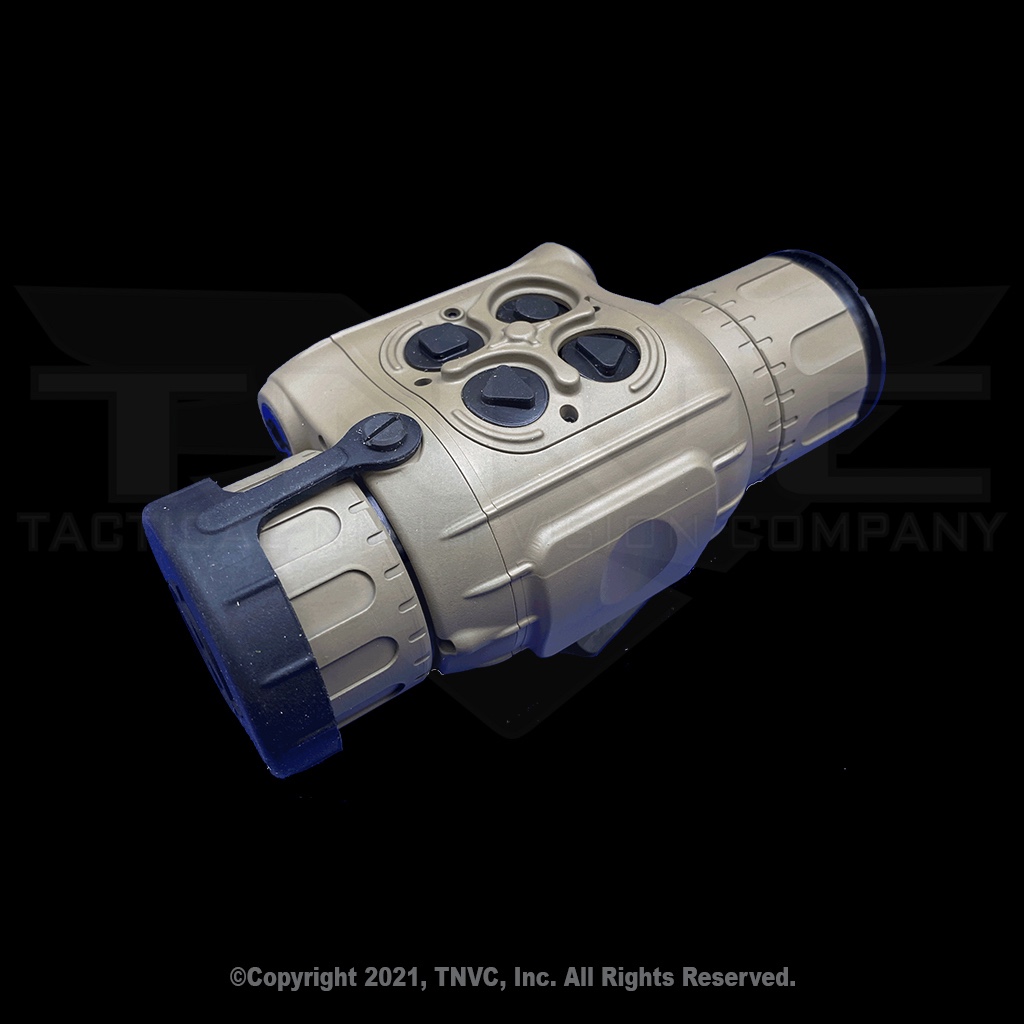
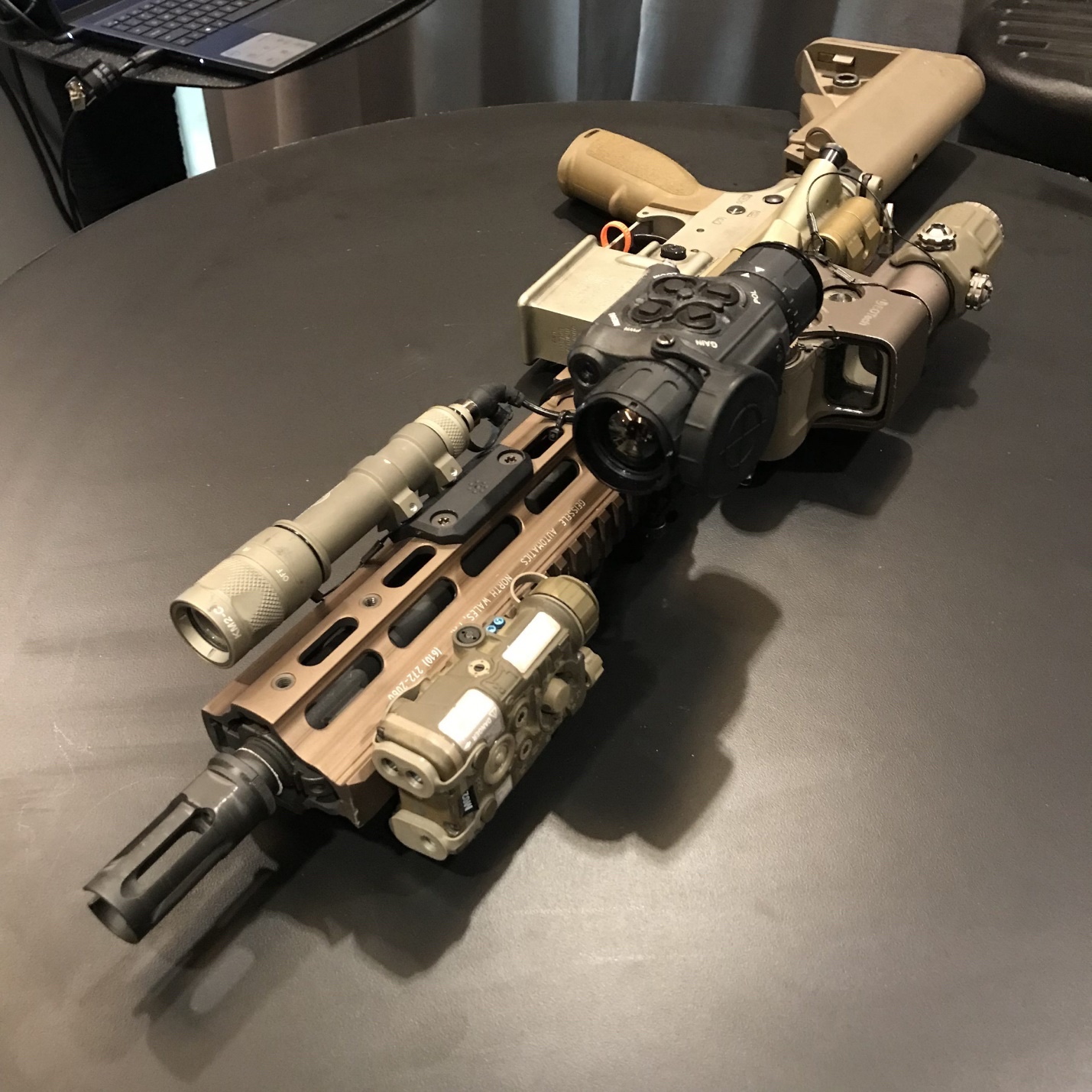
The Pixels on Target VooDoo-S is a multi-mission uncooled thermal imaging sight designed and optimized for small and medium caliber weapons as a true Clip-On. It also serves as a stand-alone sight, hand-held viewer, or helmet-mounted system. The VooDoo-S also features a Class 1 Eye-Safe IR laser which is extremely useful for marking targets for other users equipped only with image intensified night vision.
VooDoo-S provides one of the sharpest thermal images on the market, utilizing a shutterless 12-micron, 640 x 480 PIXELS core powered by an advanced focal plane array and thermal image processor. VooDoo-S is mission-ready and can be purchases as an “Optic-Only” Kit or a “Standard Kit” with a Wilcox Industries Flip-to-Side (FTS) mount, which allows seamless transition from day optics to thermal sight while maintaining zero. VooDoo-S features advanced ergonomic design for one-handed operation, tactile-positive feedback, and silent buttons that are easily manipulated while wearing gloves.
tnvc.com/shop/pixels-on-target-voodoo-s
Pixels on Target VooDoo-S Optic-Only Kit: $16,599
Pixels on Target VooDoo-S Standard Kit (includes Wilcox Industries FTS Dovetail Mount): $16,999
Initial units are finished in FDE Cerakote, both Black and FDE versions will be available.
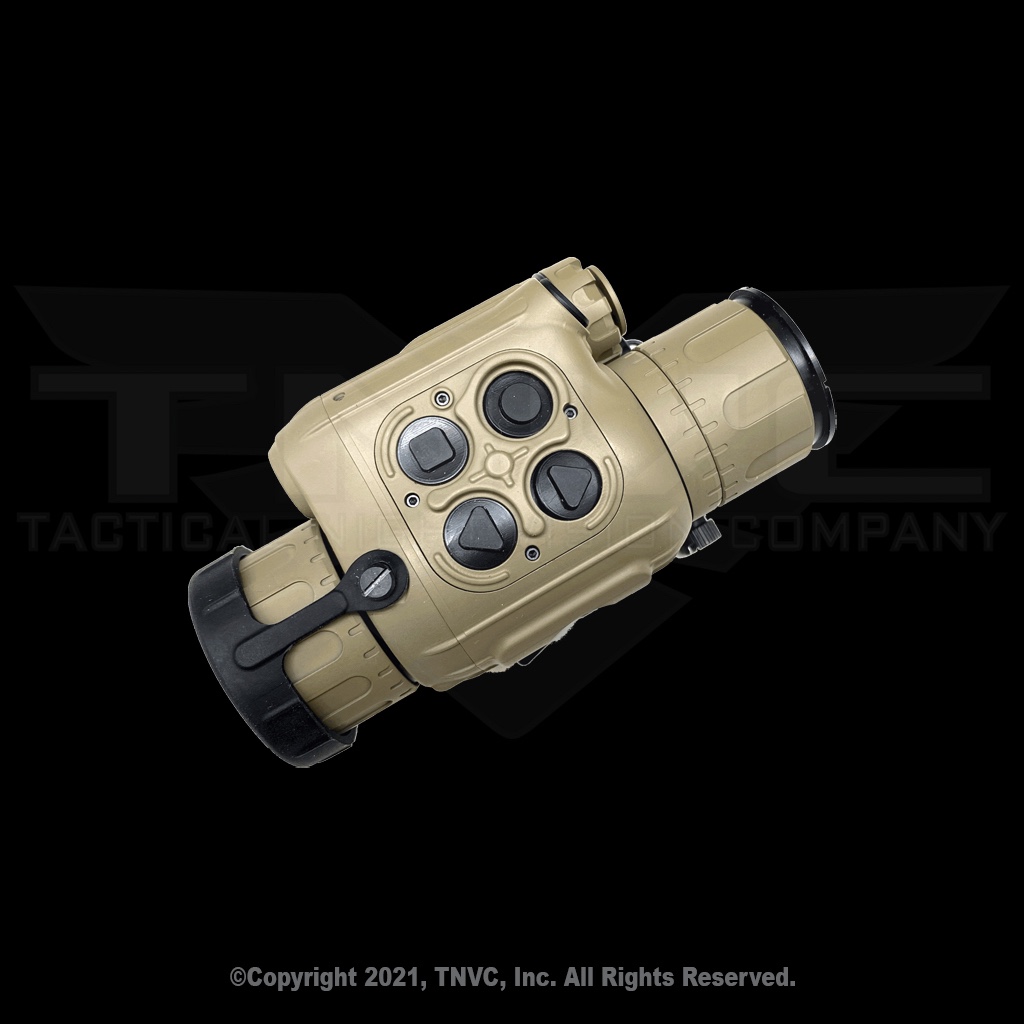
VooDoo-S provides accuracy to <0.5 MOA at 100 yards, and features a patent pending dual-lateral Matrix adjustment mechanism to achieve zero POA/POI shift, and is “CAR Hardened,” and rated for use on the MK 17 MOD 0 and MK 20 7.62 “SCAR Heavy” weapon systems. The VooDoo-S will also be joined by the VooDoo-M Medium Range Thermal Weapon Sight, as well as the VooDoo-B Thermal Binocular.
TNVC and Night Goggle’s vSHOTT Presentation continues tonight at 8PM Eastern / 5PM Pacific from the Lightforce USA Headquarters in Pooler, Georgia with Night Goggles Takeover – led by Tom Austin, the Director of Night Goggles, focusing on hunting, outdoors, and other recreational uses of Night Vision, thermal, and Visual Augmentation Systems technology, as well as a very special announcement!
Registered participants will receive e-mailed promotional pricing, discount codes, and other vSHOTT Specials not available anywhere else, including a Grand Prize on Thursday of an L3Harris PVS-14 (M914A) Unfilmed White Phosphor Monocular Night Vision Device Prize Package!* As well as many other great giveaways from our sponsors! You must be registered below to win and receive promotional pricing and discounts:
You can register for vSHOTT at any time (including during the stream), however YOU MUST BE REGISTERED BY 5:00PM ET, 2:00PM PT each day to be entered for that evening’s drawing (only one registration is necessary to be eligible for all giveaways and promotions for the week) and receive that day’s promotional materials (via e-mail, so check your “junk” folders if you don’t receive them).
Register and watch: TNVC.com/vSHOTT
*open to U.S. citizens residing in the U.S. only subject to verification and ITAR