


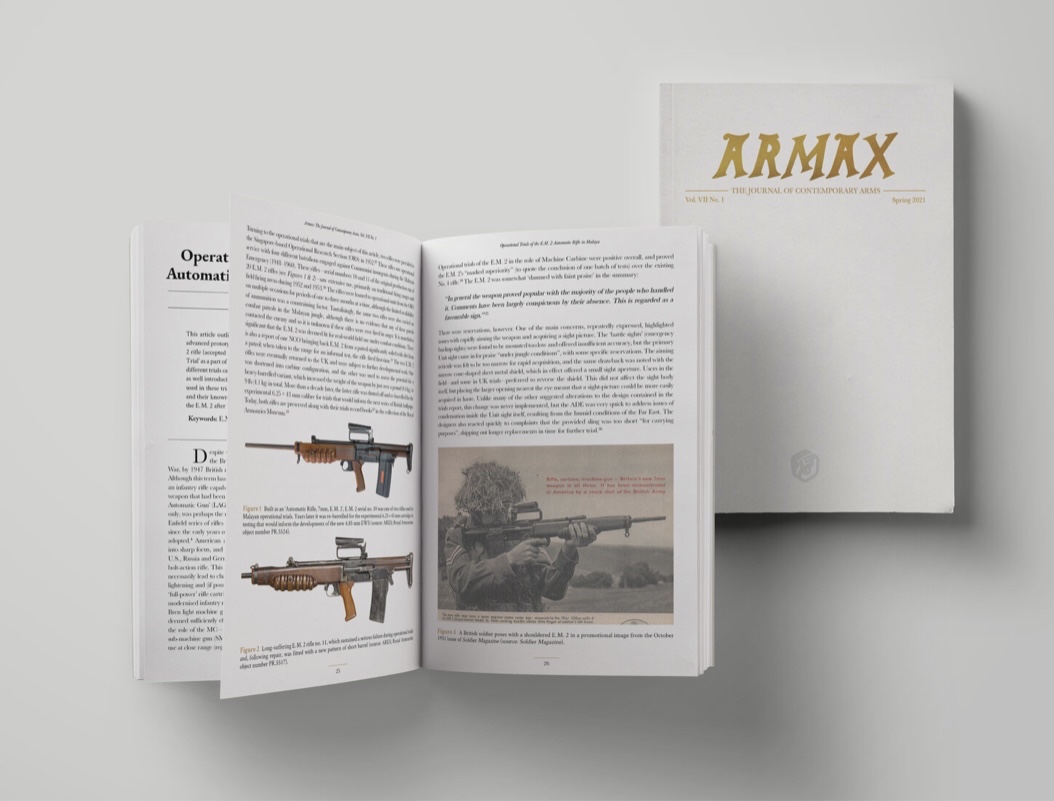
Armax is the peak international publication promoting the scholarship of contemporary arms. As a core discipline within the field of arms and armour studies, the study of contemporary arms engages with a broad range of academic areas including history (particularly contemporary, military, science, and technology history), war and conflict studies; ballistics; design and technology studies; museum studies; and forensic science.
Armax is a multidisciplinary journal publishing research from scholars around the world. In addition to full-length research articles and shorter research notes, Armax publishes book reviews, conference reports, obituaries, and other material relevant to the contemporary arms studies community. Armax is published by Helios House Press on behalf of the Cody Firearms Museum, with two issues annually. All research submissions are double-blind peer reviewed.
To subscribe, visit www.armaxjournal.org.
HURLBURT FIELD, Fla.– Special Tactics Airmen assigned to the 24th Special Operations Wing concluded their response to augment humanitarian aid efforts in Haiti on Sept. 2, 2021 following a 7.2 magnitude earthquake, which hit the country Aug. 14.
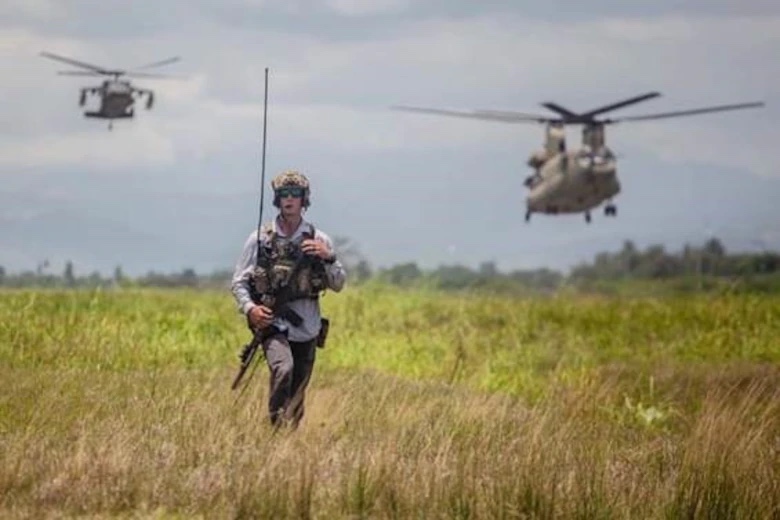
The Special Tactics Airmen were alerted on the morning of Aug. 16 that they would augment Joint Task Force-Haiti relief efforts. With the help of C-146A Wolfhound aircrews, assigned to the 492nd and 919th Special Operations Wings, the team touched down in Port Au Prince, Haiti within 36 hours.

“We landed at Port Au Prince and were pretty removed from the epicenter of the earthquake, but once we got out to certain areas that had been cut off by the earthquake and seeing the MEDEVAC patients coming in at Port Au Prince that were suffering from crush injuries…it definitely hit home,” said the Special Tactics Officer and lead for the ST response team. “It peaked our awareness for the severity of the situation and need for assistance. It made us eager to get out to the landing zones for us to start doing our part and hopefully establish an airfield so we could bring out more supplies to those people.”

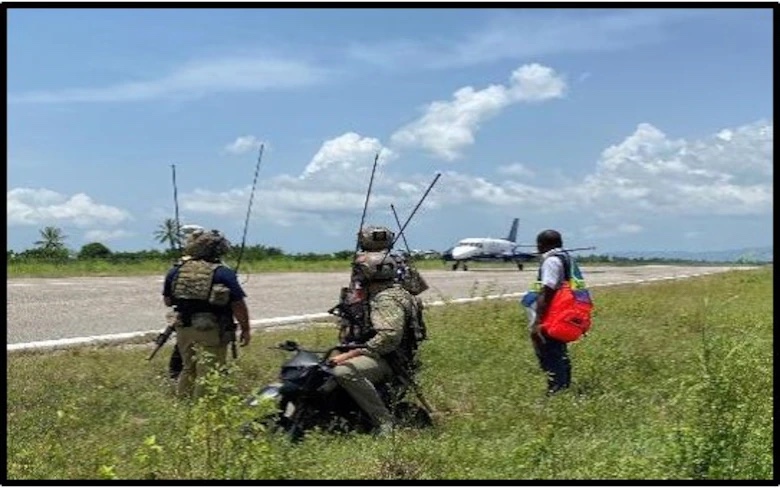
The Special Tactics team, consisting of five combat controllers and one pararescueman, were primarily responsible for surveying Jeremie and Les Cayes airfields for suitability of landing fixed wing aircraft. The airfields were located in parts of the country that had been cut off by landslides and damaged roads from a storm following the earthquake. The operators quickly assessed the landing zones, conducted a proof of concept by successfully landing a C-146A at one of the airfields and made recommendations to JTF-Haiti. However, while performing this task, the Special Tactics team was strategically positioned and equipped to assist in an emergency scenario.

“While we were conducting our survey at Les Cayes, some [non-government organization] members came up to us and mentioned there were some patients a 10 minute flight away in the mountains,” said the STO. “There were two children with crush injuries that needed to get medical attention immediately and we were able to dynamically task our forces at that survey site to coordinate with JTF-Haiti, the aircrew and work with the NGO to find the exact location of those patients and evacuate them to a higher level of care.”
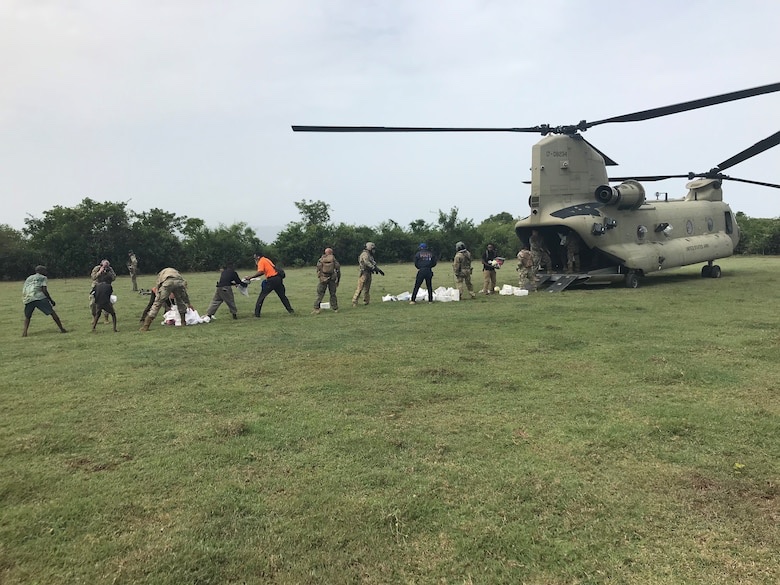
In addition to being positioned and ready for medical evacuations, the team worked to assist Haitian air traffic controllers providing advisory calls in different areas and assisted with deliveries of humanitarian aid supplies in more than 10 remote locations across the country.
“You see the kids running up and obviously they’re excited to see you and to see the U.S. military because they know we’re going to help,” said the STO. “I’m super thankful for the opportunity and proud that my team was a part of it and that we were able to do a multitude of things to help get the aid and supplies needed to the people of Haiti.”
The humanitarian mission also served as a training opportunity for the team in interoperability and how to collaborate with several organizations trying to achieve the same goal by maximizing everyone’s capabilities.
“It was a very educational experience working alongside not only joint partners from the DOD, as well as USAID, the lead agency for the relief efforts,” said the STO. “We got to learn what they did and they got to learn what we do. The big takeaway for Special Tactics is our flexibility and the different capabilities we bring to a problem set like humanitarian aid disaster relief. We were there to conduct surveys and were prepared to establish airfields, receive aircraft, land them and deliver supplies in an expeditious manner. When circumstances changed, we were able to conduct a MEDEVAC as well as go out alongside other entities and help facilitate their mission using our tools and capabilities. We were able to be pretty dynamic.”
In recent years, Special Tactics Airmen alongside other Air Force Special Operations Command units have responded to several natural disasters including Hurricanes Eta and Iota in Honduras, Hurricane Michael in Florida and Hurricane Katrina in Louisiana.
Special Tactics Airmen train constantly to execute global access, precision strike, personnel recovery and battlefield surgery operations across the spectrum of conflict and crisis. As experts in air-ground integration, ST Airmen have the ability to assess, open, and control major airfields to clandestine dirt strips as well as lead complex rescue operations in any environment.
For more information on Air Force Special Tactics visit our website, www.airforcespecialtactics.af.mil
By By Capt Alejandra Fontalvo, 24th SOW, PAO
Disruptive Pattern Material is to the British what Woodland camouflage is to Americans. What’s old is new and what was once tired is now hip.
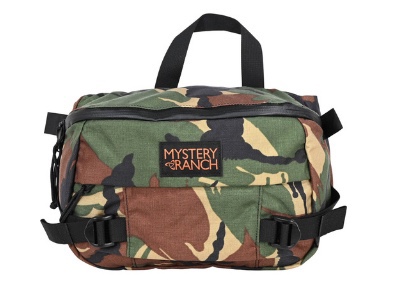
Mystery Ranch hit a home run with their upcoming DPM version of the Hip Monkey, a waist pack big enough to take on a six pack of your favorite beverage.
Coming November, 2021. It’s also available in a whole slew of other colors, if you don’t want to wait.
www.mysteryranch.com/hip-monkey
NEWINGTON, N.H., (September 17, 2021) – Born out of the current military requirements to deliver cutting-edge performance, SIG SAUER is proud to introduce the SLX and SLH series of suppressors. The advancement of the SLX and SLH series of suppressors was realized through the wholesale transition of the SIG SAUER product line to Direct Metal Laser Sintering (DMLS) resulting in the most innovative suppressor technology to date – the next generation of suppressors has arrived.
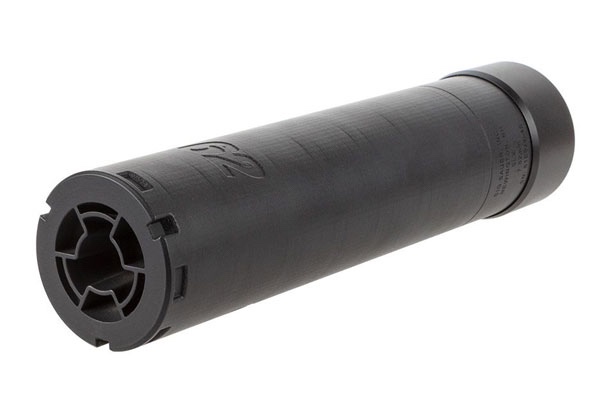
“The commercial launch of the SLX and SLH suppressors has been highly anticipated due to the fact that these are the suppressors we developed exclusively for our Next Generation Squad Weapons program submission,” said Tom Taylor, Chief Marketing Officer and Executive Vice President, Commercial Sales, SIG SAUER, Inc. “The DMLS manufacturing process of the SLX and SLH suppressors eliminates the drawbacks of welded baffles that historically presents design limitations for sound, flash, and the reduction of toxic fumes. Alternatively, the SLX and SLH suppressors are designed to not only withstand the rigors of the battlefield through its innovative monolithic design, but they are each optimized to dramatically reduce harmful toxic fumes and sound because of patented design features that can only be achieved through the non-traditional manufacturing processes.”
The SIG SAUER SLX Series of suppressors are designed to drastically reduce toxic fume inhalation by the end-user and sound reduction and are available for 5.56 or 7.62 NATO calibers. The SLX suppressors feature a monolithic core construction in Inconel, an internal multi-flow path to exhaust gases at a higher rate resulting in lower toxic fume inhalation, a sound reducing baffle design, a flash reducing end cap, and are available with either the new Clutch-Lock QD mounting system for easy install and removal that offers an intuitive tactile locking ring with infinite radial locking positions, or direct thread.
The SIG SAUER SLH Series of suppressors are designed to provide the highest degree of sound reduction in both supersonic and subsonic ammunitions and available for 7.62 NATO and 300BLK calibers. The SLH suppressors feature a monolithic core construction in either Inconel or Titanium, an internal multi-flow path to exhaust gases at a higher rate resulting in lower toxic fume inhalation, a sound reducing baffle design, a flash reducing end cap, and are available with either the new Clutch-Lock QD mounting system for easy install and removal that offers an intuitive tactile locking ring with infinite radial locking positions, or direct thread.
SLX Suppressor Specs:
Caliber(s): 5.56 or 7.62 NATO
Finish: High Temp Cerakote
Core Material: Inconel
Diameter: 1.67in.
Overall Length: 5.24in./7.49in.
Weight: 8.8oz -19.4oz.
Attachment Type: Clutch-Lock QD™ or Direct Thread
SLH Suppressor Specs:
Caliber(s): 7.62 NATO or 300BLK
Finish: High Temp Cerakote
Core Material: Inconel or Titanium
Diameter: 1.67in.
Overall Length: 5.24in./7.49in.
Weight: 12.6oz – 19.4oz.
Attachment Type: Clutch-Lock QD™ or Direct Thread
The SIG SAUER SLX and SLH Series Suppressors are now shipping and available for purchase at retail stores. For more information about the SIG SAUER SLX, and SLH Series Suppressors, or the full product line of SIG SAUER Suppressors including the MODX Series visit sigsauer.com.
Kitanica Bag Lab introduces the Envoy Attaché.
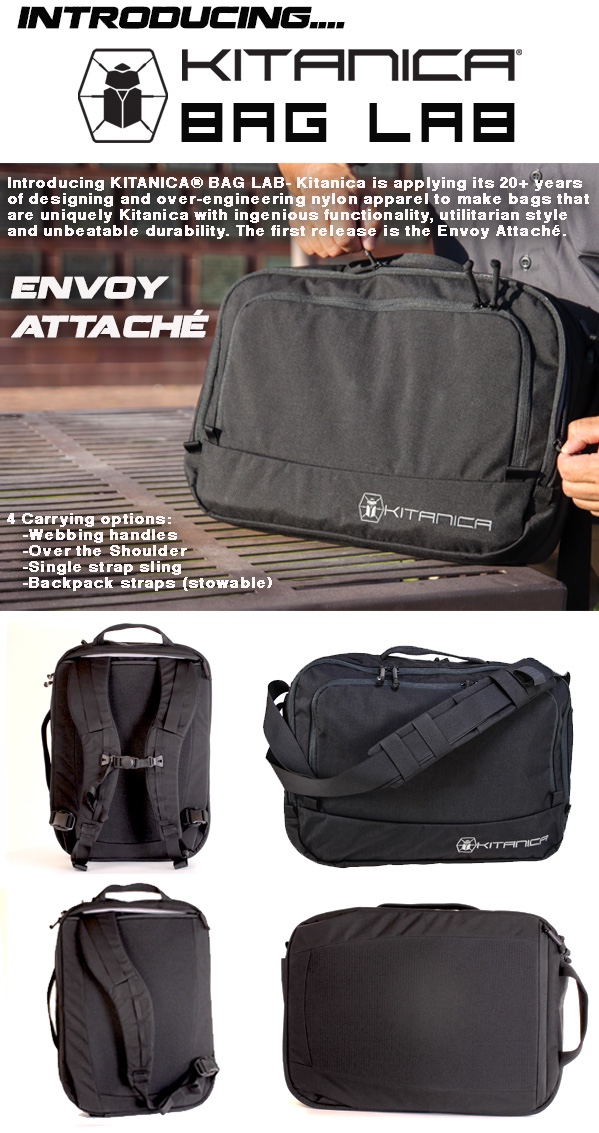
It offers four carrying modes: Over the Shoulder, Backpack straps, Single strap sling, and Triple layer webbing handles.
Features:
• Laptop and tablet sleeves with 4 sided padding
•Charger and cables pocket
• Pen tubes and admin pockets
• RFID pocket
• Interior loop panel attachment platform
• 2 Expandable Mesh Pockets
kitanica.com/collections/bags/products/envoy-attache
Wndsn Applied Sciences Lab is excited to announce our first adventures into stationery, with the Wndsn Explorer’s Notebook.
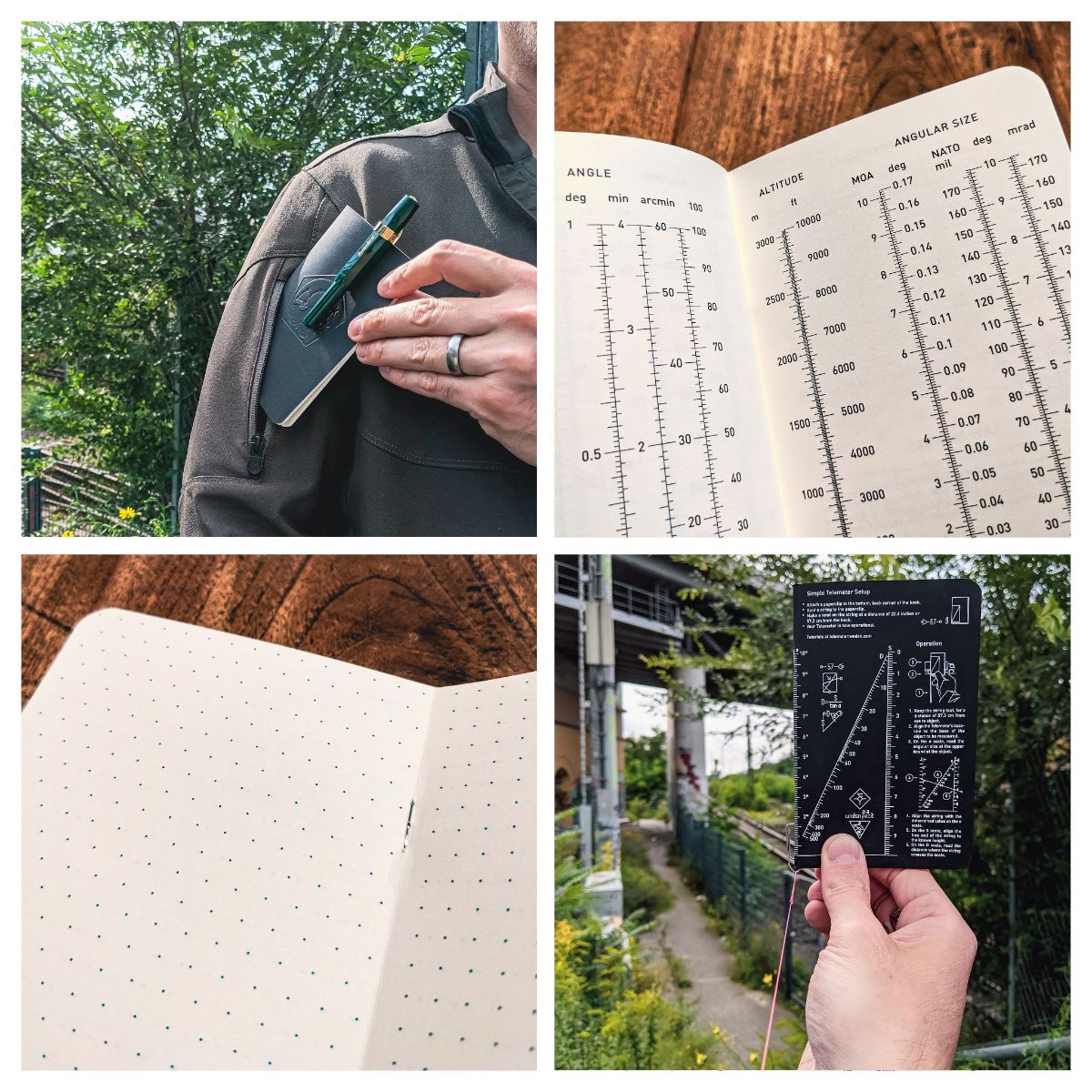
Calculations only become real when written down, and for years you, our passionate Telemeter and Quadrant users, have had to go without a dedicated Wndsn notebook to capture your most necessary computations.
The Wndsn Explorer’s Notebook is a one-of-a-kind addition to the stationery marketspace. This pocket notebook is designed for easy portability, durability, and pleasure of writing, and comes with several unique features.
There are so many details that we are so excited to have you experience for yourself. First you will notice the 40 pages of dot grid paper, designed for ease of writing, drawing, and calculation notation. However, it comes with a twist. The right page maintains a conventional square grid, while the left page is an isometric grid. Held right side up, the grid lines flow from one page to another; the user’s writing will be seamless. By turning the notebook 90 degrees the isometric grid is ready for 3D drawings.
By now you know we love our fountain pens and the experience of writing on good paper. What sets this pocket notebook apart from others on the market is the Swedish Munken Pure 120g/m² (32 lb) paper. Munken Pure is lush, thick, and able to take the flowiest of fountain pens.
And as always, there are nomograms. In the back of the notebook you will find a compendium of useful scientific guides including a Sine Quadrant and our Moon Clock plus 18 conversion nomograms for all of your mathematical and exploratory needs. There’s even a Telemeter on the back cover!
The Wndsn Explorer’s Notebook is now in stock and ready to be filled with all of your notes, thoughts, calculations, drafts, bujo items and grocery lists.
Specs:
• 40 pages of conventional and isometric dot grid paper
• The left page is an isometric dot grid, and the right is a standard square dot grid
• Size: 3.5″ x 5.5″ (89 x 140 mm)
• Packaged in bundles of 3
• 18 conversion nomograms: angle (deg/time), speed (kn/ms/mph/kmh), temperature (f/c), mass (lbs/kg/oz), volume (gal/l/qt/pt), length (in/cm, m/yd/ft, km/mi/nm)
• Sine Quadrant
• Moon clock
• Inside pages printed on Swedish Munken Pure 120g/m² (32 lb)
• Cover made with Fedrigoni Sirio Black 290g/m² (107 lb)
• Front cover: Polaris pentagon embossed
• Back cover: 10° Telemeter with instructions
• Supplemental flyer with best practices for note taking, and use of features
store.wndsn.com/products/the-wndsn-explorers-notebook
Reno, Nevada – September 16th 2021 –
RAMPART USA Corp. is proud to announce its launch into the United States. Our goal is to provide the worlds best Operational Equipment to U.S. Law Enforcement and Military end-users.
With over a decade of success in Canada; Rampart International Corp has made the decision to expand into the U.S. with the foundation of a sister company RAMPART USA Corp.
Established in 2010, Rampart’s mission is to offer the world’s finest equipment supported by unmatched customer service and dedication to the end user.
“We are very proud and excited to enter the U.S. market with RAMPART USA. Our core product offering represents some of the world’s finest equipment from European and U.S. manufacturers. We are eager to begin engaging with our customers supporting their unique requirements. We’re confident that bringing Rampart’s industry leading customer service and our extensive test and evaluation programs will be very well received by U.S. end users.
 Rampart USA Corp is also pleased to announce the hiring of Stephanie Gaskins as Business Development Manager for the US market.
Stephanie Gaskins has worked in the defense industry for over 7 years, assisting all Military Departments within the DOD by sourcing services and providing operational equipment to meet their mission requirements. She has experience in business development, government contract capture and implementation, and supplier relations. Stephanie resides in Virginia Beach, Virginia and has a B.A. degree from Radford University.
For sales or product inquiries, contact stephanie@rampartcorpusa.com

















































































































