As a tie-in conclusion to the last few weekly segments, a final area of discussion is augmentation accessories. Expending the resources to enhance EO equipment typically means you want to utilize it in more situations, harsher environs, and allow functions not previously available. Various accessories are binders that allow these advances without taking away from previous capabilities and magnify the singular enhancements.
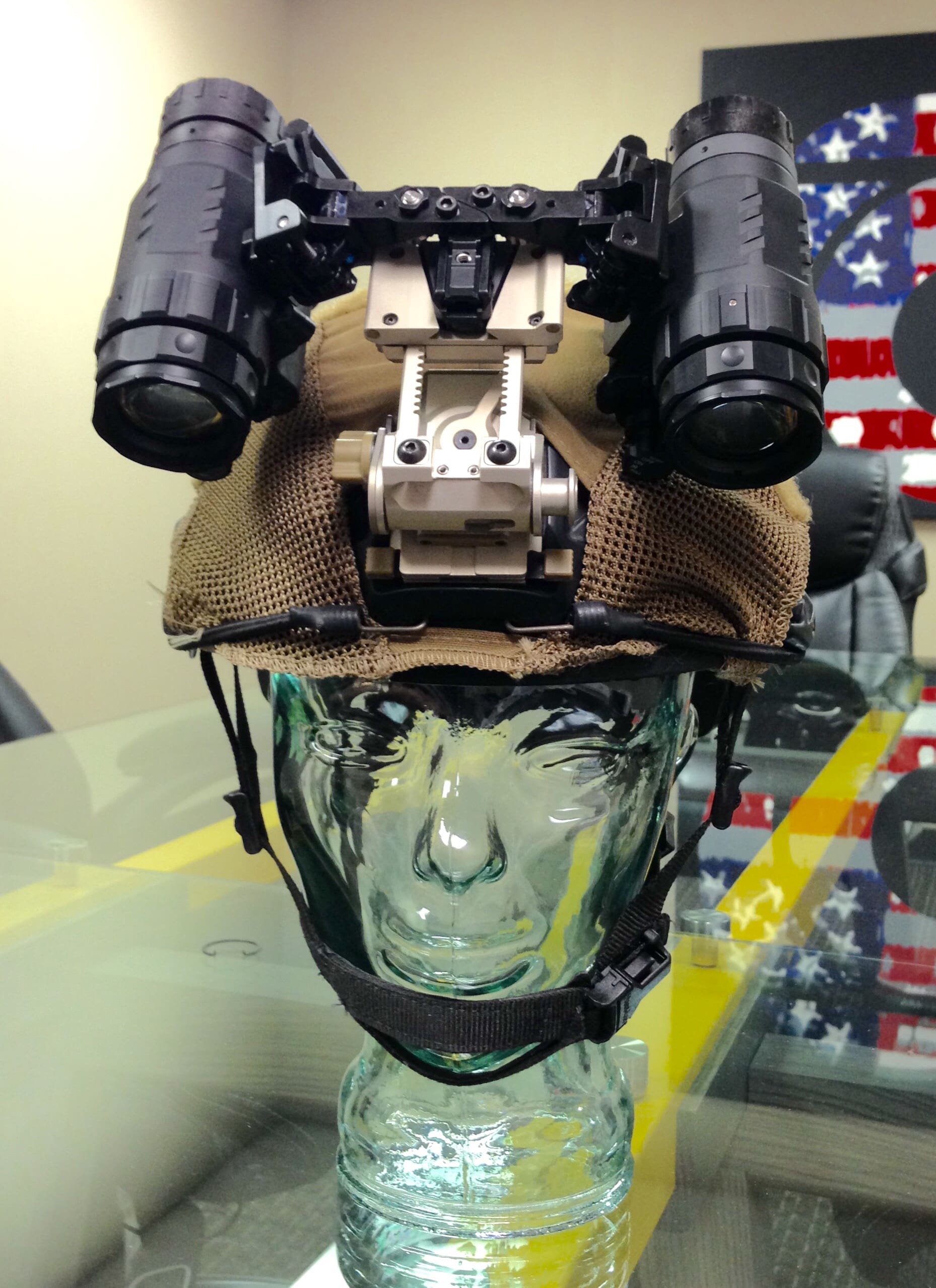
Modularity and scalability are the key fundamentals this series began with. Another key is compatibility. Being modular and scalable by design is great, but limiting yourself to a sole source can (and has proven to) be very limiting. The components shown to this point are to a high threshold backwards compatible to the host device, as this was referenced as key with regards to component costs. Compatibility going backwards and forwards is a practicality keystone.
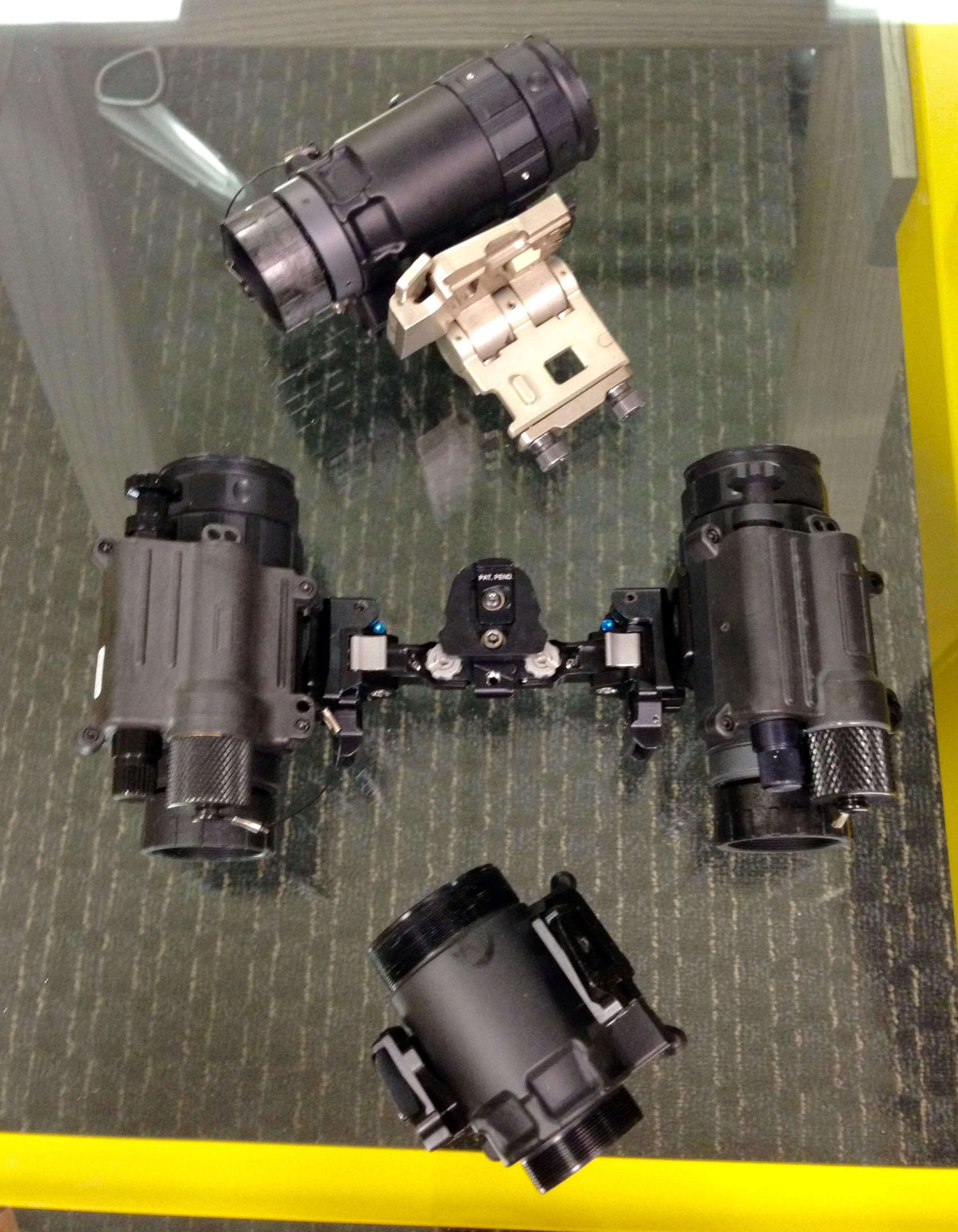
Mechanical interface has always been a sensitive industry topic. Who’s trinket works on who’s widget weighs heavy, particularly as the dollar threshold increases. You want your stuff to work with available stuff, and the new stuff you don’t even know exists until next SHOT Show. Maybe, even stuff that you want to design around for personal uses.
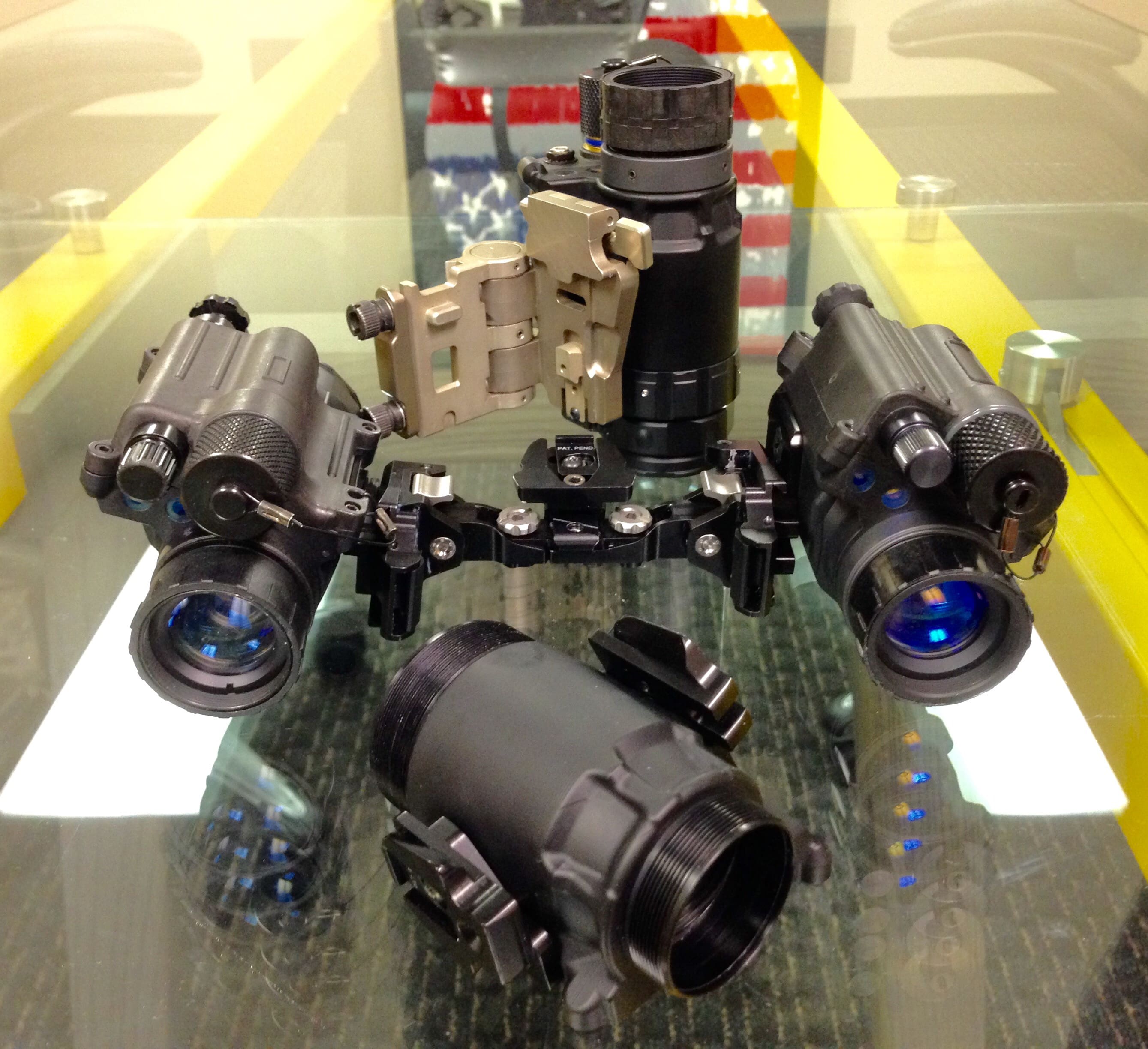
The main point to grasp here is that optical stuff isn’t cheap. Even the cheap stuff isn’t cheap. So if your entertaining upgrading it, make sure it’s all compatible and works to your benefit. The linkage hardware needs to be the right prescription for your needs, or its sour grapes. This means the weight is right, as optics hang off your face-you can’t function long with excessive head weight. The gear works for you and your host optics, not against you. You understand the hardware matrix and what benefits come with what risks. Are there safety concerns when driving ATVs or dynamic applications that your gear wasn’t made for particularly? When discussing compatibility, it’s not just does it fit, it’s also does it work with what your doing. A shoe may fit well, but it’s not a boot.
Night Vision Redux is a weekly series prepared with the assitance of DEP, the US subsidiary of Photonis. It is intended to educate readers about image intensification (I2) systems and ways they can be upgraded without having to purchase completely new systems.