Here it is, in all its splendor.


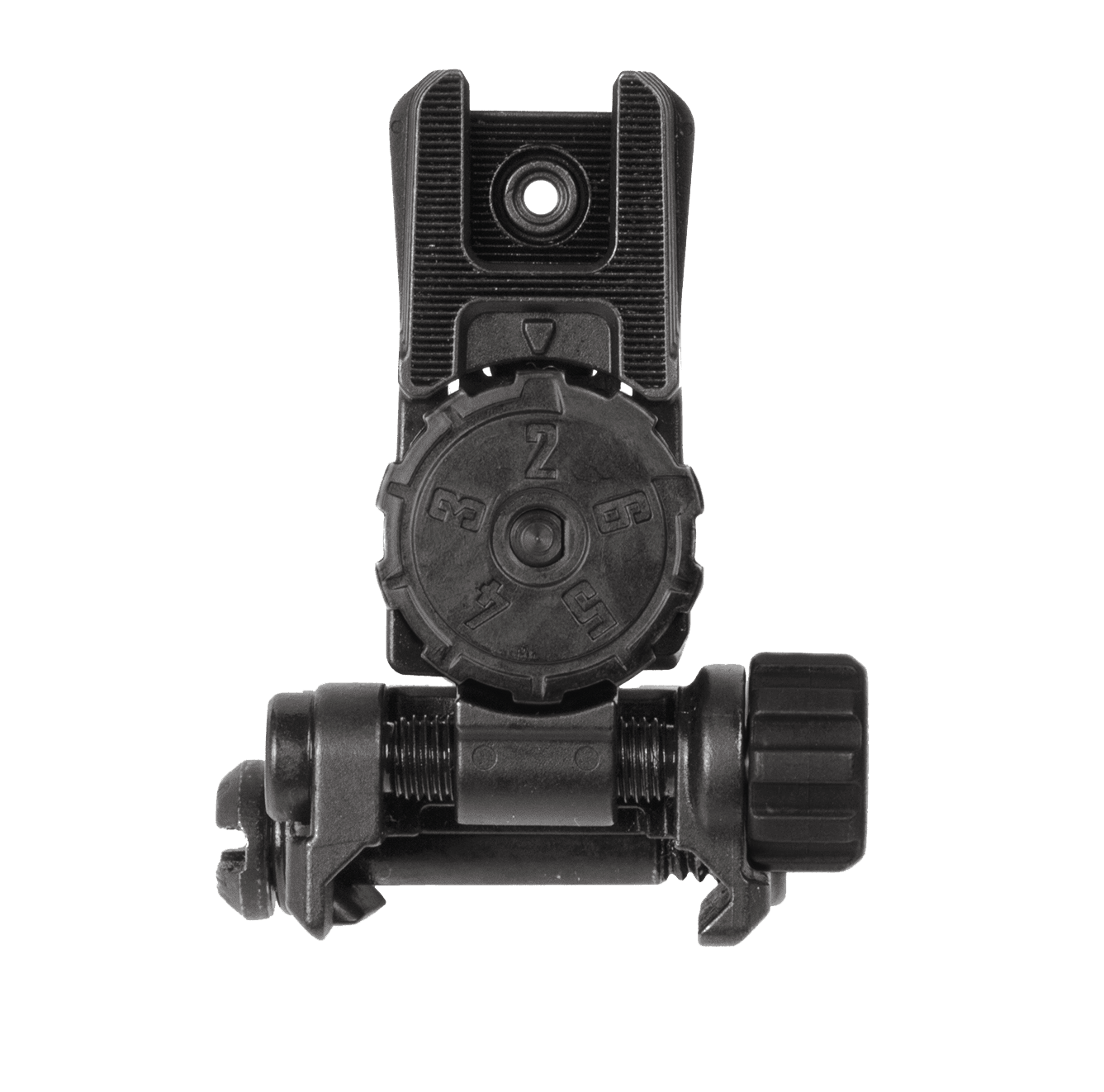
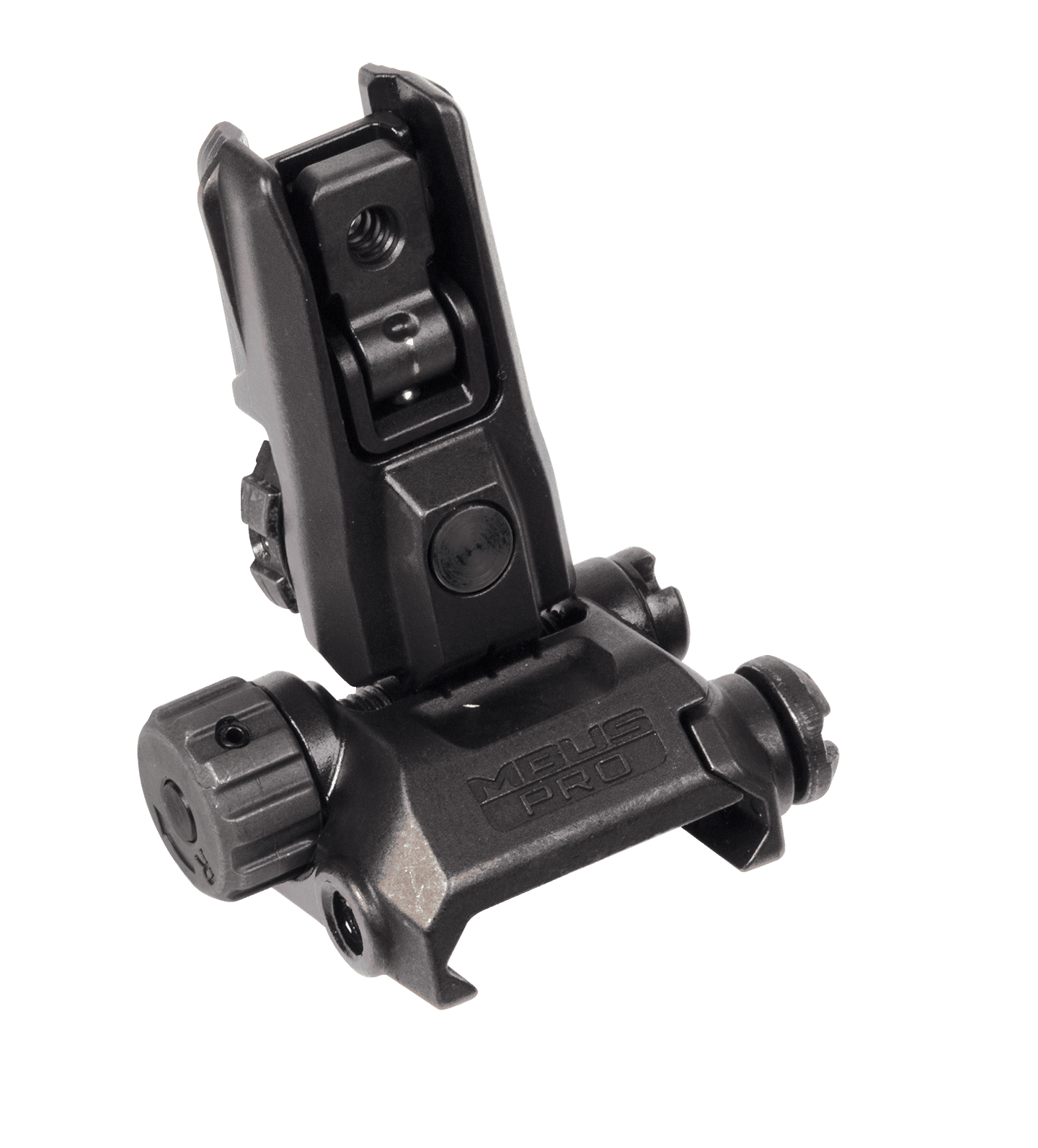
The MBUS Pro LR offers many similarities to the existing MBUS Pro Rear, however it includes a tool-less elevation adjustment wheel to the sight arm. This wheel utilizes positive detents for 200-600 meter ranges in 50 meter increments.
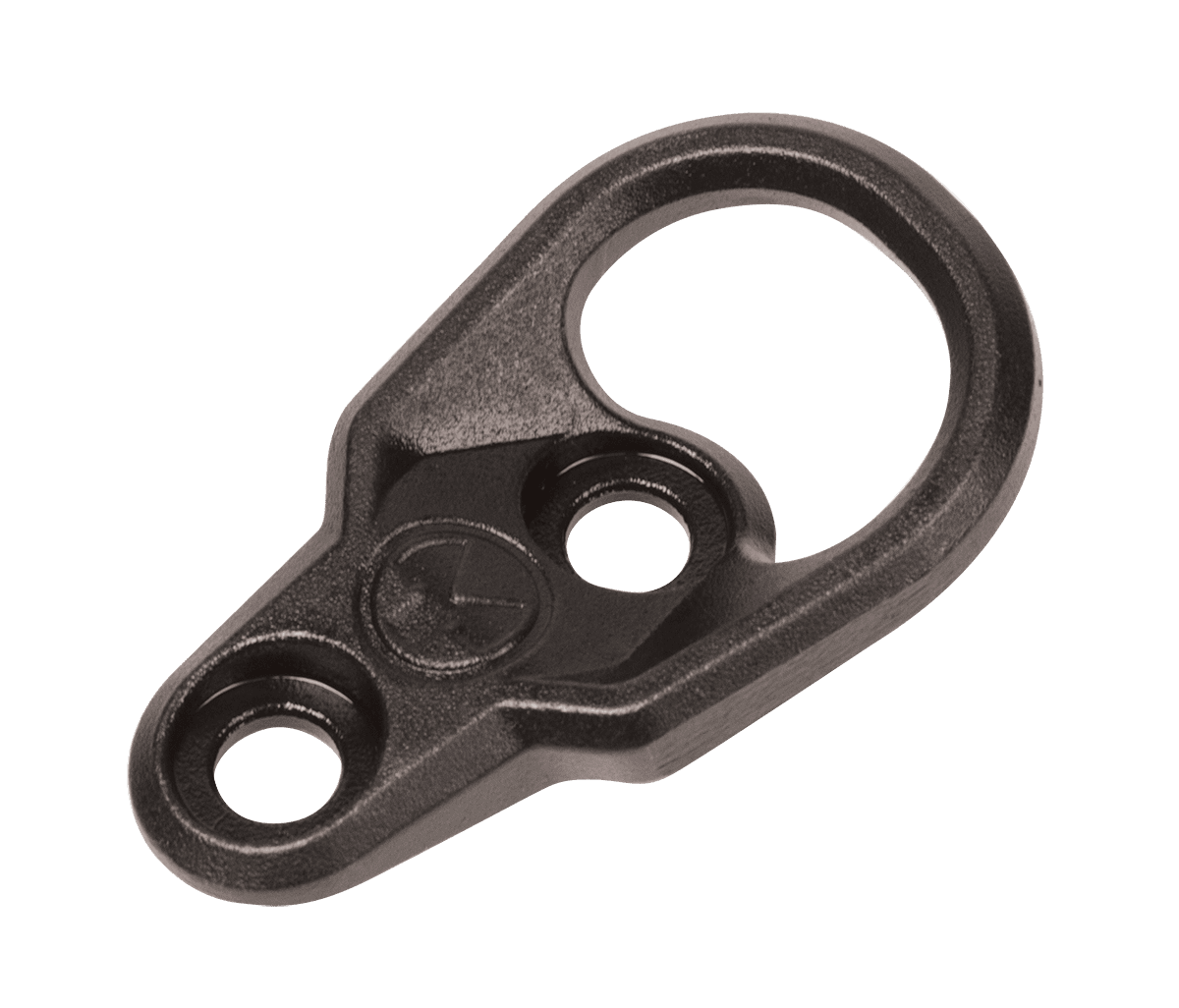
The M-LOK Paraclip Sling Mount is the M-LOK compatible variant of the older MSA – MOE Sling Attachment. It’s made of Melonite-treated steel for resistance to wear and corrosion, and utilizes two M-LOK T-Nuts for a solid mount to M-LOK handguards and forends. Designed for use with clip style sling attachments such as the Magpul Paraclip.


The QDM Quick Disconnect Sling Swivel is Magpul’s take on the common push-button QD swivel. Made from Melonite-treated steel, the QDM is, according to Magpul, stronger than its contemporaries and offers improved corrosion and wear resistance. The dual side release tabs are designed to be easier to use than the traditional top-button design while still being secure against inadvertent activation. This also gives the QDM body a shorter length for better clearances when used with end-plate mounts.
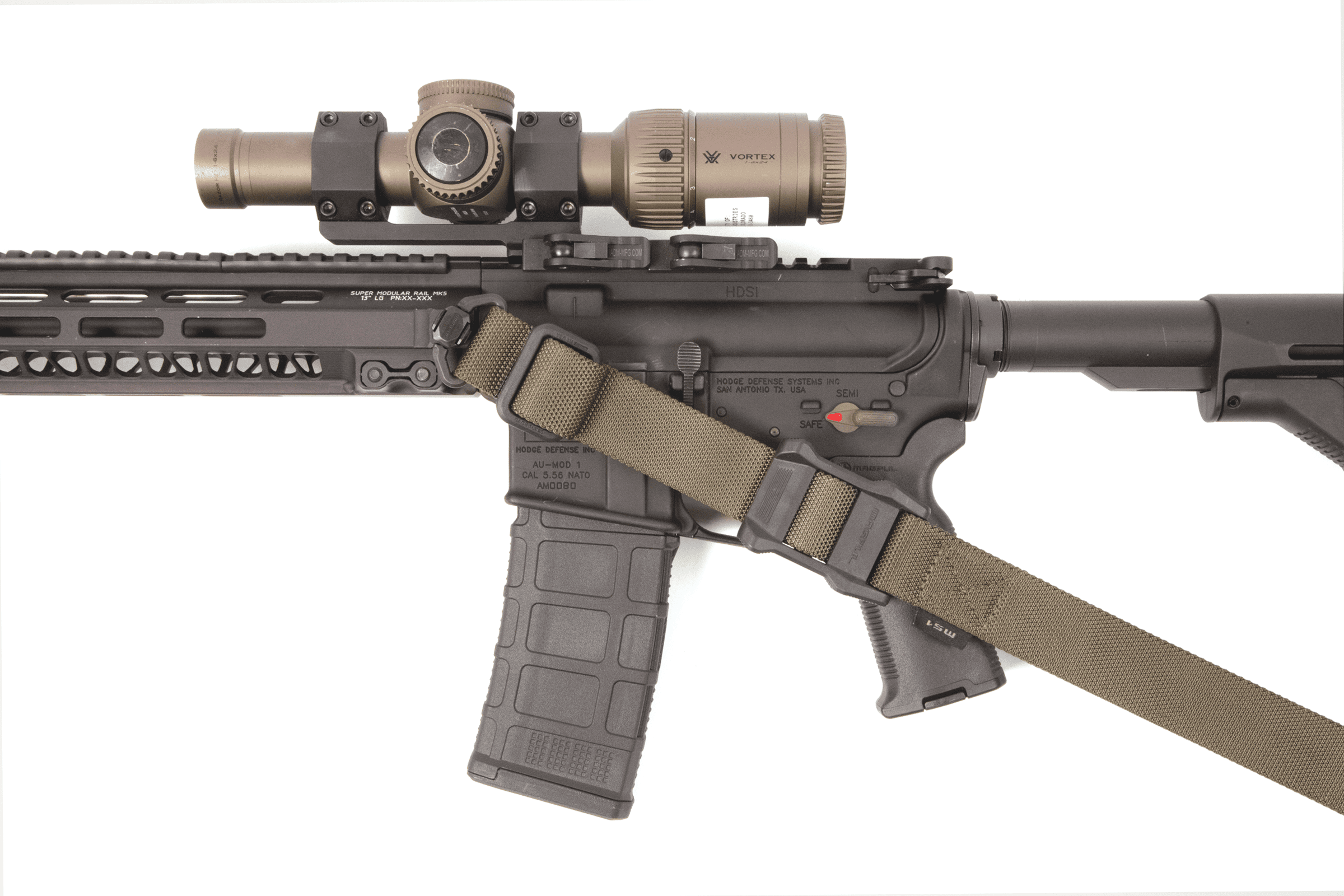
All three of these products will begin shipping the week of SHOT Show.

Did you know that Laser Devices is now Steiner eOptics? I just found out myself but it happened 1 January. You may also know that it is a Beretta Holding company. Apparently, they’ll be releasing a couple of other new products at SHOT Show.
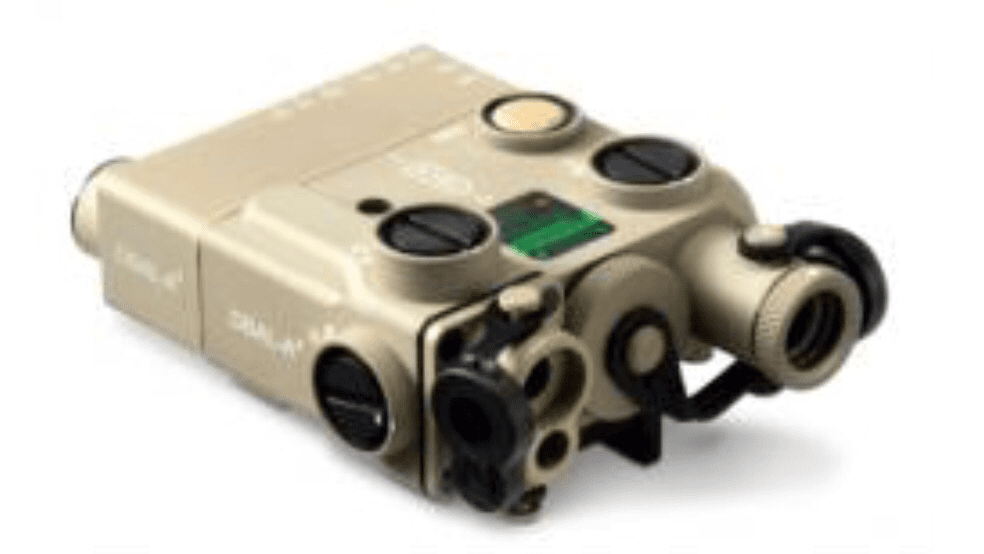
Monterey, California – Steiner eOptics (formerly Laser Devices) announces the DBAL-A3 class 1/3R Civilian, the first eye-safe IR laser pointer, IR illuminator and green laser pointer in a single compact unit.
The DBAL-A3 class 1/3R Civilian, based on the standard issue DBAL-A3 for U.S. warfighters, brings the latest advances in IR and laser technology to the civilian market with its dual beam reliability for extreme accuracy in low- and no-light maneuvers. In addition, the DBAL-A3 is the first to feature new defocused adjustable IR illumination technology to enable both midrange and close quarter target acquisition.
Like the military issue DBAL-A3 it includes a single laser activation switch, low profile windage and elevation adjusters and mounting holes for a flip-up front sight, sub-miniature red dot sight or a MIL-SPEC-1913 top rail. The DBAL-A3 also features dual remote cable ports that allow the operator to plug a Forward Mounted Light directly into the laser housing using the dual remote cable switch.
One switch pressure pad activates the light and visible laser simultaneously; a second switch activates the infrared functions, enabling operators to instantly transition from infrared to white light on the fly. Housed in an Aircraft aluminum 6061-T6 / MIL-SPEC Type III hardcoat anodized case, the DBAL-A3 Civilian is as rugged and reliable as the military issue DBAL-A3 on which it is based.
With the introduction of the 3-laser DBAL-A3 is also the 2-laser DBAL-I2 that offers a choice of either an IR pointer with a visual pointer or an IR pointer with an IR illuminator.
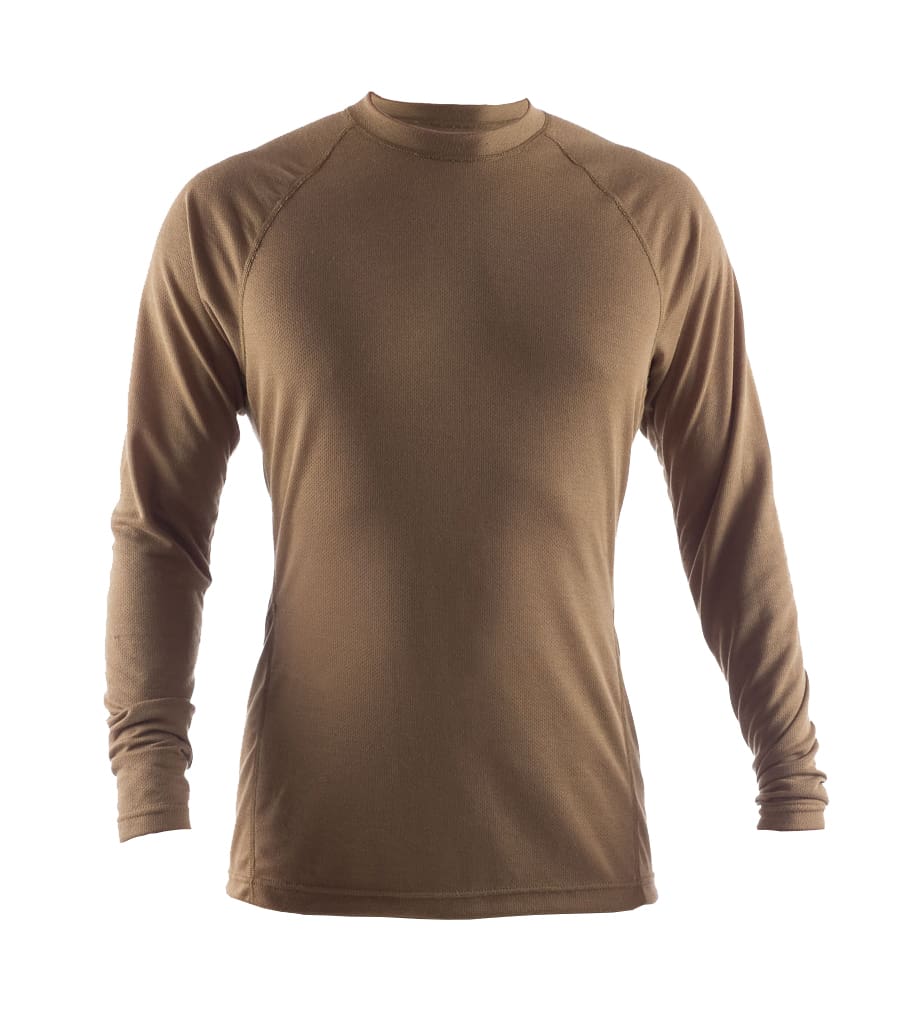
Although Massif is well known for their FR garments, many do not realize that they were called upon by USSOCOM in 2011 to help modernize the multi-level Protective Combat Uniform. In addition to the Level 7 garments we recently featured, Massif also manufactures the non-FR Level 1 and 2 items. Although the designs remain simple, they achieve functionality and comfort due to the little things. For example, across the span of garments in the system, seams don’t fall one atop the other despite their ergonomic shape. Additionally, the Polartec fabrics chosen for these garments revolve around moisture management featuring excellent wicking and air permeability properties.
Now, the actual garments issued to SOF, are available to individuals as well as units and agencies not included in the original program.

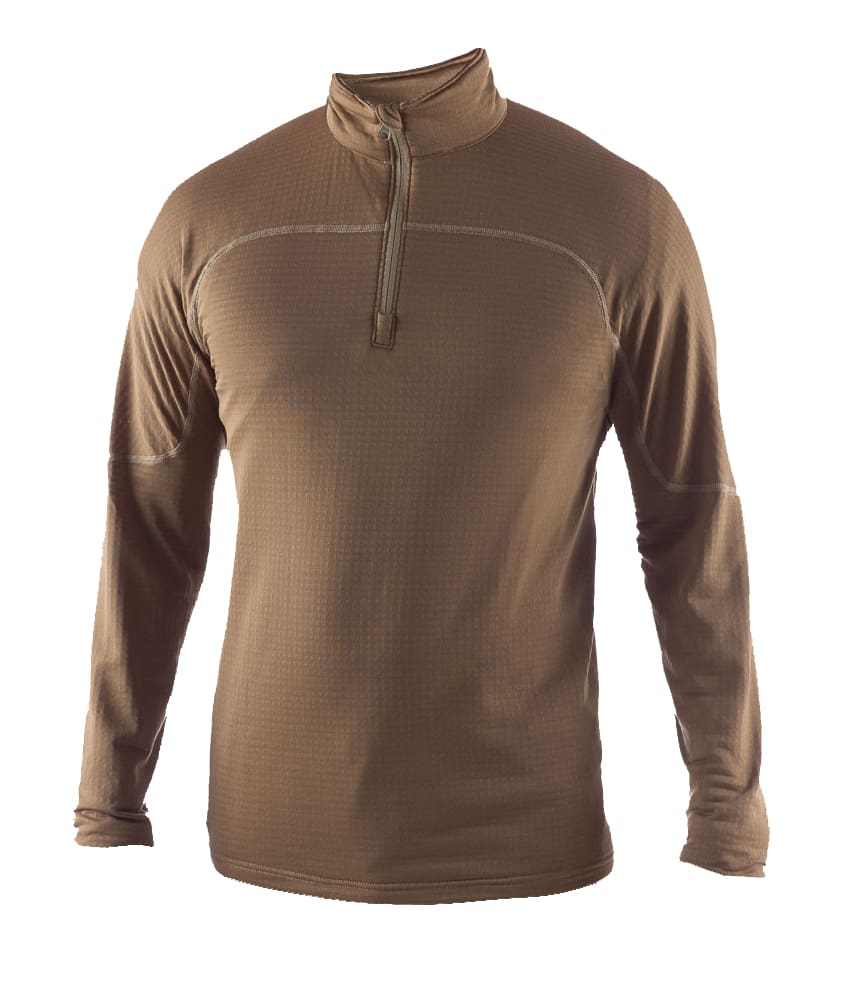
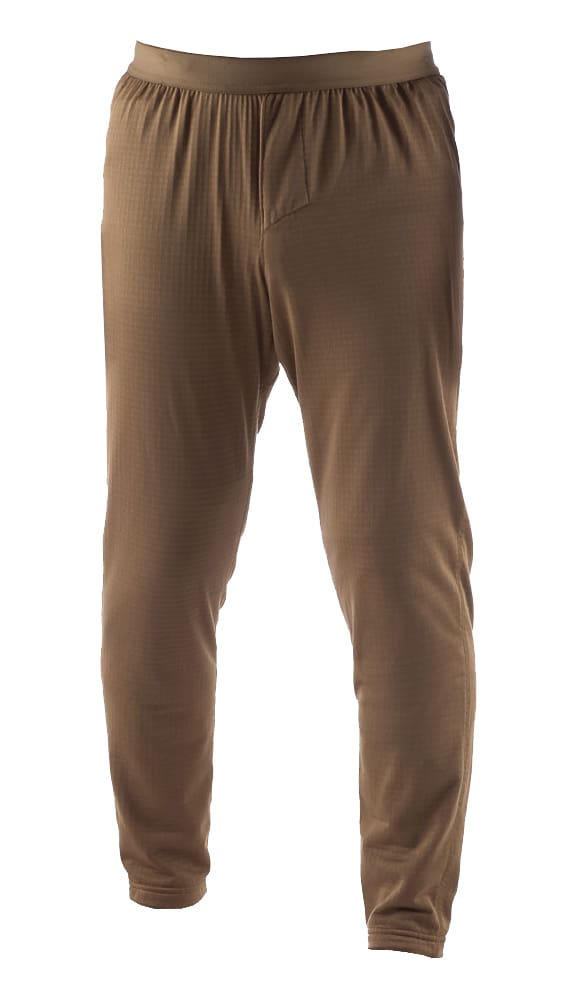
Massif will be attending SHOT show this year and will be available for private meetings. For an appointment please email Sales@massif.com.
Chris Costa is a pretty big deal here in the US but he’s never had a reception like the one he received during his recent visit to Japan. Here, Costa struts his stuff in front of eager fans at his welcome party held by host Peace Combat Fes 2015.
From Chief of Staff of the Army GEN Ray Odierno’s lips to our ears during a Virtual Town Hall earlier this week, we learn that the Army is adopting MultiCam. That’s not really true, but it’s gold like this that undermines the Army’s assertion that the Operational Camouflage Pattern (developed as Scorpion W2) Army recently adopted by the Army is distinctly different from the MultiCam it replaces. As you know, the MultiCam camouflage pattern was developed for commercial use by Crye Precision and adopted initially by USSOCOM for worldwide use and then later by the Army and US Air Force specifically for wear in Afghanistan starting in 2010. The CSA was right about that part.
Unfortunately, licensing negotiations between the Army and Crye Precision to field MultiCam to the entire force stalled last Spring due to Army inaction, resulting instead in the Army choosing to field a home brewed variant of the Scorpion pattern developed by Crye Associates in the early 2000s. This pattern, referred to as Operational Camouflage Pattern features coloration and shapes similar to MultiCam although the Army has asserted that it is a distinctly different pattern. Below we see the two patterns together with the MultiCam atop Scorpion W2.
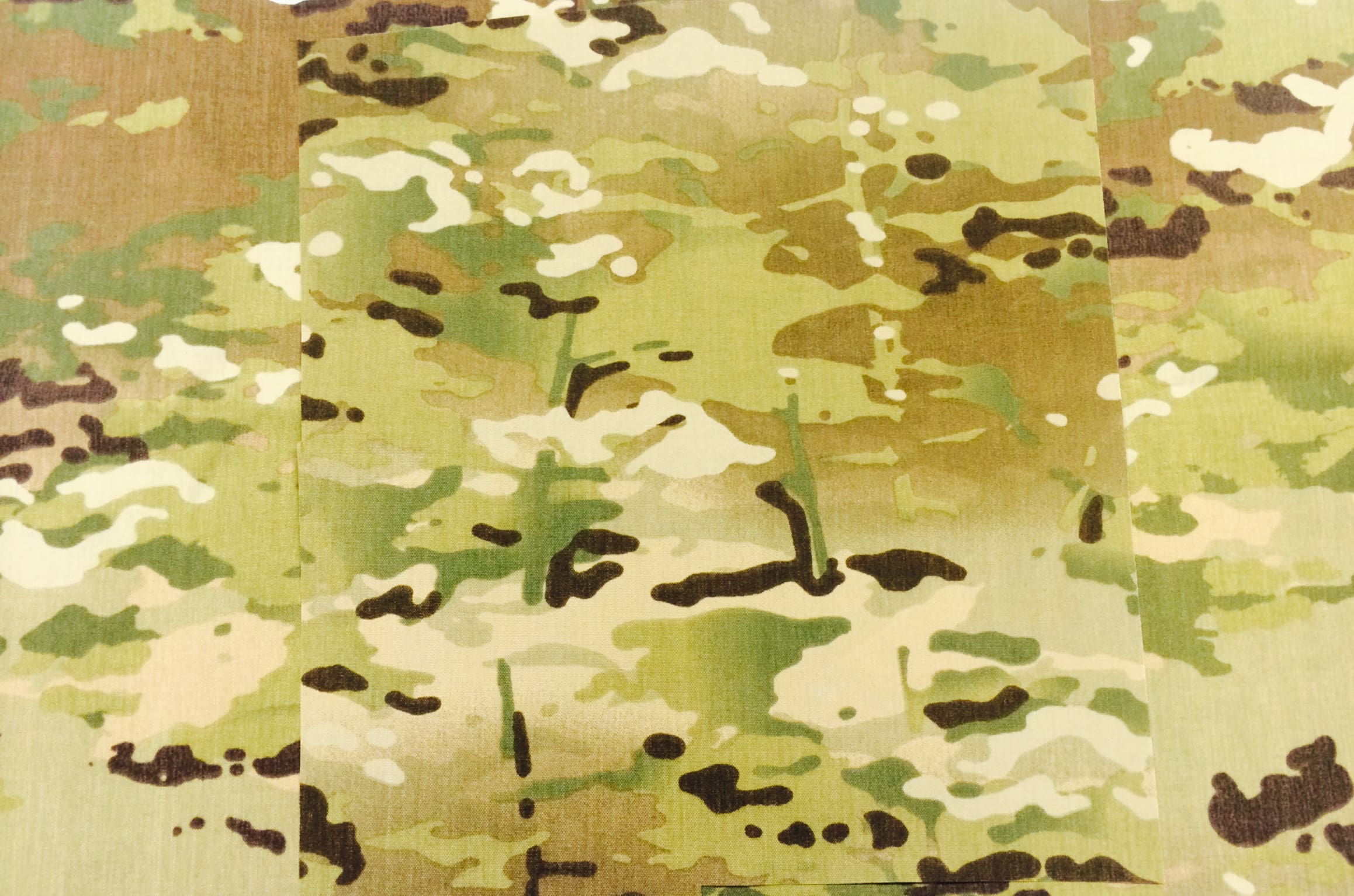
Remember, in Army parlance OCP is OCP, regardless if it is the MultiCam variant or the new Scorpion W2 version. MultiCam will continued to be fielded by the Army under the name OCP. However, MultiCam is a brand name of a commercially available pattern, that the US Army did not select as its new camouflage. Mistake or not, the Army should not be referring to OCP as MultiCam. Otherwise, they are misleading Soldiers and applying the proven effectiveness of MultiCam to the as-yet-unproven Scorpion W2. If GEN Odierno’s comments were in fact a mistake, then it shows that there’s really no difference between the two and calls into question the Army’s actions to field a pattern without paying for it.













































































































