TYR Tactical

Archive for March, 2026

Delivering The Future: JPADS And The Contested Battlefield

Sunday, March 15th, 2026

The nature of warfare is in constant flux, and with it, the demands on military logistics. As the U.S. Army shifts its focus toward Large-Scale Combat Operations (LSCO) and confronts the challenges of Anti-Access/Aerial Denial (A2/AD) environments, the ability to sustain dispersed forces becomes a principal concern. The Joint Precision Airdrop System (JPADS) has emerged as a critical enabler for this new era, evolving from a simple accuracy-improver to a key component of the Army’s strategy for contested logistics and strategic mobility. This system, and its future iterations, will be instrumental as the Army continues its transformation, adapting its formations and capabilities to meet the demands of the modern battlefield.

FROM BALLISTIC TO PRECISE: A BRIEF HISTORY

The concept of airdropping supplies is nearly as old as military aviation itself, but for decades, it was a notoriously inexact science. Traditional ballistic parachutes were at the mercy of the winds, often scattering loads far from their intended drop zones. As a result, critical supplies were frequently lost or damaged. This exposed ground troops to greater risk as they attempted to retrieve scattered cargo and forced delivery aircraft to fly slow low altitude passes making them more vulnerable to enemy fire.

Recognizing these shortfalls, the U.S. Army and Air Force began joint development of a solution in 1993.

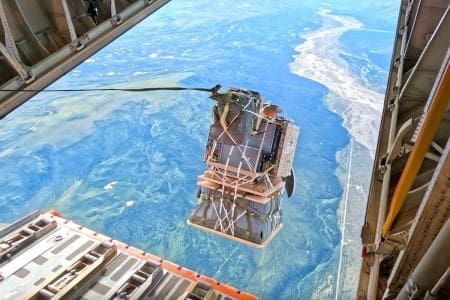
This effort culminated in the JPADS. The initial version, JPADS Version 1 (V1), was fielded in 2009, followed by JPADS V2, which began fielding in 2015 and was fully deployed by 2020. These early systems represented a significant leap forward. Utilizing the Global Positioning System (GPS), an onboard computer, and steerable parachutes, JPADS could guide payloads of up to 10,000 pounds to within 100 meters of a designated target.

This accuracy allowed for drops from higher, safer altitudes, up to 24,500 feet Mean Sea Level and from a standoff distance of up to 15 nautical miles, significantly enhancing aircraft survivability.

ADAPTING FOR CONTESTING ENVIRONMENTS: THE NEXT GENERATION

The contemporary operating environment, however, presents new and complex challenges. Potential adversaries possess sophisticated A2/AD capabilities, including the ability to deny or degrade GPS signals. This critical capability gap rendered early versions of JPADS, which were solely reliant on GPS, ineffective.

The Army is actively addressing this vulnerability with the latest iterations of the system. JPADS V3, which began fielding in 2026, introduced a daytime vision navigation capability. This allows the system to operate in GPS-denied environments during the day by using visual landmarks for guidance.

The forthcoming JPADS V4, currently in development and slated to begin fielding in 2028, will represent another significant advancement. It will incorporate a suite of advanced proprietary sensors, including infrared cameras, coupled with anti-jamming technology. This will give JPADS V4 the unprecedented ability to navigate with precision in GPS-denied environments at night, in inclement weather and even over open water. Recent tests of this technology have proven successful, including a demonstration in a GPS-denied environment at White Sands Missile Range during the All-Domain Persistent Experiment.

EXTENDING THE REACH: THE FUTURE OF DISTRIBUTED LOGISTICS

The evolution of JPADS is not stopping with enhanced navigation. To truly enable distributed operations and contested logistics in a LSCO scenario, the Army needs to project sustainment over vast distances, far beyond the current 15-nautical mile offset. This is where the Long-Range JPADS (LR-JPADS) comes into play.

Beginning development in 2026 under Product Manager Force Sustainment Systems, LR-JPADS will add a propulsion kit to the standard system, extending its range to potentially hundreds of nautical miles. This will allow resupply aircraft to remain well outside the reach of most enemy A2/AD systems while still delivering critical supplies to forward-deployed units. LR-JPADS will be available in the same 2,000-pound and 10,000-pound gross payload variants, ensuring a wide range of supplies can be delivered across the operational theatre.

The Army is even looking beyond LR-JPADS to a potential Extended Long-Range JPADS, referred to as ELR-JPADS, with a conceptual range of 1,000 nautical miles. This ambitious goal would leverage ongoing science and technology efforts from the U.S. Army Combat Capabilities Development Command Soldier Center to create a truly strategic logistics asset.

These future capabilities were recently put to the test at Fort Greely, Alaska, during the Arctic Edge test event, where JPADS V3, V4 and an LR-JPADS candidate system were evaluated in the harsh arctic environment. Further operational testing is anticipated, with potential participation in major exercises like African Lion and Talisman Sabre.

CONCLUSION

As the U.S. Army continues to transform and adapt for the complexities of future warfare, the ability to sustain the force in contested environments is a non-negotiable requirement. The JPADS, through its continuous evolution and planned future enhancements, is poised to be a cornerstone of this capability. From its origins to improve airdrop accuracy, JPADS is becoming a vital tool for strategic mobility, enabling distributed operations and ensuring that the American Soldier remains the best-supplied and most lethal force on the battlefield. By extending our logistical reach while reducing risk to our personnel and aircraft, systems like JPADS ensure the Army can fight and win, anytime and anywhere.

For more information, go to www.peocscss.army.mil.

By MAJ Jonathan Perry for Behind the Frontlines

MAJ. JONATHAN PERRY is an Army Acquisition Corps officer and assistant product manager for the Cargo Aerial Delivery product office, CPE Combat Sustainment. He holds an M.A. in management with a concentration in global business from the University of Alabama and a B.S. in business management from Athens State University. He is a graduate of the Logistics Basic Officer Leadership Course, the Combined Logistics Captains Career Course and the Army Acquisition Transition Course.

Tiberius Aerospace Welcomes Rob Murray to Advisory Board

Saturday, March 14th, 2026

Tiberius Aerospace, a modern defence technology company built to empower the UK, US and their global allies with next-generation weapon systems and AI-powered solutions, today announced the appointment of Rob Murray, Chief Executive Officer of the Defence, Security and Resilience Bank (DSRB) Development Group and a leading architect of NATO’s defence innovation ecosystem, to its Advisory Board.

Murray brings more than two decades of experience at the intersection of defence, finance and emerging technologies. He is widely recognized for shaping how allied nations mobilise capital and innovation to strengthen national security and industrial resilience. As NATO’s inaugural Head of Innovation, Murray led the creation of the Defence Innovation Accelerator for the North Atlantic (DIANA) and the NATO Innovation Fund, a $1 billion multi-sovereign venture capital fund designed to accelerate investment in dual-use technologies across the Alliance. These initiatives were created to connect governments, industry, investors and technology innovators to accelerate the development and adoption of emerging capabilities for defence and security.

Murray is currently CEO of the Defence, Security and Resilience Bank Development Group, which is working to establish a new international financial institution designed to mobilise large-scale capital for defence and security investment among allied nations. He previously served as Chief Innovation Officer at Saab and spent nearly a decade at NATO Headquarters in Brussels working on defence investment, intelligence, and emerging technologies. At Tiberius Aerospace, Murray will advise the company on strategic partnerships, defence innovation ecosystem and the financing structures required to scale next-generation defence technologies and strengthen allied industrial capacity.

Chad Steelberg, Co-Founder and CEO of Tiberius Aerospace said: “Rob has been at the centre of the effort to rethink how the West funds and accelerates defence innovation. His work connecting governments, capital and technology builders has fundamentally reshaped the ecosystem around emerging defence capabilities. As we expand our Grail platform and bring new technologies to market, Rob’s experience in building allied innovation networks and mobilising investment will be invaluable.”

Rob Murray said “We’re entering a period where the speed at which allies can innovate, finance and field new capabilities will shape the strategic balance. What excites me about Tiberius is its willingness to rethink how defence technology is built, funded and delivered. I’m humbled and honoured to be asked to join the Advisory Board.”

Murray also serves as a nonresident senior fellow at the Atlantic Council’s Scowcroft Center for Strategy and Security and teaches innovation and strategy at Johns Hopkins University. A former British Army officer, he has spent his career advancing collaboration between governments, industry and capital markets to accelerate the development of emerging defence and security technologies. His appointment further strengthens Tiberius Aerospace’s Advisory Board as the company expands its work to deliver new technologies and platforms that enable faster procurement, stronger domestic supply chains and better value for allied defence spending.

For more information, please visit www.tiberius.com.

Blast From The Past – The Mojave Travel Shirt from Beyond Clothing

Saturday, March 14th, 2026

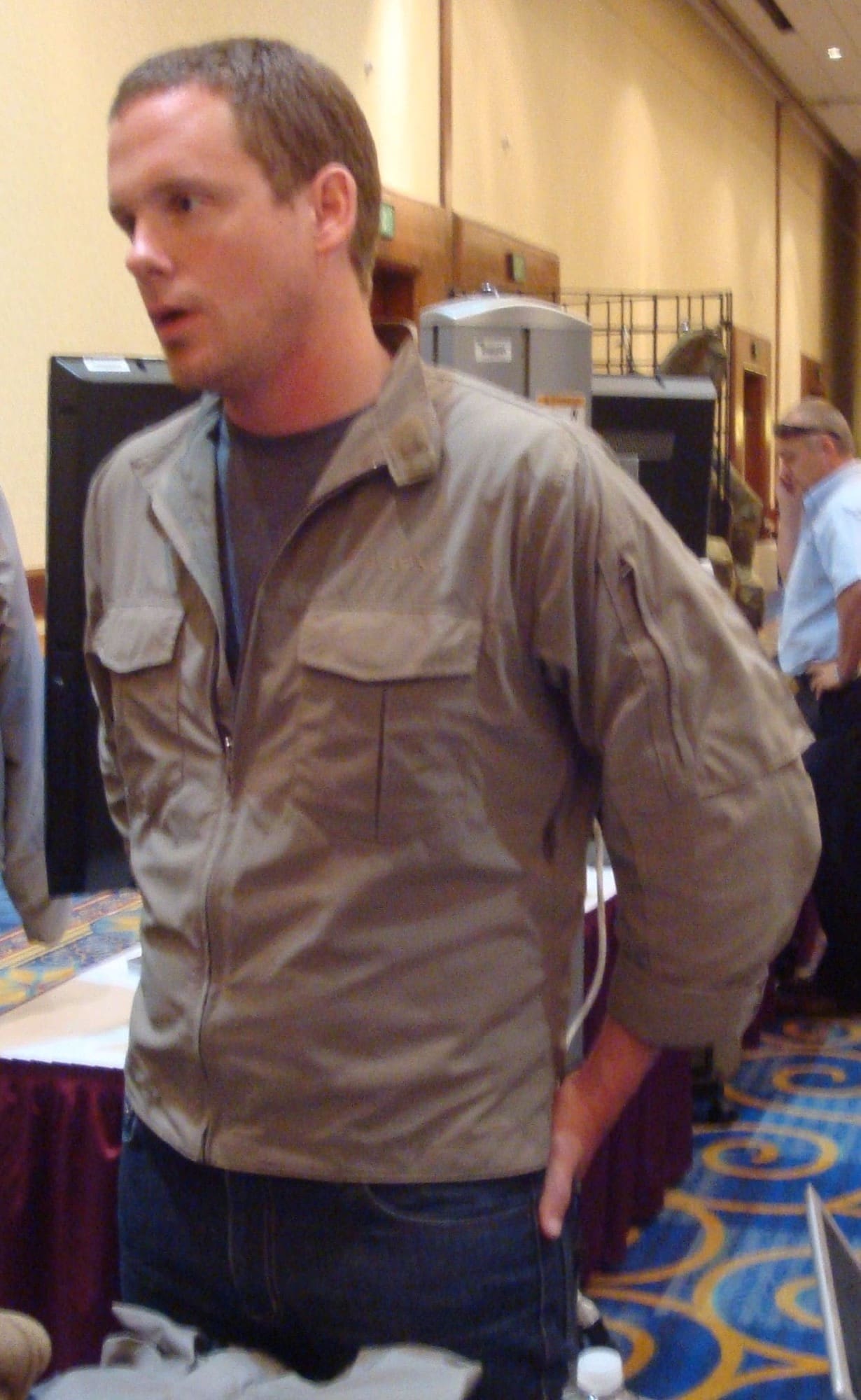
We are reach by way back into the SSD archives for this one. In May of 2010 we first wrote about a “Travel Shirt” whipped up by Beyond Clothing founder Scott Jones in 2009.

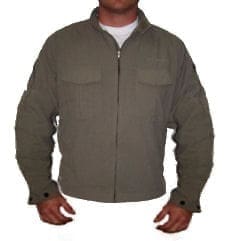
This “Travel Shirt” was originally a one-off that he made for himself. It is a waist length design with mandarin collar, chest and sleeve pockets made from a lightweight material. It almost has a Star Wars vibe.

I harangued him about it and eventually he added it to the line up at Beyond. Now you have to remember, at that time, everything was made to order, including their custom size “Big &Tall” version of the USSOCOM Protective Combat Uniform.

When Beyond sold to 5.11 Tactical not long after, the Mojave Travel Shirt as it became known was dropped from the line as they retooled their offerings. Unfortunately, I never bought one.

I wonder if the patterns are still around and Beyond could reintroduce this cool adventure wear jacket. It would be great in a NEXTEC fabric as a 3-season Softshell.

Army’s Combined Arms Command to Integrate Maven C2 Smart System into Training and Education

Saturday, March 14th, 2026

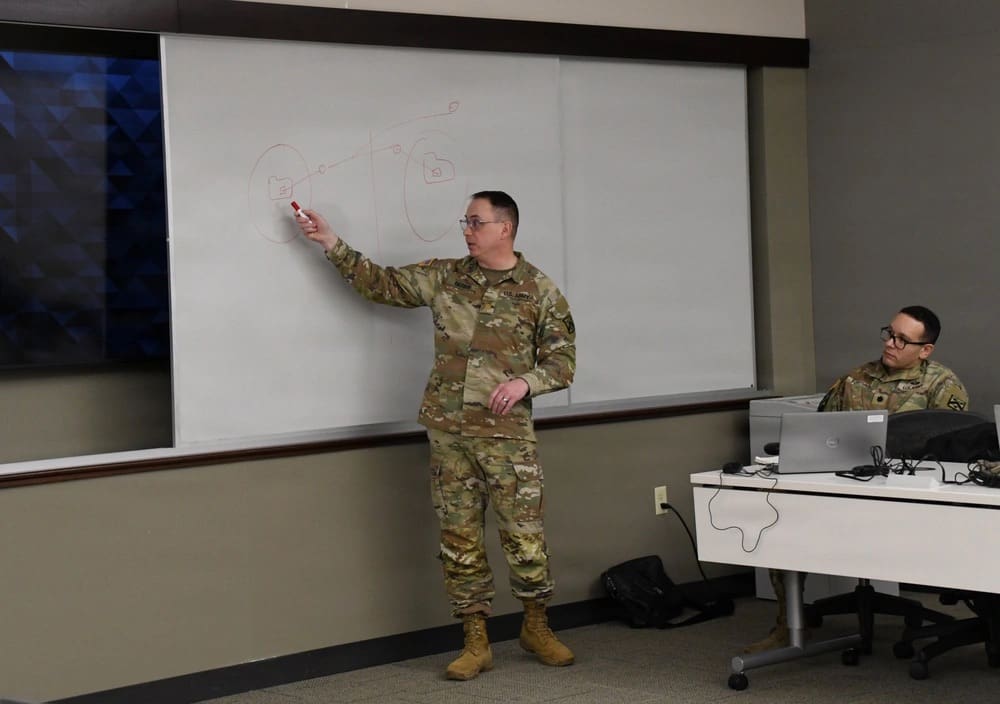
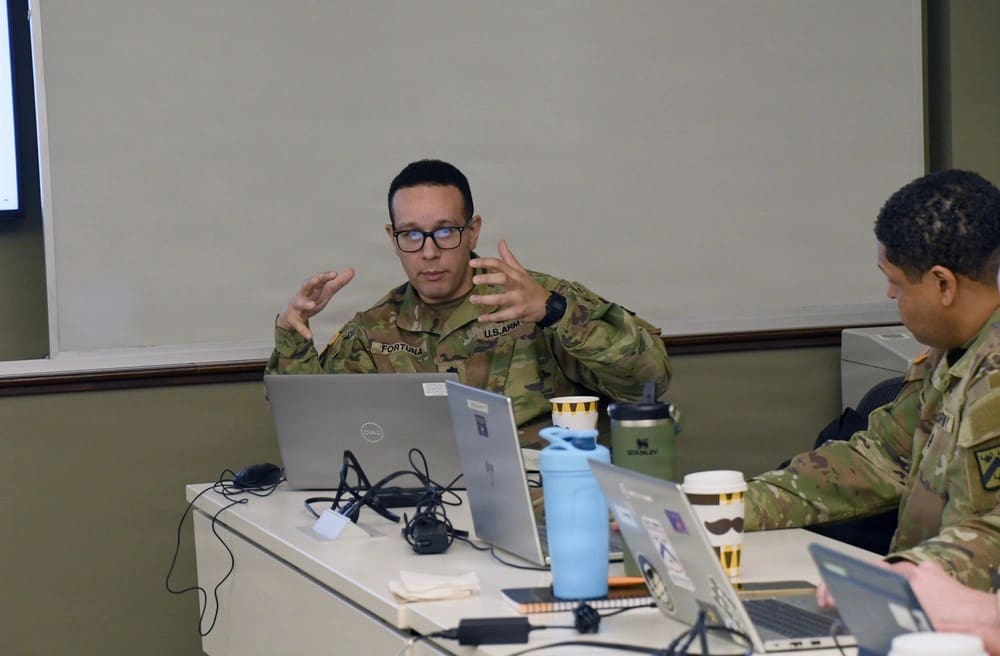
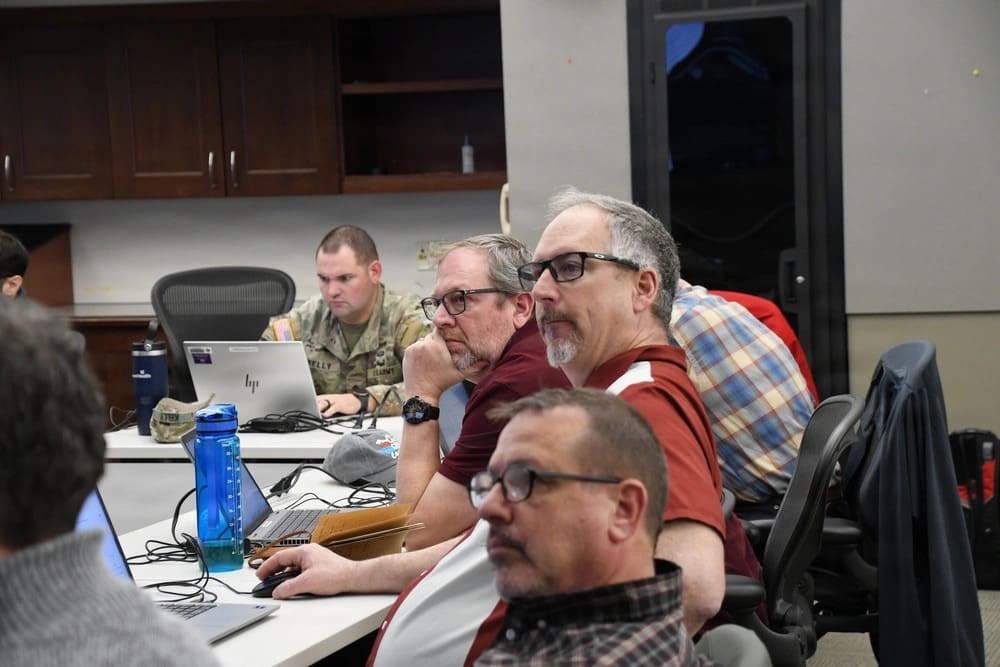
FORT LEAVENWORTH, Kan.– Leaders at the Combined Arms Command are integrating the use of the Maven Smart System, an artificial intelligence tool, to modernize training and education for command-and-control operations. Initial efforts are underway, led by staff from the Mission Command Center of Excellence, instructors with the U.S. Army Command and General Staff College, and officers assigned to the CAC Command Data and Analytics Office.

The Maven Smart System, also commonly referred to as simply “Maven,” processes battlefield data, including imagery and full-motion video, to improve situational awareness and speed decision-making. It is designed to automate tasks formerly performed via legacy systems like the Command Post Computing Environment.

“Maven’s use is being fielded so fast, we need to deliver training as quickly as possible to accelerate learning of the system,” said Mike Clowser, MCCOE’s lead for Maven’s training plan.

A week of train-the-trainer instruction held Feb. 23-27, 2026, set the conditions for each organization to incorporate Maven at their level.

Operator training. Senior instructors at MCCoE are charged with developing a standardized, eight-hour, hands-on course for Soldiers who will operate the system. This program will focus on the practical use of Maven in an operational setting to help commanders make more informed decisions, faster. Instruction on Maven will also become a key component of the Knowledge Management Qualification Course.

Professional Military Education. Command and General Staff College leaders plan to integrate Maven into the core curriculum for field grade officers attending the Command and General Staff Officers Course. The goal is to ensure graduates are proficient with the systems used in operational units. Maven will also become part of the curriculum for students attending the School of Advanced Military Studies (SAMS), and the School of Command Preparation.

“The integration of Maven represents a critical step in aligning PME modernization with the realities of what’s going on with the operational force,” said Zachary Rolf, deputy for the Department of Simulation Education at CGSC. The goal, he noted, is to ensure graduates have “system parity” and are able to seamlessly integrate at the unit level when they leave the schoolhouse.

Workforce Upskilling. The CAC CDAIO’s Data Academy provides centralized education on data, AI, and modern software. Maven will be included as an offering for the workforce. Specific to Maven, the academy is collaborating with MCCOE in developing courses, including a technical Low-Code/No-Code Builders Course that will be offered with both in-person and virtual options.


These parallel efforts are set to merge into a single System Training Plan as the Army moves to formally designate Maven as a system of record. This unified plan will guide integration across all training domains.

“It will be a collaborative effort, clearly. And that’s really the only way to do it,” said Maj. Dustin Berry, lead data scientist and chief technology officer for CAC. “With us working together, it will be a much better product.”

Story by Randi Stenson 

Mission Command Center of Excellence

Tasmanian Tiger Expands Modular Load-Carrying System with New Chest Rig and Pack

Friday, March 13th, 2026

New TT Modular Chest Rig 4xM4 and Modular Chest Rig Pack deliver scalable, mission-ready versatility for military, law enforcement, and SWAT operators.

Knoxville, Tenn. (March 2026) – Tasmanian Tiger®, a tactical nylon line of products distributed exclusively for the US market by Proforce Equipment, Inc., announces the release of two new modular load-bearing solutions: the TT Modular Chest Rig 4xM4 and the TT Modular Chest Rig Pack. Designed to work together or independently, the new systems provide adaptable, low-profile load carriage for military, law enforcement, and SWAT missions.

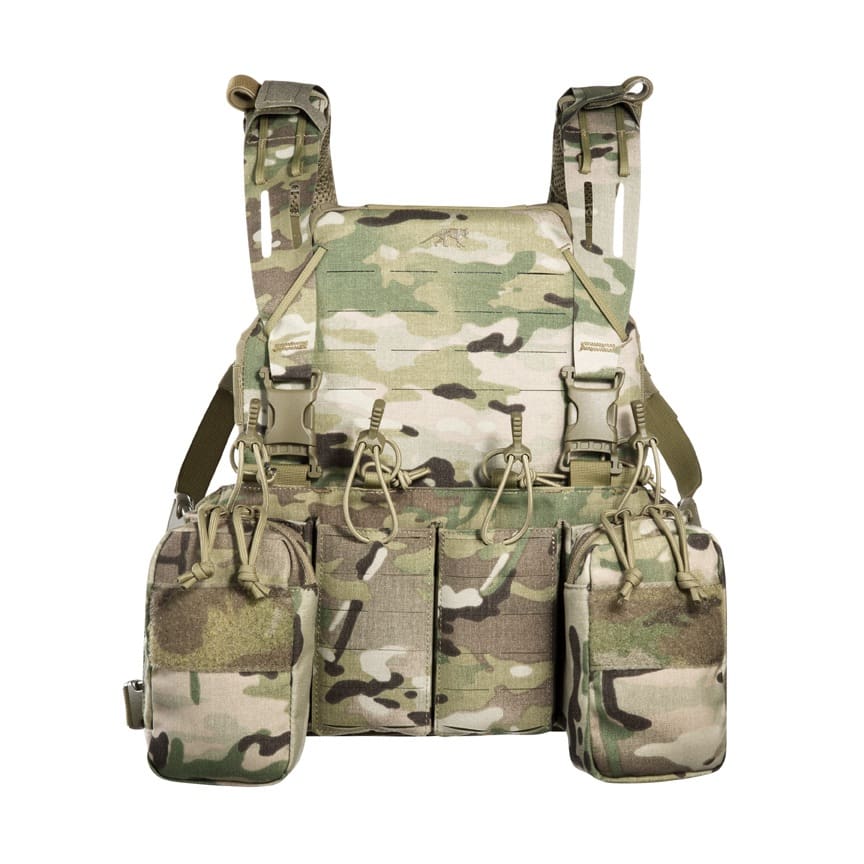
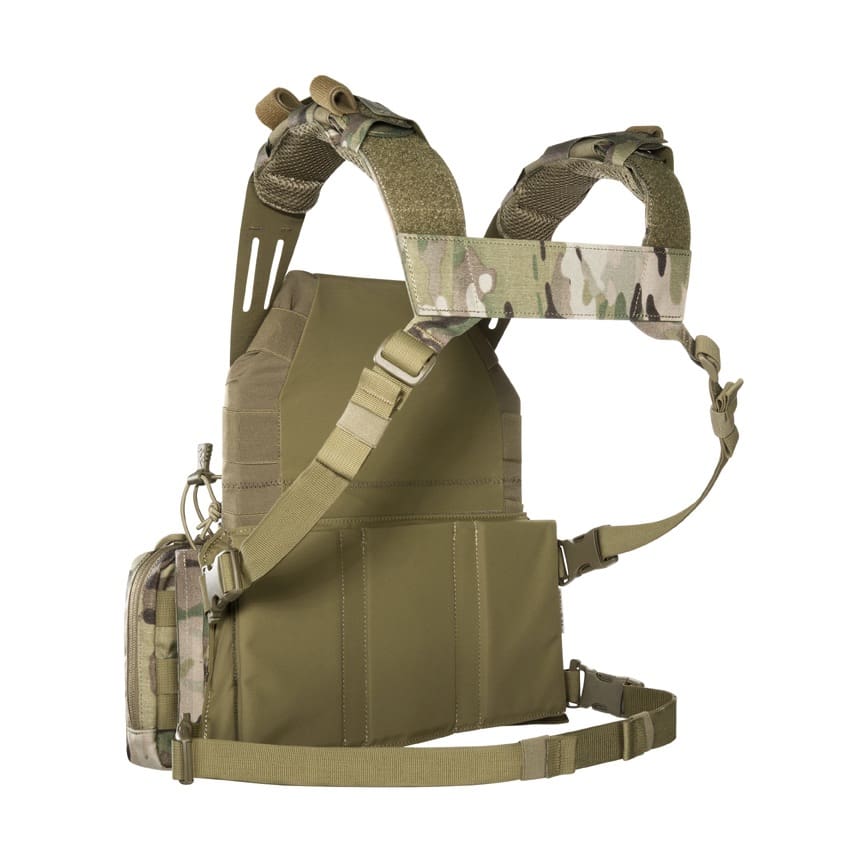
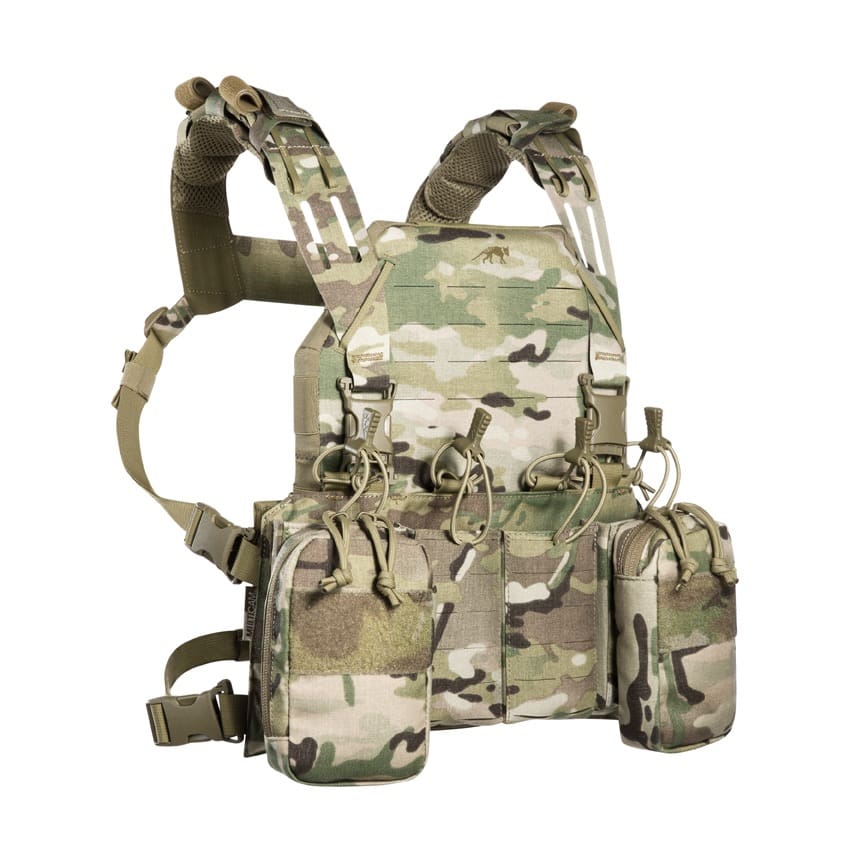
Built around mission modularity, the TT Modular Chest Rig 4xM4 is a flat, lightweight chest rig featuring four fixed rifle magazine pouches and integrated compatibility with size M SAPI plates. The rig can be worn standalone, attached to plate carriers as a front panel, or combined with the new TT Modular Chest Rig Pack for expanded sustainment capability.

Constructed from CORDURA® 500 den with laser-cut MOLLE, the chest rig offers durability without excess bulk. Adjustable and removable shoulder padding, detachable side pouches, and replaceable main buckles allow operators to tailor the setup to their operational requirements. The rig also supports a tight shooting stance through optimized folding geometry and includes a removable 3D polymer pull tab for rapid magazine access.

The TT Modular Chest Rig 4xM4 weighs 1.9 lbs. (0.866 kg). It is available in black, olive, and coyote for an MSRP of $219. Multicam is available at an MSRP of $259.

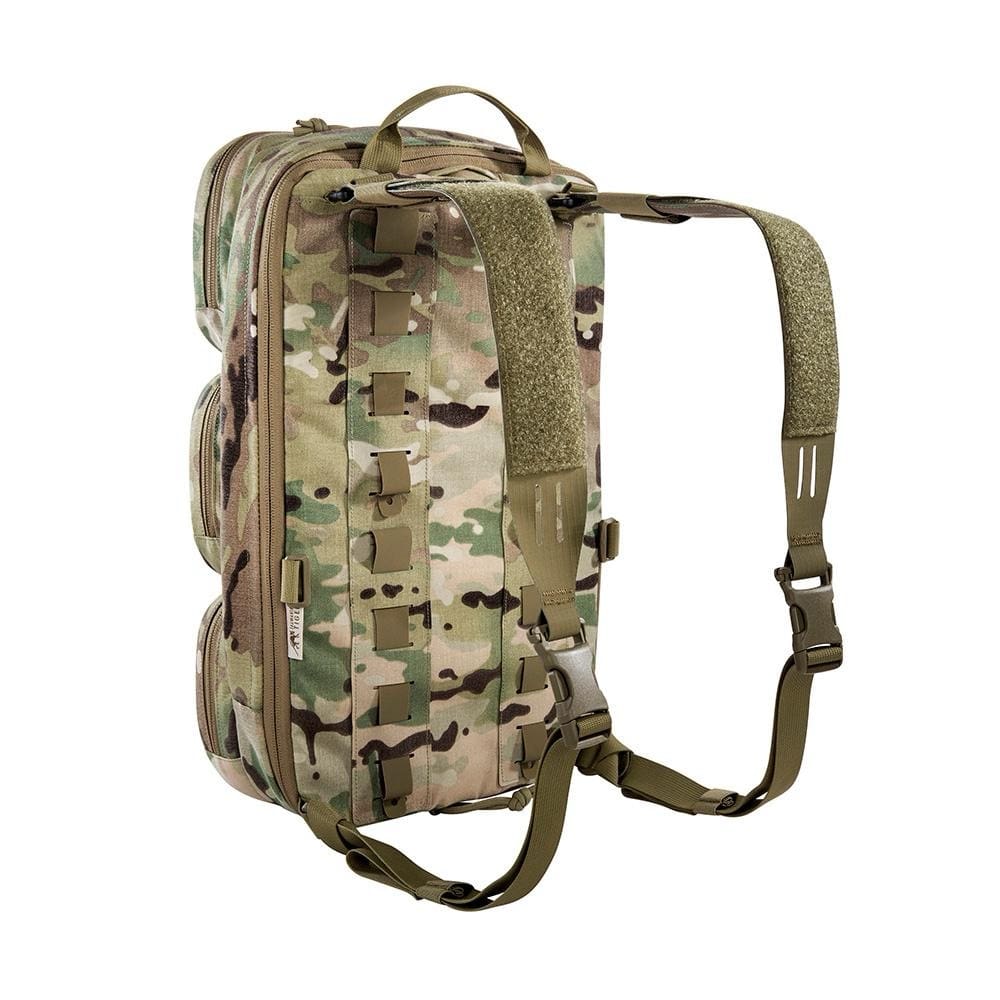
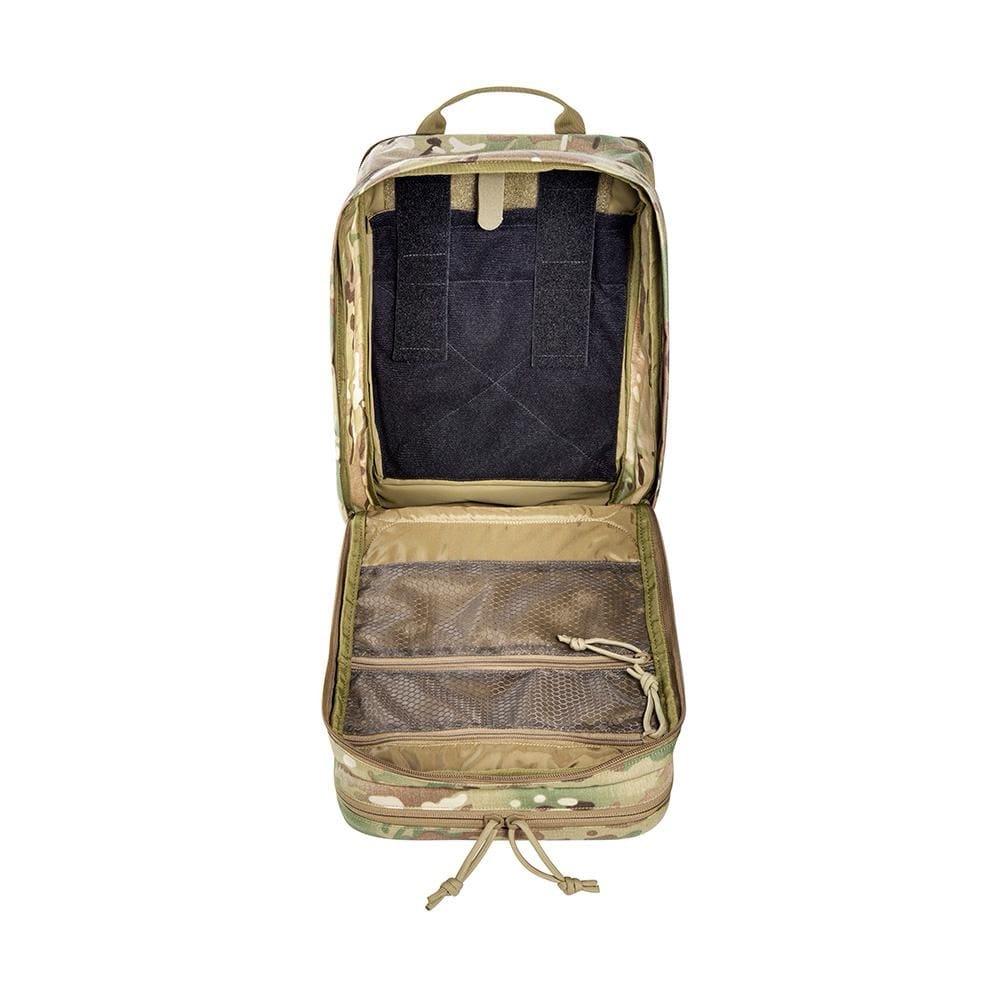
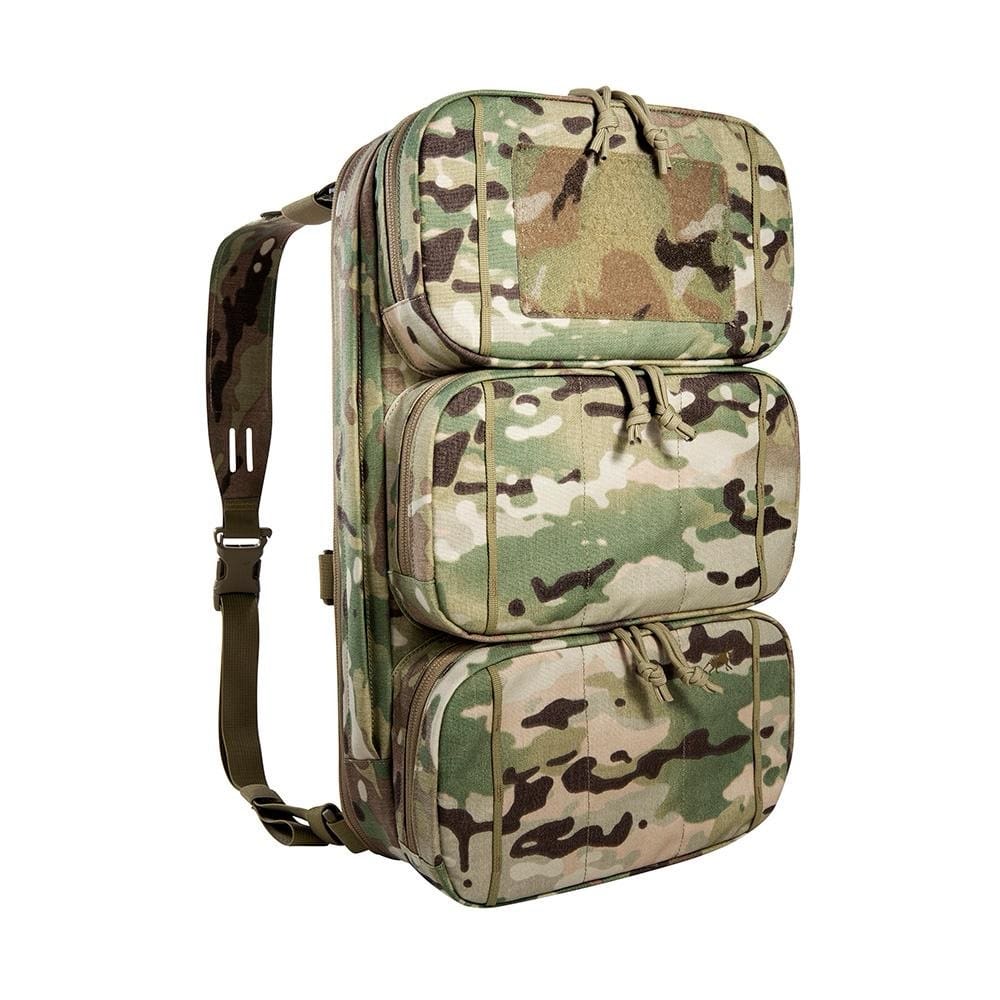
To complement the front-mounted rig, Tasmanian Tiger introduces the TT Modular Chest Rig Pack, a low-profile backpack engineered to integrate directly with the TT Chest Rig 4xM4. The pack includes a dedicated plate compartment for size M SAPI panels and offers expandable storage from 12 to 20 liters, making it suitable for patrol, direction action, or extended operations.

The pack features a narrow main compartment, three fleece-lined front pockets with hook-and-loop organization, hydration compatibility, and internal zippered pockets for mission essentials. Included adapters allow the pack to be mounted to plate carriers or used as a back section on the TT Chest Rig MKII and MKII M4 systems, providing cross-platform compatibility within the Tasmanian Tiger ecosystem.

The TT Modular Chest Rig Pack measures 16.5x10x2.5 in. (42x25x6.5cm) with a 20-liter (1220 cubic inches) volume. It weighs in at 2.3 lbs. (1.04kg). It is available in black, olive, and coyote for an MSRP of $219. Multicam is available at an MSRP of $279.


TacJobs – GSOF Seeks Event Operations Coordinator

Friday, March 13th, 2026

Global SOF Foundation Seeks an Event Operations Coordinator.

The Event Operations Coordinator reports to the Senior Director of Events and executes a variety of internal operational and administrative functions to support the Events Team. S/he is responsible for exhibitor and sponsor customer service and engagement at the GSOF Indo-Pacific Irregular Warfare Symposium (IPIW) and Modern Warfare Week (MWW).

Location: Greater Tampa Bay, with ability to travel up to 10% of the time; while a majority of work will take place from home, residence in Tampa Bay is non-negotiable.

Apply: Email your resume to Amy Belicev, GSOF Sr. Director of Events, at abelicev@gsof.org, by 20 MAR 2026.

Learn more here.

Tekto Knives – A3 Delta Mini

Friday, March 13th, 2026

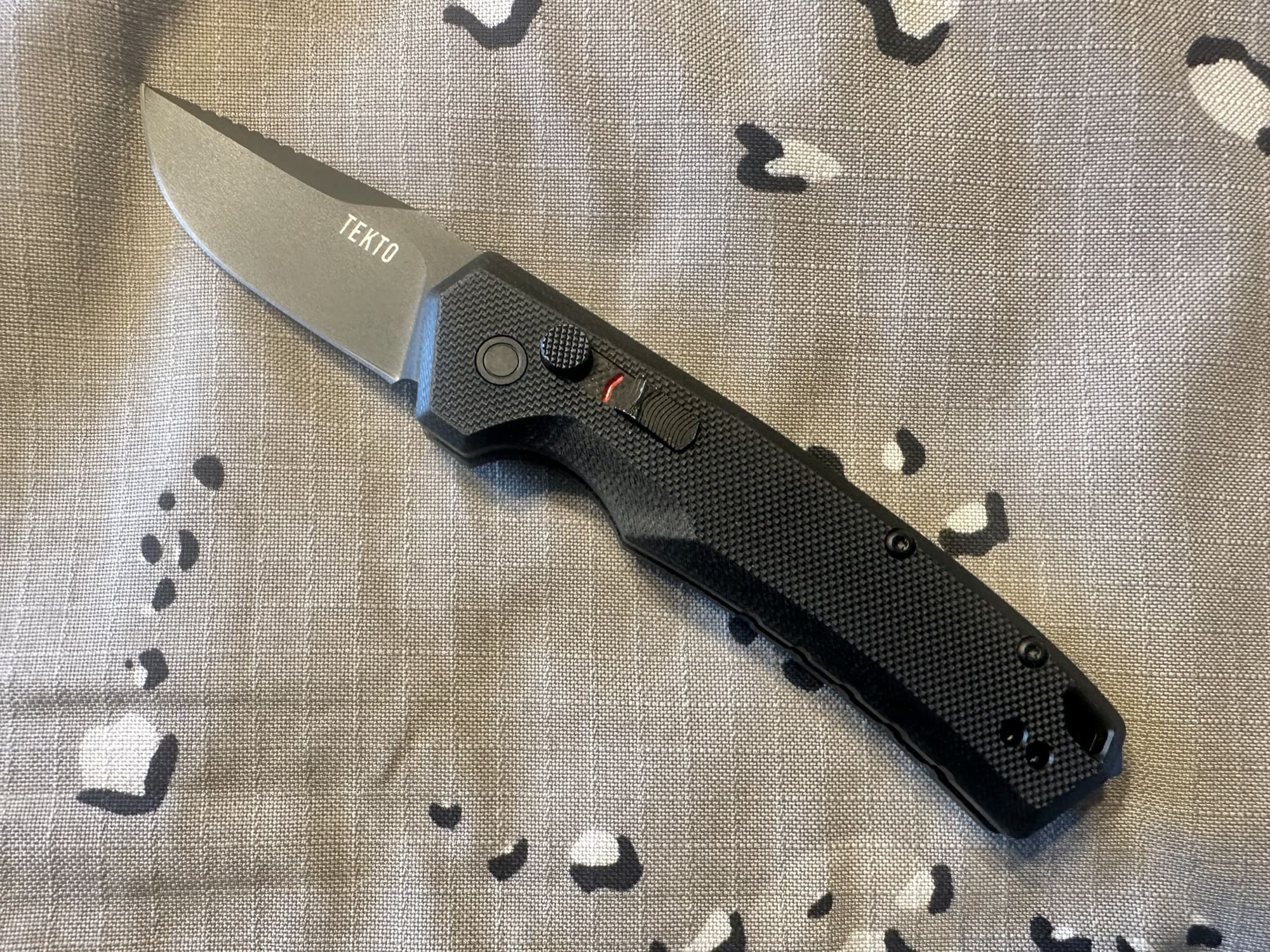
The new A3 Delta Mini from Tekto Knives is a more compact version of their popular A3 Delta automatic opener.

It features a Drop Point Titanium-Coated D2 Steel blade and G10 scales. To actuate, there’s a button lock with a safety switch. It also incorporates a an ambi pocket clip and something I think is critical for an EDC knife, a glass breaker.

Measurements:

Blade Length: 1.90” (48mm)

Handle Length: 4.00″ (103mm)

Open Length: 6.13″ (155mm)

Handle Width: 0.44″ (11.19mm)

Weight: 2.54oz (72g)

www.tektoknives.com/products/a3-delta-mini

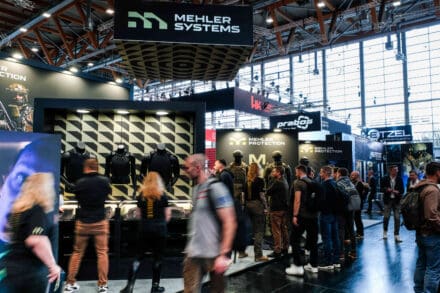
Mehler Systems Presents Coordinated Group Portfolio at Enforce Tac 2026

Friday, March 13th, 2026

FULDA, GERMANY (6 March 2026)

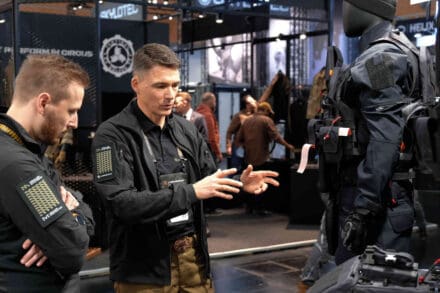
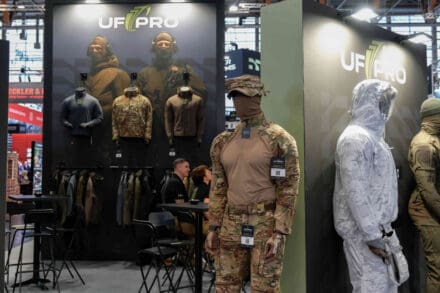
From 23–25 February 2026, Mehler Systems exhibited at Enforce Tac in Nuremberg, presenting coordinated solutions from its brands Mehler Protection, Lindnerhof, and UF PRO at Hall 7A, Booth 333.

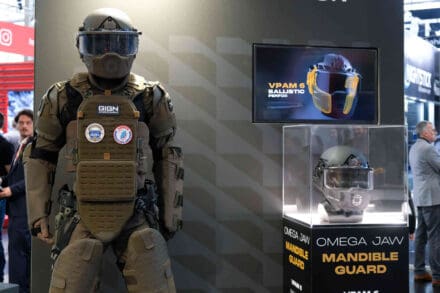
Within its personal protection portfolio, Mehler Protection introduced the Omega Jaw, the first mandible guard engineered to defeat AK-type rifle threats at full velocity in accordance with VPAM 6 requirements. The development addresses a long-standing protection gap in the lower facial area, complementing up-armoured helmet systems to achieve a more homogeneous level of head protection. In parallel, Mehler Protection presented the Omega Core Ultra-Light Combat Helmet, engineered to combine advanced ballistic performance with reduced system weight. Designed for extended operational wear and compatibility with modern accessories, the helmet reflects the brand’s continued focus on weight optimisation, ergonomics, and reliability in demanding environments. Alongside these new developments, Mehler Protection showcased its established personal protection portfolio, including the modular M.U.S.T. system, ultra-light ballistic helmets, and the ExoM Up-Armoured Exoskeleton, a modern military body armour solution currently fielded by European armed forces.

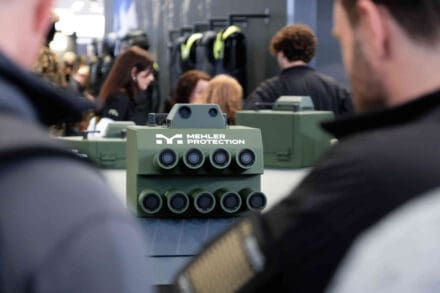
In the area of platform protection, Mehler Protection showcased SCILT, a close-range Counter-UAS system developed to defeat FPV drones, kamikaze drones, and loitering munitions at close and very close ranges. SCILT can operate manually with electro-optical, radar, or image-recognition sensor support, or autonomously, enabling flexible deployment across varied mission profiles. By utilising standard ammunition types, including reduced-hazard, fragmentation, and armour-piercing variants, the system allows operators to adapt to both single-drone and swarm scenarios. The exhibition also included Mehler Protection’s established platform-protection portfolio, such as PROTEC3D lightweight ballistic components for land, air, and naval applications.

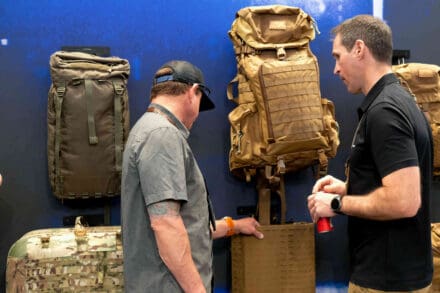
Lindnerhof presented further development of its modular load-carriage solutions, including the first models of a newly developed backpack product family focused on scalability and adaptability across operational scenarios. The company also expanded its heavy load-carrying system with additional load carriers and side pouches designed for the ergonomic and secure transport of bulky equipment. In addition, Lindnerhof introduced a new concept aimed at equipping forces in highly dynamic, life-threatening environments with a rapidly deployable, mission-ready configuration that enhances both protection and operational capability. At the same time, Lindnerhof’s proven plate carriers, pouch systems, and load-bearing configurations remained central elements of the presentation. The exhibition also marked 20 years since Lindnerhof’s founding, highlighting two decades of experience in modular, field-proven systems.

UF PRO showcased new developments in tactical clothing designed for multi-environment operations. Highlights included the introduction of the P-40 Responder Shirt for warm-weather patrol and training environments, as well as the next generation of its classic low-profile design, the P-40 Classic Gen.3 Tactical Pants, engineered for unrestricted mobility and everyday operational reliability. Expanded camouflage options, including Woodland and Multicam Alpine, were also presented across selected products. For foul-weather conditions, UF PRO introduced the Monsoon X Jacket and Monsoon X Pants, a lightweight hard-shell system developed for sustained operations in heavy rain and wind, combining waterproof and windproof protection with improved mobility and reduced bulk. Flame-resistant solutions on display included the Delta OL 4.0 FR Tactical Winter Jacket, the Delta Eagle Gen.3 FR Tactical Softshell Jacket, and the new Striker FR Neck Gaiter, addressing operational requirements where flame exposure is a consideration. Complementing these developments, UF PRO also displayed its established combat uniforms, cold-weather systems, rainwear, and low-profile tactical clothing that form the core of its portfolio.

Shortly before Enforce Tac 2026, Mehler Systems was recognised with the TOP 100 Award 2026, reflecting the group’s structured innovation processes and its ability to translate research and development into certified, industrialised protection solutions. This focus on disciplined innovation was reflected at the exhibition itself, where Mehler Systems presented its capabilities across personal ballistic protection, platform protection systems, modular load-carriage solutions, and mission-specific tactical clothing within one coordinated group portfolio.