Wilcox Ind VIPR

Archive for November, 2026

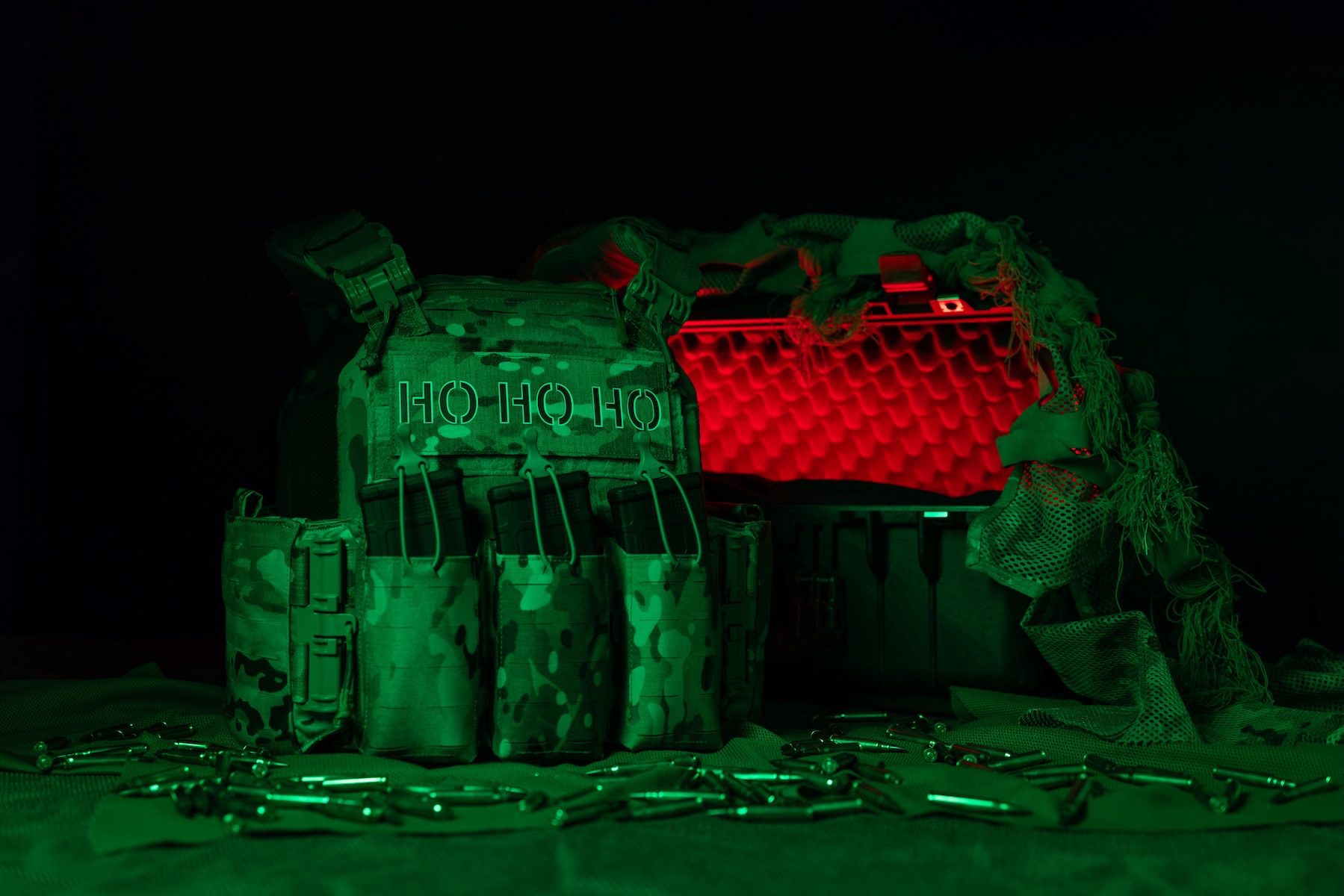
FirstSpear Friday Focus: American Made for the Holidays

Friday, November 27th, 2026

It’s Friday, and with Thanksgiving just behind us, our Focus this week is less about one piece of gear and more about the people who make it, and the reason they put so much into their work: the American warfighter, who carries this gear into the most hostile environments on earth.

FirstSpear was founded in 2010, but the experience behind it goes back much further. The company emerged from a bloodline of industry innovation, started by a team of experienced industry professionals and former U.S. servicemen. Today that team works outside St. Louis, Missouri, building American made, Berry compliant gear for the Special Operations community, Tier 1 military and law enforcement teams.

That experience shapes how the gear is made. Each product is developed alongside the people who use it, and it keeps evolving as their missions, technology and requirements change. Along the way that work has produced technologies such as TUBES® closures and our VIGR™ laser fused laminates, which you’ll find being used on gear across the industry today. And we don’t do it alone. We work with some of the best United States partners in the business, from Haartz to Ocean State Innovations, and we’re proud to be an OEM partner to some of the most respected soft goods brands in the industry.

As you shop for the holidays this year, we hope you’ll consider American made gear from companies, like ours. Over the weekend and through Cyber Monday we’ll be sharing what’s proven in our line, along with a few gift ideas, by email. If you’re not on our newsletter yet, you can sign up at First-Spear.com.

From all of us at FirstSpear, we hope you had a good Thanksgiving, and we wish you a strong holiday season with friends, family and those you hold dear, along with the ideals we all hold dear.

JPMRC 27-01: 5th SFAB Validates Advisor Readiness, Refines Warfighting Role

Friday, November 27th, 2026

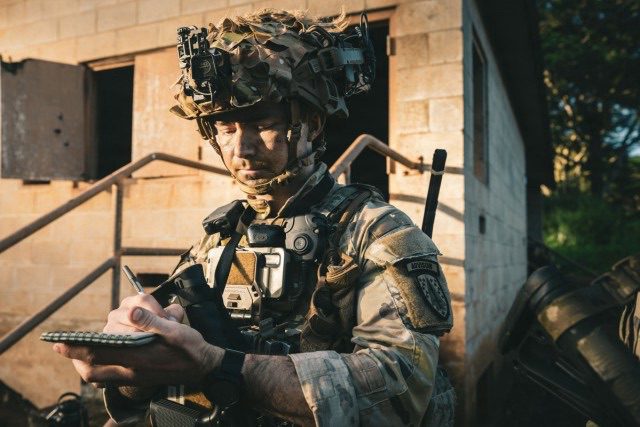
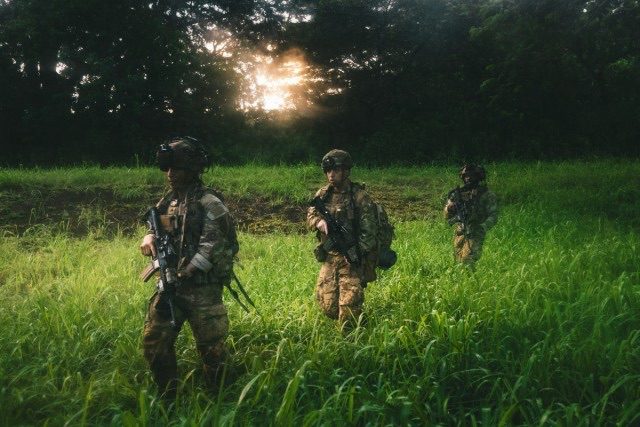
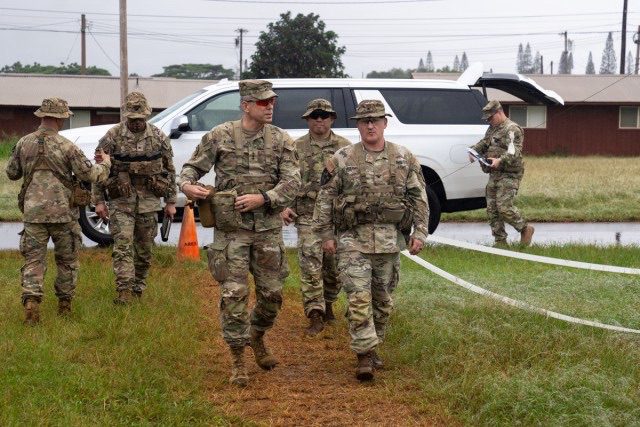
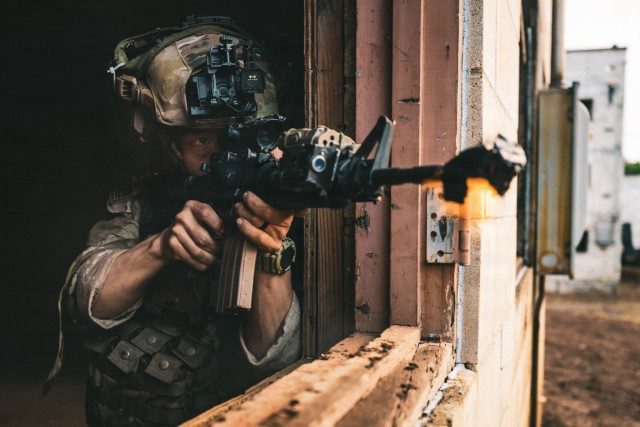
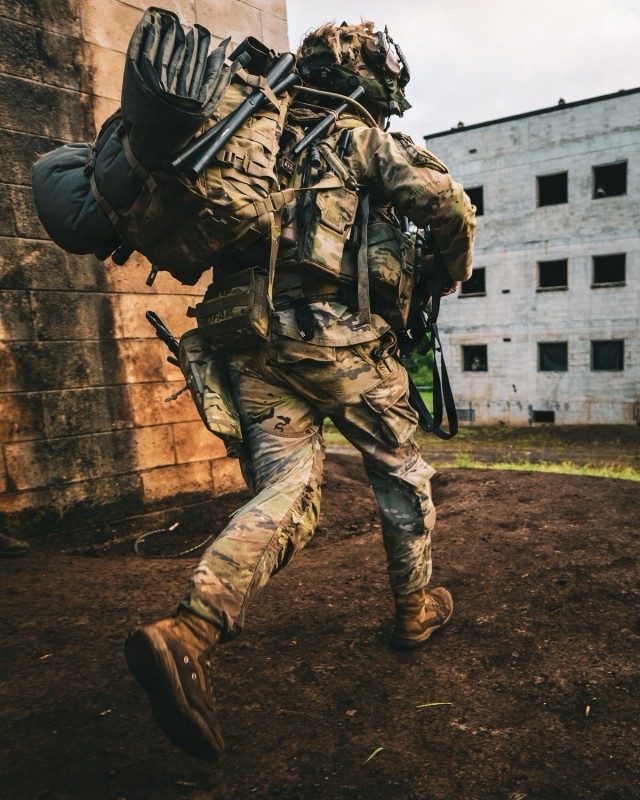
SCHOFIELD BARRACKS, Hawaii — As the U.S. Army continues to transform how it fights, Soldiers assigned to the 5th Security Force Assistance Brigade are leveraging the Joint Pacific Multinational Readiness Center rotation in Hawaii to validate Force Package Task Force elements preparing for upcoming deployments while further defining the brigade’s role in modern warfare.

For the 5th SFAB, JPMRC serves as one of several critical training and validation events designed to ensure advisors are prepared to operate alongside allied and partner forces across the Pacific. This year’s rotation also provides an opportunity to examine how the brigade contributes to the Army’s evolving operational approach across the competition-to-conflict continuum.

The exercise comes as the Army implements its recently released How the Army Fights guidance, which identifies convergence, strike, close battle and endurance as four interdependent elements of Army land power. Together, these concepts provide a framework for examining how security force assistance supports the Army’s ability to conduct multinational operations, generate combat power and achieve operational objectives.

Validating the force for forward employment

Throughout the year, 5th SFAB prepares Force Packages for employment across the Pacific, where advisors work alongside allied and partner militaries and security forces to strengthen readiness, build interoperability and develop capabilities that support regional security objectives. JPMRC represents an important milestone in that preparation. The exercise challenges advisors to apply their skills in a demanding training environment, reinforcing their ability to assess partner-force capabilities, advise military leaders and staffs, and operate within complex multinational formations.

Unlike traditional combat formations, SFABs must prepare Soldiers to succeed in an environment where influence, relationships, adaptability, and technical expertise are as important as tactical proficiency. For advisors preparing to deploy, JPMRC provides an opportunity to demonstrate their readiness to operate in unfamiliar environments, integrate with different military formations and solve complex problems alongside partners.

“JPMRC is a critical opportunity for us to validate our advisor teams up to battalion level before they deploy across the Pacific. It allows us to challenge our advisors in a realistic combat training environments while ensuring they have the skills, flexibility and grit necessary to accomplish their missions. More importantly, it provides an opportunity to examine how our brigade contributes to the Army’s ability to fight and win with our allies and partners,” said Col. Dan Hodermarsky, commander of the 5th Security Force Assistance Brigade.

The lessons identified during the rotation will help inform subsequent training, refine advisor competencies, and prepare Force Package Task Forces for their assigned missions.

Defining the advisor’s role across the competition-to-conflict continuum

While Force Package validation remains a primary objective, this year’s JPMRC rotation offers an additional opportunity to examine how the 5th SFAB supports the Army across competition, crisis and conflict.

During competition, advisors maintain persistent relationships with allied and partner forces, helping strengthen military capabilities, establish interoperability and support theater security cooperation objectives.

As conditions transition toward crisis, those established relationships and shared procedures can provide an important foundation for coordination, situational understanding and combined readiness.

During conflict, SFABs may support the integration of partner forces into multinational operations through advising, liaising, assessing and coordination, consistent with assigned missions and authorities.

JPMRC provides a training environment to examine these transitions and better understand how Advisor teams can adapt as operational conditions change. For the 5th SFAB, the objective is not simply to train advisors for the missions they are conducting today, but to prepare them for the range of challenges they may encounter tomorrow. This approach reflects the Army’s emphasis on formations that can adapt to changing operational requirements while maintaining readiness for large-scale combat and multi-domain operations.

Connecting security force assistance to How the Army Fights

The Army’s new How the Army Fights guidanceprovides another framework for examining the contributions of security force assistance to modern warfare. The guidance identifies convergence, strike, close battle and endurance as interdependent elements that enable operational maneuver and the effective employment of land power. For the 5th SFAB, these elements help illustrate how persistent advising and partner-force development can contribute to broader operational outcomes.

Convergence depends on the ability to coordinate capabilities across formations and domains. Advisors contribute by developing the human, procedural and technical interoperability required for multinational forces to plan, communicate and operate together.

Strike requires the integration of capabilities and effects to achieve operational objectives. Advisors can support this effort by helping partner forces improve planning processes, command-and-control relationships and coordination procedures that enable the effective employment of authorized capabilities.

Close battle relies on capable, lethal and adaptable land forces. Through persistent engagement and realistic training, advisors help partner formations strengthen tactical proficiency, leadership and the ability to conduct combined operations.

Endurance requires formations to sustain combat power over time and distance. Across the Pacific, where geography and contested logistics present significant challenges, advisors help partners develop maintenance, logistics and sustainment capabilities necessary for prolonged operations.

During JPMRC, these elements provide a lens through which 5th SFAB can assess its own readiness and explore how Advisor capabilities contribute to multinational operations. Rather than viewing security force assistance as an activity conducted exclusively during competition, the exercise offers an opportunity to examine its relevance throughout the continuum of military operations.

Training today for the challenges of tomorrow

The Pacific’s geographic complexity and the increasing demands of modern warfare reinforce the importance of capable allies and partners. For the 5th SFAB, preparing advisors for these challenges requires more than developing individual proficiency. It demands a comprehensive understanding of how partner capabilities, multinational coordination and persistent relationships contribute to operational success.

JPMRC provides a realistic environment to test these concepts alongside key allies and partners. Operating under true-to-life conditions allows us to capture critical lessons that directly inform future training and combat employment..

“JPMRC gives us an opportunity to see ourselves as a team. By challenging our advisors in a realistic training environment, we validate our readiness, strengthen our cohesion through shared adversity, and build confidence through collective success,” stated Command Sgt. Maj. Mark Millare, the senior enlisted leader of the 5th Security Force Assistance Brigade.

As the Army continues to refine its operational approach, 5th SFAB is using lessons from JPMRC to strengthen its ability to support theater objectives and contribute to the Joint Force. The exercise reinforces the brigade’s responsibility to prepare capable advisors for forward employment while also helping define how security force assistance supports the Army’s evolving approach to warfare.

For the 5th SFAB, the value of JPMRC extends beyond the completion of another training rotation. It represents an opportunity to validate the force, challenge existing assumptions, and refine how advisors contribute to the Army’s ability to fight and win alongside allies and partners. Through persistent presence, deliberate preparation and realistic training, the 5th SFAB continues to build the capabilities and relationships that enable operational advantage across the Pacific.

About the Joint Pacific Multinational Readiness Center

The Joint Pacific Multinational Readiness Center is U.S. Army Pacific’s premier regional Combat Training Center. Operating across the Hawaiian Islands, Alaska and exportable locations throughout the Indo-Pacific, JPMRC provides realistic, live, virtual and constructive training in complex archipelagic, jungle and arctic environments. The center generates combat-credible forces, validates multi-domain readiness and deepens interoperability with joint forces, allies and multinational partners to uphold a free and open Indo-Pacific.

About the 5th Security Force Assistance Brigade

The 5th Security Force Assistance Brigade, headquartered at Joint Base Lewis-McChord, Washington, provides trained, manned and equipped combat advisor teams to deploy and conduct advise, assist, accompany and enable activities across the US Army Pacific area of operational responsibility, enhancing partner warfighting capacity and expanding U.S. posture where conventional access remains constrained. The 5th SFAB is a purpose-built organization, working to increase the capability, credibility and interoperability of the land power network in the Pacific.

By Maj Colin Honeker

NIOA Welcomes $15M Queensland Government Boost for Maryborough Defence Manufacturing Facility

Thursday, November 26th, 2026

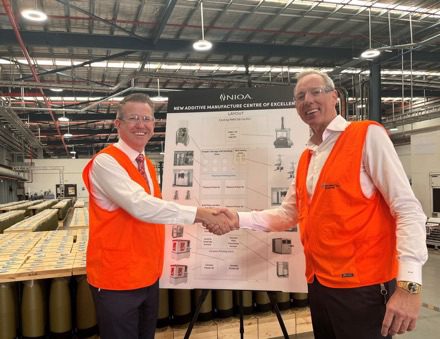
NIOA is set to create a centre of excellence for the production of high-performance components used in defence and aerospace systems at its joint venture facility in Maryborough, Queensland.  

Queensland Deputy Premier and Minister for State Development, Infrastructure and Planning, Hon Jarrod Bleijie MP today announced $15m in funding for NIOA from the State Government’s Sovereign Industrial Development Fund (SIDF). Defence manufacturing boost locked and loaded for Maryborough – Ministerial Media Statements

Australian-owned NIOA, Australia’s Armaments Prime, is a joint venture partner in Rheinmetall NIOA Munitions (RNM) with Germany’s Rheinmetall Waffe Munition GmbH. 

RNM, which opened in 2022, uses forging and precision machining to produce 155mm artillery projectile bodies for international supply chains.

The State Government funding will expand and diversify NIOA’s capability to also make missile, drone and counter-drone components using advanced industrial-scale metal and ceramic 3D printing technology and post-print processing. 

Combining these technologies with existing forging and precision machining will broaden the range of complex components the Maryborough facility can manufacture, strengthening sovereign capability and allied supply chains. 

Quotes attributed to Rob Nioa, Managing Director and CEO, NIOA:

“This investment will expand Australia’s capacity to manufacture advanced defence and aerospace components here at home. It positions Maryborough and regional Queensland at the forefront of advanced manufacturing and strengthens Queensland’s contribution to the nation’s defence industrial base.

“The Queensland Government’s support will bring the latest technology to Australia, including industrial-scale metal and ceramic 3D printing, and put it to work building sovereign capability.

“For NIOA, being Australia’s Armaments Prime means combining Australian know-how and local accountability with trusted partnerships, and this investment shows how that approach can deliver advanced manufacturing from regional Australia.

“NIOA, through the partnership with the Queensland Government, is creating a manufacturing hub capable of producing next-generation components for Australian and international customers.”

Key facts…

Investment: Estimated project cost approximately $30 million, including SIDF grant of up to $15 million.  

Capability: Industrial-scale metal and ceramic 3D printing, from feedstock design and production to post-print processing, alongside existing forging and machining. Supporting the manufacture of components with complex shapes and demanding requirements for weight, strength and temperature resistance, including advanced ceramic components for high-speed defence systems. Applications include munitions, missile, drone, counter-drone and aerospace components. 

Location: Maryborough, Queensland. 

Jobs: Create and sustain up to 18 jobs when operational by late 2028. 

Proposed equipment: Three ceramic and two metal industrial 3D printers, two post-print sintering ovens and one prototype sintering oven.  

The Agilite Tactical Turkey Hunt is Live-Watch out for the Grenades!

Thursday, November 26th, 2026

Think you can take down the turkey? ?

Agilite’s Tactical Turkey Hunt is live! Head to the Agilite website, kill the turkey, and complete all the missions to unlock access to their  exclusive Turkey Hunter patch and to get early bird access to their Black Friday deals. Watch out though, HE FIGHTS BACK! 

Right click to reload and watch out for the grenades.

click here to play: agilitegear.com/collections/mega-deals

Paul Jennewein, Managing Director at Lindnerhof, on Turning Prototypes into Production-Ready Equipment

Thursday, November 26th, 2026

LENGGRIES, GERMANY (26 November 2026)

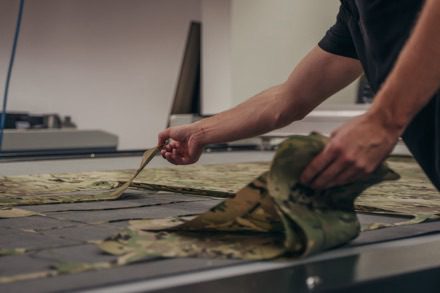
What does it take to make a piece of tactical equipment once, then make it 10,000 times to the same standard? For Paul Jennewein, Managing Director of Lindnerhof, the answer starts in the sample room, where building a prototype exposes decisions the team will have to get right in production.
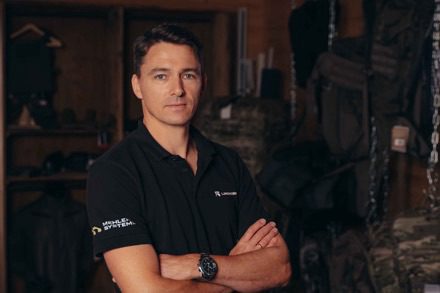
Jennewein explains what Lindnerhof’s sample makers learn from the first build, how the team chooses materials it can source and work with reliably, and how it keeps quality consistent as order volumes grow.

Q: What drew you to Lindnerhof after more than 18 years in high-performance and defence textiles?

A: I wanted to take what I had learnt in high-performance textiles and technology development and apply it to complete tactical products used on the front line. Lindnerhof’s combination of operational experience and hands-on development appealed to me. I could have a more direct influence at every stage, from choosing a material and building the first prototype to manufacturing the product and getting it to the customer. I’m drawn to technical products where function and reliability are what count in the field. I also saw an opportunity to build on the expertise Lindnerhof had developed locally and bring it to more customers through Mehler Systems.
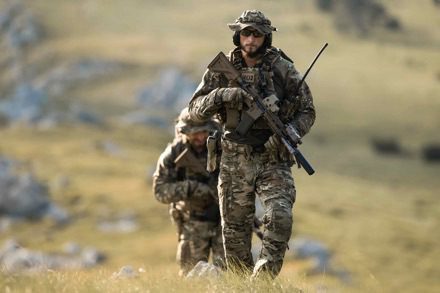
Q: How do you and Jakob Kolbeck complement each other as managing directors?

A: Jakob brings an operational background and a direct understanding of users and their missions. He also brings the customer perspective through his focus on sales and the market. My background is in textiles, materials technology and production. When we look at the same product, Jakob asks what the operator really needs. I ask whether we can make it once and then make it 10,000 times to the same standard. That’s what field to factory means to me. We take what operators need and bring it together with expertise in textiles, materials, engineering and manufacturing.

Q: How does bringing development, manufacturing and the supply chain closer together benefit customers?

A: It shortens the path from a customer requirement to a finished product. Material availability, manufacturability, quality, compliance, cost and reliable delivery all influence the design. We bring manufacturing and procurement into development early so that, while we’re still prototyping, we can ask whether we can source the materials reliably and manufacture the product consistently as volumes increase. We also ask whether we can specify and test it objectively and whether it can be maintained or repaired. With fewer handovers, less information gets lost along the way.
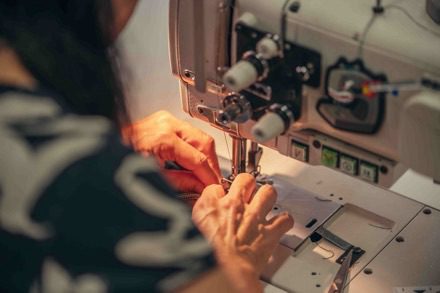
Q: What can Lindnerhof’s sample makers learn from building the first prototype?

A: It gives us a real competitive advantage because we can turn around development iterations quickly. Experienced sample makers often spot issues while building a prototype that you would never see on a drawing. What they learn goes straight into preparing the product for series production. A prototype should prove that an idea works and teach us how to manufacture it.

Q: Can you share an example of how a product evolved from the first prototype to the finished design?

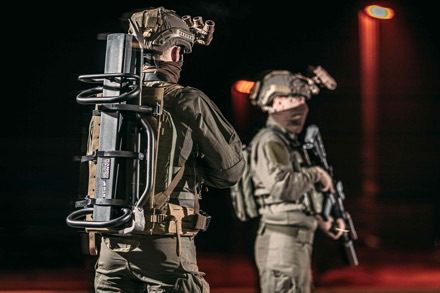
A: One example is a modular load-carrying system we developed to help operators move more easily under load and keep their hands free. The first prototypes can look a bit like Frankenstein’s monster, but they reveal seemingly small issues that are important to catch early. We get feedback from users as soon as we can. If we need experience we don’t have in-house, we take the prototype to potential customers and ask them what they think.

We build another version, refine it and strip away anything that serves no useful purpose. Several small improvements can make a significant difference to the finished product. In my experience, good tactical equipment often comes from a series of changes based on what we learn along the way.
Q: What tells you a material is suitable beyond its laboratory performance?

A: The right material depends on the application and how it performs in the complete equipment system. Improving one property can come at the expense of the system as a whole, so laboratory results are only one part of the decision. We also consider how the material behaves in manufacturing, how reliably we can source it over the long term and whether it can continue to meet regulatory requirements as they evolve. Those last two considerations are becoming increasingly important.

Q: How do you decide whether a new material or manufacturing method is worth adopting?

A: We define the problem first, then benchmark the new material or method against the existing solution. That means looking at what improves and what trade-offs the change introduces across the complete product. Reliability comes first.
Q: What does it take to move a prototype into reliable series production?

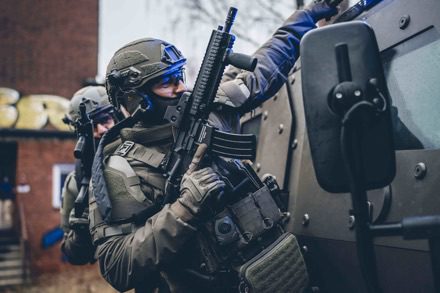
A: If we need to bring a product to market quickly, we work within a pool of materials that meet known, accepted standards. The further we move away from those standards, the more time we need to establish that we can manufacture the product reliably and achieve the required quality.

Scaling up deserves particular attention. The product passes through several hands, and people across the organisation independently review all aspects of manufacturability at up to five points in the process. We build quality into the production process from the start so that the final inspection can confirm it.

Q: How do you keep materials, dimensions and workmanship consistent as production grows?

A: Clear specifications tell everyone what the product has to meet, from materials and dimensions to workmanship, functional requirements and test criteria. We then need processes capable of delivering to those specifications. That includes preparing the product for series production, qualifying suppliers, controlling the process, standardising how the work is done and managing changes. It also takes trained production staff, experienced sample makers, people in purchasing who understand the technical requirements and colleagues with quality expertise.
Q: Which parts can you standardise when customers need different configurations?

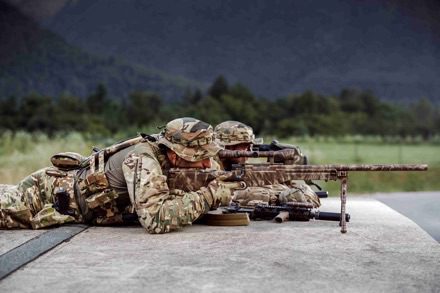
A: Defence and police customers will always need specialised solutions. We manage that variety by identifying what needs to be specific to the customer and what can be built on a common technical platform. We standardise wherever variation offers the customer no benefit. That can include materials, buckles and other components, interfaces, attachment systems, manufacturing processes, test methods and quality requirements. Modular design lets us build different configurations from common components. Customers get equipment that meets their needs, and we can manage the resulting variety in production.

Q: How do you pass practical expertise on within the team?

A: Some of our most important knowledge comes from years of doing the work and is hard to capture in a document. That’s one reason sample makers and experienced production staff are an essential part of development. We pair experienced employees with younger colleagues so they can learn why a construction or production step matters as well as how to do it. My approach is to build on the expertise we have, make it visible and help more people develop it.
Q: Where do you see opportunities to develop the team’s skills?

A: I see particular value in helping teams understand each other’s work. Developers can learn more about manufacturing, and purchasing can build a stronger understanding of technical requirements. Production can contribute earlier in development. Quality teams can focus more on preventing problems and making sure processes are capable of delivering consistent results. Product managers can deepen their knowledge of materials and compliance. The aim is for specialists to understand how their decisions affect the entire value chain.

Q: What do you want to preserve about Lindnerhof’s hands-on approach as the company grows?

A: I want to keep the maker mentality. You have an idea, you build it, you test it and you improve it. People need room to experiment in a practical way. As we grow, we need processes that help engineers work consistently while protecting the speed, practical expertise and hands-on culture that make Lindnerhof effective. The distance between an idea and the person who can build it should stay short.

Q: What are your main priorities for Lindnerhof over the next few years?

A: The first is a resilient supply chain. We want reliable access to materials and components, more transparency and traceability, and enough capacity to fulfil small and medium-sized orders within reasonable lead times.

The second is people. They’re at the core of the company. We want to retain and develop the expertise we already have and bring in people who think differently and offer different skills.

The third is innovation with a measurable benefit for the user. We want to develop materials and designs that solve real operational problems. Combining Lindnerhof’s agility with the scale of Mehler Systems gives us more scope to do that.

Q: Where can Lindnerhof draw on the group’s capabilities as it grows?

A: It gives us access to expertise and markets beyond our own organisation. We can share materials knowledge and manufacturing capabilities, work together on purchasing and sourcing, develop products jointly, reach customers internationally and bring products from across the group to customers through each other’s sales channels.

We need to use that scale while preserving Lindnerhof’s ability to act quickly and make decisions close to the customer. We bring work together across the group where it creates genuine customer value. The advantage is access to colleagues whose expertise complements ours.

Q: What can customers look forward to as Lindnerhof develops?

A: We want to keep responding quickly to specialised requests while moving from individual products towards integrated, modular systems. That means designing each item as part of the equipment the user carries and wears. Drawing on expertise across Mehler Systems lets us design pouches, carriers, clothing and ballistic protection to work together and improve the complete equipment system.

About Paul Jennewein:
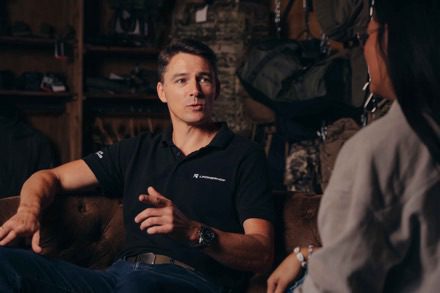
Paul Jennewein joined Lindnerhof as Managing Director on 1 September 2025. He has more than 18 years of experience in high-performance and defence textiles, including work on projects for Germany’s Special Forces Command (KSK), the German Navy and the Nordic Combat Uniform initiative. At Lindnerhof, he focuses on textiles, adaptive systems, sample production, industrialisation and supply chain processes.

About Lindnerhof:

Born out of battlefield experiences, Lindnerhof was founded by a German Special Forces soldier with a relentless committment to developing performance-enhancing tactical gear. The goal today is the same as at the beginning: to cultivate and maintain close working relationships with elite units.

Lindnerhof complements the capabilities of Mehler Systems by providing modular, functional, high-quality carrying solutions suited specifically for tactical missions. Designed for use by special forces, military personnel, and law enforcement, the products prioritise rapid access to carried gear, the ability to extensively customise, and provision of the help operators need to be tightly organised and speedy.

For more information about Lindnerhof please visit: lindnerhof-taktik.de

Tomahawk Performance Offers Limited-Edition Hat Included With Every Purchase

Thursday, November 26th, 2026

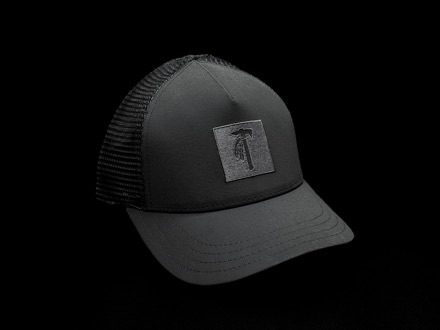
NASHVILLE, TN – [November 27, 2026] From Friday, November 27 through Monday, November 30, Tomahawk Performance will include a free limited-edition structured hat with every purchase. The branded hat features a snapback closure, mesh backing, and no top button for all-day comfort while wearing over-ear protection for training. Available while supplies last.



FEATURED PRODUCTS

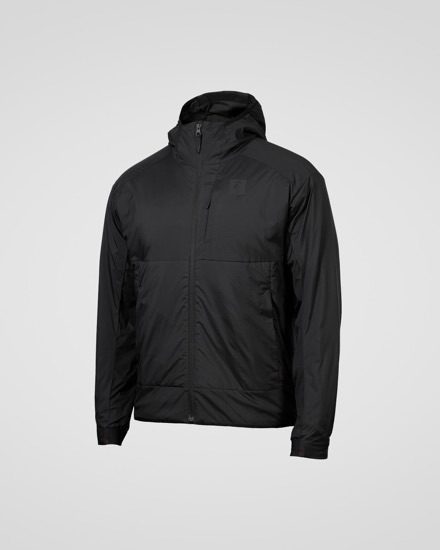
Shop the new Inflow Hooded Jacket, a light insulated layer engineered to hold warmth, shed weather, and move without a trace. High air permeability keeps you breathing easy in motion, while an exceptional warmth-to-weight ratio delivers lightweight thermal insulation for dynamic mobility in changing conditions. Available now in Black and Ranger Green.

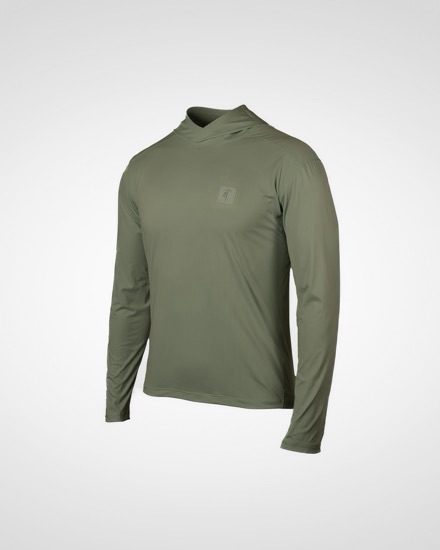
The long-awaited OTB Sunshirt LS is now available in Ranger Green and Haze Blue. Operating as a primary source of sun protection in temperatures of 40°F and above, the OTB Sunshirt LS is a lightweight, breathable, and highly durable layer designed to be worn under an armored carrier.

Shop all new arrivals at tomahawkperformance.com.

Happy Thanksgiving

Thursday, November 26th, 2026

DIU Issues New Prize Challenge Drone Dominance: Extended Range Strike – Gauntlet II

Wednesday, November 25th, 2026

Department of War Innovation Unit has issued a new prize challenge to industry. DIU is seeking an affordable, scalable arsenal that can deliver reliable combat power and be produced and replenished faster than an adversary can respond. In short, they’re seeking the most bang for the buck.

America’s advanced precision weapons are critical to our military edge, but two major issues are undermining them: high costs and long production times make it impossible to use them at scale, and adversaries are increasingly disrupting our communications and GPS.

Under the Drone Dominance initiative and with the Direct Reporting Portfolio Manager for Unmanned Systems (DRPM-UxS), Extended Range Strike Gauntlet II is looking for low-cost, long-range capabilities that work effectively in jammed or disconnected environments. This challenge is a direct continuation of ERS Gauntlet I (formerly the Ground-Based Affordable Mass Prize Challenge).

In ERS Gauntlet II, the Department of War (DoW) is seeking TRL 7+, affordable, medium- and long-range surface-launched unmanned aerial systems. Solutions must be ready for U.S.-domestic demonstration by mid-March 2027, capable of delivering 20-30 systems by June 2027 to support end-user validation, and capable of delivering over 100 systems within 6-8 months of this solicitation. This effort is in direct support of the Direct Reporting Portfolio Manager for Unmanned Systems (DRPM-UxS). The Government is particularly interested in mature, proven solutions that deliver favorable cost-per-effect at operationally relevant ranges and in operationally relevant conditions (weather, electronic warfare, etc.) while minimizing the logistical, training, and sustainment burden on employing units.

Primary Desired Attributes:

Cost-per-effect (CpE): Defined as Fully-Burdened Unit Cost divided by Mission Success Rate, it will serve as the primary figure of merit. Proposals should clearly describe how their solution delivers the best balance of cost, reliability, lethality, and employability.

Long Range: <$500,000 based on mission success rate, with a sub-$250,000 all-up flyaway cost at scale.

Medium Range: <$300,000 based on mission success rate, with a sub-$130,000 all-up flyaway cost at scale.

Range:

Long Range: 600+ nautical miles (nm); Medium Range: 20-600nm.

Note on Mid-Range: Typical operational range for medium-range assets is 20-100nm. Solutions that surpass this range without incurring excessive SWAP penalties will be evaluated favorably, but vendors will not be penalized for optimizing their solutions for the 20-100nm range.

Payload:

Medium Range: Minimum 7 pounds (lbs)

Long Range: Minimum 25 lbs,> 100 lbs strongly preferred

Configuration: Fully integrated All-Up Round (AUR) with inert payload and integrated high-voltage ESAD that is designed for MIL-STD-1316 compliance.

Resilience: Proven performance in EW-contested environments; demonstrated reliability from launch through terminal engagement.

Production: Credible path to build and deliver 100+ systems per month within 6 months.

Autonomous Guidance and Behaviors: Autonomous transit and the ability to search with platform and sensors for targets in the mission target area.

Autonomous Target Detection and Tracking: Integrated Automatic Target Recognition algorithms for performing accurate target detection, classification and tracking. Autonomy enabled guidance and control algorithms for enabling autonomous terminal guidance without requiring positive operator control.

Robust Navigation: Provides resilient PNT in GNSS-contested, feature-poor and maritime environments.

Employment: Surface-launched; supports operator-directed or autonomous retasking after launch, with both human-in-the-loop and human-on-the-loop engagement modes, including ATR.

Submission Deadline: 07 December 2026, 23:59:59 U.S. Eastern Time

Full details at www.diu.mil/work-with-us/submit-solution/PROJ00725