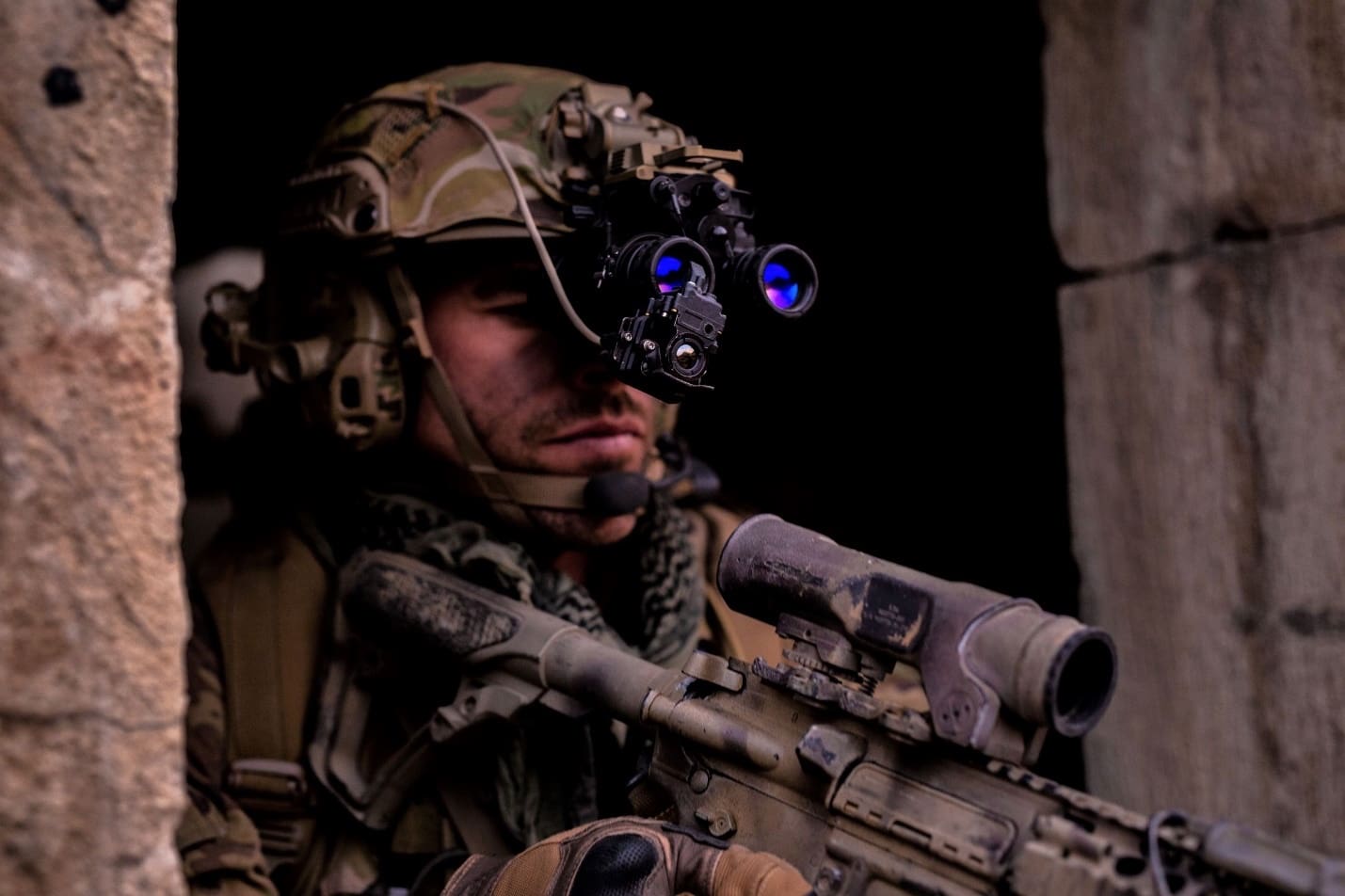
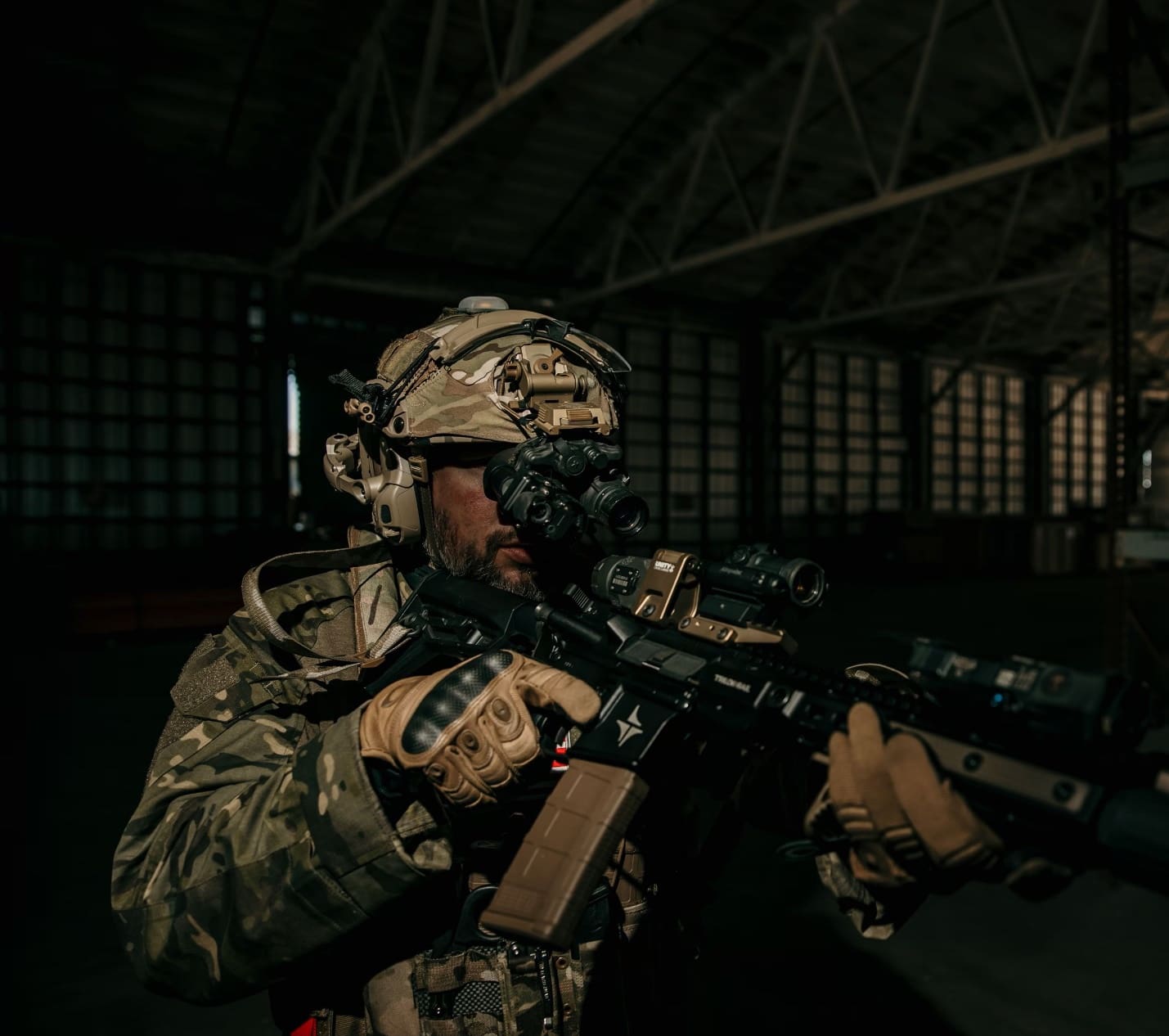
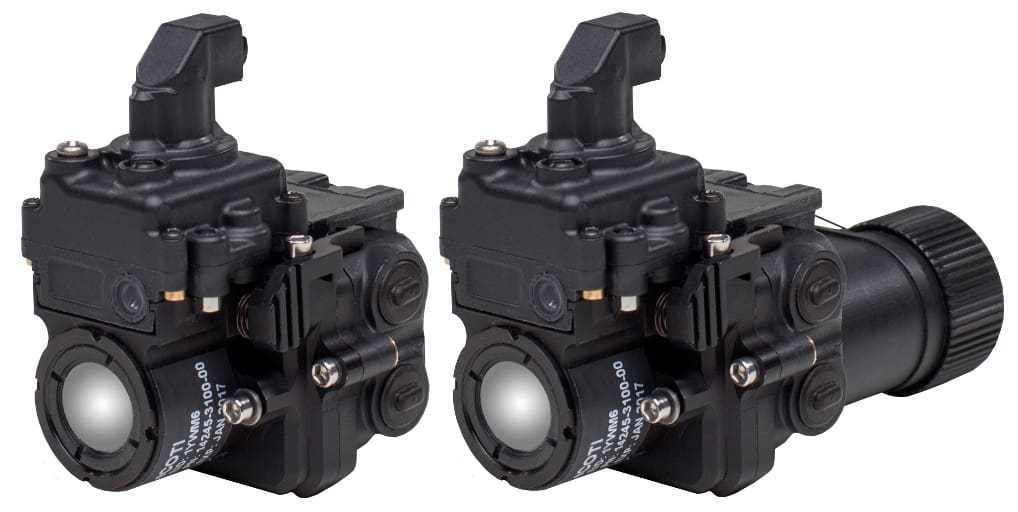
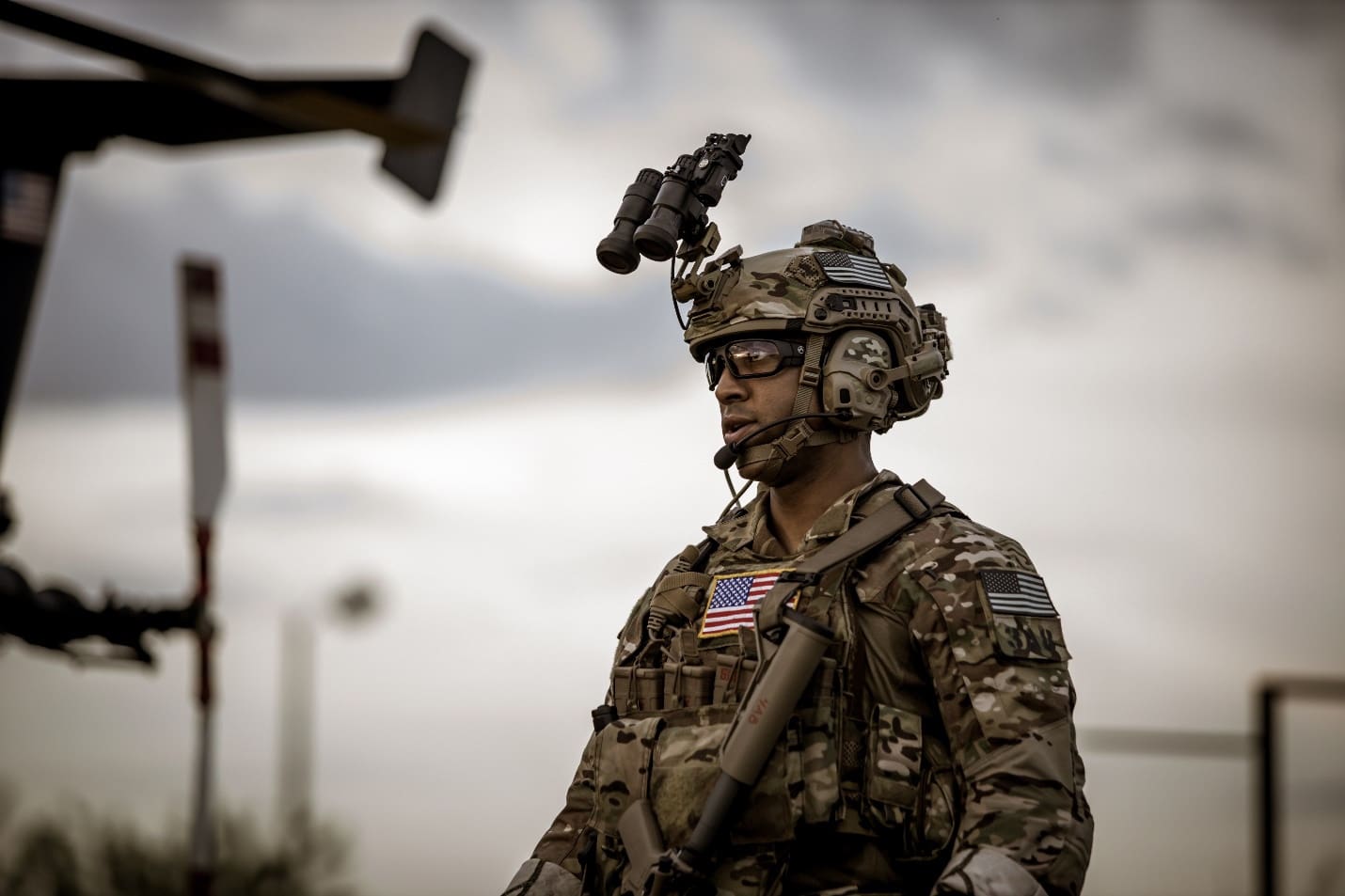
TNVC is proud to announce that we are now shipping the first pre-orders of the Optics 1 ECOTI. Previously restricted to government sales, TNVC was able to secure exclusive commercial distribution rights late last year and finally make this next-generation technology available to all customers. Our staff is working diligently to get caught up and get all pre-orders out after a much needed break for the holidays.
The Optics 1 ECOTI next generation thermal clip-on technology is available now for order exclusively from TNVC for $8,399.00, with the full complement of accessories to be available later on this year—get yours today!
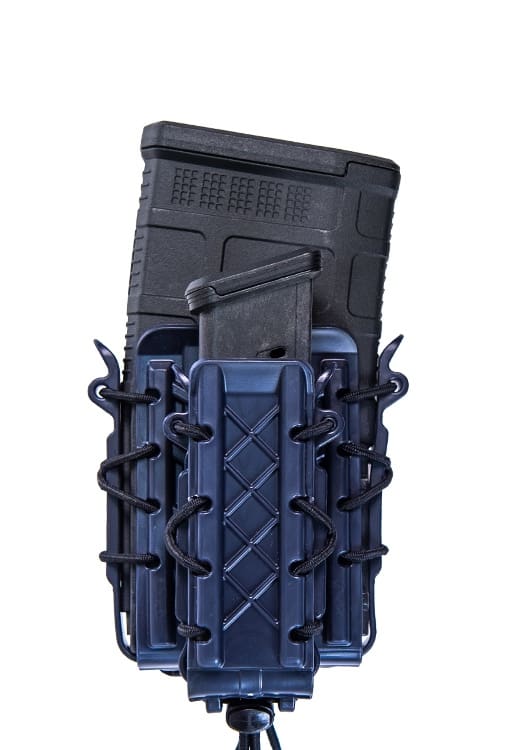
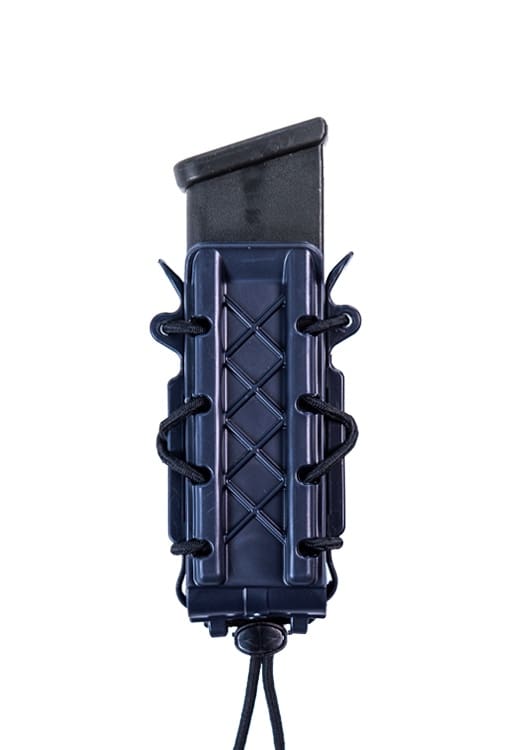
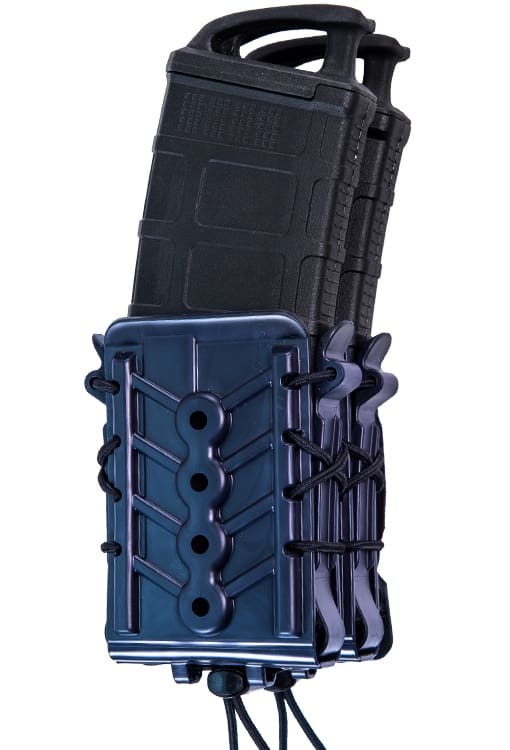
SWANSBORO, N.C. – Jan. 6, 2020 – High Speed Gear® has added LE Blue to the color offerings for most of its Polymer TACO® family at the start of 2021.
This new polymer color was based on our LE Blue nylon and will allow customers to match existing LE Blue nylon and Kydex® loadouts with Polymer TACOs, Polymer Pistol TACOs, Polymer Double Decker® TACOs and Polymer X2R® TACOs.
“We are constantly expanding our product lines to meet the growing needs of our users,” explained Allison Mitchum, HSGI® director of marketing and sales. “In the last year, we added LE Blue to the majority of our catalog and now we’ve extended that to our polymer TACOs, making that style of pouches available to our law enforcement agencies that require blue gear for their vests and belts. We know that blue equipment options for these units can be very limited, so we’re proud to offer them American-made solutions.”
The Defense Logistics Agency announced yesterday the following contract award:
Atlantic Diving Supply Inc.,* doing business as ADS, Virginia Beach, Virginia (SPE8EJ-21-D-0020); Federal Resources Supply Co.,* Stevensville, Maryland (SPE8EJ-21-D-0021); Noble Supply Co., Inc.,* Rockland, Massachusetts (SPE8EJ-21-D-0022); SupplyCore Inc.,* Rockford, Illinois (SPE8EJ-21-D-0023); Tactical Survival Specialties Inc.,* Harrisonburg, Virginia (SPE8EJ-21-D-0024); and W.S. Darley & Co.,* Itasca, Illinois (SPE8EJ-21-D-0025), are sharing a maximum $33,000,000,000 firm-fixed-price, indefinite-delivery/indefinite-quantity contract under solicitation SPE8EJ-18-R-0001 for the fifth generation Special Operations Equipment (SOE) Tailored Logistics Support (TLS) program. The scope of work under the SOE TLS program includes the total logistics support for the special operational equipment requirements of Defense Logistics Agency (DLA) customers to include military installations, federal agencies, and other authorized DLA customers located worldwide. This was a competitive acquisition with 29 offers received. These are two-year base contracts with four two-year option periods. Locations of performance are Virginia, Maryland, Massachusetts, and Illinois, with a Jan. 4, 2023, ordering period end date. Using customers are Army, Navy, Air Force, Marine Corps and Coast Guard. Type of appropriation is fiscal 2021 through 2022 defense working capital funds. The contracting activity is the Defense Logistics Agency Troop Support, Philadelphia, Pennsylvania.
Posted in ADS, Advertiser, Contracts | Comments Off on Defense Logistics Agency Awards 10-Year, $33 Billion Special Operations Equipment Tailored Logistics Support Contract to 6 Firms
SSD recently conducted a Q&A session with Sitka’s Big Game Product Manager John Barklow. He is well known to many of you, but for those unfamiliar with John, he is a US Navy Veteran who capped off a distinguished career at Naval Special Warfare Center – Detachment Kodiak in Alaska, teaching NSW personnel how to survive in the cold. Although he was a diver by trade and not a SEAL, his expertise was valued from his years in the mountains that they recruited him to be an instructor at the Kodiak Schoolhouse.
SSD: What is your role at Sitka?
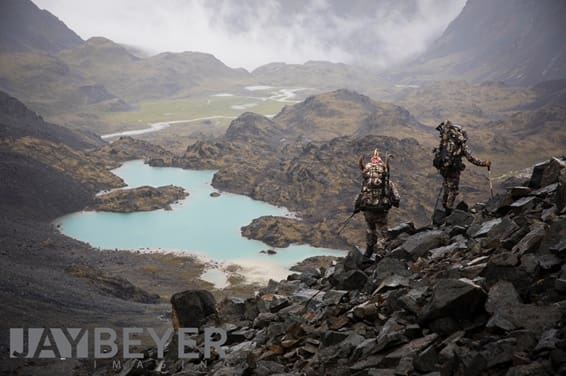
JB: I am the Big Game Product Manager. I help develop clothing and equipment for hunting animals like elk, mule deer, sheep, and mountain goats. Most of that hunting occurs in remote mountains which leverages my decades of experience.
Photo: Jay Beyer Imaging
SSD: You were in the Navy, tell us a little about your service.
JB: I served 26 years in the Navy. Twenty of those were in direct support of Naval Special Warfare. I spent a lot of time climbing and skiing on my days off and was considering getting out. I thought I wanted to become a mountain guide and was working to get my American Mountain Guide Qualification.
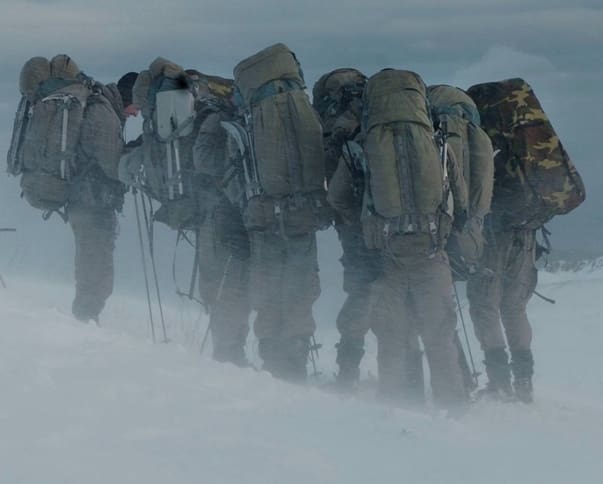
I was assigned to SEAL Team Five at the time and for years I’d been teaching point men from different teams how to move through technical terrain at night and climb tactically, what we called cliff assault. My unique skill set was in dire need after 9/11 and I was recruited for the job at Det. Kodiak. Most of NSW’s experts in Mountain and Arctic Warfare had retired so I was one of a select few brought in to help. The truth is we were ill-prepared for the terrain and environment of Afghanistan. We took a year to study the problem and understand the unique challenges. Within two years we had developed the Protective Combat Uniform (PCU) and Personal Environmental Protective Survival Equipment (PEPSE) system with the help of professional climbers and industry partners.
We also worked on new Tactics, Techniques and Procedures and developed a curriculum for the training we were conducting. This training eventually became part of the SEAL training pipeline.
Photo: US DOD
SSD: Tell us about those who influenced you while you worked on PCU and PEPSE.
JB: I learned a lot from Mark Twight while I was working on the PCU. Mark is a world-renowned alpine climber and I learned about the attitude and mindset required to work in that harsh environment.
I also had the chance to work with Rick Elder of Natick’s Special Operations Forces Survival, Support & Equipment Systems team while PCU was being developed. Rick taught me about working the system to get what we needed in such a short period of time.
One of the biggest influences was working with my peers, including those from other SOF units. And by working, I mean in the mountains: climbing, skiing, and becoming comfortable in the environment, discussing tactics. We were all trying to figure it out and the collaboration lessened the learning curve.
SSD: How do you apply that experience at Sitka?
JB: I’ve trained thousands of guys and seen how gear is used both correctly and incorrectly. I’ve worked with designers to help instill my no compromise mindset. I trust our field testers, but nothing is ready until I’ve tried it out myself. This mindset goes back to the Rewarming Drill we had our students conduct at Det-Kodiak.
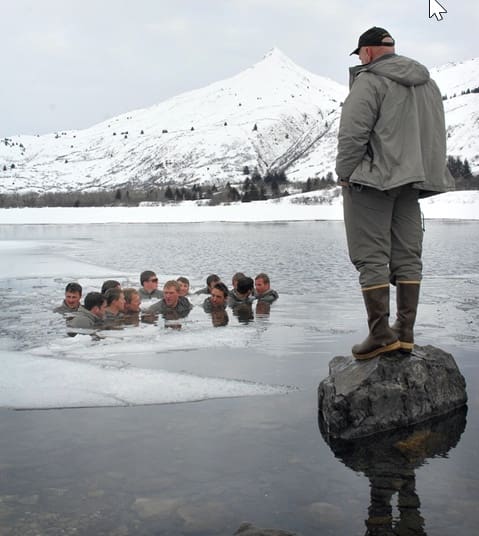
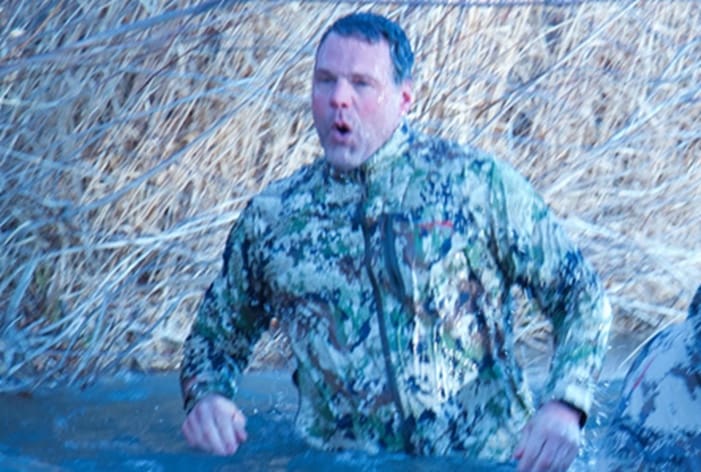
SSD: I’ve heard about this. The Rewarming Drill is legendary. There’s this photo of an instructor towering over some very cold, very wet SEALs. Could you tell us a little more for those unfamiliar?
Photo: MCS2 Manzano – DOD
JB: The instructors at Det-Kodiak developed this evolution where students are completely immersed in cold water, wearing their kit, surrounded by ice. The idea is to keep them in long enough to drive a sense of urgency to perform the task. They have a set amount of time to get out of the water and work through their protocols with a buddy to rewarm and dry out.
The drill creates trust not only in the gear to save their life but also in themselves to control a bad situation. You can’t just leave the mountains during an op because you’re cold or tired. The gear and this drill helped them to understand they can leave the mountains on their terms.
With technical gear, you can’t just hand it to someone without training. That’s like giving the keys to your Porsche to a 16-year-old.
Photo: Eastman’s Hunting Journal
SSD: Put us in the thought process. Give us a scenario where this applies to the hunter.
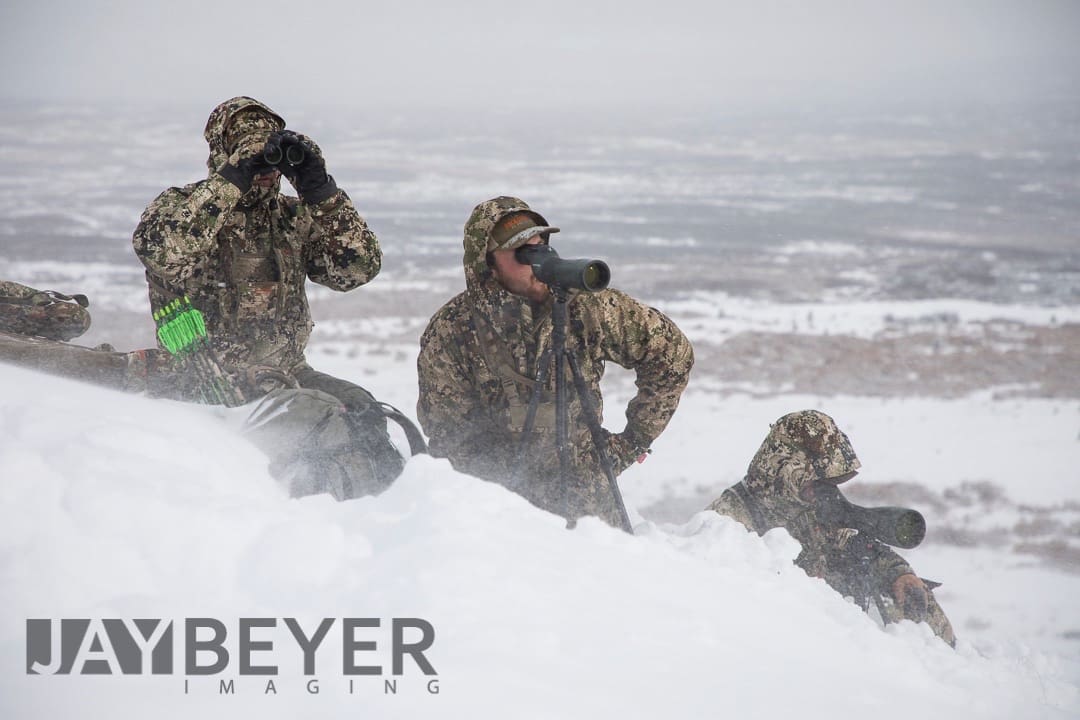
JB: 13,000 feet… a mule deer hunt in August. A storm rolls in unexpectedly from over the top of the ridge. The temperature plummets, the wind picks up and it starts to snow. If you don’t have the right gear, and most importantly know how to use it, you’re a casualty.
SSD: You’ve been the manager of Big Game for six years. Do you see any parallels between the military and hunting?
JB: Absolutely! A Special Reconnaissance mission and a wilderness hunt have direct parallels. You plan and you execute. The biggest difference is in what you’re observing. However, a hunter can leave anytime he wants. The guy in the military is in, until the mission is complete.
Photo: Jay Beyer Imaging
SSD: Have you ever been in a life or death situation while hunting?
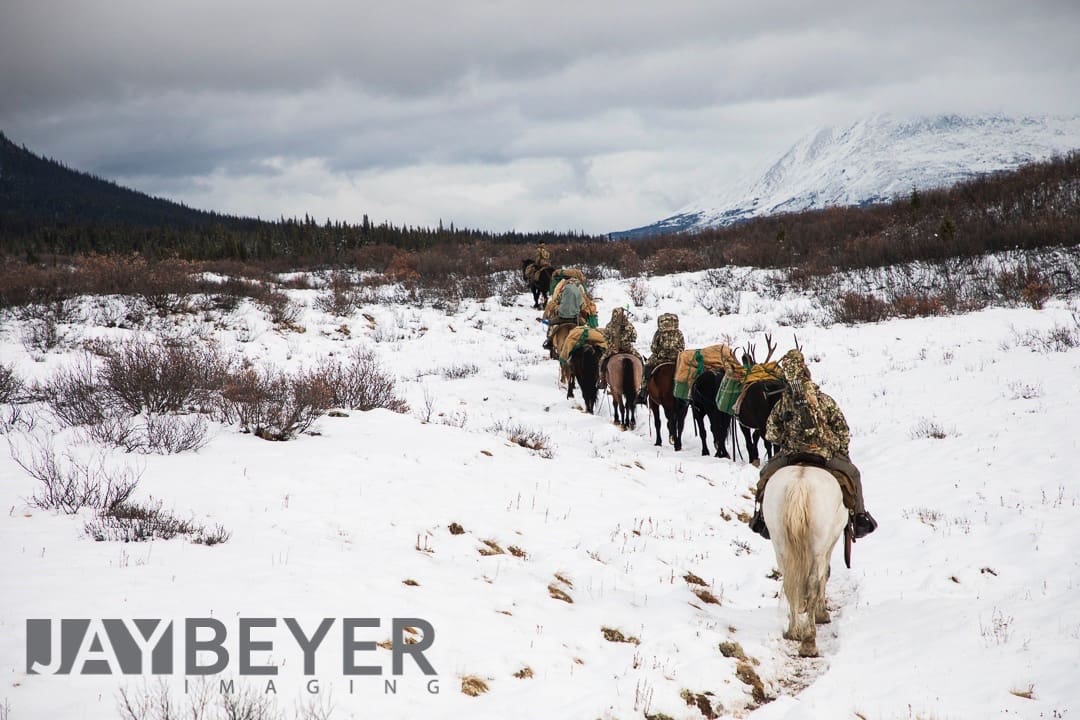
JB: We were hunting in Northern British Columbia in mid-October a few years ago. They dropped us off at a lake by floatplane.
There, we linked up with horses to head deeper into the backcountry to hunt mountain caribou. We rode into full winter conditions the deeper we went. The wrangler dropped us off on a glassing ridge with some bivy gear and left us for a few days.
The ride out to the trailhead took four days I believe. The snow turned into rain and then refroze on the narrow horse trails. One of the guys was thrown from his horse and dislocated his shoulder. Another guide was thrown off and had a concussion. My horse, a 1400 pound beast, fell out from underneath me in the dark as we rode through a boulder field. I was banged up pretty good but was able to get out from underneath before the horse freaked out and crushed my leg. The horse almost didn’t make it and we thought we’d have to shoot him where he lay.
Photo: Jay Beyer Imaging
SSD: Between your military experience in Alaska, your time climbing and hunting, is there anything you’ve applied directly to clothing development?
JB: Clothing is all about managing moisture. It’s your armor from the elements. Twight taught me that. These technical clothing systems aren’t meant to keep you dry as much as to dry out as quickly as possible. It’s all about managing moisture and using your body as the heat source to dry out.
When I’m testing out a new clothing layer or textile, there’s a test I put it through that I don’t ask of any other field testers. I put the new layer in a bucket of water to get it soaked. Then I put the layer on within a tried and true clothing system. I want to see how the layer works within the system to manage moisture. I’ll go for a hike, ski tour or do a workout in my gym. The worse the weather the better to simulate worst case scenarios. I call this exercising your clothing system. It’s critical to find out how a layer works within a system to provide the performance I’m looking for.
Photo: Eastman’s Hunting Journal
SSD: Our readers are quite interested in the new SOF product line. Although you’re the Big Game Product Manager, how have you been involved in the new line?
JB: When he arrived in the Fall of 2020, I walked Lav (John Laviolette, SOF Program Manager) through the entire Sitka line. I also went over what SOF guys have been asking for and what they’ve been using from the HUNT product line already. That helped influence the DNA of the soon-to-be launched SOF product line.
A lot of these guys have been operating in the same clothing they hunt in. They know they can rely on it. They like the durability and the fit. It goes back to confidence.
We cherry picked Sitka technologies and laid the foundation for the program, however, we don’t build single pieces. We use a systems-based approach to design. When you do this, you get the performance you seek.
SSD: Earlier you mentioned wanting to get your American Mountain Guide Qualification. Are there any personal projects you’ve got going on?
JB: I recently started an Instagram page @jbarklow to continue teaching. I’m working now on building a website and training content. I missed teaching and wanted to continue to help others lessen the steepness of the learning curve. The dirty little secret is just because you work for a company developing product doesn’t mean you’re an end user or know how to use any of the gear. There is a real need for education within the hunting and mountain sports community.
SSD: I spoke with Sitka founder Jonathon Hart about being overwhelmed by the sheer number of styles you guys offer. He said that Sitka is taking a look at that.
JB: I’ve reset the Big Game line over the last six years, cutting the styles in half. An eight-piece system will work about 85%-90% of the time. Of course, there’s personal preferences, price points, and environmental considerations to factor in.
Photo: Steven Drake
SSD: If you could summarize your philosophy, what would it be?
JB: People’s lives can be on the line when they use our gear, especially now as we enter the military business. My philosophy is easy: No compromise, period, end of story!
—
This interview was conducted by SSD Editor, Eric Graves.
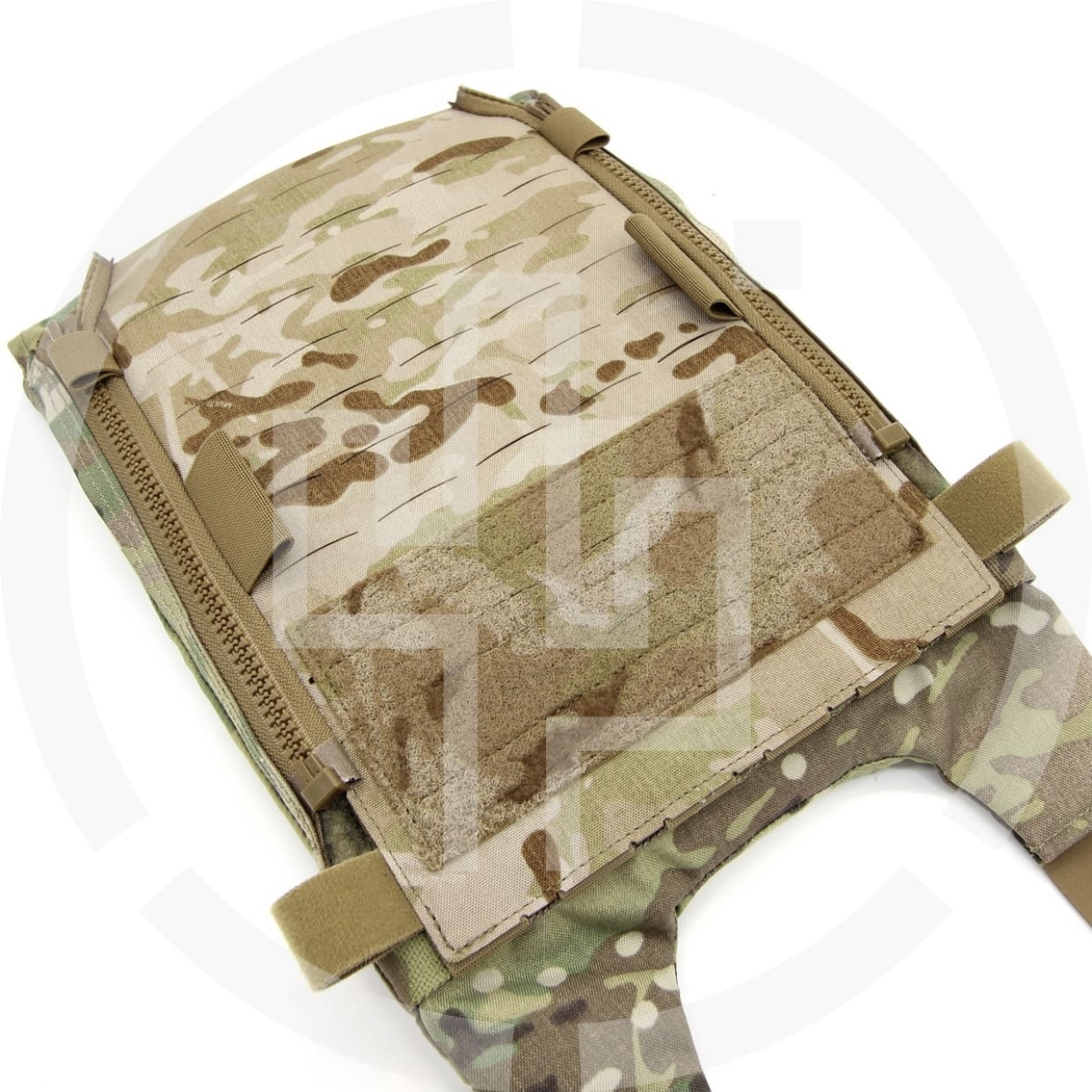
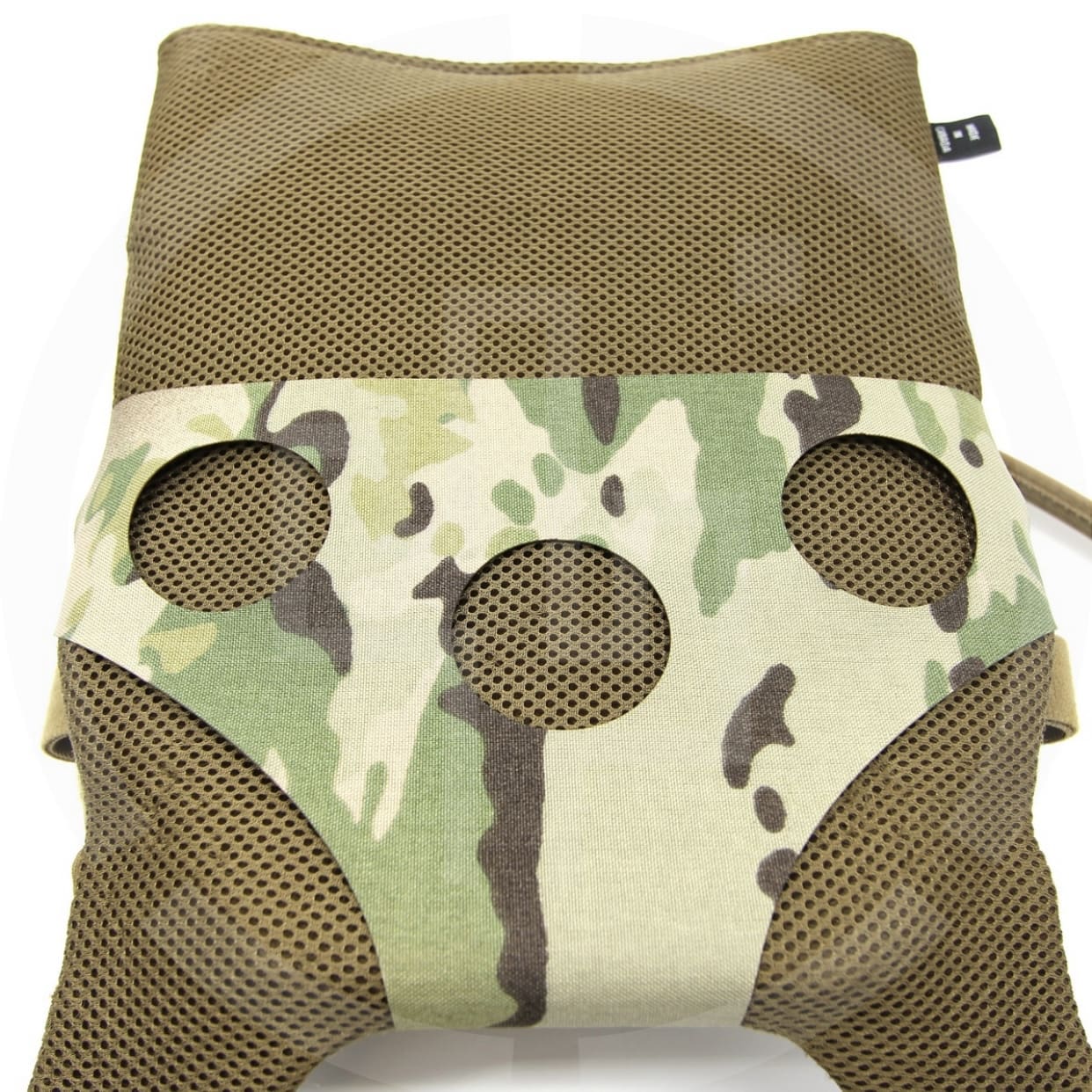
WTF are pleased to offer several back panel options for your favorite carrier.
Back Panel 91 (hydration bladder carrier) and Back Panel 64 (PALS/MOLLE) are available for-
-Crye JPC medium
-Crye JPC 2.0 medium
-Crye JPC 2.0 large
-Ferro Concepts Slickster medium
-Ferro Concepts Slickster large
-Spiritus Systems LV-119 Overt medium
-Spiritus Systems LV-119 Overt large
-Spiritus Systems LV-119 Covert medium
-Spiritus Systems LV-119 Covert large
WTF products are manufactured in the United States using MIL-DTL-32439 500D nylon, A-A-55126 nylon hook & loop, A-A-59826 bonded nylon thread, MIL-W-5691 nylon elastic, YKK USA heavy duty zippers, and well compensated, skilled labor to produce a cost effective part.
***all Crye, Ferro, and Spiritus Systems trademarks, brands, etc are the sole property of the respective companies. Crye, Ferro, and Spiritus do not endorse these products***
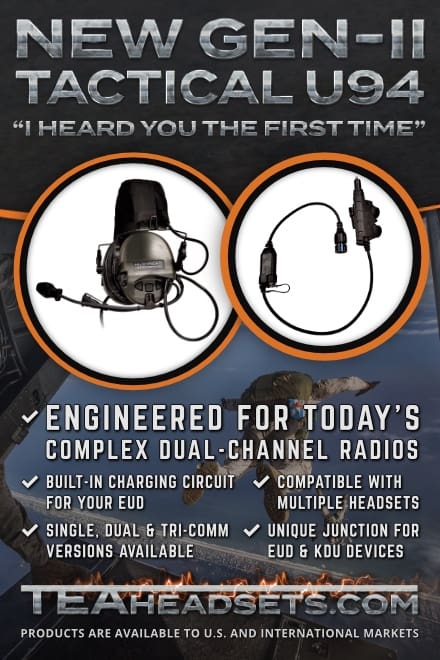
The new U94 GEN-II W/Nemesis connector is specifically designed for today’s modern multichannel handheld and manpack radios currently being fielded by SOF and others. There are currently 5 different configurations available, single Comm PTT, Dual Comm PTT W/O EUD Port, Dual Comm with in line port for EUD/KDU use, TRI – Comm with additional 3rd Net “Stealth PTT” W/O EUD and TRI – Comm with additional 3rd Net “Stealth PTT” and in-line EUD/KDU port.
All PTT’s with in-line EUD/KDU support S7 through S9 androids using either KAGWERKS or Juggernaut cases. The junction also has a unique charging circuit that allows the EUD to stay continuously charged while the radio is on.
The PTT also supports either “Split Ear” or “Both Ear” for incoming audio depending on user preferences.
As the world marked the 76th anniversary of the end of World War II, people can claim a lot of items was the “one thing” we had that is the main reason we won the war. The .50 machine gun, The Higgins Boat, The Jeep (G.P.), and the M1 Grand rifle. There are more items I could list, but it would take a long time. There is one that was one of the best-kept secrets to helping win the war. In every campaign, everyone in charge of a ship, a plane, a boat, or a bomb had one, or it was part of that item. It was the Hamilton watch. Renowned for its accuracy. Hamilton’s wartime contributions took many forms, long known for their accurate timepieces, and they were essential to the Allied Forces’ victory in WWII.
The Hamilton watch company was incorporated in1892 in Lancaster, PA. In 1891, an engineer’s inaccurate pocket watch led to a terrible train crash near Cleveland, Ohio. As a result of the investigation into that crash, an industry commission devised precise timekeeping standards for pocket watches (there were no wristwatches at this time) (get it time) used by railroad personnel. Pocket watches that met those exacting requirements were known as “railroad watches,” and a leader in making them was the. Hamilton watch company. Hamilton’s first production of those watches in March 1894 became so highly regarded for their accuracy they were called the “Watch of Railroad Accuracy.”
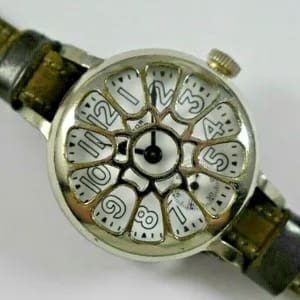
That reputation took Hamilton into World War I, as the official watch of the American Expeditionary Forces. Soldiers and some watch companies had devised strapped pocket watches to the wearer’s wrist so that their hands were free so they could still fight, and Hamilton took note. Soon, the 981 Wrist Watch was born. The below picture is a 981 with a shrapnel guard on it.
In the 1930s, its wristwatches’ accuracy led several new airlines to adopt Hamilton as their official timepiece. By 1940, Hamilton was one of America’s best-selling watch brands. They had their own designers, engineers, physicists, and metallurgists, and they were a leader in research in watch oils, hairsprings, jewel bearings, and escapement design. An Escapement is a mechanic, a device that permits controlled motion, usually in steps. In a watch or clock, it is the mechanism that controls the transfer of energy from the power source to the counting mechanism. For the ASVAB waivers in the room, basically, it helps maintain a steady flow of energy. In the summer of 1939 and again late 1940, the United States Naval Observatory (the U.S. authority on timekeeping, chronometers, and other navigational equipment) sent letters to eight watch companies that might be interested in creating an American marine chronometer. Hamilton replied and requested a sample chronometer for them to study.
In Feb, of 1942, 13 weeks after the attack on Pearl Harbor, they delivered two prototypes for review to the U.S. Naval Observatory. Navy officials were “simply astonished” by their precision, innovations, and reproducibility. Timekeeping and measuring devices were of critical importance to the military for planning missions, dropping bombs, time fuses for the bombs, navigation for ships and planes, and countless other efforts. As part of the war effort, Hamilton produced top-secret mechanical time fuzes for the exact timing of the anti-aircraft fire, jewel bearings, hairsprings, aircraft clocks, elapsed time clocks, altimeters, tachometers, map measurers—even tools, dies, and precision machinery for another watch, instrument, and jewel makers.
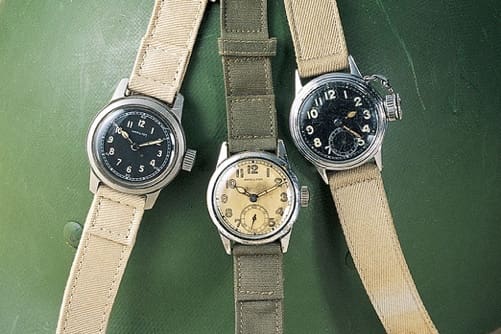
A lot of U.S. watchmakers made wristwatches for the military during WWII. Hamilton alone produced hundreds of thousands of them for the military and other special “military” sections. They also made them for Canada, the U.K., and the Russians. These included “hack” watches, “like in Let’s get a time hack” named for a mechanism in the movement, connected to the crown, which set time to the exact second. They were used to synchronize countless military attacks, troop and train movements, bombing raids, even training events.
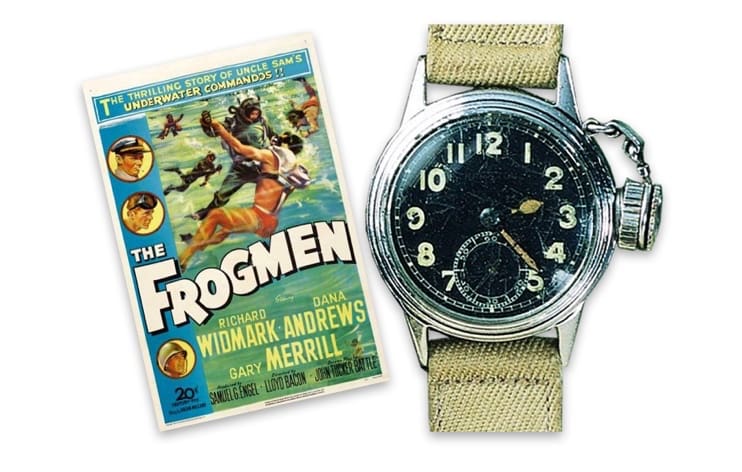
Hamilton timepieces also included a top-secret Frogman watch, with a large “crown” over the regular crown to keep it watertight.
Hamilton made watches for almost every aspect of war. In the air, pilots, navigators of fighters, bombers, and even blimps navigate using a pocket watch as their “master time source.” This military version of Hamilton’s railroad watch was kept on simple rubber or spring shock absorbers in a small metal carrying case (to isolate it from magnetic fields, vibrations, and turbulence) with a glass window.
Also essential was Hamilton’s “bomb timer,” with wristwatch movement and dial mounted into a bombsight with a movie camera, which filmed the dial and target at the moment of impact to measure the bombs’ effectiveness. Hamilton’s most significant achievements in World War II were its marine chronometer and chronometer watches. Many experts consider its marine chronometer to be the finest ever produced. What makes this even more impressive is that, until World War II, Hamilton had never made such a timepiece. Before the invention of the GPS (you still should have a chart/ map and a way to navigate if the GPS goes down, especial if you are jumping your boats into the water), you would use time, speed, and distance to calculating longitude and plotting location and direction, from a place of departure or use the stars, you also needed to have the exact time to be in the right place to start an invasion.
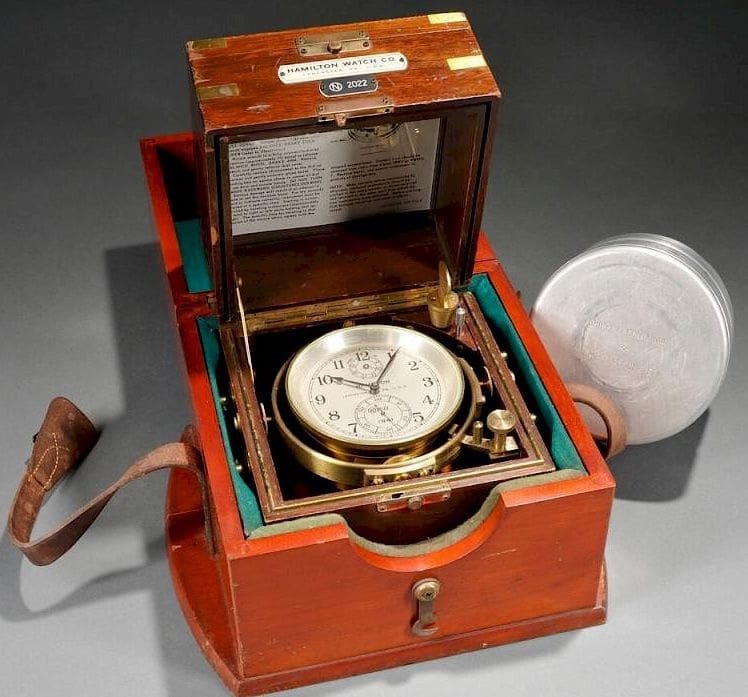
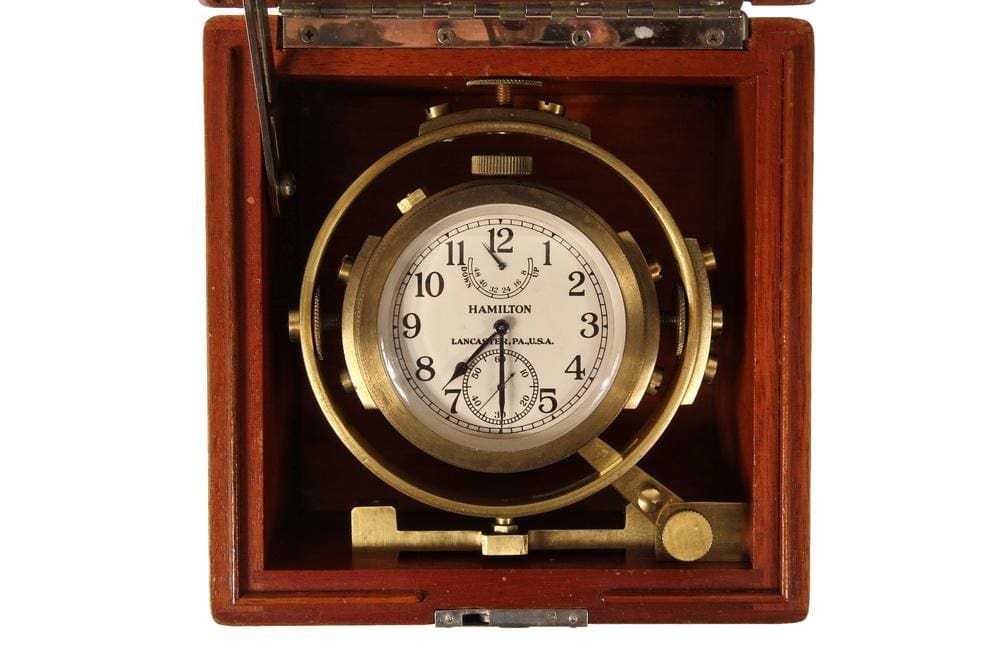
Hamilton’s marine chronometer Model 21 was based on traditional ones but with several improvements. Most evident was a unique balance and hairspring assembly, a radical departure from conventional chronometer design. Such advances made Model 21 more accurate than any other marine chronometer. Properly maintained, it kept time to within a half-second per day.
It wasn’t only the Navy (which bought around 9,000) that used them. The Army Air Corp bought 500, and the Maritime Commission bought 1,500. President Franklin D. Roosevelt had one in the White House map room to maintain a day and night watch. Hamilton continued making marine chronometers after the war; they made a little under 14,000 by 1970, when it ended U.S. production. Every vessel that belonged to the U.S. and many of our allies used a Hamilton chronometer for navigation. Battleships and aircraft carriers used the Model 21, housed in a glass-covered wooden box, with its movement swung on brass gimbals to keep it level and accurate even in the roughest seas. The Model 22 was used as an auxiliary timer for bigger ships and navigation on smaller vessels like destroyers, submarines, merchant marine, hospital ships, tankers, escort vessels, and P.T. boats. The model 22 was a chronometer watch, not a marine chronometer. Though smaller and less delicate than Model 21, Model 22 also was kept in a gimbaled wooden box.
By war’s end in 1945, Hamilton timepieces ruled the sea, air, and land, getting victorious Allied troops to where they were going, whether on foot or by ship, plane, tank, submarine, or troop train. The Hamilton watch company made over 10,000-chronograph for the war effort. It should really be in the running, if not considered the one thing we could not have won the war without.
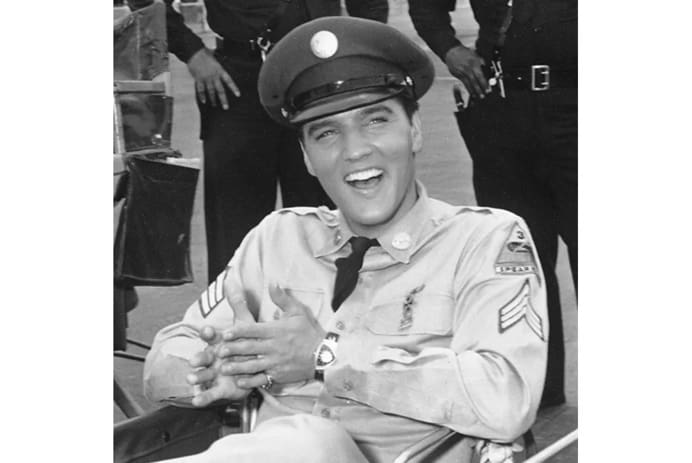
In 1957, Hamilton came out with the Ventura, the world’s first battery-powered watch; it was also helped by Elvis, who wore it in the 1961 movie “Blue Hawaii.”
The Hamilton watch served the U.S. military well into the Vietnam war and beyond; it is one of the longest serving watches in U.S. history.
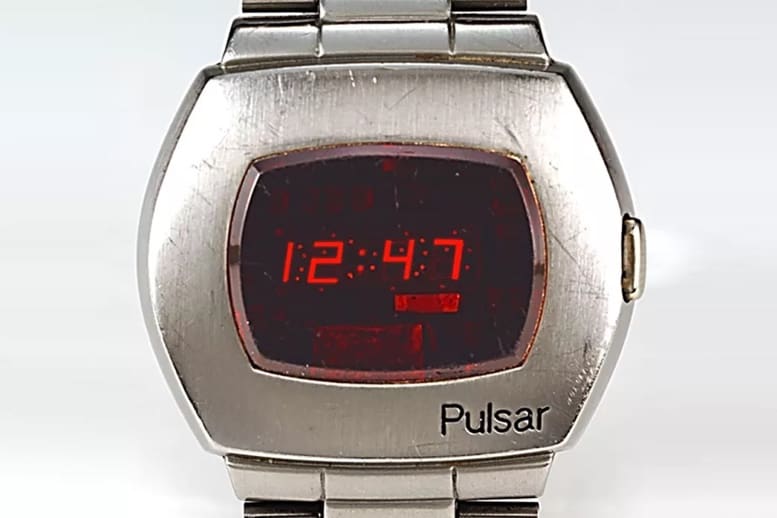
As a foot note for Eric, in 1968, Hamilton was asked to design futuristic timepieces for the crew of Stanley Kubrick’s famous film, “2001: A Space Odyssey.” A few years after being commissioned to make a “futuristic” looking watch for the movie, Hamilton invented (along with Electro/Data Inc. of Texas) the digital watch. They designed the watch to look far more like HAL 9000 than the watches that were actually in A Space Odyssey.
Lastly, for E.G., they designed the watches for the first “Men in Black” movie.
In 1968 they moved production to Switzerland. In 1971, they were acquired by the Omega & Tissot Holding Company SSIH purchased the Hamilton brand and utilized the Hamilton name for several branding efforts, including numerous quartz watches in the 1980s. Then in 1984, they became a subsidiary of The Swatch Group.
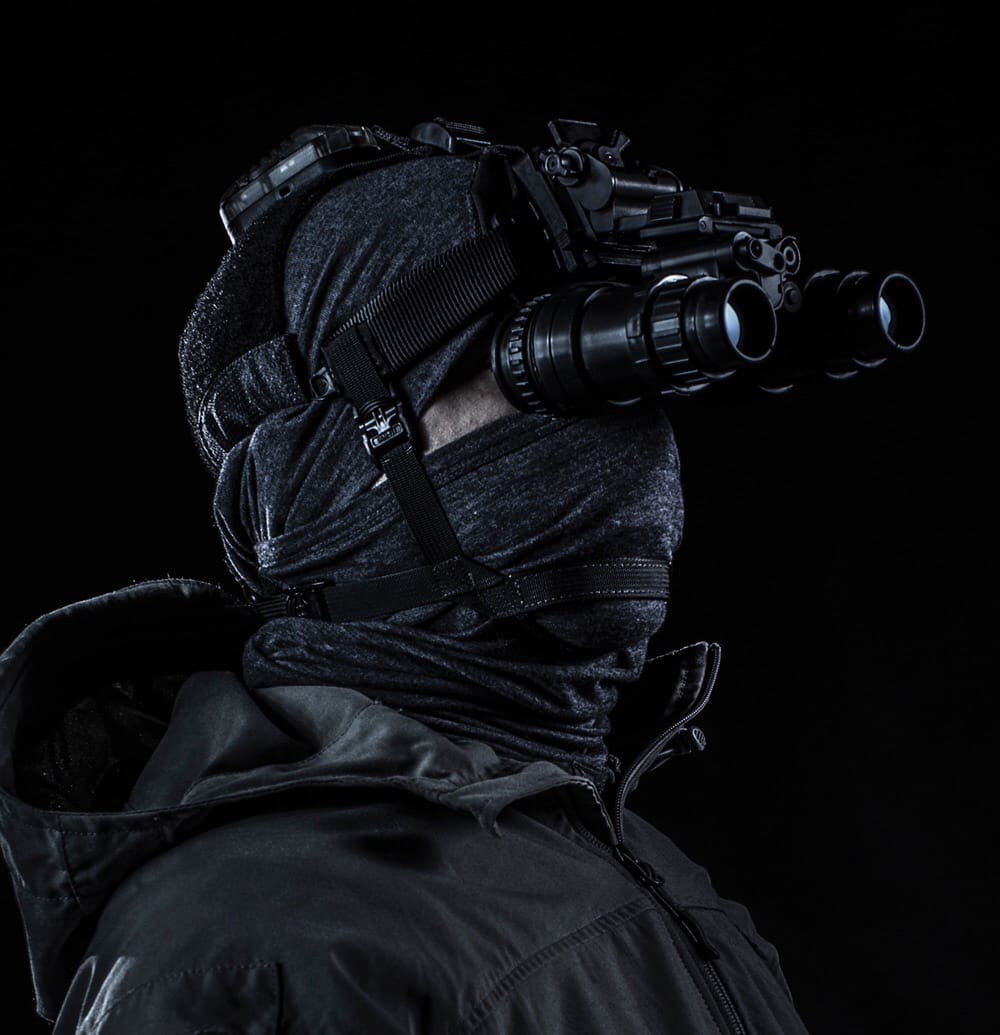
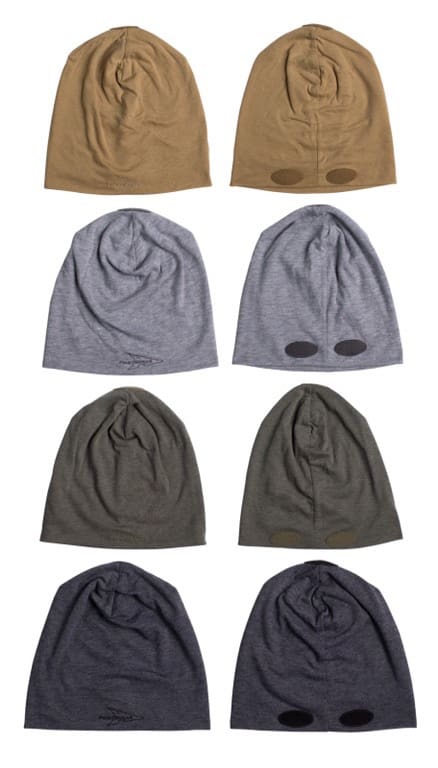
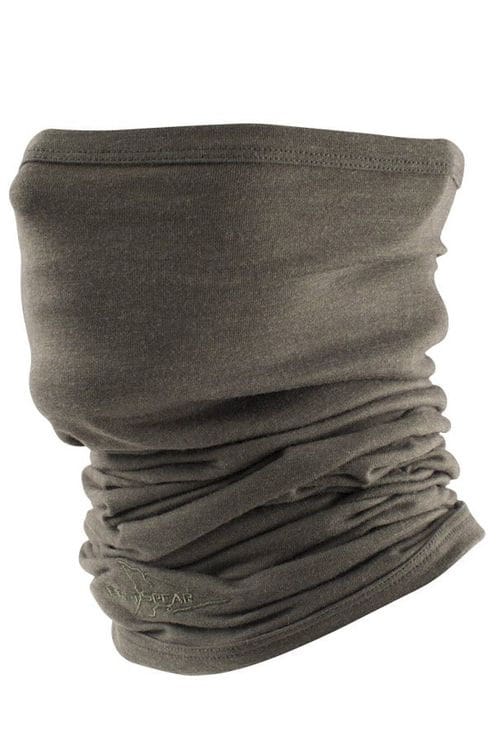
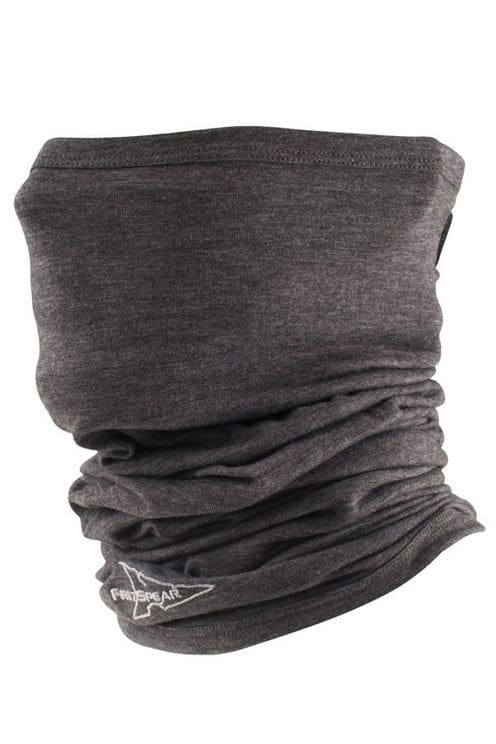
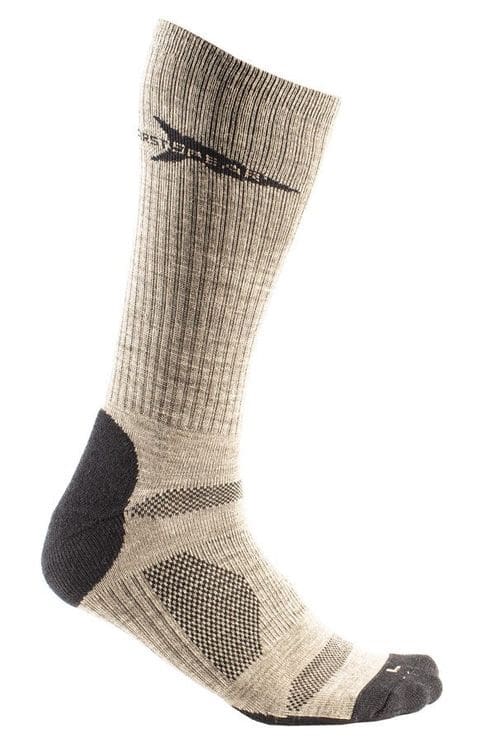
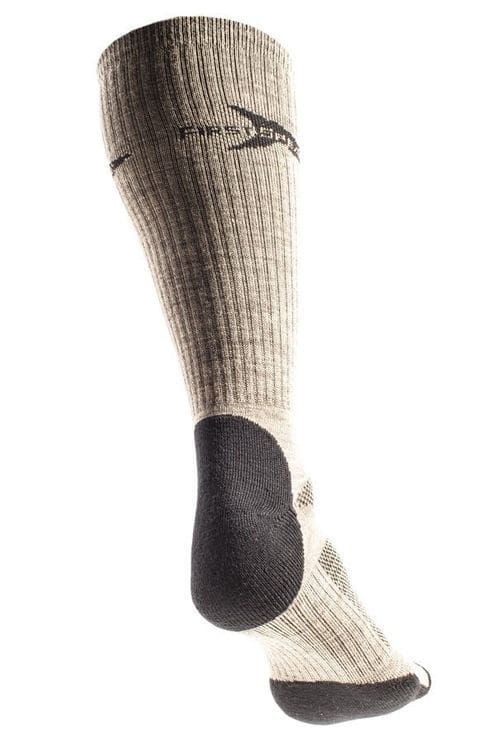
As the temperatures dive and the new year kicks off, check out FirstSpear all American wool Beanies, Neckies and wool socks. FS Neckies and Beanies are constructed from FirstSpear ACM BASE 100, a merino, poly, and modal blend. Featuring flat seams for maximum comfort under helmets and just enough material to double up over the ears when temperatures drop. Neckies are available in charcoal, FS sand, FS commando and heather grey. Beanies are available in black, charcoal, FS commando, FS sand and heather grey.
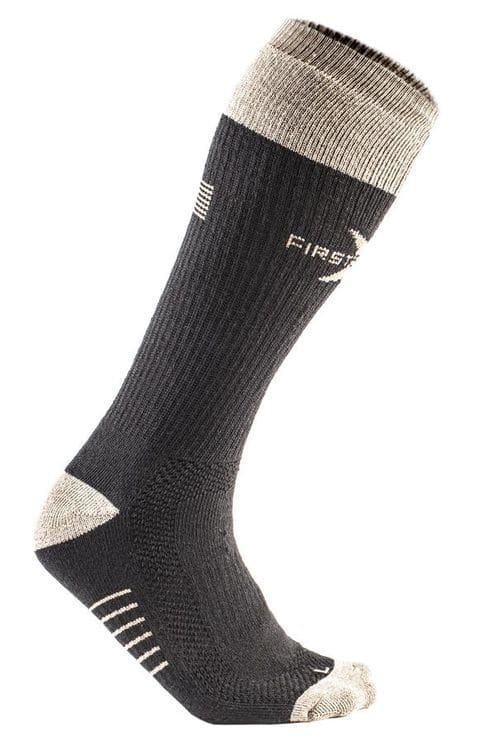
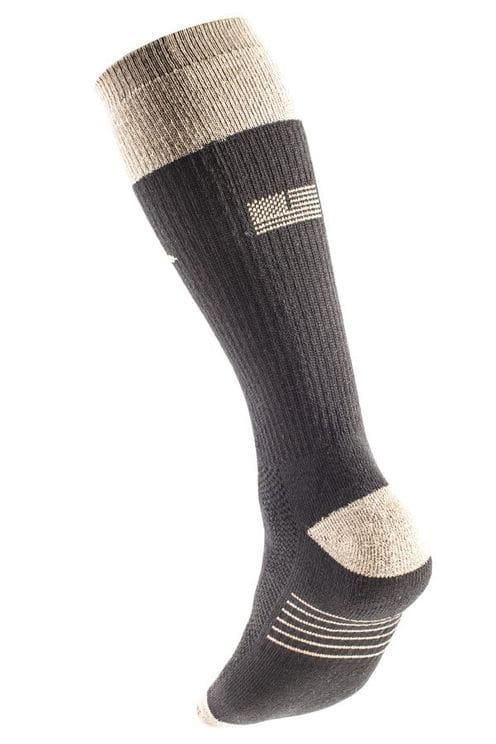
Unlike cotton, wool is the ultimate insulator and it absorbs a high amount of moisture all while maintaining its insulating properties when wet. The FirstSpear Boot Super Sock and Every Day Sock are 100% American made with USA materials. Both the EDS and BSS are constructed from a tubular knit for enhanced support and all day comfort.
The EDS features a reinforced heel and toe box, support ribbing through the arch, as well as light and thin across the top to help dissipate heat. Exceptional moisture wicking and antimicrobial properties will keep your feet dry and comfortable throughout the day.
EDS: 82% Merino Wool, 12% Nylon, 6% Lycra
BSS: 86% Merino Wool, 8% Nylon, 6% Spandex blend
Available and shipping now in sizes small through XL.
If you want to see out more FirstSpear gear in action, check out FirstSpear TV’s X-RAY Team.