With today’s Triggrcon Range Day, the cat’s out of the bag on Grey Ghost Precision’s Combat Pistol.
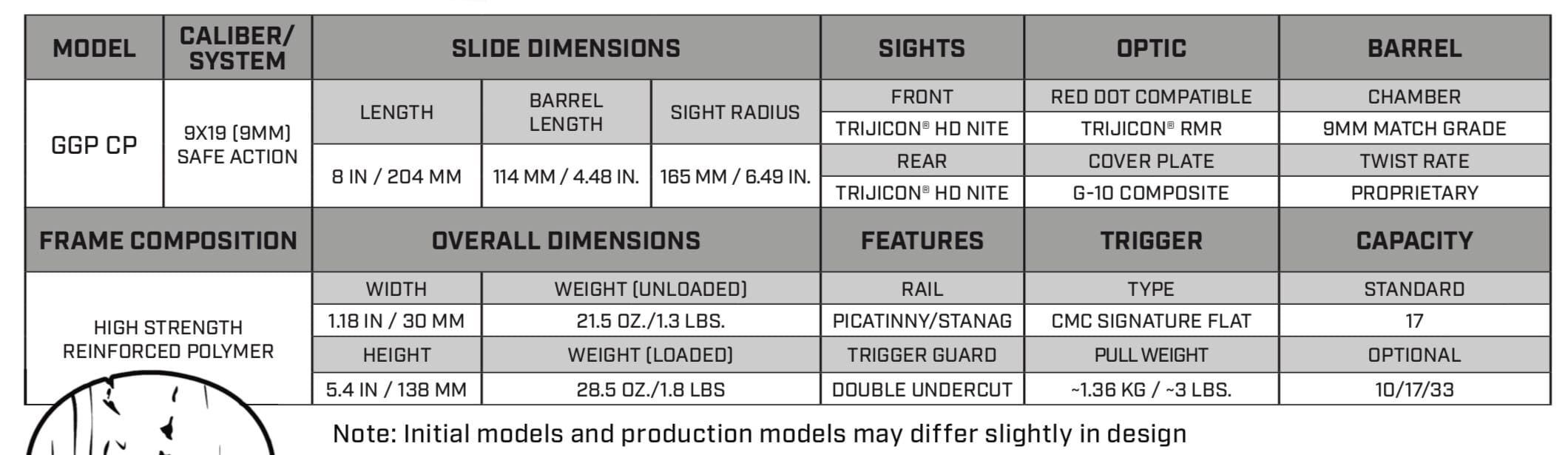


With today’s Triggrcon Range Day, the cat’s out of the bag on Grey Ghost Precision’s Combat Pistol.
The K6 Arc Rain Jacket is part of Beyond’s ever expanding foreign sourced line which offers new materials and construction features at a great price.
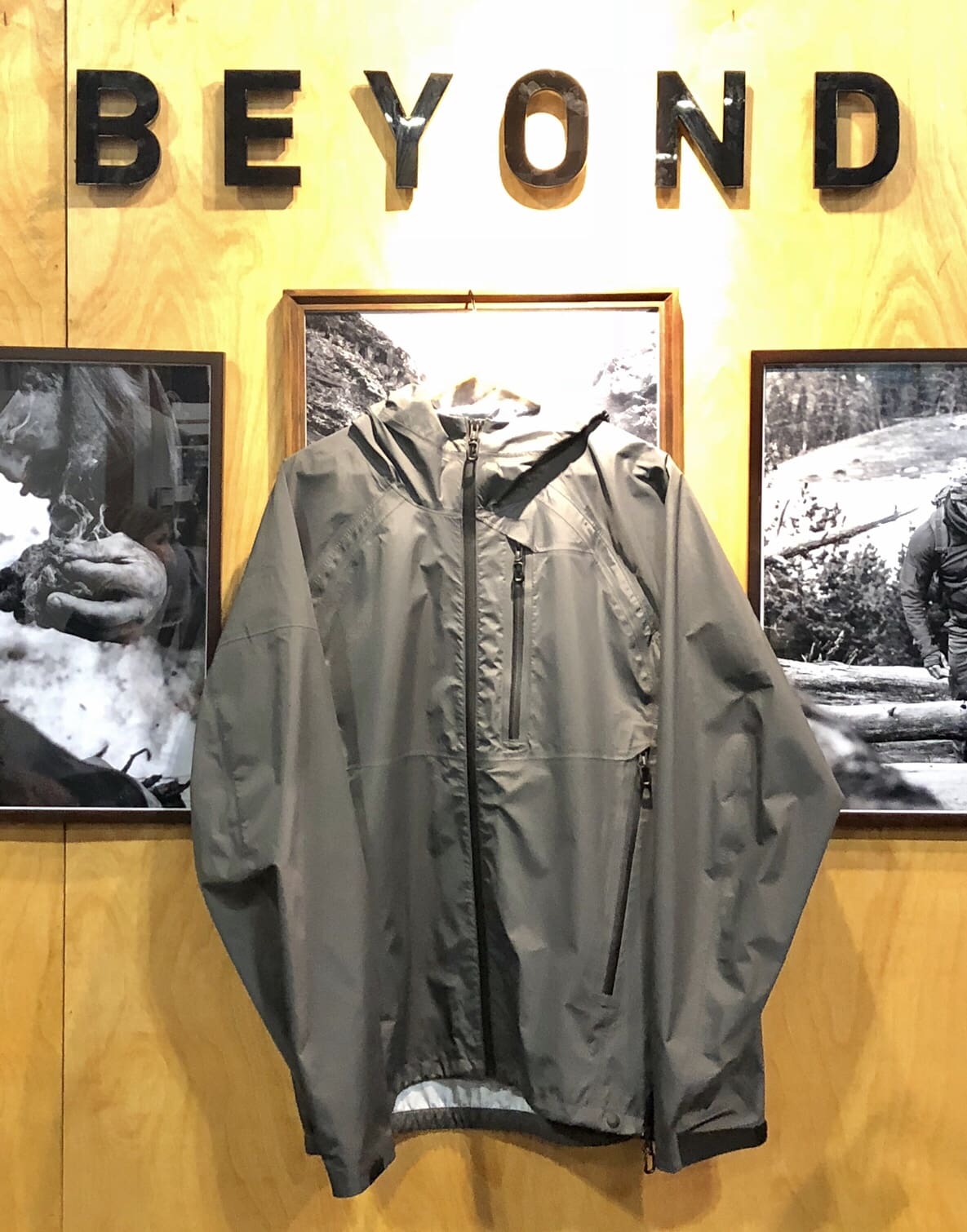
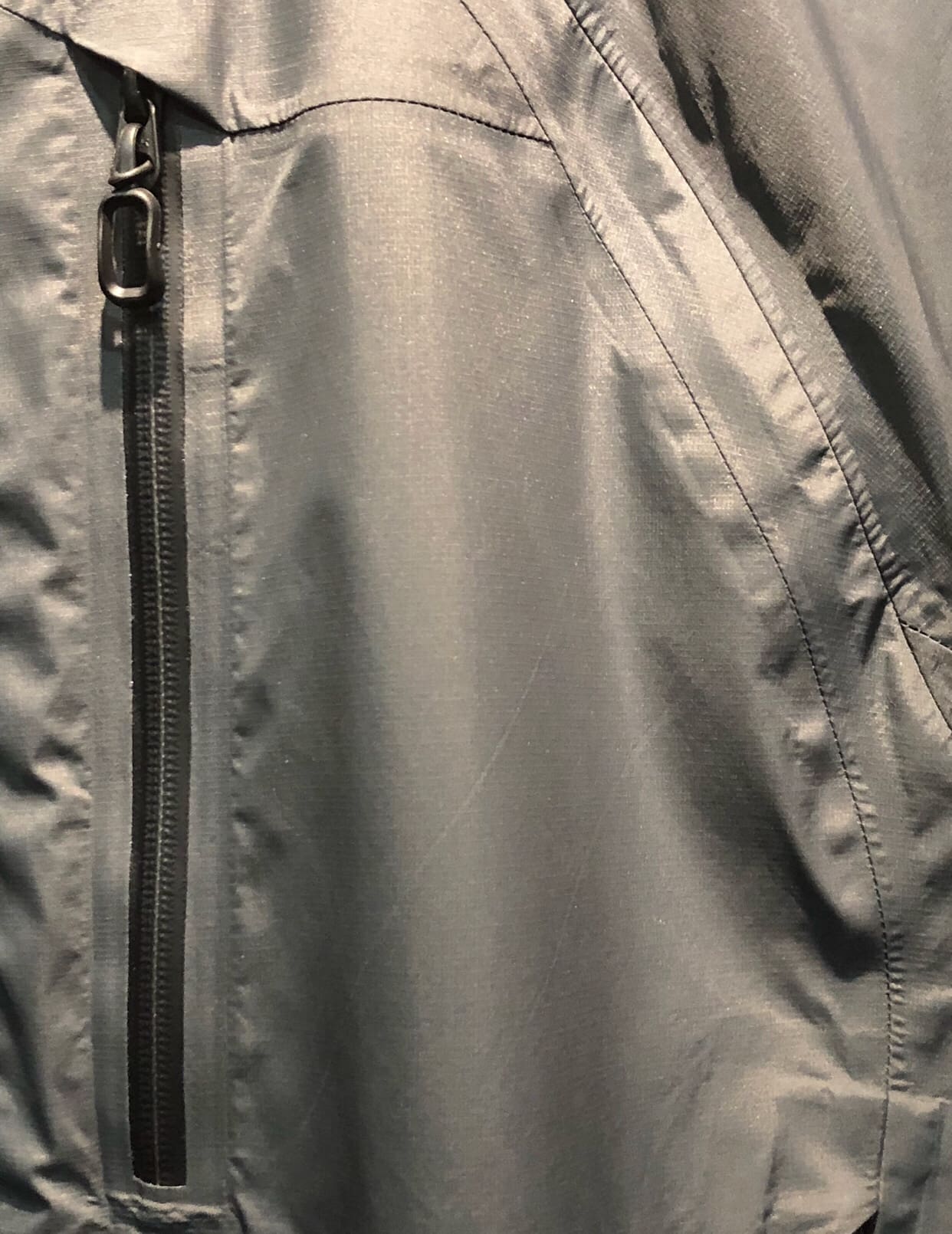
It is manufactured from a proprietary 3-layer waterproof/breathable fabric called Lustra which features Cordura fibers in the face fabric for added strength and abrasion resistance.
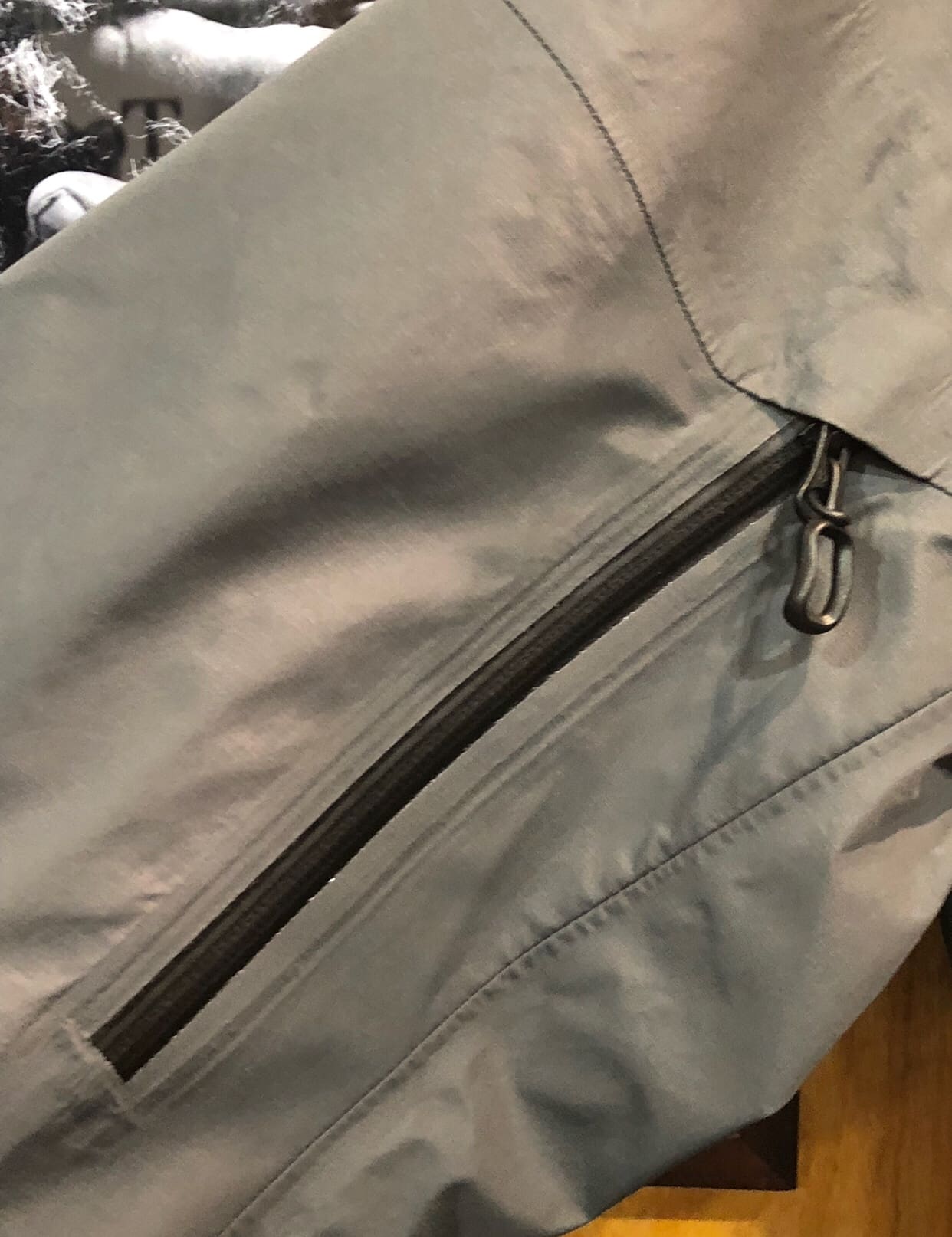
It’s fully seam taped, incorporating zippered pockets at the left chest, right bicep and at the waist. The two-way zippered side opening vent snaps at the bottom for security. All zippers terminate in garages. Additionally, the adjustable cuff tabs are made from Hypalon.
The Arx will be available very soon and offered in Black, Grey, Putty and Navy.
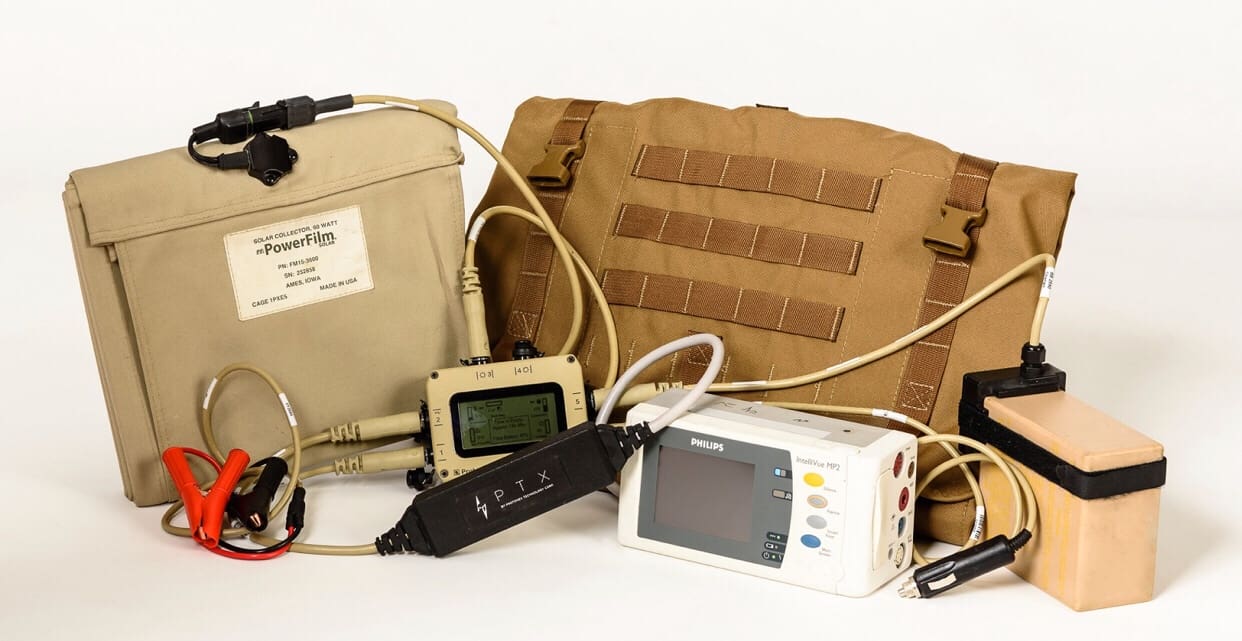
When it comes to traumatic injury, the speed at which the casualty receives medical treatment equals the likelihood of their survival. This is of course stating the obvious, but, as theaters of operation reduce their infrastructure, CASEVAC and MEDEVAC resources become more limited and this requires field medical personnel to be able sustain patients for longer until they can be transported to the next echelon of care. This is a situation that Special Operations Medics are particularly aware of as they are often deployed into remote areas well beyond the reach of established infrastructure – SOF medics often need to sustain and treat their patients for hours or even days until they can be evacuated.
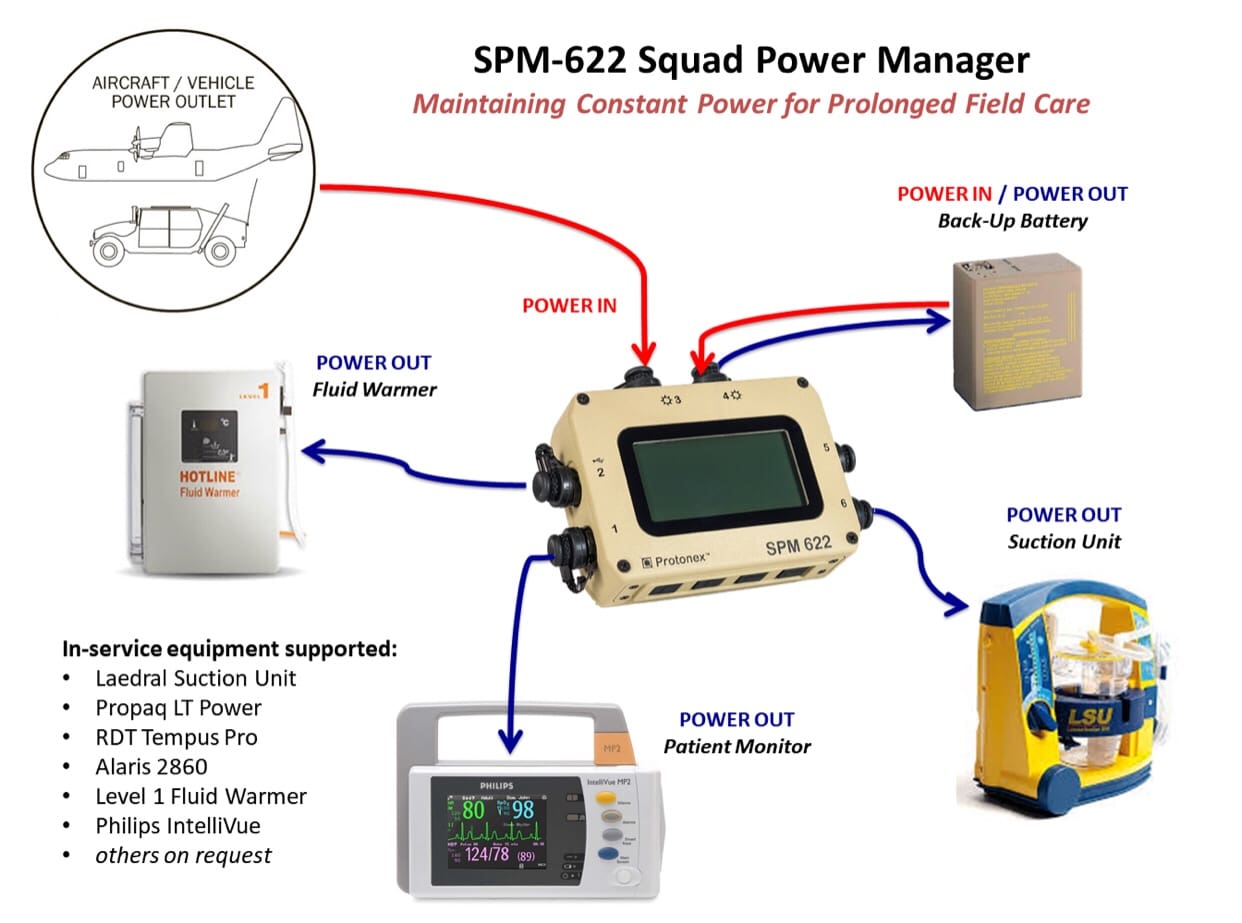
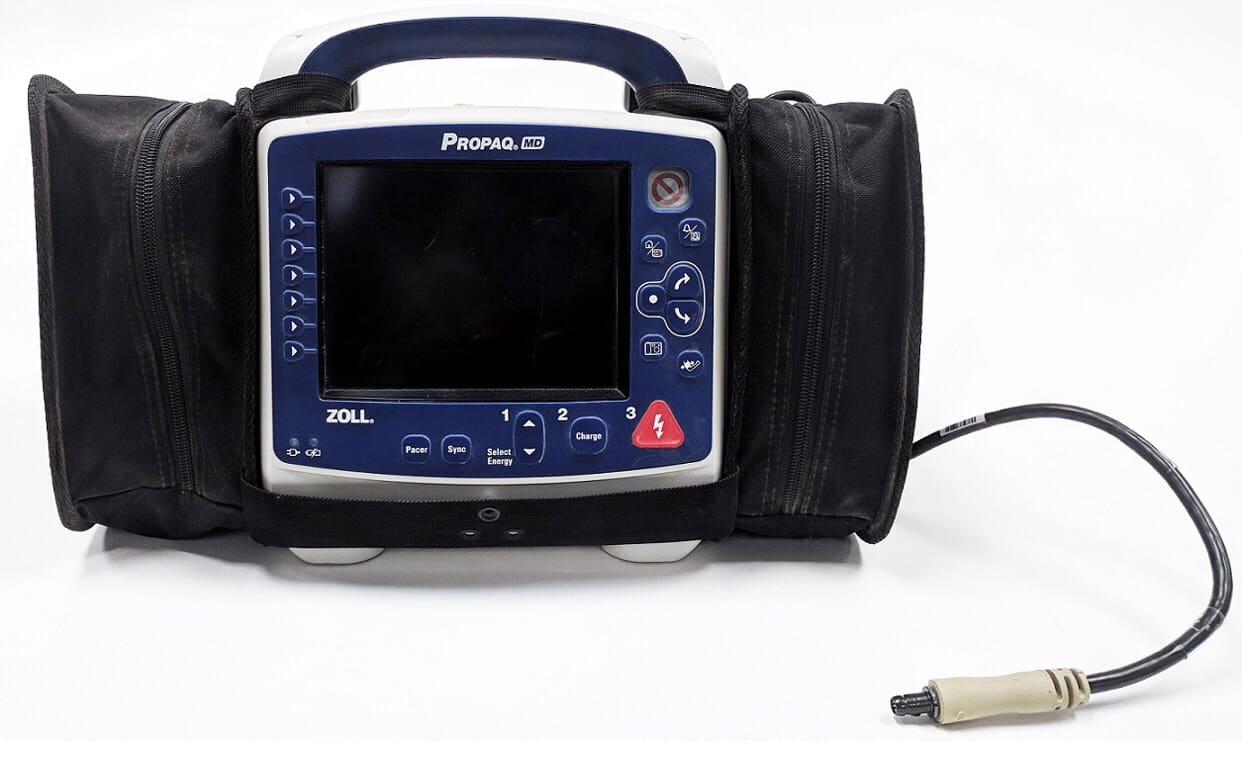
Prolonged Field Care (PFC) is the ability to sustain patients for an extended period of time in field conditions and requires equipment that has usually been reserved for hospitals and dedicated MEDEVAC platforms. Fortunately, recent advancements in medical technologies has made it possible for critical equipment to become smaller and more lightweight, meaning medics in the field can now provide care in situ that before was only possible on board of MEDEVAC aircraft or field hospital. However, all of these devices also require power, and they typically only run 2-4 hours before their internal batteries require an AC power outlet to recharge.
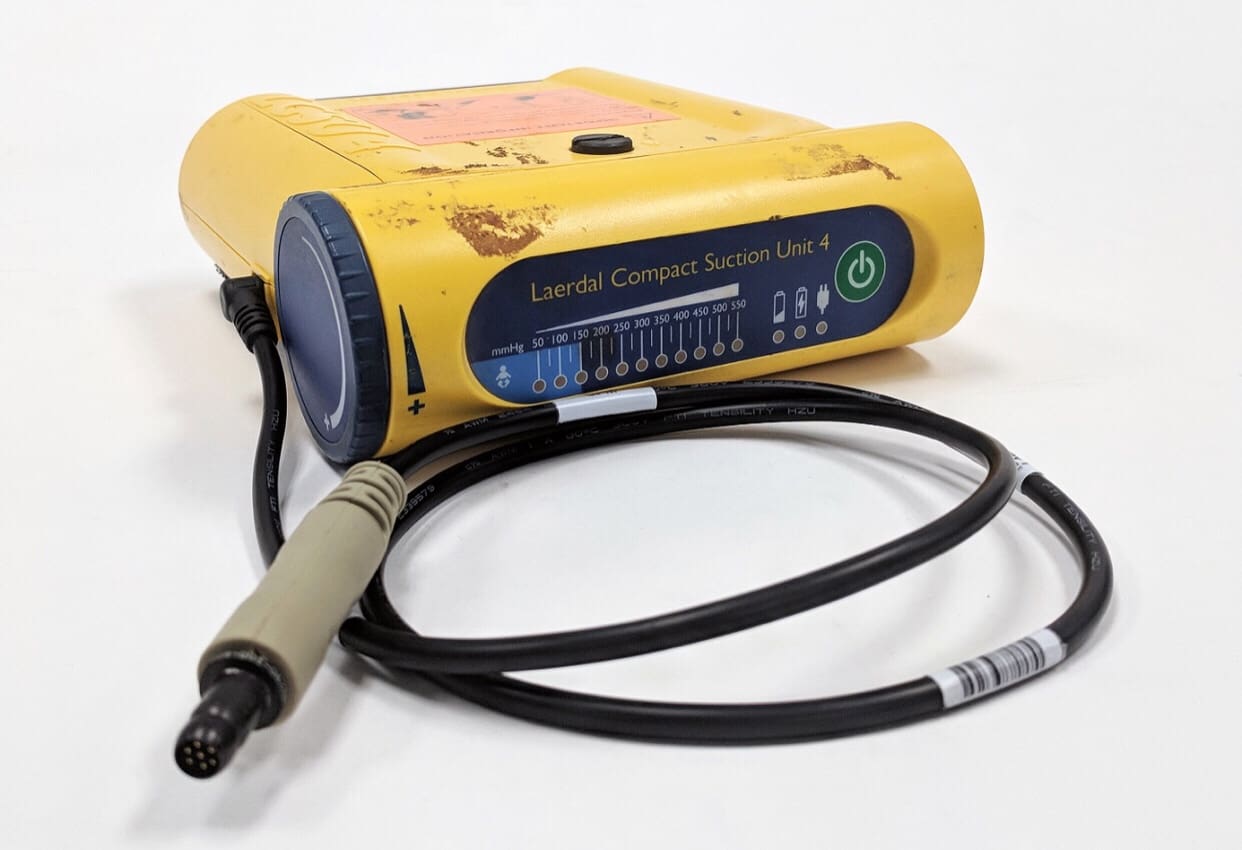
Working with end users, Protonex has developed the capability to power the most commonly used portable medical devices in austere locations. A unit equipped with an SPM-622 can share power to keep patient-critical medical equipment operating for as long as it takes to get the casualty to the next level of care. Using solar power, 12-28V military vehicle and aircraft power outlets, civilian vehicle or lantern batteries, common rechargeable batteries like the BB-2590, or from extra radio batteries like the AN/PRC-148 and AN/PRC-152, the SPM-622 Squad Power Manager makes the delivery of Prolonged Field Care possible for anyone in harm’s way.
Want to know more? Don’t hesitate to contact us through www.PTXnomad.com or Teamroom@Protonex.com or +1-508-508-9960.
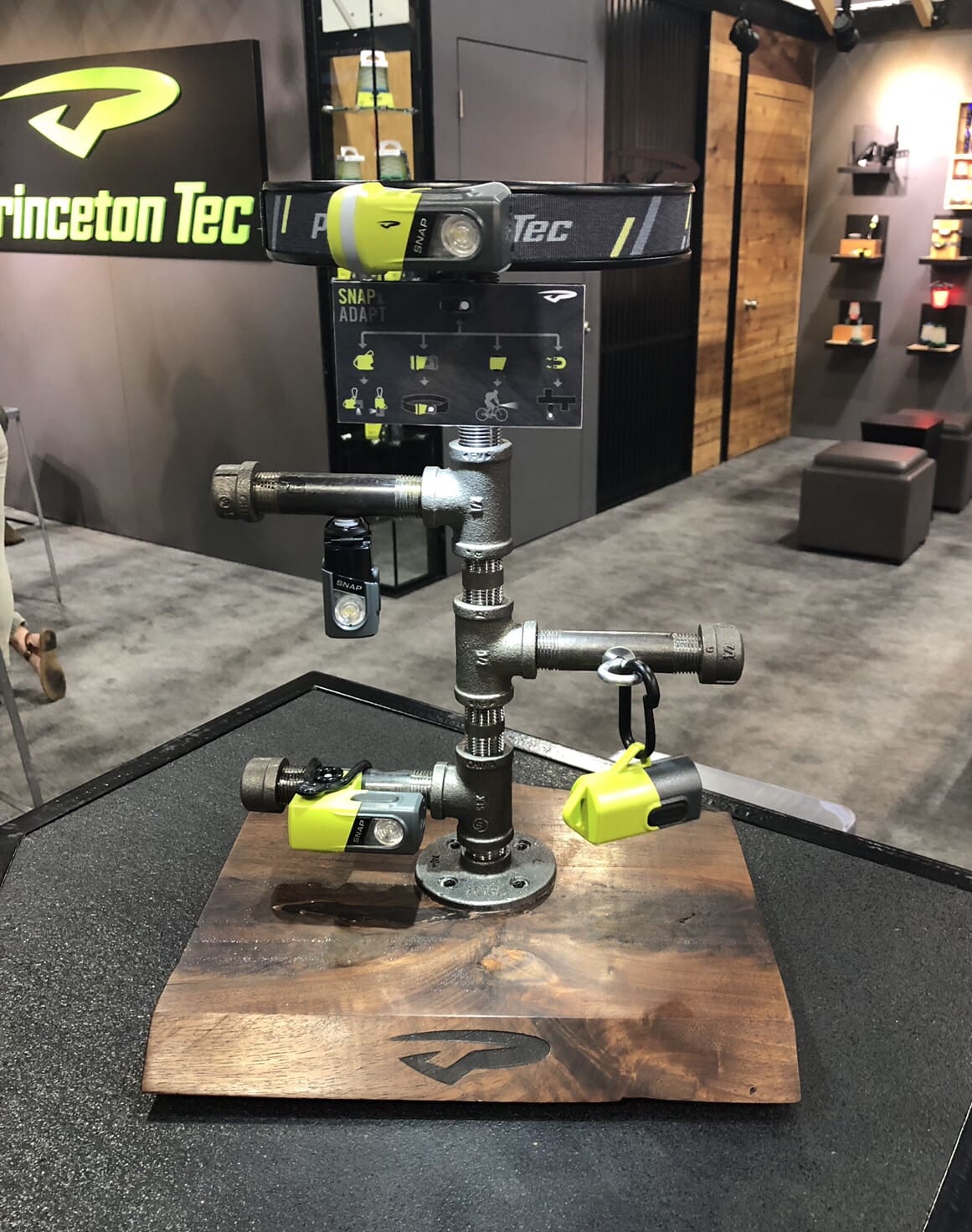
SNAP is a modular light system which can be configured as a headlamp, flashlight, and bike light, thanks to its magnetic base which snaps into the different carriers. It offers 200 lumens at up to 130 hours on 3 AAA batteries and is rated at IPX4 (splashing water).
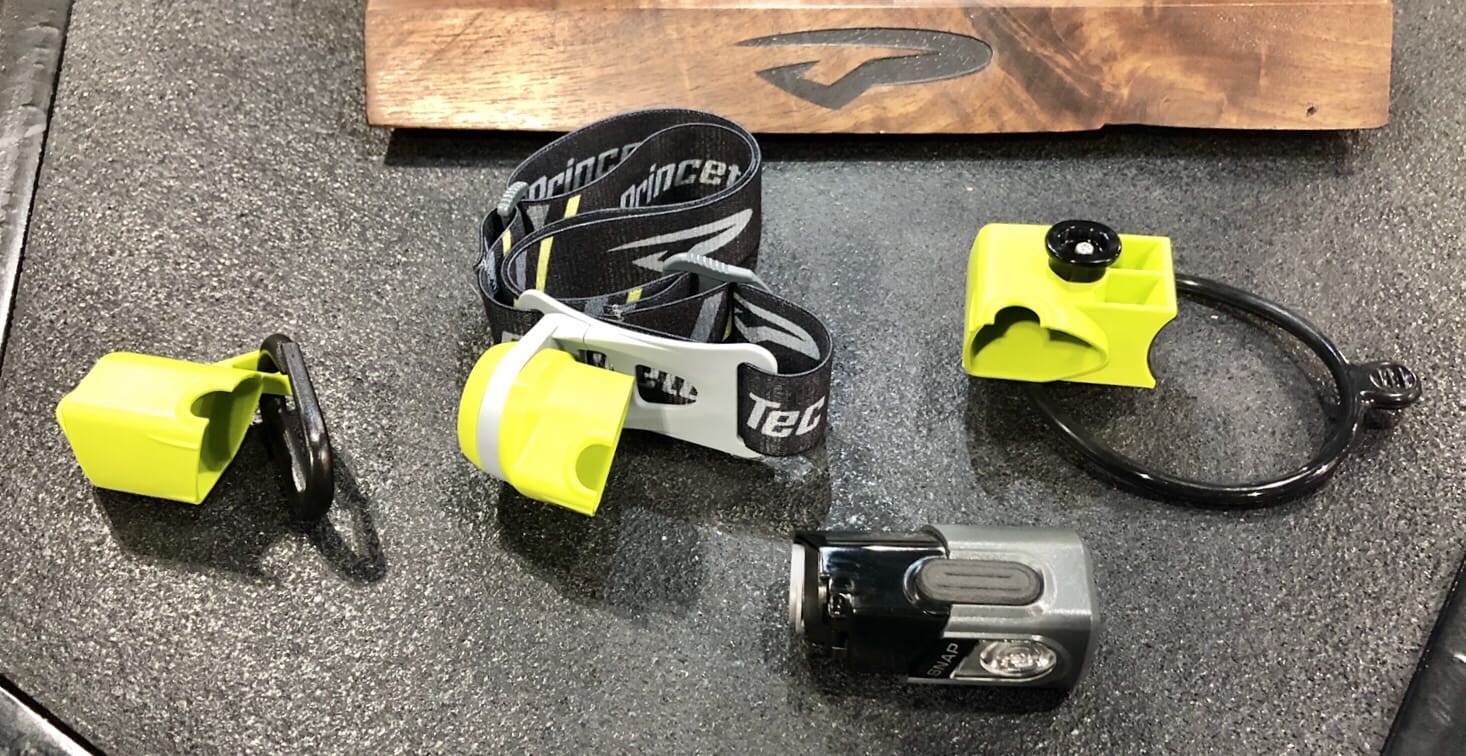
Princeton Tec is working on a tactical version.

PORTLAND, OREGON (July 23rd 2018) – GERBER, an industry-leading manufacturer of knives, multi-tools, and gear, announced today the introduction of two new multi-tools to cleverly streamline dining in the backcountry: the ComplEAT and the Devour. The first look at both products comes at Outdoor Retailer 2018 in Denver, Colorado, ahead of the products’ launch in early 2019. Both products are available in 4 distinct colors that aim to appeal aesthetically to the outdoor enthusiast: Silver, Flat Sage, Onyx, and Burnt Bronze. The ComplEAT Cook Eat Clean tool retails for $24.99 and the Devour Multi-Fork retails for $14.99.

“The goal was to create a multi-tool that addressed the entire eating process while in the backcountry: preparing food, eating, and cleaning up after,” says Eric Moore, Product Manager at Gerber. “Gerber presents two complimentary solutions to multi-task around the campfire or on the trail. The Devour is a minimalist tool at less than 1 ounce, with a removable solid state tool that mounts to the back and kickstands the tool to keep it off dirty surfaces and out of your cooking pot. The ComplEAT focuses on the organization of dedicated tools, working independently as well as configuring to a tong to bring the convenience of a home kitchen to the wild. Don’t go hungry with two solutions to keep your adventures nourished and Unstoppable.”
On the trail, the most important meal of the day is the meal you are about to eat. The ComplEAT tool has the bases covered with a long tine fork, deep basin spoon, dual-edge spatula, and 4 function multi-tool that nest for transport as well as snap together to convert into functional tongs. The multi-tool includes a bottle opener, veggie peeler, serrated package opener, and a can opener. Cook, eat, clean and get back out there.
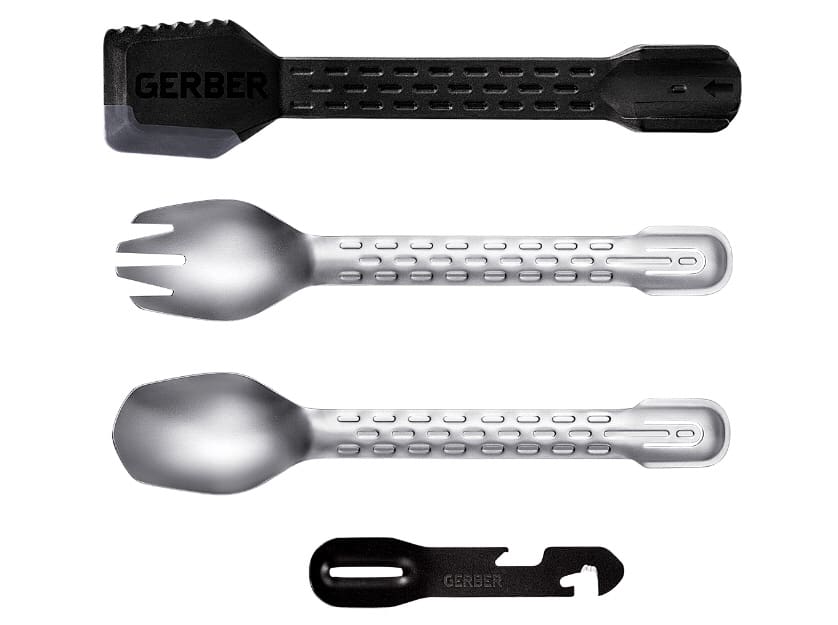
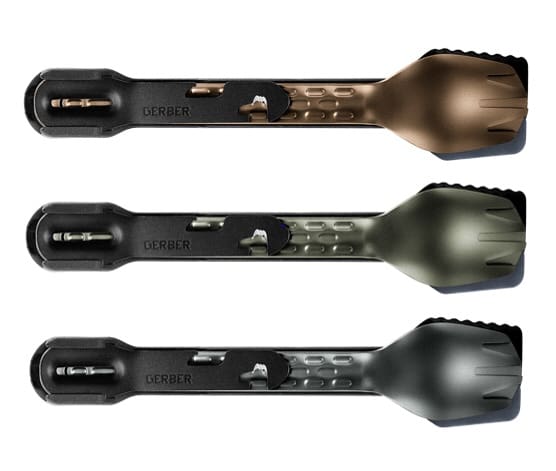
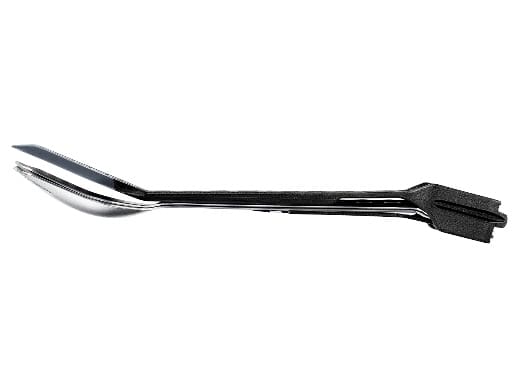
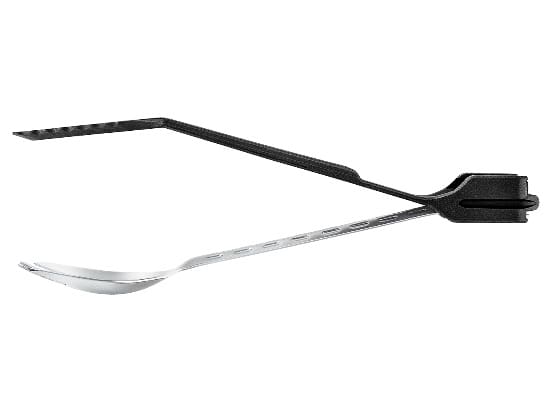
Pictured: Individual Components [Silver], Nested Components [Burnt Bronze, Flat Sage, Onyx], Tongs Configuration, Storage Configuration.
At under an ounce, the Devour Multi-Fork is ideal for those who demand a lightweight, easy-to-use tool on the trail. Designed to handle mealtime from start to finish, the Devour has 9 tools on hand for prep, eating, and cleaning. The refreshed fork design doesn’t compromise function, and the detachable solid state tool offers 6 functions while keeping your multi-fork out of the dirt or pot with a unique kickstand design.
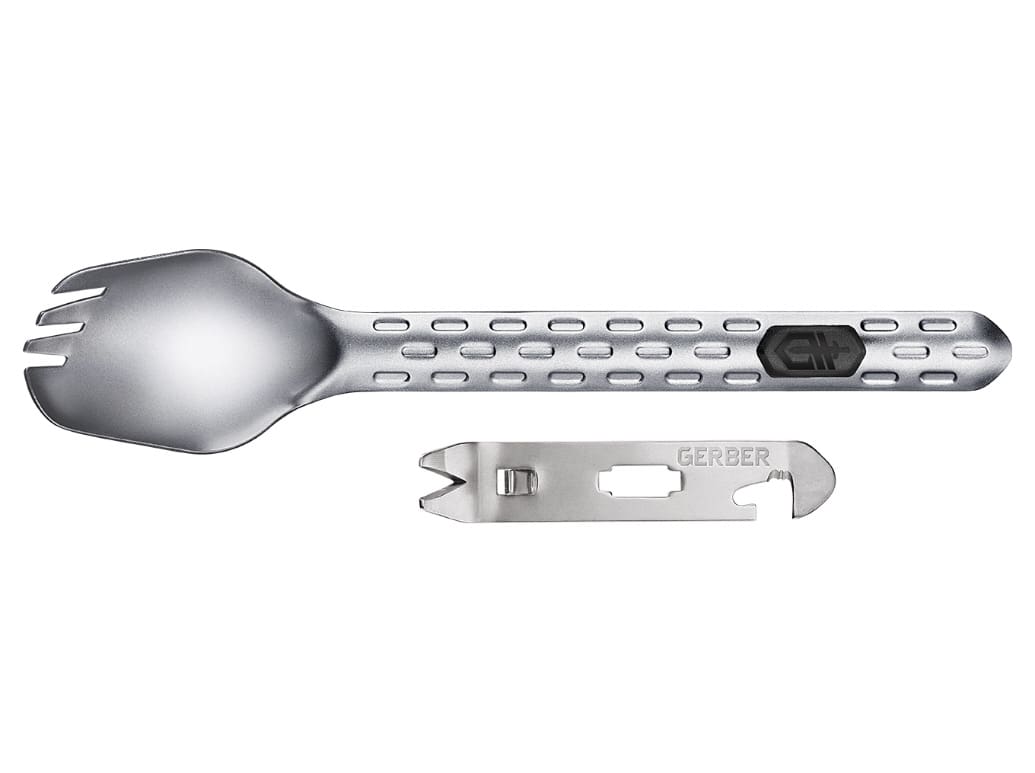
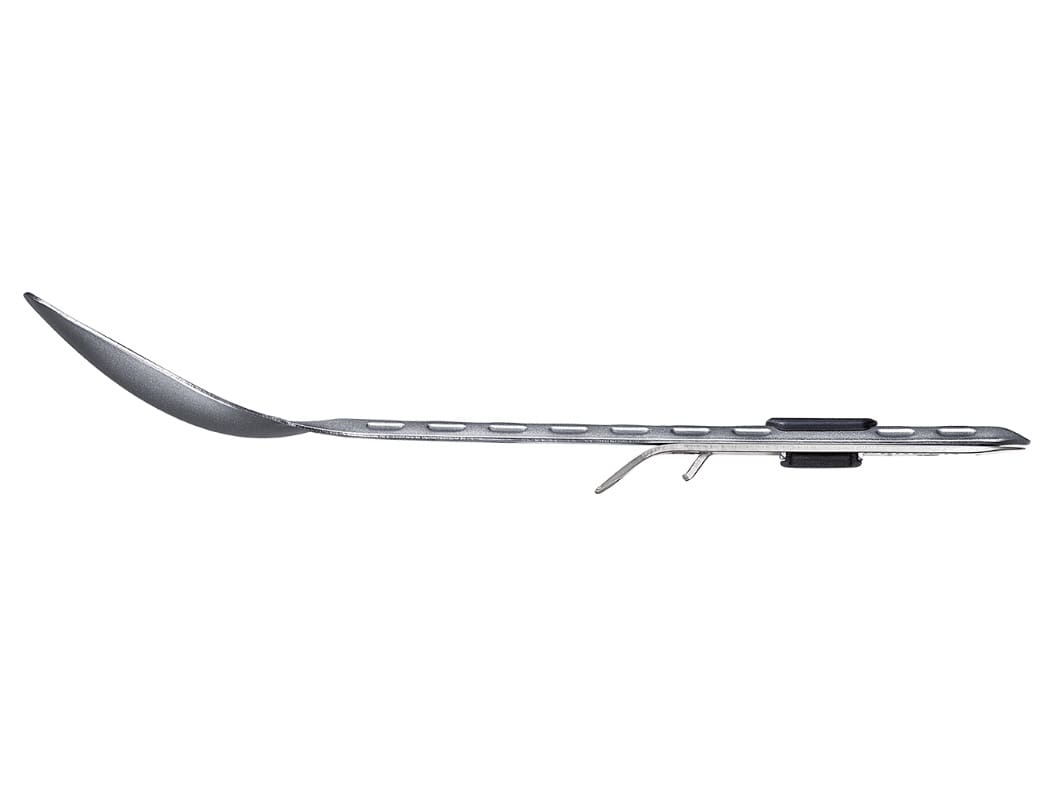
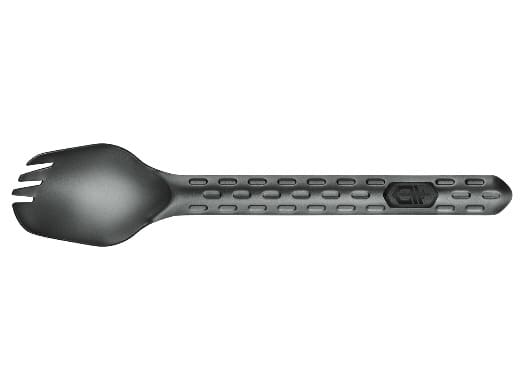
Pictured from Top: Individual Components, Kickstand Feature, Multi-Fork

During the recent ADS Warrior Expo, I checked out a few products from Optics 1, including the E-COSI. When clipped on to a night vision goggle, it allows the users to a SWIR image overlaid onto the NVG image s well as SWIR energy form ground and air markers and designators. E-COSI also has the ability to act as a HUD for augmented reality situational awareness programs.
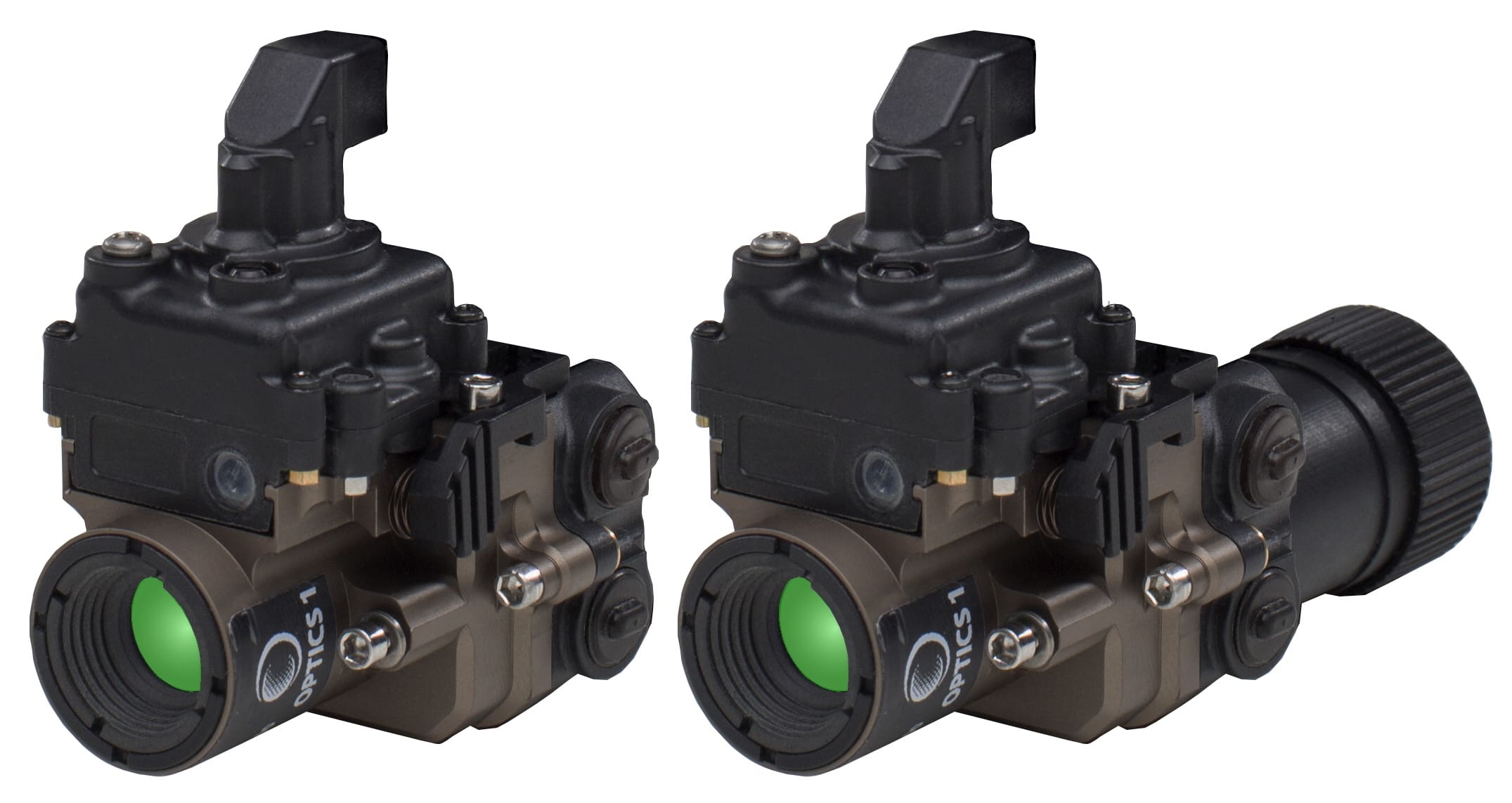
Weighing in at 95 grams, it’s a simple addition to existing Night Vision Devices which offers a lot of additional capability. E-COSI uses a 7-PIN connector and can Import/Display/Export RS-170 Video. It will connect to external accessories: GPS, Smart Power Pack, etc as well as PC/Droid for picture download and Nav File upload. It also connects to Situational Awareness Apps (SA-Apps). It runs >3.5 hours on a single CR123 battery but there is also an optional O1 smart power pack.
Although Optics 1 is a wholly-owned U.S. subsidiary of Vectronix AG of Heerbrugg (Switzerland) and is part of Safran Electronics & Defense (a Safran group), their products are manufactured in Bedford, New Hampshire.
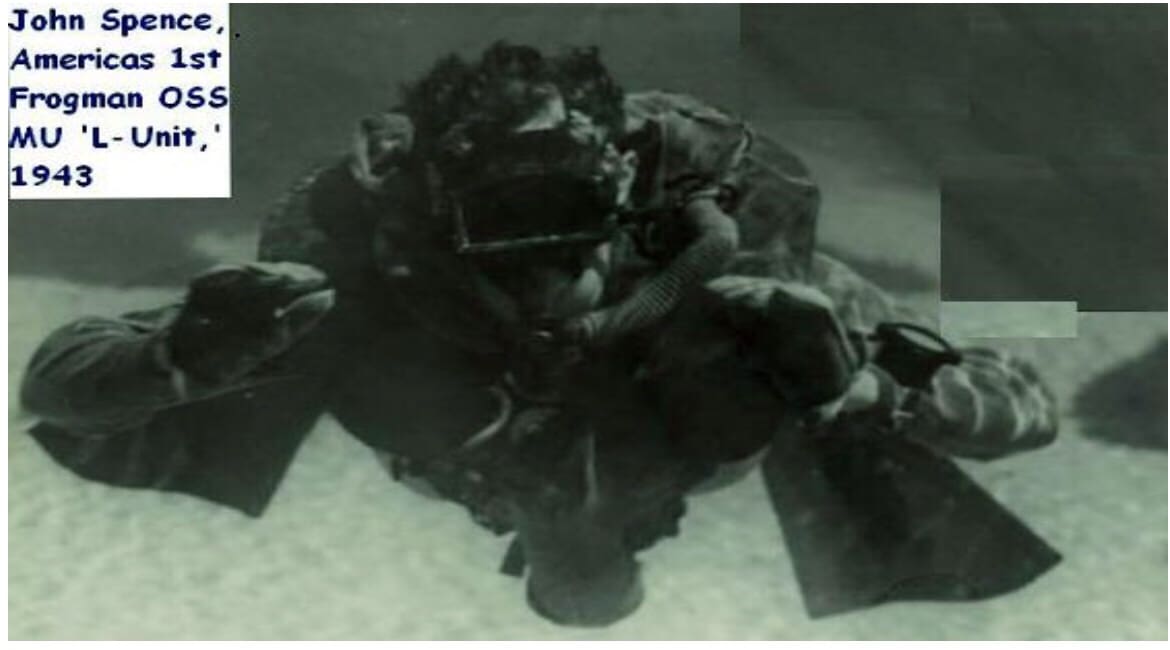
Dive mask preparation
When a SCUBA mask is made it leaves a lot of film and residue on it. If not cleaned off properly you will never get your mask to stop fogging. You can search the Internet for lots of different ways to clean your mask. I am going to walk thru one of the easiest and safest methods to do it. With some of the other methods, if not done correctly you can break your mask glass or damage your frame.
Toothpaste or Soft Scrub (without bleach)
Your first step will be to take some toothpaste (not gel) and with your finger dab some on both sides of the inside of the lenses. Rub the toothpaste thoroughly and then let it sit to dry. Try to wait an hour or two before you rinse it out; however, if you don’t have the time, just go ahead and rinse it right away; there’s a good chance it will still work. You should do this every couple of months to make sure your mask is clean. There are also commercial cleaners you can use that clean and defog.
Put your dive mask under running water to rinse out the toothpaste. You can use your fingernail or a toothbrush to get around the skirt that touches the lens. In some cases some of the toothpaste can seep under there. Make sure you get it all out.
Different ways to defog your mask before every dive
Commercial Defog
This is the type of defog you can buy at any dive shop. There are a million different types, but they are basically all the same. If you would like to go this route, making sure it is safe for the reef and environmentally friendly. This is a good practice as your face will be in there. If you are diving O2 you want it as O2 clean as possibly. Usually SCUBA divers will put this inside their mask, swish it around with their finger and then rinse and go.
SCUBACLEAR, 30CC scubapro.johnsonoutdoors.com/accessories/mask-accessories/scubaclear-30cc
Baby Shampoo and dishwashing soap
This is a very economical choice in the world of defogging your mask. Many dive boats will carry an empty plastic water bottle container with a hole in the top and fill it about a quarter full of baby shampoo and the rest water. Even just a little bit of soapy water will be enough to defog your mask. Always remember to completely rinse your mask otherwise the residue soap will sting your eyes underwater, even the baby shampoo will cause some tears if you use too much.
You can also spit into your mask. If you use spit, the mask should be completely dry. If you take off your mask in the water and then spit into it, it is very likely to become foggy during the dive. Remember – dry mask, spit, rub, rinse with water, and put on your mask.
Preventing a foggy mask even if you have defogged it.
If your face is sweaty and hot, it is a good idea to splash some cool water on it to give it a quick rinse before you put your mask on.
Before putting your choice of defog on your mask, ensure that the lens are dry.
You can apply defog to your mask anytime prior to jumping in the water; however, you should rinse the defog out only moments before jumping in. If you have rinsed it out, but then are delayed jumping in and you are not ready to put your mask on your face, leave a layer of water in your mask until you are ready.
Once you have defogged and rinsed your mask, put your mask on your face and don’t take it off. Moving your mask to your forehead, neck, or into the water basically eliminate any defogging you had just put onto your mask. Keep this in mind if you are jumping into a dive or have to wait before you get to where you will leave on your dive. For long transits to insertion points try and keep your inner mask dry, you can store it in a zip-lock bag as it is easily collapsed and store. Lastly you can always leave a little water in your mask during the dive and swish it around to help keep the fog at bay.
Summary
You should clean your mask every couple of months depending on its use. It should be kept in a clean dry place. Most masks come in boxes that are designed for you to store it in. Make sure it is dry before you store it away. Clean your mask after every use; make sure to clean around the outside edge of the mask especially the part close to your mouth. Because it is close to your mouth it can smell like food and that can attack bugs. If this happens, they will eat your mask and it will look like it is dry rotten. Most masks are made of high quality rubber and can resist dry rot. A good dive mask can last for years if taking care of properly.