The New iTWB

Archive for the ‘Advertiser’ Category

Armageddon Gear – Range Utility Bag

Wednesday, October 19th, 2016


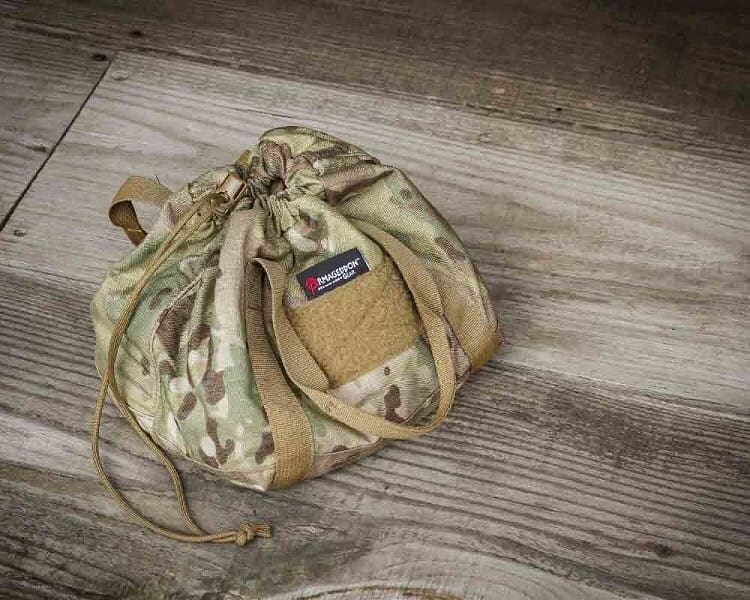
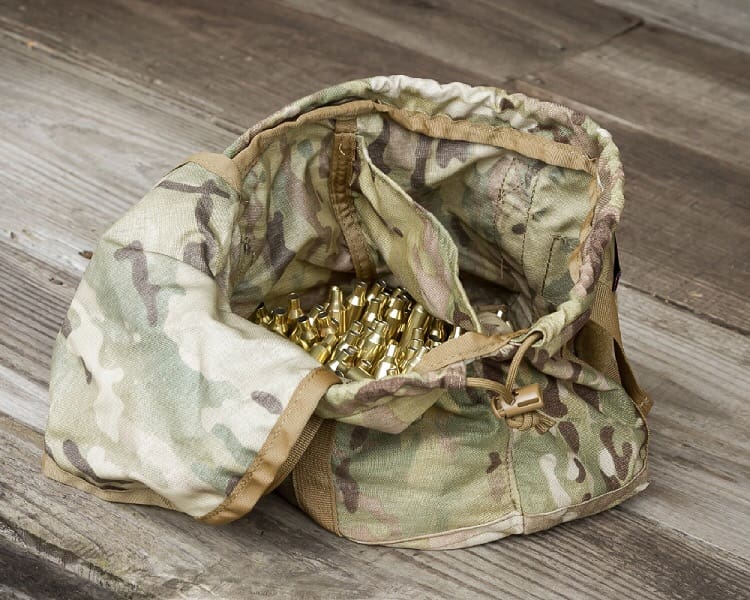
The product description for Armageddon Gear’s RUB is pretty funny.

We are not really sure what this bag is good for, but we got tired of George Gardner asking us to make it. So here it is. We’re sure you can figure it out. The obvious answer is to keep your loaded ammo on one side and then put your empties on the other side as you shoot ’em up. There are a million options, we’re sure.

Regardless, it’s a pretty good idea and proudly made in the USA of Mil-Spec materials. The RUB features the Armageddon Gear Lifetime Warranty and is available in Coyote or MultiCam.


www.armageddongear.com/Range-Utility-Bag-RUB

LBT x TBL Charity Raffle

Tuesday, October 18th, 2016

LBT has partnered up with a few industry friends to show appreciation and support for the men and women of Law Enforcement by sponsoring local LEOs to take part in numerous charity events held by Law Enforcement United throughout the year.

Entry Level Tiers
$5(1x Entry)
$25(5x Entry)
$50(10x Entry)

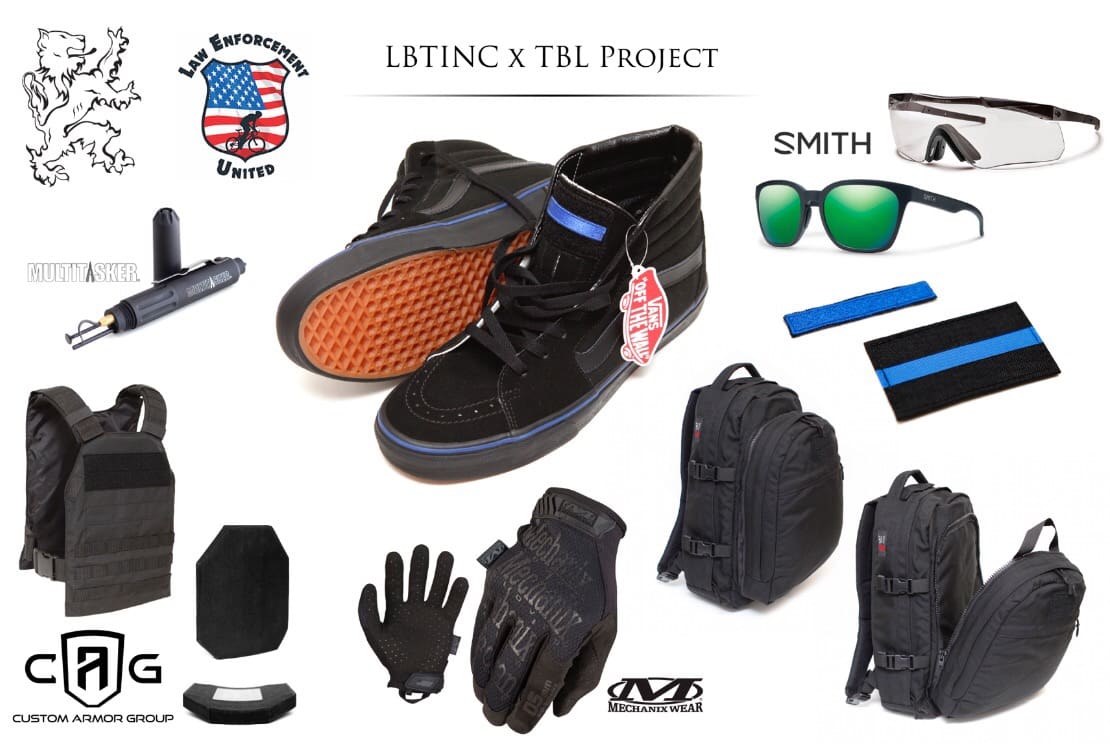
Each $5 donation will count as an entry for the #LBTxTBL project raffle containing the follwing items

@lbtinc
– Custom TBL Sk8-Hi Vans w/ Thin Blue Line embroidered patch
– 3″ x 2″ Thin Blue Line Patch
– 1 LBT-1476A v2 Three Day Assault Pack
– 1 LBT6094 FRG Plate Carrier

@customarmorgroup
– Level IV Armor Plate Set, Shooters Cut Front/Back

@smithelite
– Aegis Echo II Compact ballistic impact eyewear
– Matte Black Founder Shades w/ Green Sol-X Mirror

@mechanix_wear
– The Original 0.5mm Covert

@multitaskertools
– MULTITASKER TWIST

lbtinc.com/tbl

Gerber Center Drive

Tuesday, October 18th, 2016

img_4074_copy

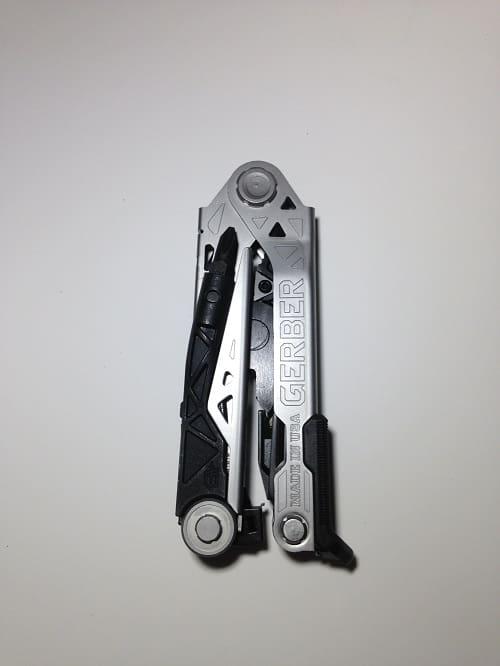
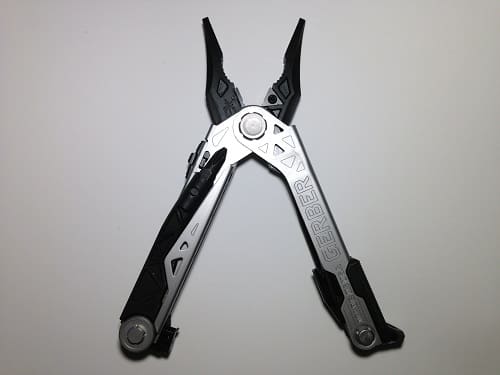
This is the Gerber Center Drive, a brand-new made-in-the-USA multitool that’s launching today, and Gerber sent us a pre-production model a few days ahead of the launch to check it out.

img_4078_copy

The Center Drive is manufactured from stainless steel, and features 14 individual tools within its frame.

img_4076_copy

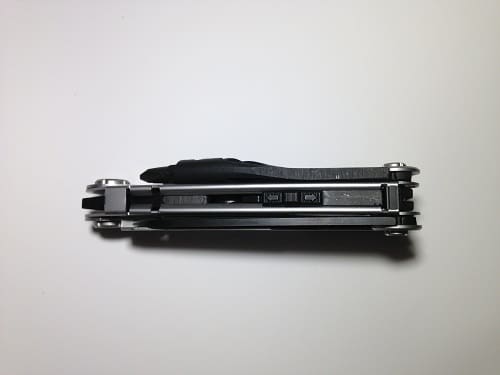
The pliers are spring loaded, and are released upward via a side-mounted sliding button, purposely designed for one-thumb activation, rather than the swing open design on traditional multitools.

img_4086_copy

The pliers consist of a needle nose point with a standard center, as well as rotatable carbide wire cutters and a wire stripper.

img_4082_copy

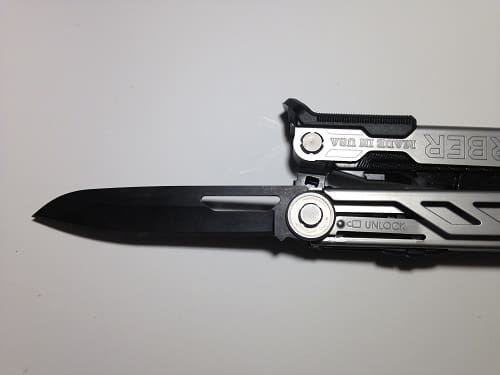
The main blade on the Center Drive is a 3.25″ fine edge blade. According to Gerber, this blade is “30% larger than the competition”; press materials use the main blade on the Leatherman OHT for the size comparison. The blade also locks into place when fully extended via a tension lockbar.

img_4092_copy

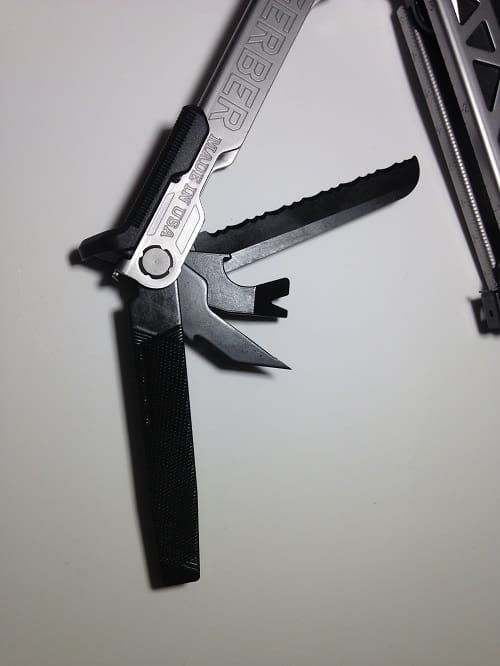
The opposite arm of the Center Drive features the following tools:

  • Pry bar
  • Nail puller
  • Bottle opener
  • Serrated Blade
  • Awl
  • Fine & course sided file
  • img_4081_copy

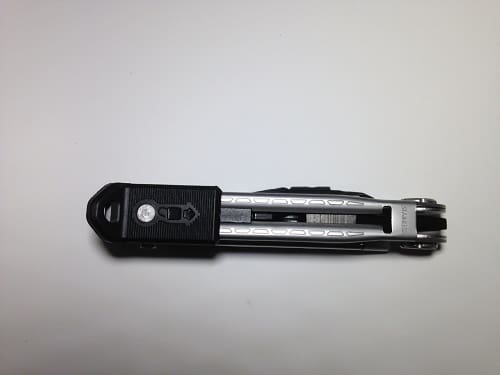
    These tools lock into place when fully extended and can be retracted by using a thumb-break slide release on the opposite side of the arm, which also incorporates a lanyard hole. The arm opposite this one features both a 3″ ruler as well as an 8cm ruler.

    img_4091_copy

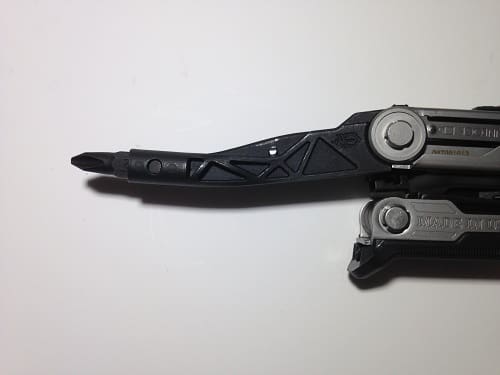
    Easily the most impressive feature of the Center Drive is the tool of its namesake, the full-size center axis driver. Unlike traditional multitools, which typically feature a lower profile driver, the Center Drive’s driver juts out of the tool’s frame 3.25″ and curves inward towards the center axis, allowing for improved torque and rotation. The center axis driver features a magnetic attachment head, which supports any number of standard bits. Like the blade, the center axis driver locks into place via a tension lockbar.

    img_4085_copy

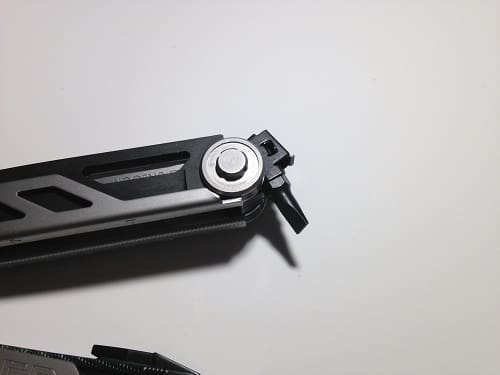
    The Center Drive also features this bit storage slot which snaps into place within the frame and rotates outward, allowing quick access to a second bit. By default, it comes with a flat head bit already inserted.

    img_4089_copy

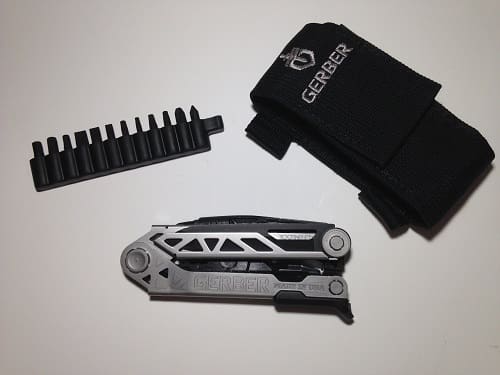
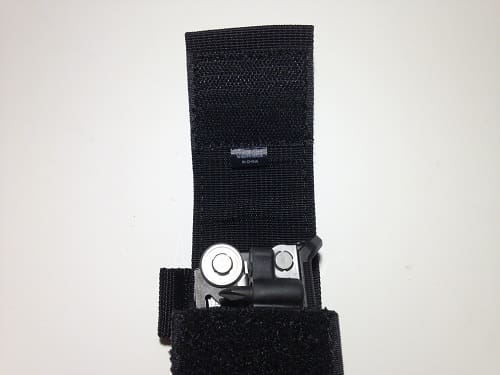
    The Center Drive comes with a 12-bit kit, in addition to the Phillip’s head and flat head bits that are already included with the tool. It also comes complete with a nylon and elastic sheath which accommodates both the Center Drive and the bit set. The sheath can be mounted by the rear to a belt either vertically or horizontally via its rear straps.

    img_4090_copy

    By Gerber’s own admission, unlike the Center Drive itself, both the bit set and pouch are made in China. Regardless, the tool itself is USA-made, and it has a host of great features that should make for an excellent option for EDC or just a functional backup tool.

    center-drive.com

    You can read the official release from Gerber by clicking the link below

    (more…)

    New Spec ACUs in MultiCam and UCP Available from Propper International

    Monday, October 17th, 2016

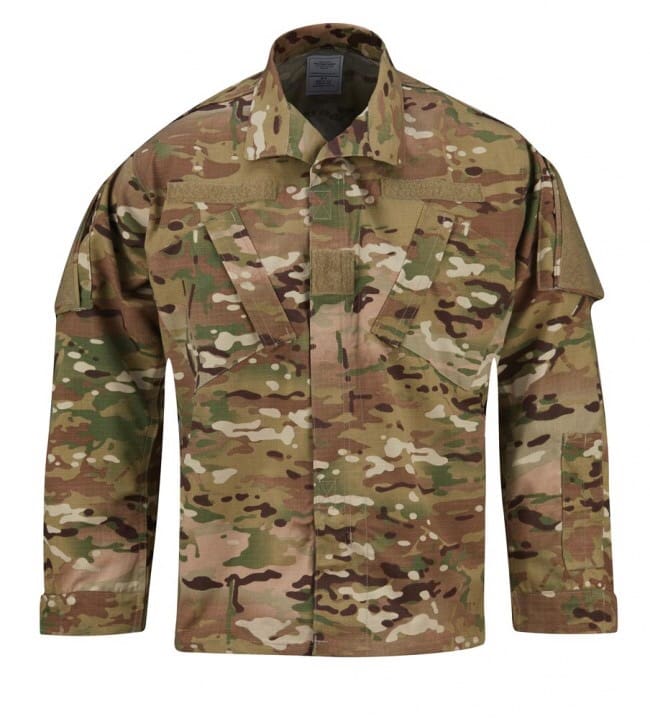
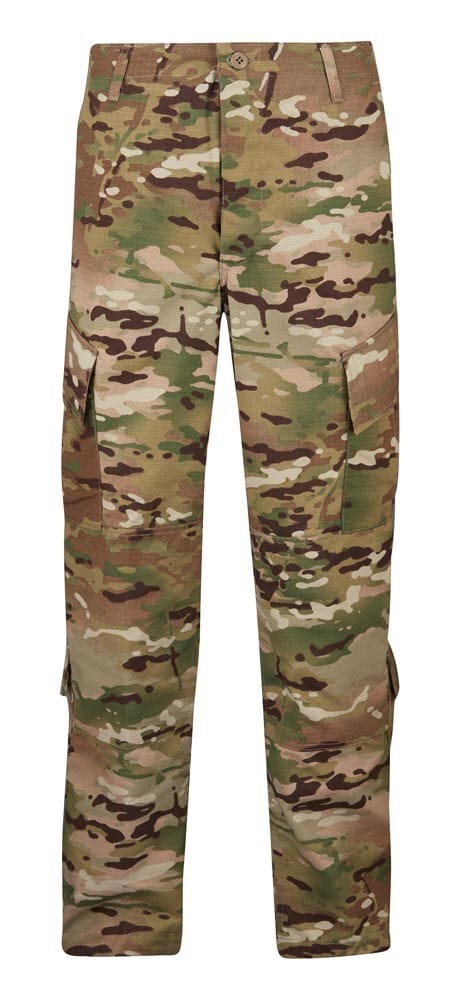
    Propper International has been a prime government contractor for decades, supplying clothing and individual equipment. They have just released the new ACU cut, for commercial sale in MultiCam and Universal Camouflage Pattern.

    For those of you unfamiliar with the new cut, concurrent with the release of the Operational Camouflage Pattern, the service made some changes to the design of the Army Camouflage Uniform.

    Coat

    – Mandarin collar has been replaced with a fold down collar design
    – Upper sleeve pocket hook and loop flap closure replaced with a zipper
    – Pocket lengthened by one inch
    – Elbow patch pad removed and hook and loop for patches removed, but double fabric reinforcement has been retained
    – Sleeve pen pocket reduced from three pen channels to two

    Trousers

    – Drawstring removed from waistband
    – Cord and barrel removed from cargo pocket and replaced with button closure
    – Knee patch pad removed and hook and loop for patches removed, but double fabric reinforcement has been retained
    – Hook and loop on lower leg pocket flap replaced with button closure

    For many, the MultiCam pattern is welcome, considering it outperforms the Army’s OCP. However, many of you may be scratching your heads over the UCP offering. This is because some organizations outside of the Army, continue to use the pattern.

    The uniforms are available in 50/50 NYCO or Battle Rip 65/35 PolyCotton in MultiCam and 50/50 NYCO in UCP.

    ADS Inc – Think LEDs are more expensive? Military Consumer Behavior Says, “Think Again.”

    Sunday, October 16th, 2016

    This is a pretty interesting article from ADS Inc regarding the adoption of LED lighting for use by the military. It’s not something I’d normally consider but they make a good case for its adoption when you start to do the cost-benefit-analysis of life-cycle costs.
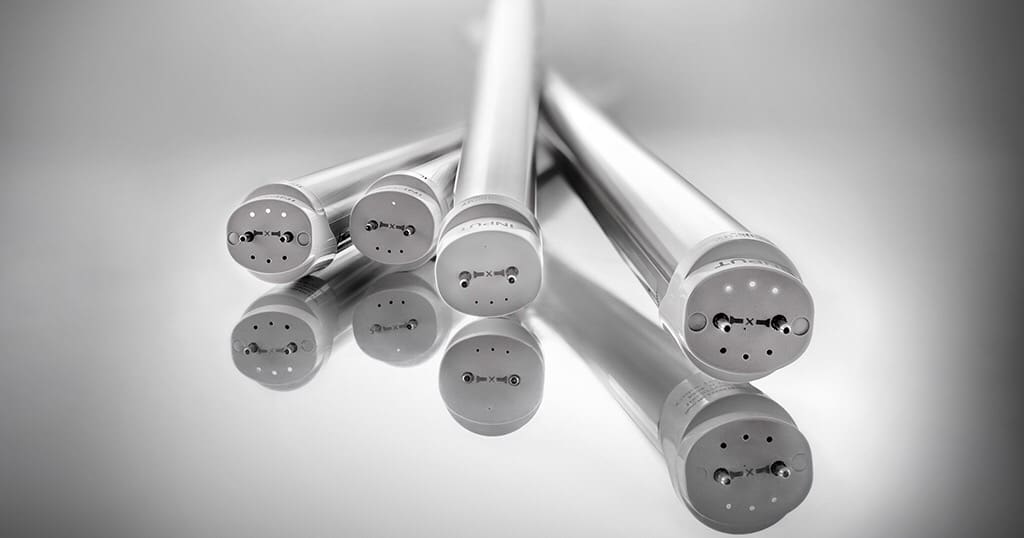
    Automobile headlights, office ceiling lights, shipboard lights, and flashlights are make up the bulk of LED converted lights used in the US Military today. And just like many emerging technologies widely adopted by the military, commercial and residential LEDs have gained popularity in recent years. Regardless of whether you are a civilian or soldier, the common misconception of LED lighting is that it’s more expensive. This case study provides consolidated research that thoroughly examines and demonstrates the benefits of LEDs over its counterparts.

    The biggest initial barrier for the widespread adoption of LED lighting (also known as Solid-State Lighting (SSL)) was a purchase price greater than the equivalent Compact Fluorescent Lamp (CFL) or incandescent bulb. SSLs are defined as a light source that emits solid-state electroluminescence through light-emitting diodes (LEDs) and do not use thermal radiation or fluorescent tubes. (Solid-State Lighting n.d.) Since 2000, the Department of Energy (DOE) has invested heavily in Solid-State Lighting (SSL) R&D projects in order to realize the full potential of LED lighting. Finding ways to optimize the use of LEDs included research and development into the reduction of material costs, greater light output, and remedy of underlying technical challenges. As a result of improved technology, the cost of LED lighting dropped almost 40% between 2011 and 2012. (Top 8 Things You didn’t Know About LEDs n.d.)

    Cost Comparison

    When researching the cost comparison of LED lighting compared to a CFL or incandescent bulb, the question became:

    Does switching to LED lighting actually save money, and if so, when are those cost savings realized?

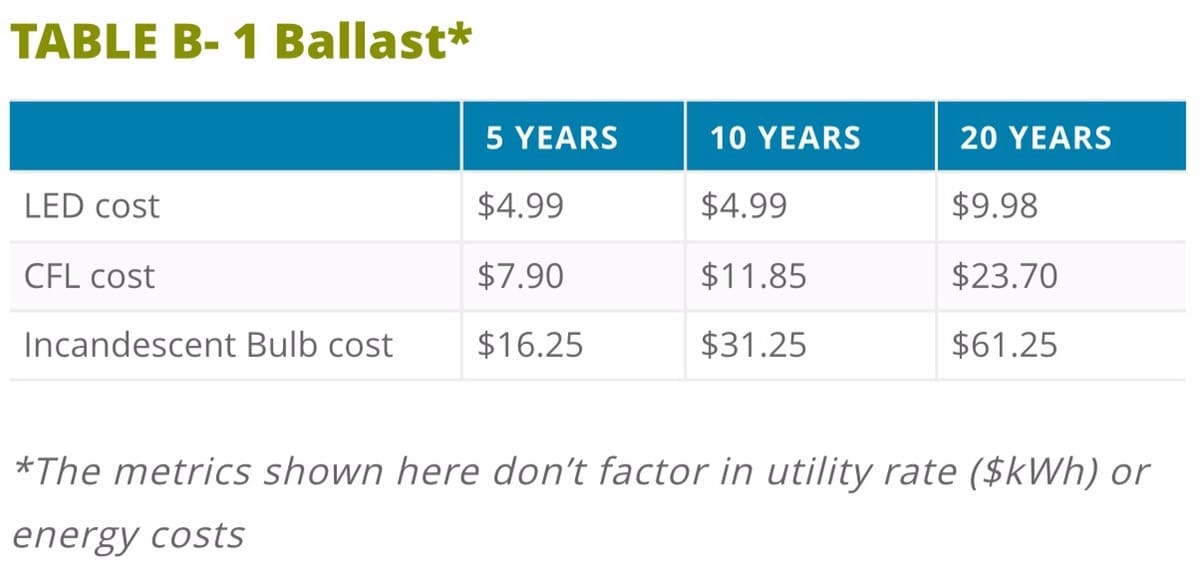
    In Cost Comparison (Table A), the cost and lifespan of a single LED, CFL and incandescent bulb are compared. The top-level benefits of using LEDs over CFLs or incandescent bulbs are clear; LEDs cost more upfront but use less energy and last significantly longer.


    The real cost-benefit analysis of purchasing an LED bulb over its counterparts becomes clear around the 5-year mark (see Table B – 1 Ballast). At the 10-year mark, CFL bulbs cost two times the amount and incandescent bulbs are six times the amount of a single LED bulb.
    How many people does it take to change a lightbulb?

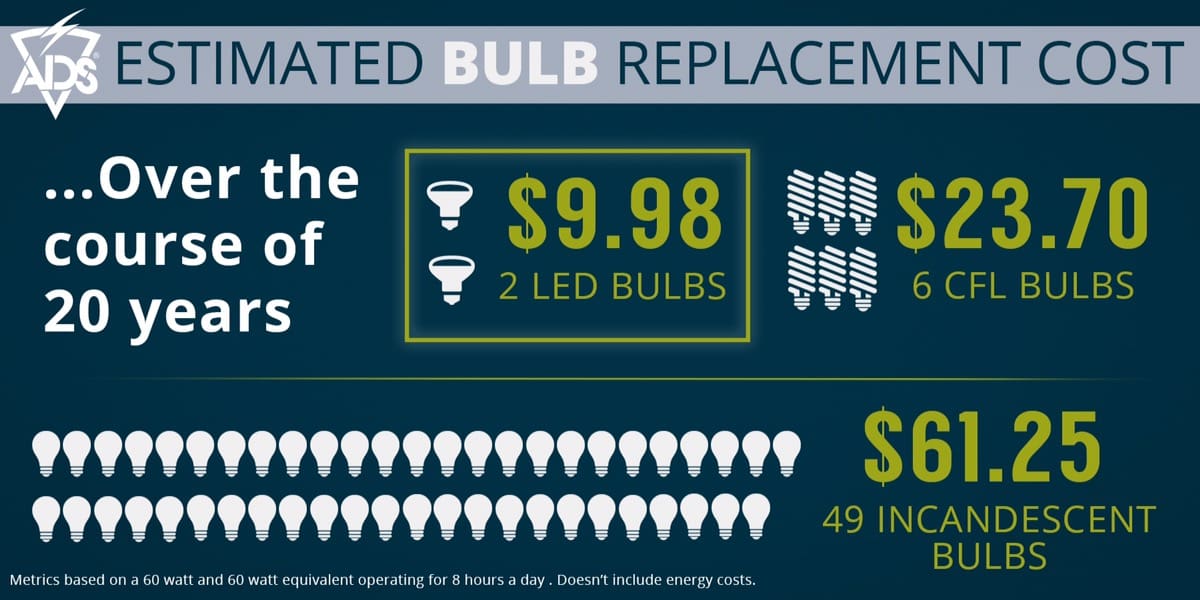
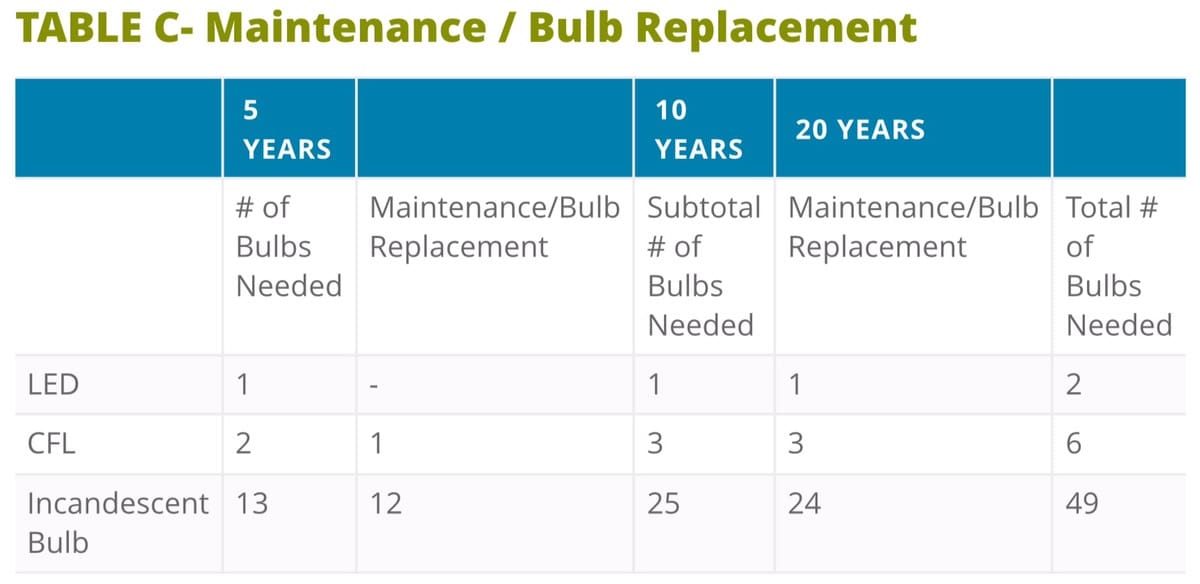
    It remains unknown, but what is clear is that LED lighting doesn’t need to be replaced nearly as many times as CFLs or incandescent bulbs. Using Table C – Maintenance/Bulb Replacement, let’s examine changing a CFL or incandescent bulb over the course of 20 years.

    You may think to yourself, “Changing a residential light bulb may not require much manpower or preparation.” However, imagine changing a single commercial CFL or incandescent bulb 6 – 49 times over the course of 20 years. Commercial lighting, whether on a ship or in an office, is much more abundant and will require an unwarranted amount of manpower. When lighting requirements are in the thousands, as is with shipboard lighting, changing a lightbulb becomes a man hour intensive exercise.

    When you consider the time it takes to replace thousands of commercial bulbs over the course of 20 years, you may be exposing your service men and women to unnecessary risk of injury and countless hours of maintenance that would be better spent on training or fleet operations.

    DID YOU KNOWThe U.S. Military has been one of the largest consumers of LEDs sense 1998 (Snyder 2013)

    Military Adotion of LEDs

    As stated previously, LEDs provide substantial cost, energy, and time savings over CFL and incandescent bulbs. Since the Navy first installed LEDs on ships in 2007, more than 125 ships and submarines – almost half of the current fleet – have been outfitted with more than 500,000 LED products. The Navy’s investment of millions of dollars over the years doesn’t come without a thorough backing in LED research, development and fielding. The Secretary of the Navy (SECNAV) Ray Mabus once stated that reducing just 3% of each vessel’s total energy equates to an annual savings of over $150 million in fuel consumption for the entire Navy fleet. (Shavers n.d.)

    According to the Commander of Navy Installations Command (CNIC), energy bills are the single largest cost for Navy installations. Energy costs at one time made up 28% of the Navy’s overall shore budget. It was imperative to reduce these energy costs to free up budget to invest in crucial support training and fleet operations. In 2010, the Chief of Naval Operations (CNO) spearheaded an initiative titled the Navy Shore Energy Program to set specific energy goals geared towards reducing the Navy’s energy costs. The proposed outcome for these goals included reducing the shore energy consumption by 30% in 2015 and by 50% in 2020. (Navy Shore Energy Program n.d.)

    Safety and Quality – Added Benefits

    In addition to providing cost, energy and time savings, LEDs have been proven to improve performance and safety for our service men and women. Just by reducing the maintenance required, we are mitigating the risk of injury associated with disrupting workflow to replace a bulb. Depending on the mission, having a reliable light source can be critical to safety. Furthermore, the quality of light emitted from an LED creates a “daylight” ambient light that can increase performance and minimize the effects of eye strain, headaches, and migraines associated with traditional fluorescents. Some manufacturers even insist LED lighting can be attributed to changing a person’s mood.

    LEDS Lead the Way

    ADS is a proud partner and government supplier of Energy Focus, an industry leader in LED technology research and development. Outdated fluorescent technology, whether in a warehouse, on a ship or in an office is proven to cost more, use more energy, require more manpower and strain the eyes. The Energy Focus 2-ft. LED is a direct replacement for these legacy fluorescent lamps, operates with or without a ballast, works with the New Emergency Automatic Lighting System (NEALS), and has a starter that can be removed in either mode of operation. Energy Focus’ technology is the only LED replacement lamp approved by the U.S. Navy for shipboard lighting.

    TEST YOUR KNOWLEDGE
    Test Your LED Lighting IQ with this QUIZ provided by the Department of Energy.

    If you’d like to learn more about LED lighting and other energy efficiency solutions that can save you time and money, contact a knowledgeable ADS Representative at 866-845-3012.

    SOURCES
    n.d. Navy Shore Energy Program. http://www.cnic.navy.mil/om/base_support/facility_system_investment/Navy_Shore_Energy_Program.html.
    Shavers, Lt. j.g. Clyde. n.d. Navy Installations Go T-LED: Replacement of Fluorescent Bulbs. http://www.navy.mil/submit/display.asp?story_id=90427.
    Snyder, Tim. 2013. LED Lights Are Now Being Used By The Military. 09 16. http://4wheelonline.com/led-lights-military.231321.0.
    n.d. Solid-State Lighting. https://en.wikipedia.org/wiki/Solid-state_lighting.
    n.d. The True Cost of Lightbulbs. http://greenlivingideas.com/2015/02/19/the-true-cost-of-light-bulbs-led-cfl-incandescent/.
    n.d. Top 8 Things You didn’t Know About LEDs. http://energy.gov/articles/top-8-things-you-didn-t-know-about-leds.
    n.d. Wikipedia. https://en.wikipedia.org/wiki/Compact_fluorescent_lamp.

    ZEV Technologies Expands Operations To Washington

    Friday, October 14th, 2016

    Oxnard, CA – October 14th 2017 – ZEV Technologies is pleased to announce the location of a new plant and business development center in the state of Washington. ZEV, in cooperation with the State of Washington and the Port of Centralia, has agreed to terms to accommodate ZEV’s expansion of assembly and distribution operations. The facility will be located at 3712 Northpark Drive, Centralia, WA 98531.


    Matt Ridenour, CEO of ZEV Technologies, shared, “We are very excited about this expansion into Washington. We are focused on excellence in our product and also in our service levels. This new facility will greatly expand our manufacturing and distribution capabilities toward our goal of delivering great products very quickly to our customers”.

    In addition to handling a portion of the company’s product assembly functions, the facility will also host expansion of ZEV’s Marketing and Business Development operations.

    The new facility is scheduled to begin operations December 2016.

    www.zevtechnologies.com

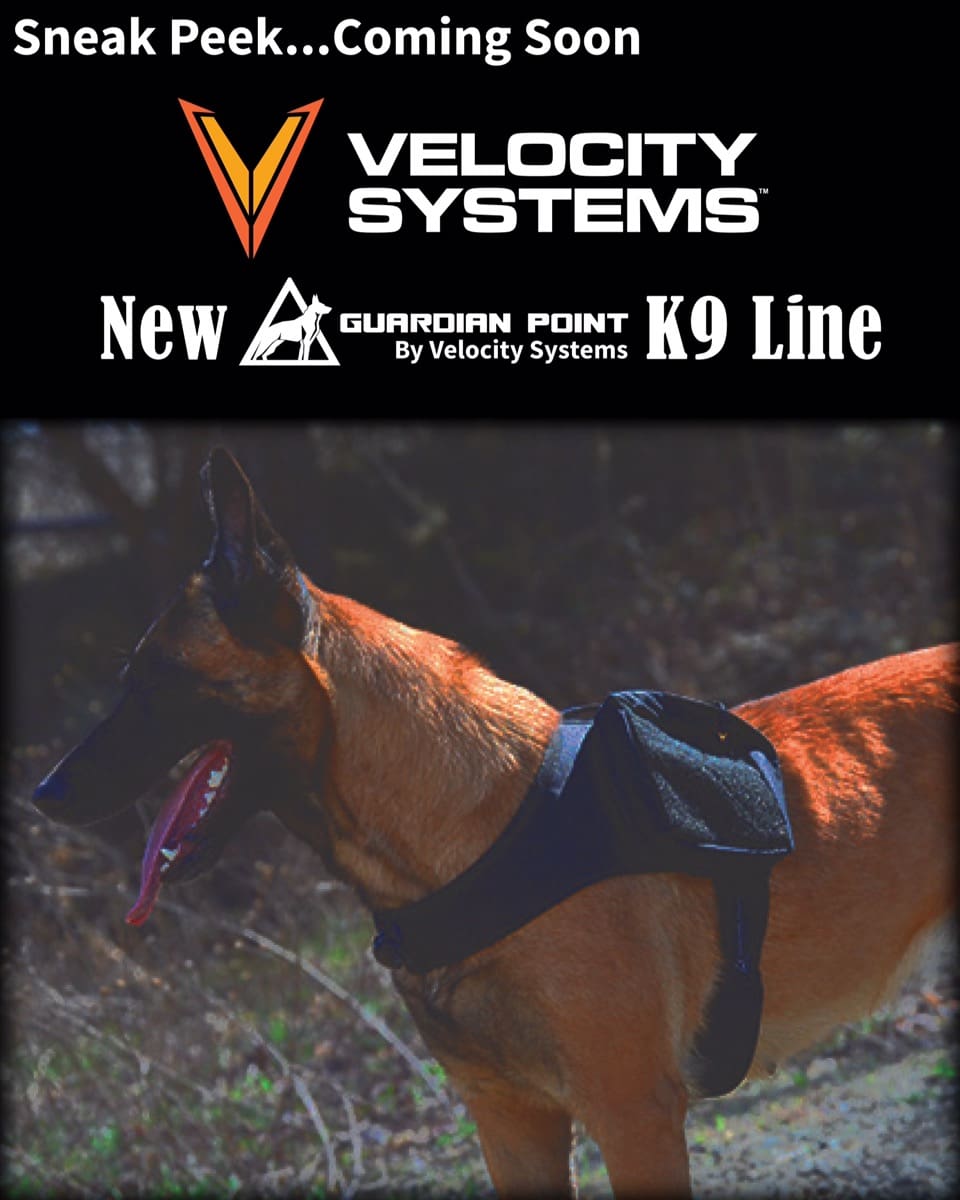
    Sneak Peek – Guardian Point K9 Line by Velocity Systems

    Friday, October 14th, 2016

    www.velsyst.com

    FirstSpear Friday Focus – Manatee Grey Cell Tags

    Friday, October 14th, 2016

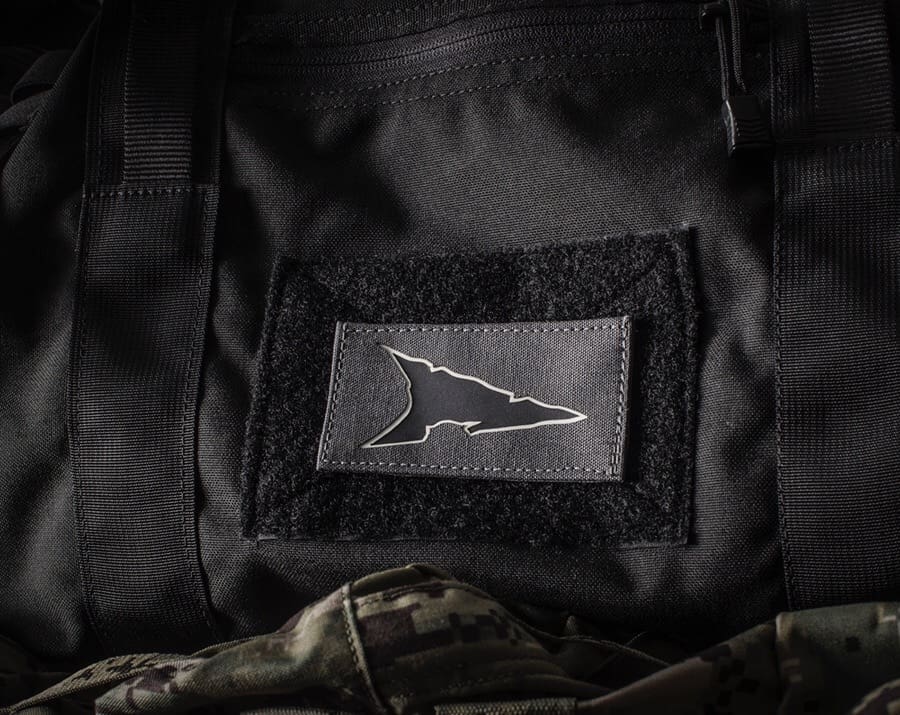
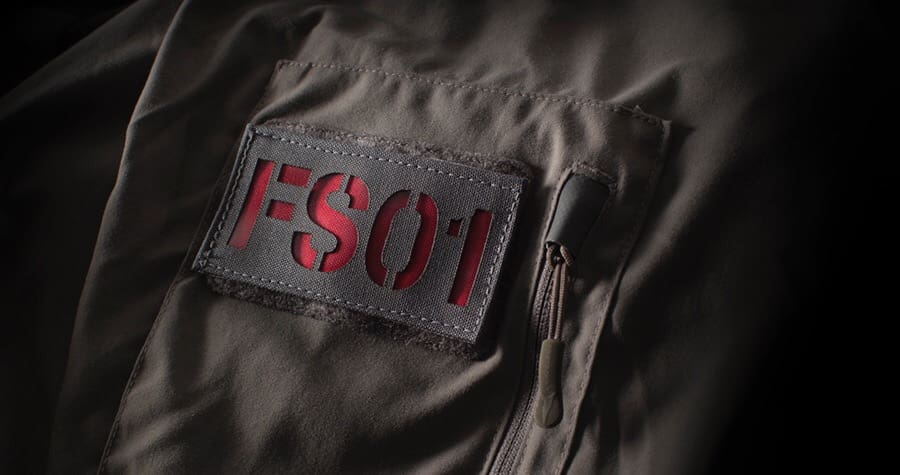
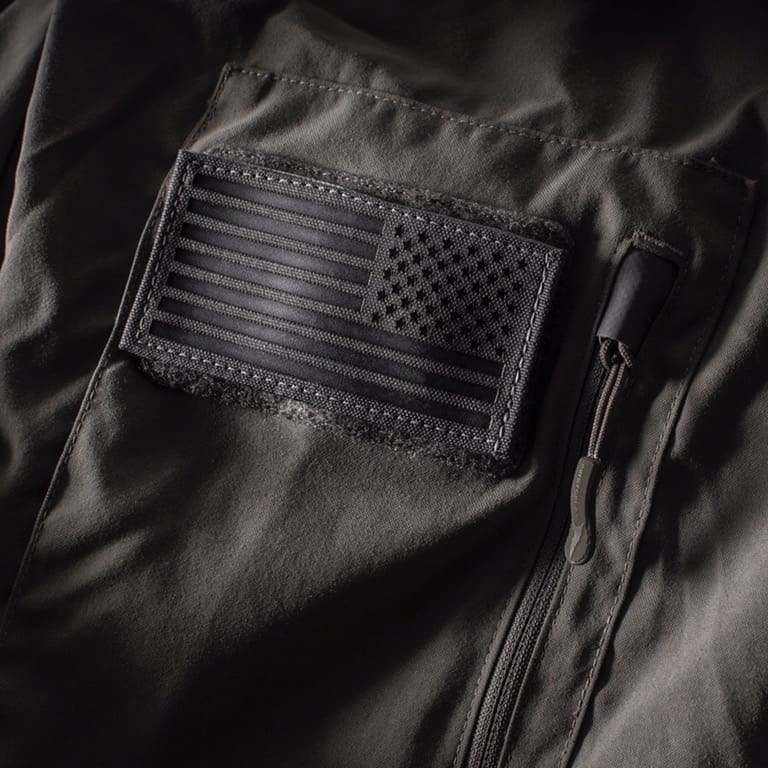
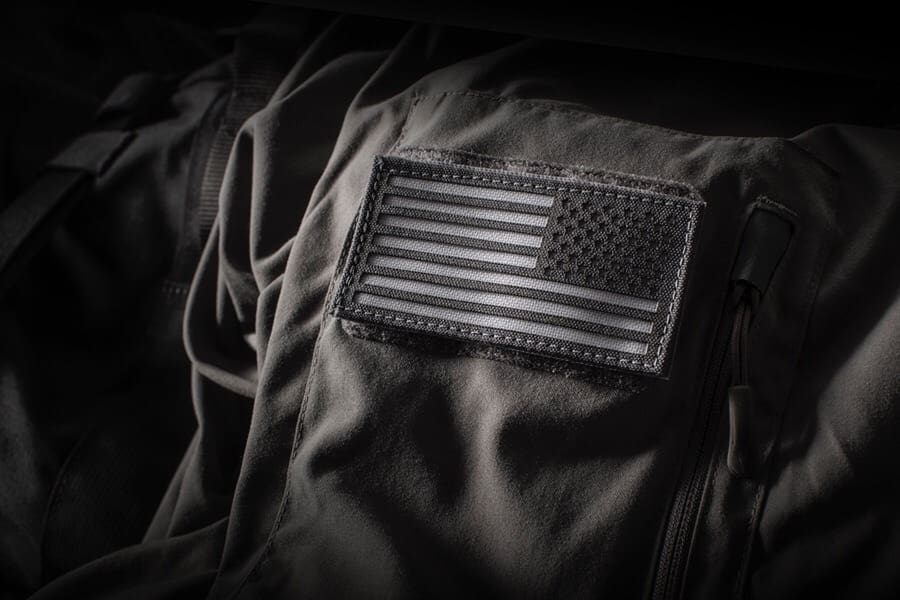
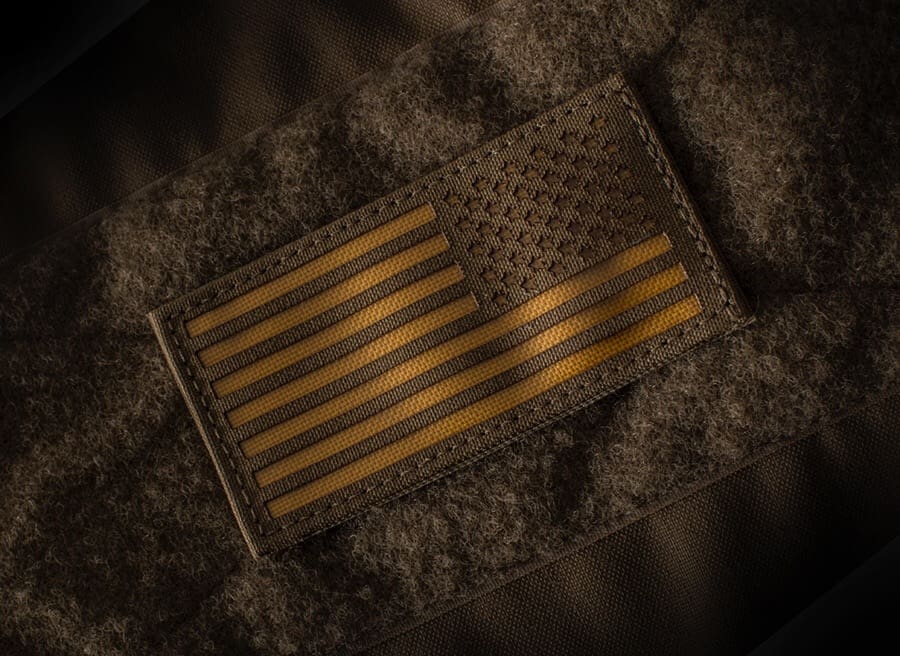
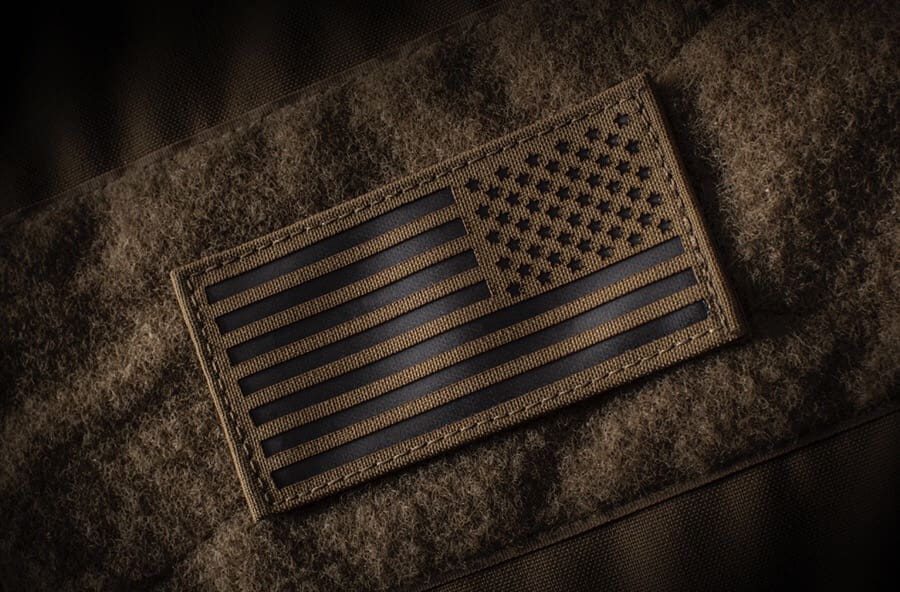
    We just found out that FirstSpear’s ever popular, patented Cell Tags are now available in Manatee Grey. That inclides alpha numeric cell tags with glow+IR options, fabric backed cell tags, and all Flags.

    You’re also getting a first look on a few new styles of Cell Tags: Fabric Backed US Flags, and FS Spear IFF in a fabric backed or IR version for LE / Govt use only.

    www.first-spear.com