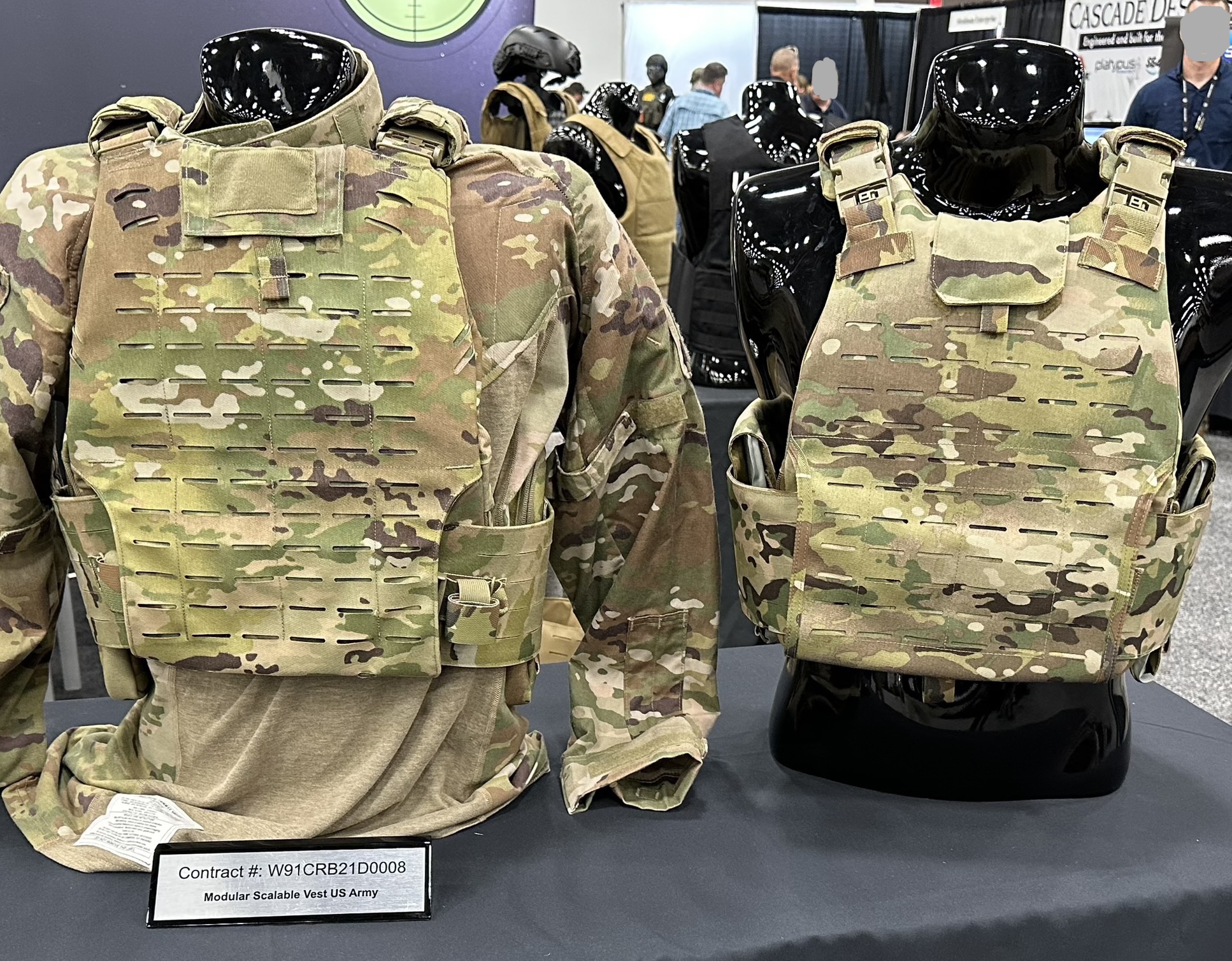
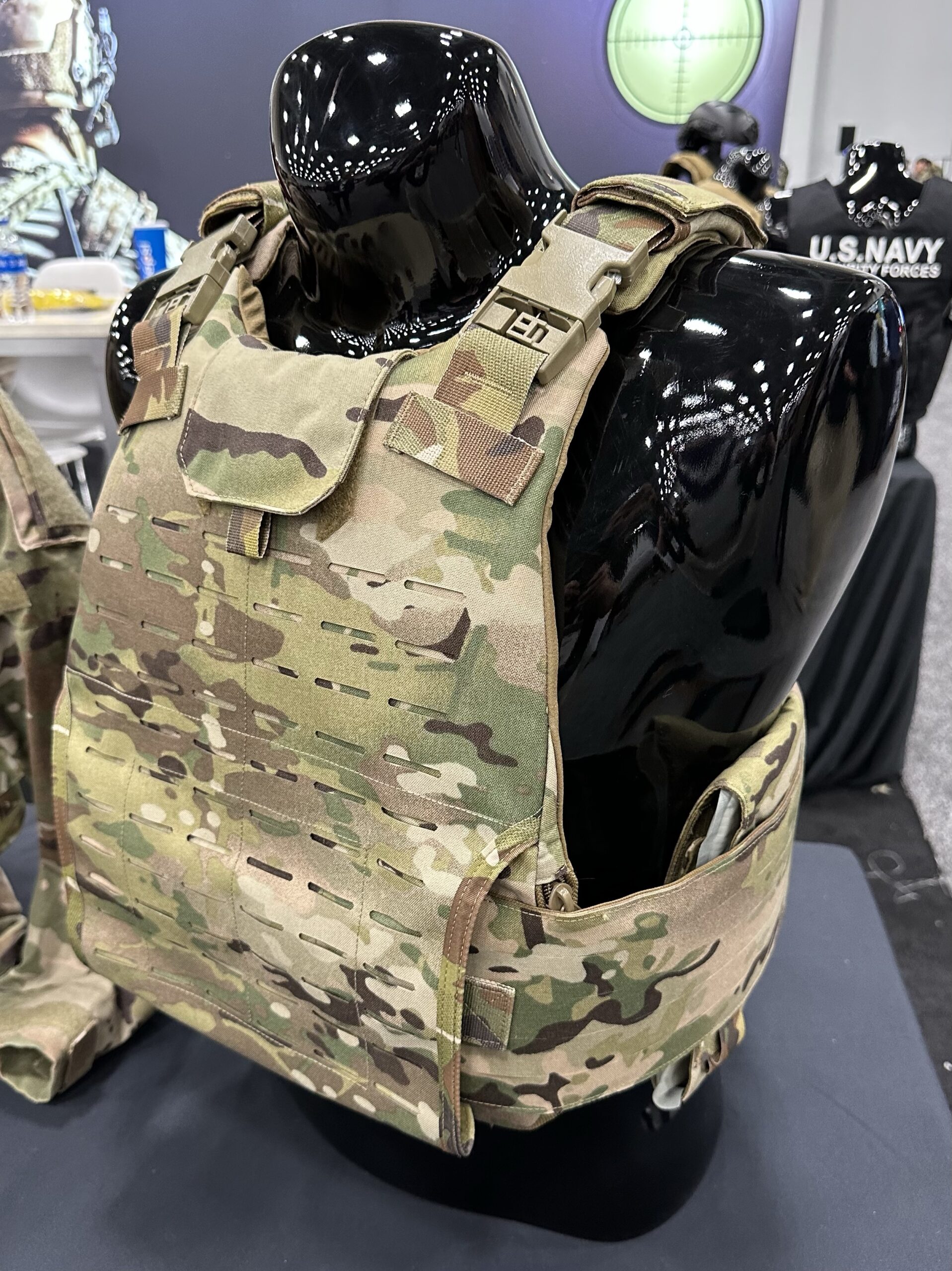
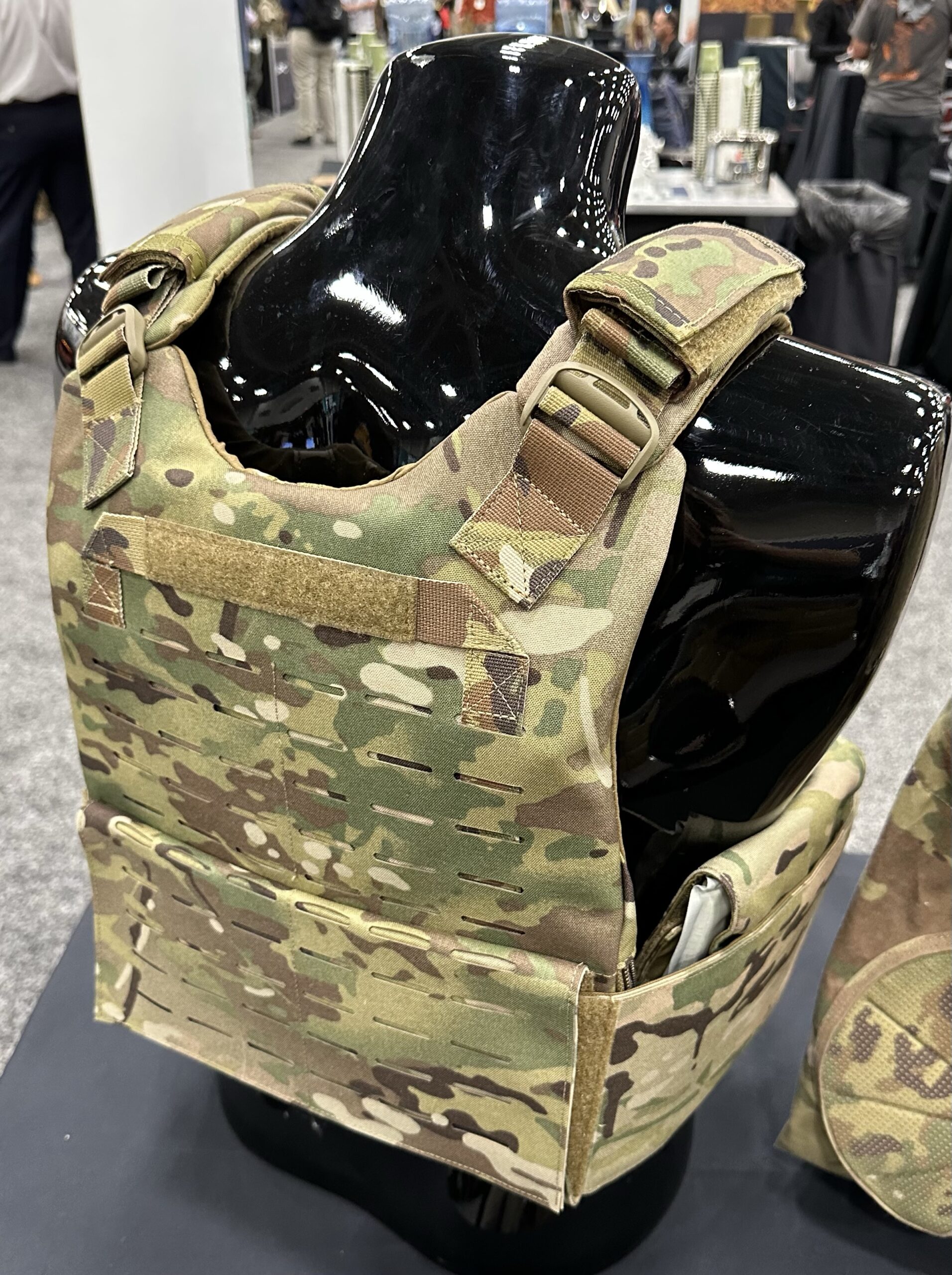
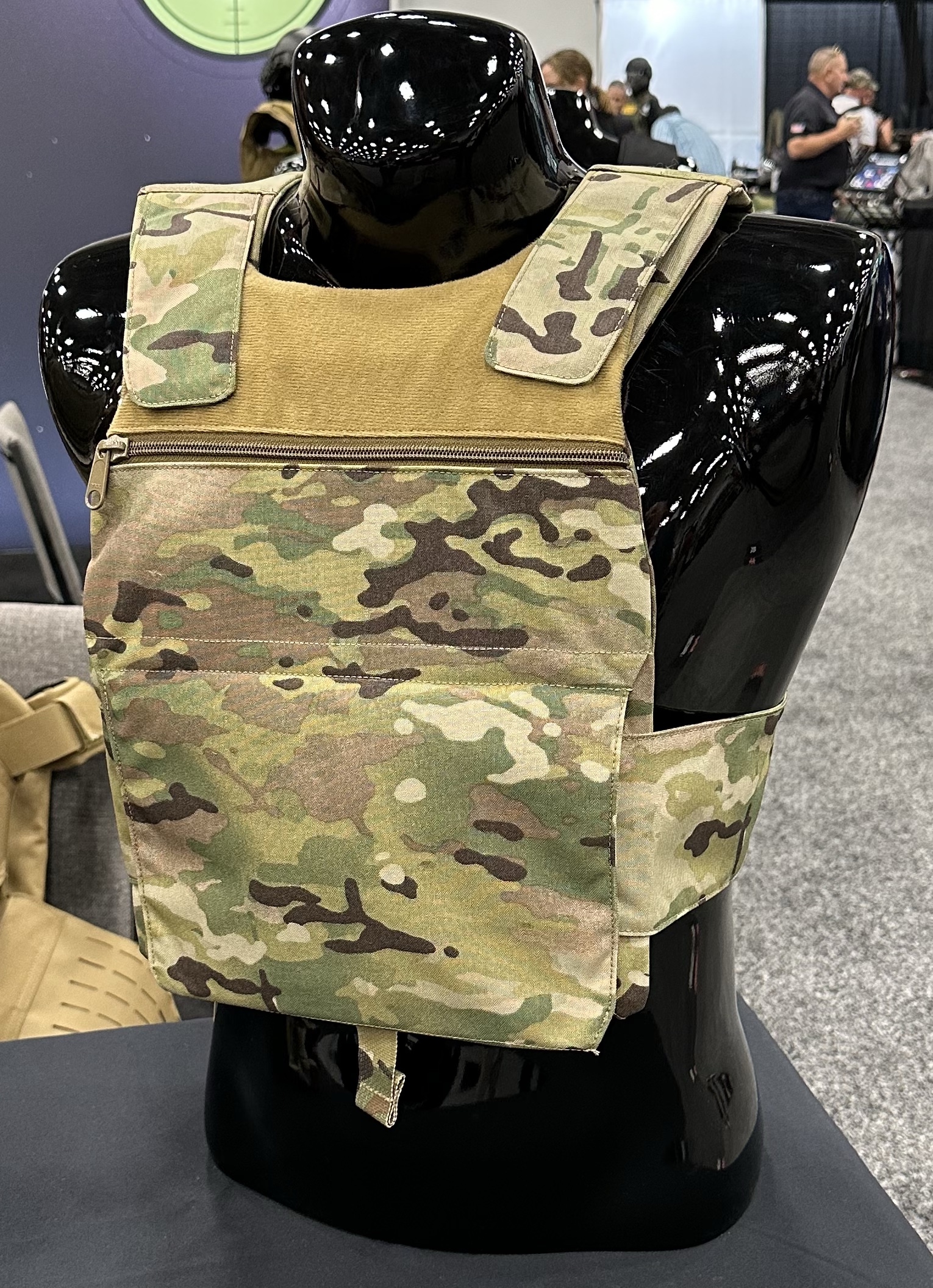
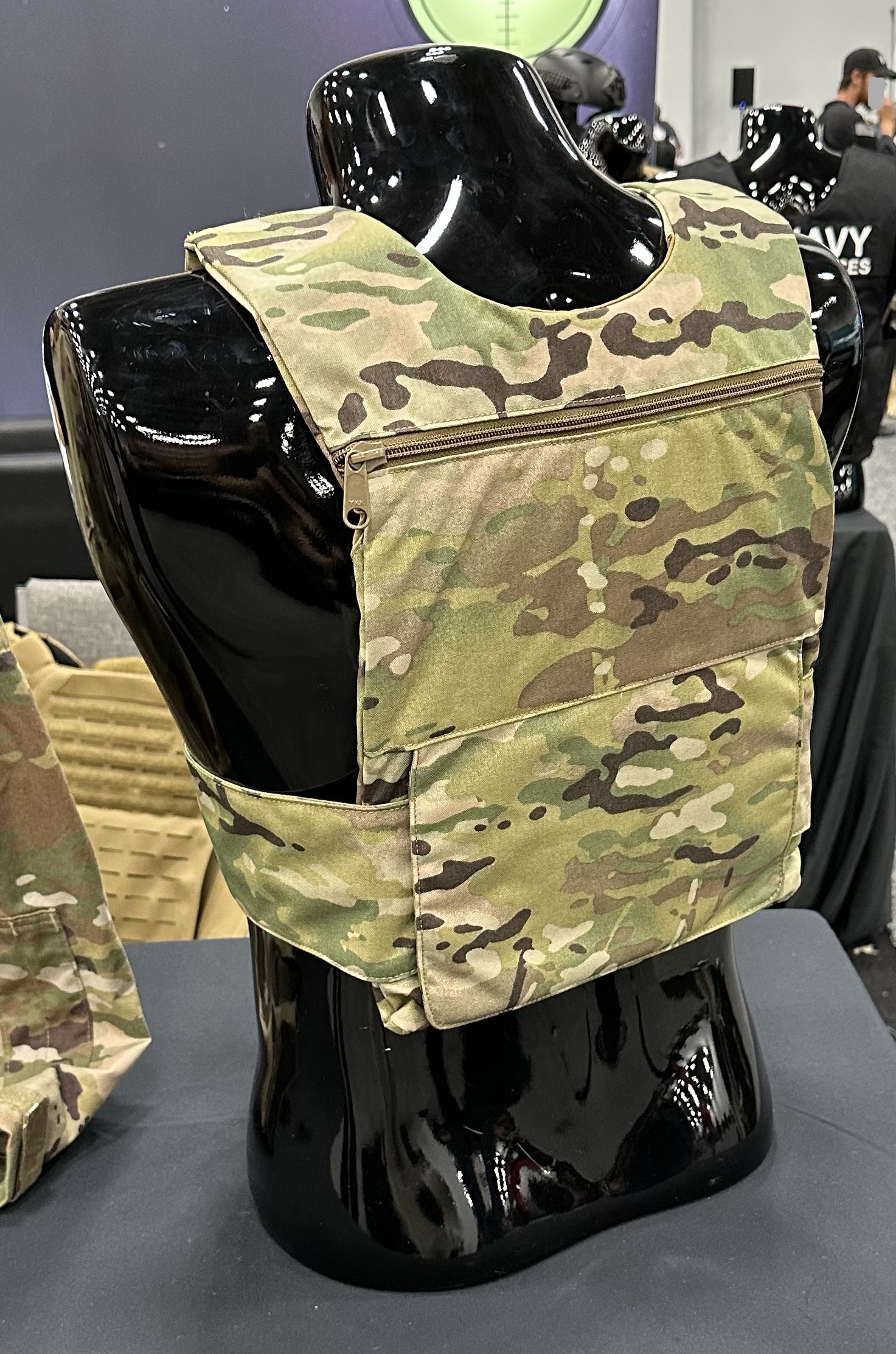
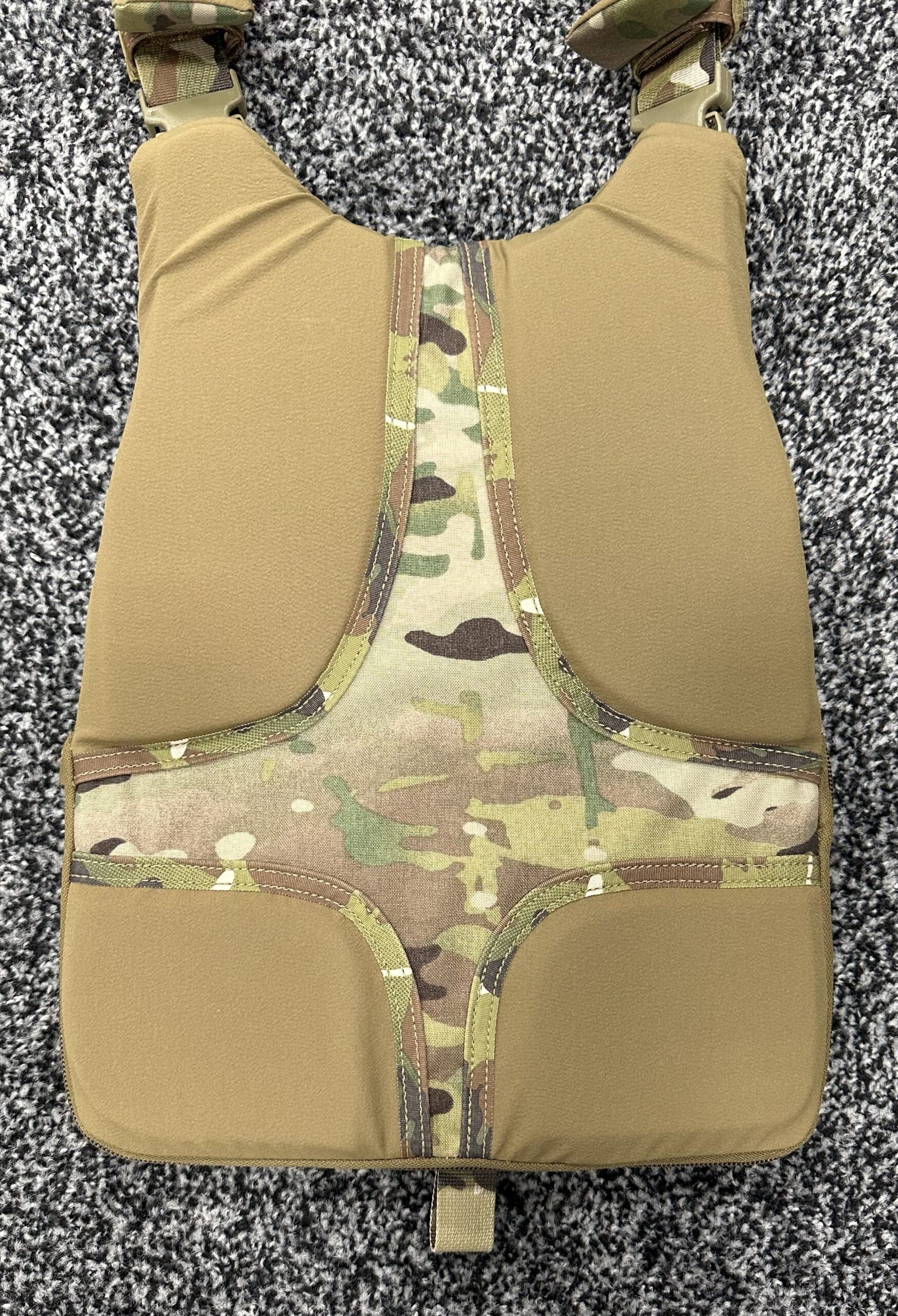
One of the items I ran across during Warrior East was the Gen II Modular Scalable Vest from Custom Armor Group. Unfortunately, as it is part of a current Army program, fielding of this popular armor vest is restricted for those outside of the program of record or for those who are, but want to spend O&M funds to jump in line, like the National Guard.
With long lead-times and high demand for the U.S. Army’s Modular Scalable Vest (MSV Gen II), PEO Soldier has required all purchases for approved MSV Gen II systems flow through their current contract. This has made the lead times of MSV Gen II vests for other branches take much longer than expected.
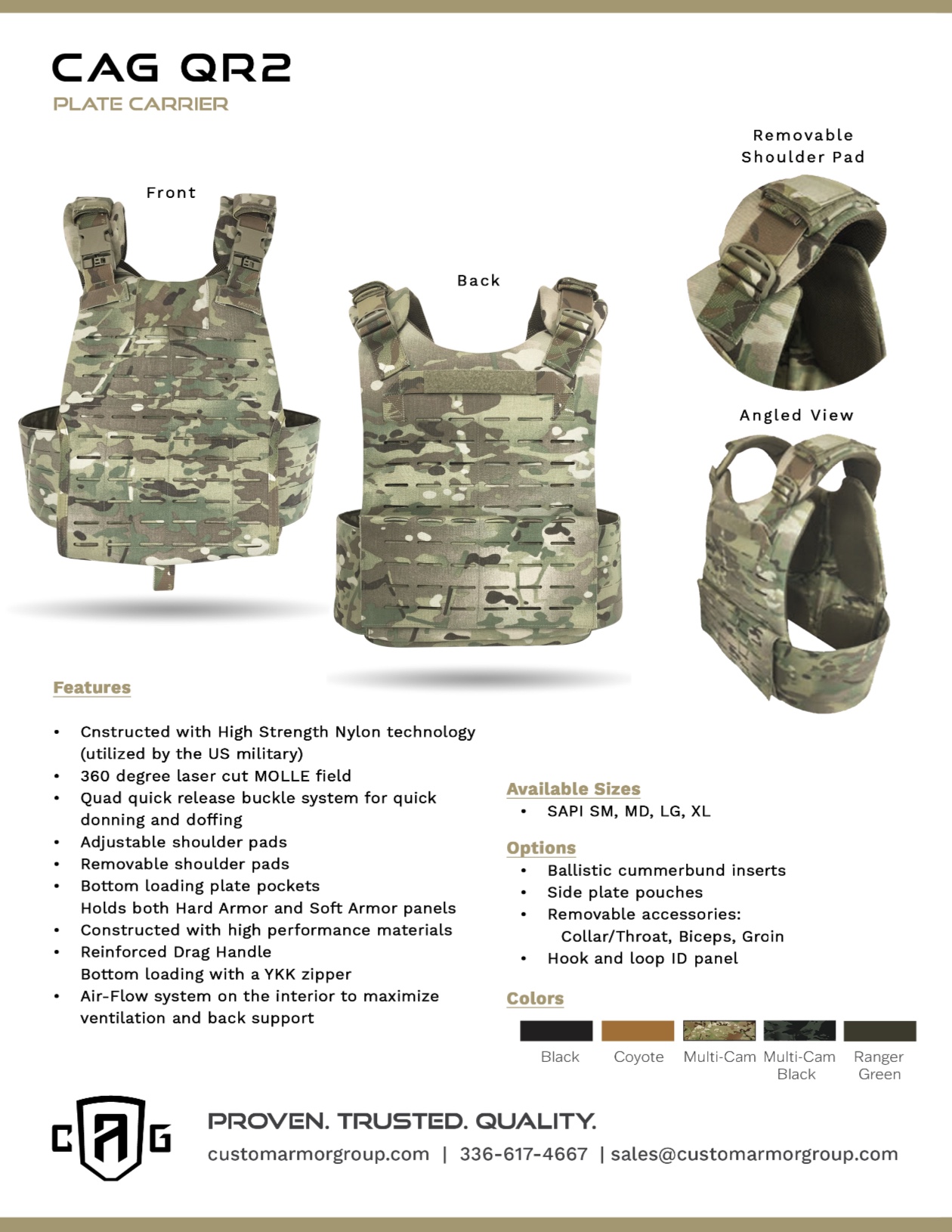
Custom Armor Group (CAG) and its strategic partners have designed the QR2 which can be seen above to the right of the issue MSV. The QR2 is a high performing armor system with similar user interface, visuals and profile while offering improved delivery times.
The QR2 will be available immediately for those units unable to wait the extended MSV Gen II lead times.
The CAG QR2 was developed to offer a solution to meet demand and shorten lengthy lead times. This design utilizes manufacturing techniques and advanced materials which allow more efficient manufacturing and supply chain management.
The QR2 utilizes an NIJ 0101.06 (National Institute of Justice) certified, and First Article Tested/Approved package currently fielded by NAVSEA and CNIC. The package was created as an updated version of the former NAVSEA soft armor solution. This NIJ 0101.06 certified ballistic package also offers US Military FRAG protection (like the MSV Gen II) along with special threat protections. Additionally, the upgraded ballistic offers all these advantages while showing a 25% weight reduction versus former NAVSEA ballistic package.
Other small advances in the QR2 are an improved inner carrier system and additional padding for user comfort. Still, the greatest advantage will be availability.
Samples are shipping to USAF for approval this month, giving USAF units MSV Gen II styling with USAF specifications (USAF currently requires min NIJ 0101.06 IIIA Protection).
WASHINGTON – Grieving Soldiers who have recently lost a child or spouse now have the option to take up to 14 days of non-chargeable bereavement leave, based on a policy signed by the Secretary of the Army on May 8.
Soldiers will be allowed the time off to make funeral and burial arrangements for deceased loved ones as part of a directive passed by the Secretary of Defense on March 29. The new policy, which falls under the National Defense Authorization Act, also allows troops bereavement time to grieve before returning to duty. The service published its All Army Activities summary of the directive or ALARACT, this week.
“During this time, we don’t want our Soldiers thinking about the mission or readiness,” said Larry Anderson, assistant deputy of military pay, compensation and entitlements, Assistant Secretary of the Army’s Office for Manpower and Reserve Affairs. “We just want them to take care of themselves and be mentally, spiritually and physically able to come back and accomplish that mission. This is just one of the many touch points to help them go through that grieving process.”
About 270 Soldiers across the force have already applied for bereavement leave, Anderson said.
Soldiers who have less than 30 days of leave on the date of death are eligible for up to 14 consecutive days of bereavement. Soldiers with more than 30 days leave become eligible for bereavement leave once their leave balance falls below 30 days. Soldiers who have served longer than one year are eligible for the program.
Additionally, Soldiers whose loved ones have passed away on or after June 25, 2022 and took chargeable leave associated with those deaths can have up to 14 days of charged leave restored.
The loss of a child or spouse can have a spiraling impact on the morale and mental health of a Soldier. In addition to the emotional and psychological toll, a Soldier who loses a spouse may have to take on additional duties such as more childcare responsibilities, Anderson said.
“Now your entire life has been interrupted,” Anderson said. “And during that time, we need them worrying about their family and making sure they have the necessary resources for their wellbeing. If a Soldier isn’t worried about what they’re supposed to be doing on their mission, there’s a possibility that lives could be at stake.”
Soldiers who have suffered the loss of another relative, such as a parent, or Soldiers who experience a miscarriage or stillbirth, do not qualify for bereavement leave.
Previously, Soldiers who suffered a death in the family had the option of taking chargeable, emergency leave or annual leave.
Now, Soldiers have a more convenient option for taking time away from duty. Army Chief of Compensation J.D. Riley said that the policy aligns with the Army’s priority of taking care of its people.
“The Army is people first, so this is a big step forward for service members,” Riley said. “Because when you take care of Soldiers and families, readiness takes care of itself.”
Anderson, a retired Air Force chief master sergeant, said he saw the effects of a loved one’s death on a fellow service member in 2003.
The Airman, an Air Force reservist, served as a medical technician during a stateside deployment at Joint Base Andrews, Maryland. The Airman’s active duty spouse died in a motorcycle accident, Anderson said.
“I kind of saw how it shook that person,” Anderson said. “I don’t think that [Airman] ever recovered. We’ve never had any [leave policy] of this precedence. So this is a great step in showing service members, we do care.”
After Soldiers return to duty from bereavement leave, they will have 30 days to provide documentation to company-level commanders. Anderson said that the Army has left the documentation requirement to the discretion of a Soldier’s chain of command, so that the Soldier can focus on recovery.
“It’s about mourning,” Riley said. “People need time to grieve and people grieve in different ways.”
AUSTIN, Texas — For the U.S. Army to reach its transformation goals, it must ensure the innovations being tested and adopted in support of future readiness are also being seamlessly integrated across the force — a focus area for the Army’s newest four-star command.
“Army Futures Command has taken the approach that we will lead the integration for the United States Army, and the land component specifically, into all the domains that we’re dependent on — air, land, sea, space, cyberspace, etc., a truly multi-domain approach, while at the same time looking at concepts for the future — with all those key partners that we need to work with,” said Army Futures Command Deputy Commanding General Lt. Gen. Thomas H. Todd III.
The command’s strategic integration of transformation activities — from initial concepts and requirements onward — ensures the Army is achieving effective, sustainable and far-reaching improvements to how the force operates both on and off future battlefields.
AFC is undertaking its integration work in myriad ways, including building new systems compatible with those of multinational partners, incorporating support mechanisms for modern technologies into training modules and long-term sustainment plans, and sharing critical lessons learned from groundbreaking science and technology research across all relevant components of the Army and joint force. The command executes integration activities in conjunction with its five other core functions: future operational environment, concepts, research, experimentation and requirements; these six functions support the command’s ability to prioritize people, design the Army of 2040 and deliver the Army of 2030.
AFC’s Directorate of Integration is responsible for synchronizing integration across doctrine, organization, training, materiel, leadership, personnel, facilities and policy, while numerous downtrace organizations — including cross-functional teams, or CFTs — are engaging in integration-furthering activities daily. These efforts reinforce one another, enabling the U.S. military and its allies to more clearly see where strengths and weaknesses exist, and remedy any potential problems.
“The Army strategy requires a keen focus on integration, allowing us to hone in on necessary resiliency and situational awareness of the battlespace,” said Mike Monteleone, director of the Assured Positioning, Navigation and Timing/Space (APNT/Space) CFT.
“Resiliency and situational awareness build confidence. Confidence builds speed. Speed builds force lethality. To achieve that end result, the Army must focus on integration at all levels,” Monteleone continued.
The APNT/Space CFT was able to increase as well as observe stakeholder integration during its most recent Positioning, Navigation and Timing Assessment Experiment, known as PNTAX, held at White Sands Missile Range, New Mexico, from August to September 2022.
PNTAX, which brings together hundreds of military and industry participants annually, is the Army’s premier live-sky, open-air GPS and communications denied/degraded experiment, offering tactical scenarios informed by pacing threats. The experiment incorporates new and existing PNT and navigation warfare technologies, which Army and joint force participants can assess, develop and reassess in the most challenging and realistic environments available.
The Assured Positioning, Navigation and Timing/Space Cross-Functional team is a crucial part of the Army Futures Command, responsible for accelerating the delivery of advanced APNT, Tactical Space and Navigation Warfare capabilities to the Soldier. One way the CFT informs technology and system requirements, is through the PNT Assessment Experiment, or PNTAX.
PNTAX provides an opportunity for early, immersive experimentation, where the Army and its partners across government, industry and academia put technology of varying readiness levels directly into Soldiers’ hands. These early opportunities for direct end-user feedback are crucial and heavily influence the rest of the technology development process to meet capability requirements and ultimately integrate faster.
Other examples of how AFC is integrating new solutions are evident in the international partnership-building work being carried out by the Network and Long Range Precision Fires (LRPF) CFTs.
The Network CFT acknowledges that as national armies operate in multinational coalitions during future expeditionary operations, integration and interoperability of communications will be paramount to ensuring battlefield success. As a result, the CFT hosts foreign liaison officers from the armies of two close allies, the U.K. and Australia, to help shepherd information interoperability initiatives, concepts and goals.
Both the U.K. and Australia participated in Project Convergence 22, the Army’s capstone transformation experiment of 2022, to advance multinational collaboration, with data integration successes occurring at the human, technical and procedural levels. Today, U.K. and Australian officers are assisting with preparation for Capstone 4, a Project Convergence capstone experiment to be held in 2024. Capstone 4 will build upon the collaborative successes of PC22 by integrating increasing numbers of Australian, British and American data platforms.
Meanwhile, the LRPF CFT continues to advance its co-development of next-generation weapons systems capabilities with the U.K. as part of a collaborative agreement established in 2020. A foreign liaison officer from the U.K is part of the team, helping facilitate discussions, problem solving and continuous learning. The partnership between the two militaries emphasizes complementarity for joint deployments and enhances experimental operational activities, which are crucial for delivering the Army of 2030 and designing the Army of 2040.
“Our alliances play a vital role in shaping the future of our countries, and by working together with multinational partners, we enhance our collective strength,” said Col. Rory Crooks, director of the LRPF CFT.
The LRPF CFT demonstrated refined strategies and tactics for multi-domain battlefields during PC22, converging effects among Joint and Allied forces. The CFT also engaged in additional experimentation and learning with Australian and U.K. counterparts in the areas of artificial intelligence-enabled computing, manned-unmanned teaming, secure transport layer networks and disaggregated sensor collections, which can reduce the time required to identify, target and neutralize enemy threats.
AFC’s integration of new technology and processes improves interoperability between systems from various nations while also enhancing human capabilities and connectivity — all of which are integral to the Army’s pursuit of war-winning future readiness.
By Army Futures Command
Posted in Army, Guest Post | Comments Off on Futures Command Integrates Transformation Efforts Across Army, Multinational Force
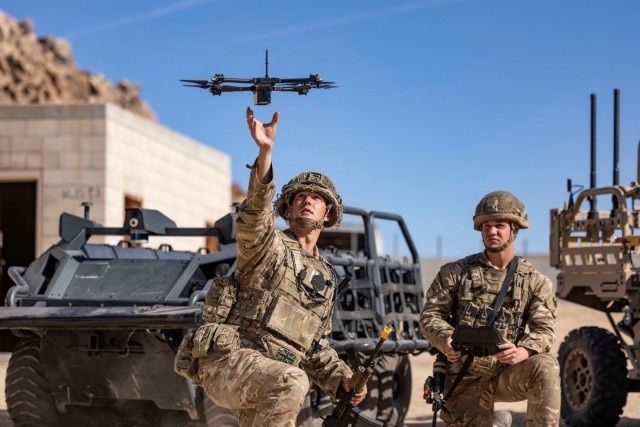
Program Executive Office (PEO) Soldier assumed responsibility of the Lethal Unmanned Systems directed requirement on May 4, 2023, and initiated the Low Altitude Stalking and Strike Ordnance (LASSO) program under Project Manager Soldier Warrior and Product Manager Soldier Precision Targeting Devices. PEO Soldier is currently using an urgent capability acquisition pathway to rapidly deliver this capability to the Infantry Brigade Combat Team (IBCT).
In addition, PEO Soldier’s teammates at the Maneuver Capability Development and Integration Directorate (MCDID) at Fort Moore are actively developing the enduring requirement to support a future program of record.
LASSO is a man-portable, tube launched, lethal payload munition, unmanned aerial system. It includes electrical optical /infrared sensor, precision flight control, and the ability to fly, track and engage non-line-of-sight targets and armored vehicles with precision lethal fires. LASSO currently consists of three modules: the launch tube, unmanned aerial system, and fire control station.
“We’re really excited to partner with industry and bring this capability to our IBCTs,” said Maj. John Dibble, Assistant Product Manager for LASSO. “This anti-tank capability is a key contributor to our efforts to increase the lethality of the Army of 2030’s IBCT and maintain overmatch against our near-peer threats.”
(Photo Credit: Photo by Doug Ware, Courtesy of Stars and Stripes, all rights reserved)
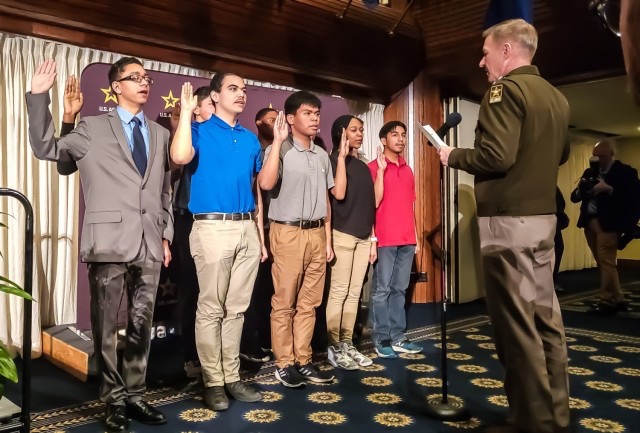
WASHINGTON — On July 1, 2023, the U.S. Army and the nation celebrated the 50th Anniversary of the all-volunteer force. For half a century, the call to serve has been answered with Americans making the choice to represent the highest ideals of service and patriotism through military service.
“This year is the 50th anniversary of the all-volunteer force,” said Secretary of the Army Christine Wormuth during the Army’s Birthday Festival. “That is 50 years of selfless service, 50 years of Soldiers from all walks of life volunteering to realize their potential, 50 years of Soldiers being all they can be.”
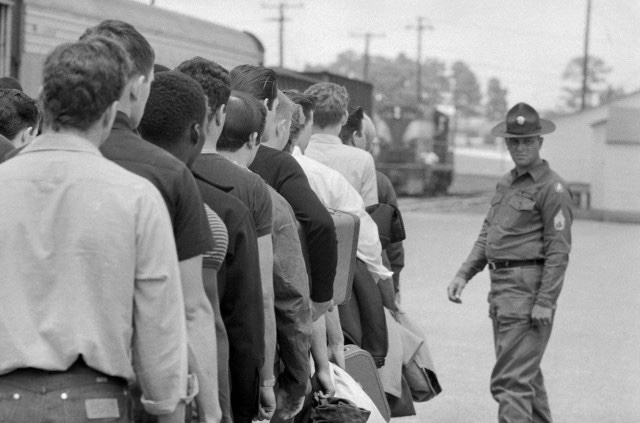
In 1973, the Nixon administration announced the U.S. military would fill its ranks exclusively with Americans that made the choice to serve rather than with draftees. Prior to 1973’s all-volunteer force, a near-continuous conscription began with President Franklin D. Roosevelt’s activation of the nation’s first peacetime draft in support of World War II. That first draft, between November 1940 and October 1946, enlisted over 10 million Americans. The draft was again re-adopted in 1948 and continued to exist until it was officially halted on July 1, 1973.
(Photo Credit: Photo by Warren Leffler, courtesy of the Library of Congress)
The Army started working on developing the all-volunteer force well before the draft ended. According to Nicholas Torre, an Army Historian with the U.S. Army Center of Military History, in April 1971, a transitionary program called VOLAR, named for the new Volunteer Army Program, was successfully implemented at select bases. VOLAR was an experiment designed to increase retention rates and morale among Soldiers and to attract those who wanted to serve. The results were promising. For example, reforms at Fort Carson that aligned with the principles of VOLAR resulted in a 45% increase of reenlistments.
“VOLAR and accompanying initiatives sought to rectify the ills of the Vietnam-era draft-dependent Army,” said Torre. The Army wanted to find ways to increase discipline and morale as it moved towards an all-volunteer force. That included improving work environments by focusing on three areas: Army professionalism, day-to-day quality of life and addressing contextual social problems like race-related and drug abuse issues. Today, at the close of the Global War on Terror and with recruitment presenting challenges, there are parallels shared between the inception of the all-volunteer force and the present state. For instance, the U.S. Army’s continues to be a diverse force and a place for equal pay and treatment.
“Our Soldiers, from the newest E-1 to the most experienced generals come from all over the country, from many different backgrounds, from multiple demographics, races and ethnicities. And while our Soldiers are as diverse as the nation they serve, we have seen throughout our history that we are strongest when we serve together. At the end of the day, what unites us is our shared Army values. That and our collective mission to fight and win the nation’s wars,” said Wormuth.
Our diverse force continues to be united by a common mission, but the U.S. Army has also evolved over the last 50 years. Under the draft system, draftees usually served for two years. Today enlistments vary depending on each Soldier’s training and career path. Today’s Army offers more complex education and training for over 200 career paths. New innovations in training such as the Holistic Health and Fitness, new approaches towards mental readiness, sleep readiness, physical readiness and spiritual readiness are telling of how today’s Army is prioritizing setting up Soldiers for readiness and success.
“No other organization can bring out the best in people like the United States Army,” Chief of Staff of the U.S. Army Gen. James C. McConville remarked at the Army’s Birthday Festival.
Wormuth succinctly expressed what’s at the core of encouraging and celebrating Americans who choose to serve in an Army of possibilities, “The strength of our total Army has always been and will always be, our people.”
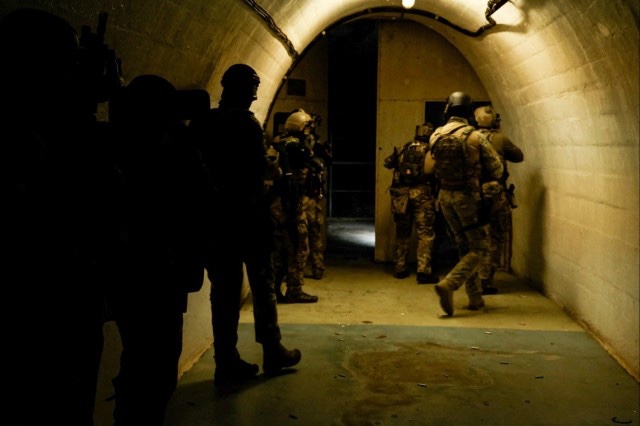
SARAJEVO, Bosnia-Herzegovina — Forty miles southwest of Sarajevo, enemies are holed up in an underground government facility built inside a mountain during the Cold War to protect a former Yugoslav president against nuclear attack.
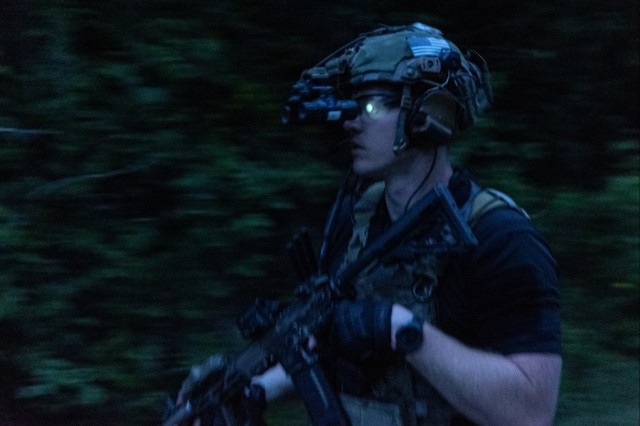
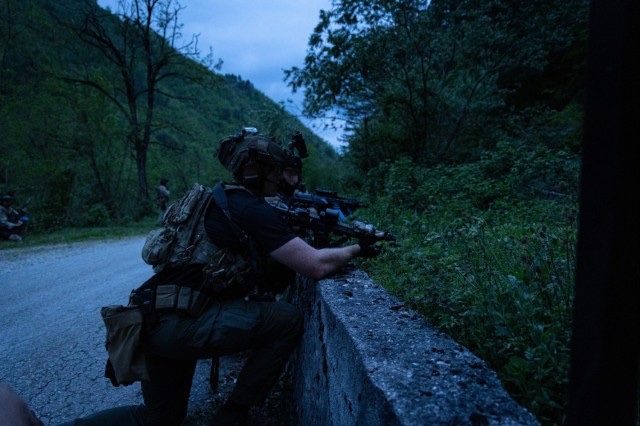
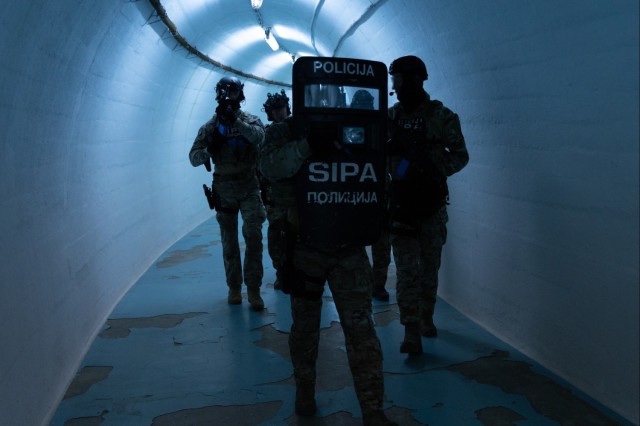
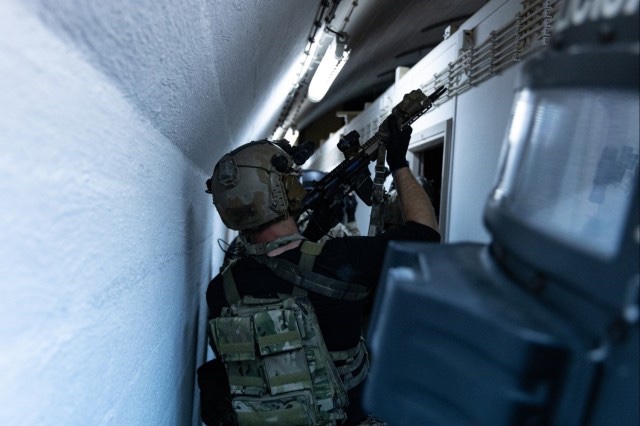
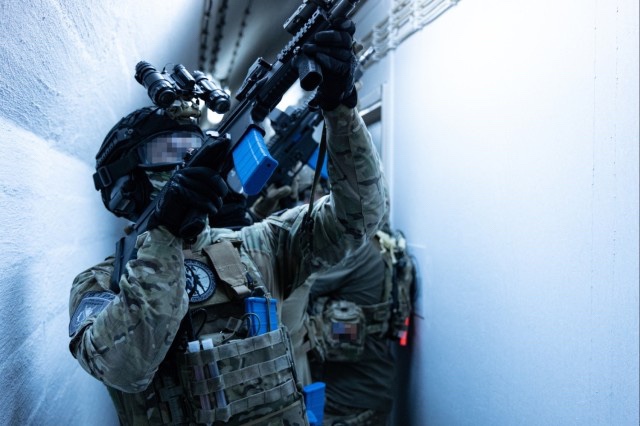
From a Sarajevo compound, U.S. Army Green Berets assigned to the Critical Threats Advisory Company, or CTAC, take off to raid the 70,000-square-foot protective bunker alongside Bosnia-Herzegovina State Investigation and Protection Agency, known as SIPA, officials May 8, 2023.
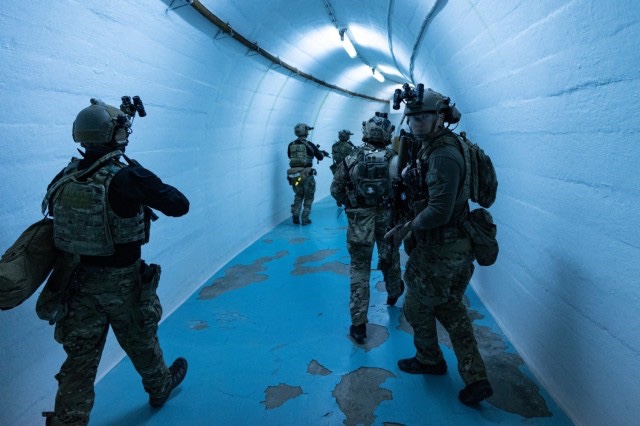
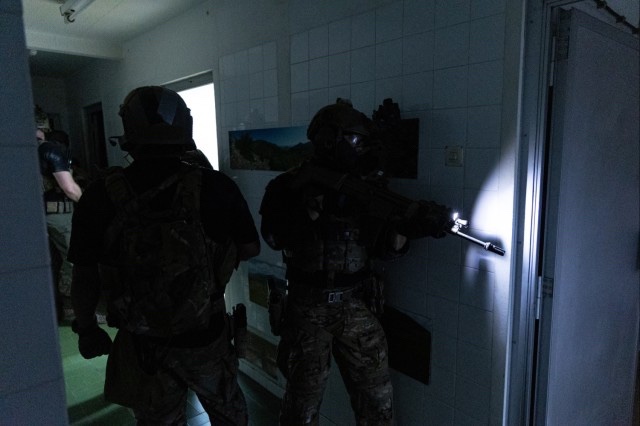
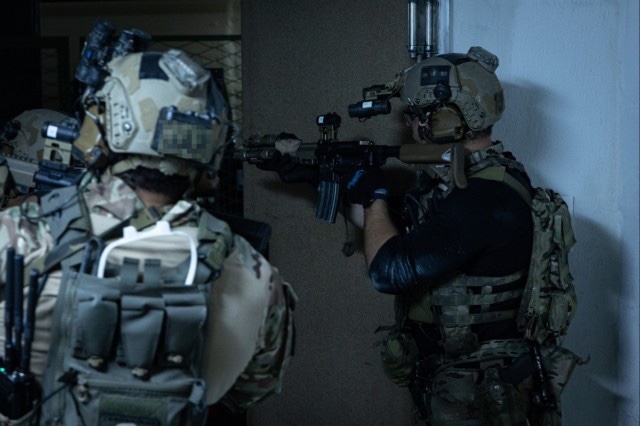
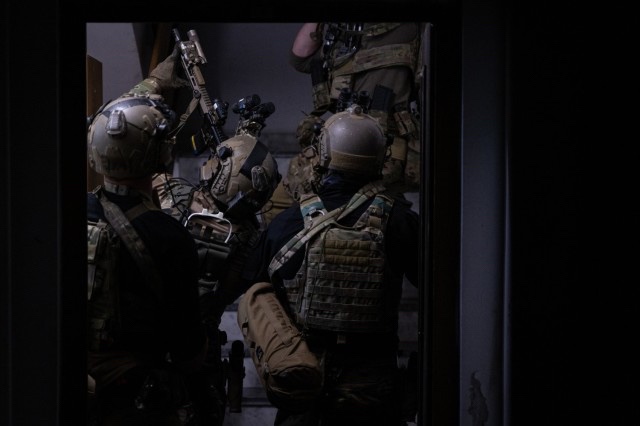
Three nondescript houses disguise each entrance to the facility. Through the houses and inside the labyrinthine structure, intermittent volleys of gunfire with the enemy reverberate through tunnel corridors. Room by room, the combined force of assaulters systematically clear the protective bunker.
This raid was the culmination exercise of a six-week-long joint combined exchange training focused on close-quarters battle and small unit tactics.
“It was a time-sensitive target, so the planning cycle was condensed,” said the troop leader assigned to CTAC, 10th Special Forces Group (Airborne) — a highly lethal force capable of collaborating with elite special operations forces elements worldwide. “The bunker has small hallways and small rooms … I wanted to raid the bunker to see how the team would react; to see how I would command and control.”
The 100-room structure was selected as a target to test the force’s methods due to its complexity and extensive size.
Providing solutions for the most sensitive problems and succeeding is paramount, said the special support unit executive officer, a SIPA official with over thirty years of police experience. The mission’s challenging location, time constraints and finite resources presented a nightmare scenario that compelled partners to combine efforts, overcome adversity and get results.
The mission succeeded, shortfalls and gaps were identified, and both sides provided recommendations for future reference, said the special support unit executive officer. Experience and lessons learned from the CTAC are valuable resources that will align the special support unit in solving complex problems.
“I do truly believe that the systems were tested that day,” said the CTAC troop leader. “We definitely learned lessons working with a new partner force which is key in refining troop standards. It’s the Green Beret way.”
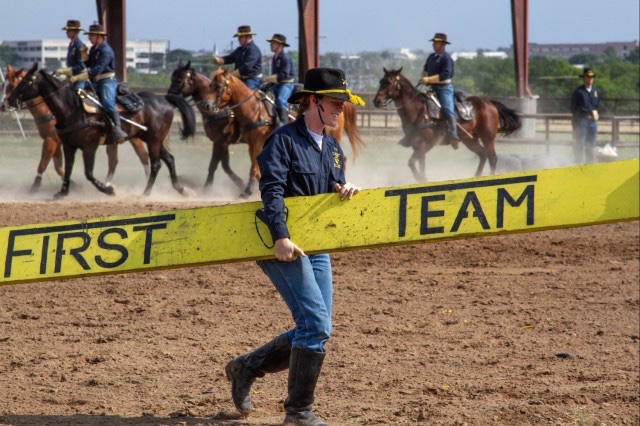
FORT CAVAZOS, Texas — First Team Troopers have been preserving the traditions of the U.S. Cavalry, performing drills and ceremonies at events locally near Fort Cavazos, or overseas in partner nations for over 50 years.
In 1972 the 1st Cavalry Division Horse Cavalry Detachment was activated. Since then, it has demonstrated its proficiency from the local change of commands to being a part of the Army-Airforce Football game. Capt. Michael Gates, an experienced rider who previously commanded the 11th Armored Cavalry Regiment “Blackhorse” Horse Detachment, recently assumed command of the 1st Cavalry Division detachment.
“They’re putting me through the same training program that all the new Troopers go through,” Michael said. “I want to see how everything works out here because learning how things are done at the 1st Cavalry Division is very important to me.”
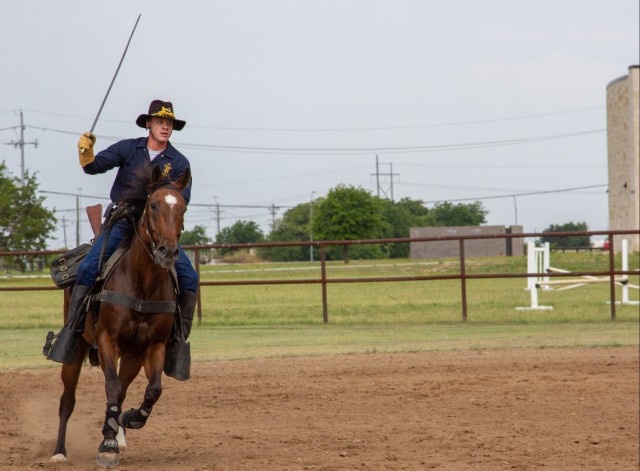
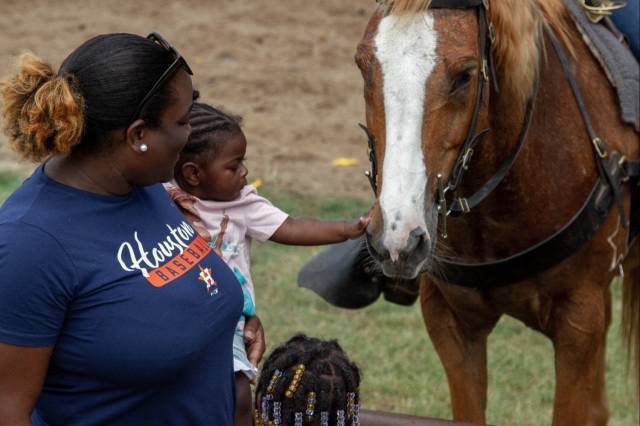
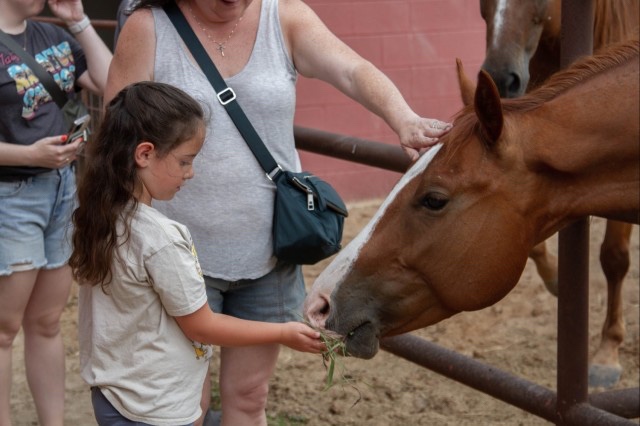
When not performing in parades across the pond in the U.K. or exhibiting at local rodeos, the detachment hosts a weekly demonstration every Thursday. Mounted drills from the U.S. Army’s 1883 Manual of Cavalry Tactics are presented to newly arrived Troopers, their families, and others from the local Texas community.
“We came out to see Fort Cavazos and the 1st Cavalry Divisions demonstration,” said Angel Callan, the site director for the Florence Independent School District’s ACE program. “Many of these students don’t get to experience anything like this; we’re trying to expose them to different colleges and careers.”
Detachment Troopers perform other historical duties besides mounted drills, such as creating riding saddles in their leather shop, building and maintaining their Model 1878 supply wagon, and training and caring for their horses and mules.
“I had no prior knowledge of horsemanship or how to do any leather work,” said Spc. Isaac Hernandez, a detachment Trooper, drives the supply wagon and helps make the unit’s leather items. “As soon as the opportunity to join, I jumped on it. This is a great experience to teach me how to ride horses and get me in tune with a different side of the Army.”
The Horse Cavalry Detachment staff is always ready to give a tour so families can visit and see the animals. Troopers are invited to visit the detachment and try out for a position with the First Team’s Horse Cavalry.
“Come give it a shot; you don’t know you’ll love it until you’re out here,” said Gates. “I had zero experience before I joined the Blackhorse team; I fell in love with it head over heels. I just bought my horse, and I will get involved with the cavalry and horsemanship in my free time.”
WASHINGTON — The Army’s Optionally Manned Fighting Vehicle program, now redesignated as the XM30 Mechanized Infantry Combat Vehicle, announced June 26 that a contract for prototypes will be awarded to two vendors: General Dynamics Land Systems Inc. and American Rheinmetall Vehicles LLC.
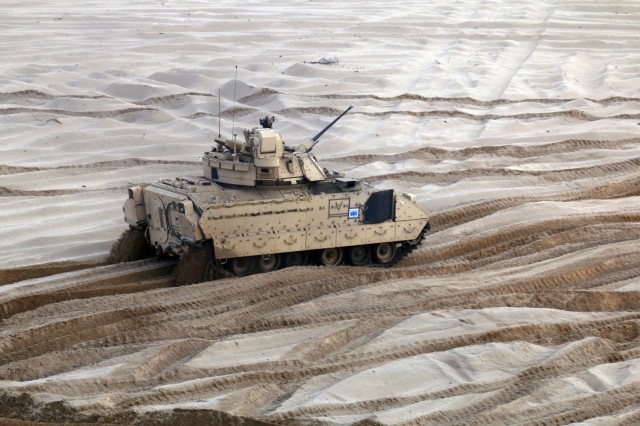
The two vendors will prepare prototypes of a vehicle to replace the M-2 Bradley Infantry Fighting Vehicle, which is a tracked vehicle designed for reconnaissance and provides protection, transportation and small-arms firepower for squad elements. The total award value for both contracts is approximately $1.6 billion.
“The XM30 will replace the Bradley fighting vehicle, bringing new transformational capabilities to the fight; these will include improvements to lethality, Soldier-vehicle survivability, and upgrade ability beyond the physical and economic limits of the Bradley,” said Honorable Douglas R. Bush, assistant secretary of the Army, Acquisition, Logistics and Technology. “The modular open system architecture that the XM30 will allow new building technology to be added to the vehicle as that technology matures, ensuring an overwhelming advantage in any potential adversary competition.”
The OMFV program is part of the Army’s modernization strategy. The Next Generation Combat Vehicle program aims at updating several vehicles and weapons platforms used in the Army today.
Part of advancing and modernizing the Army is seeking out the best designs through competitive contracts.
“Competition remain a vital aspect of the XM30,” Bush said “The program opened the door for industry partners that are not traditional U.S. combat vehicle prime contractors, which allows for increased competition and innovation. This reduced the Army’s risk and increased our likelihood of success while balancing investments across the entire Army modernization enterprise.”
The Bradley first started being used in 1981 and is an infantry fighting vehicle used to transport infantry on the battlefield as well as provide support to dismounted troops. It has been updated over the years but has reached its technological limits.
“In recent years, peer and near-peer competitors of the United States have significantly increased their combat vehicle capabilities. The character of warfare has changed, and our potential adversaries are bringing increased value to the battlefield,” said Brig. Gen. Geoffrey Norman, director of the next generation combat vehicles.
Concerns over the impact to the effectiveness of an outdated vehicle during full-spectrum military operations was what gave rise to the decision to modernize the Bradley.
“The best way to respond is to ensure that our formations are equipped with infantry fighting vehicles, which can bring greater survivability, powerful lethality at standoff range and improved maneuver capabilities to the battlefield,” Norman said.
Even though the XM30 hasn’t yet been designed, several key features have been outlined for the vendors to include in their prototype: two Soldiers to operate and carry capacity for six more, a 50mm cannon and a remote turret, as well as anti-tank guided missiles. Weapons systems on the XM30 will be designed to use the latest in sensor and fire control systems.
The XM30 will also be designed with sustainability and mobility in mind as it will feature a hybrid electric powertrain, which will reduce power consumption, Norman said.
“The occupants will benefit from innovative force protection systems that include integrated active protection systems, kitted armor and innovative signature management capabilities from the very beginning,” Norman said. “All of these advances are being designed with modern digital engineering in a modular, open systems approach that will allow for rapid integration of the latest hardware and software in the future.”
“The XM30 meets the Army’s requirements for a transformational increase in warfighting capability, not simply another incremental improvement over the Bradley fighting vehicle,” Norman said.
A modernization effort is planned to replace the M-113 Armored Personnel Carrier and M-1 Abrams Tank, as well as development of a light tank for infantry brigade combat teams. There are also plans for three versions of robotic combat vehicles.
By SFC Michael Reinsch, Army News Service
Posted in Army, Contracts, Guest Post, Mobility | Comments Off on New Mechanized Infantry Combat Vehicle Prototype Contract Awarded to Two Vendors