BOSS-Xe from Wilcox Industries

Archive for the ‘Guest Post’ Category

Tactical Tuesday: Revamped Recon Tactical Pant

Tuesday, May 21st, 2024

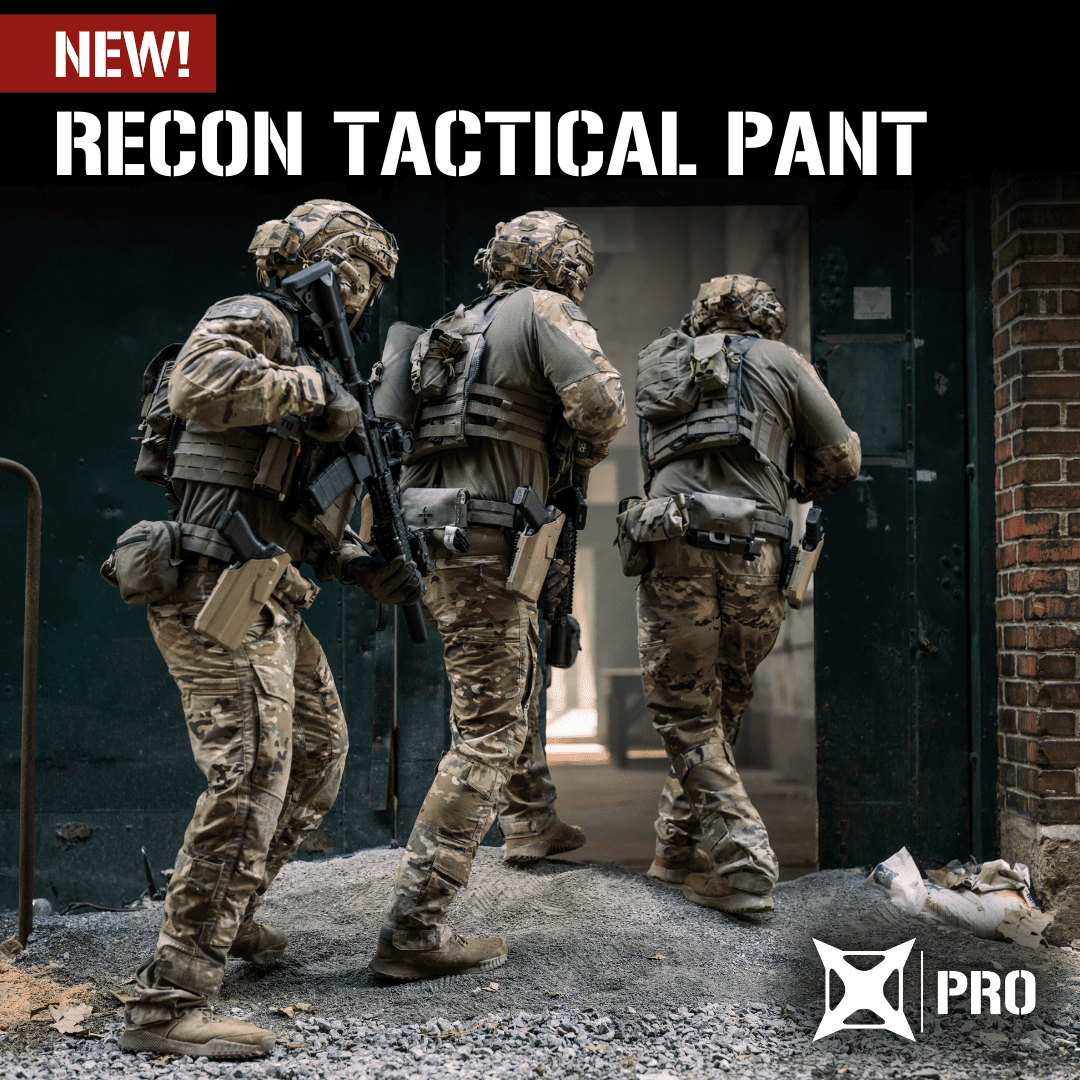
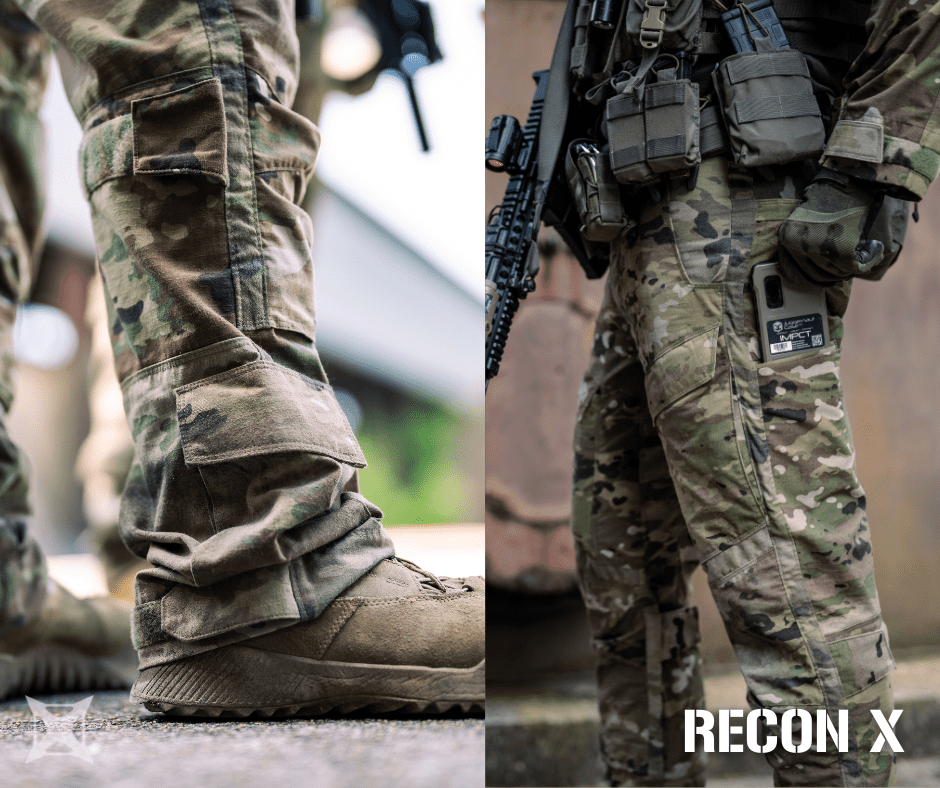
The Vertx® Recon Pant has evolved into the Recon Flex and Recon X Pant – revamped tactical pants engineered to conquer your mission requirements. Crafted from a lightweight stretch mini-ripstop fabric (Recon X made with No Melt No Drip fabric), they deliver uncompromising durability and performance. Their athletic fit ensures maximum comfort without sacrificing a professional appearance.

Our redesigned cargo pockets are deeper, providing ample storage capacity for all your mission-critical gear. The adjustable kneepad panels with hook and loop closures allow you to cinch them down effortlessly, ensuring a secure fit and unrestricted mobility.

The Recon Flex Pant is available in OD Green, while the Recon X Pant is available in Navy, Ranger Green, and Scorpion. Gear up with confidence, knowing that our pants are built to withstand the toughest challenges, keeping you prepared for whatever lies ahead.

Marine Corps Set to Receive New Light Assault Weapon System

Tuesday, May 21st, 2024

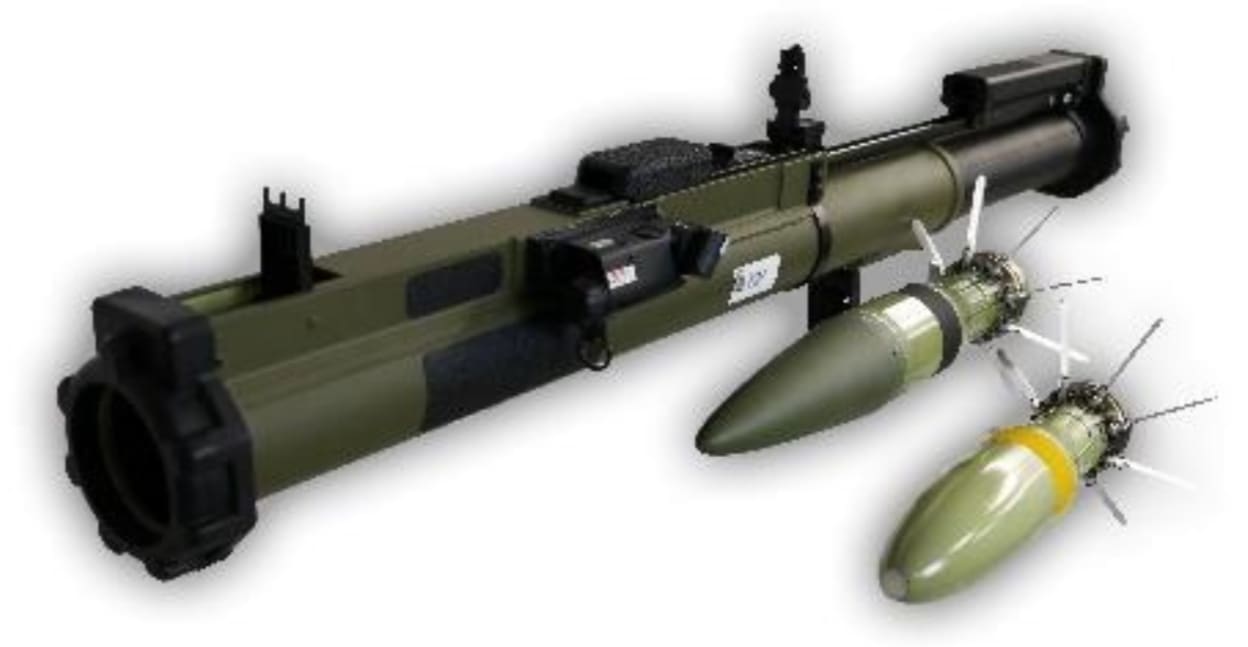
MARINE CORPS BASE QUANTICO, Va. — Marine Corps Systems Command is pleased to announce the acquisition of the M72 Light Assault Weapon Fire from Enclosure Munition. The M72 LAW Fire from Enclosure (FFE) is a compact, lightweight, single-shot weapon system.

It incorporates an improved launcher featuring an enhanced in-line trigger mechanism and improved sling design. The M72 FFE comprises two configurations: the M72A8 anti-armor and the M72A10 multi-purpose, anti-structure munition. The M72A8 contains a high-explosive charge warhead that improves armor penetration, while the M72A10 provides Marines with increased capability for eliminating structures.

The M72 FFE is designed to deliver versatility and reliability, enabling Marines to counter threats effectively in close-range combat. Its performance is optimized for urban environments, vehicles, and complex terrain, ensuring operational effectiveness in these challenging scenarios.

The M27A FFE variants will replace the current LAW weapon system capability. The new system
allows Marines to fire multiple shots daily from inside a room and has less flash and back blast than an M9 pistol. The reduced visibility increases the lethality and safety of Marines.
“This new capability removes the Marine from exposure to enemy engagement by introducing the FFE capability, said Mr. Scott Adams, Product Manager, Ammo.

“The FFE and the reduced thermal signature provides the Marine with an added layer of protection.”

The MCSC team worked closely with their Army counterparts to procure this new capability. All
shoulder-fired rocket ammunition is procured through the U.S. Army Joint Munitions Command,
the Single Manager for Conventional Ammunition. This enables the services to combine orders to realize cost savings by leveraging economic order quantity prices.

The M72 FFE rocket underscores the Marine Corps’ ongoing efforts to lighten the warfighter’s load and increase lethality. PdM Ammo expects to begin fielding the M72A FFE in calendar year 2024.

MATBOCK Monday: Multi Weapon Aiming Device (MWAD)

Monday, May 20th, 2024

The Multi Weapon Aiming Device (MWAD) is a multi-platform capable ballistic computer that digitally displays range and azimuth for indirect fire weapon systems. The MWAD provides real-time ballistic solutions accounting for environmental conditions, round type, platform, and lot deviations, allowing the user to put rounds on target more accurately and in less time than legacy aiming systems. Full integration into ATAK architecture allows receipt of call for fire missions, informs team leaders of aim point for entire teams, and enables accurate engagement of moving targets. The MWAD is compatible with 40mm and 60mm and has various crew-served weapon platforms. Software modifications can be made on request to include any direct-fire weapons system.

Features:

– Simple manipulation with gloves and at night
– More rounds on target faster without the guesswork
– Integrates directly into ATAK (ATAK device not included)
– ATAK software provided via .apk file on delivery
– Waterproof & shockproof

To find out more or to schedule a demo, email sales@matbock.com or check out www.matbock.com/products/multi-weapon-aiming-device

DAF Announces Changes to Allowances for Airmen, Guardians with Dependents Attending Training

Monday, May 20th, 2024

Secretary of the Air Force Public Affairs

ARLINGTON, Va. (AFNS) —  

Beginning May 7, Airmen and Guardians with dependents executing a permanent change of station to a professional military education or training location are now authorized to collect per diem in the amount of the basic allowance for housing without-dependent rate. Airmen and Guardians may collect this per diem if they are at the training location for less than a year and if they are returning to their prior duty location.

The updated policy allows service members with dependents to maintain two households, continuing to receive BAH at the “dependent” rate for their prior duty location where their family remains, as well as receive per diem in the amount of BAH at the “without dependent” rate for the school or training location. 

To receive this benefit, the member requires orders to return to their prior duty station after they complete school or training and cannot live in no-cost government quarters. 

“We understand that these short moves, while necessary, can be disruptive to the lives and finances of Airmen and Guardians with families – particularly in situations where they are slated to return to their original duty station,” said Assistant Secretary of the Air Force for Manpower and Reserve Affairs Alex Wagner. “This new allowance gives our service members and their families additional resources to weather these times away without the added stress of financial uncertainties.” 

The new policy was directed by the Fiscal Year 2023 National Defense Authorization Act and was reflected in the Joint Travel Regulation, Nov. 1, 2023.   

Members will receive retroactive payments if they meet the established eligibility criteria during a course they attended on or after Dec. 23, 2022.  

This effort does not replace the Temporary Duty Waiver for Formal Training policy, which allows Airmen and Guardians to attend courses with a duration between 141 and 180 days in a TDY status instead of a PCS status.

Distinguished Flying Cross Posthumously Awarded to 2 Air Commandos

Sunday, May 19th, 2024

HURLBURT FIELD, Fla. —  

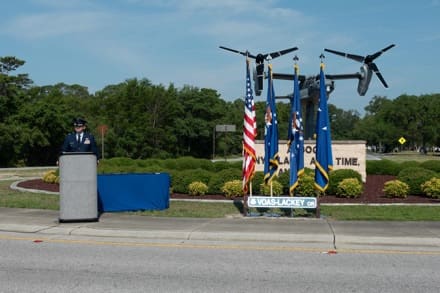
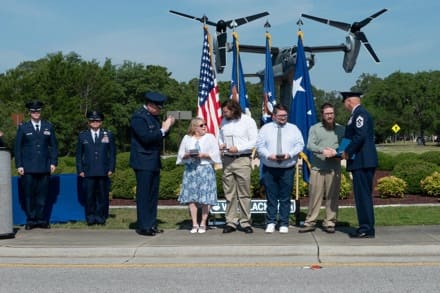
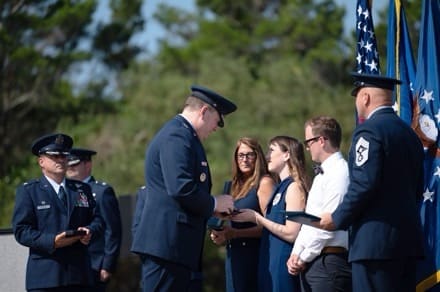
Air Commandos, families, community leaders, and friends gathered at Hurlburt Field to honor Maj Randell Voas and Senior Master Sgt JB Lackey.  The commander of Air Force Special Operations Command posthumously presented the Distinguished Flying Cross to Maj. Voas and Senior Master Sgt. Lackey during a ceremony here today for actions taken April 9, 2010, during a combat mission near Qalat, Afghanistan.

Mrs. Jill Voas, widow of Voas, a CV-22B pilot, and Mrs. Cassie Lackey, widow of Lackey, a CV-22B flight engineer, accepted the medals from Lt. Gen. Tony Bauernfeind, commander of Air Force Special Operations at the Voas-Lackey Roundabout, named in honor of the two men, who were members of the 8th Special Operations Squadron here.

Voas and Lackey were critical to executing an emergency landing of their CV-22B, callsign Rooster 73. Their superior airmanship saved the lives of two crew and fourteen servicemembers aboard the aircraft.

1 servicemember and 1 interpreter, as well as Voas and Lackey, were killed in the mishap.

“Randy and JB did not have the option to sit back and let the situation unfold around them. They recognized the danger and through their expertise and their professionalism took action to lessen the impact of a compounding situation,” said Bauernfeind. “Every day that we put on our uniform, we stand on the shoulders of giants those who came before us paved the path we walk, including Randy and JB,” Bauernfeind added.

This is the second award for Lackey, who received a Distinguished Flying Cross for actions in combat in 2002.

The Distinguished Flying Cross is awarded to any officer or enlisted person of the armed forces of the United States for heroism or extraordinary achievement while participating in aerial flight.

“We are honored to recognize their exemplary airmanship, calmness during duress and dedication to our Joint Force. Maj. Voas’s and Senior Master Sgt. Lackey’s heroism and courage in the face of disaster is a shining example of the spirit and determination that we ask of all Air Commandos,” said Bauernfeind. “They are loved, greatly missed, and will never be forgotten.” 

By Lucelia Ball

Army Master Gunners Hold Position of Trust

Saturday, May 18th, 2024

FORT CARSON, Colo. — When Jacob Seitz joined the Army in April 2019, he aspired to be a Soldier that both commanders and enlisted troops could seek for battlefield knowledge.

As a master gunner for the Stryker armored fighting vehicle, Seitz joined a career field that adapts to the Army’s changing needs.

To earn the coveted Master Gunner Identification Badge [MGIB] a Soldier must take one of eight master gunner courses, such as infantry, aviation or field artillery. Required ranks range from non-commissioned officers E5 to E7 to warrant officers in aviation.

After attending the Master Gunner training in March 2023, the Army assigned Seitz as master gunner for the 1st Stryker Brigade Combat Team at Fort Carson, a position he doesn’t take lightly.

Master gunners act as tactical and technical experts for their weapons platform. They earn certifications on their assigned weapons system, ammunition and maintenance. The Army tasks master gunners with preserving the integrity of direct fire training programs.

“Everyone sees a master gunner, and they think that they can fix everything, which most of the time is true,” he said. “We do have that level of expertise. But they really look up to a master gunner to train them to a level that their squad or platoon leadership may not possess as far as knowledge or expertise to the platform.”

Seitz, a 26-year old staff sergeant, said that master gunners act as standard bearers assuring Soldiers in their platoon adhere to military doctrine. Before Soldiers can apply to attend master gunner school, they must possess intricate knowledge of their weapons system, Army range safety rules and basic weapons maintenance.

Soldiers attend the Master Gunner School at the Maneuver Center of Excellence, Fort Moore, Georgia, where they take a 20-day, four-part course known as “common core” before attending Master Gunner School. At common core, students learn how to direct fire and weapons training to raise the lethality of fires while minimizing the effects on friendly forces and bystanders. Soldiers will also learn to formulate their own mounted, machine gun unit training plan and proficiency gunnery training programs based on commanders’ intent.

Master Gunners must also consult with the S2, intelligence and security staff officer and the S3, the plans, training, and operations officer to develop battle scenarios.

“We take that information, and we do scenario development as far as collective training,” he said. “We develop scenarios based specifically on what that next fight looks like and to train our personnel on how to engage the enemy in that instance.”

Depending on the platform, some students then will attend the two-month, Master Gunner School on the tactical and technical side of their weapons platform.

“The most challenging part for the Master Gunner Course is probably the amount of memorization that you need to do on military doctrine,” Seitz said. “It’s kind of really what it’s all focused on. It’s kind of platform specific. The Stryker is arguably one of the more difficult platforms to learn.”

Seitz faced the daunting challenge of learning the Stryker’s sophisticated systems. A lighter and faster vehicle than its Bradley and tank counterparts, the Stryker has received upgrades to boost its maneuverability and lethality including variants like the Medium Caliber Weapon System.

He also took lessons on expert level doctrine of the Stryker Medium Caliber Weapon System, the anti-tank guided missile, the remote weapons station and the Javelin, a portable anti-tank weapon.

In the distinguished position, the Soldiers act as trusted counsel to commanders in battlefield scenarios.

“We serve in kind of like an advisory role, especially like in combat operations,” Seitz said. “We advise the commander based on our direct fire and indirect fire capabilities and kind of employment of our weapons systems.”

“A master gunner is a subject matter expert on their platform and the weapons system they’re in,” said Staff Sgt. Robert Sutton, a Bradley Fighting Vehicle master gunner. “Take the Bradley for example, you’re tied into [an] understanding of how the weapons systems tie into the functions of the turret; how the functions of the turret tie into the whole … as master gunners of the Bradley, we know how all this ties together.”

The Army waived a previous minimum general test score requirement for Stryker master gunners and expanded the field from cavalry scouts and infantry to include combat engineers and chemical, biological, radiological and nuclear specialists. Seitz said the service made the changes to adapt to the new Stryker variants.

The service has explored using augmented reality to enhance Soldiers training. This month the (MCoE) scheduled another Soldier touchpoint to use the Augmented Reality Maintainer-Operator Relay System or ARMORS device during master gunner training. The system uses digital work instructions and augmented reality overlays to allow students to digest lessons at a greater pace.

As the training and platform continually evolve, Seitz looks forward to using the skills he learned on the future battlefield.

“What really motivates me is my family – the Soldiers that I work with,” he said. “I leave work every day knowing that I did something to make the organization even better; a little more lethal. What I’m doing here is probably going to save lives overseas. And I know that what I do here is going to increase the number of people that come back to see their families.”

By Joe Lacdan, Army News Service

FirstSpear Friday Focus: 1st Phorm OEM Spotlight

Friday, May 17th, 2024

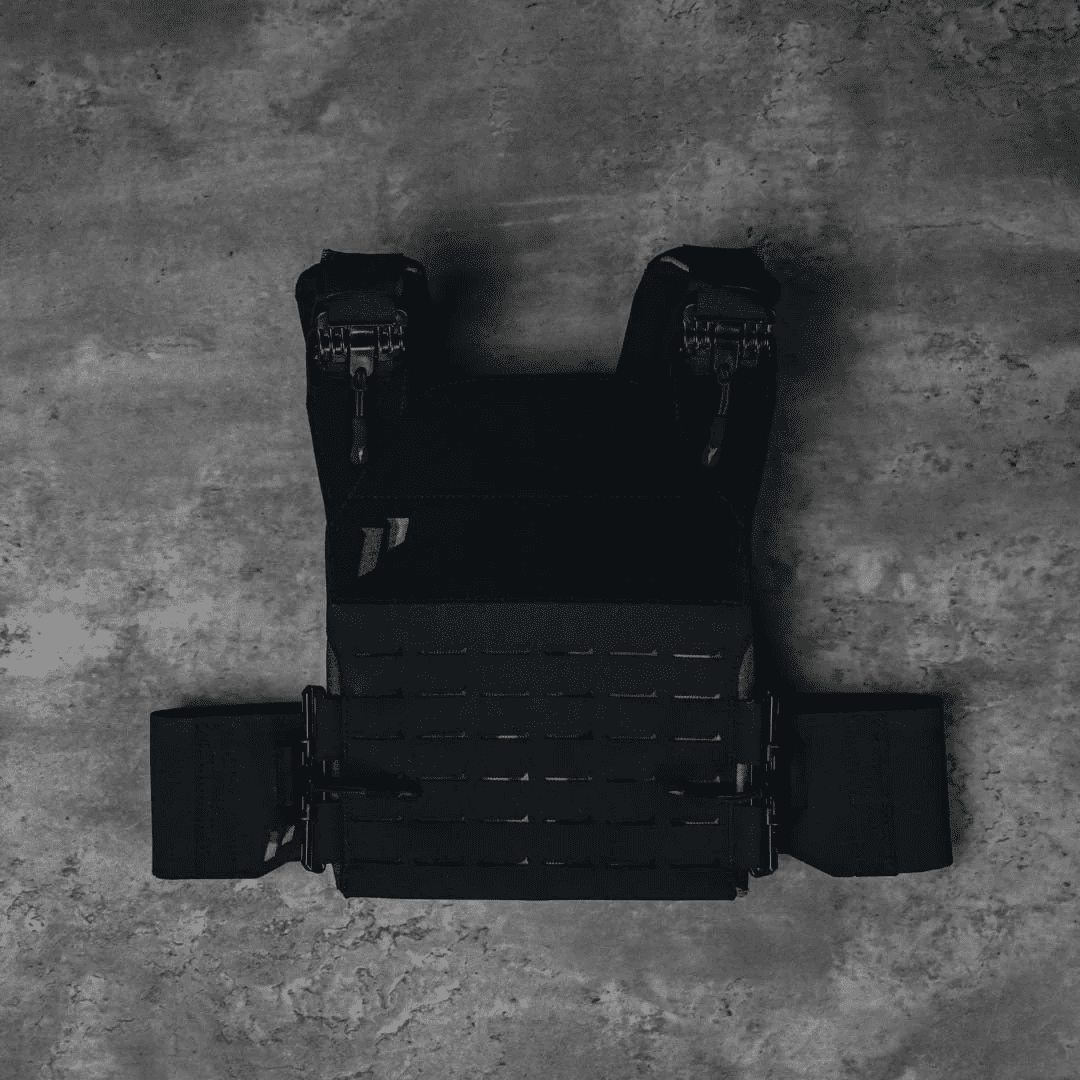
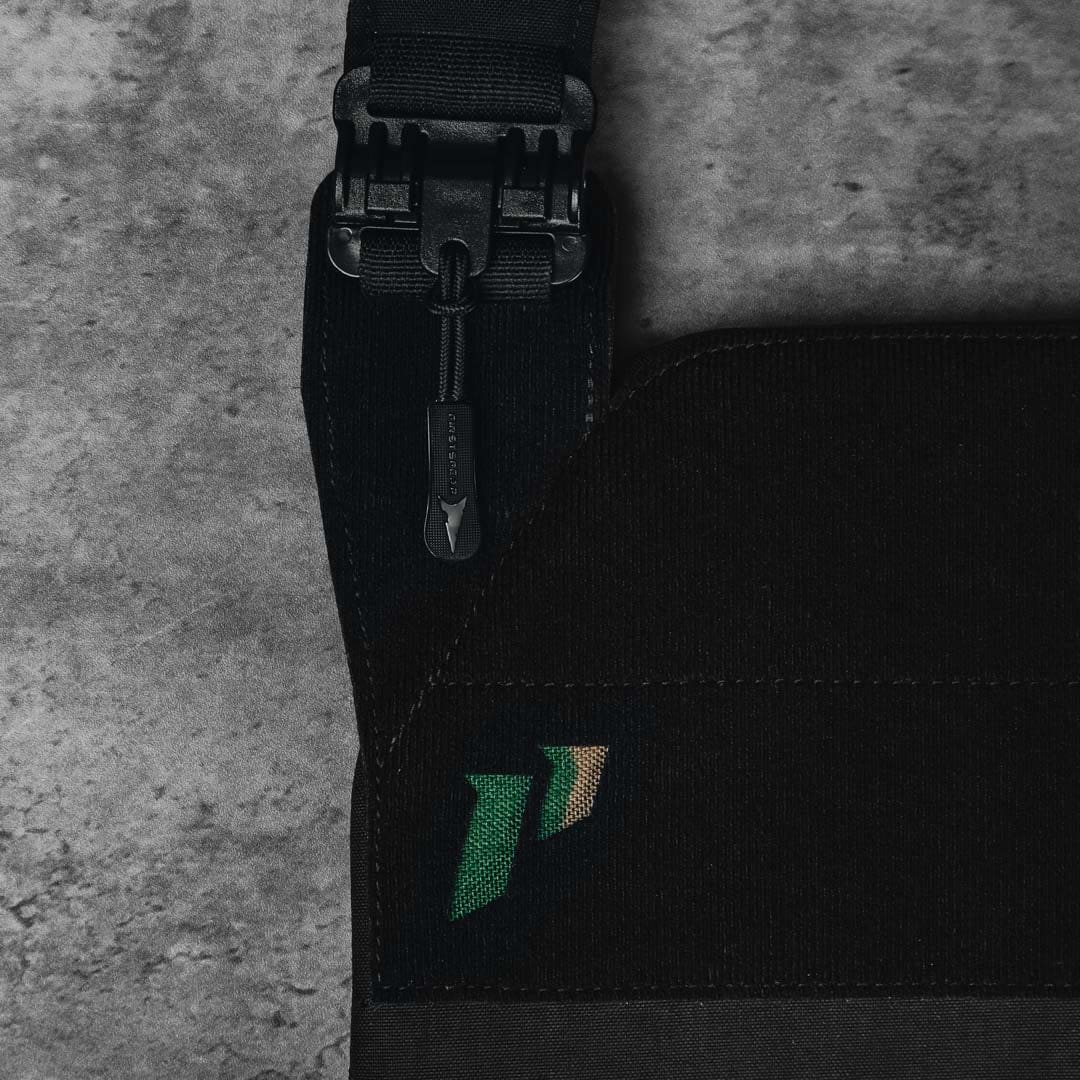
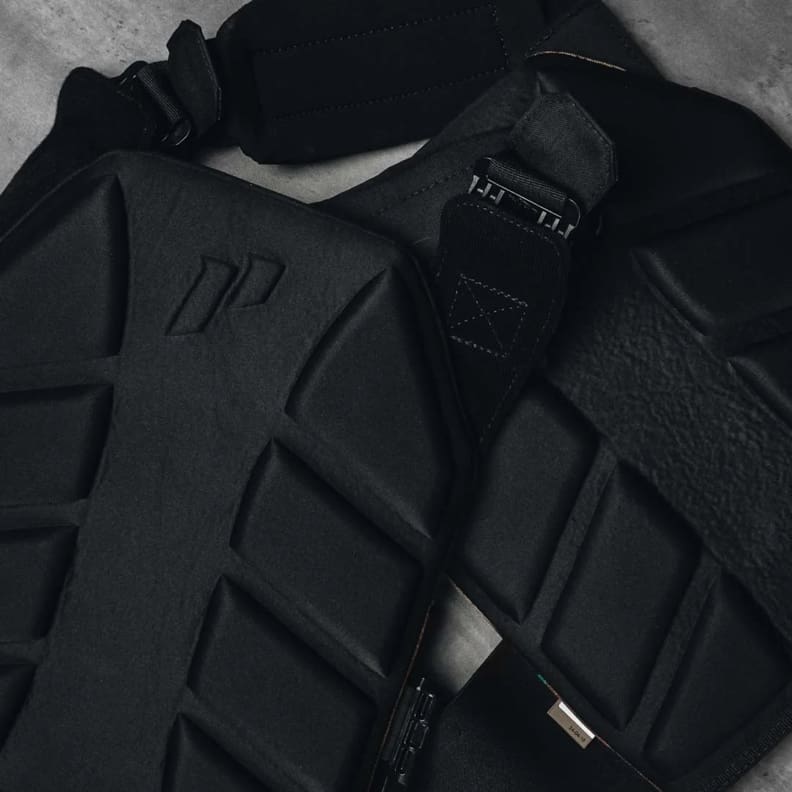
This Friday we’re featuring a new OEM Spotlight with 1stPhorm. Based in Fenton, MO as well, FirstSpear has built their latest fitness/tactical plate carrier. The operator plate carrier is available in Woodland & Coyote!

Why did you choose to collaborate with FirstSpear?

1st Phorm has an uncompromising demand to produce the best quality product. There was no other choice than FirstSpear when we looked for partners to help design and build the carrier. FirstSpear supplies the best equipment to elite Tier 1 Units around the world and that’s the quality we were looking for.

Where did the need for the new 1st Phorm plate carrier come from?

Everything on the market was bulky, poor quality, limited the wearers mobility and very hot to train in. We had a need to make a high quality and comfortable vest that our customers could use as a tool to advance their training.

Explain the new vest and why you chose FirstSpear Tubes™ technology.

Whether you’re in the gym, knocking out an outdoor walk, or training on the tactical range … Introducing more weight resistance is your ticket to taking your health & fitness to the next level. Designed to combine comfort, functionality, and modularity to fit your needs, this cutting-edge training accessory will be the perfect tool to help you increase your workload to ultimately earn better results!

Run the Operator Plate Carrier slick (as shipped), or scale it up with your favorite MOLLE-compatible pouches and accessories.

(Weight plates not included)

Why choose the Operator Plate Carrier?

Made in the USA – Every plate carrier is cut, sewn, and assembled right here in St. Louis, Missouri by generational Master Seamstresses. You can be confident you’re getting the absolute best with the Operator Plate Carrier!

Built to Last – Crafted with lightweight, durable 500D Cordura® materials, our plate carrier is designed to withstand the test of time. You can count on the Operator Plate Carrier to be your trusted training partner for years to come.

Lifetime Warranty on Materials & Workmanship – If your training has taken a toll on your plate carrier, we’ll work with you to get it fixed.

Other Key Features:

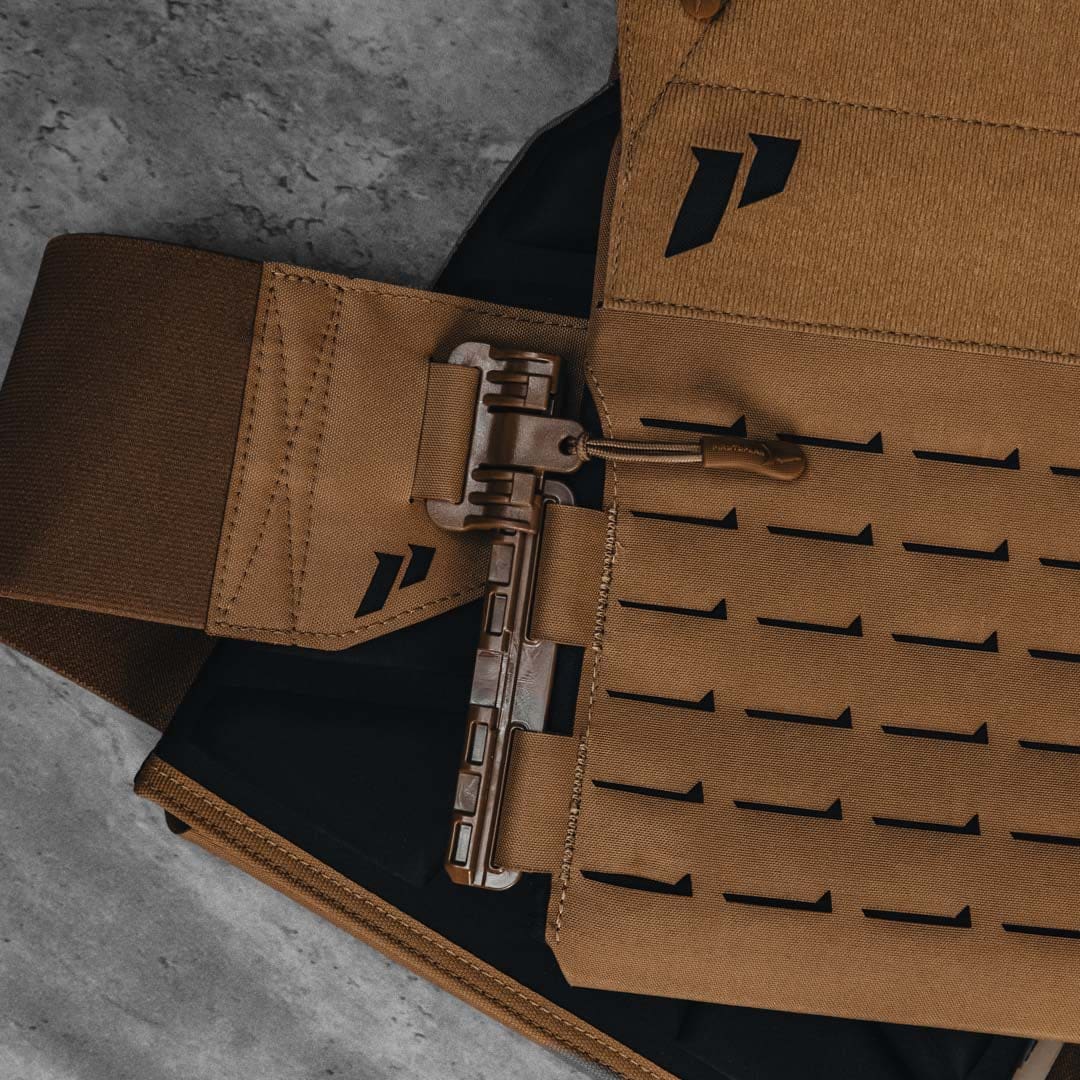
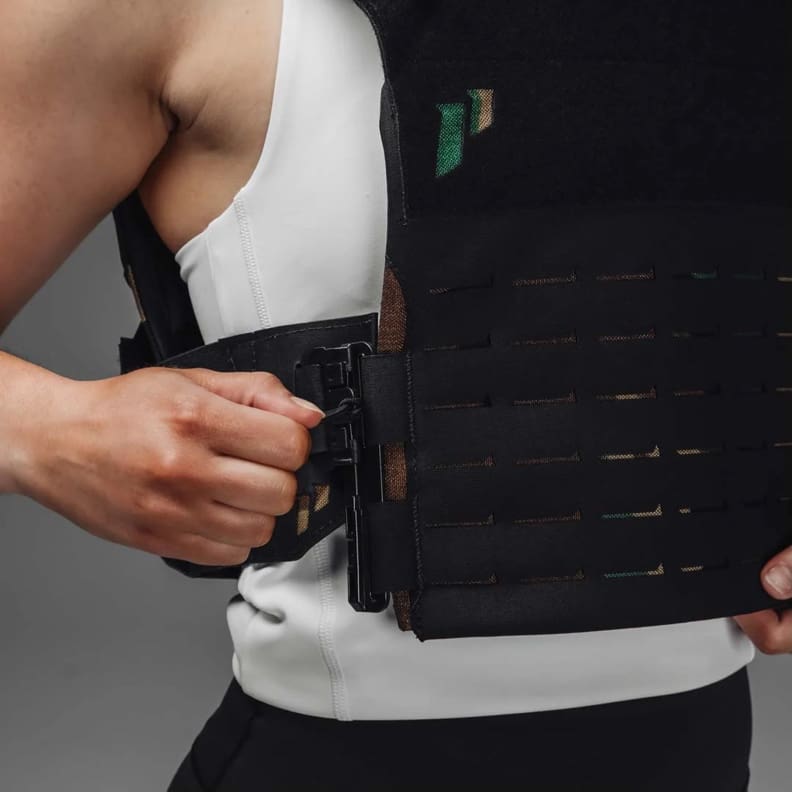
FirstSpear Tubes® – Quickly & easily put on and take off your plate carrier with a pull of the handle after your training. You can also easily switch between fitness and tactical add-on placards depending on your training and plate carrier needs. FirstSpear Tubes are optimized for convenience & modularity, and the Operator Plate Carrier is no exception to this.

6/12™ Technology – This technology has been designed, adopted, and trusted by Tier 1 Special Operations units worldwide, to bring you a pocket attachment system that utilizes state of the art fabric technologies to deliver a lightweight & completely modular MOLLE pocket-compatible system to fit your needs.

Velcro Hook & Loop – Allows for easy customization with identifiers, or your favorite 1st Phorm patches.

Plate Compatibility – Made to securely hold medium-sized SAPI-cut fitness plates as well as similarly-sized weight plates, such as Rogue Weight Vest Plates, and Wolf Tactical Weight Vest Plates.

*10″x12″ SAPI-cut ceramic ballistic plates may be too thick.

For more information, check out: 1stphorm.com/collections/vests/products/operator-plate-carrier

For more information about FirstSpear, check out: www.first-spear.com.

DAGGER ATHENA Addresses Barriers to Readiness with AFSOC Senior Leaders

Friday, May 17th, 2024

HURLBURT FIELD, Fla. —  

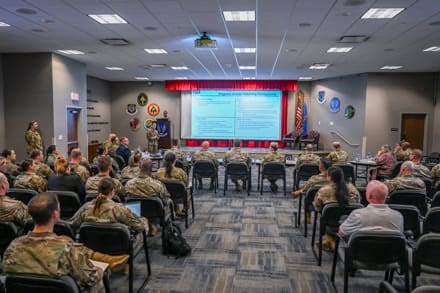
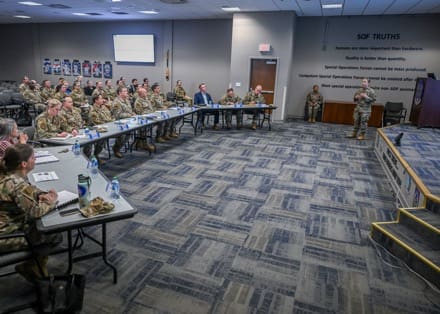
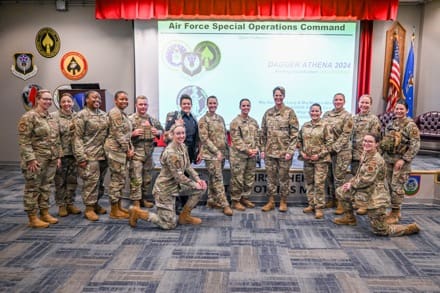
On March 4-6, the Air Force Special Operations Command Women’s Initiatives Team hosted the third annual DAGGER ATHENA, named DA24, and outbrief the AFSOC commander and senior leaders.

Each year the WIT hosts an action event, known as DAGGER ATHENA, as a concentrated, rapid-action effort to solicit grassroots-identified barriers and propose actionable solutions by Air Commando from across the AFSOC enterprise.

DA24 kicked off with a leadership development event and barrier analysis workshop where the team of volunteers developed lines of effort based on the readiness barriers identified from across the AFSOC enterprise. The team consisted of Total Force Air Commandos from every AFSOC base, including guard, reserve, civilians, and spouses. Once LOEs were established, actionable solutions were developed.

Participants presented four LOEs they identified optimize Air Commando readiness as they continue to be force-multipliers to the joint force: pregnant Airman voluntary deployments, post-partum specialized case manager, cold weather gear and Self-Contained Breathing Apparatus (SCBA), and bladder relief and fitment issues for tactical vests. Fitment is gear or equipment purpose-built for a specific task or mission.

Some of the solutions, like obtaining a waiver to use the identified bladder relief device on all AFSOC aircraft, have been implemented because of the access to the proper approval authority on staff, while others require additional development.

“Each initiative briefed to the AFSOC commander focused on improving the readiness and lethality of our Airmen and we hope that by pathfinding solutions within AFSOC, we can share these best practices with our sister MAJCOMs to bring change to the entire Air Force,” said Master Sgt. Klarissa Mendonza, DA24 Senior Enlisted Leader.

Following the outbrief, U.S. Air Force Lt. Gen. Tony Bauernfeind, AFSOC commander, expressed his gratitude stating the briefers were exceptional across the board.

“DAGGER ATHENA is all about maximizing readiness,” he said. “We’ve got to knock these barriers down. As Air Commandos, we don’t have the luxury to not be ready as more is being asked of us.”

This year’s iteration of DAGGER ATHENA brought the proposed solutions into the AFSOC staffing process to ensure integration and normalizing the process of addressing identified barriers, ensuring success and longevity past DA24. 

“These are not simply DAGGER ATHENA initiatives,” said Maj. Gen. Rebecca Sonkiss, AFSOC deputy commander. “We are normalizing these efforts into the staff process to deliver a more lethal, capable force and normalize taking care of Air Commandos. These are not women’s issues. These are Airmen’s issues. These are leadership issues.”


Speaking at the outbrief, DA24 co-lead, Maj. Samantha Lang said, “The AFSOC WIT and DAGGER ATHENA event began three years ago. Today we continue to march our efforts forward and have begun to normalize our integration with the AFSOC staff to continue barrier identification and ensure we maintain coordination through the staff process to sustain momentum, accountability and ultimately bolster Air Commando readiness and increase lethality.”

The AFSOC WIT is led by co-leads Lt. Col. Meghan O’Rourke and Maj. Kate Hewlett, Senior Enlisted Leader, Senior Master Sergeant Nicolette Newton, and Spouse Lead, Ms. Jenni Kain. DA24 was led by co-leads Maj. Monica Abongan, Maj. Samantha Lang and Master Sgt. Klarissa Mendonza.

The AFSOC WIT is a volunteer-based Barrier Analysis Working Group with Maj. Gen. Rebecca Sonkiss, serving as senior champion. The mission of the AFSOC WIT is to increase operational readiness, retention, and recruitment; reduce risk to force and risk to mission; and optimize resources.

Courtesy of Air Force Special Operations Command