FirstSpear TV

Archive for the ‘Guest Post’ Category

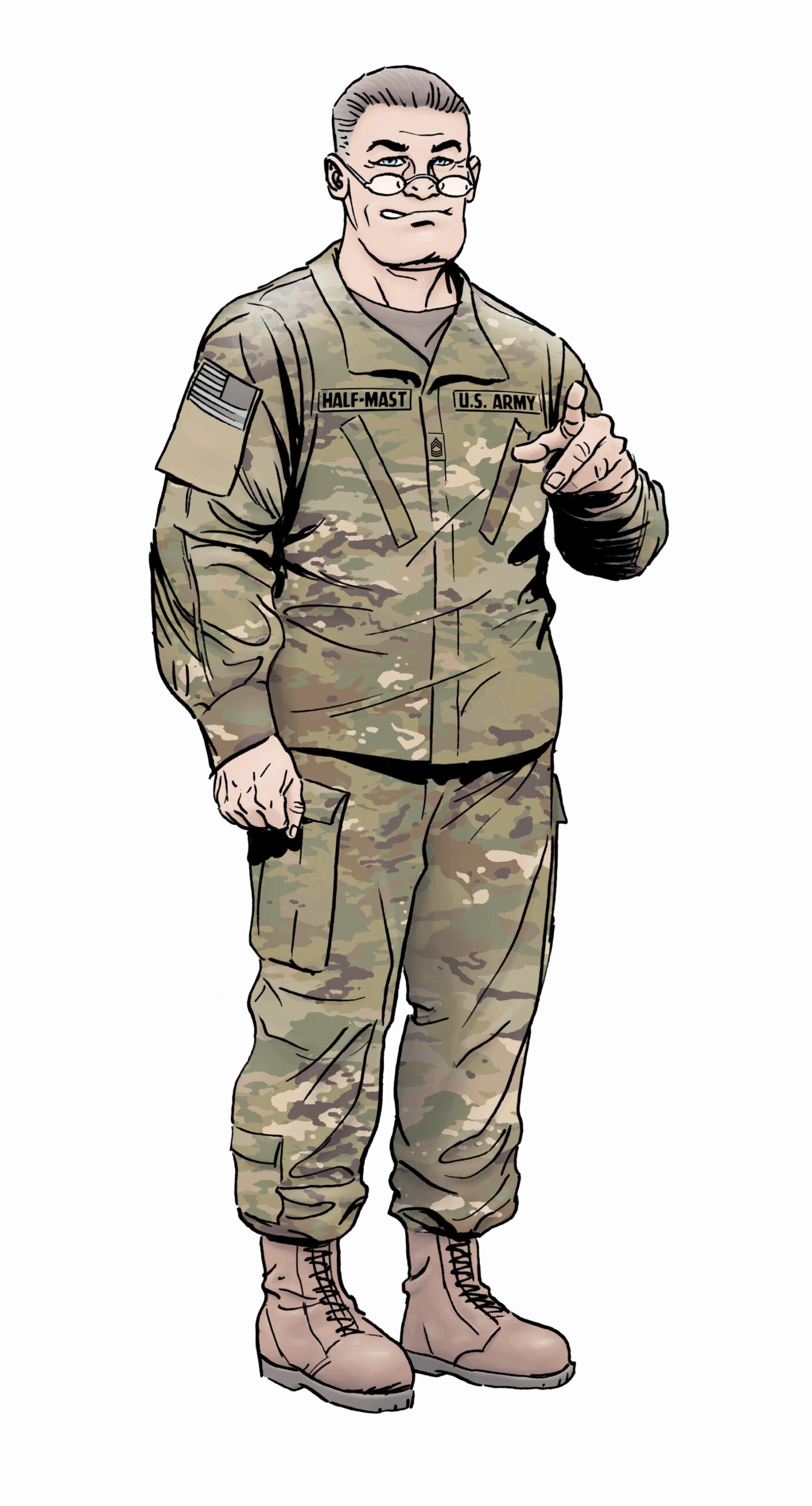
Half-Mast Sends: PS Magazine Will End Historic Run Effective Sep 30

Saturday, January 13th, 2024

Troops…

Due to Headquarters Department of the Army (HQDA)-directed reductions of DA Civilian authorizations, PS Magazine will cease operations effective Sep 30, 2024. These reductions, among others across the Army, are necessary to right-size the total force, as well as support modernization.

PS Magazine’s transition to end of mission has already begun, and mission execution is reducing as its writing staff is reassigned or retires. Any residual support will cease operations no later than Sep 30. In the near term, this will affect the magazine’s ability to respond to Reader Inquiries, depending on the commodity or end item being inquired about. It will also mean a reduction in new content being posted to the website, with new articles all but ending this spring.

Efforts are being made to ensure the website remains available for reference for up to three years past end-of-mission. Once this website is fully retired, readers can continue to access the PS Magazine archive on the publicly available Radio Nerds website HERE.

On behalf of Connie, Bonnie, SFC Blade, Cloe and the other staff now retired, it’s been our distinct honor to serve Warfighters across all services for going on 73 years. You never know; perhaps someday we’ll be recalled to service. We’ll stand ready just in case.

For now, be safe, follow your TMs and always treat your vehicles and equipment as if your life depends on them. For surely, it will.


Connie & Bonnie (upper left and right); SFC Blade & Cloe (lower left and right)

Agilite Employees In Gaza

Friday, January 12th, 2024

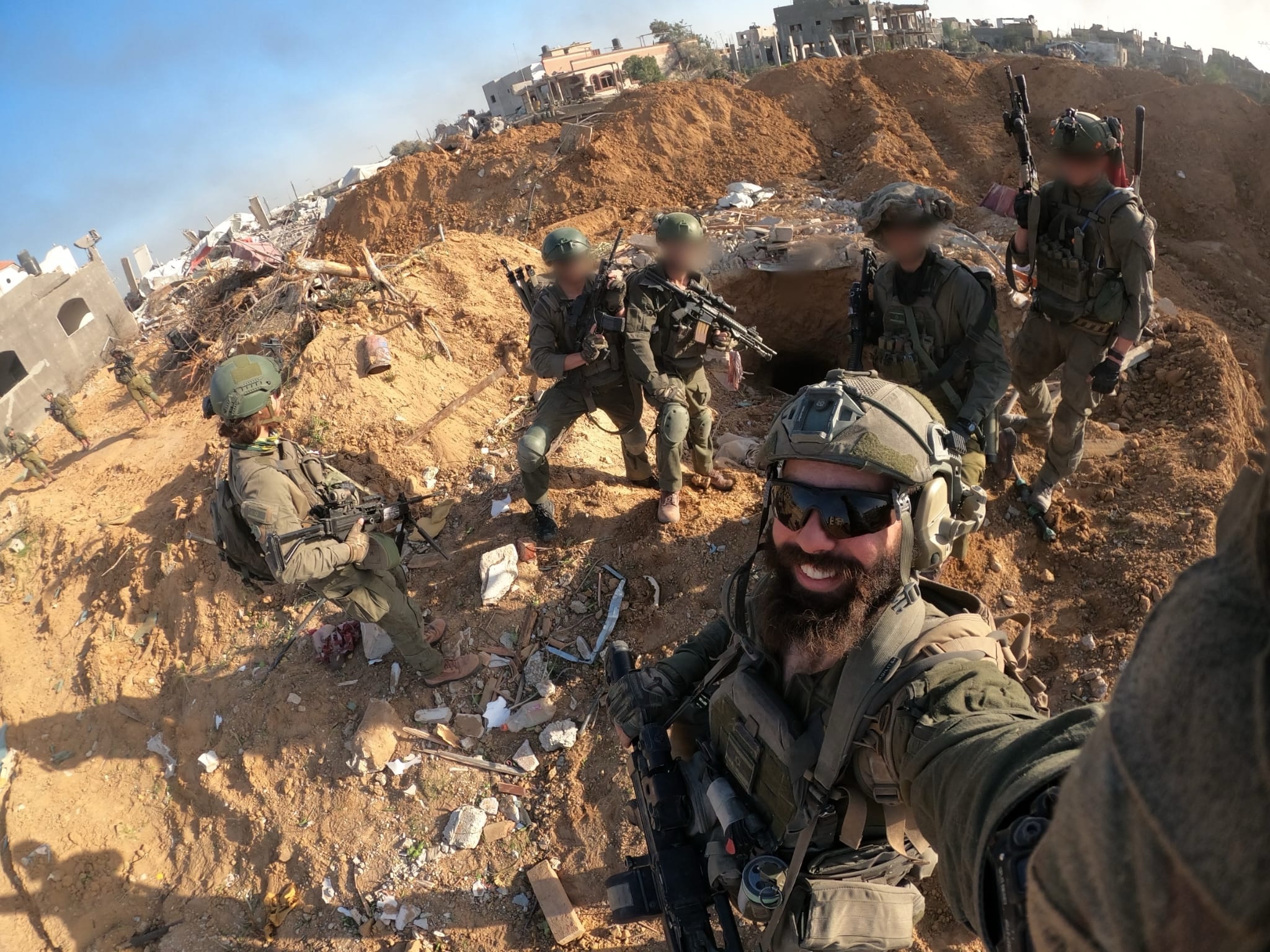
People design gear differently when they know they’ll literally be sent to war in it themselves. Pictured above is Lev Friedman, Agilite’s Head Designer in the K-Zero plate carrier that he designed, inside Gaza, January 2024. 

Lev is one of several Agilite employees who have fought on the front lines in Gaza since the massacre of Israeli civilians on October 7th. They’ve posted several updates about them on the Agilite social media channels @agilitetactical

www.agilitegear.com

FirstSpear Friday Focus – FirstSpear Woobie Quarter Zip – ACM Warm 600 Restock

Friday, January 12th, 2024

Made from ACM 600, our warmest wool available, the Quarter Zip Woobie is designed to provide unparalleled warmth and comfort to professionals. Made with the highest quality materials and adhering to Berry Compliance, this quarter zip is a must-have for any mission. This wool pull over features a stand-up collar and low profile neck zipper, giving it a sleek and professional look that stands out on the battlefield. The wrist overs also come equipped with thumb holes, adding an extra layer of protection against the elements.

Restocked in Black and Commando.

The Quarter Zip is available again in Black and Commando Green. Stock up on these cold weather essentials before they sell out again.

Visit FirstSpear to find American Made kit and accessories, Built For The X.

The Transformative Power of Wearable Health and Performance Devices

Friday, January 12th, 2024

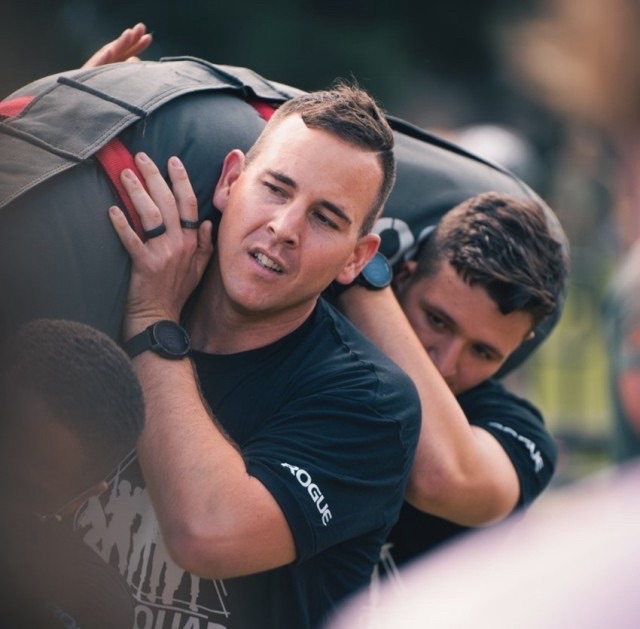
AUSTIN, Texas — In an immersive display of military innovation, the 2023 U.S. Army Best Squad Competition, held from September to October across several locations in the southern U.S., showcased the transformative power of wearable health and performance monitoring devices, positioning them as a crucial component of the Soldier’s readiness arsenal.

The competition not only underscored the capabilities of the new technologies, which included a ring device for sleep and recovery monitoring, and a sports watch for daytime exertion monitoring, but also highlighted their role as health and wellness sport technologies that can integrate seamlessly into squad proficiency tests of warrior tasks and battle drills.

Sgt. Maj. Matthew Dolsen of Headquarters, Department of the Army G-3 Special Operations Division served as lead coordinator of the competition and discussed the decision to introduce wearable technologies within military competitions.

“These competitors are our elite overachievers, mentally and physically — our future leaders. We know they have the aptitude to integrate the technology on site but will then also carry their experiences back to their units and daily missions,” Dolsen said.

Joseph Patterson, a Soldier performance strategist with U.S. Army Combat Capabilities Development Command, emphasized the significance of these wearables, which are a singular aspect of the health and human performance ecosystem. Patterson labeled the devices an “integral part” of Optimizing the Human Weapon System (OHWS), an initiative supported by Army Futures Command; U.S. Southern Command; U.S. Army Southern European Task Force, Africa; and the Office of the United States Assistant Secretary of the Army for Acquisition, Logistics and Technology Program Executive Office Soldier.

The wearable devices employed during the competition proved to be invaluable tools, sensing anticipatory stress, exertion levels and levels of recovery through each event. Providing a discrete snapshot of health data, the wearables empowered squads to enhance their performance in real time, fostering both accountability and improvement.

The incorporation of instantaneous feedback allowed for intelligent pacing adjustments in the Army Combat Fitness Test and 12-mile foot march, showcasing the Soldier’s utilization of wearable technology in optimizing outcomes and ensuring safety. Patterson compared this use case to baseball, saying, “No matter how good the bat, uniform, cleats, helmet are, it’s the player that has to be good in order to make contact with the fastball and put it in play.”

Wearables provided continuous monitoring across a myriad of physiological parameters, offering insights into warfighter responses, and contributing to formational readiness. One user voiced after the event, “I got great insight with the wearables. I felt safe to push myself hard knowing if I started to break a safe limit, I would be attended to, which is great.”

Competitors expressed the most impactful and shocking dataset to be their sleep feedback, which is measured for recovery data, and was collected over multiple days during the two-month competition. Patterson emphasized this as a notable blind spot to acknowledge.

“Sleep universally touches every service member yet seems to be the least known or understood data point in Soldiers’ lives,” he said.

Downtime was capitalized by attentive squad leaders, employing deliberate recovery when alerted by member biofeedback. Teams that showed data set indicators of faster recovery had associated positive performance during the competitive events.

“Seeing what you’re doing on a biological level lets Soldiers make better choices,” Dolsen said.

The devices are not immune to human behavior, however. Some Soldiers worried about losing the rings during the high-demand tactical events had them safely stored in their pockets, and some would forget to sync data each morning.

“It just takes some education and familiarity with the technology … I think the program is outstanding and can lead to a healthier force,” Dolsen said.

Beyond the immediate competition, the longitudinal data generated by wearable devices offers a broad application, informing both personal and command decisions and supporting the Army’s greatest asymmetric advantage: People. The adoption of wearable technology also aligns with the 2022 National Defense Strategy and Authorization Act, emphasizing the need to invest in technology for individual effectiveness and longevity. This transformative technology is designed for adaptability and has been primed to seamlessly integrate into the existing Army ecosystem of authoritative databases in the coming year, enabling even more powerful and predictive analyses in direct support of integrated prevention.

The wearables program has extended its reach across various Army units, from infantry to military intelligence, exemplifying versatility beyond the Close Combat Force. Now any Soldier can participate in the new paradigm under the ‘Bring Your Own Device’ program for wearables. All OHWS-enabled units have the option to link their own personal smart watch as part of the effort.

“OHWS recognizes the best performance wearable is one that provides the Soldier with insights into their behavior habits and choices, which may very well be the one they bought themselves,” Patterson said.

Integration of wearables accelerates transformation of human potential and survivability within the military landscape. The successful employment of wearables in the diverse and realistic environments of the Best Squad Competition illustrated their adaptability and effectiveness. By enhancing Soldiers’ physical and mental well-being, these wearables have the potential to contribute to a more resilient and effective force.

By MSG Katie Smith, Army Futures Command

PsiGear D-ring

Thursday, January 11th, 2024

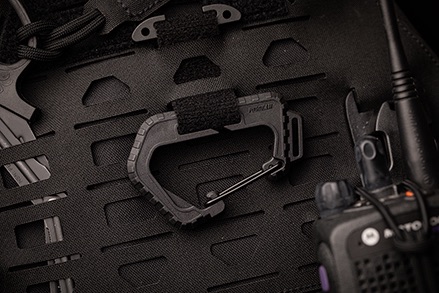
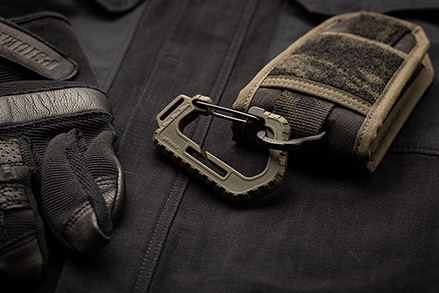
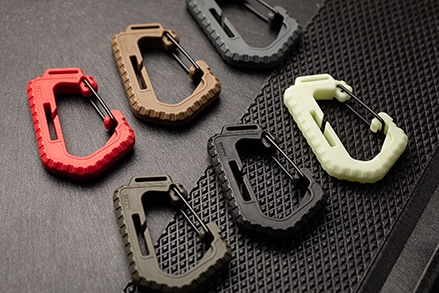
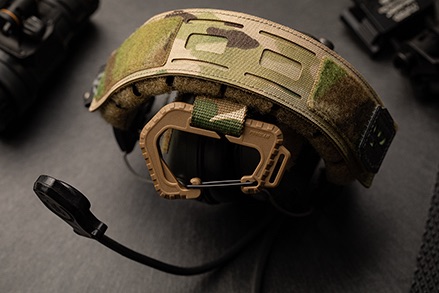
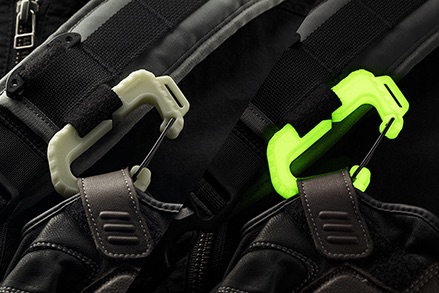
Made of POM material and stainless steel springs, each piece weighs 17 grams. Produced by the Duraflex factory, it can be mounted on PALS/MOLLE, but is not suitable for load-bearing.

www.psigear.net/military-buckles/d-ring

Glow Sticks – Not Just for Parties Anymore

Wednesday, January 10th, 2024

UH Researcher Using Popular Party Favor to Detect Biothreats for U.S. Navy
Houston, Jan. 9 — Remember that party where you were swinging glow sticks above your head or wearing them as necklaces? Fun times, right? Science times, too. Turns out those fun party favors are now being used by a University of Houston researcher to identify emerging biothreats for the United States Navy.

It’s not the odd combination it may seem at first glance. Largely due to climate change, the environmental niches that can be occupied by threat-producing species are expanding. As environmental biothreats increase, so does their accessibility and potential concern from a biodefense perspective. Currently, there is a need to detect and diagnose certain emerging biothreats, especially in far-forward settings.



“We are for the first time applying the shelf-stable, low-toxicity, low-cost chemistry of common glow sticks to develop bright and rapid diagnostic tests called lateral flow immunoassays (LFIs) like fluorescent-dyed nanoparticles that, when exposed to glow stick activation chemicals, emit bright visible light that can be readily imaged using a smartphone or simple camera,” said Richard Willson, Huffington-Woestemeyer Professor of chemical and biomolecular engineering at the University of Houston. “We will adapt the technology of glow sticks widely used in military signaling applications to excite fluorescent LFI particles to increase their detectability.”


The humble glow stick

Here’s how they work: When you bend a common glow stick, it breaks a small glass container inside holding a mix of 3% hydrogen peroxide and another substance. This mix reacts with a chemical stored outside the glass, creating a new substance that is quite reactive. When it collides with special colorful dyes, it gives them energy and makes them light up.


Richard Willson, Huffington-Woestemeyer Professor of chemical and biomolecular engineering, is adapting technology of glow sticks to excite fluorescent particles to increase their detectability for the U.S. Navy.

That’s usually the time you lose interest in them and toss them away – but not so for Willson, who has entered into an agreement with the U.S. Navy, with the future potential to receive task orders of $1.3 million, to develop improved rapid detection technology for emerging biothreats to support forward deployable testing efforts and develop high affinity reagents for the new technology. High affinity reagents are substances or molecules that exhibit a strong and specific attraction or binding to a particular target.

Accessibility of technology

The COVID-19 pandemic emphasized the need for rapid, inexpensive and ultrasensitive immunoassays for point-of-care diagnostic applications. Lateral flow immunoassays such as the home pregnancy test and COVID-19 rapid antigen test are successfully used by untrained persons to detect medically important chemicals but have limited analytical sensitivity and typically detect only a single chemical.

“Our novel Glow LFIs are very sensitive; preliminary results for Glow LFI detection of SARS-CoV-2 nucleoprotein spiked in nasal swab extract show an unoptimized limit of detection of 100 picograms per milliliter, already better than typical LFIs,” said Willson, whose research with the glow stick method also shows detection of other known biothreats.

As part of the ongoing research Willson will also develop a pipeline to produce new high-affinity reagents to be employed in these new detection assays.

University of Houston

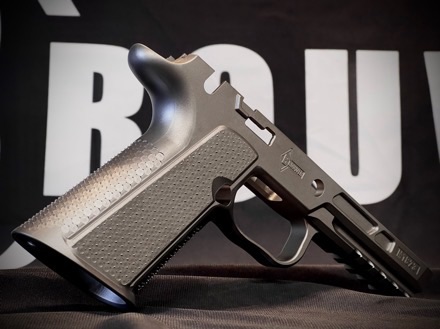
Production of the Chromoly M1823 Grip Module for the Sig Sauer P320 Has Begun

Tuesday, January 9th, 2024

THE TIME HAS COME!!

In an attempt to satisfy the overwhelming and enthusiastic response from the community, we decided to leave it in your hands, end the wait, and begin the ordering process. We understand that some of you are very eager to get in line and secure one of these grip modules, and we don’t blame you – they’re awesome. These orders will be fulfilled on a first come first serve basis, with a current lead time of 4-8 weeks.

The finished M1823 modules will be fully CNC milled from Billet 4130 Chromoly and coated with Armor Lube’s proprietary DLC! They will feature all the same geometry as our existing M1811 grip modules with some additional features:

• Weight: 1.52 pounds!

• Material: Chromoly 4130

• Finish: Armor Lube DLC

• Full-Length Dust Cover

• Aggressive competition-style texturing.

• Fastener-less Rear Dust Cover Insert

• Compatible with our existing Magwells!

Compatibility:

Sig Sauer P320 9mm / 357 sig / 40
Fits flush with 4.7? barrel slides
17 round minimum magazines

During this initial stage of release, and going into the first production run, we will provide pictures of the M1823 in the white (shown above). We will have more photo’s to come soon, highlighting the finished coating.

For those of you who opt for the preorder and get in front of the line, we will be providing ongoing updates of the parts step-by-step, with pictures here, and on our social media. We feel this will be an interesting interactive experience where people can also get a look behind the curtain at the manufacturing of the first steel 320 grip to hit the market.

We deeply pride ourselves on the importance of customer service. So also feel free to reach out with any questions the update may not have answered. sales@brouwersolutions.com

www.brouwersolutions.com/shop/m1823-grip-mod-steel

Minot MAF Chefs Feed the Force

Tuesday, January 9th, 2024

MINOT AIR FORCE BASE, N.D. —  

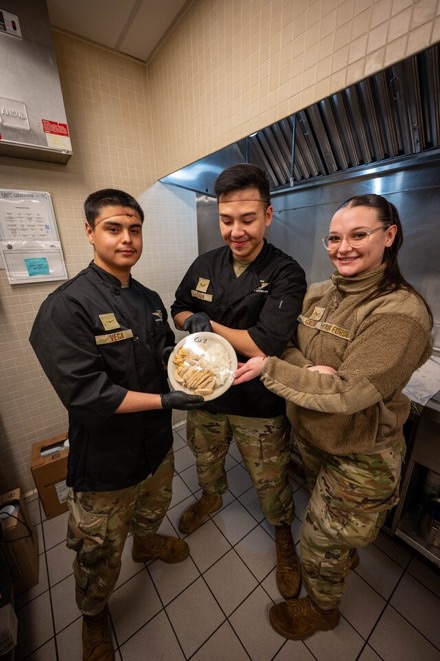
Missile Alert Facilities (MAF), which can be up to 75 miles away from Minot Air Force Base, operate with a lone chef that ensures the site has well-fed troops.


Missile Alert Facilities are the heart of the 91st Missile Operations Group’s mission. The Group is composed of three squadrons, each responsible for up to 50 launch facilities. This 24/7 responsibility requires Airmen to be on alert and always ready. It is the goal of the Missile Alert Feeding Operation (MAFO) team to ensure every Airman deployed to a MAF is well-fed and can continue to accomplish their mission.

“MAFO differs from a regular feeding operation at the Dining Facility on base as chefs are deployed out to an isolated site and have to be capable of leading themselves,” said Master Sgt. Brian Brockhoff, 5th Force Support Squadron dining facility section chief.

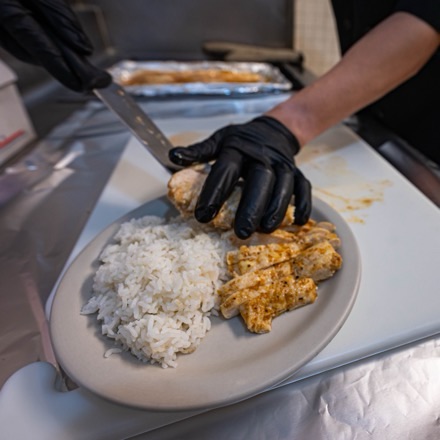
 Chefs will feed 10 or more Airmen a day, which can be a tall order. Airmen from the 5th Force Support Squadron MAFO ensure MAF site teams are comfortable during their approximately one-week stay in the field. 

“On average I’ll make 36 meals per day, 12 meals per meal period,” said Senior Airman Matthew Chan, 5th Force Support Squadron food service specialist.

Breakfast, lunch, dinner and sometimes a midnight meal for Airmen who were out late. A chef’s job does not stop until everyone is fed with a warm meal that is made to order.

“From inventory inspections, checking the emergency Meals Ready to Eat (MRE), and required trainings, I can have a lot of responsibilities during the time I’m tripped out,” said Chan.

A chef is in charge of their kitchen space while they are tripped out. A missile chef’s duties at a MAF may include completing and stocking inventory as well as preparing, cooking and cleaning after each mealtime.

“My mom used to make us fried chicken tenders back home, so to get to make it here for Airmen at the MAF is like bringing a little bit of that joy to the team here,” said Airman 1st Class Oscar Vega, 5th Force Support Squadron food service specialist.

Throughout the Air Force, we see Airmen taking care of each other, MAFO chefs are no different as they ensure Airmen on site are well cared for.

“To receive that thank you for a meal you made and getting to see how that directly affects the morale is one of the most rewarding parts of this job,” said Vega.

By Senior Airman Alexander Nottingham, 5th Bomb Wing