GORE-TEX Professional

Archive for the ‘Guest Post’ Category

Air Force Experiments to Expedite Kill Chain, Improve Battle Management

Wednesday, August 24th, 2022

KIRTLAND AIR FORCE BASE, N.M. (AFNS) —

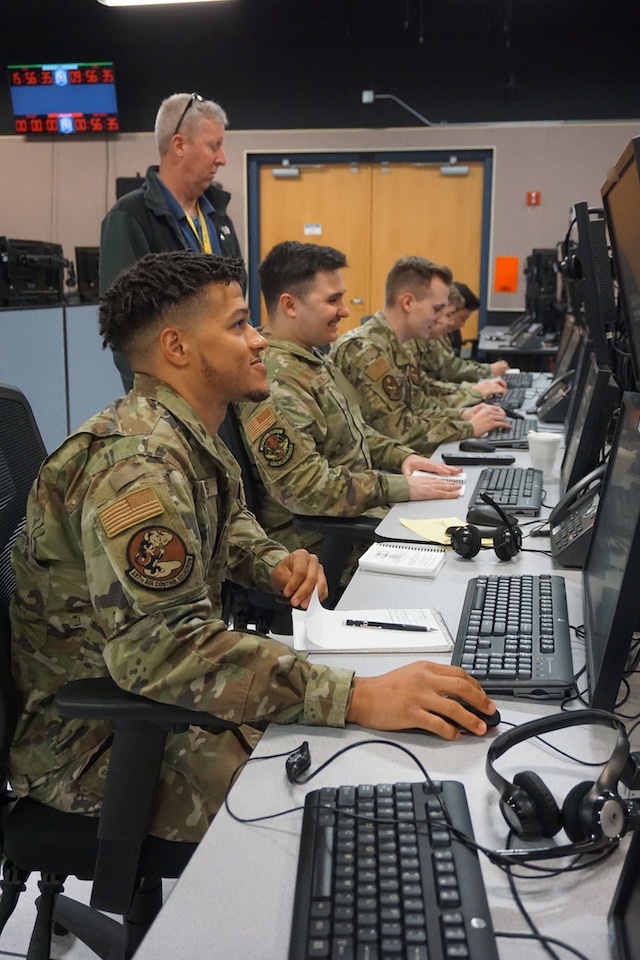
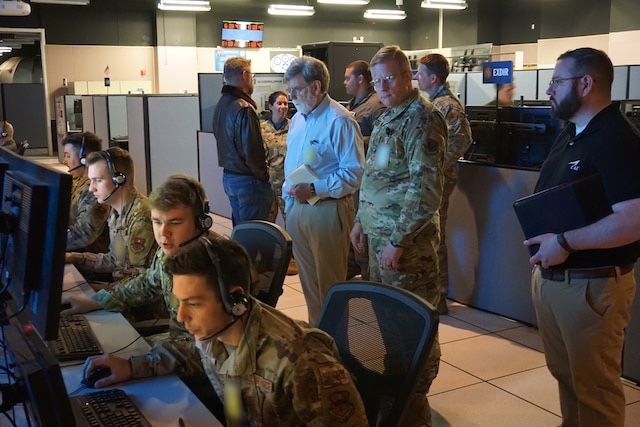
The 705th Combat Training Squadron recently hosted the second virtual Tactical Operations Center-Light experiment iteration in their Distributed Mission Operations Center at Kirtland Air Force Base.

“Twenty-first century large-scale warfare requires our forces to adapt quickly on the move,” said Col. Frank Klimas, 505th Command and Control Wing, Detachment 1 commander, Fort Leavenworth, Kansas.

The TOC-L event was designed to continue U.S. Air Force development of future battle management concepts intended to expedite kill chains and improve distributed control.

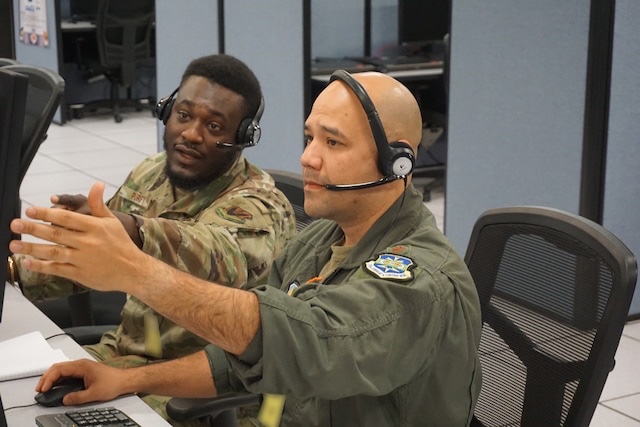
Air battle managers and tactical air control party Airmen traveled to Kirtland AFB from across Air Combat Command, Pacific Air Forces, and U.S. Air Forces in Europe to participate in the experiment.

A TOC-L is purposed lightweight, scalable battle management system that enables tactical C2 elements to relocate quickly, establish advanced datalinks, connect to a variety of sensors via a resilient communication structure, and successfully operate in a denied, degraded, or contested operational environment.

“TOC-L aims to adapt our current systems to new tactics needed for the high-end fight, and the DMOC provides a great environment to test those out,” Klimas said.

The event was the second experiment executed at the DMOC and focused on building and capturing tactics, techniques, and procedures, or TTPs, of the USAFE inspired Agile Control Integration Team while concentrating on integrating additional TOC-L mission sets.

“As the Air Force continues to evolve the TOC-L concept, it’s important to have a venue like the DMOC to bring different career fields together and stress test our ideas for different variations of a TOC-L crew,” said Maj. Carl Plonk, 605th Test and Evaluation Squadron, TOC-L experiment director, Hurlburt Field, Florida. “We’ve made a lot of progress in the first two iterations, and we’re looking forward to integrating into Virtual Flag: Battle Management where we can apply added levels of complexity to see how our techniques hold up.”

Plonk continued, “It’s eye-opening to see how these two career fields innovate to overcome mission challenges with limited traditional resources. We’ve asked the team to think creatively with this experiment because quite frankly, this experiment and others like it are changing the way we will conduct battle management in the future.”

The event expanded TACP capabilities based C2 element integration, which included distributed partnering with Air Support Operations Squadrons across the country. Additionally, the experiment saw joint partner involvement with U.S. Marine Corps air controllers from the 3rd Marine Aircraft Wing, providing operational assessment support to bolster concept development.

“Joint inclusion in this experiment further cements the Air Force’s desire to be dialed into theater integration needs from the start,” said Col. Adam Shelton, 505th Test and Training Group commander, Hurlburt Field, Florida. “Efforts like the Advanced Battle Management System are challenging our service paradigms on battle management to decouple personnel from sensors and our Marine Corps teammates with their approach to combined arms warfare are the best suited to inform these efforts.”

The team plans to integrate the concepts and lessons learned from recent experiments into Virtual Flag: Battle Management in August.

“Integrating Airmen from across these two command and control career fields to further develop these concepts is both exciting and necessary,” said Maj. Dustin Nedolast, 505th Command and Control Wing, Detachment 1, TOC-L experiment director, Fort Leavenworth, Kansas. “Collaborative experimentation is key to continually building on the lessons learned throughout these iterations while staying focused on expediting a functional system for the joint force in the future.”

The 705th CTS reports to the 505th Combat Training Group, Nellis AFB, Nevada, and the 505th Command and Control Wing, headquartered at Hurlburt Field, Florida.

By Deb Henley, 505th Command and Control Wing Public Affairs, 505th Command and Control Wing

Cavalry Troopers Explore Future of Robotics at Fort Hood

Tuesday, August 23rd, 2022

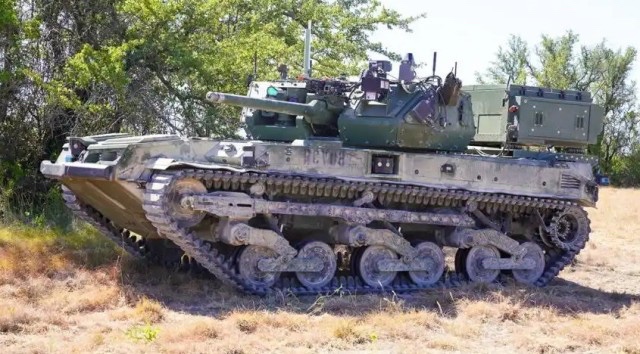
FORT HOOD, Texas – Robotic Combat Vehicles, or RCVs, will become the future for combat operations.

This is another reason why troopers with the 1st Battalion, 7th Cavalry Regiment “Garryowen,”, 1st Armored Brigade Combat Team, 1st Cavalry Division, are working with the Next Generation Combat Vehicle Cross Functional Team members to test different versions of the RCV platforms here until late summer 2022.

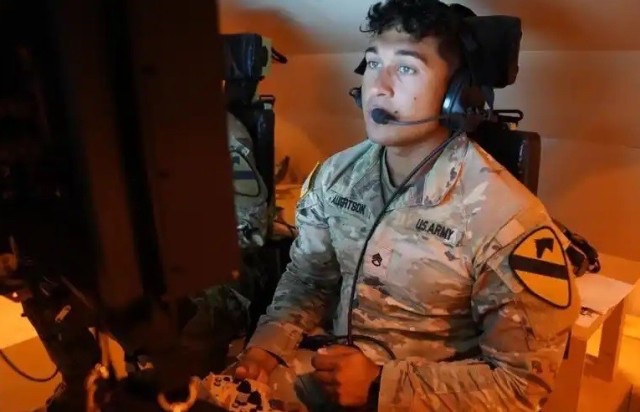
The testing started in late July with Soldiers training on the vehicles, followed by tactical scenarios and situational training exercises. Army engineers and technicians collected the Soldiers’ feedback, and will use that to further develop the robotic vehicle’s capabilities with the end-user in mind.

“Soldier feedback is the foundation for every single requirement we’re writing,” said Maj. Cory Wallace, RCV lead for the Next Generation Combat Vehicles Cross-Functional Team, during a training session, July 25. “If you have people (engineers) who are not connected with the Soldiers, every step of the process, we build stuff that is not useful, doesn’t work or seems way too expensive and it never leaves the motor pool.”

Garryowen troopers will have a chance to employ a tethered Unmanned Aerial System, a counter-UAS jammer, modular smoke obscuration module, a Commonly Remote Operated Weapon System (equipped with both crew-served weapons, up to 50-caliber, and a Javelin), as well as an autonomous drive function.

The RCV platforms have non-standard battery-powered systems. Soldiers are testing the limits of the vehicles in the Fort Hood training areas terrain, driving them on various terrain conditions commonly encountered on the battlefield. The Soldiers are also testing the vehicles’ ability to identify and avoid obstacles and their capacity to fire weapons while on the move.

“If you think about it, you know, in any … combat formation, 90 percent of it is a movement moving on unimproved surfaces from point A to point B. We can then off-load that onto a robot and have that robot do that, so the crews can perform more important tasks.” Wallace said.

Soldiers in the field have further validated the combat benefits of adding robots to a manned-unmanned teamed formation. On-site technicians have collected technical data, and the Soldiers have identified new capabilities desired for the operational experiment with the RCVs.

The Soldiers believe that the robots will be beneficial in several ways. First, they will provide increased situational awareness, more efficient use of resources, and greater flexibility in planning and execution. In addition, Wallace added, the Soldiers believe that the robots will reduce the risk to Soldiers’ lives by providing a safe way to gather information and conduct operations in dangerous environments. The on-site technicians will continue to collect data, and the Soldiers will continue to validate the benefits of adding robots to the formation.

“We are essentially planning and writing for the future. What we want to do is make sure we’re well prepared, and we have trained individuals so we can win the nation wars,” said Staff Sgt. Miguel Albertson, 1-7 Cav.

The Army is preparing to make future decisions on the potential acquisition and use of unmanned systems in combat by conducting additional Soldier training and evaluation sessions with RCV platforms over the next 36 months.

Soldiers will have the opportunity to provide input on how they believe unmanned systems could be employed in combat operations, as well as identify any challenges or limitations that should be considered. This feedback will inform future decision-making on the Army’s acquisition of the systems.

By Eric Franklin, Fort Hood Public Affairs

CCAF Electronic Transcripts Now Available, Faster Delivery Time

Monday, August 22nd, 2022

MAXWELL AIR FORCE BASE, Ala. —  

Community College of the Air Force students can now order their transcripts electronically and have them processed within a week instead of what usually took up to 45 days.

CCAF has partnered with Parchment, a digital credentialing service, to deliver transcripts electronically. 

To request their transcript, students register for an account with Parchment and add CCAF to their list of schools attended. They then order a copy of their transcript to send to the address of their choice: school, third party or home address. The transcript orders come into the CCAF Student Services section, where technicians will retrieve, verify and process the requests.

Parchment then processes the transcripts for delivery. Although CCAF does not charge a fee for providing student transcripts, Parchment does charge a small processing fee. The transcript request is usually processed within two to three days.

“We’re excited to offer this service to our students,” said Lt. Col. Kevin Pond, commandant, CCAF. “We’re always looking for new and innovative ways to streamline our processes while increasing customer satisfaction. I believe our new automated transcripts process does just that.”

To be the “College of Choice” for enlisted members, and to assist them in paving a way to success, CCAF continues to seek better ways through technology to improve its services. The electronic transcript request and delivery service through Parchment is but one example of current and upcoming improvements to the student experience at CCAF.

By Benny Seawright, CCAF Media and Outreach

SCUBAPRO Sunday – Cramps When Diving

Sunday, August 21st, 2022

We’ve always been told that dehydration and accumulation of lactic acid were the driving causes of cramps. Sports drinks have made a ton of money selling us on that, but there is little scientific evidence to support these connections. For dehydration to be a driving factor, you’d probably be displaying clinical signs of dehydration; dizziness, tiredness, dry mouth, lips, and eyes. Instead, the cause of cramps may lie in the reflex nerves that control the muscle. Two sensory receptors are involved: muscle spindles and the Golgi tendon organ (GTO). The GTO senses changes in muscle tension. It lies in the tendonous area at the end of the muscle fiber. If the GTO is stimulated, it sends a reflex signal via the spine and causes the muscle to relax. The muscle spindle is embedded in the muscle itself. The reverse situation occurs if the muscle spindle is stimulated, and a muscle contraction occurs.

Cramp occurs when the reflex’s central nervous system (CNS) control is lost. The GTO becomes inhibited, and the muscle spindles become hyperactive. This leads to sustained activation of the muscle. If we follow this theory, then a muscle’s hyperexcitability is the basis of cramping; therefore, stretching should counteract the cramp. And guess what? We’ve known that for years. Stretches must be held for 15-30 seconds or until the muscles relax. After the cramp has gone, avoiding exercise for the next hour and applying heat will help. This allows the muscle and the CNS to recover.

So how do you avoid leg cramps in the first place?

Usually, you are told to maintain hydration and salt. But with some of the newer studies, that might not help as much as you think, at least for diving. It’s hard to do a controlled trial on yourself; hydrating one leg and not the other is impossible. Instead, we need to think about maintaining healthy reflex arcs. Poor flexibility caused by prolonged sitting, poor posture, or inefficient biomechanics will make it more likely that the reflex malfunctions.

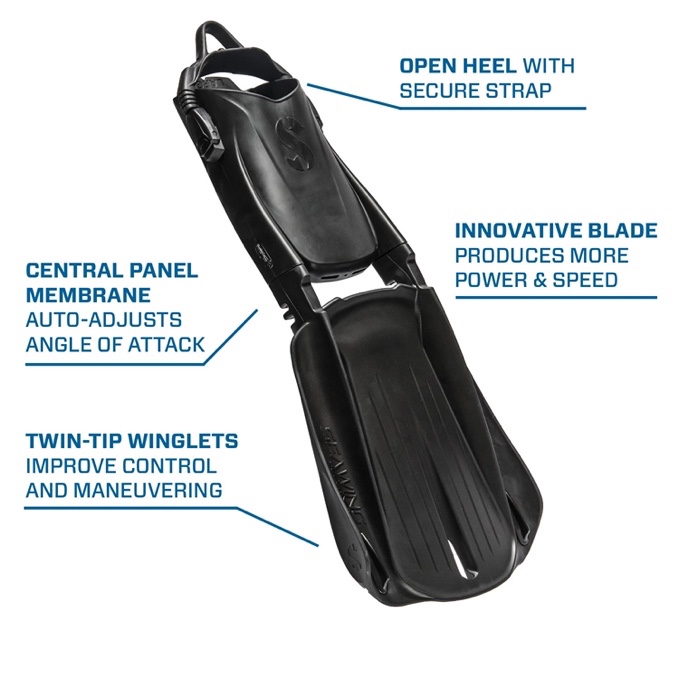
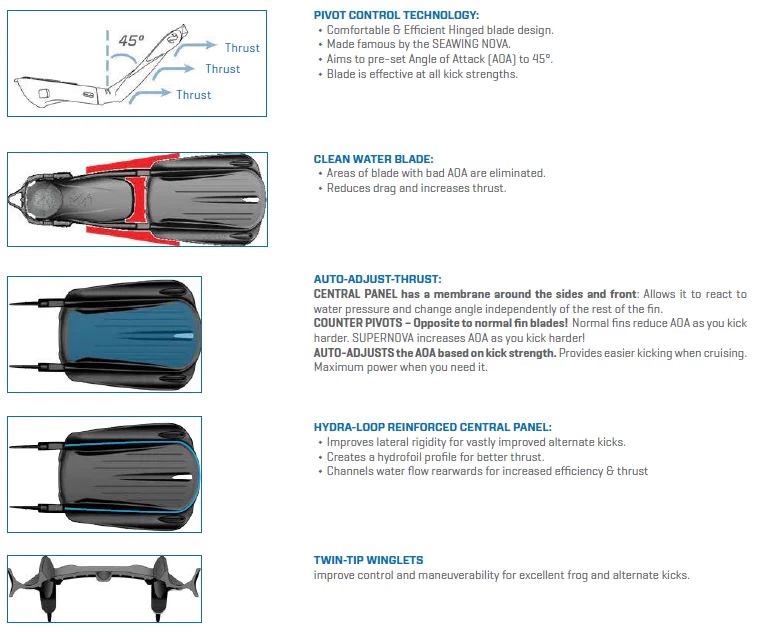
Age is also a factor, and divers who haven’t ever experienced cramps may do so as you get older. Both aspects are increased body weight and eccentric muscle contraction (where the muscle lengthens as the load is greater than the force the muscle can produce). Many publications suggest that the diver’s choice of fins may be the biggest driver of cramps. Weak leg muscles need a smaller, thinner, flexible fin; athletic legs can drive wider, longer, stiffer blades. Fin manufacturers add several features to improve performance, ribs, channels, vents, and the material of the blade. I do believe that they help a lot also. I get a lot less cramps now that I use the SCUBAPRO Seawing Nova, Go Sports, and the New Seawing Supernovas. The SeaWing’s have rips in the fins to help not push on your feet as much when you kick. There are two types of Seawing Nova.

The Seawing Nova and the Seawing Nova Gorillas and there is now the new Seawing Supernovas. The Gorillas are a stiffer fin, and they are great for a working diver or someone in good shape. So, pick the right one for the job you are doing and the environment you will be in. I have been using the Supernovas and I love them, and I have not had any cramps. I am not saying it won’t happen but 6 months in and I am very happy with them.

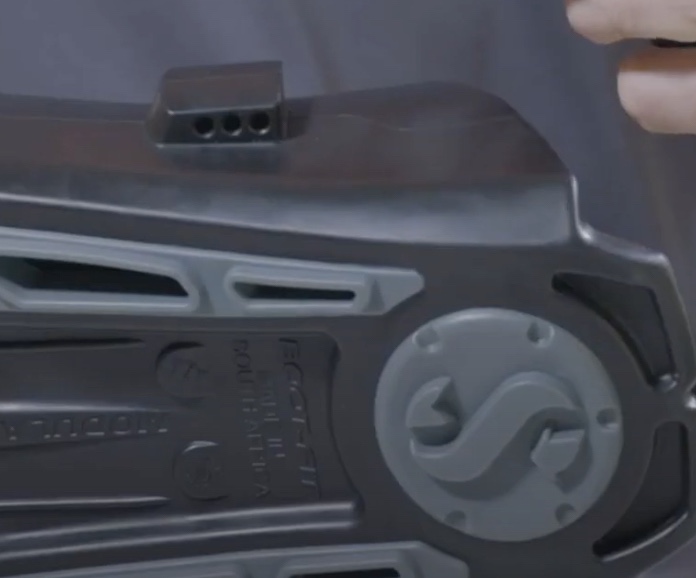
Your footwear should not be too tight as this will restrict circulation and bone movement in your foot. With the new Supernovas you can adjust the tension on the heel strap. IT has three positions you can set it for. If you are diving in the winter and you add a dive sock to your booties to keep you warm, what you are doing is restricting your circulation, and that will make you cold and cause cramps. If you want to add layers have different sizes booties. The strap should not bite into the back of your heels too tightly, pushing on your Achilles tendon. This can happen if your footwear is too big and you are shoving your foot in and barely getting your strap around you heal or you are afraid you will lose your fin, so you pull the strap tight. Something that could help with this is a self- adjusting fin, like a bungee strap or a steel spring. This will help keep the right pressure on your heel.

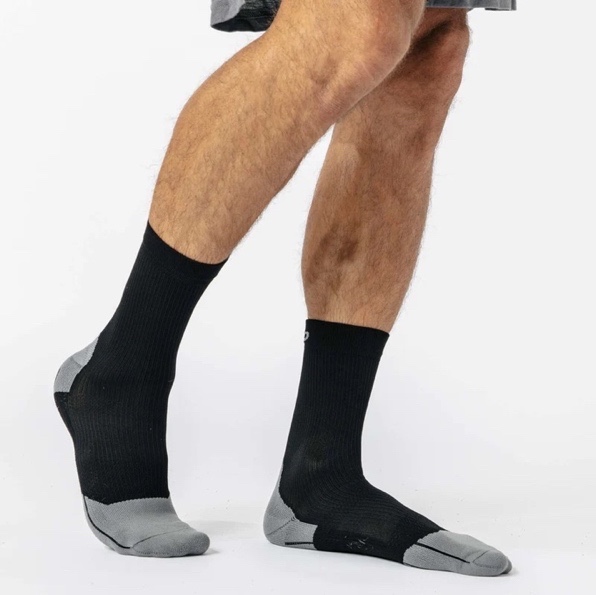
However, it’s more likely that repetitive finning motions are driving CNS fatigue and loss of control of the reflex. If you feel cramps starting, change your position, change your fin stroke, and maybe try to float for a bit and allow the CNS to reset. I have used one leg to fin while stretching the other out and trying to keep up with my swim buddy more than once. The other thing that can help is wearing compression clothing. I have been using compression socks for long flights, long dives, workouts, and recovery for a while, making a huge difference. I did a 3-mile ocean swim a couple of months back and didn’t use the sock I usually wear, and I cramped up a lot. I am a massive fan of DFND USA clothing.

Cramping generally affects people that have taken a long break from finning. I say finning and not diving because you don’t have to dive to fin. So, like all your other skills, shooting, moving, and communicating. You need to practice finning, so you stay in finning shape. You should try and swim a couple of times a week. When you are in the pool, swimming with fins on will help strengthen all the smaller muscles. When you are at the gym, don’t just do arms. Do functional workouts that include a lot of exercises for your calves and strengthening the specific muscle groups that cramp when diving. Also try and include foot flexing exercises, as one of the other reasons for cramping is your feet are not used to being pointed for long periods of time,

They include toe raises, one-leg drop squats, and calf raises. Lastly stretch a lot. I am bad at doing it until my knees and body hurts and they I am like “why do I hurt? Oh, Yaa I need to stretch” I am a fan of Active Isolation Stretching (AIS). I carry 1in tubular nylon with me everywhere I travel, it lives in my bags. You can google it and you will find out how to do it. I have used it since BUDS to help with knee pain and it always does.

DOD Releases First Departmentwide Social Media Policy

Saturday, August 20th, 2022

WASHINGTON — The Defense Department today released a policy that for the first time spells out, from the highest levels of the defense community, how DOD military and civilian personnel should use official social media accounts to best advance the mission of the U.S. military and further instill trust in the credibility of the DOD.

DOD Instruction 5400.17, titled “Official Use of Social Media for Public Affairs Purposes,” provides principles for social media use within DOD, direction regarding records management procedures for social media accounts, and guidance to ensure personal social media accounts are not misrepresented or misinterpreted as official accounts.

While some of the military services and other agencies published social media policies years ago, DODI 5400.17 is the department’s first instruction that provided Pentagon-level, departmentwide guidance that specifically addresses the use of social media.?The DOD chief information officer previously issued DODI 8170.01, “Online Information Management and Electronic Messaging,” to provide broad policy guidance on the secure and appropriate use of social media. The new policy specifically addresses public affairs uses and responsibilities.

“It’s long overdue,” Andy Oare, director of digital media for the Office of the Secretary of Defense, said. “There have been efforts in the past to do this, but in an organization of this size and magnitude, you need to fully coordinate and ensure all viewpoints are heard and represented. We wanted to make sure the services were collaborators from the very beginning.”

Because social media changes rapidly, Oare said policies that the department may have started developing in the past but had never finalized would quickly show their age. That won’t happen with the newly published instruction, and he stressed that this policy will be continually refined and updated based on the evolving social media landscape.

“We’ll work across the department to be agile and responsive in our day-to-day operations as we implement this policy and update it where and when we should,” Oare said.

“Social media has an effect on every one of our service members, civilians, contractors and their families — whether they run an official account or have never heard of Twitter,” Oare said. “We owe it to all of them to have one central policy that provides a clearly articulated standard of operation and accountability.”

The DOD social media policy applies to Office of the Secretary of Defense personnel, the military departments, the Office of the Chairman of the Joint Chiefs of Staff and the Joint Staff, the combatant commands, and other DOD offices and agencies.?In some cases, this means the new policy will supersede preexisting social media policies, but close coordination throughout its development ensured that all perspectives were considered and integrated.

“We deliberately wrote it in a collaborative manner, and it encourages component heads to continue establishing component-specific social media regulations,” Oare said. “Our aim is not to be prescriptive or restrictive, but rather to lay out some commonsense rules that simply have not been formally articulated at this level.”

In addition to detailing the roles and responsibilities of DOD leadership in enforcing responsible social media practices, the new policy offers guidance to department personnel who generate content on official social media platforms to ensure responsible use of the medium, key elements to consider when establishing a new presence or expanding into new platforms, and on the authority to close unused accounts.

“If social media is mismanaged or mishandled, the U.S. government’s reputation with the American public; relationships with interagency, international, state, local and tribal entities; military operations; and reputation for a high ethical and professional standard may be compromised,” the policy warns social media practitioners.

The guidance in DODI 5400.17 is meant to ensure DOD’s credibility and avoid controversy, while using social media to share its missions with the public, Oare said.

“In a digital world where lines of truth and authenticity are so often blurred, it’s important that institutions like us have trusted, verifiable and reliable presences,” Oare said. “We have a duty to the American people to show the work we’re doing, to tell the story of our service members, and to present that information though channels they use in their daily lives.”

By C. Todd Lopez, DOD News

American, British Nuclear Experts Conduct Counterproliferation Exercise in United Kingdom

Saturday, August 20th, 2022

SELLAFIELD, England — American Soldiers from Nuclear Disablement Team 2 conducted nuclear counterproliferation training with personnel from the U.S. National Nuclear Security Administration, or NNSA, and the United Kingdom Ministry of Defense during an exercise in May.

The exercise was the first time one of the U.S. Army Nuclear Disablement Teams, or NDTs, have trained in the United Kingdom.
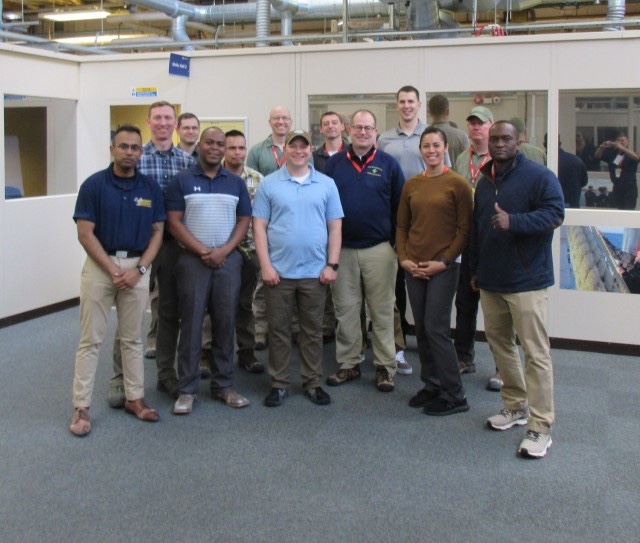
Nuclear Disablement Team 2 is one of three NDTs from the 20th Chemical, Biological, Radiological, Nuclear, Explosives (CBRNE) Command, the U.S. Department of Defense’s premier deployable all hazards formation.

As a part of the 2018 Department of Defense Nuclear Posture Review, the NDTs provide advanced forensics and attribution capabilities in support of overseas and domestic missions.

NDTs directly contribute to the nation’s strategic deterrence by staying ready to exploit and disable nuclear and radiological weapons of mass destruction infrastructure and components to deny near-term capability to adversaries and facilitate elimination operations.

In addition to the NDT 1 “Manhattan,” NDT 2 “Iron Maiden” and NDT 3 “Vandals,” the Aberdeen Proving Ground, Maryland-based 20th CBRNE Command is home to 75 percent of the active-duty Army’s explosive ordnance disposal technicians and chemical, biological, radiological, nuclear specialists, as well as the 1st Area Medical Laboratory, CBRNE Analytical and Remediation Activity and five Weapons of Mass Destruction Coordination Teams.

From 19 bases in 16 states, Soldiers and civilians from the 20th CBRNE Command take on the world’s most dangerous hazards in support of joint, interagency and allied operations.

Maj. Neal J. Trump, a nuclear operations officer from NDT 2, said the nuclear disablement team began planning for the exercise in 2020 but COVID-19 postponed it.

In May 2022, the exercise took place at multiple locations in the United Kingdom. NDT 2 participated during the first half of the month at the Sellafield site in northwest England and at the Weeton Barracks about an hour from Manchester, England.
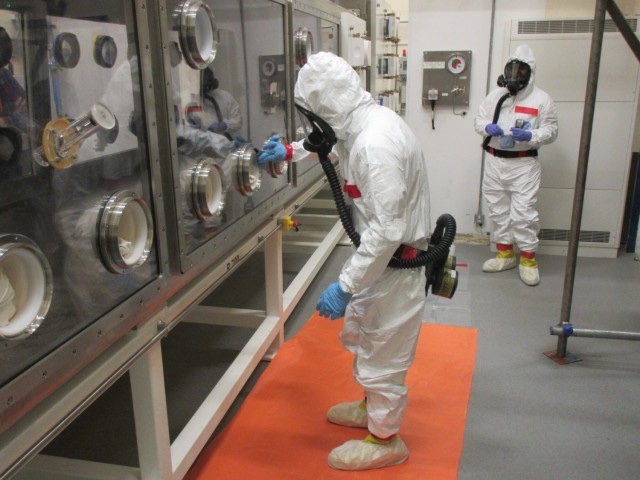
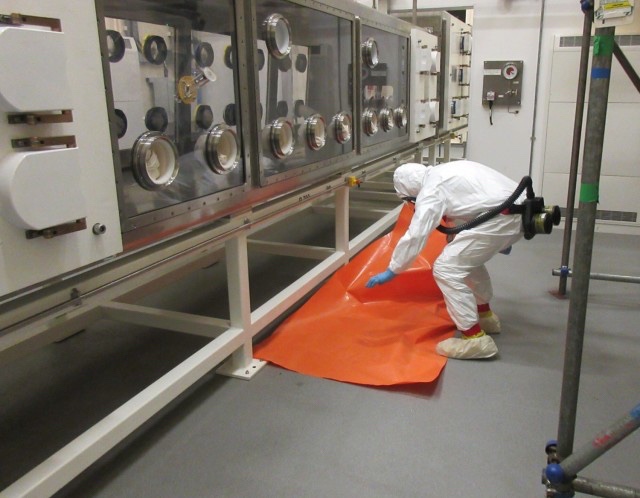
“The exercise as a whole validated the Department of Energy Mobile Packaging Teams in the receipt and processing of material collected from nuclear facilities and also integrated the participation of personnel from the Department of Energy’s Plutonium and Uranium Verification Teams,” said Trump, an Iraq veteran and former infantry officer from Lancaster, Pennsylvania, who has commanded Soldiers in the 82nd Airborne Division and 3rd U.S. Infantry Regiment (Old Guard).

The exercise offered a unique training opportunity for NDT 2 to characterize an industrial-scale reprocessing facility and to recognize the equipment and materials used there, said Trump.

In addition to seven Soldiers from NDT 2, four Soldiers from the other NDTs were able to participate in the exercise.

“This exercise presented a truly unique training experience for NDT 2 that will pay dividends for a long time to come,” said Trump. “Since there are currently no commercial reprocessing facilities for spent nuclear fuel operating in the United States, conducting training at Sellafield exposed team members to a portion of the nuclear full cycle that we rarely have the opportunity to work in and at a scale that nobody had witnessed before.”

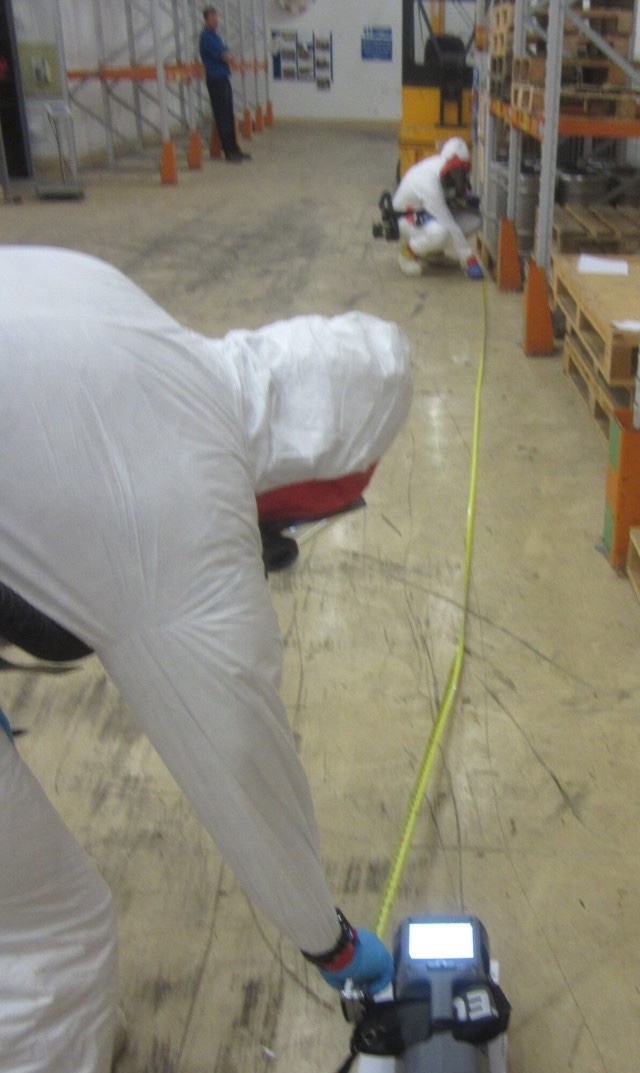
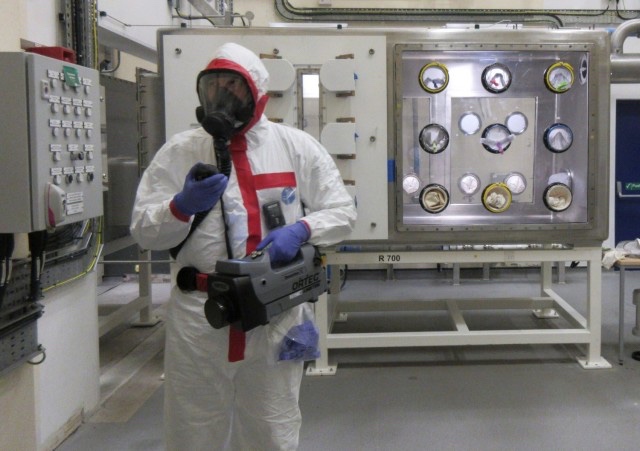
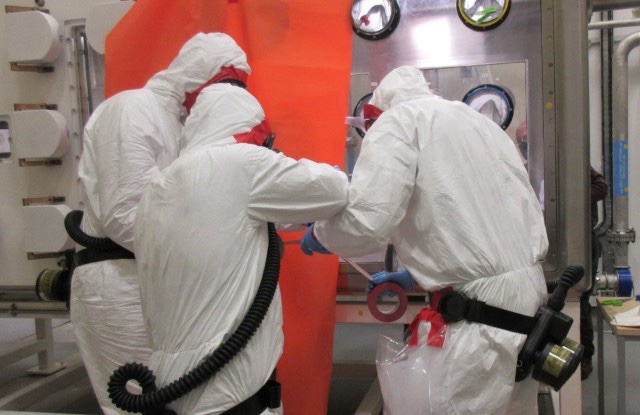
Trump said the NDT Soldiers were able to conduct a reconnaissance and characterization of the Thermal Oxide Reprocessing Plant, as well as perform sampling operations of highly accurate simulants from large negative pressure gloveboxes.

“The most enduring effect of the exercise, however, will likely be the excellent relationships we developed with Sellafield personnel that we hope to leverage for further training opportunities in the future,” said Trump.

During the exercise, NDT Soldiers refined procedures for detecting nuclear material and collecting gamma ray spectra, as well as packaging simulated samples of nuclear material to transfer to the NNSA’s Mobile Plutonium Facility.

“Perhaps most importantly, the exercise allowed the team to further develop our relationship with the subject matter experts employed by Department of Energy and NNSA. We hope that our participation in this exercise will open the door to future collaboration between the NDTs and the NNSA,” said Trump. “The highlight of the exercise, from my point of view, was the degree of interagency partnership building that was able to occur.”

At Sellafield, representatives from the NNSA’s Uranium Verification Team and Plutonium Verification Team not only observed the training but also participated in discussions about how both organizations can better support one another in the counterproliferation fight.

NDT 2 Soldiers also used the U.S. Department of Energy’s reach-back process while in the United Kingdom to send requests for information to a U.S.-based team of subject matter experts who were able to provide technical guidance in support of the NDT characterization of the Thermal Oxide Reprocessing Plant.

“At the conclusion of our training, NDT 2 prepared and presented an exploitation brief to senior members of the 20th CBRNE Command and leadership of the NNSA’s Nuclear Compliance Verification and Mobile Packaging programs,” said Trump. “This interaction further served to demonstrate the capabilities of the NDTs to key interagency partners and acted as a relationship-building venue between key [Department of Energy] professionals and NDT personnel.”
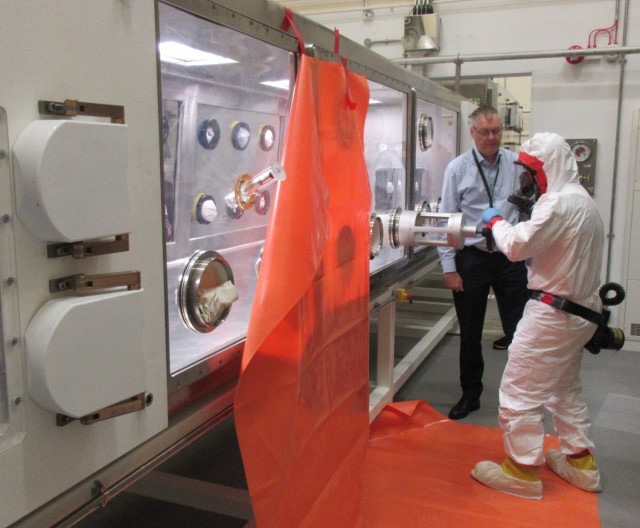
Glen L. Jackson, the White Team lead from the U.S. National Nuclear Security Administration, said the NNSA, U.S. Department of Defense, U.K. Ministry of Defense, Nuclear Decommissioning Authority and countless other mission partners came together to coordinate and deconflict the numerous training activities occurring simultaneously.

Jackson added that meticulous planning ensured that each organization could achieve their respective training objectives while also supporting the broader goals of the exercise.

The National Nuclear Security Administration is responsible for the monitoring, verification, removal and securing of high-risk nuclear and radiological materials and equipment around the world that pose a potential threat to the United States and the international community.

“Overseas deployment exercises provide the opportunity to practice not just these missions but also the foundational logistics required to execute them through the integrated and collaborative efforts of NNSA and Department of Defense,” said Jackson, who has served as a contractor at the Savannah River Site in South Carolina for 31 years.

Jackson was also the White Team leader when 20th CBRNE Command NDT personnel participated in Exercise Relentless Rook at the Savannah River Site in 2021.

Jonathan P. Spencer, a manager at the Sellafield site, said joint training exercises give his site invaluable opportunities to share knowledge and learn from the other participants.

“While Sellafield’s challenges are different in many ways to the challenges faced by the NDT, there are some similarities,” said Spencer. “Seeing how other teams approach tasks like characterization, sampling and radiation and contamination control is very instructive. There are many learning points from the exercise which will help inform our work in the future. Finally, Sellafield recognizes the important role the NDT performs and takes pride in being able to play a small role in the NDT training and exercise program.”

Spencer, who has worked at Sellafield Ltd. for 12 years, credited the success of the exercise to advanced planning done by NDT 2 Team Chief Lt. Col. Ronald C. Lenker and Maj. Neal Trump with his Sellafield team, including Astelle Batty and Gareth Bawden.

“It was evident that the attention to detail resulted in the successful running of the exercise,” said Spencer. “Due to the nature of work on the Sellafield deployments, such as this exercise while on paper may appear simple in reality are not straightforward.”

The exercise was the first at the Sellafield site’s new Glove Box Training Facility.

“It was a great pleasure and honor for Sellafield Ltd to host this visit within [the Thermal Oxide Reprocessing Plant] and our Glovebox Training Facility,” said Spencer. “It was a particular highlight to see NDT members calmly, methodically and professionally tackle the very challenging scenarios we created for them in this new facility.”

By Walter T. Ham IV

Ti-HDR Strap from PDW

Friday, August 19th, 2022

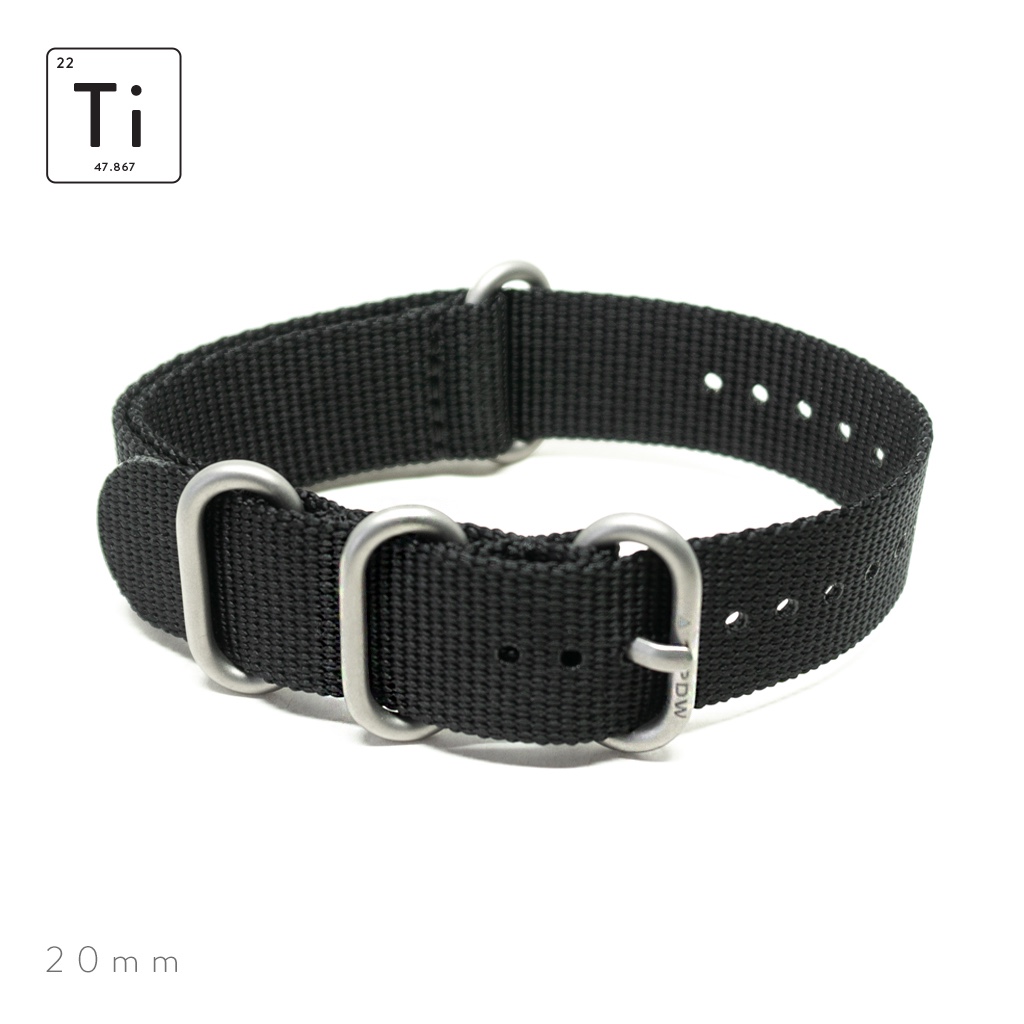
Nylon Watch Strap with Heavy Duty Titanium Hardware and NATO Type Construction

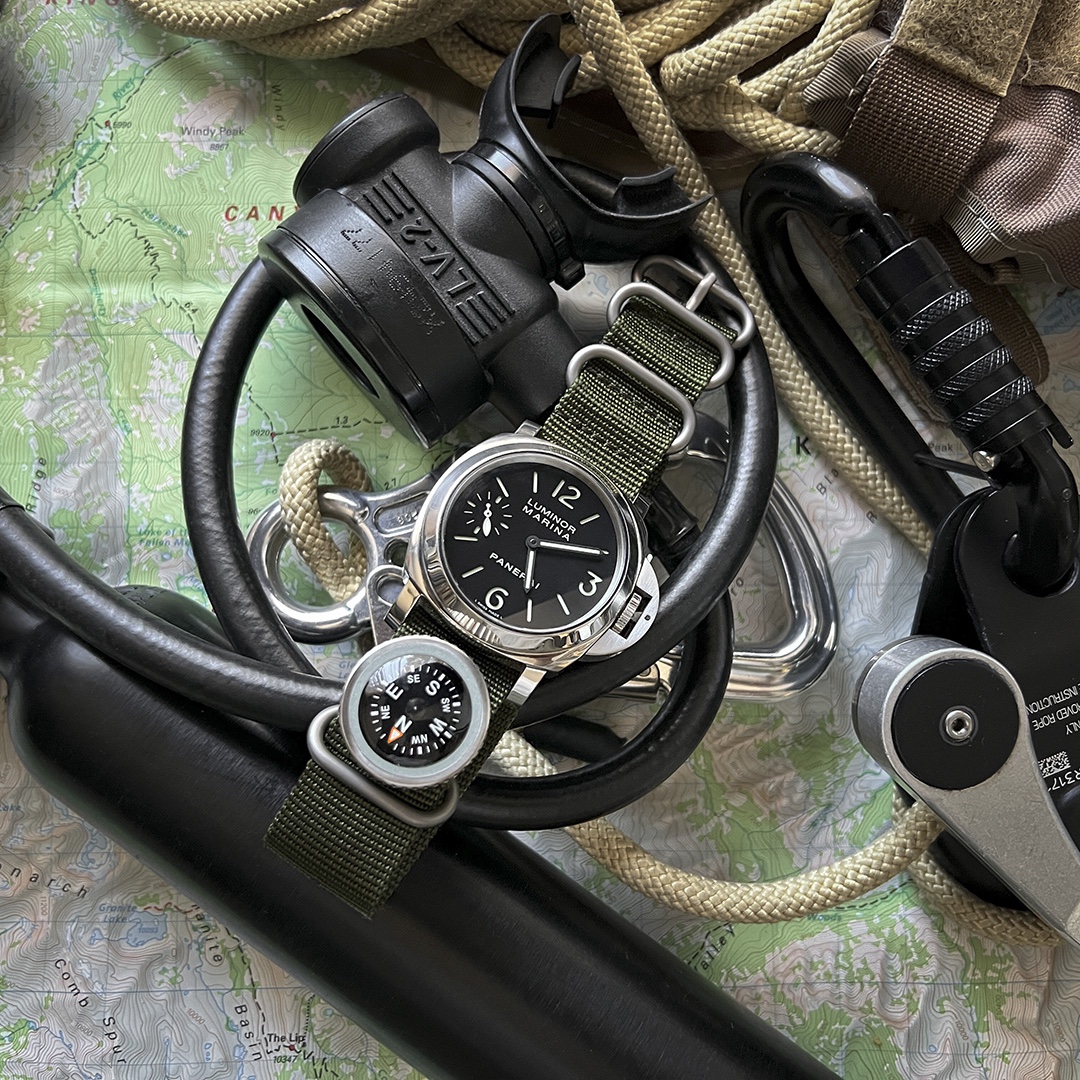
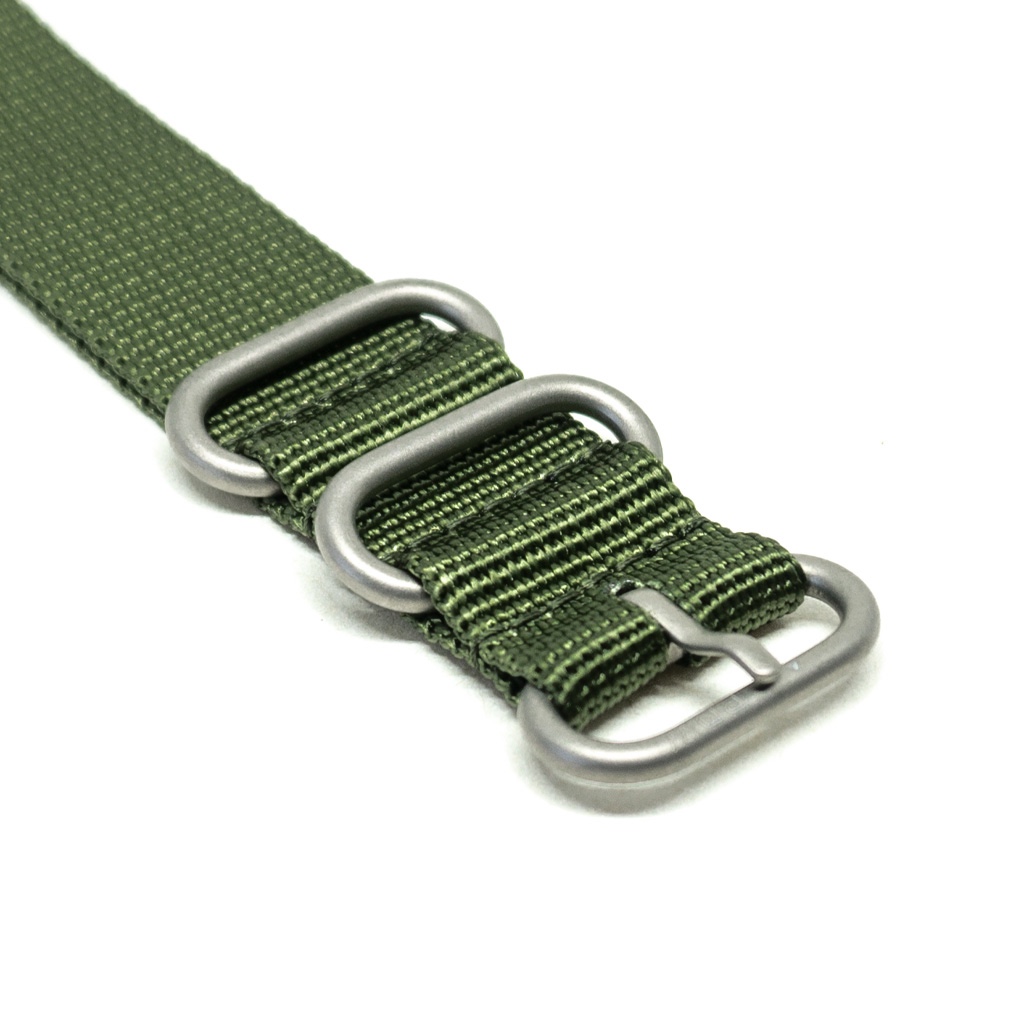
Prometheus Design Werx introduces their Ti-HDR Strap. A heavier duty, modified version of the classic, military issue, nylon watch strap. This version features the classic double strap layer “NATO-type” construction, heavier duty, custom made titanium rings and buckle, with a sturdy, thicker, yet pliable and comfortable nylon strap. The classic NATO or “G10” strap originally entered service in 1973 with the British Ministry of Defence. PDW built up from this baseline and used heavier gauge titanium in the rings and buckles for total corrosion resistance on land or under the sea, and 100% non-magnetic as to not interfere with the strap worn compasses such as our EWB-Compass Kit. Fits watches with 20, 22, 24mm width lugs.

The PDW Ti-HDR Strap is available with black or OD green nylon and fine matte finish titanium hardware.

The Design and R&D Team at PDW states:

“This is the classic NATO strap on corrosion-proof steroids. The strap follows the classic NATO double layer construction and features rings that have been upgraded to a heavier duty rugged titanium and a thicker, yet flexible nylon webbing strap. These straps are bomber and very field worthy.”

The PDW Ti-HDR Straps are available for $33.00 in 20mm, 22mm, and 24mm widths, and in either black or OD green nylon. Available now via their website, prometheusdesignwerx.com.

FirstSpear Friday Focus – Split Bar Tubes Fasteners

Friday, August 19th, 2022

The Most Anticipated Release of The Year

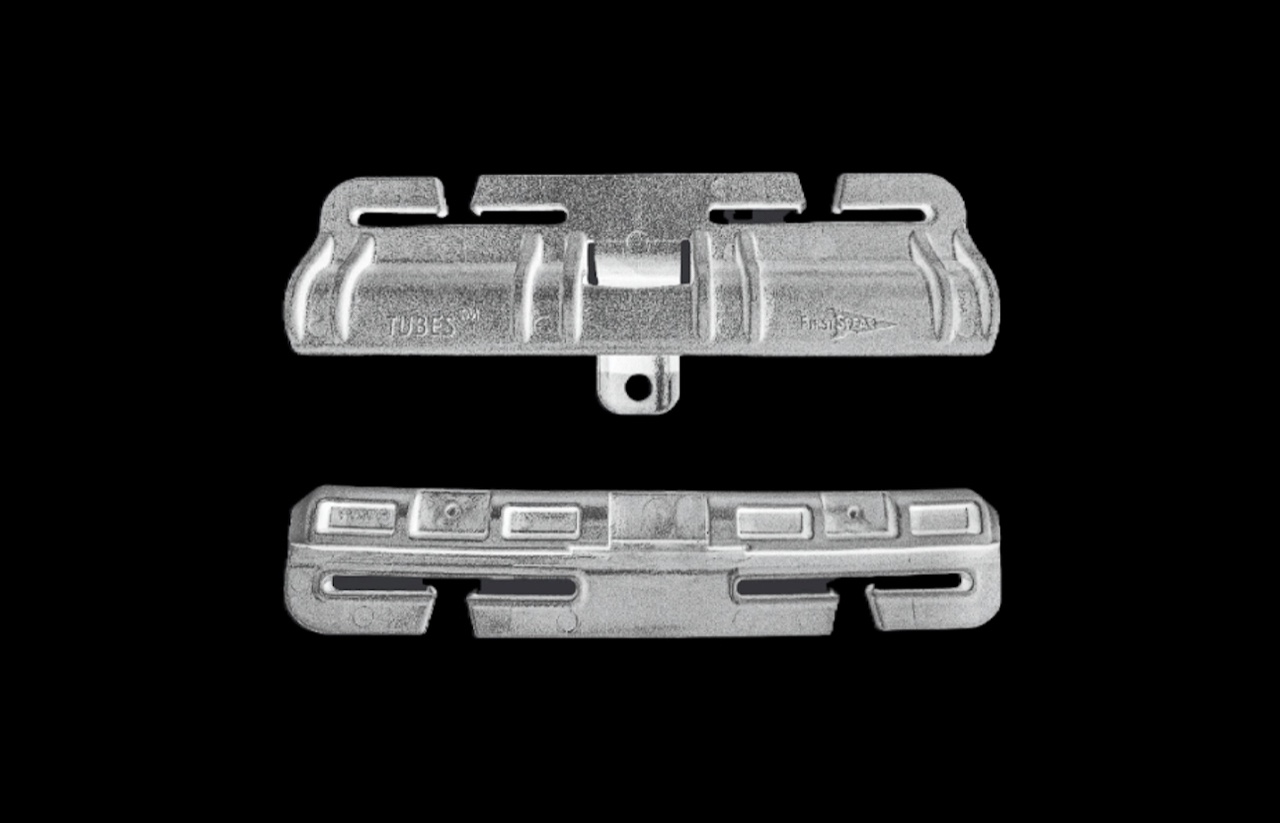
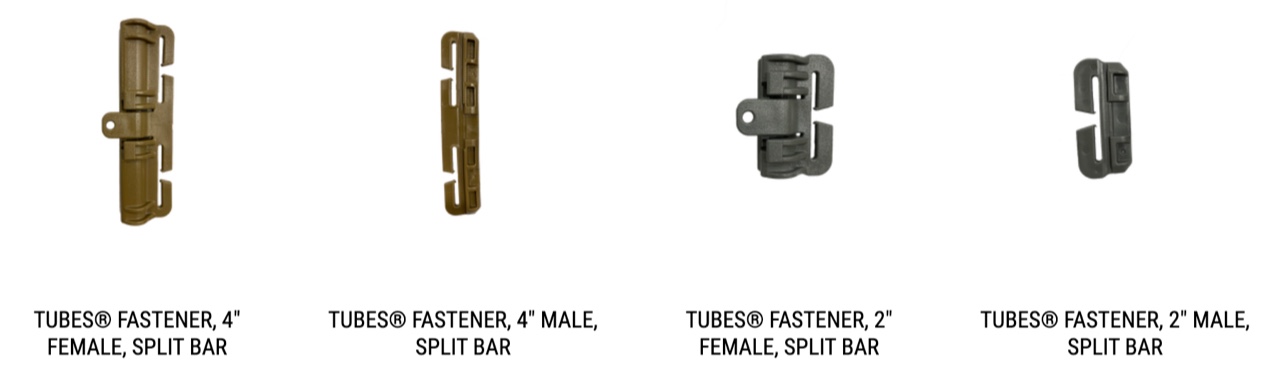
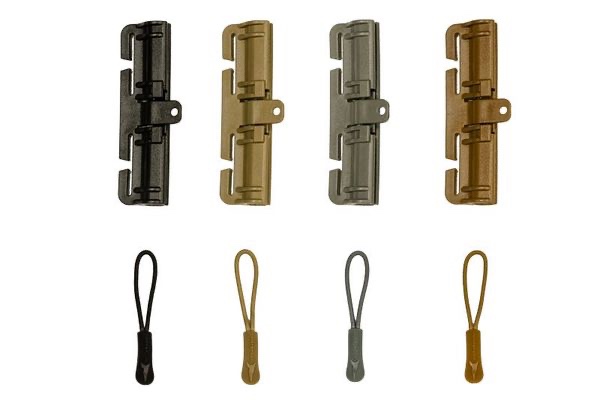
FirstSpear is pleased to announce the official release of Split Bar Tubes® Fasteners for purchase on the web.

Male and female Split Bar Tubes® Fasteners are offered in 4 inch and 2 inch sizes as well as four different colors: black, coyote, foliage green and tan.

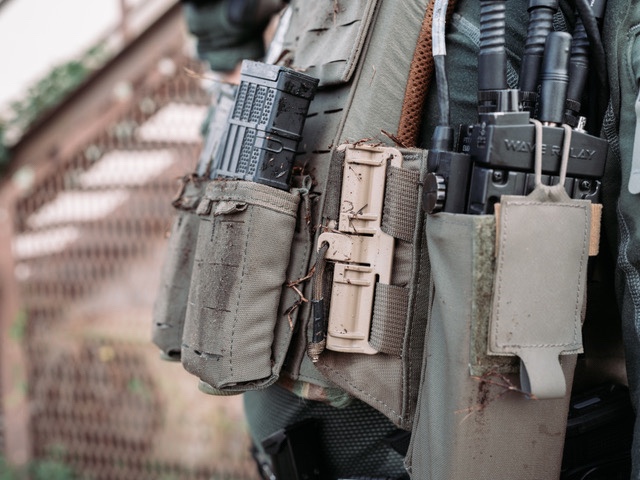
Tubes® Quick Release technology allows end users to don and doff in seconds. Single handed operation with a two-motion quick release allows you to engage the lift gate with 3 to 4 pounds of force and slide in either direction to release the buckle. Ditch your cable, faster re-assembly and repeatable fit every time. Tubes® Fasteners eliminate the need for additional layers of fabric and Velcro and effectively reduce weight. Tubes® Fasteners meet all U.S. military specifications for infrared signature reduction between 600 to 800 nanometers.

FirstSpear is in the business of providing innovative solutions to long unanswered challenges. Our Tubes® technology reaffirms that position. Quick to close and even quicker to doff, Tubes® fasteners are manufactured from lightweight high-performance polymers that exceed the strength of other molded fasteners currently used on operational equipment. Molded in signature suppressive colors and with a variety of choices for activation, this closure system can be rapidly deployed and completely reassembled in SECONDS. Tubes® technology will improve performance, enhance mission functionality, and reduce weight.

Visit FirstSpear to find all the gear and apparel for America’s Warfighter.