TYR Tactical

Archive for the ‘Guest Post’ Category

ERDC, Transatlantic Division Team Recognized with USACE Innovation Award

Tuesday, August 2nd, 2022

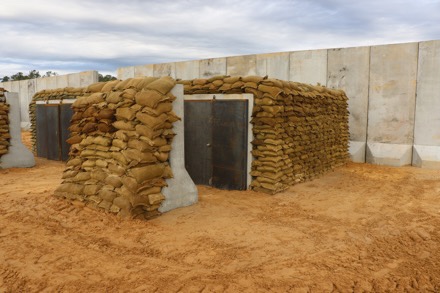
VICKSBURG, Miss. – A team from the U.S. Army Engineer Research and Development Center’s (ERDC) Geotechnical and Structures Laboratory (GSL), the U.S. Army Corps of Engineers (USACE), Transatlantic Division and the USACE Protective Design Center was recently recognized with the 2022 USACE Innovation of the Year Award.

The team developed simple and effective bunker enclosure door designs for the U.S. Central Command (CENTCOM) to help reduce risk for traumatic brain injury (TBI) to bunker occupants. The new designs sought to reduce the peak pressures experienced by an individual seeking shelter in a bunker by more than 90 percent.

CENTCOM’s area of responsibility encompasses more than 4 million square miles and stretches from Kazakhstan to Yemen.

“The ERDC team, in coordination with the Transatlantic Division, developed modifications to existing bunker designs to reduce TBI vulnerability and provide design recommendations to the Army to address force protection challenges concerning current personnel bunkers,” said Bart Durst, ERDC-GSL director.

Throughout the research and design process, team members leveraged the Department of Defense’s High Performance Computing systems at ERDC to conduct more than 120 high-fidelity simulations of door designs and configurations.

The innovative solution was developed within a very short timeline using the survivability knowledge maintained through ERDC’s Expedient Passive Protection program and their computational capabilities. The team was able to deliver the project in six months.

“I am extremely proud of ERDC-GSL’s contribution to this team and this project,” Durst said. “These innovations will tremendously benefit warfighters across the globe in the execution of their mission. These retrofits provided rapid solutions to address an urgent need for expeditionary force protection to reduce TBI vulnerabilities.”

ERDC Public Affairs

Building Resiliency with IRON

Monday, August 1st, 2022

HURLBURT FIELD, Fla. —  

Resiliency of our Air Commandos has always been on the forefront for AFSOC. The command is constantly on the lookout for new programs and initiatives to elevate the ways we can build up our Airmen.

In 2020, helping agencies within AFSOC united under one single initiative, the AFSOC Integrated Resilience Optimization Network (IRON), to bring a more functionally aligned and organized focus on resiliency for our Air Commandos and their families.

 “Building the resiliency of our Air Commandos is so important,” said Onnie Retkofsky, AFSOC Iron Division Chief. “Organizing the helping agencies together under one conceptual framework optimized our resiliency programs and resources within AFSOC, ultimately making them more effectively communicated, and providing the most benefit for our Airmen and their families.”

AFSOC IRON forges resilience around 5 domains: physical, psychological, cognitive, social, and spiritual.

As part of the IRON program, each AFSOC wing has its own IRON lead representative for each performance domain. These advocates coordinate with helping agencies and providers assigned to each pillar to ensure Airmen and their families have access to all resources available. They also coordinate events and facilitate working groups between the agencies of the pillar they represent.

The IRON framework hosts regular resiliency events at various installations across the command to discuss and collaborate on resiliency programs. Often these events are focused around a certain pillar, but always incorporating concepts from the other domains to create and teach a holistic view of resilience.

The AFSOC IRON team held an IRON Physical Performance summit here, July 19-21, bringing in IRON representatives and providers from across the AFSOC wings to collaborate and educate on the programs most recent developments and set the vision for the future of IRON: AFSOC’s Airmen performing at their fullest potential.

“We wanted the focus of this first year’s summit to be on the physical pillar, which has the ability to incorporate all Airmen in a neutral and positive setting regardless of their current individual situations. We will increase our summit to integrate the other resiliency pillars as funding allows and COVID restrictions lift, to continue to create and build a holistic approach to refining resilience in our Airmen” said Retkofsky.

Feedback the IRON team has received on the effectiveness of these resiliency summits, and the program as a whole, has been nothing but positive.

“What our helping agencies and IRON members love about these summits, is the fact that we can all meet, learn and advocate for resiliency programs and techniques in-person again, said Retkofsky. “Meeting over Microsoft Teams once a month allows us to stay connected, but nothing beats the collaborative process of being together in-person.”

To learn more about the IRON program and resources you have available, reach out to your wing’s IRON representative.

By Air Force Special Operations Command Public Affairs

PEO Soldier Holds Relinquishment of Charter Ceremony for PM Soldier Maneuver and Precision Targeting

Sunday, July 31st, 2022

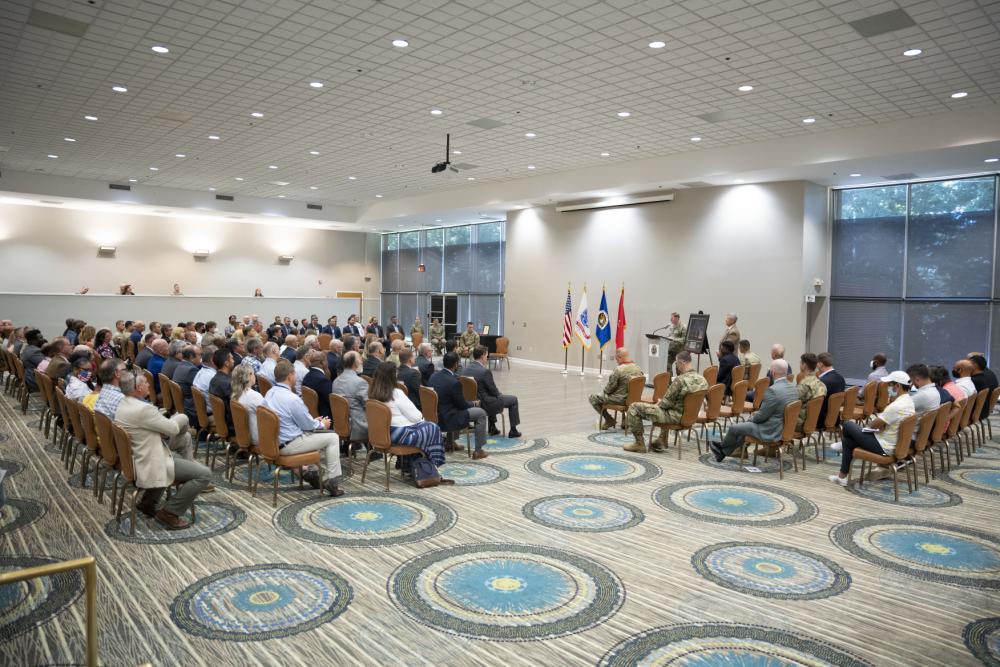
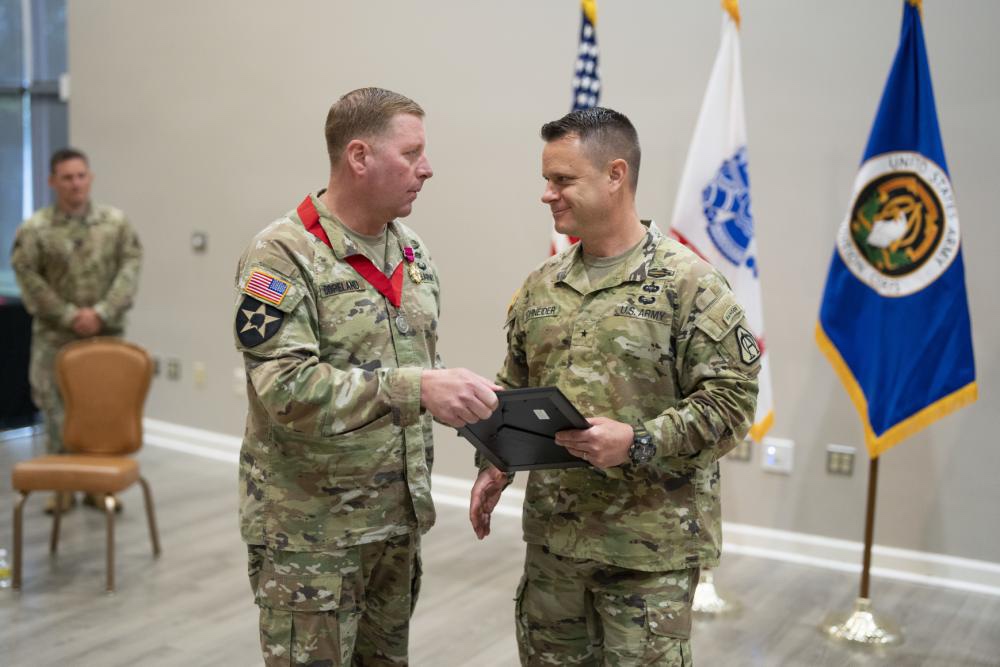
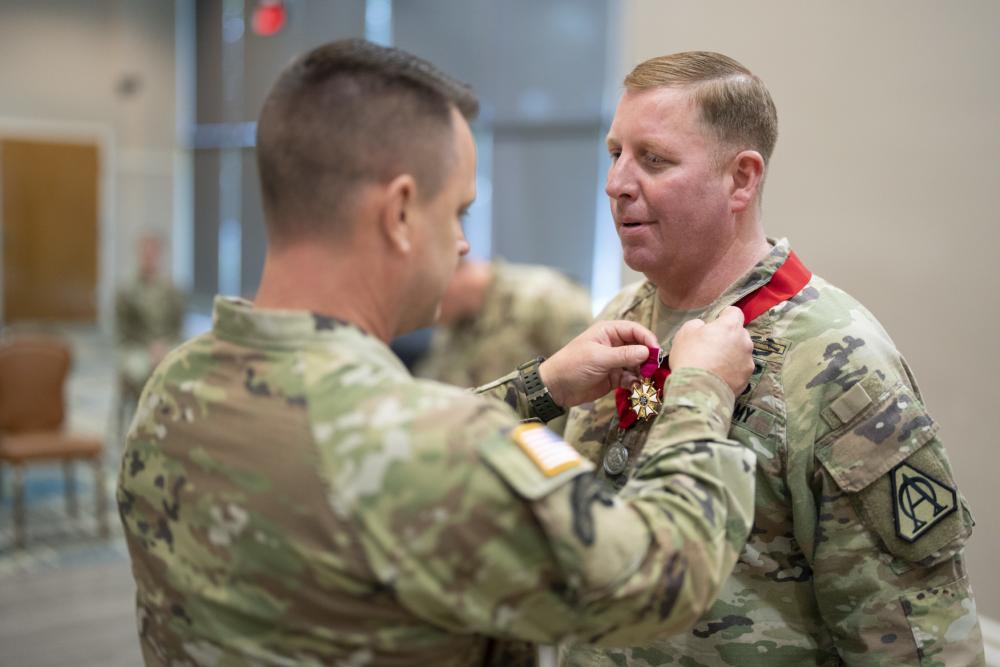
FORT BELVOIR, VA – Project Manager, Soldier Maneuver and Precision Targeting (PM SMPT), executed a relinquishment of charter ceremony on Fort Belvoir, July 14.

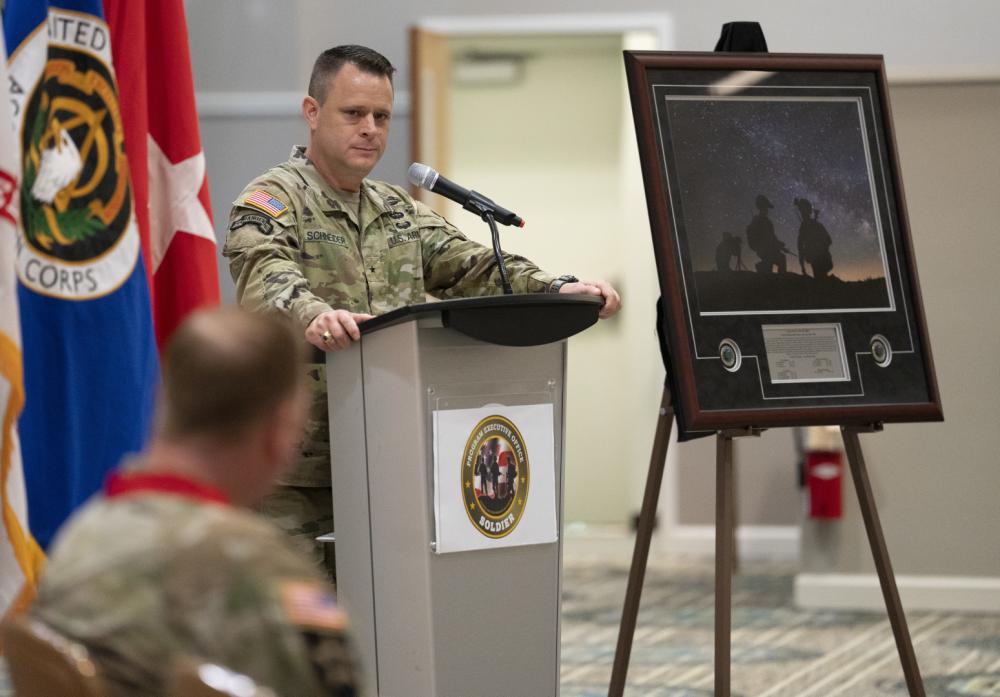
In his final act as Project Manager for SMPT, Col. Douglas Copeland, turned over the organizational charter to Brig. Gen. Christopher Schneider, Program Executive Officer (PEO) Soldier, signifying the disestablishment of the project management office, after more than 20 years of providing Soldiers with capabilities designed to enhance lethality, mobility and survivability.

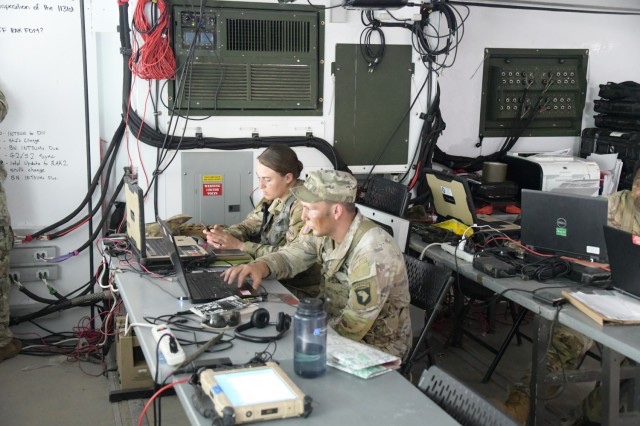
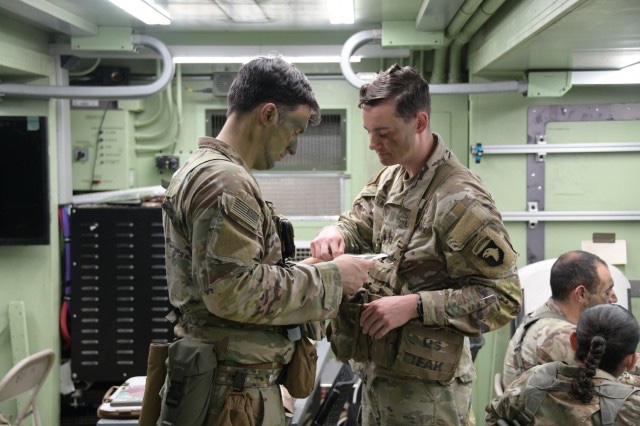
Initially established as Product Manager Sensors and Lasers in 2002, the SMPT team developed and delivered night vision devices, thermal weapon sights, Soldier borne sensors, aiming lasers and precision targeting systems. In 2009, and commensurate with increased responsibilities due to wartime requirements, the team was converted to a Colonel-led project management office and re-designated Project Manager Soldier Sensors and Lasers. In 2019, the team was renamed Project Manager Soldier Maneuver and Precision Targeting and continued to deliver critical technology to U.S. forces.

“I was incredibly lucky to get to join the team that we’re celebrating today. This PM team is filled with incredible professionals. We have military, civilians and contractors who are literally the best at their craft and experts in their field. It’s my hope that I was able to provide the team with the right resources, a steady approach and clarity-in vision and intent along the way,” said Copeland.

During his time as project manager, SMPT accomplished many things, including equipping the Army with the Enhanced Night Vision Goggle-Binocular beginning just 12 months after requirement approval. Copeland thanked the SMPT team for allowing him to be part of their successes and credited them for their ability to adapt and overcome obstacles presented by the COVID-19 pandemic.

“This team did a lot of incredible things, even despite the pandemic. It forced us to disperse and work from home, but that didn’t stop you. This team maintained a high performing and close-knit culture even while teleworking. That says something about the men and women on this team. We never missed a fielding. There’s a global shortage of subcomponents and all sorts of challenges that we had to work through, and this team made it through on its own initiative. You did it, not me. I look forward to seeing the members of this team continue to do great things for the Army,” said Copeland.

Personnel assigned to SMPT will continue to serve after re-organizing within Project Managers Integrated Visual Augmentation System (IVAS) and Soldier Lethality. Copeland will remain with PEO Soldier serving as the Assistant Program Executive Officer, Soldier.

“If you want to get a master class in watching somebody command a formation day in and day out, that’s what Doug has done from day one. This is tough work and I’m incredibly proud of him. I know the team is proud of him and there’s no doubt wherever his future takes him, people are going to be lucky to have him in their formation,” said Schneider.

Story by Jason Amadi, PEO Soldier

SCUBAPRO Sunday – Happy Birthday U.S. Coast Guard

Sunday, July 31st, 2022

The formal history of the Coast Guard dates to August 4, 1790, when the first Congress ordered the building of 10 vessels to enforce federal tariff and trade regulations and combat smuggling. The Coast Guard, also known as the Revenue Marine and the Revenue Cutter Service in the nineteenth and early twentieth century, rose in number and responsibility as the country grew. The Coast Guard is one of the federal government’s oldest agencies, and until Congress founded the Navy Department in 1798, it was the country’s only afloat armed force. Throughout their lengthy history, the Coast Guard has defended the country and has proudly served in all of the country’s battles. Even now, our national defense responsibilities are one of our most critical functions.
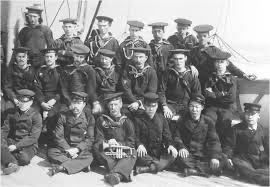
The service was given its current name in 1915 when Congress combined the Revenue Cutter Service and the Life-Saving Service to create a unified maritime service focused on saving lives at sea and enforcing the nation’s maritime laws. When President Franklin D. Roosevelt ordered the transfer of the Lighthouse Service to the Coast Guard in 1939, the Coast Guard began to maintain the country’s aids to marine navigation, including running the nation’s lighthouses.
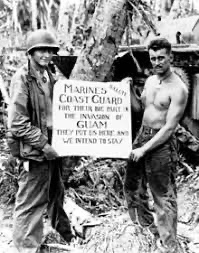
During World War II, the Coast Guard’s participation in amphibious operations was possibly the most critical war-related task the organization undertook. Surprisingly, the Coast Guard operated about 350 naval ships, including 76 LSTs, 21 cargo and attack-freight ships, 75 frigates, and 31 types of transport. In addition, the Coast Guard had almost 800 cutters, nearly 300 Army ships, and thousands of amphibious assault vessels on standby.

A group of small landing craft sped toward the beaches of Guadalcanal on September 27, 1942. About 500 troops from Col Lewis B. “Chesty” Puller’s 1st Battalion, 7th Marines were huddled on the beach, fighting for their life.
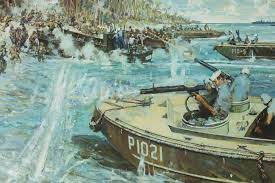
The Marines had landed on the beach earlier that day by the same group of landing craft, and now they were being retrieved. Coast Guard Signalman 1st Class Douglas Munro guided his LCVP between the departing Marines and the Japanese as the LCVPs (Landing Craft, Vehicle, Personnel) and LCMs (Landing Craft, Mechanized) approached the shore. Munro permitted the landing craft to safely evacuate all the Marines, including the injured, by placing his craft between the men on the beach and the enemy.

Munro guided his vessel away from the beach as the last men boarded. When the skies were nearly clear, Japanese gunfire struck Munro, killing him instantly. Munro received the Medal of Honor after his death. Given the Coast Guard’s rescuing legacy and the pivotal role the service played during WWII, it’s fitting that the service’s lone Medal of Honor recipient was involved in not only a rescue but also an amphibious operation.

The Bureau of Marine Inspection and Navigation of the Commerce Department was permanently transferred to the Coast Guard in 1946, bringing merchant marine licensing and merchant vessel safety under their jurisdiction.
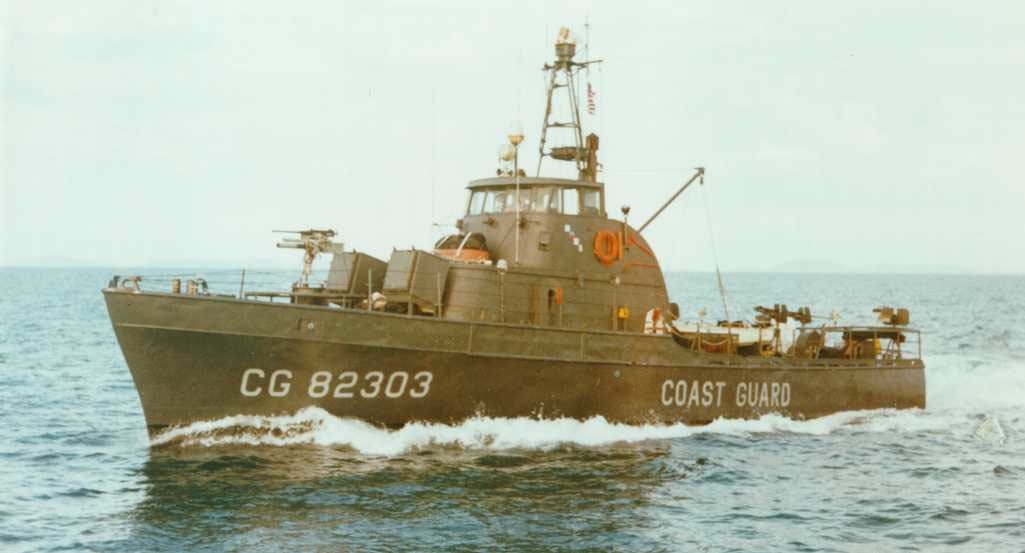
The Coast Guard also played a significant role in Vietnam, doing everything from installing aids to navigation to supporting the war on the rivers and in the sky. The installed and manned Long-Range Aids to Navigation (LORAN) stations, allowing mariners and aviators to fix their positions correctly. The initial goal of the LORAN system was to offer electronic aids to mariners and aviators in places where there were no surface aids, relatively unexplored waters, or skies that were regularly clouded.

The Navy’s campaign to minimize coastal infiltration was aided by Coast Guard cutters, forcing communists to rely on the Ho Chi Minh Trail to maintain their insurgency in the south. According to wartime records, Coast Guard cutters boarded a quarter-million junks and sampans and took part in 6,000 naval firing exercises.  The LORAN station in Tan My, Vietnam (U.S. Coast Guard) port missions caused significant damage to the enemy.

The Coast Guard-Air Force Aviator Exchange Program brought together Coast Guard and Air Force pilots. The program included two Coast Guard C-130 pilots, while the rest of the aviators were HH-3 helicopter pilots. The first of several Coast Guard helicopter pilots were posted to the Air Force’s 37th Aerospace Rescue and Recovery Squadron at Da Nang in the spring of 1968. Four Silver Star Medals, 15 Distinguished Flying Crosses, and 86 Air Medals were among the medals and awards given to Coast Guard aviators as a result.
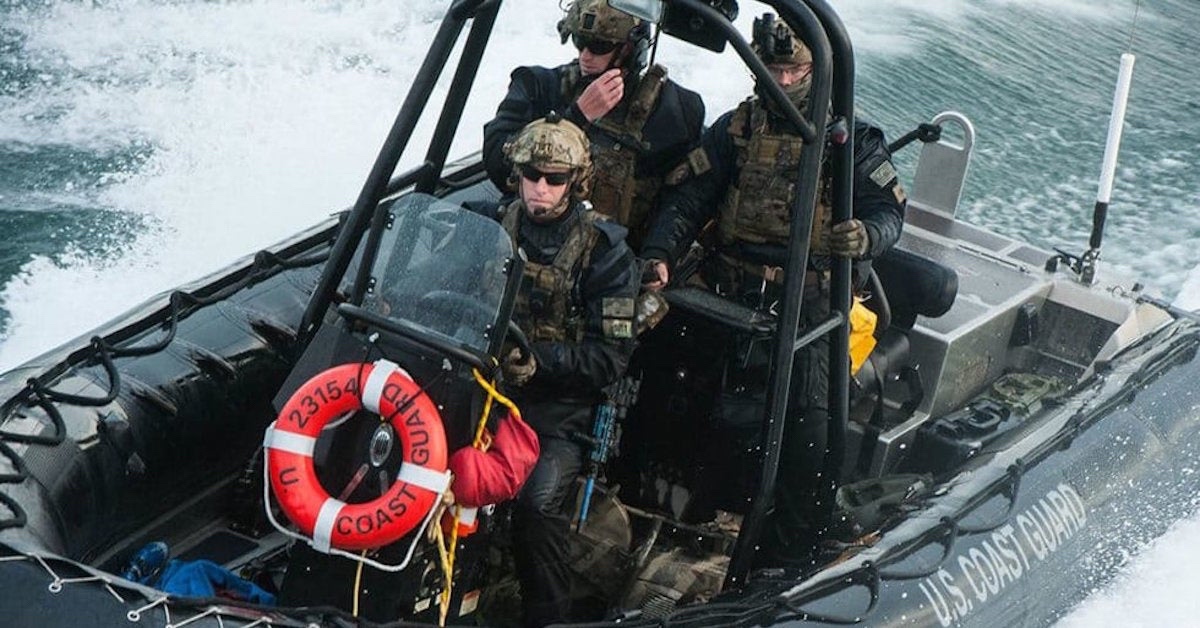
The Coast Guard has been part of the Department of Homeland Security since 2003, serving as the nation’s front-line agency for enforcing maritime laws, preserving the marine environment and the country’s enormous coastline and ports, and saving lives. Following the terrorist attacks of September 11, 2001, the Coast Guard underwent significant modifications as part of the War on Terror. Before the 9/11 attacks, the Coast Guard used boat stations and cutters to safeguard U.S. ports, waterways, and coastlines. After the attacks, the Coast Guard shifted resources to serve additional maritime security functions required in the post-9/11 environment.
President George W. Bush signed the Maritime Transportation Security Act (MTSA) in 2002 to secure the nation’s ports and waterways from terrorist threats. The MTSA established a Coast Guard maritime security unit as part of the Department of Homeland Security’s layered approach to protecting seaports and waterways. The Coast Guard formed Maritime Safety and Security Teams (MSSTs) in the same year to assist the Ports, Waterways, and Coastal Security missions and provide non-compliant vessel boarding capabilities for service missions. Waterside security, marine law enforcement, and K-9 explosives detection units are among the 11 MSST teams that exist today.
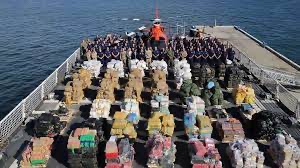
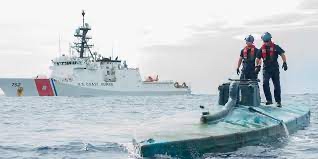
Military force protection, U.N. General Assemblies, national political conventions, international economic summits, disaster relief efforts, and major sporting events such as the Super Bowl have been MSST duties. They play a significant role in the war on drugs and keeping our streets safe. In F.Y. 2019, the Coast Guard removed 207.9 metric tons of cocaine and more than 63,000 pounds of marijuana from getting into the U.S. and Canada.
Lastly and possibly most importantly, they responded to 19,790 Search and Rescue cases, saved 3,560 lives, and more than $77 million in property. Some of the 3,560 are fishermen in Alaska, and the Coastie’s put their lives on the line every day to keep them safe.
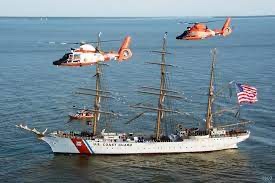
Happy Birthday Coast Guard


Army’s Mission Command Convergence Efforts Laying Coundation for Tactical Data Fabric

Sunday, July 31st, 2022

ABERDEEN PROVING GROUND, Md. (July 20, 2022) – The Army’s effort to converge mission command applications onto a “single pane of glass” reached another key milestone last month as the next increment of Command Post Computing Environment (CPCE) software achieved Milestone B approval.

CPCE Increment 2, or Inc 2, marks the second significant convergence of warfighting functions into CPCE and will collapse fires and intel apps onto the software framework. Inc 2 also integrates mission planning and airspace control tools, and initial tactical data fabric (TDF) capabilities.

Milestone B approval designates the start of the engineering and manufacturing development phase and sets the conditions for operational test and evaluation and ultimately, a full deployment decision.

Programs of record with ongoing convergence efforts onto the CPCE framework as part of Inc 2 include the Advanced Field Artillery Tactical Data System, or AFATDS, which provides automated fire-support command, control and communications; intel apps including All Source II, Information Collection, Intel Support to Targeting and Weather Operational Effects; integrated mission planning and airspace control tools including the Aviation Mission Planning System and Tactical Airspace Integration System; ENFIRE, a reconnaissance and surveying toolset, which provides Army engineers the means to facilitate rapid collection and dissemination of terrain information; and Cyber Situational Understanding, also known as Cyber SU.

“Collapsing these mission command applications provides an opportunity for commanders to envision the holistic battlefield from one source,” said Lt. Col. Travis Rudge, product manager for Tactical Mission Command. “The Army is working across its network and intel partners, ground and aviation platform offices, Corps of Engineers and other stakeholders to make this convergence a reality.”

The implementation plan for Inc 2 identifies the CPCE TDF as its priority effort in concert with logistics status and sustainment-running estimate capabilities. The remaining operational needs – including role-based access controls, terrain analysis and application automation, among others – are being analyzed by the Army’s capability development and requirements community. Once delivered, these remaining operational needs will improve interoperability, common look and feel, and cross-cutting capabilities across the Mounted Computing Environment and Mobile Handheld Computing Environment, leading to additional improvements in usability and training.

Additional enhancements planned for Inc 2 include critical cybersecurity measures to enable Tactical PKI implementation and certificate management, integrate a password management tool and encrypt data at rest.

The initial CPCE TDF delivered in Inc 2 will begin bridging enterprise and tactical data sources, and simplify and accelerate the sensor-to-shooter kill chain. The Army is taking a hybrid approach for its data fabric architecture, integrating ARCYBER’s lower echelon analytics platform, or LEAP, and components of the U.S. Army C5ISR Center’s Rainmaker capability to help provide improved data access, management and synchronization. Advancements from CPCE Inc 1 to Inc 2 software have set the stage for cloud-enabled mission command. Modification of the software will allow CPCE to access the power of the cloud infrastructure, removing dependencies of the application to legacy hardware while increasing scalability.

“CPCE Increment 2 is our contribution to the Army Data Plan and JADC2, helping our deployed units sense, make sense and act on data,” said Col. Matt Paul, project manager for Mission Command. “It allows commanders to be data centric, treating data as an asset to make better data-driven decisions.”

Coupled with CPCE Inc 2 software, Tactical Server Infrastructure version 3, or TSIv3, hardware will reduce the hardware footprint with smaller and more powerful servers and deliver increased computing resource requirements in support of Program of Record convergence.

Developmental Security Operations, or DevSecOps, continues to drive program development based on real-world feedback from Soldiers. Last month, technical leads from Project Manager Mission Command (PM MC) met with ARCYBER, U.S. Army Pacific (USARPAC) and 25th Infantry Division (25ID) leadership to coordinate TDF design needs and potential USARPAC experimentation support plans. PM MC personnel assisted USARPAC and 25ID in developing network visibility use cases and data collection parameters through LEAP to gain better insight based on mission needs.

Additional DevSecOps partners include USAREUR-AF, XVIII Airborne Corps, I Corps and USASOC. Ongoing experimentation efforts in the INDOPACOM area of responsibility are informing future TDF implementation and CPCE enhancements.

A full deployment decision and the first unit equipped for CPCE Inc 2 are both scheduled for 2024.

By Justin Eimers, PEO C3T Public Affairs

New Flight Milestone in Hexa Testing

Saturday, July 30th, 2022

EGLIN AIR FORCE BASE, Fla. (AFNS) —  

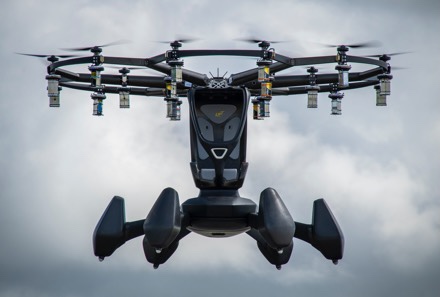
The LIFT Hexa, an electric, vertical takeoff and landing aircraft, or eVTOL, recently completed its first test flight at Duke Field.

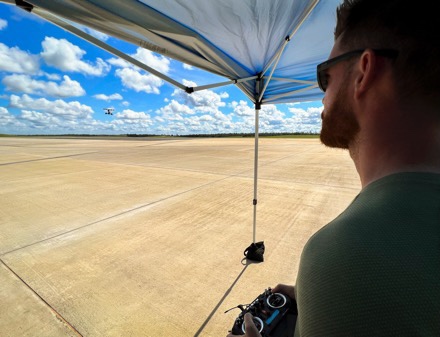
The unmanned aircraft, piloted via remote control, used 18 motors and propellers to fly for approximately 10 minutes and reach a height of about 50 feet during the test flight.

The test was an important first step toward the incorporating the Hexa into operations at a controlled military airfield.  Duke Field is an auxiliary field located North of Eglin Air Force Base’s main base. This flight was completed by Hexa 09, one of two aircraft stationed at the installation. Hexa 05 was used for the first test flight at Eglin AFB in April.

The 413th Flight Test Squadron, the Air Force’s rotary wing developmental test experts, has partnered with AFWERX’s Agility Prime to advance eVTOL test and experimentation. The unit, located at Duke Field, provides the coordination, logistics and support for the LIFT team’s developmental ground and flight-testing operations.

“This is an opportunity to leverage some of the unit’s expertise with rotary aircraft and apply it to this new field of electric propulsion aircraft,” said Maj. Riley Livermore, 413th FLTS Futures Flight commander. “This flight was an important step in advancing the testing forward.”

By Samuel King Jr., Eglin Air Force Base Public Affairs

SureFire Field Notes Ep 72 – How to Cheat: Max Point Blank Theory with Alex Hartmann

Friday, July 29th, 2022

Alex Hartmann is a former Marine Corps Scout Sniper with multiple deployments to Iraq and Afghanistan. After leaving active service in 2016, his mission to serve the tactical population continued as a co-founder of Ridgeline Defense, a Service-Disabled Veteran Owned Small Business whose mission is to defend America and her interests both at home and abroad, through the training and equipping of Military, Law Enforcement, and vetted Civilian clients. The Ridgeline Training Center is located in Dalton, NH, in strategic partnership with the Team O’Neil Rally School. Their facility is designed by Special Operators and purpose-built to support world-class training, as well as to provide a discrete location for Research, Development, Testing, and Evaluation.

www.ridgelineshooting.com

Special thanks to The Ranch TX and Shooter Symposium for making this episode possible.

www.theranchtxclub.com

For more on SureFire:

www.surefire.com

OTTE Gear – Covert Escape Evade Kit

Friday, July 29th, 2022

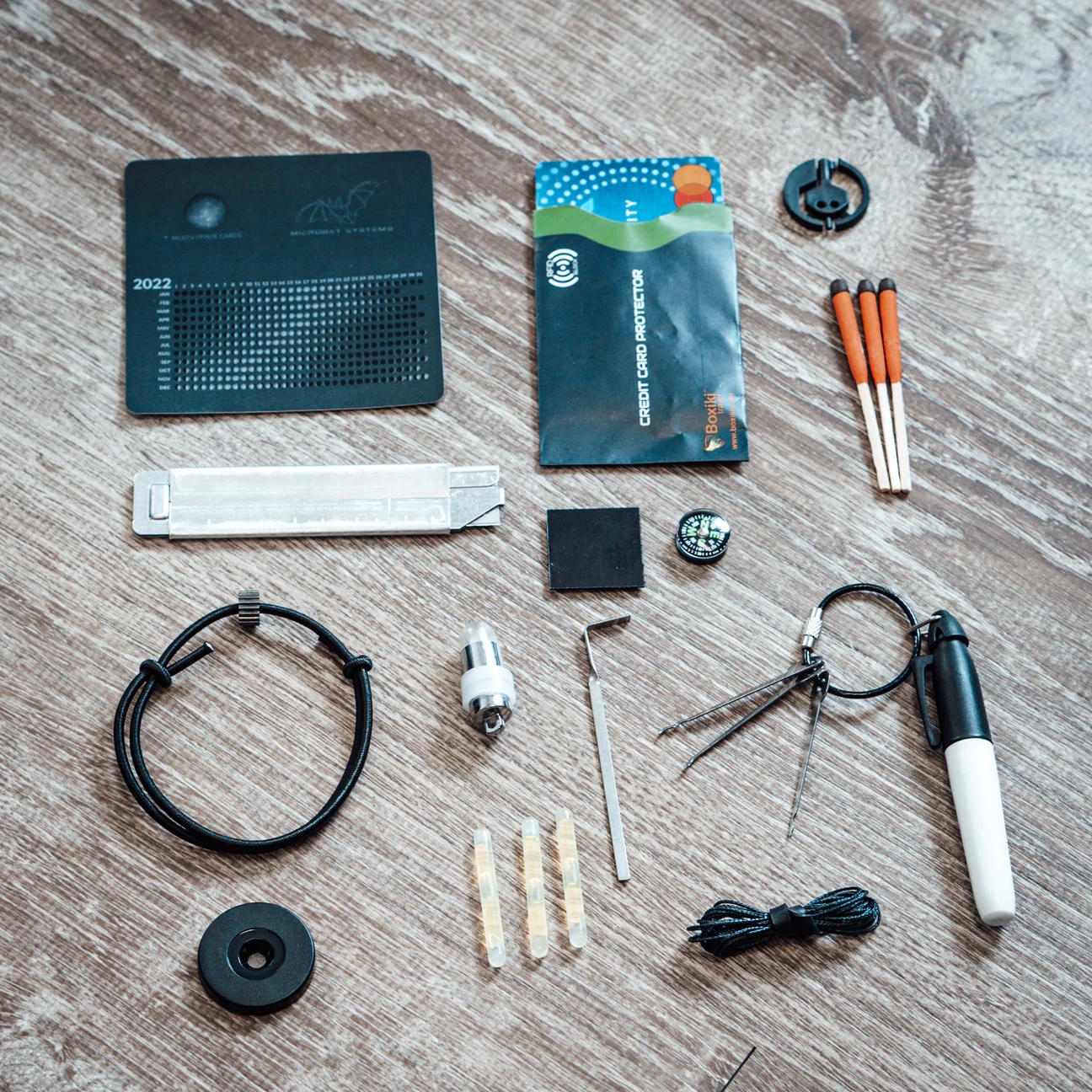
The C.E.E.K. (Covert Escape Evade Kit) is OTTE Gear’s solution for the everyday civilian who wants to have on his person or gear, certain tools that would be needed during an Escape and Evasion (E&E) Scenario. Designed to be small and discreet, this kit is not just for military operators or intelligence agents. Civilians can just as well utilize them for travel or EDC.

The kit includes:

MICROBAT MICRO CANDY: The Candy Micro is a Velcro-backed 4″x4″ pouch with a 4″x2″ Loop Velcro strip on the front side for identifier patches. The Candy Micro has nearly unlimited uses, Micro’s can fill roles of exterior organization of critical items on Chest Rigs and Plate Carriers, compartmentalization inside backpacks, or supplemental storage on the upper sleeves of combat shirts.

OSS LOCK PICK MICRO SET: 3 Inch tension bar, Short Hook (flat top), Snake (3/7 raker), Camel Back

MOON PHASE CARD: The Faze Card Allows the End User to Quickly Check the Natural Illume for one Calendar Year, Faze Cards are made of a Durable Light Weight Plastic Material, They Measure 3.5″x 3.5″ and fit Inside the Micro Candy Pouch for Storage and Reference.



GTFO WRIST STRAP: Lightweight, fully adjustable, and discreet; these straps are made of an elastic material and a tungsten carbide stryker bead. Designed by 4TAC5, this tool facilitates emergency vehicle egress via side or rear windows in confined spaces.

INFARED ID SQUARE: Infrared ID Squares and Circles Have Long Been Used to ID Friend/Foe on Friendly Kit and Uniforms, Made with Mil-Spec IR Material and Industrial Velcro.

NFC DISC: This small and discreet disk is easily concealed and allows the passage of information between devices by proximity versus sending over networks. 

FIELD SCRIBE: Quickly jot down notes, license plates, descriptions, etc.,

UNIVERSAL HANDCUFF KEY: Made from glass-filled nylon this Universal Handcuff Key is undetectable by metal detectors and durable.

MICRO GLOW STICKS: These micro light-sticks are a highly concealable light source.

6FT 100LBS KEVLAR CORD: Black Braided Kevlar Line is made of 100% Dupont Kevlar Fiber, multi-strands weaving process which means high strength, high anti-abrasive and excellent resistance to cut

MICRO COMPASS: This super compact button compass is balanced for the northern hemisphere.

MICRO LIGHT: This small nonblinking light is powered by three replaceable 1.5V LR41 button cells (strong light lasts for 4 – 5 hours)

STORM PROOF MATCHES: Stormproof matches that are easy to light, and will stay lit for up to 15 seconds, even after being submerged in water.

POP KNIFE WITH STRIKE PANEL: Safe, fully retractable blade with 3M Match Striker Sticker on the side.

RFID CARD SLEEVE: This sleeve is equipped with advanced RFID SECURE Technology, a unique metal composite, engineered specifically to block 13.56 MHz or higher RFID signals and protect the valuable information stored on RFID chips from unauthorized scans.

Note: This kit was not designed to thwart Law Enforcement or endanger those protecting our streets daily.