Phantom Lights

Archive for the ‘Guest Post’ Category

Wright-Pat’s GearFit Shortens Feedback Loop

Monday, July 25th, 2022

WRIGHT-PATTERSON AFB, Ohio (AFNS) —  

A new application called GearFit is giving Airmen a direct line to share feedback on fitment and utility of the gear they wear to perform their missions.    

Members can input their comments on body armor, harnesses, helmets and more, and they are instantly shared with the development teams responsible for designing and acquiring that gear.     

Taylor Harrison, Combat Ready Airman program manager in the Agile Combat Support Directorate, joined with Nicole Wright and Sarah Tress with Skylight Digital, on an episode of AFLCMC’s Leadership Log podcast to discuss the new application.     

“This program has been super amazing because we are getting feedback from our Airmen, the end user,” Harrison said.  “We are not just delivering and hoping that we hit the mark.”     

This application, and the Combat Ready Airman program, is designed to help the 91% of Air Force jobs that do not include aircrew members or special operations, which already have programs focused on their needs.     

“We focus solely on maintainers, Security Forces, medics, anybody that isn’t aircrew or special ops,” Harrison said.  

Currently, equipment is identified at the unit level, which leads to a lack of consistency for gear across the Air Force.  The Combat Ready Airman program is looking to ensure all gear is standardized. That could be simply providing a list of approved body armor vests that units can pick from.   

GearFit came about in 2019 as the result of an AFWERX challenge. Specifically, it was designed to collect anthropometric data on female Airmen to better define requirements and specifications of gear being acquired from industry. The program is now expanded to collect data from male Airmen as well.  

Nicole Wright, GearFit product manager, led the team from Skylight Digital that collaborated with Air Force developers at the Business and Enterprise Directorate’s BESPIN software factory to develop the GearFit website.  

“We are working on building out the GearFit website and experience. We are continuously releasing new features and iterations on feedback we hear to get closer to optimizing the goals that Taylor was talking about,” Wright said.         

You can also listen by searching “Leadership Log” on YouTube, Apple Podcast, Google Podcast, Spotify, Overcast, Radio Public or Breaker.

By Daryl Mayer, Air Force Life Cycle Management Center Public Affairs

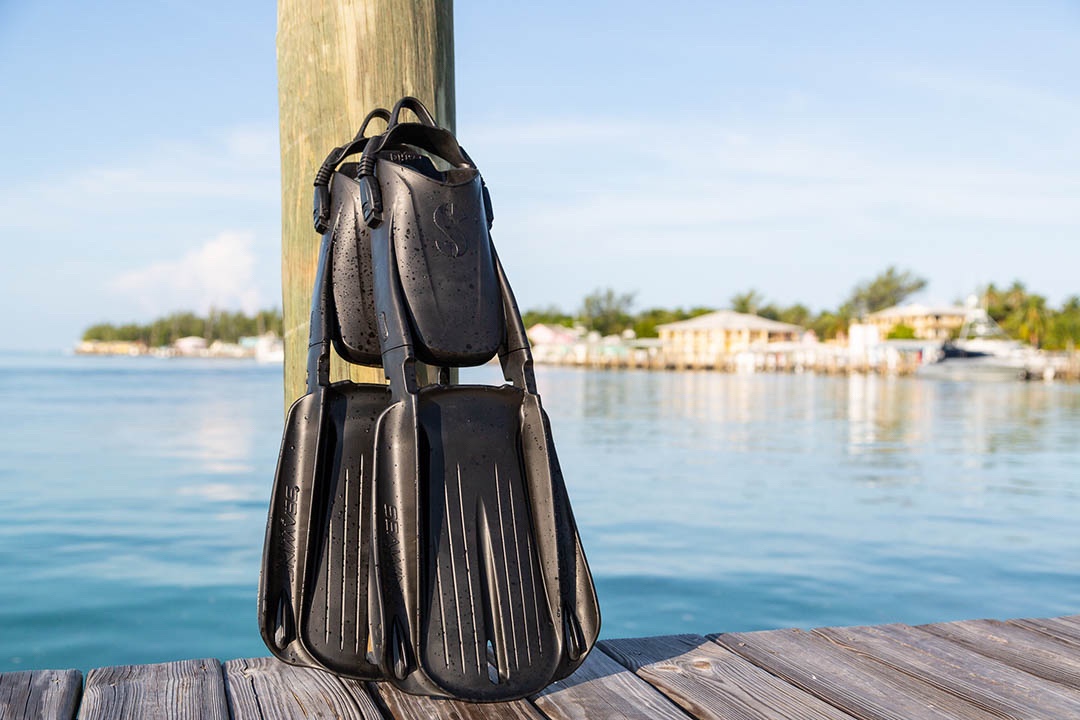
SCUBAPRO Sunday – The Seawing Supernova

Sunday, July 24th, 2022

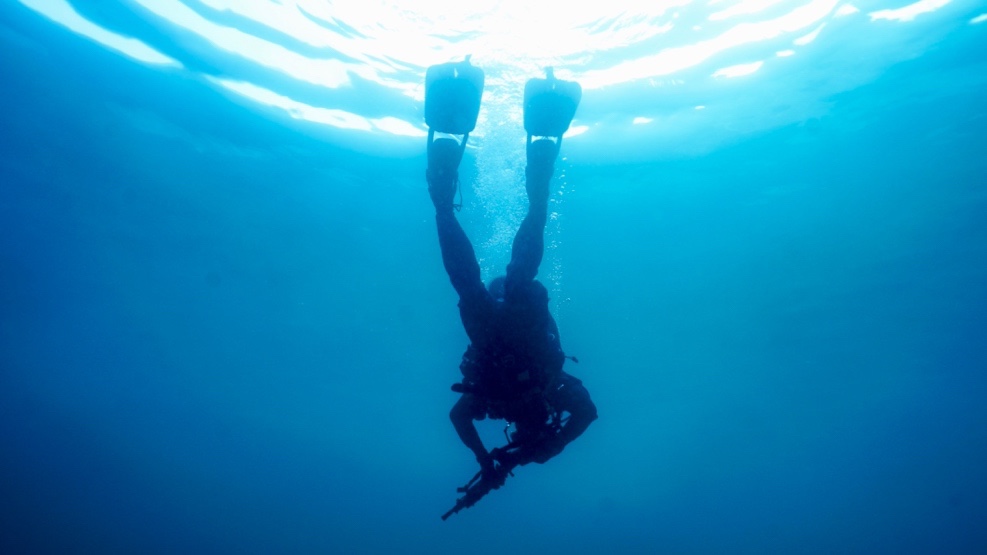
Following in a long line of great fins. The new Seawing Supernova continues in those footsteps (get it footsteps? It’s a fin, and your foot makes a, No ok).

I started using the Supernovas a couple of months ago and noticed a difference immediately. I felt like I had a lot more maneuverability than with conventional fins. It also feels like what you expect a great dive fin to feel, but without the weight and, honestly, a lot more flexibility on the kicks, Frog, Reverse, Scissor or Flutter.

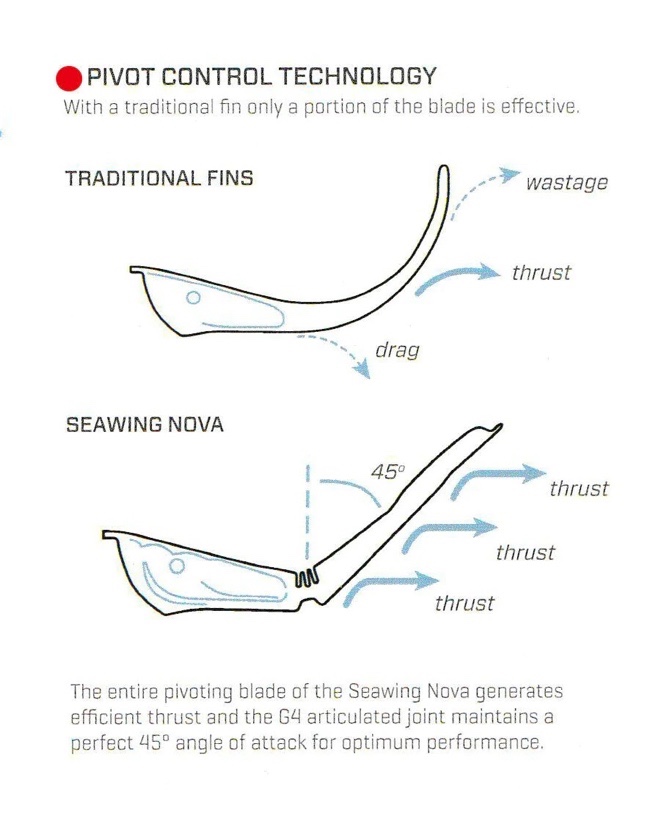
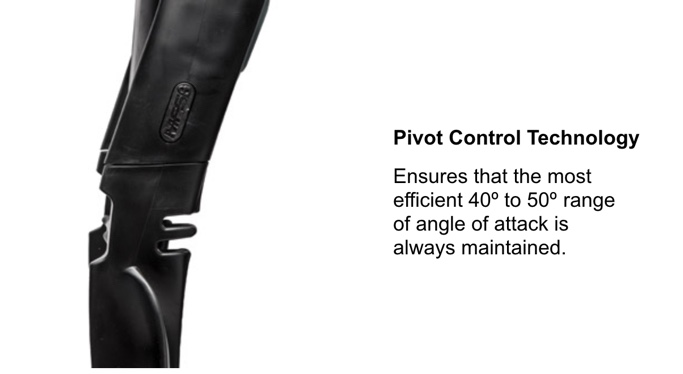
A diving fin needs power, and the Seawing Supernova has it. The fins are designed with Pivot Control Technology. The blade is pre-set in the 40º to 50º range, which is the appropriate angle of attack for the blade and ideal for translating kicks into forward propulsion.

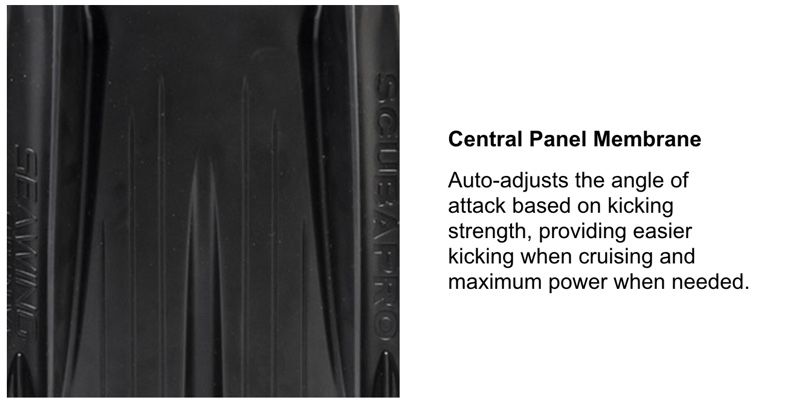
The blade’s revolutionary flexible Auto-Adjust center panel coordinates with this hinge mechanism to adjust the angle of attack by counter-pivoting in response to the force of the kick. So, what does that all mean? On a traditional paddle fin, the harder you kick, the more the blade bends. That means a soft fin will achieve the ideal 45-degree angle when kicked gently but will over-bend and lose thrust when kicked hard. On the other hand, stiffer fins achieve that ideal 45-degree angle when kicked hard but remain too flat to be efficient when kicked gently.

Consequently, both types require the diver to compromise their kicking style to get any efficiency out of the fin.

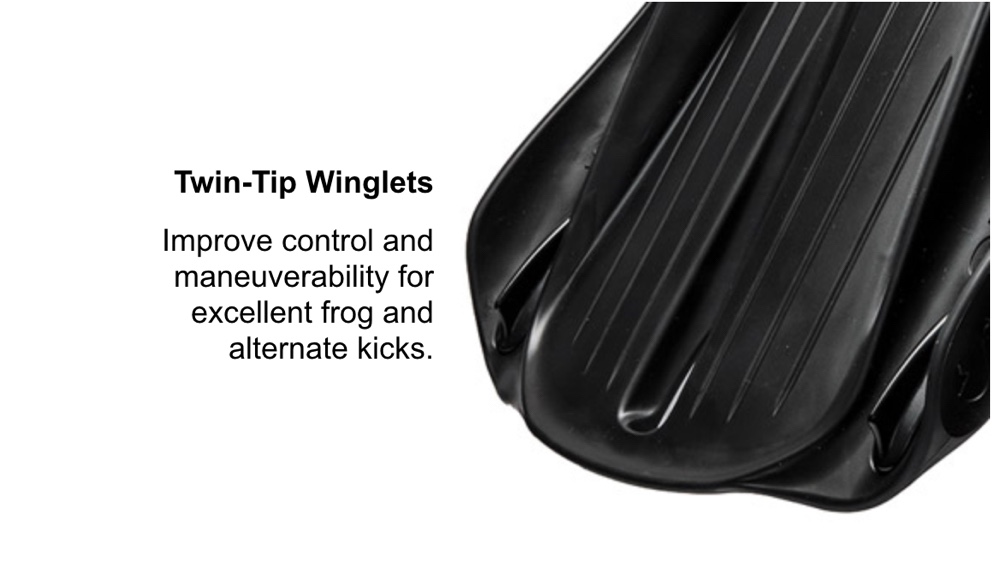
When you are fining, you can kick so hard that it will bend the blade so far back that it can “technical” pull you backward; this offers a softer angle of attack for comfort while lightly kicking, a more aggressive angle of attack when powerfully kicking, and anything in between. New twin-tip winglets improve control and maneuverability when doing frog and alternating kicks.

The Seawing Supernova, winner of the prestigious Red Dot Award for product design, is a remarkable improvement over the Seawing Nova in terms of performance, construction, fit, and versatility. It also features a cutting-edge blade shape that generates significantly more power, speed, and maneuverability.

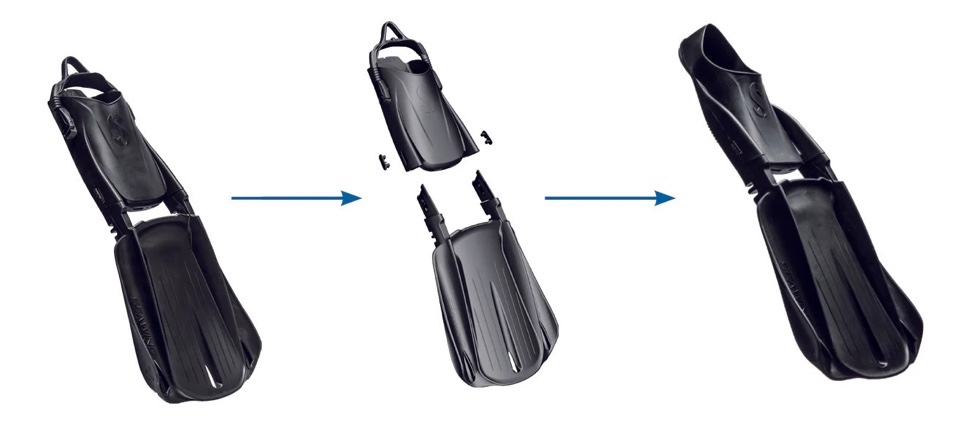
The Seawing Supernova also has a novel two-piece design, with the blade and foot pocket molded separately, is made of quality Monprene® for maximum durability, and breaks down effortlessly for transport. This will also allow you two change your blades as SSCUABPRO designed more. The Seawing Supernova’s open heel foot pocket has an updated heavy-duty bungee strap that enables micro-adjustments to accommodate various boot types and extended grip pads that improve non-skid traction on wet surfaces. It is sold as an open heel set with a foot pocket and blade already built.

Additionally, the two-piece construction enables the option of a full foot pocket in place of the usual open heel foot pocket for barefoot diving. You may quickly get ready to hit the water by disassembling the fin’s Socket-Lock Connecting System, replacing the open heel foot pocket with a complete foot pocket, and then reassembling. The entire foot pocket also has a re-profiled heel-retention cup to reduce slippage and chafing and is made of superior Monprene®

Project Arc Fosters Innovation Across Air and Space Force

Sunday, July 24th, 2022

PATRICK SPACE FORCE BASE, Fla. – Scientists and engineers across the U.S. Air and Space Force are being deployed to more than a dozen bases in the United States to develop innovative solutions to a variety of problems.

The Airmen and Guardians are part of Project Arc, a program that sends scientists and engineers to 13 bases in nine states where they use their skills to promote innovation and enhance mission efficiency.

“We need to be able to solve problems faster and with this program, we can put scientists and engineers side by side with operators to solve problems,” said Capt. Jason Goins, Air Force Technical Applications Center assistant director of operations and Project Arc manager.

“We talk about if we don’t accelerate change, we will lose,” Goins said. “And we know the next battlespace is going to be technologically focused. This is how we get after that. Our greatest strength is our diversity. Our advantage is our Airmen and Guardians. By taking advantage of their talents, we can deliver real time capabilities at the point of need.”
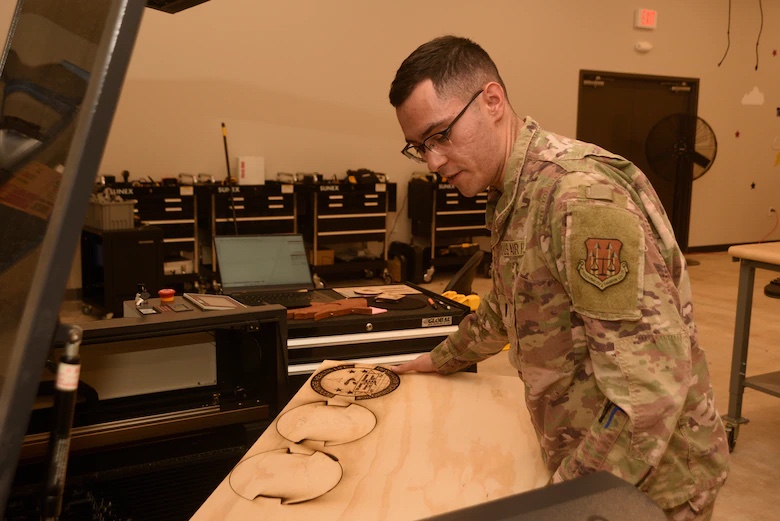
One Project Arc mechanical engineer deployed to Joint Base Pearl Harbor-Hickam, Hawaii, in October 2021. That engineer cut a monthly inventory check from eight hours to 20 minutes by automating tasks and using weight-based systems, Goins said. This saves “five-man weeks a year” at one base.

A team of computer scientists at Joint Base Andrews, Maryland, in November 2021, developed a software prototype for centralizing repair facility work order management that accelerates the repair process and saves 2,000-man hours a year, the captain said. The innovation is currently being considered for implementation across the service.

“The acquisition processes are in place to develop solutions, but they can take time to manifest and implement, so we are here to look at problem sets that are small in nature but can be scaled quickly through the products we develop,” said Space Force 2nd Lt. Kevin Tran, Space Analysis Squadron developmental engineer, Wright Patterson Air Force Base, Ohio.
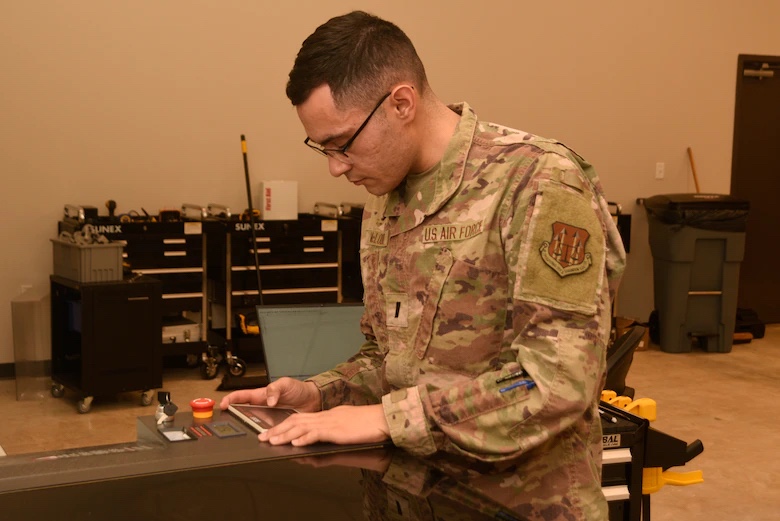
Tran is deployed to Patrick Space Force Base, Florida, where he works alongside Air Force 1st Lt. Kennith McLoud, Air Force Operations Test and Evaluations Center operations research analyst, who is deployed to Patrick from Eglin AFB, in Space Launch Delta 45’s innovation center, The Forge.

Since the duo arrived in April, they have met with several units at Patrick and Cape Canaveral Space Force Station. Those meetings identified several concerns including the damage corrosion causes, as well as the need for a medical training interface and a collaborative space launch environment where all launch data is centralized in one place.

“Corrosion is a big problem we are working on right now,” McLoud said. “Just from all the salt from the ocean and ultraviolet light, the environment is highly corrosive. Because of that the HVAC (heating, ventilation and air conditioning) chillers, which cool buildings and are supposed to last 15–20 years, are only lasting for four or five years.”
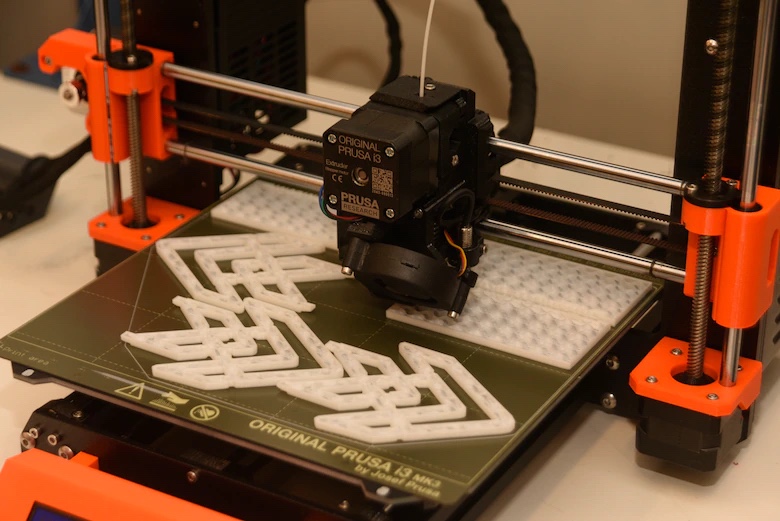
Research discovered corrosion was eating away the material the chillers are made of which eventually causes them to break down and be replaced.

Corrosion is also a concern of the 45th Logistics Readiness Squadron. The unit manages SLD 45’s government vehicle fleet.

“Many of those vehicles have to be serviced by a third-party company about every two years because the coating they’re using now isn’t holding up well,” McLoud said. “We discovered a silicon ceramic non-conductive coating that can be applied to multiple surfaces to prevent corrosion. That is something that can be used to extend the life of the chillers, protect government vehicles, and even extend the life of lighting fixtures.”
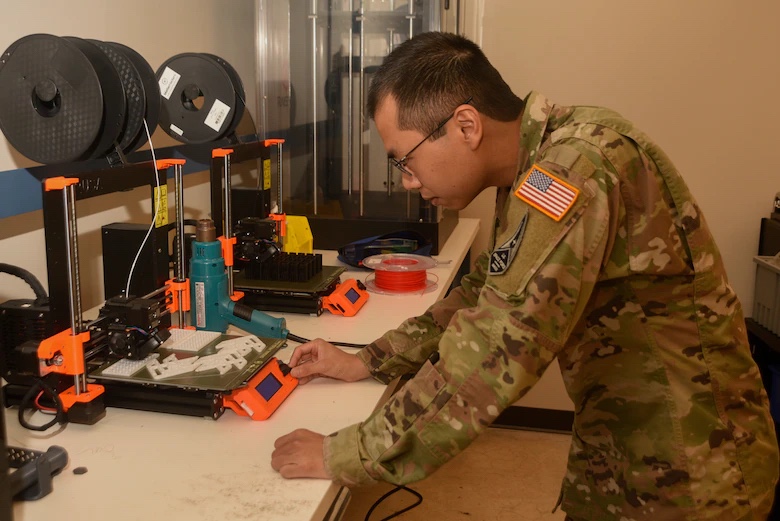
The coating can extend the life expectancy of HVAC systems and vehicles by at least four or five years, Tran added. This could lead to an estimated savings of $100,000 in annual maintenance costs.

Tran and McLoud are currently working on a dozen projects to enhance the space launch mission.

“Our adversaries are developing different ways to launch their payloads into orbit and if we don’t find ways to innovate, we will not be able to secure space and ensure access to space the way we want to,” Tran said. “We need to constantly push ourselves, take advantage of the expertise of our Airmen and Guardians, and help our warfighters. When we stop innovating, we start to lose the fight.”
McLoud echoed Tran’s sentiment and said he hopes Project Arc continues to grow.

“We have the capability, the Airmen and Guardians to do so many things,” he said. “We have people who know how to program, code, and so much more who can save money, several man hours, and enhance our mission, so why not? Let’s Invest in our Airmen and Guardians, so they can use their skills to advance our mission.”

By TSgt James Hodgman, Space Launch Delta 45 Public Affairs

Special Warfare Training Wing Physical Medicine Technician Embeds with NASA

Saturday, July 23rd, 2022

JOINT BASE SAN ANTONIO-CHAPMAN TRAINING ANNEX, Texas  –  

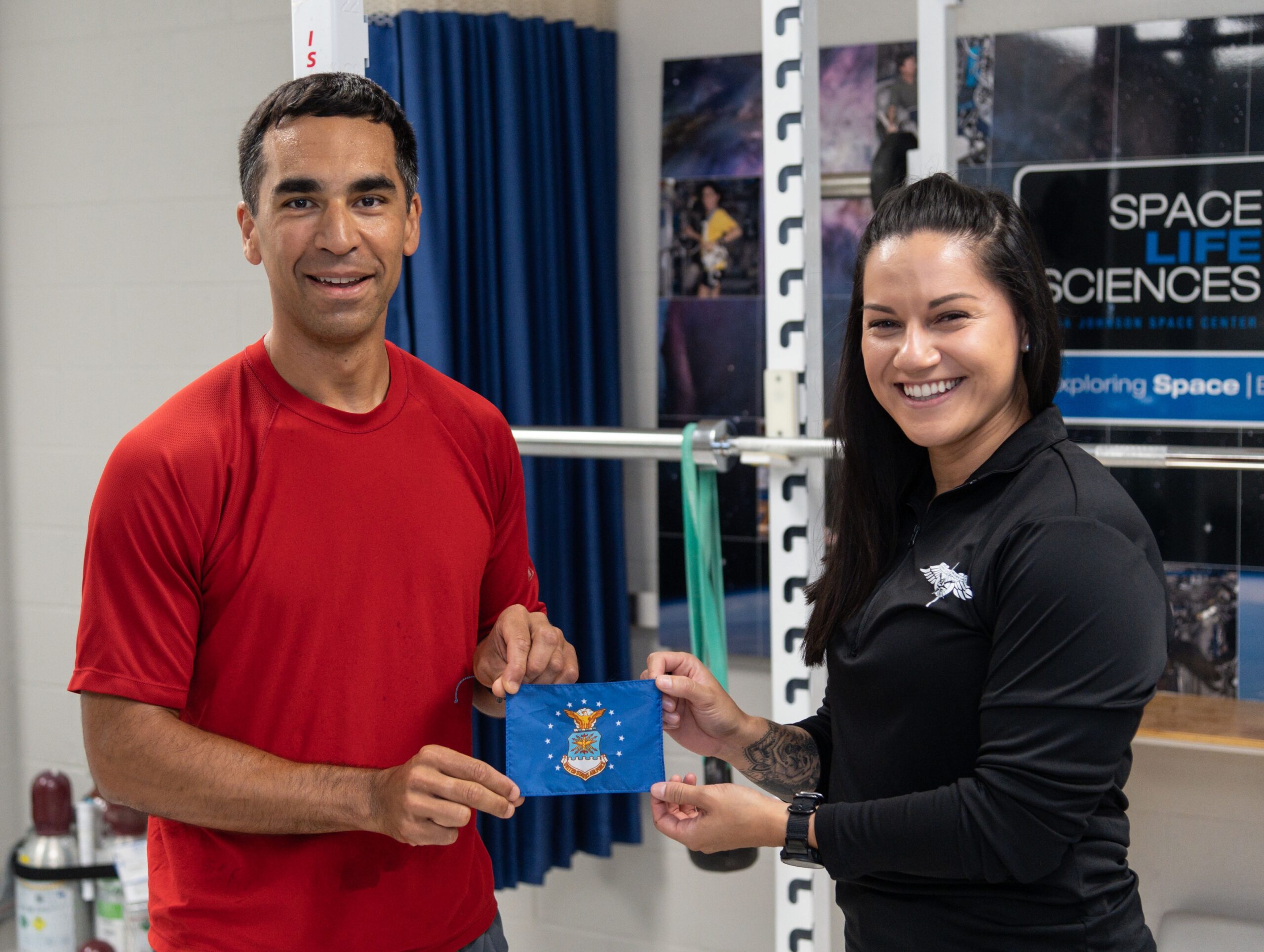
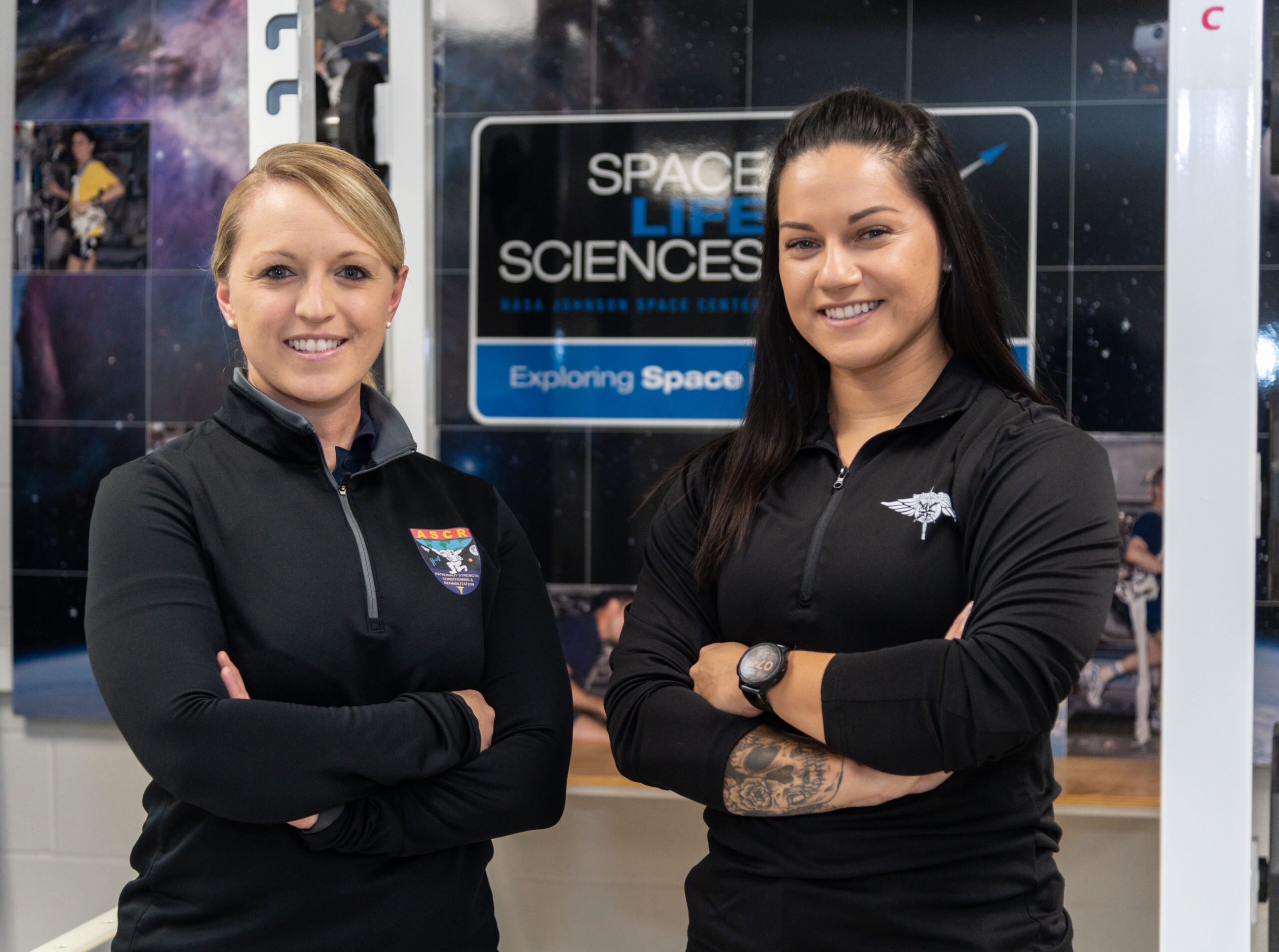
From advancing force development of future Air Force Special Warfare Airmen to working with astronauts, life has been far from boring for the SWTW’s Staff Sgt. Emily Valdovinos.

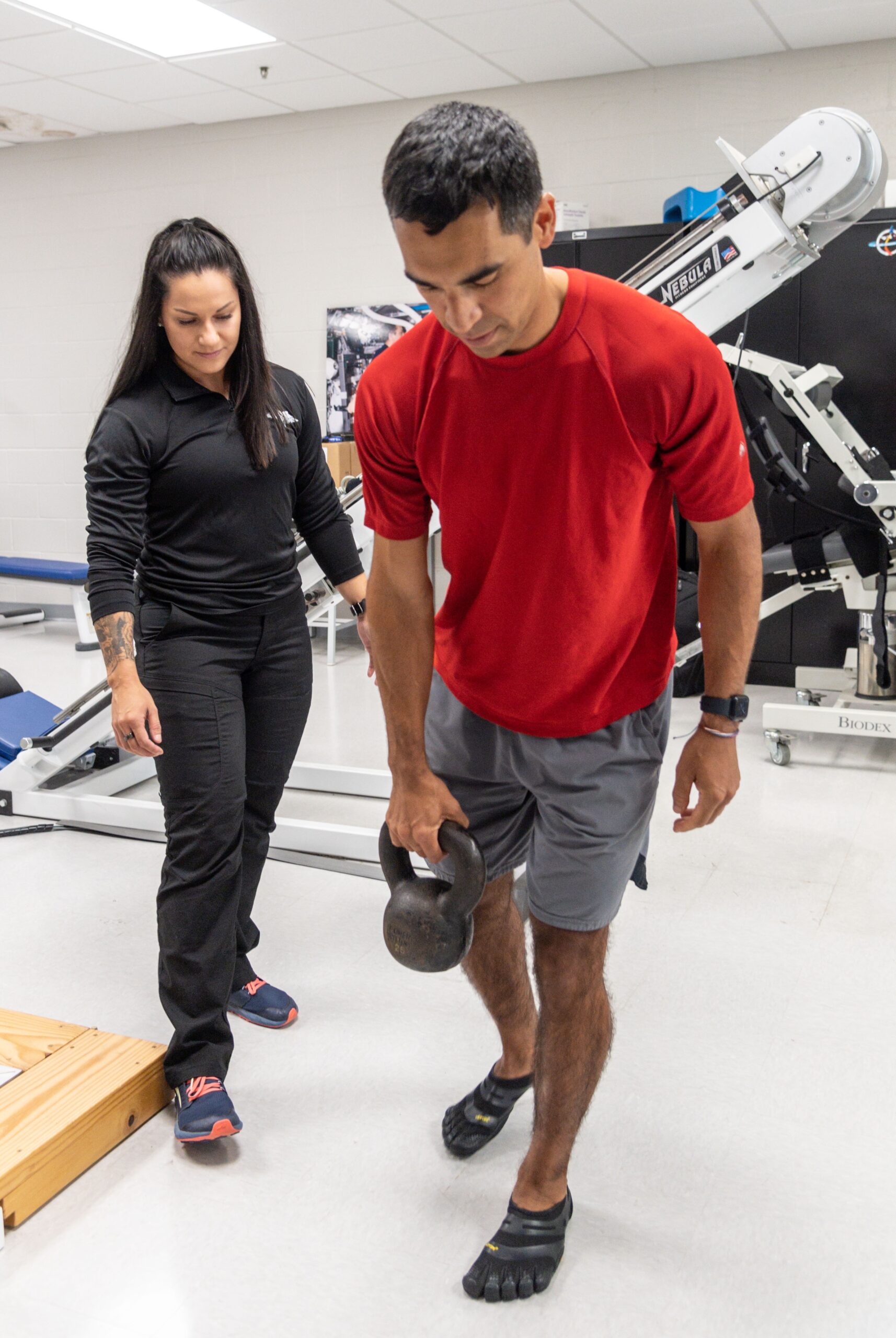
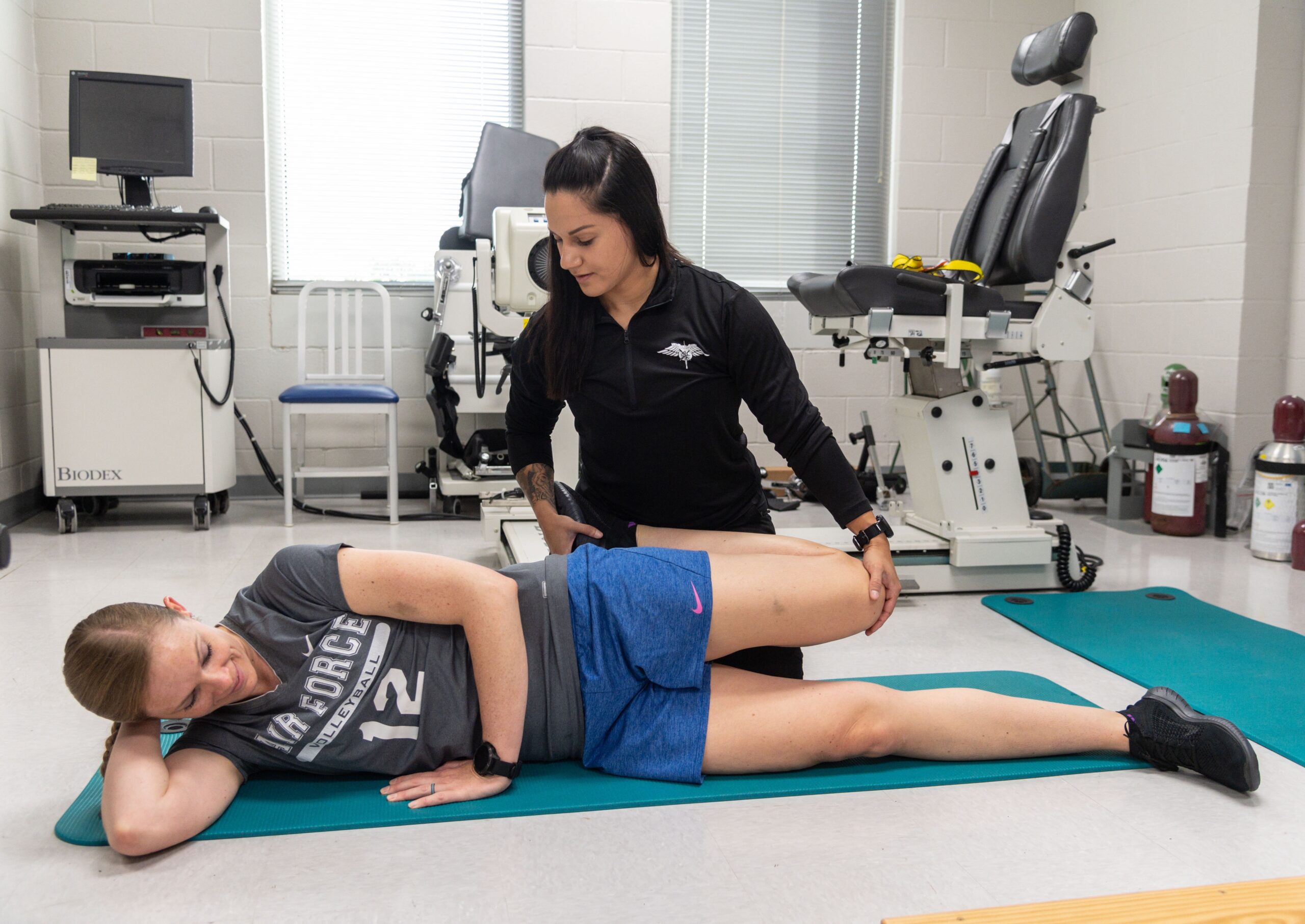
Valdovinos was hand-selected to assist the NASA Astronaut Strength, Conditioning and Rehab Group to help develop personalized strength, conditioning, and rehabilitative plans for NASA astronauts with Crew-3 after they returned from the International Space Station for their 45-day reconditioning period.   

“Emily was specifically selected based on the skillset she has worked so hard to achieve for herself,” said Maj. Danielle Anderson, musculoskeletal medicine and rehabilitation lead, ASCR Group. “With her passion for human performance, dedication to ensuring the highest quality of service is delivered, and her energetic professionalism, Staff Sgt. Valdovinos was the perfect NCO to support our team.”

The mission of the ASCR Group is to optimize the performance and physical readiness of the astronaut corps by utilizing an interdisciplinary team approach, evidence-based practice, and emerging science and technology throughout an astronaut’s lifespan. The team focuses on optimizing the astronaut’s physical performance as he or she prepares for, lives in, and returns from the ISS.

At the SWTW, Valdovinos serves as the non-commissioned officer in charge of performance rehabilitation for the Special Warfare Candidates Course and Pre-Dive Course, where her experience working with SWTW trainees directly transfers to working with NASA astronauts.

“In [both the SWTW and NASA], I work hand in hand with a multi-disciplinary team to provide the best possible care to our caseload,” said Valdovinos. “I work directly under a physical therapist alongside a strength coach and athletic trainer to help develop personalized strength, conditioning, mobility, and rehabilitative plans for each person who needs assistance; we do ruck marches every week, throw sandbags, and are on a very strict workout schedule at NASA, just like the SWTW.”

In addition to working with astronauts, Valdovinos has also been afforded many unique opportunities available only at NASA while embedded with the ASCR Group.

Valdovinos joined in a live call to the ISS with Crew-4, toured NASA’s Neutral Buoyancy Lab where astronauts train for extravehicular activities (space walks), visited the Apollo Mission Control Center, learned about the various exercise equipment available to astronauts while in space, and much more.

When asked what she will take away from her time working at NASA, Valdovinos stressed the importance of the multi-disciplinary team and its ability to work seamlessly together to provide the best level of care for the individual, regardless of whether that individual is an astronaut, SWTW trainee, or AFSPECWAR operator.

“Personally, I have grown in many ways as a professional and as a person,” said Valdovinos. “I feel incredibly humbled to have even been considered for this position as it has been my dream to train astronauts and support the Space Exploration mission ever since I was young.”

Members of SWTW provide initial training for all AFSPECWAR training specialties, including combat controllers, pararescue, special reconnaissance and tactical air control party Airmen.

To learn more about SW Airmen or other U.S. Air Force Special Warfare career opportunities, go to www.airforce.com/careers/in-demand-careers/special-warfare.

By 1st Lt Xiaofan Liu

Special Warfare Training Wing Public Affairs

FirstSpear Friday Focus: Exigent Circumstance Pack – ECP

Friday, July 22nd, 2022

A True Assault Pack For Your Next “No Knock, No Warning” Entry Mission

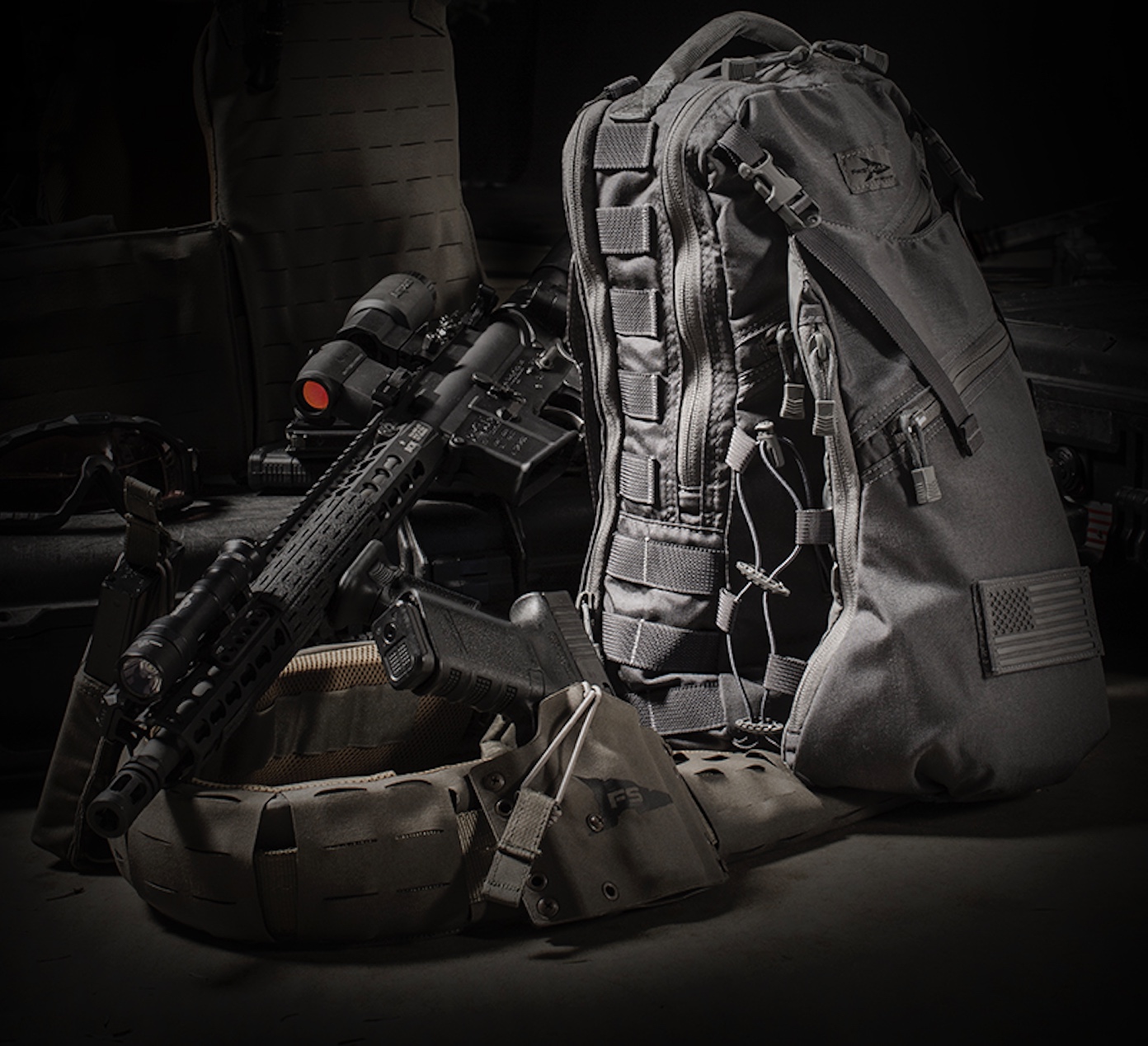
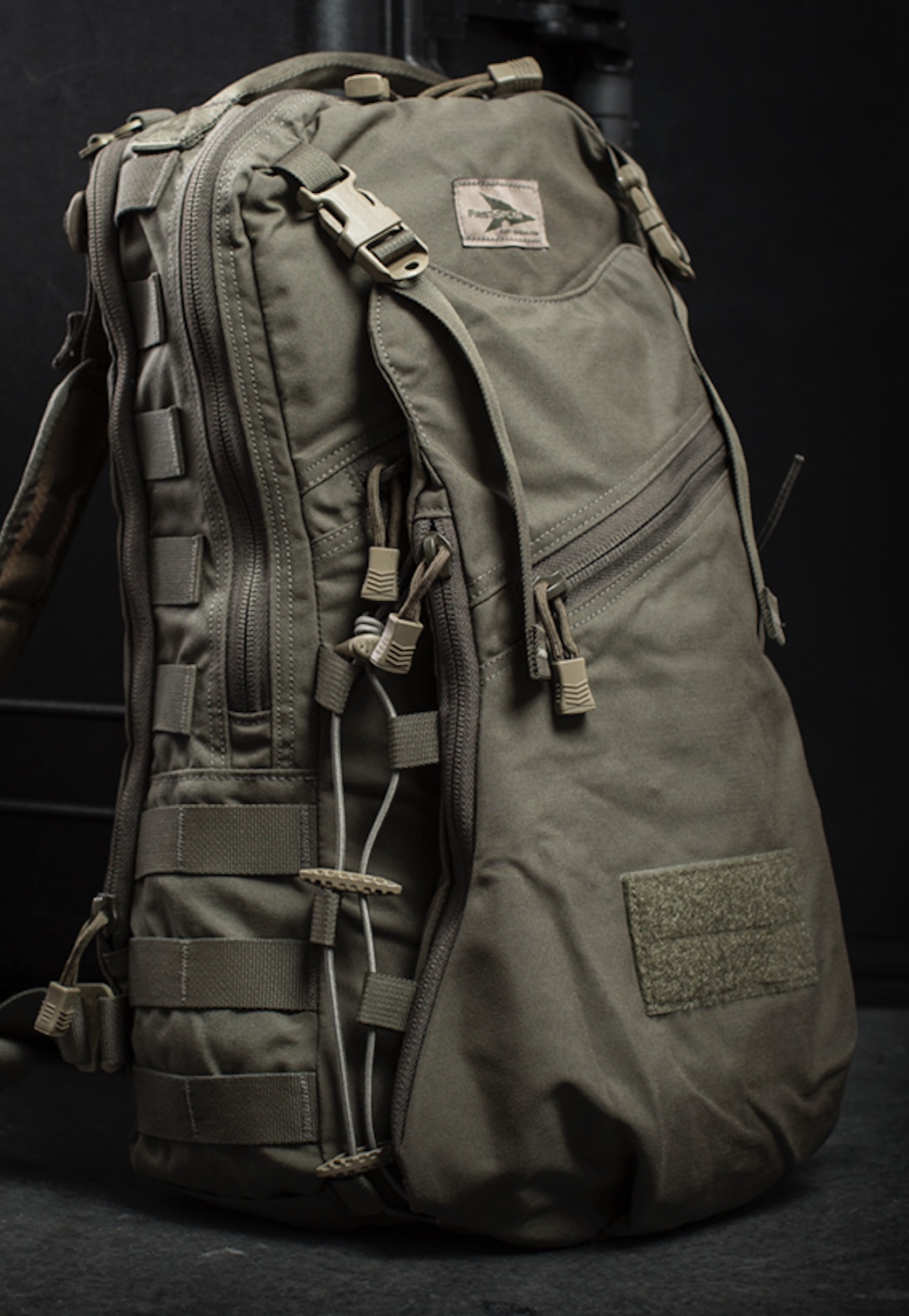
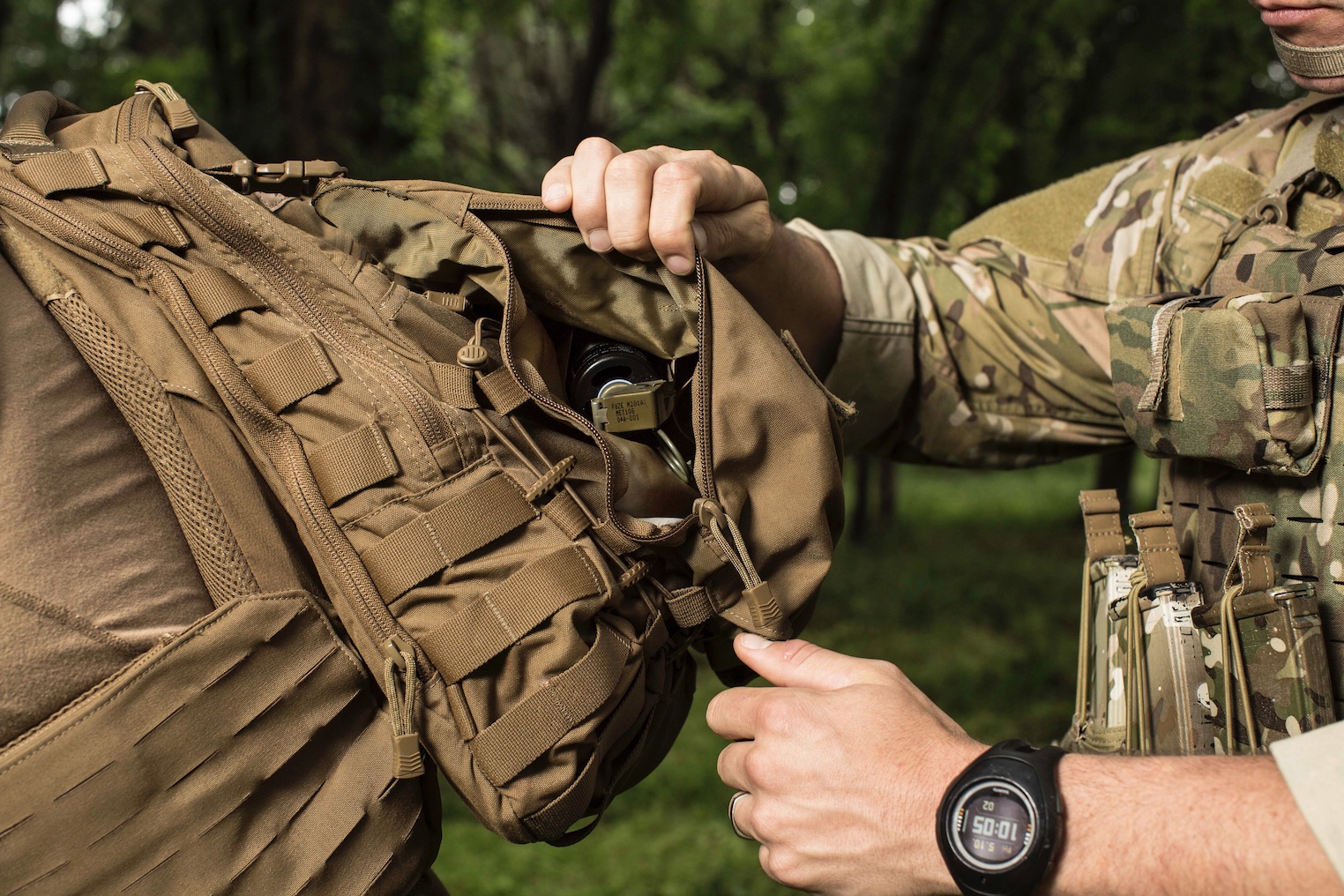
The ECP is the operators go-to assault pack. This pack can be shoulder carried as a backpack, single strap bag or quickly attached to multiple platforms to suit your mission set.

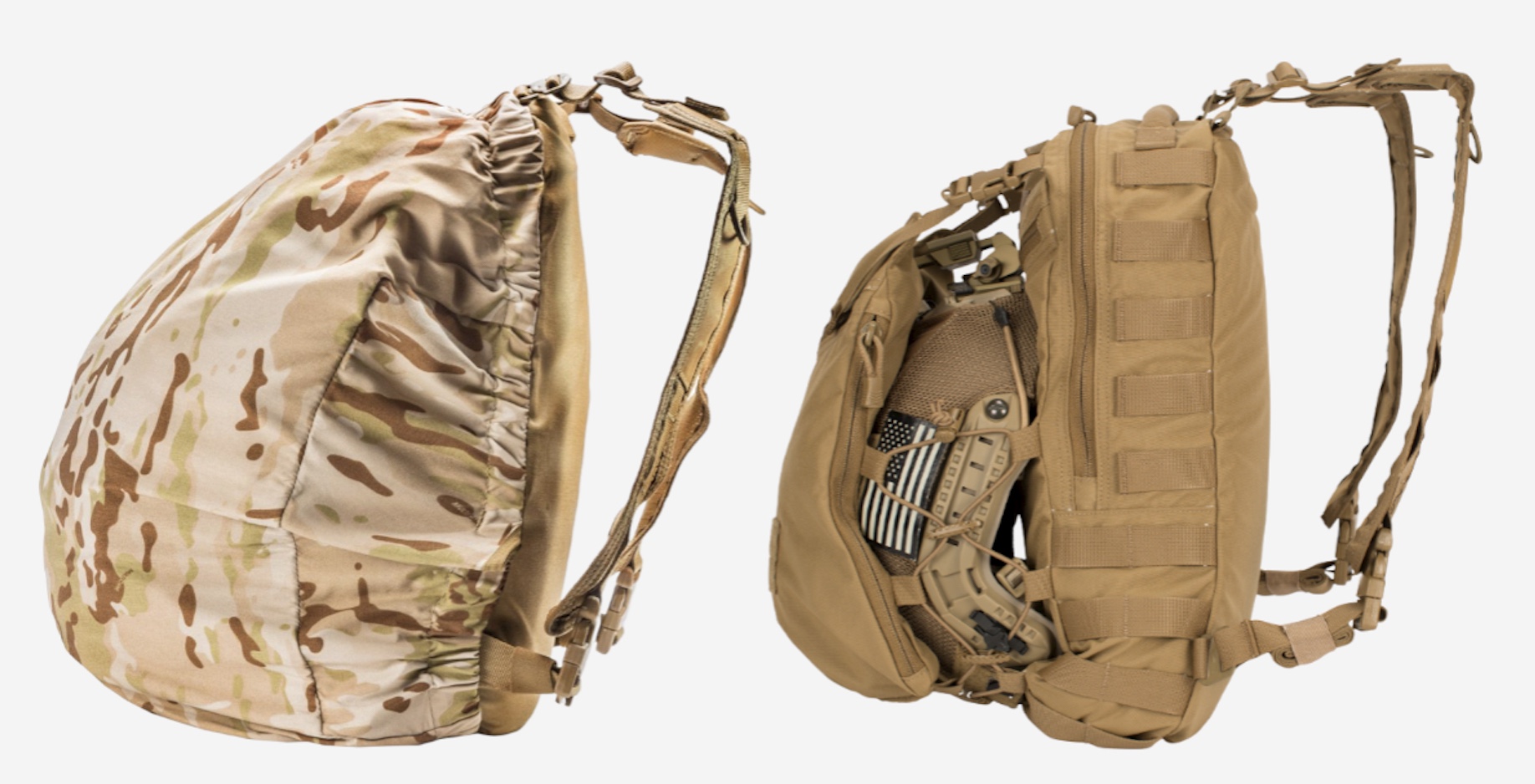
The removable exterior flap is secured with shock cord and provides an ideal space to hold your helmet and other equipment securely and readily available. This exterior flap also provides multiple storage options for kit and accessories.

The ECP is offered in multiple colors and accepts a multitude of accessories for platform attachment and mission needs.

Check out the Exigent Circumstance Pack to find out more.

Visit FirstSpear to find all the gear and apparel for America’s Warfighter.

SERE Specialists Thrive in Harshest Conditions: Teaching Next Generation of Officers to Do the Same

Friday, July 22nd, 2022

JOINT BASE SAN ANTONIO – RANDOLPH, Texas —  

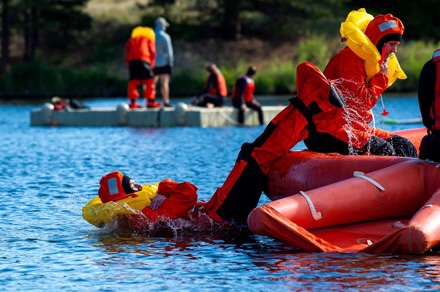
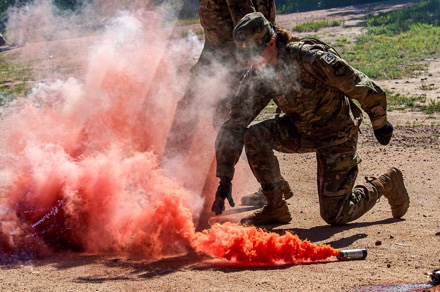
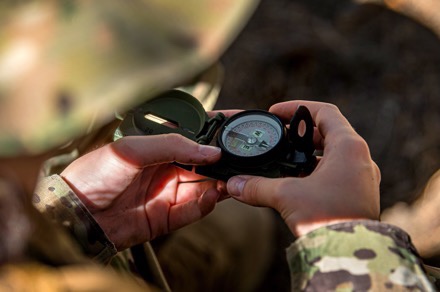
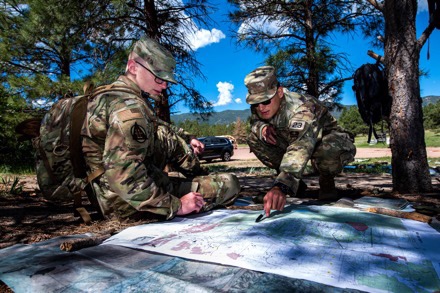
Organizing safe, effective survival and evasion training for nearly 1,000 people isn’t easy – especially in an austere and unforgiving environment that’s hours from the nearest signs of civilization. But Capt. Jason Walker and Master Sgt. Brian Youngberg’s team of 33 Survival, Evasion, Resistance and Escape Specialists are doing just that this summer as they train hundreds of U.S. Air Force Academy cadets during three 21-day courses on critical survival and evasion skills at the Air Force Academy and Pinon Canyon Military Site near Trinidad, Colorado.

The Air Force Academy Combat Survival Training program enables cadets to practice and learn the skills required to survive as an isolated personnel in a combat environment.  This training also provides leadership opportunities for upper-class Cadets and shortens the training timeline for new lieutenants in certain AFSCs. 

“SERE provides the tools necessary to survive in multiple situations and to return with honor,” said Walker. “This program is designed to not only introduce cadets to these survival skills, but also offer them a leadership opportunity.”

On a normal day these specialists instruct at the 336th Training Group at Fairchild Air Force Base, Washington, where they’re responsible not only for teaching SERE to more than 6,000 Airmen annually but also training candidates in the SERE technical training pipeline.

“Helping people has always driven me,” Youngberg said. “SERE as a career field is predominantly helping people, whether to learn the skills that will help them return with honor or to do their jobs.”

While teaching SERE isn’t new to the specialists, the scale of the program is. A small-group try-out was conducted in 2021 with just over 130 cadets completing the program. This year’s iteration, consisting of three 300-plus blocks of students, represents a nearly 800% increase in student training.

One unique aspect to the program is that cadet cadre act as primary instructors, having completed a hands-on training course with SERE Specialists, who help guide student learning and ensure course objectives are met.  This provides cadet cadre with opportunities to grow their leadership and develop in a controlled training environment.

Nearly 1,200 cadets are anticipated to complete the program by the end of the summer.

“Any time you’re dealing with 1,200 people, there are a whole bunch of gears that have to fit together the right way,” Walker said. Weather, environmental factors, instructional timelines, safety and more all have to be factored in and adjustments made to ensure students receive proper training. 

The team of SERE Specialists are eagerly tackling the challenge of adapting their training to the cadets.

“Uncertainty is where SERE specialists thrive,” Walker said. “The team out here has one officer, a senior NCO, a couple NCOs, and then the rest are all Airmen. These Airmen are problem-solving nonstop to get the mission accomplished. It’s awesome to watch them.”

The team of SERE specialists also appreciate the chance to mentor the future officers.

“For a lot of the cadets, this is their first exposure to active duty non-commissioned officers,” Youngberg said. “So they’re able to talk with our SERE Specialists for perspective on what it’s like being active duty and understand the importance of the officer and NCO relationship.”

Walker agrees. “Mentoring is my favorite part,” he said. “It’s great when you see the light switch flip on, because it means you were able to connect and get information across in a way that people understand. And then also seeing students do things they didn’t think they could do or hadn’t done before.”

To become a SERE Specialist, Airmen must be both physically capable and mentally prepared for extreme conditions, requiring more than a year of intense, and grueling training. Candidates are initially assessed through a 19-day screening course at Joint-Base San Antonio-Lackland, where they are evaluated on their physical fitness, aptitude, dedication, and leadership potential. After passing those tests, candidates undergo the rigorous SERE Specialist training that prepares them to survive in any environment, including deserts, mountains, arctic conditions and on the open water.  Following graduation, SERE Specialists undergo more dive, parachute and emergency medical technician training, ensuring they have the right skills to operate in any situation. Only 40% of candidates that begin the pipeline end up earning the coveted pewter-green SERE beret.

The Combat Survival Training program at the Air Force Academy concludes July 29, and is expected to continue to impact future leaders for years to come.

Story by Capt Lauren Woods, Air Education and Training Command Public Affairs
Photos by Trevor Cokley

Graveyard Designs Skull Stand

Thursday, July 21st, 2022

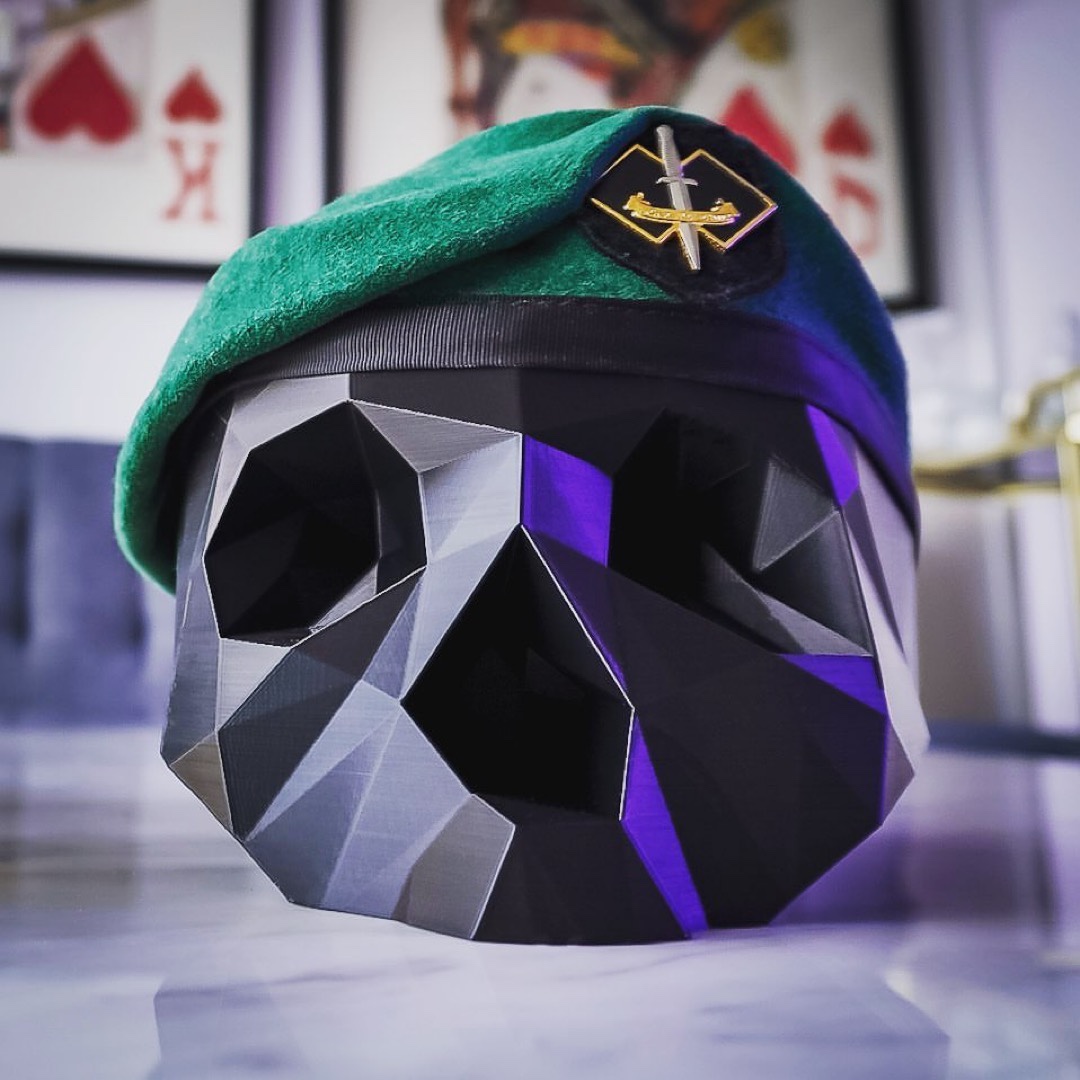
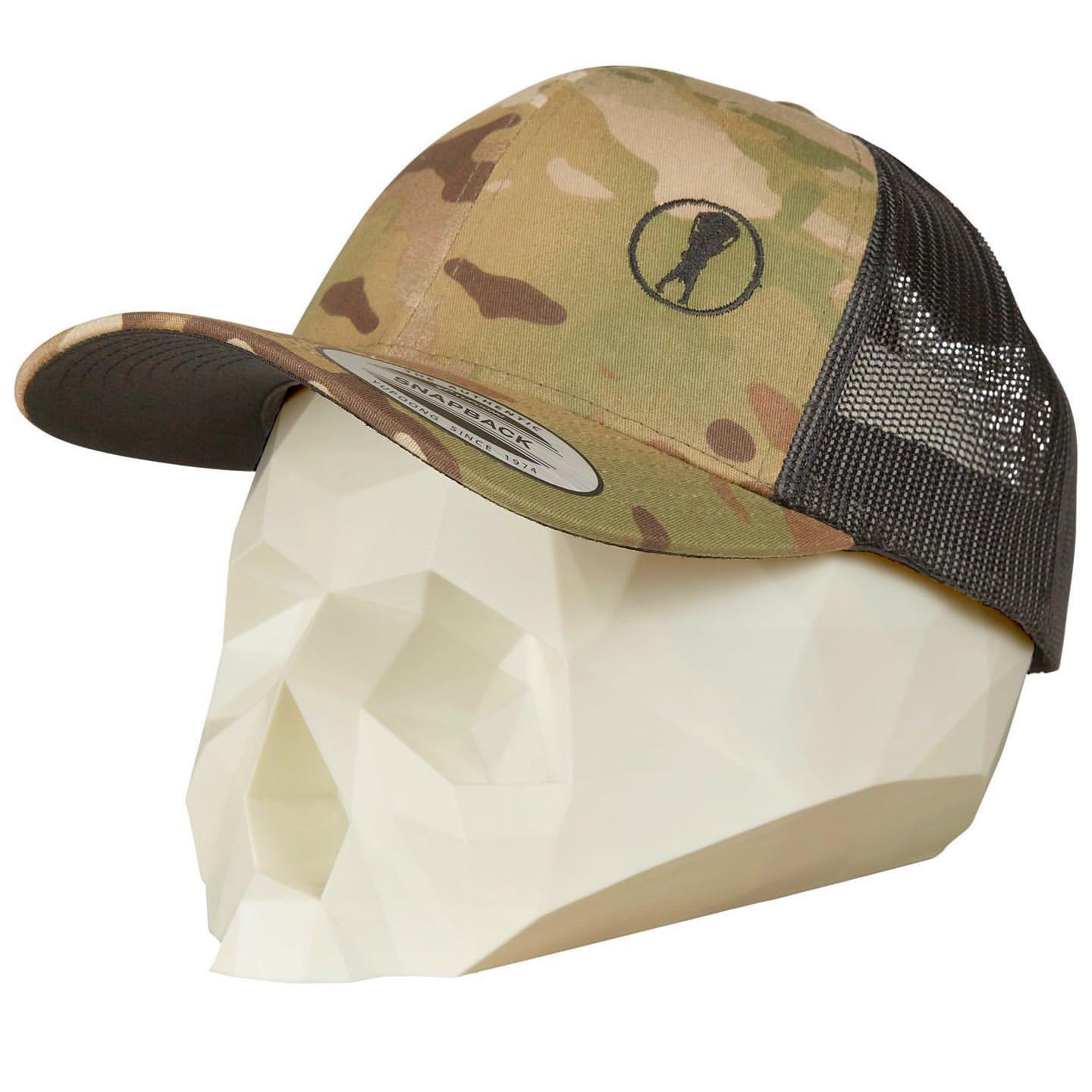
Graveyard Designs is a 100% Australian forces veteran owned business. Their products take inspiration from service in the Australian Special Forces and life lived on the edge with one foot in the grave.

Platatac is proud to team up with Graveyard Designs with an exclusive collaboration and launch a special edition of their highly sought after Skull Stand, a perfect mix of modern abstract geometry and skeletal remains to proudly display your hard earned beret, slouch hat or cap.

Available now in Black, White and luminous blue and green…if you dare.

Army Partners with Massachusetts General Hospital to Test New Tourniquet Monitor


Thursday, July 21st, 2022

AUSTIN, Texas — The Army partnered with medical experts from the Wellman Center for Photomedicine at Massachusetts General Hospital, a teaching hospital of Harvard Medical School, to test out a new tourniquet monitor designed to improve accuracy in tourniquet application.

The device underwent field scenario testing during the Army’s recent Army Expeditionary Warrior Experiment, or AEWE, held February 25 to March 7, 2022 at Fort Benning, Georgia, hosted by the Army Maneuver Capability Development and Integration Directorate’s Maneuver Battle Lab.

“The Wellman Center has a rich history of problem-driven science and engineering for DoD needs with success in translating technologies out to the warfighter,” said Dr. Conor Evans, the principal investigator on the Tourniquet Integrated Monitor project, also known as the TiMON.

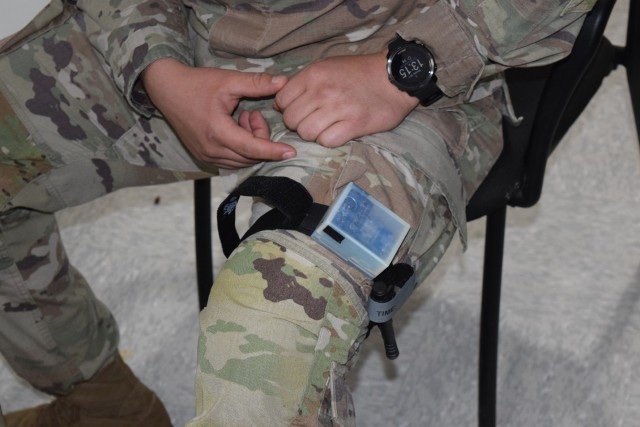
The TiMON is a small, portable electronic device that enables real-time monitoring and evaluation of emergency tourniquet application.

The device is designed to work with any standard military windlass-based emergency tourniquet. The TiMON enhances a Soldier’s ability to control traumatic bleeding by providing intuitive visual feedback on the amount of pressure applied by the tourniquet, as well as a timer for tracking the tourniquet’s application duration.

As an additional indicator of effective tourniquet administration, variations of the device can track vitals such as limb tissue oxygenation.

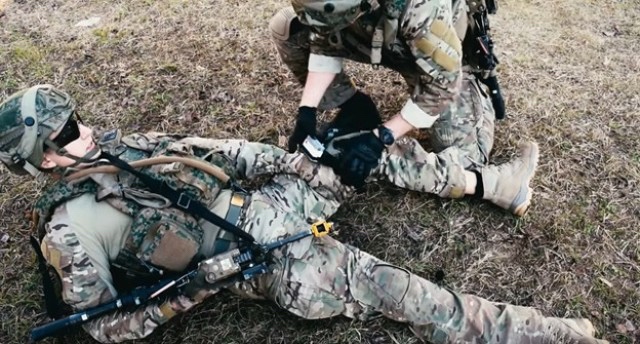
Military personnel can utilize the TiMON to practice proper bleeding control methods and application of an emergency tourniquet in the field. The device, which was designed for use by dismounted infantry Soldiers, can be carried in a rucksack or attached to standard-issue emergency tourniquets prior to operations.

“AEWE was a great experience that allowed us to see our research project being utilized in a real-world setting by actual Soldiers,” said Dr. John Nguyen, who led the TiMON team’s first experience with AEWE. “We take each Soldier’s input very seriously, and our collaborative participation in AEWE helped to underline the importance of bleed control and triage under austere environments.”

While military personnel’s use of emergency tourniquets has helped to drastically reduce the incidence of combat hemorrhage deaths due to traumatic limb injuries, even trained personnel can struggle to judge effective tourniquet administration. This is especially true when service members are working under duress or in less-than-ideal settings, such as when visual and pulsatile feedback are obscured.


Over-tightening a tourniquet can result in tissue necrosis, while under-tightening a tourniquet might result in continuous bleeding. Long-term tourniquet use can result in additional ailments such as compartment syndrome and limb amputation. Furthermore, depending on dynamic physiological changes following trauma, a properly applied tourniquet may need to be evaluated over time and progressively modified.

The TiMON was created to address these challenges by giving precise and actionable feedback on applied emergency tourniquet pressure and duration without the need for a completely new emergency tourniquet design.

“Our TiMON clip attaches to existing combat tourniquets, which was a direct request from the DoD so that they could continue to use their preferred combat tourniquets,” said Evans. “Our work on the TiMON is largely independent from that of other devices currently on the market, and was specifically developed with application to the military in mind, making it fairly unique.”

The TiMON is now undergoing advanced prototype testing. It is fully functional, and the Wellman Center team is working to improve the technology and usability based on feedback from their participation in AEWE 2022. The DoD is funding the TiMON project, which is overseen by the Partners Human Research and the Henry M. Jackson Foundation for the Advancement of Military Medicine through the Uniformed Services University for Health Sciences. The TiMON project started in response to a request from retired Col. Michael Davis, then the head of the Combat Casualty Care Research Program, and was funded by the Transforming Technology for the Warfighter grant.

The Wellman Center for Photomedicine is currently iterating a new TiMON design that integrates elements recommended by Soldiers from their previous involvement in AEWE.

“After AEWE 2021, the main feedback was that the device should be made smaller. When applying the tourniquet, the device could take up real estate on the tourniquet and require the Soldier to place straps over the device, which could cause difficulty during application,” said TiMON research engineer Anna Wiatrowski.

“For AEWE 2022, the main goals in updating the device were to create a smaller device overall, incorporate a new pressure indicator and improve timer to track tourniquet wear,” Wiatrowski said.

“We had the incredible fortune to participate in both AEWE 2021 and 2022, as well as have the opportunity to carry out a civilian study in parallel,” said Evans. “The feedback we received from both AEWE events was extraordinary, and we see multiple routes forward for development. We sincerely thank the Army, the AEWE organizers and all the AEWE participants for these amazing opportunities.”

By Gloriann M. Martin, Army Futures Command