SIG SAUER - Never Settle

Archive for the ‘Guest Post’ Category

PEO Soldier Evaluates the Next Generation Advanced Bomb Suit

Saturday, July 9th, 2022

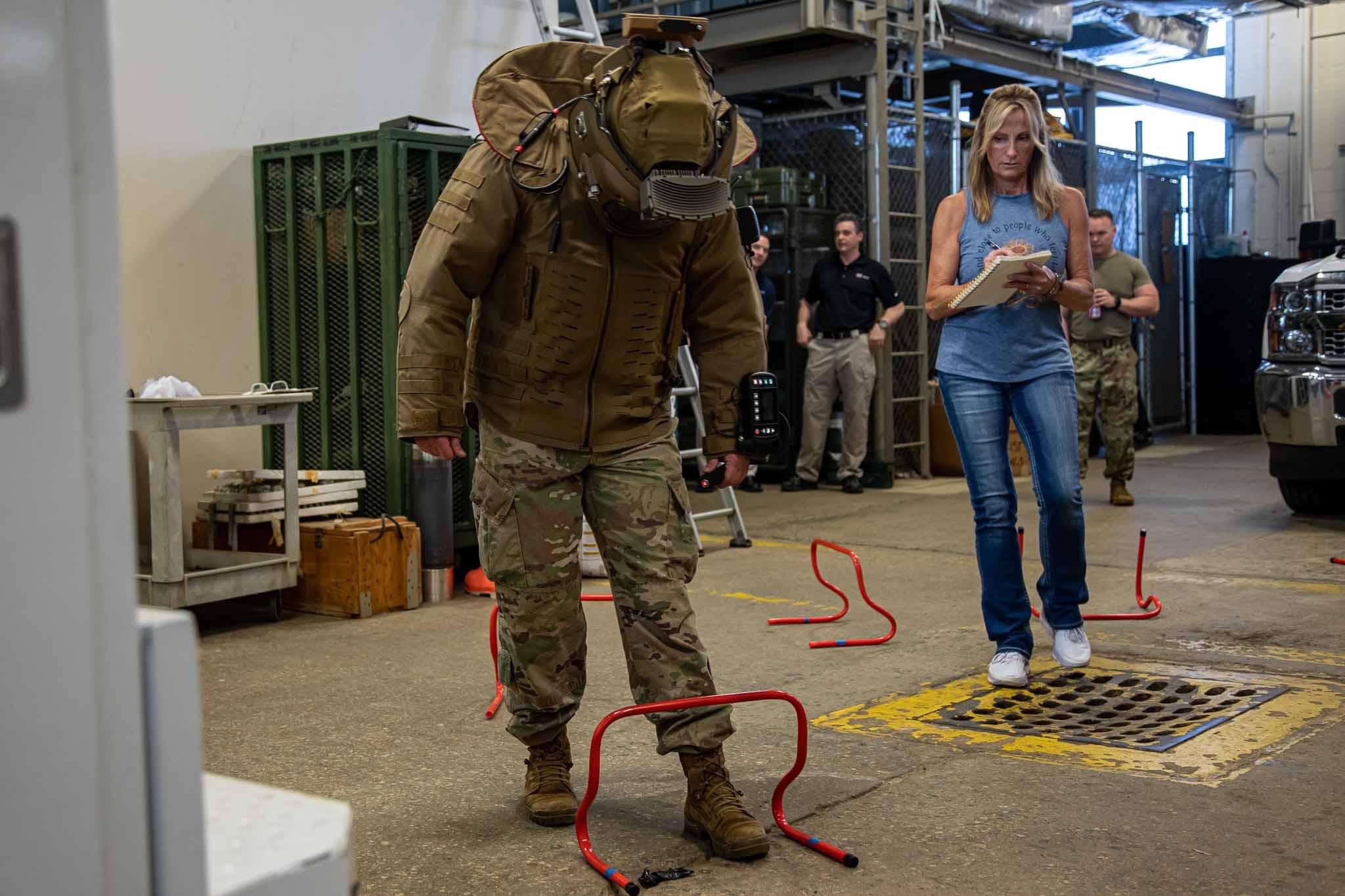
SSG Nikolas Brodock, an Explosive Ordinance (sic) Disposal Specialist with 55th EOD CO, conducts a series of tests to evaluate the function of the Next Generation Advanced Bomb Suit (NGABS) during a Soldier Touch Point at Ft. Belvior, VA., June 1, 2022. The NGABS increases Soldier readiness to respond to evolving threats by providing EOD Soldiers with 360° ballistic protection and drastically increasing situational awareness.

US Army Tests Ground Robotics in Multinational Exercise

Saturday, July 9th, 2022

HOHENFELS, Germany — The U.S. Army’s most recent Soldier Operational Experiment, or SOE, confirmed the value position of Robotics and Autonomous Systems, also known as RAS, in a coalition environment. This is a position that provides their human counterpart with the following benefits: enhanced lethality, improved options, and a degraded threat.

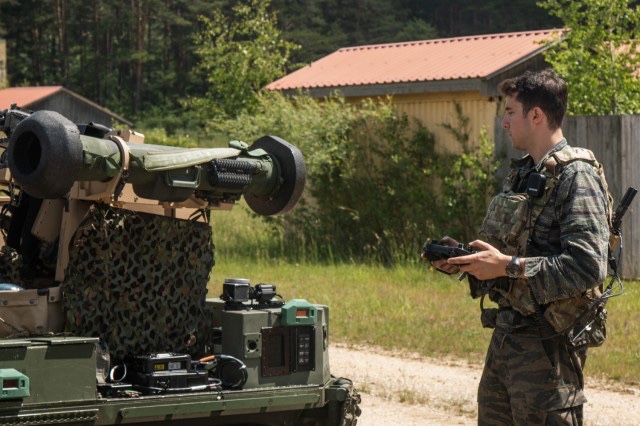
Project Origin, a technology demonstrator that supports the Robotic Combat Vehicle, or RCV, development effort and other RAS programs, enabled the OPFOR at the Joint Multinational Readiness Center to expose the rotational unit to capabilities that our adversaries are developing while at the same time evaluating emerging technology in a relevant tactical environment. This SOE provided the Army with Soldier feedback and technical data required to inform the RCV’s requirements and develop use cases that will enable future formations to dominate the dynamic, lethal, and contested battlefields of 2030 and beyond.

During the SOE, U.S. Army DEVCOM Ground Vehicle Systems Center and its industry partners from General Dynamics Land Systems integrated the latest robotic technology into both OPFOR and the rotational unit’s formations. While the rotational unit consisted of a diverse number of NATO countries partnering with U.S. forces primarily from the 3d Infantry Division, the OPFOR comprised of Soldiers assigned to 1st Battalion, 4th Infantry Regiment.

The OPFOR employed Project Origin in various missions ranging from breaching obstacles to raiding Forward Arming and Refueling Points, also known as FARPs, during Operation Combined Resolve XVII. Similar to last year’s SOE at the Joint Readiness Training Center, the Project Origin team concluded that the grueling operational tempo and dynamic environments associated with combat training centers enable them to learn more in two weeks than they do during an entire year of smaller-scale experiments. In addition to integrating Project Origin into the rotation, the Ground Vehicle Systems Center — or GVSC — also fielded the Army’s Autonomous Transport Vehicle, or ATV, to evaluate the Army’s autonomous logistic resupply capability in this challenging multinational environment.

Regarding Project Origin, the OPFOR employed the platforms to support human maneuver by leveraging payloads such as the Common Remotely Operated Weapon Station Javelin, smoke generator, tethered unmanned aerial system, and electronic warfare components. Meanwhile, GVSC enabled the rotational unit with un-crewed logistic resupply missions through the use of the ATV robotic Palletized Load System vehicles. These robotic resupply vehicles reduced the number of Soldiers required to transport the equipment and materiel necessary to support both U.S. forces and Soldiers from 12 additional NATO countries during the rotation.

Both Project Origin and ATV exposed 5,600 Soldiers from the 3rd Infantry Division and NATO allies to the capabilities and benefits of RAS. In Project Origin’s case, the rotational unit learned that U.S. adversaries’ RAS can achieve lethal effects and degrade their combat power before they make contact with actual humans. Further, the rotational unit learned that RAS enables a formation to employ enabling combat effects such as obscuration and aerial surveillance instantaneously.
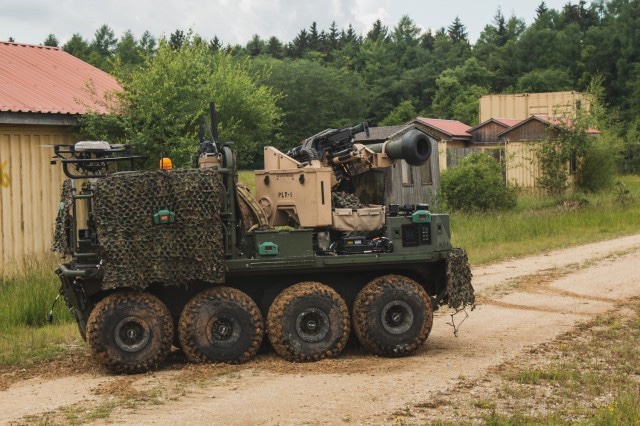
Project Origin’s modular mission payloads provided the OPFOR with these capabilities at the point of need without having to wait for their higher headquarters to processes and prioritize similar requests with available assets. The OPFOR’s FARP raid was one such example. During this mission, the OPFOR raided a FARP to prevent the rotational unit’s AH-64 helicopters from interdicting an on-going OPFOR air assault. Project Origin’s operators identified an opportunity to employ the obscuration payload and “smoked out” the entire FARP. As a result, the AH-64s could not take off until the smoke cleared and thus prevented them from interdicting the OPFOR air assault.

An added benefit of a combat training center rotation like this one is that the Project Origin team identifies scenarios or instances during which Origin achieved significant success, then “red teams” those moments to develop “Counter RAS” concepts.

“Our adversaries are developing these systems, so the Army must learn how to defeat them in training environments prior to meeting them in combat,” said Maj. Cory Wallace, Robotic Requirements Lead with the Next Generation Combat Vehicle Cross Functional Team. “Further, the Origin team identifies the capability or use case that contributed to Origin’s success and then leverages them to shape and inform the RCV program of record,” he said.

The JMRC SOE highlights the importance of considering how RAS operates in a coalition environment and where operational and technical interoperability are paramount.

“The United States Army European Command asked GVSC to bring Project Origin robots to this JMRC rotation in order to find out if the Army is on the right path for developing technology and behaviors for use in the European theater of operation, as well as allowing our Coalition forces to fight against unmanned ground systems,” said Todd Willert, GVSC’s Project Origin Program Lead.

“Technology is not slowing down, so we have to make sure we’re on the cutting edge and rapidly developing new capabilities that align with our operational units spread across the world.

“Project Origin, through Soldier Touchpoints, is defining the future of these revolutionary systems through informing required capabilities and transitioning technology and behaviors to the Army’s robotic programs,” Willert said.

Willert defined the most memorable engagement of the rotation as one during which “we heard a Soldier from the rotational unit yell, ‘I am attacking it, but it’s not human,’ while engaging one of the Origin platforms.”

The criticality of the software driving the RCV’s development effort cannot be overlooked. Project Origin and the ATV program enable the Army to collect Soldier feedback and technical data to direct its software development efforts so that they align with user requirements.

During Combined Resolve XVII, GVSC allowed Soldiers to evaluate the effectiveness of the Modular Open Systems Approach (MOSA) based autonomy, Robotics Technology Kernel (RTK), and a common user interface known as Warfighter Machine Interface (WMI). GVSC collected feedback from the OPFOR employing the Origin platforms as well as the rotational unit who conducted logistic resupply missions using ATVs.
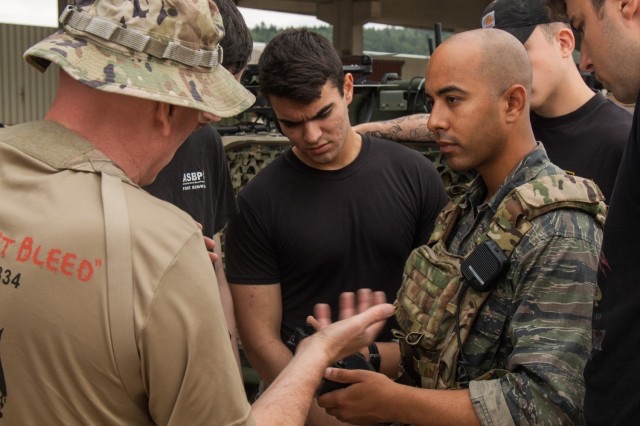
“Building a MOSA-based, common approach to ground autonomy software lets the Army collaborate with a wide range of industry-leading partners while controlling current and future costs,” said Bernard Theisen, GVSC’s Division Chief for Ground Vehicle Robotics. “RTK, the Army’s library of modular software package, can be tailored to meet the needs of autonomous ground platforms. Autonomy—at various levels—offers great opportunity for different platforms to perform different tasks that improve Soldier safety and reduce cognitive burdens.”

“Advances in ground robotics and autonomy will provide Army formations new capabilities that will help achieve its goals for Multi-Domain Operations,” Theisen said. “GVSC’s autonomy projects such as Project Origin and ATV have shown Army leaders so much about what autonomy can do, which allows them to make informed decisions about what the force needs in this space going forward.”

Finally, Combined Resolve XVII highlights the benefits of the partnership between industry and the Army’s research centers.

“This partnership is imperative to achieving the collective goals associated with the Army’s modernization efforts. Having our industry partners integrated in the process enables them to identify issues, develop potential solutions and deliver better reliability during future experiments,” Wallace said.

The Army has learned from previous modernization efforts that industry must integrate into the process from the development of draft requirements to the delivery of the final product. Project Origin’s success is a testament to this methodology.

Combined Resolve XVII is but a single event in the Army’s collective campaign of learning that leverages multiple SOEs in both CONUS and OCONUS environments to collect Soldier and commander feedback as well as technical data to develop the capabilities that future formations require to dominate multiple domains on tomorrow’s battlefields.

“This aggressive experimentation approach speaks to the fundamental approach of the Army’s modernization effort which places the user as the focal point of the development process,” Wallace said. “The Army then continues to iterate until the user is satisfied in order to ensure that future formations have the equipment necessary to achieve tactical relevance in any operating environment.

“Speaking plainly, equipment that is not useful or reliable rarely leaves the motor pool and wastes money and time during its development. Prototypes and theoretical use cases are interesting, but they are meaningless until we give them to Soldiers to use in the mud and rain in the most brutal operating environments we can find. We cannot conclude that we built something right if it does not work in the worst conditions. We must test in relevant multinational environments to build towards operational and technical interoperability. Opportunities such as JMRC provide the Army with these opportunities and will allow us to win tomorrow’s fight by building today’s equipment right,” Wallace said.

By Jerome Aliotta

SureFire Field Notes Ep. 71: Precision Rifle Tripod Techniques with Sean Murphy

Friday, July 8th, 2022

In this episode, Sean Murphy of Nightforce Optics discusses several ways to utilize a tripod in precision rifle shooting.

Sean Murphy is the Training Manager for Nightforce Optics and highly successful competitive shooter. Starting with an interest in firearms from a young age, Sean has been shooting competitively since 2006 and has worked in the firearms industry since 2011. He has experience with pistols, carbines and rifles; competing and training in many different shooting sports across the United States.

www.nightforceoptics.com

www.surefire.com

FirstSpear Friday Focus: STRANDHÖGG V3

Friday, July 8th, 2022

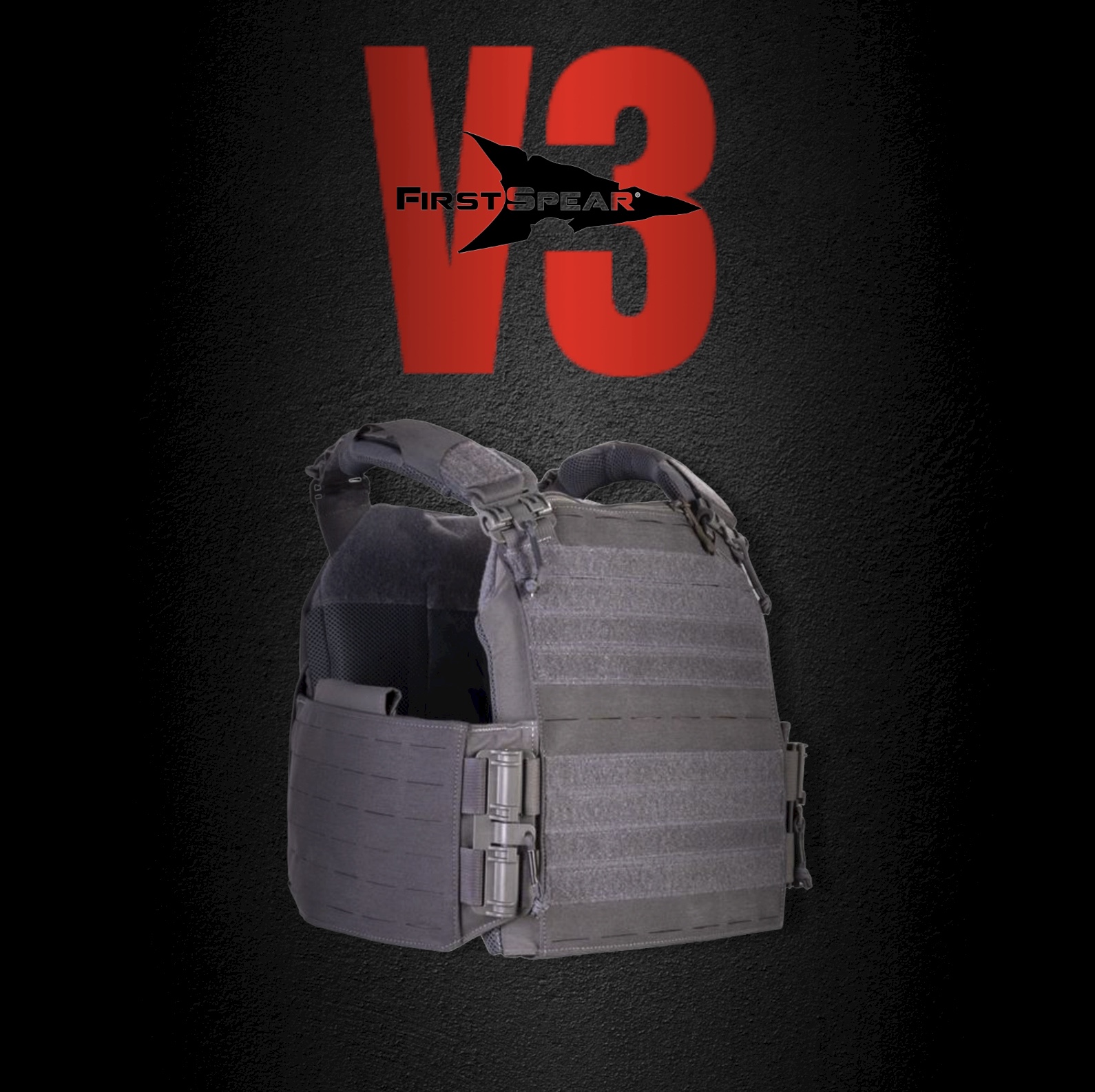
The Newly Redesigned Strandhögg V3 Now Available

Made in the USA, the new Strandhögg V3 SAPI Cut Plate Carrier maximizes 6/12 technology and rapid closure systems provided by the FirstSpear Tubes® fasteners for easy donning and doffing. The redesigned front panel has an internal zippered admin pocket along with a 4″x9″ loop field for identifiers. Along the bottom of the front panel is a second loop field, which has been added to facilitate use with the all new FirstSpear Admin Placard and Magazine Pocket Placard.

The newly designed Instant Access Back Panel allows for easier access to adjust your cummerbund. Both the front and back of the carrier feature interior facing channels for foam to add comfort and ventilation. These foam inserts can be removed for a more streamlined carrier. The front and back have the ability to hold both soft armor and plates that are the same size and cut of the carrier.

Check out FirstSpear to find all the gear and apparel for America’s Warfighter.

AFC Releases Army Medical Modernization Strategy

Friday, July 8th, 2022

AUSTIN, Texas – U.S. Army Futures Command released a comprehensive Army Medical Modernization Strategy today that clarifies the vision and enhances the cohesion of future force health care activities.

“Soldiers are at the heart of our mission. Putting in the work now to ensure that Soldiers have access to cutting-edge health care equipment and resources for years to come is a core element of Army modernization,” said Lt. Gen. James M. Richardson, Acting Commanding General of Army Futures Command.

“The Army Medical Modernization Strategy is important because it describes in detail how the Army will work alongside the Joint Force to provide outstanding health care to the Future Force. The strategy calls for activities that will increase our ability to deliver agile emergency medicine on the battlefield, maintain well-equipped hospitals and medical facilities at home and overseas, and support and develop highly talented health care personnel,” Richardson explained.

The 20-page strategy document seeks to improve the integration and modernization of mission-critical medical resources and proficiencies to ensure the Army Health System is well-equipped to provide highly adaptive and effective care on and off the battlefield for years to come.

The strategy will guide the requirements, priorities and direction of Army medical modernization efforts, including in areas of advanced medical research and Army Health System doctrine, organization, training, materiel, leadership and education, personnel, facilities and policy analysis.

Developed by Army Futures Command headquarters in collaboration with multiple Army and Department of Defense medical organizations and stakeholders, the Army Medical Modernization Strategy fully aligns with and supports the Army Modernization Strategy.

Richardson is scheduled to sign the strategy document during a ceremony at Army Futures Command headquarters in Austin on the afternoon of July 7. Lt. Gen. R. Scott Dingle, Army Surgeon General and Commanding General of U.S. Army Medical Command and Col. James Jones, Director of the Medical Capability Development and Integration Directorate at the U.S. Army Medical Center of Excellence, will also be in attendance at the event.

AFC Communication Directorate

US Army Photo by Austin Thomas, Army Futures Command

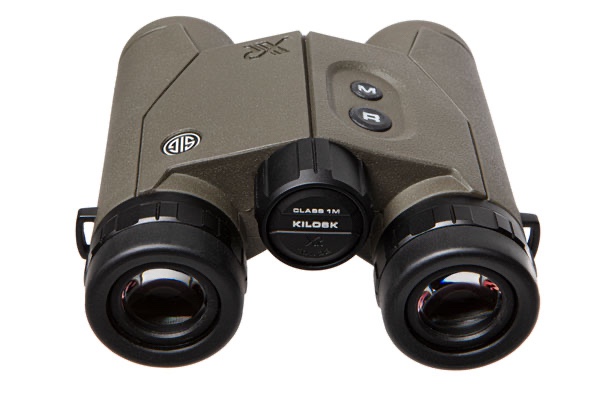
SIG SAUER – KILO6K-HD Compact Rangefinding Binocular

Thursday, July 7th, 2022

The Ideal Solution for the Minimalist Hunter

Designed with the Archery and Whitetail hunter in mind, the new SIG SAUER KILO6K-HD Compact is perfect as a lightweight option to minimize your kit, eliminating the need for a separate rangefinder and binocular. The KILO6K-HD Compact provides up to 6,000 yards of ranging off of reflective surfaces and up to 2,500 yards on big game animals.

Featuring BDX 2.0 Bluetooth Technology to work with all BDX equipped scopes and thermal optics, and onboard environmental sensors allowing for accurate real time ballistic calculations, the KILO6K-HD Compact provides the perfect solution for any rifle setup. The KILO6K-HD Compact also features fog mode to cut through morning haze and XR Extended Range mode to allow for longer range capabilities from a tripod, giving you maximum range both quickly and accurately.

Available in both 8×32 and 10×32 prescriptions, the KILO6K-HD Compact is the ideal solution for the minimalist hunter.

www.sigsauer.com/kilo6k-hd

Historic Highway Landing Advances Agile Combat Employment

Thursday, July 7th, 2022

ALGER COUNTY, Mich. (AFNS) —  

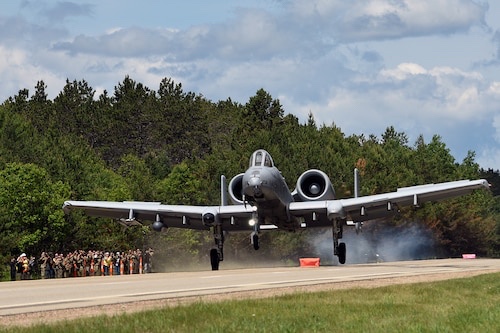
Air National Guard A-10 Thunderbolt II, Air Force Special Operations Command MC-12W Liberty, C-145A Combat Coyote and U-28A Draco, and a C-146A Wolfhound from the Air Force Reserves landed, took off and performed integrated combat turns on a closed 9,000-foot section of Michigan highway M-28.

It was the first time integrated combat turns, which enable the quick rearming and refueling of a running jet, have been conducted on a public highway in the United States. The temporary landing zone is one of several progressive training scenarios held this week during the Michigan Air National Guard’s exercise Northern Agility 22-1 in Michigan’s Upper Peninsula. 

Northern Agility 22-1 demonstrates the Air Force’s Agile Combat Employment doctrine — ready to execute missions quickly in unpredictable ways. The landing zone was named “Hawk LZ” in honor of F-16 pilot Maj. Durwood “Hawk” Jones from the Wisconsin ANG’s 115th Fighter Wing, who lost his life in a training accident in Michigan in 2020. 

“Northern Agility 22-1 is an historic exercise that supports the Air Force’s directive to ‘accelerate change or lose,’ as well as the ability of our Airmen to generate combat power anytime, anywhere,” said Brig. Gen. Bryan Teff, assistant adjutant general and commander of the Michigan ANG. “Michigan is a champion for Agile Combat Employment, so when it comes to leveraging our state’s unique partnerships, training environment and resources to ensure the Joint Force stays one step ahead of our adversaries, today was a huge success.” 

Staging and additional training activities for contested logistics, sustainment and multi-capable Airmen concepts were being held this week at other locations in Alger County, including Sawyer International Airport and Hanley Field. 

Participating units include AFSOC’s 1st Special Operations Group, Hurlburt Field, Florida, and 6th Special Operations Squadron, Duke Field, Florida; Air Force Reserve’s 119th Special Operations Wing, Duke Field; Michigan ANG’s 127th Wing, Selfridge ANG Base; Oklahoma ANG’s 137th Special Operations Wing, Will Rogers ANG Base; and Maryland ANG’s 175th Fighter Wing, Warfield ANG Base. Additionally, an MQ-9 Reaper from the North Dakota ANG’s 119th Wing, Fargo ANG Base, crewed by Airmen from the Michigan ANG’s 110th Wing, Battle Creek ANG Base, were involved.

“Northern Agility 22-1 would not be possible without the long-term partnerships that exist between the Michigan National Guard and the Michigan State Police, Michigan Department of Transportation, Alger County Sheriff’s Office, and of course, support from our neighbors in the Upper Peninsula,” said Lt. Col. Brian Wyrzykowski, Northern Agility 22-1 lead operations planner.  

The Kelly Johnson Joint All-Domain Innovation Center also teamed with industry partners during Northern Agility 22-1 to demonstrate technologies for augmented reality to enhance the multi-capable Airman concept, rapid integration of the command and control ecosystem, synthetic aperture radar and advanced threat detection and visualization. 

“Michigan is home to an incredible manufacturing spirit, business culture, and immense pride and patriotism that makes it a great place for the Department of Defense to continue to train for the future war fight,” said Maj. Gen. Paul Rogers, Michigan National Guard adjutant general and Michigan Department of Military and Veterans Affairs director.”

Story by Capt Andrew Layton, Michigan National Guard

U.S. Air National Guard photo by MSgt David Kujawa

US Army Approves Milestone C and Awards LRIP Contract for the Mobile Protected Firepower Program

Wednesday, July 6th, 2022

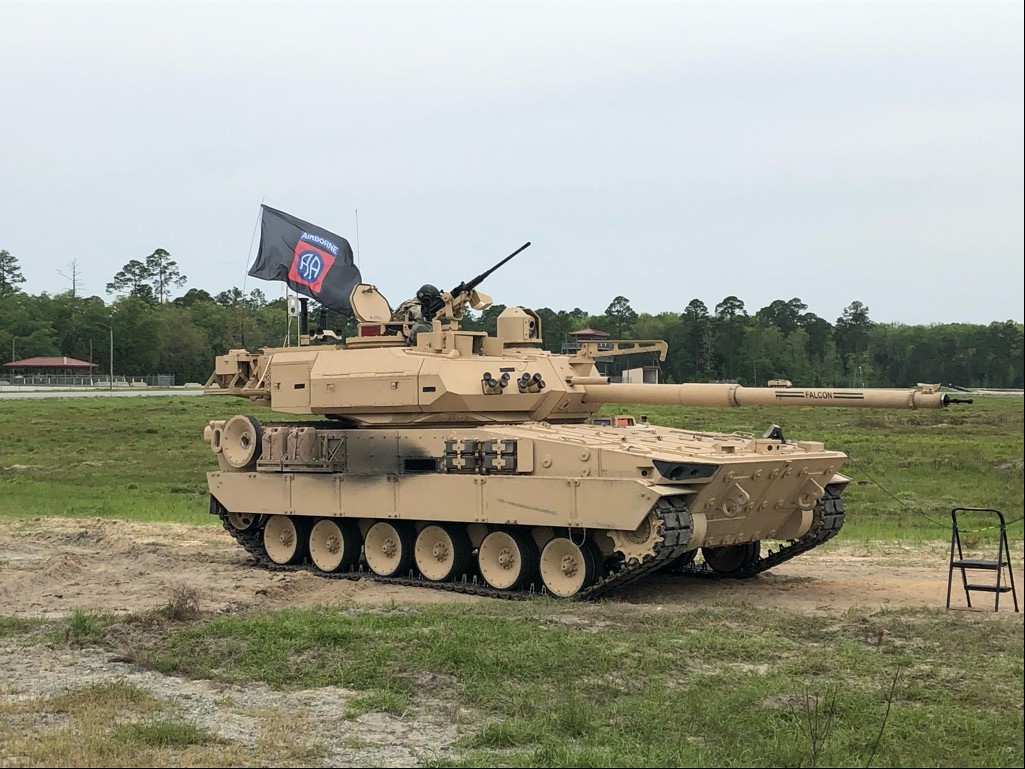
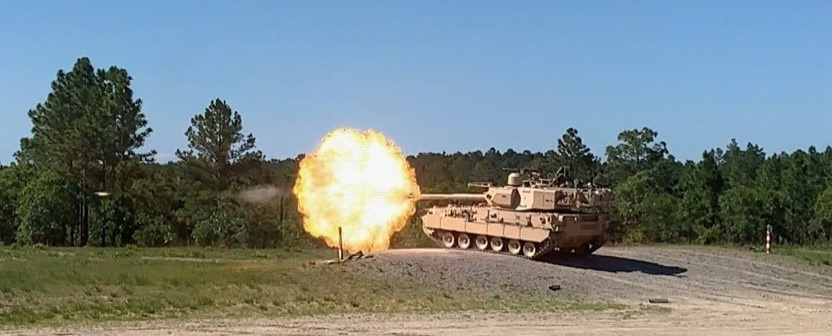
WASHINGTON — The Army announced today the award of a $1.14 billion contract to General Dynamics Land Systems, Sterling Heights, Michigan, for the production and fielding of up to 96 Mobile Protected Firepower, or MPF, vehicles. The award comes just days after the Army closed out the MPF middle-tier acquisition rapid-prototyping phase and transitioned to a major capability acquisition program with a favorable Milestone C decision — an incremental step in the Department of Defense’s acquisition process that moves into the production and deployment phase.

MPF will provide infantry brigades greater survivability, the ability to identify threat systems earlier and at greater distances, and will not restrict movement in off-road terrain. MPF will also allow Soldiers to move at a faster pace, protecting the assaulting force.

“The MPF program did exactly what the Army asked, which was to complete a competitive and accelerated rapid prototyping effort with Soldier touchpoints,” said Mr. Doug Bush, Assistant Secretary of the Army for Acquisition, Logistics and Technology, and the Army’s acquisition executive. “MPF is a benchmark program, as the acquisition and requirement communities worked together to complete the [middle-tier acquisition rapid-prototyping] phase and move this system into production in just under four years.”

The Milestone C decision came on schedule and was underpinned by strong support and overwhelming commitment from Army leadership.

“MPF represents a new capability for the Army, allowing our light maneuver forces to overmatch adversaries. Through multiple Soldier touchpoints, our Soldiers have operated the prototypes and provided crucial feedback to the design team, ensuring our forces will have the asset they need on the future battlefield,” said Maj. Gen. Ross Coffman, director of the Next Generation Combat Vehicles Cross Functional Team.

During the middle-tier acquisition rapid-prototyping phase, the Army successfully tested and evaluated 24 prototypes during a pandemic. Middle-tier acquisition authorities allow the Army to have the flexibility to get prototypes into Soldiers’ hands quickly to enable fidelity on known risks and develop informed plans moving forward.

“Congress has provided us with flexible [middle-tier acquisition] legislation that allows for accelerated prototype delivery and Soldier operational feedback, which expedites the fidelity on technical and programmatic risks to better inform program acquisition decisions,” Bush said.

The MPF will be the Army’s first new design vehicle fielded in over four decades, with first unit equipped planned for late fiscal year 2025.

“Today’s announcement sets in motion an important modernization effort for the Army. As a team we’ve worked diligently to make certain we’ve taken the right steps early on to accept risk where appropriate and move faster,” said Brig. Gen. Glenn Dean, ASA(ALT)’s program executive officer for ground combat systems. “The Army is committed to delivering the MPF capability to the infantry brigade on an accelerated schedule with incremental improvements over time.”

During the low-rate initial production phase the Army will take delivery of MPF vehicles and conduct production qualification testing to include lethality, mobility, survivability, full-up system live-fire, and reliability, Availability and maintainability testing. Additionally, an initial operational test and evaluation will also be conducted, all leading to the first unit equipped. The award of subsequent low-rate initial production vehicle options will be based on review of cost, schedule and performance metrics defined in the acquisition program baseline.

By U.S. Army Public Affairs