GORE-TEX Professional

Archive for the ‘Guest Post’ Category

Agilite Limited Edition K19 Giveaway

Monday, August 2nd, 2021

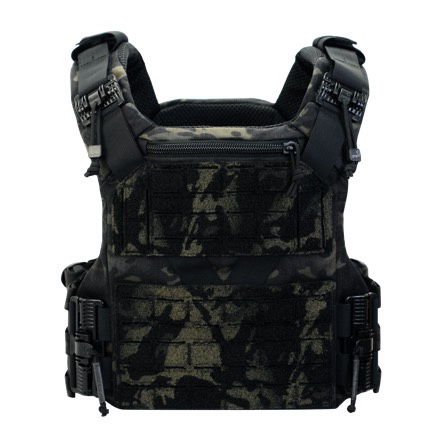
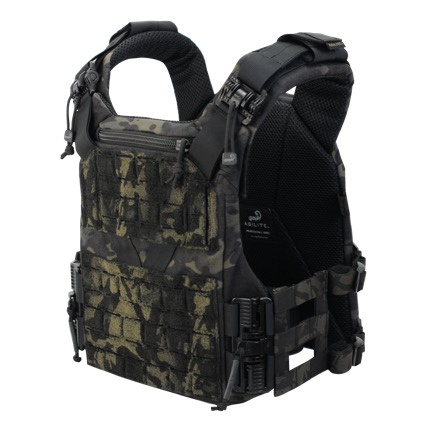
Agilite are giving away a Limited Edition Multicam Black version of their New and Improved K19 plate carrier.

It’s normally available in Ranger Green, Multicam and regular Black.

To enter the giveaway, hit the link on the Agilite website: agilitegear.com/products/k19-plate-carrier-giveaway

Expert Soldier Badge: Increasing Soldier Lethality

Monday, August 2nd, 2021

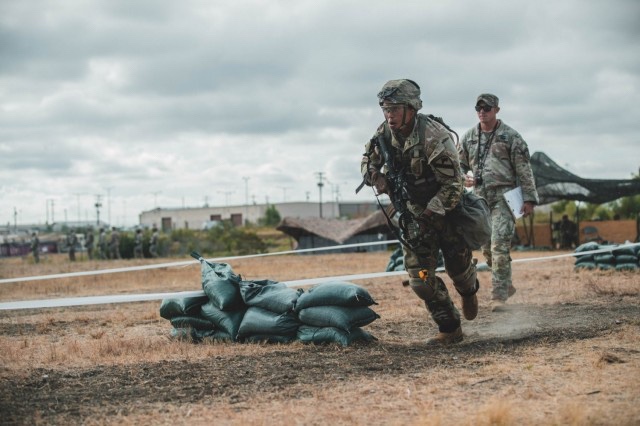
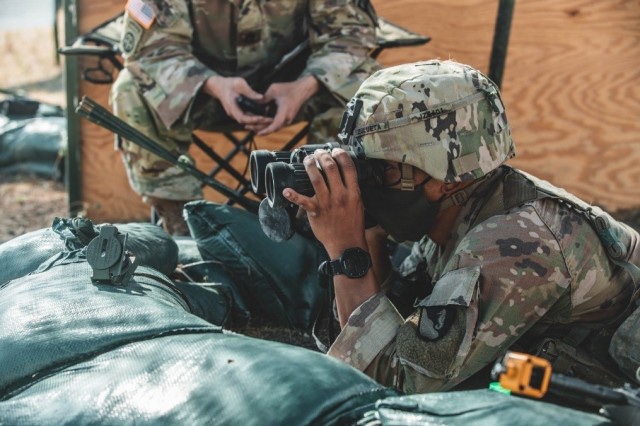
FORT EUSTIS, Va. – The Expert Soldier Badge tests a Soldier’s performance in physical fitness and warfighting tasks, similar to the Expert Infantry Badge and Expert Field Medical Badge. Since the announcement of the ESB, on the Army’s 244th Birthday, nearly 5,000 Soldiers have attempted to attain the badge.

The ESB measures a Soldier’s proficiency in physical fitness, marksmanship, land navigation, and other warrior tasks to demonstrate a high level of lethality on the battlefield.

Testing and training for the ESB should take place under realistic conditions, where Soldiers will have to demonstrate the tactics learned and successfully apply them under extreme stress.

Prior to testing, a Soldier must have passed an Army Physical Fitness Test or Army Combat Fitness Test within the last six months, qualify as expert on the M4/M16 rifle, and be recommended by their chain of command.

The test itself includes a physical fitness assessment, consisting of the Hand Release Push-Up, a Sprint-Drag-Carry, and a 2-mile run. Soldiers also complete a day and night land navigation course, individual testing stations such as providing care under fire and moving a casualty, 12-mile foot march, and disassembling and re-assembling the M4.

ESB test stations include events from the Weapons, Medical, and Patrol Lanes with an additional set of tasks selected by the brigade commander from the unit’s mission essential task list, such as reacting to an improvised explosive device attack or constructing individual fighting positions.

Command Sgt. Maj. Scott Beeson, Center for Initial Military Training, stated the goal of the badge is to make Soldiers an expert at everything that applies to an individual Soldier skills.

Beeson stated the most common reason for Soldiers failing is a lack of preparation.

“Put your hands on the weapons,” he said. “The most failed portion of the testing is the weapons lane. Prior to arriving, Soldiers should have weeks of training where they’ve prepared for success.”

Maj. Gen. Lonnie G. Hibbard, commanding general, CIMT, echoed this conclusion.

“The reason Soldiers fail is a lack of preparation,” he said. “Many commands and Soldiers believe the week prior is enough to master the tasks. There has to be preparatory training.

“The importance of the ESB in the Army is building the war fighting skills of what a Soldier is expected to do,” Hibbard said. “The ESB tests on common war fighting tasks that all Soldiers should be proficient at.”

Of those 5,000 Soldiers that have tested for the badge, only 19% have been awarded. At a command level, the testing of the ESB is essential in measuring the efficiency of how Soldiers are actively trained.

The ESB aims to increase the lethality among the force, outside of infantry and medical. Appropriate training and preparation are critical to a Soldier successfully passing the test.

More information on the planning and executing for the ESB is available here. (CAC enabled)

By Hunter Rhoades, TRADOC Communication Directorate

SCUBAPRO Sunday – Happy Birthday U.S. Coast Guard

Sunday, August 1st, 2021

The formal history of the Coast Guard dates to August 4, 1790, when the first Congress ordered the building of 10 vessels to enforce federal tariff and trade regulations and combat smuggling. The Coast Guard, also known as the Revenue Marine and the Revenue Cutter Service in the nineteenth and early twentieth century, rose in number and responsibility as the country grew. The Coast Guard is one of the federal government’s oldest agencies, and until Congress founded the Navy Department in 1798, it was the country’s only afloat armed force. Throughout their lengthy history, the Coast Guard has defended the country and has proudly served in all of the country’s battles. Even now, our national defense responsibilities are one of our most critical functions.

The service was given its current name in 1915 when Congress combined the Revenue Cutter Service and the Life-Saving Service to create a unified maritime service focused on saving lives at sea and enforcing the nation’s maritime laws. When President Franklin D. Roosevelt ordered the transfer of the Lighthouse Service to the Coast Guard in 1939, the Coast Guard began to maintain the country’s aids to marine navigation, including running the nation’s lighthouses.
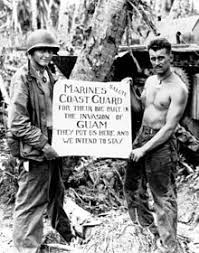
During World War II, the Coast Guard’s participation in amphibious operations was possibly the most critical war-related task the organization undertook. Surprisingly, the Coast Guard operated about 350 naval ships, including 76 LSTs, 21 cargo and attack-freight ships, 75 frigates, and 31 types of transport. In addition, the Coast Guard had almost 800 cutters, nearly 300 Army ships, and thousands of amphibious assault vessels on standby.

A group of small landing craft sped toward the beaches of Guadalcanal on September 27, 1942. About 500 troops from Col Lewis B. “Chesty” Puller’s 1st Battalion, 7th Marines were huddled on the beach, fighting for their life.
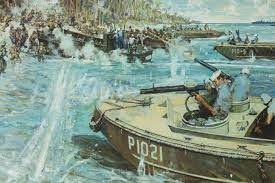
The Marines had landed on the beach earlier that day by the same group of landing craft, and now they were being retrieved. Coast Guard Signalman 1st Class Douglas Munro guided his LCVP between the departing Marines and the Japanese as the LCVPs (Landing Craft, Vehicle, Personnel) and LCMs (Landing Craft, Mechanized) approached the shore. Munro permitted the landing craft to safely evacuate all the Marines, including the injured, by placing his craft between the men on the beach and the enemy.

Munro guided his vessel away from the beach as the last men boarded. When the skies were nearly clear, Japanese gunfire struck Munro, killing him instantly. Munro received the Medal of Honor after his death. Given the Coast Guard’s rescuing legacy and the pivotal role the service played during WWII, it’s fitting that the service’s lone Medal of Honor recipient was involved in not only a rescue but also an amphibious operation.

The Bureau of Marine Inspection and Navigation of the Commerce Department was permanently transferred to the Coast Guard in 1946, bringing merchant marine licensing and merchant vessel safety under their jurisdiction.
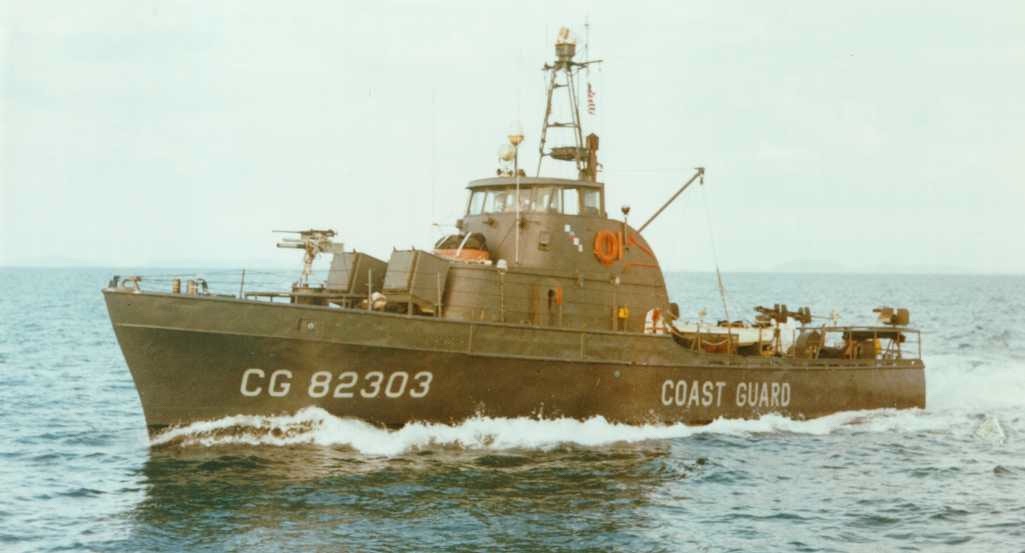
The Coast Guard also played a significant role in Vietnam, doing everything from installing aids to navigation to supporting the war on the rivers and in the sky. The installed and manned Long-Range Aids to Navigation (LORAN) stations, allowing mariners and aviators to fix their positions correctly. The initial goal of the LORAN system was to offer electronic aids to mariners and aviators in places where there were no surface aids, relatively unexplored waters, or skies that were regularly clouded.

The Navy’s campaign to minimize coastal infiltration was aided by Coast Guard cutters, forcing communists to rely on the Ho Chi Minh Trail to maintain their insurgency in the south. According to wartime records, Coast Guard cutters boarded a quarter-million junks and sampans and took part in 6,000 naval firing exercises.  The LORAN station in Tan My, Vietnam (U.S. Coast Guard) port missions caused significant damage to the enemy.

The Coast Guard-Air Force Aviator Exchange Program brought together Coast Guard and Air Force pilots. The program included two Coast Guard C-130 pilots, while the rest of the aviators were HH-3 helicopter pilots. The first of several Coast Guard helicopter pilots were posted to the Air Force’s 37th Aerospace Rescue and Recovery Squadron at Da Nang in the spring of 1968. Four Silver Star Medals, 15 Distinguished Flying Crosses, and 86 Air Medals were among the medals and awards given to Coast Guard aviators as a result.
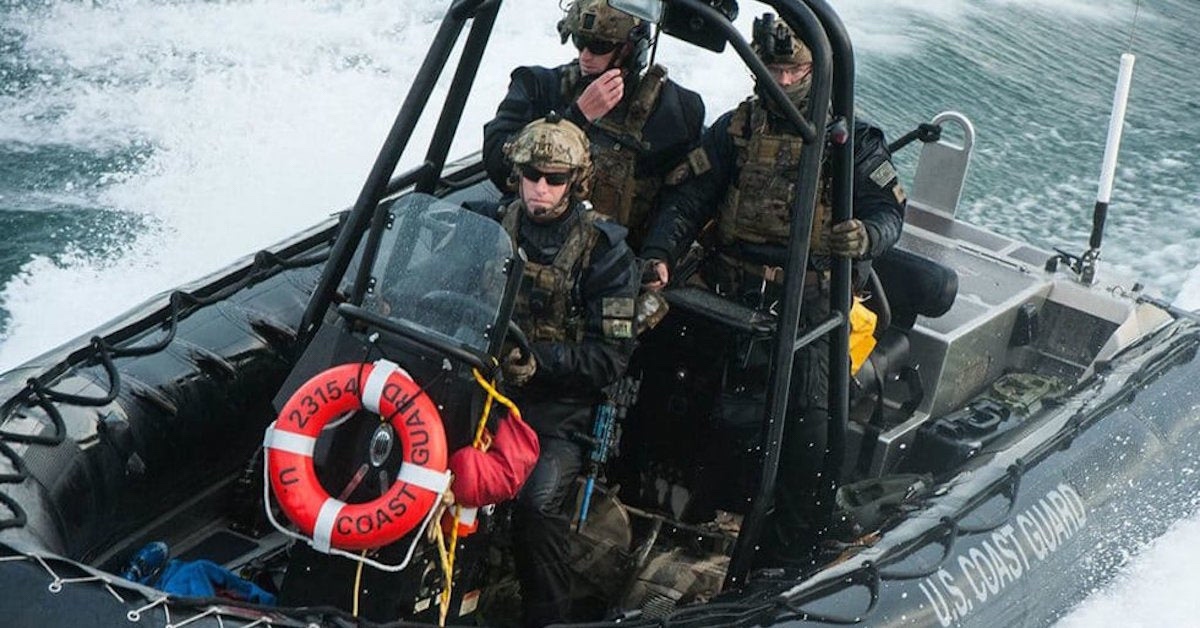
The Coast Guard has been part of the Department of Homeland Security since 2003, serving as the nation’s front-line agency for enforcing maritime laws, preserving the marine environment and the country’s enormous coastline and ports, and saving lives. Following the terrorist attacks of September 11, 2001, the Coast Guard underwent significant modifications as part of the War on Terror. Before the 9/11 attacks, the Coast Guard used boat stations and cutters to safeguard U.S. ports, waterways, and coastlines. After the attacks, the Coast Guard shifted resources to serve additional maritime security functions required in the post-9/11 environment.

President George W. Bush signed the Maritime Transportation Security Act (MTSA) in 2002 to secure the nation’s ports and waterways from terrorist threats. The MTSA established a Coast Guard maritime security unit as part of the Department of Homeland Security’s layered approach to protecting seaports and waterways. The Coast Guard formed Maritime Safety and Security Teams (MSSTs) in the same year to assist the Ports, Waterways, and Coastal Security missions and provide non-compliant vessel boarding capabilities for service missions. Waterside security, marine law enforcement, and K-9 explosives detection units are among the 11 MSST teams that exist today.
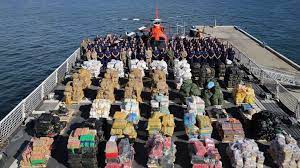
Military force protection, U.N. General Assemblies, national political conventions, international economic summits, disaster relief efforts, and major sporting events such as the Super Bowl have been MSST duties. They play a significant role in the war on drugs and keeping our streets safe. In F.Y. 2019, the Coast Guard removed 207.9 metric tons of cocaine and more than 63,000 pounds of marijuana from getting into the U.S. and Canada.

Lastly and possibly most importantly, they responded to 19,790 Search and Rescue cases, saved 3,560 lives, and more than $77 million in property. Some of the 3,560 are fishermen in Alaska, and the Coastie’s put their lives on the line every day to keep them safe.

Happy Birthday Coast Guard
Undaunted Service: Elite Firefighters Serve in Austere Environments

Sunday, August 1st, 2021

ALI AL SALEM AIR BASE, Kuwait (AFNS) —

A quick reaction force is an elite unit comprised of Airmen from multiple squadrons trained in combat and evasion. These Airmen are not only highly-skilled professionals, but they undergo special training to perform their duties in austere and potentially hostile environments.

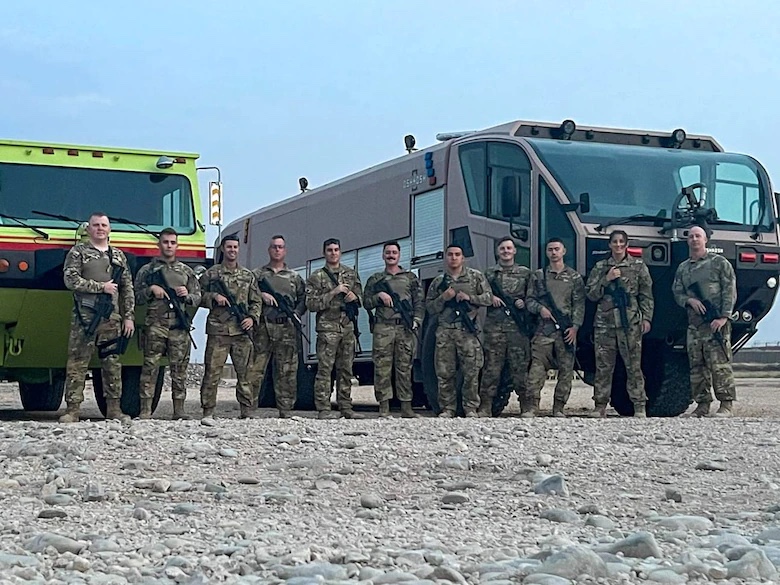
Recently, the QRF firefighter component from the 386th Expeditionary Civil Engineer Squadron, was sent to a forward operating base in Syria to provide support to its flight line.

“This team is made up of highly-qualified firefighting professionals trained for bare environments,” said Senior Master Sgt. Michael Rigsby, 386th ECES deputy fire chief. “We’re a rare group. Also, it’s just not very common for firefighters to get sent on a forward deployment. I’ve been in 16 years and this was my first time.”

The QRF firefighters’ purpose in Syria was to provide flight-line support per Air Mobility Command instructions. This allowed for a limitless number of aircraft to take off and land, and people and equipment to be removed for rotation. Their mission was to provide support so that the Army’s M2A2 Bradley Fighting Vehicle unit could be extracted and replaced.

“We flew in with three fire trucks and our firefighting equipment. The Army was due to change out their people and equipment, and our presence allowed more aircraft to land in a shorter time span,” Rigsby said. “That enabled the Army to keep their same level of base and area protection and perform change-out 16 days quicker.”

While the QRF firefighters are tactically trained to operate under hostile and combative conditions, their essential duties are the same as non-QRF firefighters. They are vital to safe and expedient flight-line standards.

“Our primary job on a flight line is to provide it with crash-fire support so that they can maintain air operations over the area of responsibility, and also to provide hazmat and medical support as well,” said Senior Airman Travis Ferrell, 386th ECES firefighter. “So if anything goes down on the flight line, we respond. Whether it’s an in-flight or ground emergency, we will respond to mitigate any possible crisis that could happen. We like to say we’re the insurance policy for anything that happens on the flight line.”

Without the firefighter component of QRF, the flight line would only be able to support a limited number of aircraft taking off and landing per week, but with the QRF, the number of flights were unlimited. They supported 15 aircraft at two per day during their 30-day mission.

QRF members went through pre-deployment combat skills training at McGregor Range, New Mexico, and Evasion, Conduct After Capture training at Joint Base San Antonio-Lackland, Texas. This type of training is for Airmen who will be operating outside the wire in high-risk environments.

“As QRF, we go to pre-deployment training so that we can deploy to places that don’t have established support, like FOBs,” Ferrell said. “Here, at Ali Al Salem (AB), we have great support and infrastructure, but we didn’t find that in Syria. We had nothing there.

We had to find our own water sources. We had to basically write our own standard operating procedures while we were out there on the fly. For instance, this is where we’re going to stage and this is how we’re going to respond,” Ferrell continued. “We get there. We make all these decisions. We face all these challenges, and then we complete the mission as quickly as we can, pack up and move on to somewhere else keeping the mission alive wherever we go.”

By SSgt Ryan Brooks, 386th Air Expeditionary Wing Public Affairs

MQ-9 Agile Combat Employment: A Big Step Closer to Reality

Saturday, July 31st, 2021

CREECH AIR FORCE BASE, Nev. (AFNS) —

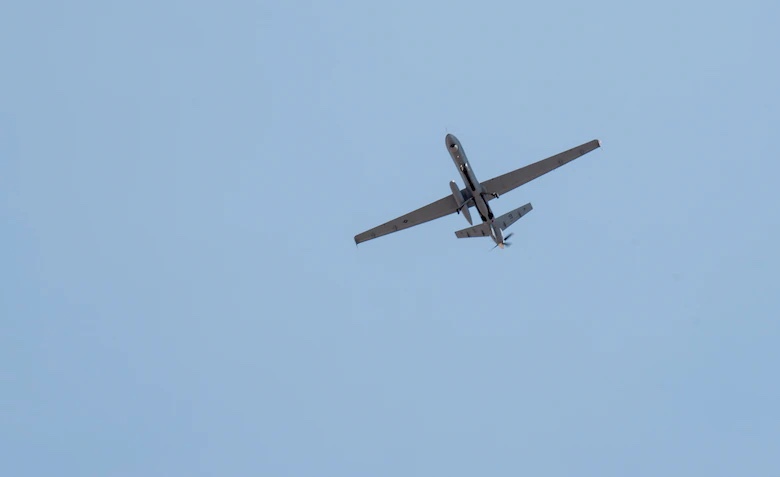
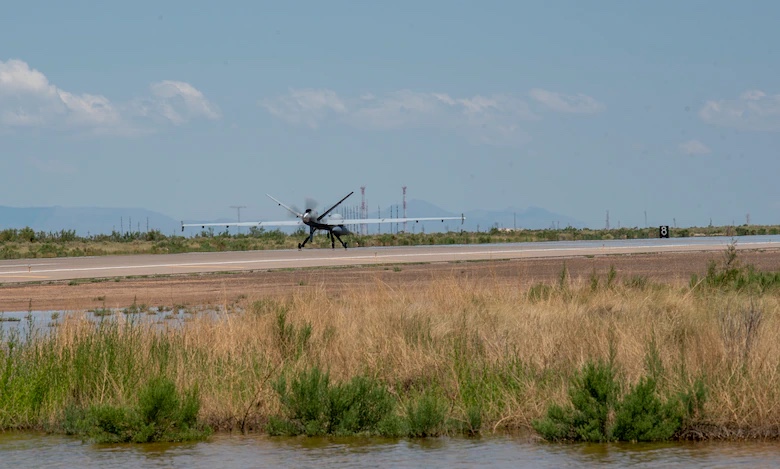
The 556th Test and Evaluation Squadron proved the MQ-9 Reaper’s Automatic Takeoff and Landing Capability (ATLC) is ready as of July 8, enabling crews to divert to airfields without traditional launch and recovery infrastructure or personnel. This capability is a key enabler for MQ-9 Agile Combat Employment and, combined with the MQ-9’s next software upgrade and receipt of the portable aircraft control station, will change how it will be employed in theaters worldwide.

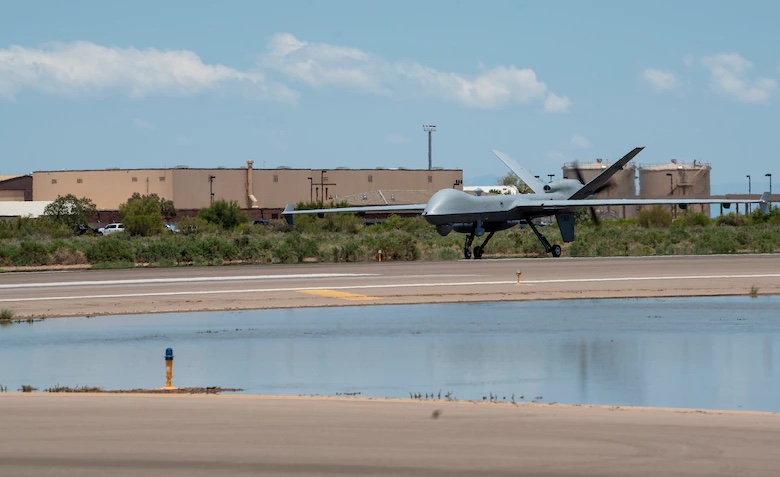
Previously, all MQ-9 takeoffs and landings required a specialized launch and recovery crew located wherever the Reaper intended to land. But this time, with aircrew controlling the MQ-9 via satellite from their operating location at Nellis Air Force Base, the MQ-9 taxied to the runway and took off from Creech AFB, 55.6 miles away from the crew controlling it. The 556th TES recently proved this concept and landed at Creech AFB using ATLC while under satellite control from the aircrew at Nellis AFB, but this week’s sorties pushed the envelope much further.

On the first day of the two-day test, the 556th TES flew the MQ-9 from Creech AFB to Cannon AFB, New Mexico, landed, taxied, and took off again before returning to Creech AFB —  all under satellite control. In this instance, the aircrew used imagery in the cockpit to generate the reference points for the automated landing system. On the second day, the destination changed to Holloman AFB, New Mexico, and the team again proved the capability, this time using the targeting pod to survey the runway, feed the ATLC system the data needed to fly an airport traffic pattern, land, and take off again.

Initially published ATLC procedures required an MQ-9 to be at the airfield of operation to taxi down the runway and have the aircrew electronically mark reference points when the aircraft was physically in position on the runway. The sorties proved that requirement obsolete. The technology and 556th TES-derived tactics are ready today for the aircraft to divert to a foreign field where an MQ-9 has never been before, and there is no longer a requirement for specialized infrastructure to land the unmanned aerial vehicle.

“We’re taking up the chief of staff of the Air Force’s charge to accelerate change,” stated Lt. Col. Michael Chmielewski, 556th TES commander. “This is a clear win and I couldn’t be prouder of the team that put this test together, this quickly, to include the support we received from Air Force Special Operations Command and the 27th Special Operations Wing at Cannon (AFB), as well as Air Education and Training Command and the 49th Wing at Holloman (AFB). Their support and patience made the impact of this test what it needed to be and we are grateful for the opportunity to work with them.”

According to Chmielewski, the ATLC capability will shift the Remotely Piloted Aircraft Enterprise’s mindset. It sets the enterprise up to become more agile with the next scheduled software release in spring 2022.

556th Test and Evaluation Squadron

Photos by photo by A1C Jessica Sanchez

FirstSpear Friday Focus: FS Technology & V19 Now Available

Friday, July 30th, 2021

FirstSpear® Technology Group LLC is the sister company and industry outreach partner of FirstSpear® LLC. FSTG operates independently to develop, acquire, promote, integrate and protect technological innovation in the areas of Personal Protective Equipment, Load Carriage, and Technical Apparel.

FirstSpear® is in the business of providing innovative solutions to long unanswered challenges. Our patented Tubes® technology reaffirms that position. Quick to close and even quicker to doff, Tubes® fasteners are manufactured from lightweight high-performance polymers that exceed the strength of other molded fasteners currently used on operational equipment. Molded in signature suppressive colors and with a variety of choices for activation, this closure system can be rapidly deployed and completely reassembled in SECONDS. Tubes® technology will improve performance, enhance mission functionality, and reduce weight.

In addition to Tubes® technology, FirstSpear is known for its 6/12™ and 6/9™ Laser Fusion technology which provides up to 50% reduction in weight and significantly less bulk. The FirstSpear 6/12™ technology eliminates these components, achieving a 20%-40% reduction in weight per standard Assaulter configuration when compared to current pocket attachment systems. The FirstSpear 6/12™ Pocket Attachment System is battle-proven. It utilizes state of the art fabric technologies to deliver a completely modular system, compatible with standard MOLLE pockets.

We have just published the 19th iteration of our catalog (V19) is now available. For new products and to see the catalog check out, www.first-spear.com/catalog. For more information on technology, check out first-spear.tech.

A Mile In A Defender’s Boots

Friday, July 30th, 2021

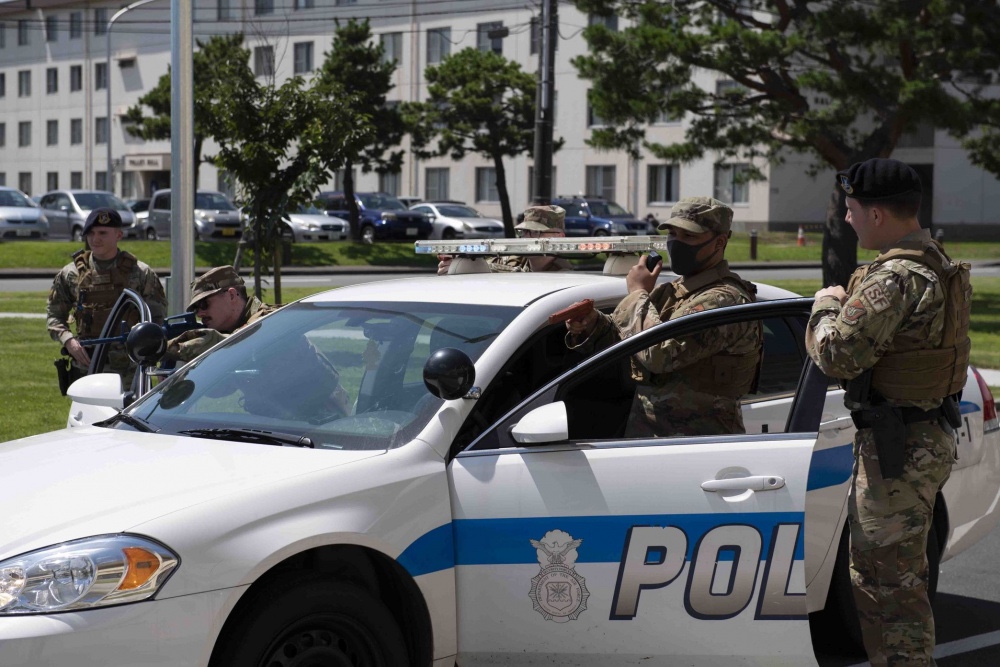
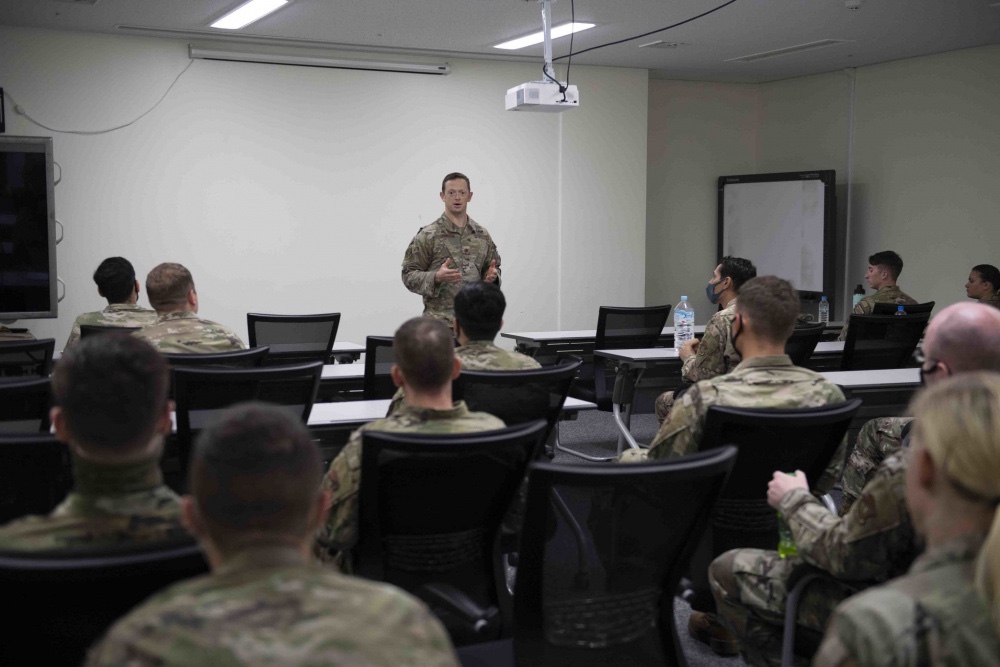
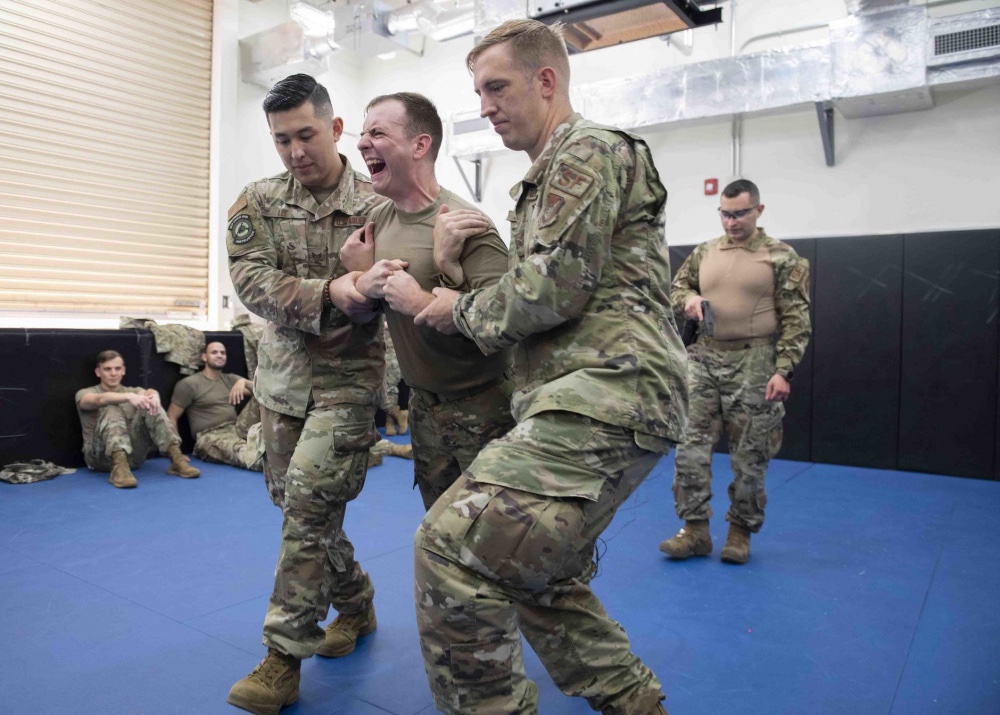
YOKOTA AIR BASE, Japan – The 374th Security Forces Squadron hosted the fourth iteration of the 374th Mission Support Group training day on July 21, 2021, where Airmen from other MSG squadrons learned about the SFS mission.

The training was conducted as part of the group’s focus to enhance Yokota’s Agile Combat Employment capabilities, which allows for a faster response to contingencies with a smaller footprint.

“In a combat situation, you have all these different career fields that don’t necessarily work as a singular unit,” said Master Sgt. Charles Bell, 374th SFS superintendent of plans and standards evaluation. “The ACE concept will take care of that. It could be a maintainer, who knows just the basics of security forces, coming to assist us. Or it could be a security forces member, going to the 374th Logistics Readiness Squadron to help them refuel and get the jets off the ground.”

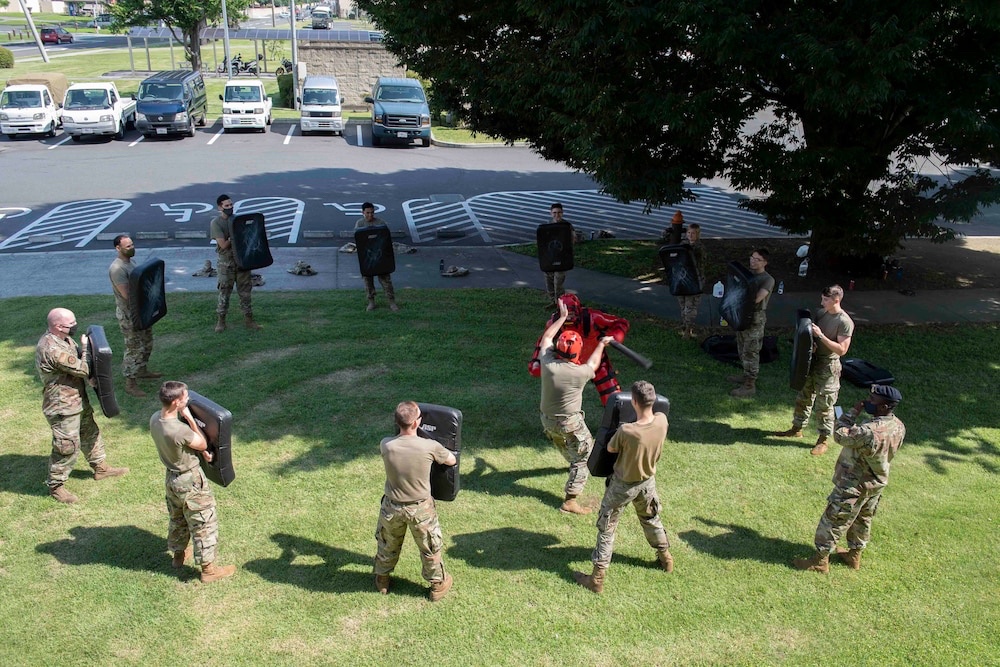
The all-day event took place at SFS headquarters, where participants were able to get a little glimpse into the day-to-day life of a defender. The day was filled with hands-on exercises, in place of lectures.

“There is a lot of stuff we can teach by PowerPoint but the readiness comes when we actually apply it,” Bell said. “This training gets our trainees excited while at the same time showing them what we do.

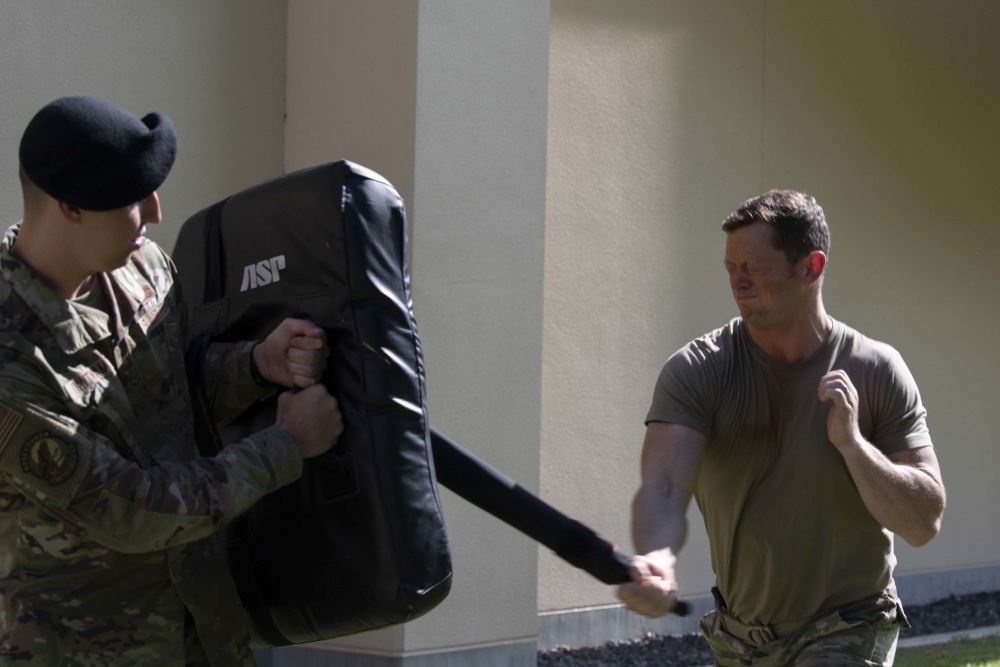
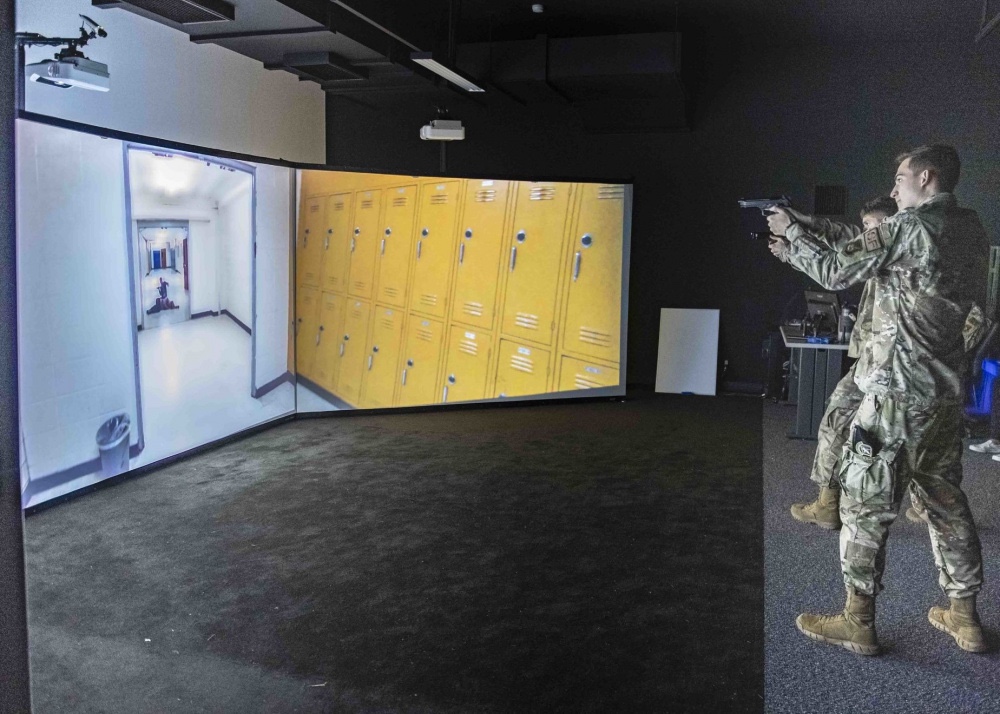
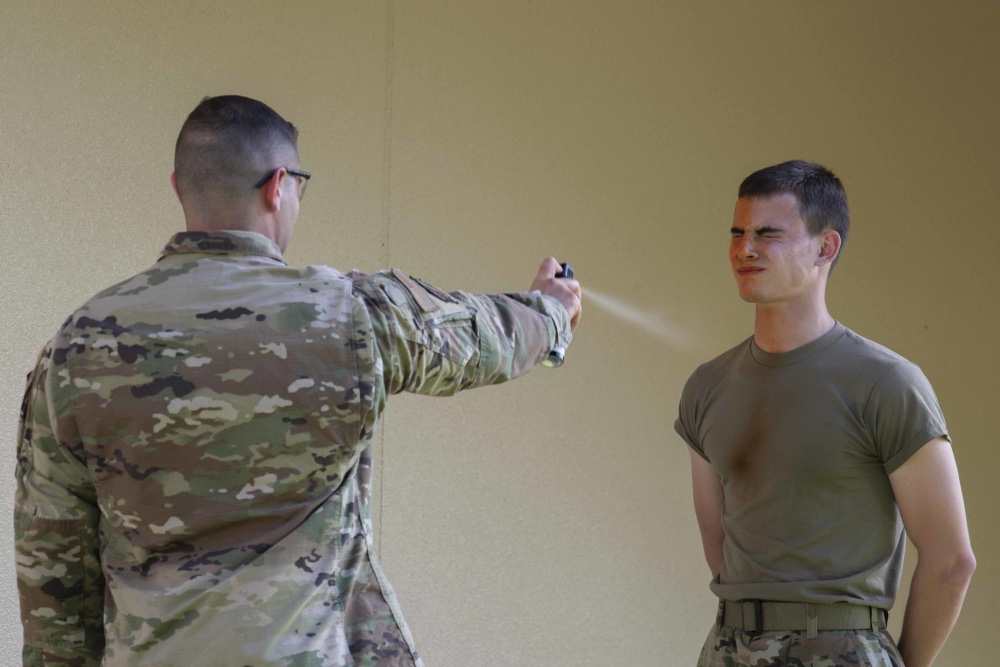
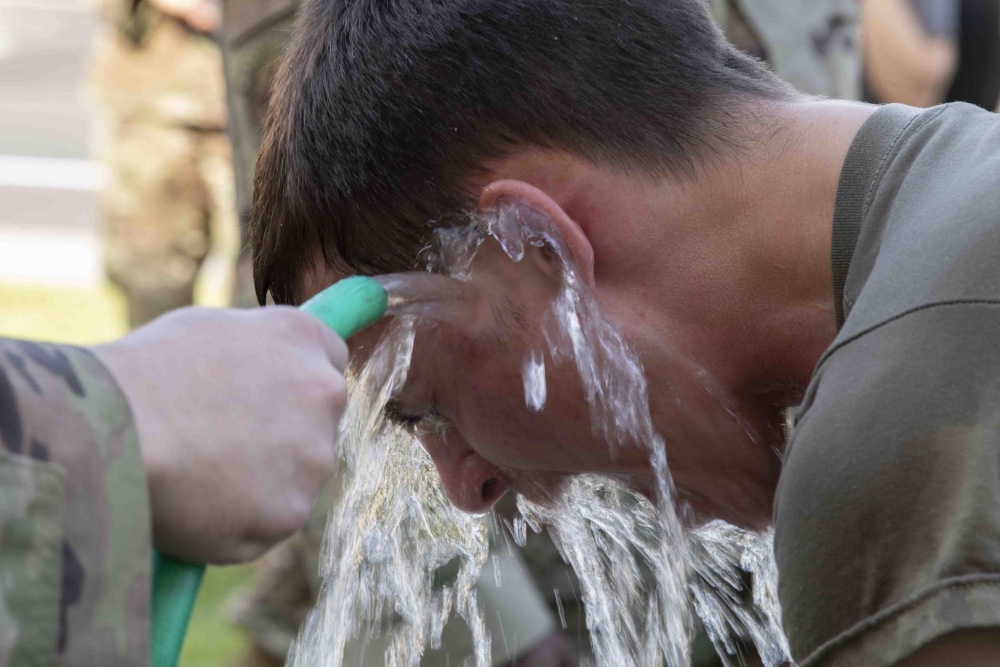
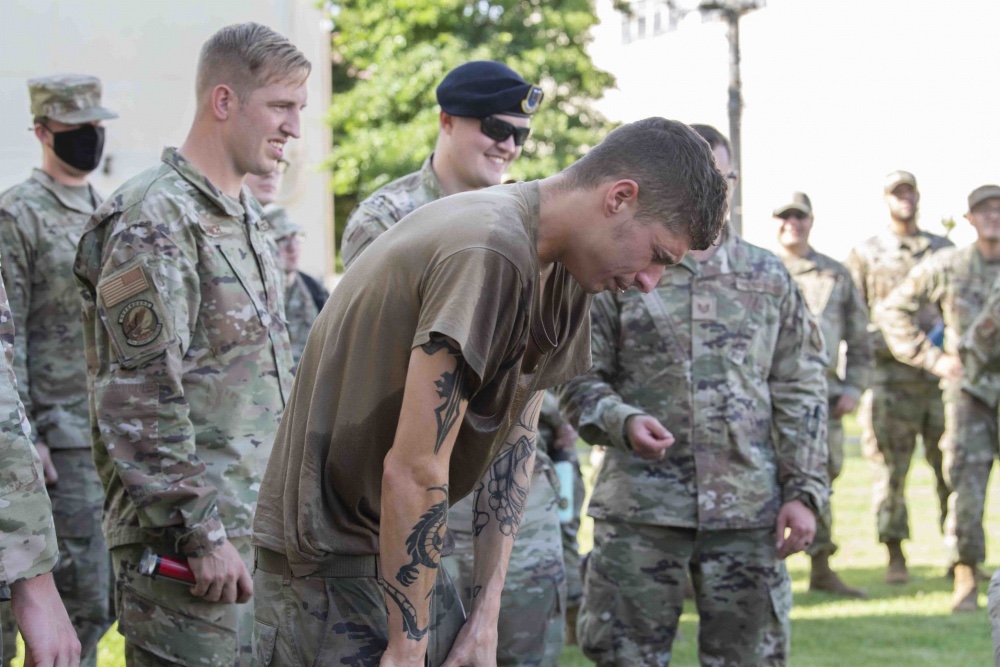
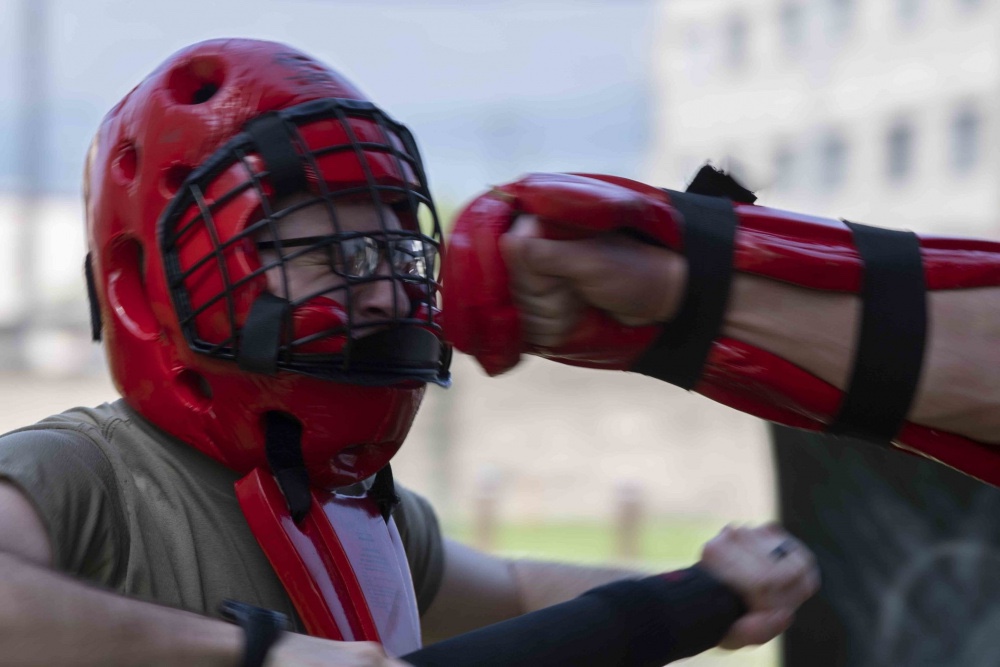
“One of the trainings we hosted was the Multiple Interaction Learning/Training Objective systems, which are ‘shoot, no shoot’ scenarios,” he added. “We also conducted baton training, where the trainees had to fight a simulated combatant. And to top it off, there was taser training and oleoresin capsicum spray for any volunteers who were up for the challenge.”

According to Senior Airman Tyler Gutierrez, 374th SFS training instructor, the training allows members to learn how to react to high-stress situations while in a safe, controlled environment.

“I think this type of training is very important,” said Gutierrez. “With us all being in the military, it is imperative that we rely on each other, especially in a deployed environment or during contingency operations.”

The MSG will rotate the training within their squadrons every month. Each time the training will become more detailed, further producing more effective and capable Airmen.

Story by Senior Airman Brieana Bolfing, 374th Airlift Wing Public Affairs

Task Force Phoenix in the Fight Against RCIEDs

Thursday, July 29th, 2021

CAMP BUEHRING, Kuwait — Improvised Explosive Devices (IEDs) were a deadly threat during Operation Iraqi Freedom and Operation Enduring Freedom, causing the majority of casualties in both conflicts. IEDs remain a threat today for coalition forces in Iraq and Syria during Operation Inherent Resolve.

The U.S. military developed several countermeasures to protect both mounted and dismounted service members from this threat.

Counter Radio-Controlled Improvised Explosive Device Warfare (CREW) systems provide protection by jamming signals that detonate radio-controlled IEDs (RCIEDs). The Duke Version 3 and CREW Vehicle Receiver Jammer (CVRJ) vehicle-mounted systems, and the Thor III and MODI II dismounted systems, have been effective in protecting service members from the RCIED threat.

Since 2010, an Electronic Warfare Operations (EWO)/CREW system course had been taught by contractors at Camp Buehring, Kuwait. The class was offered to service members from newly arrived units that employ CREW systems in convoys and on patrols. However, due to the COVID-19 pandemic, the class has not been taught for the past 10 months.

“Due to travel restrictions, we were unable to offer the same level of training,” said Capt. Jefferson Wilkes, Officer-in-Charge (OIC) for the U.S. Army Central Command Readiness Training Center (ARTC). ARTC is responsible for providing training support to coalition tenant units in Kuwait.

“The EWO/CREW Specialist Course allows Soldiers who rely on CREW systems, as they come in theater, to stay proficient in the operation and maintenance of the systems to increase survivability of their units across the AOR (Area of Responsibility),” Wilkes said.

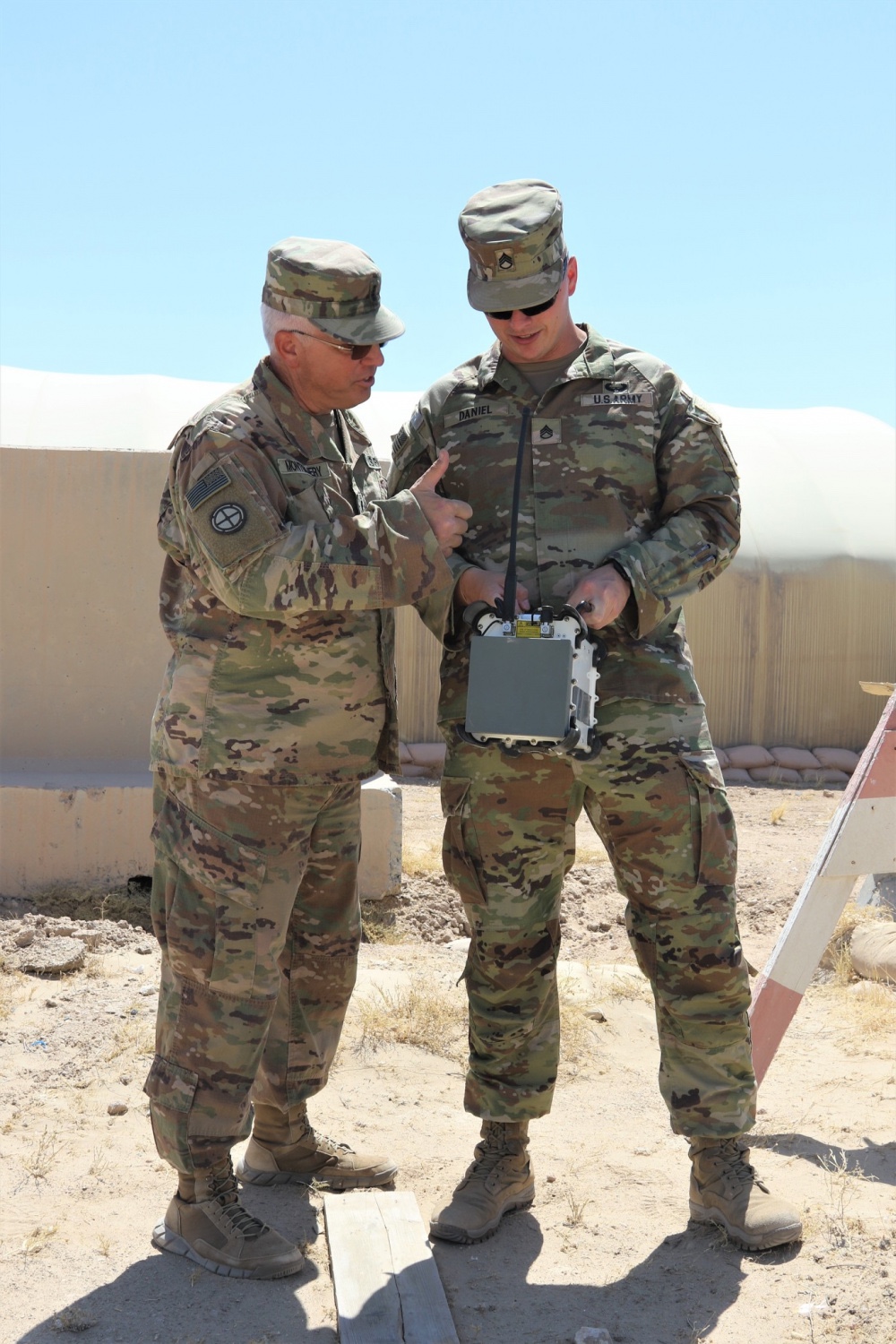
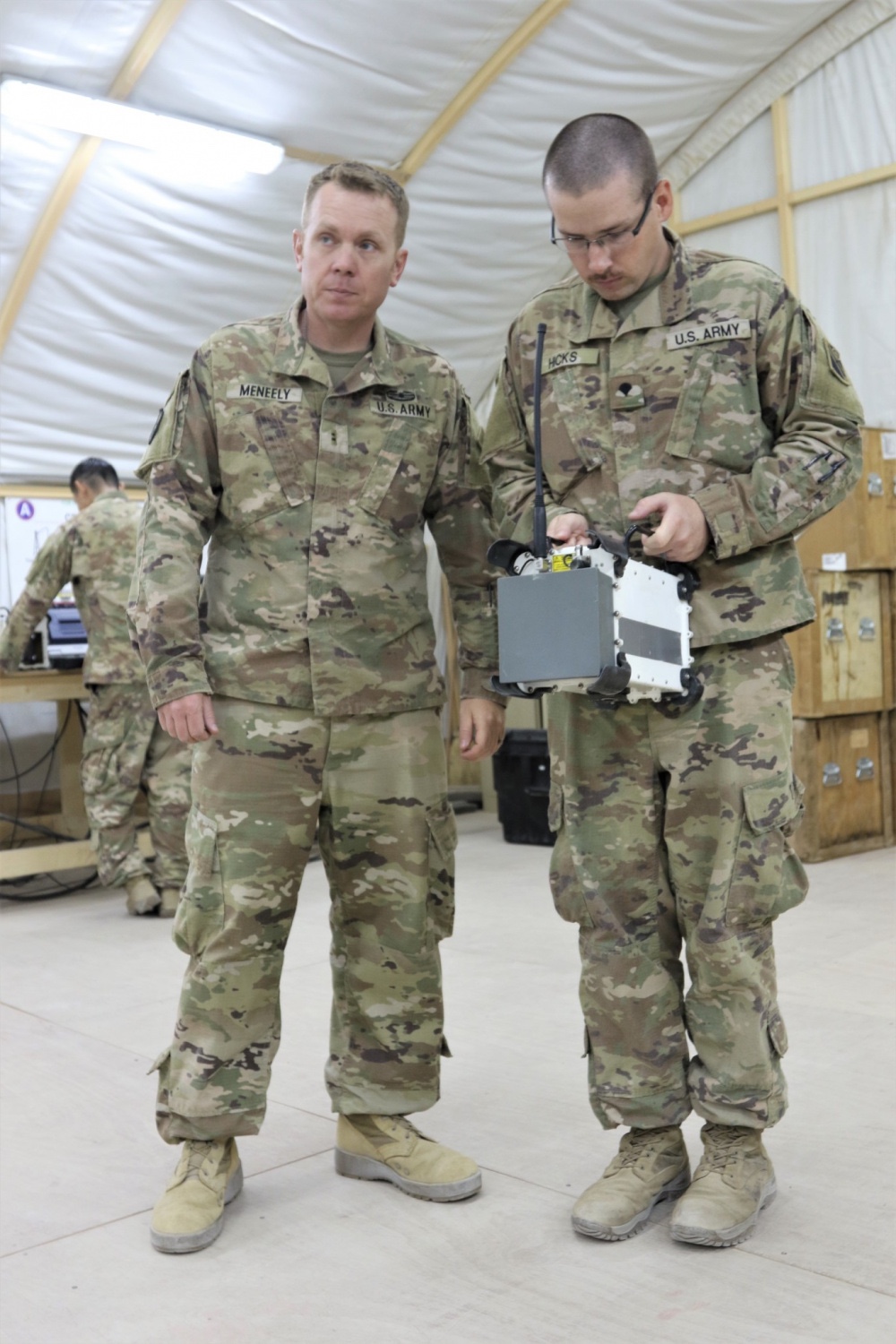
Illinois National Guard Soldier Chief Warrant Officer 2 Anthony Meneely and Florida National Guard Soldier Chief Warrant Officer 4 Douglas Montgomery are Electronic Warfare Technicians who arrived in theater in April 2021 with Task Force Phoenix—a combat aviation brigade responsible for full-spectrum aviation operations for Operation Spartan Shield and Operation Inherent Resolve.


Meneely, Montgomery, Electronic Warfare NCO Sgt. Ismael Pulido and OIC Maj. Jeremy Tennent are Task Force Phoenix’s Cyberspace Electromagnetic Activities (CEMA) cell. They are responsible for ensuring that friendly radio-wave emitting equipment is safe and secure, and they advise the Task Force’s command staff on adversary electromagnetic jamming.

After they arrived in theater, they soon learned that the EWO/CREW class was not being taught.

“This equipment is vital on a contested battlefield where RCIEDs are a threat,” Meneely said. “Soldiers were not getting proper training for the CREW devices for their vehicles that were headed north.”

Meneely and Montgomery had the skills and expertise to teach the class. They contacted Capt. Wilkes and Lt. Col. Willard Lund, director of the Directorate of Plans, Training, Mobilization and Security (DPTMS). DPTMS is responsible for all training in Kuwait. Meneely, Montgomery and Tennent made an offer to Wilkes and Lund to restart the class, update it and teach it.

“They were fully supportive,” Meneely said of Wilkes and Lund. “They’ve been helping us insurmountably with materials, equipment and general support.”

“Chief Meneely, Chief Montgomery and Maj. Tennent identified a training gap along with a resourcing gap,” Wilkes said. “They worked with us to make connections across the AOR to stand up a new program. As a result, they were able to update all of the systems and offer training for them.”

Meneely, Montgomery and Pulido, a California National Guard Soldier, welcomed their first class at Camp Buehring on July 12. Tennessee National Guard members Spc. Curtis Hicks and Staff Sgt. Thomas Daniel, from the 1-181st Field Artillery Battalion, and Virginia National Guard Soldier Staff Sgt. Richard Recupero, from the 29th Infantry Division, were the first graduates of the four-day course.




“We taught them the fundamentals of electronic warfare and the 10-level maintainer tasks for CREW systems,” Meneely said. “Upon completion of the school, the CREW maintainers can load, operate, troubleshoot and fix deficiencies in the systems. They will go back to their units responsible for ensuring all their CREW systems will be mission capable.”

Staff Sgt. Daniel said the course gave him vital training on the CREW systems that his battalion employs. “Our security force rolls out with these systems,” he said. “We’ll be in charge of doing the testing and reporting for the systems for the battalion.”

“I think the class went well,” Montgomery said. “We’re going to continually adjust the course and update it based on assessments, feedback and emerging threats.”

Meneely and Montgomery said they will be hosting additional classes as needed for incoming units. They also plan to establish a counter unmanned aerial system (CUAS) academy at Camp Buehring.

Story by MAJ Jason Sweeney, 40th Combat Aviation Brigade