Phantom Lights

Archive for the ‘Guest Post’ Category

MATBOCK Monday Tarsier Eclipse

Monday, August 10th, 2020

TARSIER ECLIPSE

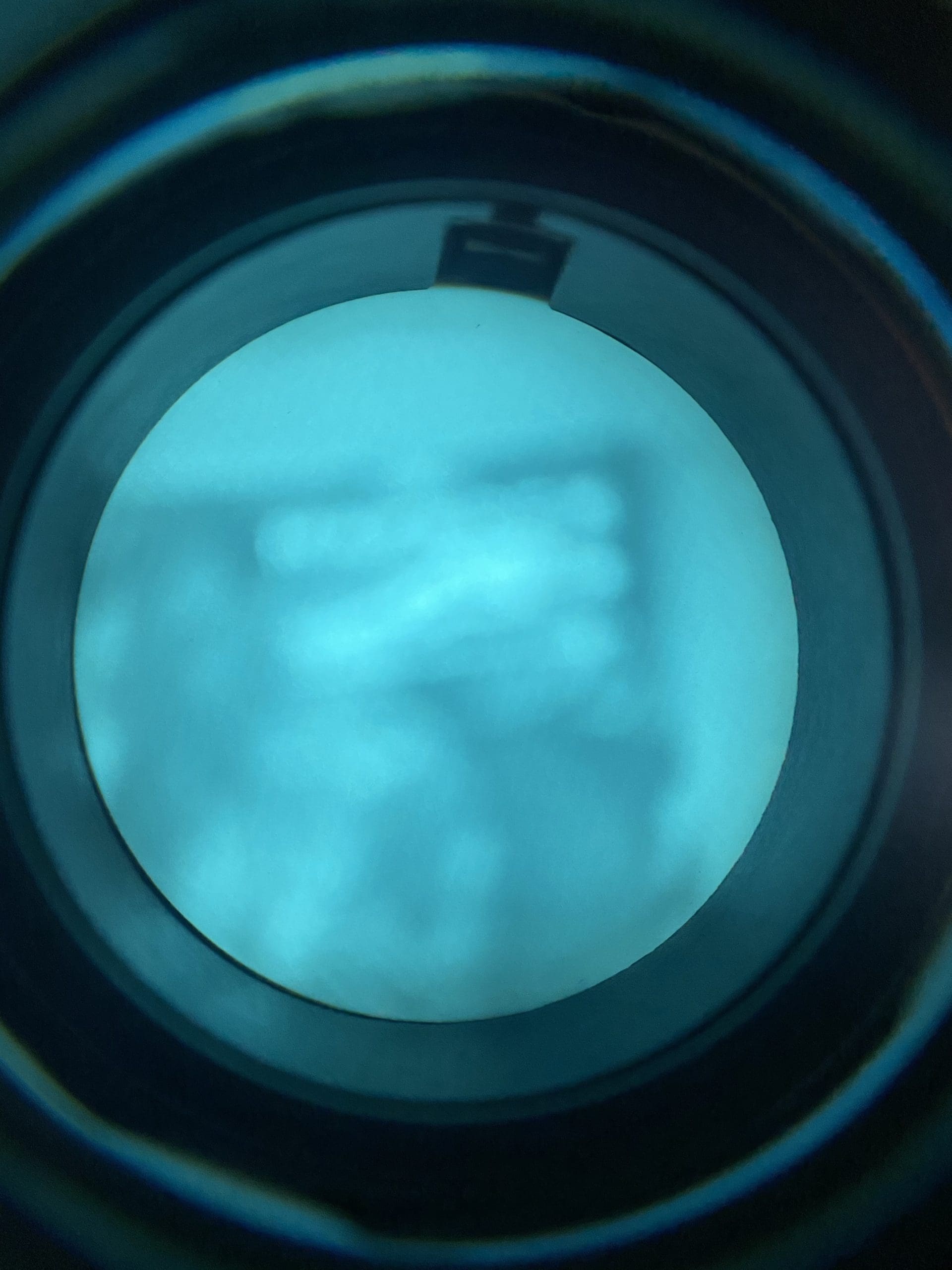
WITHOUT TARSIER ECLIPSE

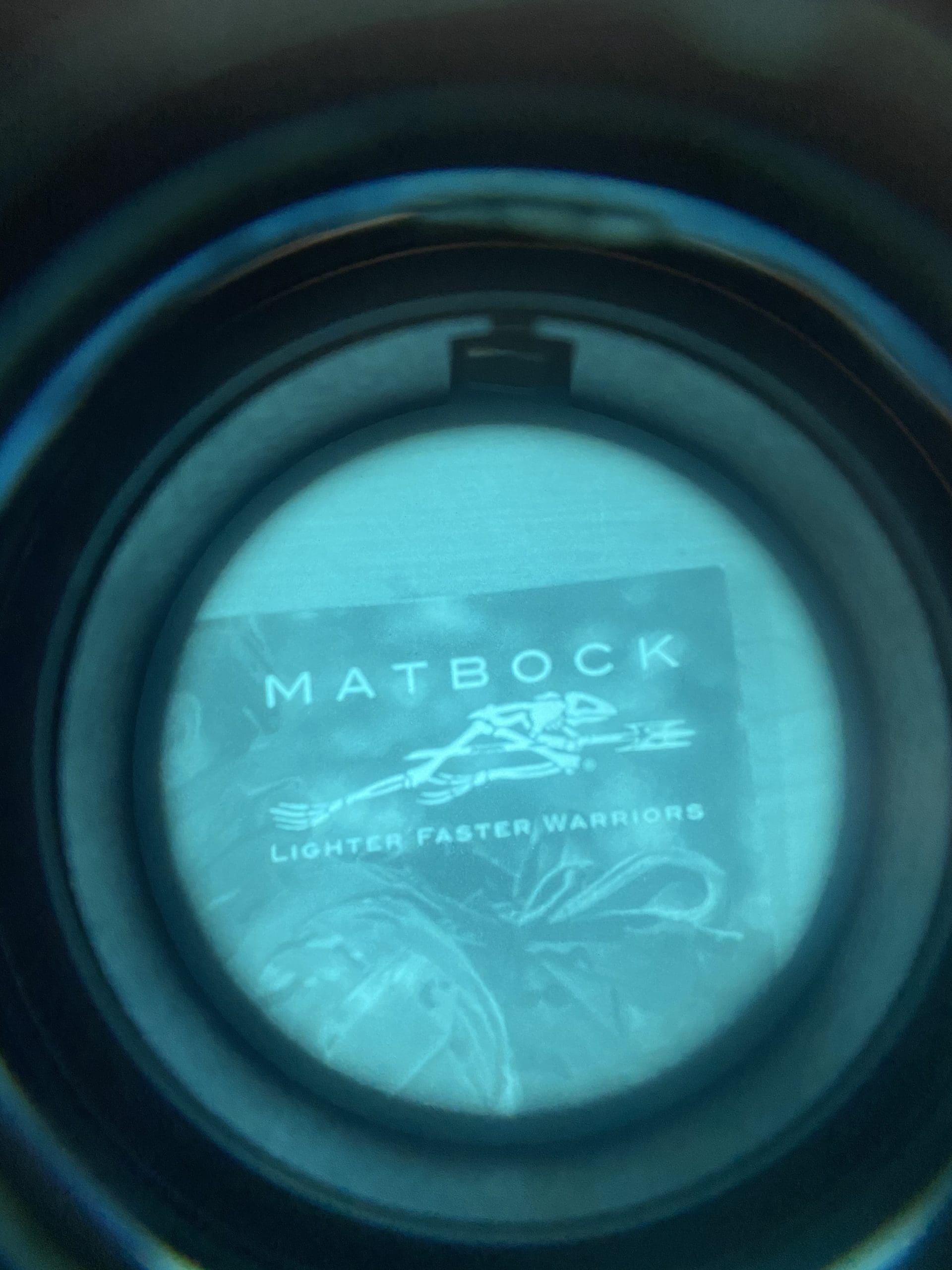
WITH TARSIER ECLIPSE

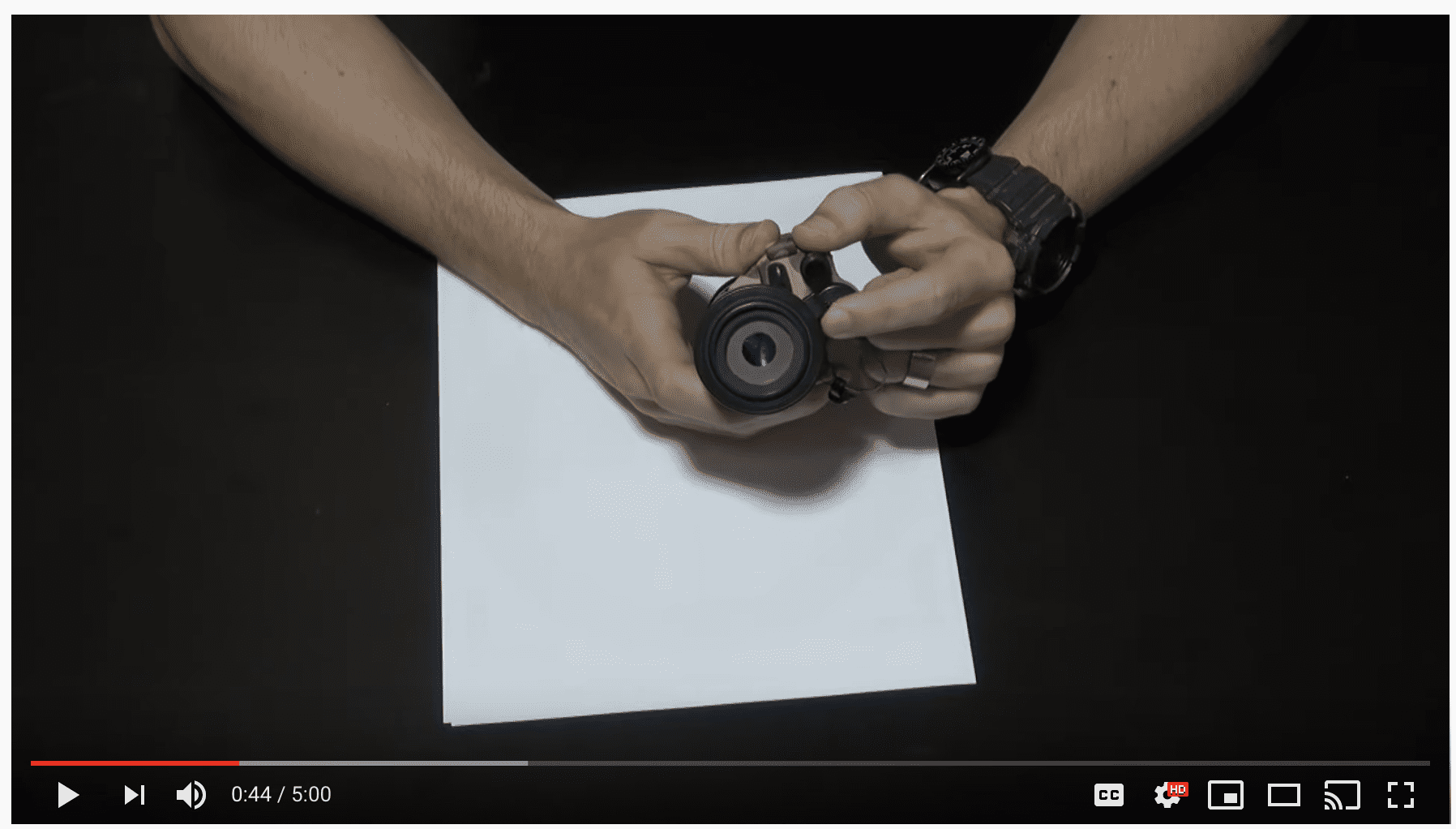
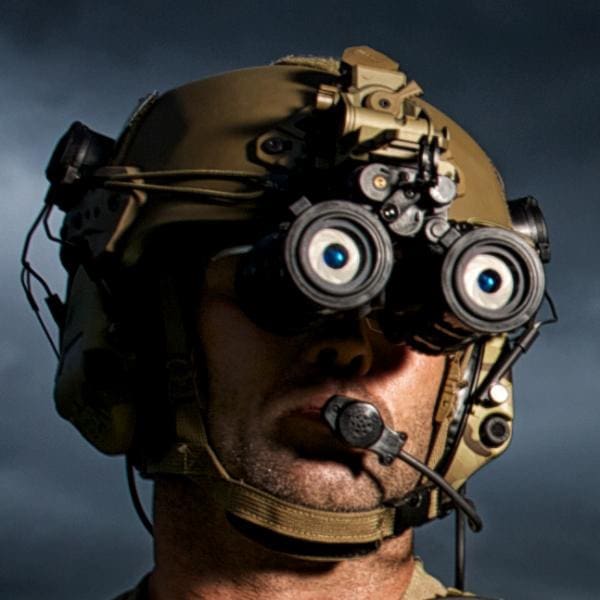
The Tarsier Eclipse ™ is the most advance Night Vision Goggle accessory on the market. It easily attaches to your NVG’s allowing the operator to see objects from 18” to infinity at the same time without adjustments!

It incorporates a smooth action, high performance optical iris that can be adjusted open or closed depending on the amount of light. Not only does this accessory save time in critical situations it also protects your lenses from getting scratched or damaged during your mission.

If the glass on the Tarsier Eclipse ™ gets damaged you can simply pop it out with your fingers and insert a new one!

Don’t forget to tune in on Monday at 4:30 PM EST on Instagram as we do a live demonstration our Tarsier Eclipse!

www.matbock.com/collections/night-vision/products/tarsier-eclipse

SCUBAPRO Sunday – Mask Squeeze

Sunday, August 9th, 2020

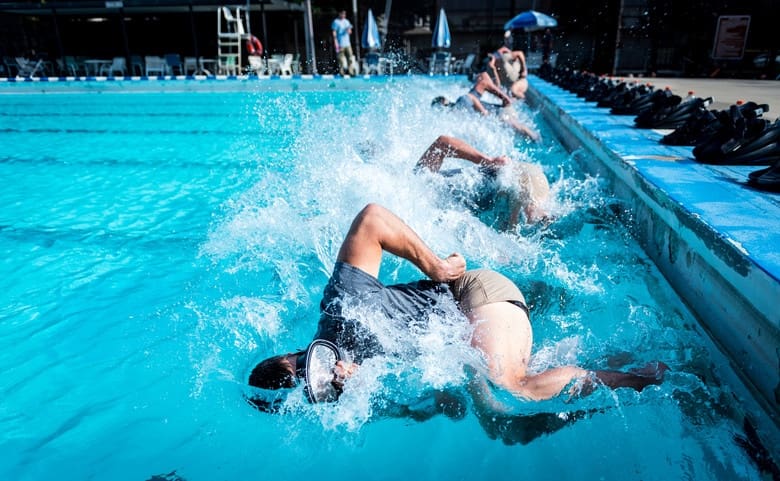
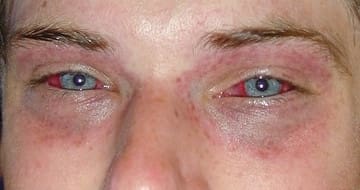
When you first start diving, sometimes little things will happen, which most likely will not occur as you gain more experience like forgetting to bring an extra mask.  Sometimes It can be a little most serious like you might forget to do a proper purge process, and you get to depth, and you pass out. Your dive buddy has to pull you to the surface and think he is getting kicked out because he is a new guy like you, and he believes he killed his swim buddy. Other things can happen that are a little more series. It can cause some harm if you are not careful, and it will make you look like you have to hickeys on your eye. It is a good thing if it is around Halloween, you will look like a zombie and not a cool one like the Walking Dead. It is a mask squeeze or for the corpsman in the group called facial barotrauma.
What is Mask Squeeze?

A Mask squeeze can occur with the incorrect equalization of the air pressure inside your mask, causes it to compress tighter against your face, causing the small blood vessels around the eyes to burst. If you don’t know how this feels, it’s like the covered areas of your face get sucked into the mask as the negative space between them gets smaller. While all dive briefs should t divers are usually warned about during Open Water Diver courses, many don’t pay too much attention to it after underestimating the trauma that it can cause. So unless you’re willing to surface with scary, bloodshot eyes, you’ll want to remember what not to do and what you can do to prevent it from happening during any of your dives.

How Does Mask Squeeze Happen?

Several things can cause an unfavorable change of mask pressure. The most common is failing to exhale into the mask during descent. Many divers remember to equalize their ears since ear discomfort becomes increasingly noticeable as you dive deeper. Still, they may not realize the increase in scuba mask pressure until after they surface.

Other factors that increase the likelihood of mask squeeze from diving are poor dive mask fitting (particularly if you choose a mask that’s too small for your face or too tight, to begin with) and fast descent. As you can imagine, it can be easy for a diver to forget the steps to take to prevent mask squeeze, especially for beginners who are worried about getting air into the mask.

Dangerous Effects of Mask Squeeze

Divers who suffer from mask squeeze may notice bruising around the eyes, blood spots over the white areas of their eyes, and swelling. Fortunately, it rarely causes injury inside the eyeball. Divers often get alarmed and panicky when they see blood in their eyes. Still, the condition isn’t as dangerous as it looks and usually clears away without any significant mask squeeze treatment.

In the most severe cases, the hemorrhage can last longer, or you might notice a loss of vision or pain, in which case you should visit a doctor straight away.  

Avoiding Mask Squeeze

Prevention is always better than cure, so every diver needs to remember how to use their masks properly and avoid mask squeeze.

First, never wear masks that cover only the eyes. While those may be suitable for snorkeling, you’ll need a mask that can be equalized if you’re swimming at greater depths. Fortunately, modern dive masks have nose valves that allow divers to quickly equalize the air space between their mask and face without the risk of flooding it.

Next, don’t choose a mask that feels tight, to begin with. Once you descend, the pressure automatically causes an increased suction on the mask. A scuba mask should sit comfortably on the diver’s face and stick when mild pressure is applied even without the strap being worn.

To help prevent bruising, a soft silicone skirting is also a must, so the mask will comfortably cushion and spread the pressure around your face.

Finally, don’t descend too fast and make it a habit to equalize. Instead of being worried about water getting into your mask, it helps you get comfortable taking off and putting on your dive mask underwater.

Through practice and with the presence of mind, you can easily avoid mask squeeze and enjoy much safer dives.

What is mask squeeze? 

Like the air spaces in your sinuses and ears, you must also equalize the air space in your mask as you descend. When you descend, failure to equalize, or add air to the air space in the mask, by exhaling through your nose, can create unequal pressure between the mask air space and the vascular pressure within the blood vessels of the face. This can result in various degrees of facial barotrauma, or injury to the soft tissues of your face contained within the mask. Imagine your face in a suction cup. The soft tissues beneath the mask and especially around the eye, swell (periorbital edema) and discolor, such as redness or bruising (ecchymosis).

What treatment do I need?

Unless you are experiencing eye pain or visual problems, there is no treatment for facial barotrauma except time. Because it is a bruise, your body will eventually reabsorb the effect of your mask squeeze. Your physician or an eye specialist should immediately address eye pain or visual disturbances such as blurred vision or loss of part of the visual field. These symptoms would be extremely rare in mask squeeze, however. The signs and symptoms of mask squeeze can take up to two weeks or more to resolve. Unfortunately, it is one of those conditions where you will probably look worse than you’d like before it gets better. Not only will blood and edema needs to be reabsorbed, but it tends to be gravity-dependent – which means it will spread downward on your face. Before you heal, you may look like a red-eyed black-and-blue marked creature in a B-grade horror flick or a boxer that took at least two too many punches.

Who gets mask squeeze?

Mostly new divers get squeezed – they tend to be overwhelmed by all the skills they need to remember, such as buoyancy control and equalizing their ears and sinuses, all while being mesmerized by the mysteries of the sea. More experienced divers, however, are not immune to mask squeeze. They tend to have mask squeeze when they concentrate on some new activity or focus on a task that diverts their attention from clearing their mask. Changing to a new mask or to a low-volume mask may also lead to mask squeeze, because the diver may not be accustomed to when to add air. Finally, poor-fitting masks or other issues such as facial hair may lead to problems with equalizing.

How do you prevent mask squeeze from happening again? 

The solution to preventing mask squeeze is to remember to keep your nasal passageways open during descent. By exhaling through your nose and using a properly fitted mask, you will minimize facial barotrauma risk. A mask should fit comfortably against your face, and you should be able to achieve an appropriate seal by gently placing the mask on your face and inhaling through your nose. The mask should seal to your face and not fall off even without the mask strap in place. It is not unusual for a small amount of leakage to occur while diving, especially if you have facial hair. Exhaling through your nose and tilting your face towards the surface while cracking the mask’s lower seal will generally remove any unwanted water from your mask.


USAF Removes Uniform Barrier for Women, Authorizes Pants Option for Mess Dress

Saturday, August 8th, 2020

WASHINGTON (AFNS) — Based on overwhelming feedback from the field, Department of the Air Force officials announced today women may elect to wear pants or a skirt with their mess dress uniform.

The changes, which are effective immediately, are outlined in an exception-to-policy memorandum addressed to all Air Force personnel.

“It’s our responsibility to provide flexible uniform options that are functional and comfortable for all Air and Space Professionals,” said Lt. Gen. Brian Kelly, deputy chief of staff for manpower, personnel and services. “We have a lot of people working really hard to review our existing policies to make sure there are no unintended barriers or unfair practices that may be impacting specific groups of people on our team. We still have our work cut out for us, but this is a step in the right direction in creating an inclusive culture.”

Previously, women were required to wear a floor-length skirt with the mess dress uniform. As an interim solution, until women’s mess dress slacks are available for purchase in approximately 18-24 months, women are authorized to immediately purchase and alter men’s mess dress trousers.

Alterations for women opting to wear the men’s mess dress trousers will be provided by the Army and Air Force Exchange Service at no cost to the member.

“We hear you,” said Chief Master Sergeant of the Air Force Kaleth Wright. “This is a bit of good news for some of our teammates who’ve wanted this change for a while now. A small thing, but one that I hope can go a long way to helping Airmen realize that we listen, we hear and we care.”

Changes will be incorporated in the next update of Air Force Instruction 36-2903, Dress and Personal Appearance of Air Force Personnel. In the interim, for more information, the exception to policy memorandum and frequently asked questions are available on the public website of the Air Force’s Personnel Center at www.afpc.af.mil/Career-Management/Dress-and-Appearance.

FirstSpear Friday Focus – USA Merino Base Layer Bottoms

Friday, August 7th, 2020

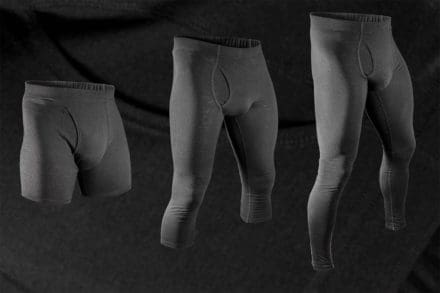
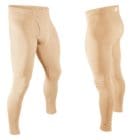
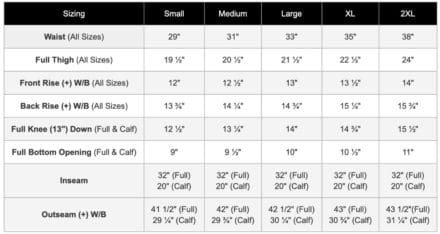
Today we are getting a look at the Base Layer Bottoms from FirstSpear’s American Merino Wool line (ACM). Featuring three available styles a Boxer Brief, Calf Length, and Full Length available in black and all new Sand color way.

These are built with FirstSpear’s ACM BASE-100 a super light wool package providing excellent natural moisture wicking properties. All three feature a front facing fly, gusseted crotch and flat seamed technology.

The full length is a traditional full length inseam finished with a low ankle cuff, the Calf Length is cut just below the knee designed to pick up where your boot sock stops reducing clutter under footwear and increasing comfort. The Boxer brief is finished in a traditional boxer brief length. 100% American Made with American Materials, now shipping in black and sand on first-spear.com.

US Army Study Suggests Optimal Social Networks of No More Than 150 People

Friday, August 7th, 2020

RESEARCH TRIANGLE PARK, N.C. — New rules of engagement on the battlefield will require a deep understanding of networks and how they operate according to new Army research. Researchers confirmed a theory that find that networks of no more than 150 are optimal for efficient information exchange.

“This is the beginning of a new way to address competition and conflict in today’s complex world,” said Dr. Bruce West, senior scientist, Army Research Office, an element of the U.S. Army Combat Capabilities Development Command’s Army Research Laboratory. “To increase the utility of the Army’s evolving network structures in terms of robustness, resilience, adaptability and efficiency, requires a deeper understanding of how networks actually function, both ours and those of our adversary.”

Researchers at ARO and the University of North Texas tested a theory proposed by British anthropologist Robin Dunbar in the 1990s, which suggested that 150 was the largest group that humans can maintain stable social relations. In the vicinity of this size the social group becomes unstable and splinters into smaller groups.

“It takes a network to defeat a network,” wrote retired Army Gen. Stanley McChrystal, in his book Team of Teams. He discusses understanding the implications of the theory, abstracting from battlefield experiences in Iraq battling the loosely networked but effective terrorist organization Al Qaeda.

Researchers published their findings in the peer-reviewed Proceedings of the National Academy of Sciences of the United States of America. In their study, they prove Dunbar’s conjecture, demonstrating that certain sized network has better information transport properties than others, and that networks of no more than 150 are optimal for internally sharing information.

“A fundamental property of a network is the relation between its functionality and size, which is why understanding the source of the Dunbar Number is important,” said West, a co-author of the paper.

The researchers propose that the number 150 arises as a consequence of internal dynamics of a complex network self-organizing within a social system.

Based on that theory, the researchers also indicated that a peaceful demonstration can be turned into a mob by just a few agitators, with the size of 150 being the most vulnerable to such disruption.

“The 150 optimum has been observed by Dunbar and others, but Dr. West and colleagues are the first to computationally capture the theorized process of information dynamics, which are fundamental to problem-solving, development of group factions, and formation of cohesive groups,” said Dr. Lisa Troyer, who manages ARO’s social and behavioral sciences research program. “This is an important leap forward by for social science theory and will likely lead to further research and insights on collective action.”

Dunbar predicted that social groups have optimal sizes. He referred to these group sizes as nested layering and that they have a scaling ratio of approximately three. Consequently, he identified the sequence of sizes of cognitively efficient social groups 5, 15, 50, 150 and 500, explaining that these layers were not equal in terms of strength of relationships.

“The layering sequence is interesting because each number in the sequence is within a factor of two of the empirical magnitudes of entity sizes in the U.S. Army, ranging from a squad of roughly 15 to a platoon of approximately three times the squad size, next to a company consisting of three platoons and followed by a brigade the size of roughly three companies and so on,” West said. “This is the intuition on which armies have been hierarchically constructed by military leaders since the Roman Empire.”

According to West, understanding how information flows within, is analyzed by, and is accepted or rejected from groups of various sizes is crucial in the training of teams. He said that this is not only true in the development of a single team, but is just as important for the training of teams to work together, to form teams-of-teams.

“The size of a team may be the determining factor in the potential success of a complex mission that depends on adaptability and collective problem solving,” West said. “The same understanding can be applied to the reverse process, that of insinuating disinformation within an adversarial group. The size of the group may at times be more important than the form the lie takes for its acceptance and immediate transmission, witness the recent riots.”

By U.S. Army CCDC Army Research Laboratory Public Affairs

Air Force Special Warfare Career Fields Update Entry Requirements

Wednesday, August 5th, 2020

JOINT BASE SAN ANTONIO-CHAPMAN TRAINING ANNEX, Texas (AFNS) —

Air Force Special Warfare has refined its rich history of Assessment and Selection for entry into the special tactics and Guardian Angel career fields.

A&S is a character-based process that is indexed off of physical performance and mental fortitude, but fuses the cognitive domain to build a unit of action–an agile and adaptive operator. A&S is a high performance system designed to prepare operators for uncertainty, to embrace pressure and improve their crisis management abilities.

“No inflection point, we’ve been doing this for 65 years so this isn’t new to us,” said Chief Master Sgt. Jamie Clark, Special Warfare Training Wing command chief. “Our A&S has always been about developing the operator, a problem solver, not a specialty. Let’s not mince words though, it starts and ends with grit. At the very core, our A&S is a talent management process designed to build an Air Force joint leader to project airpower in combat, humanitarian and gray zone operations.”

In January of 2019, the wing revised its previous A&S into a single, more comprehensive process designed to push and test the upper limits of a candidate’s physical, mental and cognitive abilities. The course is four weeks long and aspiring attendees consist of pararescue, combat control, special reconnaissance, combat rescue officer and special tactics officer candidates. Previously, candidates of these career fields attended different initial entry courses such as the Pararescue Indoctrination Course or Combat Control Selection Course.

“In the past, combat control and pararescue candidates went through the Indoctrination Course together,” said Senior Master Sgt. Lopaka Mounts, A&S superintendent. “Bringing combat control, pararescue and now special reconnaissance back into the same A&S ensures candidates are evaluated along the same guidelines for trainability, suitability and durability.”

This A&S is no different than other special operations career fields across the Department of Defense. Its task and purpose is to ensure candidates have the requisite attributes to operate in any environment under extreme conditions, either individually or in small teams with limited to no support infrastructure. Stress is levied on candidates to simulate and inoculate them to high-risk, reduced signature and politically sensitive situations they will face in their careers, so attrition is expected.

“There is always going to be stress put on candidates in this course because we need to ensure they are able to perform. Therefore, attrition is unavoidable,” Mounts said. “The physical and mental tests throughout A&S is purposeful, anchored to and meant to ensure our candidates meet mission requirements. Candidates should come to the course ready to crush the standards that are in place.”

The goal has always been readiness and lethality while increasing operational placement and access, as well as range and maneuverability to operate in contested and noncontested environments. In essence, it’s about preparing the environment, which is what the Air Force envisioned when it created GA and ST. A&S is the mechanism to achieve this goal.

“We’re extremely proud of our GA and ST lineage and history. A&S is vital to what we represent, why wouldn’t it be? It’s the benchmark experience of who we are and fight for,” Clark said. “Our goal has and continues to be to position the Air Force to be successful, to create an unfair fight so we win. This is no more evident than the ultimate sacrifice paid by some of our heroes like William Pitsenbarger, John Chapman, Jason Cunningham, Scott Duffman, Scott Sather, Andy and Sean Harvell and Bill Schroeder.”

By 1st Lt Jeremy Huggins, Special Warfare Training Wing

Winter Is Coming! Wild Things Low Loft FR-G Jacket and Pants

Tuesday, August 4th, 2020

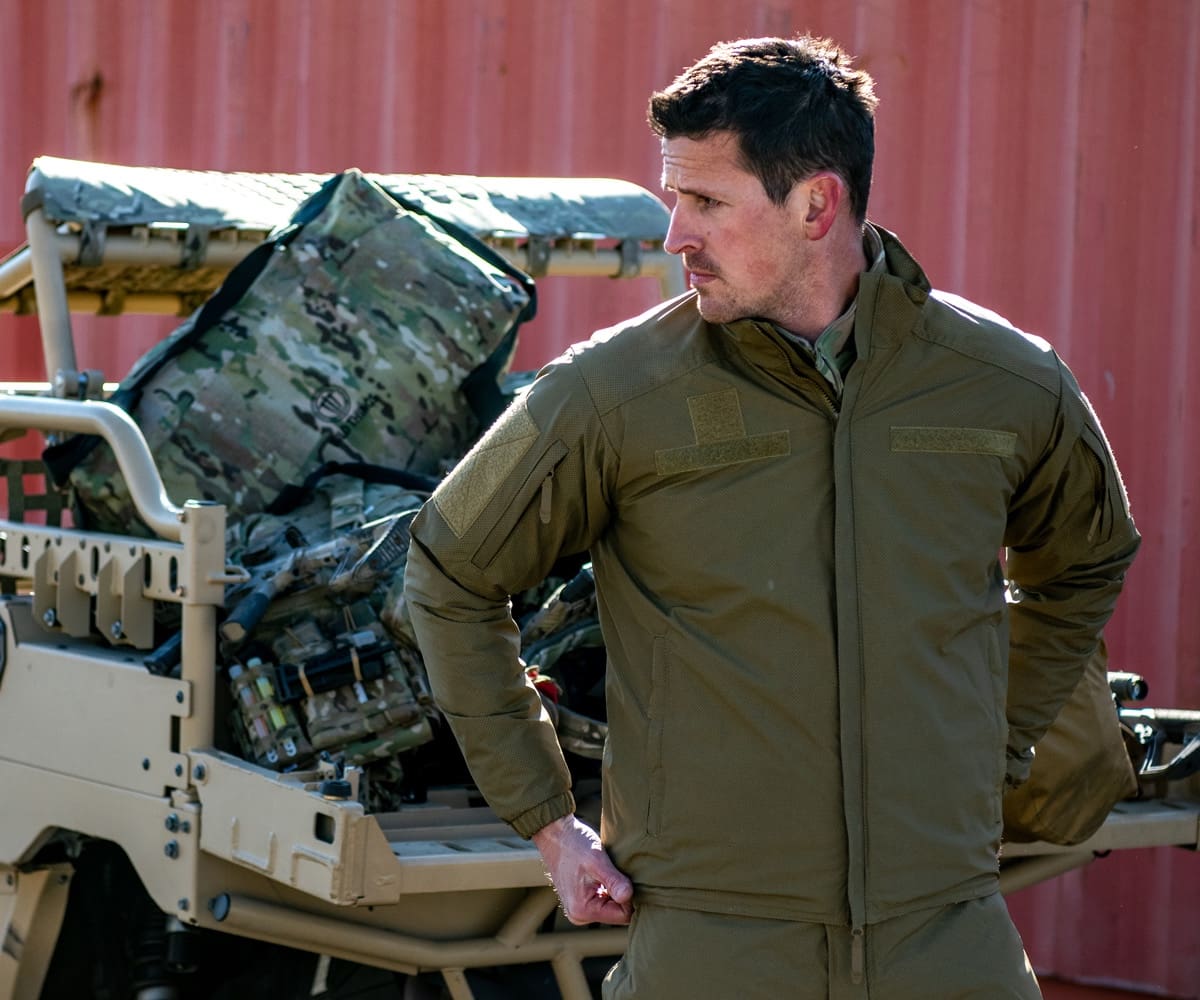
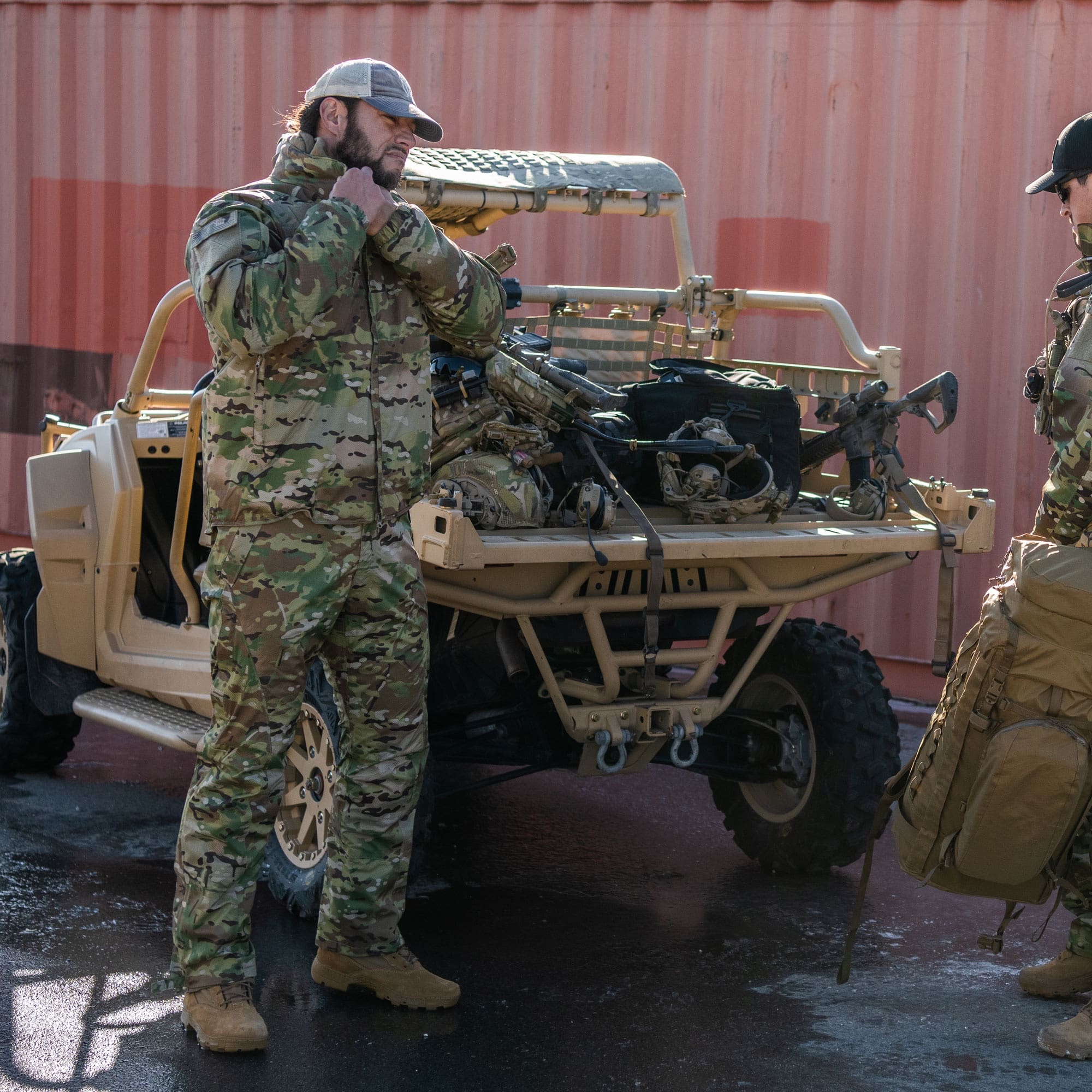
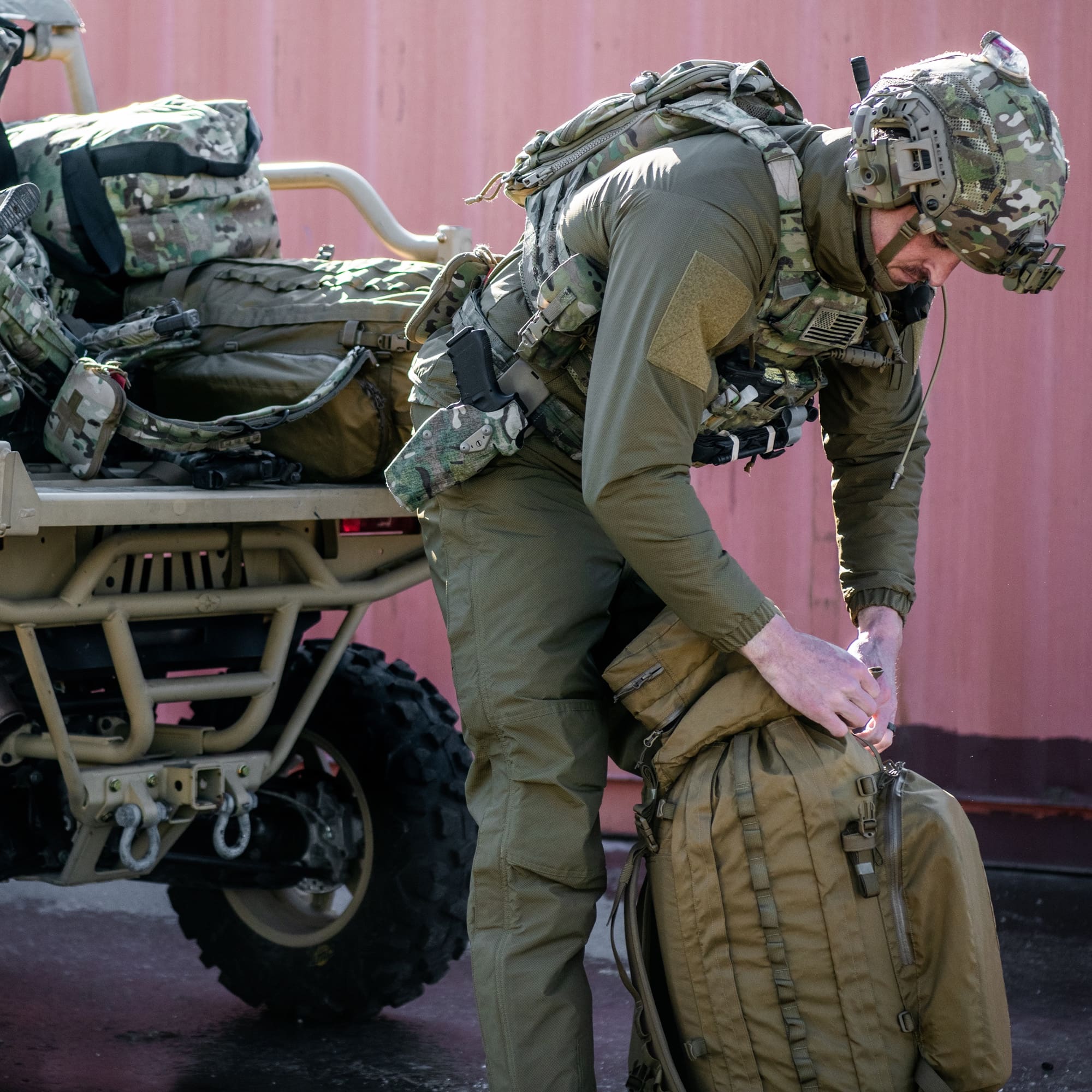
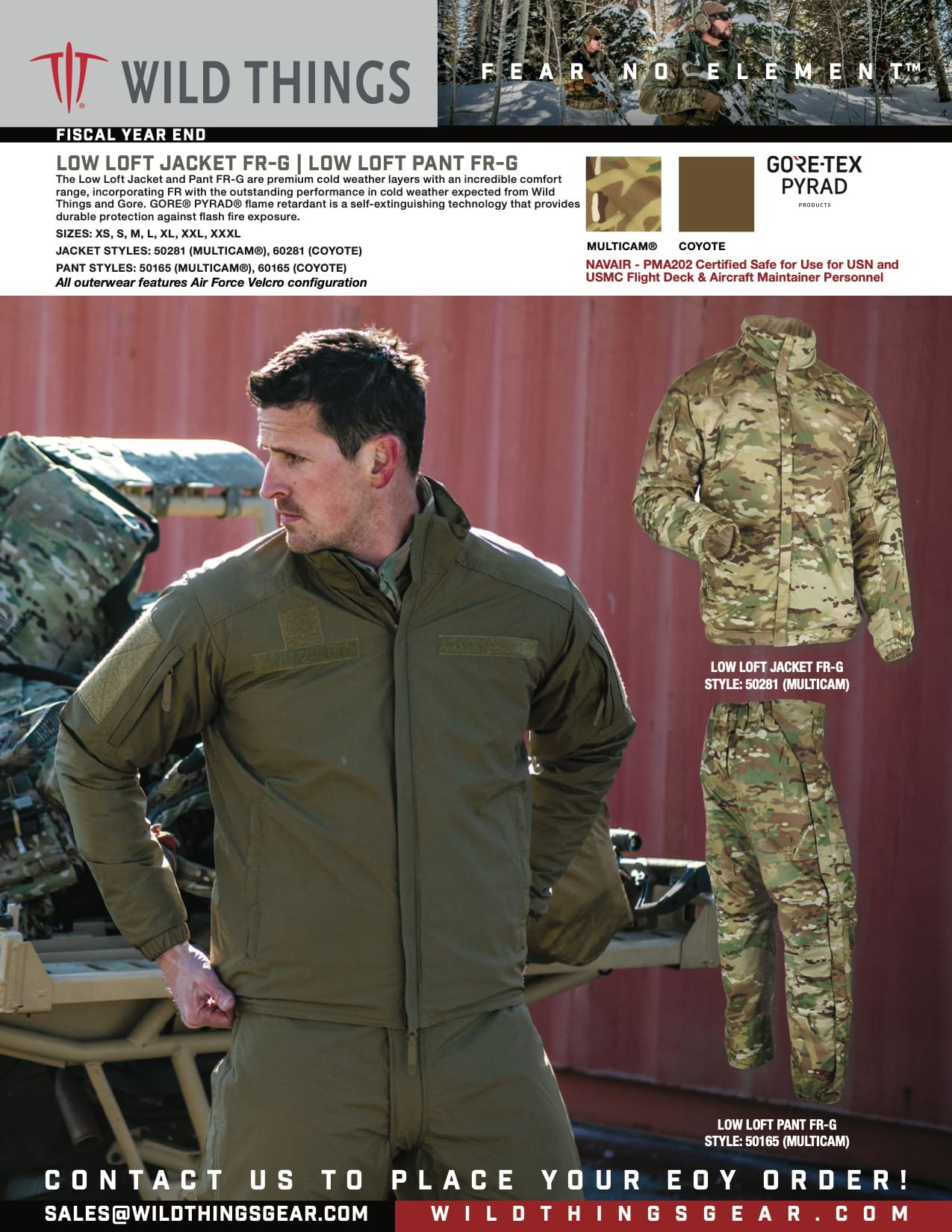
Wild Things Low Loft FR-G Jacket and Pant are an integral part of your FR layering solution. These premium cold weather layers have an incredible comfort range and incorporate FR with the outstanding performance in cold weather expected from Wild Things and Gore.

Low Loft FR-G layers use GORE® PYRAD® flame retardant hardshell fabric: a self-extinguishing technology that provides durable protection against flash fire exposure, while remaining highly breathable, water resistant, and windproof. PrimaLoft® Silver Active synthetic insulation helps you beat the cold in a packable and compressible garment.

Contact Wild Things today: we’re here to help you choose the right layers to meet your needs and your budget – from base layers to FR high loft – we can handle whatever weather Mother Nature throws your way. Fear No Element™.

Low Loft Jacket FR-G

Low Loft Pants FR-G

Low Loft FR-G Jacket & Pants Download:

TYR Tuesday – IDTOUR VTS |Virtual Trade Show| EPIC-DSX Plate Carrier System

Tuesday, August 4th, 2020

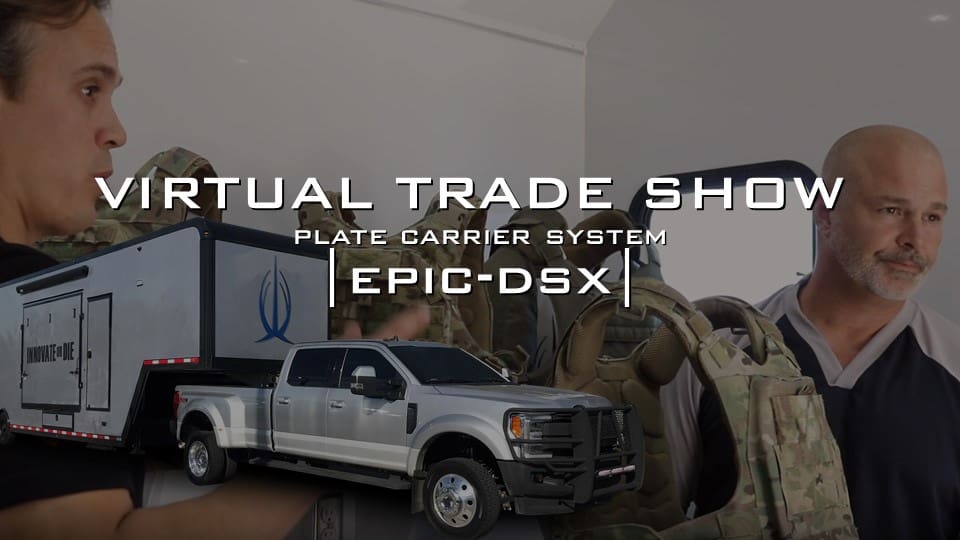
Episode Six of Innovate or Die® Tour Virtual Trade Show #IDTOURVTS is here!

Episode Six:

IDTOUR VTS |Virtual Trade Show| PICO-MVW-DSX Plate Carrier System

New episode launching every Tuesday.

EP.6 New EPIC-DSX Plate Carrier System

Coming Soon: 2021

Available Now EPIC Male Carriers:

www.tyrtactical.com/products/list/epic-male/plate-carriers-body-armor

Available Now EPIC Female Carriers:

www.tyrtactical.com/products/list/epic-female/plate-carriers-body-armor

What is IDTOURVTS?

Our mission has always been about protecting those who run towards the threat.  To that end, we created the Innovate or Die® Tour and Mobile Showroom. Over the past couple years it has allowed us to meet you face-to-face, gather your feedback and answer your questions.

Life has been put on hold for many people around the world, but you have not stopped risking your safety and health against all the threats we face today.

We can’t wait to meet you on the road again.

Thank you to the men and women of the armed forces, first responders and health care professionals who continue to put their lives on the line.  You haven’t stopped working and neither will we.

Episode One:

IDTOUR VTS |Virtual Trade Show| PICO-DS & DSX Plate Carriers

Episode Two:

IDTOUR VTS |Virtual Trade Show| The Ultimate Range Bag

Episode Three:

IDTOUR VTS |Virtual Trade Show| Shield & Dolly System

Episode Four:

IDTOUR VTS |Virtual Trade Show| Huron™ Hot Weather Uniform

Episode Five:

IDTOUR VTS |Virtual Trade Show| PICO-MVW-DSX Plate Carrier System