Phantom Lights

Archive for the ‘Guest Post’ Category

New Special Operations Outdoor Training Facility Allows Safe Workouts

Saturday, July 11th, 2020

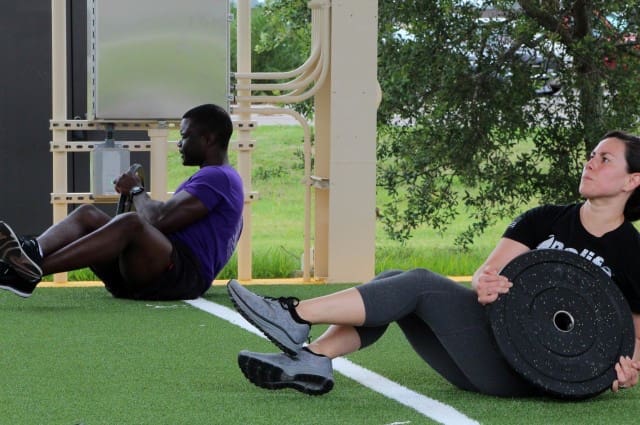
TAMPA, Fla. — U.S. Special Operations Command Central has opened a new outdoor human performance facility at MacDill Air Force Base, Florida, providing the opportunity for safe and socially distant workouts while allowing a venue to maintain personal wellness.

Officials deemed it necessary to open the outdoor facility during a time where most public fitness facilities were closed due to COVID-19.

Navy Rear Adm. H. Wyman Howard III, the Soccent commander, cut the ribbon to open the facility June 3.

”This is a great moment for us to be able to expand the [human performance] facilities,” Howard said. ”With this new workout area, our teammates will have ample room to perform workouts necessary to keep the team fit for the fight.”

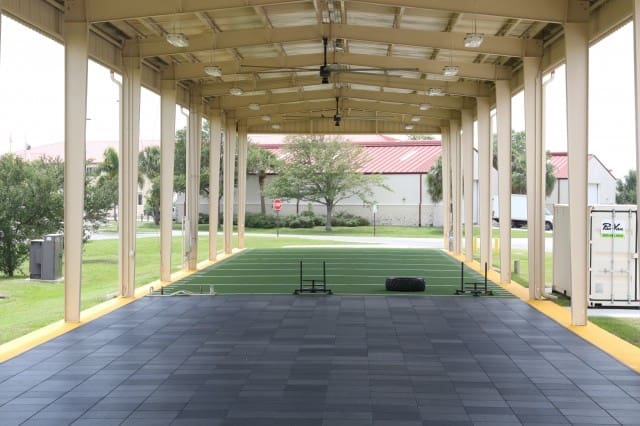
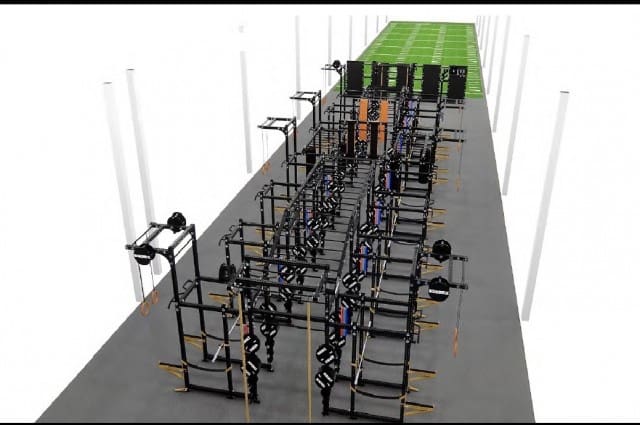
The facility is nearly the length of an American football field; stretching 247 feet, with half of the flooring made of synthetic turf and the remainder made of rubber matting for the equipment workout area. New lighting and industrial fans were installed throughout the facility, which also includes a purified drinking station. The open-air, yet covered, space allows athletes to work out without being exposed to the direct sunlight.

After the ceremony, Mike Renteria, Soccent’s strength and conditioning coach, invited a small group of personnel to stay for the initial workout session at the new facility.

This workout area is the first expansion phase of the human performance facilities, with plans for two more buildings on the Soccent campus to be converted as indoor facilities.

”The expansion of our Human Performance Training Center is going to be a world-class facility, with the best trainers, for the best warriors in the world,” said Army Maj. Juan Salas, the headquarters commandant for Soccent. ”It will serve as the pinnacle for all special operations forces while stationed at MacDill Air Force Base.”

The expansion and renovation project for the workout areas, physical therapy and rehabilitation facilities will span three fiscal years: 2019, 2020 and 2021.

”The project is moving nicely,” Salas said. ”The gym equipment will be installed in the new buildings by September of this year.” The project is scheduled to be completed before the end of 2020.

By Staff Sgt. Steven Colvin for Defense.gov

(Army Staff Sgt. Steven Colvin is assigned to U.S. Special Operations Command Central.)

FirstSpear Friday Focus – Fast Rope Mit

Friday, July 10th, 2020

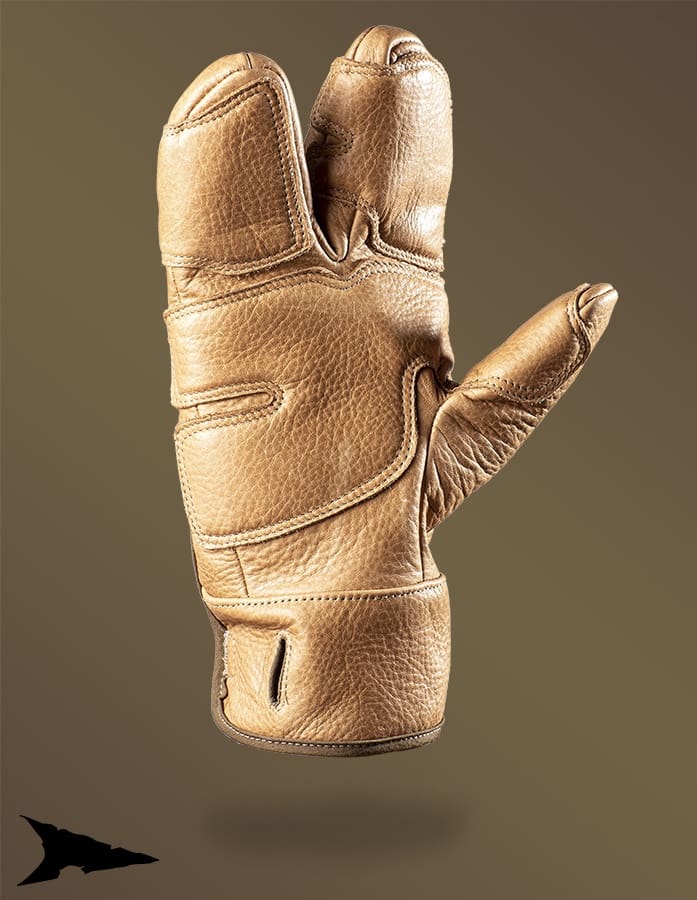
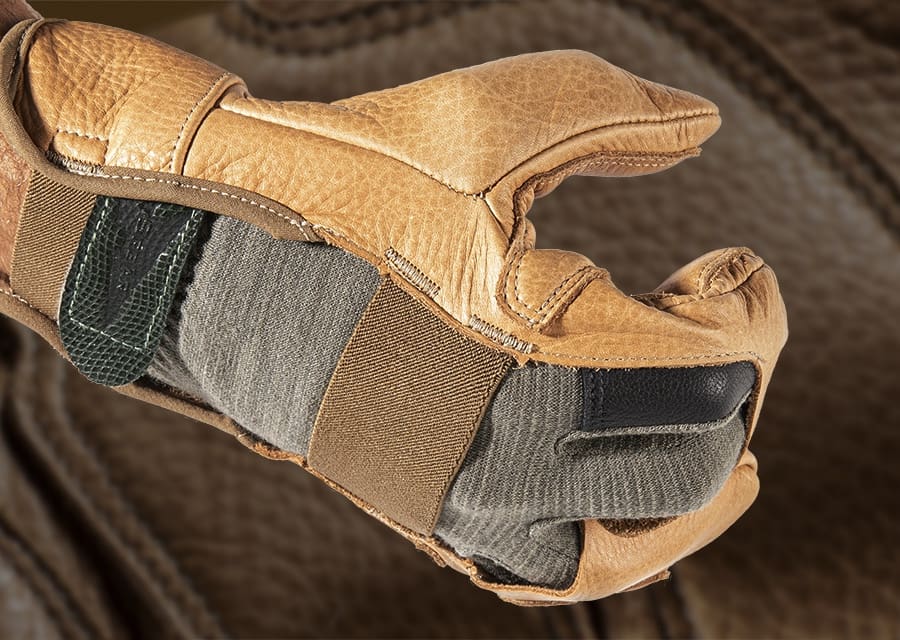
FirstSpear is at it again this Friday showing us the first look at an enhanced capability for the modern warfighter, the FRM – Fast Rope Mit. You might have seen prototypes and field samples at SHOT Show with the very distinctive lobster claw design, now we are getting to see what the final product will look like.

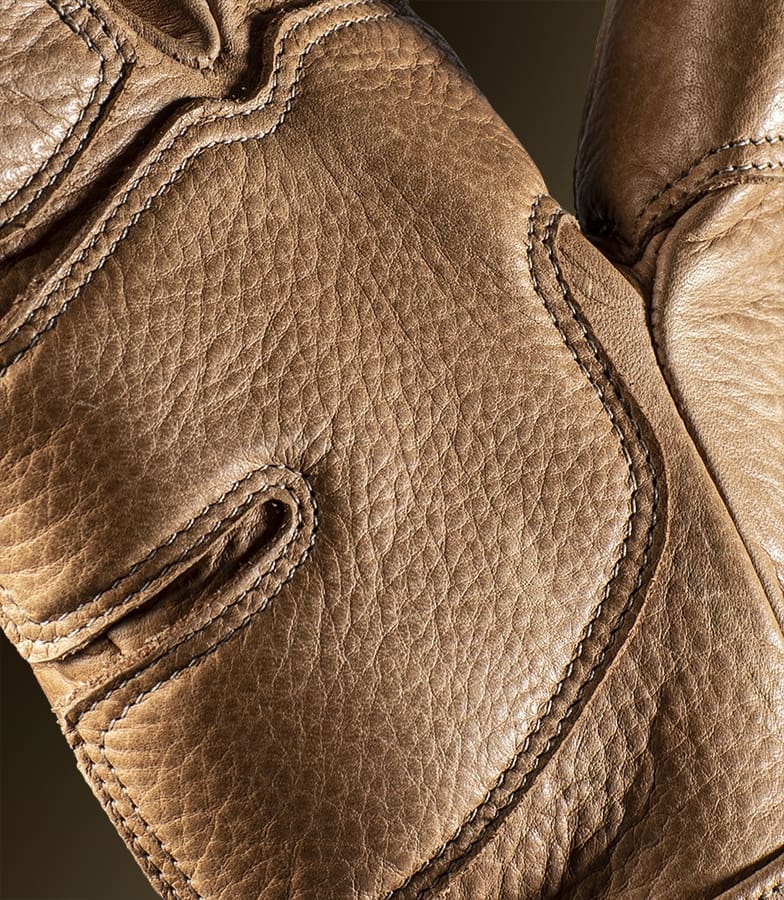
Right off the bat this glove is 100% Berry Compliant featuring all American “roper” cow leather and ultra high performance Kovenex providing greatly enhanced cut, tear, and thermal resistance for Fast Rope Insertions up to 90 feet (27.4 meters). Ultra soft on the hand and double layered in key points with a firmer grain and texture on the exterior of the palm. Reinforced button holes allow for quick and easy carabiner or snap hook attachment.

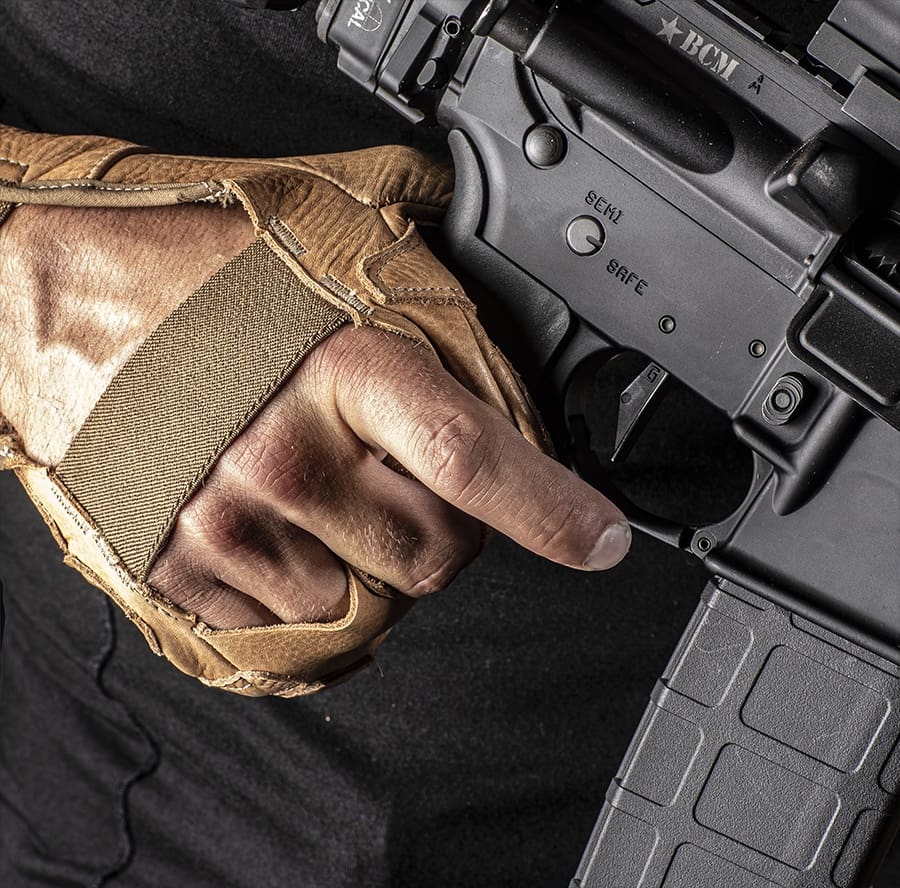
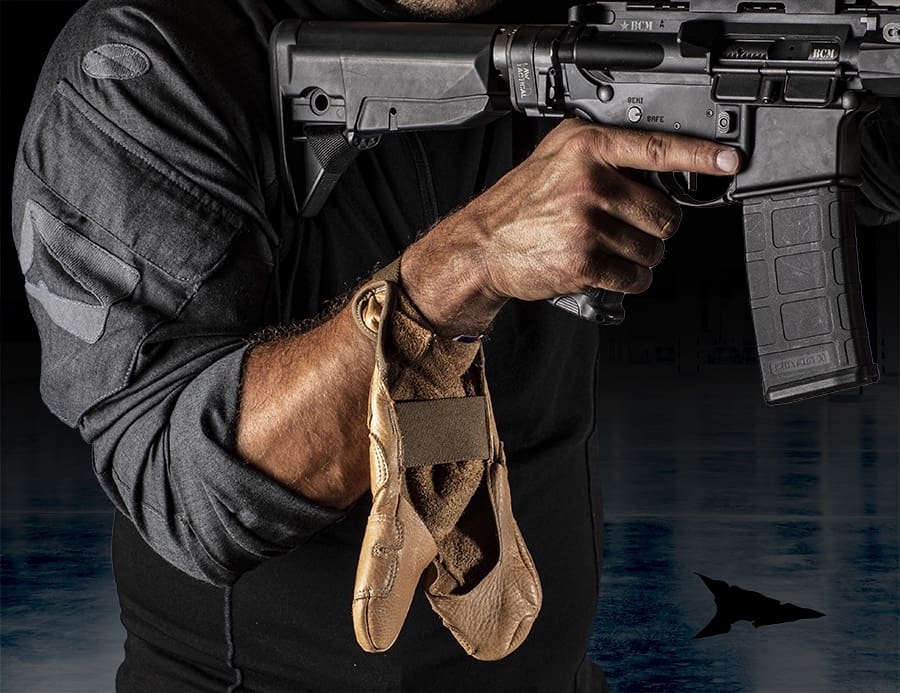
The FRM can be worn all on its own or over the top of your OG shooters glove for even greater protection. FirstSpear designed the Fast Rope Mit with several key features to increase the lethality of the operator. For example, the advanced two finger pattern allows the user to rapidly expose the trigger finger to engage a firearm with out removing the entire glove saving valuable seconds when coming off the rope. Additionally, the FRM can be flipped off the hand and retained further down the wrist with the second elastic strap allowing for total freedom from the glove without the possibility of losing it in rotor wash.

As you would expect, FS used overbuilt construction techniques with highly advanced materials, all balanced for weight and performance for the most demanding end users. The FRM is currently in production and delivery to FS Professional Users domestically and worldwide. Commercial availability for individual purchase is set for end of August. 100% American Made with USA materials.

www.first-spear.com

Army procedure goes digital for recovering lost, damaged property

Friday, July 10th, 2020

WASHINGTON – The procedure to recover lost or damaged property went digital on an Army-wide basis Monday, thanks to a Minnesota National Guard innovation to improve its property stewardship.

“We are moving from a 1977 Pontiac to a 2020 Ford,” said Col. Joe Ricker, Army G-4’s Deputy Director for Enterprise Systems. “It is certainly a big change.”

The change means all Soldiers can now initiate Financial Liability Investigation of Property Loss procedures electronically. The process, called eFLIPL, is similar to using online tax software programs through which users answer questions and forms are completed in the background.

The Army has billions of dollars of assets in inventories, and ensuring accountability and maintenance of it is not only important, but also a challenge. All Soldiers sign for individual equipment, but they don’t always realize just how expensive it is until it is lost or damaged.

The Army uses the investigations to determine if the proximate cause for the loss is based on negligence or willful misconduct, and if assessing financial liability is appropriate, explained Sgt. 1st Class Bobby Johnson, senior logistics Staff NCO in the G-4’s Property Accountability Division.

Johnson said the process includes several layers of review, can take months, and involves many people. “With the electronic system, it will reduce the burden on commanders,” he said. “They will be able to have better oversight. There will be uniformity among all commands. The process will be easier to audit. It will help anyone at any level initiate a FLIPL, and it will let us spot trends to see if policies need to be changed.”

Going digital also has several benefits in a COVID-19 environment, as everything will be paperless, and the system will be in a secure cloud. In fact, the pandemic helped speed the process of getting the digital version in place.

eFLIPL also is a great example of the Secretary of the Army’s initiative to employ technology to reform the way the Army works. Army Secretary Ryan McCarthy said last October at the Association of the U.S. Army’s annual conference, “The intent is to move the Army from industrial-age processes to the information age of leveraging data as a strategic asset and utilizing private sector technology.”

Ricker said “eFLIPL drives at the secretary’s intent. It is using Microsoft’s Azure Cloud for FLIPL data availability and making data accessible in a multitude of systems to include Army Vantage.”

Army Vantage, which has been a great help in the COVID-19 response, enables the Army to see itself by providing a common integrated data platform for visualizing current and future states of the Army. The FLIPL team will establish a Vantage Data Connector order to automatically populate the Vantage Commanders’ Dashboard. This will allow commanders the opportunity to review the units’ eFLIPL actions while reviewing readiness and other important items.

Like many great inventions eFLIPL started out as a simple idea by one Soldier – Maj. Chris Larson – who wanted to streamline a manual process. He had a team from the Minnesota Guard help him build the automated system and implement it. The team included Master Sgt. Keith Toenies, Jason Spillum and Master Sgt. Jeremy Fish.

Their results were immediate. They found it cut administrative errors and inconsistent packets, and reduced the time it took to process the FLIPL.

The system received such good reviews that the entire Army National Guard implemented it in October 2018. It has had a positive impact on how lost, damaged or destroyed property is assessed.

According to Chief Warrant Officer 5 Eric Crow, the Army G-4’s Division Chief for Property Accountability and Policy, the benefits of eFLIPL also spread to the Army Reserve, where 75 percent of its commanders have been trained to use it.

“Everyone has been anticipating the release for some time,” he said, “and a lot of active component Soldiers have reached out to their guard and reserve counterparts to help them train on how to use the system.”

This past year, Army G-4 conducted pilot programs with Soldiers from III Corps units at Fort Hood, Fort Carson, Fort Riley and Fort Bliss; the 101st Airborne Division, Fort Campbell; and the United States Army Special Operations Command, Fort Bragg. Based on their feedback, system managers improved the eFLIPL system so the process can be done seamlessly and without errors.

So far more than 20,000 people have registered to use eFLIPL. Over the course of the next few months, there will be video training for Soldiers, especially for commanders, judge advocates and financial liability officers. All Army organizations need to be on the system by October 1.

“In an era when more things are becoming digital, so too are eFLIPLs,” Johnson said. “Today is a great day for property accountability reform.”

– Army G-4

New Research Shows Promising Future for Warfighter Communication

Wednesday, July 8th, 2020

ADELPHI, Md. — Soldiers operate in remote wireless environments with limited bandwidth and unpredictable connectivity, making it challenging to receive timely and reliable information. Using novel communications software, Army researchers prove that a reliable data delivery system can be created that survives adverse network environments.

One of the capabilities in the U.S Army’s Multi-Domain Operations is rapid convergence of cross-domain capabilities, said Dr. Jade Freeman, a researcher with the U.S. Army Combat Capabilities Development Command’s Army Research Laboratory.

“Future operations against a threat require the joint force to conduct continuous and rapid integration of multi-domain capabilities to gain cross-domain overmatch,” Freeman said. “The Army strategy’s operating environment is a battlespace with congested, degraded and wireless networks, and the warfare dynamics and complexities are constantly changing at a fast pace.”

A report recently published by the lab proves that timely and reliable data delivery under adverse tactical network environments is possible.

Army researchers conducted a study on the communication technology that supports optimized information interoperability, mediation and convergence – the ability to rapidly converge effects from multiple domains – under the contested network environment.

In the study, the researchers show that Mockets technology-enabled Integrated Sensor Architecture, or ISA, achieved superior performance in data transaction in terms of timeliness and volume, compared to using the Transmission Control Protocol, or TCP, based communication method under both stressed and wireless network settings.

ISA is the Army’s interoperability solution for sharing information between sensors and systems developed by the lab’s sister organization, the CCDC Command, Control, Computers, Communications, Cyber, Intelligence, Surveillance and Reconnaissance Center. ISA uses the TCP communication method to transmit data between sensors and devices.

Mockets (Mobile Sockets) is a novel communications library developed by the lab, specifically designed for wireless networking scenarios to improve communications in mobile ad hoc network environments.

According to Freeman, Mockets design and implementation meets the needs of tactical military information networks, which are typically wireless, and ad hoc with low bandwidth, intermittent connectivity and variable latency.

“Tactical networking environments are often characterized as Denied, Intermittent and Limited, or DIL, bandwidth,” Freeman said. “Systems and applications linking sensors and tactical devices in operations can produce constant data stream. Such dissemination of information across domains and echelons is constrained by these challenges of network conditions, and a potential consequence can be a missed opportunity or an action based on outdated messages or even cost of lives due to the loss of mission-critical information.”

The primary objective of this experimentation, Freeman said, was to evaluate the performance of ISA data transfer with Mockets under various network settings.

The data transmission rates from the Mockets protocol were evaluated and compared to those from the traditional TCP in ISA under the wired networking environment (Ethernet Local Area Network), which provides the baseline results, and then in the Extensible Mobile Ad-hoc Networking Emulator, simulating a stressed wired communication.

Additionally, the protocols were experimented using military tactical radios simulating radio communications in a wireless environment.

The results show that the Mockets protocols outperformed TCP on ISA under every wireless setting in addition to stressed wired networking environments, Freeman said. On average, the latency using Mockets was reduced by more than one third of the transmittal speed of TCP on the stress network. Likewise, Mockets-enabled ISA achieved two-fold increase in throughput from TCP in a wireless setting.

For Freeman and her fellow researchers, the continuation of this study is crucial to the future operating environment and protection of our Soldiers in combat.

“We want ensure that our Soldiers are supported with communication tools so that they can conduct missions with vital information at the edge uninterrupted,” Freeman said. “Soldiers operate in remote, harsh and hostile locations, and we believe that Mockets middleware is an innovative communication technology that will ensure network resiliency and adaptability.”

Additionally, she said, this research will contribute to the Army’s pursuit in strategy “Information Dominance” against its adversaries, rapid convergence of cross-domain capabilities on seamless machine-to-machine, man-machine interface, and artificial intelligence.

As for next steps for this research, Freeman said it still remains to understand and evaluate many other functionalities of Mockets with command, control, communication, and information, or C3I, technology integration.

For example, she said, Mockets has a variety of tuning parameters adapting to network condition, optimizing the bandwidth and mobility support, as well as message tagging, prioritization and cancellation features to control network congestion.

The lab will continue Mockets evaluations as well as further enhancement with automated performance optimization according to message context and network conditions, which will benefit the Army’s Network Modernization effort.

By U.S. Army CCDC Army Research Laboratory Public Affairs

TYR Tuesday – CQB3A Shield Launch

Tuesday, July 7th, 2020

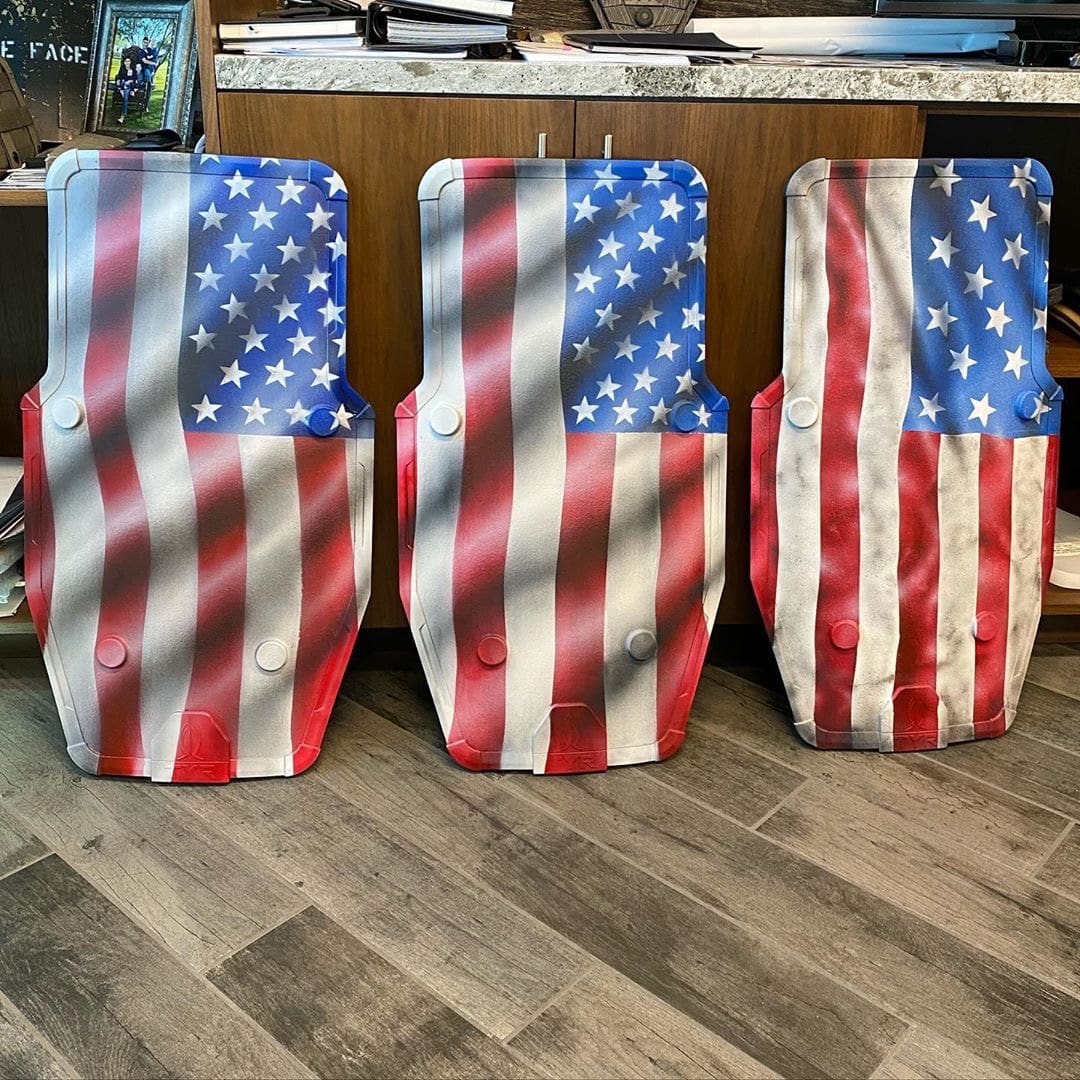
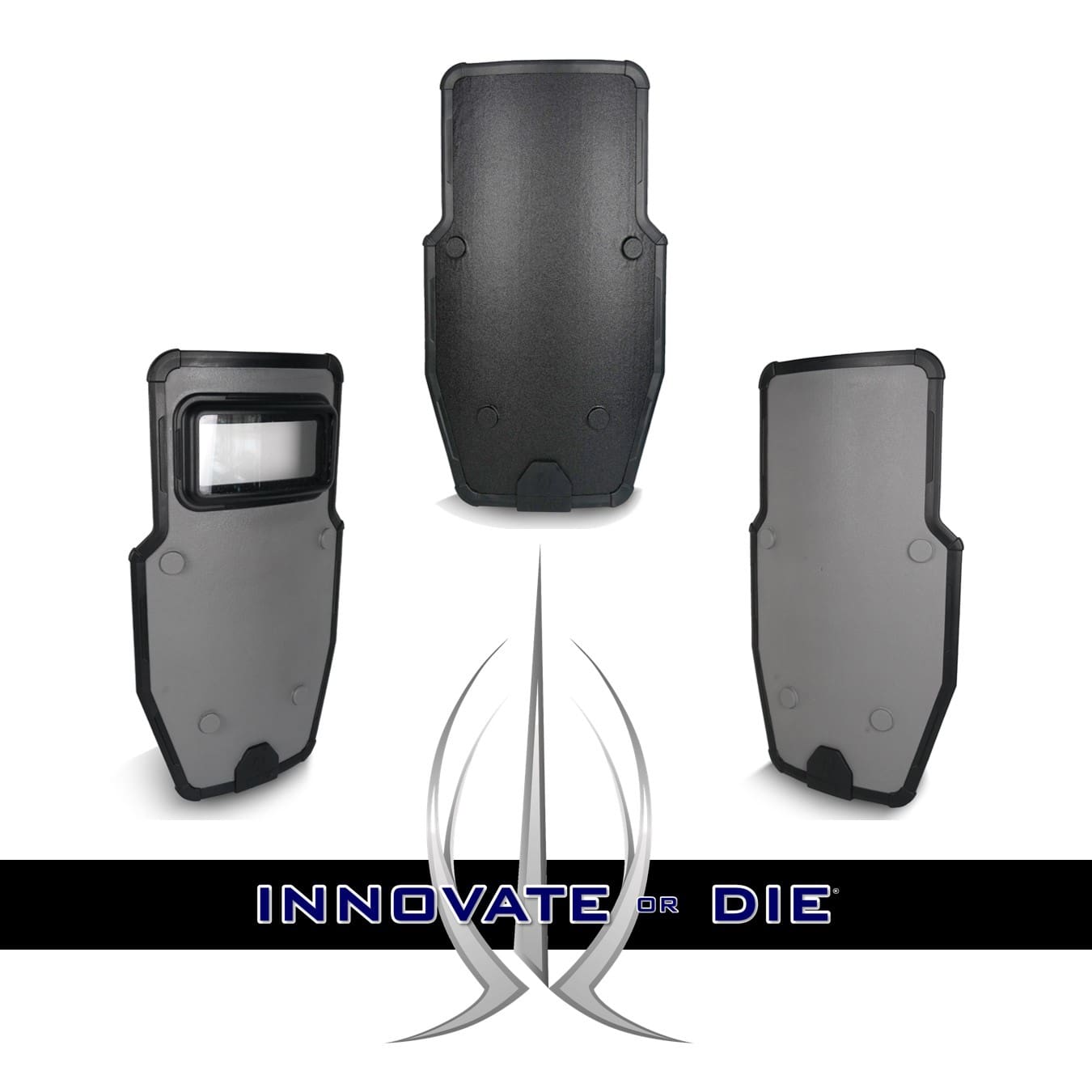
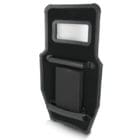
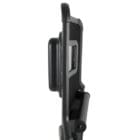
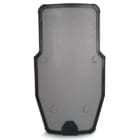
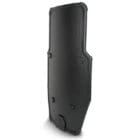
TYR TACTICAL® LEVEL 3A RAPID RESPONSE BALLISTIC SHIELDS HAVE ARRIVED.

• ULTRA LIGHTWEIGHT – LIGHTEST 3A SHIELD ON THE MARKET

• ENHANCED LEVEL 3A PROTECTION

• PURPOSE BUILT

FEATURES & SPECIFICATIONS:
• NIJ 0108.01 Level 3A Compliant
• Forearm Pad
• Carry Bag
• Fixed Handle

SPECIAL THREATS:
• 9mm, 127 gr SXT
• 5.7 x 28mm, 40 gr SS197SR-Hornady
• 5.7 x 28mm, SS192
• 9mm, 127 gr SXT
• 5.7 x 28mm, 40 gr SS197SR
• .40-cal., 95 gr S&W (HP)
• 9mm Fiocchi, 115 gr (FMJ)
• 5.7 X 28mm, 27 gr SS195 (LFHP)
• 7.62 x 25mm, 95 gr Tokarev (FMJ)
• .357 SIG, 115 gr (JHP)
• .357cal, 125 gr SIG Gold Dot Hollow Point
• .357-cal, 125 gr SIG FMJ FN

LEARN MORE:
TYR Tactical® 18”x32” CQB3A Rapid Response Ballistic Shield – Viewport (TYR-RBS/CQB3A-VP)
• Shield Weight: 12.3 lbs.
• Viewport Dim: 9.75″W x 3.75″H

MSRP:$2495.95

Link: www.tyrtactical.com/products/details/shield-systems/tyr-tactical-18×32-cqb3a-rapid-response-ballistic-shield-viewport

TYR Tactical® 18”x32” CQB3A Rapid Response Ballistic Shield (TYR-RBS/CQB3A-NV)

• Shield Weight: 8.3 lbs.

MSRP:$1695.95

Link: www.tyrtactical.com/products/details/shield-systems/tyr-tactical-18×32-cqb3a-rapid-response-ballistic-shield

WATCH THE VIDEO:

IDTOUR VTS |Virtual Trade Show| CQB3A Shields & Dolly System

Innovate or Die® Tour Virtual Trade Show #IDTOURVTS returns next Tuesday.

US Army Selects Countermeasures Against Drones

Tuesday, July 7th, 2020

WASHINGTON – The Army is leading a joint effort to align its counter-drone systems into a streamlined command and control architecture, officials said, enabling more “plug and play” technology on an increasingly joint battlefield.

All types of drone-zappers were assessed and evaluated on multiple criteria, said Maj. Gen. Sean A. Gainey, director of the Joint Counter-Small Unmanned Aircraft Systems office, or JCO, but the most prominent question remained: “Will it plug and play with emerging industry technologies?”

The Defense Department is bringing “an enterprise approach to a critical capability area, and providing the tools [needed] to enable U.S. forces to adapt when facing UAS threats,” Gainey said. “Our goal is to align existing and future technology solutions to operational needs while applying resources more efficiently.”

In November, the Army was tapped to be the executive agent for the Counter-Small Unmanned Aircraft System, or C-sUAS, office to counter hostile drone systems. By January, when Gainey took command, the 60-person team started identifying and prioritizing joint gaps in readily-available systems.

By using a “system of systems approach,” Gainey said, the C-sUAS office initially gauged 40 systems needed to primarily detect, access, and engage with enemy drones. That initial list whittled down to seven defense systems, and one streamlined command and control, or C2, system. The official list was released Thursday.

However, currently fielded anti-drone systems not listed won’t be immediately scrapped. They will stay in use until they can be replaced with something from the approved list, Gainey said. “This method won’t just determine the selection of current systems today, but also future investments based on criteria such as effectiveness, usability, and integration.”
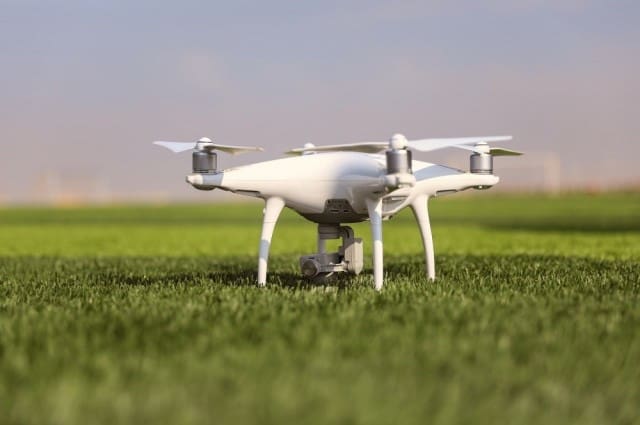
The phased selection process for the chosen systems was measured on an array of criteria that focused on a system’s ability to detect, track, and defeat threats along with their overall usability, sustainment, ease of integration, and relationship toward enduring solutions, Gainey said. The most important, however, was how the system operated on a C2 battlefield.

Armed with that criteria, the C-sUAS office worked with the Rapid Capabilities and Critical Technologies Office and put together a board represented by all the services, including the United States Special Operations Command.

The joint team came together and figured out which systems would be here for good, he said. Their final selections splintered into three target areas, including fixed and semi-fixed systems, mobile mounted systems, and handheld dismounted systems for troops on foot.

“Each service has each been assigned to sponsor one of those systems,” Gainey said. “So as we move this forward as a joint approach, we’ll coordinate the future upgrades of these systems and the contracting of these systems across the Joint Force.”

One of the fixed or semi-fixed systems chosen was FS-LIDS, which is a fixed site – low, slow, small unmanned aircraft system integrated defeat system. The FS-LIDS system is an Army-led “system of systems” approach, Gainey said, which means it’s not a standalone electronic system, but rather a kinetic capabilities system with multiple hardware and software parts that are interoperable.

As the Army takes responsibility to further develop the FS-LIDS system, the Navy opted to refine another fixed technology — CORIAN, a counter-remote control model aircraft integrated air defense network. Both systems are used to disrupt drone signals, and they are interoperable with each other.

The last fixed system chosen was the Air Force’s NINJA system, or Negation of Improvised Non-state Joint Aerial threats. Like the others, NINJA zaps radiofrequency communications between a UAS and its operator, and is interoperable with its counterparts.

Each of the three fixed or semi-fixed systems kinetically fuse, Gainey said, adding, “that’s what we found during this assessment. A ‘system of systems’ approach gives the best opportunity to defeat the threat as opposed to a single-system employed technology.”

When it comes to mounted systems, the LMADIS, or light-mobile air defense integrated system, was the single, go-to pick. The LMADIS is a portable jammer system, sponsored by the Marine Corps, and is capable of breaking up communications between drones and their operators from a mounted vehicle.

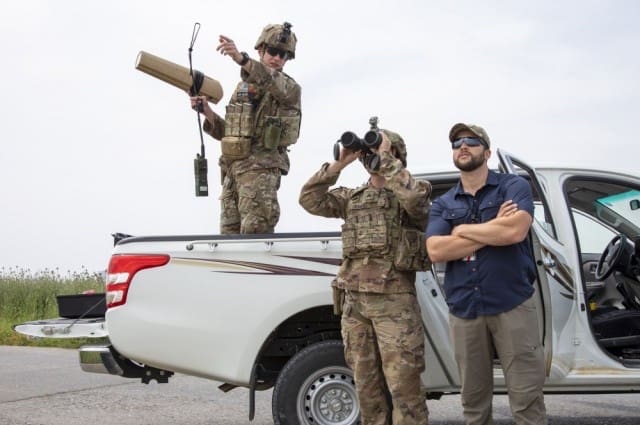
Only one of three mobile devices are currently sponsored, however all three are available for service use, Gainey said. SOCOM will sponsor the Bal Chatri, but the Drone Buster and Smart Shooter devices will not be sponsored. Each handheld device can be used while patrolling an area.
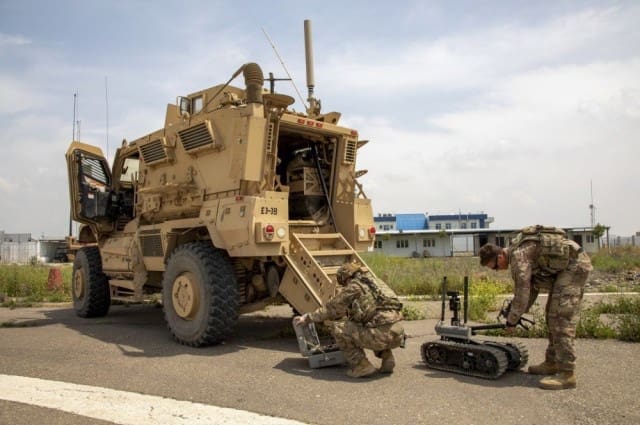
The guiding principle behind every selection is interoperability, Gainey said. “The command and control technology brings it all together. This initiative will bring an enterprise approach to a critical capability area and provide the tools warfighters [need] to better adapt to changing threats.”

The success of their choices relies on the service’s ability to embrace the command and control standards, or C2, Gainey said. “This will allow the plug-in-play of emerging technology from industry into our architecture.”

Regarding C2, the Army has FAAD-C2, Forward Area Air Defense Command and Control, along with its interoperable systems: the ADSI, the Air Defense System Integrator, and the MEDUSA C2, or Multi-Environmental Domain Unmanned Systems Application Command and Control. However, the MEDUSA C2 is still in the works to be interoperable with the FAAD-C2.

All that said, there is no interim timeline, Gainey said, despite the interim selections. As the C-sUAS office continues to work with industry, test new devices, and bring on emerging technologies to the DOD, “Our strategy is to continually improve the current capability we have, while testing and looking at the new technology to bring it on, not through this sort of slow, methodical way.”

Moving forward, the objective is clear: continually improving the systems with joint solutions. C-sUAS is working on a capability development document, or CDD, to lay out a blueprint for those emerging technologies. The first draft, slated for a fall release, will also open the door for industry to compete as the military moves forward, Gainey said.

Although unpublished, the initial draft of the CDD focuses on the interim capabilities identified in the assessment, and how it bridges the strategy of current system-to-objective joint solutions.

“We will continue to work with industry to bring these systems to full maturity or replacement with follow-on enduring solutions,” Gainey said. “Future research, testing and investment decisions on capability modernization will consider not only the most up-to-date existing technologies but, more importantly, those new and emerging technologies currently in development.”

By Thomas Brading, Army News Service

Shooting drill from Mission Spec

Sunday, July 5th, 2020

Mission Spec sent us this shooting drill to challenge our readers. It’s called the “Innocent Balloon Drill.”

SCUBAPRO Sunday – Americans Navy

Sunday, July 5th, 2020

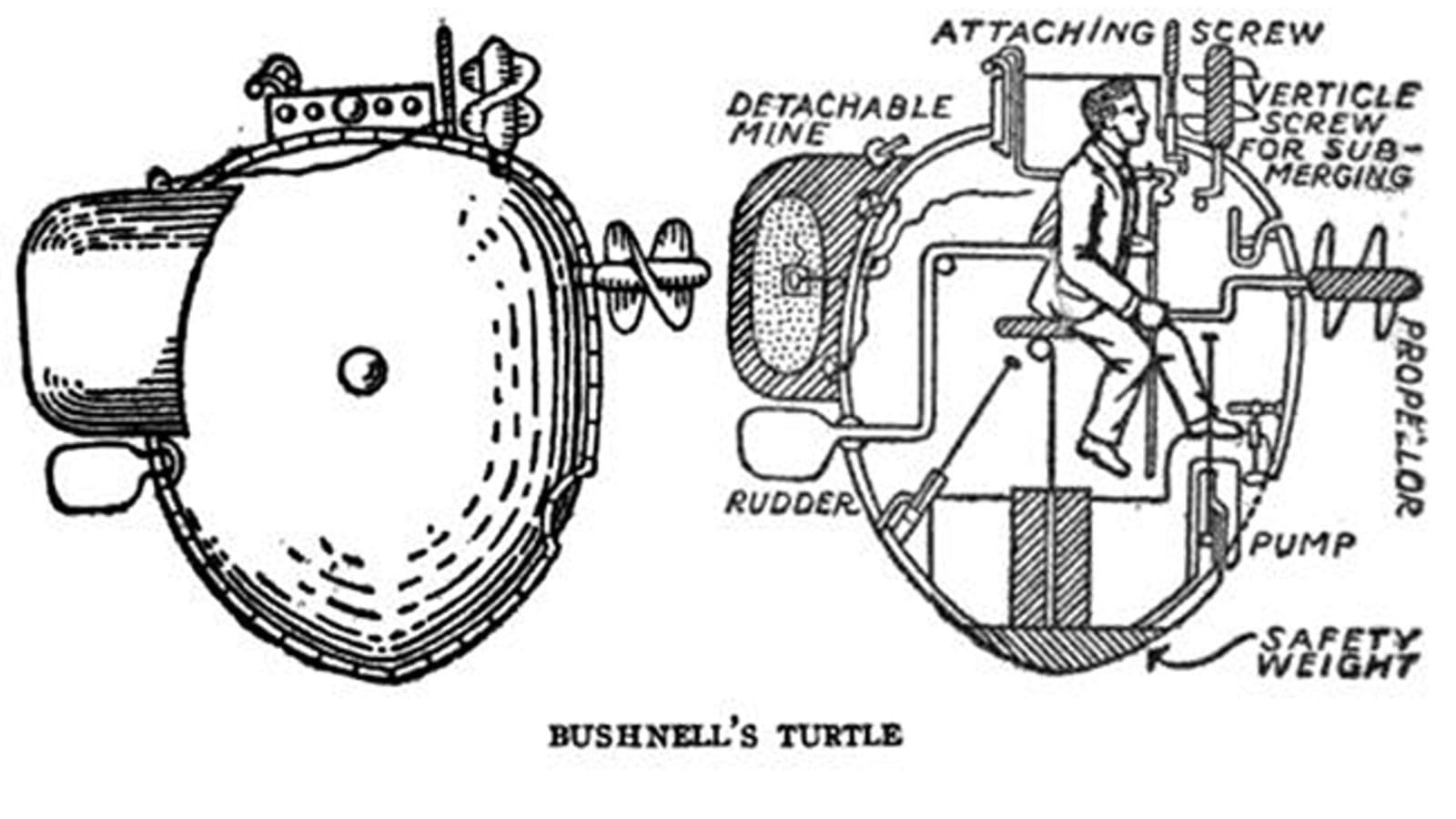
In the early 1770s, a Connecticut inventor David Bushnell started designing what would be the first submersible. It was a small egg-shaped and less than eight feet tall. Her hull was constructed from two oak shells held together by steel bands and waterproof with a thick layer of tar. It had ventilation tubes, a compass, and a device for determining depth. Attached to the exterior was a primitive bomb. The pilot entered the vessel through a hatch at the top. There were a couple of small glass windows that provided very light and visibility. It was operated by a hand crank that propelled it and a tiller that steered it. The operator also controlled the hand pump that regulated the ballast that submerged and surfaced the craft. Once submerged and the ventilation tubes were closed, there was about 30 minutes worth. It was called “Turtle” because of the two “shells” put together to make it. It is also referred to as Americas Turtle.

In the spring of 1776, about a year into the Revolutionary War, Bushnell wrote to General George Washington asking if the Turtle could be used in defense of New York City’s harbor. Washington accepted the offer. Around midnight on 6 September, the Turtle, piloted by Army sergeant Ezra Lee. That’s right, the first submarine action by the U.S. Navy was led by an Army guy.

It took Lee two hours to get to his target; a British ship named the HMS Eagle. Once he positioned himself beneath the vessel, he was supposed to drill into her hull using a bit attached to Turtle’s top hatch. Once the hole was deep enough, he would anchor his explosive device to the ship’s hull. He had about 30 minutes to get away from the Eagle before the charge would detonate. That was the plan, but Lee’s bit got stuck in a metal part of the hull. On his second attempt, the Turtle bobbed to the surface and he was spotted. As he headed for shore, Lee released his “torpedo,” which exploded harmlessly in the middle of the East River.




Even though Lee wasn’t successful in sinking or doing damage to the HMS Eagle (other than a small drill hole) it was the U.S. first attempt at underwater warfare, and it was one of the first in a very young countries Navy. Secondarily the failed attack ultimately forced the British to move their fleet of 200 ships to where they thought was a safer location. The threat of underwater attack kept the British fleet on their toes throughout the war and made them use more resources and manpower to protect their ships then they normally would have. Much like using Special Forces behind the enemy lines in modern warfare. So, it turns out it wasn’t as big of a failure as first thought. The basic principles used by America’s Turtle still remain valid in submarine warfare today. In recognition of Bushnell’s achievement, the U.S. Navy named two submarine tenders in his honor, one during World War I and one during World War II. Inevitably, the ships were nicknamed “Turtle.”