GORE-TEX Professional

Archive for the ‘Guest Post’ Category

Natick’s New Design Studio Is Tailor-Made For Soldier Clothing and Equipment

Thursday, October 10th, 2019

NATICK, Mass. — The Design, Pattern and Prototype Team at the U.S. Army Combat Capabilities Development Command Soldier Center has a new and improved Design, Pattern and Prototype Studio.

The CCDC Soldier Center is dedicated to using science and technology to ensure America’s warfighters are optimized, protected, and lethal. CCDC SC supports all of the Army’s Modernization efforts, with the Soldier Lethality and Synthetic Training Environment Cross Functional Teams being the CCDC SC’s chief areas of focus. The center’s science and engineering expertise are combined with collaborations with industry, DOD, and academia to advance Soldier and squad performance. The center supports the Army as it transforms from being adaptive to driving innovation to support a Multi-Domain Operations Capable Force of 2028 and a MDO Ready Force of 2035. CCDC SC is constantly working to strengthen Soldiers’ performance to increase readiness and support for warfighters who are organized, trained, and equipped for prompt and sustainable ground combat.
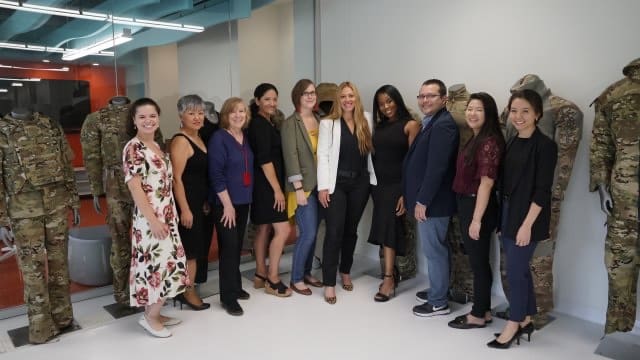
The new facility will further advance the work of the Design, Pattern and Prototype Team, which is part of the CCDC SC’s Soldier Protection and Survivability Directorate. The team designs and fabricates prototypes of a wide range of clothing, equipment, and protective gear, including chemical-biological protection, body armor, field and combat clothing, dress uniforms, and cold- and hot-weather clothing.

“The CCDC Soldier Center’s new Design, Pattern and Prototype Studio provides a professional, cutting-edge workspace that fosters collaboration, creativity, and innovation,” said Douglas Tamilio, director of CCDC SC. “The facility’s new capabilities range from precision cutting of ballistic protective materials to seam-sealing of chemical-biological protective items. The upgraded facility will significantly increase our ability to develop and prototype clothing, equipment and protective gear, working to increase the performance and lethality of our Soldiers.”

The studio provides each designer his or her own work space and also features a large, open space to foster communication among designers.

“The new design studio provides a professional studio space, which thoughtfully encompasses clean aesthetics, balanced lighting, cohesiveness of people, and optimized workflow/ergonomics,” said Annette LaFleur, team leader for the Design, Pattern and Prototype Team. “The new design inspires productivity, and maximizes current capabilities and yet is flexible in design to accommodate future capabilities.”
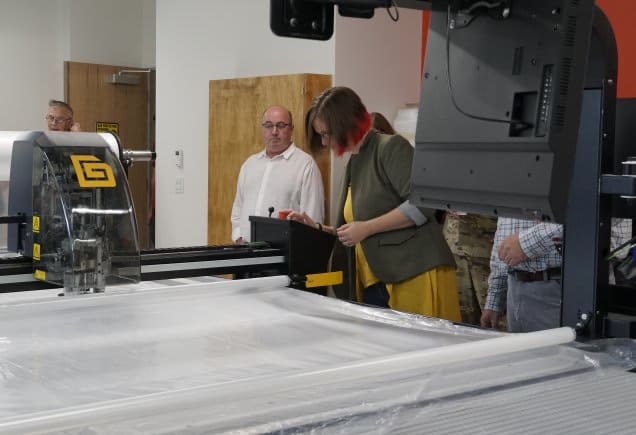
To help team members carry out their all-important work, the new studio includes improved capabilities and equipment. One of the new capabilities is a multi-ply cutting table.

“The versatile table can cut ballistic materials up to one-inch thick or a single ply of dress fabric — and everything in between,” said LaFleur. “This equipment reduces time for cutting and creates precise pattern geometry.”

The team shares the cutter with CCDC Soldier Center’s Infantry Combat Equipment Team.

“The Infantry Combat Equipment Team finds the cutter invaluable in terms of cutting high plies of ballistics for lightweight helmet prototyping, which is done right here onsite in their new helmet lab,” said LaFleur.

LaFleur’s team also jointly acquired a dual-source laser cutter with the Optical and Electromagnetic Materials Team.

“The laser cutter is great in terms of sealing the edges of synthetic materials to prevent fraying,” said LaFleur.

The new studio has other updates as well.

“In terms of sewing equipment, we have a full range of 30-plus, light-to-medium duty industrial sewing machines,” said LaFleur. “We upgraded to a new seam-sealing machine, which is used for taping seams in certain items, like raingear, to make them waterproof. The seam-sealing machine is also used to apply impermeable, specialty tapes for chemical-biological protective items. We also upgraded to a computerized multi-use keyhole buttonhole machine that also creates sewn eyelets.”

The Design, Pattern and Prototype Team is known for finding creative solutions to meet Soldier needs and for fostering partnerships with other CCDC SC teams.

“We have great partnerships with the parachute/load carriage and tent design/prototyping teams when we need heavier-weight sewing capabilities,” said LaFleur.

LaFleur’s team is committed to developing items for all service members and is working to meet the clothing and protection needs of the growing number of females serving in the military.

CCDC SC’s commitment to developing items for female Soldiers was noted by Farrah E. Ridore, regional director for Senator Elizabeth Warren’s office, who attended the new design studio’s open house on September 10.

“As a member of the Senate Armed Services Committee, Senator Warren recognizes that our men and women in uniform need the very best equipment and clothing to be able to conduct their mission,” said Ridore. “I was pleased to visit Natick on the Senator’s behalf and receive an update on their important work. I was particularly struck by Natick’s enhanced focus on innovations in clothing and equipment for female service members. This effort is critical and I look forward to visiting Natick in the future to learn more about the progress of this project and others at the center.”

The new studio and equipment will enable team members to do their jobs even better, but it is their talent and dedication to serving the Soldier that further drive the team’s success.

“Besides being fortunate to have this newly renovated design studio and a vast array of equipment and software to do our jobs — most importantly, we have the right talent,” said LaFleur. “The team is made up of ten clothing designers and one industrial design intern. I can’t say enough about the diverse talent, positive attitudes and forward thinking of those on the Design Team. At the end of the day, their work is behind the great products that make Soldiers optimized, protected and lethal.”

Story by Ms. Jane Benson (CCDC SC)

Photos by Ms. Nina Tobin (CCDC SC)

The McRae Industries Story – Part 1, Caution to the Wind, Flying on a Dream

Thursday, October 10th, 2019

> Growing up in rural North Carolina, McRae Industries founder Branson McRae had big dreams for the future. He went on to become a world leader in manufacturing military footwear.

Mount Gilead, NC, sits at the foot of the Uwharries, North America’s oldest mountain range. With a population of just over 1,000, this Montgomery County community, located an hour east of Charlotte, is small-town America at its best: plenty of fresh air, picturesque charm, and peaceful living all around.

Just outside town, McRae Industries, Inc.  –  a world-renowned footwear manufacturer – has been a legendary mainstay for six decades.    

Small-town charm: Mount Gilead sprung up in the late 19th century.                         

McRae Industries founder Branson Jackson McRae, born in 1920, grew up in Mount Gilead, the third of six children. Branson’s stalwart work ethic was gleaned from his father, James McRae, a farmer and descendent of Scottish immigrants.

The will to succeed: Branson on the family farm in Mount Gilead,1930.

Self-described as an “opportunist and a dreamer,” Branson contemplated his future while working on the family farm. “I’d have a mule in the cotton patch and would be seeing all the nice automobiles drive by,” he once said. “I would think, will I ever have one of them?”

After graduating from Mount Gilead High School in 1937, he set out immediately for a full-time job.

Building ships, houses, and a skating rink

As World War II approached, Branson relocated to Wilmington, NC, to build Liberty ships – cargo vessels that were a frequent target of German U-boats.

While living in Wilmington, he met and married his future wife and spirited soulmate, Lorraine Hamilton, with whom he had four children: Gail, Sandra, Gary, and Jim.

“In the war days, job security for Liberty builders was a given, Branson’s son Gary says. “The Germans sunk the ships so quickly more were always needed.”

Branson’s first job: Building Liberty ships for World War II combat.

When the war ended, Branson joined with brothers JC, Philip, and Finley to launch the McRae Brothers Manufacturing Company, a home construction business based in Mount Gilead. Business boomed, but Branson was always on the lookout for fresh opportunities.

In 1956, he purchased an abandoned brick school building in Wadeville, just a few miles northeast of town, where his daughter Gail had attended elementary school. There, he and Lorraine opened a skating rink, readily building a popular new business.

Starting a shoe company 

Two years later, another prospect loomed. A business group from New York visited Mount Gilead with the vision of opening a shoe factory there. Although the plan was abandoned, Branson sensed the opportunity – and seized it.

“Dad was laser focused on starting a factory in the old schoolhouse,” son Gary says.  “At the age of 40, he threw caution to the wind. He knew nothing about footwear, but he was confident he could learn and succeed.” The new business, Gro-Rite Shoe Company Inc., was soon manufacturing children’s footwear for such industry leaders as Kinney Shoes.

A new business begins: The Wadeville schoolhouse, circa 1967.

To start his company, Branson invested $100,000 in cash and assets in exchange for a third of the new company’s stock, selling the remaining two-thirds’ interest to local investors. With a total $300,000 investment, Gro-Rite was “woefully underfinanced,” son Jim says. “Profits were slim, but Dad persevered.”

Shoemaker mentor: Heinz Rollman taught Branson his patented method.

Learning the craft

Branson’s mentor in his new business venture was Heinz Rollman, a third-generation, multimillionaire shoemaker. Heinz had fled Nazi Germany in 1939 and relocated his company, RoSearch Inc., to Waynesville, NC. He and his partners operated 72 shoe factories worldwide and invented “Process 82,” a patented method of making shoes using vulcanized rubber. Instead of stitching together the upper and lower parts of the shoe, the process “cooks” the two together, creating a highly durable construction.  

“People who won’t give up, no matter what difficulties they encounter, those kinds of people I admire and respect more than money.”

– Heinz Rollman, founder of RoSearch Inc., and mentor to Branson McRae

“Heinz could see that my father, though lacking in funds and knowledge of the shoemaking business, was sincere, ambitious, and uncommonly determined,” Gary says. “He granted Dad a license for Process 82, and Gro-Rite became the first company in the U.S. to receive a patent for vulcanizing children’s shoes.”

Branson renovated the school building’s 12,000 square feet of floor space – and added another 3,000 feet to build a rubber mill.  He hired more than 100 Montgomery County workers and put them through a vigorous training with RoSearch experts. Branson also purchased the machinery to cut, sew, and prepare leather for vulcanizing.


Gro-Rite’s unconditional guarantee: “A new pair of shoes free if the soles wear out or the counters break down before the shoe is outgrown.”

Each step of construction followed the Rollman family’s carefully crafted procedures. The result? A faster construction process, elimination of several steps required in conventional shoe manufacturing, and a shoe that stands up to water.

Six years after Gro-Rite’s launch, America’s involvement in the Vietnam War was accelerating. American soldiers needed resilient footwear – boots that outlasted the treacherous conditions of Southeast Asia. The federal government took notice of Gro-Rite’s vulcanizing technique and asked the company to bid on a contract for combat boot construction. Branson responded, the contract was awarded, and destiny took a new turn.

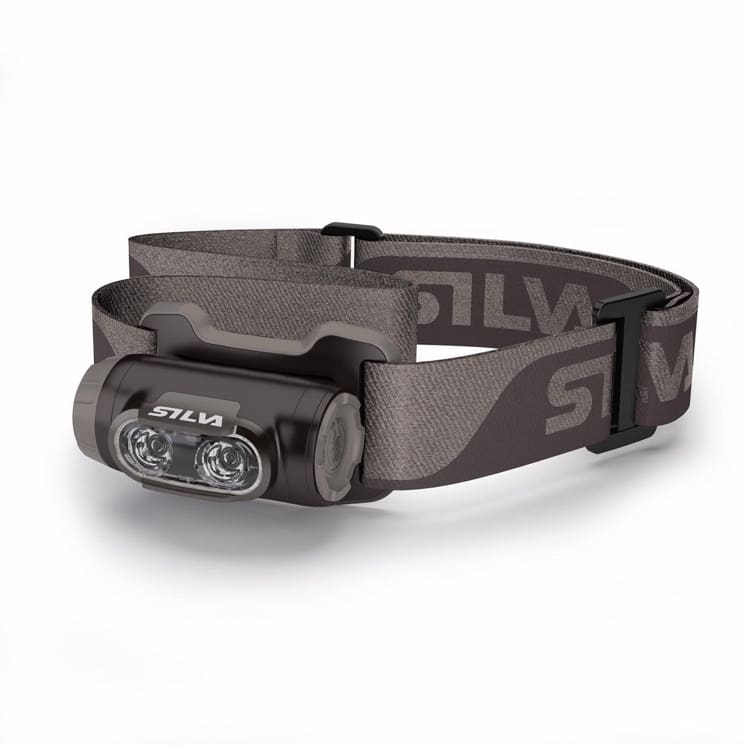
Brigantes Presents: Silva Explore 3 Headtorch Tactical

Wednesday, October 9th, 2019

Silva Sweden AB is a company, best known for their high-grade compasses and other navigational equipment.

The Explore 3 is a waterproof headlamp, with a very generous 55 hour burn time and multi attachment options. It offers a choice of three led colours; a 350 lm white one, a red one that preserves your night vision and an orange one that’s optimal for map reading.

It is small and compact with a weight of 73g, lighter than other headlamps with a similar spec and is built for using in any condition and over any terrain and has therefore been designed to withstand even the toughest of weather conditions with the ultimate water resistance.

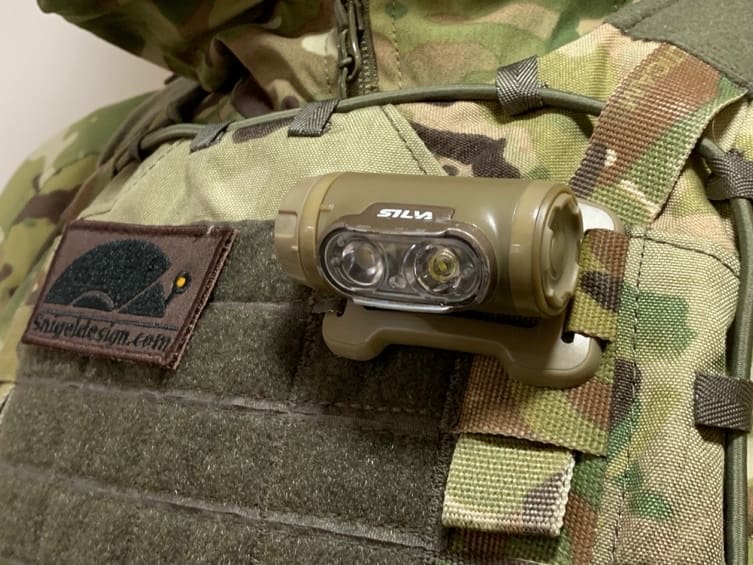
It can be used to light up a tent, or boat by placing it inside the included storage bag and has a specially developed light which creates a wide beam which also produces a long beam ahead of you.  In addition it is compatible with MOLLE and can be clipped to any equipment using this system.

As this torch has excellent cold weather performance, with much longer battery life than its competitors, it has been recoloured to be more suitable for military use.

For more information contact warrior@brigantes.com

For international enquiries: international@brigantes.com

Max Talk 40: CQB: Methods of Entry: Diminishing Sectors

Monday, October 7th, 2019

This is the fortieth installment of ‘Max Talk Monday’ which shares select episodes from a series of instructional videos. Max Velocity Tactical (MVT) has established a reputation on the leading edge of tactical live fire and force on force training. MVT is dedicated to developing and training tactical excellence at the individual and team level.

This is a segment from the Max Velocity Tactical CQBC (Close Quarter Battle Course). The three day class covers Tactical Clearance methods. This specific period of instruction concerns the number one man entering an open doorway via the Diminishing Sectors method of entry.

The CQBC class is a three day event, day 1 on the flat range conducting individual skills and entry drills, using live fire and frangible ammunition. The latter two days are force on target and force on force at the CQB complex.

Max is a tactical trainer and author, a lifelong professional soldier with extensive military experience. He served with British Special Operations Forces, both enlisted and as a commissioned officer; a graduate of the Royal Military Academy Sandhurst. Max served on numerous operational deployments, and also served as a recruit instructor. Max spent five years serving as a paramilitary contractor in both Iraq and Afghanistan; the latter two years working for the British Government in Helmand Province, Afghanistan.

Website: Max Velocity Tactical

YouTube: Max Velocity Tactical

ArmyCon: Where Virtual and Reality Meet

Monday, October 7th, 2019

FORT KNOX, Ky. — The U.S. Army is aiming to connect the gaming world to the military characters and equipment featured in many of today’s most popular games during the first-ever ArmyCon at the Army Ten-Miler Expo Park and D.C. Armory in Washington, D.C., Oct. 11-12.

ArmyCon will showcase high tech, warfighting capabilities with interactive displays and demonstrations. Individuals can test their skills as virtual warriors in the Mobile Gaming Semi-Trailer and then meet the real-life Soldiers face-to-face, equipped with all the associated gear and weaponry, in one action-packed area.

Spectators can test out robots, climb inside helicopters, and challenge their hacking skills. They can even get a close-up look at two new pieces of Army tech — the Enhanced Night Vision Goggle — Binocular and the Black Hornet Nano Unmanned Aerial System.

The ENVG-B’s are the Army’s most advanced night vision goggle, providing close combat forces with the capability to observe and maneuver weather conditions during limited visibility and enabling Soldiers to shoot around corners. The Black Hornet is a tiny drone that offers intelligence, surveillance and reconnaissance support.

“There are so many young people who don’t know what high-tech jobs the Army can offer or what Army life is like,” said Maj. Gen. Frank Muth, U.S. Army Recruiting commanding general. “ArmyCon is a prime opportunity for us to start the conversation about the professional jobs our Soldiers do.”

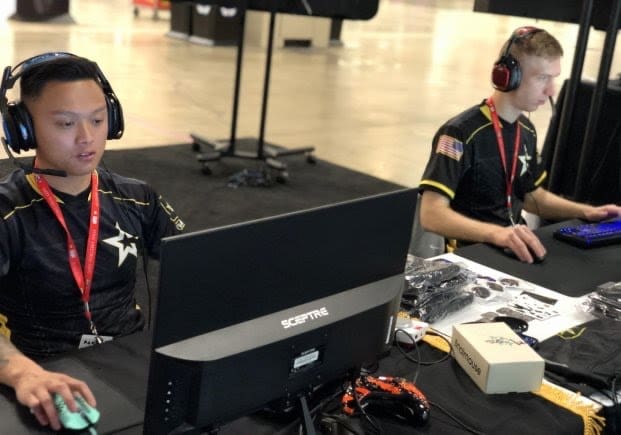
ArmyCon will feature the two new outreach teams created this year — the Army eSports Team and the Warrior Fitness Team. The esports team will host a “Twitch” gaming tournament inside of the U.S. Army Mobile Gaming Semi-Trailer, which features scorpion chairs and a variety of gaming platforms.

In addition to the new equipment and the gaming trailer, attendees will have a variety of Army assets to experience up-close and personal, including:

-Electric motorcycle
-Talon EOD robot
-Percussion explosive neutralization system
-Portable X-ray
-EOD blast suit
-Cyber Protection Team (demo cyber effects, display geo tagging effects with social media)

-Helicopters
-Stryker

Along with the equipment, attendees can meet Olympians from the U.S. Army Marksmanship Unit, the Golden Knights Army Parachute Team, Rangers, Special Forces Soldiers, and more.

By USAREC Public Affairs

Night Driving With The Boyz…

Monday, October 7th, 2019

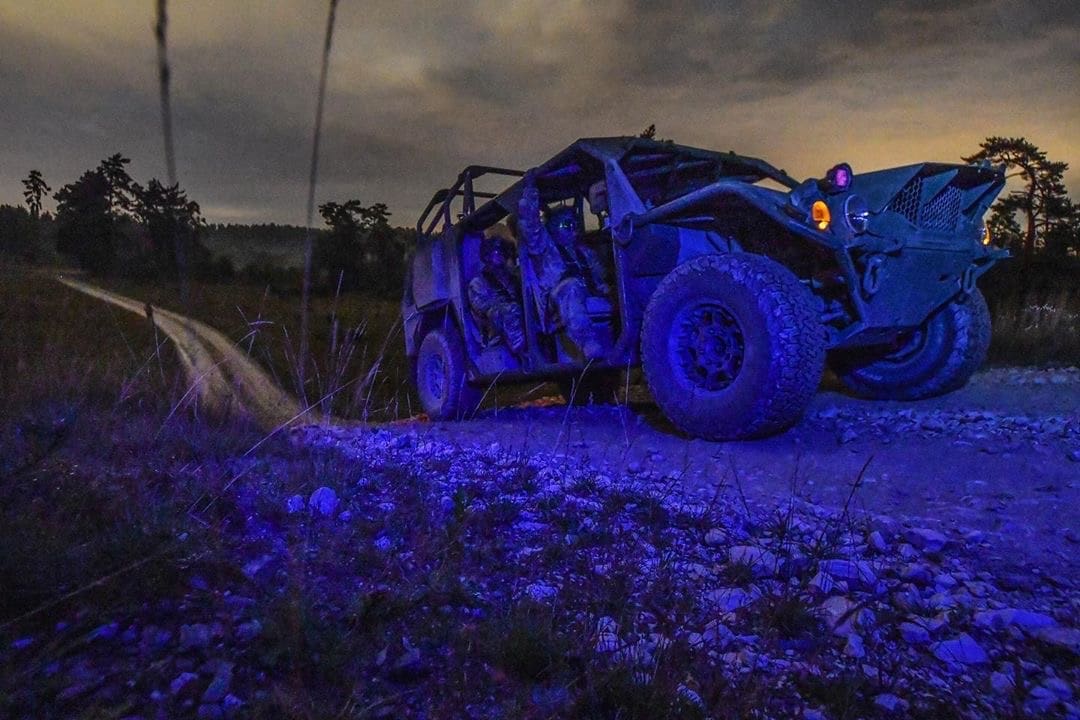
This photo was taken by Army Photojournalist, SGT Henry Villarama and posted to his Instagram account.

I took this photo last night while photographing our brigade’s new Army Ground Mobility Vehicles.

I took this photo around 2230. There wasn’t much illumination from the moon and there wasn’t much I could grab from the sky.

I was having zero luck capturing the GMV moving in the night. After a few runs with these guys driving past me at 40mph, I decided to paint the vehicle with the lights from my headlamp.

White light was lame and everyone has seen red light photos. I decided to use the blue. I think it works just fine.

Here are the settings I used to take this photo:

Nikon D500 | 13mm | 7 seconds | f/5 | ISO 4000

My name is Henry Villarama. I’m an American paratrooper, photographer and student of leadership. I am proud to visually articulate the work of our Paratroopers and Soldiers to the world every day. It’s an honor to serve and I greatly appreciate the unique opportunity I have to tell our Army’s story through photography.

Follow SGT Villarama on Instagram instagram.com/villarama_photo

300 BLK Ammo Management Tip

Sunday, October 6th, 2019

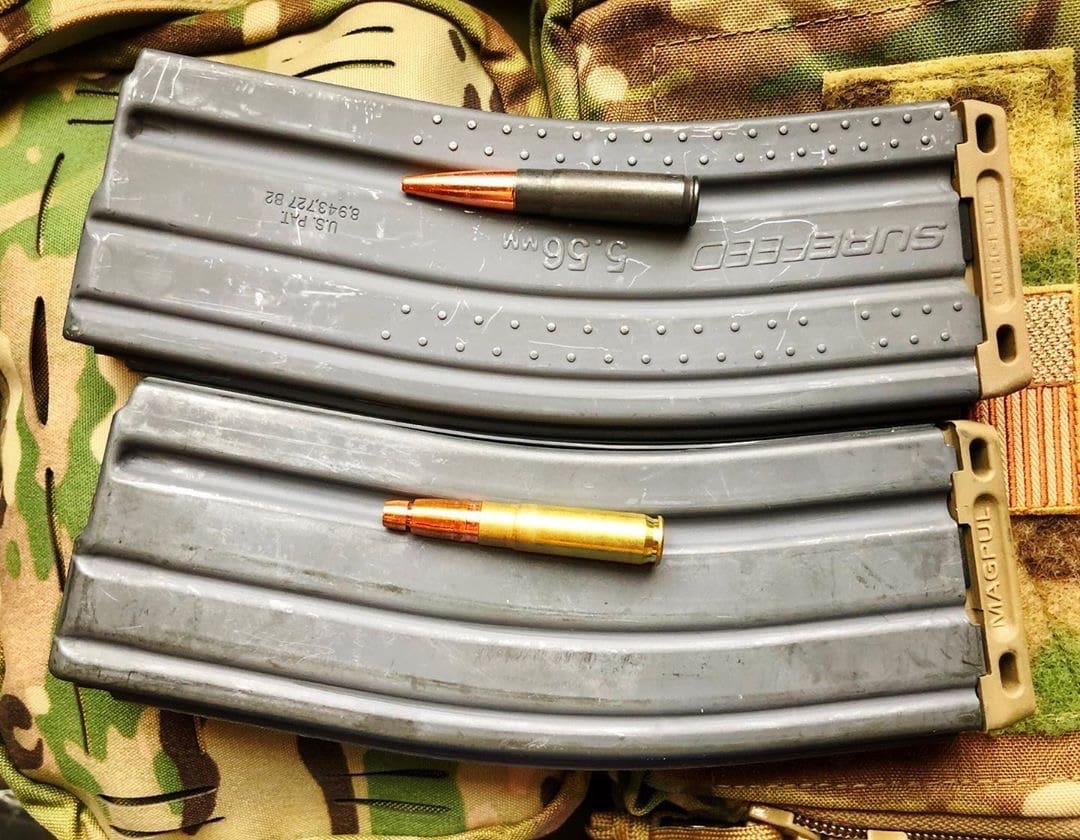
John Hollister of SIG offered this tip to keep your 300 BLK ammo straight while at the range.

I get a fair amount of questions about ammunition management with 300 Blackout. One of the beauties of Blackout is the ability to use either Supersonic or Subsonic ammunition interchangeably. But how do you keep them straight?

I use two different looking and feeling magazines. I used to use both Aluminum and Polymer or 30s and 20s to segregate ammo types. Since Surefeed Magazines came out with the dimpled E2 magazines, I have gone to Supers in the E2 magazines and Subs in standard “GI” magazines, in this case a Brownells magazine. Both have Magpul followers and floor plates. You can see and feel the difference day or night. Shown is SIG 120gr SBR Supersonic all Copper and Discreet Ballistics 188gr Subsonic all Copper, both will fully expand in barrels down to a SIG Rattler length, 5.5” 1/5” twist. Another tip on magazines, when you clean you rifle, you should be completely cleaning your magazine.

Happy magazines make happy rifles.

SCUBAPRO Sunday – Starting an Outboard Motor

Sunday, October 6th, 2019

Move the shift lever to NEUTRAL.

You MUST supply water to the engine before attempting to start it. Use mouse ears or have the lower unit in the water. Engine damage can occur quickly. Watch for Engine Overheating or No water Flushing.

Be sure the engine is in the normal operating position.

Open the vent screw on the fuel tank cap.

• Turn it clockwise to close.

• Turn it Counterclockwise to open.

Make sure the fuel line arrow is pointing towards the engine.

Squeeze fuel primer bulb, the outlet ends up, until firm.

All Models

If equipped, attach the clip and lanyard assembly to the emergency stop switch / STOP button. Snap the lanyard to secure a place on your clothing or life vest

1. Emergency stop switch / STOP button Move the shift lever to NEUTRAL.

NEUTRAL

Start-up (Cold Engine)

Pull the choke knob fully out. Twist the throttle grip to START position.

Start-up (Warm Engine)

Align the arrow mark on the throttle grip with the START position. Do not use the choke.

1. Choke knob

2. Throttle grip

3. Start position

4. While seated, grasp the starter handle and pull slowly until the starter engages, then pull hard. Allow the starter cord to rewind slowly.

5. If your engine doesn’t start after three pull, push the choke knob in and repeat the starting procedure.

After Engine Starts

1. Gradually, push the choke in after the engine is warm.

2. Check the water pump indicator. A steady stream of water indicates that the water pump is working. If a steady stream of water from the water pump indicator is not visible, stop the engine.

3. Twist the throttle grip to IDLE position or slower. Move the shift lever to NEUTRAL.

Outboard Won’t Start

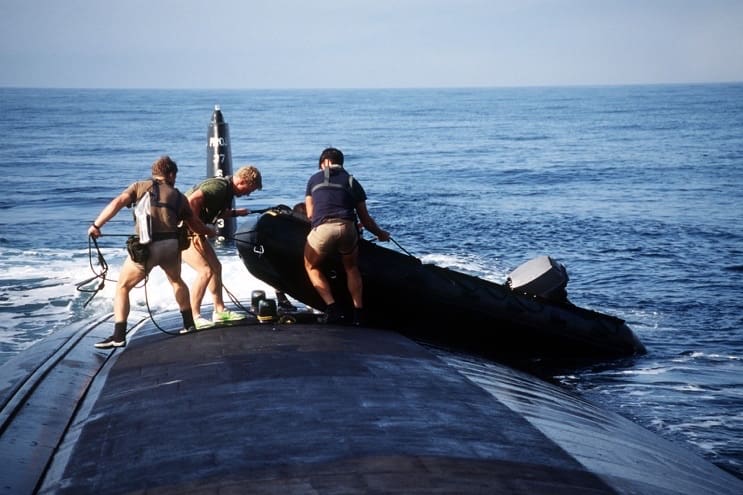
It doesn’t matter what brand of outboard you are us most of all starting problems are caused by the same group of things and don’t require a mechanic. At most you should only need a screwdriver and a roll of riggers tape. However, if you jumped this motor in or if you just did a lockout and brought it up from a sub. There might be other things that are wrong that you will need tools for. You should always have tools and some spare parts on the boat.

Start by noticing essential clues as to the cause:

• Sometimes the motor will sound like it’s not even really trying to start; other times it’ll sound like it’s almost starting.

• Is there an external tank connected by a fuel hose? If so, is the arrow on the line pointed the right way?

• Do you smell gas?

• Does it start okay, then die when you put it into gear?

WHAT TO CHECK WHEN THE OUTBOARD DOESN’T SOUND LIKE IT WANTS TO START

Three (or four with an electric start) things to check when the motor doesn’t even sound like it wants to start, regardless of whether it has an internal or external tank:

Kill Switch. Make sure that the kill cord (aka “deadman”) is appropriately attached to the motor. Don’t just look at it — generally, if it’s even a tiny bit out of place, it will stop the engine — or prevent it from starting. Always try and have an extra on every boat. You never know when it might get lost.

Out of Gas? Check that there is gas in the tank.

Tank Switch. If your motor has both an in-motor gas tank and an external tank, there will be a switch to choose which tank the motor is using (it’s usually on the front of the motor). Make sure it is set to the correct one! It can easily get bumped to the wrong position when the motor is removed or when the motor is tilted up and down.

WHEN THE OUTBOARD ALMOST STARTS, THEN DOESN’T

Two things to check when the motor sounds like it’s almost starting:

Choke? Try to start it both with and without using the choke, regardless of what the standard starting procedure is.

Throttle? Try varying the throttle position a little. Sometimes giving it a little more or less gas will help.

OUTBOARD STARTING PROBLEMS WHEN USING AN EXTERNAL GAS TANK

If your outboard has an external gas tank, there can be a number of problems between it and the motor. Do a quick visual inspection from the tank to the motor and then run your hand up the fuel hose. Many times, the problem will be very apparent when you do this.

Tank Vent Open? If you are using an external tank, make sure the vent on it is open. If it is not, air cannot flow into the tank to replace the volume of gas that is being used. Eventually, there will be a vacuum, and the motor won’t be able to suck gas from the tank. If the vent is open, but the tank looks “sucked in,” the vent may be clogged (infrequent, but it can happen). Try cracking the gas cap to let air into the tank — if this works, you can probably get to where you are going with the cap cracked (unless the seas are bad then you will have to watch out to make sure water does not get in the tank. If you have anything waterproof, you can put it over the tank make sure that it can still get air) Try cleaning the vent.

Fuel Line Connected or pinched the fuel line can come just slightly disconnected at either the tank or motor end. Don’t just look at it; remove the fuel line, reconnect it, and then tug gently to make sure it’s fully clipped on at both ends. If you put your fuel at the front of the boat to help even out the weight, then make sure no one is stepping on it or if it is pinched. You might have to Moe the fuel closer to the back. Check that the fuel line isn’t kinked or under something that could partially block the flow.

Squeeze Bulb. Squeeze the bulb in the fuel hose to get fuel up to the motor. Squeeze until the bulb is firm, don’t try to force it as you’ll end up flooding the motor.

If you have just replaced the fuel hose or bulb, double-check that the arrow on the bulb points from the tank to the motor (it has one-way valves in it). If you squeeze and the bulb stays “squeezed” or is slow to regain its shape, check that the tank vent is open; if it is, you probably have a blockage in the hose, or it is kinked.

If you squeeze the bulb and it never gets hard or takes more than 5 or 6 squeezes to get hard, there is likely a crack/cut/nick in the fuel hose between the tank and the bulb which is pulling in air.

If you squeeze the bulb and smell gas, you almost certainly have a cracked, cut or nicked fuel hose between the bulb and the motor, or the fuel line is not securely connected to the motor.

Cracked, Cut Fuel Hose OR Loose Connections. If the leak is on the pressure side (between the bulb and the motor), you’ll usually be able to see where the fuel is leaking. If it’s before the bulb, you simply have to look and feel to find the imperfection. Also, note that it may be a hose clamp that has come loose, or it’s possible for the squeeze bulb to have a crack in it (sunlight rally is the enemy to anything rubber).

If it’s a loose connection and you have a screwdriver, you can tighten it. If it’s a crack or nick, a few wraps of tape will often hold the hose together enough to get back to the big boat.

Blocked Fuel Hose.

Pump the squeeze bulb a few times and see if there is good fuel flow with each squeeze.

If it seems like there is a blockage, the long-term solution is to replace the hose. As a get-home measure, keep your speed low (so as to need less fuel) and keep pumping the bulb to help force fuel through the blockage. This will work for a brief stint, but once the delamination starts, it quickly gets worse. Replace the hose ASAP!

HOW TO TELL IF THE OUTBOARD IS FLOODED

Flooded refers to flooding the motor with fuel, not having dropped it in the water.

If you try starting the motor and smell gas, the motor is likely flooded (yes, as noted above, the gas smell can come from a cracked fuel line, but that is not as likely). Do NOT use the squeeze bulb – it will just flood the motor!

You have two choices for a fix:

• Wait about 10 minutes and try starting again.

• Do not use the choke, open the throttle all the way, and try starting again — it will usually take at least 2 to 3 pulls. If it doesn’t start with a half dozen pulls, wait 10 minutes and try again.

Sometimes, after flooding, it will start and then die. If that happens, mainly if it was a cold start, you can now start it using your typical “cold start” procedure with choking it, etc.

OUTBOARD STARTS BUT DIES WHEN YOU PUT IT INTO GEAR

Starting then dying when you put the motor in gear is the classic symptom of having something caught around the propeller — usually, a line or something, if you are off the coast of California, then there is a good chance its kelp. Also, if you have the prop-protectors on then tend to get foaled a lot easier. Leave the motor off and tilt it up to check, remove the kill switch then remove whatever you find. After you are done put the kill switch back on.

CONCLUSION

If the motor won’t start, walk-thru your steps, is the kill switch in? Does it have fuel? Is it getting fuel? Is it getting air? Walk your way from the gas to the motor. Systematically think about what the problem is most likely to be and check those items first. Lastly, remember if you have jumped the motor in, then there are a lot more things to look for then what I have just talked about. I will save that for another Sunday.