SIG SAUER - Never Settle

Archive for the ‘Guest Post’ Category

Marine Corps Tactical Systems Support Activity to host Advanced Planning Briefing to Industry (APBI)

Monday, December 17th, 2018

CAMP PENDLETON, C.A.—December 13, 2018—Marine Corps Tactical Systems Support Activity will hold its Advanced Planning Briefing to Industry Feb. 6, 7:00 a.m. to 4:30 p.m., at MCTSSA aboard Camp Pendleton, California. The intent of the APBI is to communicate to industry, MCTSSA’s mission, organization and activities.

“The Advanced Planning Briefing to Industry provides a unique opportunity to network with MCTSSA technical and subject matter experts, gaining rare access to MCTSSA facilities,” said Col. Robert Bailey, MCTSSA’s Commanding Officer. “It is our responsibility to nurture relationships with our talented industry partners, which will help us be successful bridging the awareness gap of Marine Corps’ Command, Control, Communications and Computers and USMC amphibious vehicles capability requirements and technical challenges, and highlight partnership opportunities for industry.”

The APBI, a one-day event, features a wide array of technical briefs from leadership, and subject matter experts from across MCTSSA. Participants will be informed of current technical objectives and associated challenges. Briefers will provide insight into contracting financial magnitude, the scope of areas under contract, and specific capability gaps where industry can provide solutions. Some of the areas that will be discussed include, but are not limited to, cybersecurity testing, wireless technology, advanced manufacturing, cloud computing, naval systems integration, automated testing, systems engineering, system and system of systems testing, data link analysis, tactical networking, and United States Marine Corps Operating Forces technical support.

MCTSSA is a subordinate command of Marine Corps Systems Command and provides test and evaluation, engineering, development, and deployed technical support for Marine Corps and joint service command, control, computer, communications and intelligence systems and amphibious vehicles throughout all phases of the acquisition life-cycle.

Interested participants may register at 2019mctssaapbi.eventbrite.com.

For more information, contact Sky Laron at (760)725-2167 or sky.laron@usmc.mil.

Maybe the Toughest Man Alive

Monday, December 17th, 2018

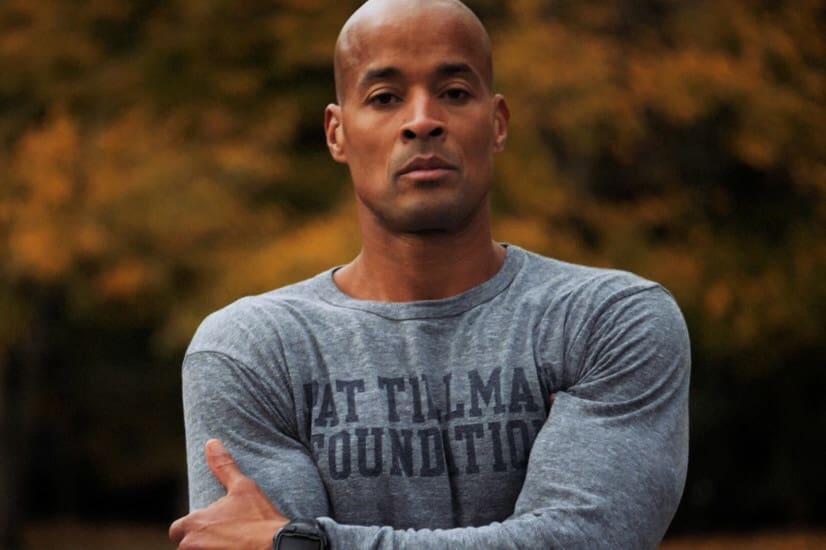
He’s been called the toughest man alive. Being the only U.S. military member to complete SEAL training (Hell Week three times), Army Ranger School and Air Force tactical air controller training, he makes a compelling case. Even more astonishing is his drive to lose more than 100 pounds in only three months to enlist in the Navy.

An Interview with retired Navy SEAL David Goggins

David Goggins’ military background reads like a case of bad “stolen valor” — the retired Navy SEAL chief is believed to be the only member of the armed forces to complete the Basic Underwater Demolition/SEAL (BUD/s) course (including going through Hell Week three times), U.S. Army Ranger School (where he graduated as honor man), and Air Force tactical air controller training.

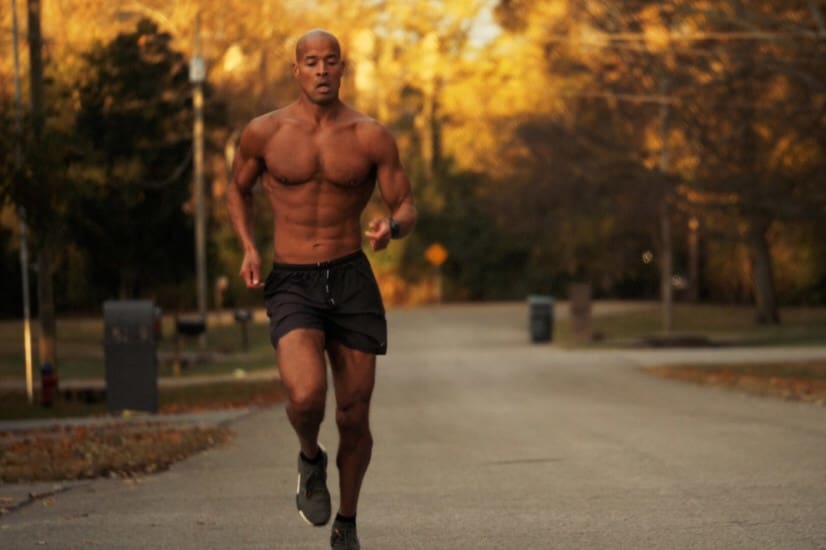
If that wasn’t enough, Goggins has also completed more than 60 ultra-marathons — many of them involving running more than 100 miles — and holds the Guinness world record for pull-ups, having completed 4,030 in 17 hours.

Reading through his impressive resume, you would be correct in imagining him to be in excellent physical shape; at 43 years old, Goggins still regularly competes in ultra-marathons and runs anywhere from 8 to 30 miles every day. However, 18 years ago when he showed up at a Navy recruiting station looking to become a Navy SEAL, it was a different story.

Goggins began his military career at age 19 in the Air Force, with aspirations of becoming a pararescuman. The training was difficult, Goggins said, and involved more swimming than he had expected.

“I wasn’t real comfortable in the water — I hated it,” said Goggins.

During training, military doctors told Goggins he had sickle cell anemia — a blood disease — and gave him the option to drop out.

“It kind of gave me a way out,” admitted Goggins. “I didn’t want to go back in the water, so I pretty much just quit.”

Instead, Goggins became a tactical air controller, serving the rest of his contract with the Air Force in that career field. Still, Goggins said, the reminder of having dropped out of pararescue school depressed him, and he gained more and more weight as he approached his exit from active duty service.

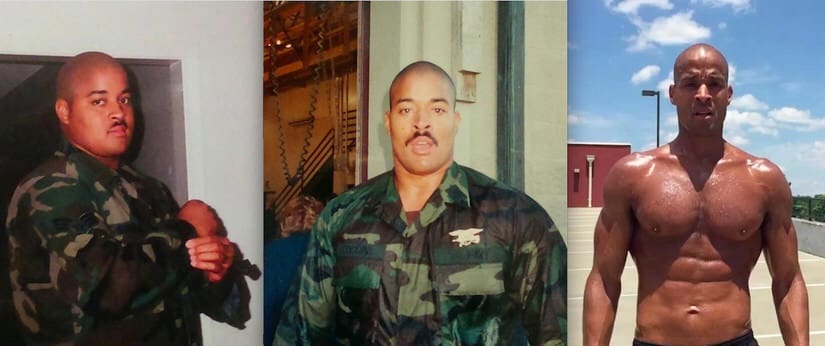
Upon returning to civilian life, Goggins got a job spraying for cockroaches, and gained more weight, coming in at 297 pounds — more than he’d ever weighed in his life.

That’s when he saw a documentary that would change his life.

“I saw this show on the Discovery Channel, and it was just guys going through Hell Week. They were freezing, there was a lot of water, and it brought back memories of me going through pararescue training,” said Goggins.

“So at 297 pounds, I decided to try to be a Navy SEAL.”

Already older than a typical Navy SEAL candidate, and far from being within the weight standards to even join the Navy, Goggins began reaching out to recruiters.

“When you tell a recruiter that you’re almost 300 pounds and you want to be a SEAL, it doesn’t go too well,” he said. “I got hung up on a lot.”

After weeks of determination, he finally found a recruiter who was willing to give him a chance — as long as Goggins could lose enough weight to ship out within three months.

“I had to lose 106 pounds in less than three months — that’s really where it became challenging for me,” said Goggins. “I knew that if I stopped training or became stagnant, there were no calories being burned; so I just basically trained all day long.”

In just under three months, Goggins lost 106 pounds, and was ready to ship out to BUD/s.

Because Goggins had already completed basic training in the Air Force, he was sent straight to BUD/s after a short indoctrination period at Recruit Training Command. While he had lost weight, he was not in ideal physical shape, however, and certainly not prepared for what is almost universally considered some of the toughest military training on the planet.

“When you go from 297 pounds to 191 pounds in that time period, and you’re running, you’re starting to break yourself,” said Goggins. “So I broke myself before I even got into Navy SEAL training.”

Goggins made it to “Hell Week” — an arduous crucible of physical and metal challenges designed to separate candidates who aren’t ready to become SEALs — but failed the course due to stress fractures and pneumonia. Since he didn’t voluntarily quit, he was instead rolled back to day one, week one of BUD/s.

Not wanting to give up, Goggins pushed through training, but fractured his kneecap before reaching Hell Week. In an attempt to avoid being sent back a second time, he pushed through Hell Week with his fractured kneecap and passed.

Unfortunately, Goggins’ injury kept him from being able to keep up with his class, so two weeks after Hell Week, he was rolled back to day one, week one of BUD/s anyway.

“I just had to find different ways to stay in the fight,” he said, explaining why he didn’t give up. “And while staying in the fight, it got me tougher and tougher and tougher.”

His third attempt was a success; Goggins made it through Hell Week with BUD/s Class 235, and earned his Navy SEAL trident on Aug. 10, 2001.

Less than a month later, the terror attacks of 9/11 occurred, and the SEAL teams were mobilized for combat. Goggins deployed to Iraq with SEAL Team Five, and served as a training instructor for other SEALs.

In 2005, during Operation Red Wings in Afghanistan, 12 Navy SEALs were killed, and more were injured in brutal fighting. Goggins personally knew every SEAL involved in the mission. He had been through Hell Week with Petty Officer Marcus Luttrell, Lt. Michael Murphy and Petty Officer Danny Dietz, and had trained Petty Officer Matthew Axelson. Goggins was devastated by the news.

“I wanted to find a way that I could raise money for their families,” said Goggins.

He learned of the Special Operations Warrior Foundation, which pays for the college tuition of children whose parents were special operators killed in combat. He realized the best way to raise money was to run races, and learned there was an upcoming race called the Badwater 135.

Goggins, who at this point was 250 pounds and enjoyed weight lifting, had no idea what the race was. He had run approximately 20 miles in the entire year, and had never attempted long-distance running.

Goggins didn’t realize that the Badwater 135 is considered by many to be the most challenging race on the planet — a 135-mile continuous run across three mountain ranges in extreme heat. Competitors cannot simply sign up for the race either; they have to qualify for it by proving they can run 100 miles in 24 hours or less.

“I was like, is that even possible?” said Goggins.

Fortunately, Goggins discovered there was a 100-mile race near his home in San Diego in three days, giving him no time to prepare. Somehow, he still managed to run 101 miles in 19 hours and 6 minutes.

“By mile 70, I was destroyed — I was dizzy, lightheaded, peeing blood,” said Goggins. “But I was able to draw on my experiences from BUD/s; I was able to draw on being calm.”

Goggins went on to complete the Badwater 135, finishing the 135-mile race in 30 hours and 18 minutes — fifth overall. Since then, he has completed more than 60 ultra-marathons, and, at 43 years old, has no plans to quit anytime soon.

“Back in the day, what motivated me was overcoming myself,” said Goggins. “Now I believe in being a leader. I’ve done it all — I’m good. Now, it’s about setting an example for others to follow. I can’t just talk it — I have to live it.”

When asked what he missed about being an active-duty Navy SEAL, Goggins had a surprising answer.

“Nothing,” he said. “I was that guy who left it all out there. Everything I did in the military, I gave 100 percent, no matter what I was doing. So at 21 years, I was good with it. I did it all, and lived every day like it was day one, week one of BUD/s.”

In fact, he advises current Sailors to do the same.

“Go back to Boot Camp in your mind,” said Goggins. “Boot Camp sucks — SEAL training sucks — but you know what? That’s what makes you good.

“It’s like a muscle — if you stop going to the gym or stop running, you get weak. The military teaches you these great values, but we don’t keep up the discipline on our own and we lose it. So wherever you go, keep that discipline up.”

Originally published in the US Navy’s All Hands Magazine.

SCUBAPRO Sunday – Drysuits

Sunday, December 16th, 2018

Now that is starting to get cold I thought it would be good to share some Drysuits/ Semi- Dry suit info. David Rhea is a SCUBAPRO ambassador and one of the best explorer divers in the world.

To watch the entire library of SCUBAPRO Drysuit Videos, visit YouTube.

Marine Corps Awards OTAs to Assess Handheld Targeting Capabilities

Friday, December 14th, 2018

MARINE CORPS BASE QUANTICO, Va. —
Marine Corps Systems Command has awarded four Other Transaction Authorities to assess industry’s capability to produce a Next Generation Handheld Targeting System that is compact, rugged and lightweight.

The use of OTAs were approved by Congress in 2016 as a procurement method to pay for prototypes and to use nontraditional defense companies to spur innovation.

The OTAs were awarded to BAE Systems, Elbit Systems of America, Fraser Optics and Northrop Grumman Systems Corporation. The four companies will explore possibilities focused on the following criteria:

-The system’s overall ergonomics for supporting forward deployed, foot mobile users
-Target recognition, location and designation ranges during day and night operations
-The ability to integrate the system with the Target Handoff System Version 2 to view and manipulate target information
-Technological maturity, manufacturability and value engineering
-Sustainability at the operational user level

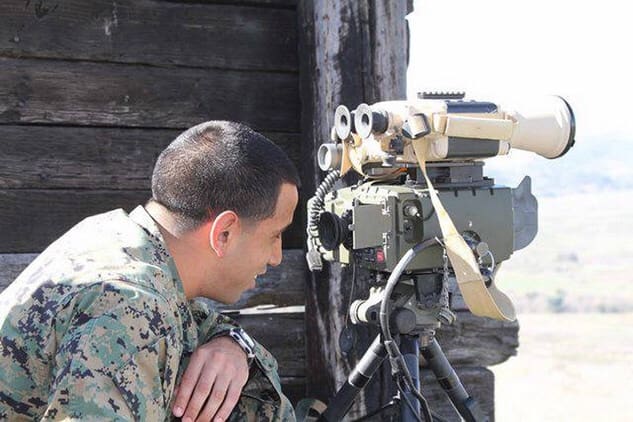
The Next Generation Handheld Targeting System, or NGHTS, is a single, lightweight, man-portable system that enables Marines to quickly acquire targets; perform guidance of against targets; and generate target location data during combat operations.

“During the first phase, the four awarded companies will explore potential system capabilities and provide Marine Corps Systems Command with an in-depth study of the best solution for our Marines at the best price,” said Megan Full, contract specialist supporting Program Manager Fires at MCSC. “We will collect the findings by the second quarter of fiscal year 2019 and choose one or more vendors to move onto phase two where they will develop and demonstrate prototypes.”

Currently, the Marine Corps uses four legacy systems: the Portable Lightweight Designator Rangefinder, Joint Terminal Attack Controller, Laser Target Designator and Thermal Laser Spot Imager. The intent is for NGHTS to replace all four systems.

“For the last four years, we have worked diligently to explore an option that condenses the legacy versions into one lightweight system with a reliable power supply that is rugged enough to throw onto a Marine’s pack,” said Jeff Nebel, Fire Support Coordination Team lead, PM Fires.

“The NGHTS will combine all of the legacy capabilities into one system that is compatible with both current and future fire support systems, and will support the Marine Corps for the next 15 to 20 years.”

“The NGHTS will be an important advancement because it is planned to reduce the current weight of the laser designation and laser spot imaging capability by 60 percent, which will increase the mobility and lethality of our fire support-focused Marines,” said Maj. Nathan Morales, Targeting Systems project officer, PM Fires. “This capability is focused on our ability to fight in the compartmentalized terrain outlined in the Marine Operating Concept.”

By Kaitlin Kelly, MCSC Office of Public Affairs and Communication | Marine Corps Systems Command

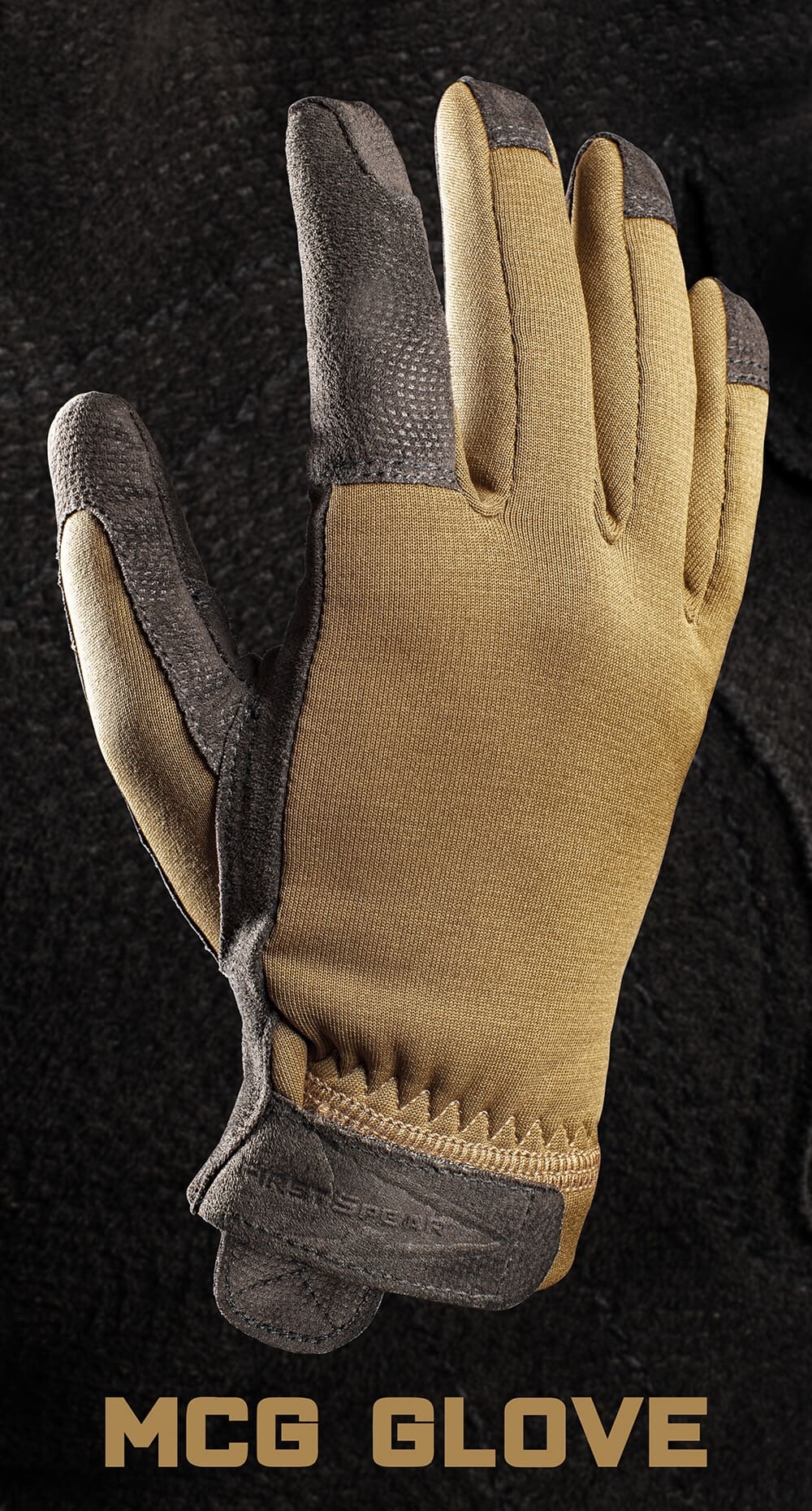
FirstSpear Friday Focus – Multi Climate Glove

Friday, December 14th, 2018

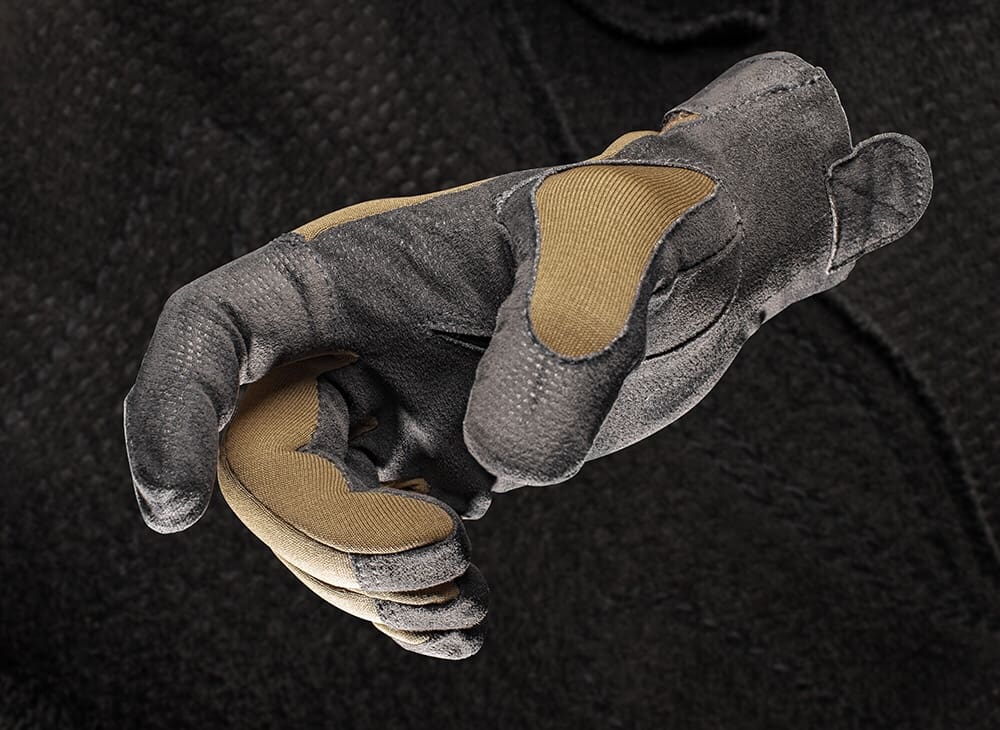
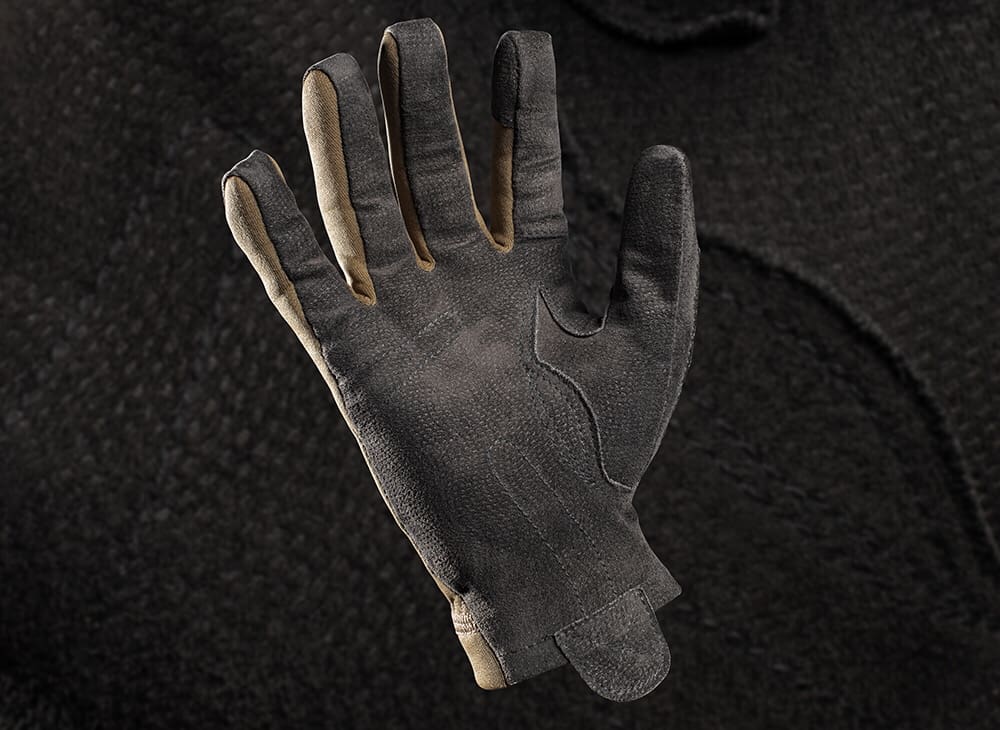
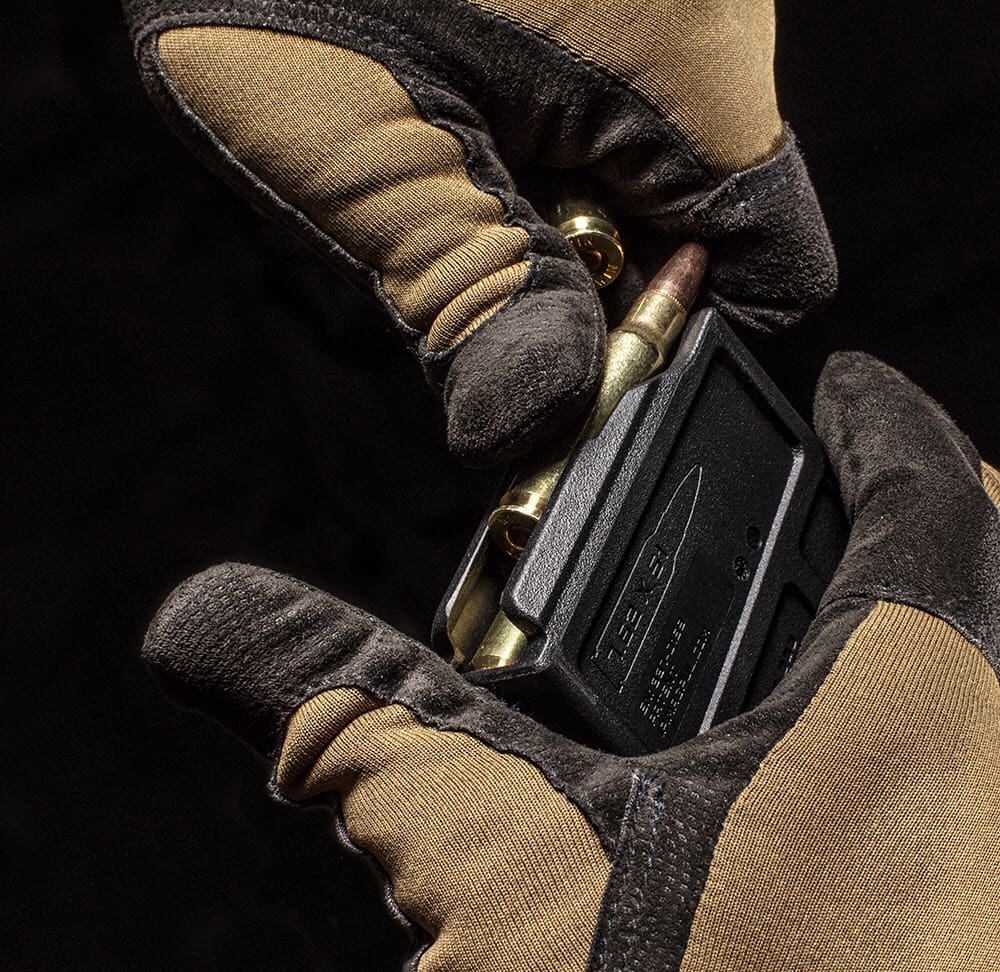
Introducing the all new Multi Climate Glove (MCG) from FirstSpear. Built for maximum dexterity and tactile performance using an incredibly soft carbon infused goat skin palm that offers exceptional feedback with a digital texture for enhanced grip. The back of the MCG is built with a premium poly soft shell material that has a perfect amount of stretch with minimal weight making this glove feel like its not even there.

Features
• Maximum Manipulation for Peak Performance Feel of Essential Weapon Controls
• Improved Breathability, Low Water Uptake, and Soft Drying
• Digital Texture Enhances Grip
• Strong and Technically Advanced, Remains Comfortable and Flexible
• Pittards Digital Goatskin Palm, with Premium Polyester Soft Shell back

Now shipping in black and coyote.

www.first-spear.com/technical-apparel/handwear/multi-climate-glove-mcg

Brigantes Presents – High Angle Solution – Black Crows, Orb Militari Skis  

Wednesday, December 12th, 2018

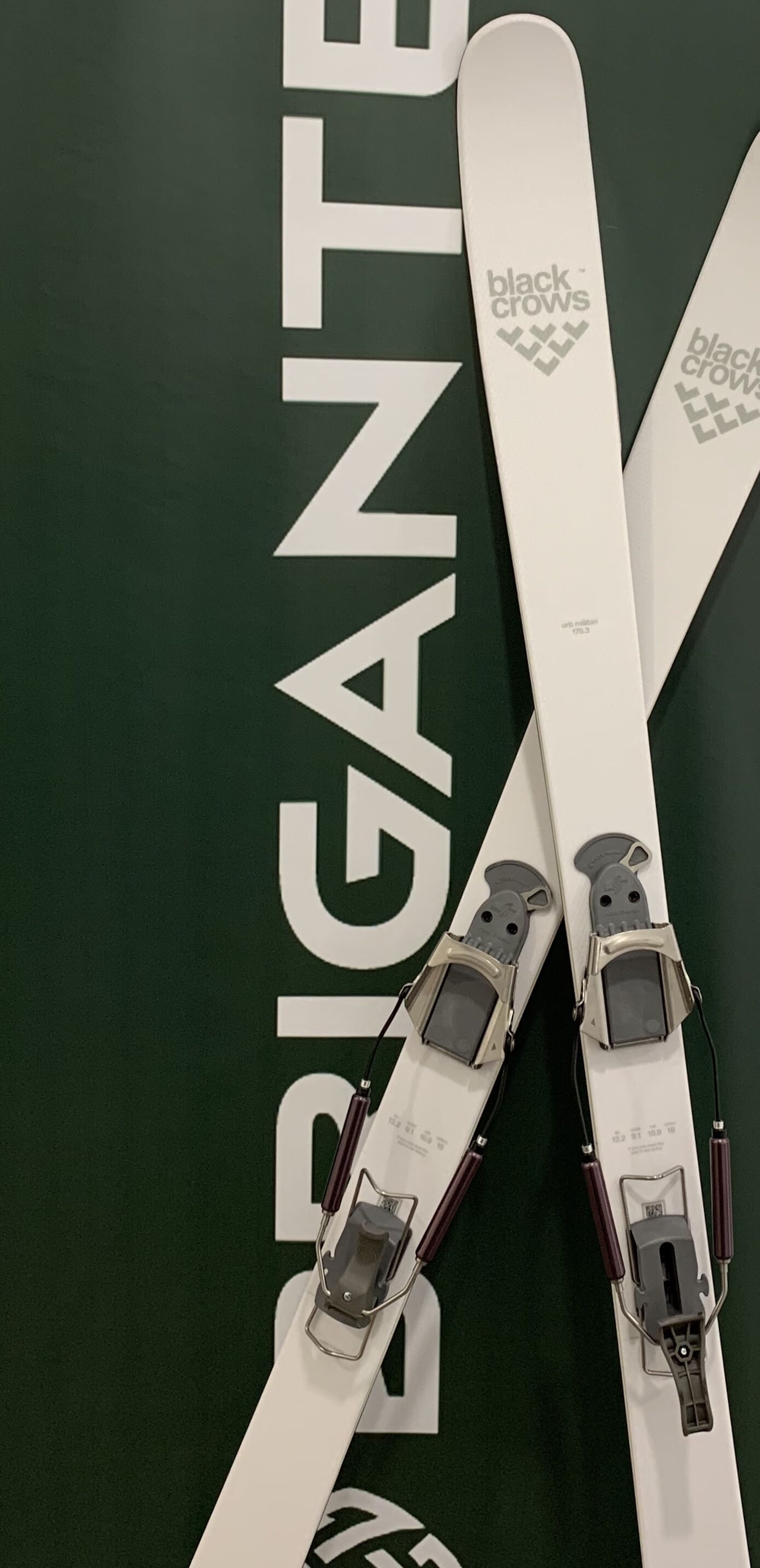
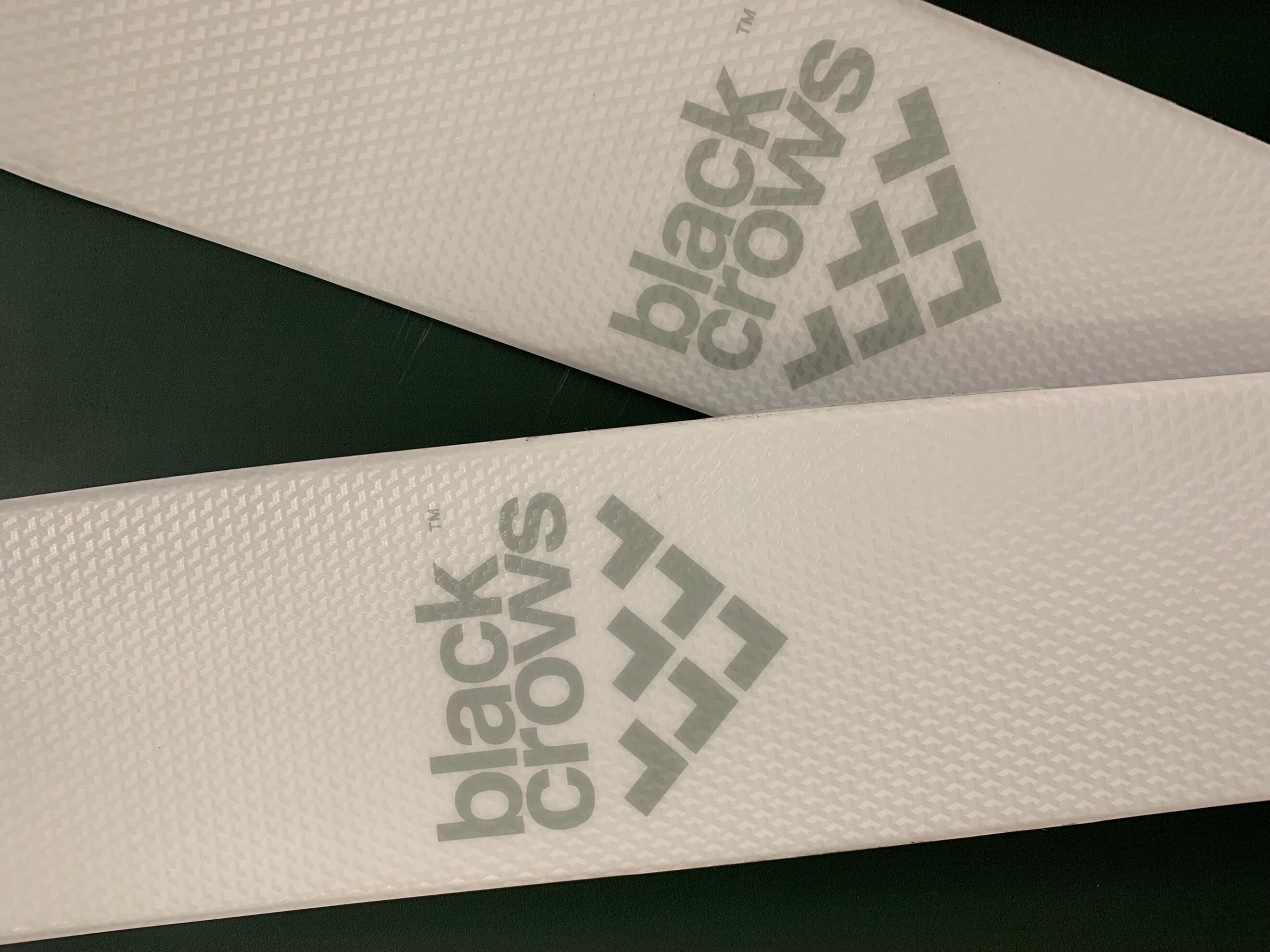
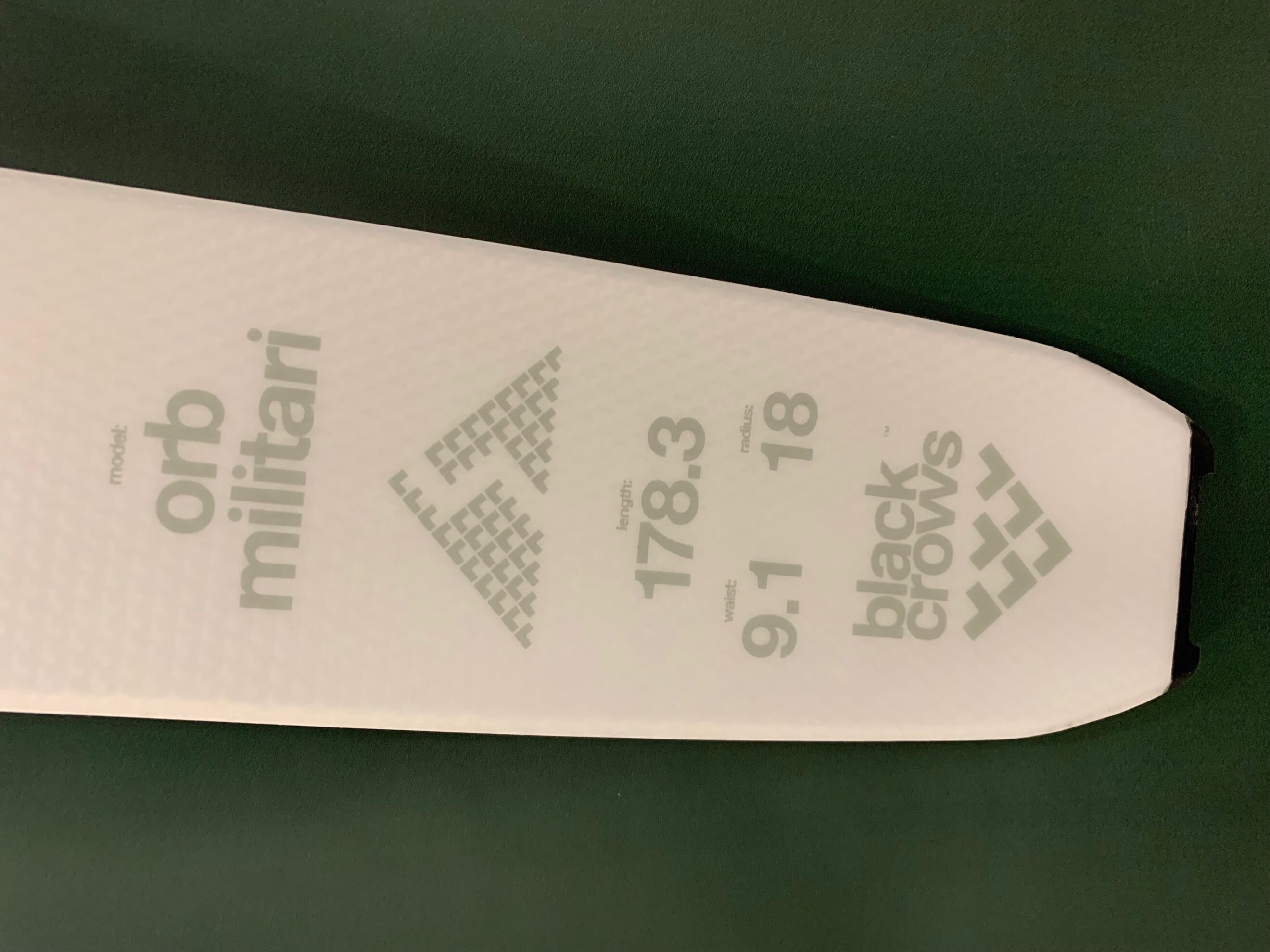
Everyone once I a while you get to play in a project that is ultra exciting.  We have just delivered our first winter warfare Black Crows skis.  Based on the Freebird Orb, the Orb Militari offers the perfect balance of functionality and ease of use.

Made with a white top sheet and base they are ready to go for Arctic operations.  The skis themselves can be fitted with a classic 75mm Telemark binding or with a pin binding for more mountainous use.  The ski itself is more rigid than its civilian relative in order to better deal with the large loads that winter troops carry.  All white skins and poles have also been produced to accompany it.

Initially made in very limited numbers there is only a few pairs left that are available to troops heading out in to the snows this winter.  If you are interested in pbtaining a pair then please email.

For more information get in touch by email on international@brigantes.com or for UK customers warrior@brigantes.com.

www.brigantes.com

Quiet Professionals

Tuesday, December 11th, 2018

DUKE FIELD, Fla. — From an airfield that once served as the training grounds for the famed Doolittle Raiders, Citizen Air Commandos from the 919th Special Operations Wing, Duke Field, Florida, are working daily to deliver superior airpower around the world.
img_0296.jpg
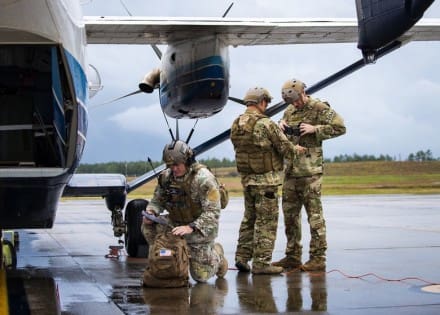
Master Sgt. Joseph Kimbrell (left) prepares his equipment for a future C-145A training mission while Master Sgt. Brian Schultz assists Tech. Sgt. Matthew Massey with adjustments to his pro gear. All are special mission aviators assigned to the 919th SOW.

The “Quiet Professionals” of the 919th SOW offer specialized skills to Air Force Special Operations Command made even more distinct by the fact that this “part time” unit is providing a full-time capability for a mission that never stops.

“At any minute on any day, members of the 919th are likely helping to get equipment and special operations forces where the warfighter needs them most,” said Col. Frank L. Bradfield, 919th SOW commander. “While they’re doing that, others are providing surveillance of the battlespace ready to deliver precision strike capabilities to those who wish to do America harm. It’s a no-fail mission and one we’re proud to support.”
D951D82F-2B3B-4274-8523-005AD1123FAD
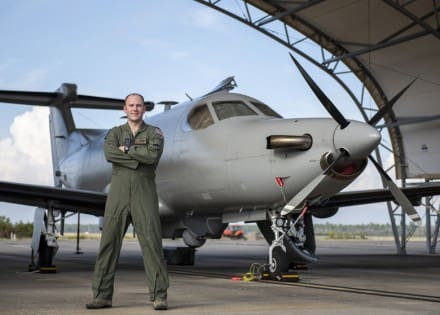
Maj. Kevin Riegner, 5th Special Operations Squadron pilot, takes a few minutes for a photo prior to a recent U-28 training mission at Hurlburt Field, Florida. The 5th SOS is one of 13 squadrons assigned to the 919th Special Operations Wing at nearby Duke Field. The wing’s diverse mission and ability to fulfill a wide range of requirements for Air Force Special Operations Command places its members in high demand for critical operations at home and at distant points around the globe. (Master Sgt. Jasmin Taylor)

These 1,500 Reservists are part of the Air Force Reserve’s only special operations wing. They are fully integrated with their active duty counterparts in the 492nd SOW operating from a small base in a densely wooded area in the Florida panhandle.

The 919th’s members are focused with laser-like intensity on employing innovative practices and standards to support four distinct mission sets—enhancing partner nation capacity, training future AFSOC aviators, conducting Remotely Piloted Aircraft operations and performing specialized mobility—all geared toward increasing AFSOC’s efficiency and lethality.

COMBAT AVIATION ADVISORS

In a desolate and austere airfield thousands of miles from U.S. soil, a small team of Citizen Air Commandos is having a global impact by enhancing partner nation aviation capabilities, yet most Americans don’t even know they exist.

These combat aviation advisors, or brown berets, are highly trained in specialized skills needed for hands-on, adaptive, advisory missions with foreign military partners. Their goal: to conduct special operations activities by, with and through foreign aviation forces.

As one such team of CAAs prepared to land the last training sortie of a recent two-month mission in North Africa, many took a moment to reflect on the experience.

The mission involved 60 days of intense training and constant coordination with seven separate combat units. An unimaginable amount of collaboration and teamwork contributed to the success of this final sortie. Shoulder-to-shoulder with their foreign colleagues, the CAAs prepared their partner nation for their first simulated joint event between its air and ground forces.

CAAs are an elite group of carefully selected, well-experienced Airmen with diverse backgrounds.

They deploy in 16-member Operational Aviation Detachments which are comprised of 12 different Air Force Specialty Codes, specifically trained to assist the partner nation force with joint operations.

“The OAD composition allows the CAA team to be self-reliant and contains the diversity of skills required to problem-solve and be adaptive,” said Lt. Col. Benjamin Griffith, commander of the 711th Special Operations Squadron.
8AEAD9D9-4785-4CAC-9C6E-197A7B773A9D
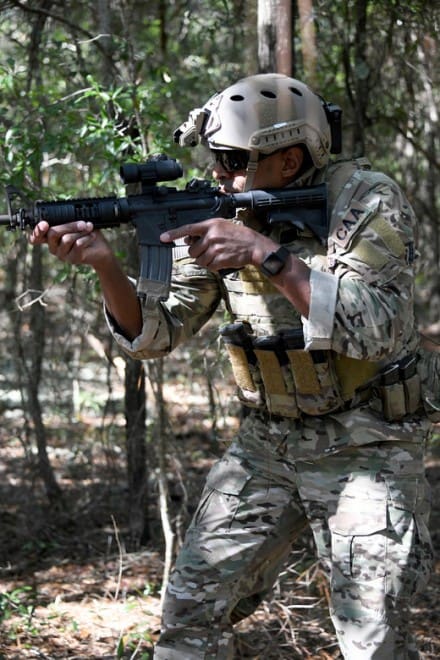
TSgt Brandon Bass, an aircrew flight equipment specialist CAA with the 711th Special Operations Squadron, practices individual tactics during a training exercise. (TSgt Jodi Ames)

From security forces and communications, to maintenance and sensor operators, the types of career fields represented by the CAA community are quite diverse.

“The impact of a small OAD on the security and stability of a nation should not be underestimated,” said Lt. Col. Warren Halle, 711th SOS assistant director of operations.

“Any type of operation lives or dies, sustains or fades by an integrated team effort,” said Halle. “Special operations forces Airmen have been well-educated that ‘joint’ is not just a buzz word. Joint operations lead to the gold standard of integration effectiveness.”

By design, the 919th’s CAAs are supported by an entire wing that lives and breathes that standard of integration.

ONE-OF-A-KIND FORMAL TRAINING UNIT

As a Reserve unit, the 919th SOW blends with its active-duty partners not only to accomplish the mission but also to support the training of future air commandos.

The 5th SOS is home to the formal training unit for all Air Force special operations platform education, where they provided instruction on eight different platforms and conducted 6,800 student events in fiscal 2018 alone.

“This schoolhouse mission is a lot more diverse than any other FTU,” said Master Sgt. Joseph Kimbrell, CAA instructor and evaluator for the 5th SOS. “We are teaching the entire CAA aspect of the mission which considers the OAD team to be the weapon system.”

The training conducted by members of the 5th SOS is critical to the accomplishment of the AFSOC mission.

“We are the only FTU in the only special operations wing in the Reserve and we provide the preponderance of AFSOC with its aviators,” said Kimbrell. “We are the tool that sharpens the tip of the spear.”

THE SUN NEVER SETS ON THE 919TH

Not only does the 919th sharpen the spear, wing members also launch it. The 2nd SOS offers round-the-clock support to the warfighter through remotely piloted aircraft missions, taking the fight directly to the enemy.

“RPA missions continue to be the number one most requested capability of combatant commanders around the world,” said Col. Roland Armour, 919th SOG commander. “RPAs are in high demand and ours operate on a 24/7 basis.”

Another 919th unit, the 859th SOS, similarly runs a global mission that never rests. The 859th flies an aircraft not found anywhere else in the Air Force inventory, the C-146A Wolfhound.

Offering light and medium airlift capabilities, the Wolfhound allows the 919th to reach forward deployed special operations forces in locations large aircraft simply cannot.

“Within the past 12 months, the 859th SOS has provided crucial airlift for the AFSOC mission in more than 40 countries and four combatant commands contributing vital airlift for nation building and stabilization across the globe,” said Armour.

Meeting the unique demands and needs of special operations airlift missions requires constant innovation and problem-solving. More often than not, the 919th’s aerial delivery specialists must figure out how to conform a load to meet the requirements of the air commandos down range.
EBAE7161-9F60-4AD5-B221-452D2C3EA04E
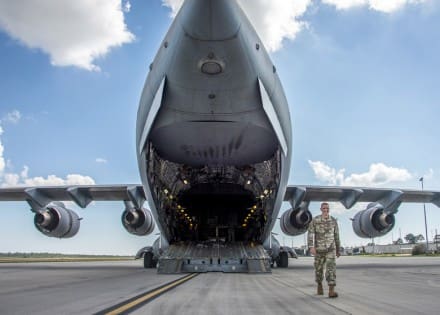
TSgt Bradley Moore, 919th Special Operations Logistics Readiness Squadron, returns from loading Army airborne soldiers into a C-17 Globemaster III at Duke Field, Florida, in preparation for their qualification jump. The 919th SOLRS provides integrated logistical support to the 919th Special Operations Wing, 7th Special Forces Group and Air Force Special Operations Command. (MSgt Jasmin Taylor)

“We are capable of dropping anything, anytime,” said Senior Master Sgt. Clarence Greene, 919th Special Operations Logistics Readiness Squadron. “Most aerial delivery shops drop standard loads, such as water and basic supplies, but with us it could be anything from a radio to a motorcycle…anything to support the air commandos on the ground.”

SPECIAL SUPPORT FOR SPECIAL OPS

The unique platforms and missions at the 919th SOW have required the unit to adapt a culture of “outside the box” thinking reflected in every facet of its operations.

Even functions as “basic” as aircraft maintenance have had to be tailored to the Duke Field mission. The aircraft flown and maintained at the 919th SOW are commercial aircraft requiring specialized training not offered through traditional pipelines.
1ABE8A82-655D-4802-9174-CE0189B829AC
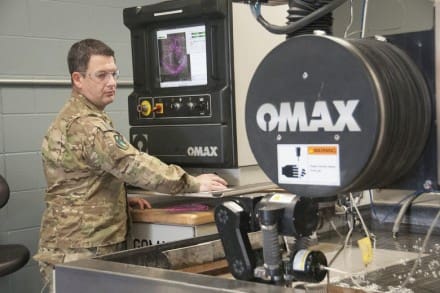
TSgt Michael Resseguie, 919th Special Operations Maintenance Squadron, manufactures washers for the C-146A Wolfhound on the OMAX Jetmachining Center at Duke Field, Florida. The 919th SOMXS provides round-the-clock maintenance support for the 919th SOW’s global mission. (Capt Monique Roux)

“One of the unique ways our unit ensures we are providing the most relevant training for our Airmen is through our in-house training program,” said Senior Master Sgt. Michael Tomi, 919th Special Operations Aircraft Maintenance Squadron. “We sent a cadre of maintenance personnel to receive training from the [aircraft’s] commercial manufacturer and that cadre came back and developed a school house specific to our mission.”

The 919th’s security forces and communications Citizen Airmen have also had to adapt to the unique needs of special operations forces.

“Our agile combat support demonstrates the expeditionary nature of the 919th SOW,” said Lt. Col. Kelly Gwin, deputy commander of the 919th Special Operations Mission Support Group.

One critical component of that agile combat support is the Deployed Aircraft Ground Response Element, a mission managed by the 919th Special Operations Security Forces Squadron. DAGRE members are specially trained to meet the unique security and force protection demands of special operations forces, supporting AFSOC’s global mission.

Its global mission also requires constant and reliable communication, often in unfamiliar and rapidly changing environments while air commandos are engaging the enemy. To tackle that challenge, the 919th Special Operations Communications Squadron consistently pushes the barriers of communications technology.

“They train, maintain and deploy some of the most technologically advanced cyber systems in the Air Force,” said Gwin.

SPIRIT OF COOPERATION

Support for special operations forces is the backbone of the 919th SOW mission of providing America’s citizen air commandos…anytime…anyplace.

Another OAD is just weeks away from commencing its next mission. RPAs are flying in undisclosed areas, providing valuable protection for joint coalition partners who are constantly under attack. New pilots are getting ready to join the AFSOC team. And somewhere in a remote and austere location, Airmen are receiving much-needed relief and supplies.

The Doolittle Raiders would be proud.

By Capt Monique Roux, 919th SOW public affairs office. Published in Citizen Airman magazine.

US Army Futures Command Unveils New Insignia

Monday, December 10th, 2018

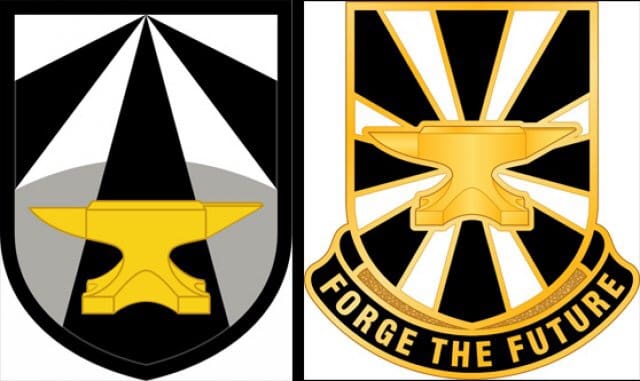
FORT MEADE, Md. — The Army Futures Command now officially has a shoulder sleeve insignia and distinctive unit insignia that its Soldiers will wear while they work toward modernizing the Army.

With a golden anvil as its main symbol, the shoulder patch and unit insignia are a nod to former Gen. Dwight D. Eisenhower’s personal coat of arms that used a blue-colored anvil.

The command’s motto “Forge the Future” is also displayed below the anvil on the unit insignia, while both the patch and unit insignia have black and white stripes stretching outward from the anvil.

“Symbols mean things just like words do,” said Robert Mages, the command’s acting historian. “It’s a reminder to the Soldiers that wear the patch of the mission that they’ve been assigned and of the responsibilities that come with that mission.”

A patch ceremony is expected to take place Friday during the transfer of authority of the Army Capabilities Integration Center, ARCIC, to the Army’s newest major command.

Since last year, the four-star command has been at the heart of the most significant Army reorganization effort since 1973.

In July, senior leaders picked Austin, Texas, for the AFC headquarters. Cross-Functional Teams were also stood up within the command to tackle the Army’s six modernization priorities: long-range precision fires, next-generation combat vehicle, future vertical lift, network, air and missile defense, and Soldier lethality.

The patch and unit insignia represent the command’s most recent move toward full operational capability, which is expected next summer.

Andrew Wilson, a heraldic artist at The Institute of Heraldry at Fort Belvoir, Virginia, worked with command leadership since last December to finalize the designs.

“This is something that is supposed to stand the test of time and just to play a part in it, it’s an honor,” he said.

The main piece — the anvil — is meant to represent fortitude, determination and perseverance. The black, white and gold resemble the colors of the U.S. Army.


Wilson said he got the idea for the anvil during a design meeting that mentioned the command’s new motto — Forge the Future.

Wilson, who once took a blacksmithing course in college, was immediately reminded of reshaping metals on an anvil.

“Taking away from the meeting, I tried to come up with something that would play off of that,” he said. “The first thing that popped in my head with ‘forge’ was blacksmithing and one of the key features of that is an anvil.”

Once he spoke of his idea, Charles Mugno, the institute’s director, then advised him to look at the anvil used in Eisenhower’s coat of arms.

“And from there the spark of creativity just took off,” Wilson said.

The Institute of Heraldry was also involved in the organizational identity of the Security Forces Assistance Brigades, one of which just completed its first deployment to Afghanistan.

“Whenever you have a new Army unit, you do end up doing a heraldic package of shoulder sleeve insignia, distinctive unit insignia and organizational colors,” Mugno said.

Heraldic conventions, he added, is a time-honored process that dates back to the 12th century.

With a staff of about 20 personnel, the institute also helps create the identity of other federal government agencies. Most notably is the presidential seal and coat of arms.

“We have a very unique mission,” Mugno said. “We all share a sense of honor and purpose in being able to design national symbolism for the entire federal government.”

Until the new patch was created, Soldiers in Army Futures Command wore a variety of patches on their sleeves. Those assigned to ARCIC, for instance, wore the Army Training and Doctrine Command patch and those in research laboratories had the Army Materiel Command patch.

Now, the golden anvil has forged them all together.

“It’s a symbol of unity — unity of effort, unity of command,” said Mages, the historian. “We no longer report to separate four-star commanders. We now report to one commander whose sole focus is the modernization of our Army.”

By Sean Kimmons, Army News Service