XC3 Weaponlight

Archive for the ‘Guest Post’ Category

FirstSpear Friday Focus – 10×12 Padded Plate Backer Kit

Friday, November 30th, 2018

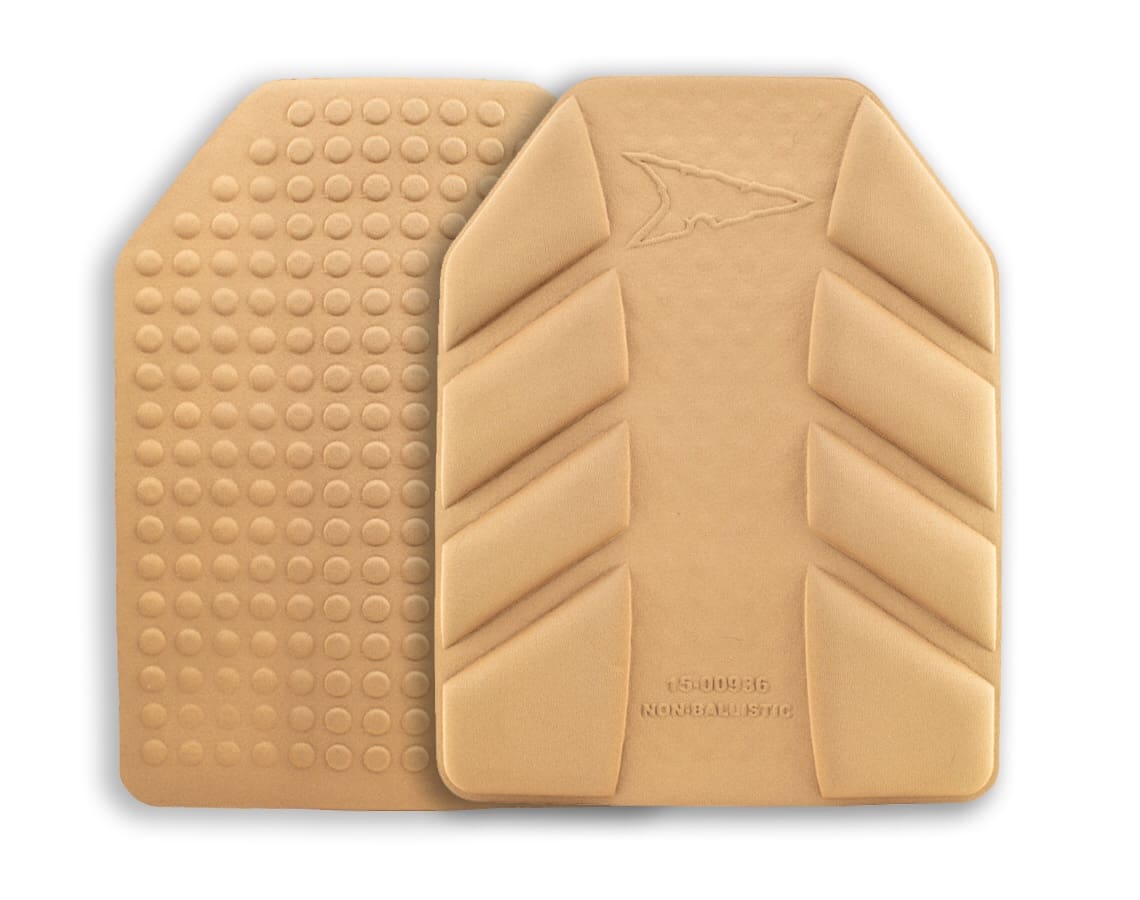
Meet the all new FS 10×12 Padded Plate Backer Kit!

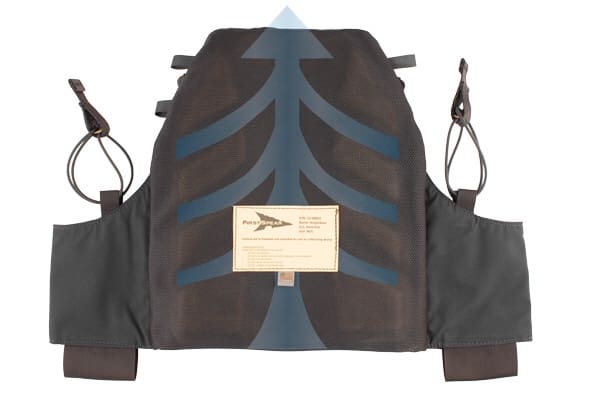
These Non-Ballistic padded inserts come in a set of two and designed to go inside your plate carrier and behind the plate to increase comfort with minimal bulk and weight while providing an extra large channel to increase air flow. The Padded plate backer can be used in multiple configurations based on user needs. Shipping Now. 100% American Made.

www.first-spear.com/platforms/platform-accessories/10×12-padded-plate-backer-non-ballistic

Marine Corps Releases Solicitation For New Lightweight Hard Armor Plate

Friday, November 30th, 2018

MARINE CORPS BASE QUANTICO, Va. —

The Marine Corps has released a request for proposal for a lightweight hard armor plate to lighten the load for Marines and allow commanders to adapt to the environment, mission and level of threat on the battlefield.


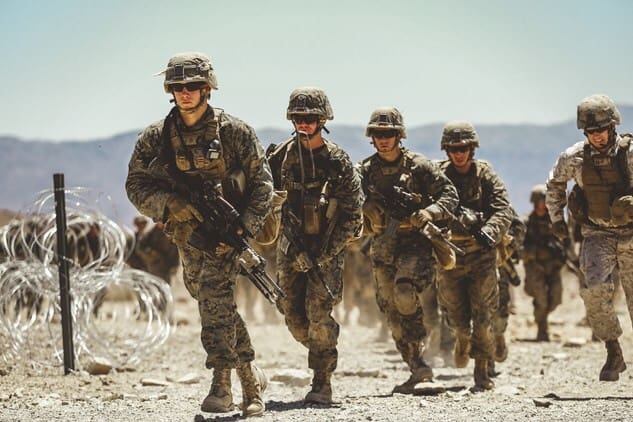
The Marine Corps released a request for proposal for a lightweight hard armor plate to lighten the load for Marines and allow commanders to adapt to the mission on the battlefield. Marine Corps Systems Command is seeking industry input for samples of potential lightweight plates to provide sufficient protection for the majority of combat environments. (U.S. Marine Corps photo by Lance Cpl. William Chockey)

In August, Marine Corps Systems Command assessed industry’s capability to make a plate that would supplement the Enhanced Small Arms Protective Insert, or ESAPI plates, and provide sufficient protection for the majority of combat environments. MCSC’s Program Manager Infantry Combat Equipment held Industry Days Oct. 17-18, and met with 12 companies to receive feedback on the draft solicitation documents.

Now MCSC is seeking proposals from industry for procurement of a maximum of 680,706 and a minimum of 60,000 lightweight plates. The lighter plates will give commanders more options to tailor Marines’ ballistic protection to the environment, mission and threat.

“These new plates will be fielded in addition to the existing ESAPI plates,” said Nick Pierce, Individual Armor Team lead in MCSC’s PM ICE. “We expect the plates to be at least 38% lighter than the ESAPI which will significantly increase the mobility of Marines on the battlefield.”

All proposals are due March 2019, and a contract is expected to be awarded in July 2019. Priorities have not yet been set, but initial fielding would likely go to combat units and could take place as early as fiscal year 2020.

“This along with other recent initiatives such as the Plate Carrier Gen III are part of a holistic effort to modernize the personal protective equipment set to give Marines better, lighter, more effective gear,” said Pierce.

By Kaitlin Kelly, MCSC Office of Public Affairs and Communication | Marine Corps Systems Command

Widget Wednesday:  Integrated Power Solutions

Wednesday, November 28th, 2018

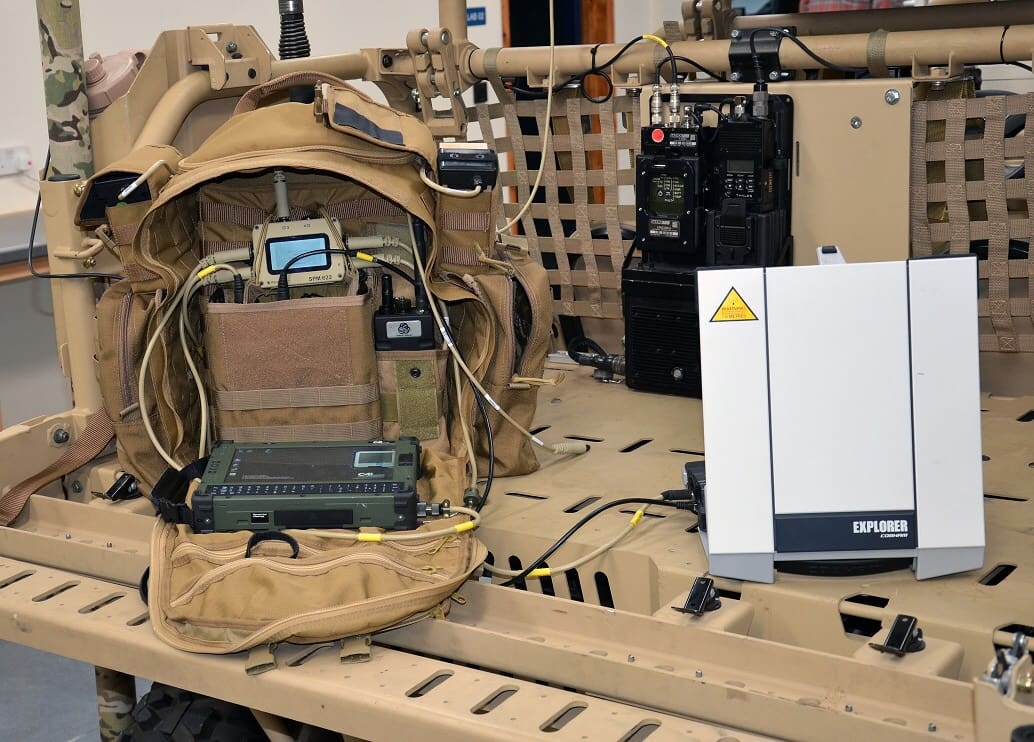
Units at the sharp end often need to integrate organic and non-organic equipment for dismounted or vehicle-based systems – providing reliable power for such systems can be a significant challenge. With the SPM-622 Squad Power Manager, an excellent solution for keeping the power flowing and maintaining continuous mission capability is readily available.

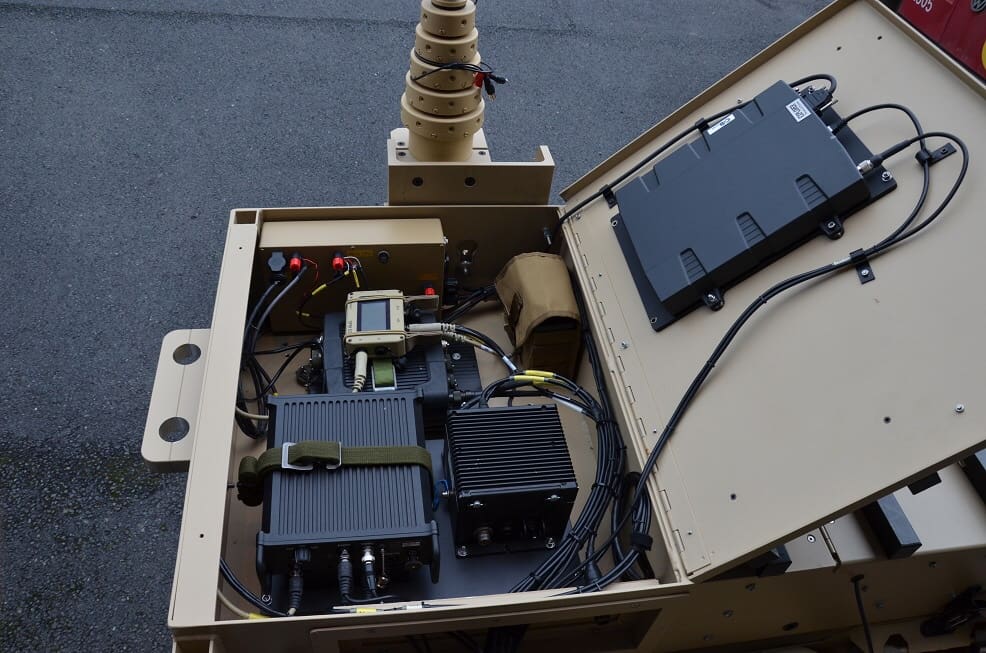
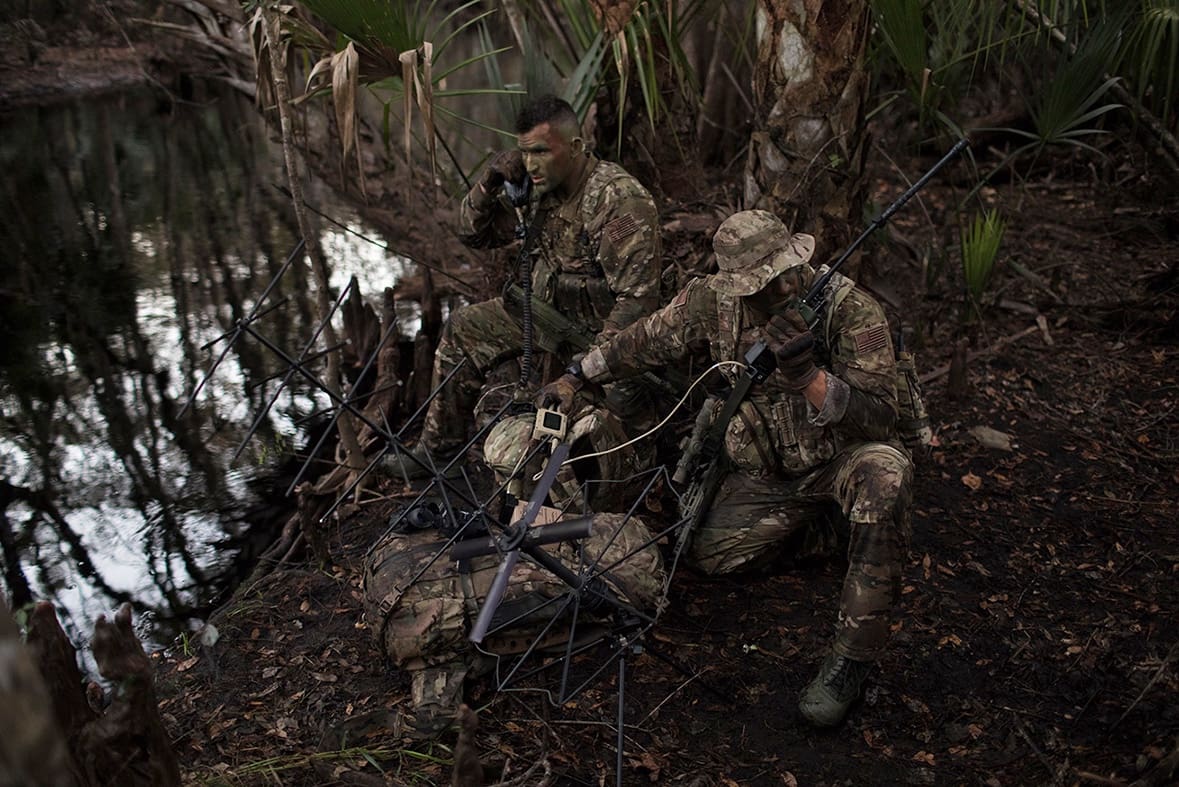
One such SPM-based integrated system is the C-REACH communications system from C4i Systems in the UK. The C-REACH is a modular, man-packable or light tactical vehicle mounted gateway system that provides Beyond Line of Site (BLOS) communications. Users deployed to the forward edge of operating areas have the ability to communicate mission critical information to tactical and strategic decision makers using almost any modern radio communication system. The C-REACH system allows users to achieve complete, secure BLOS communications of voice, video and data information on a global scale from a single, lightweight, self-sufficient solution.

Including the SPM-622 enables operators in even the most remote or austere environments to maintain full communications capability by harvesting and managing power from any available source – for however long the mission lasts.

For further information about the C-REACH system please visit C4i Systems.

The SPM-622 Squad Power Manager is also at the heart of several other integrated systems currently undergoing T&E with US, NATO, and Partner Nation forces. For further information about the SPM’s features and capabilities, visit www.PTXnomad.com or contact us at Team.Room@Protonex.com.

Seeing the light: LiFi will revolutionize IT on mission command posts

Wednesday, November 28th, 2018

NATICK, Mass. — When investigating new ways of transmitting and communicating information, sometimes it helps to see the light.

This is the idea behind a new technology being investigated by the Research, Development and Engineering Command Soldier Center’s Expeditionary Maneuver Support Directorate, along with its industry partner, VLNComm of Charlottesville, Va.

A technology revolution that fits in the palm of your hand. The Research, Development and Engineering Command Soldier Center’s Expeditionary Maneuver Support Directorate, or EMSD, has come up with a concept for using LiFi technology as a new way of transmitting and communicating information. The wireless system uses infrared light instead of radio frequencies. Since LiFi does not use radio waves, it cannot be detected outside the confines of the mission command platform. LiFi is un-hackable and untraceable within the command post shelter. EMSD is working with its industry partner, VLNComm of Charlottesville, Va., on adapting the technology to meet enclosed mission command platform needs. The transceiver (pictured here) is simply put into a USB port and will then detect the signal and users will be hooked up to the IT network of their command post. Then a Soldier just needs a light shined overhead to have network access. (Photo is courtesy of the RDECOM Soldier Center Expeditionary Maneuver Support Directorate)

“It’s a wireless system but instead of using radio frequencies it uses infrared light,” said Frank Murphy, an engineer on EMSD’s System Development and Engineering Team. “It is called LiFi, or light fidelity. It has many advantages.”

Murphy has been investigating ways to utilize the emerging commercially available technology in a tactical environment as the physical characteristics appear to solve many issues facing wired and wireless field command post network systems.

The technology will be used in expeditionary mission commands. EMSD has come up with a concept for using LiFi within any enclosed mission command platform. LiFi eliminates the problems associated with the time-consuming task of running data lines in tactical operation centers and command posts. Moreover, since the technology does not use radio waves, it cannot be detected outside the confines of the mission command platform.

“The technology uses light waves to transmit and receive data between the servers and the user’s computer,” said Melvin Jee, the leader of EMSD’s Command Post Platforms Branch. “As light cannot pass through walls, the enemy cannot detect the signal.”

Murphy’s investigation into the technology was inspired in part by Douglas Tamilio, the director of RDECOM Soldier Center, sharing an article about LiFi with RDECOM Soldier Center leadership. Murphy’s investigation was also inspired by the vision of Claudia Quigley, the director of EMSD, and the RDECOM Soldier Center’s ongoing partnership with the 82nd Airborne. The RDECOM Soldier Center and the 82nd Airborne have worked together extensively to find out ways to best meet the needs of warfighters.

Murphy explained that Quigley and other members of the directorate were working with the 82nd Airborne during a field exercise. During the exercise, Murphy noticed that the setup of IT cabling was proving to be a time-consuming and difficult task.

“They had a hard time setting up their IT network, which isn’t usually an NSRDEC area, but we felt that we could address the need,” said Murphy. “Tactical speed is absolutely essential for command post setup. LiFi is potentially faster, easier to install and doesn’t have the security and exposure issues of other technologies. LiFi is un-hackable and untraceable when used within the command post shelter.”

“It’s virtually impossible to find the wavelength the data is being transmitted on, so if LiFi is detected, it’s hard to intercept the data stream,” said Jee.

EMSD is working with industry partners. Murphy explained that the commercially available technology was modified to fit a tactical environment. The technology will affect how Soldiers communicate and, thus, carry out a mission.

“A command post of any size is an information processing center,” said Murphy, “They take information from the field whether it comes in from a drone, Soldier/squad reports, other personnel in the area, satellite information, information from wheeled vehicles, or from behind the front lines — all this information gets fed to the command post staff. They make a decision and then the information goes right back out. Lives depend on this communication.”

“LiFi is part of NSRDEC’s plan to provide a fully integrated platform with all of the necessary infrastructure in order for the warfighter to set up his command post,” said Jee. “Just as a house is fully integrated with power, lights and network cabling — allowing the homeowners to just concentrate on the furnishings — NSRDEC plans to provide a fully functional house, allowing the warfighter and program managers to provide the “furniture.'”

“In a command post, everyone has a job to do and they have their information chain,” said Murphy.

“All these Soldiers need network access. With this, you simply shine the light over their head. After you hook the transceiver into the USB port, the transceiver will detect the signal and you will be hooked up to the IT network of your command post. It’s as simple as that. We also hope to have it integrated into the wiring harness for the lighting so we can just roll up the tent and pack it away during a move.”

Murphy emphasized that the NSRDEC project is really a team effort and that several entities at the Natick Soldier Systems Center were important to the development of the technology. He also received “great guidance” from his branch chief, Melvin Jee, and from his team leader, Connie Miles-Patrick, System Development and Engineering Team, as well as the DREN team and people in the Natick Contracting Division.

He also credited the use of the Base Camp Integration Lab, or BCIL, which was created by and is expertly run by, Product Manager Force Sustainment Systems. A first-generation Li-Fi system prototype was recently set up at the BCIL and successfully demonstrated the capability to send and receive data using the BCIL’s IT network.

“The people at the BCIL were incredible,” said Murphy. “They gave us the perfect platform to showcase the tactical capabilities of this device. This project really showcases what Natick is all about. The Natick team dove in with both feet. Great things happen when people believe in each other and in an idea. We all want to help the Soldier.”

Murphy believes that LiFi is truly the wave of the future.

“The demand for data inside the command post is only going to continue to increase,” said Murphy, “So data quantity and quality need to improve to meet this demand. This technology can be hooked up permanently in rigid wall mission command platforms, but it can be used anywhere. We will be bringing world-class communications, security, speed and capability to the frontline Soldier. Information in the field is a weapon. This technology will help the warfighter make better decisions and be more effective and lethal in the field. This changes everything in the IT network system. It’s a game changer.”

By Ms. Jane Benson (RDECOM)

SCUBAPRO Sunday – Frameless/Gorilla Mask

Sunday, November 25th, 2018

SCUBAPRO’s FRAMELESS is diving’s original frameless mask, and it’s still the best. Its distinctive rectangular single-lens shape is classic, providing an excellent field of view on the periphery as well as straight ahead. By eliminating the frame, you create a mask that sits closer to your eyes. This provides a broader field of view to better take in the underwater sights, plus it reduces volume which makes it easier to clear. Also, since there is no frame, the buckles attach directly to the skirt. This enables the mask to fold relatively flat for packing or for slipping into a BC cargo pocket.

The soft silicone skirt on the FRAMELESS is comfortable yet durable, and the double-edge seal feels good against the skin. The push-button buckle system is easy to use and allows for quick adjustments. Buckles attach to flexible tabs on the skirt; this optimizes strap angle when dialing in the fit. The wide headband spreads the load on the back of the head, greatly enhancing comfort.

After decades on the diving scene, the original FRAMELESS continues to be the mask of choice among professional divers throughout the world. With its excellent field of view and comfortable fit, this stellar mask is destined to maintain its dominant position on the cutting edge of diving well into the future.

The Frameless Gorilla has a slightly larger and wider lens in a matte finish. Single lens mask, featuring a unique lens and skirt assembly without a frame. The Gorilla Mask is a new SCUBAPRO classic for professionals. This single window lens design is for a superior field of vision. Mask has a tempered safety glass lens and a quality double -feathered edge silicone rubber skirt for exceptional comfort and fit. The unique assembly of the lens and skirt without a frame reduces weight, size and lowers the masks overall internal volume for a streamlined style and a snug fit.

This classic robust quality mask positions the buckles on the exterior of the mask body for convenience and comfort. The buckles system is easily adjusted with one-hand. The mask has a large easy to reach with gloved-hand, nose pocket for ear equalization. The wide split strap design provides even tension on the face for a perfect seal.

SCUBAPRO is always trying to set the bar for diving higher. The newest figures for the Frameless and Frameless Gorilla mask is the addition of the comfort strap adapter. This can be added onto any existing masks and adds several features to one of the most iconic masks ever made.

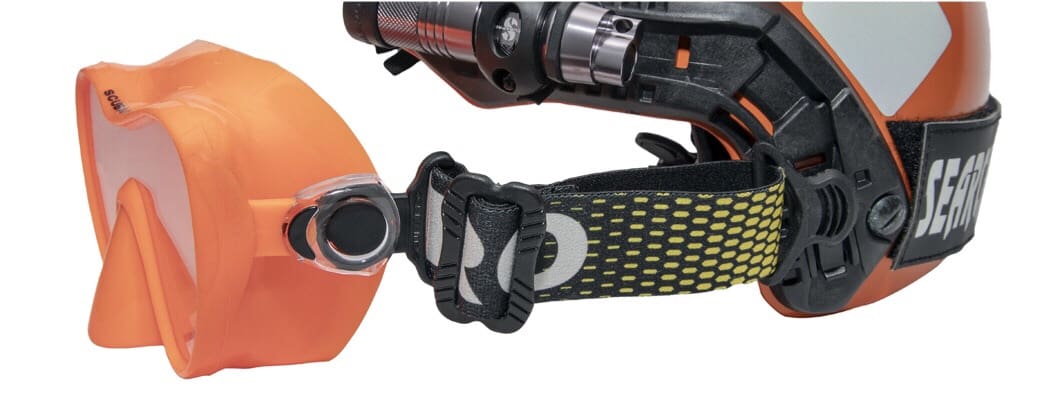
-It allows the Frameless/ Frameless Gorilla mask to be used with the SCUBAPRO comfort strap. The Comfort Strap is similar to a ski goggle strap in design, and it clips right into the mask buckle adapter and offers a wide adjustment range. It is also a lot less likely to break mid-dive as it is a nylon strap.

-The adapter also makes the mask non-magnetic for EOD use, as it removes all metal parts.

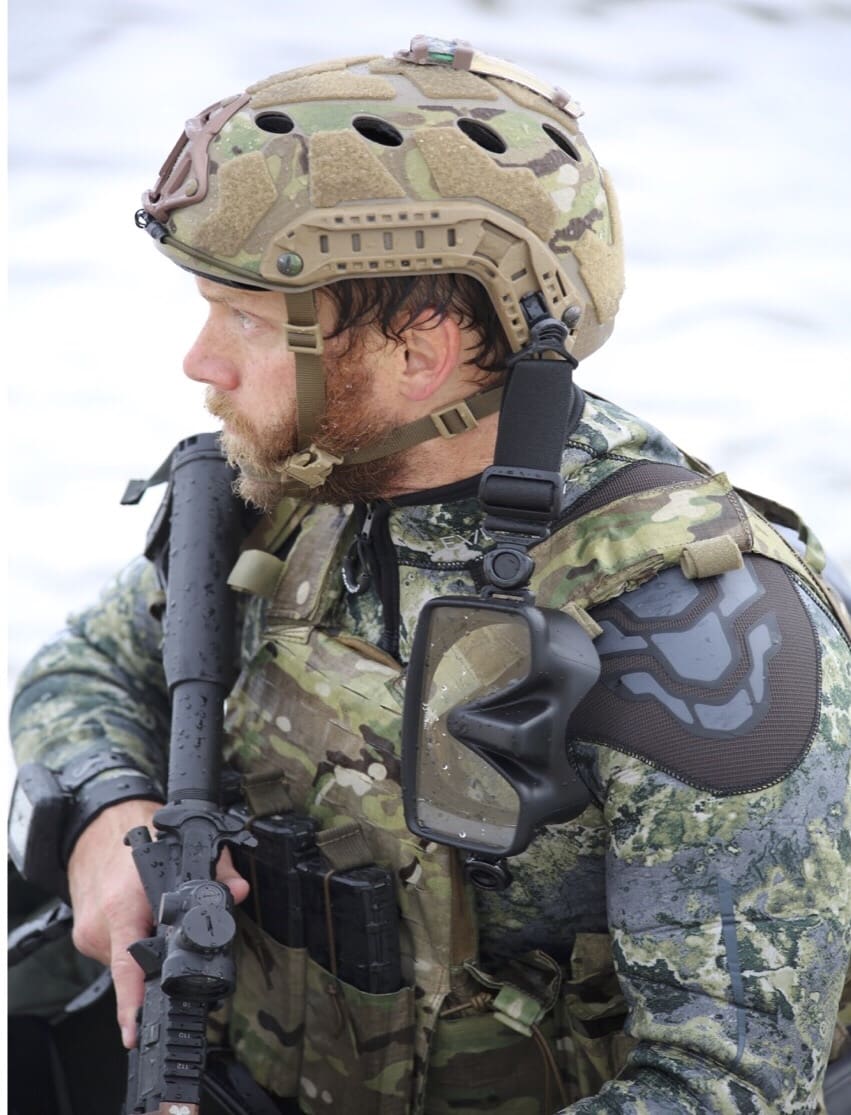
– It allows the masks to be used with the Odin helmet mask strap. The Odin system allows any mask with quick clips to be attached to any helmet that has the Ops-Core ARC rail systems. The Odin straps are perfect for any time you have to wear a helmet well diving. Like driving a DPV, Wearing Jetboots or for Search and Rescue Operations.

For more information contact ecrazz@clannfive.com

Photos by Paul Wildman.

Rapid Equipping Force’s Afghanistan Ex Lab Transforms Soldiers’ Ideas Into Reality

Sunday, November 25th, 2018

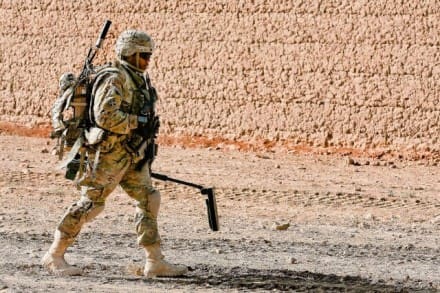
BAGRAM AIRFIELD, Afghanistan — At Bagram Airfield, Afghanistan, there is a place that wants to know about your tactical problems.
img_9498.jpg

The forward team of the U.S. Army Rapid Equipping Force or REF, wants Soldiers to bring their ideas regarding equipment on how to accomplish their missions more efficiently.

REF’s mission is to provide innovative materiel solutions to meet the urgent requirements of U.S. Army forces employed globally, inform materiel development for the future force, and on order, expand to meet the operational demands. Its focus is on immediate-need materiel solutions at the small-unit level.
EE4DD7EF-C412-40CA-A211-B4FE69EACDAB

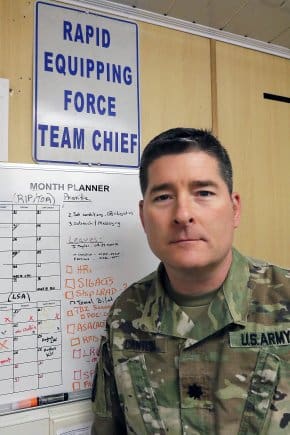
“We try to paint that picture for them that you know there’s a lot of capabilities that reside in this building, in the organization,” said Lt. Col. Scott Cantlon, REF forward team chief.

Cantlon is not new to this position as he has also spent time as the REF Forward Team chief in Iraq, Kuwait and Afghanistan for periods in 2016 and 2017.
9AAE5C2C-11FD-4B39-A8D9-67ABE856A22C

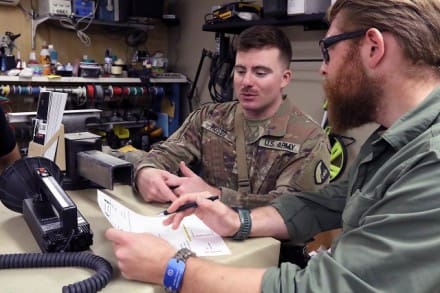
“If you need something here and now and rapidly produced, if you have an idea ,a problem, and you think you have a solution in your head, you can sit down and talk with our engineers and there’s a good chance they’re going to be able to design something,” Cantlon said. “Not only design it, but prototype it, and give it to you for some operational feedback.”

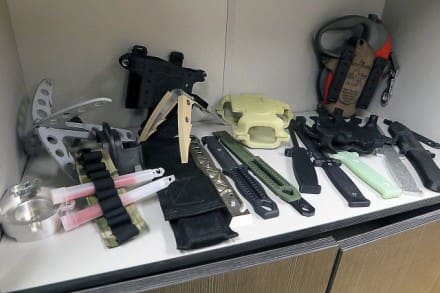
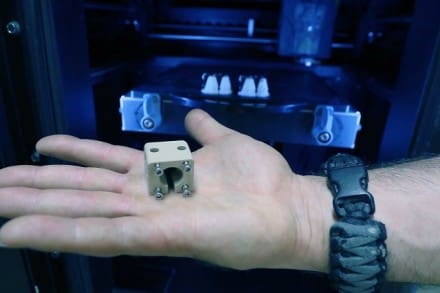
The REF team in Bagram offers the capability of rapid prototyping through the Expeditionary Lab or Ex Lab.
BD1CFB6A-137A-4DF4-9B4E-272ECBCF9496

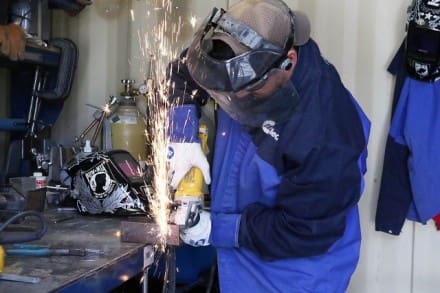
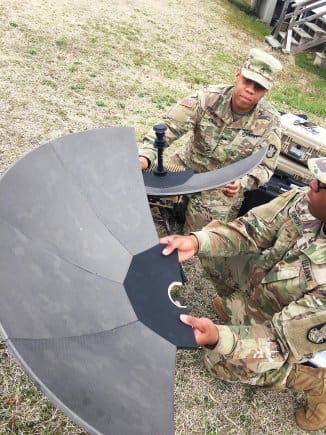
The engineers in the Ex Lab are capable of taking a Soldier’s concern, and if feasible, fabricating the solution through 3D printing, sewing, machining, or electrical work.

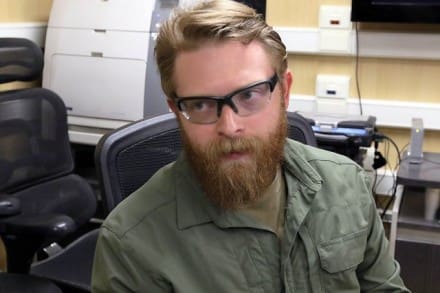
“Three-Dimensional printing has come a long way in the last 10 to 15 years. Today we have 3D printers where you can drop a design on a computer, hit print, and the next morning have a full made-out part that is of the same quality as a machine part in term of tolerance and the cavities (compartments) it can do,” said Dr. Patrick Fowler, former lead engineer of the Ex Lab, who redeployed back to the U.S. Army Research, Development and Engineering Command at Fort Belvoir, Virginia, in late October.
E48963D5-3634-475C-8171-101F3918F43E

“And in fact, it exceeds what you can do with a machine because you can create spaces that you would never be able to reach with a tool,” Fowler said.

Fowler has a bachelor’s, master’s and doctorate degrees all in mechanical engineering. Fowler volunteered for this deployment — his first — to fulfill a lifelong dream of serving in his own way with Warfighters.
641EE3B9-D90F-4AA7-9AD9-7F0C849DD620

“This is the only job that I’m aware where an engineer can get a requirement directly from the Warfighter and give them something that goes out the next day on a mission and immediately get feedback, and be able to keep the Warfighter in the design loop,” Fowler said.

The Ex Lab is equipped with design software and other limited metal bending capability among other things.
68A447D4-89A4-4044-A270-FB5E04C93C81

And depending on what it is, these new products can be made in limited quantities to equip Soldiers.

“We make things that have never been made before to respond to a tactical gap,” Fowler said.

“If you can imagine it, then we can make it for you,” he said. “The capabilities that we have here are broad ranging even though we use a lot of 3D printing, we can do traditional metal parts, we can do electronics fabrication, we can do programming, there’s a lot of capability here.”
5FE03219-AA08-45B2-8D07-508C1506CE32

The REF, headquartered at Fort Belvoir, Virginia, started in 2002 after Soldiers realized the need for non-standard equipment to meet the demands of their wartime mission.

The Ex Lab has reachback ties with the RDECOM for its expertise and additional manufacturing capabilities.
67D6D33D-1F2E-48AF-AF6D-CFF3A5DD0B23

The REF is the Army’s quick-reaction capability for getting urgent material solutions in the hands of Warfighters. It’s able to do this using a request document known as “10-Liner”, where Soldiers capture the requirements and submit.

Sometimes, the need is met with commercial and government off-the-shelf technologies. But when not available and if approved, the engineers will design and fabricate a solution to meet a Soldier’s needs.
C98EAC4C-8488-436D-BDEC-51D2C3D777B9

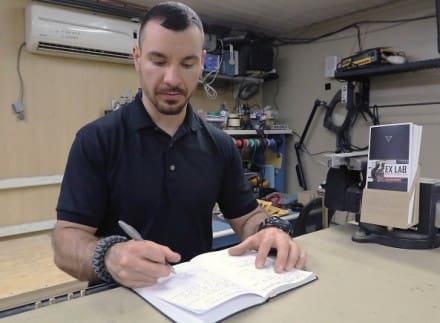
“The work out here, the things we do, it’s very rewarding,” said Ryan Muzii, a support engineer with the Ex lab. “We can do things no other organization can do. A Warfighter can come in with a problem and we can get after it. It’s just such a great asset.”

Muzii has nine years total working for the REF’s reachback support element, Edgewood Chemical Biological Center’s Advanced Design and Manufacturing Division, whose headquarters is at Aberdeen Proving Ground, Maryland. He also has a bachelor’s degree in mechanical engineering and a minor in mathematics.

As of November, Muzii will have been deployed two years to Afghanistan in support of the Ex Lab.

The time to procure and deliver nonstandard equipment. REF’s goal is to fill a requirement within 180 days.

The Ex Lab typically produces a solution in less than 30 days…sometimes in a few days depending on the requirement.

Locations and manning requirements for the REF have varied during the last 16 years based on the missions and number of personnel in theater. The REF also has forward teams in Kuwait and Iraq.

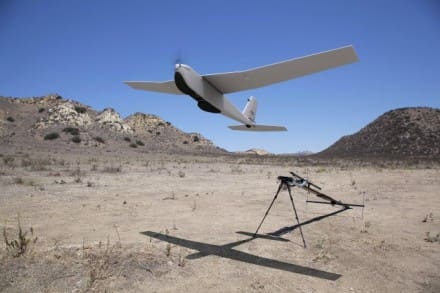
Since 2002, many new technologies have been equipped to help accomplish the mission more efficiently. Current projects include persistent duration unmanned aerial systems, electronic warfare, unmanned and counter-unmanned aerial systems, expeditionary force protection and so much more.

“Honestly, practically all these projects [we do here] someone walks in on I never would have thought. I have no prior military experience … I’ve always been an engineer,” Muzii said.

“Some of the things they (Soldiers) come up with are so innovative and creative, but not reliable, you know, it’s kind of thrown together,” he said. “But a lot of times people make it work; I mean we’re the U.S. Army, we make it work.”

On January 30, 2014, the Army declared the REF an enduring capability. It now reports to the Army’s Training and Doctrine Command where it will continue to support Soldiers deployed globally for years to come.

“Hey, you have this asset at your disposal. It doesn’t matter what rank you are,” said Muzii. “It doesn’t matter where you are in the CJOA-A — Combined Joint Operations Area-Afghanistan — we will come to you. It doesn’t matter how big or small your problem is, as we can help you.”

In Afghanistan, contact the REF and Ex Lab at:
DSN Unclassified:
(318) 481-6293
DSN Classified:
(308) 431-5012

Story and photos by Jon Micheal Connor, Army Public Affairs (Select photos courtesy of REF PAO)

Corps Strength – When Tires were just Tires and why Consistency beats Intensity

Saturday, November 24th, 2018

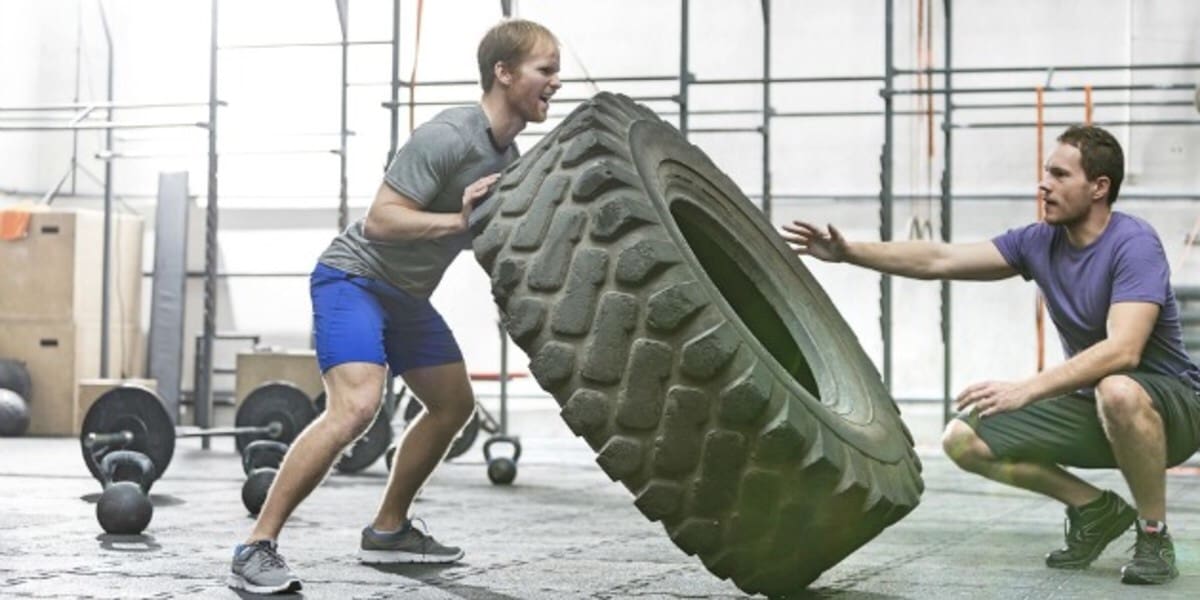
Many years ago, before I was born again as a Marine, I worked. I didn’t go to college, or join the military right after high school like most of my friends. I just worked and not inside flipping burgers, or on a factory assembly line. Hard labor is the only way to describe most of my life between the ages of 17 and 21 and it was all outside in every type of weather the northeast has to offer. I first worked setting concrete foundations for my Uncle, until he got tired of my smart mouth and shit-canned me. After that I worked at a gravel plant (for a whopping $2.90 an hour), where they turned raw cut bank into aggregate for concrete. Week nights I pursued a hazy dream of a boxing career and on weekends (which most of the time meant just Sunday off), drank a lot of beer, chased girls and routinely put my boxing skills to test in local gin mill parking lots, all of which yielded mixed results. Looking back on it now after almost 40 years, it was all at once a very physical, simple and fun life. The kind of life that many people lived back then and the kind of life that made you old quick. But, no doubt it was a great prep school for my future life as a Marine.

My boss at the gravel pit was a huge old Italian guy who ran our collection of misfits, drunks, convicts and other wanna-be tough guys with a huge iron fist. He rarely spoke to me other than to point out my mistakes, “If I was to open your head, I would find nothing but two people F**king!” Was one of his infamous lines for my daily screw ups. However, he was a great man, that I deeply admired. A WW2 Army Sgt and natural leader who I learned a lot from, mostly about how to lead rough, hard-headed men “down in dirt”, like is often the case in the Marine Corps. In any case, early every morning, when it was normally still dark (as we always started work there at the: “Crack of Christ”). He would pull out his already well chewed cigar just long enough to bark that day’s work orders to me. I was not only by far the youngest person there, but lowest of the low on the pecking order. When I first started working there, I was somewhat at a loss as to what I was supposed to be doing? So like the young dumb ass I was, I asked my boss for guidance. I’ll never forget what he said. “Kid, have you ever been to a chicken farm?” “Yes”, I said, I had. “Did you ever see a pile of chicken shit there?” “Yes”, I had seen those piles. “Did you ever notice that at the top of every pile of chicken shit there is always a little white dot?” “No, I never noticed that”. “Well, there is and do you know what that dot is? “No”, I said, now curious. “It’s Chicken Shit like the rest of the pile, but that little white dot is you and your job is to stay on top of all the chicken shit jobs that need to be done around here.” That was my first and only in-brief as to my new job. My official title was “yard man”. Which meant my daily duties could be anything from greasing trucks, testing sand gradation, to shoveling out spilled sand from the rock crusher, to helping the mechanics. In the two years I worked there, I don’t think I ever had two days of work that were exactly alike. It was all hard work in any case, most of it I enjoyed, however;

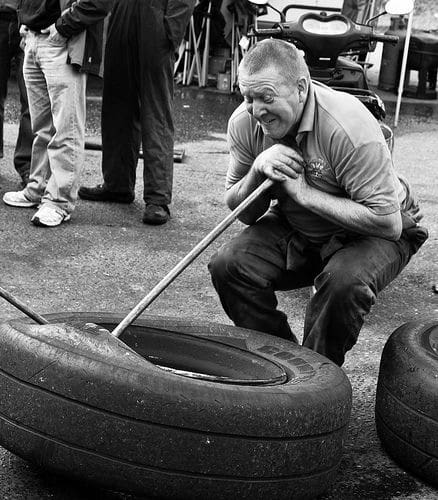
One freezing cold winter morning my boss says; ‘Today you go help Frank”. “Ok”, I said, But shit, that wasn’t good news. Frank was our tire guy. He worked in the basement of our main garage. It was a dark, cold and dirty place. If you’ve every spent any time working on truck tires and I don’t mean the nice clean tires you see people flipping around for PT nowadays. But, the dirty, greasy tires that constantly go on and off trucks and bucket loaders. It’s a hard and very dirty job. Frank was an older man in his 50’s. A small, wiry, tough little guy who almost always worked alone. By himself, he would just toll away, repairing flats and changing tires in the “Dungeon”. Frank was friendly enough, (a former Korean war Marine), a little weird though, kind of a “Ben Gun” type if you ever read the book “Treasure Island”. A few times before I’d been assigned to help Frank and while he was a decent guy, it was a shit job I despised. It was cold as hell in that dark, damp place and I knew I would filthy five minutes in. Plus, if you didn’t know it, setting split rims on those big tires is a very dangerous job. Many people have been killed by exploding split rims over the years. Needless to say I wasn’t happy.

The reason I had to help Frank on this particular day was that we had gotten a few dozen new tires delivered and he had to get them rimmed up and ready for use ASAP. When I got down there Frank pointed to the big pile of huge tires that had been dumped by the garage door. He told me that he needed me to spread them out around the floor so he had room to mount the rims. Feeling pissed at my assignment and already freezing my ass off in that damp place, I just got to work, flipping and moving the heavy tires around as fast as I could. One big tire was too much and as I was standing there catching my breath, thinking about how to move that big bastard. Frank came over and said: “Hey kid, you need to slow down, you can’t rush this stuff.” “Why, I want to get this crap over with.” I replied. “I get that son, however. Your going to hurt yourself doing like you’re doing, you need to use your legs more.” With that he deeply squatted next to the same big tire (and with a Lucky Strike hanging from his mouth), in one quick motion flipped the several hundred pound tire over. Now like I said Frank was a little guy, white haired and about 130lbs in his heavy winter work clothes. I doubt if he had every lifted a weight in his life and probably hadn’t done a lick of PT since he left the Marine Corps many years ago. Taking a drag on his smoke he said: “I’ve been doing this for over 20 years, but you may not make it through the day if you don’t take it easy.” As hard headed as I am, it was impossible not to see he was right and from then on worked at a more deliberate pace moving the rest of the tires.

Now what is the point of this long boring story of a blue-collar kid’s life? The point is as how this relates to the fitness world of today, both in and out of the military. One of the biggest things I have seen over my time as a Marine and PT instructor is injuries, especially in “older people”. Which for the sake of today’s argument, anyone over 40, though over 30 may be more accurate when speaking of military folks. I feel that much of this has been caused by misplaced effort during their PT. Specifically, I’m talking about the long-term effects of too much intensity as opposed to long term consistency. We all know that it’s a common attitude that you have to push yourself during PT. To improve you must do more, do it harder and longer. This is commonly referred to as the “Overload” principle of physical training. This is a must do to improve, but my own experience and observation is that it’s pushed too much and far too often.

Just for one example, look at the Cross Fit World. Their workouts are based on almost always pushing to their limits. Their goal is high intensity, always trying to meet or exceed the WOD times, numbers, etc. The unintended result is to always be working to failure. IMO this is a sure recipe for injury and/or burnout. Most of the people I know (and I have know a lot) that have gone into the Cross Fit world, despite their initial motivation and buy-in to the program, have come out the other end injured and/or burnt out. Now, having said that I’m sure to get some strong push back from the “cult”. LOL. That’s fine, I get it, fire away. I don’t have anything against them, I’m just making a point here. That being that after many years of training myself and others, I have come to the conclusion that consistent training at around a moderate intensity (66-75% effort) everyday will yield better long-term results than going all out (95% plus), 2-3 times a week. Now having said that, if you are training at around 75% most days and one day you come in and fill especially good, should you hold back? No, on those days you should push as hard as you feel you can safely do. This method of only pushing hard when you feel especially energetic and maintaining a moderate intensity on most days, will yield the best long-term results. Your body and your attitude will stay motivated, fresh and result in a high level of fitness, that lasts. You will also feel better, less sore and of course have less down time due to injuries.


Think about it this way. We’ve all heard and probably have seen: “Old Farmer Strength”. Farmers (or other people) who do hard physical work that are cock strong, but they never lift weights, PT, etc. Well, when farmers go out to stack hay bales, they don’t try to break records on how many bales they can stack in an hour, or a day. They work hard, but steady as they can’t afford to stack bales for just an hour. They have to be able to work all day, every day, for years in fact. That’s how they develop that long-term lasting strength they have in their back, their grip, their connective tissue and in their legs. If they followed the WOD method of work, they wouldn’t last very long and IMO it’s the same with PT programs.

People who have known me for years, know that I PT just about every day, but I rarely try to really push myself to my upper limits. I seem to have a really good feeling day about once a week, and on that day I push much harder. However, on most days I get to a good working pace and just do my work. On days that I feel tired and not at my best, I still PT, but I go at an even slower pace. When I say pace, I’m not just talking about running, but lifting weights, throwing sandbags, etc. I just go slower, lighter and easier. The point is I vary my intensity and more importantly I don’t beat myself up about it. Does it work? Well, at 58 I have no chronic injuries, physical limitations, or body weight issues. As a simple measurement of fitness, I can still easily score a 1st class on the Marine Corps PFT on any given day. This isn’t because I’m some type of physical phenom, I’m not and never have been. I may have some good working man’s genes, but I was always a very average athlete and was never the strongest, fastest, best built, or toughest among my Marine buddies. But, I have managed to stay pretty close to what I’ve always been able to do, and I think at least a little of that is from what I learned in that cold, dark garage so many years ago. Old Frank was throwing tires around a long time before it was a cool thing to do for PT. For him it was just work and he was right about how to do it back then and I think it’s still good advice today.

Hope everyone is enjoying the start of holidays with friends and family and keeping their PT going to lessen the effects of all the great food and drink. In any case have fun and remember to lift a glass and say a prayer to our brothers and sisters deployed. As most of you know, this is the hardest time on them and their families. Till next month:

“Be Safe Always, Be Good When You Can.”

Semper Fi

MGunz

Kit Badger – A Look Inside Gorilla & PCP Ammunition

Saturday, November 24th, 2018

My friend Ivan recently visited Gorilla and PCP Ammunition.

To read the whole post visit kitbadger.com.