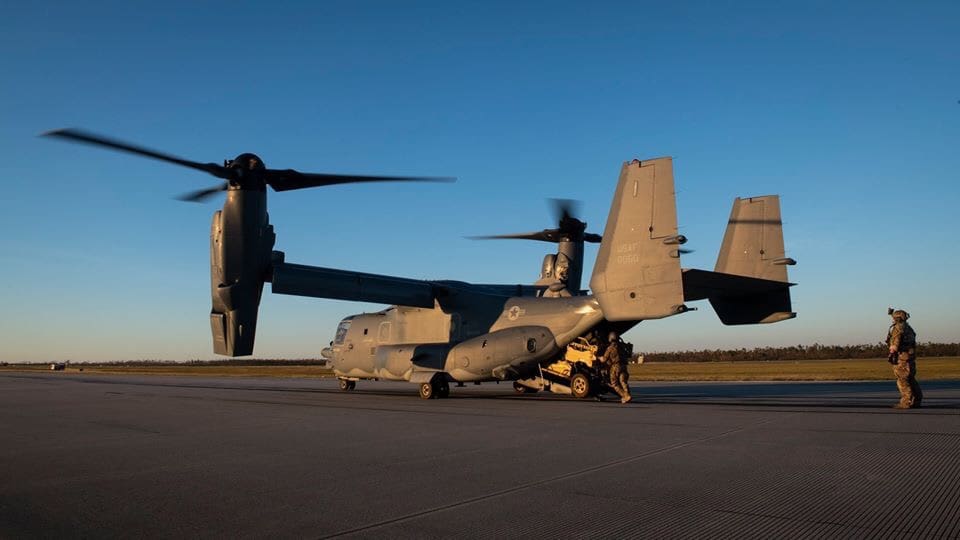
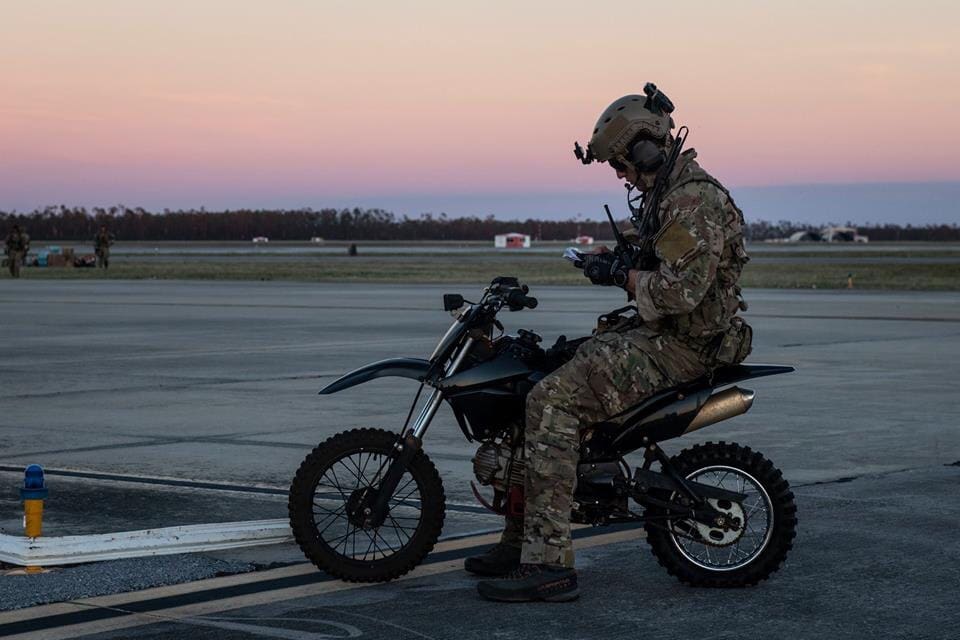
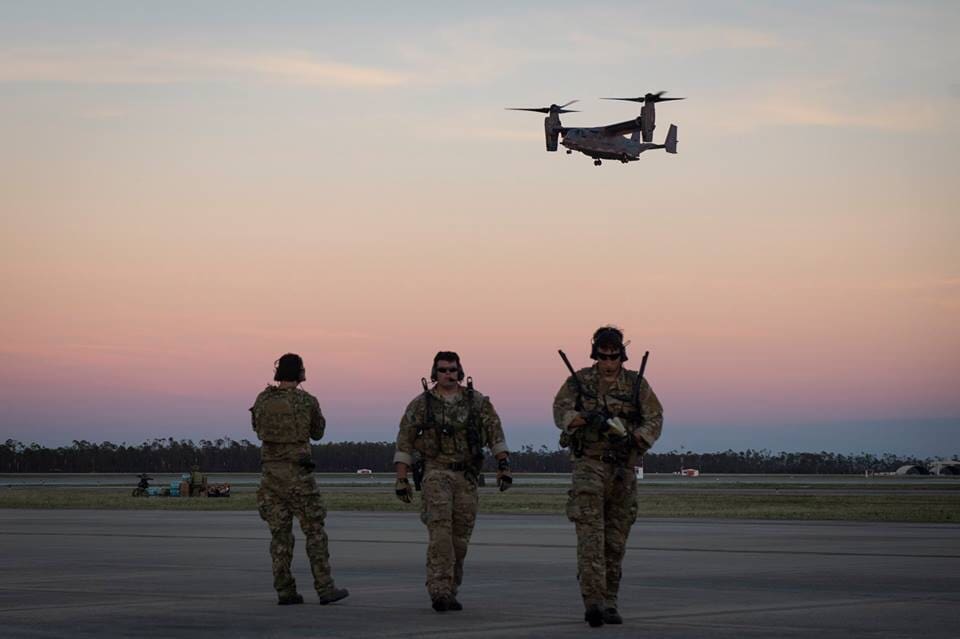
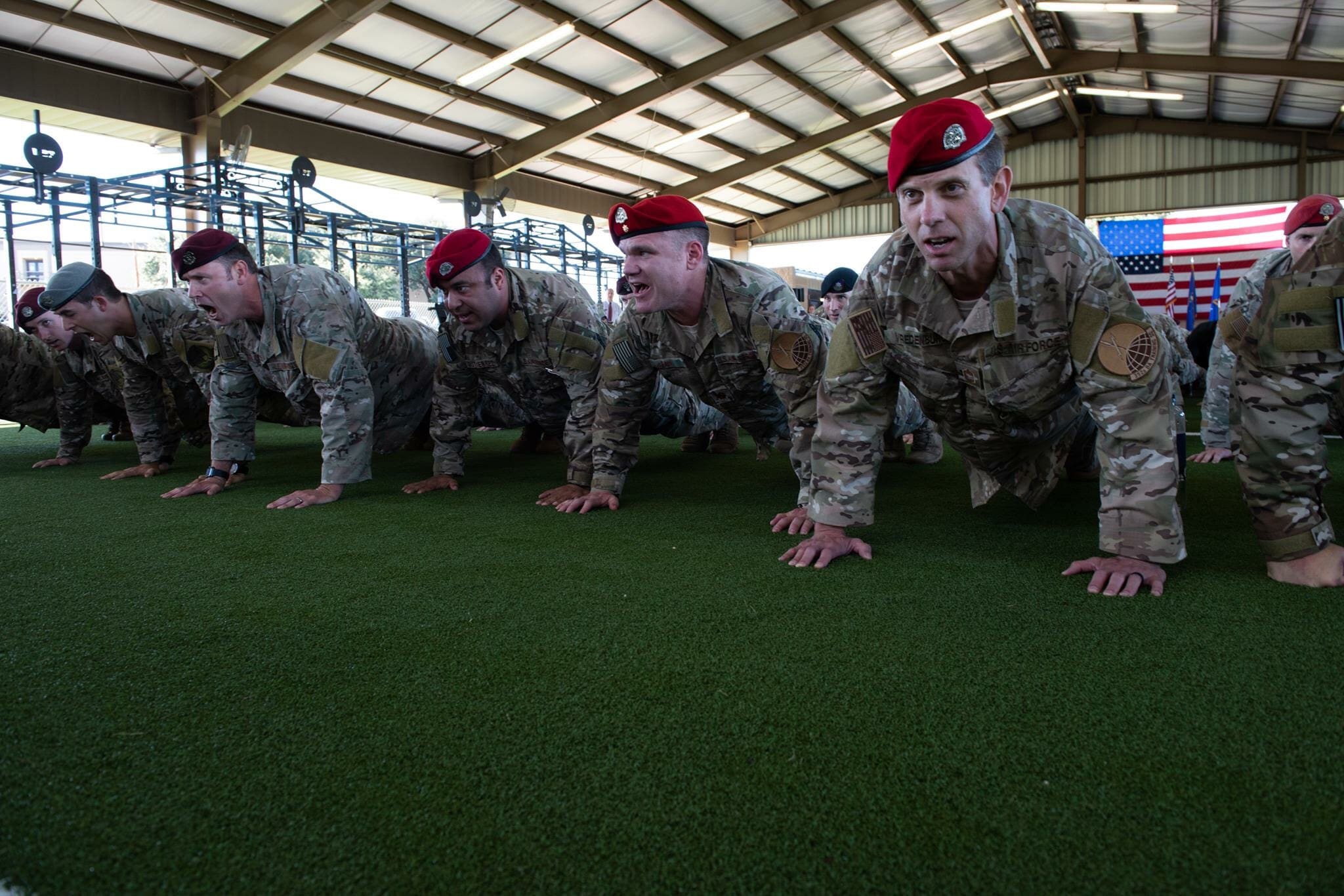
HURLBURT FIELD, Florida- Air Force Special Tactics Airmen with the 23rd Special Tactics Squadron assessed, opened and controlled air traffic at Tyndall Air Force Base, Oct. 11.
Special Tactics Airmen have the ability to assess, open, and control major airfields to clandestine dirt strips in any environment, including those that have been impacted by a natural disaster.
The Special Tactics Airmen cleared and established a runway at 7 p.m., Oct. 11, and received the first aircraft at 7:06 p.m.
Special Tactics Airmen are in control of the airfield and are prepared to support airfield operations at Tyndall Air Force Base until further notice.
This will allow support to facilitate humanitarian assistance to Tyndall Air Force Base.
Tyndall Air Force Base received extensive damage in the wake of Hurricane Michael.
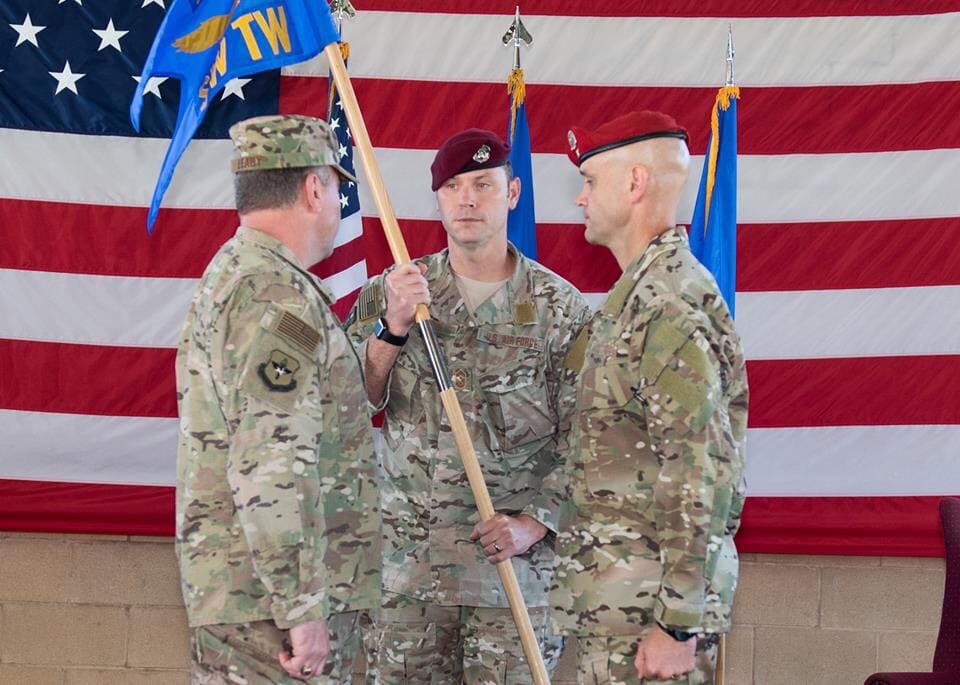
To meet the demand for special operations warfighters and improve retention rates for these critical career fields, United States Air Force officials activated the Special Warfare Training Wing Oct. 10, here.
The mission of the new wing is to select, train, equip, and mentor Airmen to conduct global combat operations in contested, denied, operationally limited, and permissive environments under any environmental conditions.
“This new wing will help us provide additional oversight and advocacy for the complex, high-risk and demanding training that’s necessary to produce Airmen to meet the requirements of the joint force,” said Col. James Hughes, SWTW commander.
The new wing headquarters and subordinate organizational structure will consist of approximately 135 personnel. The existing Battlefield Airman Training Group, which was activated in June 2016, has been renamed to the Special Warfare Training Group and will report to the SWTW.
Building upon what the Battlefield Airmen Training Group has started, the previously established five pillars of marketing and recruiting, manpower and leadership, curriculum, equipment and infrastructure will serve as a starting point for the wing.
“Keeping these pillars in mind will allow us to continue focusing on building the best Airman we can from the time they step into a recruiter’s office up until the end of their careers,” said Hughes.
“Wings move the ball forward at an operational and strategic level,” said Hughes. “They can provide structure, oversight, strategic vision and unity of command. But to become a leader in the special warfare community, we have to continue pushing the envelope of science and technology. It all comes down to doing everything we can to create Airmen capable of problem solving across a wide-range of national security challenges to meet the joint force’s needs.”
Additionally, the wing will focus on improving human performance by staying at the forefront of science and technology with the addition of the Human Performance Support Group, a one of kind unit that will integrate specialists from a variety of sports and medical fields into special warfare training to optimize physical and mental performance, reduce injury and speed rehabilitation to create more capable and resilient ground operators.
“By pushing the limits of science and technology, we’re going to find the most efficient and effective methods for improving human performance,” said Hughes. “We’re going to take what we already have learned and enhance how we produce the most physically and psychologically fit Airmen possible for the joint force.”
Special Warfare Airmen, previously known as Battlefield Airmen, are the critical ground link between air assets and ground forces. They are trained to operate as a ground component to solve ground problems with air power, often embedding with conventional and special operations forces. Their requirements have grown substantially since 2001 due to the effectiveness of and increasing demand for the precision application of air power in the joint combat environment.
Seven Air Force specialty codes currently fall into the Special Warfare category: Pararescue, Combat Rescue Officer, Combat Control, Special Tactics Officer, Special Operations Weather Team, Tactical Air Control Party personnel, and non-rated Air Liaison Officer. These Airmen share ground combat skill sets and a sharp focus on joint, cross-domain operations.
The first step toward more efficient and effective training is to combine the courses of initial entry for all special warfare candidates into one cohesive course.
“The various Special Warfare Air Force specialty codes are a lot more similar than they are different,” said Chief Master Sgt. James Clark, SWTW command chief. “These courses of initial entry are the bedrock of lethality and readiness. By combining them, we’re making the pipeline much more efficient, while also building a team mentality that focuses on our similarities, rather than our differences.”
This change is also the first step toward answering the most important question facing the SWTW: How do we create and develop the most adaptive and agile leaders possible?” said Clark. “It starts by continuing to be critical of ourselves, while searching for any way to become more efficient in everything that we do.”
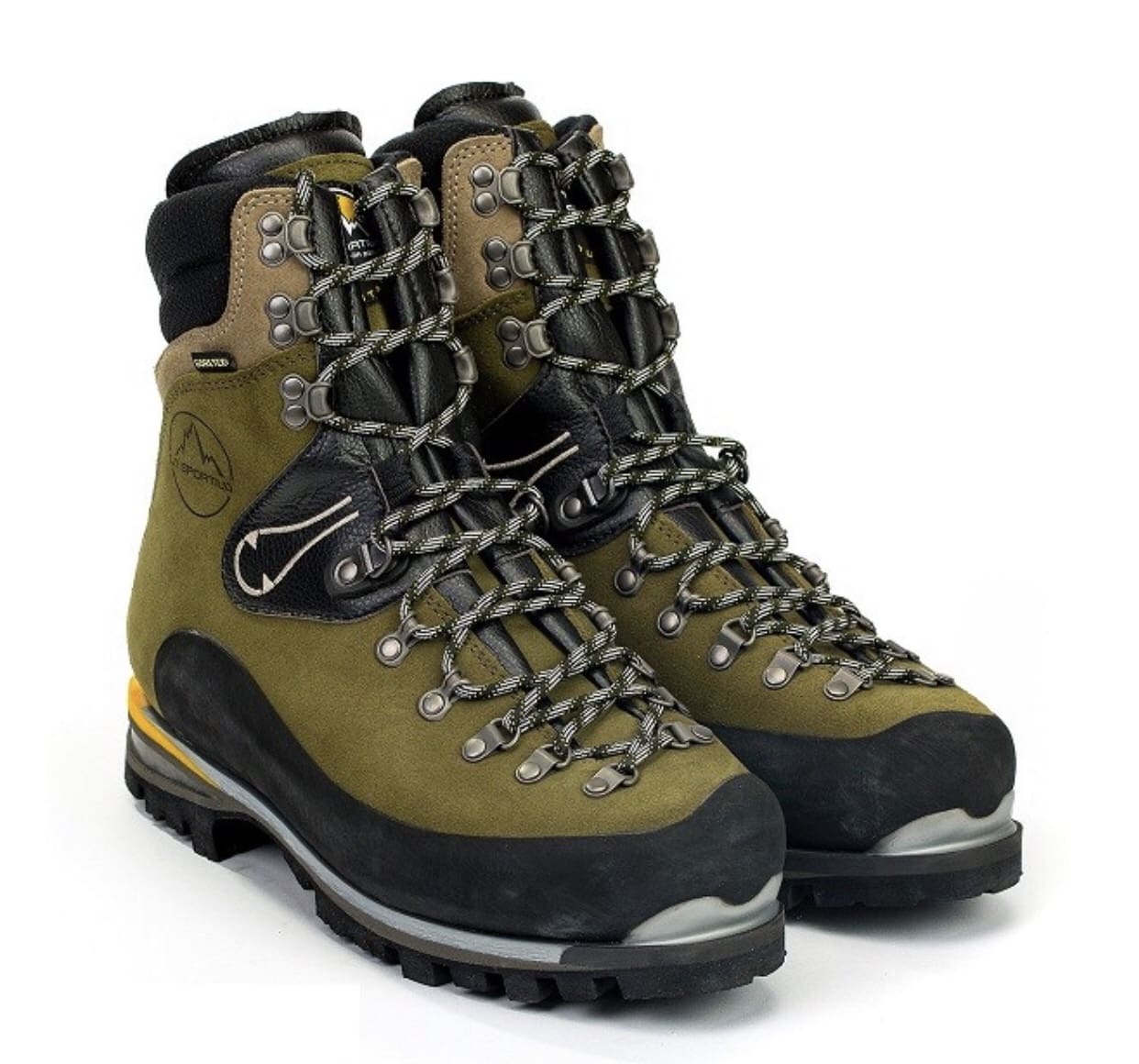
It isn’t often that troops need to scale vertical or high-altitude terrain but if you do the La Sportiva Karakorum Evo GTX is a great choice. At 1760g it is a lightweight technical B3 option and therefore perfect for very difficult ground. It is fully crampon compatible and with its 2.8mm one piece leather is exceptionally sturdy and hard wearing. The Vibram sole with Impact Brake system offers excellent control on descents and ascents alike. The Karakorum is currently in service with the UK’s mountain troops and has enabled a significant decrease in soldier burden with the lighter weight.
Although very similar in build to the La Sportiva Nepal the Karakorum has less insulation making it an ideal all year round boot and therefore perfect for the military user.
This is the eight installment of ‘Max Talk Monday’ which shares select episodes from a series of instructional videos. Max Velocity Tactical (MVT) has established a reputation on the leading edge of tactical live fire and force on force training. MVT is dedicated to developing and training tactical excellence at the individual and team level.
Max Talk 024 is one of the earlier talks and follows the format that was originally visualized: a talk on an interesting subject in an informal environment. More recently, the Max Talks have included an outdoor location and live fire demos, as already posted here on Soldier Systems Daily.
Max is a tactical trainer and author, a lifelong professional soldier with extensive military experience. He served with British Special Operations Forces, both enlisted and as a commissioned officer; a graduate of the Royal Military Academy Sandhurst. Max served on numerous operational deployments, and also served as a recruit instructor. Max spent five years serving as a paramilitary contractor in both Iraq and Afghanistan; the latter two years working for the British Government in Helmand Province, Afghanistan.
Diving with a drysuit is a whole new dive experience compared to diving in a wetsuit. It is a different feeling being submerged in water, your body remaining dry. Drysuits offer many advantages, such as: exposure protection from the sun, as well as elements in the water, and drysuits can also be utilized as a redundant buoyancy device for added safety. If you’ve never attempted drysuit diving before, then this will be a great introduction to helping you choose your first suit. If you’re an avid diver, then there should be some nuggets in here to help improve your drysuit game.
Finding the Best Drysuit for You
Making the change from wetsuits to drysuits is a big step. Many people convert due to their regular diving in cold water (or being cold natured), or because they perform lots of dives with long exposure times. Determining the suit that is best for you is the first step to ensuring that your transition to drysuit diving is a smooth one. Choosing a bad suit can ruin the entire sport of drysuit diving.
When choosing a drysuit, you should consider the following:
• The type of diving you do
• What amount of thermal protection you need
• Personal preference
• Cost
• Material
While the first four are pretty self-explanatory, the last one – material – may need a little more explanation. If you are going to be traveling with your drysuit, a trilaminate version may be the easiest because they are lighter and easily transportable. If you are looking for a suit that provides thermal protection and is more form-fitting, then you might prefer a neoprene suit. These are two of the top materials that drysuits are made of and that SCUBAPRO offers.
Neoprene Drysuits
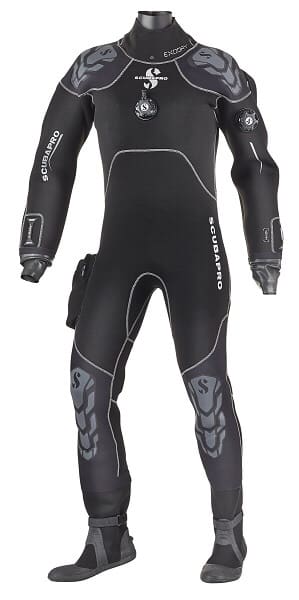
Neoprene suits are beneficial in that they provide thermal protection, whereas with others, you wear additional undergarments. The neoprene suits are more form fitted, which require less air to be used in the suit and offer the diver a more streamlined suit. Neoprene suits are economical in the sense that they are typically less expensive, and eliminate the need to buy undergarments as well.
The Exodry offers a unique approach to drysuit design by fusing 4mm high-density neoprene with latex wrist and neck seals. This hybrid design is extremely effective, delivering minimal inherent buoyancy, maximum range of motion and an excellent sealing system. The Exodry is a smart choice for all types of diving and can be used with or without an under-suit.
The Everdry 4 offers the streamlined fit, comfort, and flexibility of a wetsuit, with the thermal properties and water-tightness of a drysuit. Equipped with smooth-skin, fold-under neoprene neck seal, and ultra-smooth wrist seals, the Everdry provides comfortable, watering tight sealing surfaces. Known for its comfort and extended wear, the Everdry 4 fits like a glove, offers an excellent range of motion, and most importantly, keeps body heat in and cold water out.
Trilaminate Drysuit
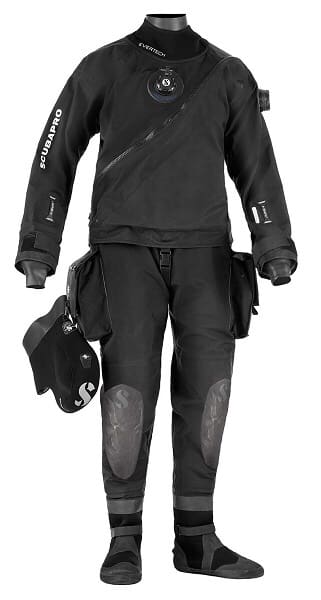
Trilaminate suits are some of the most lightweight suits on the market. Trilaminate suits are also one of the strongest suits offered. Build with a Trilaminate material; these suits are more resistant to deterioration, are fast drying, and easy to repair. Trilaminate suits are designed to be worn with thermal undergarments. You can wear as many or as few thermal layers as you prefer, making it a good choice for a diver that does both cold and warm water diving. Our choice in Trilaminate suits is the Evertech Dry Breathable Drysuit. It is a premium Trilaminate drysuit designed for avid divers and loaded with features. Built with a breathable fabric blend, this suit is comfortable both above and below the surface. Stitched and waterproof taped seams provide extra protection from the water.
Additionally, a front entry diagonal zipper and Si-Tech ring seal system for wrists and neck allow you to change seals quickly. This suit is both comfortable to wear and easy to maintain. You will also find a telescoping torso, top, crotch strap, and bungee system within the waist to tailor the suit to your body shape.
Accessorizing the Drysuit Diving Experience
When it comes to accessorizing your drysuit, many additions are built into the suit – from the padding to pockets. The small details are essential details to consider when choosing a drysuit. Pockets are handy for storage of equipment, and every SCUBAPRO suit comes with at least one large utility pocket. Each pocket houses a D-ring and water draining grommets. These items might be helpful to store a spare mask, reels, wet notes, or surface marker buoys.
Some additional features you may find on your SCUBAPRO suit are attached boots or socks, removable blue suspenders to hold your suit in place, heavy-duty kneepads, and I-safe straps to secure your wrist computers. Each suit always comes with an anatomically shaped hood, repair kits, zipper wax and a versatile carry bag that also doubles as a changing mat.
Drysuit Gloves
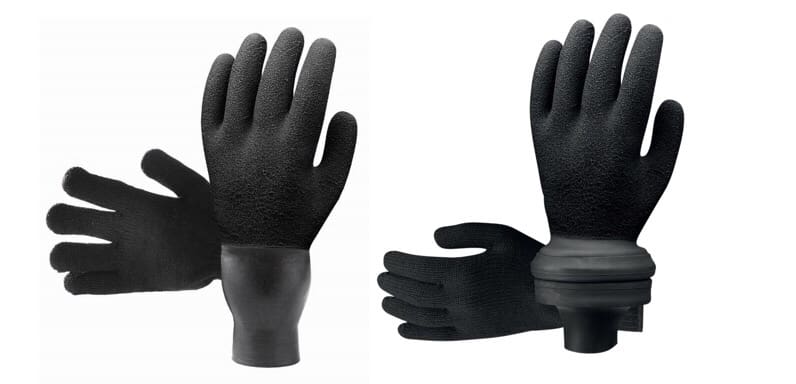
When diving in cold water, your hands are typically what get cold first, and can potentially end your dive due to the discomfort. This is why dry gloves are a great addition to your drysuit if you commonly perform dives in frigid water. Dry gloves are designed to allow air inside, making a considerable difference in regulating temperature, much like a drysuit. SCUBAPRO offers two types of dry gloves, the Easydry Pro and the Easy Don Dive Glove.
Both gloves are manufactured from high-quality, vulcanized latex, which gives them high elasticity, plus makes the gloves very resistant to punctures and tears. The elastic latex cuff seal ensures that the glove is waterproof, while still providing access for air to enter the glove. The textured surface enables the wearer to maintain a non-slip grip on instruments, valves or regulator. They come with an inner glove for added thermal protection.
Wetsuit Gloves
Whereas many drysuit divers chose to dive with dry gloves, many others prefer neoprene gloves. Neoprene gloves still allow your hands to get wet, while the neoprene foam offers thermal protection. Many divers prefer wet gloves over dry as they vary in thickness and can provide better dexterity. SCUBAPRO carries dive gloves from 1.5mm up to 5mm, for all your diving needs.
What to Wear Under Your Drysuit
One of the beauties of diving in a drysuit is being able to control the amount of thermal protection you want. As previously stated, in a Trilaminate, suit you have the room to layer as much or as little undergarments as desired. With the neoprene suits you are more limited by space; however, the suit itself provides warmth. Our preferred undergarment is the SCUBAPRO Climasphere.
The Climasphere is our undergarment of choice for drysuit diving. This thermal wear keeps you warm with a low profile two-piece insulation system. You can wear one or both pieces under your drysuit, at depth, for total comfort and warmth. The garments are breathable and windproof, making them a perfect surface interval ensemble while on the surface. Designed with neoprene wrist and ankle cuffs, with thumb loops and stirrups, they’ll both enhance warmth and prevent ride-up when climbing into your drysuit. The Climasphere is also one of few undergarments that are washable; however, we recommend you air-dry them not to deteriorate the materials.
CAMP PENDLETON, Calif.—Engineers and technical experts from Marine Corps Tactical Systems Support Activity conducted systems operability testing in September aboard the amphibious assault ship USS Boxer (LHD 4) in support of 11th Marine Expeditionary Unit operations.
Amphibious warships must be able to sail in harm’s way and provide a rapid buildup of combat power ashore in the face of opposition. This requires cyber-enabled network Marines to integrate shipboard systems, and provide combatant commanders real-time command and control capabilities.
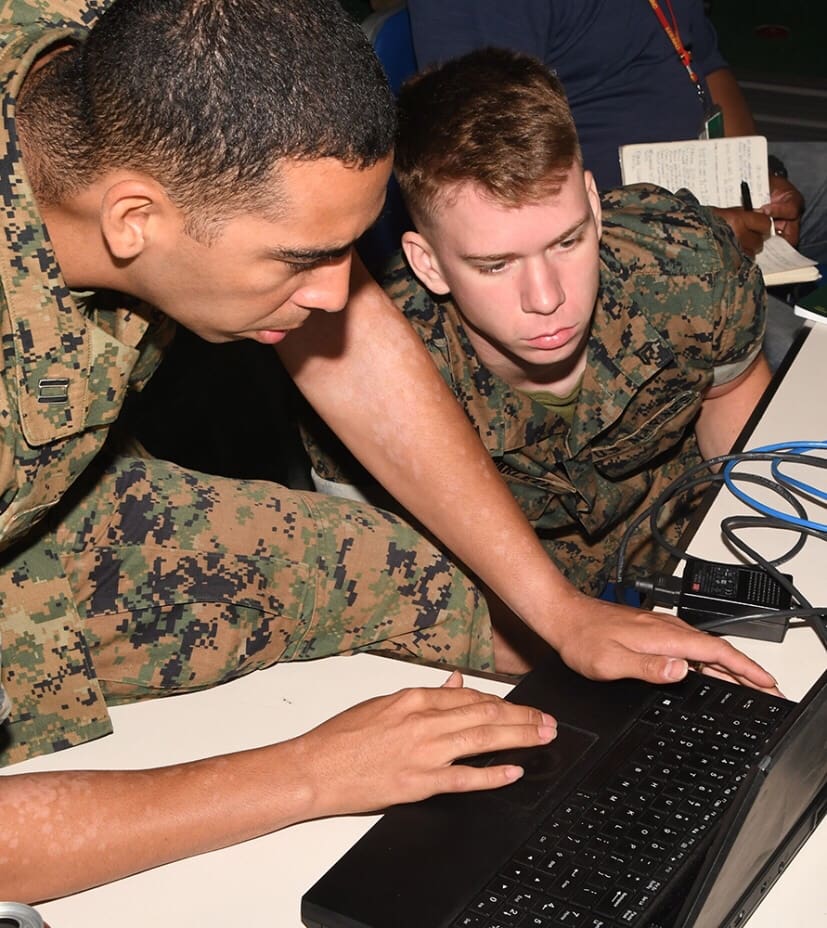
Capt. Victor Castro (left), Marine Corps Tactical Systems Support Activityengineer, provides over-the-shoulder training to Cpl. Jonathan Parlett (right), 11th Marine Expeditionary Unit data systems administer, during systems operability testing aboard the amphibious assault ship USS Boxer (LHD 4) Sept. 5. (U.S. Marine Corps photo by Sky M. Laron)
“Whether you are fighting the ship or assaulting an objective, communications and information management are critical for mission success,” said U.S. Navy Capt. Ronald Dowdell, Boxer’s commanding officer. “The MCTSSA experts that came aboard the ship enhanced Navy and Marine Corps integration, and also enabled Boxer [Amphibious Ready Group] to become a more lethal force.”
The 11th MEU is a forward-deployed, flexible sea-based Marine air-ground task force capable of conducting amphibious operations, crisis response and limited contingency operations, to include enabling the introduction of follow-on forces and designated special operations in order to support the theater requirements of geographic combatant commanders.
The primary objective for the MCTSSA team was to assist the 11th MEU in integrating tactical command, control, communications and computers—or C4—systems into the afloat environment.
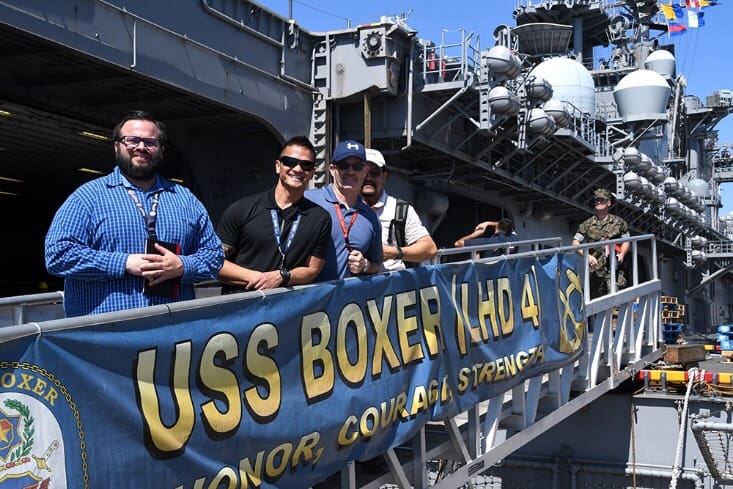
Marine Corps Tactical Systems Support Activityengineers and technical experts tested various command and control systems in the afloat environment aboard the amphibious assault ship USS Boxer (LHD 4) Sept. 4-7 (From left: Derrek Bond, Rudy Banzali, Joe St. Onge, Will Santiago). (U.S. Marine Corps photo by Sky M. Laron)
For Marines aboard ship, the Landing Force Operations Center, or LFOC, is the primary space for leaders to plan and execute amphibious operations. The functions of the LFOC mirror those of a Combat Operations Center, controlling and monitoring all landing force activities until command is established ashore.
“The support received from MCTSSA enabled months’ worth of troubleshooting systems checks to be completed in days, setting the stage for the 11th MEU to move forward with greater confidence in our amphibious C4 systems,” said Capt. Jeffrey Robbins, 11th MEU assistant communications officer.
The time spent optimizing systems in the LFOC and Supporting Arms Coordination Center allowed the MEU to validate critical satellite communications and digital fires systems, which will be used to plan and execute landing force fire support and amphibious operations, said Robbins.
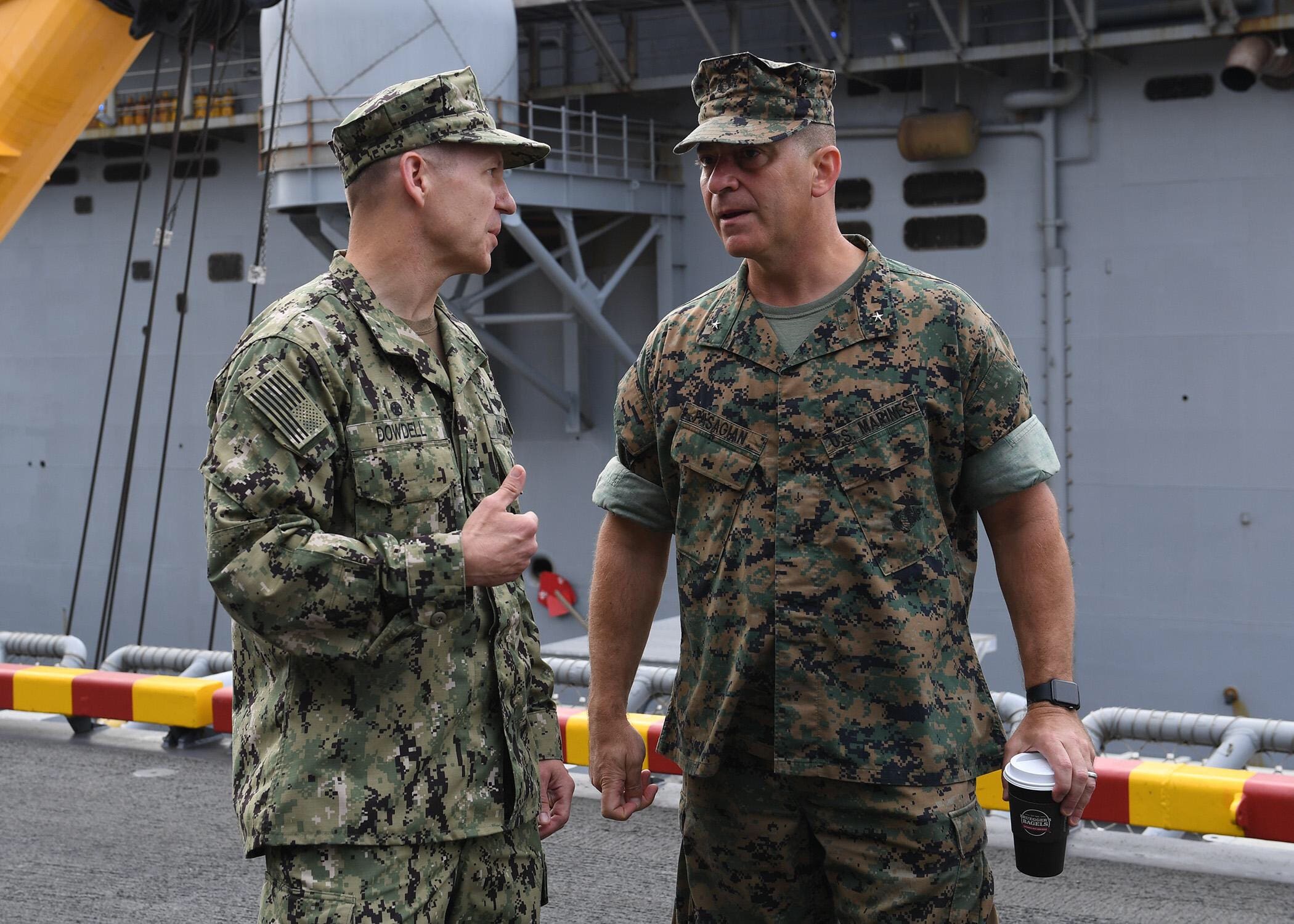
Brig. Gen. A.J. Pasagian (right), commander of Marine Corps Systems Command, speaks with Capt. Ronald Dowdell (left), USS Boxer commanding officer, Sept. 13, aboard the amphibious assault ship USS Boxer (LHD 4). The familiarization tour came one week after engineers and technical experts from Marine Corps Tactical Systems Support Activity conducted systems operability testing aboard the ship. (U.S. Navy photo by MC2 David Ortiz)
“Both the 11th MEU and MCTSSA were equally invested in the effort,” said Capt. Caleb Wu, MCTSSA assistant naval systems integration officer. “It was great to see the two teams tackle difficult technical issues side by side.”
Many of the C4 systems integration issues that MEUs face at sea include: physical connectivity, power, space, network accessibility and throughput, data and voice communications, system configurations, information assurance and cybersecurity.
“MCTSSA’s presence onboard BOXER was absolutely invaluable, and they are the bridge that ensures that all blue in support of green communications suites are properly fine-tuned prior to the embarkation of the 11th MEU or any MEU,” said Ens. Joe Tran, Boxer communications officer. “All of our efforts are ultimately geared toward safe operations of the ship and supporting our combat power.”
Specifically, the testing supported engineering and risk reduction, identification, and possible elimination or development of work-arounds for any C4 interoperability issues.
“By resolving many of those concerns months prior to their first ‘at sea’ period, the 11th MEU is far more prepared for any work-up or deployment,” said Maj. Paxton Miller, MCTSSA naval systems integration officer. “As we better understand the requirements and challenges of how MEUs employ C2 systems aboard ship, the value of these events will continue to grow.”
Boxer is homeported at Naval Base San Diego. For more news from USS Boxer (LHD 4), visit www.navy.mil/local/lhd4/.
MCTSSA, an elite, full-scale laboratory facility operated by the Marine Corps, is a subordinate command of Marine Corps Systems Command. MCTSSA provides test and evaluation, engineering, and deployed technical support for Marine Corps and joint service command, control, computer, communications and intelligence systems throughout all acquisition life-cycle phases.
By Sky M. Laron, Public Affairs Officer, MCTSSA
Posted in Comms, Guest Post, USMC | Comments Off on MCTSSA Conducts Systems Operability Testing Aboard USS Boxer
SureFire Field Notes is a multi-segment informational video series with tips and techniques from subject matter experts of all backgrounds. In this episode, John “Chappy” Chapman of Forge Tactical discusses processor speed.
Born and raised in the tony suburbs of Sacramento, California, John Chapman (Chappy) joined the Navy at 18. After an enlistment served on the USS Memphis, Chappy returned home to Northern California and embarked on a law enforcement career while attending college. After 16 years of service spanning 4 agencies, with service in Patrol, SWAT, Investigations, Training and Administration, Chappy left full time Police service and began training police officers full time in 2008. A police firearms and tactics instructor since 1994, Chappy founded LMS Defense as a part time private venture in 2006; and with the help of an amazing team built LMS into a full time venture by 2008. After serving in Iraq as security specialist, Chappy returned to LMS full time and spent the next 5 years servicing domestic and international police and government training requirements, and consulting SWAT teams in Procedural Issues and Equipment Acquisition. In 2009, Chappy also became a part time adjunct instructor for EAG Tactical, working for his mentor and friend, Pat Rogers. It was through Pat’s mentorship and guidance that Chappy developed his skills as a teacher to the level of becoming a BCM Gunfighter.
Best known as a SWAT and Night Vision Instructor, Chappy continues to teach, now exclusively for Forge Tactical. He also maintains his police commission, and serves as an Auxiliary Police Officer with the Alliance, Ohio Police Department, where he serves as a SRT Team Leader.
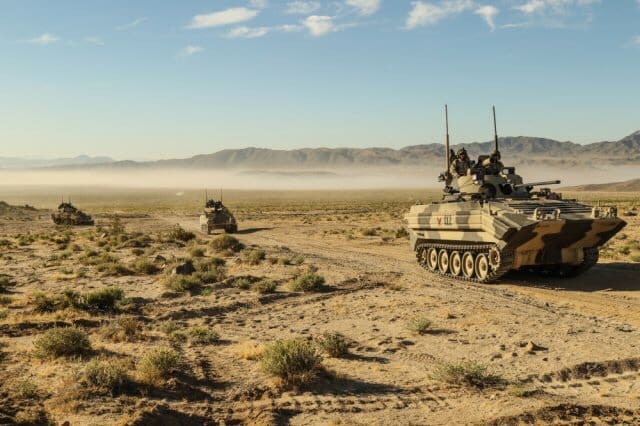
NATIONAL TRAINING CENTER, Calif. — While the United States fought conflicts and insurgencies in the Middle East, South Asia, and Africa over the last seventeen years, potential adversaries were studying U.S. operations and developing sophisticated weapons, munitions, and disruptive technologies. U.S. forces must anticipate that adversaries will employ these increasingly advanced systems, some approaching or even surpassing U.S. capabilities, while also proliferating them to their allies and proxies around the globe.
U.S. Army Soldiers, posing as an Opposing Force, operate OPFOR Surrogate Vehicles and Main Battle Tanks at the National Training Center, May 2, 2017. (Photo Credit: U.S. Army photo by Sgt. David Edge)
Both Russia and China, our two most sophisticated strategic competitors, are developing new approaches to conflict by modernizing their concepts, doctrine, and weapon systems to challenge U.S. forces and our allies across all operational domains (land, sea, space, cyberspace, and space). Russia’s New Generation Warfare and China’s Local Wars under Informationized Conditions are two examples of these new approaches.
In the Middle East, South Asia, and Africa, non-state actors and radical militant groups are gaining military capabilities previously associated only with nation-states. Irregular forces are growing more capable as they adopt new weapons and tactics. Hezbollah has used advanced anti-tank guided missiles, man-portable air defense systems, and a sophisticated mission command system in its conflicts with Israel and participation in the Syrian civil war. Joining Hezbollah in the employment of unmanned aerial vehicles are Al-Qaeda and ISIS, and ISIS has also used chemical weapons. In addition, Iran adopted a very sophisticated warfare doctrine aimed at the U.S., and the Houthi insurgency in Yemen aims rockets and missiles at Saudi Arabia.
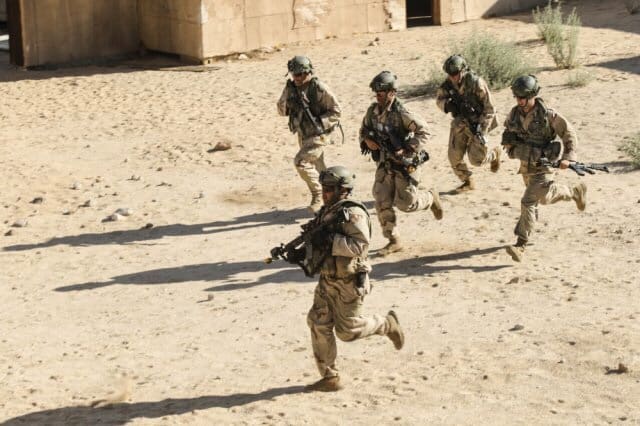
Soldiers of the 11th Armored Cavalry Regiment maneuver through the streets of a compound at the National Training Center, Calif., during an OPFOR training exercise. (Photo Credit: U.S. Army photo by Sgt. David Edge)
The U.S. Army exists to fight our nation’s wars and it rigorously prepares to reach the highest possible level of sustained readiness to defeat such a wide array of threats and capabilities. To attain this end state, training at U.S. Army Combat Training Centers, or CTCs, must be realistic, relevant, and pit training units against a dynamic and uncompromising Opposing Force, or OPFOR.
The CTC program employs several professional OPFOR units, including the 11th Armored Cavalry Regiment at the National Training Center in California’s Mojave Desert, the 1-509th Airborne Infantry Battalion within the swamps of Louisiana at the Joint Readiness Training Center, 1-4th Infantry Battalion at the Joint Multinational Training Center in Hohenfels, Germany, and the World Class OPFOR within the Mission Command Training Program at Ft. Leavenworth, Kansas. The Army’s Cyber Command also provides specialized support to these OPFOR units with cyber aggressors.
The OPFOR is representative of adversary forces and threat systems that reflect a composite of current and projected combat capabilities. The OPFOR must be capable of challenging training units’ mission essential tasks and key tasks within the Army Universal Task List. To maintain OPFOR’s relevance as a competitive sparring partner, U.S. Army Training and Doctrine Command devotes major analytic efforts to studying foreign armies and determining the optimum configuration for OPFOR units that both represent a plausible threat and challenge training tasks. This also requires the Army to consistently modernize the OPFOR with replicated peer or near-peer threat weapons and capabilities.
The OPFOR must be capable of challenging U.S. Army training units with contemporary armored vehicles that are equipped with stabilized weapon systems and advanced night optics, as well as realistic kill-or-be-killed signatures and effects via the Multiple Integrated Laser Effects Systems. The OPFOR must also have air attack platforms, advanced integrated air defense systems, unmanned aerial systems, modern-day anti-tank munitions, long-range and guided artillery fires, and improvised explosive devices.
Additionally, the OPFOR must be capable of subjecting training units to chemical, biological, radiological and nuclear effects and technologically enhanced deception capabilities. The OPFOR must also be capable of degrading or denying training unit dependency on Cyber-Electromagnetic Activities with threat electronic warfare, cyberspace, and space effects.
Modernizing the U.S. Army’s OPFOR program is an unremitting endeavor, because threats continuously change and technology relentlessly revolutionizes the art of war. Replicating the most realistic threat capabilities and tactics is critical for training units and commanders to practice their tactics, techniques, and procedures, and learn from the consequences of their decisions under tactical conditions.
This topic, as well as the challenges the OPFOR enterprise faces in developing much-needed capabilities to effectively replicate threats in a dynamic Operational Environment that postulates a changing character of future warfare, will be highlighted during a Warriors Corner at the annual Association of the United States Army meeting in Washington D.C. on Wednesday, Oct. 10, from 2:55-3:35 p.m.