Wilcox Ind RAID Xe

Archive for the ‘Guest Post’ Category

A Brief History of M81 Woodland Camouflage

Saturday, February 15th, 2025

aka “God’s Plaid”

During the American Civil War (1861-1865), soldiers started wearing shades of green and brown that would allow them to better blend in with their environment, but World War 1 marked the true beginning of a systematic military camouflage. The French Army created the first dedicated camouflage unit in 1915, called the Section de Camouflage. This unit, comprised largely of artists and designers, developed some of the earliest woodland patterns. The term “camouflage” itself entered the English language during this period, borrowed from the French word camoufler, meaning “to disguise.”

World War II saw an explosion in camouflage development. The U.S. Marine Corps introduced the famous “Frogskin” pattern in 1942, featuring green and brown irregular spots on a light background. The German Wehrmacht developed several innovative patterns, including the Splittertarnmuster (splinter pattern) and its various iterations, which influenced camouflage design for decades to come.

During this period, the British Special Operations Executive (SOE) conducted some of the first scientific studies of camouflage effectiveness, leading to the development of the Denison smock pattern used by paratroopers.

Cold War Era and the Birth of M81 Woodland Pattern

The post-war period saw the emergence of what would become one of the most influential and widely-used woodland patterns: the U.S. Military’s M81 Woodland pattern. Introduced in 1981, this pattern combined black, brown, green, and khaki in a distinctive arrangement that proved highly effective in temperate forests. The camouflage mimics the natural interplay of light and shadow found in wooded areas and stands as one of the most iconic and enduring military camouflage patterns ever created. Effective woodland camouflage relies on three key principles: color matching, pattern disruption, and shadow elimination. Colors must accurately reflect the operating environment, while patterns break up the wearer’s outline. The design must also minimize the sharp shadows that human forms typically cast, helping personnel blend seamlessly into forest environments.

What made M81 Woodland particularly remarkable was its versatility and effectiveness across a wide range of environments. The pattern proved surprisingly effective not just in forests, but also in jungle environments and even semi-arid regions with sufficient vegetation. It became the standard issue pattern for all branches of the U.S. military throughout the 1980s and 1990s, seeing extensive use in operations from Grenada to Panama, and during the first Gulf War. It gained the nickname “God’s Plaid” from service members’ recognition of its exceptional effectiveness and reliability in the field.

The influence of M81 Woodland extended far beyond American forces. The pattern was so successful that it was widely copied and adapted by military forces worldwide, with numerous countries either directly adopting the pattern or creating close variants. Even after the U.S. military began transitioning to digital patterns in the 2000s, M81 Woodland remained in use with various units and continues to be used by some U.S. military and law enforcement units today. The pattern’s enduring legacy and effectiveness have made it a benchmark against which newer camouflage patterns are often measured, and its influence can still be seen in modern military and civilian camouflage designs.

Vickers Sling Limited-Edition in Woodland Camo

For a limited time, we’re offering our flagship sling – the Vickers Sling – in the classic Woodland Camo pattern. This limited-edition sling pays homage to the iconic pattern made popular over 40 years ago. Crafted with the same uncompromising quality and attention to detail that defines Blue Force Gear, this sling is built to perform under the toughest conditions.

This limited run celebrates both form and function, offering collectors and operators alike a piece of tactical heritage without compromising performance. Like the other limited runs we release, this sling won’t be available for long so act fast! Don’t miss your chance to own this unique combination of proven design and classic camouflage.

If you’re reading this article and missed the exclusive release, don’t fret! Sign up for our newsletter so you’re the first to know when we have limited edition items.

Presented by our friends at Blue Force Gear.

SCAR: Modernizing Satellite Communications at the Speed of War

Saturday, February 15th, 2025

Marine Corps Base Quantico, Va. —

As the world continues its march into an era of great power conflict, modern warfare is increasingly defined by rapid technological advancements, contested logistics, and the need for resilient communications. Today, reliable connectivity not only enables operations—but rather is the backbone of warfighting, spanning multiple technologies and frequencies to ensure coordination, adaptability, and success, even deep behind enemy lines.

In preparation for this new operational reality, the Marine Corps is advancing Force Design, its comprehensive blueprint for modernization. This effort emphasizes decentralization, agility, and the ability to sustain operations in contested domains.

At the forefront of this modernization effort is the Satellite Communication Agile Reachback (SCAR) program. Overseen by MARCORSYSCOM’s Program Manager Tactical Communications and Electromagnetic Warfare Systems and Product Manager High Capacity Communications, SCAR harnesses commercial terminals to deliver wideband satellite connectivity, specifically tailored to the needs of the Marine Corps.

“SCAR is about providing Marines with the connectivity they need to operate effectively in contested environments,” said Jacob Menders, SCAR project officer. “By leveraging existing commercially available technology, we’re not only enhancing communication reliability but also ensuring the flexibility and resilience required for distributed operations. This system was designed with the warfighter in mind, combining cutting-edge technology with the practicality needed to meet the demands of modern battlefields.”

SCAR’s origins lie in the ingenuity of forward-deployed Marines, who began purchasing commercial terminals with unit funds to address gaps in legacy satellite systems. Recognizing the potential of this off-the-shelf solution—and keeping an ear to the ground for warfighter feedback– the Program Office stepped in to formalize and scale the capability, ensuring it would be standardized, sustained, and cost-effective across the force.

To accelerate delivery, the SCAR team partnered with the Navy to leverage its proven Satellite Terminal (transportable) Non-Geostationary (STNG) program. This collaboration, which utilized an existing contract vehicle, saved the Marine Corps between nine to twelve months of acquisition time, demonstrating the value of inter-service partnerships and the importance of rapid, industry-driven solutions to meet the demands of modern warfare.

SCAR’s implementation is structured in phases, ensuring immediate benefits while allowing for future enhancements. Phase one will begin in the second quarter of FY25 with the fielding of SCAR terminals to expeditionary forces. These terminals, designed for plug-and-play functionality, require minimal training and offer instant access to resilient, high-speed communications in contested and remote environments. For expeditionary operations aligned with the operational posture, SCAR provides a critical capability to maintain connectivity and coordination behind enemy lines.

Future phases will build on this foundation. By FY26, SCAR will expand to include transport-layer diversity and multi-vendor competition, ensuring the system remains resilient and adaptable to evolving threats. The long-term vision includes developing multi-band, multi-orbit terminals capable of operating across various satellite constellations, delivering unmatched flexibility. This phased approach ensures SCAR evolves alongside the Marine Corps’ broader modernization efforts, maintaining its relevance in the face of rapidly changing technologies and adversarial capabilities.

According to Dr. Tarah Goggins, WSATCOM Team Lead, “Geostationary satellites operate as static points in orbit. You target one satellite for communication, and while it provides access, it’s a single, fixed point. If that satellite is taken out, communication is lost entirely. With multiple satellites in motion, they offer enhanced security and redundancy. This ensures Marines can maintain strong, continuous communication, even while on the move, by dynamically accessing different satellites as needed.”

In a June 2023 statement, the Pentagon noted: “We continue to work with a range of global partners to ensure Ukraine has the resilient satellite and communication capabilities they need. Satellite communications constitute a vital layer in Ukraine’s overall communications network and the department contracts with Starlink for services of this type.”

Ultimately, the SCAR program embodies the Corps’ commitment to modernization, adaptability, and warfighter-centric solutions. By addressing immediate communication gaps with cutting-edge commercial technology and leveraging inter-service partnerships like the Navy’s STtNG program, acquisition professionals from MARCORSYSCOM’s PM TCE and PdM High Capacity Communications ensure the warfighter can operate effectively in contested environments and stay ahead of evolving threats.

The lessons learned from operational environments highlight the decisive role connectivity plays in modern warfare, and will seamlessly translate into future littoral environments. As the Marine Corps fields SCAR and continues to refine it in the coming years, the program will remain a cornerstone of the broader Force Design effort—ensuring Marines are equipped to fight and win in an era defined by great power competition.

By Johannes Schmidt, MCSC Office of Public Affairs and Communication | Marine Corps Systems Command

FirstSpear Friday Focus: Wool Beanie w/ Leather Patch

Friday, February 14th, 2025

The FirstSpear WOOL BEANIE W/ LEATHER PATCH is a high-quality, American-made winter essential designed for warmth and comfort. Crafted from ACM 600 Merino Wool blend, it provides supreme insulation while wicking away moisture to keep you dry. Whether you’re at the range or navigating city streets, this beanie delivers both function and style.

Its carefully tapered design extends slightly longer at the neck to provide insulating protection against cold drafts while keeping the beanie securely in place during movement. 

The double-stitched edging enhances durability and ensures long-lasting wear. Featuring a stylishly offset laser-engraved leather FS logo patch it fully covers the ears offering a sleek look.

Its soft, comfortable construction makes it ideal for all-day wear. Proudly sourced and made in the USA, it reflects FirstSpear’s commitment to quality and performance.

Designed as a one-size-fits-most accessory, it offers a versatile fit for various head sizes. The combination of Merino wool and polyester enhances durability while maintaining warmth and breathability.

FirstSpear is the premier source for cutting edge-tactical gear for military, law enforcement and those who train. For more information visit First-Spear.com.

Army Breaks Ground on State-of-the-Art 6.8 mm Ammunition Production Facility

Friday, February 14th, 2025

INDEPENDENCE, Missouri – The U.S. Army’s Joint Program Executive Office for Armaments and Ammunition, along with the Joint Munitions Command, officially broke ground on a new 6.8 mm ammunition production facility in support of the Next Generation Squad Weapon Program at the Lake City Army Ammunition Plant on Wednesday, Feb. 5. The 6.8 mm family of ammunition, set to be produced at the new facility, will play a vital role in advancing the Army’s modernization priorities.

Developed collaboratively by the JPEO A&A, the U.S. Army’s Combat Capabilities Development Command’s Armaments Center, and the Army Research Laboratory, the 6.8 mm family of ammunition is specifically engineered to maximize the performance of the XM7 Rifle and the XM250 Automatic Rifle. When fired through these Next Generation Squad Weapons, 6.8 mm rounds deliver increased range, improved accuracy, and enhanced lethality, ensuring Soldiers maintain overmatch on the battlefield.

“It is not lost on me that victory on the battlefield begins in our production facilities,” said Maj. Gen. John T. Reim, Joint Program Executive Officer for Armaments and Ammunition. “Lake City has been central to our nation’s ammunition production since 1941, and this new facility builds on that proud and historic legacy.”

The cutting-edge facility, which will be operated by Olin Winchester, is the culmination of an 18-month design process led by JPEO A&A with support from a diverse team of U.S. government and commercial contractors.

Spanning 450,000 square feet, the facility will feature modern manufacturing systems capable of producing all components of 6.8 mm ammunition. This includes cartridge case and projectile manufacturing, energetic operations for loading and charging ammunition, product packaging, process quality controls, testing laboratories, maintenance operations and administrative areas.

With 90% of the work supported by industries in the Kansas City region and nearly 50 local businesses involved in the construction, the new facility will strengthen the defense industrial base, create well-paying jobs, and will drive economic growth in the local community.

Once operational, the facility will have an annual production capacity of 385 million cases, 490 million projectiles and 385 million load-assemble-pack operations for 6.8 mm ammunition. This enhanced capacity will significantly bolster U.S. munitions production, ensuring the Army maintains its readiness and ability to serve as a credible deterrent to would-be adversaries.

JPEO A&A and the U.S. Army Combat Capabilities Command Armaments Center are headquartered at Picatinny Arsenal, New Jersey. Together, they play a critical role in developing, procuring and fielding cutting-edge armaments and ammunition, ensuring the readiness and modernization of the U.S. Army and its international partners.

By U.S. Army Public Affairs
The Next Ridgeline by the Green Beret Foundation

Thursday, February 13th, 2025

Are you recently retired, separated, or preparing to transition out of service? The Next Ridgeline 2.0, a Green Beret Foundation program, empowers Green Berets and their families to navigate a purposeful transition. This program provides comprehensive support and resources, creating a seamless pathway to meaningful post-service opportunities.


Join us in finding your next Ridgeline in 2025. Submit your request for Next Ridgeline support:

greenberetfoundation.org/request-support

SureFire Field Notes Ep 77 – The Most important Lesson in Driving: Travis Hanson w/ Team O’Neil Rally School

Thursday, February 13th, 2025

In this episode of SureFire Field Notes, Travis Hanson of the famous Team O’Neill Rally School talks about one of the most fundamental skills many drivers fail to master, looking where you want the car to go, because where you are looking is where the car is going.


Soaring to Success: 60th MXG Pioneers Drone Training Program

Thursday, February 13th, 2025

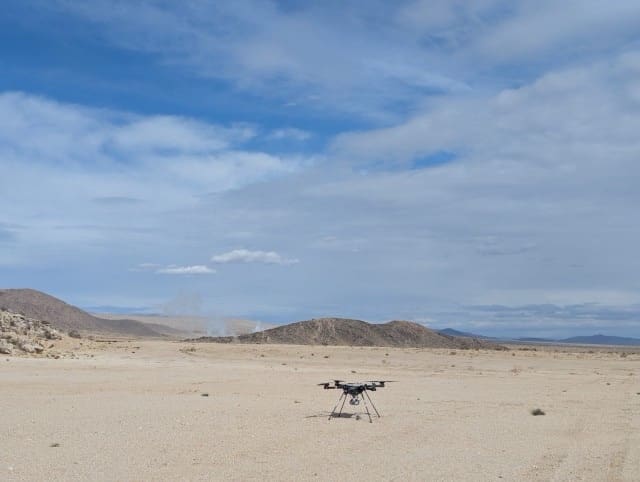
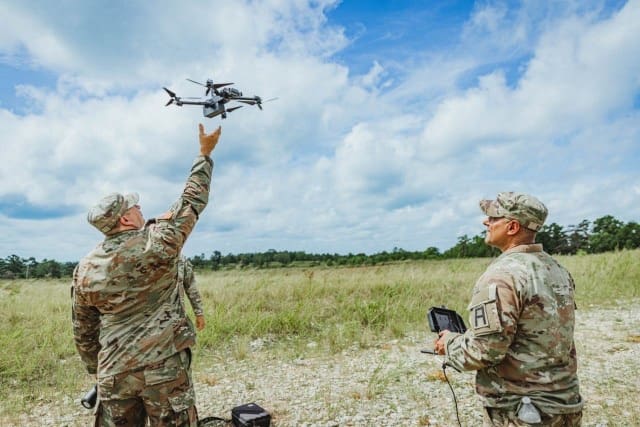
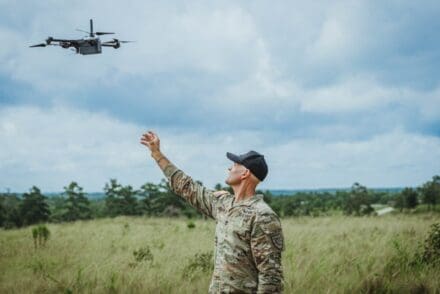
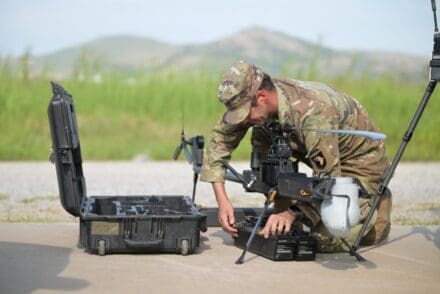
TRAVIS AIR FORCE BASE, Calif. – The 60th Maintenance Group completed the first in-house drone training for Small Unmanned Aerial Systems used for aircraft maintenance in the Department of Defense Jan. 27-31, 2025.

Over the course of five days, the drone training program’s 32 objectives focused on operational competency and flight safety, highlighting the fundamental safety rules for flying on an active airfield. This hands-on course allowed students to apply classroom knowledge in real-world scenarios, gaining valuable experience that directly supports the mission.

“Setting up the program required navigating complex regulations and overcoming significant challenges to qualify Travis Airmen to use drones for remote aircraft inspection,” said U.S. Air Force Chief Master Sergeant Max Dombroski, 60th MXG. “It really is a big step forward.”

Prior to this program, maintainers conducted inspections using a man lift or by walking along aircraft wings with harnesses and fall restraint equipment.

“Being able to use the drone has increased my confidence in my own personal safety,” said Senior Airman Mathew Closas, 860th Aircraft Maintenance Squadron airlift/special mission aircraft maintenance specialist. “This allows me to focus solely on the inspection.”

The drones are equipped with several technological advancements, including multi-spectral cameras, which enhance inspections by detecting hidden discrepancies, tracking structural issues such as cracks and corrosion, and identifying damage beneath the aircraft’s surface.

SrA Amrullo Nazarov, 60th MXG home station coordinator team lead and drone training instructor, said “that this program will improve fleet health, help prevent delays and boost readiness. And hopefully make its way throughout the Air Force and that’s exciting.”

Tech. Sgt. Merci Ovard, 60th MXG home station coordinator flight chief highlighted the significant potential applications of drones for preventative maintenance, emphasizing that using automated predictive model will enable early identification of potential issues.

“We have only just scratched the surface with this technology,” said Ovard.

While the drone itself was approved for airworthiness by Air Mobility Command in October 2024, the course was developed by team members assigned to the 60th MXG and approved by Air Force Special Operations Command in the fourth quarter of 2024.

“In the first week of use alone, drone pilots identified a sheared bolt in a C-17 Globemaster III stabilizer panel, preventing $280,000 in damages,” said Ovard. “The SUAS Aircraft Inspection Program has redefined inspection efficiency and accuracy. This initiative will save Travis AFB over 7,000 man-hours annually, significantly easing the workload on maintenance personnel.”

Story by Gary Edwards, 60th Air Mobility Wing

Secretary of Defense Pete Hegseth Renames Fort Liberty to Fort Roland L. Bragg

Wednesday, February 12th, 2025

While flying aboard a C-17 from Joint Base Andrews to Stuttgart on February 10, 2025, Secretary of Defense Pete Hegseth signed a memorandum renaming Fort Liberty in North Carolina to Fort Roland L. Bragg. The new name pays tribute to PFC Roland L. Bragg, a World War II hero who earned the Silver Star and Purple Heart for his exceptional courage during the Battle of the Bulge. This change underscores the installation’s legacy of recognizing those who have demonstrated extraordinary service and sacrifice for the nation.

By John Ullyot, DOD Press Secretary