Aquaterro

Archive for the ‘Guest Post’ Category

Marine Officers Gain Access to Maternity Uniforms with East Coast Expansion

Thursday, September 19th, 2024

Marine Corps Base Quantico, Va. —

Although Marines have never defined themselves by their equipment, maintaining readiness in any clime and place—from the icy reaches of the Arctic to the steamy jungles of the Indo-Pacific—means ensuring that all Marines, whether on the frontlines or providing critical support from behind the scenes, are equipped with the right gear to accomplish the mission whenever they are called to serve.
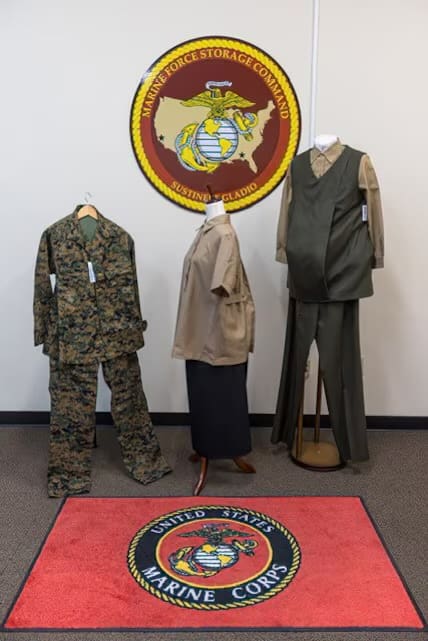
To better support pregnant Marine Corps officers, Marine Corps Systems Command, in partnership with Marine Force Storage Command’s Consolidated Storage Program (CSP), is expanding the Maternity Uniform Pilot Program (MUPP) from Quantico to include East Coast bases such as Camp Lejeune, New River, Cherry Point, Beaufort, and Albany.

This expansion—driven in response to feedback from Marines across the Corps– ensures easier access to maternity uniforms, promoting both comfort and readiness, while also addressing equity between enlisted Marines and officers.

Enlisted Marines receive a one-time issue of maternity uniforms, while officers have been required to cover the full cost, which can run up to $500. The MUPP allows the Corps to issue and recover maternity uniforms for officers at no cost, easing the financial burden and ensuring all Marines are equipped for duty.

“There are Marine officers across the Corps who will need maternity uniforms, so expanding this program to the East Coast is essential,” said Ana Ayala-Spivey, CSP East Coast Regional Project Officer. “I stressed to the MARCORSYSCOM team that it’s our responsibility to ensure we capture valuable data and feedback from as many Marines as possible. Limiting the program to Quantico wasn’t enough. Expanding it allows us to gather the insights we need while better supporting our officers in maintaining readiness and comfort during pregnancy.”

Since March 2021, the program has already seen significant success at Quantico, where it was first introduced, providing essential support to pregnant officers stationed there.

“I’ve been pregnant twice during my time as a Marine officer, but only had access to the Maternity Uniform Pilot Program once,” recalled Maj. Desiree K. Sanchez, assistant chief of staff (G-4) at Marine Corps Training and Education Command. “The first time, I had to purchase all of my uniforms out of pocket because the program didn’t exist. By the second time I was pregnant, the Corps had made significant improvements, adding adjustable tabs to the shirts and smock for a better fit. Instead of having to buy the updated uniforms, I was able to borrow them here in Quantico through the program, saving me from the expense of buying new items again.”

The program provides pregnant Marines with a full set of essential maternity uniforms, including three sets of MARPAT work uniforms (blouses and trousers), one green tunic, two short-sleeve and two long-sleeve service blouses, two service skirts, one pair of service slacks, one blue dress skirt, one pair of blue dress slacks, and three sets of service tapes.

The East Coast expansion improves accessibility for pregnant Marine officers by providing timely access to essential maternity uniforms at key installations, all without adding any extra financial burden to the taxpayer. Besides the financial benefit, this program also addresses the practical challenges pregnant officers have long faced in uniform availability and consistency.

According to Maj. Sanchez, “I was serving at Headquarters Marine Corps as the aide to General Glenn M. Walters, the ACMC at the time, during my first pregnancy. I often found myself discussing the challenges we faced as pregnant officers—having to pay out of pocket for uniforms that were not always available. There were countless times when I couldn’t match my boss in uniform because certain maternity options simply didn’t exist in the Marine Corps inventory. It was a constant reminder of the gaps we had to navigate.”

Ultimately, the MUPP’s expansion to include key East Coast bases serves as a strong signal of the team’s commitment to acting on feedback from the fleet– a critical component of Force Design, the Corps’ strategic blueprint for modernization.

“We actively use the [Interactive Customer Evaluation] program to gather feedback from Marines on improvements or concerns with the maternity uniform,” said Ayala-Spivey. “This input is essential for shaping decisions that affect the readiness and capability of the Future Force. As part of our commitment to Force Design, it’s crucial we recognize that Marines in a maternity status are a vital component of that future. Ensuring they have the right equipment supports both immediate operational readiness and long-term sustainability of the force.”

To participate in the program, pregnant officers can schedule an appointment with East Coast CSP personnel via email or phone, using the POC information available on the CSP site. Participants will then visit their respective Individual Issue Facility (IIF) to try on uniforms based on their pre-pregnancy sizing, with adjustments made as needed throughout the course of their pregnancy.

Although the expansion focuses on East Coast installations, pregnant Marines from other locations—including those OCONUS– can participate by contacting ana.ayala.civ@usmc.mil or william.j.wrightington.civ@usmc.mil.

By Johannes Schmidt, MCSC Office of Public Affairs and Communication | Marine Corps Systems Command
Beez Combat Systems FGM (FPV Google Mount)

Wednesday, September 18th, 2024

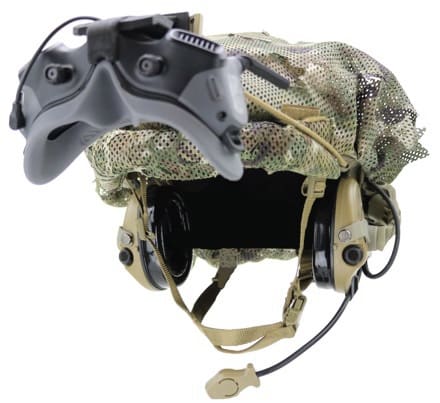
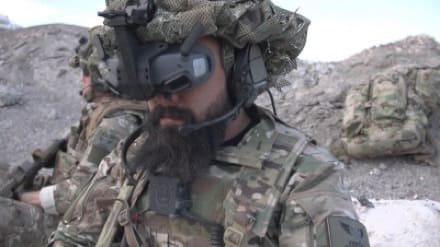
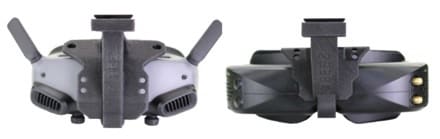
The FGM (FPV Goggle Mount) is one of our products developed for our Unmanned Systems collection. Designed to mount the DJI Google 2 and SKY04 FPV goggles to a tactical helmet.

The mount has helmet bungee attachment points to help stabilize the mount to the helmet. The drone operator can maintain helmet protection, secure the goggles and support the battery system to the helmet.

The FGM interfaces with the Wilcox G24 mount/helmet shroud system using a Wilcox dove tail. This ensures a perfect fit, retention, and longevity.

The hands-free mounts enhance the drone operator’s abilities in a fast-paced tactical environment by increasing situational awareness and operational readiness.

For additional information and availability – Beez Combat Systems

***all Wilcox trademarks, brands, etc are the sole property of the respective company.  Wilcox does not endorse these products***

AFSOC Commander Addresses Balancing Current and Future Requirements at AFA

Wednesday, September 18th, 2024

NATIONAL HARBOR, Md. – Lt. Gen. Michael Conley, commander Air Force Special Operations Command, shared his outlook on balancing current operational success and future requirements in the face of Great Power Competition during the Air and Space Force Association’s Air, Space and Cyber Conference panel here Sept 16. 

“It is an exciting time to be in AFSOC, we are leaning very hard into future capabilities figuring out what our role is in a future fight but we do not have the luxury of just looking to the future we also have to make sure the men and women we send down range are ready to go,” said Conley.

Conley joined Lt. Gen. Adrian Spain, Deputy Chief of Staff of the Air Force for Operations and Lt. Gen. Douglas Schiess, Commander, U.S. Space Forces – Space and Combined Joint Force Space Component Commander for the Wars We’re Fighting panel.

On any given day AFSOC has approximately 1,000 deployed Air Commandos worldwide conducting operations, training and joint exercises. As an early adopter, AFSOC is completing its first 2-year Force Generation cycle, which has streamlined how Air Commandos are presented to the Joint Force.

“Force generation has proven to be a win for AFSOC,” said Conley. “It has really helped our ability to clearly explain the forces we have available to go out the door and support [the Joint Force], what we have in reserve, and what the risks are of reaching into that reserve force.”

Articulating capacity and risk while maintaining crisis response capabilities requires Air Commandos who understand the threats and are disciplined, adaptable, and ready to answer the Nation’s call.

“People are the thing I need more of – not just people, but the right people. We need problem solvers; we need thinkers, and it takes a while to build up a special operator to go downrange,” said Conley.

Current and future Air Commandos provide the Joint Force with placement and access in strategic locations, however when looking at Great Power Competition Conley says AFSOC needs to better to connect with other Air Force MAJCOMs like Pacific Air Forces and U.S. Air Forces in Europe – Air Forces Africa to provide SOF unique capabilities.

“I am challenging my team to be better at being the Air Force’s SOF component, so I want to be able to reach out to Gen Hecker (USAFE-AFAFRICA Commander) or Gen Schneider (PACAF Commander) and say how can AFSOC help you with some of your tough problems because I think in Great Power Competition we are going to need to be better integrated so now is the time to start moving out in that direction.”

In the face of Great Power Competition, AFSOC is striving to provide SOF unique capabilities, deter challengers and ensure success should deterrence fail.

– Courtesy of AFSOC

MATBOCK Monday: Waterproof Raider Line Overview

Monday, September 16th, 2024

Over the past 18 months, this line has quickly become one of our most popular collections. Units all over the world are buying these to protect mission-critical gear. The collection includes a Waterproof Front pouch, Waterproof Rear pouch, Waterproof Rifle Bag, and Waterproof side pouch.


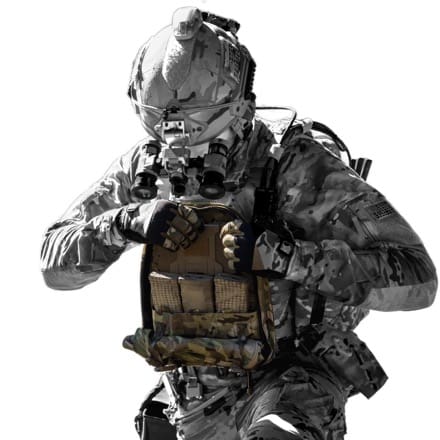
The Raider front pouch is a waterproof low-profile pouch that mounts directly to the front of your plate carrier keeping water and sand out of your magazines and gear. This pouch can quickly be unzipped allowing the operator full access to their magazines and gear and ready to move out in a fraction of the time it would take in the past.

Comes with:
Pouch
Triple Mag Insert
Admin Zipper Insert
Attachment Panels (supports MOLLE, loop, and flap front carriers)


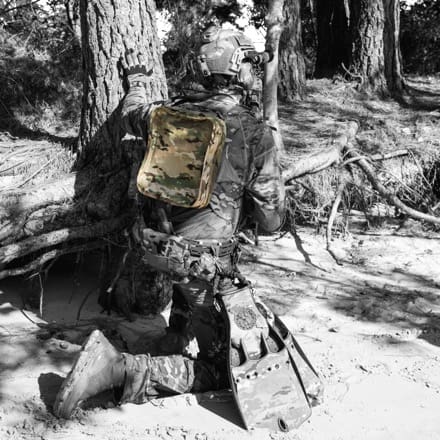
The Raider back pouch is a low-profile waterproof backpack that mounts directly to the back of your plate carrier with MOLLE attachment points. It can also mount to MATBOCK’s GRAM insert and is worn as a removable pack, making access to your back pouch even easier. Keeping your gear waterproof and sand-free without the bulk makes OTB and maritime operations so much more efficient. Lasercut MOLLE outside and inside gives you a lot of flexibility.


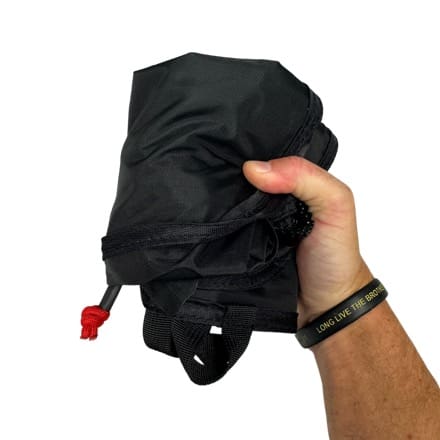
Our rifle bag was designed to carry a variety of weapons during OTB and maritime operations. The lightweight and waterproof material can easily be folded and stowed in your cargo pocket when not in use. Tested to 92′ (28m) for 4 hours.


The side pouch was designed to MOLLE onto your cummerbund for quick access to gear and equipment that is sensitive to water and sand. This pouch size is perfect for NVGs, grenades, breach charges, and ammunition. Diveable to 167 ft for 6 hours.

The numbers speak for themselves: a staggering 60% reduction in time when comparing the Raider Line to legacy waterproof solutions. Here is a side-by-side video showing the time savings you can achieve over outdated waterproof systems.

Reach out to sales@matbock.com for more information, or check it out here: www.matbock.com/collections/maritime/raider

MTEAC Conducts Operational Testing of the Multiple Devices

Monday, September 16th, 2024

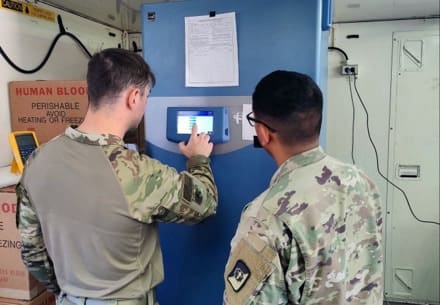
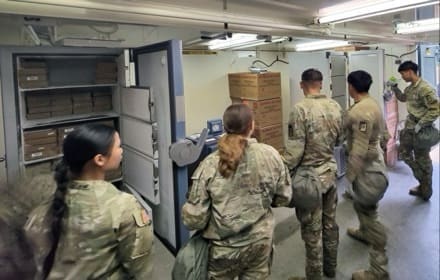
JOINT BASE LEWIS-MCCHORD, WA–The U.S. Army Medical Test and Evaluation Activity (MTEAC), in collaboration with the U.S. Army Medical Materiel Development Activity (USAMMDA) Program Executive Office (PEO) Soldier, Soldier Medical Devices (SMD), conducted a significant operational test of advanced blood storage technologies from August 16 to 19, 2024. This test was carried out with the support of the 153rd Medical Detachment, Blood Support (MDBS), and the 551st Medical Company-Logistics of the 62nd Medical Brigade.

The operational test aimed to determine the suitability, survivability, and reliability of several new blood management systems, including the Freezer Ultra Low Temperature (FULT), the Blood Plasma Freezer, the Platelet Agitator and Incubator (PIA), and the Dry Block Heat Incubator. These systems are potential replacements for the aging equipment currently used by the 153rd MDBS, which is approaching the end of its lifecycle.

To support the Army’s modernization efforts, these new systems feature advanced capabilities such as modern interactive displays and improved system performance. The goal is to address capability gaps in Army laboratories and blood centers, ensuring more effective storage, maintenance, and delivery of blood products to Soldiers in the field.

The operational test was strategically designed to coincide with the 153rd MDBS and the 551st Medical Company-Logistics’ scheduled Field Training Exercise, ensuring that the evaluation of the new systems aligned with their Mission Essential Task List (METL) and MOS Individual Critical Task Lists (ICTLs) requirements. This integration allowed the test scenarios to not only assess the new technologies’ performance but also enhance the units’ readiness through realistic training exercises.

Prior to the record test, personnel from both units underwent training on the new systems, preparing them to deploy and operate the equipment effectively during the exercise. The operational test included various scenarios designed to stress the MDBS’s capabilities in receiving, storing, and transporting blood products. These scenarios were crucial in assessing the systems’ performance and ensuring they meet operational requirements.

Following the test, participants convened to review and discuss the performance of the new devices. Feedback from test players, and their command teams, emphasized the importance of thorough testing and user involvement to refine and enhance the systems before potential fielding. The command team also highlighted the value of this comprehensive testing in improving the efficiency of blood banks and ensuring that life-saving medical care is readily available to support Soldiers in combat.

By advancing these blood management systems, the Army aims to improve the readiness and effectiveness of its medical support units, ultimately ensuring that warfighters receive timely and critical care in dynamic operational environments.

Aligned under the U.S. Army Medical Center of Excellence, MTEAC is the only independent operational test and evaluation agency of medical and medical-related materiel and information technology products, supporting of the Army and DOD acquisition process. To learn more about the U.S. Army Test and Evaluation Activity and their mission visit medcoe.army.mil/usamteac.

By Mr. Eitter Rodriguez, U.S. Army Test and Evaluation Activity

Air Force Realigns to Ensure Readiness, Future Competitiveness

Sunday, September 15th, 2024

ARLINGTON, Va. (AFNS) —  

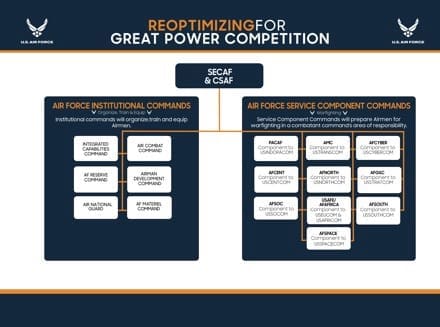
The Air Force is organizing its major commands, or MAJCOMs, into Institutional Commands, responsible for organizing, training, and equipping Airmen, and Service Component Commands, responsible for preparing Airmen for warfighting in a combatant command’s area of responsibility.

The changes are part of the Department of the Air Force’s Great Power Competition initiative.

“Over the last three decades, our Air Force has incrementally become more fragmented,” said Air Force Chief of Staff Gen. David Allvin. “This gradual diffusion was the result of decisions made in the context of a different strategic environment. After some deep introspection, it has become clear that to dominate in this challenging strategic environment, we must have a force structure that is better aligned, clearly understood, and agile enough to exploit the rapid pace of change.”

The current major command structure has significant variances in how the U.S. Air Force organizes, trains and equips, and how it presents forces. Some MAJCOMS have the responsibility of capability development (e.g., Air Force Materiel Command), some strictly for presenting forces as a service component to a combatant command, and some MAJCOMs have both responsibilities. Some service component commands are also Numbered Air Forces, or NAFs, that report through MAJCOMs, while other service component commands are themselves MAJCOMs.

While this has been made to work in practice, it has evolved with new entities being bolted on, instead of baked in. Through the Reoptimization initiative, the U.S. Air Force has the opportunity to reset both definitionally and structurally. The foundation of the senior command structure in the Air Force will consist of two types of commands: Institutional Commands and Service Component Commands.

Institutional Commands will serve as enterprise integrators for capability modernization, acquisition and sustainment, developing human capital and generating readiness, while Combatant Command-aligned Service Component Commands will employ operational forces in pursuit of Combatant Command missions.

Institutional Commands will include the existing commands with the following modifications:

– Air Education and Training Command is expected to evolve into Airman Development Command, which will train and develop Air Force personnel across the entirety of their career.

– The new Integrated Capabilities Command is planned to accelerate force modernization by aligning capability development efforts to a singular, prioritized demand signal for future airpower capabilities, aligned with the Force Design. The transition of capabilities development into one institutional command will enable the service component commands to focus on readiness.

– Air Combat Command will integrate readiness for CONUS-based service-retained forces and prepare and present mission-ready forces to combatant commands.

– Air Force Materiel Command will consolidate and establish new centers to rapidly develop, procure, field and sustain a pipeline of competitive capabilities to deliver decisive advantages to the force.

– Air Force Reserve Command and the Air National Guard will provide strategic and operational depth and surge capacity by developing and managing an experienced, modernized and accessible Reserve Force.

Service Component Commands project air power to the joint force combatant commands through theater-assigned and rotationally allocated Air Force units in each of the CCMDs.

To streamline how the Air Force presents force offerings to Combatant Commanders, the Component Numbered Air Forces listed are planned to become Service Component Commands, reporting directly to the Secretary of the Air Force through the Chief of Staff of the Air Force. This alignment ensures the Air Force better prepares, presents and generates airpower effects for the Joint Force and enables service component commands to focus on preparation and presentation for their combat missions.

– Activate Air Forces Southern

– Activate Air Forces Central

– Activate Air Forces Northern and Air Forces Space

– Elevate and redesignate Air Forces Cyber. Note: The ultimate makeup and structure are still being finalized.

Pacific Air Forces; U.S. Air Forces in Europe – U.S. Air Forces Africa; Air Force Special Operations Command; Air Mobility Command; and Air Force Global Strike Command will be considered SCCs and will retain their current Combatant Command force alignment and readiness-related roles, responsibilities and authorities.




Streamlining Air Force organizations into either Institutional Commands or Service Component Commands will allow them to focus solely on developing Airmen, generating readiness and sustaining and delivering capabilities, or projecting airpower to the Joint Force, respectively.
Air Forces Southern, or AFSOUTH, will become the first Service Component Command under the new construct. AFSOUTH’s operational mission as the Air Force Component to USSOUTHCOM will not change. However, as a Service Component Command, AFSOUTH will be better positioned to advocate for service-related matters such as personnel, administration and unit training.

Secretary of the Air Force Public Affairs

Saber Junction Jumpstarts in German Countryside

Saturday, September 14th, 2024

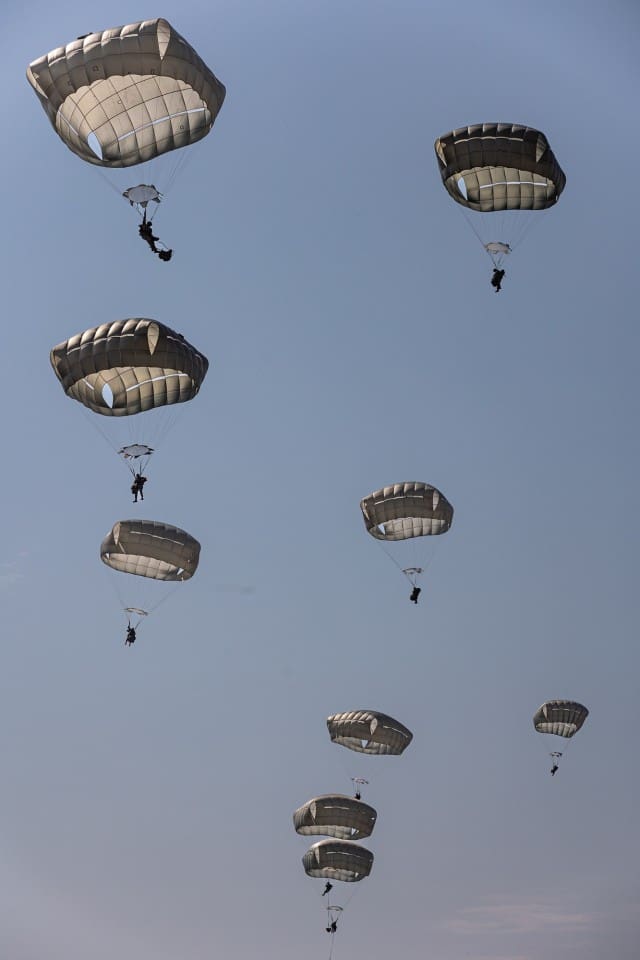
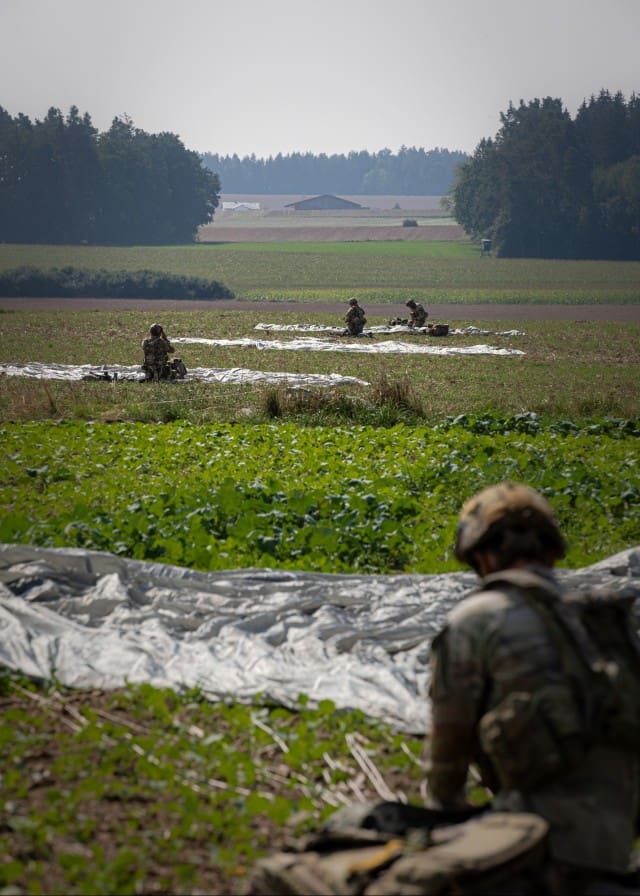
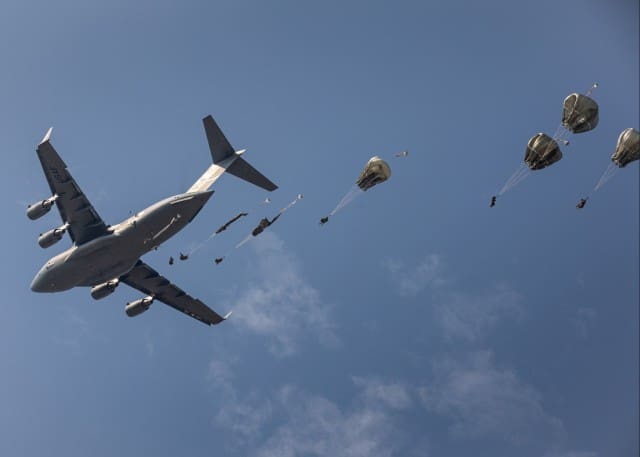
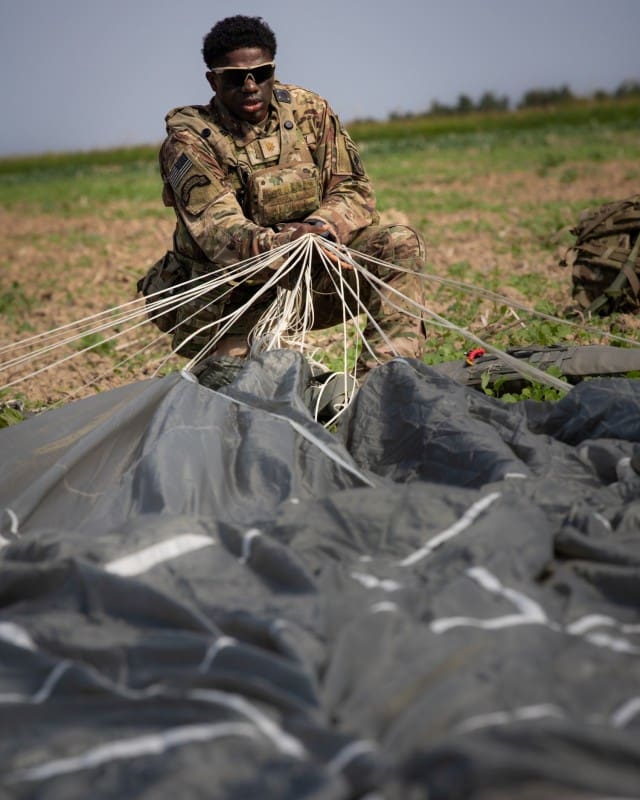
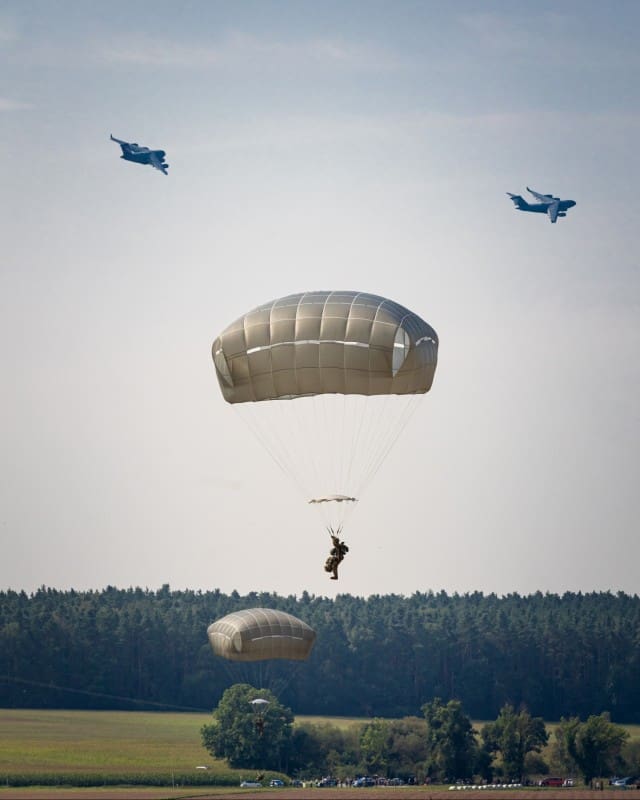
HOHENFELS, Germany — Over 500 U.S. Army paratroopers jumped from multiple aircrafts as part of a training exercise involving airborne operations in Eglsee, Germany on Sept. 4, 2024, kicking off Saber Junction.

More than 4,500 military personnel from 11 countries are participating in Saber Junction, an annual training exercise at the U.S. Army’s Joint Multinational Readiness Center, Hohenfels, Germany from Aug. 25 to Sept. 19, 2024.

“What’s awaiting them is probably the hardest fight they’ve ever been in,” said Brig. Gen. Steve Carpenter, commanding general of 7th Army Training Command, U.S. Army, Europe and Africa.

“We want it to be the hardest here so when they get into combat, it seems just a little bit easier.”

The purpose of this exercise is to strengthen interoperability and readiness between participating NATO Allies and partner nations, enabling them to respond rapidly to any threat.

“The way by which warfare is taking place right now and we’re seeing it in Ukraine, we’re seeing it in other places around the world like the Middle East. Large-scale combat operations is something we always have to practice, we have to stay on top of all the changes taking place”, says Carpenter.

U.S. Army’s 173rd Airborne Brigade paratroopers kicked off the event by jumping from U.S. Air Force C-130 and C-17 aircrafts to demonstrate their ability to deploy and integrate with NATO allies and partners.

“We have to adapt to what’s going on in the Ukraine and we need to train that [to adapt] at combat training centers like this”, says Carpenter, “So that any adversary of the NATO alliance or any alliance the United States has, they would think it’s absolutely unthinkable to start a war with the United States or its allies and partners”.

By SPC Cambrie Cannon

FirstSpear Friday Focus: Contractor Bag w/ Frame

Friday, September 13th, 2024

This week, our Friday Focus is on a game-changing, staple piece of equipment that embodies versatility, durability, and adaptability: the Contractor Bag. Whether you’re on a mission in rugged terrain, working in demanding environments, or simply need a reliable way to transport gear, this bag has you covered.

• Lightweight
• Durable
• Removable metal frame
• Oversized zippered opening

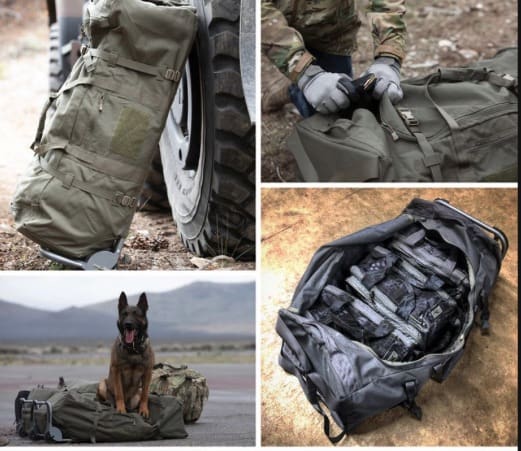
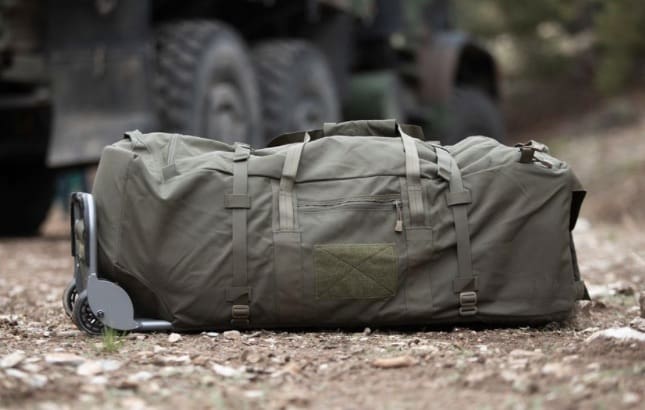
The Contractor Bag is a spacious duffel styled bag with removable frame. The oversized zippered opening makes it easy to load and features secondary retention straps with quick release buckles. The frame is engineered to be lightweight and durable. It has 2 wheels which make the bag easy to maneuver. There are also reinforced handles in several key locations and external zippered pockets. Since all of the FirstSpear users we talked to, claim to have never used it in raids or ambushes, we decided to release it in some more travel-friendly colors.

Dimensions

• 16” wide
• 11.5” deep at the top 12.5” deep at the bottom
• 36” long

It’s more than just a bag; it’s a reliable partner in your mission success, designed to support you no matter where the job takes you.

For more information, check out www.first-spear.com/contractor-bag-and-rolling-frame.