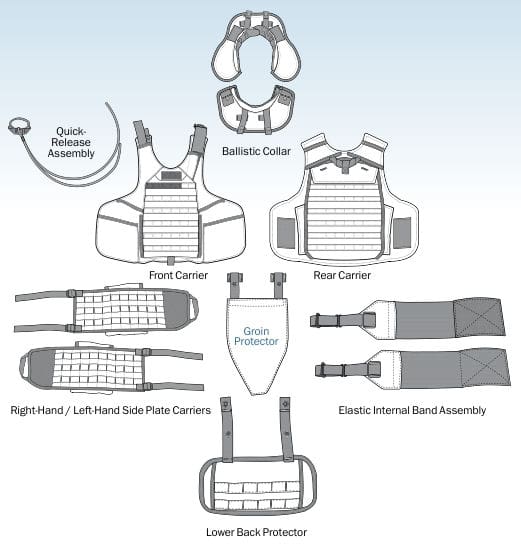
BAE Systems has been awarded a four-year Defense Logistics Agency (DLA) contract to produce Improved Outer Tactical Vests (IOTV) and accessories used by the US Army. That DLA awarded the contract lets you know that this is a sustainment contract.
“This award reinforces our position as a valued partner in the body armor market” said Don Dutton, vice president and general manager of Protection Systems at BAE Systems Support Solutions. “DLA continues to see demand for sustaining these life-saving products, as well as the value and quality that all of our equipment affords.”
The company has received an initial $48 million in orders, which are expected to be completed by February 2013. The total value of the contract orders could reach approximately $267 million over the next four years.
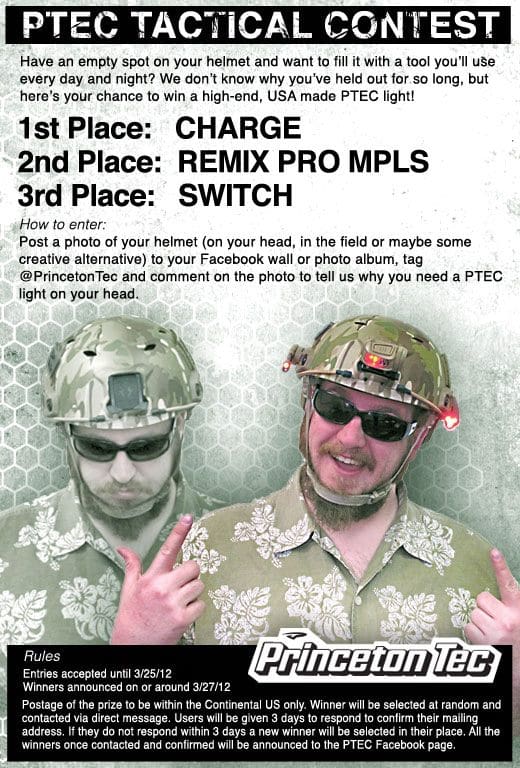
Interested in winning a Princeton Tec tactical light? PTEC is giving you three chances to do just that. To enter, post a photo of your helmet to your Facebook wall and tag @PrincetonTec. In the comments section tell PTEC why you need a PTEC light on your head. Cool factor counts!
You have until 25 March to enter and PTEC will announce the winners on the 27th.
US Air Force Survival Evasion Resistance and Escape Specialists join enlisted Pararescuemen and commissioned Combat Rescue Officers as part of the guardian Angel Weapon System charged with the execution of all five tasks of Personnel Recovery – report, locate, support, recover and reintegrate. Here you see but one aspect of the duties of a SERE Specialist; training and education.
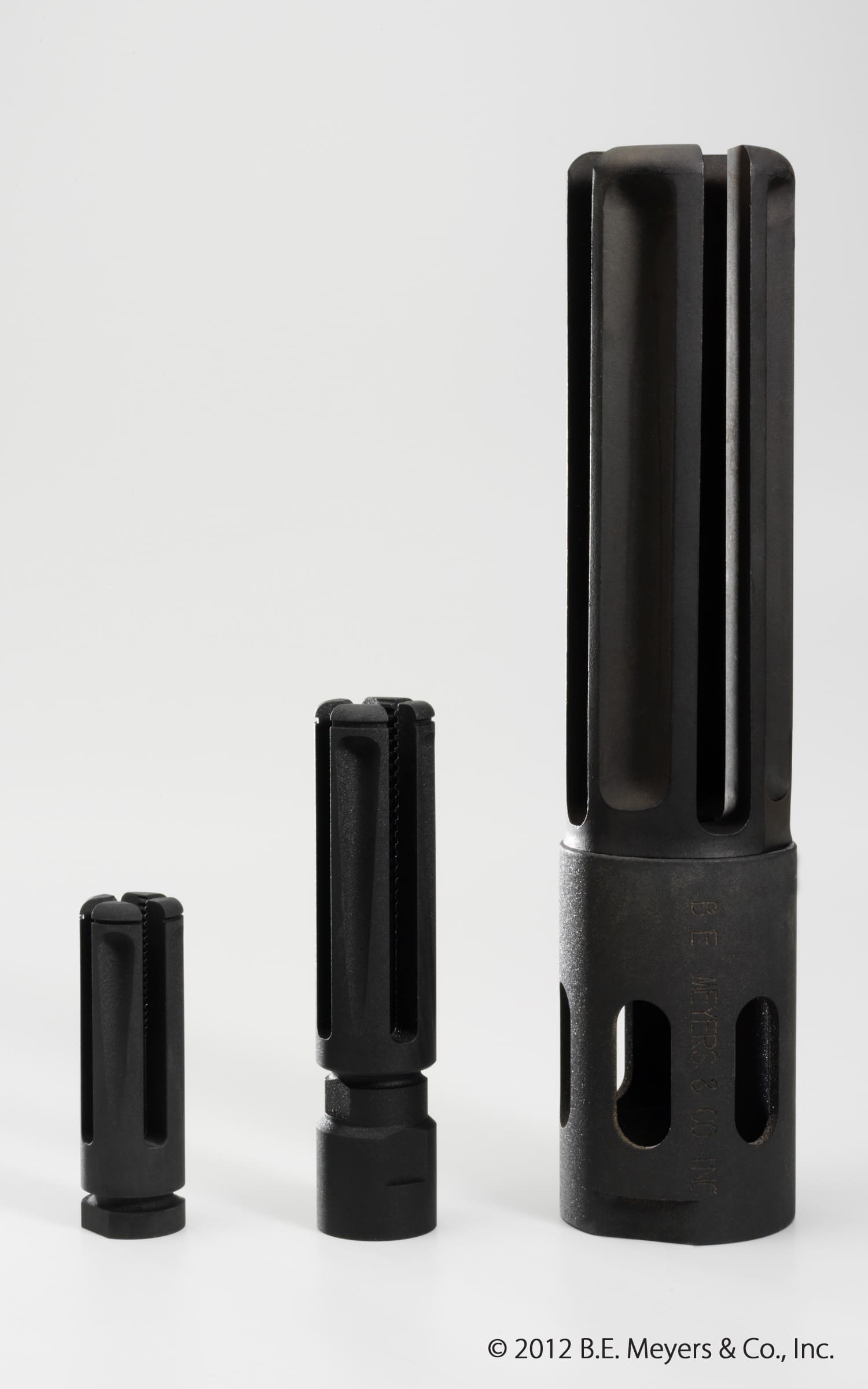
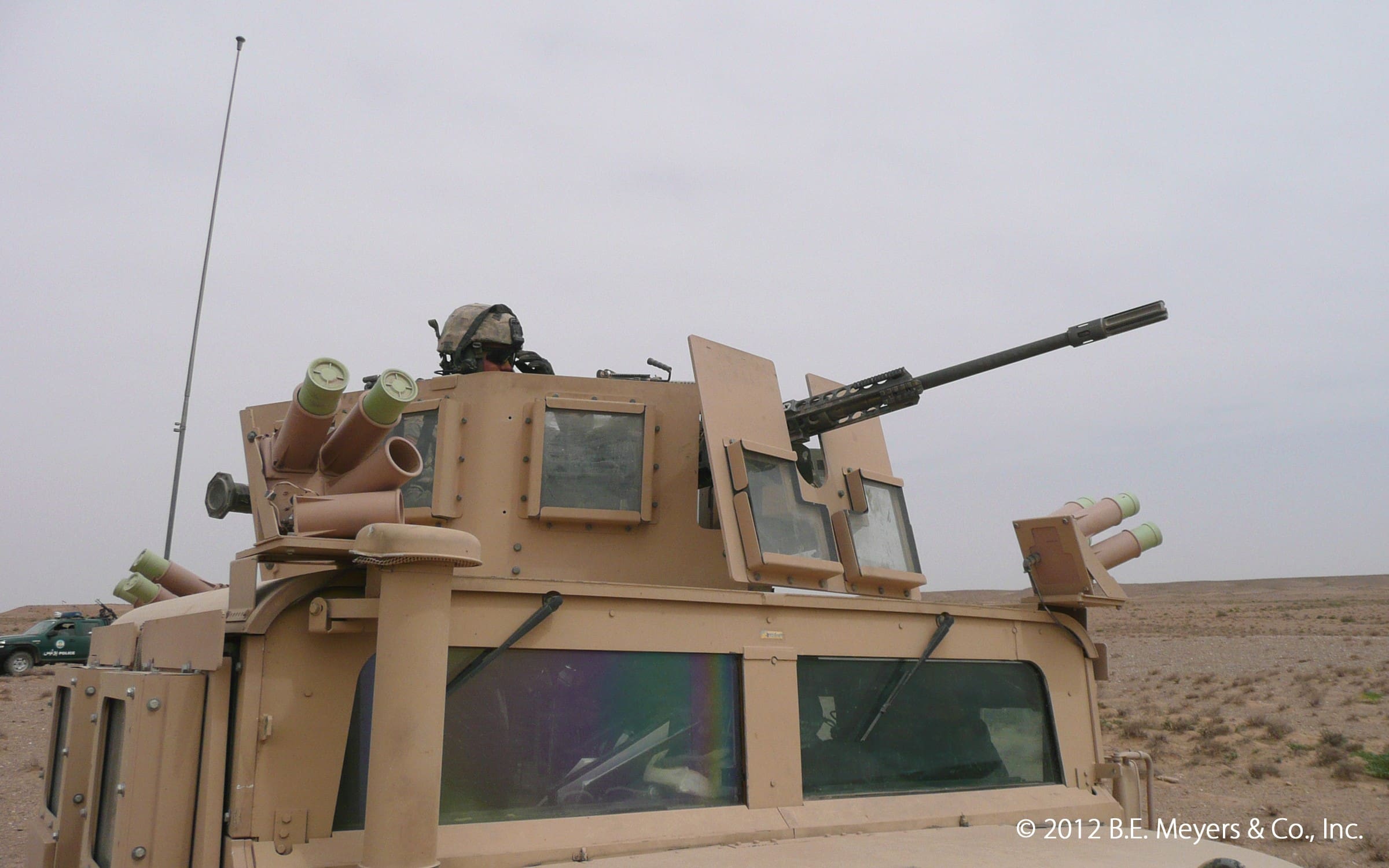
There’s a lot of buzz about signature reduction, whether it’s multi-spectral camouflage for clothing and equipment or the noise and flash signature of small arms. To this end, BE Meyers has developed a family of flash hiders for 5.56 mm, 7.62 mm, and .50 caliber weapons. Bruce Westcoat, VP Business Development related to SSD, “BE Meyers flash hiders save lives. It’s simple; if the enemy can’t see you shooting at night they have nothing to shoot back at. That’s especially important if you’re manning a .50 cal or other machine gun that immediately draws return fire from the enemy.”
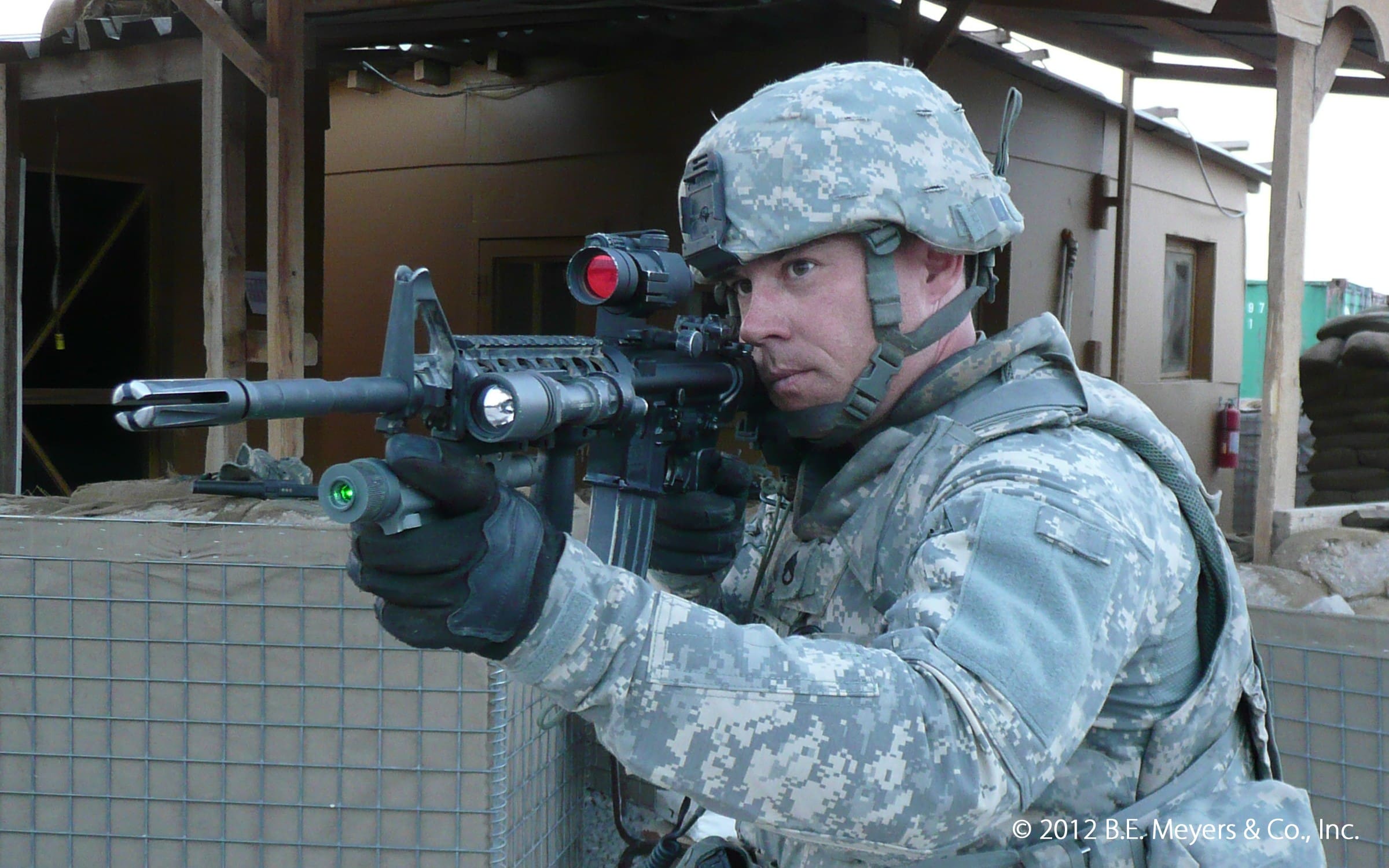
While often emulated, and sometimes even copied, BE Meyers flash hiders remain the pinnacle of the offset-prong style of flash hider. These flash hiders have been used extensively by US and coalition forces for years, and are the preferred flash hiders for the US as well as other nations Special Operations units. During testing by the US Special Operations Command to select a flash hider for procurement by the Rapid Equipping Force, in support Force Protection efforts in Afghanistan, the BE Meyers 5.56 mm flash hider was judged to be the best performing flash hider available.
In fact, over the past four years the US military has fielded more than 10,000 5.56 mm units. The REF order was for 4,050 alone. They’ve also purchased an additional 5,500+ 7.62 mm flash hiders and over 3,000 flash hiders in .50.
Flash suppression on the modern battlefield is a critical force protection issue as it removes the most obvious aim point for enemy return fire. It makes US forces less visible and reduces accurate enemy return fire. Additionally, it prevents loss of night vision, eliminates flash distortion of night vision devices, and allows the shooter to stay engaged instead of having to seek cover in expectation of immediate return fire.
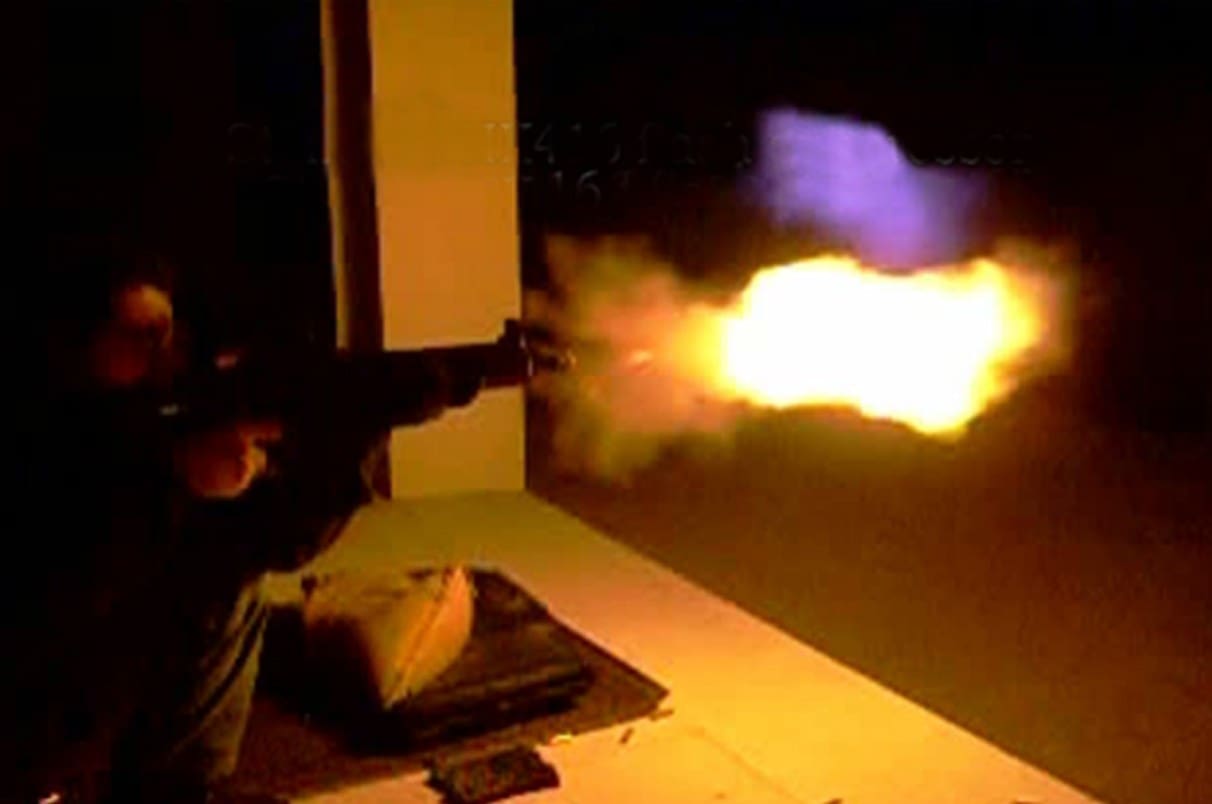
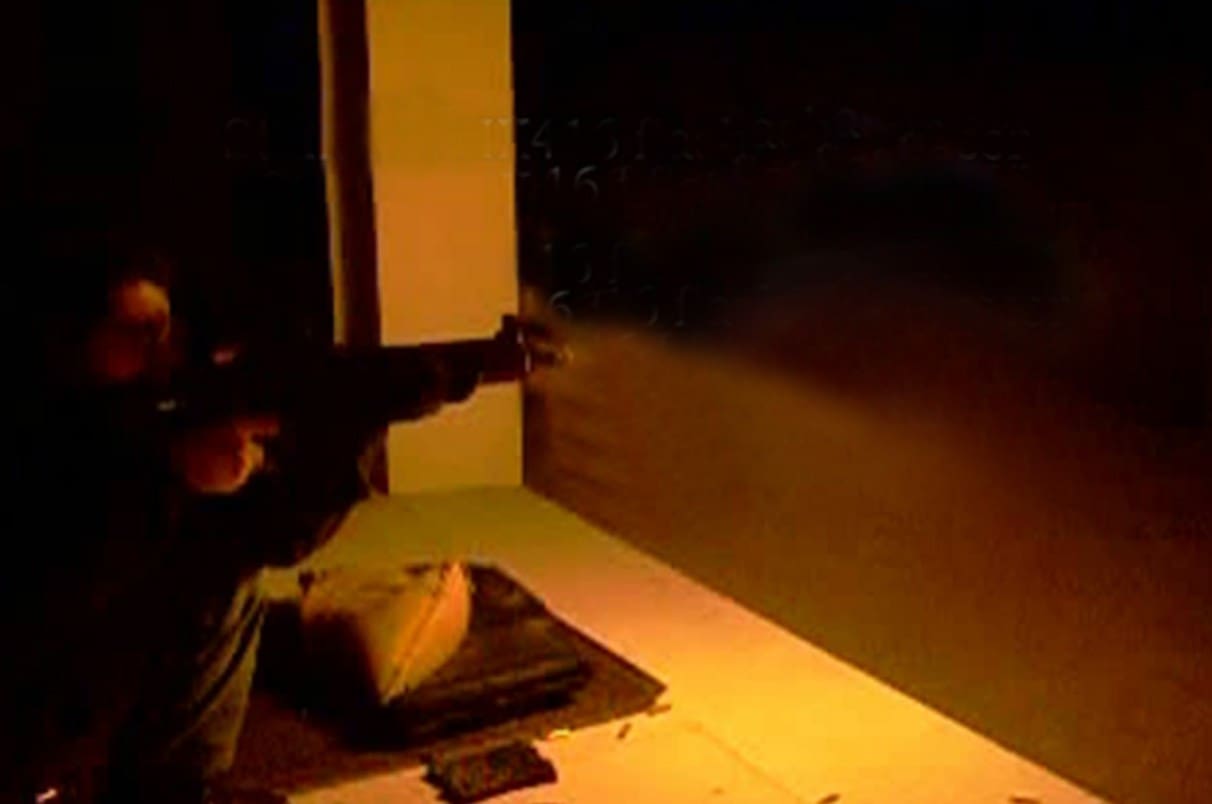
The photos above show side-by-side comparisons of the BE Meyers flash hiders compared to the standard “bird cage” devices on a 5.56 weapon. The difference is remarkable. Additionally, the video at the beginning of the article demonstrates the flash hiders’ performance on 5.56 and 7.62 small arms as well as on an M2 .50 machine gun contrasted with standard configuration weapons featuring no flash suppression device. In each case, the standard devices show clear flash signatures, even when fired in very short bursts. The BE Meyers flash hiders show no visible flash signature. Most impressively, the .50 flash hider is equally effective in single round, short burst, and long burst scenarios, quelling the large and distinct flame signature of the M2. Further, the .50 flash hider attaches without the use of tools and is self-tightening. BE Meyers also makes flash hiders in other sizes and thread types to facilitate many non-US weapons.
During our research for this article, we spoke with Jeff Bradbury, BE Meyers Marketing Executive. He told SSD, Our flash hiders have been the first choice by US and allied Special Operations forces for years. They demand the best performance and we’ve delivered.” Extensively tested by DoD, BE Meyers flash hiders are designed and made in the USA. The difference that they make in reducing the visual signature of small arms is nothing short of amazing. But remember, these are flash hiders and are not designed as compensators. They aren’t going to control your muzzle climb. It’s a common misconception so don’t have any unrealistic expectations. If there is any criticism of the technology it’s that it isn’t out there in greater numbers.
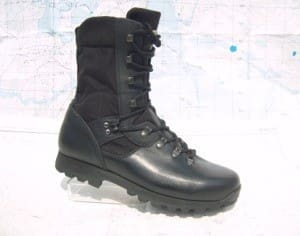
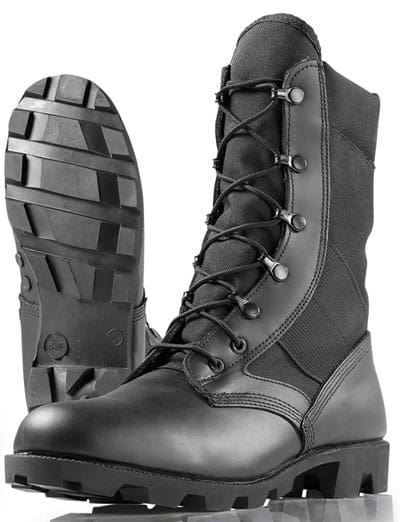
UK boot maker Altberg has mated their popular Jungle Micro upper to the classic Panama sole.
Seen here is the Jungle Micro upper which features a polypropelene graded midsole for underfoot support and protection and Anfibio 2.4mm leather/Cordura construction.
Designed during the height of the Viet Nam war, the Panama tread seen below is designed to release mud but maintain traction on slippery jungle trails.
PJs are the heart and soul of the US Air Force Guardian Angel Weapon System which consists of Combat Rescue Officers, Pararescumen, and Survival Evasion Resistance and Escape Specialists. Here is a a quick snapshot of Pararescue kit. There will be minor differences based on Squadron but the capabilities remain the same.
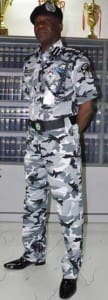
Here, you can see the Nigerian Inspector General of Police (IG), Mohammed Abubakar sporing the new ‘urban’ pattern. While we have no idea at this point how they decided on this pattern, it’s refreshing to see leadership wearing it and soliciting feedback from the public.
While many are going to want to criticize the pattern but please remember the main purpose of a uniform and that is to identify the member of an organization. Interestingly, it doesn’t seem all that unique and resembles the so-called urban woodland pattern available in the surplus market throughout the 90s. The reason this is so important is that one of underlying factors in adopting new uniforms in the first place was that it provide, “security features to forestall impersonation.”
This is one of those, “Why didn’t I think of that?” ideas. At SHOT Show, Executive Director Rick Elder posed this question to us, “Other PPE such as armor plates and helmets features serial numbers so why not eyepro?” It makes perfect sense to us. Obviously it did to him as well because Smith Optics Elite Division serializes their lenses.
A 13-digit discrete serial number is etched into the lens of Aegis eyeshields and the OTW goggles in a discreet location between and above the eyes to allow tracking of the lens from cradle to grave. It acknowledges that every lens is unique and now information can accurately be tracked on performance. The implications are big and we think this feature is going to impact how eyepro is looked at in the future.