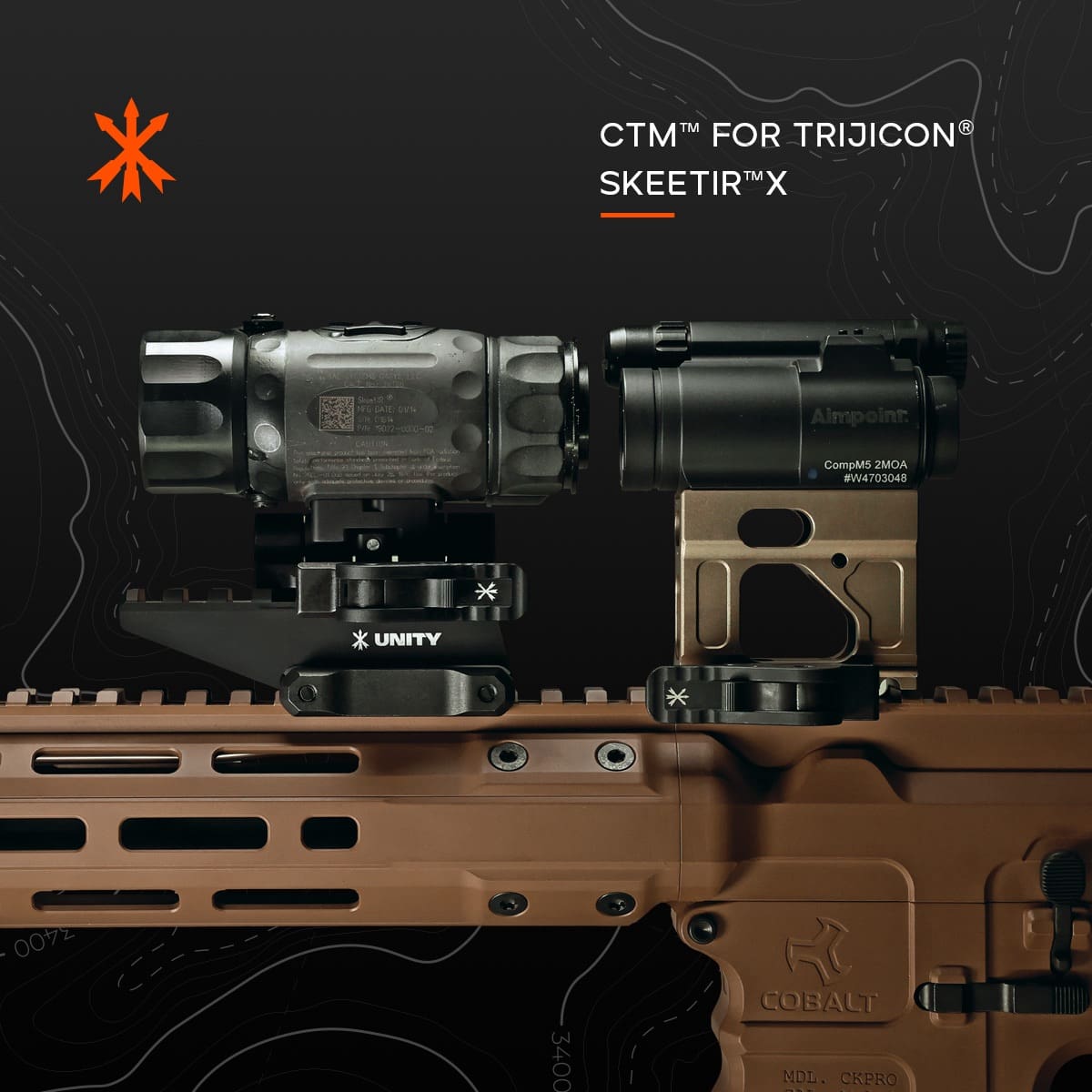
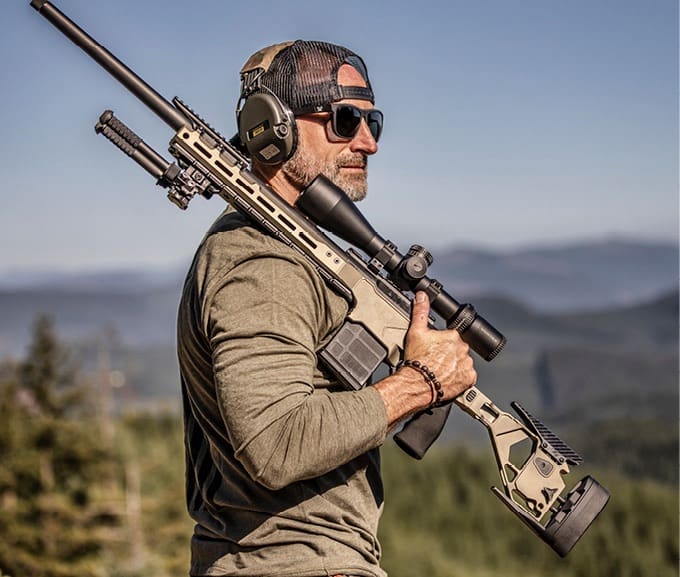
G24 Mount from Wilcox Ind

Seam Ripper Solutions – HIGH-ROLLER

January 4th, 2024

The HIGH-ROLLER from Seam Ripper Solutions is a simple solution for carrying and rapidly deploying life-saving essentials.  Engineered with purpose and produced with precision, The High-Roller features classic construction methods with a modern twist.  This Multi-Application Apex Pouch System (MAAPS) is the product of years of development and rigorous testing…  So quality and performance is guaranteed.

What makes The High-Roller unique?

*Belt & Molle mountable

*Reinforced stress points

*Adaptable sizing system

*Deployable trauma roll (The TEAR)

*Multiple methods of deployment

*Tailored with pride in Canada

What are its dimensions?

APPROX. 4″ High X 8″ Wide

*Adjustable diameter (8″-12″)

What fits inside?

*The Tear

(Rapid-deployment IFAK insert)

*Lightweight outer layers

(poncho/goretex/rain gear)

*Other pouches for various purposes

DM www.instagram.com/seam_ripper_solutions to order.

5th SFG (A) Engineer Course Looks to Cut Cost, Familiarize Force

January 4th, 2024

Engineers from 5th Special Forces Group (Airborne) created a force multiplier that eventually spread across the Special Forces footprint. The “18C Construction Course” provides the Special Forces Engineer Sergeants (18C) and other Special Operations Forces (SOF) personnel, the opportunity to sharpen their construction skillset, and benefits the individual as well as the Operational Detachment Alpha (ODA).

The Group Support Battalion’s (GSB) engineers instruct one to two classes quarterly depending on the demand signal, with eight to twelve Soldiers per class. The Engineer shops’ youngest Private First Class all the way through Staff Sergeants give expert electrical, carpentry, and plumbing instruction that can be tailored to individual or team needs.

The genesis of this course started in 2021. Dan, a Construction Engineer Supervisor (12H) with 5th SFG (A) saw the need for a class during his time as the platoon sergeant. He developed slides, training material, and a basic outline for how the course would run. He said he saw a need for the teams to get training and showcase what the Engineers can do for the 5th Special Forces Group. To date, Dan has trained 60 personnel for five Special Forces Groups, and spent over 500 hours as the lead instructor for the course. The skillsets taught to the personnel impact the command-and-control network nodes for SOF operations by upholding electrical grid and support for SOF personnel, influencing five Combatant Commands battlespace integration across six continents. By training the enabler population, he magnifies the small Engineer footprint across the Group’s area of responsibility by creating trained personnel able to implement solutions with the crucial knowledge learned throughout the course.

“While the 18C course enables team members to execute construction skills and drills required for their mission sets in austere environments, the real benefit is its ability to link the Special Forces Teams to a whole host of Engineer enablers, building the network for reach back support, increasing awareness and ultimately pushing capabilities to the Teams where they need it most, the front lines,” said Dave, the lead Group Engineer for 5th SFG (A). “Resourcing these classes is a no-brainer, even with the rising costs of Class IV. The engineer trades get sets and reps, the Special Forces Soldiers get skills to refresh while improving their reach back networks, and a whole number of additional enablers get cross-trained, adding to their enabler skill pool. Ultimately, it allows us to reduce contract costs, CONUS (Continental United States) and OCONUS (Outside Continental United States), and leverage existing DOD (Department of Defense) and Army supply networks to enable success in support of the ARSOF (Army Special Operations Forces) mission set.”

The Engineers of the 5th Special Forces Group (Airborne) continue to refine and showcase the hallmark vision of Dan, the Non-Commissioned Officer who created the course. They’re looking at the curriculum to include project management, concrete, and concrete masonry units into a new curriculum. The course of instruction can be tailored to implement other Engineers or enablers to ascertain the knowledge needed for future projects that can enable the appropriate amount of resourcing of staffing needed to accomplish missions and projects expediently and overcome hurdles. The ability to quickly train Soldiers with basic skills they can perfect with on-the-job training has the potential to enable the Group to reduce million-dollar construction projects to a fraction of the price. It will save money, enable cross-functional teams to emerge and execute a construction portfolio quicker and cheaper while completing construction projects sooner.

Courtesy of 5th SFG(A)

Guardian Angels Medical Service Dogs Joins Prestigious Congressional Initiative to Advance the Medical Service Dog Industry

January 3rd, 2024

 [WILLISTON, FL]- Guardian Angels Medical Service Dogs has been selected as one of the two dozen medical service dog organizations nationwide to participate in a special initiative mandated by Congress. The primary objective of this program is to determine if the in-depth details outlined in this initiative for training and pairing service dogs meet the needs of permanently disabled service members and veterans. 

This initiative, directed by Danny Benbassat, Ph.D., Commander, U.S. Public Health Service, CofS, Assistant Professor, Department of Physical Medicine & Rehabilitation, and managed by the Medical Technology Enterprise Consortium OTA and acting Wounded Warrior Service Dog Program integrator Jeremy Ramirez, DrPH, MPH, Veteran, US Army, Assistant Professor of Health Informatics, California State University Long Beach Department of Health Care Administration, was created to maintain safety measures to protect service dogs and the public while using data-driven decisions to ensure continued improvement within one of the most vulnerable communities these organizations serve. 

As a leading medical service dog organization with highly advanced programs and over a decade of experience, Guardian Angel Medical Service Dogs will work with other organizations like themselves to collect and share their best practices, which will then be used to refine and improve the prototype guidelines for future organizations when it comes time to train and pair assistance/service dogs with qualified service members and veterans.

“Guardian Angels Medical Service Dogs is proud to have been selected for this crucial project. They have been a highly sophisticated leader in this industry for nearly 14 years, bringing forth many programs above and beyond the current industry standards, thus raising the bar of excellence with our milestones and benchmarks,” said Carol Borden, Founder and CEO of Guardian Angels Medical Service Dogs.

The current “prototype guidelines” will be tested by the Guardian Angels Medical Service Dogs and other selected organizations where they can share best practices to refine existing guidelines, which will allow them to improve service dog programs. This initiative will evaluate the effectiveness of the suggested guidelines while examining a range of issues affecting service members and veterans with service dogs and those who train service dogs.

Once each organization has gathered empirical data on each of the protocols in this program, they will participate in focus group meetings for further discussion and analysis that will help build future guidelines and best practices related to the quality-of-service dog training, the optimal education and matching of service dogs with service members and veterans, and the safety to canines, service members, and the public.

“Our goal is to further shape the future of this life-changing, life-saving industry that deserves much more clarity and respect for the work these amazing dogs do every day. With this valuable opportunity to assist Congress, we will accomplish another enormous milestone in moving the service dog industry forward,” said Borden.

When the study concludes, the findings will be presented to Congress. Currently, it can take 2-10 years for someone to get a service dog. With the additional funding, Guardian Angels Medical Service Dogs will be able to hire more people and enlarge their facilities, which means they will be able to pair more dogs more quickly with veterans and service members in need. 

To learn more about Guardian Angels Medical Service Dogs, visit www.medicalservicedogs.org.

Freedom Outdoors Expands

January 3rd, 2024

Virginia Beach, Virginia – January 2, 2024 – Freedom is thrilled to announce the acquisition of Stoddard’s Range and Guns, a respected name in the shooting and outdoor sporting industry. This strategic move marks a significant milestone in our journey with the addition of two storefronts to our operations to provide unparalleled services and value to the communities we serve. Stoddard’s operates at two locations – Douglasville, GA, and Midtown Atlanta, GA.
      A Tribute to Stoddard’s Legacy – We begin by expressing our deepest gratitude and appreciation to Ken Baye and the Stoddard’s team. Their dedication, innovation, and passion have established Stoddard’s as a beacon of excellence in the industry. The achievements and reputation built by the Stoddard’s team are admirable and a testament to their commitment to quality and customer service.
     Our Members and Guests – This exciting new chapter would not have been possible without the unwavering support of our members and guests. Your trust and patronage have been the cornerstone of our collective success. We are committed to continuing to earn that trust every day, and this acquisition is a step towards enhancing the experience we excitedly offer to our valued community.
     Freedom’s Team – The accomplishment of this acquisition is also a reflection of the extraordinary performance of the Freedom team. Their hard work, strategic vision, and relentless pursuit of excellence have enabled us to reach this pivotal moment. This acquisition is not just a business decision; it represents the fruition of our team’s collective efforts and aspirations to provide the best experience in the shooting and outdoor sporting industry.
     Enhanced Value and Service – The integration of Stoddard’s into the Freedom family signifies our dedication to enhancing value and service in the shooting and outdoor sporting markets. We are excited about the opportunities this acquisition presents. Together, we aim to innovate, expand, and elevate the experiences for our customers, combining the best of both organizations.
     Looking Forward – As we embark on this journey, we remain committed to the core values that have guided both Freedom and Stoddard’s: dedication to our customers, a passion for excellence, and a relentless pursuit of innovation for the guest experience, whether in-store, on the shooting range, or online. We are excited about what the future holds and are confident that together, we will set new benchmarks as leaders and ambassadors for our industry.
     We pride ourselves on creating a premier customer experience and ensuring that people have access to quality products and services in the shooting and outdoor sporting industry. Freedom will continue to deliver exceptional service, competitive pricing, and a comprehensive product offering to members and guests. We appreciate your business, and if you have questions, please check out our updated website. Additionally, if you or someone you know is interested in exploring a potential acquisition, please contact Acquisitions@FreedomOutdoors.us.

Air Force Doctrine Publication 3-85, Electromagnetic Spectrum Operations

January 3rd, 2024

The US Air Force has published Doctrine Publication 3-85, “Electromagnetic Spectrum Operations.”

Under development since last year, this new doctrine sees the transition of AFDP 3-51, Electromagnetic Warfare and Electromagnetic Spectrum Operations, to AFDP 3-85, Electromagnetic Spectrum Operations.

The document’s forward offers this description of the contents:

“The joint force requires an overmatching, offensive approach to electromagnetic spectrum operations (EMSO) to enhance competitive advantage and create multiple dilemmas for adversaries in all domains. Airmen should develop EMS awareness, engagement, and maneuver capabilities that span and connect all domains and enable successful friendly operations. Dominant EMS expertise and capabilities can render adversary sensors, situational awareness, command and control, networks, and decision processes ineffective, preventing adversaries from attaining their objectives.”

Download at www.doctrine.af.mil.

DARC Cobb Explosive Breaching System

January 3rd, 2024

Veil Solutions shared these photos of the Direct Action Resource Center Cobb system.

Veil Solutions helped develop, design and test the system over the last few years. It has been working well for tons of agencies all over the country and been used operationally with great success as well.

If you or your team has an XB program and are looking for a better solution than what you are currently using – this is it. It’s the safest way to handle, protect, and deploy caps and manage line, especially as it pertains to hasty placements or while working under nods.

They’ve blown thousands of charges with these over the last few years in testing / development, and have complete and total confidence in the systems. These are available from Kit Resource along with spare firing devices, and every XB should have a spare.

Sneak Peek – MultiCam Scorpion Pack from Kitanica

January 3rd, 2024

Kitanica is launching a MultiCam version of their popular Scorpion Lumbar Pack in February.

Featuring a removable waist belt and PALS webbing, the Scorpion offers 4.5 liters of load carriage space. The main compartment is accessed via a horseshoe shaped zipper with two interior mesh pockets as well as expandable side pockets.

In addition to a top carry handle, there is also a removable shoulder strap, offering three ways to carry this bag.

The Scorpion is currently available in Black and Ranger Green.

Rainey: C2, Defensive Measures Key to Next-Generation Warfighting

January 3rd, 2024

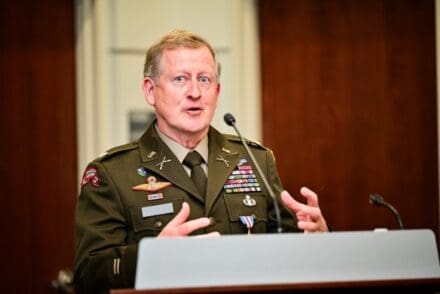
ARLINGTON, Va. — On Dec. 13, Army Futures Command Commanding General Gen. James E. Rainey spoke to Army stakeholders, supporters and media about Army transformation activities as part of an Association of the United States Army featured speaker coffee series in Arlington.

Reflecting on how modernization efforts have evolved in the five years since AFC’s founding, Rainey shared that the command’s scope has grown to encompass “overall responsibility for the entire transformation portfolio.”

“I remain convinced that it was a bold move and it was the right move for the Army to stand up Army Futures Command,” Rainey said.

He emphasized that the command works hand-in-hand with Army Training and Doctrine Command, Army Materiel Command, Army Forces Command and the Office of the United States Assistant Secretary of the Army for Acquisition, Logistics and Technology to create, evaluate and develop new concepts, systems and equipment for the Army and Joint Force, with essential support from Congress.

In looking ahead to priorities for 2024 and beyond, Rainey highlighted the need to continue investing strategically in command and control and defensive measures, given their weighty importance in shaping tomorrow’s warfighting landscape.

“We’ve got to keep getting better, get lighter,” Rainey said of current network capabilities.

AFC is also looking at ways to make data more available and user-friendly as part of next-generation C2 efforts, and Rainey acknowledged that the future force will require commanders, Soldiers and Department of the Army civilians alike to be data literate or data fluent.

“We have the potential to reinvent and really develop a data-centric command and control system,” he said, stressing the need for a more “complex, adaptive, systems-to-systems approach to warfare.”

“I believe that if we move to a truly data-centric approach to fighting, it’ll revolutionize most of warfare, primarily deterrent value. Somebody being willing to attack into the face of a lethal, data-driven capability, it would be pretty foolish.”

According to Rainey, future deterrence and defense measures will include advanced air and missile defense technologies and integrated offensive and defensive fires, along with measures that improve adaptability and endurance of formations.

“We’ve got to preserve our people and our ability to do maneuver warfare,” he said.

Rainey underscored the criticality of maintaining and strengthening Soldier lethality, in part by leveraging human machine integrated formations, or HMIF, to optimize battlefield outcomes.

“Our best weapon system we have is still the Soldier; best formation we have is still the rifle squad.”

Protecting Soldiers in combat and further enabling them to do what only humans can do will require smart investments in transformational machine capabilities, particularly those that capitalize on mobility and can increase lethality and survivability, Rainey explained.

“Autonomous and robotic systems are going to disrupt the land domain, starting now,” Rainey said, detailing how technology available today can help mitigate risks to Soldiers by placing robots in traditionally higher risk positions.

“We have the ability and I think the moral responsibility to not trade blood for first contact with the enemy,” he asserted.

Rainey shared that the Army has already started to prototype an HMIF light infantry platoon at Fort Moore, Georgia, as well as a heavy infantry version at the National Training Center, California. The formations will incorporate robots and configurable payloads designed to augment human capabilities in modern but realistic ways.

“If you take robots and try and replace humans or combat vehicles, you’re on a vision quest, and it’s going to take a long time. If you take humans and robots and put them together in a coherent formation, you start solving all the problems in both directions,” Rainey said.

With continuous transformation as a chief Army priority, AFC has increased its experimentation and analytic efforts by approximately 20 percent in 2023, Rainey reported. Upcoming experiments include the joint, multinational Project Convergence Capstone 4, which will take place at Camp Pendleton and Fort Irwin, California, in early spring 2024.

The command is also developing the Army’s next warfighting concept that will inform future planning actions and address institutional challenges. The draft concept has drawn insights from future study initiatives and current conflicts like those taking place in Ukraine and Gaza. This includes honing the Army’s ability to “look at things that are happening in the world and move into a rapid acquisition of capability,” Rainey said.

In addition, AFC is conducting a tactical fires study and recently reached full operational capability of its Contested Logistics Cross-Functional Team, which is focused on predictive logistics, alternative power, demand reduction and autonomous and robotic resupply.

The command continues to support enduring priorities as well, such as the Army’ signature modernization efforts, which fall under the categories of long-range precision fires, next generation combat vehicles, future vertical lift, network, air and missile defense, and Soldier lethality.

During the coffee series conversation, Rainey spoke to audience members, including industry representatives, about the importance of supporting support rapid acquisition – “the need to transform, be agile, be adaptive inside the next two years” — as part of the Army’s overall transformation effort, noting that technologies such as loitering munitions and company-level unmanned aircraft systems could provide pivotal effects. He explained that the Army is working to incorporate such capabilities within a doctrine, organization, training, materiel, leadership and education, personnel, facilities and policy framework, to ensure appropriate training, sustainment and leader development. At the same time, the Army is also eyeing frameworks for 2025-2030 and leap-ahead capabilities for 2030-2040.




“That’s the real opportunity, where things are fundamentally going to change,” Rainey said of the latter.

By Maureena Thompson, Army Futures Command