Phantom Lights

Marine South – Massif Locator Cold Weather Flight Glove

Thursday, April 13th, 2017

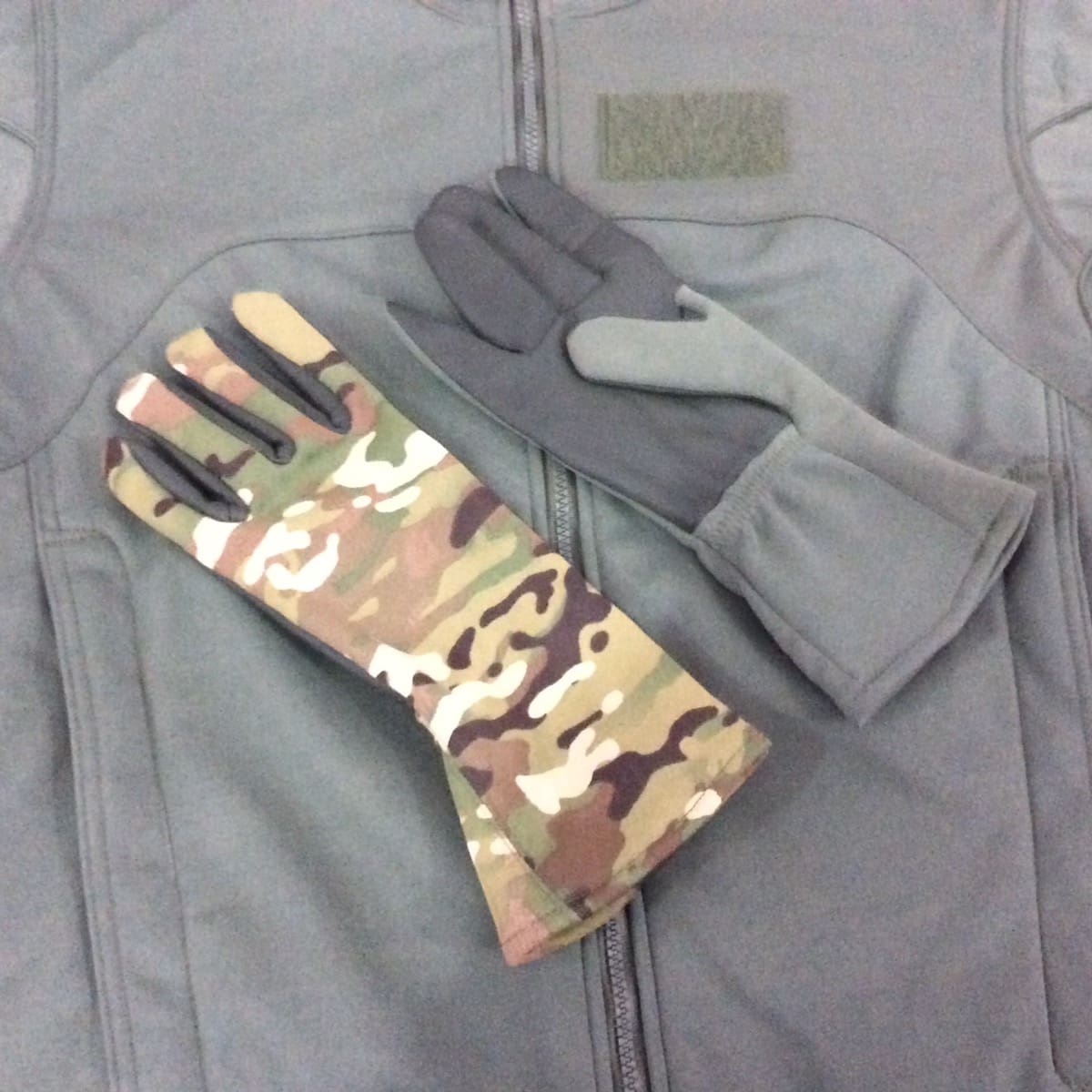
Massif was exhibiting their Locator Cold Weather Flight Glove.

Not only is the glove made from Massif Battleshield X laminate fabric, but it also incorporates conductive goatskin leather, making it compatible with handheld devices. The Battleshield X is a stretchable fabric which offers FR, water and wind resistance as well as a fleece lining for comfort.  

www.massif.com/shop/accessories/locator-cold-weather-flight-glove

Marine South – Sneak Peek High Speed Gear’s Laser Slotted Belt

Thursday, April 13th, 2017

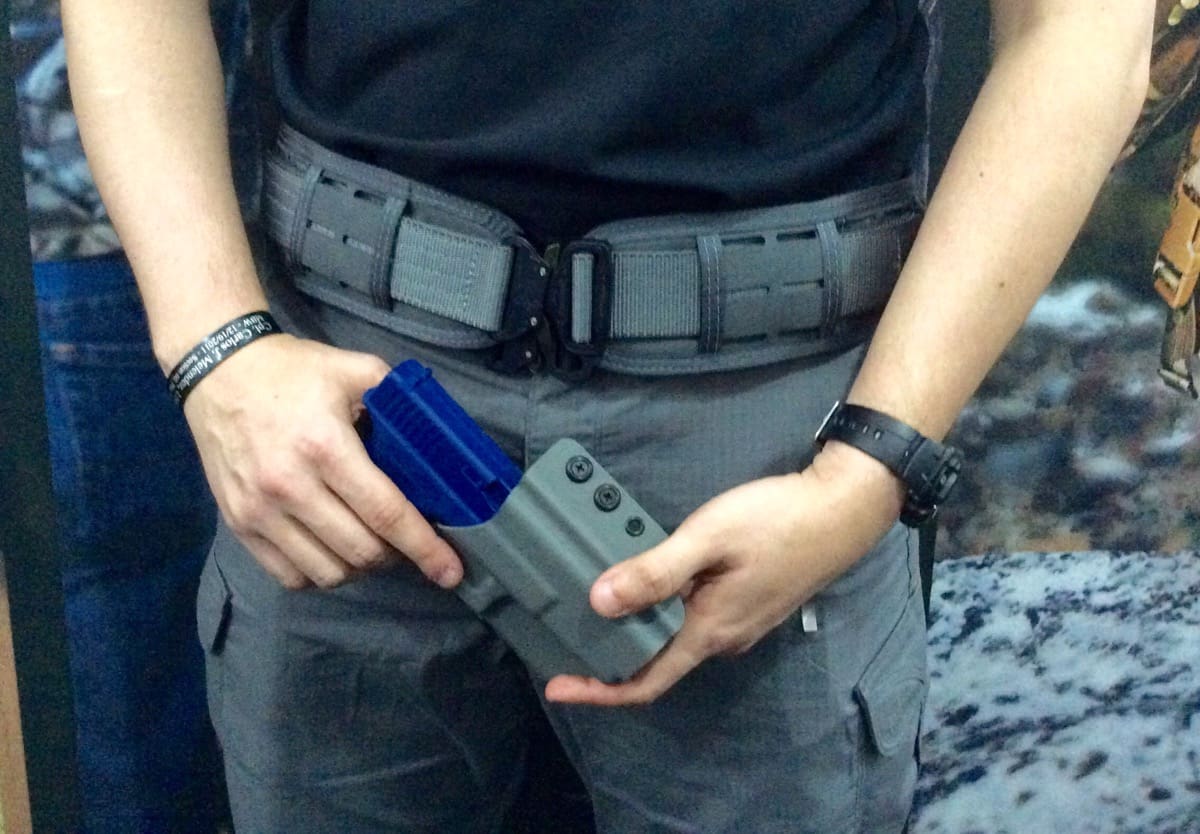
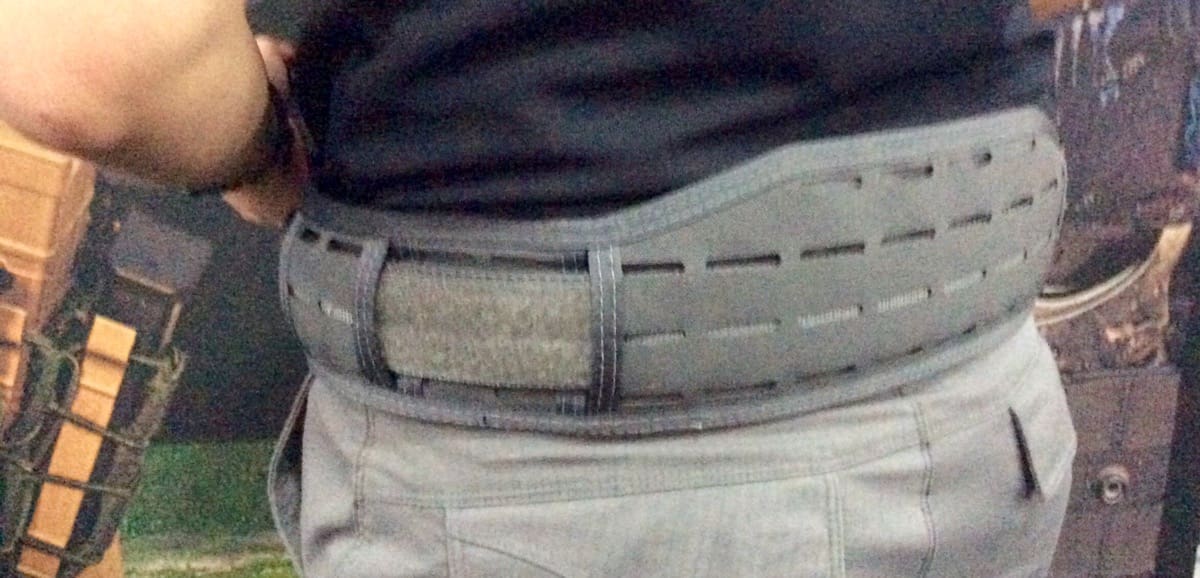
Here’s a sneak peek of High Speed Gear’s upcoming Laser Slotted Belt, featuring laser cut PALS slots along each articulated section of padded belt. It accepts an inner belt which can be woven over, or under, the articulated sections.

The rear section is slightly higher than the rest of the belt to support the lower back.

www.highspeedgear.com

USAF Standing Up MFF Parachutist Course For Battlefield Airmen

Thursday, April 13th, 2017


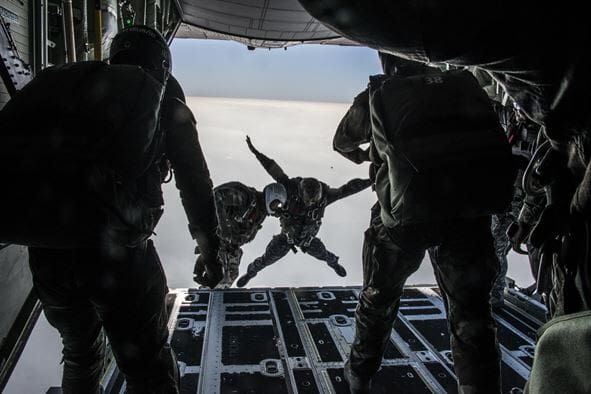
(USAF photo by Capt Jessica Tait)

Despite a couple of delays, the US Air Force is closing in on standing up a Military Free Fall Parachutist qualification course for its Battlefield Airmen. Like the US Navy’s course, it will be run by contractors, and the curriculum will be certified by USSOCOM and USASOC as well as AETC. Unlike the USN course, students will not earn their Static Line parachutist qualification, but will already be graduates of the Ft Benning course upon attendence of the AF MFF course. Students will meet all of the standards of the Army MFF course, but it will be conducted at a contractor facility, utilizing contract aircraft.

MFF training is an initial skills course that provides academic, ground, vertical wind tunnel/simulation, and military freefall training to first time jumpers that meets United States Special Operations Command/United States Army Special Operations Command (USSOCOM/USASOC) curriculum requirements.

Sister service parachute training has been stood up due to limited availability of course quotas for the Army MFF course. The Navy has been using a contractor run course for over a decade and added S/L training to their parachutist course because the Ft Benning curriculum lasts three weeks. While NSW primarily conducts MFF parachute ops, they certify their students in S/L procedures within the first few days of their training course.

Final contractor proposals are due on 2 May, 2017. Hopefully, we’ll see a pilot course before the end of the fiscal year.

MARCORSYSCOM Hosts NATO Group – Focus ‘all about the Soldier, Sailor, Marine’

Thursday, April 13th, 2017

Defense experts from around the globe gathered at Marine Corps Systems Command April 5-7, to share information and work toward common solutions for complex issues across allied forces.

The North Atlantic Treaty Organization Land Capability Group on Dismounted Soldier Systems convened at MCSC’s Gruntworks Squad Integration Facility aboard Marine Corps Base Quantico. Representatives from 20 countries and three continents discussed standardization of common capabilities and issues for coalition Marines and soldiers worldwide. LCG DSS is part of the NATO Army Armaments Group, one of the three main armaments groups subordinate to NATO’s Conference of National Armaments Directors. NAAG’s mission is to support nations in achieving the objectives of NATO land force armaments cooperation. It promotes interoperability of alliance and partner armed forces by means of information exchange, materiel standardization and cooperative activities.
IMG_0840
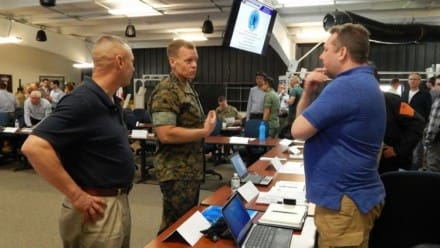
Brig. Gen. Joseph Shrader, commander of Marine Corps Systems Command, speaks with leaders of the North Atlantic Treaty Organization Land Capability Group on Dismounted Soldier Systems during the group’s biannual meeting aboard Marine Corps Base Quantico on April 5. LCG DSS is part of the NATO Army Armaments Group, one of the three main armaments groups subordinate to NATO’s Conference of National Armaments Directors. NAAG’s mission is to support nations in achieving the objectives of NATO land force armaments cooperation. It promotes interoperability of alliance and partner armed forces by means of information exchange, materiel standardization and cooperative activities. (U.S. Marine Corps photo by Emily Greene)

Brig. Gen. Joseph Shrader, commander of MCSC, kicked off the three-day session with a warm welcome to attendees and provided a glimpse into the priorities of the Marine Corps.

“Our Marine Corps Operating Concept sets forth our commandant’s four directives,” said Shrader. “The future of the Corps is focused on being more capable, more networked, more resilient and more lethal. Those are the things I think about on a daily basis.”

Shrader placed emphasis on the mission of the Marine Corps rifle squad; which is to locate, close with and destroy the enemy by fire and maneuver or to repel the enemy’s assault by fire and close combat. He said the question lies in how to continue accomplishing that mission as technology constantly develops, often adding to the load of the Marine even as it provides increased capability.

“Technology is a tremendous force multiplier, but it can also be a detractor,” Shrader said. “Additional technologies and capabilities often add weight and size to the load our Marines carry. What you are doing here this week is essential to the future success of our forces.”

Shrader was joined by Timothy Goddette, deputy program executive officer at the Army’s Program Executive Office Soldier.

“This group is all about the soldier, the sailor, the Marine. And not just the soldier, but the dismounted soldier,” said Goddette. “The time you spend here this week, and throughout the year is all about lightening the load, making the soldier more lethal, and providing better protection. It’s like the old carpenter’s motto, ‘Measure twice, cut once.’”


Members of the North Atlantic Treaty Organization Land Capability Group on Dismounted Soldier Systems examine a prototype for exoskeleton technology April 5, aboard Marine Corps Base Quantico. During the three-day session, representatives from 20 countries and three continents discussed standardization of common capabilities and issues for coalition Marines and soldiers worldwide. LCG DSS is part of the NATO Army Armaments Group, one of the three main armaments groups subordinate to NATO’s Conference of National Armaments Directors. (U.S. Marine Corps photo by Emily Greene)

Goddette said the group’s work served two important purposes: increasing the effectiveness of coalition forces and reducing defense costs.

“Every dollar we waste on something that doesn’t work is a dollar we could have spent on a soldier or Marine,” Goddette said. “We have to get it right the first time.”

LCG DSS members were also given opportunities to view new technologies that hold potential for future force enhancement and forums in which to share lessons learned and best practices.

“The LCG DSS meetings provide an important opportunity for us to come together as partner nations and share our hard-earned knowledge so that we all can benefit from it,” said Mark Richter, LCG DSS chairman and MCSC Marine Expeditionary Rifle Squad director. “I think we can all agree that our aim is to create systems that will work together in a coalition environment. These meetings are a key factor in facilitating that cross-collaboration.”

Story from www.marcorsyscom.marines.mil

Crye Precision – LVS Now Available

Wednesday, April 12th, 2017

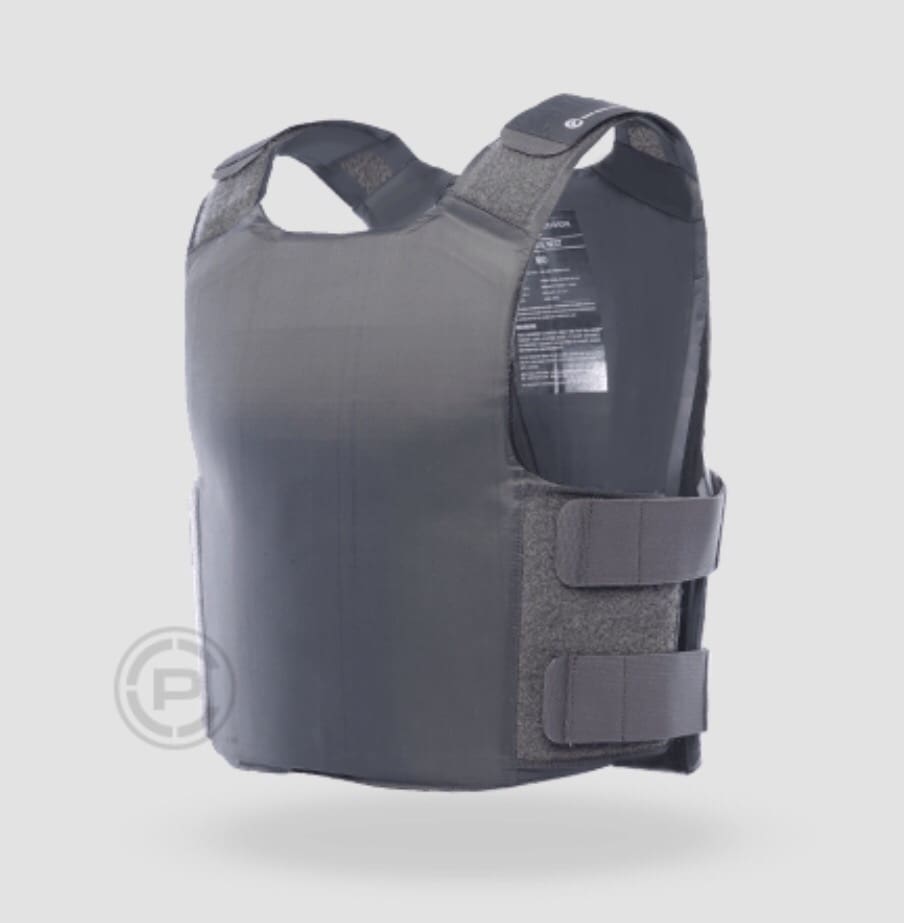
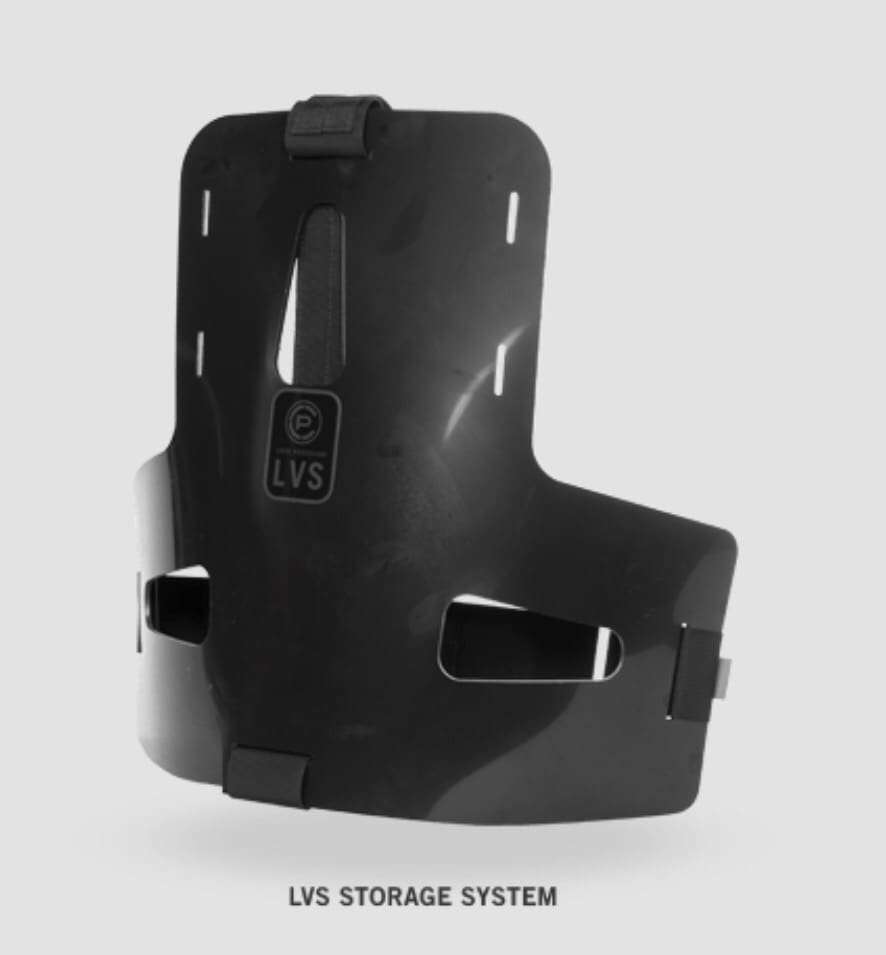
The LVS from Crye Precision is now available. We first showed it to you at SHOT Show 2016. The first thing you will notice is that the LVS base vest requires no external carrier at all. This is due to their unique “Insert As Vest™” architecture. In fact, although it’s stiffened, there is a special storage system to ensure the vest is stored properly to keep its shape.

It uses their proprietary 3 dimensional forming technology which shapes the vest to directly match the contours of the human body. This means a new level of concealment and comfort that only this production process can deliver. Because it is molded, the armor will not crumple and fold up in the bottom of the carrier.

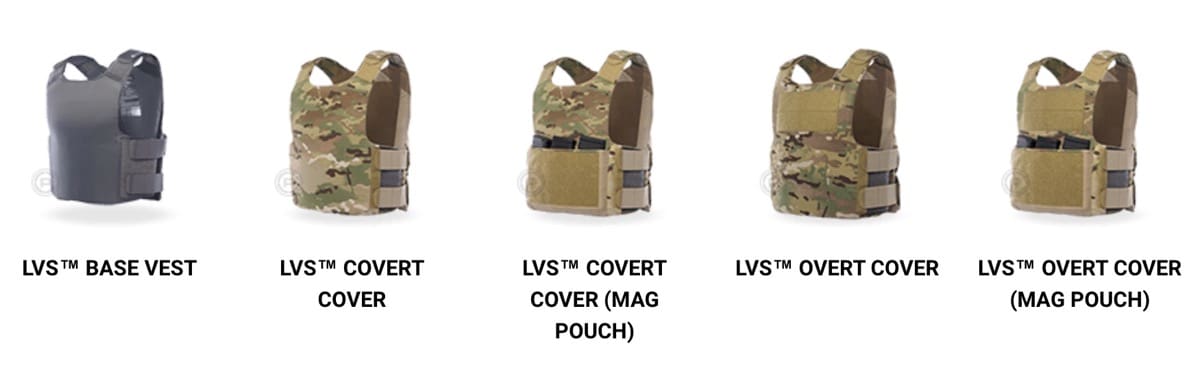
You’re generally going to wear the LVS Base Vest concealed. However, there are multiple covers available for the LVS, for various purposes. The Base Vest is Grey in color and offered in Small – 2XLarge in regular and tall sizes. LVS is Certified NIJ-0101.06 Type IIIA. Optional side armor panels are also available.

Yes, it’s comfortable. Yes, people have been wearing it for quite awhile and no, the sweat issue you’re going to bring up isn’t much of an issue, so long as you take care of your equipment and wipe it down after use.

cryeprecision.com/armor-equipment/lvs

Blue Force Gear Expands ULTRAcomp Pocket Holster Collection With GLOCK 43 And Bodyguard 380

Wednesday, April 12th, 2017

POOLER, Ga., April 12, 2017 – After resoundingly positive feedback of the original Blue Force Gear® ULTRAcomp® Pocket Holster built to fit the SIG SAUER® P238/938, KIMBER® MICRO, GLOCK® 42, and RUGER® LCP®/LCP2, the company has added additional models to the line-up of pocket holsters.

Blue Force Gear, the designer and manufacturer of the world’s finest weapon slings and tactical equipment, will launch the GLOCK® 43 and BodyGuard® 380 models of its all-new ULTRAcomp Pocket Holster on April 17.

“The ULTRAcomp Pocket Holster has been one of our best sellers since its launch, and we are excited to introduce two new offerings to this collection,” said Ashley Burnsed, President and CEO of Blue Force Gear. “We’ve already received great feedback from the current models and can’t wait to expand the product to more customers.

Designed with Blue Force Gear’s proprietary high performance laminate called ULTRAcomp, the new everyday carry pocket holster exceeds military standards for tear and abrasion resistance, while remaining versatile and ultra lightweight for the carrier. ULTRAcomp removes extra bulk while solidly securing and concealing a pocket pistol, creating the thinnest pocket holster available today.

By reducing the weight and bulk over a standard pocket holster, the ULTRAcomp Pocket Holster provides additional comfort to the carrier and protects both the weapon and interior of the pocket. The secure weapon positioning secures a safe and accurate grip and removal from its pocket holster.

To learn more about Blue Force Gear and its products, visit www.blueforcegear.com.

Propper Awarded New Army Boot Contracts

Wednesday, April 12th, 2017


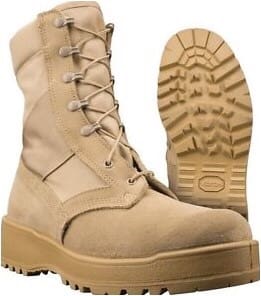
St. Charles, MO — Propper International has won two new contracts to supply hot weather boots to the United States Army and the Afghanistan military. The new three-year contract was awarded by the Defense Logistics Agency after an extensive bidding process.

The boots will come in two colors: tan for the US Army and black for the Afghanistan military. The contracts, totaling just over $48 million, will run through fiscal 2020. The boots will be manufactured in Propper’s Puerto Rico facilities.

“The new boot contract extends Propper’s five-decade commitment to those who serve,” said Anderson Ward, SVP of Global Supply Chain Operations for Propper. “We are proud to continue the long-standing tradition of supplying our fighting forces with dependable and rugged gear.”

Propper has proudly supplied the US military with uniforms and gear since 1967. Today Propper is the country’s largest supplier of ACUs and BDUs.

www.propper.com

You Never Know Where They’ll Show Up

Wednesday, April 12th, 2017

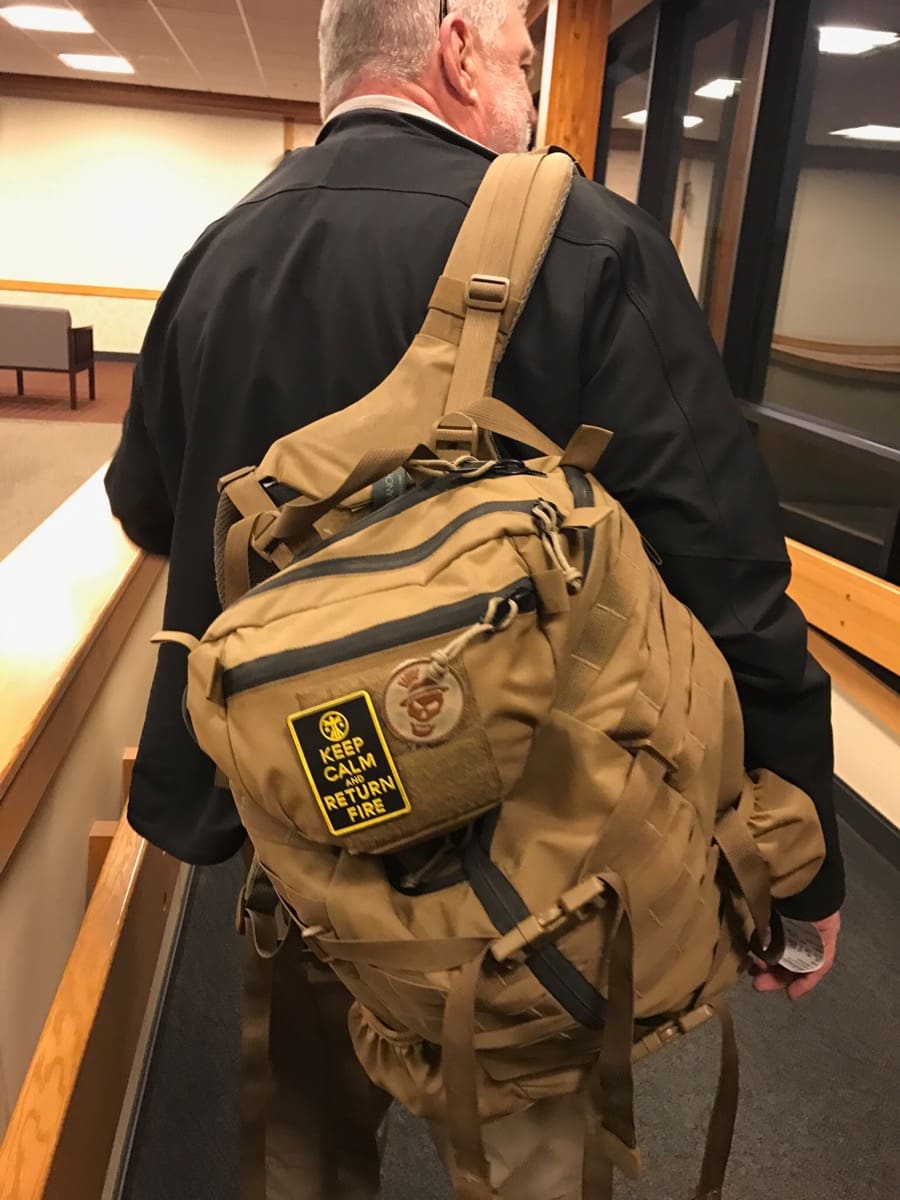
That’s the big guy himself, Dana Gleason, off to do Mystery Ranch business in exotic locales.