Phantom Lights

Archive for the ‘Advertiser’ Category

MATBOCK Monday – Medical Backdraft

Monday, June 15th, 2020

Good morning and Happy MATBOCK Monday,

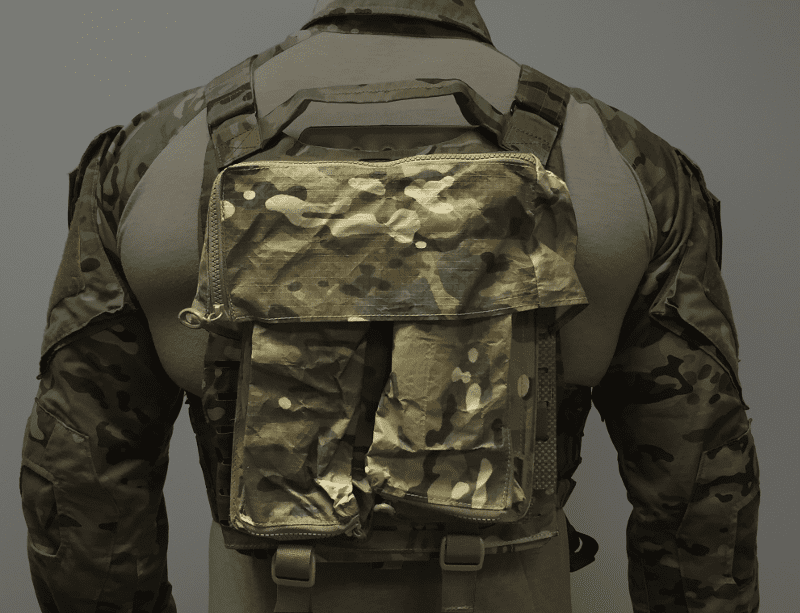
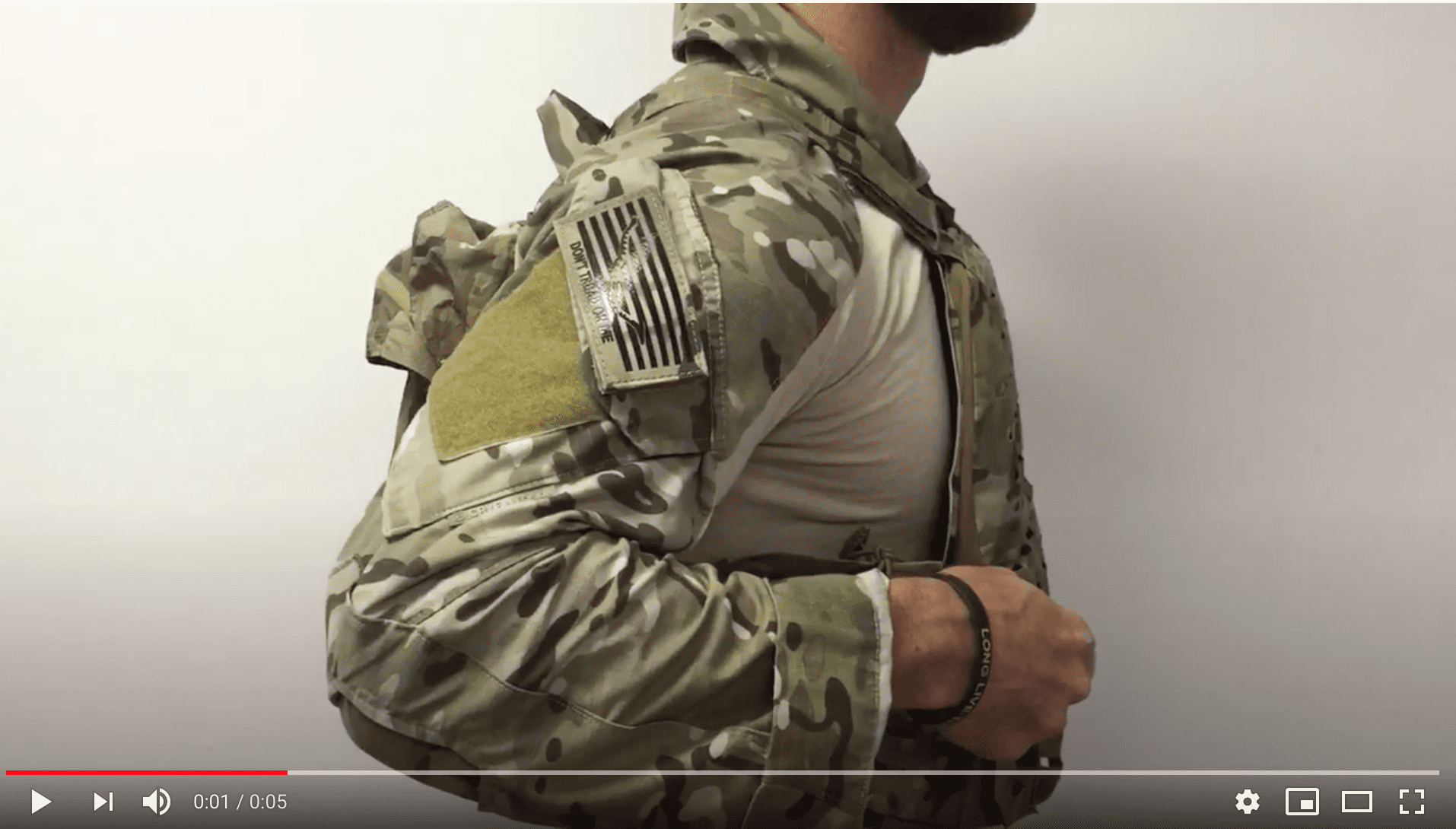
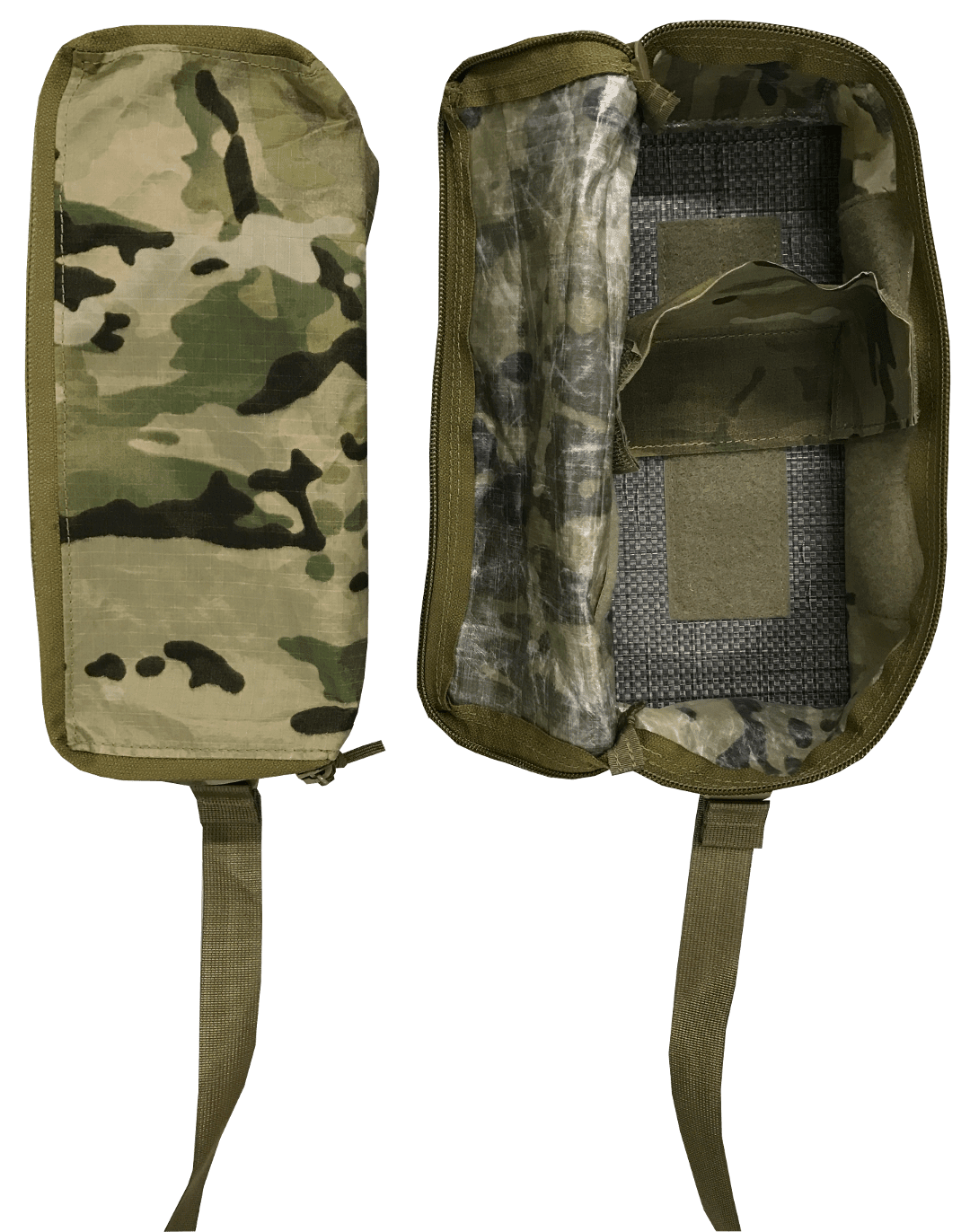
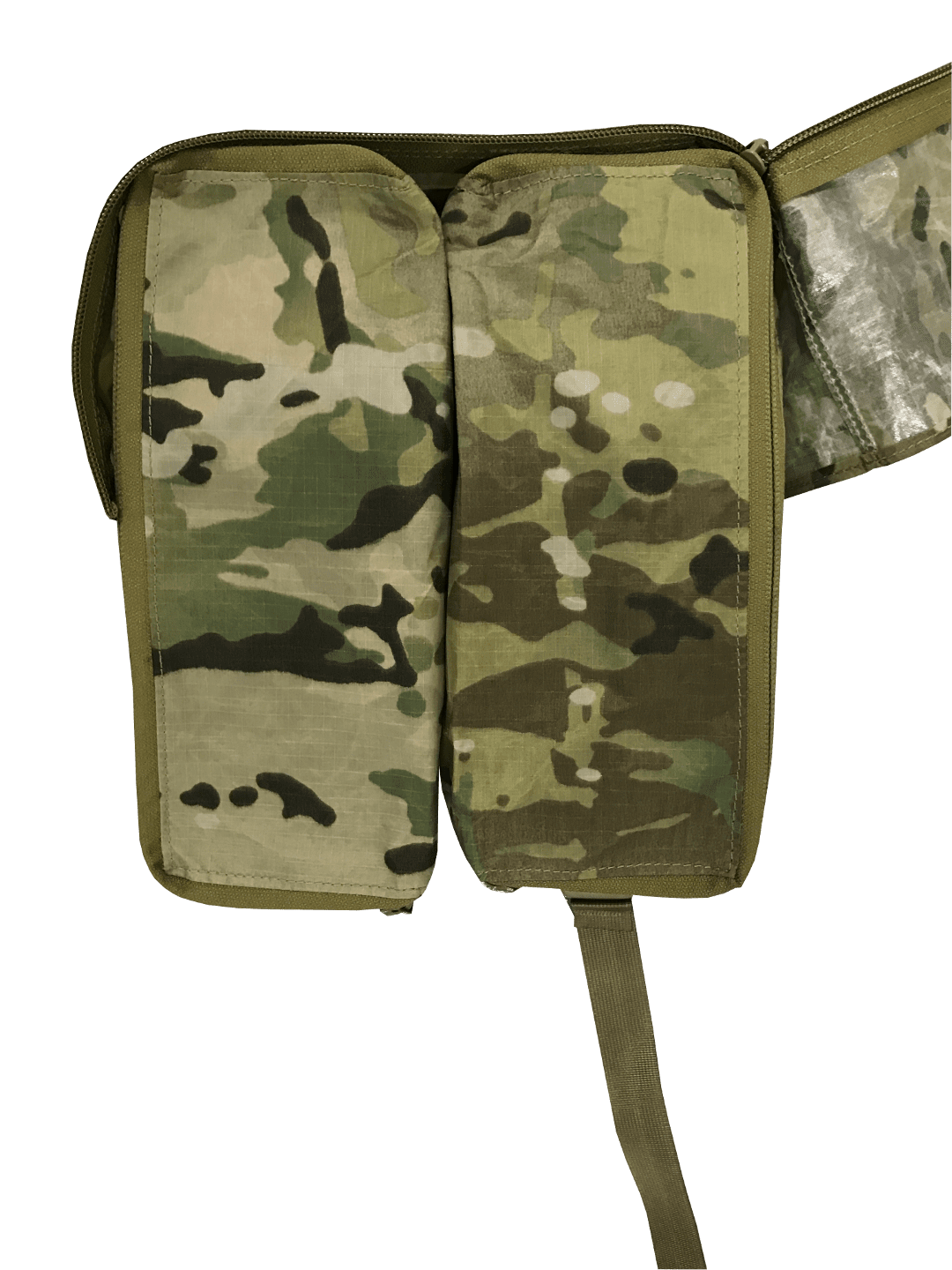
Developed in coordination with some of the leading medics and combat first responders, the MATBOCK Backdraft is for small teams with relatively quick access to higher levels of care. The unit mounts on the back of the plate carrier via MATBOCK Ghost Tabs and is split into 2 separate removable pouches that are held in place via Velcro. The unit was designed to split medical equipment between bleeding and airway and is run in this setup by different units.

The bottom of each pouch is attached to an adjustable lanyard that connects to the side panel of the plate carrier. When the operator requires the contents of one of the pouches, he or she simply pulls the lanyard, releasing that pouch.

Don’t forget to tune in on Monday at 4:30 PM EST as Jim and Casey conduct a live demonstration of the Medical Backdraft and answer all of your questions.

SCUBAPRO Sunday – Heart Rate Monitor/ Body Temperature  

Sunday, June 14th, 2020

Why monitor your heart rate when you are diving? Measuring your heart rate using a heart rate monitor (HRM) is an excellent way to gauge the effectiveness of your workload because as you strengthen your body through exercise, you also strengthen your heart. Today just about every watch has an HRM to analyze and evaluate everything you do. Whether you are in the military, public service, or a working diver, you should be at a certain level of fitness so you can do your job.

So why not use this technology in diving as well? With the help of a heart rate monitor, you can keep an eye on the heart rate underwater and make your dives safer. By monitoring your heart rate, you can assess your workload. Furthermore, by measuring your heart rate, you can specifically train to increase your endurance in advance, and also you can use it to measure your output so you know how fast you are swimming and help track the distance you are covering. With the SCUBAPRO HRM, you can monitor your body temperature also. It is also great for diving in the winter, during long-duration dives, or even open ocean swims in the winter.

Increased exertion, while diving in deep water, improves circulation, which, in turn, increases the nitrogen uptake. The heart rate can also be used to calculate decompression times even more accurately and make diving even safer. That’s why the SCUBAPRO computers don’t just show depth, no-stop times, and the decompression schedule but also continuously inform the underwater athlete about his or her heart rate, i.e., his or her stress, which in turn is factored in when calculating other dive parameters. Exclusive to SCUBAPRO dive computers, the heart rate monitor, jointly developed with Polar (the world leader in the field of heart rate monitors), measures your heartbeat and body temperature during the dive that can then be factored into the decompression calculation along with your workload. This can results in safer diving because each diver is unique, and each dive location and situation are different. The HRM is also ideal for freedivers, measuring heart rate, and sounding an alarm if the heart rate drops below the set level.

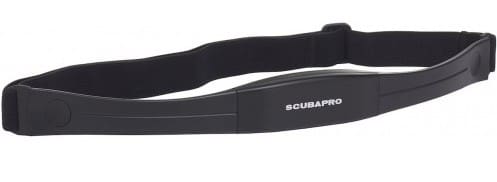
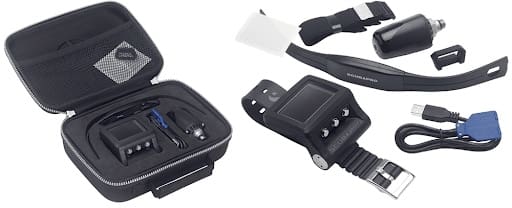
Factoring your heart rate into your decompression calculations makes diving safer and a lot more fun. A lightweight waterproof ECG (electrocardiogram) transmitter is built into an elastic belt that straps around the chest, directly against the skin. This belt wirelessly transmits your heart rate data to your SCUBAPRO personal dive computer. Data is displayed on the screen, plus it is factored into your decompression calculations to create a more personalized dive plan and improve the quality of your diving. 

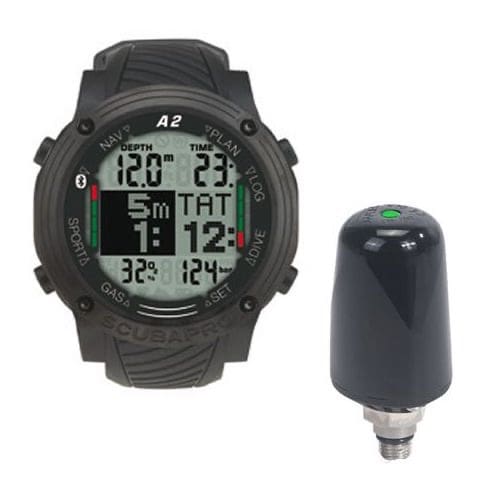
Engineered by divers for divers, the SCUBAPRO Aladdin 2 (A2) watch performs advanced functions in the timeless style above and below the surface. Galileo 2 is everything you need for an extraordinary underwater experience.

The unique integrated Heart Rate Monitor senses your effort, incorporates it into the workload calculation, and adapts the decompression algorithm. The result is safer diving, because the diver’s physiology reports it, and because each dive location and situation is different. The HRM is also ideal for Apnea divers, measuring heart rate, and sounding an alarm if the heart rate drops below the set level.

SCUBAPRO’s line of “smart” personal dive computers, including the Galileo 2 (G2), Galileo Sol, Galileo Luna, M2, Mantis 1, the Mantis, the Meridian, and the new A2 Dive computer are all designed with Human Factor DivingTM. All enable you to better track your time underwater and improve your diving by continually calculating and adjusting to new data based on your personal biometrics.  

SCUBAPRO and Human Factor Diving bring the world of biometrics and wearable technology to diving. SCUBAPRO’s personal dive computers are indispensable tools for divers of all skill levels, providing personalized data not available on any other dive computer.

Seattle Police Deter Illegal Laser Use By Employing BE Meyers & Co GLARE HELIOS Device

Friday, June 12th, 2020

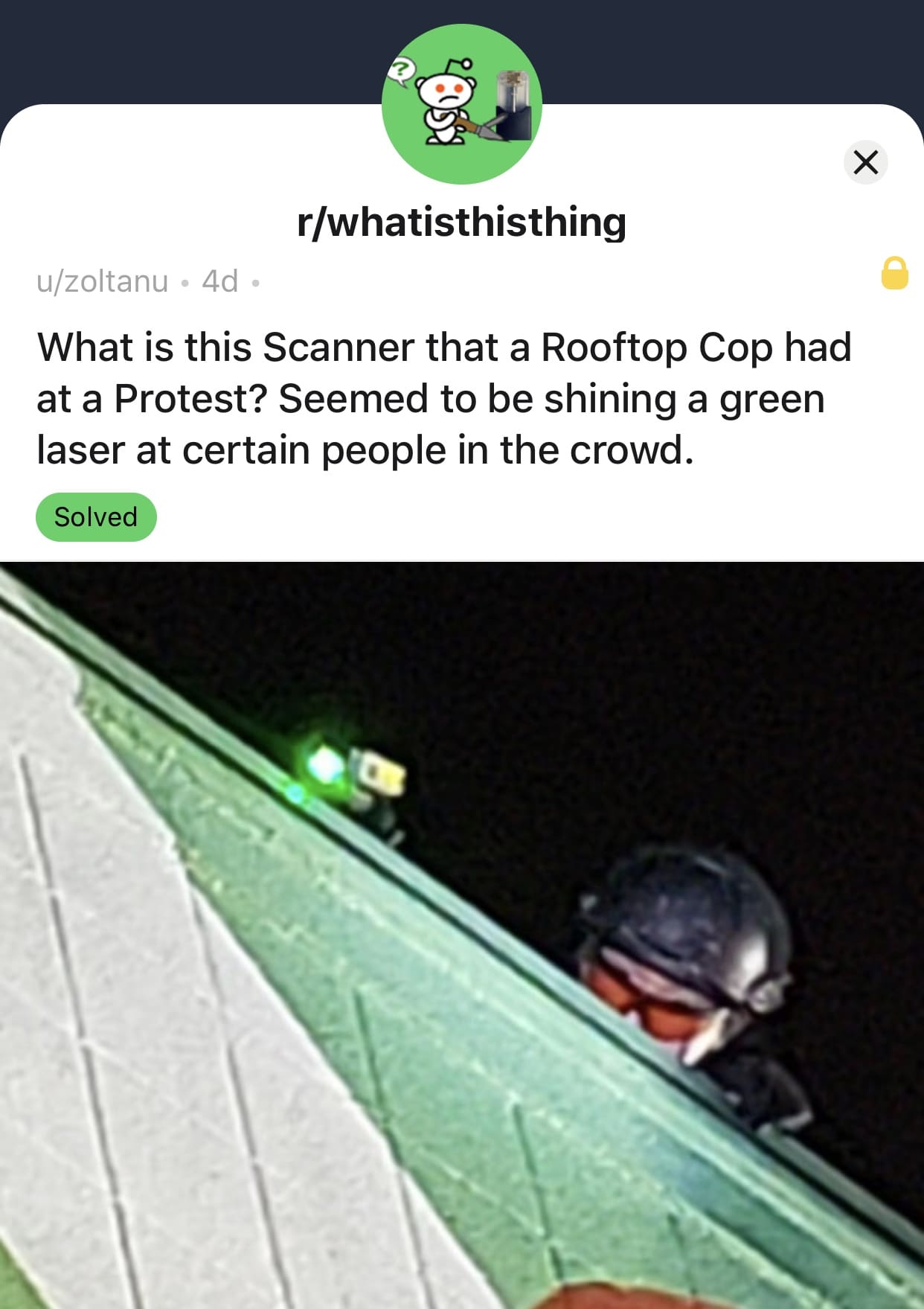
An interesting photo (there’s a video as well) showed up recently on Reddit causing us to do a little digging.

Around the country, we are seeing demonstrations against police brutality turn violent and even deadly. One tactic used by rioters is to laze law enforcement officers and even their horses with commercial off the shelf laser pointers which may injure the eye or cause blindness for the recipient of the laser energy.

Seattle PD has used the MAWL device as an aiming laser for several years and knew that nearby BE Meyers & Co had developed an eye-safe laser dazzler.

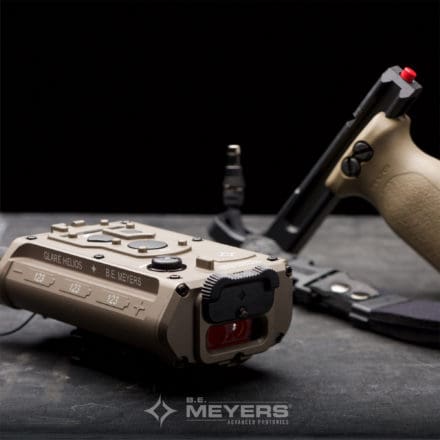
According to BE Meyers & Co, after confrontation with threat lasers, SPD reached out to to borrow a GLARE HELIOS (Class 1M, as opposed to the Class 2M GLARE RECOIL, both of which are FDA approved). Both systems are non-kinetic, less than lethal options for deterrence. Additionally, they are the only two systems in the US approved for use as hail and warning devices by LE.

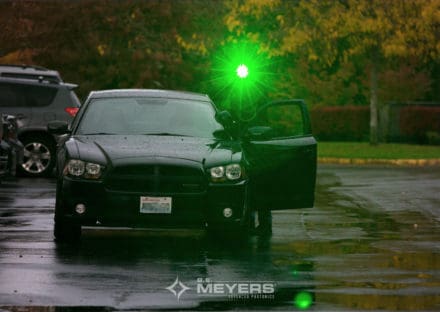
For those of you unfamiliar with the system, it features their patented SmartRange™ laser range finding technology, and near-field detection to immediately identify range-to-target, and automatically outputs a visible green laser at maximum eye-safe power. Its powerful green beam provides visual escalation of force/hail and warning capabilities from 3 meters to beyond 16 kilometers, safely alerting targets and assisting end-users in determining intent.

Quite simply, the GLARE HELIOS worked. Not only did it distract the laser attackers from focusing their beams on the line officers and instead focus on the SPD Officer using he system, it diverted the attention of the crowd. Every individual that was targeted with the GLARE HELIOS either left the area immediately after being engaged, became ineffective, or was detained by detectives on their way out after being identified.

Organizations seeking this non-kinetic, less than lethal device should visit bemeyers.com.

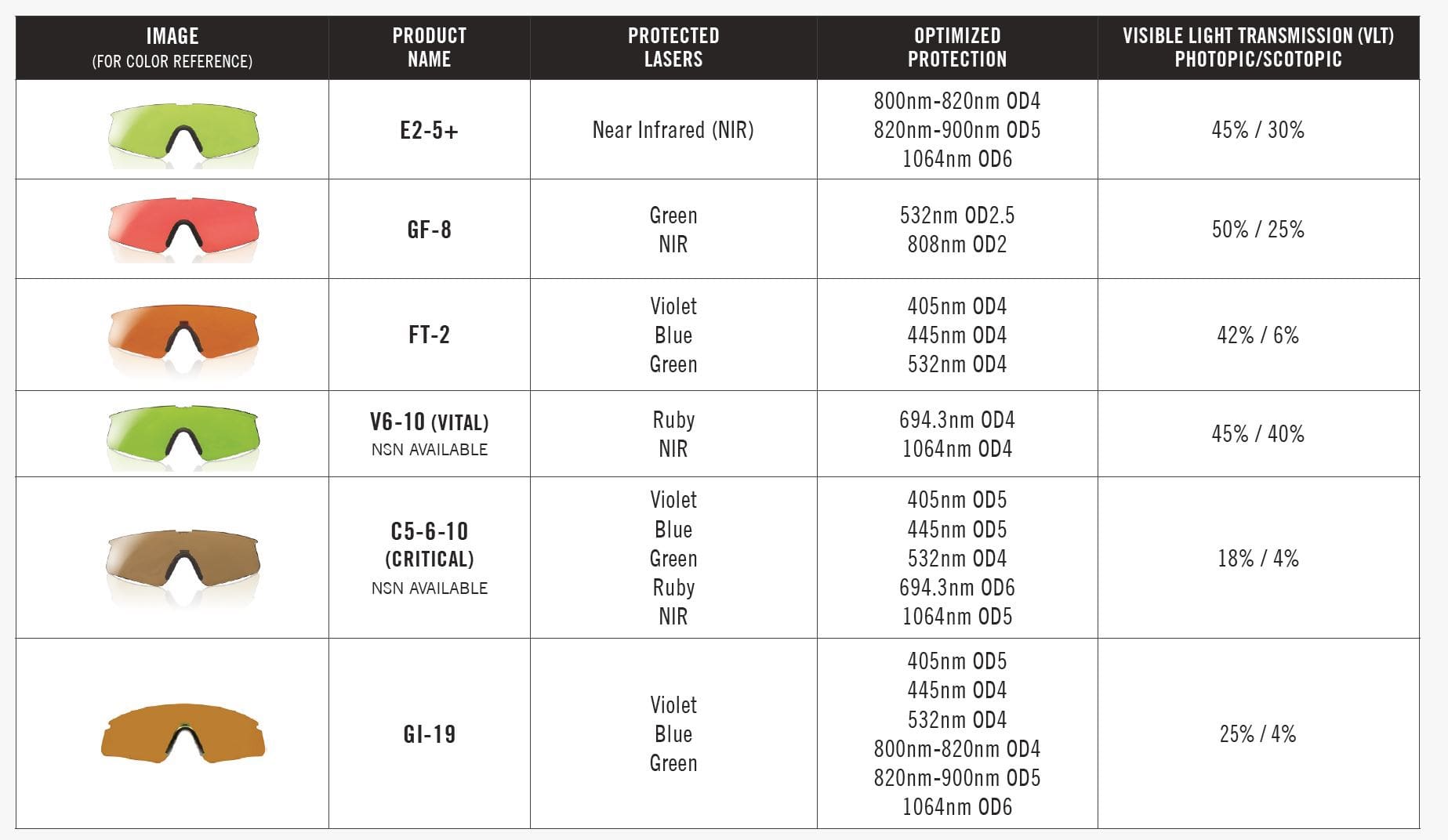
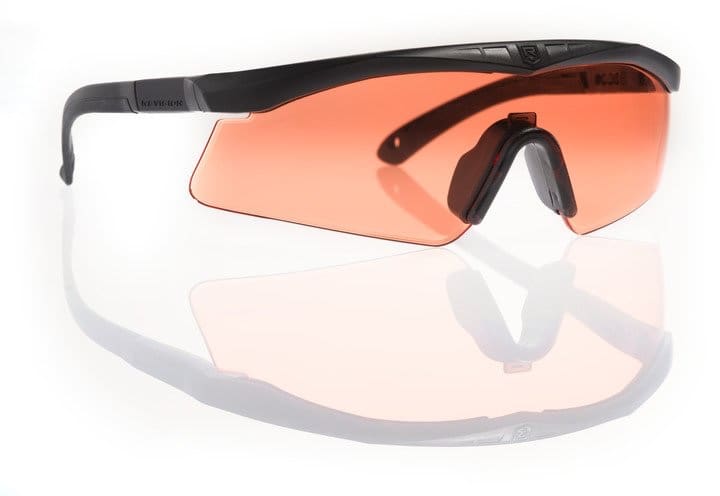
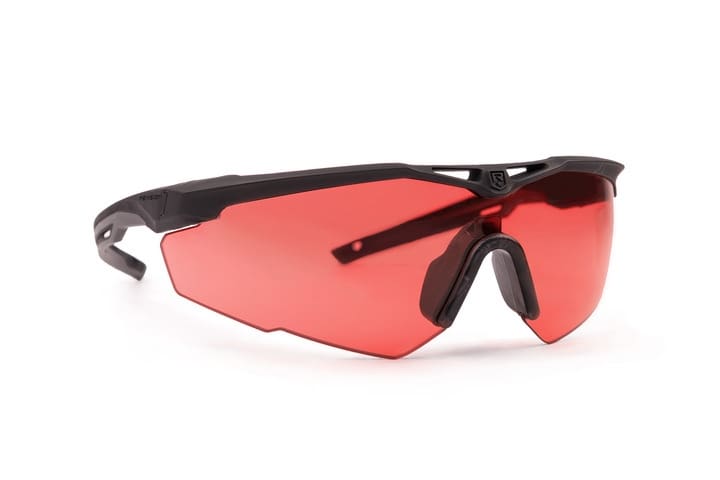
Along with the GLARE HELIOS, BE Meyers & Co sent laser eye protection by Revision Military (specifically StingerHawk eyewear with GF-8 LazrBloc® lens).

A quick discussion with Revision verified what we suspected, Police from all over have been contacting them for LEP.

Laser threats vary and consequently so do the lenses Revision offers, each tuned to different bands.

Revision offers laser lenses in all their eyewear form factors and the development of custom solutions, but Sawfly and StingerHawk spectacle lenses are in stock.

Contact www.revisionmilitary.com for more details on the laser eye protection systems.

FirstSpear Friday Focus – Pub Shorts

Friday, June 12th, 2020

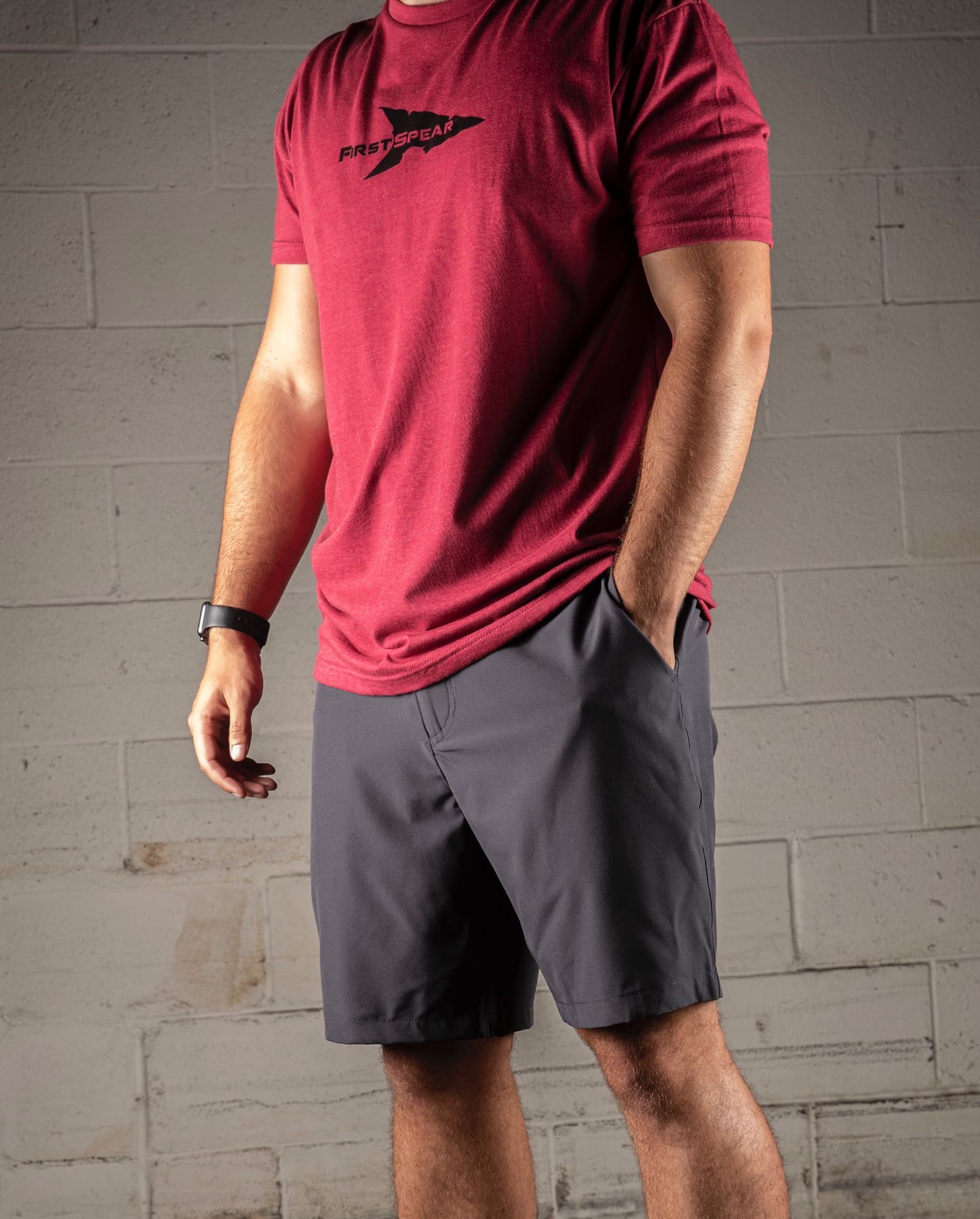
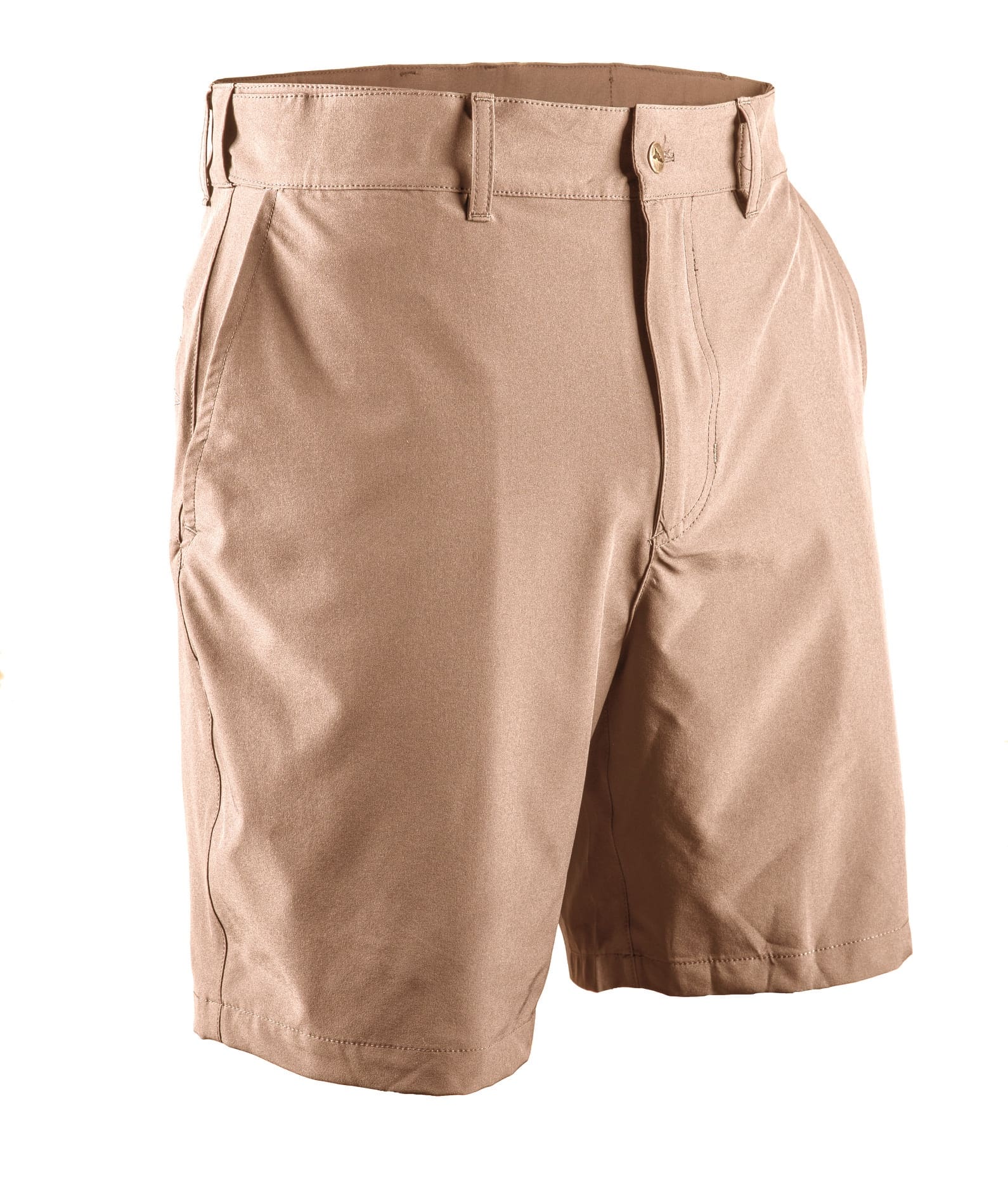
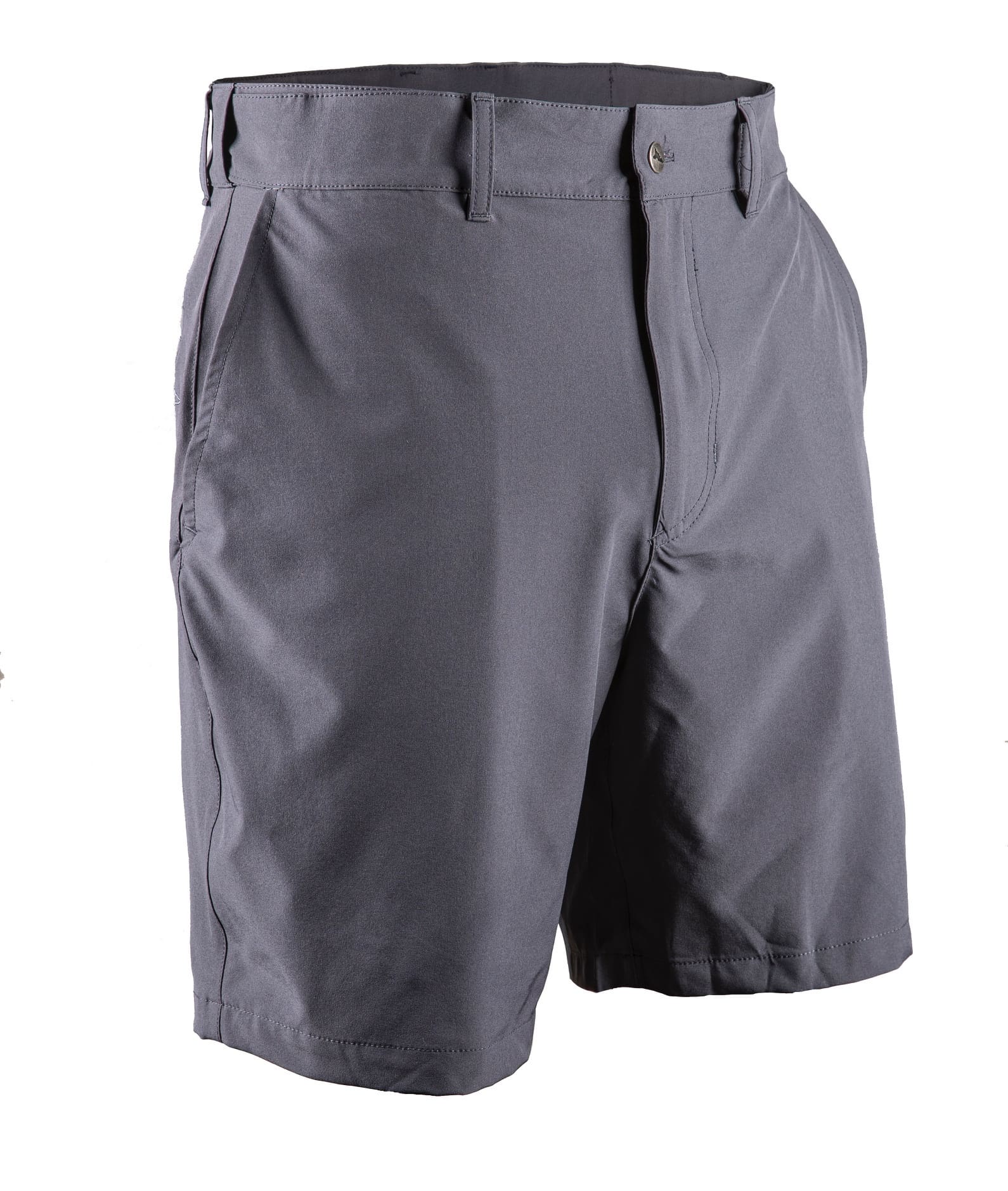
Summer is almost officially here and the FirstSpear Pub Shorts should be at the top of your list. Not only are they 100% American made the all new material is so light and breathable if feels like you are wearing nothing at all! The inseam is cut at 8.5”and features an integrated elastic waist band for all day comfort, redesigned pockets, and reinforced belt loops. Available in charcoal and tan in sizes 28 – 44.

www.first-spear.com/pub-shorts

MultiCam Arid Blasting Cap Now Available from RE Factor Tactical

Wednesday, June 10th, 2020

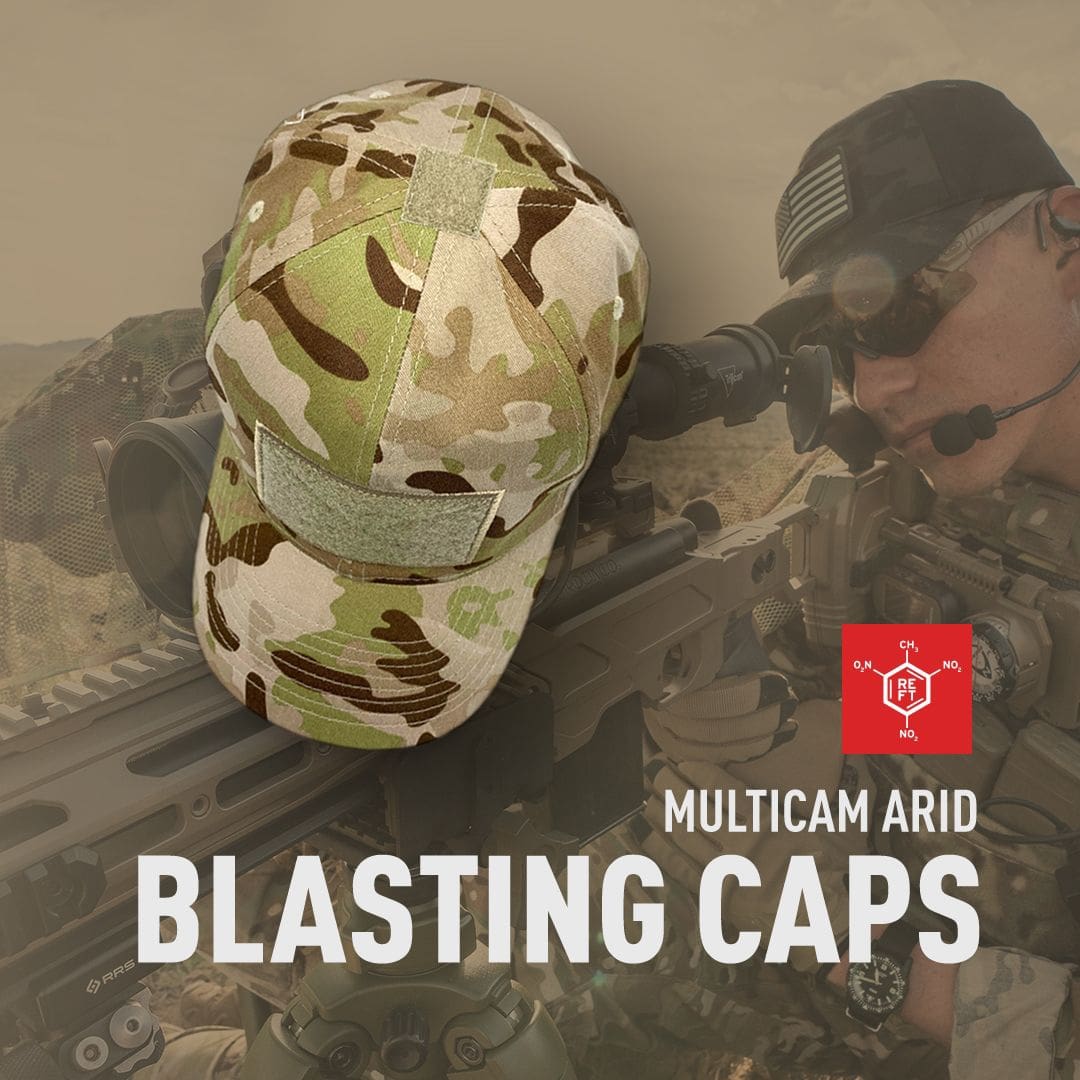
RE Factor Tactical’s Blasting Cap is a FlexFit design but dispenses with the top button which always ends up being a headache, at least when you bump into something or are wearing ear pro. Instead, there’s a small velcro square for IR patch placement and a secondary square on the inside for IR patch storage. The front and rear feature two large embroidered velcro panels for identifier patch placement. The interior of the cap includes a high-vis orange VS-17 panel for signaling and increased visibility when needed.

Blasting Cap isn’t just a vooo name. A special interior tape lists the standard RE Factors of select explosives for quick-reference for demolitions personnel.

Now, it’s available in MultiCam Arid which joins Black, Tan, Ranger Green, Woodland, Grey, Tigerstripe, MultiCam Black, Hunter Orange, MultiCam Tropic, and MultiCam.

Offered in two sizes, Small/Medium and Large/XLarge.

www.refactortactical.com/products/blasting-cap

TEA Catalog Vol 6

Wednesday, June 10th, 2020

teaheadsets.com/e-catalog

Cold Weather Sock Systems and Foot Care by John Huston, Polar Explorer

Wednesday, June 10th, 2020

This is the first article in a series written by accomplished arctic explorer John Huston and presented by Point6, out favorite sock maker.
H1: Cold Weather Sock Systems and Foot Care
H2: Expeditionary Foot Know How for the Long Haul
H3: Feet are the Expedition
It might seem odd to post an article on cold weather socks in June, but now is the time for units to place orders for equipment needed this winter.


John Huston off the coast of Ellesmere Island in high Arctic Canada, May 2013. © John Huston

In this post we’ll get into how I manage my feet in the cold. We’ll take a look at sock systems, moisture control via vapor barrier liner socks, and discuss foot care in the cold.

Twelve years ago I was having a beer with a Norwegian polar explorer colleague of mine, who came out of Norway’s Marinejegerkommandoen (MJK). We were discussing my upcoming unsupported expedition to the North Pole. “You know,” he said, “when it gets down to it: Preparation is the expedition.”

This kernel of advice quickly became one of my operational pillars. It goes deep into my expeditionary philosophy that reaches back to the golden age of polar exploration at the turn of the 20th century…and it opens up an endless well of related topics that we can dig into down the line.

Some of those historic polar explorers are heroes of mine. Explorers from that era, like Roald Amundsen and Ernest Shackleton, were the astronauts of their time. They filled in the blank spaces on the globe and pushed technology and knowledge forward. And sometimes they really suffered. And sometimes they put on frozen boots in the morning. And sometimes they marched on bloody feet or lost toes to frostbite.


John Huston skijoring through Auyuittuq National Park, Baffin Island, Canada, April 2019. © Michael Martin

Early in my cold weather career, about 20 years ago, foot systems and foot care became an obsession. Happy feet = improved performance. Unhappy feet can land a person somewhere on the spectrum of reduced capacity from: effective but hating it to casualty.

So, ‘preparation is the expedition’ is prime and all encompassing, but ‘feet are the expedition’ isn’t far behind.  

For me, in the cold, feet need to be warm, comfortable, and healthy. When these three factors are in order a person doesn’t tend to think about their feet too much. When one of these factors is out of line the opposite is true.

The main ingredients to solving this equation are high quality merino wool socks, moisture management, and foot care routines.  

Merino wool socks provide all day comfort and excellent moisture management properties, and have the ability to perform for many days in a row. I’ve worn a lot of different socks for weeks at a time. Merino wool handles grime build up very well compared to synthetics which become odor bombs. My skin is happier in merino wool. When merino wool is wet, it maintains a good deal of it’s insulation value.

Fit and comfort are a big deal to me. The sock needs to feel good when I put it on and it needs to feel good after 12 hours of exertion and it needs be able to repeat that over and over. I love over the calf socks because they rarely slide down or bunch up. I almost frostbit my fingers trying to fix a bunched up sock in –40° and windy.

In most cases, depending on the temperature, duration of the activity, and humidity my foot layering system consists of the following from the inside out.

Foot/Skin

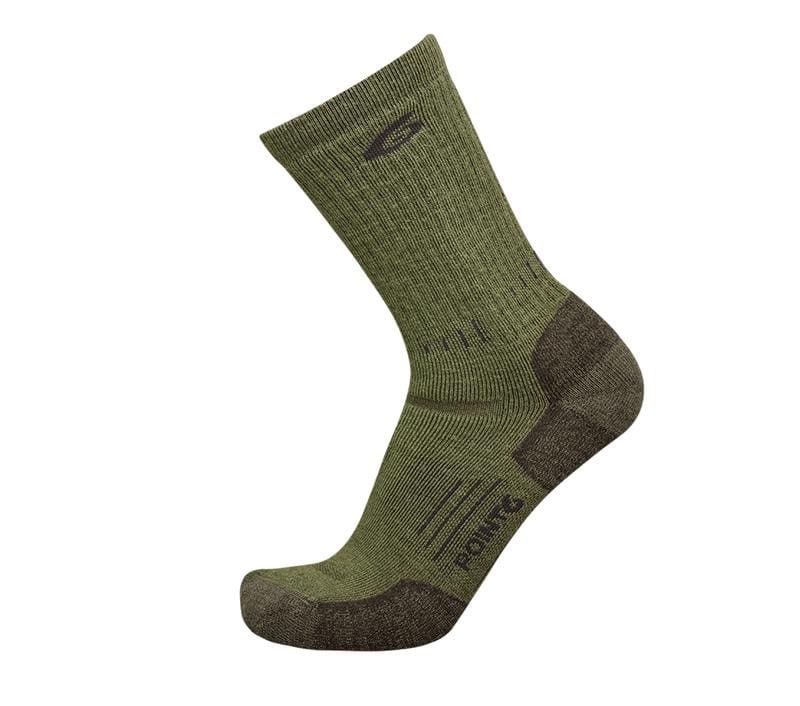
-Ultralight over the calf (OTC) merino wool sock. This is sometimes called a liner sock. Example: Point6 37.5 Ultra Light OTC.
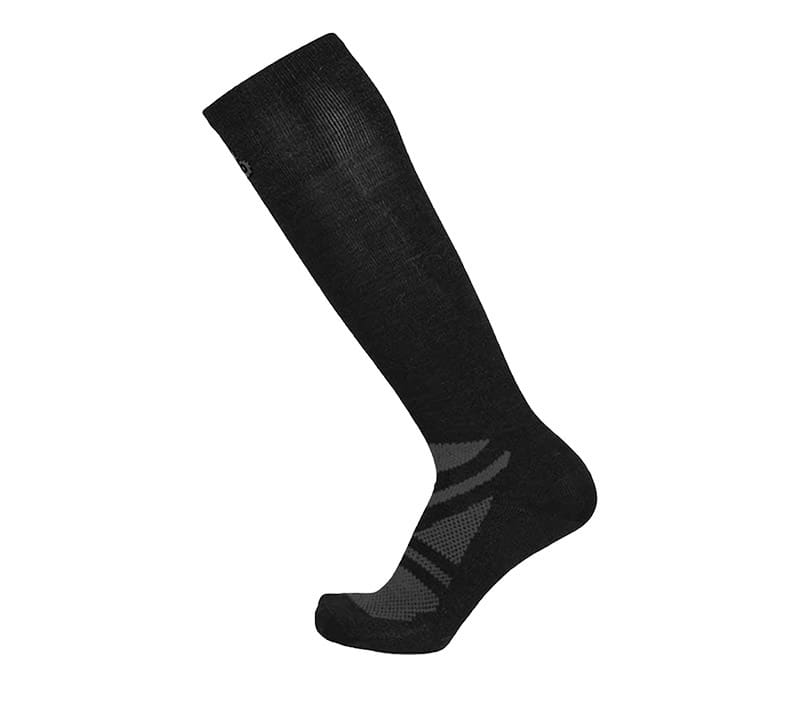
-Vapor liner sock (VBL). This is a thin waterproof sock that keeps all foot perspiration on the innermost layer, which prevents the insulating socks and boot liners from getting wet. I’ve used everything from plastic bags to neoprene to silicon coated nylon taped-seam socks. Point6 is currently prototyping a new vapor liner sock. Plastic bags can work, but lack durability and comfort. Some people like neoprene, but my feet feel like they want to blister when I wear neoprene socks.

-Medium or thick merino wool sock (OTC, mid-calf, or 3/4 calf). The thickness of this sock depends on temperatures and how the sock system fits with my boots. Examples: Point6 37.5 Tactical Operator Heavy Mid-Calf

-Winter expedition nordic ski boot. This is another topic, but I’m a big fan of nordic ski boots with removable liners and extra space to allow for sock layering options and flexibility which promotes circulation.

Moisture management has a lot to do with warmth, comfort, and foot health. Feet sweat more than any other part of the body. A pair of feet contain approximately 250,000 sweat glands which can generate 8 oz of sweat per day. That number seems extreme and likely varies person according to person, but it’s pretty easy to see why people can end up with frozen boots in the morning. Most of that sweat has ended up in the fabric and insulation of their boots. In freezing temperatures, especially below zero, the moisture doesn’t get fully pushed (or breathed) into the air because it is too cold – the freezing can be in the boots themselves. This concept applies to clothing and sleeping bags as well.

This is where the vapor liner sock comes in – moisture control. During the day vaper liner socks add warmth because your insulation layers (outer merino wool sock and boot liners/boots) stay dry. Without a VBL those insulation layers will collect perspiration. Insulation works because it traps tiny pockets of air that retain heat. Insulation that contains water or ice is much less efficient and effective. For example, it is possible to warm up cold fingers in damp gloves, but it takes a lot more energy and a lot more work than in dry gloves. Same for feet. VBLs are often worth it to me just for the added warmth, not to mention the reduction in nightly drying chores.

On overnight trips (or even back when staying indoors) a sock system with vapor liner socks is much easier to dry than a ystem without the VBLs. Simply dry the liner socks and the inside of the VBL and you are good to go for the next day. Without the VBL it can take hours to dry outer wool socks, boot liners, and boots.

When I’m guiding I require that my clients wear VBL socks. That way I know their foot insulation layers are going to be dry during the day. And I know that they’ll easily be able to manage drying their socks during the evening. This is no small thing after a long ski day when people want to get into their warm sleeping bags as soon as they can.

Foot care routines are essential to maintaining happy feet. We dry our socks and feet every single night. I designate a thick pair of merino wool socks as sleeping socks that I only wear when I’m sedentary in camp. Every night I’ll put high quality natural hand cream on my feet. I like Burt’s Bees Almond Milk Handcream or Nourish Organic Argan Butter and avoid cream with petroleum products. Every third day we wash our feet with soap and warm water, using an extra mug and a small scrap of a camp towel. With these routines, a high quality sock system, and the right boots – all tested thoroughly prior to a major trip of course – my feet have been a non-issue for several thousand miles of Arctic and Antarctic ski expeditions. Part way through 60-day expeditions I’ve had teammates state that their feet have never felt more healthy, not even at home.

There is also a lot to be said for a good solid specific motion training regime that lets your feet and body know what is coming and allows time for it to adapt. We can discuss training in another post.

Sock systems and foot care routines are very personal. So make it a priority and take the time to experiment and get it right. You’ll enjoy happier days no matter what your endeavor.

Take care of your dogs and they will take care of you.

by John Huston, Polar Explorer

Brought to you by Point6, Merino Mastered

Comp-Tac Releases New Hybrid AIWB Pouch to Complement Appendix Lineup

Tuesday, June 9th, 2020

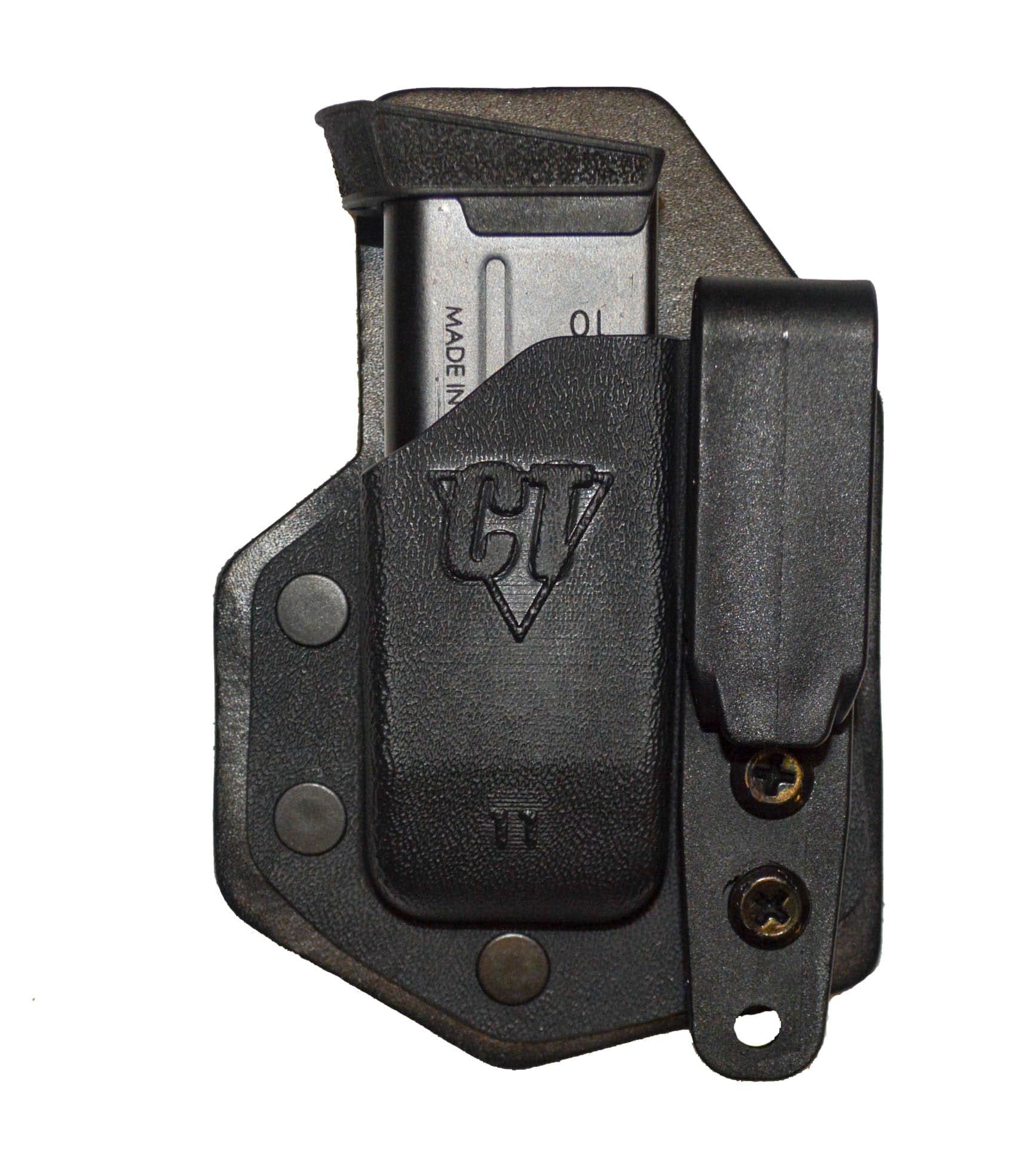
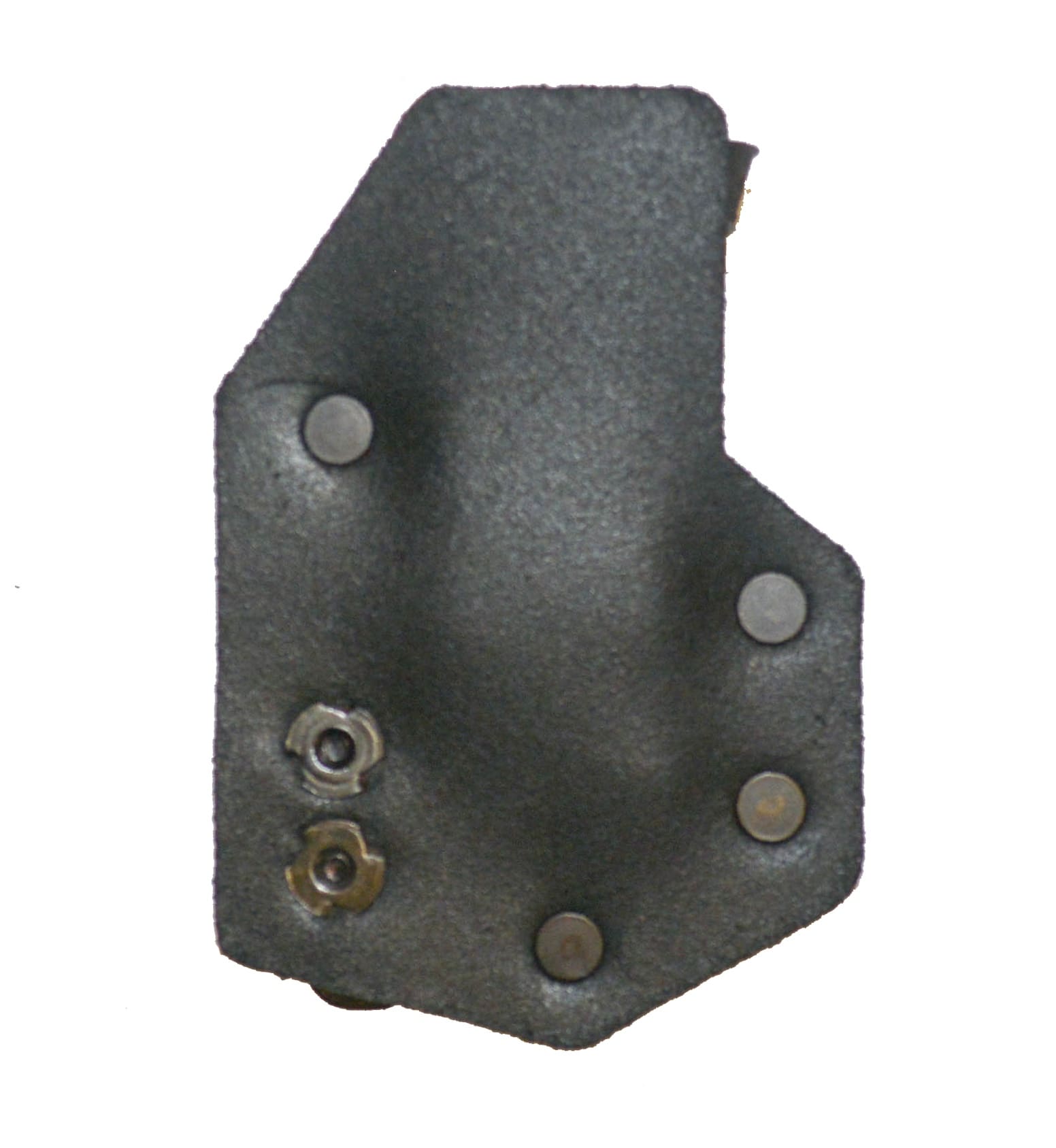
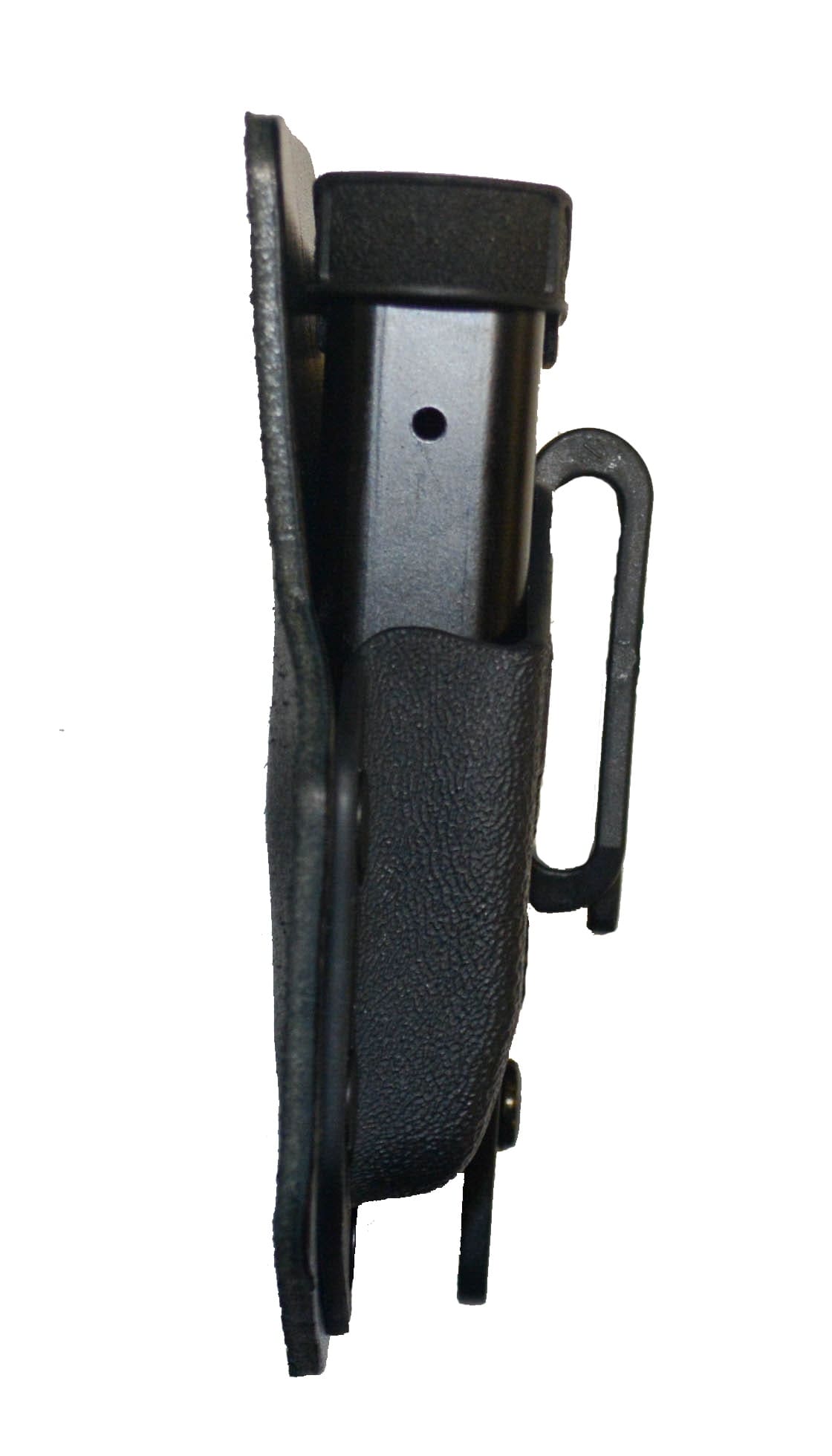
HOUSTON, June 3, 2020 – Comp-Tac® recently released the eV2™ Magazine Pouch, a new inside-the-waistband, hybrid mag pouch, for customers who want to carry a spare mag in the appendix position.

This hybrid pouch is made with a top-grain, cowhide leather backing and a Kydex® shell that holds the magazine. The pouch attaches to the belt with a nylon clip that is ride-height adjustable, allowing the user to set the height of the magazine in relation to their belt. The magazine pouch is also tuckable to allow the shirt to be tucked in over the magazine for deep concealment.

Features of the eV2 Mag include:
– Top-grain cowhide leather
– Kydex body
– Nylon clip is ride-height adjustable and tuckable

– Index cut on leather and Kydex for improved draw capabilities
– Designed specifically for carrying compact magazines
– Created for wear in the appendix region for quick access

“Appendix carry has become more and more popular as the sizes of guns have gotten smaller,” explained Gordon Carrell, Comp-Tac general manager. “Many of our customers who conceal carry also like to carry a spare magazine. While many individuals can drop a spare mag in a pocket, the number of EDC items is on the rise. Having a magazine pouch helps to balance the load of wallet, flashlight, medical kit, keys, personal items, etc. The eV2 Mag compliments our popular eV2 and eV2 Max holsters, giving users the ability to keep all their ‘hardware’ up front for easy access.”

eV2 Mag – comp-tac.com/ev2-mag-pouch

MSRP: $29.00