Wilcox Ind

Archive for the ‘Guest Post’ Category

Enhancing Lethality: US Army Marksmanship Unit’s Instructor Training Group Empowers Soldiers

Tuesday, June 13th, 2023

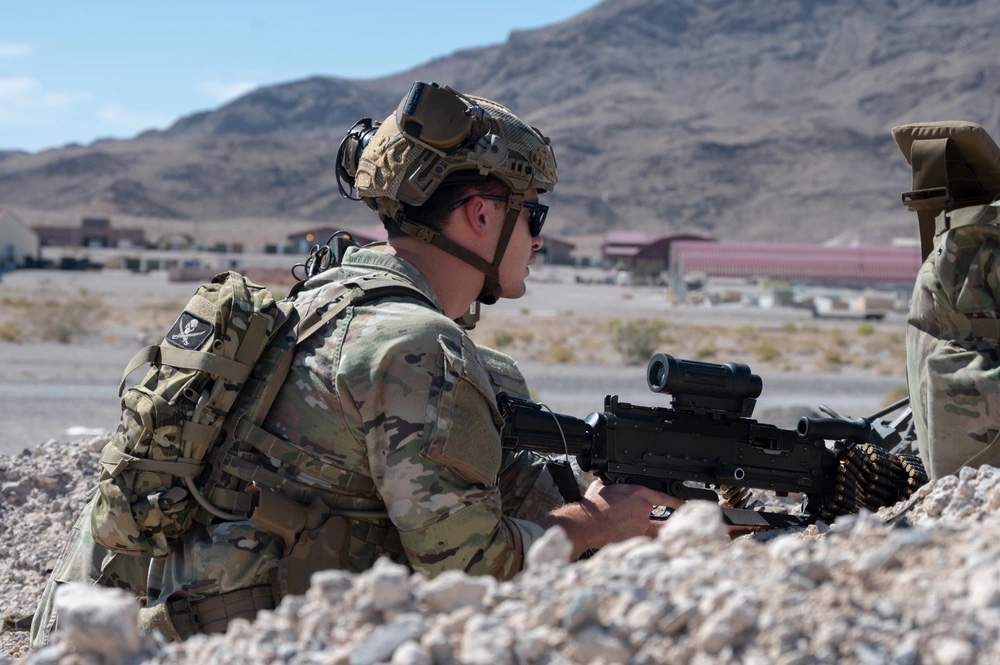
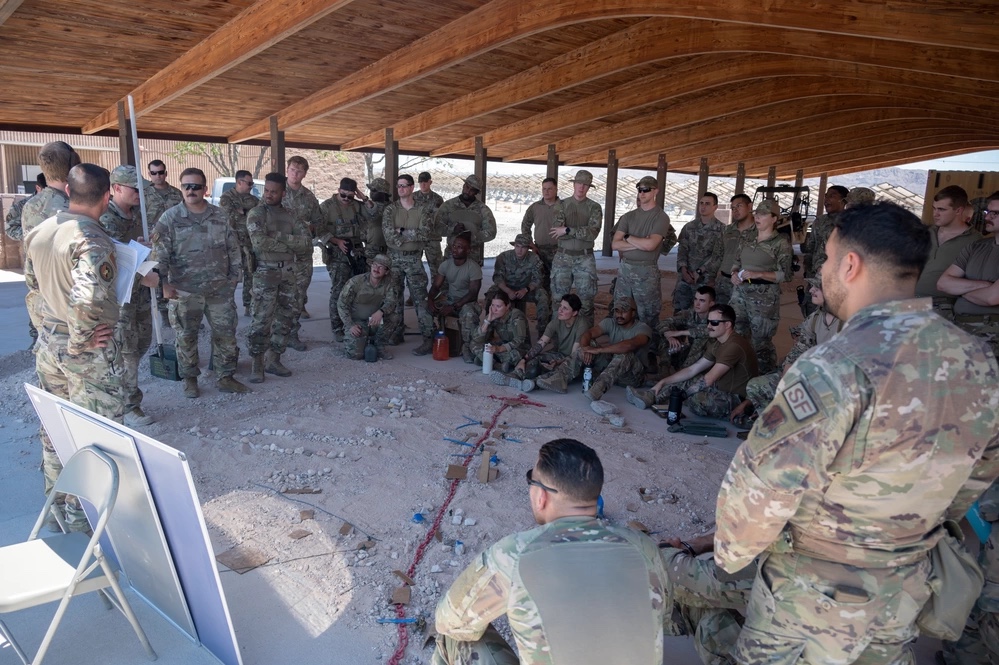
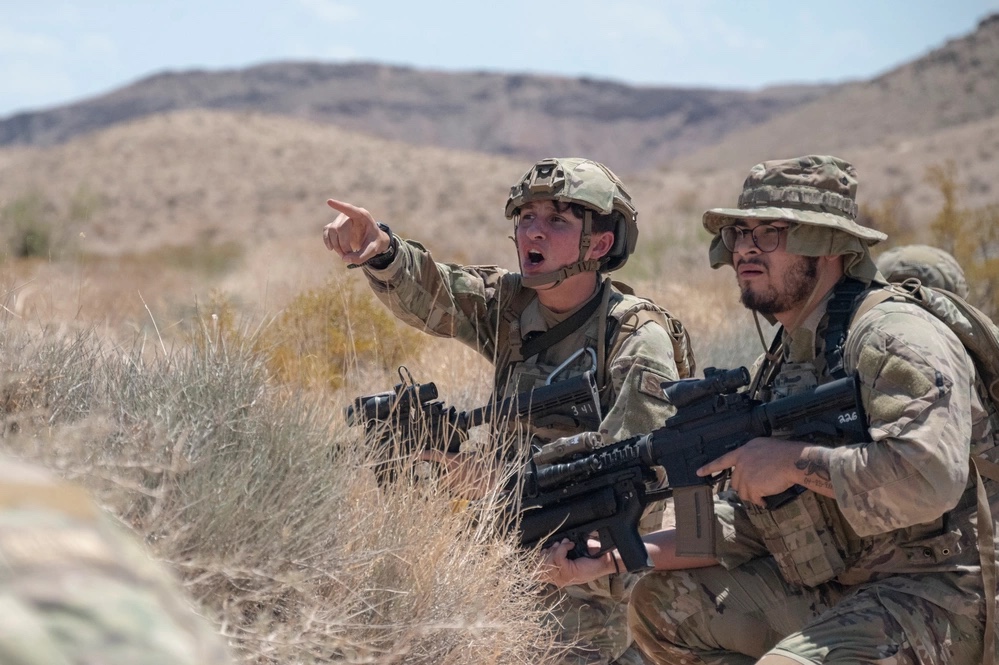
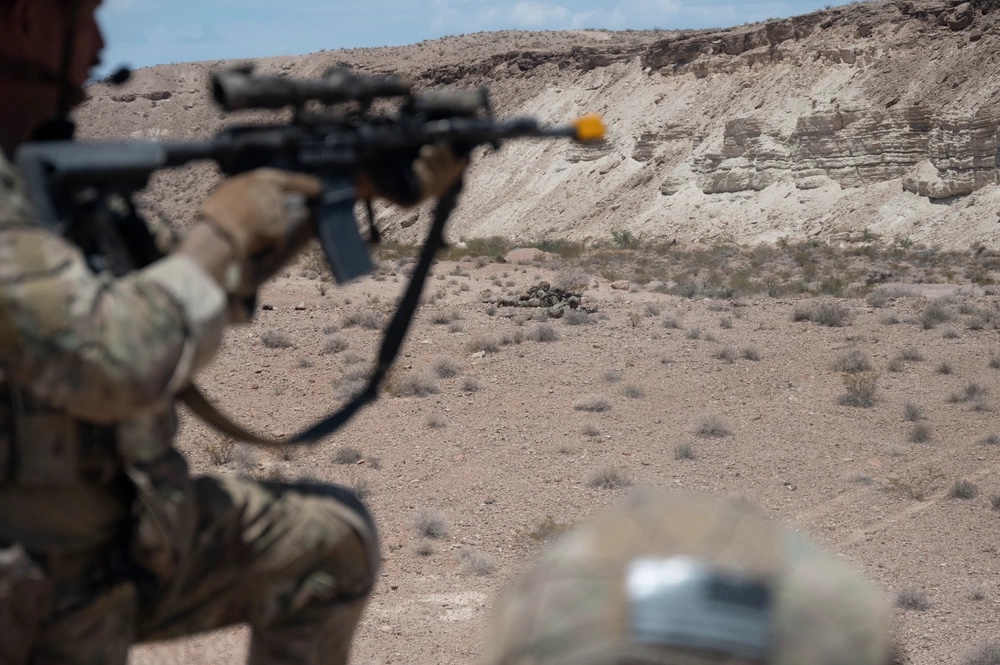
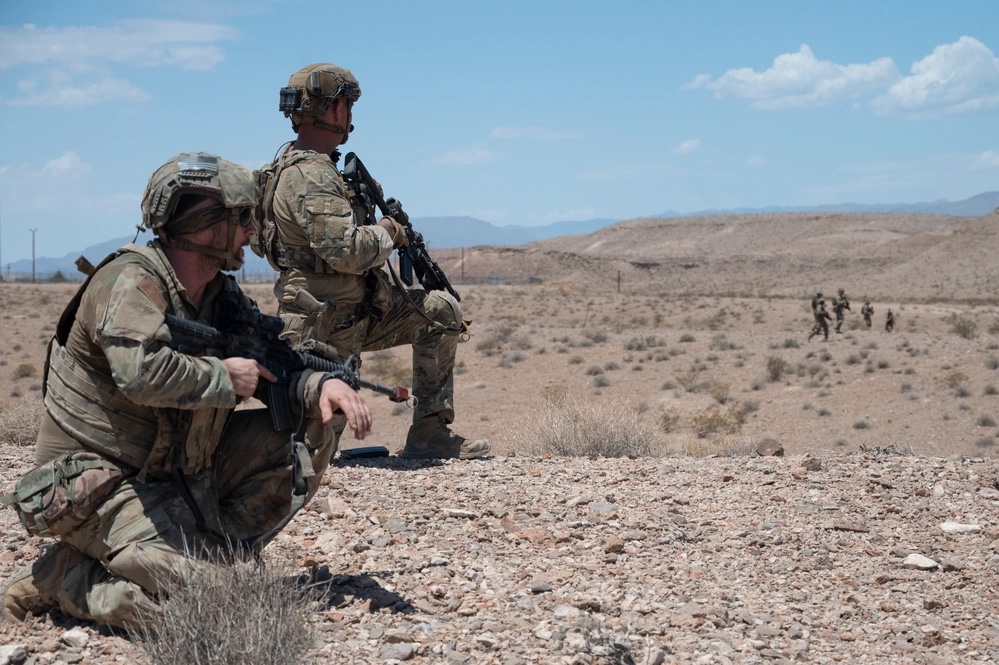
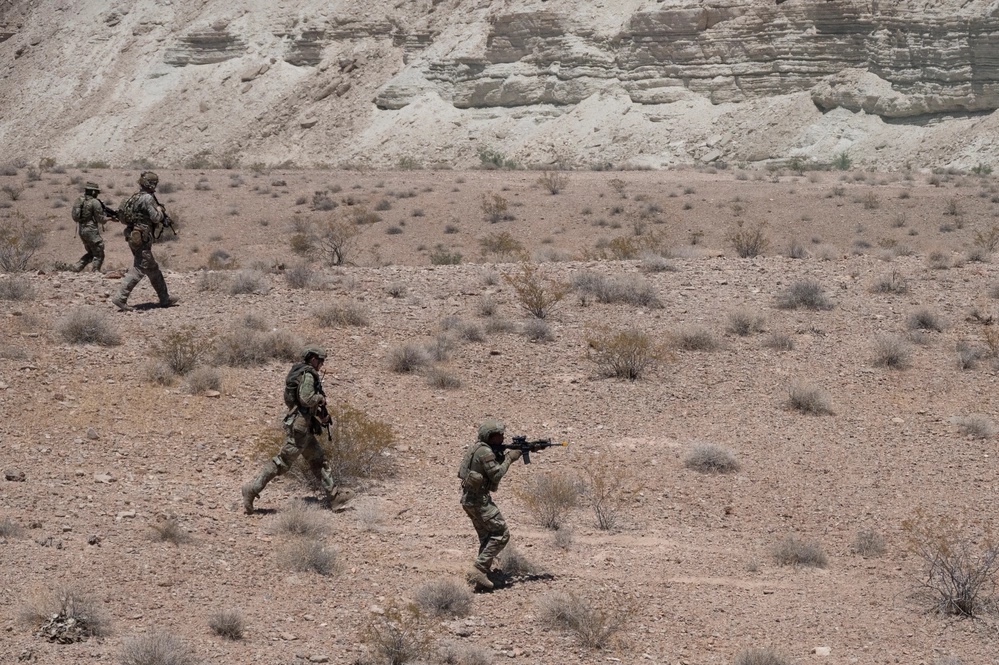
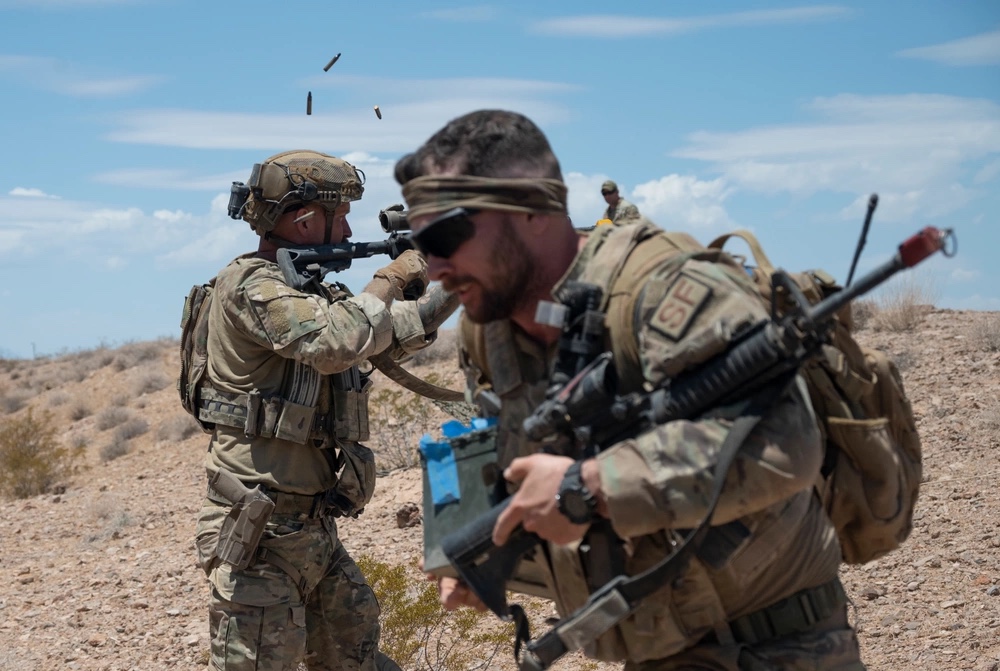
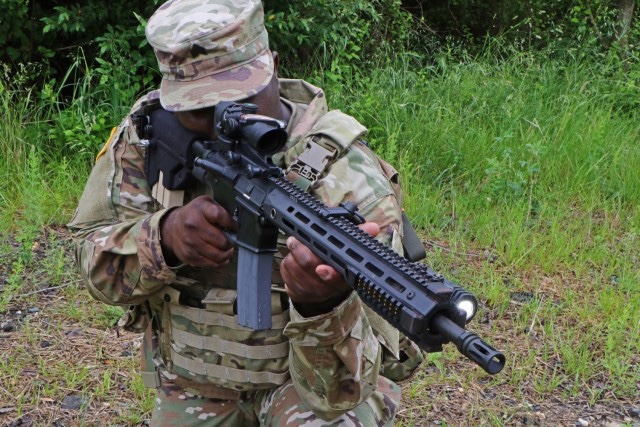
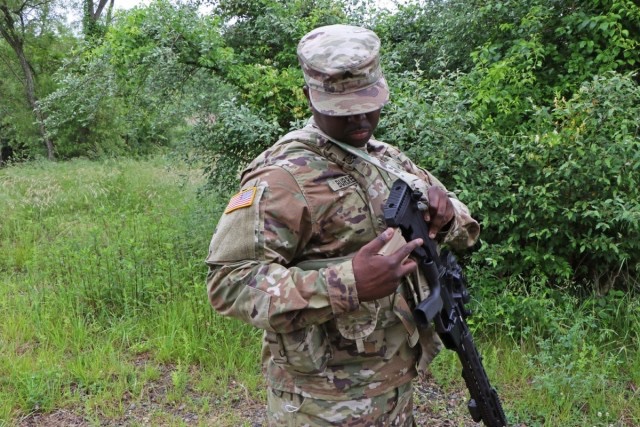
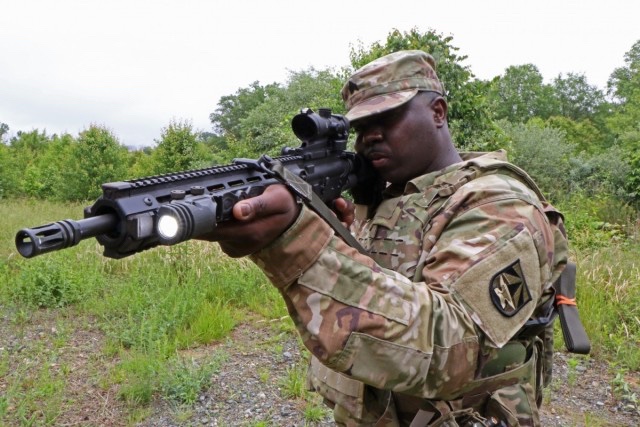
EWA BEACH, Hawaii- The U.S. Army Marksmanship Unit’s Instructor Training Group taught advanced marksmanship training to Soldiers from 2nd Battalion, 35th Infantry Regiment May 8-19 2023. The training built upon the foundation of basic marksmanship skills.

The Instructor Training Group is comprised of experienced combat veterans who provide tailorable marksmanship training courses to operational units globally. They provide training to Soldiers of all ability levels that meet the commander’s operational needs, while also supporting the USAMU’s mission to improve small arms lethality.

“I’ve learned a ton, a lot of this week refined our basic marksmanship skills,” said Sgt. Joe Calkin, an Orlando native and sniper team leader assigned to Headquarters and Headquarters Company, 2-35IN. “Everything we’ve learned will be able to translate to our Soldiers and increase our organization’s lethality.”

The training focused on both pistol and rifle marksmanship, refining the shooter’s form, grip, stance, trigger control, draw speed and accuracy.

“One of the most beneficial things for me was adjusting my shooting stance, with just a small change I was able to exponentially increase my stability and increase my accuracy. Small changes I learned here made me a better shooter,” said Calkin.

Emphasis was placed on consistency and eliminating any unnecessary movements that can affect accuracy. Practicing these fundamentals in a controlled environment lays the groundwork for more complex and demanding shooting scenarios.

“Developing my shooting skills with subject matter experts is a great experience and I would highly recommend it to any Soldier out there,” said Calkin. “If you get a chance to take a course from USAMU, do it.”

In 2022, the USAMU conducted 33 MTTs (Mobile Training Teams) at military installations, including four events training 50 drill sergeants. Each MTT is 5 to 10 days and includes an initial marksmanship assessment, classroom instruction, practical exercises, and a final evaluation to measure improvements in shooting metrics and knowledge. Training is tailored to the unit’s needs, focusing on basic rifle marksmanship with the M-4 carbine and the M-17 pistol. The average cost is $50 per Soldier to conduct world-class instruction, a cost that cannot be replicated in the DoD. MTTs are a force multiplier for partner units, institutional organizations, and division-level marksmanship assets to build the Army’s lethality program through spreading expertise and relevant knowledge with emerging technologies.

Instructor Training Group Soldiers conducted 76 lethality missions in 2022, improving over 2,340 Soldiers’ lethal hit rates by 40 percent in support of the unit’s mission to enhance lethality to enable the Army to win on a complex, competitive battlefield.

By SFC Kulani Lakanaria

U.S. Navy Selects 28 Top Students for Summer Flight Academy Program

Sunday, June 11th, 2023

While some students will spend this summer doing odd jobs or hanging out with friends, 28 high-performing 11th and 12th graders from throughout the country will complete an intensive eight-week U.S. Navy Summer Flight Academy aviation program. Upon completion of the program, each student will earn a private pilot certification and college credits from Delaware State University (DSU), Elizabeth City State University (ECSU), or D2 Aviation School. During the eight-week Summer Flight Academy, each student will receive classroom aviation academics, and approximately 40 hours of flight training in either a Vulcanair V.10 single-engine aircraft or Piper Warrior (PA-28).

The program was established in 2021 by Commander, Naval Air Forces (CNAF) to increase diversity in the field of aviation. The Navy partners with select universities throughout the country to provide the flight training to the participating students who were selected out of hundreds of applicants for the competitive program. The cost of the program is approximately $26,000/student, but is offered at zero cost to the student, and with no obligations. Most of this year’s CNAF Selects are from demographic groups that are historically underrepresented in the field of aviation, with an equal male/female split. The 2023 class also boasts multiple First-Generation-Americans who are leaders in their JROTC programs, and hope to serve their country by one day flying for the U.S. military. CNAF is proud of the international representation from this year’s cohort, which features Cadets with ties to Japan, Iran, Nigeria, India, Ukraine, and the Philippines.

The Department of the Navy sponsors the Summer Flight Academy program for students participating in Navy and Marine Corps Junior Reserve Officer Training Corps. The program is a new STEM initiative that was selected for funding by the Naval STEM Coordination Office – located at the Office of Naval Research – which oversees investments in STEM education, outreach, and workforce initiatives.

“The primary goal of the CNAF Flight Academy is to expose diverse, young talent to Naval Aviation, and inspire them to join the profession,” says LT Olivia Barrau, E-2C Hawkeye Naval Flight Officer, CNAF Operations Officer for Diversity, Equity, and Inclusion, and CNAF Flight Academy Program Manager. “For these motivated students, flying a plane and completing this program can empower them to consider Naval Aviation as a viable career choice. While we hope all our Cadets join Naval Aviation, we proudly contribute to their dreams of becoming aviators in any capacity.”

CNAF Flight Academy graduates from 2021 and 2022 now represent the program at all three Service Academies (USNA, USAFA, and USMA), and ROTC units and universities across the country at places like Morehouse College, Tuskegee University, Embry Riddle Aeronautical Institution, Virginia Technical Institute, Delaware State University, Ohio State University, Arizona State University, and Hampton University. Roughly 70 percent of the program’s alumni are now directly affiliated with the U. S. Military, mostly through commissioning programs.

2023 CNAF Summer Flight Academy Cadets

Delaware State University

Aliya J. Applin – Peachtree City, GA

Abdulmalik O. Aremu – Silver Spring, MD

Kianet Badal – Woodland Hills, CA

Hannah M. Bartlett – Allen, TX

Leland W. Boxer – Manassas, VA

Eli Boyd – Lorton, VA

Jackson D. Coberley – Okinawa, Japan

Jonathan R. Gerges – Mt. Juliet, TN

Sophia J. Ivchenko – Cypress, TX

Reva D. Jogdand – Richmond, TX

Caleb T. Payne – Portsmouth, VA

Nickole S. Rios – Allen, TX

Orianna M. Russell – San Diego, CA

Jeffrey T. Strader – Greensboro, NC

Jake M. Tirado – Madisonville, LA

Ryan K. Tran – Avondale, AZ

Tahirah L. Tyler – Hampton, VA

Skye A. Uyeda – Poway, CA

Cecilia R. Winters – Waco, TX

John D. Zeveney – Red Bank, NJ


Elizabeth City State University

John Lawrence R. Austria – Dededo, GU

Keisha C. Carlos – Dededo, GU

Isabella M. Hauri – Peoria, IL

Ryan J. Inge – Yorktown, VA


D2 Flight School

Taylor R. Carroll – Allen, TX

Alexandra S. Tibbets – Dayton, TX

Alfred J. Armstrong – Anderson, SC

John L. McGee – Dover, NH


Seeing into the Future: AF Looks to AI for Data Analysis

Saturday, June 10th, 2023

ARLINGTON, Va. (AFNS) —  

In an effort to digest and rapidly analyze the process of decision making, Headquarters Air Force Digital Operations Directorate (A3X) developed an artificial intelligence-based software that can be applied to all Air Force specialty codes to better examine and predict operational outcomes.

Tomorrow’s operating environment requires Airmen to have the most accurate and up-to-date intelligence to act quickly in real time, today. Headquarters Air Staff have developed six software programs for career fields using AI to conduct data analysis.

George Forbes, director of HAF Digital Operations Directorate, cited the exponential benefits of being able to make decisions more accurately, more predictably and more precisely.

“We can shift from spending time doing manual tasks – like putting information into computers – and move to more cognitive techniques where we can analyze the data because the computer is doing much of the busy and manual work.”

George Forbes, Director, HAF Digital Operations Directorate

Besides data management, the AI software can calculate predictions based off equations and programming, depending on the type of data available. Whether the predicted outcome is correct or not, the software is capable of learning and adapting to produce even more accurate outcomes for future calculations.

“We might take in different data, like how many people are in the Air Force, what is their behavior based upon their gender and age, or other demographic categories to anticipate [their behaviors] in a particular situation. For instance, we can predict their decision to stay in or leave the Air Force,” Forbes said. “We use the force’s past behavior to train the models to predict their future behavior. Specifically, we use a Recurring Neural Network Methodology, which is a high-end AI method.”

The software is adaptable across all AFSCs to interpret different situations. From tracking flight hours to locating equipment, this new application can replace cumbersome applications and software systems presently used to more user-friendly ones for newcomers. Past applications are portable to other asset management type work but not necessarily in AI.

“When you build an application to manage something like equipment, you want it to be kept alive. This is where standardized application development systems come in,” Forbes said. “You can build them at your current base, and, once you PCS [Permanent Change of Station], you can still use the same process.”

The overarching goal of the new software systems is to provide leaders quicker access to interpret data and make impactful decisions.

Secretary of the Air Force Public Affairs
FirstSpear Friday Focus – Operator Glove

Friday, June 9th, 2023

When maximum manipulation and tactility are required while protecting your digits consider the Operator Glove (OG) first! Comprised of the most technologically advanced materials and modern construction details no corner is cut in this design. The trigger finger of the OG has an advanced patent pending design that will still give excellent transmission of trigger feel, magazine release and other key weapons functions.

The advantages in OG materials and construction is that these gloves almost feel like you are not wearing them, touch screens for your PDA’s & Tablets can be utilized while they are on and your hands remain protected. The OG is inherently flame retardant by design.

In order to achieve this amazing level of peak performance, the Operator Glove utilizes extremely light, high-performance materials. These gloves should be expected to perform exceptionally well through a standard train up and deployment.

Features:

• Increased Durability While Maintaining the Benefits of Merino Wool

• Maximum Manipulation for Peak Performance Feel of Essential Weapon Controls

• Touch Screen Thumb and Index Finger

• FirstSpear High Dexterity Leather (FS-HDL) Palm

• Improved Breathability, Low Water Uptake, and Soft Drying

• Digital Texture Enhances Grip

• No Melt, No Drip Materials

• Inherently Anti-bacterial Odor Suppression

• Strong and Technically Advanced, Remains Comfortable and Flexible

• Use In Conjunction with OOG for Higher Durability and Toughness

• Core-Spun Merino Wool with Nylon Core Back of Hand with 100% Pittards Digital Goatskin Palm

Check out FirstSpear to find American Made kit and accessories, Built For The

The Agilite Warfighter Cummerbund

Thursday, June 8th, 2023

Agilite just launched their revolutionary patented Warfighter Cummerbund which fixes the issues with regular cummerbunds-Check out the video to see how it works here.

It has several very unique features and it attaches to their K-Zero™ plate carrier or any other plate carrier with hook and loop flaps. 

It has patented interchangeable ends so you can switch out either First Spear Tubes or velcro flaps in seconds. 

The Warfighter has 3 full rows of MOLLE but only the top two are stiffened so it doesn’t chafe the wearer’s hip bones. 

See more at www.agilitegear.com

Project Manager Soldier Warrior’s Vuille Reflects on Career as a Quality Assurance Professional

Thursday, June 8th, 2023

Fort Belvoir, Va –

For over four decades, Alison Vuille has helped direct the quality assurance process for the Army’s sensors, goggles, night vision devices and numerous other platforms and programs. Vuille has spent the last two decades improving the PEO Soldier portfolio. She currently leads the Quality Assurance section of the Project Manager Soldier Warrior (PM SWAR) Quality Assurance-Test Directorate. In recent years, she helped refine the Enhanced Night Vision Goggle-Binocular (ENVG-B), Joint Effects Targeting System (JETS) and the Family of Weapons Sights (FWS) as these products moved through development, production, testing, and fielding.

During the 1980s and 1990s, Vuille performed quality assurance on sensors, night vision goggles, and night sights mounted on tanks during her tenure at then-Night Vision Lab and Project Manager Night Vision Reconnaissance, Surveillance, and Target Acquisition and served as a liaison between Army Communications-Electronics Command Research and Development Center (CECOM RDEC), the Natick Soldier Systems Center in Massachusetts and Project Manager Soldier.

After PEO Soldier stood up in 2002 and absorbed many of the Army’s Soldier sensor programs, Vuille transitioned into the command shortly after, providing her expertise on the development of products and equipment that were in high demand, due to the Army’s increased operational tempo overseas in support of operations in Iraq, Afghanistan, and around the world.

Vuille, who retired as a full-time government civilian in 2022, was brought back to PM SWAR to helped ensure continuity after Project Manager Soldier Maneuver and Precision Targeting (PM SMPT) merged into the then-Project Manager Integrated Visual Augmentation System (PM IVAS, now PM SWAR) during PEO Soldier’s reorganization in the summer of 2022. 

PM SWAR’s leadership recognizes Vuille’s significant contributions to the development of improved products and equipment for the force. 

“Alison is the cornerstone of our quality and test programs here at Project Manager Soldier Warrior,” said SWAR Deputy Project Manager Mark Stephens. “Our products delivered to Soldiers are directly tied to her 40 years of experience.  She built our testing and quality standards based on MIL STD [Military Standard] 810 and is our zealot for accepting a quality product. Her Quality Assurance mentoring both to government and industry partners made our defense industry stronger.”

Currently Vuille is focused on updating SWAR’s quality/test orientation training and the Quality Assurance Standard Operating Procedure, as well as internal training programs.

Vuille shared her thoughts about her experiences as a quality assurance professional and why quality assurance is essential to developing better equipment for the force by answering a few questions.

—-

Q. What is Quality Assurance? 

A. Quality can be defined as the degree to which the products we buy for Soldiers satisfies the user and specification requirements, as well as customer expectations. My definition of Quality Assurance is the process by which we ensure a high-quality product.

Q. What is the origin of Quality Assurance?

A. While the origins of Quality could be traced back to the formation of craftsmen guilds in medieval times, it became more important during the industrial revolution, and continuing through World War II. The factory environment created a much greater need for quality concepts, principles, and tools in order for manufacturers to build high quality products and be competitive. Throughout the 20th century, pioneers such as Deming and Juran promoted quality concepts, analysis, and implementation. Employment of quality practices are the reason Japanese cars became dominant in the automotive marketplace, and eventually US manufacturers followed suit. You might remember the term Total Quality Management, which was fully embraced as an overarching principle within the federal government, and after that Lean Six Sigma came in focus. An international standard for Quality, ISO 9001, was established in the latter part of the 20th century, and many manufacturing companies are certified to this standard.

Q. How did you learn about Quality, Reliability, and Testing?

A. The Army used to have an intern training center at Red River Army Depot for Quality and Reliability Engineering. I was recruited from the university I attended and spent one year covering a wide variety of associated subjects, followed by on-the-job training at the Aviation School. After transferring to the Night Vision Lab, I also took a number of technical training courses in reliability testing, environmental testing, environmental stress screening, ISO 9001 quality management, parts screening, sensor technical training, and many others, as well as courses at Defense Acquisition University.

Q. Why do you implement Quality Assurance in Army Acquisition?

A. The Army has a regulation regarding Quality, AR 702-11, and it is actually a requirement to implement Quality in Army Acquisition. Quality applies across all aspects of acquisition. The Army Regulation is principle oriented rather than process, and requires practices such as customer requirements assessment, fact-based decision making, effective root cause corrective action for failures, independence of quality personnel, use of metrics and continuous improvement, and risk-based management. From a personal standpoint, I implement Quality because I am passionate about ensuring only high-quality systems are fielded to the Army. Soldiers deserve high quality, reliable equipment in their fight for our country and freedom across the world.

Q. Why is it important to conduct environmental tests?

A. Environmental tests are a subset of Developmental Tests. Our Soldiers have very little ability to control most of their environment, so their equipment must operate in whatever environment they need to fight in. I call the environments the silent Key Performance Parameter (KPP), as they can impact whether the system meets a critical function during operational use. We must at least ensure Army systems are tested in critical environments before we field, at least to the extent that we can tell Soldiers the system limitations. Examples of limitations might be the system can’t be immersed in water, operate in winds greater than 20 mph, or won’t function below a certain temperature. Limitations must be accepted by the user representative.  Military and commercial standards have been created to emulate and characterize environments, threats, and other situations that equipment may encounter. Use of standards and common test methodologies are what allow the development of facts to evaluate equipment performance.

Q. Why did we come up with CDRLs (Contract Data Requirement Lists) and DIDs (Data Item Descriptions) for testing and Quality Assurance?

A. CDRLs and DIDs for Quality are generally required so that there is sufficient information in test plans and procedures to properly evaluate the specified performance, ensure applicable standards are followed, as well as document Government concurrence on the test plans and procedures. Also, that the test report has sufficient evidence that proves a given system meets its requirements. By defining areas that should be addressed, CDRLs and DIDs for failure reports ensure contractors have done a thorough job addressing the failures and allow the government to better understand whether a root cause was determined and evaluate the effectiveness of the corrective action accomplished by the contractor.

Q. What training did you have to research and send folks to in order to implement Quality Assurance?

A. At the time I started my career in 1980, the Army had a one-year certificate program at Red River Army Depot in Quality and Reliability Engineering for basic training of new interns in acquisition, with recruitments at universities. There was also a shorter Quality Assurance certification program at Rock Island. Until recently, there was a DAU certification career program in Production and Quality Management (PQM), which was essentially the career path for a Quality professional in the government. DAU discontinued the PQM certification, but they still have basic training in quality in several courses that are mandatory across the entire functional area workforce. They also offer online courses as part of their College of Contract Management offerings. DAU is currently working on additional courses with a manufacturing and quality focus. For my team, in addition to DAU courses, I have periodically brought courses to Belvoir applicable to their work in various topics such as Quality Engineering, Auditing to ISO 9001, Environmental Test Methods, Electromagnetic Environmental Effects and Testing, and short courses in Reliability, among others.

Q. What was your most difficult challenge in Testing and Quality Assurance, and what obstacles do you have to overcome to have a successful Quality and Test team?

A. The most difficult challenge is balancing fielding equipment fast with the desire to field a high-quality product to our Soldiers. We want to field new capabilities as fast as possible so Soldiers have the latest and greatest equipment to help achieve mission success, but it would be doing Soldiers a disservice if that equipment is unreliable or does not meet required performance. There is a balance in quality versus fielding. We would never field any equipment if we were to wait until the system is perfect and without issues. The key is to gather facts from operational, developmental, and production test data, and then identify and manage risks.  This problem is particularly prevalent in development of complex sensors.  One of the primary obstacles is the perception that requirements for Quality will always cost more and negatively impact schedule. This may sometimes be the case, as Quality professionals are focused on performance of the system rather than cost or schedule. But as many may recall, the majority of a system’s life cycle cost is in sustainment, so efforts up front to ensure a high-quality and reliable product can reap many benefits in reduced cost over the life cycle.

Q. How do you ensure Quality and reliability are designed into the product?

A. To deliver a high-quality product, the most efficient means is to start with a good design and build process. Development should include all the appropriate system engineering tools and analysis to ensure the design meets the specified requirements, and design reviews should address the results of analyses such as thermal analysis, stress analysis, finite element analysis, tolerancing, etc., and identify how they influenced the design. All that said, no design is perfect, and there will likely be trades and faults identified, which is where a manufacturer’s failure reporting analysis and corrective action system (FRACAS) becomes critical.

Q. Why is a FRACAS system so important?

A. Effective FRACAS is a basic requirement of a Quality Management System. Since no design is perfect, and failures frequently occur during manufacturing and qualification as well as in operational use, addressing failures in a robust manner is critical to eliminating those failures and improving product performance and reliability. Effective FRACAS is critical to the Army in order to meet requirements and reduce costs over the product’s life cycle, as well as to the manufacturer to control production costs. About 20 years ago, the Army did a study which illustrated most systems that were subjected to a formal operation test failed to meet the system operational reliability requirement. That stimulated the Army to place a greater emphasis on FRACAS, design for reliability and reliability growth testing, as well as other disciplines such as Physics of Failure, Highly Accelerated Life Testing (HALT) and Highly Accelerated Stress Screening (HASS).

Q. Why do reliability growth testing?

A. Not all equipment needs to have reliability growth testing, but some of our more complex sensors have had a hundred or more failures in their first phase of development and operational testing and did not initially meet the required reliability. Because corrective actions are typically not completely effective and sometimes unearth new problems, it may require several phases of testing followed by a corrective action period to identify and resolve failures in the design and manufacturing process. Realizing this allows us to better plan a program schedule that will allow sufficient time to resolve issues found and allows the design to incrementally improve and meet the reliability requirement. Our contracts require a failed item analysis report (FIAR) to document resolution of each failure and ensure a closed loop process; the FIAR process can be painful and sometimes take a great deal of time to resolve, significantly impacting schedule.

Q. Why do you continue to conduct conformance inspection testing throughout production?

A. Manufacturers are continually improving their design and process, developing new suppliers, training new assemblers, buying new parts and materials, and there are a multitude of other things which could result in issues that are not immediately apparent. In my experience, issues continue to arise, some catastrophic, even after many years of production. No matter how much the prime believes they have supplier control, suppliers sometimes make changes they believe would not impact form, fit, and function, and fail to notify the prime contractor. To maintain a high level of quality requires some level of production testing against critical performance tests, reliability, and environments that are subject to variation. For high volume production, we frequently require lot testing on a monthly basis. As production continues, the level of testing can be reduced or adjusted, or even eliminated, based on results, evidence of process control and good field reliability performance.

Q. Tell me more about the FIAR process.

A. Resolving FIARs in both development and production phases is the most critical aspect of our job in Quality Assurance in fielding high-quality and reliable equipment. The first thing we ask ourselves when confronted with a failure is, “how will this failure impact the Soldier?”. We are particularly relentless at resolving any failures that will cause the Soldier to abort his mission or turn in his equipment. Resolution of the failure requires our contractors to dig into why the failure occurred and find the root cause, determine a corrective action, and prove the corrective action is effective and does not cause any other issues. This process can hold up production, affect a contractor’s money stream, sometimes for long periods, and therefore can be very contentious. The government conducts FIAR Risk Assessments as needed to make decisions on acceptance and fielding of product. In the long run, there are positive effects for both Government and contractor. Fewer defects means improved field reliability for Soldiers and less rework and scrap costs, and higher production rates, for the contractor.

Q. Should Quality be implemented in COTS (Commercial off-the-Shelf) products?

A. In the past, I have had some people suggest that Quality does not apply to COTS products. The fact is that Quality principles apply across the board on all products the Army purchases, and across all disciplines, whether the product is developed by the Army, COTS, GOTS (Government off-the-shelf) or modified COTS. Any COTS product must be first evaluated to ensure it is effective, suitable, and survivable, and meets Soldiers’ needs, to include required performance in the operational environmental in which it will be used. Any limitations should be identified, and agreement reached with user representatives on whether those limitations are acceptable in a fielded product. Let me just give you a broad example. Let’s say the Army needs a widget to perform a certain function, and in the commercial world there are some that would suffice, but the COTS products were only designed to operate in a limited band around room temperature. If the Army needs to use this product in Alaska or various other places during the winter, as well as in spring or fall, this product will not meet the Army’s needs. This may result in the user community requiring a modification, such as a heater, or an entirely new Army developed product to meet the requirements.

Q. Why should Quality Assurance be independent of the Product Manager?

A. Quality and test personnel must be free to identify areas of concern regarding performance without the pressure applied from cost and schedule. This enables a thorough understanding of the issues and risks to the Product Manager and Program Manager. While Program and Product Managers maintain the ultimate decision authority to procure and field equipment, the Quality Assurance team provides independent feedback on the product quality, reliability, and ability to meet test requirements that is used to understand risks and make decisions.

Q. Overall, from all your service over the last 40 years, what do you consider the most important lessons learned from a Quality Assurance perspective?

A. My team and I have a long list of detailed lessons learned over the years that we review periodically and keep adding to. But the biggest lesson is more strategic. Recently we have tried to field systems faster, without having resolved many of the failures experienced in testing prior to entering production. The result has been that too many defects perpetuate into production, production is constantly being interrupted to address failures and rework product, and in some cases field reliability is negatively impacted, which can result in Soldiers losing confidence in your equipment. The best way to a healthy production line is to fix problems early during development, eliminate failure modes with a robust FIAR process, test sufficiently to validate that your problems have been resolved, and don’t go into full rate production until you have reduced the level of defects to a very low level.

By Frederick Shear Army

Iowa National Guard Trains in Wyoming’s Higher Elevation

Wednesday, June 7th, 2023

CAMP GUERNSEY, Wyo. – Iowa National Guard infantry and aviation units traveled west by ground convoy and air to conduct annual training at the Camp Guernsey Joint Training Center in Wyoming at the end of May.

Wyoming’s elevation and expansive landscape offered a different training environment for the Midwest Soldiers.

“We’re spoiled in Iowa,” said Chief Warrant Officer 2 Ryan Hill, a training officer and UH-60 Black Hawk pilot with Company C, 2nd Battalion, 147th Assault Helicopter Battalion. The state sits about 1,100 feet above sea level. “We have power for days. Whereas [in Wyoming], you’re starting at about 5,000 feet, which is going to change aircraft performance. That’ll be good training for aircrew members when they go to high altitude.”

Several aircraft crew chiefs qualified on door gunnery skills, shooting an M240 machine gun out of the window of a Black Hawk as it flew over targets.

“My favorite part was definitely going up high and then seeing the tracers hit the little buildings and all the humvees,” said Spc. Julia Adkins, a Black Hawk mechanic with the 2-147th AHB. “It was a great experience because I’m brand new to flying.”

The 1st Battalion, 168th Infantry Regiment (“Lethal Battalion”), took advantage of the expansive weapon qualification ranges and rugged terrain to practice squad-level maneuvers. Soldiers spent several days in tents in the field.

“It’s just a massive training area,” said Capt. Jeremy White, executive officer with the 1-168th Infantry. “You can drive it for hours one side to the other. If you think you can put all your gear on and run around conducting operations like normal, you’re wrong. You can’t dodge higher elevation and this is a completely different terrain.”

White described it as collective training to test how well Soldiers move as a team toward objectives using communication and hand signals. Companies took turns rotating through physically taxing live-fire exercises, moving swiftly up and down steep slopes through tall grass and dodging environmental obstacles.

“We grow as a team as we’re out there,” said Spc. Valery Gonzalez, with the 1-168th Infantry. “We obviously have to trust each other so nobody gets hurt.”

In addition to completing unit-level tasks, the two infantry and aviation elements joined together to conduct realistic operational training. Ground force commanders with the 1-168th Infantry sent up orders to the 2-147th AHB, imitating what would happen if infantry Soldiers needed aircraft assistance in a real-world scenario – whether they needed people, supplies or equipment transported.

“One of the big takeaways for us is that we’re a customer-based service,” said Hill. “We have a lot of young aviators who have been focused on getting good at flying the aircraft. Now, they’re going to be able to execute planning processes, and they’ll have passengers that need things with real-life factors playing into it.”

The training is also valuable for Soldiers in the 1-168th Infantry. White said many Soldiers in the Iowa Guard train with real aircraft only a few times in their careers. The 2-147th AHB offered familiarization with aircraft safety procedures, air assault movements, supply drops and sling load operations.

The 1-168th Infantry trained on their new M3A1 Carl Gustaf Multi-roll, Anti-Armor, Anti-Personnel Weapons System (MAAWS). The recoilless rifle is capable of firing numerous types of rounds suited for targets that range from humvees to armored tanks. It can also illuminate the battlefield and provide smokescreens.

Staff Sgt. Chris Nieman, an infantryman assigned to Company A, said the weapon’s improved optics system eliminates much of the guesswork in aiming at targets.

“I really enjoy being in the field and training Soldiers,” said Nieman. “It’s loud, it blows up. Soldiers enjoy that. On a tactical level, it just increases our lethality. It’s a force multiplier on its own.”

Members of the 1-168th Infantry also broke in some new M110 A1 squad-designated marksman rifles with scopes, ambidextrous controls and suppressors. Even with all the new features, it wasn’t much heavier than the traditional M4 carbine rifle most Army Soldiers use.

“It’s a dream to shoot,” said Staff Sgt. Gabriel Morey, an infantryman with Company C. “I’ve seen nothing but smiles coming off of our range here at Camp Guernsey, so we have pretty positive rave reviews so far.”

By SSG Tawny Kruse, Joint Force Headquarters – Iowa National Guard

AFSOC Hosts Security Force Assistance Air Advisor Summit

Tuesday, June 6th, 2023

HURLBURT FIELD, Fla. —  

Hurlburt Field, Fla. –Key members from across the Security Force Assistance and Air Advisor enterprise gathered here for a summit, 23-25 May.

The purpose of the summit was to gather expertise to plan and propose a way forward for cross-functional, Air Force-wide Security Force Assistance capabilities that can support higher-level guidance and Combatant Commander objectives and campaign plans.

The conference kicked off with opening remarks from Maj. Gen. Albert G. Miller, Headquarters U.S. Air Force Director of Training and Readiness, and included Col. Jocelyn Schermerhorn, AFSOC Director of Operations, Dr. Sean McFate, a foreign policy expert with a focus on National Security Strategy, and Ms. Beth Grill, RAND Corporation national security policy analyst.

During her remarks, Schermerhorn emphasized the importance of foundationally getting the structure of Air Advisors across the formation right.

“The strategic environment we’re in today is much different than the place we’ve operated for the last 20 years,” said Schermerhorn. “We have an opportunity to make sure that we get this right as we develop a sustainable capability from the ground up. We’re looking to your expertise to ensure that we get there.”

The National Security Strategy and National Defense Strategy details the need to develop diplomacy with our partners and allies – an area that SOF forces are uniquely suited to support.

“If we get this right, we’ll have a more deliberate, requirement-focused enterprise that spans across our formation with a significant return on investment,” said Schermerhorn.

Speakers, panelists, and audience members hailed from a variety of areas, such as International Affairs at Headquarters U.S. Air Force, the U.S. Army Security Force Assistance Command, Air Force Materiel Command, 621st Air Mobility Advisory Group, 571st Mobility Support Advisory Squadron, 435th Contingency Response Support Squadron, 36th Tactical Advisory Squadron, and several others.

The summit concluded with an out brief that detailed findings and made recommendations on a way forward for senior leaders to consider as they’re making decisions.

“Based on the work that I saw this week and the feedback we got from our senior leaders during our out brief – I’m confident that we were able to work together to propose a way forward that accomplishes the mission,” said Col Magill, Headquarters Air Force, Mobility Air Forces Division, air advising cross-functional manager. “Ultimately, we’re bringing back some great proposals that should integrate partners by design, enabling day-zero interoperability and combined effects.”

By Ciara Travis