TYR Tactical

Archive for the ‘Guest Post’ Category

Army Invites Innovators to Enter 7th Dragon’s Lair

Monday, June 27th, 2022

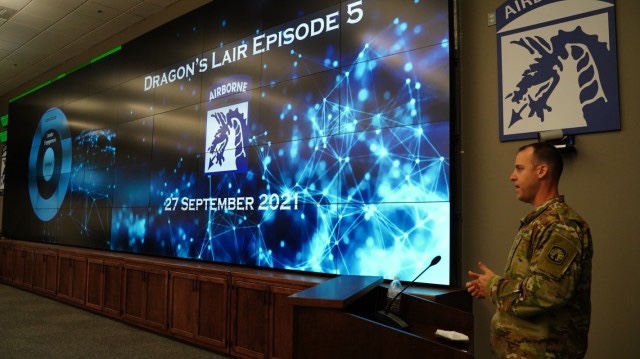
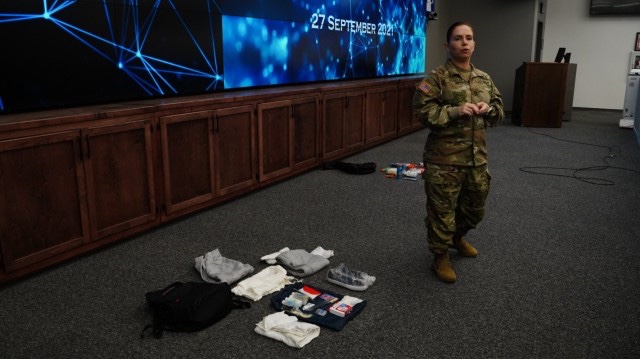
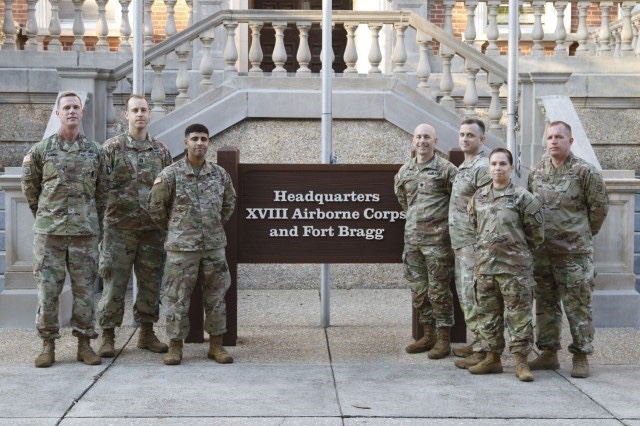
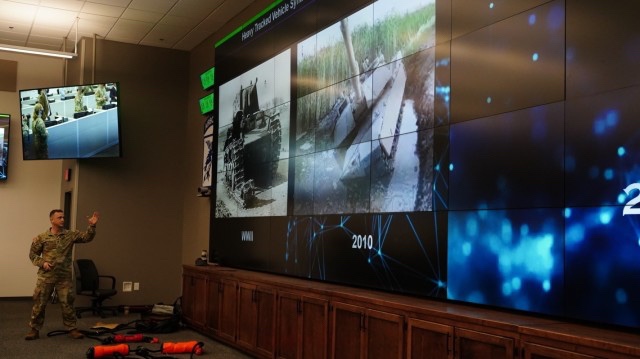
FORT BRAGG, N.C. — For the first time ever, the XVIII Airborne Corps will partner with Army Futures Command to co-host the seventh installment of the innovative series Dragon’s Lair. This next edition of the “Shark Tank”-style competition will take place Aug. 16 in Austin, Texas.

In August 2020, the XVIII Airborne Corps, known as America’s Contingency Corps, developed Dragon’s Lair as a way to give soldiers of any rank across the corps a platform to convey their innovative ideas and concepts to civilian technical experts and senior military leaders. This new partnership with AFC will now bring ideas to the forefront of the Army’s premier institution, which is charged with modernizing the Army and its future readiness at a faster rate.

After five successful iterations of the program, the XVIII Airborne Corps realized that Dragon’s Lair could go beyond the Army’s reach and decided to open it up to all military service members across the Defense Department to seek more innovators and diversity of ideas across the joint force.

The partnership with AFC brings an opportunity to unlock new ideas for the advancement of the U.S. military. In the past, Dragon’s Lair has taken the previously unsought ideas of a cooling apparatus for body armor, an algorithm to predict a building’s layout, an app for the exceptional family member program, and an armored vehicle safety system, and it has elevated them to the next level for the betterment service members.

DOD service members can submit their innovative ideas on the Dragon Innovation website. Users must create an account, which does not require a Common Access Card and is available from civilian systems. All concepts must have a description of the innovation and the problem being addressed. Ideas must be submitted to the site by July 24, 2022, to be eligible for consideration for Dragon’s Lair 7.

Story by SGT Maxine Baen

Photos by SGM Alejandro Licea and SGT Marygian Barnes

SCUBAPRO SUNDAY – APNEA Snorkel

Sunday, June 26th, 2022

There are two schools of thought when it comes to carrying a snorkel when you dive in the civilian world, and I guess in the military world also. It is to carry or not carry a snorkel. You are taught to have one to save air when you are close to the surface for whatever reason so you can use it and not the air in your tank. When I first started diving in the teams, you had to have a snorkel on us. We would get issues a cheap old school “J” type one with the big orange stickers on it you had to peel off and then you would have to cut a couple of inches off of it and keep with you in case you had to work around piers or whatever so you could save O2. Well, I never used it and stopped carrying it as soon as I could. But that doesn’t mean I would have never used it or could have; I choose not to have it.

Like everything else in the world, technology is growing faster and faster. Once a problem is fixed, companies move onto the next one. So, the issues associated with the old “J” snorkel have been fixed; that is not to say that companies still do not make them have them; they are still around. But now there are all kinds of snorkels out there. There are several different types of snorkels Classic (J type), Simi-dry, Dry, and Flexible, to name a few.  

So why carry a snorkel? A snorkel helps on the surface when you are in rough water. You can keep your head in the water and not drink as much seawater when you are just floating waiting to be extracted. It is also useful when you are in the water waiting for a helo pick up, and you are under its rotor wash, or when you are doing a K-duck or a swamp duck. It is also helpful to have when you jumped into the water, and you have to undo some of your parachute lines that might be tanged in your fins or whatever.  It makes it easier to breath on the surface without lifting your head out of the water if you have to swim to a boat or shore for some reason.

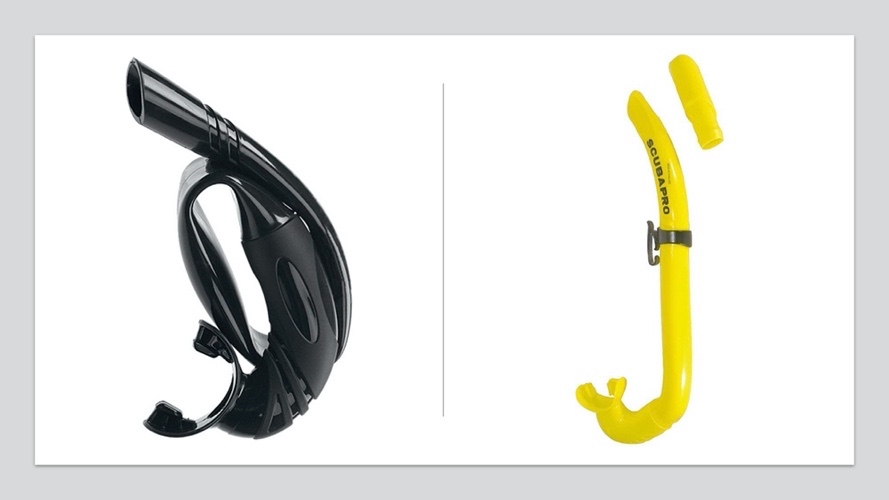
Diving in the military is different than as a civilian as you would never leave your snorkel hanging on your mask during a dive. This is why we would cut it down a little so that we could tuck it away or you would hang it off the bottom of your LAR V with heavy rubber bands. But with today’s technology, most companies have one that you can roll-up.  For SCUBAPRO, it is the Apnea Snorkel, it was launched in 2015 for Apnea divers and won the SCUBALAB’s 2015 best buy.

The SCUBAPRO Apnea Snorkel is a foldable/ rollable freediving snorkel design. Made from a soft and flexible non-toxic silicone, SCUBAPRO Apnea Snorkel easily attaches to your mask strap when being used. When not needed, it can be rolled up and stowed away in a pocket. When it’s time to do some more stuff on the surface, it pops right back into shape. The Apnea’s upper barrel can be removed if you prefer to use a shorter pipe. Without question, this is an easy-to-use and very versatile surface breather. Functional yet straightforward traditional “J” Snorkel design. No valves that can leak. It was designed specifically for spearfishing and free diving. The contoured shape of the silicone mouthpiece and the air tube has been ergonomically designed to follow the profile of the spear fisherman’s face to reduce its visibility significantly during the dive. This flexibility is also advantageous when around piers or rocks and rolling it up to store it a pocketed.

Walkie-Talkies and “Operation Gold Rush”

Saturday, June 25th, 2022

ABERDEEN PROVING GROUND, Md. —Seventy-years ago this month, in April 1952, the Signal Corps Engineering Laboratories (SCEL) sent a team of Soldiers and specialists to California Army, Navy, and Marine bases to introduce new equipment and train Soldiers on how to use and maintain the latest innovations, dubbed “OPERATION GOLD RUSH.”

The equipment included something that would go on to become a common-place in civilian life – the walkie-talkie portable radio, also known as the SCR-300.
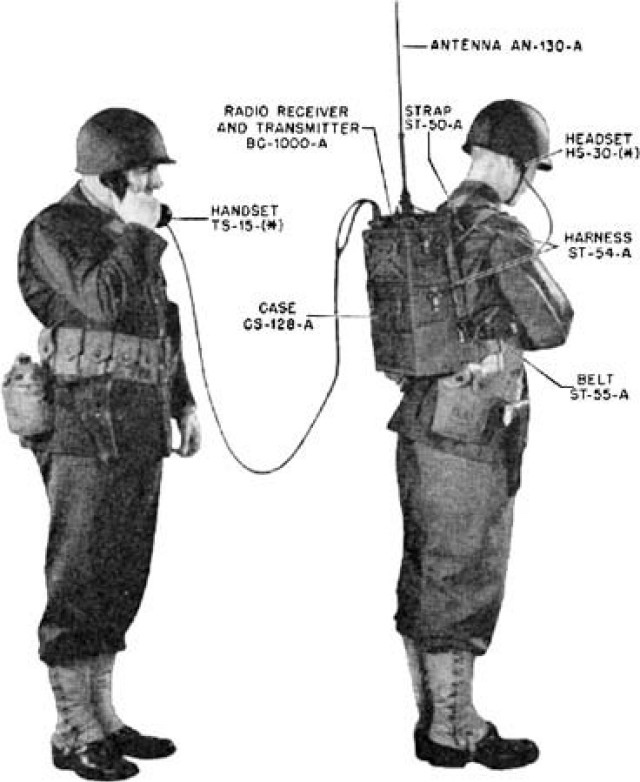
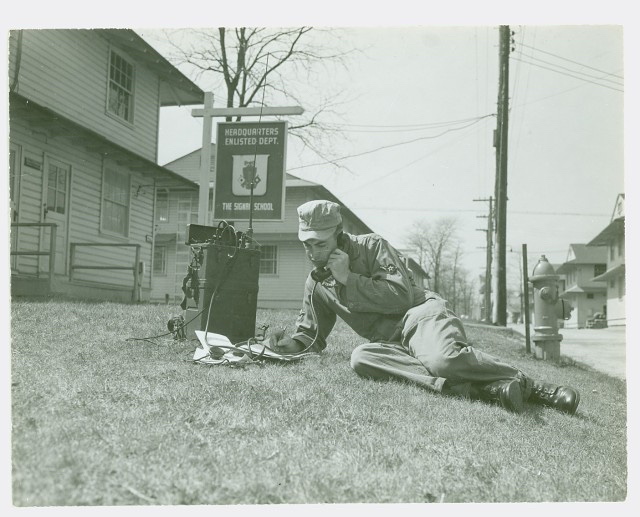
In an era where we carry small computers in our pockets, it’s difficult to comprehend the innovations behind the new “light weight” equipment for military use. The walkie-talkie, originally weighing in at 40 pounds, was first used at the end of World War II, in both the European and Pacific theaters, to high praise from Soldiers. Carried as a backpack, the VHF (40 to48 MHz) FM transceiver could reliably reach out 5 miles in the field.

The set was used in amphibious landings in the Pacific, over water for distances up to 15 miles. It was actually the “handie-talkie” (SCR-536) that would take the form of a hand-held unit that is commonly thought of today.

Radio Set SCR-536 was a first in the military communications field. The designers incorporated the microphone, earphone, batteries, antenna, and all of the electronics in a single case with a total weight of less than 6 pounds. The earphone and microphone were so situated that by raising the case to the side of his face, the operator could talk and listen comfortably. Raising the antenna turned the set on; a push-to-talk button, placed approximately where an individual’s finger tips would naturally rest, made the change from receive to transmit mode easy.
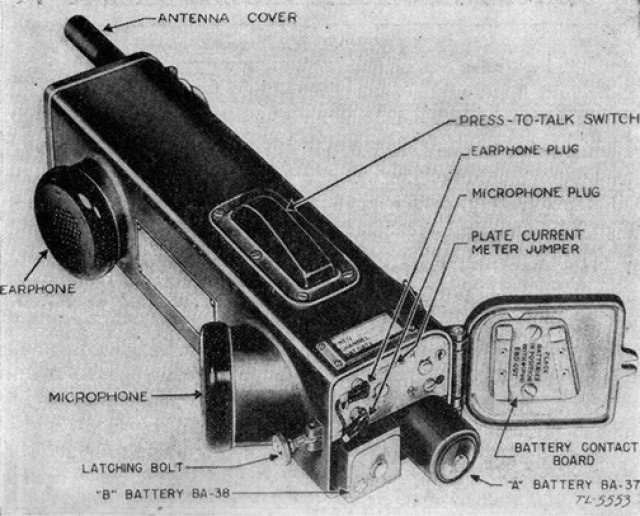
The earliest portable radios were designed with no particular miniaturization techniques in mind; however, the equipment was compact and reliable by the use of excellent engineering principles, consistent with the technology of that period. This compact equipment pioneered a number of technical advances and demonstrated a field usefulness which sparked later demands for miniaturization, mass production, and the wholesale distribution of communication facilities to the smallest military units.

For the first time, units as small as a squad, or even an individual Soldier, could communicate with an intelligence center and coordinate activity without having to drag a telephone wire through all types of terrain, or leave ammunition, arms, and survival equipment behind in order to carry heavy, bulky radio gear. In spite of the technical limitations of this radio set, it was such an asset in the field that it keyed a strong demand for miniaturization in the other varieties of military equipment which followed.

After the war, SCEL development personnel were convinced that the size and bulk of electronics had to shrink, particularly in the portable and vehicular categories. This miniaturization requirement assumed major importance in the light of the anticipated postwar expansion of electronics as the principal medium of communication, surveillance, fire control, countermeasures, intelligence service, meteorological soundings, and other such areas. In 1946, an ad hoc committee reported that “miniaturization should and will be a major objective in the design of future Signal Corps’ equipment.”

By 1952, the weight for the walkie-talkie (AN/PRC-10) had been reduced to half its original weight. Other improvements in the 1950s included reduction in static, the ability to use four or more sets in a communication net, up from the previous maximum of two, and a developing “homing beacon,” which allowed for an operator to tune in to a friendly transmitter and proceed to it, or identify positions of forward observers. Using quartz crystal tuning to hold the frequency stable, these radios began to usher in the era of continuous innovations and improvements coming out of the Signal Corps Engineering Laboratories and making their way down to the Soldier.

The development of a process to produce industrial-quality synthetic quartz crystals, also worked on in the Signal Corps Engineering Laboratories in this time period, ensured a steady availability of necessary supplies to meet military requirements.

“OPERATION GOLD RUSH” would introduce not only the improved walkie-talkies and handie-talkies to the field, but also new vehicular radios and radio teletype sets, radiation monitoring sets, switchboards and teletypewriters and field wire. All of these newer pieces of equipment owed their improvement to the efforts begun in the mid-1940s towards miniaturization. The invention of dip-soldered printed wiring in the Signal Corps in 1948 aroused the interest of the electronic industry in this new concept of construction and led to the first practical, mechanized, electronic production lines in the United

States. The almost simultaneous invention of the transistor by the Bell Telephone Laboratories in 1948 spurred the subsequent creation by the Signal Corps of entirely new families of compatible miniature electronic parts, transistors, and diodes which, together with printed wiring, made possible still newer plateaus of miniaturization achievement in the 1950’s.

By Susan Thompson, CECOM Command Historian

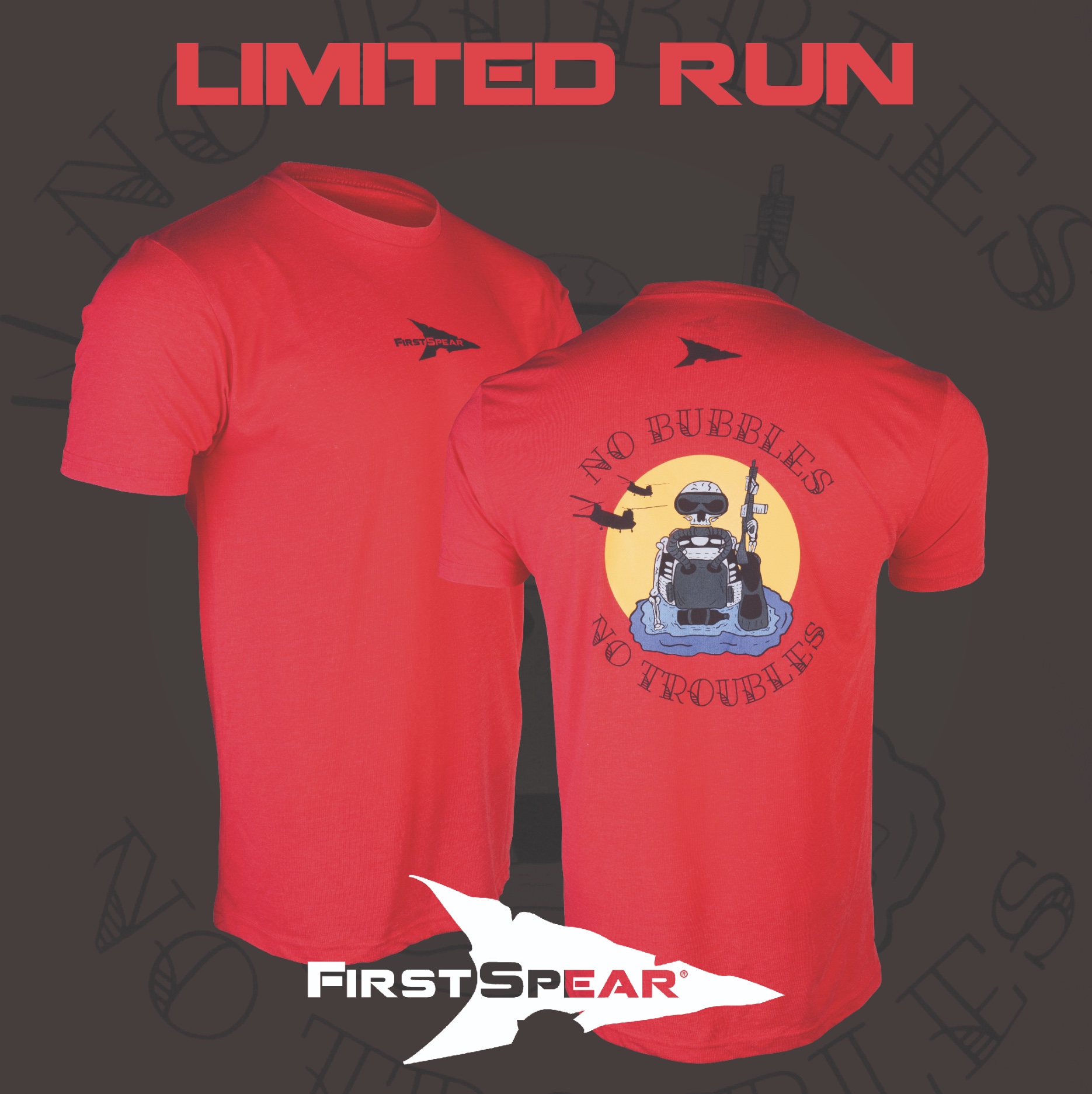
FirstSpear Friday Focus: No Bubbles No Troubles V2

Friday, June 24th, 2022

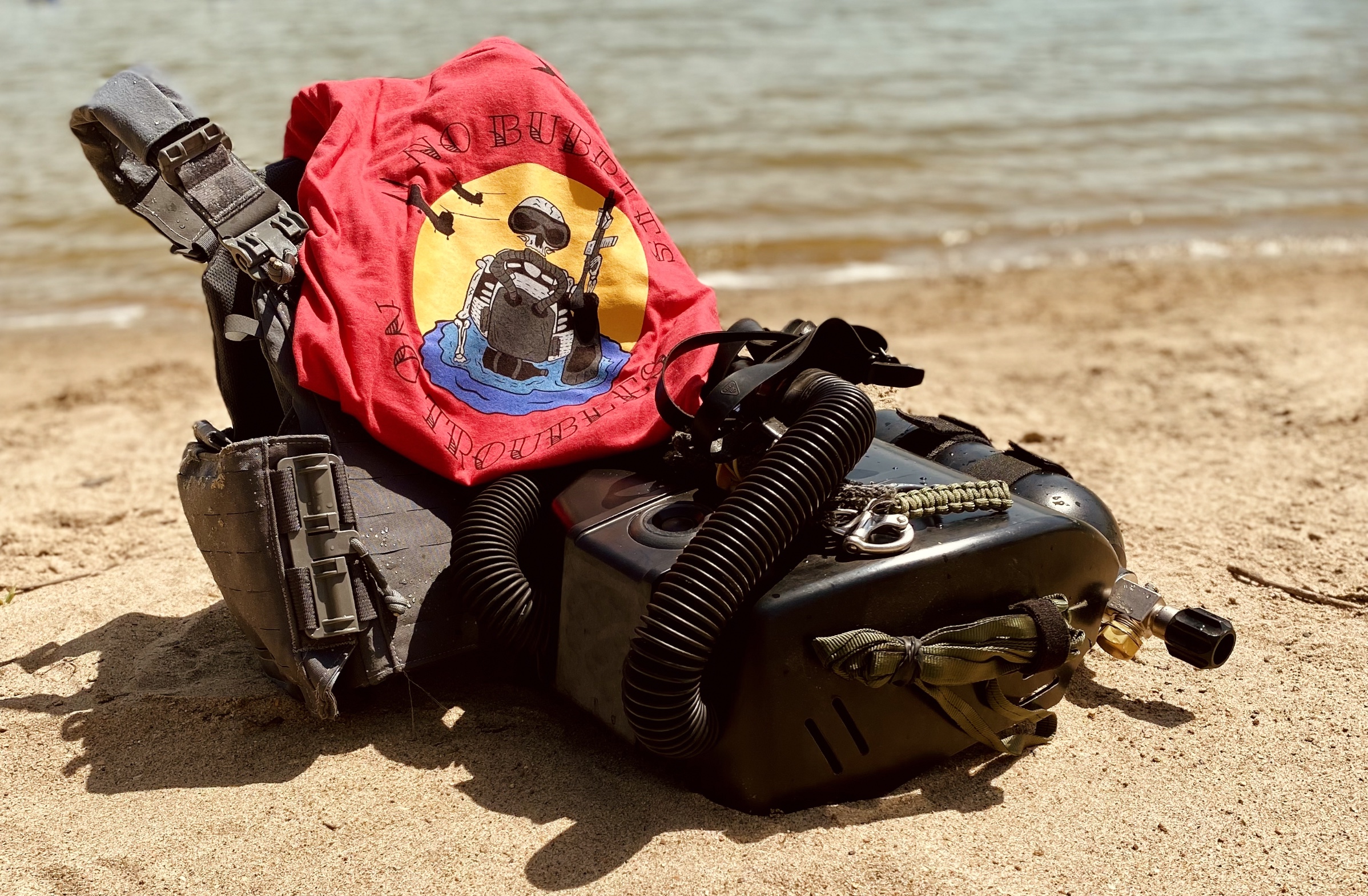
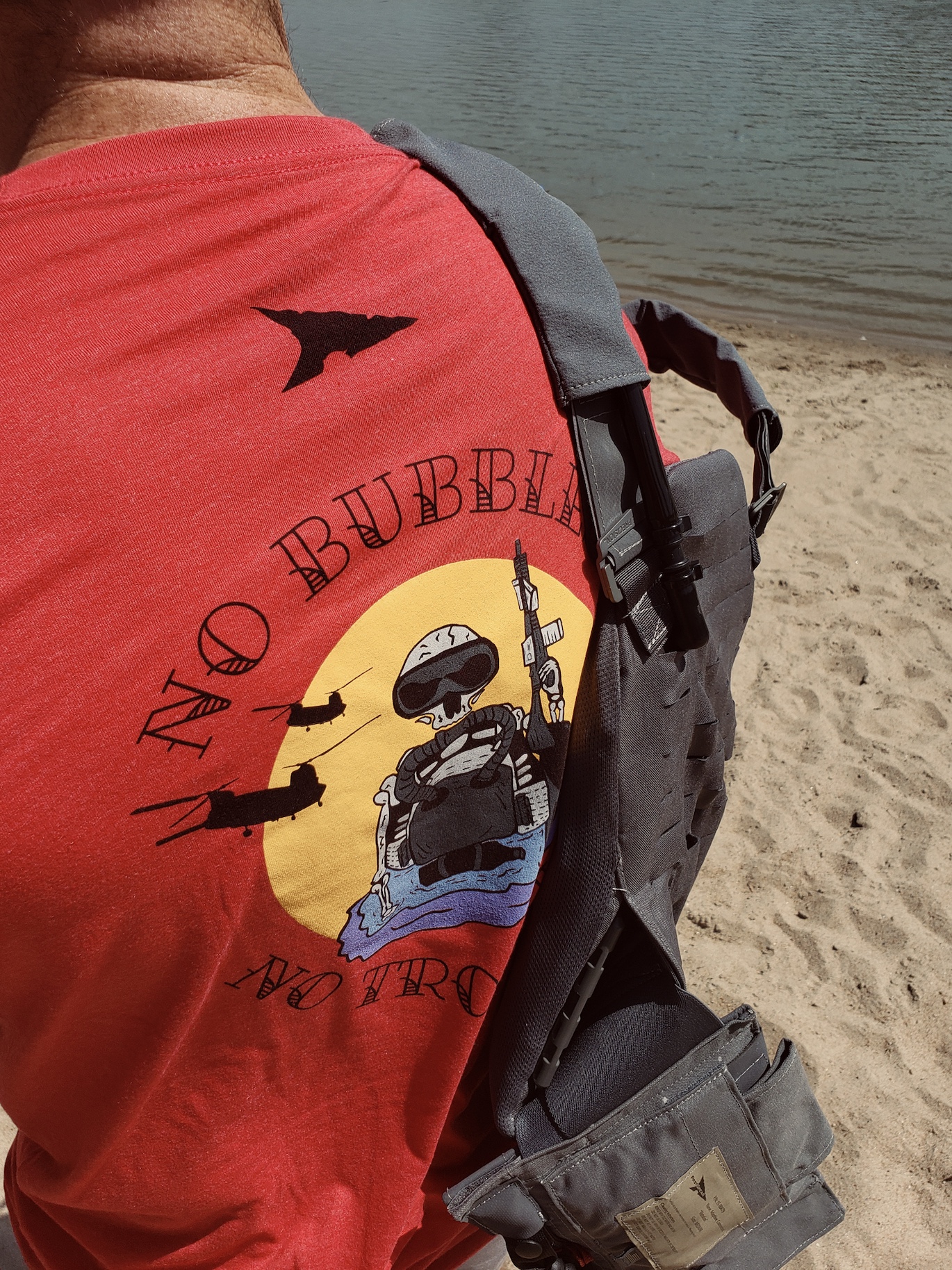
The most anticipated shirt of the summer is here for a limited time.

FirstSpear debuted No Bubbles No Troubles V2 at ADS Warrior East 2022.

Back by popular demand, FirstSpear releases a limited run of our fan favorite, No Bubbles No Troubles V2. This shirt is only available while supplies last. Don’t hesitate or you’ll be left high and dry.

The 60/40 cotton-poly blend is incredibly comfortable. Featured in red, this FirstSpear classic is available in sizes S – 3XL.

Check out FirstSpear to find all of our apparel and gear for America’s Warfighter.

NDIA Applauds Congressional Armed Services Committees for NDAA Actions

Thursday, June 23rd, 2022

ARLINGTON, VA — The National Defense Industrial Association issues Wednesday, June 22, the following statement on congressional actions for the fiscal year 2023 National Defense Authorization Act committee marks:

NDIA applauds the bipartisan House 42-17 vote this afternoon to increase the topline and commends the congressional Armed Services committees for moving forward with their individual marks on the forthcoming National Defense Authorization Act (NDAA) for fiscal year 2023. We look forward to a 62nd consecutive passage of the authorities critical to defense that ensure our troops have the equipment and resources necessary to carry out their missions.


Both bills continue support for current readiness, increased warfighting capabilities, investment in new technologies, and replenishing critical munitions.

NDIA is especially pleased with the 23-3 vote of the SASC to increase the topline to $847 billion. The additional increase over the president’s budget request will help answer inflation and provide the authorization of appropriation needed to implement the National Defense Strategy. We call upon Congress to find a similar bipartisan agreement to properly fund the defense appropriations bills.

NDIA CEO and President HON David L. Norquist commends the votes, stating, “Inflation is our reality, and we cannot dismiss its effect on the Defense Department. These overwhelming bipartisan votes are a recognition of our strategic challenges and a commitment across the aisle to ensure national security is sound and it remains a priority.”

NDIA will be following closely as the NDAA progresses through the respective chambers to conference. We encourage an on-time passage of the bill to ensure our nation has the authorizations necessary for our national defense.

The inclusion this afternoon by HASC of an amendment in the en bloc package No. 1 to reauthorize the Small Business Innovation and Research Program affirms NDIA and its small-business members’ efforts. The authority, set to expire at the end of the fiscal year, provides critical capabilities to DoD. We commend these efforts and hope to see a similar provision included in the Senate’s mark.

DAF Launches Program to Issue Pregnant Members Free Maternity Uniforms

Thursday, June 23rd, 2022

Arlington, Va. (AFNS) —  

The Department of the Air Force will soon launch the Maternity Uniform Pilot Program, or “Rent the Camo,” that will temporarily issue free maternity uniform items to pregnant Airmen and Guardians at 10 bases.

This program is a joint effort with the Army and details on how and where to apply are being finalized.

The Air Force installations participating in the pilot program are:

·       Joint Base Elmendorf-Richardson, Alaska

·       Joint Base Langley-Eustis, Virginia

·       Joint Base Lewis-McChord, Washington

·       Joint Base San Antonio, Texas

·       Joint Base Pearl Harbor-Hickam, Hawaii

·       Joint Base McGuire-Dix-Lakehurst, New Jersey

·       Pope Air Force Base, North Carolina

·       Shaw AFB, South Carolina

·       Yokota Air Base, Japan

·       Kadena AB, Japan

“The Department of the Air Force is focused on updating policies and instituting programs that remove potential barriers for all members to serve our nation,” said John Fedrigo, Principal Deputy Assistant Secretary of the Air Force for Manpower and Reserve Affairs. “By temporarily issuing free maternity uniforms, we can improve our Airmen and Guardians’ quality of life so they can focus on executing the mission.”

The U.S. Congress passed the “Rent the Camo: Access to Maternity Wear Act” Bill in 2020, creating this new program. Under this bill, the Defense Logistics Agency will establish pilot programs within each military branch to issue maternity uniform items to pregnant service members. The bill also directs maternity uniforms not be treated with Permethrin, a chemical that helps repel insects such as mosquitoes and ticks. While there are no known health risk associated with the Permethrin, pregnant service members preferred that maternity uniforms not be treated with it.

The Department of Defense designated the U.S. Army as the service to maintain a stock of operational camouflage pattern maternity uniforms for the program, as the U.S. Air Force, U.S. Space Force and U.S. Army wear the same OCP uniform. The ten bases selected for the pilot program are near Army installations that have a Central Issue Facility and can capitalize on the Army’s Occupational Clothing and Individual Equipment Direct Ordering system.

To ensure Space Force members are included in the program, several bases where Guardians are assigned were included in the pilot.

Once Airmen or Guardians at participating locations receive confirmation of pregnancy from their local Medical Treatment Facility, they can work with their first sergeant to complete the necessary documentation to obtain their uniforms. Reservists on Title 10 orders are also eligible for the program.

Expectant active-duty service members will be temporarily issued three sets of maternity OCP tops and bottoms, which they can wear up to six months post-partum per Department of the Air Force Instructions 36-2903 “Dress and Personal Appearance of United States Air Force and United States Space Force Personnel.” Members will then return their uniforms to the CIF to process the returned uniforms and complete a questionnaire. The returned uniforms will be shipped to a central facility where they will be inspected, repaired, cleaned, and prepared for re-issue.

The DAF “Rent the Camo” pilot program is expected to end Sept. 30, 2026.

Secretary of the Air Force Public Affairs

Channel Your Inner Top Gun with Aviators

Wednesday, June 22nd, 2022

The aviator is one of the most iconic sunglass styles of all time. Aviation eyewear has a long and rich history that can be traced back to the late 1800s, however aviators as we know them today were originally designed for military use during World War II. Millions of them were built and distributed via military purchase orders. Shortly thereafter, movie stars took a liking to the style and it wasn’t long until companies started to produce them for the general public. They were a massive hit and quickly became one of the most recognizable sunglass styles. They have withstood the test of time have been consistently worn by many ever since.

The Randolph Engineering Aviator is one of the most popular and high quality on the market today. These frames are handmade in the USA in Randolph, Massachusetts. A single pair of their glasses goes through a 200 step process that passes through 50 people’s hands, and takes about 6 weeks to complete!

They are also available for purchase with our custom, USA-made prescription lenses!

Above are just a few of the many variations on the aviator style. Due to their immense popularity, just about any glasses brand you can think of has an aviator style frame. As with anything that becomes popular enough, there are countless cheap imitations and knock-offs that have flooded the market. Tread carefully and make sure you do your research to find a pair that will both adequately protect your eyes and make sense for how you plan to use them. 

We take pride in offering only frames that are quality made and built to hold up over time. We are always happy to make frame recommendations as well!

Has it been 2 years since your last eye exam?  You need to get a checkup!  See as well as possible with a new up-to-date prescription and catch any potential eye health problems before they become a bigger problem.  Dr. Andrew Benson of VCC Eye Care is open for exams at Sports Optical in Denver.  Please call us at 303-455-3369 or email sportsoptical@yahoo.com to schedule your exam.

sportsoptical.com
tacticalrx.com

USSF Announces Interservice Transfer Opportunities

Wednesday, June 22nd, 2022

ARLINGTON, Va. (AFNS) —  

The U.S. Space Force is accepting FY23 Interservice Transfer Program (IST) applications from June 15–30.
 
The IST allows qualified individuals from other uniformed services to apply for transfer to active duty in the Space Force to fill select career fields.
 
In order to be eligible, all applicants must meet the eligibility criteria in AFMAN 36-2032, Military Recruiting and Accessions.
 
The Space Force is accepting applications from active duty officers and enlisted personnel serving in the U.S. Air Force, Army, Navy and Marine Corps. Please note that sister service release is an essential part of the transfer process.
 
All specialty codes can apply; however, the transferee must be able to fill the select specialty codes in the Space Force. See here for both enlisted and officer specialty codes.
 
Please follow the FY23 USSF Interservice Transfer Application Process instructions to submit your application.

?Attached Reference 1 – USSF Enlisted & Officer Specialty Code Crosswalk

?Attached Reference 2 – Salesforce Website Application Instructions

?Attached Reference 3 – Transferring to the U.S. Space Force FAQs

?Sample Attachment 1 – FY23 IST Transfer Request Letter

?Sample Attachment 2 – FY23 IST CC Endorsement

?Sample Attachment 3 – IST Candidate Data Form

Secretary of the Air Force Public Affairs