Pirata Series from OTB Boots - Coming March 2026!

Archive for the ‘Guest Post’ Category

Soldiers Trained on Inflatable Satellite Antenna

Saturday, April 30th, 2022

U.S. ARMY GARRISON HUMPHREYS, Republic of Korea — The Ready First Brigade will be prepared to order vital parts and supplies thanks to training received on the Combat Service Support Very Small Aperture Terminal, or CSS VSAT, an inflatable satellite antenna this past week.

Soldiers of 1st Armored Brigade Combat Team, 1st Armored Division, from Fort Bliss, Texas, were taught how to set up and operate the Army’s new inflatable satellite antenna, or ISA.
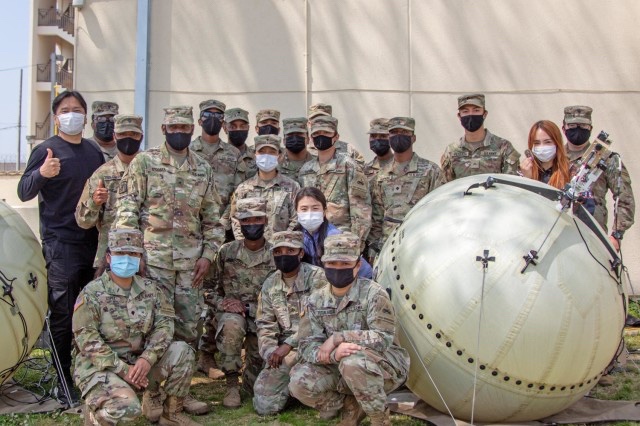
For Army logisticians who sustain their units with critical supplies, repair resources and parts, one of their most important tools is the CSS VSAT, a mobile satellite terminal found at every MSC within Eighth Army.

Eighth Army was the first unit to receive ISA systems. It is a lightweight, versatile satellite terminal, which Soldiers can set up and connect to a satellite to conduct logistics operations in the field. Soldiers can order anything from vehicle parts to medical supplies.
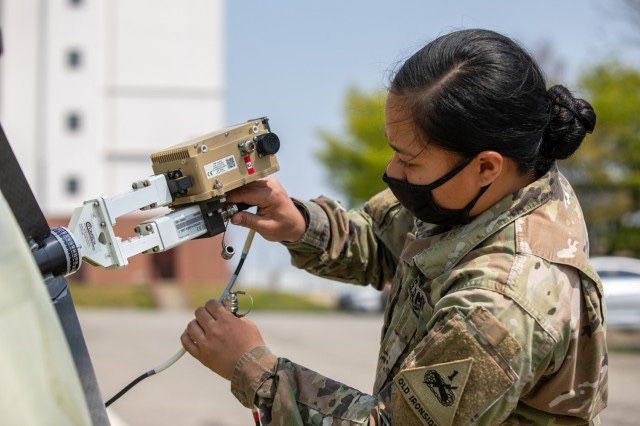
“In the [supply support activities], we support the requisition process of parts for customers, so in order for us to do that we have to put the order in the system of record, GCSS-Army, we depend on this internet connectivity that the ISA provides,” said Cpl. Faustina Fetalaiga, 501st Brigade Support Battalion, 1st ABCT, 1st AD. “This week we learned how to set up and operate the ISA and how to get the right azimuth to get the correct signal, so we are able to use the internet to order parts when we go to the field.”

For a week, the students from various 1st ABCT units from Camp Humphreys and Camp Casey took classroom lessons and later set up their ISA systems, which then connected to a satellite above Earth. The goal is to have each Ready First Brigade Soldier able to return to their units and set up and employ the ISA.

The class was taught by instructors from the 19th Expeditionary Sustainment Command Logistics Training Team.

The ISA system looks different than the legacy version; its dish sits inside a 1.2-meter inflatable ball. The ISA is more expeditionary than the legacy version because it only weighs approximately 150 pounds and packs into just two cases. It is designed so two Soldiers can set up the ISA in less than 30 minutes, compared to more than 45 minutes for the previous system, according to U.S. Army Communications-Electronics Command.
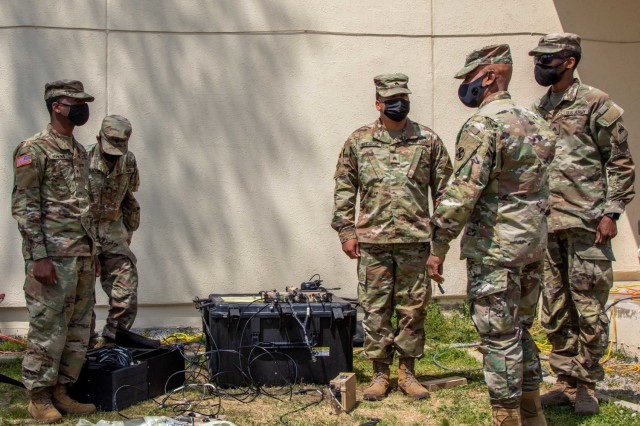
“The ISA is more compact, you can pack it up very quickly and bring it to another location if you need to move,” said Sgt. Tony Harrington, Sustainment Automation Support Management Office noncommissioned officer in-charge for 501st Brigade Support Battalion, 1st ABCT, 1st AD.

Harrington is an information technology specialist team leader who will help fix any issues Soldiers have with the ISA in the field.

“The legacy VSATs back in the states come in big boxes that you have to carry around to different places,” Harrington said. “We learned the setup and tear down process for the ISAs and my team and I have a lot of experience with the legacy VSATs so we’ll be able to troubleshoot any connectivity problems with the ISA if needed; it’s almost the same process.”

Harrington added the training is good for the Soldiers because it will help them set up the ISA properly and limit the amount of trouble calls his team gets so he’ll be available to help other Soldiers with troubleshooting issues.
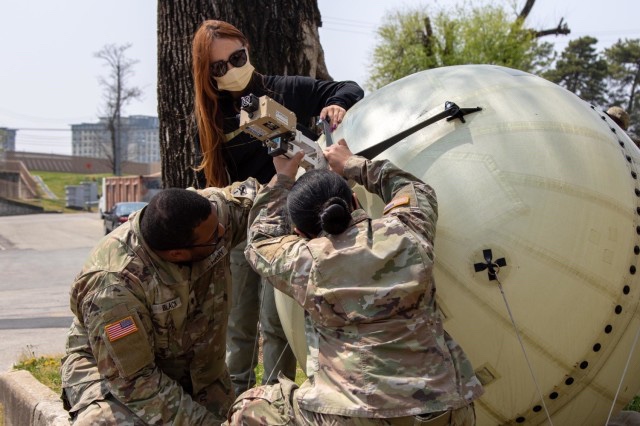
Despite its appearance, the ISA will not pop like a balloon if punctured. The new system is also designed to withstand interference because wind tends to travel around its round shape as opposed to an exposed satellite dish. The ISA also can operate in additional spectrum bands, according to U.S. Army Communications-Electronics Command.

According to David Moody, 19th ESC, Logistics Management Specialist instructor, Eighth Army and U.S. Army Pacific are the only U.S. Army units to use the ISA right now. He and his team have been conducting continuous training on the ISA since it arrived and are fulfilling Eighth Army G4’s request to have rotational brigade Soldiers trained to set them up for success.

“I was asked back at Fort Bliss if I wanted to attend this class before we deployed,” said Fetalaiga. “This class has been great and I appreciate the civilian instructors. I’m glad I told them I wanted to attend.”

By Kenji Thuloweit

Photos by PVT Lee, Hee-won
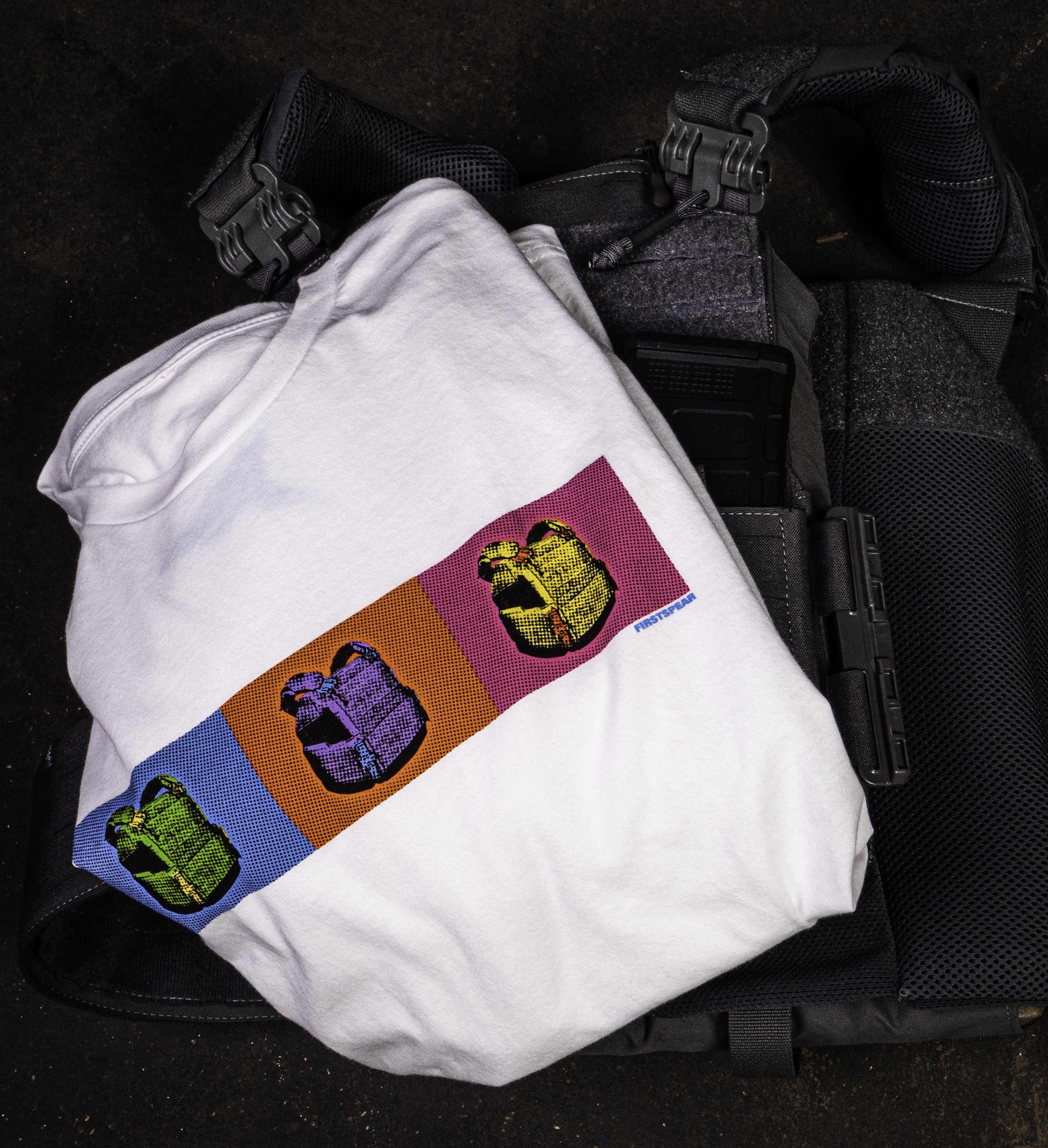
FirstSpear Friday Focus: NEW Strandhögg T-Shirt

Friday, April 29th, 2022

Launched at Warrior West Show— check out this LIMITED EDITION FirstSpear white shirt with our popular Standhögg Plate Carrier is featured in vibrant colors. On the back is the classic FirstSpear logo.

Get one before they’re gone. Check out, www.first-spear.com/pop-art-strandhogg.

Emerald Warrior 22 Prepares Air Commandos for Strategic Competition

Friday, April 29th, 2022

HURLBURT FIELD, Fla. (AFNS) —  

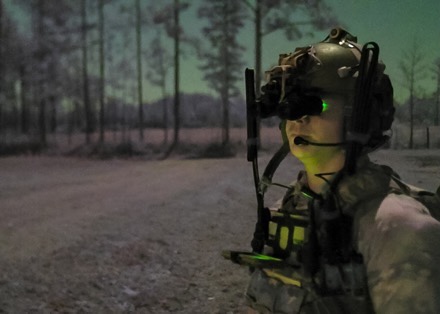
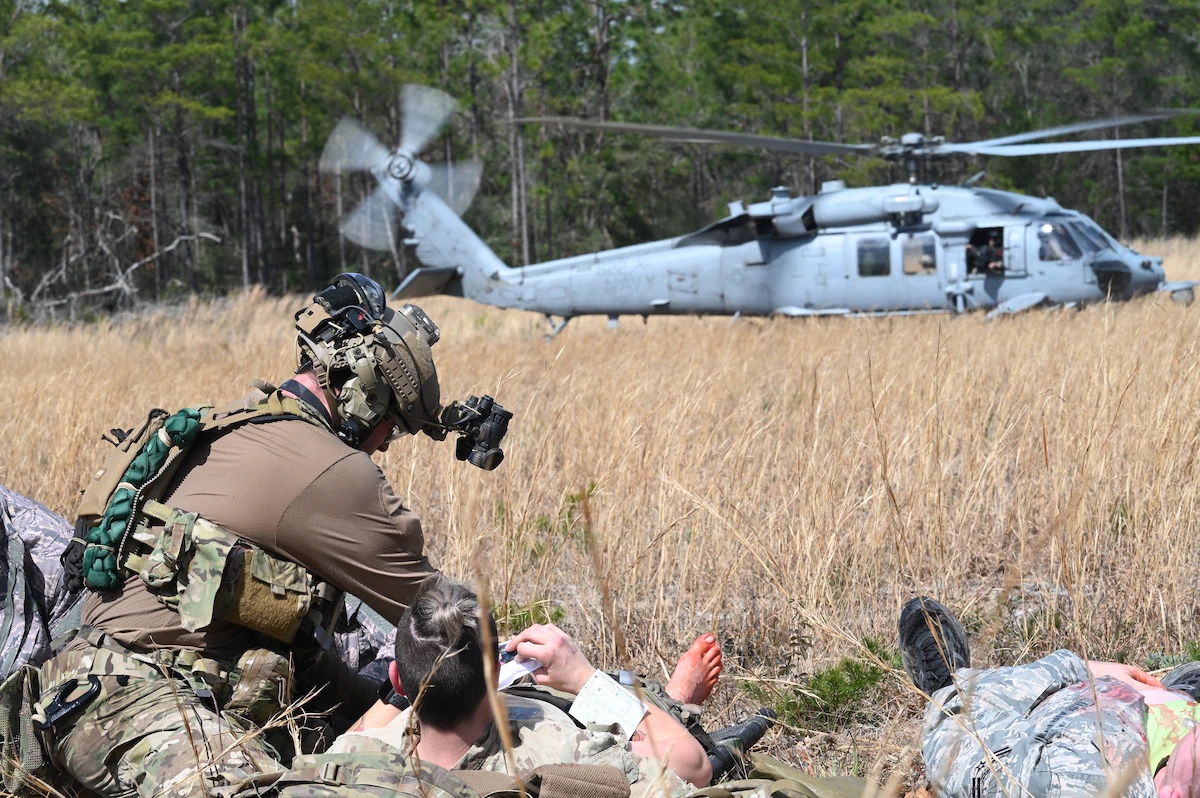
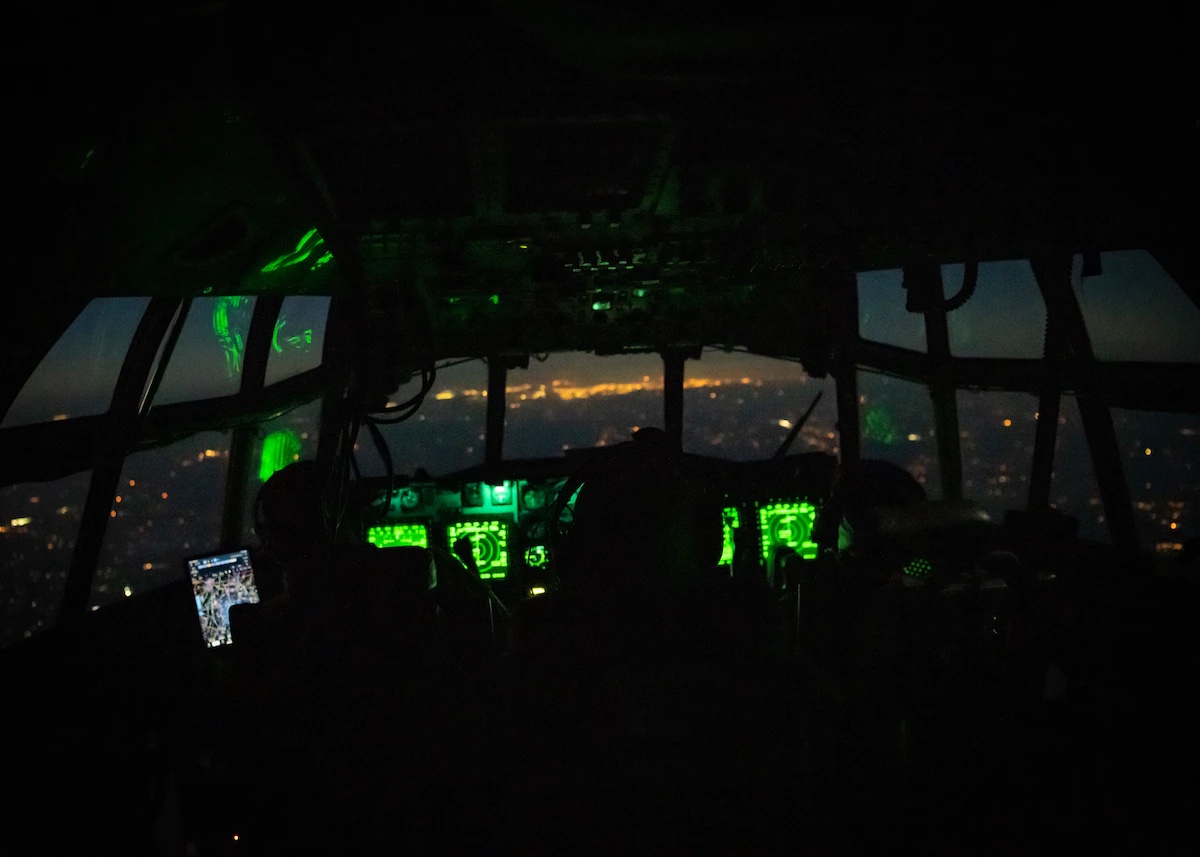
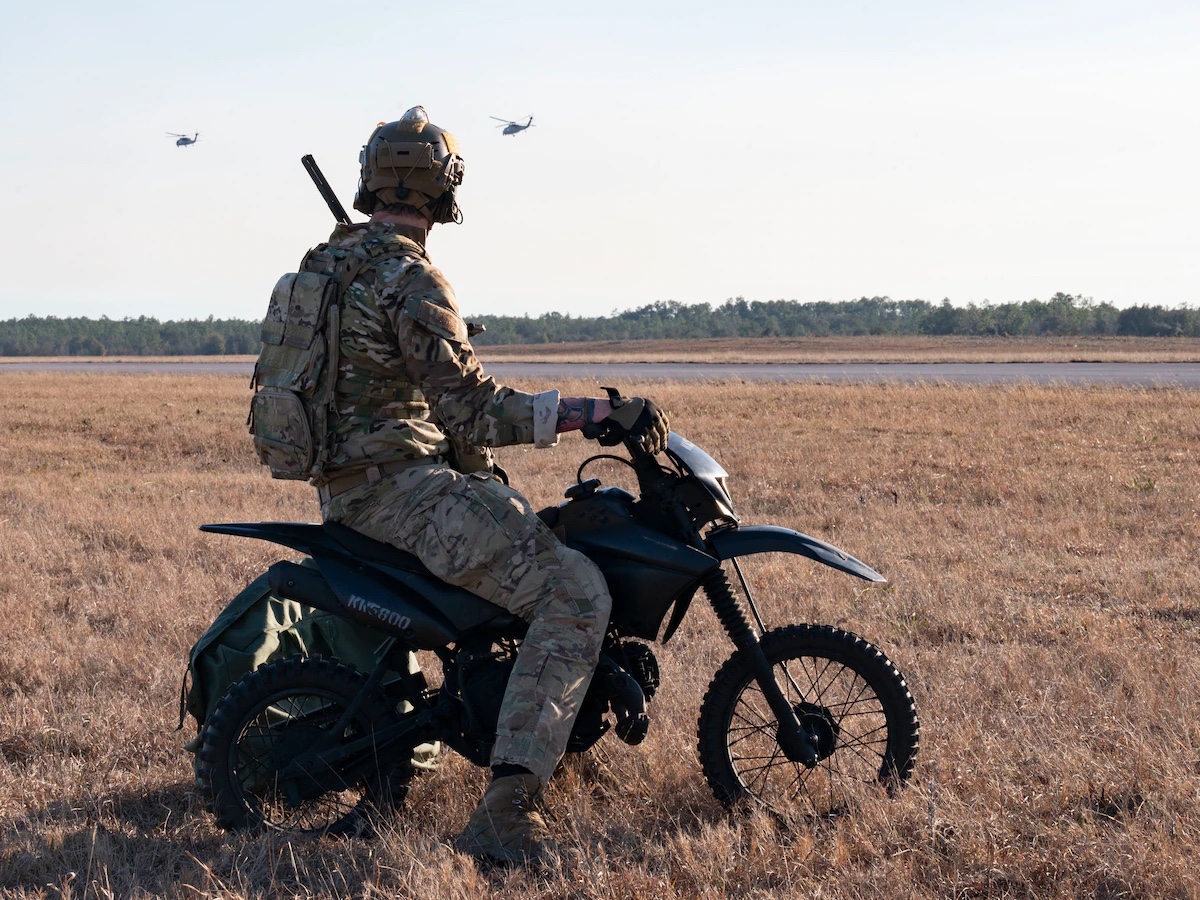
Air Force Special Operations Command is hosting the 15th annual Emerald Warrior exercise at multiple locations across the Southeast U.S., from Hurlburt Field, April 25-May 15. The combined exercise provides realistic and relevant training to prepare special operations forces, conventional forces and international partners for operations in the evolving strategic environment.

Emerald Warrior applies lessons learned from real-world operations to provide trained and ready forces to the joint force, while also focusing on security priorities laid out in the AFSOC Strategic Guidance, and nested and relevant national-level strategy. 


It hones the skills of participating units and is an opportunity to test future concepts. In line with AFSOC’s Strategic Guidance, the exercise fuels on-going innovation and experimentation efforts within the command.

Additionally, Emerald Warrior strengthens international cooperation by inviting partner-nations to participate in the exercise. This year’s foreign partners are from the Czech Republic.

Emerald Warrior is not in response to any specific event and is a regularly-scheduled exercise. Exercises like Emerald Warrior are necessary to rehearse U.S., allied and partner abilities to deploy and conduct operations under challenging conditions. These exercises help our forces to prepare for mission requirements.

Residents near training locations may experience increased military activity in their area. All training occurs at designated sites, previously coordinated with local authorities.

Air Force Special Operations Command Public Affairs

New Soldier-Protection Turret Developed for Armored Multi-Purpose Vehicle

Thursday, April 28th, 2022

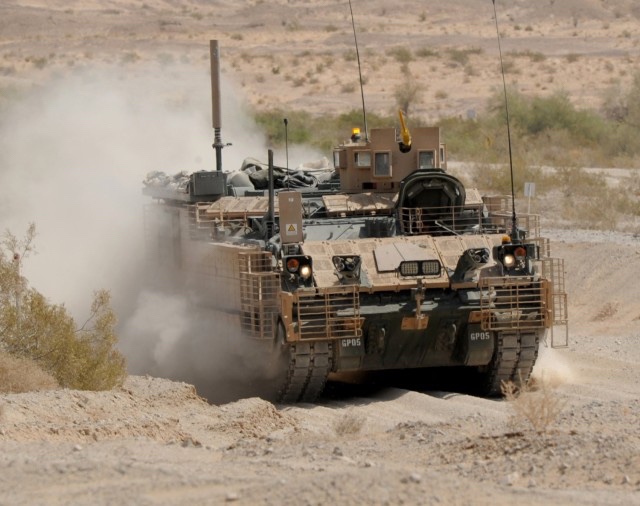
PICATINNY ARSENAL, N.J. — Soldiers are getting a chance to evaluate and train with a new armored turret system for the Armored Multi-Purpose Vehicle, the latest U.S. Army platform within the high-priority Next Generation Combat Vehicle modernization program.

The new Objective Commander’s Weapon Station integrates with all five variants of the AMPV: a general-purpose vehicle, mission command vehicle, mortar carrier, medical evacuation and medical treatment vehicles. The AMPV is currently in low-rate production.

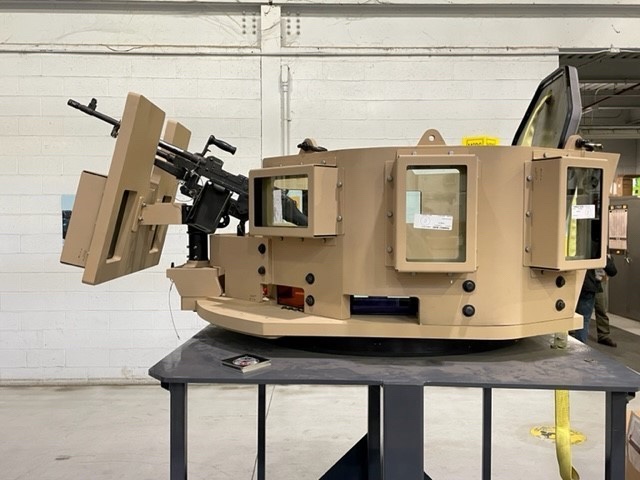
The OCWS system, which addresses the ongoing need to develop advanced armor protection and capabilities for Soldiers, is part of the broad sweep of modernization efforts within the U.S. Army. The advanced protection kit has a new armor alloy and a titanium hatch design.

The OCWS turret protects the vehicle commander, who operates as the gunner on the top side of the vehicle. Essential features include periscopes, motorized rotation and a spacious interior that allows the gunner to perform complex missions under protection. The weapon mount on the system gives the gunner full access to the suite of crew served weapons, providing a range of firepower options.

The OCWS was developed and prototyped by engineers at the U.S. Army Combat Capabilities Development Command Armaments Center at Picatinny Arsenal, New Jersey. The Armaments Center reports to the U.S. Army Combat Capabilities Development Command, which is part of Army Futures Command.

“The OCWS is definitely one of our more sophisticated turret systems,” said Thomas Kiel, who leads the engineering activity for U.S. Army and U.S. Marine Corps armored and tactical vehicle turrets within the DEVCOM Armaments Center Force Protection team. “The AMPV was developed to operate on the front lines of the battlefield, and our team had to accommodate the challenging requirements associated with that,” Kiel added.

The OCWS includes a combination of opaque and transparent armor that is specially configured to provide advanced protection and situational awareness for the Commander. The Armaments Center works closely with DEVCOM’s Army Research Laboratory to ensure that the high performing armor materials are lightweight, affordable and readily available.

“Our initial prototype was integrated with the vehicle at the test site for a formal user evaluation,” said Narayan Bhagavatula, Program Lead for Gunner Protection Systems within Program Manager Soldier Lethality, also located at Picatinny Arsenal.

Experienced warfighters, program managers and Picatinny engineers participated in a Human Systems Integration event at the Aberdeen Test Center for a complete evaluation of every aspect of the new turret. “It is critical that the OCWS meets the needs of the Soldier,” said Bhagavatula. “User feedback is the most important aspect of our development process.”

At the Soldier-centered event, the turret team gathers all comments and recommendations from Soldiers and incorporates them into the design. Engineering analysis of the updated computer models follows each design change.

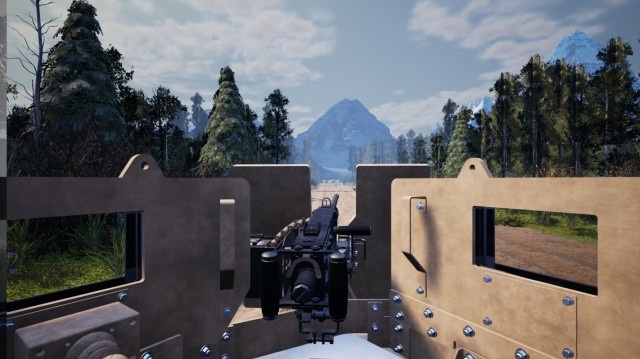
“We’re able to really push the envelope on system complexity and performance because of recent advances in modeling and simulation,” said Kiel. The engineers work closely with the Gaming, Interactive Technologies & Multimedia team at the Armaments Center to evaluate computer models within a virtual environment that simulate various battlefield scenarios, from dense urban combat to open terrain, under certain weather conditions.

In collaboration with Rowan University in Glassboro, New Jersey, the Armaments Center is acquiring new simulation technologies and toolsets that make it possible to evaluate the overall effectiveness of new weapon systems through fully immersive environments.

“Through advanced modeling, we can predict the behavior of our turrets under extreme stress, as well as understand how the system will be used during combat,” said Kiel. “The engineering data we generate is treated as a weapon system and is managed and secured as such,” he added.

The DEVCOM Armaments Center has the lead within the DOD in the development of Tactical Vehicle Turret Systems. More than 50,000 systems have been fielded on a variety of platforms, including the Humvee, Mine Resistant Ambush Protected Vehicles, the MRAP All-Terrain Vehicle and others. Objective Gunner Protection Kit Turrets are standard for the Joint Light Tactical Vehicle.

At least 14 patents have been issued related to the development of turret systems, including three that were selected as Army’s Greatest Inventions. AGI awards are considered somewhat of a “Soldier’s Choice Award” because nominations are judged by a panel of noncommissioned officers with recent combat experience as well as practical, hands-on experience.

The Product Data Management team at Picatinny is responsible for processing and maintaining all aspects of weapon system data, which is used throughout the Armaments Center enterprise for various functions such as prototype fabrication, structural modeling, and cost analysis. “The technical data itself is a strategic asset for the U.S. Army and a crucial component in achieving military advantage,” Kiel said.

“We built all of the prototype OCWS turrets in-house over the last 18 months,” said Bhagavatula. “Meeting the aggressive test schedule was a top priority, along with finalizing the technical data package for the start of low-rate production,” he added. Assembled within its Prototype Integration Facility, the Armaments Center provided 20 OCWS turrets for test and evaluation.

The AMPV with OCWS has undergone reliability, availability, and maintainability testing at Yuma Proving Ground, Arizona, as well as live-fire testing at Aberdeen Proving Ground, Maryland.

Follow-on operational testing of the AMPV with Soldiers is underway.

By Ed Lopez, Picatinny Arsenal Public Affairs

Agilite-Why We Do What We Do

Wednesday, April 27th, 2022

Today is Holocaust Rememberence Day in Israel and Agilite has a message for its Enemies:

Air Mobility Command Reopens Space-Available Travel

Wednesday, April 27th, 2022

SCOTT AIR FORCE BASE, Ill. (AFNS) —

As of April 22, all restrictions on space-available (Space-A) travel have been lifted.

The Office of the Under Secretary of Defense temporarily suspended most Space-A travel aboard Air Mobility Command and contracted aircraft, effective March 21, 2020 in order to limit COVID-19’s spread and impact on the force.

Medical screening protocols may still apply for travelers heading outside the contiguous United States (OCONUS). Members traveling to a foreign country will need to follow any testing requirements listed within the Electronic Foreign Clearance Guide.

This reopening permits Space-A travel for uniformed service members, retirees, dependents and Reservists to travel within the continental United States and outside the continental United States, if space allows.

Per Department of Defense policy, if necessary, Space-A travel limitations can be reinstated to help stop the spread of any future outbreaks of COVID-19. Mobility aircrew readiness is paramount to ensuring the Department is postured to project mobility airpower and global reach.

For additional information on Space-Available Travel, visit AMC’s travel website here.

Air Mobility Command Public Affairs

SIG FOXTROT2 Weapon Light Now Available

Tuesday, April 26th, 2022

580 Lumens and 13,000 Candela,

User Adjustability at Your Fingertips

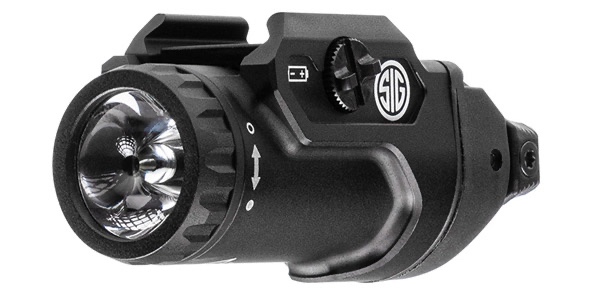
The FOXTROT2 is designed for the user that wants maximum output and maximum adjustability at their fingertips. This versatile weapon mounted light has 580 lumens/13,000 Candela and is programmable with 3 user defined modes; Momentary, Latching, and Threshold Mode.

Additionally, the user can adjust the light on the rail using the supplied 4-Position Sliding Rail; Interface Inserts For Maximum Adjustment Range On The Firearm.

The FOXTROT2 mounts to any Picatinny 1913, SIG SAUER proprietary, or Glock rails with no need for adapters or cross-slot modifications. Ambidextrous Activation Paddles to power the ultra-efficient white LED runs up to one hour on a single CR123 battery.

The rail-mounted light is ideal for home defense, law enforcement, or military applications and should fit most holsters designed for handgun lights.

www.sigsauer.com/foxtrot2

DEVCOM Soldier Center Seeks to Improve Body Armor for Women

Tuesday, April 26th, 2022

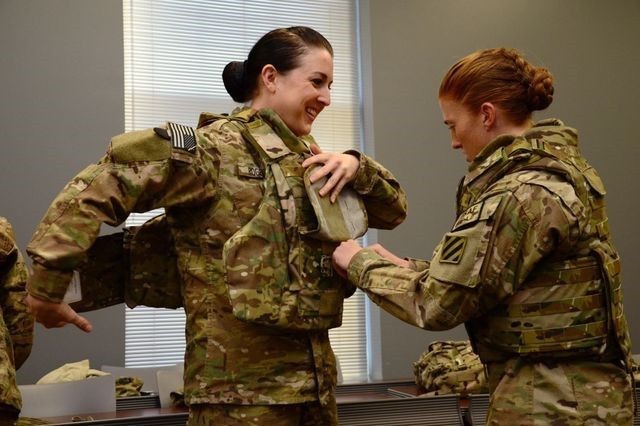
NATICK, Mass. — Researchers at the U.S. Army Combat Capabilities Development Command Soldier Center, or DEVCOM SC, have developed a body armor questionnaire to help improve body armor for female users specifically and for all body armor users in general.

The researchers at DEVCOM SC — who are longtime experts in Soldier protection, human factors and gathering/analyzing Soldier input — are investigating body armor fit and related issues, and how those issues impact the ability of users to perform their mission.

Participation from current and past users of body armor will provide researchers with insight into user needs and ways to make improvements. Data will be collected from a questionnaire completed by eligible individuals.

The questionnaire is part of DEVCOM SC’s larger effort to support the Female Body Armor Modernization Act. In support of the act, DEVCOM SC is investigating and developing body armor system improvements specifically focused on women as well as improvements that will benefit both male and female Soldiers. DEVCOM SC’s Applied Ergonomics Team and the Consumer Research Team, both part of DEVCOM SC’s Soldier Effectiveness Directorate, have worked together to develop the questionnaire.

Blake Mitchell, team leader of the Applied Ergonomics Team and lead for the Anthropometric Study for the Female Body Armor Modernization program, explained that the questionnaire will help “to identify the predominant fit and performance issues, as well as the body armor system sizing and issuance process experienced by women in the Army.”

Mitchell explained that the questionnaire goes into considerable depth in its attempt to identify what the primary issues are in a way that can allow for design improvements. The questionnaire gives participants the means to identify ways they are not fully protected, any discomfort they experience — both short or long term — and how issues with fit may impede their ability to do their job.

“We want potential participants to understand the importance of completing this survey, because it takes time to answer all questions honestly and thoroughly, particularly for those who have more experience with body armor,” said Wendy Johnson, a research psychologist on the Consumer Research Team. “In order to make the survey more convenient and to accommodate their schedules, participants have up to seven days to complete the survey once they begin.”

The questionnaire is aimed at women in the Army, but all genders are welcome to respond. The research team hopes to use data from male respondents to better understand their general fit and performance issues. Researchers are also interested in gathering opinions of body armor users from the National Guard and the Reserves, as well as individuals who have recently separated from the military.

“We hope to elicit responses from a wide variety of mission areas across the military – from people that only have to wear body armor occasionally to those that wear it day and night for extended periods of time,” said Mitchell. “Having data from a broad array of users will allow us more power in how we understand and interpret the data, and aid in the better design of future systems to accommodate a broader range of the user population.”

The questionnaire asks respondents relevant questions about their body shape and size, as well as their experiences with, and performance impacts due to, body armor use. In addition to identifying the specific body armor elements that need to be improved, researchers also hope to find out what is working well.

“Researchers will summarize the information derived from this questionnaire and will make it available to designers, manufacturers and acquisition personnel,” said Mitchell. “Key issues will be grouped based on demographic and anthropometric descriptors to lead to a better understanding of how to improve fit and performance.”

As part of their larger effort to improve female body armor, DEVCOM SC researchers are also using data from the 2012 Anthropometric Survey, or ANSUR II, to better understand the size and shape of women who make up the U.S. Army. ANSUR II includes direct measurements and three-dimensional whole-body scans. ANSUR II was executed by DEVCOM SC and is one of the world’s largest and most comprehensive anthropometric surveys. It provides invaluable data that aids the design and optimization of a wide range of products.

The body armor questionnaire is part of DEVCOM SC’s ongoing emphasis on Soldier input as a key component in all research and product development.

“The Soldier Center wants to ensure that all of the products we support meet the requirements of all Soldiers so they can complete their mission and do their job without creating unneeded or additional burdens for them,” said Mitchell. “This questionnaire will provide specific information on Soldier’s preferences and experiences for body armor in their own voice.”

Data gathered from DEVCOM SC’s questionnaire will be used to improve future body armor development efforts for the Army. Navy body armor designers and project officers have also expressed interest in the results and have requested information and summary data on female Sailors who have experience with certain Navy body armor systems, as responses from other services are also being collected. The Soldier Center plans to have a summary of results by the end of the fiscal year.

If you are interested in participating in the questionnaire, it is available at online.

By Jane Benson, DEVCOM SC Public Affairs