XC3 Weaponlight

Archive for the ‘Guest Post’ Category

US Army’s 4th SFAB Joins the Fight at Allied Spirit

Saturday, February 26th, 2022

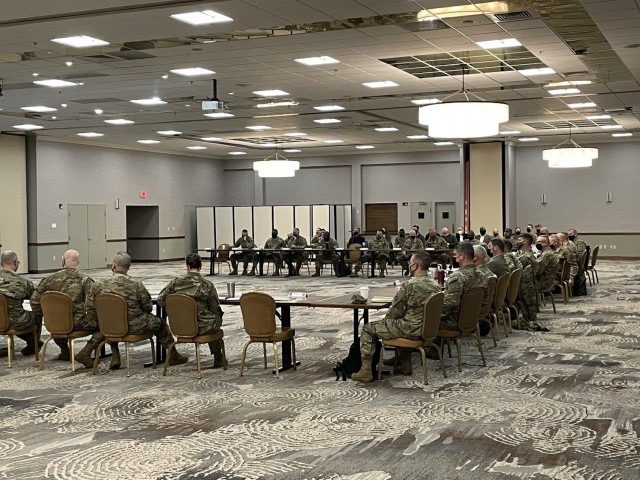
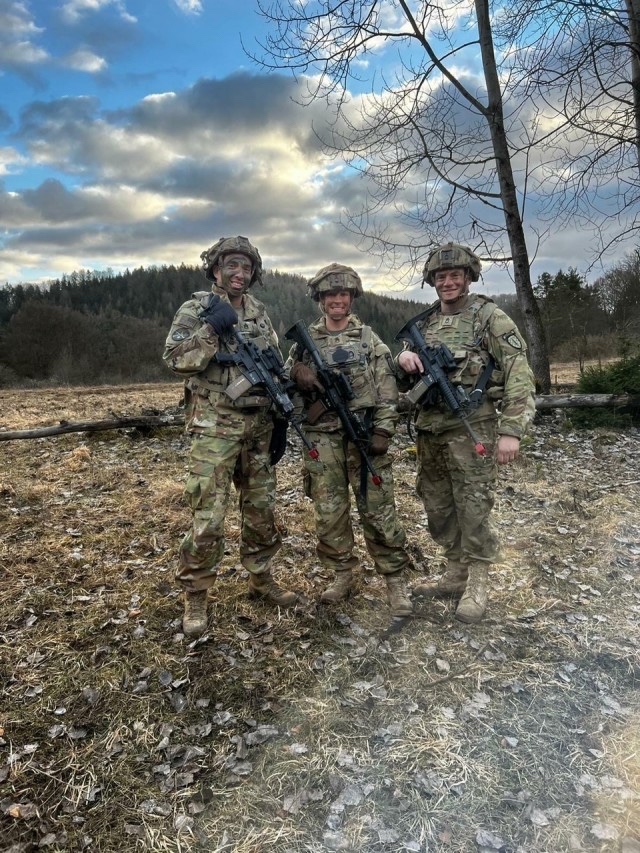
HOHENFELS, Germany – Advisors from the U.S. Army 4th Security Forces Assistance Brigade participated in their first multinational exercise in Europe as they worked alongside their Latvian counterparts during Allied Spirit 22 at the Joint Multinational Readiness Center Jan. 21- Feb. 5.

Approximately 5,000 soldiers from 15 nations including Germany, Hungary, Italy, Kosovo, Latvia, Lithuania, Netherlands, Moldova, Poland, Portugal, Slovenia, Spain, Turkey, the United Kingdom, and the United States took part at 7th Army Training Command’s JMRC in Allied Spirit 22.

Advisor teams from the 4th SFAB, which is stationed at Fort Carson, Colorado, arrived in Europe in September, 2021, and are currently advising land forces in Georgia, Latvia, North Macedonia, Poland and Romania. The SFAB concept was developed as special advisory teams to aid in training and advising armies in specific needs that are developed in close coordination with allies and partners. There are five active duty SFABs and one National Guard SFAB, each with a different geographic focus.

Twenty-one 4th SFAB Soldiers serve as team advisors in warfighting functions such as infantry, engineering, medical, logistics, and field artillery within the Latvian Mechanized Infantry Brigade while deployed to Camp Adazi, Latvia, and integrated into positions across the brigade during exercise Allied Spirit.
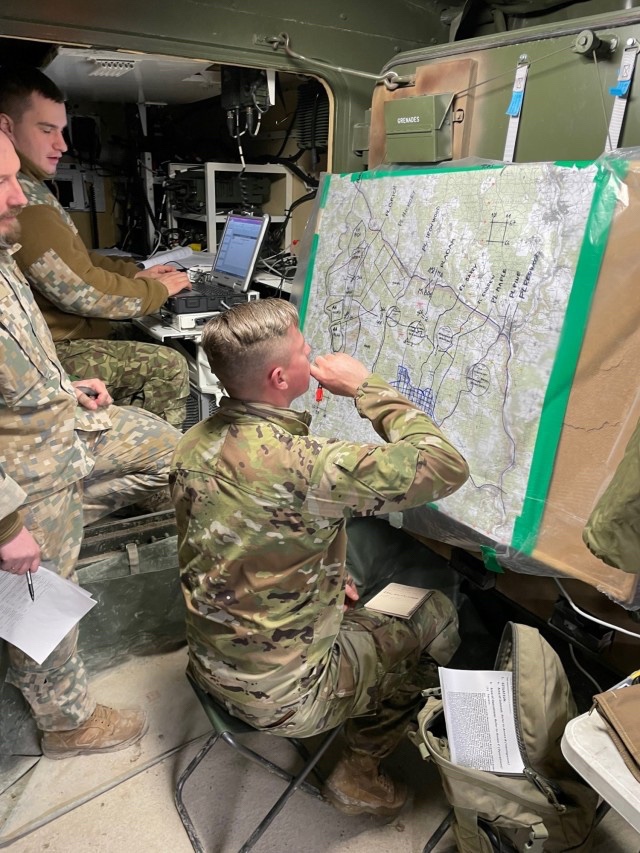
“Our main mission here is to improve interoperability between us and our NATO allies and partners, while doing whatever we can to gain understanding of how our allies and partners conduct large-scale combat operations,” said U.S. Army Cpt. Andrew Shanks, a logistics advisor team leader assigned to 4th SFAB, who served as a battle captain within the MIB’s Latvian Combat Service Support Battalion during the exercise.

Unlike the Saber Junction and Combined Resolve series at JMRC, which feature U.S. brigade combat teams in a lead role augmented by allies and partners, Allied Spirit places an allied unit as the main training audience. For the second time since 2017, the Latvian MIB served as the allied brigade headquarters for Allied Spirit.

“This is the first large exercise of its kind in which SFAB teams have integrated with a persistent partner as advisors months prior to the exercise, during the exercise and months after the exercise,” Shanks said.
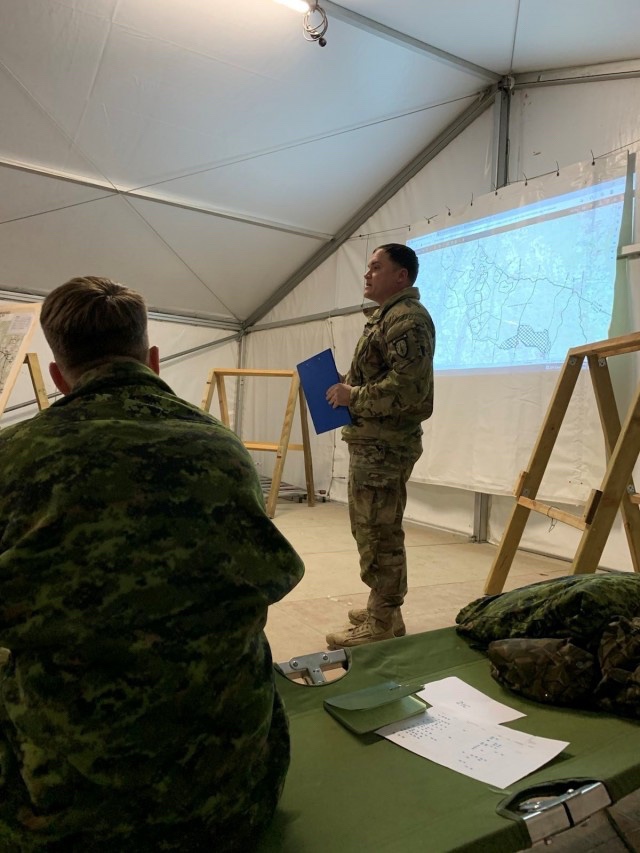
Allied Spirit 22 was led by the German Army’s 1st Armored Division, whose staff provided command and control over a multinational brigade and other constructive elements. Based in Oldenburg, the division is part of NATO’s 1st German Netherlands Corps.

“The absolute best part of the exercise was working closely with our partners, and as much we could hope to teach, we also learned just as much,” said U.S. Army Sgt. First Class Joshua Kirby, a 4th SFAB advisor who worked with fire support officers in two command posts within the Latvian MIB.

In 2018 the first SFAB was activated in Fort Benning, Georgia. The vision was to take mature and experienced Army leaders and utilize them as small teams of select training advisors trained to deploy worldwide to liaise, support, assess and advise our international partners and allies.
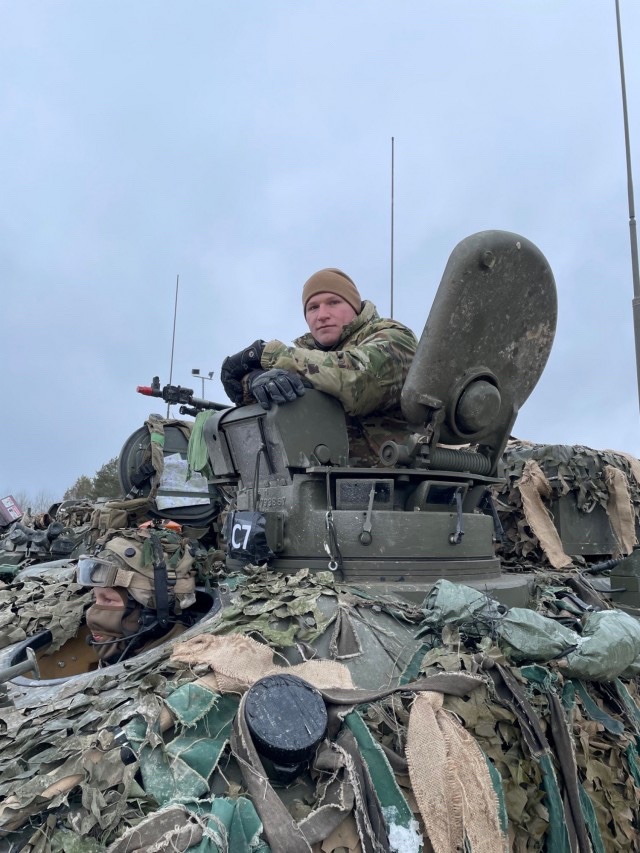
The 4th SFAB initiatives include advising, support, liaising and assessments of military capabilities of allied and partner forces. Building trust through persistent presence aims to improve the security environment and to ensure continued interoperability, 4th SFAB will train with partners and allies to deter aggression and defeat adversaries. The 4th SFAB builds on enduring partnerships in multi-domain areas, extending cooperation throughout the European theater.

“Allied Spirit 22 proved a tremendous opportunity for 4th SFAB to enhance interoperability between allies while building readiness for large scale combat operations. Advisors from the 4th SFAB have established our reputation in Europe as a force multiplying asset since their arrival in October of 2012,” said Col. Robert Born, commander of the 4th SFAB. “The experience gained by our Advisors, in support of the Latvian Mechanized Infantry Brigade, will prove invaluable and dramatically increase the effectiveness of 4th SFAB.”
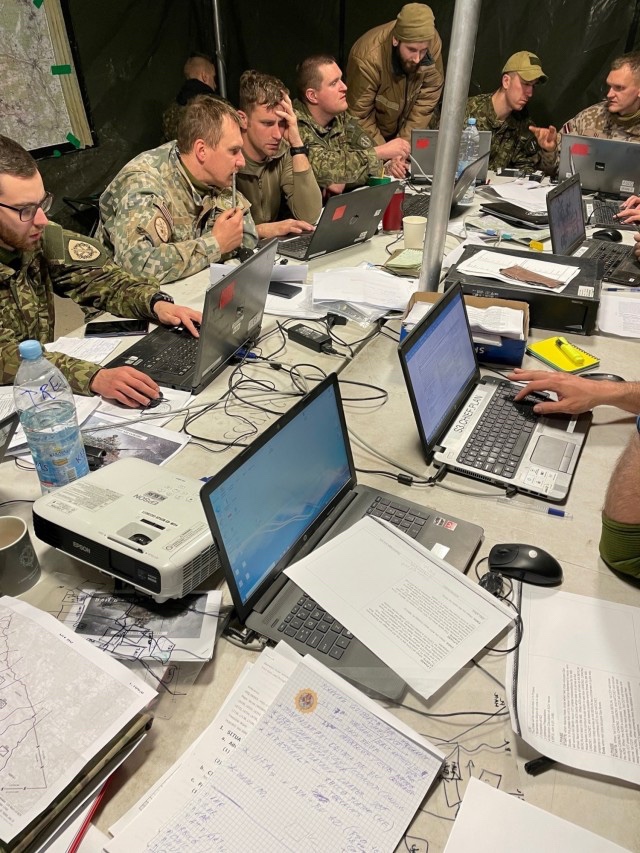
The U.S. Army’s only overseas training command and combat training center is located in Germany, to provide ready and capable theater assigned U.S. forces but also to facilitate testing and strengthening interoperability with allies and partners to support theater operations and drive readiness within the North Atlantic Treaty Organization.

“There’s only certain times we’re able to go through this Combat Training Center rotation at JMRC,” said Maj. Edward Gibbons, 4th SFAB Team Leader. “For us to do this rotation in a multinational context is significant for our own internal professional development. The lessons we learned, and seeing how other brigades and battalions performed, was a great experience for us.”

The 4th SFAB is scheduled to support multiple scheduled exercises in Albania, Bosnia, Germany, Kosovo, North Macedonia, Poland, and Turkey in spring, 2022.

For more photos, videos and news stories from exercise Allied Spirit, visit: www.dvidshub.net/feature/AlliedSpirit

Follow the 4th SFAB on Facebook: https://www.facebook.com/4SFAB

Follow the 7th Army Training Command on Facebook: www.facebook.com/7thATC

Follow U.S. Army Europe and Africa on Facebook: www.facebook.com/USArmyEURAF

By SPC Nathaniel Gayle
Sitka Arrowhead to Exhibit via PT Defence at Enforce Tac 2022

Friday, February 25th, 2022

PT Defence will be representing SITKA Arrowhead at Enforce Tac 2022. Showcasing at stand 12-544, attendees will have the opportunity to view the current product line – specifically developed for the SOF end-user – to notably include best-in-class Wet Weather Protective (WWP) technical apparel solutions.

The show takes place at the Exhibition Centre, Nuremberg, Germany, March 1-2 2022.


FirstSpear Friday Focus: Stratton Fleece Lined Flannels

Friday, February 25th, 2022

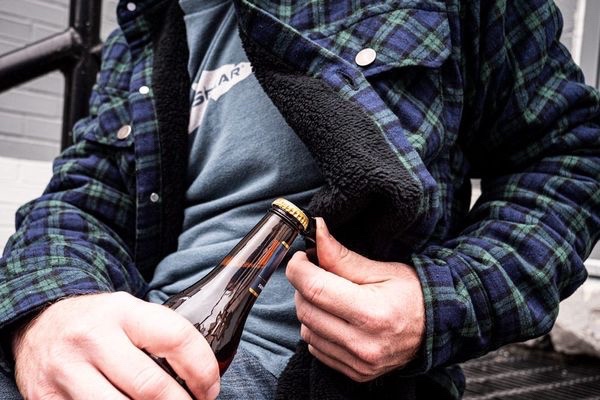
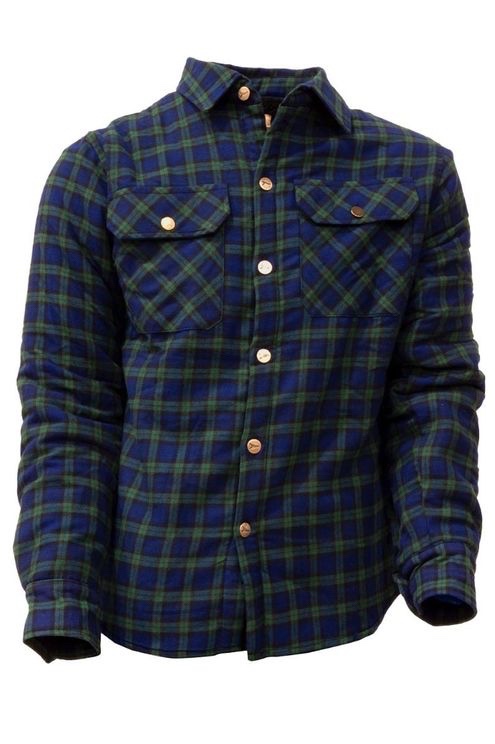
Check out the exclusive fleece-lined Stratton Flannel. Get them before they’re gone! Similar in cut and feel to the 4 ounce and 9 ounce flannel weights, this flannel features two oversized chest pockets with button closures to secure your important items, such as your phone. However, a new addition to the flannel is an integral bottle opener. It’s the perfect addition to your EDC line up.


Stratton flannels lovers will still find throughout this stunning shirt smooth metal buttons that will stand up to the test of time.

The Stratton Flannel is machine washable, and slightly oversized to accommodate for a 3% shrinkage after the first wash. Made in the USA with imported cotton. Limited sizes left— get them before we run out. We launch exclusive flannel colorwave each season, so make sure you grab it before it’s gone for good.

To check out the newest flannel, go to www.first-spear.com/stratton_flannel_fleeced_lined.

Spartan Brigade showcases Armored Formation On-The-Move Network Pilot

Friday, February 25th, 2022

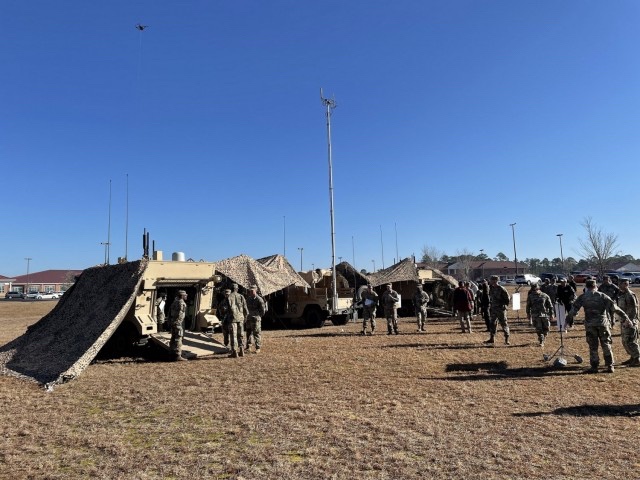
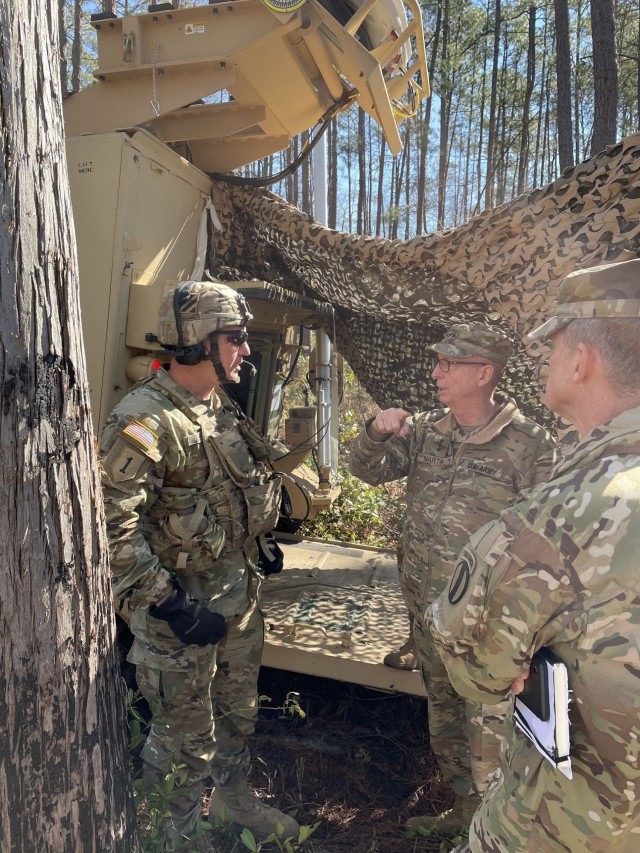
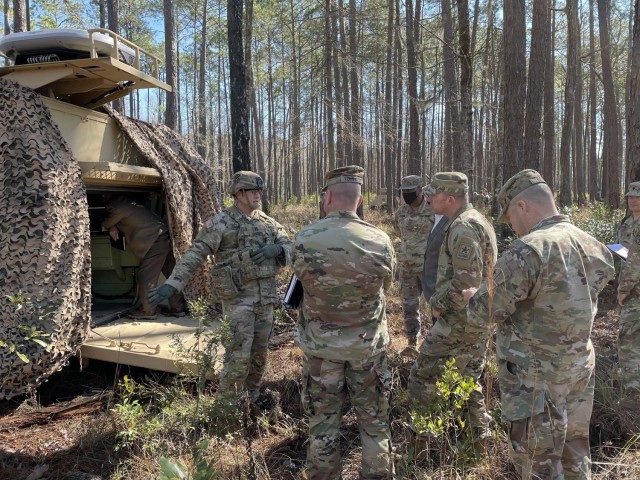
FORT STEWART, Ga. – The “Spartan Brigade,” 2nd Armored Brigade Combat Team, 3rd Infantry Division, showcased the U.S. Army’s Armored Formation On-The-Move Network Pilot on Feb. 8-9 at Fort Stewart. The pilot was in its third and final week when the unit and Army stakeholders conducted a corresponding media day and distinguished visitors day, where they exhibited three equipment sets that leveraged satellite and line-of-sight commercial network prototypes from over 20 industry partners.

Each equipment set enabled different combinations of network communications, both on the move and at the quick halt, to enhance command and control for distributed and dispersed operations and survivability and lethality.

“We know on the future battlefield you have to fight dispersed and distributed,” emphasized Maj. Gen. Charles D. Costanza, Commanding General, 3rd Infantry Division and Fort Stewart. “Even the brigade tactical operations center set up out here [for this pilot], which is scaled way down, is still too big, and so this capability would enable us to fight more distributed and dispersed. And then with the future modernization efforts we are doing with vehicles, for example AMPV [Armored Multi-Purpose Vehicle], you put those two capabilities together, I think this is really going to improve our ability to fight and survive on the future battlefield.”

Each week of the pilot a different Spartan Brigade battalion stressed and assessed one of the equipment sets in realistic brigade-designed mission threads, during and after which the Army garnered Soldier feedback and assessment data.

“One of our primary modernization focus areas is really about the network and how we enable the future fight through speed, range and convergence,” said Maj. Gen. Robert M. Collins, Program Executive Officer for Command, Control, Communications-Tactical.

During the media day, a handful of Washington reporters from defense and technology news outlets and a regional news station visited on Tuesday, Feb. 8 to ask questions and talk to Soldiers and Army network acquisition and fielding leaders about the different equipment sets. The following day, modernization stakeholders from various U.S. Army program executive offices, cross-functional teams, training and doctrine commands, science and technology organizations, and additional Army senior leaders had a similar opportunity to talk to Soldiers as well as exchange ideas on the network modernization of armored formations.

The media and distinguished visitors first spoke to Soldiers at a static display that highlighted two of the equipment sets and then rode out to the training area to talk to Soldiers employing the third equipment set.

“They [the Soldiers] truly got to assess each of the equipment sets,” said Col. Terry R. Tillis, commander of the “Spartan Brigade,” 2nd ABCT, 3rd ID. “At the end of the day, if we can’t integrate with current capabilities, and it’s not simple enough for our end user, it is something we don’t want. But the general feedback we have received [is that] it’s easy to use, it is expeditionary, and allows us to keep a much smaller command post signature, which will help us increase our survivability.”

The Soldier feedback combined with qualitative and quantitative assessment data will inform the Army’s Capability Set 25 armored formation network design and concept from the division to the battalion level. The final armored formation OTM network solution set will enable more effective and less predictable offensive and defensive operations and will increase the lethality of the Army’s armored units.

By CPT Sean Minton

USMC Activates New Littoral Anti-Air Battalion

Thursday, February 24th, 2022

MCB HAWAII, Hawaii —

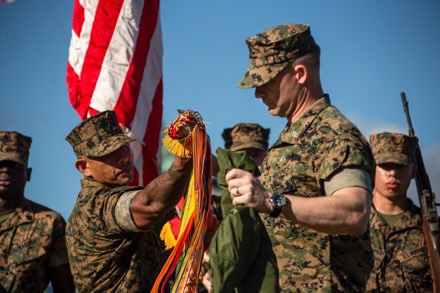
The Marine Corps administratively activated its first Littoral Anti-Air Battalion, the 3rd LAAB, in a small ceremony aboard Marine Corps Base Hawaii, Feb. 11, 2022.

While the unit is not envisioned to be fully operational for several years, the ceremony marks one of the first steps in the Marine Corps’ Force Design 2030 modernization effort.

The administrative activation of 3rd LAAB sets leadership in place and allows the unit to manage existing facilities and equipment previously managed by the recently de-activated 2nd Battalion, 3rd Marine Regiment. Activation also facilitates wargaming and experimentation to better define unit requirements and employment concepts in support of the Marine Corps’ Force Design modernization goals.

As designed, 3rd LAAB will serve as a subordinate unit to the future 3rd Marine Littoral Regiment, or 3rd MLR. While the details of how the LAAB will operate are still in development, the Marine Corps envisions the LAAB providing critical support and protection for small teams of MLR Marines distributed across wide areas of the Pacific region.

“Force Design creates advantages by having Marines think, act and organize in new ways…”

Lt. Col. James Arnold, 3rd LAAB commanding officer

Although 3rd LAAB is a new unit, its mission of air defense, air surveillance and early warning, air control, and forward arming and refueling is not new to the Marine Corps. What is new is how the Marine Corps envisions organizing and employing the battalion.

“Force Design creates advantages by having Marines think, act and organize in new ways,” said Lt. Col. James Arnold, 3rd LAAB commanding officer. “The capabilities formerly only found in the Wing that the LAAB will bring to the MLR commander used to require three different units that directly worked for an aviation commander. As envisioned with Force Design, this capability will now be organic to the tactical ground commander.”

The activation ceremony for 3rd LAAB represents a historical milestone, as the unit inherits the official Marine Corps history and lineage of a Marine anti-air unit that saw action from World War II to Desert Shield and Desert Storm.

The 3rd Light Anti-Aircraft Battalion was activated Dec. 19, 1938 and was re-designated as 3rd Defense Battalion in 1939. After the unit relocated in May 1940 to Pearl Harbor, Territory of Hawaii, the unit saw action in the attack on Pearl Harbor, and fought in the battles of Midway, Guadalcanal, the Northern Solomon Islands, and Bougainville. It deactivated in 1944 but was later re-activated as the 1st Provisional Marine Guided Missile Battalion in 1961. The unit re-designated as 3rd Light Antiaircraft Missile Battalion, employing its Hawk area defense missile systems as it participated in the Cuban Missile Crisis of 1962 and deployed in support of Operation Desert Shield and Desert Storm in 1990 and 1991. The unit de-activated Sept. 30, 1994 as the Marine Corps divested of its medium-range air defense capability.

1st Lt Isaac Liston, 3rd Marine Division

UF PRO Heading to Nuremberg for Enforce Tac and IWA Trade Fairs; Will Introduce Its Much-Anticipated 2022 Tactical Gear Lineup There

Wednesday, February 23rd, 2022

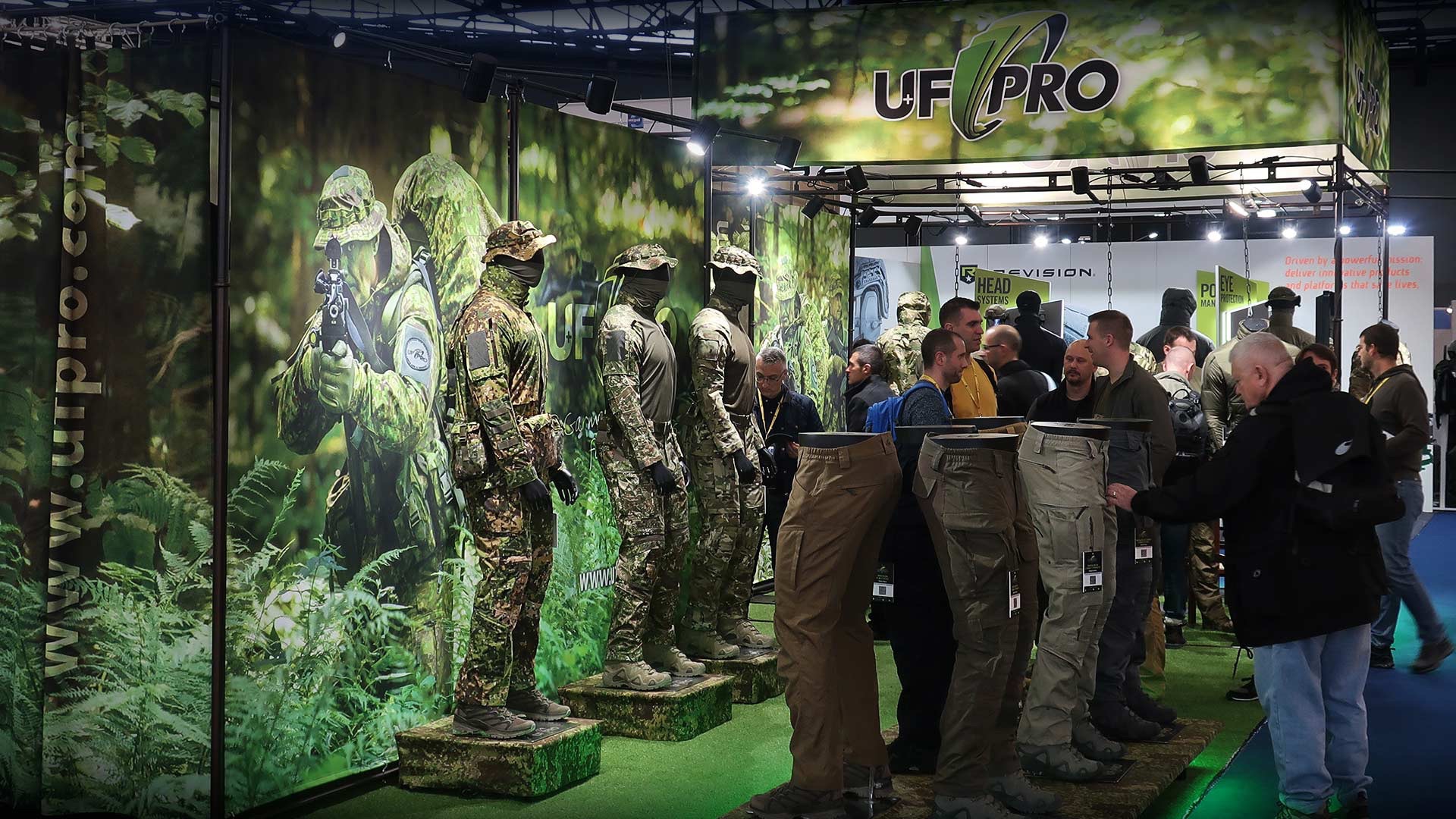
TRZIN, SLOVENIA (23 February 2022)—UF PRO today confirmed it will be exhbiting new products at the first post-pandemic Enforce Tac and IWA Outdoor Classics trade shows in Nuremberg, Germany, next week.

At those events the company will unveil its 2022 lineup of advanced-technology tactical garments. In addition, UF PRO will offer a sneak peek at other gear coming later.

Enforce Tac will be held 1-2 March in Nuremberg’s exhibition centre. UF PRO’s booth will be at Stand 432 in Hall 12.

IWA Outdoor Classics will be held 3-6 March at the same exhibition center in Nuremberg, but the UF PRO booth will have moved to Hall 3, Stand 315.

UF PRO, which makes cutting-edge tactical gear for military and law-enforcement personnel worldwide, plans to introduce at the two trade shows an impressive roster of innovative field apparel and related gear that includes:

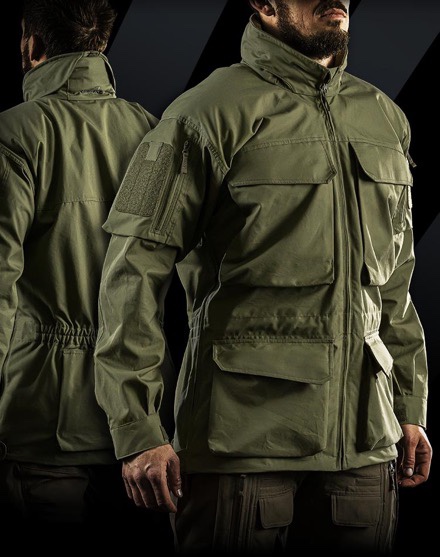
M2 Parka. This reimagining of the iconic M65 parka protects against rain and wind, and is nearly 100% noiseless. UF PRO is positioning it as an all-in-one survival jacket that combines functionality with convenience and that is equally suited for use in foul weather or for everyday wear.

Striker XT Gen.3 Combat Shirt. Carrying forward UF PRO’s tradition of excellence in design and construction, the shirt looks to be a popular item thanks to its super-stretchy, fast-drying material in the torso and moisture-wicking 3D mesh fabric.

Striker XT Gen.3 Combat Pants. Tactical trousers that are set to impress with their improved knee protection plus high-comfort venting and Waist/Flex System-adjusted fit.

Striker FR Gen.2 BDU. This fire-resistant battle dress uniform is designed to significantly reduce the risk of life-threatening injury from flames and intense heat caused by improvised explosive devices as they detonate and by proximity to flashover fires.

Additionally, UF PRO will debut its new Delta Winter line of garments built from a novel water-repellent and windproof softshell material that promises improved breathability, better thermal insulation, and greater tactile-pleasing softness. The line consists of:

Delta Ace Plus Gen.3 Winter Jacket for wearing while engaged in physically demanding activities at freezing temperatures.

Ace Gen.2 Winter Combat Shirt featuring a smart combination of thermal insulation and air vents to support ops in frigid environments.

Delta Eagle Gen.3 Softshell Jacket designed for staying warm while preventing overheating on cool, damp, windy days.

Delta OL 4.0 Tactical Winter Jacket sheds nearly all of the bulk normally associated with outerwear intended use in sub-zero temperatures.

Delta OL 4.0 Tactical Winter Pants fit precisely without restricting the wearer’s freedom of movement while also providing impressive warmth.

For more information about UF PRO products, please visit the company’s website at: www.ufpro.com

10th SFG(A) Invites Warriors Heart to Discuss Matters Held Close to an Operator’s Chest

Wednesday, February 23rd, 2022

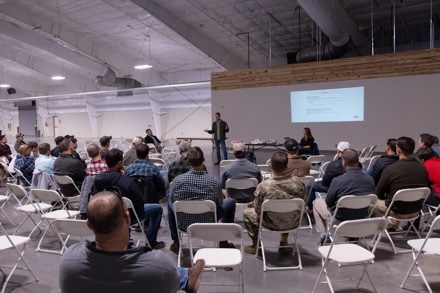
COLORADO SPRINGS, Colo. – 10th Special Forces Group (Airborne) invited speakers from Warriors Heart to speak candidly about the effects of post-traumatic stress disorder and traumatic brain injury (TBI) at the Norris Penrose Event Center Dec. 9, 2021.

Warriors Heart is a treatment center in Bandera, Texas, which provides inpatient care to active-duty service members, veterans and first responders for chemical dependency, alcohol abuse and psychological disorders related to PTSD or mild TBI.

The event was put on by Trojan Legacy—a 10th SFG(A) program that promotes resiliency, recovery and respect within the unit—to help shed light on what undiagnosed PTSD and TBI can look like and lead afflicted Soldiers to medical treatment.

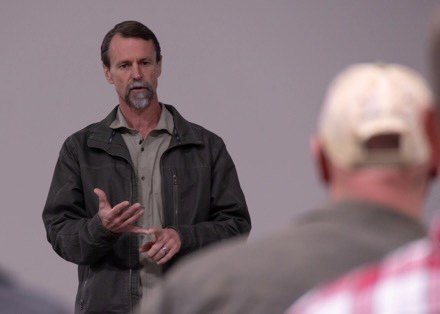
“I almost killed myself,” said Tom Spooner, Warriors Heart co-founder and retired Delta Force Operator. “‘How do I get this noise to stop?’ I was getting lost all the time; I wouldn’t know where I was when I was driving down the road. I just kept going…I had damage to the decision-making part of my brain that I didn’t know of.”

In 2006, Spooner experienced his third mass-casualty event and suffered a traumatic brain injury from an exploded mortar round while deployed which ultimately resulted in an incident where he used the military decision making process (MDMP) to plan his suicide.

“What’s going to stop this noise?,” he continued. “I started going through MDMP on utilizing my Glock and putting a bullet in my brain to stop the noise as a valid course of action. I was doing constraints, limitations, other courses of action, second and third order effects.”

Throughout Spooner’s 21 years of service, he volunteered for Airborne duty, Special Forces and Delta Force.

“Volunteers can’t complain,” he said. “The [Special Forces] selection process guarantees a lot of things. Up front, selection guarantees I will never quit…and I have never asked for help. The selection process guarantees I will not ask for help, and I only do it when I’m off the road.”

Nevertheless, Spooner had a buddy whom he confided in about what was going on in his mind as he veered off course.

“He was my everything guy,” Spooner said. “I would always tell him the truth. He stayed on me, stayed on me and stayed on me. He told me to get help. I had undiagnosed TBI, unprocessed trauma, PTSD and grief going on.”

Spooner finally sought treatment and received cognitive, psychological and vestibular therapy in conjunction with medication. Through medical testing, Spooner found that he was operating at a processing speed of 50 percent and had verbal memory of 50 percent.

“How could I honor the guys who sacrificed their lives,” he said. “Me wrecking my family and my military career is dishonoring them.”
Along with a keen sense of honor, Spooner has a keen sense of regret which, in fact, prompted him to volunteer for Delta Force assessment and selection after serving with 7th Special Forces Group (Airborne) for six years.

“There are things in life worse than death, and that’s regret,” he said. “Not having those hard conversations with people I care about. I could’ve said something but I didn’t because I thought it’d jam up my relationship. I don’t know if it would’ve changed the circumstances…but it’s one of my greatest regrets in life.”

Spooner’s own experiences acted as a looking glass as to how TBI and PTSD can manifest.

“If you have a buddy and you’re seeing these same things going on, you can talk to them and refer them to treatment,” said Sgt. Maj. Doug Lane, 10th SFG(A) Trojan Legacy senior enlisted adviser. “We want to create that peer-to-peer network and have candid conversations with our friends to ensure that if there are these issues, we steer them to the right resources.”

Story by SSGAnthony Bryant, 10th Special Forces Group (Airborne)

TMS Tuesday – Types of Training: Online vs. In-Person

Tuesday, February 22nd, 2022

A dryer, a toilet, a flashlight, and a refrigerator door. Although you may not be an expert on these items, you could probably find out how to fix them all by watching a YouTube video. But can you expect the same success by watching a video or taking an online course on a trauma-related skill? Let’s try and figure it out.

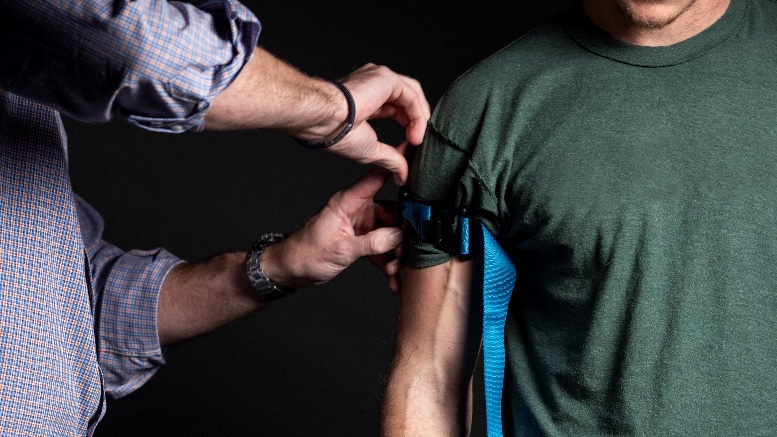
Over the years, trauma and austere medicine is often described as a contact sport; let’s face it, when things get hectic, you have got to get in there and get your hands dirty. However, to do this well, you need competent instruction. You will probably not be able to achieve this through online education alone. While online training has its strengths, it’s a poor substitute for quality in-person training for trauma medicine. It all comes down to getting your hands dirty, and that is where online training loses out. Having a competent instructor watching you or watching them demonstrate a task (especially one that you might have to perform under stress) is still not replicable online.

That’s not to say online training is without benefits. For example, in today’s pandemic, factors like ease of access, cost-effectiveness, and social distancing sometimes make online training the only option available for staying current or improving your skills. Here are some ways to use online training to augment and enhance your knowledge, skills, and even improve your in-person sessions:

Pre-Training Materials:

Online materials like videos, PDFs, or PowerPoint presentations you provided to students or read before attending the class. Having a better understanding of the subject before training cuts down on time spent hammering in on more straightforward topics and allows you and the instructor to focus on the more complex subjects.

Post-Training Materials:

Online training works great to refresh our memory after hands-on training is over and later provides reference materials for study.

As you build your skills in trauma medicine, in-person training with a competent trainer teaching solid, evidence-based instruction should always be your first choice. However, using online training to augment this will only make you a more qualified provider in the long run.

At TacMed™, we offer TMS University™, our online training portal, for e-learning and information-sharing to find relevant information of pre-hospital trauma treatment and equipment. This online platform is a great opportunity to have better knowledge pre-training and serves as a great tool to refresh your memory post-training.

For access to TMS University™, check out tacmedsolutions.com/tms-university.