Troop Performance

Archive for the ‘Guest Post’ Category

Air Force Releases Alternate Component Fitness Score Charts

Tuesday, November 16th, 2021

WASHINGTON (AFNS) —  

The Air Force will officially add new alternative components to physical fitness assessments beginning Jan. 1, 2022. The updated scoring charts can be found here.

After announcing the components in July, over 9,000 data points were collected to determine the point values for each component by assessing approximately 2,000 Airmen from 23 installations.

Airmen will have the choice to perform these options to meet the strength and cardiovascular requirements:

Cardio

Traditional 1.5-mile Run

High Aerobic Multi-shuttle Run (20M HAMR)

Strength

Traditional Push-ups

Hand Release Push-ups

Sit-ups

Traditional Sit-ups

Cross-Leg Reverse Crunch

Plank

“While testing these components at various installations, we received a large amount of positive feedback,” said Lt. Gen. Brian Kelly, Air Force deputy chief of staff for manpower, personnel, and services. “The changes to the physical fitness assessments reflect what we learned and our desire to provide Airmen with additional flexibility in maintaining fitness standards.”

Airmen can schedule their assessment and sign up for their desired cardio option via myFitness, which will be available for scheduling starting on Dec. 10. While members can select their desired cardio option when scheduling their assessment, they will select their desired strength components at time of their assessment.

While the waist measurement is no longer a component of the fitness assessment, DoD Instruction 1308.3 still requires Airmen to be measured for and maintain a healthy body composition to ensure physical readiness. The Air Force Surgeon General, who has responsibility for overall Airmen health, has reviewed alternatives and determined waist-to-height ratio as the best available method for assessing body composition. AF/SG will be providing guidance on this program in the coming months.

In addition to the approved new options, the Air Force continues to test future alternatives. Key tenets for new options include ensuring the test is an equivalent measure of fitness, regardless of testing method, and ensuring approved alternatives can be available at every location so all Airmen have the same set of options. This currently limits options like swimming or biking where sufficient equipment is not available at all locations. Likewise, based on equipment requirements and the need for continued testing, the one-mile walk is not being incorporated as an option at this time. The two-kilometer walk will remain a fitness component for those who are not medically cleared to perform the two approved aerobic options.

The Air Force Services Center is working with installation Fitness Assessment Cells to schedule and conduct training for Unit Fitness Program Managers and Physical Training Leaders to ensure proper administration of the new components.

The alternative events will not apply to Guardian annual fitness tests as the U.S. Space Force develops and implements their service-specific Holistic Health Assessment over the next year.

By Secretary of the Air Force Public Affairs

PDW CWO Full Zip Sweater

Monday, November 15th, 2021

Modern Classic Made for Cold Weather Operations Knit with Premium Merino Yarns

Prometheus Design Werx introduces their CWO Full Zip Sweater for Fall/Winter 2021. Inspired by classic British outdoor and military sweaters, this style has been updated with soft, yet hearty, premium merino yarns and expertly knit in a substantial weight with a 2×2 rib. Other details include a 2-way, reverse coil YKK front zipper, two zippered hand pockets, 4-way stretch nylon fabric reinforcements on the shoulders and elbows, turnback type cuffs with thumbholes and zips up to a turtleneck height. To bring this highest caliber performance sweater to market, PDW partnered up with an Italian knitting mill that has been making extra fine knitwear for generations. With the rugged Dolomites as their backyard, this factory knows a thing of two about crafting world class sweaters for expert alpinists, mountaineers, and skiers.

The CWO Full Zip Sweater is a part of Prometheus Design Werx’s PRO-Line of technical apparel. Available in Alpine Heather Gray, and Heather Black.


The Design and R&D Team at PDW states:

“The CWO Full Zip Sweater is clearly inspired by the traditional British outdoor and military knitwear, in particular the “commando sweater” from WWII. While the originals were also made with wool, they used a standard yarn, were rather scratchy and not the most comfortable. We quickly solved that issue by using extra fine, Italian merino yarns in 18.5 microns. This sweater is soft as it is rugged. We used over 2lbs of this premium yarn per sweater for a substantial weight to keep the user warm in cold weather conditions. From there it was refining and updating the additional details that went into this sweater. We used reverse coil nylon YKK zippers throughout, used a 4-way stretch nylon fabric reinforcements on the shoulders and elbows, that would move as the sweater would move, added 2 handy pockets to the body and turnback cuffs with thumbholes. The CWO is a sweater we created using uncompromising materials and old world craftsmanship, upgraded in all the meaningful ways, and inherently possesses the look of classic cold weather military and mountaineering wear. As in all of our apparel styles, it is the attention to details, premium materials, functional design considerations, and excellent quality of make that goes into everything we produce. This sweater is for those who set their sights for themselves and that they use to a higher standard.”


The CWO Full Zip Sweater will be available for purchase for $249.00 on Wednesday, November 17th, 2021 at 12:00pm PT via their website, prometheusdesignwerx.com.

Airmen Interested in Learning Aviation Fundamentals, Becoming a Rated Officer Can Apply for Rated Prep Program Until Dec 2

Monday, November 15th, 2021

JOINT BASE SAN ANTONIO-RANDOLPH, Texas (AFNS) —  

Active duty Air Force officers and enlisted personnel interested in becoming rated officers have until Dec. 2 to apply for the Spring 2022 Air Force Rated Preparatory Program (RPP), scheduled for March 20-25, 2022, and March 27-April 1, 2022 in Denton.

U.S. Air Force rated career fields consist of pilots, combat systems officers, air battle managers and remotely piloted aircraft pilots.

RPP provides qualified Airmen interested in cross-training to an Air Force rated career field the opportunity to gain and strengthen basic aviation skills.

“The Rated Preparatory Program provides a unique opportunity for officers and enlisted personnel to become rated officers,” said Brig. Gen. Brenda P. Cartier, Air Education and Training Command director of operations and communications. “Through RPP, qualified Airmen gain skills they may have not had the opportunity or resources to gain before entering the Air Force. We want to provide our Airmen the tools to pursue their lifelong dream of flying in the Air Force — a dream they may have never thought possible.”

Program participants will receive self-paced ground training, about eight flight hours in a Civil Air Patrol Cessna 182 Skylane, and additional training in Federal Aviation Administration-certified simulators — helping them become more competitive for rated selection boards.

“RPP has proven successful in improving students’ Air Force Officer Qualifying Test and Test of Basic Aviation Skills scores, which are considered at rated selection boards, by about 40%,” said Kathryn Gifford, AETC rated diversity improvement program analyst. “Of the 93 RPP students trained in fiscal years 19 and 20, 70 applied to the undergraduate flying training board, with 55 (78%) of applicants selected for a rated position.”

Airmen who can meet the requirements below are encouraged to apply.

Officer requirements:

Be of high moral character.

Obtain group commander (or higher) approval and endorsement (on application).

Take the AFOQT and TBAS to receive Pilot Candidate Selection Method initial scoring results prior to RPP. Then, retake the AFOQT and TBAS two-four weeks after completion of RPP. Note: The AFOQT and TBAS cannot be attempted more than three times total. RPP officials will provide an exception to policy for RPP graduates who require a waiver for retest intervals, and for those who have tested twice already.

Have less than five hours of total civilian flight time. Note: Applicants with greater than five hours of flight time will be considered on a space-available basis.

Prior to attending RPP, obtain the appropriate Air Force flight physical specific to the rated carrier field. For example, Initial Flying Class 1 for pilots.

Meet UFT board requirements post RPP in accordance with Air Force Manual 36-2100.

Review Civil Air Patrol-assigned study material prior to class start date.

Enlisted personnel requirements:

Must be under 33 years of age on March 20, 2022.

Prior to attending RPP, have or obtain a bachelor’s degree from an accredited university with at least a 2.5 GPA.

After completion of RPP, apply to an Air Force officer commissioning source at the next available opportunity.

Airmen interested in applying to the program can find additional information via the call for nominations on MyPers here (Common Access Card required).

For any questions, email AF.Rated.PrepProgramWorkflow@us.af.mil with “Attn: Rated Prep Program” as the subject line.

The Air Force RPP is led by Air Education and Training Command’s Rated Diversity Improvement Team, headquartered at Joint Base San Antonio-Randolph and supported by Civil Air Patrol.

RPP is not a commissioning program, nor does it guarantee participants will be selected for an Air Force rated position.

By Capt Kenya Pettway, Air Education and Training Command Public Affairs

UF PRO Presents – Firearms Instructor Series: E1 Shooter Deficiencies

Sunday, November 14th, 2021

Please join former LE/SWAT team member Mike Levy as he goes over shooter deficiencies in episode 1 of UF PRO’s new Firearms Instructor Series.

SCUBAPRO Sunday – Adding Pockets

Sunday, November 14th, 2021

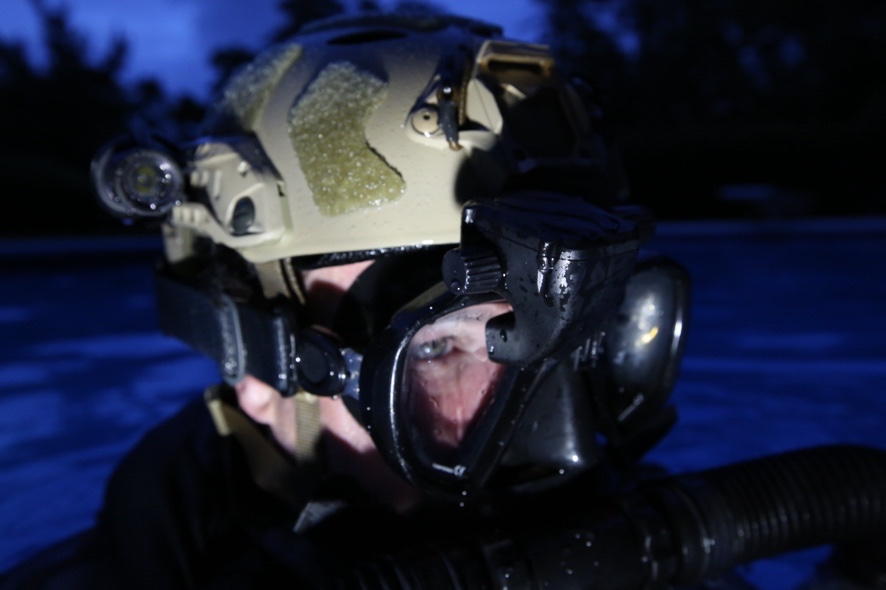
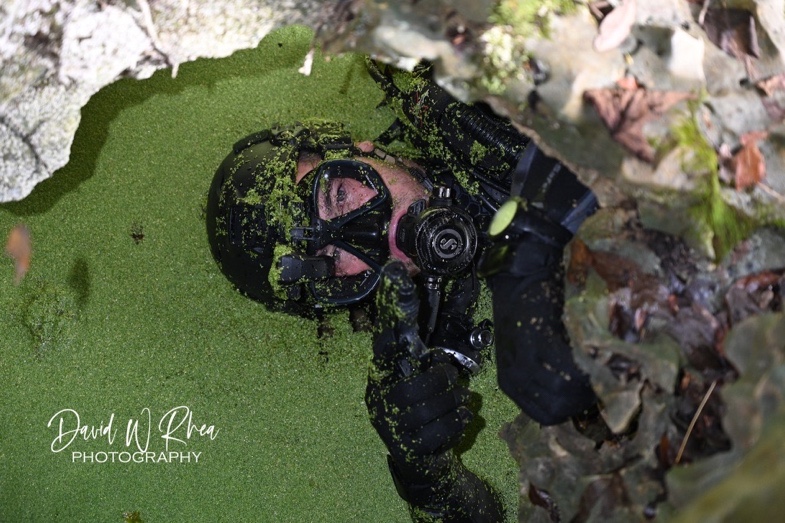
Typically, when you are diving, you want to stay as streamlined as possible. It will help keep you on time and help you use less air. But sometimes you have more things to carry so you might need to add more storage. The major problem with pockets on your thighs or hips is the drag it will create. When these pockets are full, they add about two to four inches to your profile. You can wear your BDU’s, and that will add pockets to your legs and arms. If you chose to wear a uniform, I would recommend the Patagonia Jungle uniform. It is super light and dries fast. You can also add pouches onto your gear belt, or you can put one or two onto your rebreather straps. An old school M16 pouch is great for a spare mask or extra fin straps. You can cut the grenade pouches off of the sides to reduce the drag. Here are a few after-market pockets options that can help you streamline your profile without sacrificing your gear needs or altering your existing gear in any way.

SCUBAPRO HYBRID CARGO SHORTS form-fit to your body like you were born wearing a pair. On the underside of the nylon panels, a micro-plush interior makes the shorts warm and cozy. This fleece fabric absorbs less water, which keeps heat against the body, increasing overall warmth. They also dry quickly. They can be worn by themselves, over a wetsuit, or if you need a little more warmth, they are great for over dive skins in warm water. They are also useful for items that need to be at the ready or if you need to tuck something away while diving.

The SCUBAPRO Hybrid Cargo Pants are made from 1mm X-Foam neoprene for warmth and durable nylon for stretch and comfort. They have an adjustable waist belt that includes an easy-to-use male/female squeeze buckle closure. Abrasion-resistant fabric on the seat panel provides additional protection. Highly versatile they are great for water jump, over the beach operations or combat swimmer where you don’t need a think wetsuit, but you want all the protection a wetsuit would provide.

The SCUBAPRO Hydros Pro Cargo Thigh Pocket (full pocket with clips and straps) can provide the same storage as the Cargo shorts that capacity. Ideal for storing swimmer slates, lights, marker buoys, spare masks, compact cameras. Quick attachment via clips & thigh strap. The pocket has a large flap with a squeeze-style” side-release buckle closure. Bellow pocket design and large flap make access to stowed items easy and secure. The most significant feature is if you don’t need additional storage capacity, you can just remove the pocket for a more streamlined profile.

The SCUBAPRO Hydros Pro BCD Ninja Pocket is ideal for storing swimmer slates, lights, marker buoys, spare masks, compact cameras. Quick deploy when needed, roll-up when not. Pocket has a large flap with squeeze-style” side-release buckle closure. Bellow pocket design and large flap make access to stowed items easy and secure. All of the SCUBAPRO pockets are made from durable nylon fabric for strength and durability.

Another option is to glue pockets onto your wetsuit/ drysuit. This is way more permit, so make sure you get it right. You can do it yourself, but unless you have done things like this before, I would recommend having someone that has done it before showing you how to do it or have them do it. There are a lot of YouTube videos out there and articles about how to do this. There are pockets you can buy just for this purpose.

Click here to see a bunch of DIY instruction for gluing pockets to your suit.

SCUBAPRO Sunday is a weekly feature focusing on maritime equipment, operations and history.

Guard Soldier First Woman to Graduate Army Sniper Course

Saturday, November 13th, 2021

HELENA, Mont. — A Montana Army National Guard Soldier became the first woman to complete the U.S. Army Sniper Course at Fort Benning, Georgia, Nov. 5.

At this time, the military is not identifying this Soldier by name.

“We are extremely proud of this Soldier’s achievement and recognize that this is a milestone for not only Montana, but the entire National Guard and Army,” said Maj. Gen. J. Peter Hronek, the adjutant general for Montana. “This Soldier had to volunteer several times to reach this goal, which is a demonstration of her dedication and commitment to service.”

The Soldier enlisted in the Montana Army National Guard in December 2020. She was then sent to Fort Benning to complete Infantry One Station Unit Training (OSUT), a 22-week course that combines Army basic training with advanced individual training in infantry skills.

While attending OSUT, her training staff and chain of command recommended she attend the sniper course due to her superior performance, which included qualifying as an expert shooter.

“We’re all incredibly proud of her,” said Capt. Joshua O’Neill, OSUT company commander. “She epitomizes what it means to be an infantry Soldier, and there wasn’t a doubt in our minds that she would succeed in the U.S. Army Sniper Course.”

The Soldier began the course in September 2021. This intensive seven-week course trains selected individuals assigned to sniper positions in the skills necessary to deliver long-range precision fire and the collection of battlefield information.

“The Soldier met every standard required to graduate the United States Army Sniper Course,” said Capt. David Wright, battalion commander, U.S. Army Sniper School. “She arrived prepared for training and physically conditioned to succeed. We are proud of the results of her efforts and the quality training provided by the sniper course cadre. We wish her luck as she heads back to her unit as a U.S. Army Sniper Course-qualified sniper.”

On hand for the sniper course graduation ceremony were Command Sgt. Maj. John Sampa, command sergeant major of the Army National Guard, and Command Sgt. Maj. Claudena Brady, state command sergeant major for the Montana Army National Guard.

With the completion of training, the Soldier will join her unit.

Story by MAJ Ryan Finnegan, Montana National Guard

Photo by SPC John Bright

FirstSpear Friday Focus: Top Gear List from our Team of Veterans

Friday, November 12th, 2021

Whether you’re a grunt warring through the suck or a weekend warrior training at the range, the gear that you train with needs to be on point.

In honor of Veteran’s Day, we asked our team of FirstSpear veterans for their favorites— here’s their top seven picks.

1 Woobie Quarter Zip— super warm and not bulky; staying warm in the field is crucial. These woobies are lightweight, moisture-wicking and are designed to keep you from hating life while standing post on cold nights. Whether you’re on the range or hitting the stand for hunting season, the ACM wool lineup is a must have for cold climate.

2 MultiMag Rapid Adjust Pocket— Mission requirements evolve, the rapid-adjust pocket holds everything the mission requires… from magazines to beer cans.

3 Boot Super Sock— Grunts know that blisters and wet feet suck, these merino wool socks keep your feet in the fight.

4 Padded Plate Backer— Wearing armor is never comfortable, these plate backers improve comfort and provide channels for more airflow.

5 Operator Glove— All hail the OG, there is always a trade off when wearing gloves, you lose dexterity and the ability to manipulate equipment and gear. The OG glove offers great dexterity, works with touch screens, and the merino wool is useable in both hot and cold conditions. 

6   Wind Cheater— This iconic all American-made jacket offers great protection from weather elements, looks sharp and is crucial during cold weather. The pit zips keep you cool if you’re out rucking.

7 Hoodlum Hoodie— This is the most comfortable hoodie I’ve owned. It always seems to be the right amount of warmth, be it an early morning garage workout or hike in the spring.

For more information about FirstSpear, check out www.first-spear.com

DARPA’s Gremlins Program Demonstrates Airborne Recovery

Friday, November 12th, 2021

Successful Fourth Deployment Results in Airborne Recovery of Gremlins Air Vehicle to C-130

An unmanned air vehicle demonstrated successful airborne recovery during the DARPA Gremlins program’s latest flight test deployment last month. During the deployment, two X-61 Gremlin Air Vehicles (GAV) successfully validated all autonomous formation flying positions and safety features before one GAV ultimately demonstrated airborne recovery to a C-130.

“This recovery was the culmination of years of hard work and demonstrates the feasibility of safe, reliable airborne recovery,” said Lt. Col. Paul Calhoun, program manager for Gremlins in DARPA’s Tactical Technology Office. “Such a capability will likely prove to be critical for future distributed air operations.”

During the final experiment, the team refurbished an X-61 vehicle and conducted a second flight within 24 working-hours. In addition, many hours of data were collected over four flights including air vehicle performance, aerodynamic interactions between the recovery bullet and GAV, and contact dynamics for airborne retrieval. Unfortunately, one GAV was destroyed during the flight tests.

“Airborne recovery is complex,” said Calhoun. “We will take some time to enjoy the success of this deployment, then get back to work further analyzing the data and determining next steps for the Gremlins technology.”

Safe, effective, and reliable air recoveries promise to dramatically expand the range and potential uses of unmanned air vehicles in conflict situations. The GAVs can be equipped with a variety of sensors and other mission-specific payloads. They can also be launched from various types of military aircraft, keeping manned platforms safely beyond the range of adversary defenses. After air retrieval, the GAVs can be refurbished by ground crews to prepare them for another mission within 24 hours.

Dynetics, a wholly owned subsidiary of Leidos, is developing the Gremlin vehicles.

– DARPA