X-PAC

Archive for the ‘Guest Post’ Category

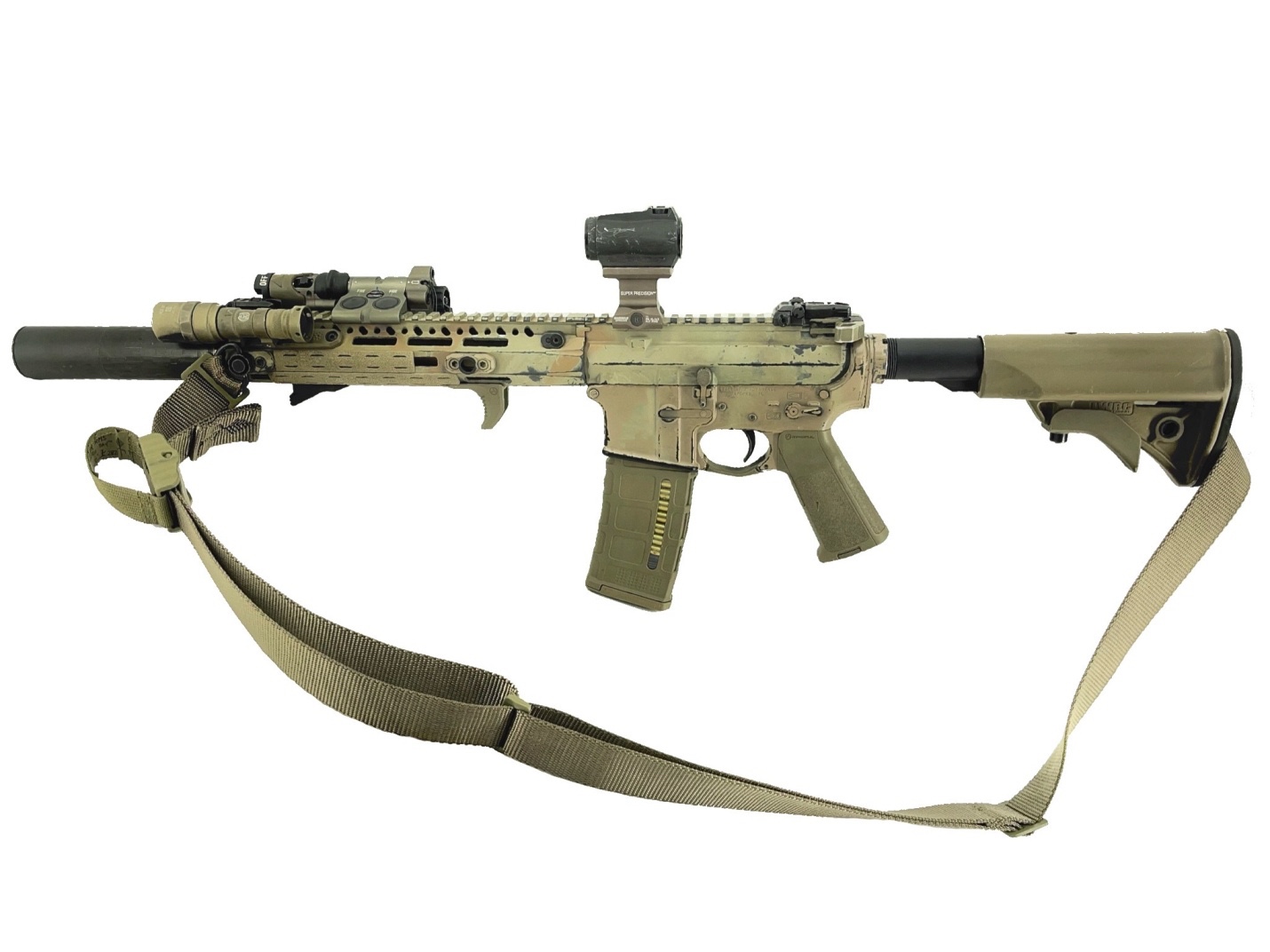
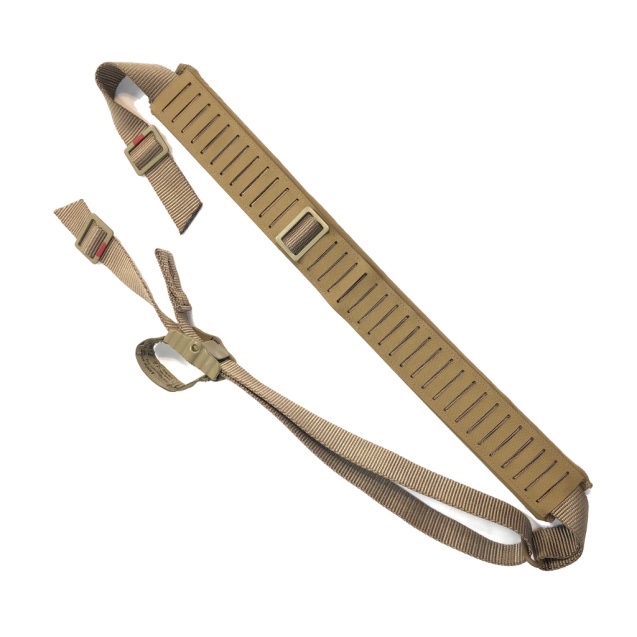
Dual Adjust Weapon Sling from Arbor Arms

Friday, August 13th, 2021

Arbor Arms has knocked it out of the park again with their Innovation from the Roots Up.

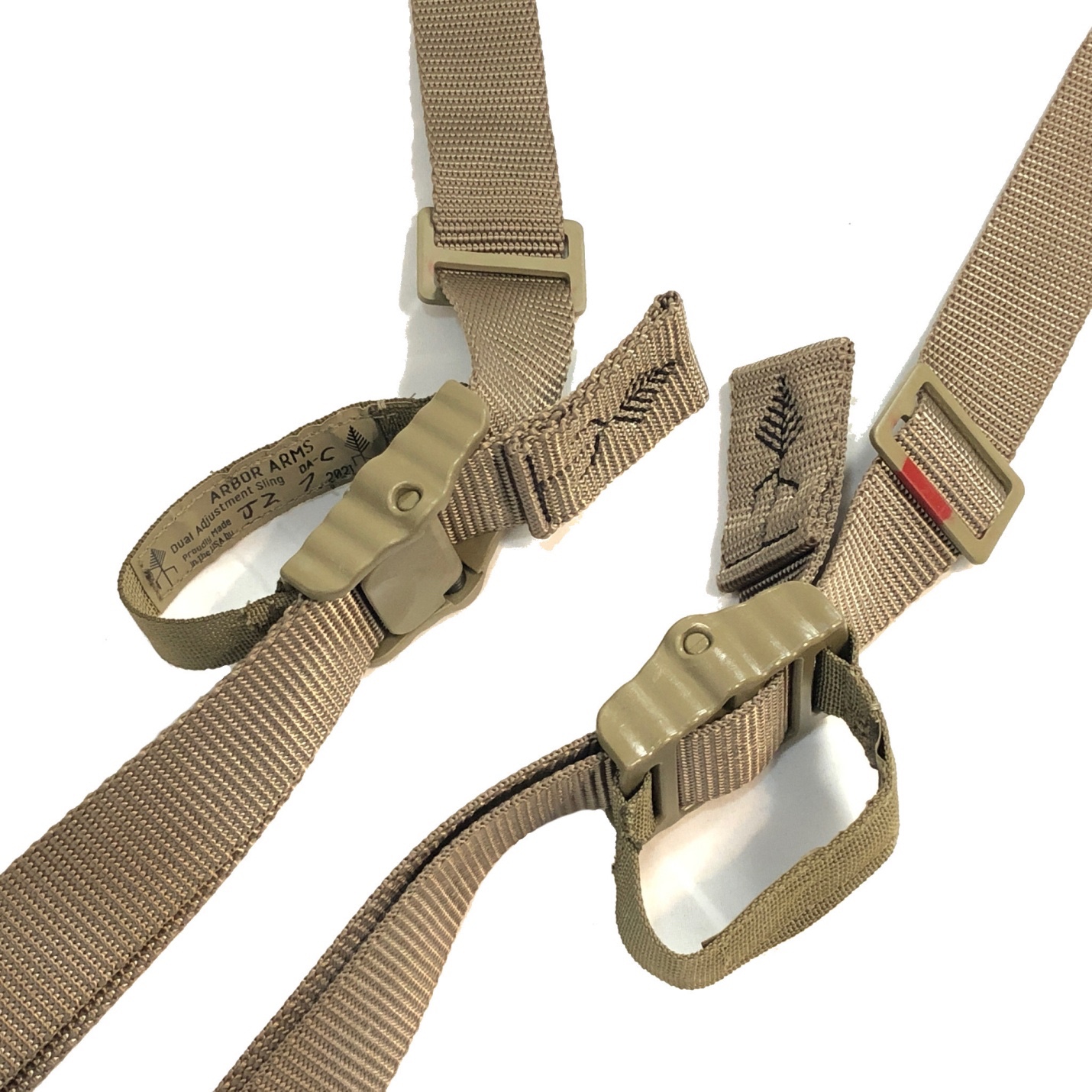
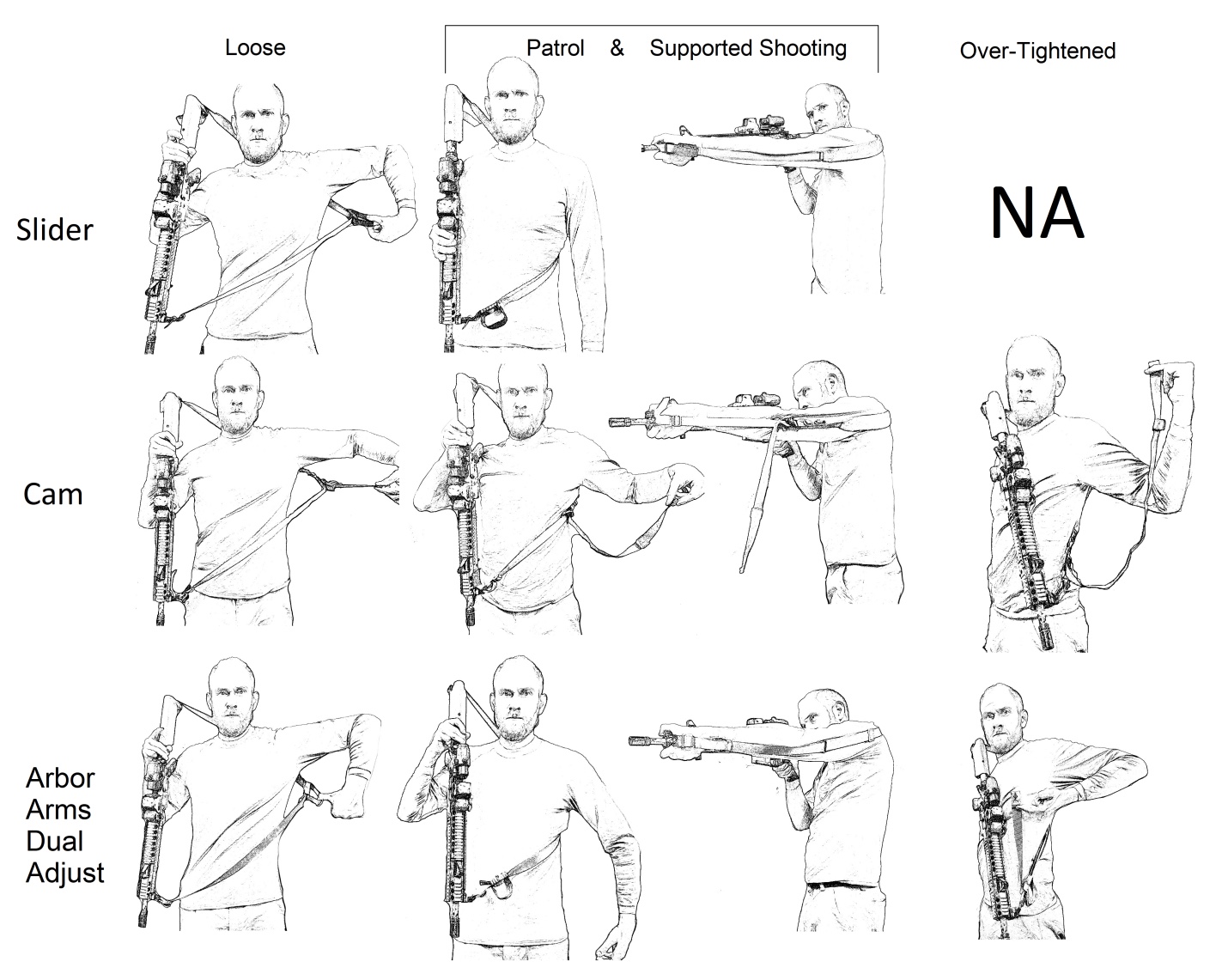
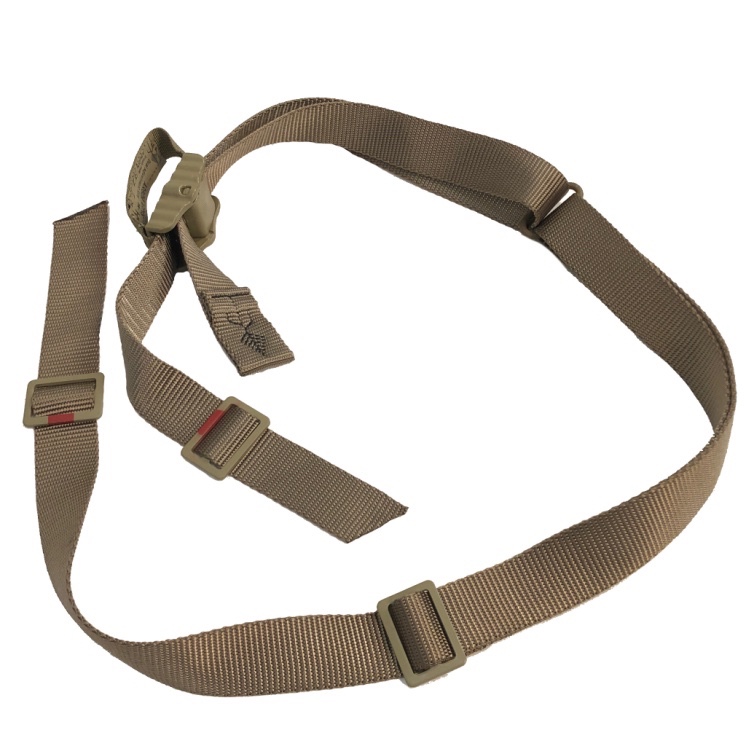
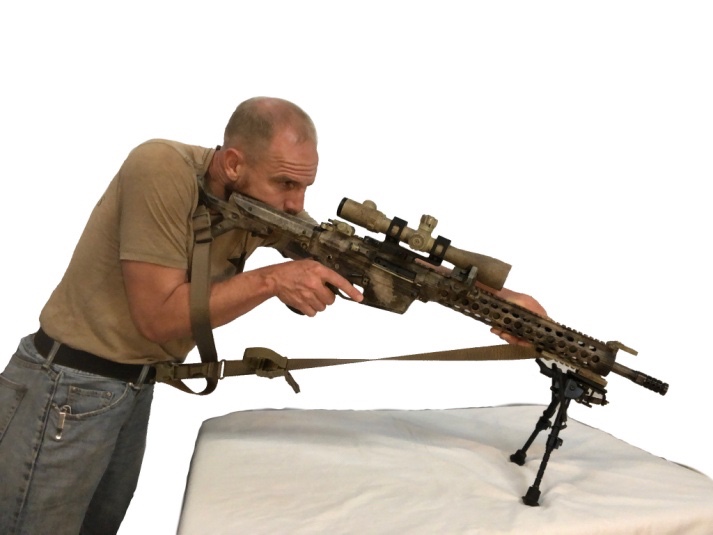
The Dual Adjust series of weapon slings are all based around their proprietary, patent pending sling hardware. What makes the DA unique is that it combines both a slider and a cam for over-tighten. It features a slider on one side for fast, smooth adjustment – from loose to patrol/supported shooting length.  On the other side is a cam which allows the operator to over-tighten the sling.  This brings the weapon tight to the body; be it for medical work, detention work, fast-roping or rappelling.

“Slider only” slings

Pros– Reaches both loose and patrol/supported shooting length with no tail,

Cons– Cannot be over tightened.

“Cam only” slings

Pros– Can be over tightened

Cons– Has a tail in all 3 positions 

Arbor Arms Dual Adjust sling

Pros– Can reach both loose and patrol/supported shooting length with no tail, can also be over-tightened but with half as much tail as a cam only design.

Cons– NA

Another feature that all variations have is a girth/ length of pull adjustment on the back. This allows the sling to be fine-tuned for a perfect patrol/supported shooting length without touching the mounting points or cutting off excess webbing.   This allows one sling to be adjusted from SBR to M107, skinny or yoked shooter, slick or in full kit, t-shirt or cold weather gear in two seconds.

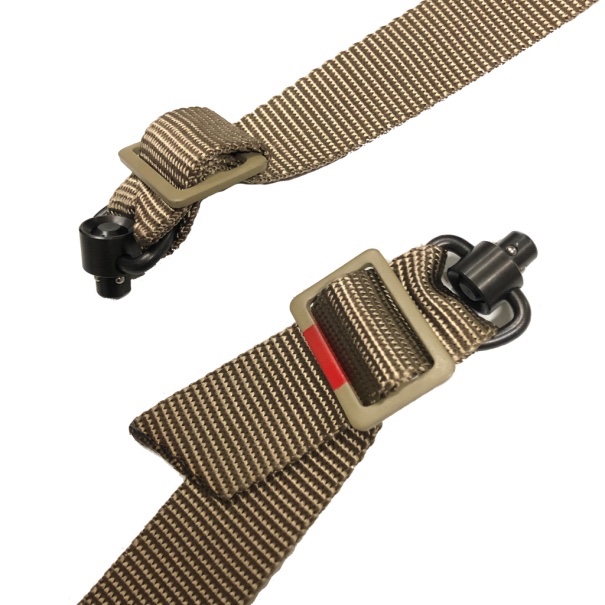
The attachment points on both ends utilize a steel tri-glide with a red stripe on one side to help ensure that the tri-glides get properly back-locked when being installed.

Variations

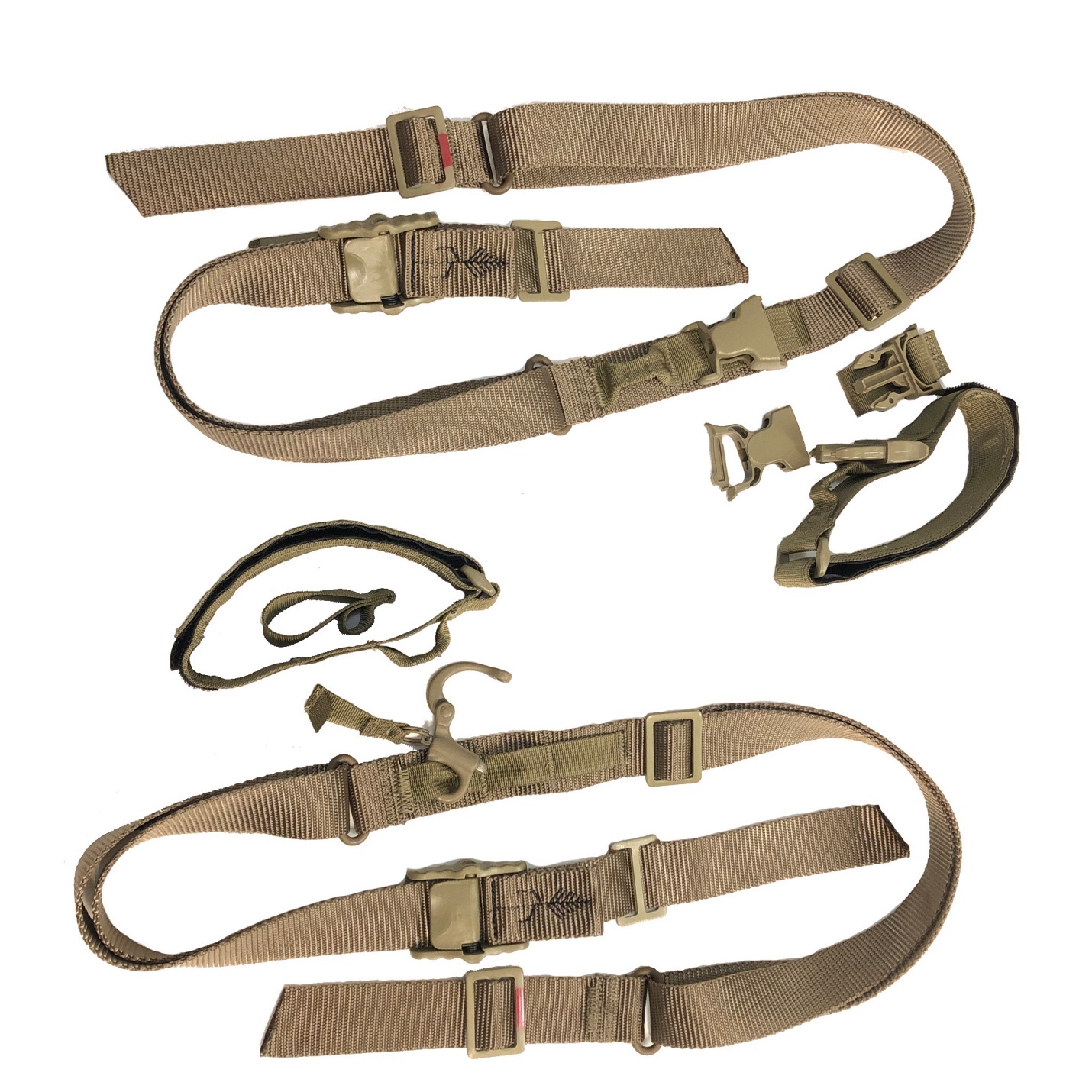
The Dual Adjust series breaks down into 4 individual slings in 2 categories.

The standard weapon slings: Dual Adjust Carbine (DA-C) and the Dual Adjust Heavy (DA-H)

Precision Rifle System Slings: Dual Adjust PRS Light (DA-PRS-L) and the Dual Adjust PRS Heavy (DA-PRS-H)

The DA-C has lightweight acetyl ring that is designed to break at body weight for safety; the DA-H is built with a heavier welded steel ring for a more Murphy-proof construction.

Both DA-PRS slings start life as a DA-H then add an anchor point at the middle of the sling; we add both an arm cuff and a belt loop for anchor points.   The difference between the Light and the Heavy is the DA-PRS-L utilizes a Duraflex snap-on and dual-split bar side release buckles as their anchor/ release mechanism.  The DA-PRS-H uses stainless steel 1.5oz Snap-shackle with matching powder coat attached to loops of webbing.

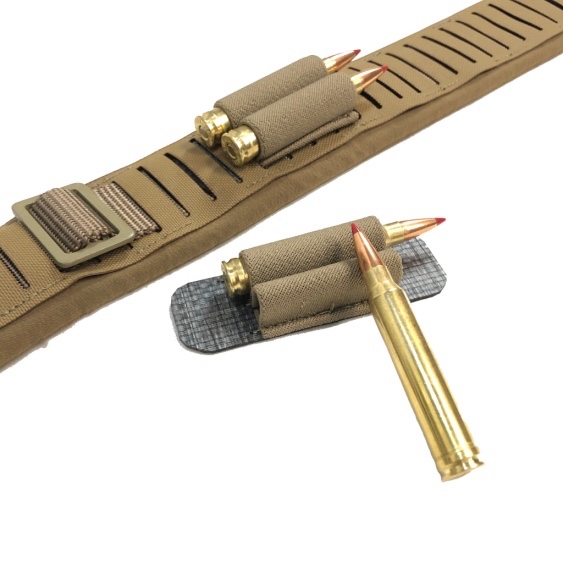
Arbor Arms has also designed a pad that can be added on to any of the slings without conflicting with the girth/length of pull adjustment.  Also, the Game Stalker Ammo Caddies can be added to this pad making it very applicable to the hunting market in addition to the tactical market.

All made in the US with US Materials, by a Disabled Veteran Owned Company with a very reasonable starting price of 59.99.

www.ArborArmsUSA.com

New Marine Corps Headset Protects Hearing, Enhances Voice Communication in Combat Zones

Thursday, August 12th, 2021

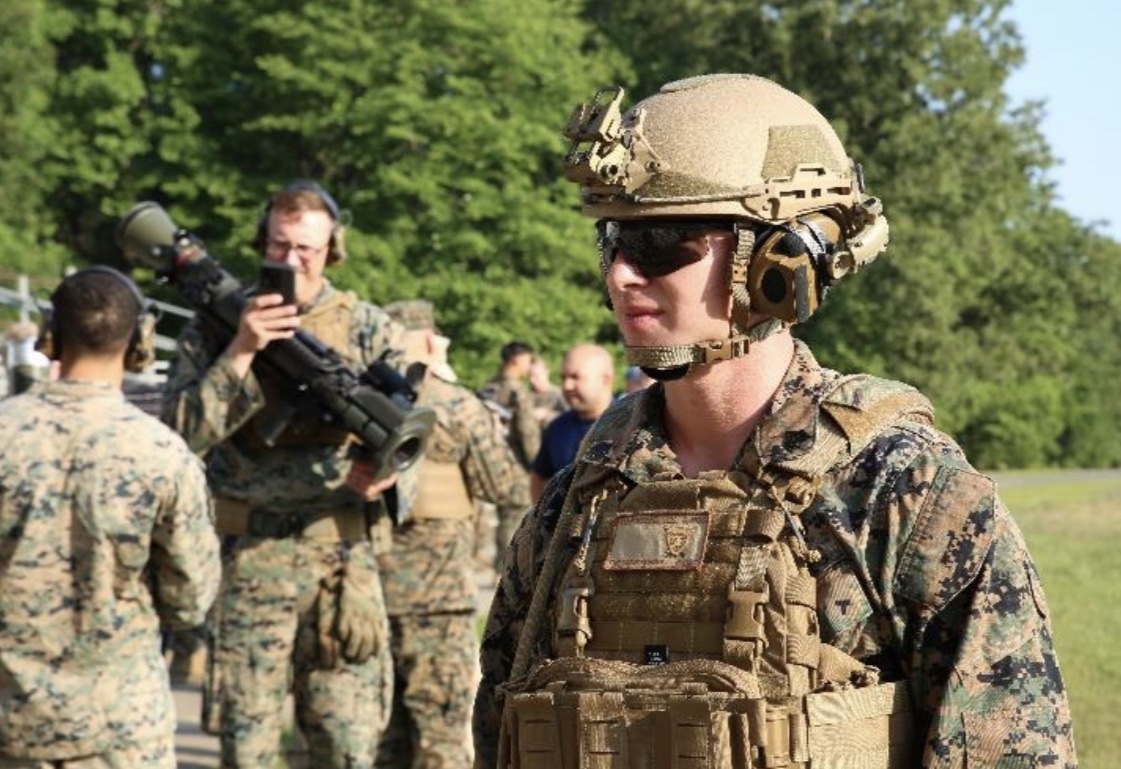
MARINE CORPS BASE QUANTICO, Va.—In July, Marine Corps Systems Command began fielding new hearing enhancement devices to support infantry Marines in various training and combat environments.

The HED protects the warfighter’s hearing and enhances voice communication in loud environments. The capability increases Marines’ situational awareness by enabling them to communicate messages more safely and efficiently during combat.

“This hearing enhancement device protects Marines from noise levels that are above safe hearing levels,” said CWO4 David Tomlinson, MCSC’s infantry weapons officer. “It also allows for sound localization, which means you can tell where a voice or noise is coming from.”

The ruggedized headset is adaptable to challenging environments ranging from the cold weather of the Sierra Nevada Mountains to the intense heat of Pacific jungles. Marines can wear the system with the Marine Corps Enhanced Combat Helmet.

MCSC is fielding both a communication-enabled and non-communication-enabled version. The non-communication version allows Marines to hear audible messages. The communication-enabled model includes a push-to-talk adapter and cables to connect to Marine Corps ground tactical radios, said Tomlinson. As a result, Marines can listen to radio transmissions even when the system is powered off.

“A major goal of this system is to increase communication in loud, noisy environments so Marines can continue to do their job,” said Tomlinson. “The hearing enhancement device supports this concept.”

The system also includes an adjustable volume option. CWO4 Mark Erhardt, infantry weapons officer with the Infantry Officers Course in Quantico, said Marines could decrease volume to better hear radio traffic or increase it for external voices nearby.

“It’s a common understanding that the battlefield is loud, and the fog of war includes many distractions,” said Erhardt. “The new hearing enhancement device will aid Marines in any situations involving sending or receiving messages, which increases overall awareness.”

Hearing protection is a pillar characteristic of the system. The HED complements the Combat Arms Earplug Generation IV—the Marine Corps’ current hearing protection system—by offering a secondary level of protection to further avoid hearing damage.

The HED comprises a setting for inner ear protection, which assists in maintaining device quality and capability. Marines can use this setting in situations where noise levels exceed a certain threshold, said Tomlinson.

Previously, Marines commonly used foam earplugs to block noise and protect their hearing on the battlefield. Tomlinson said the plugs sufficiently reduced noise decibels heard by Marines but did not allow them to vocalize messages to one another.

“Traditional earplugs block all noise, where this new system filters noise and still allows for situational awareness,” said Tomlinson. “Marines receiving the new HED have never had a capability like this before.”

Story by Marine Corps Systems Command Office of Public Affairs & Communication

U.S. Marine Corps photo by Tonya Smith

Air Force Releases Additional Dress and Appearance Changes

Wednesday, August 11th, 2021

WASHINGTON (AFNS) —

New dress and appearance updates will soon be released following feedback, testing from Airmen and reviews conducted as a part of the 2020 Air Force Uniform Board.

“We remain committed to maintaining an iterative approach with our dress and appearance standards,” said Lt. Gen. Brian Kelly, Air Force deputy chief of staff for manpower, personnel and services. “During this most recent review we approved several updates fully aligned with our Air Force standards and culture that maintain our focus on warfighting while providing options to meet many of the needs of our Airmen.”

2020 Air Force Uniform Board initiatives

Uniform Board changes will be effective upon publication in Air Force Instruction 36-2903, Dress and Appearance of Air Force Personnel, which is expected to publish in early October 2021. Below are examples of a few changes to the updated AFI:

– Male bulk hair standards increase from 2 inches to 2.5 inches

– Cosmetic tattooing on the scalp is authorized for men

– The size of hair accessories increases from 1 inch to 2 inches for females

– Hosiery is optional for females with any combination of the dress uniform

– Transparent piercing spacers are authorized

– Wing commanders may authorize the local wear of approved OCP morale patches on Fridays or during special events

Furthermore, the board conducted a review of several policy items that previously mandated specific behavior based on restrictions. In some cases, the board recommended removing the restrictive language to entrust commanders and Airmen to understand and adopt proper behavior based on their situation and circumstances.

“We trust our Airmen, (noncommissioned officers) and commanders with incredible resources and significant responsibilities and we’ll need to do so even more as we prepare for future conflicts,” Kelly said. “We likewise trust they can figure out what it takes and means to maintain standards without specifying exact behavior in every situation.”

Examples of guidance removed in the future AFI release:

– When walking in uniform, members may not use a cell phone or drink water

– Members may not place hands in their pockets when walking or standing in uniform

Specific details about the initiatives listed above, as well as additional changes, will be available upon AFI publication. In total, more than 30 recommendations from the Air Force Uniform Board were approved for implementation to the field.

Additional Uniform Item Improvements

The following uniform item improvements were made considering feedback from the field and multiple uniform fit tests. These items will be released for issue and/or purchase as the design and development process is completed.

Men’s Blue Shirt and Women’s Blouse
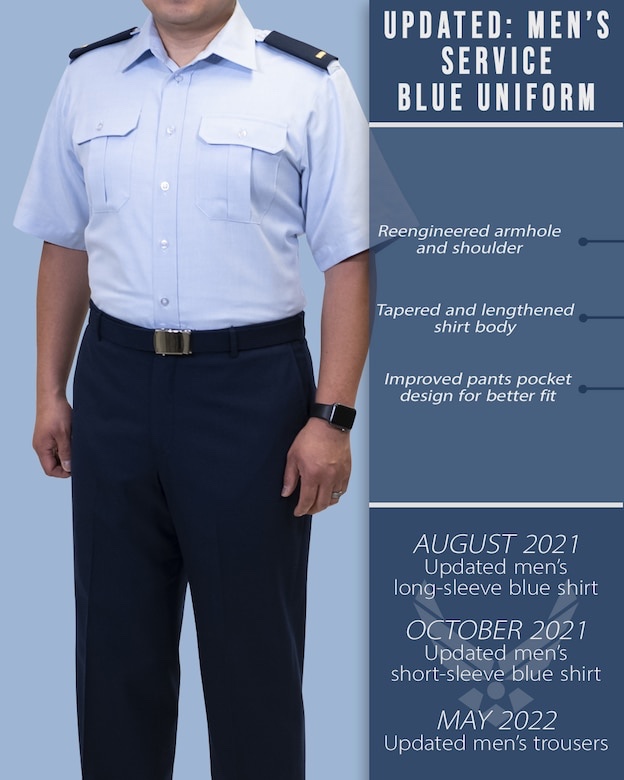
The improved men’s blue shirt and women’s blouse will utilize a new stain-resistant, wrinkle-resistant and moisture-wicking fabric with a herringbone weave in the current Air Force blue shade.

The men’s shirt improvements include a tapered and lengthened shirt body with a reengineered armhole and shoulder. The women’s tuck-in style blouse and semi-form-fitting blouse improvements include a lengthened shirt body, realigned buttons, a reengineered armhole, and a redesign of the neckline and collar.

In addition, the updated maternity blouse will include a redesigned neckline and collar for improved fit and comfort. The back pleat of the previously-designed blouse was replaced with darts for better shape and fit. It has realigned buttons and a lengthened shirt body for accommodation through all trimesters.

The improved men’s long-sleeve blue shirt is expected to be available August 2021. The improved men’s short-sleeve blue shirt and women’s tuck-in style blouse (long and short-sleeve) are expected to be available at the end of October 2021. The improved maternity blouse is expected to be available October 2021 and the updated semi-form fitting blouse is expected to be available in January 2022.

Improved Hot Weather Combat Uniform

The improved hot weather combat uniform is a variant of the operational camouflage pattern uniform aimed at reducing layers of fabric in order to be lighter in weight, more breathable and quick drying, providing safer flame protection that does not melt or drip. It was designed to improve performance, survivability, lethality and safety in extreme hot and wet-weather environments. The improved hot weather combat uniform is expected to be available to Airmen in October 2021.

Extreme Cold Weather Parka

Generation III Level 7 parkas, commonly referred to as extreme cold weather parkas, are expected to be available for personal purchase through AAFES online and in select AAFES stores this winter season. Previously, the parka was not available for personal purchase and was primarily distributed as organization clothing and equipment at northern tier or extreme cold weather base locations.

Men’s Blue Trousers and Women’s Blue Slacks
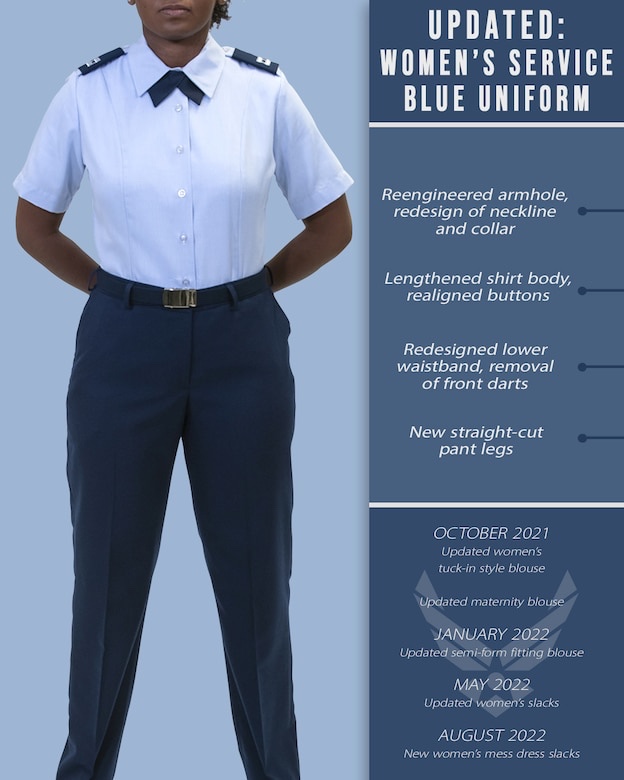
Men’s blue trouser improvements include an adjustment to the pocket design to enhance the fit of the trousers and reduce additional alterations.

The women’s blue slacks improvement includes a redesigned and lower waistband, removal of the front darts to create a flat front, and a shortened rise to address fit concerns. Additionally, the pant legs will be straight cut as opposed to the previously tapered fit.

The updated trousers and slacks are expected to be available in May 2022.

Women’s Mess Dress Slacks

The new women’s mess dress slacks will provide Air Force women an option in addition to the current mess dress skirt and men’s mess dress trousers. The slacks will be a female-fit version of the male mess dress trousers with design adjustments required to fit female measurements. Slacks can be worn with the current mess dress jacket. Women’s mess dress slacks are expected to be available in August 2022.

Physical Training Gear
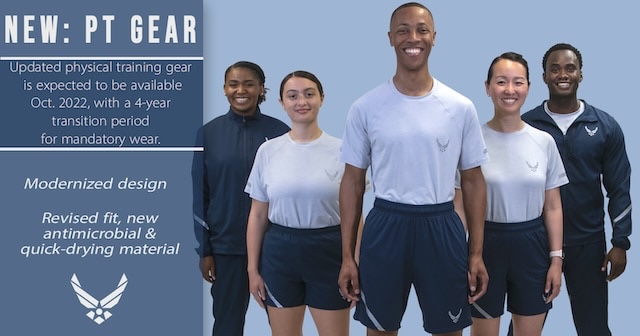
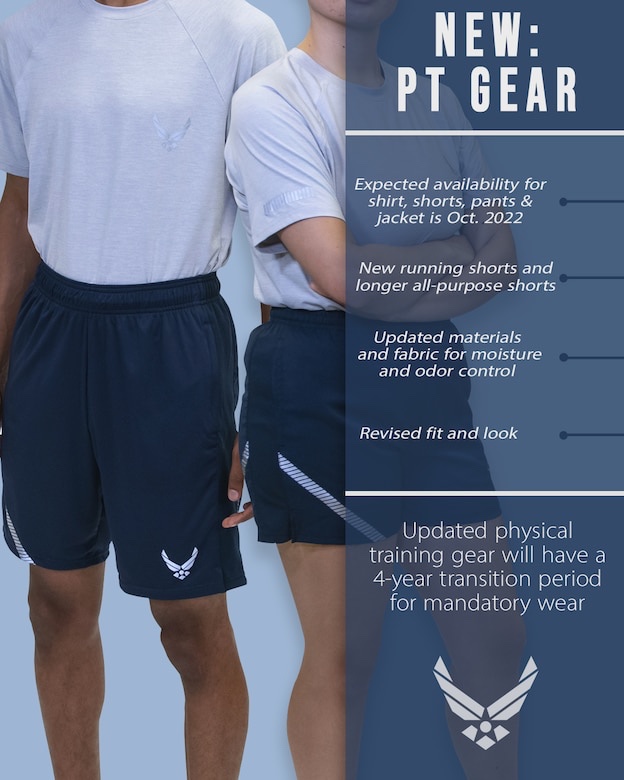
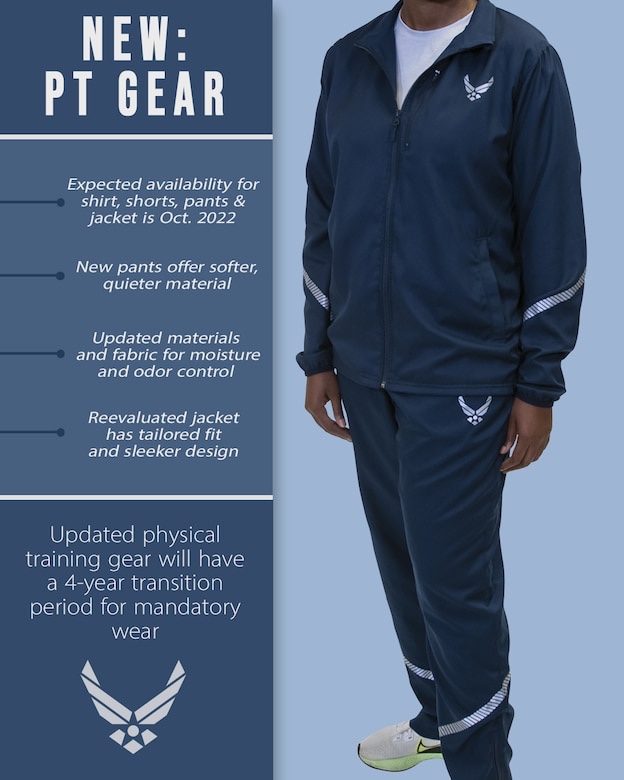
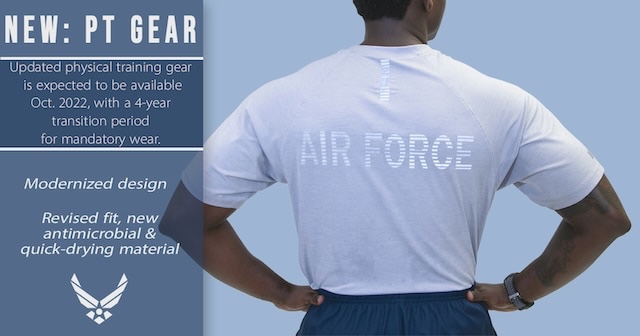
Modernized physical training gear will feature a revised fit and look with updated materials and fabric. The fabric includes soft, quick drying, antimicrobial technology that helps with moisture and odor control. The jacket, pants, and men’s and women’s t-shirts will be available along with new running and all-purpose shorts. The physical training gear is expected to be available in October 2022 with a four-year transition period for mandatory wear.
Space Force Guardians will follow the updates above except where Space Force specific guidance already exists. For example, in accordance with SPFGM2020-36-01, USSF personnel are not authorized to wear morale patches. The Space Force held its inaugural uniform board in March and is currently developing comprehensive service-specific grooming and uniform policies with a targeted release late 2021.

Secretary of the Air Force Public Affairs

U.S. Air Force graphics by SSgt Elora J. McCutcheon

USAF EOD Tests New Imaging Technology

Wednesday, August 11th, 2021

EGLIN AIR FORCE BASE, Fla. (AFNS) —

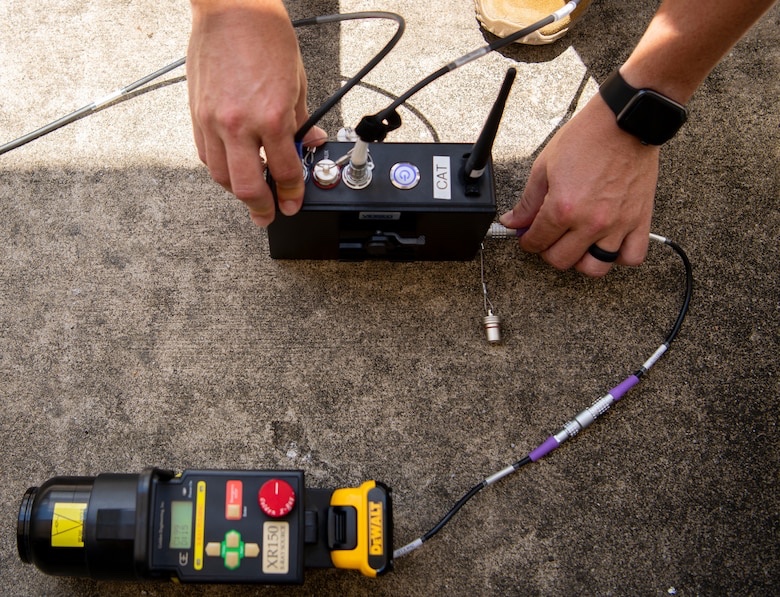
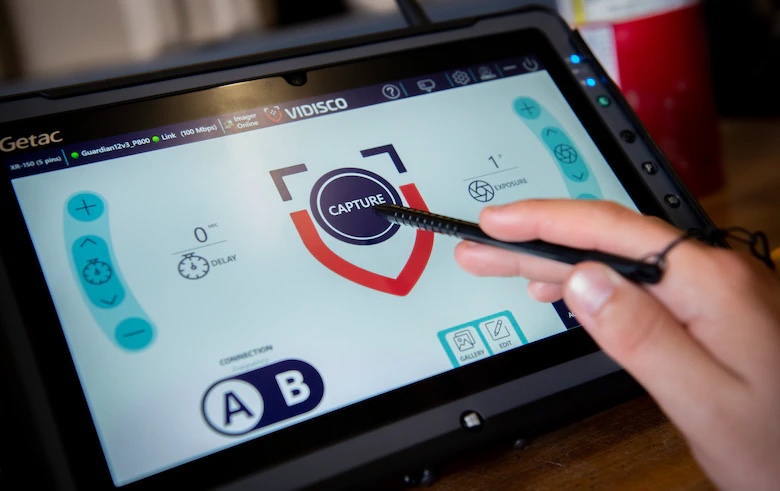
Local explosive ordnance disposal units received and were trained on a new and upgraded portable imaging X-ray system at Eglin Air Force Base July 22.


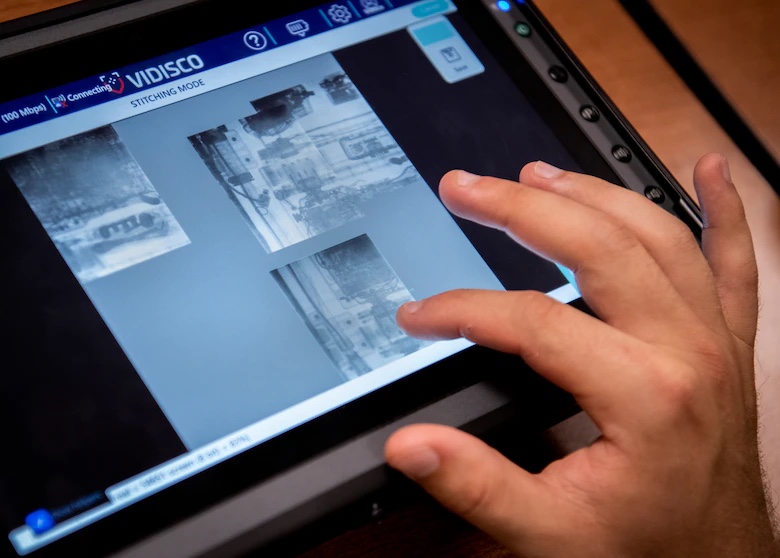
The Vidisco Guardian 12 Digital Radiographic X-ray system enhances EOD’s capabilities by making it easier to view the internal contents of suspicious, improvised explosive devices and unexploded ordnance.

The Air Force Civil Engineer Center recently delivered the first systems to Hill AFB, Utah and will distribute the remaining systems in conjunction with training events over the next five years. EOD flights from Eglin AFB, Hurlburt Field and Tyndall AFB received the new systems and attended the training.

“The digital X-ray technology will make a world of difference for our EOD forces,” said Tech. Sgt. Quentin Tubbs, 436th Civil Engineer Squadron EOD technician at Dover AFB, Delaware. “It will increase the reliability of capturing clear and concise images and reduce the amount of time we spend next to hazardous devices.”

The Guardian 12 replaces three commercial off-the-shelf systems serving as interim solutions until the new system is fully deployed. This includes a large system weighing over 99 pounds, that primarily serves as base support and requires a wired connection to operate; an X-ray that serves as the wireless mobility system; and a third system that has been obsolete for several years.

“The new system essentially consolidates all the capabilities of previous systems,” said Dave Hodgson, AFCEC EOD logistics lead. “It meets all of the requirements necessary to support the mission.”

Compared to the analog technology of the previous systems, the digital X-ray technology provides a much sharper and clearer image, making it easier to detect explosives such as IEDs or unexploded ordnance, Tubbs said.

Featuring both wired and wireless technology, the new technology combines the capabilities of the off-the-shelf systems currently in use. The wireless capabilities enable remote image capture and can reduce the amount of time Airmen spend going down range, Tubbs said.

“With the older systems, every time we took an image, we had to go downrange and retrieve a panel, bring it back and run it through a machine to verify if the X-ray worked. Many times, we thought a good image was captured only to realize later there was something dense in the way blocking the image.”

The new digital radiographic X-ray system also includes features to improve resiliency. It is lightweight, weighing less than 22 pounds and housed in a compact carrying case for easy mobilization for fly-away missions. The system is also designed to work in extreme temperatures, ranging from minus 14 to 140 degrees Fahrenheit.

Obtaining the new systems was a collaborative effort between AFCEC and the Air Force Installation Contracting Center’s 772nd Enterprise Sourcing Squadron—both part of the Air Force Installation and Mission Support Center enterprise. The $30 million acquisition will put 331 new systems in the hands of EOD Airmen by 2026.

“We’re committed to ensuring our EOD forces have the training, equipment and resources required to accomplish their duties in garrison and downrange,” Hodgson said. “The new systems will allow Airmen to conduct missions safely, rapidly and effectively.”

Story by Emily Mifsud

Photos by Samuel King Jr

An Inside Look at F-35 Pilot Helmet Fittings

Tuesday, August 10th, 2021

HILL AIR FORCE BASE, Utah (AFNS) —

Reservists in the 419th Operations Support Squadron play a crucial role to ensure the safety of pilots assigned to the 419th Fighter Wing, the Air Force Reserve’s only combat-capable F-35 Lightning II unit.

“We are responsible for maintaining and repairing pilot gear to ensure everything is in proper working condition,” said Staff Sgt. AJ Arteaga, 419th OSS aircrew flight equipment Reservist. “That also includes their helmet.”

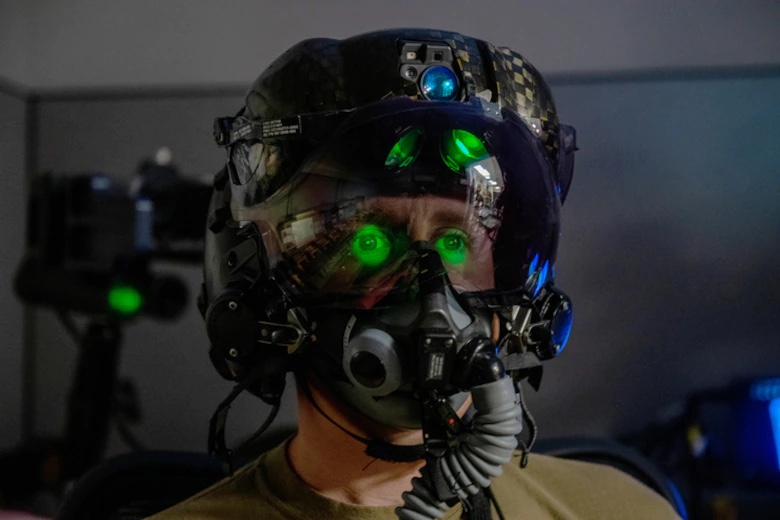
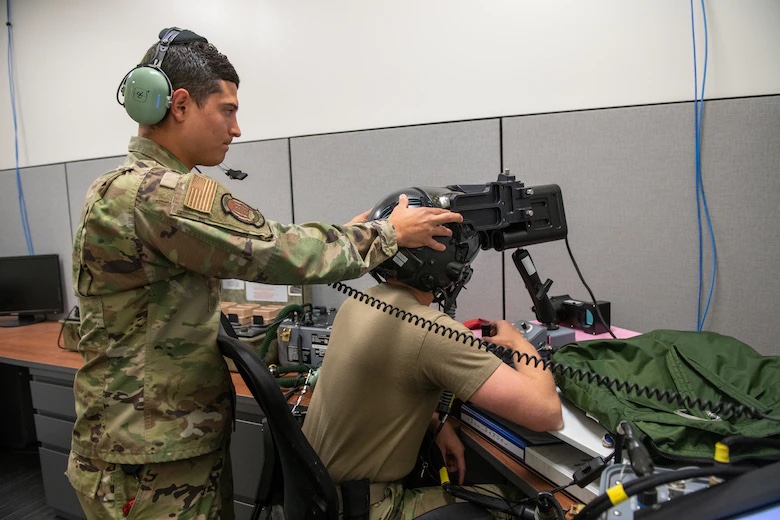
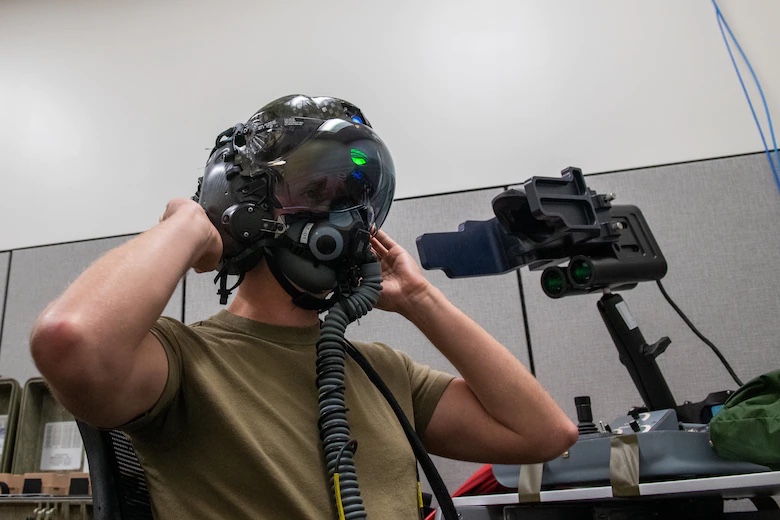
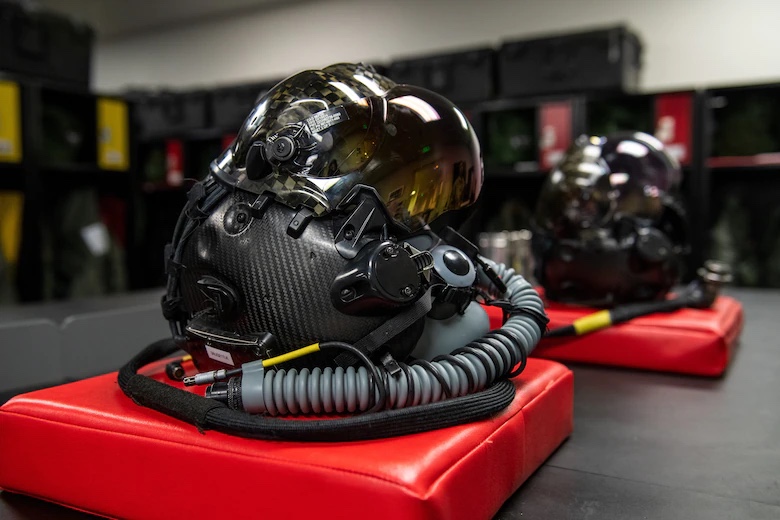
Every helmet is custom-fitted to its pilot during a two-day process at a fit facility. To begin assembly of the helmet, pilots have their heads measured and scanned to secure the perfect fit.

Once assembled, pilots need to have the optics aligned using a pupilometer, which measures the distance between their pupils within two millimeters of its center, so pilots see a single image on the helmet-mounted display.

On the display, pilots are able to view mission-critical information and obtain enhanced situational awareness of the battlefield simply by moving their head. The helmet gives pilots a 360-degree view of the F-35’s external environment without needing to tip the jet.

“The pilot can look down through a portion of their wing and see what’s below,” said Tech. Sgt. William Vass, 419th OSS. “When they look toward the cameras embedded on the F-35 that image projects onto their helmet display.”

The helmet’s innovative technology and precise fit require routine maintenance so pilots can complete their mission. In addition to pre- and post-flight fittings, the helmet is inspected every 105 days and has a 120-day fit check to ensure its functionality and safety.

“Pilots come in and put on all their gear so we can double-check to make sure everything fits properly and without issue,” Arteaga said. “Small things such as a new haircut or a couple of pounds gained could cause the helmet to not fit correctly.”

Mask adjustments are also included within the helmet fitting. Pilots are sent to an oxygen tester where aircrew flight equipment technicians can identify any leaks around the mask that could prevent adequate oxygen flow.

“The next part is to ensure there is a proper distance between the mask and the visor,” Arteaga said. “We have to make sure when the pilot moves or talks, the mask doesn’t hit the visor. If it’s too close, it will bend the visor and distort the display image.”

Reservists in the AFE shop are an integral part of the helmet-fitting process and maintenance intervals. They verify it remains as precise as possible to guarantee the safety of the 27 pilots in the 419th FW. The work is involved and in-depth, but essential to providing a seamless interaction between the helmets’ advanced capabilities and the exacting skills of the pilot wearing it.

By Senior Airman Erica Webster, 419th Fighter Wing Public Affairs

Government of Canada Announces Contract for Combat Boots for Canadian Armed Forces

Monday, August 9th, 2021

Sherbrooke, Quebec – Public Services and Procurement Canada

Through Strong, Secure, Engaged, the Government of Canada is modernizing its military equipment to support the Canadian Armed Forces and keep Canadians safe.

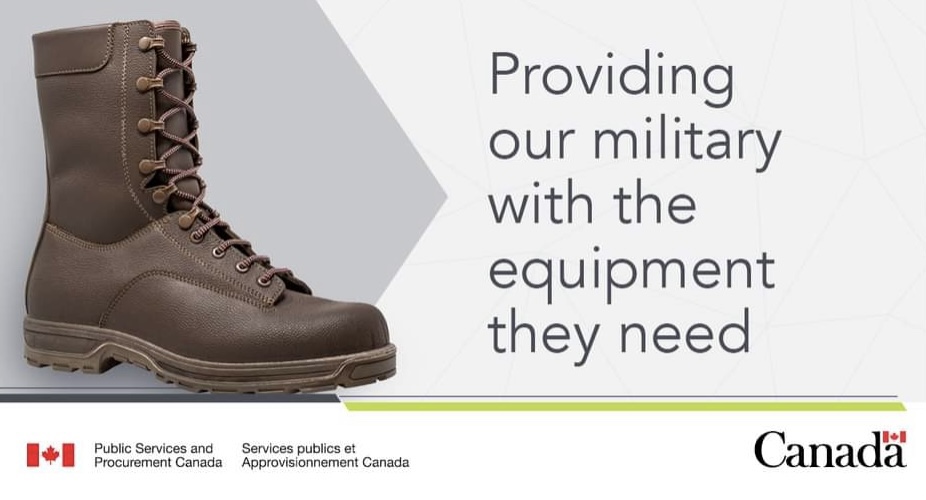
On behalf of the Honourable Anita Anand, Minister of Public Services and Procurement, and the Honourable Harjit Sajjan, Minister of National Defence, the Honourable Marie-Claude Bibeau, Minister of Agriculture and Agri-Food, today announced the awarding of a contract worth nearly $7 million to manufacturer Royer of Lac-Drolet, Quebec, to produce pairs of general-purpose combat boots and nylon laces for the Canadian Armed Forces.

“As a result of a competitive procurement process, we are proud to award this contract to Canadian supplier Royer and provide our troops with the best possible made-in-Canada equipment to carry out their work.”

The Honourable Anita Anand
Minister of Public Services and Procurement 

The contract, awarded through an open, fair and transparent competitive process by Public Services and Procurement Canada, will see the delivery of an additional 40,000 pairs of boots and 100,000 pairs of laces to Canadian Armed Forces supply depots in Edmonton, Alberta, and Montréal, Quebec, by February 2023. The general?purpose boots are designed to provide enhanced foot protection and comfort for Canadian troops during operations conducted in ambient temperatures ranging from 0°C to 25°C.

“It is essential that the members of our Canadian Armed Forces have the equipment they need to fulfill their commitment to serving Canadians at home and abroad. By providing quality combat boots through this contract, we are ensuring that our members are well equipped to do the important work we ask of them.”

The Honourable Harjit Sajjan
Minister of National Defence 

The contract for the general-purpose combat boots is expected to maintain 25 Canadian jobs and create 5 new jobs.

“Through this contract, we will not only provide superior quality boots to the members of our Armed Forces, but also create jobs and economic benefits directly in our community.”

The Honourable Marie-Claude Bibeau
Minister of Agriculture and Agri-Food

The boots will be made entirely in Canada at the factories of manufacturer Royer in Lac-Drolet and Sherbrooke, Quebec.

The contract includes an option to order, if needed, an additional 67,500 pairs of boots over the next 5 years, for a potential total of 107,500 pairs.

AFSOC WEPTAC 2021: Staying Relevant for Future Fights

Monday, August 9th, 2021

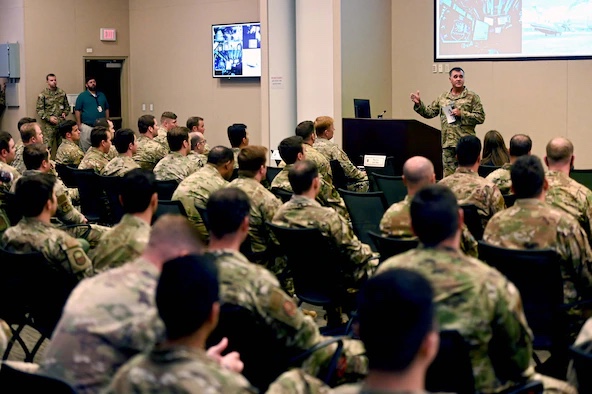
Air Commandos from Air Force Special Operations Command hosted a weapons and tactics conference here, July 6 – 16, 2021.

This annual conference was a gathering of special operations forces and combat air force’s tactical experts to meet and identify and improve tactics, techniques and procedures with the purpose of conducting Mission Area Working Groups (MAWGs) and the annual Tactical Review Board (TRB) to bolster AFSOC’s Tactics Development and Improvement Program (TDIP).

The theme for the 2021 WEPTAC conference is “Competing Now and in the Next Conflict – SOF Operations in the Joint Fight.” Operators and tacticians identified potential deficiencies and worked to develop TTP’s for future fights while advancing AFSOC’s creativity and capability.

“This is a great opportunity for teammates to come together and discuss how we can and must help AFSOC change for any future challenges,” said Maj. Gen. Eric Hill, deputy commander of AFSOC. “Our command has faced various inflection points in its history, and WEPTAC is a forum where some of our best minds develop ways for us to stay relevant in the fight.”

Since 9/11, AFSOC has largely focused on a counter-violent extremist organizations fight, but this year’s WEPTAC shifted the conversation towards implementing new strategies in the peer and near-peer adversarial competition.

“If history has shown us anything, change is inevitable,” Hill said. “I know that each one of you here will do your part to help push the conversation and develop changes needed far into the future.”

After Hill’s opening remarks, conference attendees broke out into the MAWGs, which were built using a combination of subject matter experts from operations and intelligence, that had industry knowledge and air and ground tactical expertise, with the goal of working through potential future problem sets.

The TRB’s addressed specific tactical improvement ideas in both mobility and strike functional areas, and combined with the MAWG’s, worked towards helping push forward innovative thoughts.

The conference was an opportunity for Airmen to focus on joint MAWG’s that provide relevant near-peer planning in line with the NDS and AFSOC strategic guidance. WEPTAC is aligned with generating advantage in competition by enabling the joint force to respond to crisis and to win.

“Our human capital is our ultimate weapon,” Hill said. “The ideas and tactics we come up with during WEPTAC will make sure that our Airmen remain the competitive advantage.”

By Senior Airman Brandon Esau, AFSOC Public Affairs

SCUBAPRO Sunday – What to Wear Under Your Wetsuit

Sunday, August 8th, 2021

Most people wear something under their wetsuit to help with getting their wetsuit on and off easier. The other reason for wearing something under your wetsuits is that the extra layers can help keep your body warmer. Instead of wearing a thicker wetsuit that will restrict your movement, it allows you to wear a thinner suit that will give you more flexibility. You can wear a short sleeve top or bottom to help keep your core warmer. The other thing to think about is the air temperature/ wind on your way to the dive site. Suppose you are worried about the air temp/ wind when you are traveling to the dive site. In that case, you can wear heavyweight GoreTex or a linebacker jacket (the kind made for helo’s flights/ football players wear on the sidelines) is excellent to have as you can take it off before the dive and put it on when you are done.

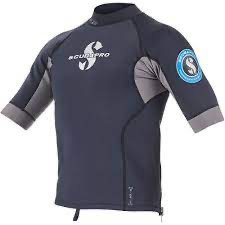
SCUBAPRO 1.5mm Everflex SS top

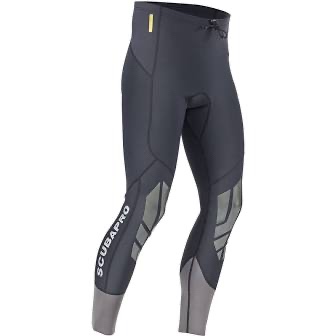
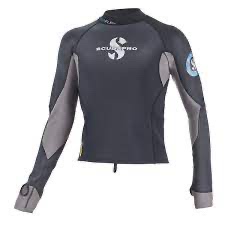
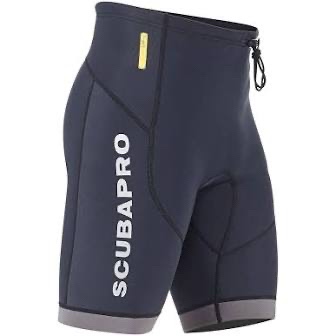
For colder temperatures, adding layers underneath the suit is the way to go. You have several options to choose from. If you already have a thinner wetsuit that you usually use for warmer environments, a 1mm rash guard, or any other type of garment that’ll provide you with the added warmth around your chest will help. SCUBAPRO makes a great 1.5mm top and bottoms in short and long sleeves, shorts, and long pants. This 1.5mm is very warm, and to me, it feels like I am wearing a 2-3mm.

SCUBAPRO 1.5mm Everflex long pants

When you have to worry about the wind, most surf wetsuits or wetsuits glossy like surf suits are made to stop the wind. That all-suit surf suits are not great for diving as most are not made from a material (yes, surfing is different than diving) that is designed to be used underwater for long periods. Some people like to wear nothing between them and their wetsuits. This can be painful after wearing a wetsuit for a long time, especially on a long wet Zodiac ride. Due to the constant rubbing against their skin, it begins to chafe ( AKA Baboon a$$). Usually, the neck, armpits, behind the knees, and the crotch are the first to go. You can apply anti-chafing gel/ Vaseline to help with this on long dives and rides. There is also stuff like Butt Paste, Triple paste, or Anti monkey butt paste.

SCUBAPRO 1.5mm Everflex LS top

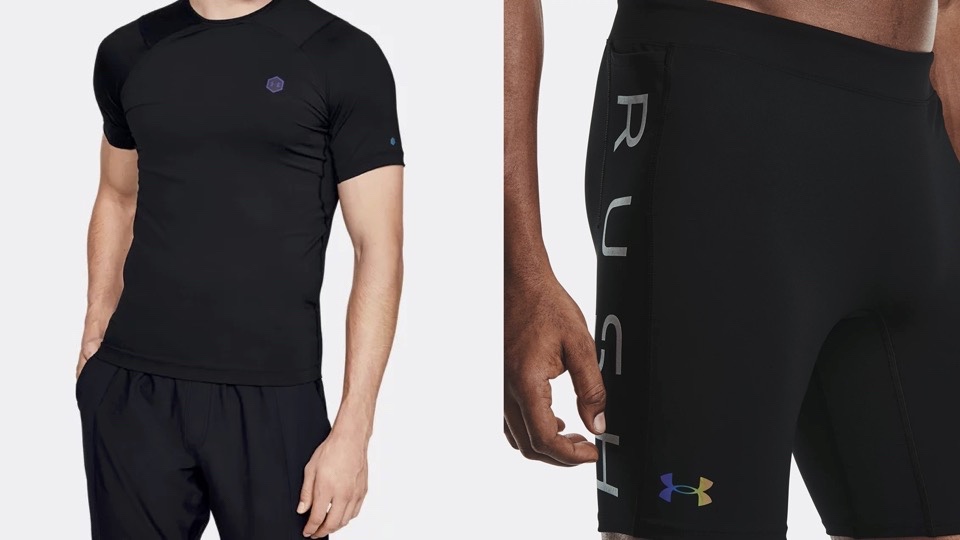
You can also wear dive skin or bike shorts; this will help with donning and doffing your suit on and off also. I have started to use Under Armor UA RUSH™ compression shorts. (They make tops also) They are made with a material called Celliant; it is a mineral-infused fabric to take the energy you give off when you work and reflect it into your muscles, increasing blood flow and helping them work harder. As your body emits energy, the mineral-infused fabric absorbs & reflects it, improving endurance. (I know this sounds crazy, but I am a big believer in Celliant)

Whatever you decide to wear, keep in mind the water/ air temperature, duration of the dive, and what you will be doing. Also, one reason you should make sure to keep a logbook of all your dives. That way, you can look up what you have used in the past for this situation. That should put you at a good starting point. Now that you’re aware of your options, it’s time to get to specifics. What type of undergarment is right for your needs, or do you even need to wear anything under your wetsuit at all?

SCUBAPRO 1.5mm Everflex

Well, that depends on you. In warmer waters, you can get away with wearing undergarments with minimal coverage (swimsuits, trunks, and other similar items)—or even nothing at all. Many people prefer to go commando under their wetsuits, but it’s all a matter of preference. If you plan to rent the suit, however, you’re probably going to want to wear something underneath.

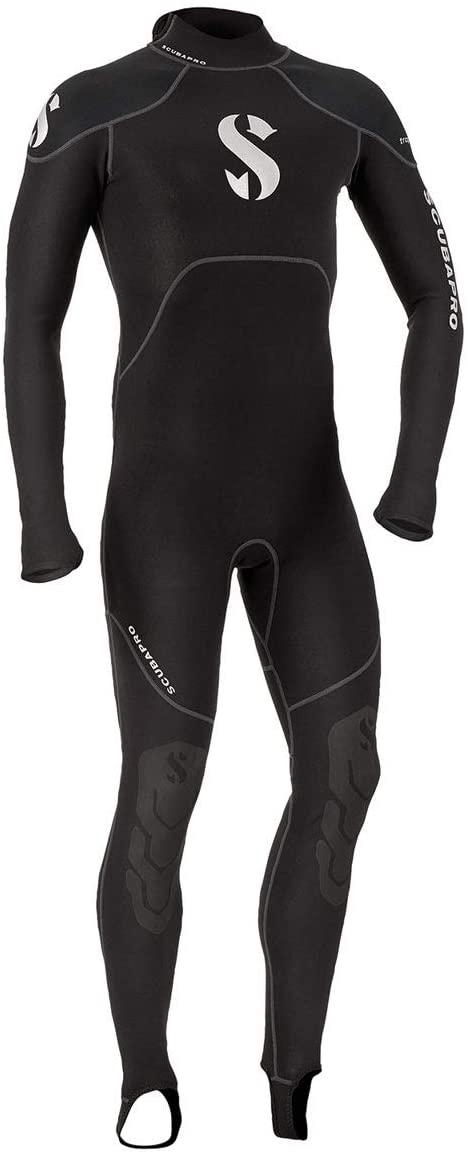
SCUBAPRO 1mm Topical wetsuit

For colder temperatures, adding layers underneath the suit is the way to go. You have several options to choose from. Suppose you already have a thinner wetsuit that you usually use for warmer environments. In that case, you can opt to add a jumpsuit, rash guard, or any other type of garment that’ll provide you with the added insulation you need. This way, you won’t have to purchase another suit.

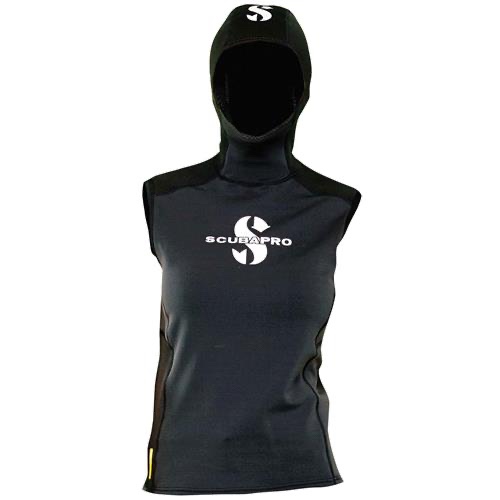
SCUBAPRO Hybrid Hood Vest

Or, if you’d instead go naked warrior underneath, you can get a thicker wetsuit. Deciding what to wear ultimately depends on the environment (and temperature) you plan to dive in, how sensitive your body is too cold, and many other variables. Make sure to consider all factors before you buy anything, and always try it in training before you use it for the first time when it matters the most.