SIG SAUER - Never Settle

Archive for the ‘Guest Post’ Category

SCUBAPRO Sunday – The Attack on Fromelles

Sunday, July 18th, 2021

I always try to do posts that have something to do with the Navy, being on the water, diving, or subjects like that. But I read about this a couple of years ago, and I have always wanted to post about it. The more I read about WWI, the more I am amazed at the plain disregarded for life.
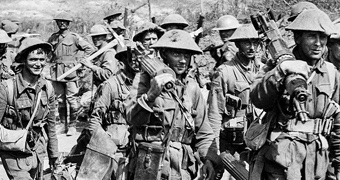
The attack on Fromelles on July 19-20, 1916, was Australia’s first significant action on the Western Front. The 5th Division, which led the attack, was made up of veterans of the Gallipoli campaign and recently trained reinforcements. The operation was intended to keep the German reserves away from the Somme, where the main Allied attack had begun on July 1. This battle is considered Australia’s worst 24 hours in their military history.

The British 61st and the Australian 5th divisions were deployed at Fromelles. Both had just arrived in France without combat experience; for the Australians, it was their first battle on the Western Front. They were up against the 6th Bavarian Reserve Division, which had just won the battle of Aubers the year before. To make matters worse for Commonwealth troops, the pre-battle bombardment, which lasted eleven hours, was poorly executed.
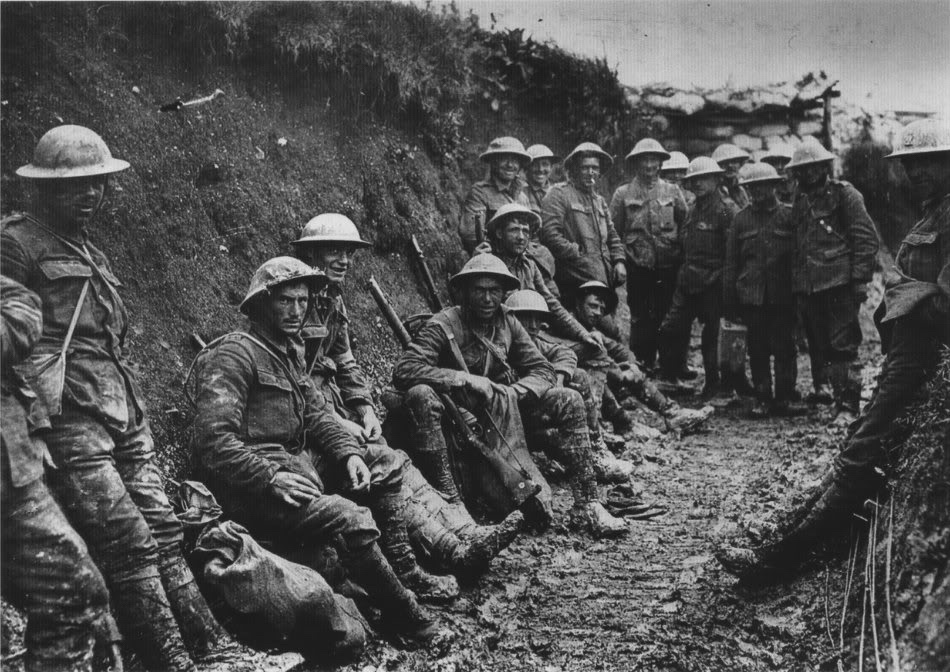
With skillfully placed German observation positions, some camouflaged within trees, viewing the troop assembling locations, the battle was never going to be the surprise the Allies planned. Second Lieutenant Waldo Zander, a 30th Battalion officer from Sydney, remembered being perplexed by inconsistent information sent to him and his soldiers before the Fromelles attack. He also mentioned that, despite requests for confidentiality, he had overheard French folks at the local establishments inquiring about the “big day”.

The infantry onslaught, which began at six o’clock in the morning on July 19, 1916, was met by intensive machine gun fire and bombardment in a large stretch of no man’s land (over 300 meters). The four waves of troops were slaughtered one by one; while a few Australian soldiers managed to get through German lines, they were rapidly isolated and exposed to counter-attacks. The bodies of dead and wounded Australians littered No Man’s Land, with some comparing the gruesome scene to a big butcher’s shop. Despite the failure of the first attempt, a second attack was launched at 9 a.m. The Australian survivors of the first onslaught, completely isolated after a night in the German trenches, sought to reclaim their lines on the morning of July 20. Still, they were met by the enemy’s machine guns once again.
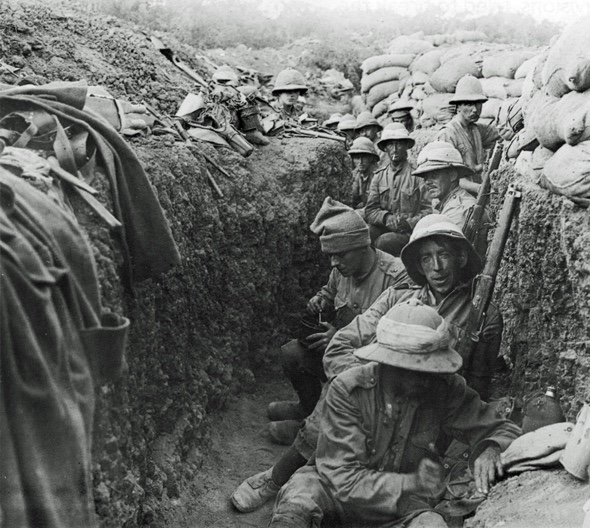
The Australians then began an attack based on intelligence regarding the German lines to capture the third and last German line. The attacking Australians were met with the fact that the German third and final lines were missing. Aerial reconnaissance revealed that the third line was nothing more than empty ditches. In an undefendable situation, the attacking Australians formed their defensive positions as best they could.

The Australians were nearly annihilated within 15 minutes of leaving their lines when they attacked the ‘Sugar Loaf’ defensive feature, which was characterized as an “elevated concrete stronghold bristling with machine guns”. The 59th Battalion’s Corporal Hugh Knyvett stated.
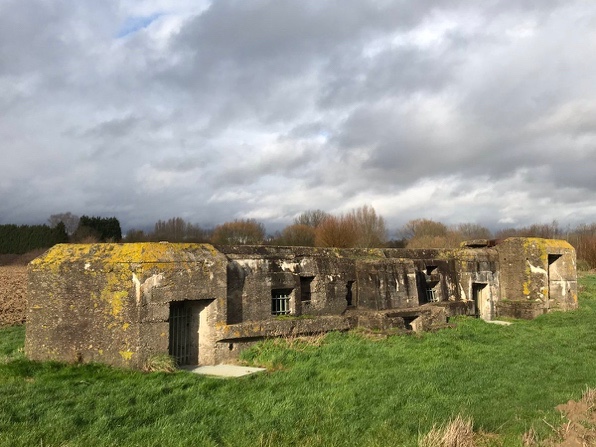
The Australians lost 5,533 men and the British 1,400 in a twenty-four-hour period with nothing to show for it. Only 107 of the Australian 60th Battalion’s 887 soldiers survived the conflict. Adolf Hitler, a corporal in the 16th Bavarian Reserve Infantry Regiment at the time, appears to have taken part in the combat.
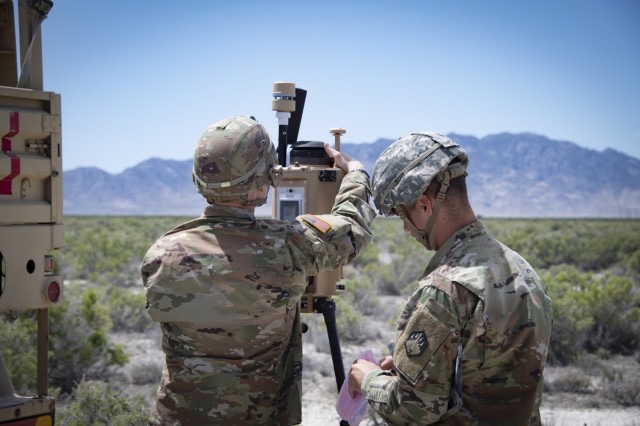
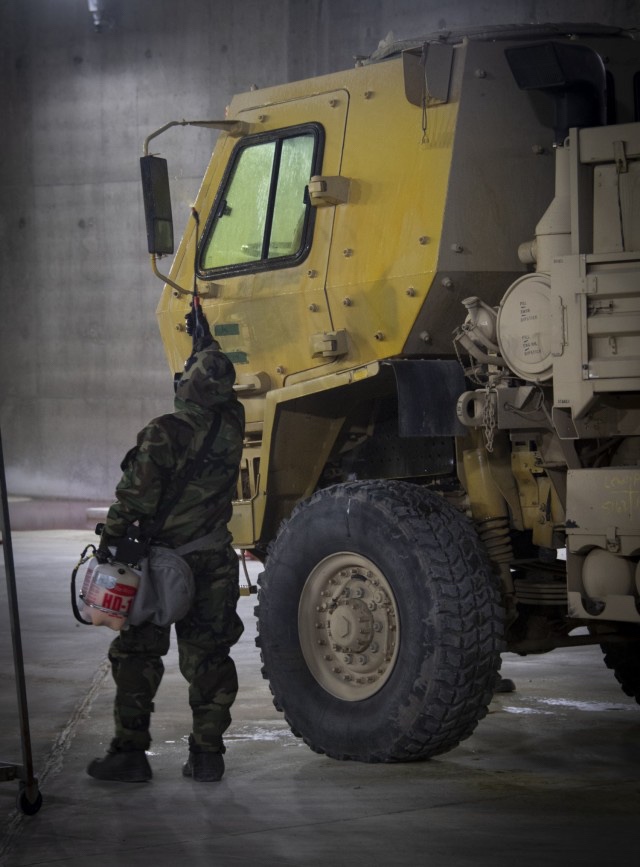
Soldiers, Marines Test New Chemical, Biological Systems at Dugway APG

Saturday, July 17th, 2021

DUGWAY PROVING GROUND, Utah — Soldiers from Fort Drum and Joint Base Lewis-McChord teamed with Marines from Camp Pendleton to test new tactical biological detection and chemical contamination indicator systems here.

Soldiers with the 59th Hazard Response Company and 13th Combat Sustainment Support Battalion along with Marines from the 3rd Marine Air Wing went hands-on with the Joint Biological Tactical Detection System (JBTDS) and the Contamination Indication Disclosure Assurance System (CIDAS), which indicates on chemical agent contaminants so decontamination can take place.

“These two operational tests have given my company the opportunity to focus on our critical war-time collective tasks of site assessment and decontamination and refine our tactics, techniques, and procedures,” said Capt. Ryan Oatman, company commander of 59th Chemical, Biological, Radiological and Nuclear (CBRN) Hazard Response Company.


“The training benefit while conducting these operational tests to my unit’s operational readiness makes this tasking to support new materiel development a win-win.”

According to Test Officer Mr. Josh Smith of the U.S. Army Operational Test Command’s Maneuver Support and Sustainment Test Directorate, test data collected will be used to inform senior Army and Joint Service leaders on how effective, suitable, and reliable the JBTDS and CIDAS systems will be during real-world operations.

“Working with a test unit that is excited about and embraces the opportunity to train its Soldiers while providing valuable feedback on potentially new CBRN materiel solutions with considerations for its employment makes the hard work of operational testing worth it,” Smith said.

Smith explained the units will have employed the JBTDS and CIDAS systems during replicated security and sustainment operations through multiple days of tough, realistic training in the harsh Dugway Proving Ground environment.

“Since operational testing is about Soldiers and unit missions,” he said, “this test event is about making sure the systems developed are — and remain effective — in a Soldier’s hands and suitable for the environments in which Soldiers and units train and fight.”

By Mr. Edward M. Jagodzinski, Test Officer, Maneuver Support and Sustainment Test Directorate, U.S. Army Operational Test Command

FirstSpear Friday Focus: Contractor Bag Now Available in Ranger Green

Friday, July 16th, 2021

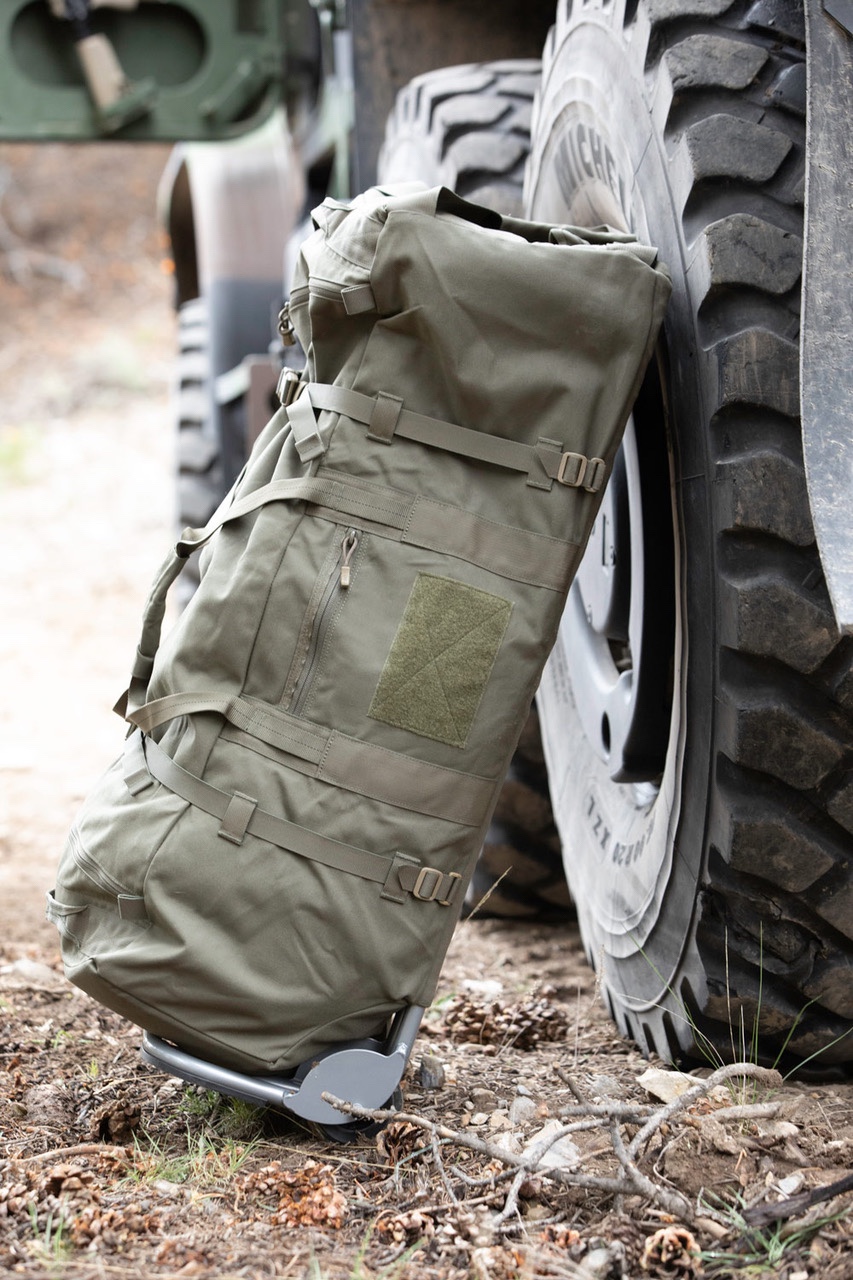
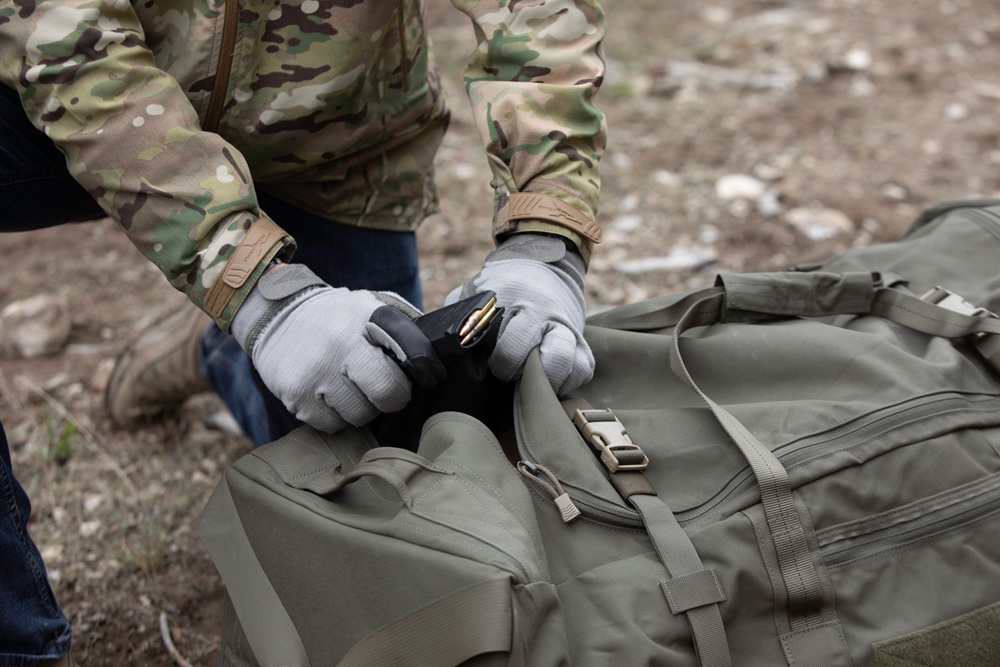
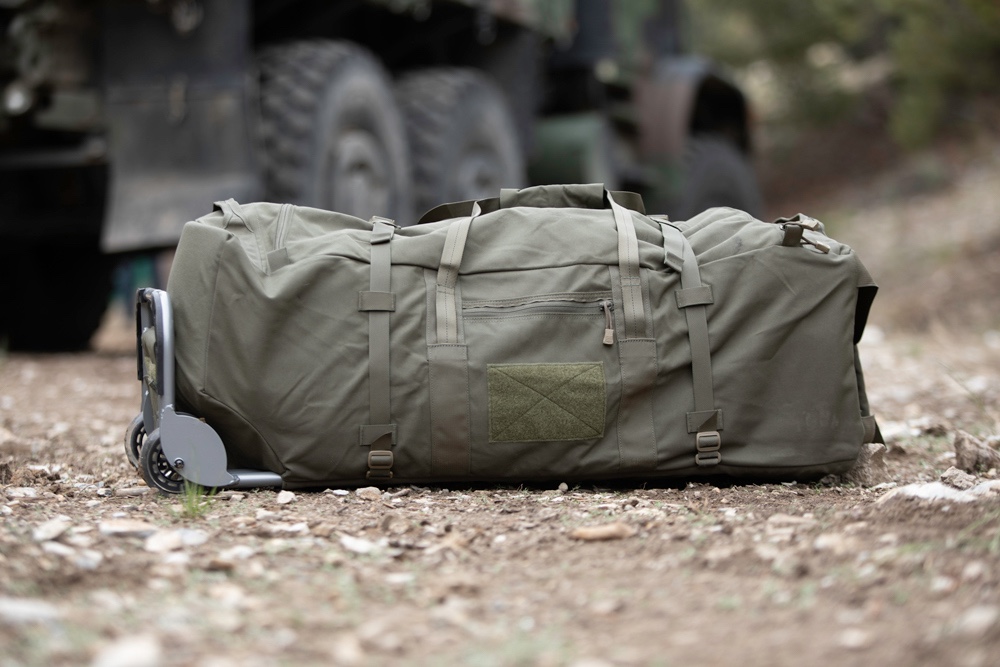
FirstSpear’s popular Contractor Bag is finally available in Ranger Green. This duffel-style bag has a spacious interior and is 100% Made in the USA. You will find multiple carry handles allowing you to grab the bag from almost any angle. Dual-zippers quickly open the main compartment and are complemented by two retention straps with quick-release buckles to ensure everything stays in place. On the outside, there are two additional pockets for smaller items along with two 4”x 6” loop fields for attaching FirstSpear Cell Tags or other hooked backed patches.

The aluminum frame rounds out the design and will withstand the rigors of travel. On the bottom are two oversized wheels to make rolling the bag a breeze. Of course, the frame is removable when not needed allowing the Contractor Bag to transform into a traditional duffel.

Dimensions:
Width: 16”
Depth: 11.5” at the top 12.5” at the bottom
Length: 36”

www.first-spear.com/contractor-bag-and-rolling-frame

Army Gunsmoke Satellites Successfully Deploy from Mojave Desert, International Space Station

Friday, July 16th, 2021

REDSTONE ARSENAL, Ala. – The U.S. Army Space and Missile Defense Command delivers Army space assets on orbit by any means necessary to test new capabilities for the warfighter.

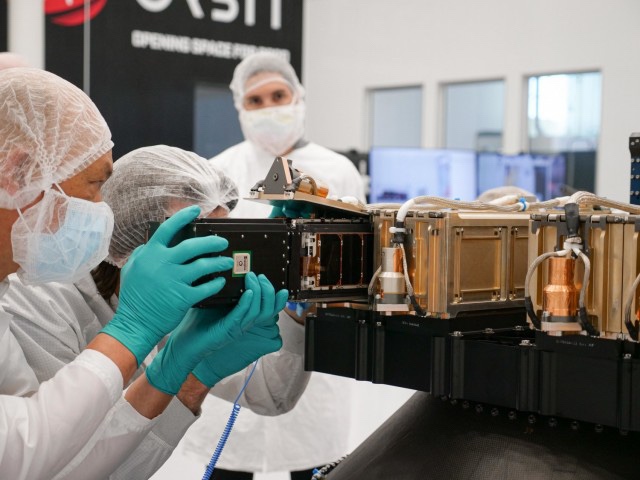
The command’s first and third Gunsmoke-J satellites, a joint capability technology demonstration by the USASMDC Technical Center and Assured Position Navigation and Timing/Space Cross Functional Team, were placed into orbit, June 30, by two very different paths.

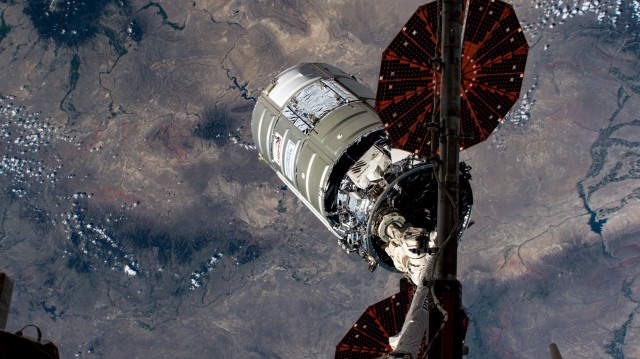
The first CubeSat was deployed from the Cygnus cargo vessel S.S. Katherine Johnson as a secondary mission shortly after it undocked from the International Space Station.

“We were very lucky to have this unique opportunity to place our satellite into orbit, and we extend our gratitude to those involved for making this a reality,” said Rebecca Nagurney, Gunsmoke deputy program manager. “What this group and our Gunsmoke-J team has accomplished over the past few months is amazing and is a testament to what true teamwork can achieve.”

The third CubeSat was air-launched into orbit by a 747 carrier aircraft from Mojave Air and Space Port in Mojave, California. It was flown out to a launch site over the Pacific Ocean, about 50 miles south of the Channel Islands. After a smooth release from the aircraft, the LauncherOne rocket ignited and propelled itself toward space, ultimately deploying its payload into an orbit approximately 500 km above the Earth’s surface.

“This deployment and same day launch of two separate Gunsmoke-J satellites is a major step toward demonstrating what we believe will be enabling tactical warfighter capability,” said Wheeler “Chip” Hardy, division chief, USASMDC Technical Center Space Directorate’s Space Applications Division. “We are excited to be at this point after five years of development. This is the culmination of a lot of hard work by a lot of people to get to this point. We look forward to the verifying demonstrations and a possible future transition of the technology to the tactical forces.”

The Gunsmoke-J science and technology effort will provide new and advanced capabilities to tactical warfighters in a satellite about the size of a loaf of bread. Its experiments will show how its sensors can provide critical data and information key in multi-domain operations. The effort will also help inform future acquisition decisions.

“We are very excited because now we can begin our checkout and mission operations as our work is part of a science and technology demonstration effort,” Nagurney said. “If the Gunsmoke experiments are successful, then this work could lead to future systems, which would enhance long-range precision fires in support of the warfighter.”

Gunsmoke and potential follow-on small satellite systems are designed to provide information or sufficient data relative to tactical decision-making that is delivered in a timely manner.

“The team has worked extremely hard on this effort so it was thrilling to watch a successful launch,” Nagurney said. “It is very rewarding to work on a program like Gunsmoke where our work is going to impact future technology and Army acquisition decisions to help support the warfighter.”

By Jason Cutshaw (USASMDC)

US Army Test Facility Recreates Space on Earth

Thursday, July 15th, 2021

REDSTONE ARSENAL, Ala. — Just exactly how cold is it in space?

The unofficial answer: really cold. The official answer: typically -460 degrees Fahrenheit. So how exactly would you operate a space-based sensor, which needs to detect and track very faint infrared signatures when operating in the cold vacuum of space?

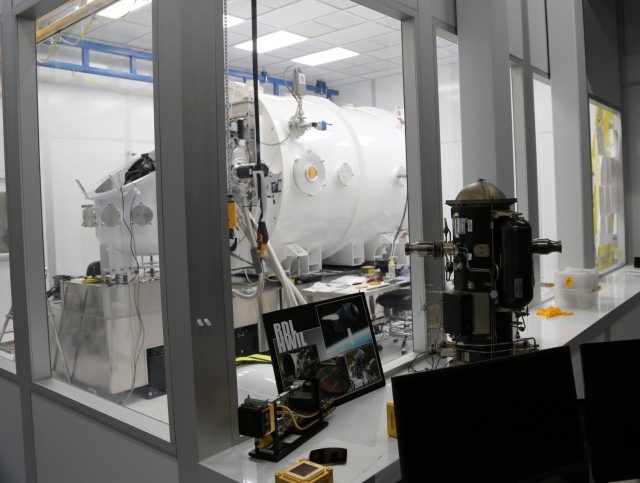
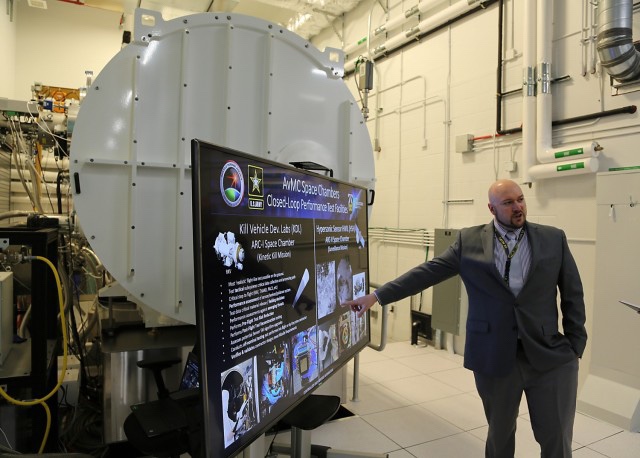
That is where the U.S. Army Combat Capabilities Development Command Aviation & Missile Center’s space-based sensor test facility comes into play. Its two independent space chambers, which operate under the center’s Software, Simulation, Systems Engineering and Integration Directorate, utilize cryogenic refrigeration systems to achieve the required low temperature and pressure environment. The sensor under test is installed within the space chamber, allowing it to observe a multi-spectral target generation source, with all other elements within the chamber conditioned to space-like temperatures and pressures.

“This is the closest you get to a flight test without actually being in space,” said Space Chamber team member David Riesland.

But how exactly would a sensor’s projection system survive and operate within the chamber’s lower temperature/pressure environment? A high-fidelity scene generation system provides radiometrically precise dynamic scenes to the projectors, depicting the threat engagement from the perspective of the sensor field of view. The system presents a TV-like image to the sensor under test, which changes based upon the sensor viewpoint within the simulated battlespace. This allows evaluation of the optical, photon collection, and image processing functions of the sensor under test.

Just because the facility is only two years old doesn’t mean the team gets to rest on its laurels. “We are constantly trying to keep up with the sensors,” said Space Chamber’s Daniel Saylor.

These types of chambers are very rare, which is why it is highly unusual that another space chamber exists down the road at Air Force facilities on Arnold Engineering Development Center in Tullahoma, Tennessee. But there are significant differences.

AvMC’s chambers were specifically designed for Missile Defense Agency testing, including features to extend the operational duration of test events with reduced operational costs. Their state-of-the-art technology allows AvMC’s chambers to heat and cool faster than previous capability increments. They are more limber and can operate for months at a time to allow extended duration testing for large-scale scenario studies.

Just how long of an extended duration?

“We haven’t found the limit yet,” Riesland said.

By Katie Davis Skelley, DEVCOM Aviation & Missile Center Public Affairs

Draper Advances Capabilities of the Military’s Autonomous Airdrop System to Enable Operations in GPS Denied Environments

Wednesday, July 14th, 2021

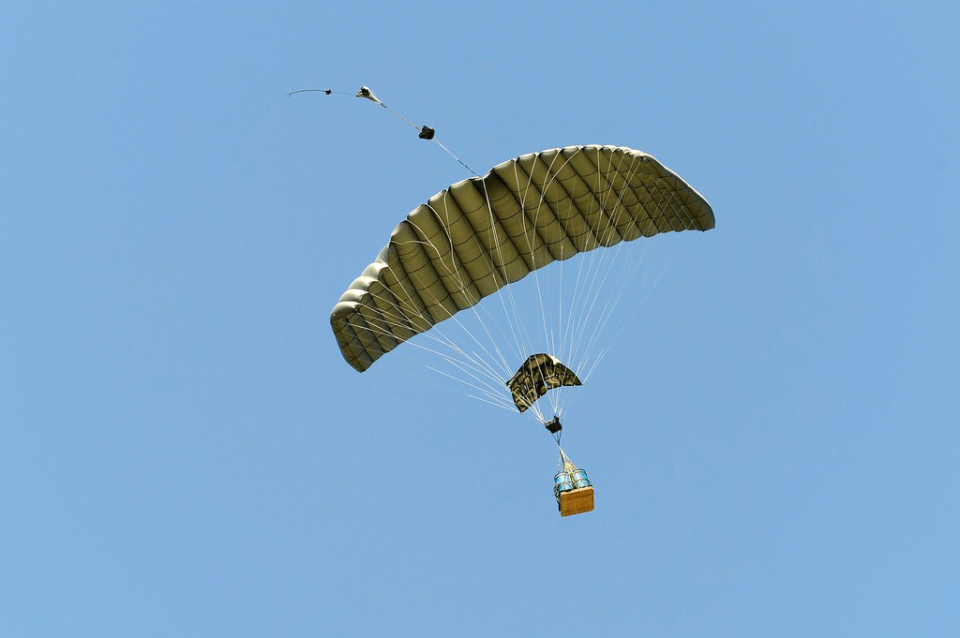
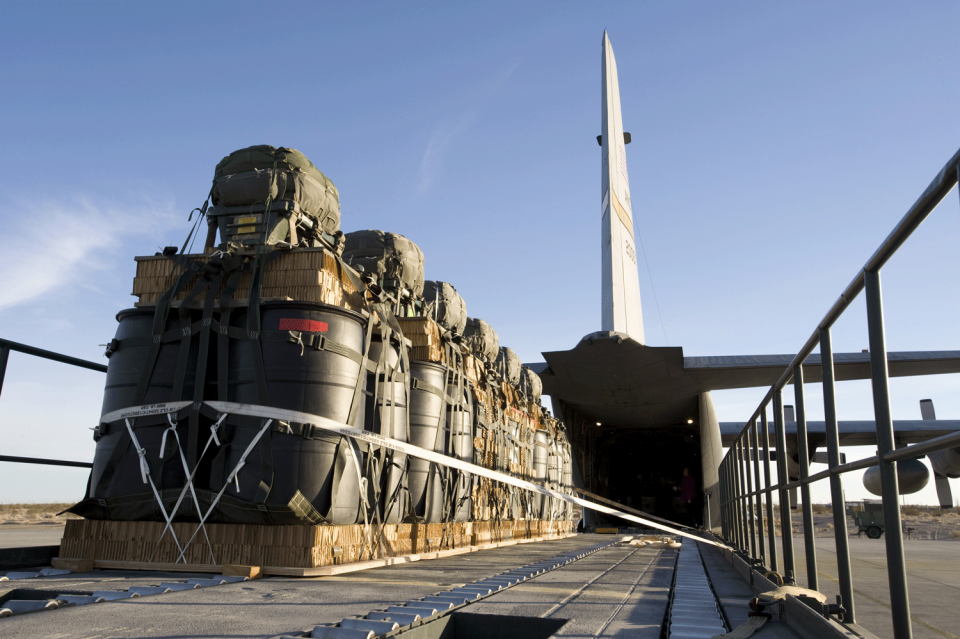
CAMBRIDGE, MA—July 13, 2021—Draper recently delivered advanced guidance, navigation and control technology to the U.S. Army that enables the Joint Precision Airdrop System (JPADS) to operate in areas where signals from the Global Positioning System (GPS) network may be degraded or nonexistent. This new technology ensures that this critical autonomous resupply capability will be available to warfighters operating in contested environments. 

JPADS is an autonomous airborne resupply system that leverages advanced technology to accurately deliver supplies at precise locations anywhere in the world.

Since GPS signals are subject to degradation and jamming, both of which affect the reliability of GPS information to JPADS, Draper has equipped JPADS with new sensors and enhanced software to enable autonomous flight comparable to when JPADS has good access to GPS.

Draper has a long history with the JPADS program and was responsible for the initial development of the guidance technology in partnership with the U.S. Army. Draper continues to work with the U.S. government and its partners to bring new capability into the system to ensure its reliability. The addition of these new capabilities is expected to ensure the systems can perform in near-peer contested environments. 

“Evolving and expanding global challenges require the development and fielding of next-generation capabilities to ensure that the U.S. military is able to compete and win in complex operating environments,” explains Jonathan Cash, senior program manager in national security at Draper. “One significant challenge is being able to operate systems such as JPADS in GPS-denied environments. Draper developed this new technology for JPADS specifically for that reason.” Cash leads a team that builds on Draper’s six decades of experience in unmanned and robotic systems for air, land and sea.

JPADS is intended to provide increased tactical maneuverability and enable a sustainment capability to support multi-service and multi-national ground forces. Future research may include adding capabilities such as enabling JPADS to disperse smaller payloads, according to the Army.

The work is sponsored by the U.S. Army Combat Capabilities Development Command Soldier Center (DEVCOM SC), Natick, MA, Product Manager Force Sustainment Systems (PM FSS), Natick, MA and the U.S. Army Combat Capabilities Development Command Armaments Center (DEVCOM AC), Picatinny, New Jersey.

Preparation in the Face of the Unexpected – How USAF SERE Educates Military Members

Wednesday, July 14th, 2021

KADENA AIR BASE, Japan —

In efforts to prepare and protect the Air Force’s most valuable resource of all — Airmen — survival, evasion, resistance and escape specialists undergo extensive training to make certain aircrew members are up to date with the latest on survival and evasion tactics. The tactics taught give Airmen skills to aid in their survival in worst-case scenarios.

The SERE specialists have to be experts in their profession in order to teach tactics and procedures effectively. To accomplish this they must complete rigorous training at technical school and pass the certification phase that follows.

The process for becoming a SERE specialist begins with a three-week-selection course, followed by a six-month technical school, which includes a three-week survival crash course that pilots and aircrew take to become operational, explained Tech. Sgt. Casey Carter, 18th Operations Support Squadron NCO in charge of SERE training. Once they successfully complete their technical school, they then go through a 6-12 month certification phase.

“When you’re certifying for those 6-12 months, you’re actually teaching aircrew and pilots that are coming through the schoolhouse and you have a trainer that’s evaluating you as an instructor,” Carter said. “Once certified, you’re on your own, and you get your own class of aircrew and pilots to take into the woods and instruct.”

Both Tech. Sgt. Kenji Scouton, 18th OSS NCO in charge of SERE operations, and Carter now lead the refresher courses on Kadena, recertifying pilots and aircrew members on the fundamentals of survival.

“It’s been interesting, I’ve seen some students I taught at the schoolhouse at Fairchild come through and get stationed out here,” Scouton said. “So I’ve had some guys be my students multiple times, whether it be in the initial course or the refresher courses.”

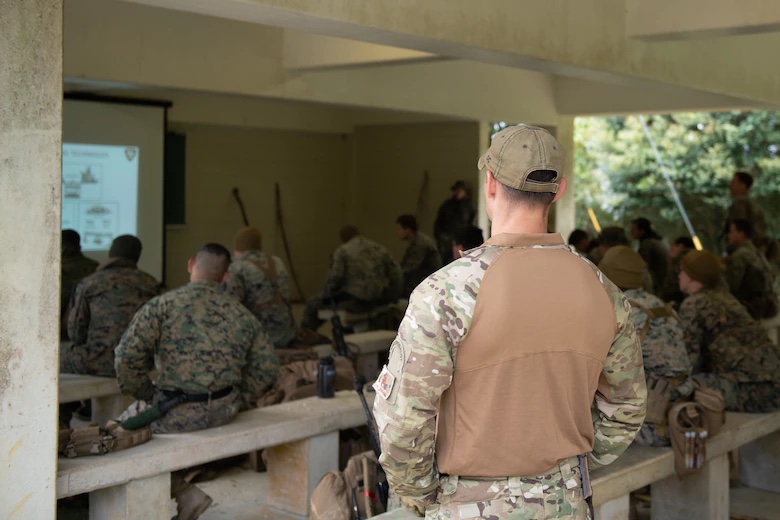
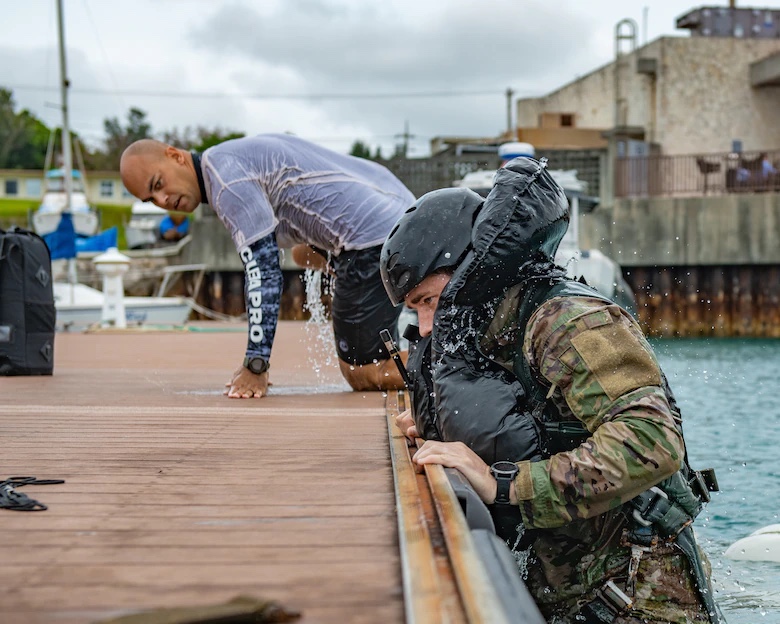
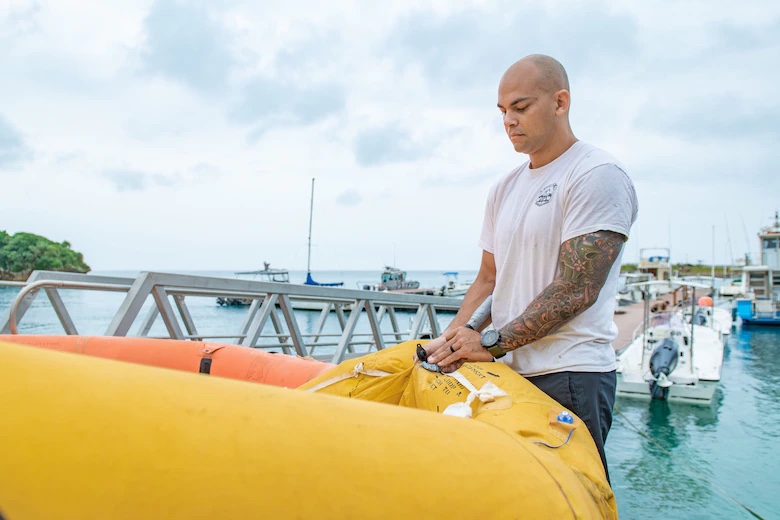
The refresher courses taught by SERE specialists include many classes such as combat survival training, conduct after capture training, water survival training and emergency parachute training. The training sessions typically begin with a few hours of lecture, followed by real-life application of the newly obtained knowledge.

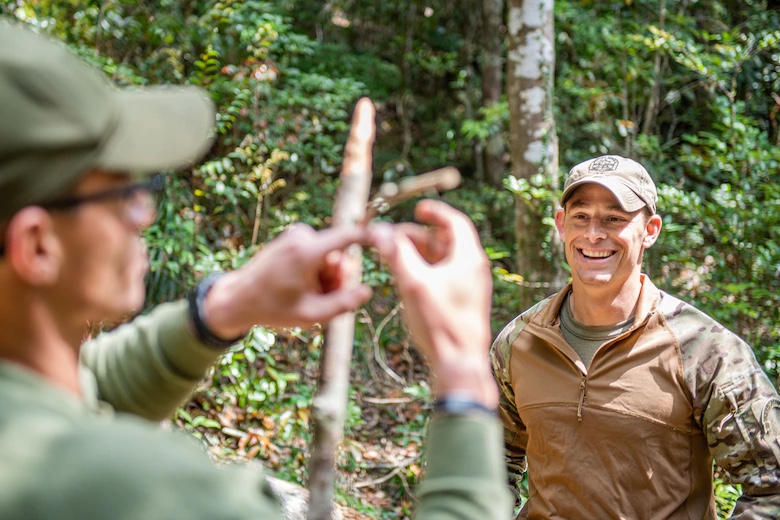
The real-life applications vary for each lesson so preparation and execution can take hours. One of the more involved exercises, combat survival training, starts at sunset and goes until students are rescued, which can sometimes be as late as midnight.

“We put students through an invasion and navigation scenario that culminates in their successful recovery at the end of it,” Scouton said. “With a two-man shop, we have to play many parts. We go from teaching the class to kicking off the survival scenario, then from trying to catch them to trying to recover them. We try to provide them with what could look like real-world information so if the real event does happen, so they would at least be familiar with the steps it would take to be successfully recovered.”

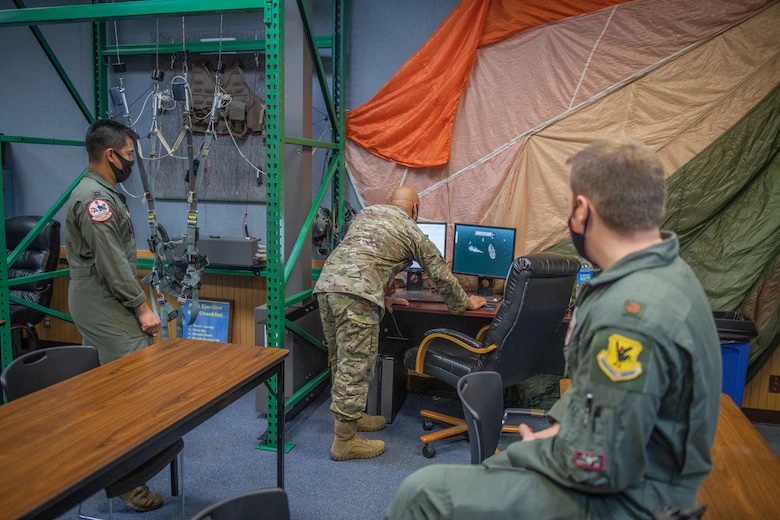
Many factors make Kadena’s SERE team’s courses unique. Not only do they have to take into account the island life environment, but they also have to contend with the variety of aircraft and missions based out of here. This means the local SERE specialists have to be well versed in the specific gear that accompanies each aircraft.

“With each one of the refresher training courses, we have to tailor training to particular aircraft and the equipment they have,” Scouton said. “Being that we have fighter ejection seat aircraft, heavy aircraft and rotary-wing aircraft, we have to carry a multitude of different equipment to make sure we are meeting the needs of each person.”

During deployments, the main mission for SERE is personnel recovery. This entails working with PR assets directly, getting in contact with isolated personnel, guiding them to recovery and finally reintegrating the recovered personnel into their regular day-to-day life.

“Reintegration takes place in three phases. Everyone goes through phase one. If they are psychologically and medically cleared, then they are fit to fight again.” Carter said. “Phase two and three go deeper, and require more rehabilitation and frequent visits with medical and psychological professionals.”

Although their schedules are usually packed with training and refresher courses, the SERE specialists find enjoyment with their roles on island.

“Some may perceive it as a difficulty, but since we have so many different types of aircraft and missions on Kadena, it gives us a good opportunity to actually teach all the available refresher trainings,” Scouton said. “It’s really provided us with a lot of opportunities that you wouldn’t be able to get elsewhere.”

By A1C Cesar J. Navarro, 18th Wing Public Affairs

Air Force Special Warfare Training Wing’s Human Performance Squadron Reaches Milestone

Tuesday, July 13th, 2021

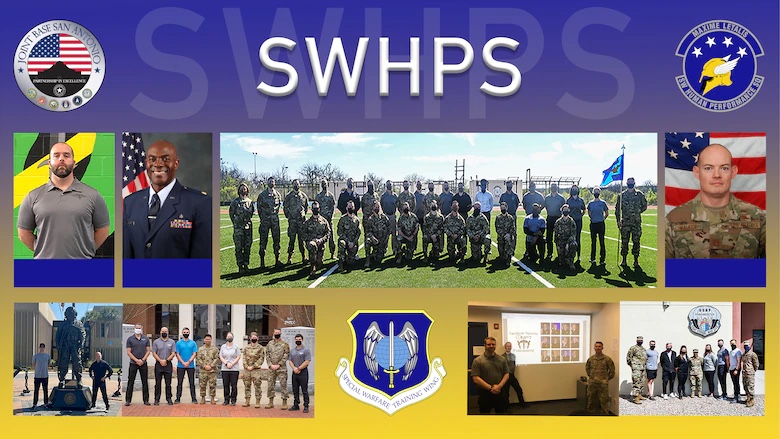
JOINT BASE SAN ANTONIO-CHAPMAN TRAINING ANNEX, Texas—The Special Warfare Human Performance Squadron, SWHPS, recently marked its second anniversary.

The SWHPS is the first squadron of its kind in the Department of Defense, and its sole purpose is to provide Special Warfare Airmen and cadre embedded/holistic Human Performance, HP support.

“We reached our two-year milestone as a squadron and I cannot tell you how immensely proud I am of the team,” said Lt. Col. Shawnee A. Williams, SWHPS, commander. “With all of the hard work done to stand up the SWHPS, I am excited to see this capability propel forward every day!”

The SWHPS mission statement is to optimize the performance, durability, and sustainability of the Special Warfare human weapon system by taking an interdisciplinary approach toward the advancement of science and technology throughout the SW operator’s lifespan.

The organizational structure is made up of five geographically separated units, GSU, across the United States coast-to-coast. Within this construct are nine human performance flights supporting 80 Special Warfare cadre, 500 support staff, and 1,100 Special Warfare students annually.

“Our team sets the foundation for building physically superior, mentally sharper, and spiritually stronger warriors who will go into harm’s way to tackle our nation’s most dangerous and difficult tasks,” said Col. George Buse, Special Warfare Human Performance Support Group, commander. “To this end, SWHPS focuses on being brilliant at instilling HP principles in SW Airmen. We also leverage technological advances, research capabilities, and a holistic approach for the sake of further integrating and professionalizing the SW training enterprise,” said Buse. 

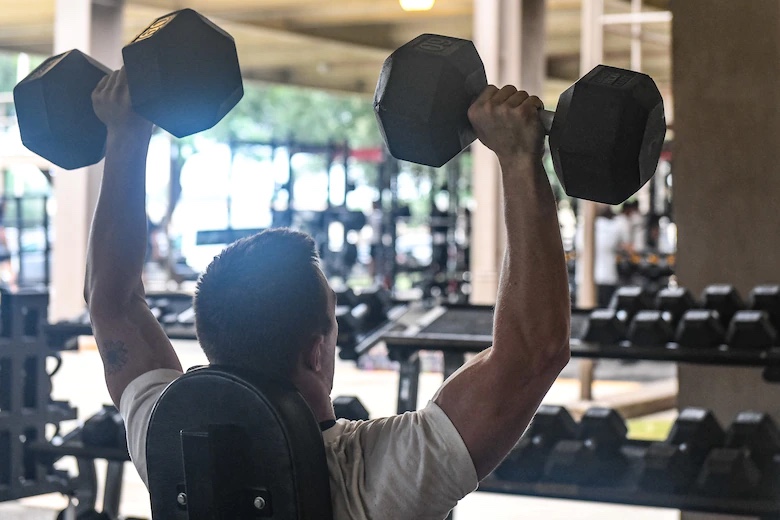
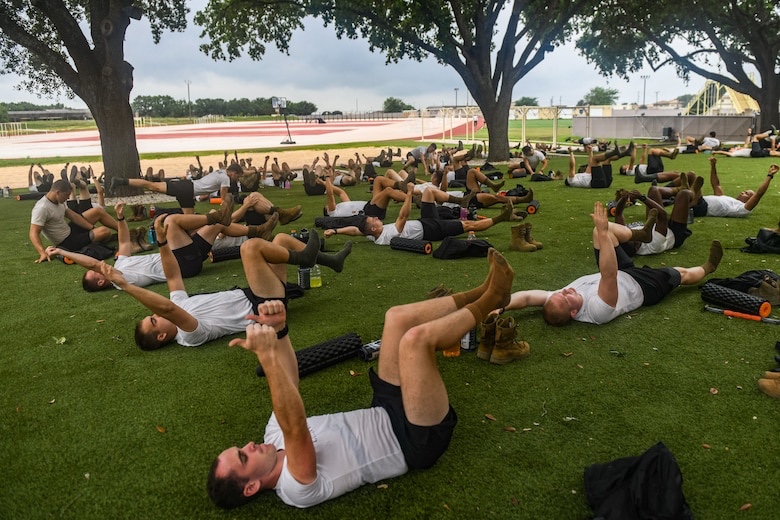
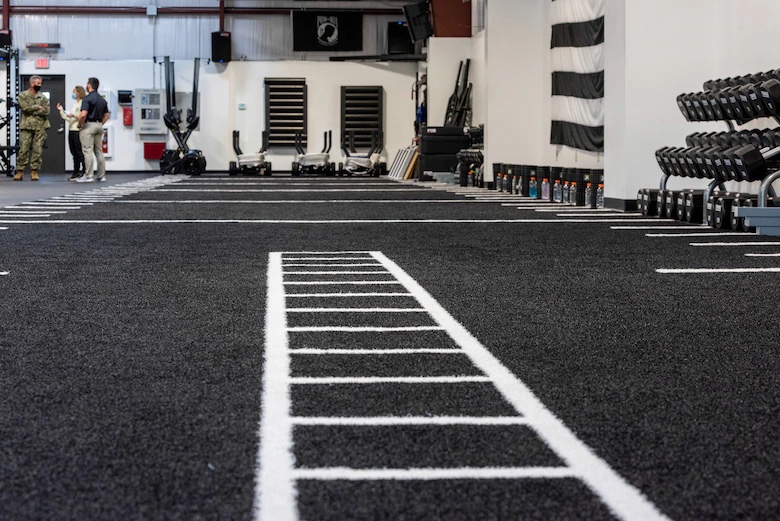
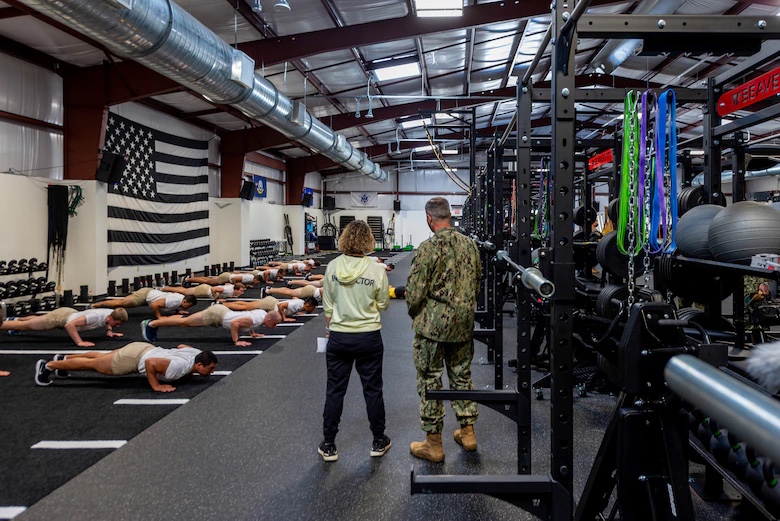
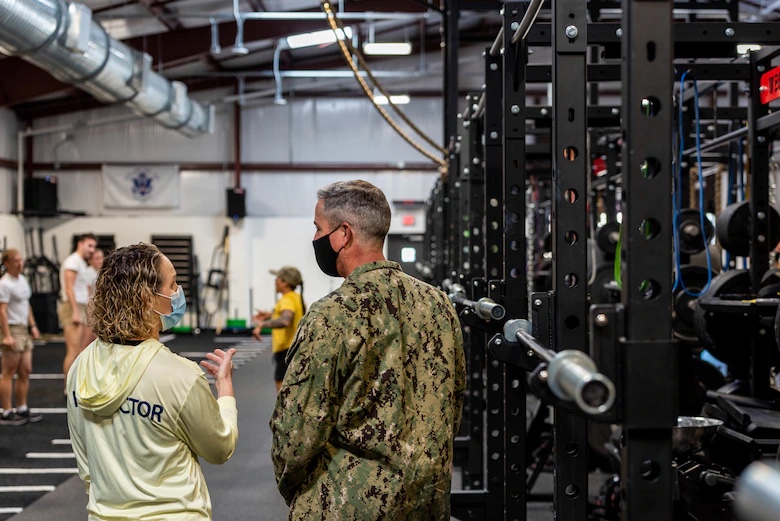
Some key accomplishments of the SWHPS include standing up the first SW Human Performance purpose-built facility and hence named the Airman 1st Class Baker Combat Conditioning Center at the Panama City Dive School, Panama City, Florida. This facility occupies 13K square feet, $1.3 million in performance equipment, and serves a joint population of cadre and students with over 700K annual course hours.

At GSU location Yuma, Arizona, the first-ever embedded physical therapist for Army and Air Force personnel position has been established to increase access to care for evaluation, diagnosis, treatment, and injury prevention services for trainees and support staff members at Military Free Fall Courses.

Educationally, SWHPS has established a location at the U.S. Air Force Academy and took on their USAF Physical Therapy Fellowship Program for the Air Force Medical Service, and propelled it forward (was not under the old Battle Field Airmen Model). The Fellowship program has since graduated eight fellows with three more due to graduate in 2021 and has secured national accreditation.

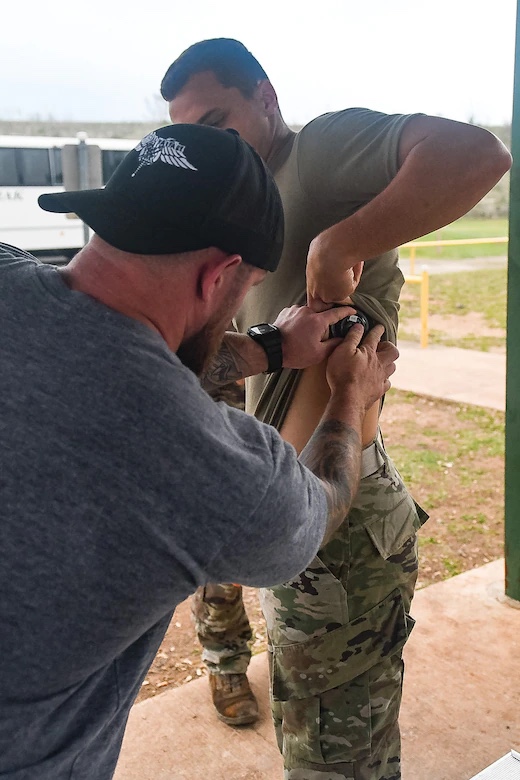
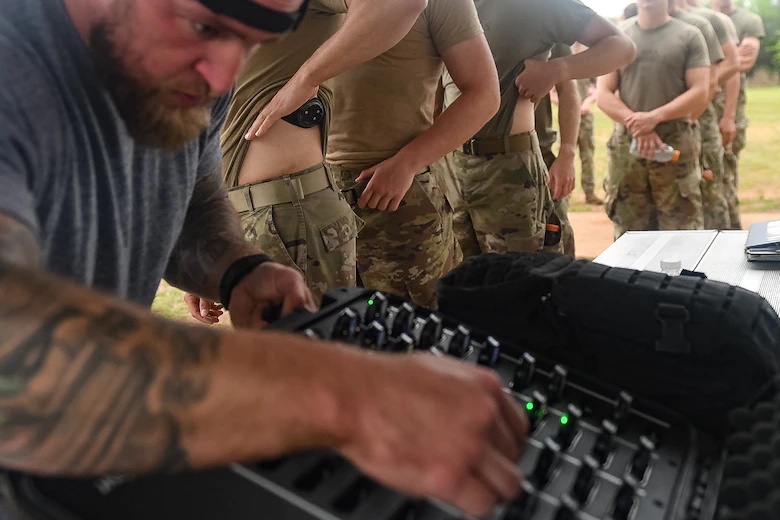
Additionally, SWHPS has established a human performance footprint, across the training pipeline that employs integrated wearable technology, along with HP technician support. This footprint enables SWHPS to track parasympathetic/sympathetic system output, sleep, musculoskeletal health, velocity-based training, and water-based event metrics to include heart rate and physiological data points.

“Another first of its kind is the HP portfolio integration with the Learning Management System/database. The integration will soon provide continuity between training and operational units,” Williams said. “This allows for a human performance portfolio to travel with each member throughout their Special Warfare career.”

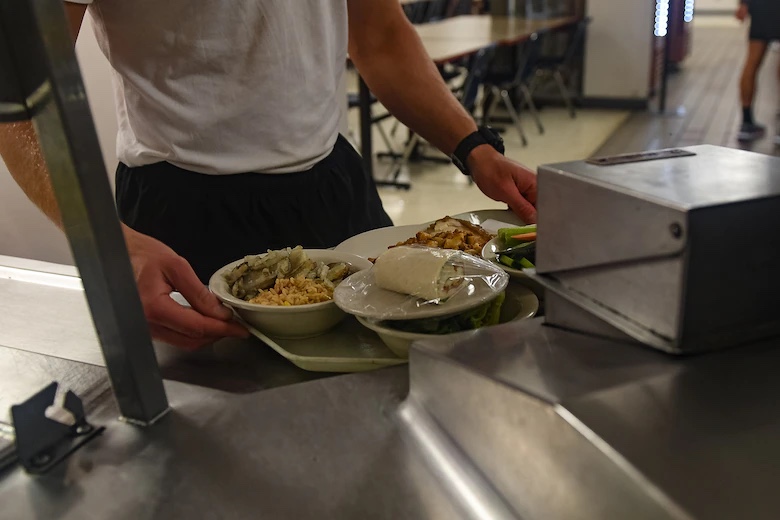
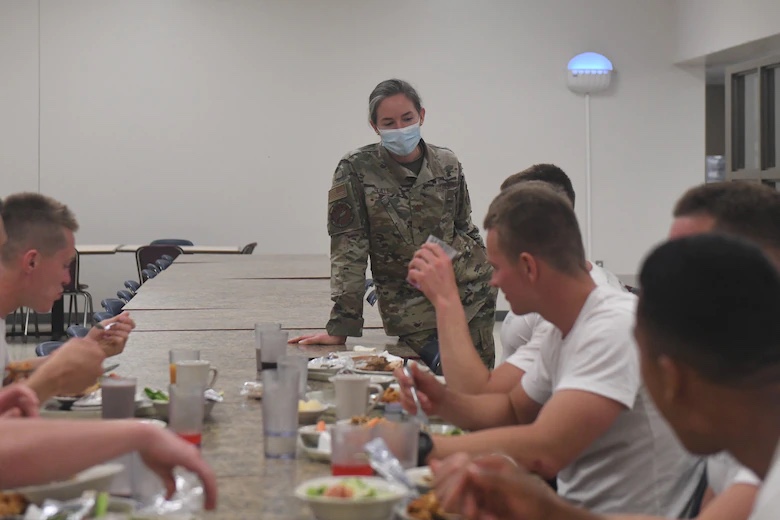
The Squadron’s Nutrition SMEs created the first stand-alone performance dining facility and now oversee all menus in support of the Special Warfare Preparatory Program. “It provides a much-needed ‘learning lab for trainees when they first enter Special Warfare,” said Maj. Miriam Seville, the lead dietitian for the Special Warfare Training Wing. “The trainees get to practice the sports nutrition principles that they learn in class and experiment with a wide variety of healthful foods and beverages that fuel and sustain optimal performance.

“This dining facility introduces trainees to what fueling the Human Weapon System can and should look like, and enables them to build habits here that will support them throughout their training and into operational status,” she said.

In November of 2020, the SWHPS graduated the first Air Force Institute of Technology Performance Nutrition Fellow, who now brings world-class nutrition capability, guidance, and knowledge to Special Warfare programming.

Williams added a final thought on the accomplishments of the program, “Over the past two years, SWHPS has set the foundation for an integrated approach to building and maintaining a human weapon system. We have taken a purposeful and tailored approach to embedded HP and coupled it with real-time physiological feedback to the trainees and are also expanding care to the cadre,” she said.

“The future of this organization will be to shape not only Air Force, but DOD policy to enable a lifecycle platform for the SW operator. The SW Airmen will not just experience high-level/holistic HP support in the training pipeline, but rather, they will see it woven into their career field education and training plans, and expanded services offered in their operational units,” she said. “This then lends itself to the creation or standup of a human weapon system program office just like we have for our hardware.

“We are truly on the cusp of a cohesive training environment where physiological, cognitive, and resiliency elements are assessed weekly, if not daily, to propel the individual to their highest potential versus a binary reactive environment,” Williams concluded.

Members of the Special Warfare Training Wing provide initial training for all U.S. Air Force Special Warfare training AFSCs, to include, Combat Controllers, Pararescue, Special Reconnaissance, and Tactical Air Control Party Airmen.

To learn more about SR Airmen or other U.S. Air Force Special Warfare career opportunities, go to: www.airforce.com/careers/in-demand-careers/special-warfare.

By Andrew C. Patterson, Special Warfare Training Wing/ Public Affairs