GORE-TEX Professional

Archive for the ‘Warrior Athlete’ Category

US Army Announces New Combat Field Test to Enhance Soldier Readiness

Wednesday, April 22nd, 2026

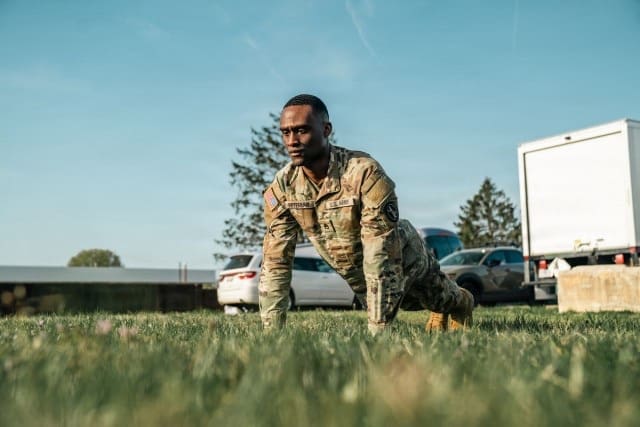
WASHINGTON — The U.S. Army today announced the implementation of the new Combat Field Test (CFT), a major update to its physical readiness program designed to align fitness standards with the demanding realities of modern combat.

Implementation will begin in April 2026. The CFT is required annually for active-duty Soldiers serving in 24 designated combat military occupational specialties.

“The Combat Field Test is a critical step forward in ensuring our Soldiers serving in the most physically demanding specialties have the specific fitness required to dominate on the modern battlefield,” said the Secretary of the Army Hon. Dan Driscoll. “This is about readiness, lethality, and the well-being of our Soldiers.”

The CFT does not replace the Army Fitness Test. Combat specialty Soldiers in the Regular Army and Reserve Component on active-duty orders will be required to pass one of each test annually. All other Reserve Component Soldiers in combat specialties will take one fitness test per calendar year, alternating between the AFT and CFT.

The CFT is a seven-event sequence conducted continuously and scored on total time. Events include:

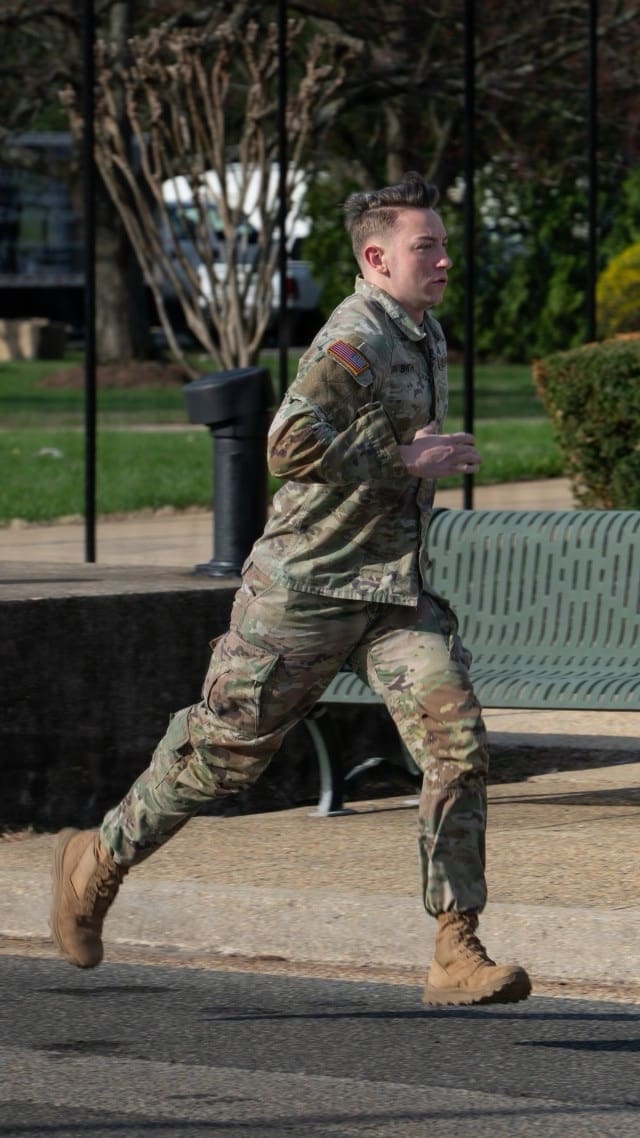
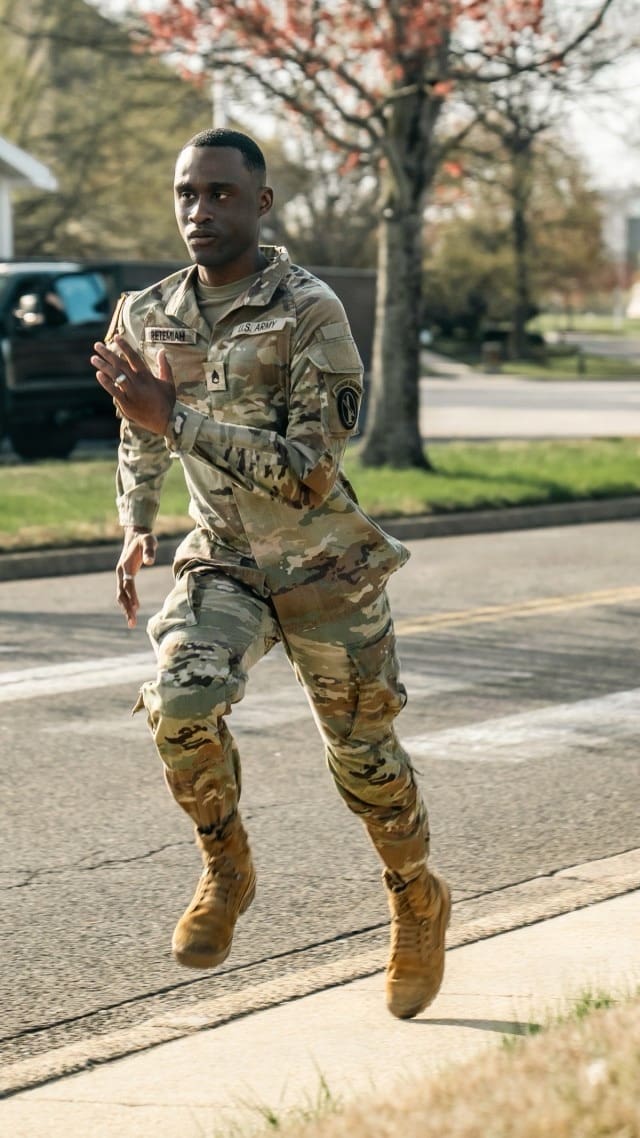
A one-mile run.

30 dead-stop push-ups.

A 100-meter sprint.

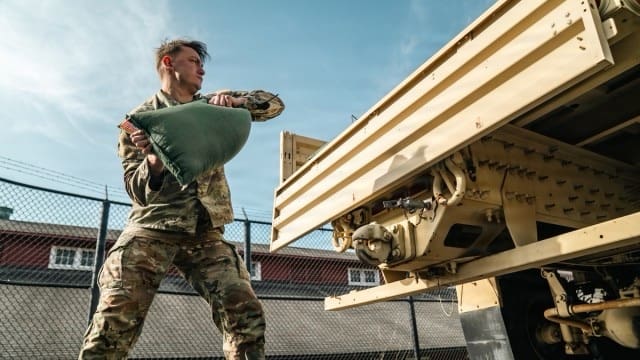
16 lifts of a 40-pound sandbag onto a 65-inch platform.

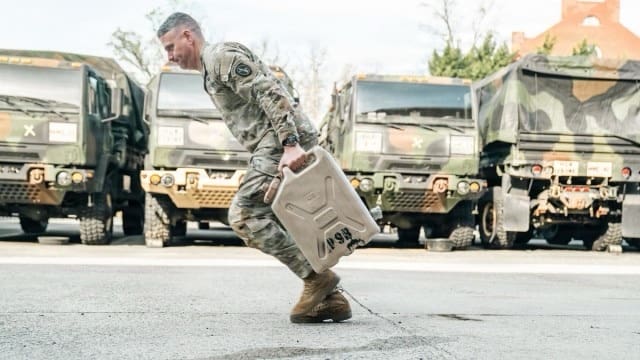
A 50-meter carry of two five-gallon Army water cans weighing 40 pounds each.

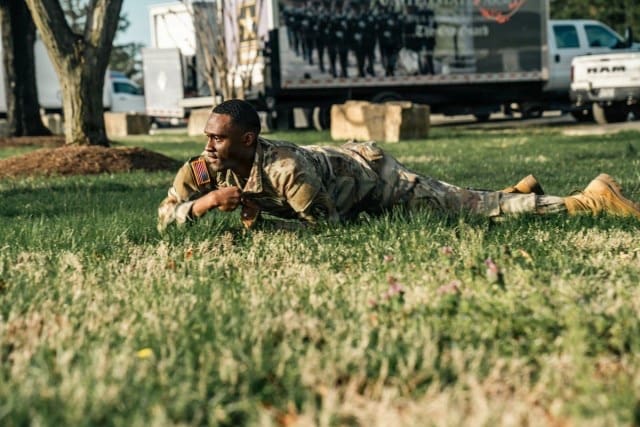
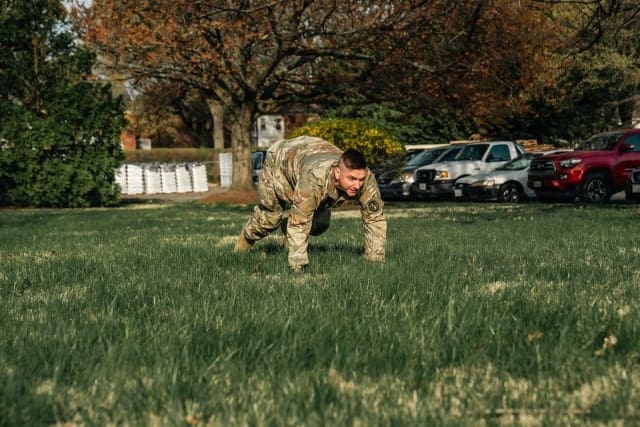
A 50-meter movement drill consisting of a 25-meter high crawl and a 25-meter 3-5 second rush.

A final one-mile run.

Soldiers must complete the test in 30 minutes or less while wearing the Army Combat Uniform, combat boots and a brown T-shirt, with no cover.

“This isn’t just about passing a test; it’s a direct measure of our commitment to readiness and ensuring our warfighters can dominate in any environment,” said Sgt. Maj. of the Army Michael Weimer. “We’re asking more of our combat arms Soldiers, and this test validates their ability to meet that high standard.”

To allow time for adaptation, no adverse administrative actions will be taken for failing the CFT during an initial 365-day diagnostic period for Regular Army and active-duty Reserve Component Soldiers, and a 730-day period for all other Reserve Component Soldiers. During this phase, Soldiers may request voluntary reclassification to a non-combat specialty if they determine they cannot meet the standard, allowing the Army to retain valuable talent.

The CFT establishes a single, mission-based standard aligned to the demands of combat to ensure readiness and lethality. All Soldiers in designated combat roles must meet the same passing criteria, regardless of age or sex.

The Army will provide support to Soldiers preparing for the CFT through command-led physical training programs, Holistic Health and Fitness resources, and a dedicated CFT microsite with additional guidance. For more information on the Combat Field Test, visit the Army Fitness Test website.

Via US Army Public Affairs

USSOCOM Announces 2026 Athletes for Warrior Games

Sunday, April 19th, 2026

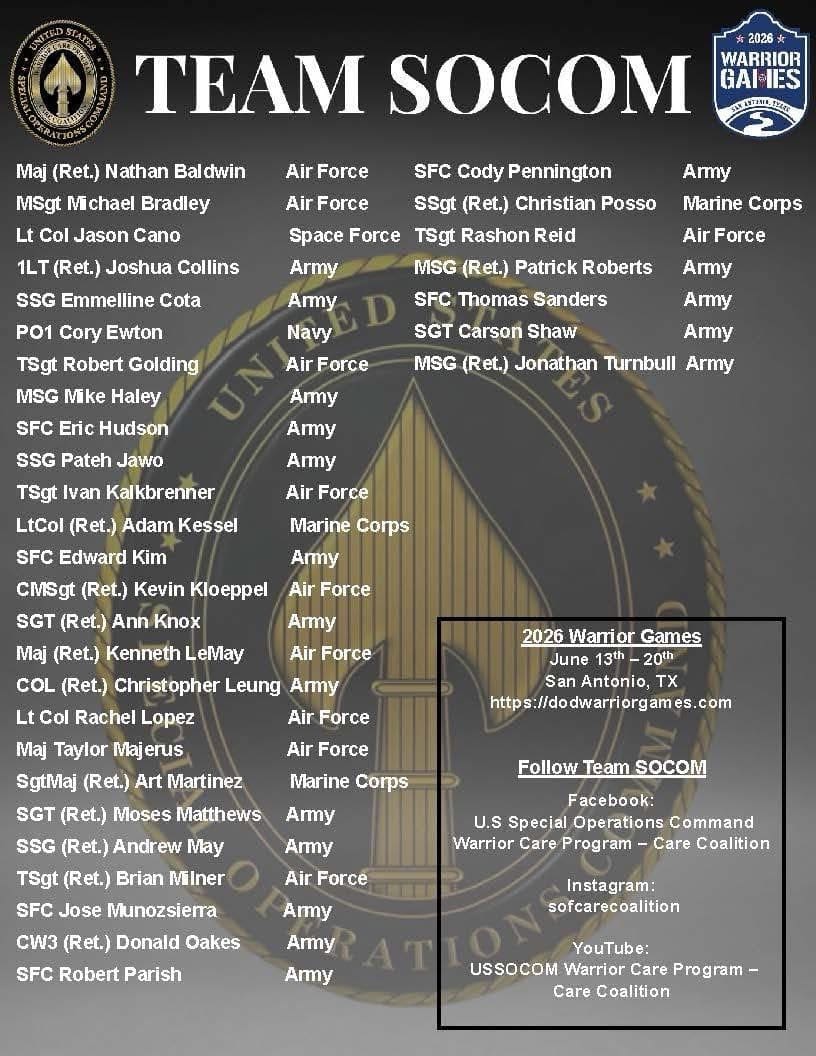
We’re proud to officially announce the 2026 Team SOCOM athletes who will represent United States Special Operations Command (USSOCOM) at the this year’s Warrior Games !

These incredible warriors embody resilience, dedication, and the unbreakable spirit of our community. Through their commitment to recovery and excellence, they continue to inspire us all.

Join us in congratulating them as they continue to train hard for San Antonio! ?

Let’s Go Team SOCOM!!

US Space Force Releases New Human Performance and Readiness Manual

Monday, September 29th, 2025

ARLINGTON, Va. (AFNS) —  

The U.S. Space Force released its first Space Force Manual 36-2905, Human Performance and Readiness, which establishes clear, mission-focused standards to optimize Guardian fitness and readiness.

All Guardians are now required to complete a Human Performance Assessment once a year if they are enrolled in the Continuous Fitness Assessment Personalized Readiness Integrated Through Monitoring and Engagement study and twice per year if they are not. The HPA measures muscular strength, muscular endurance and cardiorespiratory fitness on an 80-point scale. Guardians must earn a composite score of 60 or higher to be considered physically ready. One of the HPAs must include a 2-mile run.

To implement the manual, squadrons will establish Unit Fitness Cells staffed by Guardian Resilience Teams. Unit commanders and UFCs will ensure all Guardians complete an initial HPA between Jan. 1 and June 30, 2026. Physical fitness testing will not be required before Jan. 1, 2026, to allow time for UFCs to be established and Guardians to prepare.

“The Space Force human performance standards are mission-driven and tailored to the unique physical and cognitive demands of our Guardians,” said Chief of Space Operations Gen. Chance Saltzman. “The manual reflects our commitment to investing in Guardian health, resilience, and long-term performance, and ensures we’re ready to thrive and win in the most demanding operational environments.”

The manual incorporates human performance standards within the Space Force’s Holistic Health Approach, a science-based model that emphasizes Total Force Fitness across eight domains: physical, financial, spiritual, preventive care, environmental, nutritional, psychological and social. This supports the Secretary of the Air Force’s Culture of Fitness initiative and aligns with the Under Secretary of the Air Force’s efforts to enhance fitness and readiness.

“The Human Performance and Readiness Manual directly supports our commitment to emphasize the Guardian Experience and to execute our mission to deter threats and control the space domain,” said Chief Master Sgt. of the Space Force John Bentivegna. “Our ability to maintain space superiority hinges on the readiness and resilience of our Guardians, who are our most valuable advantage … our Human Weapon System. This manual equips them with the standards and resources necessary to meet the unique physical and cognitive demands of modern space warfare, ensuring they are always prepared to safeguard our nation’s interests.”

The manual retains the existing Space Force body composition program without changes.

SPFMAN 36-2905 reflects the Space Force’s commitment to developing warfighters capable of meeting the demands of modern space warfare through a technology-enabled, persistent readiness system.

View the SPFMAN 36-2905 here.

Secretary of the Air Force Public Affairs

Army Establishes New Fitness Test of Record to Strengthen Readiness and Lethality

Tuesday, April 22nd, 2025

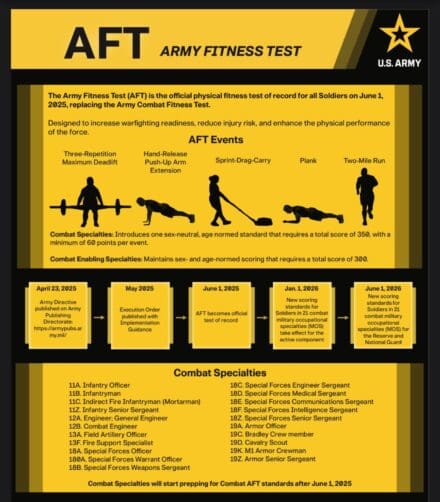
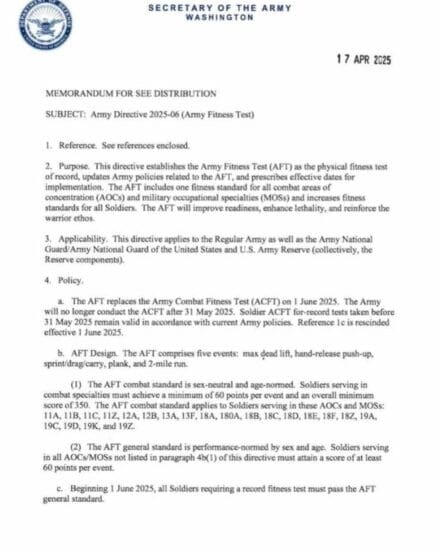
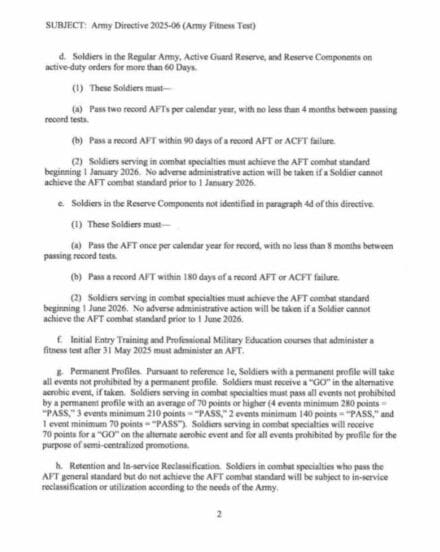
WASHINGTON – The U.S. Army announced today the establishment of the Army Fitness Test (AFT) as the official physical fitness test of record for all Soldiers, replacing the Army Combat Fitness Test.

The five-event AFT, is designed to enhance Soldier fitness, improve warfighting readiness, and increase the lethality of the force.

The AFT consists of the three-repetition maximum deadlift, hand-release push-up army extension, sprint-drag-carry, plank, and two-mile run. RAND Corporation analysis and Army data from nearly 1 million test records helped inform the new standard.

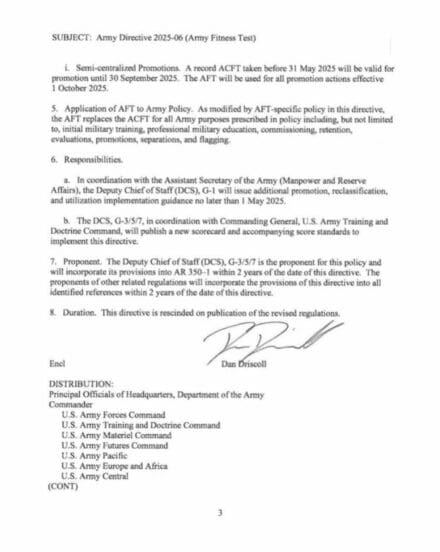
Phased implementation of the AFT will begin June 1, 2025, with new scoring standards for Soldiers in 21 combat military occupational specialties (MOSs) taking effect on January 1, 2026, for the active component and June 1, 2026, for the Reserve and National Guard.

The AFT combat standard is sex-neutral and age-normed. Soldiers serving in combat specialties must achieve a minimum of 60 points per event and an overall minimum score of 350.

The AFT general standard is performance-normed by sex and age groups. Soldiers serving in combat-enabling specialties must attain a score of at least 60 points per event and an overall minimum score of 300.

Implementation guidance and associated execution orders will be released in May.

The change reflects the Army’s continued focus on building a physically ready force capable of meeting operational demands in austere environments.

The Army is also adapting its policy framework to support implementation, including support to Soldiers with medical profiles and governance to monitor the impact of the new standard on readiness, retention, and end strength.

Army Public Affairs

Below is the implementing memorandum.

What Is Space Force Fit?

Wednesday, November 20th, 2024

EL SEGUNDO, Calif. (AFNS) —

Military service members are expected to be fit – it’s all a part of making sure a fighting force is ready for duty and the U.S. Space Force is no exception.

Guardians may spend more time tracking satellites and space debris and staying alert for hostile missiles than engaging in hand-to-hand combat, but that doesn’t mean they can slack off when it comes to physical training. As the newest military service, the U.S. Space Force is taking a more holistic health approach to fitness standards.

“Regular exercise isn’t just about building physical strength; it’s about optimizing our potential,” said Chief Master Sgt. Jacqueline Sauvé, Space Systems Command senior enlisted leader. “Research consistently affirms that exercise isn’t merely a routine; it’s a vital component fostering resilience, mental clarity and holistic health. From safeguarding against cardiovascular risks to bolstering mental well-being, fitness is a mission imperative.”

When the Space Force was first established in December of 2019 without its own formal health and fitness program, it relied mostly on the Air Force’s standard Physical Fitness Assessment test, which includes a plank, crunches, hand-release and conventional push-ups and a 1.5 mile run, or shuttle run to gauge the fitness levels of Guardians.

Early in 2020, the Space Force began the development of a service-specific human performance capability for its Guardians — the Holistic Health Approach, which consists of continuous fitness, performance health optimization and capacity-building. The HHA is intended to increase short and long-term health outcomes for the force by meeting Guardians “where they are” and showing them what “right” looks like.

“It’s a more comprehensive and malleable approach to overall health and wellness, to include physical fitness and public health and prevention,” said Christine Heit, U.S. Space Force Headquarters holistic health approach lead. “For decades, the U.S. Department of Defense has pushed out one-size-fits-all programs that do not take into account differences in individuals. Continuous Fitness is the U.S. Space Force’s developing approach to quantify and qualify important fitness metrics that are unequivocal markers of health, in an enduring, persistent and year-round manner. These metrics are cardiorespiratory fitness, purposeful physical activity and body composition.”

“Wearable fitness technology, such as fitness trackers, helps to make this possible and is now at a point where it can be employed for just such a purpose,” said Carl Sheppard, U.S. Space Force Headquarters holistic health and senior human performance advisor.

“By being able to appraise fitness in an ongoing continual manner, the goal is to leverage physical fitness requirements to actually improve, optimize and maintain health,” Sheppard said. “As opposed to wielding it as a hammer or being constrained by arbitrary test standards.”

“Performance Health Optimization includes the U.S. Space Force Body Composition Program and lifestyle medicine principles,” Heit said. “That allows us to not only have metrics rooted in science for health but also to teach our Guardians ways to make lifestyle changes to increase overall health. Our priority is for Guardians to be healthy and we make concerted efforts to build skills with Guardians to help them be successful.

“To assess body composition, the space Force uses waist-to-height ratio (WHtR). More well-known and often used measures of body composition include body mass index and body fat percentage models such as tape testing and skin-fold testing,” Sheppard said. “While useful in certain public health and athletic settings, these approaches fail to identify the most important aspect of body composition as it relates to health and injury: where is the fat?”

“What we know from scientific literature is that excess abdominal fat, especially when it is stored deeper in the abdomen next to our organs, is a much more significant indicator for the risk of acquiring obesity-related preventable disease and injury, than body fat percentage alone,” Sheppard said. “This accumulation of abdominal fat is referred to as ‘central adiposity’ and WHtR is a very sensitive test to identify it.”
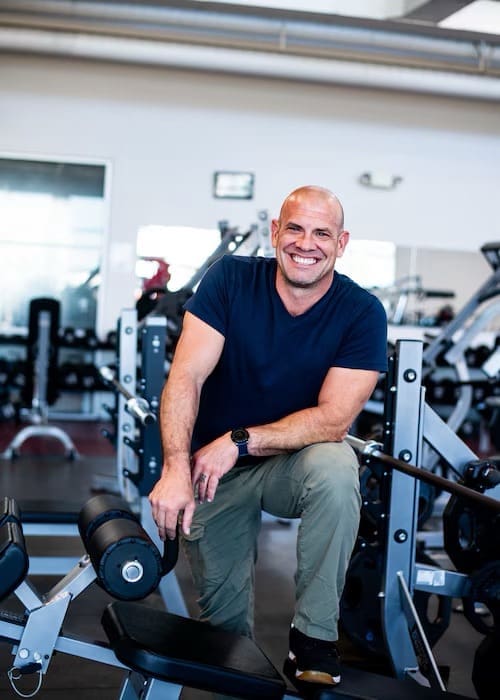
The public health message is simple: “Keep your waist circumference to less than half your height,” said John Hofman, certified strength and conditioning specialist at Los Angeles Air Force Base, the headquarters of Space Systems Command.

“Air Force physical assessments are once or twice annually depending on a person’s score,” Heit said. “People were observed cramming for an assessment, working only in the weeks leading up to the test. The Space Force wanted to develop a science-based mechanism for fitness and health outcomes that promoted consistent physical activity rather than episodic preparation.”

“As a result, the Space Force partnered with the Air Force Research Laboratory to conduct a two-year study using portable wearable fitness devices, which started in June of 2023,” Heit said. “Guardians can voluntarily opt-in to the study and be exempt from the Air Force physical fitness assessment as long as study criteria are met: 600 exercise minutes a month, monthly cardiorespiratory fitness readings and engagement with the AFRL study team. There are also plans to connect increased physical fitness to improved cognitive performance and mission readiness.”

In addition, Space Force is also implementing Guardian Resilience Teams at every U.S. Space Force base, with a virtual team to help geographically separated units and remote Guardians. These teams will include a holistic health integrator, certified strength and conditioning specialist, licensed mental health provider and physical therapist.

“The purpose of the Guardian Resilience Teams is to make sure U.S. Space Force service members have the kind of support they need not just to be physically fit,” Hofman said. “But also, mentally and emotionally ready to perform at the highest level.”

“I like to tell people, ‘We’re just trying to manage stress — enormous stress,” Hofman said. “How do you do that? Well, there’s no real magic pill — it’s eating right, it’s sleep, it’s exercise.”

It’s safe to say Hofman understands the toll stress can take. He spent more than 15 years as an expert tactical strength and conditioning specialist for both law enforcement and fire/rescue. He has won numerous awards, including an Emmy Award for Branded Content in 2021 for Did You Know: ‘Silent No More’ an officer suicide-prevention video, as a member of the California Peace Officer Standards and Training Team. He also played college football and competed for 12 years on the U.S. canoe and kayak team, where he competed in two Olympic trials.

“Space Force wants to make sure our Guardians are getting positive reinforcement and positive feedback to make healthy choices for themselves,” Hofman said. “’Fit for duty’ is always the most common question — what does that mean? Does it mean that because you can run a mile and a half in under 12 minutes and do lots of pushups you’re fit for duty? I don’t think so.”

To Hofman, ‘fit for duty’ isn’t just one physical component, but a comprehensive set that takes the whole person into account. Biofeedback from portable wearable fitness devices and bloodwork can help tailor workouts to exactly what an individual needs — but Guardians may need some help in interpreting the data, Hofman explained.

“For example, if someone is always stressed out, long, slow running is a good way to reduce the cortisol (stress hormone),” Hofman said. “Maybe someone likes to do a lot of boot camps and high-intensity training. This will spike the cortisol, so we can educate them on proper recovery tactics to help bring it down so they can sleep better.”
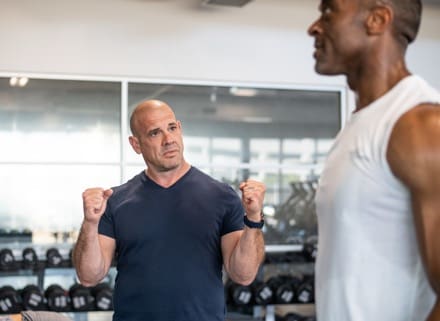
People are more likely to stick to a workout routine if they enjoy it, so Hofman said he often begins consultations by asking the Guardians what they like to do and going from there.

“Do you eat well? I don’t mean eat perfectly,” Hofman added. “We don’t need to add more stress to eating. Eating shouldn’t be that complicated. We don’t look at diets — we look at habits.”

“The Guardian Resilience Team also has a licensed mental health professional to help Guardians with their mental health, and a physical therapist to help them deal with pain – someone with chronic pain is not going to function at their peak mental and physical ability,” Hofman said. “Chronic sleep problems also take a physical toll on the body and mind and can interfere with a Guardian’s efforts to eat well and exercise.”

“By using a more well-rounded, holistic approach, you’re creating a feedback loop,” Hofman said. “You provide the resources to educate and help to explain what this information is, to keep that loop going. You’re providing resources so they can take accountability for their well-being and you’re there to support them versus, here’s a check box, you’re done.”

“We want Guardians to be aware of what they’re doing — and make those corrections and make healthy choices for themselves,” Hofman said. “We peel back the onion, and now we have a well-rounded individual fit for duty.”

“Our Guardians need to be mentally and physically ready to meet the unique demands of Space,” said Tim Stearns, DrPH, MPH, Los Angeles Air Force Base Guardian resiliency team lead. “When our Guardians are empowered, educated, and given the skills to be successful, they become the most lethal version of themselves and that’s exactly what the HHA does!”

“Guardians are encouraged to participate in fitness activities they enjoy with proper body mechanics, technique, and form resulting in stronger Guardians,” Stearns said. “A physically stronger Guardian is a more resilient Guardian, and a resilient Guardian is a Guardian ready to dominate in the Space Domain and in life. Coach Hofman improves the quality of lives of Guardians by creating a positive relationship with physical fitness that will endure throughout their military career and beyond.”

Story by Lisa Sodders, Space Systems Command Public Affairs

Photos by Van D. Ha

FirstSpear Friday Focus: FS Silkies Restock

Friday, August 30th, 2024

Attention! The FirstSpear Silkies are back in stock, and this is not a drill. Whether you’re running a PT test or making a tactical snack run, these legendary shorts will have you feeling like a lean, mean, freedom-loving machine. With a cut so high they’d make a 1980s gym coach blush, these beauties guarantee maximum ventilation, freedom of movement, and just enough leg exposure to give your CO a minor heart attack. Wear them with pride, whether you’re at the gym or just flexing your quads in the cereal aisle.


And let’s be honest, if Chuck Norris was issued a standard-issue uniform, it would be these Silkies. Pair them with a deployment beard that screams “I just survived 90 days in the field,” and some aviators that reflect both the sun and your unstoppable confidence. You’ll be drawing more attention than an officer at an enlisted party.

• These shorts feature an elastic waistband and no drawstring for a comfortable, high-performance fit and feel
• Brief style liner in these shorts provide additional support and helps prevent chafing
• PT shorts feature a short inseam for optimal athletic capability
• Made of durable, moisture-wicking 100% nylon material that will help keep you cool and dry while you sweat
• Feature an inner waistband pocket for storing a key or money while exercising
• Available in Black & Ranger Green with the FirstSpear Logo in S, M, L, XL, 2XL

Embrace the short shorts life and get ’em before they’re gone. No Returns — Sorry friends, these are too snug—if you buy them and try them, we can’t resell it.

Visit FirstSpear to find American Made kit and accessories, Built For The X.

Warrior West 23 – DFND Infrared Recovery Sleepwear

Thursday, April 6th, 2023

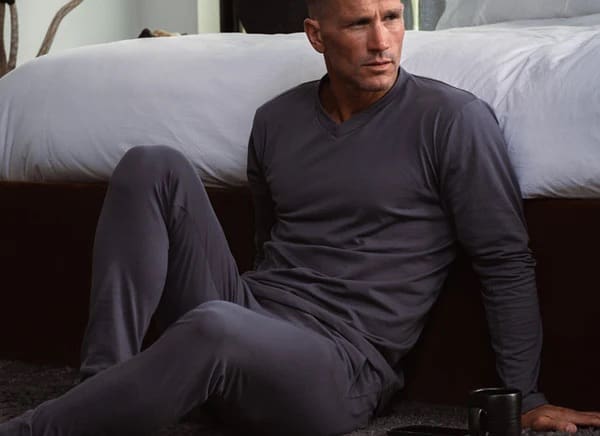
DFND has added sleep recovery clothing to their line of training wear. Offered in short and long sleeve V neck shirts along with a long john-style pant, the fabric is embedded with CELLIANT minerals, which absorb body heat and reflect it back to the wearer as Infrared energy.

Offered in sizes XS-XXXL.

Products seen at Warrior West may be procured by units and agencies by contacting ADS, Inc.

Soldier Center’s Small Unit Performance Analytics Event Advances Soldier Performance Research

Wednesday, October 26th, 2022

NATICK, Mass. – The U.S. Army Combat Capabilities Development Command Soldier Center, or DEVCOM SC, completed its fifth Small Unit Performance Analytics, or SUPRA, event at Fort Devens on September 12 – 23. The data collection, supported by infantry squads from the 10th Mountain Division, was part of DEVCOM SC’s ongoing Measuring and Advancing Soldier Tactical Readiness and Effectiveness, or MASTR-E, program. MASTR-E’s Small Unit Performance Analytics (SUPRA) research team planned and executed the event.

Led by DEVCOM Soldier Center, the MASTR-E program is a large-scale effort focused on measuring, predicting, and enhancing close combat performance with predictive performance algorithms, sensors, data-driven decision aids, and targeted interventions to maximize Soldier performance. DEVCOM Soldier Center is executing a collaborative development strategy with numerous military, academic, and industry partners on the effort. The goal of the MASTR-E program is to characterize and predict Soldier cognitive and physical performance under operationally relevant conditions, ultimately increasing warfighter capability.

SUPRA events play an important role in the overall MASTR-E program.

“SUPRA concentrates on true measures of collective performance,” said George Matook, program lead for MASTR-E. “The Army fights as units, not as individuals; while it’s important to understand individual performance as a part of that whole, quantifying unit performance is critical. SUPRA does that for MASTR-E.”

Data collected from participating squads in SUPRA events include communication data, physiological status monitoring, and marksmanship data — to name just a few areas of data collection. SUPRA events aim to increase understanding of how individual and squad performance influences overall Soldier effectiveness and lethality.

“The SUPRA research team collects over 100 GB of data and close to 500 different dependent measures for each squad that completes the testing,” said Meghan O’Donovan, a biomechanics research engineer in DEVCOM SC’s Soldier Effective Directorate who works on the MASTR-E effort. “Given the numbers of squads and Soldiers tested, this makes it one of the largest dismounted infantry, force-on-force data sets in existence.”

By adding data to the MASTR-E Soldier performance effort, this SUPRA event will broaden Soldier representation and enhance the science behind the effort.

“This SUPRA event adds more Soldier data into the analytical pool, strengthening the statistical relevance of the relationships and metrics we’re discovering,” said Matook. “We want to ensure the information is representative of the Army, not just a couple of squads we happened to sample.”

DEVCOM SC’s longtime expertise in multiple domains in Soldier technology research and development, as well as its innovative partnerships with academia and industry are also playing an important role in the SUPRA efforts specifically and in the MASTR-E effort overall.

“DEVCOM Soldier Center’s longtime expertise in multiple domains is necessary to properly execute MASTR-E,” said Matook. “By design, our studies are multi-disciplinary, encompassing work in physical, cognitive, socio-emotional, and health domains. While Soldier Center has experts in some of these areas, it was important to leverage the help of other Army and DoD assets to bring a best of breed team to the problem set. To bring together the right skillsets for SUPRA in particular, we assembled a team from Soldier Center, Aberdeen Test Center, Army Research Institute, Naval Health Research Center, and multiple industry partners.”

SUPRA events are an important part of the MASTR-E program’s effort to better understand and to increase Soldier readiness and performance.

“MASTR-E as a whole will benefit warfighters in many ways, from garrison, to training, and operations,” said Matook. “MASTR-E’s work measuring, predicting, and enhancing close combat performance will help the Army and its Soldiers see themselves better, to understand our true capability and readiness with the metrics that matter. Coupling this knowledge with Optimizing the Human Weapon System will give leaders an unprecedented situational understanding of their formations, enabling higher levels of readiness and increased probability of mission success.”

By Jane Benson, DEVCOM Soldier Center Public Affairs