Pirata Series from OTB Boots - Coming March 2026!

Archive for the ‘Guest Post’ Category

Supporting the Future Fight: MCSC Modernizing Infantry Capabilities

Monday, May 17th, 2021

MARINE CORPS BASE QUANTICO, Va. —

The Marine Corps has been investing time, money and resources into modernizing the force to meet objectives outlined in the Commandant’s Planning Guidance, Force Design 2030 and the National Defense Strategy.

Brig. Gen. A.J. Pasagian, commander of Marine Corps Systems Command, has stated that no investment is more important than those in support of the infantry Marine.

“The Marine Corps in 2030 does not exist without the individual Marine, what they’re wearing and what they’re carrying,” said Pasagian. “Enhancing our infantry Marines by providing them with the best capabilities available remains an integral, ongoing priority for the Marine Corps.”

MCSC has placed great emphasis on meeting the demands of the future force to ensure Marines are never in a fair fight, said Pasagian. To achieve this objective, the command has concentrated on increasing infantry communication, lethality and survivability.

Increased close combat lethality

Over the last few years, MCSC developed and fielded several new, modernized capabilities to Marines, including the M27 Infantry Automatic Rifle, Squad Common Optic, Squad Binocular Night Vision Goggles and M320A1 grenade launcher.

The M27 Infantry Automatic Rifle, originally fielded in 2011, is lighter and reaches farther distances than its predecessor, the M249 squad automatic weapon, said CWO4 David Tomlinson, MCSC’s infantry weapons officer.

“The M27 is fully automatic and increases their accuracy compared with previous weapons systems,” said Tomlinson. “The increased accuracy leads to increased lethality.”

Over time, the popularity of the weapon blossomed among Marines. They raved about its ease of use and overall effectiveness. This led to the Corps expanding its fielding to all rifle platoons as their primary individual weapon.

Earlier this year, Marines began receiving the Squad Common Optic, an innovative new rifle sight that better enables shooters to identify and engage the enemy from farther distances in variable light conditions. It can be attached to the M4 and M4A1 Carbine as well as the M27 Infantry Automatic Rifle.

“The Squad Common Optic is a variable-power optic that allows Marines to engage to threats at the maximum effective range of their weapons system, improving target acquisition and probability-of-hit with infantry assault rifles,” said Tomlinson.

In 2020, MCSC also fielded the Squad Binocular Night Vision Goggle—a lightweight, helmet-mounted night vision system that provides increased depth perception, improved clarity and a thermal-imaging capability to detect targets in extreme darkness or through battlefield obscurants.

The SBNVG enables Marines to operate vehicles at night, move through dark buildings or tunnels, and engage targets after sunset. By using this system, Marines can be as lethal at night as they are in the daytime, said Tomlinson.

The Marine Corps also began fielding a new grenade launcher last year. The M320A1 is a single-fire system that Marines can either mount onto another rifle or use as a stand-alone weapon.

“The M320A1 provides an improved capability to engage the enemy day and night, while retaining the capability of short range, reflexive fire of the primary weapon,” said Capt. Nick Berger, MCSC’s project officer for the M320A1. “In addition, the M320A1 increases the small unit flexibility in employing lethal, nonlethal and special-purpose munitions by allowing them to tailor the weapon configuration to the mission.”

Lightening the load
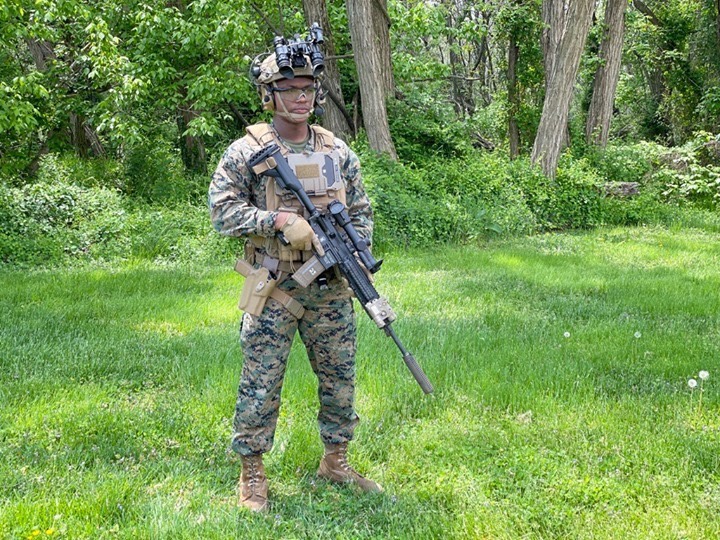
Infantry units need more than just weapons to get the job done. The Marine Corps leans heavily upon MCSC’s Program Manager for Infantry Combat Equipment to research, develop and field lightweight protective gear designed to increase survivability.

In 2020, MCSC began updating its enhanced combat helmet to improve fit and comfort. The improved, high-cut helmet includes a retention system that tightens around the circumference of the head and adjusts easier. Female Marines, in particular, have noted how the high-cut ECH fits their hair buns better than the legacy ECH.

Another notable fielding in 2020 was the Plate Carrier Generation III, a next-generation protective vest that provides improved fit, form and function for Marines. The PC Gen. III guards against bullets and fragmentation when coupled with protective plates.

The PC Gen. III uses less material than the Plate Carrier that fielded in 2011. Lt. Col. Andrew Konicki, the program manager for Infantry Combat Equipment, explained that the improved designed of the PC Gen. III reduces the overall weight and bulkiness of the vest, increasing maneuverability.

“Lightening the load is important because it allows Marines to be more agile when moving from covered position to covered position,” said Konicki. “Improved mobility increases survivability while preserving endurance, which enhances a Marine’s lethality.”

In 2021, MCSC began fielding the Marine Corps Intense Cold Weather Boot—a full-grain, leather boot designed for use in temperatures as cold as -20 degrees Fahrenheit. The ICWB is lighter and less bulky than the Extreme Cold Weather Boot, employed in -65 to -20 degrees Fahrenheit.

The ICWB allows Marines to complete various missions that might involve hiking or skiing in arduous, cold weather environments without having to change boots, said Konicki.

“This boot lightens the load for Marines because they’ll need only one boot for cold weather operations instead of having to carry two sets of boots and change based on the weather conditions,” said Konicki.

On the ammunition front, MCSC awarded a contract in 2020 to test and evaluate new, lightweight .50-caliber polymer ammo, with an intent to further lighten the warfighter’s load. The ammo, to be used in the M2 Machine Gun, is significantly lighter and easier to haul than the traditional brass casings.

Polymer is a class of plastic-like material that weighs less than brass and other metals commonly used in weapon systems. As the Marine Corps evaluates .50-caliber polymer ammo, other services are also evaluating other types of ammo.

The Army, for instance, is validating a 7.62mm polymer round, which could also potentially make its way to Marines in the future.

CWO3 Chad Cason, a project officer with MCSC’s Program Manager for Ammunition, said polymer ammo enables Marines to carry more with less fatigue, enhancing combat readiness. He also noted how the ammunition is just as effective as the brass ammo of the past.

“This is truly an innovative program, as [PM Ammunition] continues its modernization efforts in support of increasing lethality and capability to the Fleet Marine Force,” said Cason.

MCSC will host several limited user evaluations in 2021 and 2022, allowing Marines to assess the effectiveness and performance of the ammunition. Marine feedback during these assessments will inform a future fielding decision, said Cason.

Enhanced communication
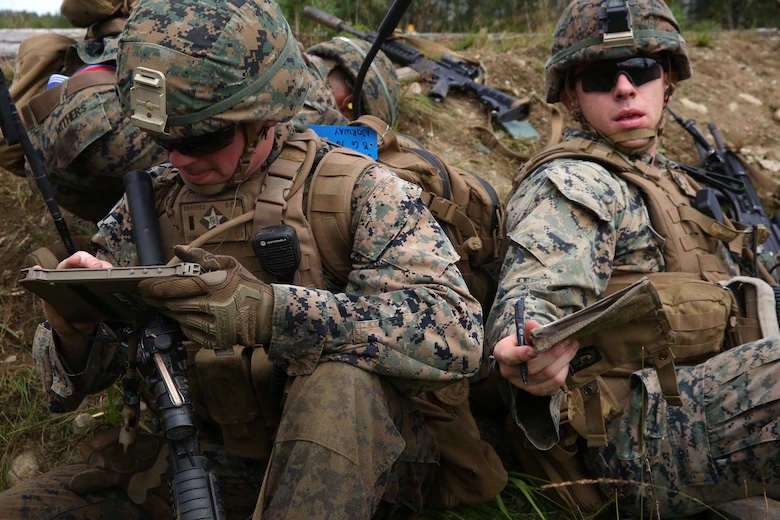
Operating in a 21st century environment also requires innovative command and control equipment to increase communication on the battlefield.

In 2019, the Marine Corps fielded a lightweight, tablet system that improves situational awareness on the battlefield. The Marine Air-Ground Task Force Common Handheld enables Marines to use commercial smart devices to plot and share points, offering an overall view of the battlespace to commanders.

Later that year, MCSC upgraded the MCH to allow Marines to communicate with one another through several additional communication systems, including the Advanced Field Artillery Tactical Data System and the Army’s Joint Battle Command-Platform.

“Communication is critical to ensure Marines and commanders in the field have access to information and data at the right levels,” said John Maurer, deputy portfolio manager for MCSC’s Command Element Systems. “It enables, facilitates and accelerates decision-making and situational awareness.”

In 2020, the Marine Corps also fielded a next-generation High Frequency Radio II, which provides Marines with long-range, beyond line-of-site radio communications. The radio system comprises Wideband HF, increasing the data rate to more quickly communicate larger amounts of information.

Maurer said the HFR II is a modern, resilient and sustainable capability that is significantly smaller and lighter than the legacy HF radio. MCSC’s Ground Radios HFR II Team, led by Leigh King, accelerated the acquisition process and achieved fielding one year earlier than originally planned.

The MCH, HFR II and several other communication systems acquired by MCSC are designed to make communication more seamless and efficient for infantry Marines, said Maurer.

“We are positioned to meet the Commandant’s Planning Guidance by providing multiple new systems to infantry Marines to enable the kill chain,” said Maurer. “The capabilities provided will support the initial operational capability of Force Design 2030 by providing assured command and control in a degraded environment, information warfare superiority and protected mobility for enhanced maneuver.”

The importance of training
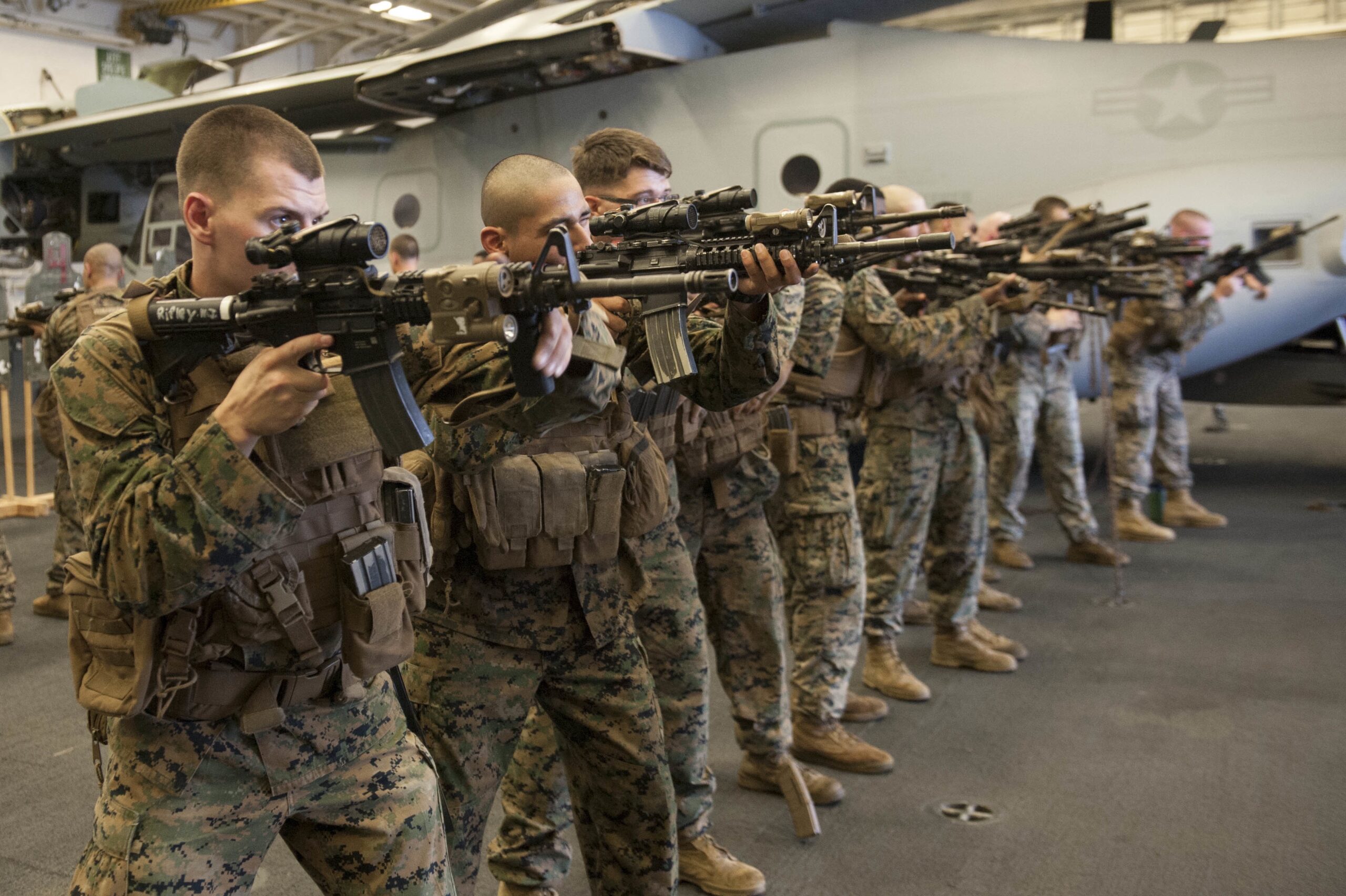
The Marine Corps cannot accomplish its modernization goals alone.

Chris Woodburn, of the Capabilities Development Directorate at the Combat Development and Integration, said they will continue to solicit support from industry and other services to field innovative capabilities and posture for the future fight.

“The Marine Corps is fielding several close combat lethality enhancements to address near-term requirements while working with the Army to pursue the next generation capabilities for the future,” said Woodburn. “These enhancements facilitate our close combat forces’ ability to leverage the best capability now, while posturing for the future through continued work with partner services.”

Tomlinson believes updating infantry units relevant gear is a critical step in gaining a competitive advantage over adversaries. However, he said the acquisition of effective equipment and the employment of active training can help the Marine Corps reach its modernization goals.

“Lethality isn’t just an item,” said Tomlinson. “We can give Marines a new system, but that doesn’t necessarily make them more lethal. Lethality also involves incorporating proper, effective training.”

Tomlinson said MCSC often employs New Equipment Training events to furnish Marines with the knowledge necessary to operate new capabilities. MCSC’s Training Systems program office also ensures Marines are equipped with the technology and systems needed to use newly-fielded capabilities in a simulated environment.

The Marine Corps’ Training and Education Command also plays an important role in increasing the lethality of Marines.

TECOM leads the Marine Corps’ individual entry-level training, professional military education and continuous professional development, through unit, collective and service-level training. The group’s intent is to enhance warfighting organizations that enable Marines to build and sustain the combat readiness required to fight and win today and in the future.

“The modernization of gear and equipment needs to be seamless to the training piece,” said CWO4 Anthony Viggiani, TECOM’s infantry weapons officer. “It’s not just the gear and equipment that makes an individual more lethal, it co-aligns the training as well.”

Viggiani said training offers the preparation needed to increase battlefield lethality. Training equips Marines with the confidence and capabilities needed to employ a piece of equipment to its maximum effectiveness, he said.

“You can’t just give an individual gear and equipment and think that’s going to solve all our problems,” said Viggiani. “Training is an important steppingstone to increasing lethality on the battlefield.”

Matt Gonzales, MCSC Office of Public Affairs and Communication, Marine Corps Systems Command

SCUBAPRO Sunday – Beards

Sunday, May 16th, 2021

I ran this about a year ago, and I thought I would rerun it. I know many Public Safety people (police and firefighter) are thinking about retiring, or they have already put their papers in to do that. Many places are trying to come up with ways to incentivize people to stay on the job. Most seem to be trying to take a page right out of the military playbook by saying that you can wear shorts, grow a beard, or have a ponytail if you stay on the job. So, I thought to help everyone out; I would rerun this article on how to dive with a beard.  I know most public safety divers (PSD) use Full Face masks, but I hope this will still be very helpful to you.

One of the hardest or easiest things to do is dive with a beard or a mustache. I say it that way because, like most things, if you practice doing it, you will get better. But if you have never done it before, please don’t wait until you are getting ready to do a 3-hour dive or dive in some nasty water to try it for the first time. There are a few things you can do that are going to help when diving with facial hair. I will cover some of the gear and other tricks and repost a video that I found that I hope will help.

First, you need to have the correct type of mask. Not all dive masks are the same. If you buy a $20 mask at Exchange, you will have a mask that will be good for playing in the pool, and that’s about it. Like everything, you get what you pay for. The size of your face and the amount of facial hair will help determine the mask you need. But honestly, you should still be able to use the same mask you always have unless you have gone full bigfoot. Here are a few of the better masks that are out there for dive with hair.

I have tried to pick low-volume masks that are good for combat swimmer operations and good backup masks for people using a Fullface mask.

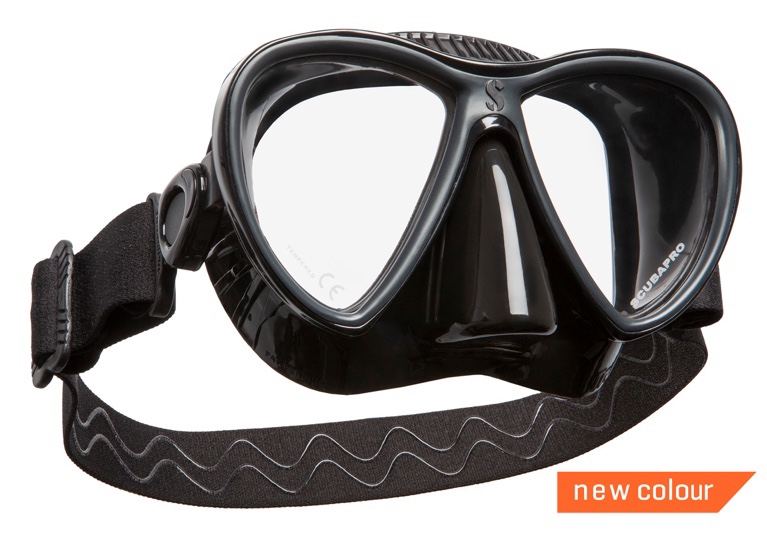
The SCUBAPRO Synergy 2 Mask is excellent for people with beards because of its unique two-skirt system. The flexible skirts fit tightly against your face, with the outer skirt providing additional support and rigidity. Combined, they deliver superior comfort and resistance to leaking compared to other masks. When people are diving and their mask starts to leak, the first thing you try and do to fix it is to pull it tighter, and if that doesn’t work, you pull it tighter again. If this isn’t working, you do it again. If your mask keeps leaking no matter what you do, try losing it up a little; when it is too tight, the mask will get ripples, like if you were to put a rubber band over your shirt sleeve. The Synergy 2 mask is suitable for people with a smaller face. If you have a beard or mustache and want a solid mask, this is a great place to start.

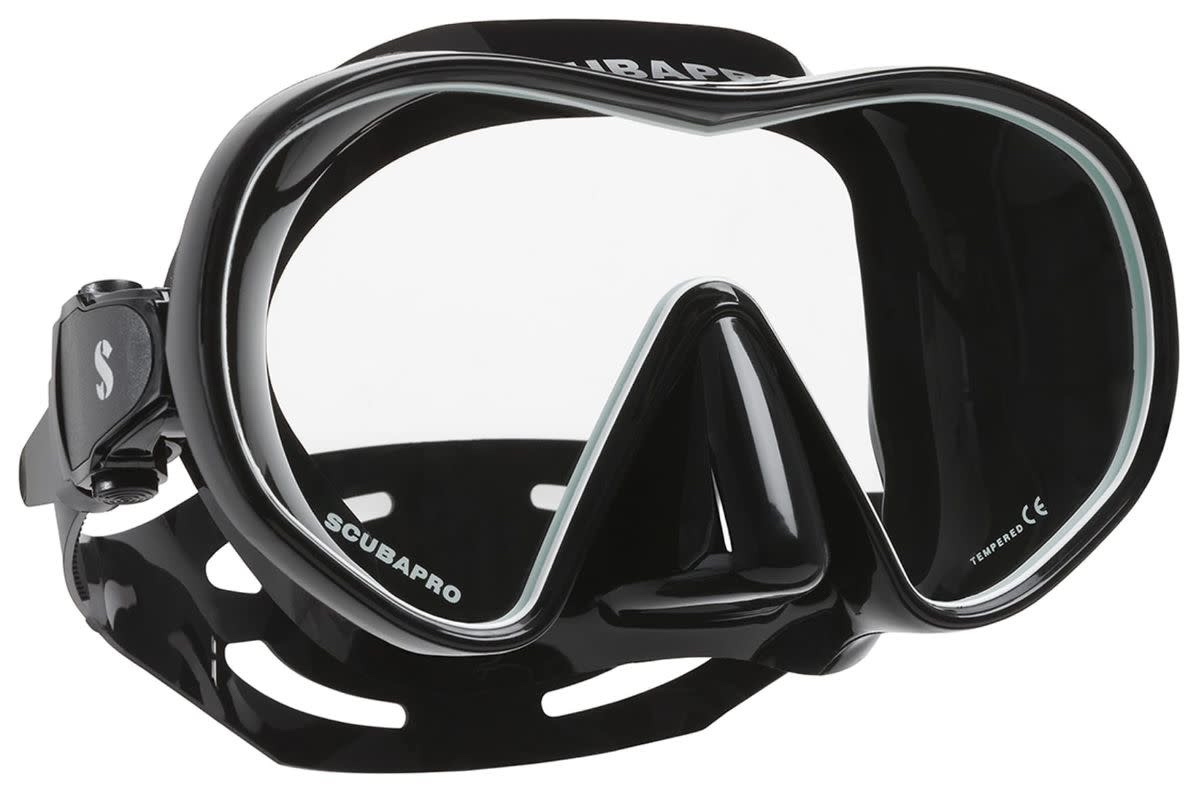
Next is the SCUBAPRO Solo. The double-sealed silicone skirt conforms to almost every face, giving you an excellent leak-free seal. The SCUBAPRO Solo features a frameless, single-tempered glass lens specifically designed to provide a wide field of view. Because of how close it sits to your face, the Solo has a low volume fit and easy cleaning. Other notable features include a wide-split style, non-slip strap with adjustable buckles, a silicone skirt that comes with double-feathered edge sealing that is effective even against facial hair, and a nose pocket that allows you to pinch your nose to clear.

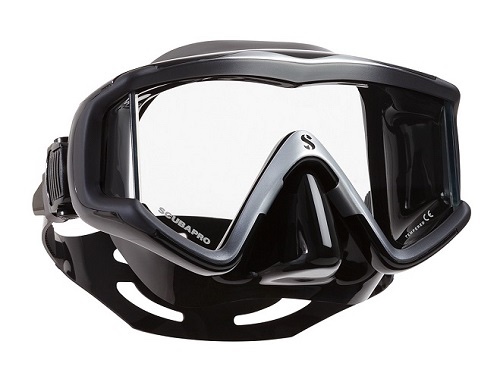
The SCUBAPRO Crystal Vu Plus is a single lens mask, which some people like because it can provide a clear, unobstructed view underwater. It comes with a purge valve, and this makes it easy to clear and rarely fogs up. Should water enter the mask because the mask didn’t seal properly around your beard or mustache, exhale air through your nose to clear the water. You can breathe out through your nose, and the water is vented out. The purge valve can fit a little tight for some people, but most people love this mask once they try it. Another feature of this mask is the side viewing windows, which provide excellent peripheral vision in the water. It has a perfect seal that should allow it to fit snug and tight on about 90% of people, even with facial hair.

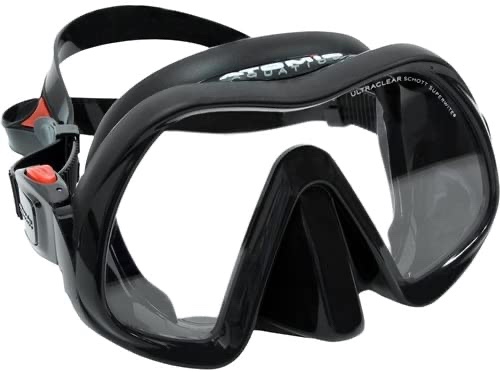
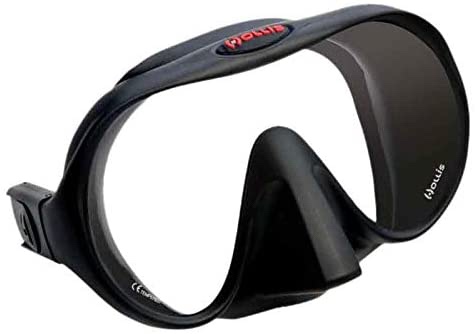
There are some other great masks for diving with beards or just using in general. It all depends on how much you are willing to pay to save the beard. The Atomic Venom Frameless mask is a great all-around mask. It uses a rubber very similar to the Solo mask that is great for conforming to your face and around those lone beard hairs that might cause a leak. The same goes for the Hollis M1 Frameless mask. Again, a tremendous all-around mask that is low volume and suitable for use with hair. If I didn’t work for SCUBAPRO, I would have one of these two masks. But I like the SCUBAPRO Spectra that is my favorite mask by far, but that has nothing to do with this. Just FYI, you know Christmas is never far off, just saying.

Some people look to use some lubricant (like Vaseline) on their face, under their nose to help with the seal. If you are diving O2, you should not be using anything like this, most are petroleum-based, and oil and O2 do not get along very well. But there are other things out there you can try. Just make sure you do your research first.

Lastly, since we talked about hair, SCUBAPRO also has an excellent mask strap for diving with long hair or just more than you had in boot camp. It is also great because it is basically a ski goggle strap, and there is a 99% chance it won’t break on you when you are diving. It works with a lot of SCUBAPRO masks.

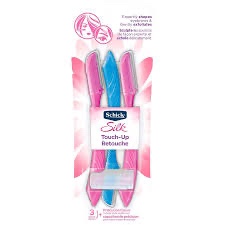
In the video, Richie Denmark talks about using a razor to help trim a little bit of your facial hair away. I just wanted to point out the Schick Silk Touch-up multipurpose exfoliation tool. It is excellent for fine-tuning your hair.

Richie, Thank you for letting me post your video.

There are a lot of good masks out there besides the ones I mentioned. Like everything you do, you need to make sure you practice. Even if it’s just getting in the pool a couple of times, it is easy to say it is the gear’s fault that you cant do something. I have noticed that many people want equipment to fix their bad habits or lack of skill.

FirstSpear Friday Focus: ABAV Marked Safe to Fly by US Air Force

Friday, May 14th, 2021

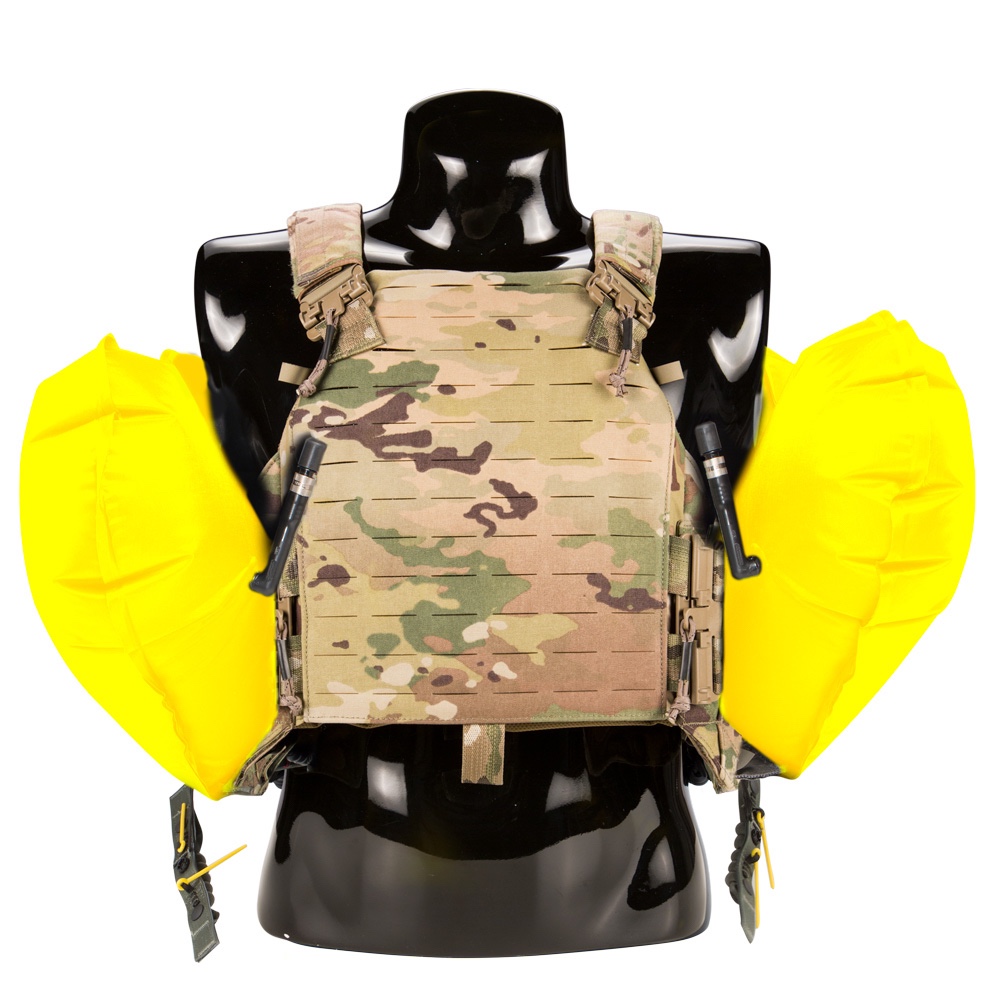
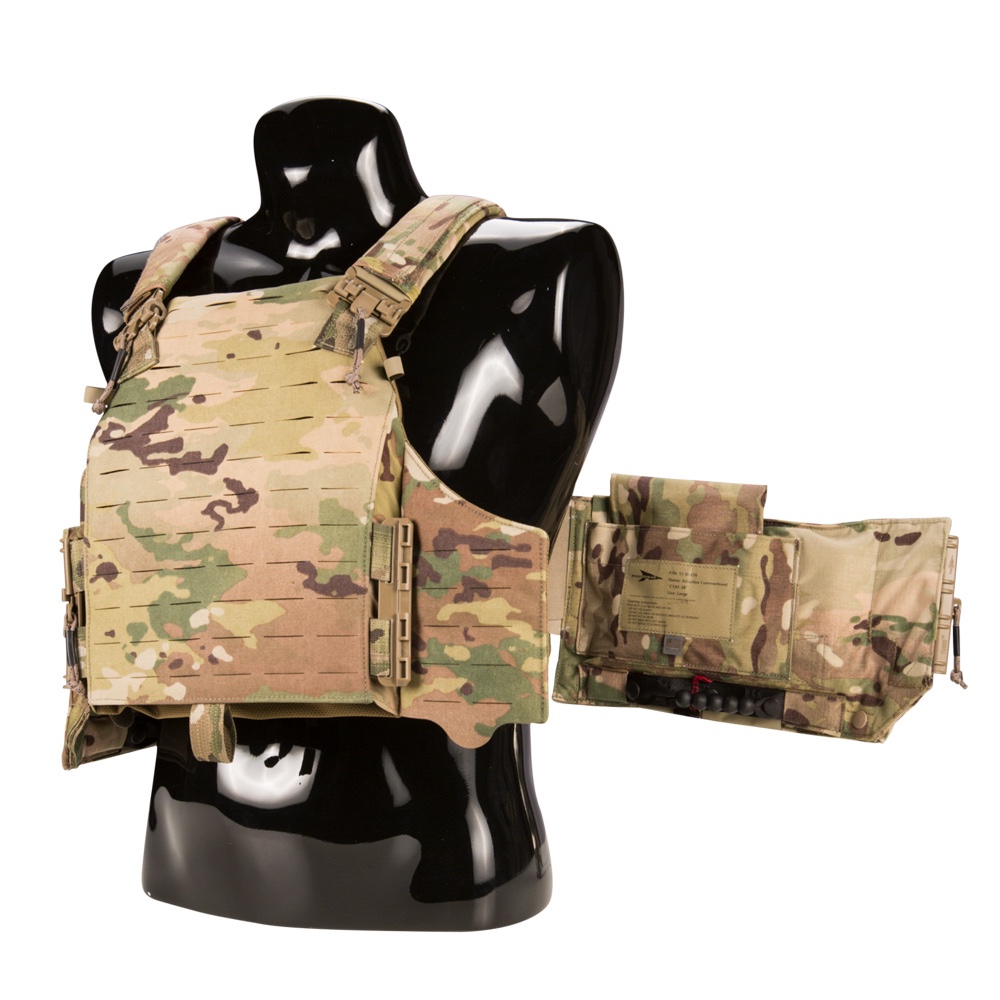
In addition to SOCOM Aviation, the U.S. Air Force has deemed the FirstSpear ABAV (Aviation Body Armor Vest) safe to fly for rotor wing operations.

Continuing to revolutionize the load carriage systems that transition from air, land to over-water operations even further, utilizing the Instant Adjust Back Panel and Adaptive Maritime and Land Cummerbunds this system configures quickly for the full spectrum of operational environments.

*  “6/12™ laser cut platform
*   Tubes™ Rapid-Release Technology
*   Flame Retardant
*   Aviation specific pocket suite
*  Instant Adjust Back Panel
*  Adaptive Cummerbund
*  CTAF devices

Purpose built for tactical aviation roles, the ABAV utilizes the latest in First Spear Technology to keep weight to an absolute minimum while maintaining true mission flexibility. Thanks to Tube™ technology and  Cummerbund Tactical Aid to Flotation (CTAF) interchangeability via the Instant Adjust Back Panel the FS ABAV transitions from over land to over water in well under a minute with no tools required. Located inside the cummerbund, each system includes welded flotation bladders, inflation system and two firing handles for use as emergency tactical floatation aids to enhance aircrew survivability when operating over water. The FS ABAV has enhanced shoulder sleeves wrapping over the shoulder straps which helps keep the User streamlined and unencumbered around the neckline. Designed to absorb the bare minimum of water and provide modular flexibility for mission specific load carriage.  The ABAV utilizes multiple FS technologies, including the 6/12 pocket attachment system and Tubes technology. The FS ABAV meets Flame Retardant (FR) and self-extinguishing parameters set forth by the US Military organizations that adopted it.

FirstSpear’s passion lies in that pursuit and development of disruptive innovation and technologies designed to pass the ultimate test; empowering those who employ them to dominate objectives and prevail in the spirit of our storied namesake. We are FirstSpear, and everything we do is Built for the X.

For more information about FirstSpear, check out www.first-spear.com

822d Base Defense Squadron Supports Agile Flag 21-2

Friday, May 14th, 2021

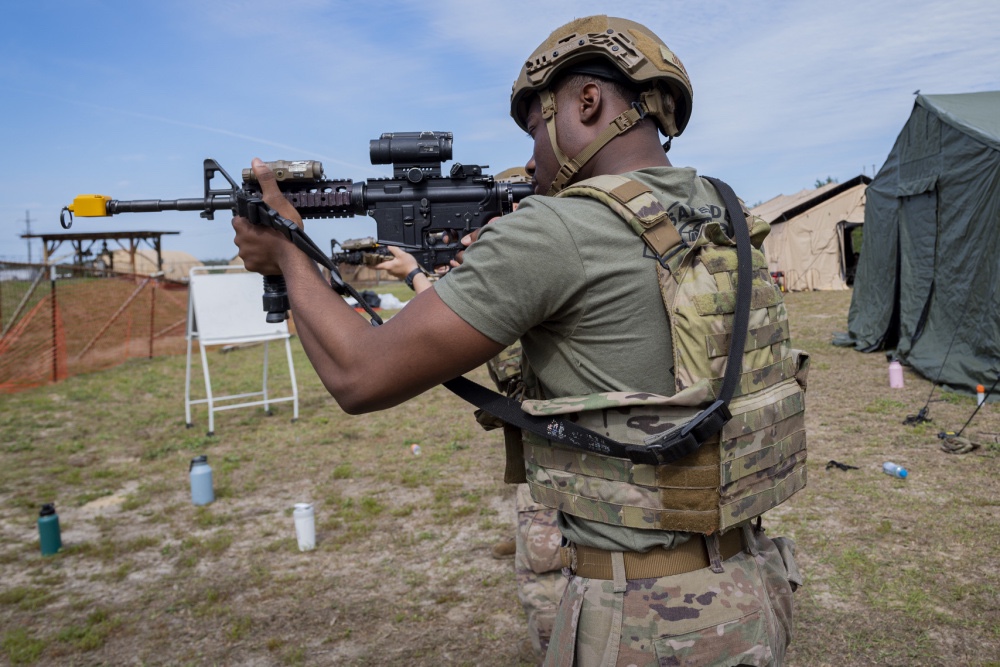
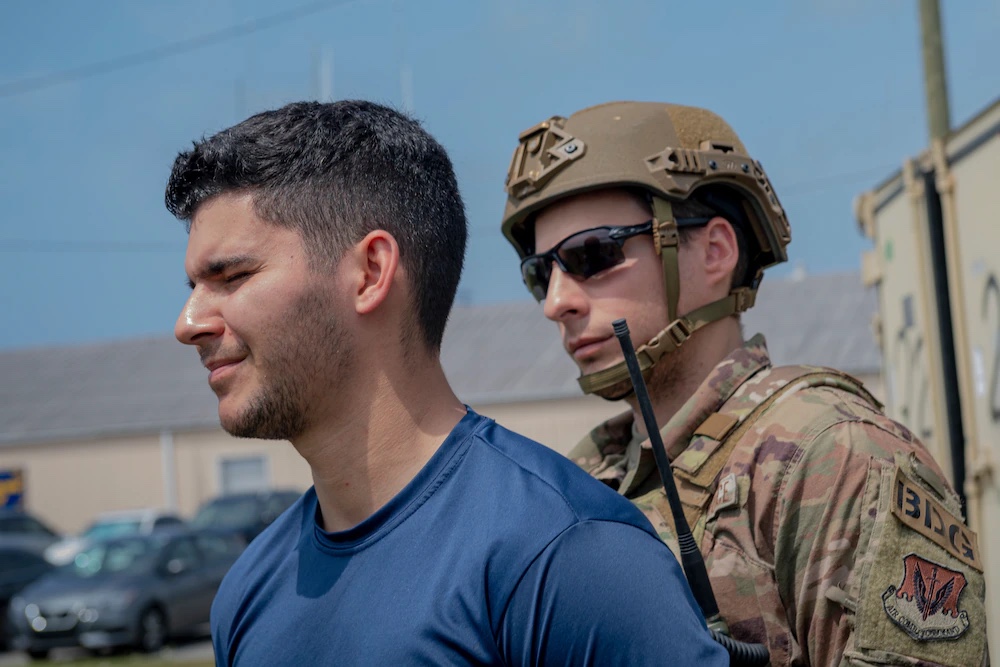
NAVAL OUTLYING LANDING FIELD CHOCTAW, Fla. — The 822d Base Defense Squadron provided security and opposing forces for the 4th Fighter Wing, North Carolina, during Agile Flag 21-2, May 3-5, 2021.

Air Combat Command’s Agile Flag 21-2 tested the 4th FW’s ability to deploy as a lead air expeditionary wing from its main operating base at Tyndall Air Force Base, Florida, while supporting three forward operating bases, which included Naval Outlying Landing Field Choctaw, Florida.

“The (exercise) allowed several ACC units to come together and complete a realistic mission set,” said Tech. Sgt. Steven Ethridge, 822d BDS section chief. “The Air Battle Staff was made up of several functions to include civil engineering, security forces and communications. This allowed the members to understand how actual deployments could require working with other units to accomplish the mission. The 822d (BDS’) role in Agile Flag was to provide the 4th FW with a scalable security element at the FOB in order to facilitate integrated combat turns from multi-capable Airmen.”

Integrated combat turns are rapid refueling and rearming procedures that allow pilots to get back to the fight as soon as possible. Without a secure base to conduct ICTs, pilots would be unable to project airpower at faster rates.

“(Base defense Airmen) are highly trained and provide a light, lean and lethal force anywhere in the world,” Ethridge said. “We also bring capabilities such as Airborne and Air Assault, in addition to built-in support functions such as (Explosive Ordnance Disposal), medical, transportation maintenance and communications.”

The 822d BDS joined Agile Flag to augment the 4th FW’s security mission.

In addition to security, the base defense Airmen acted as opposing forces to simulate a near-peer adversary at the FOB. These forces are crucial because they inject realism into the training, allowing Airmen to sharpen their tactics, techniques and procedures for agile combat employment.

“These TTPs will allow current and future lead wings to project air power anywhere, anytime,” Ethridge said. “A team becomes a stronger and more lethal force when they help each other complete the common mission.”

ACC will conduct future exercises focusing on the ACE construct, and for the Airmen involved, the opportunity is invaluable.

“Any time we have an opportunity to address and experiment with force presentation and agile combat employment concepts … it’s a victory for our Air Force,” said Lt. Col. Andrew Frasch, ACC operations dynamic force employment chief. “We take what we learned and build on those (lessons) for the next iteration. The more we do this, the faster progress will come.”

Story by A1C Jasmine Barnes, 23d Wing Public Affairs

USAF Reaper Mods Targeted to Provide Capability for Near-Peer Threats

Thursday, May 13th, 2021

WRIGHT-PATTERSON AIR FORCE BASE, Ohio (AFNS) —

The Air Force Life Cycle Management Center’s MQ-9 Program Office is moving forward with several fleet enhancement capabilities aimed at increasing the MQ-9 Reaper’s effectiveness against near-peer adversary threats.

The MQ-9 is an unmanned aircraft with intelligence, surveillance, reconnaissance, and strike capability, traditionally used for Counter-Violent Extremist Organization combat operations. That mission is now shifting.

The MQ-9 is demonstrating it is still a relevant platform as it supports new missions in United States European Command and is now set to receive a suite of upgrades to allow the platform to offer a host of new capabilities for combatant commanders and warfighters around the world.

The Air Force will award the first delivery order of planned MQ-9 Multi-Domain Operation aircraft – which will include several new upgrades from previous production builds – to General Atomics Aeronautical Systems in April 2021. The Air Force is also retrofitting a portion of the already fielded MQ-9 fleet to the same M2DO configuration, allowing the Air Force to leverage current fleet numbers to meet future warfighter requirements through the service life of the aircraft.

“Working with Air Combat Command and other stakeholders, the MQ-9 enterprise will add new capabilities to the platform to help ensure the MQ-9 is able to support these missions in the threat environment we envision,” said Lt. Col. Nick Jordan, MQ-9 production and retrofit materiel leader. “The user has directed us to add technology into the platform which signals that the MQ-9 can offer more capability than just C-VEO operations over the next 10 to 15 years. It can remain relevant with these added and upgraded technologies.”

The MQ-9 Program Office is already completing initial fleet retrofits that will mitigate potential jamming to the platform. This is the first retrofit of many, as MQ-9 M2DO configured aircraft will receive additional closely-held capabilities that will enable command and control mission assurance and resiliency while the aircraft is airborne.



Additionally, the MQ-9 team will increase the electronic power for the platform. This increase, coupled with concurrent development efforts to create an open architecture design for the platform, will allow the Air Force to rapidly integrate new capabilities in response to emerging threats identified by combatant commanders.

Additional M2DO enhancements also include upgrades to the electro-optical/infra-red sensor and will expand the types of weapons the platform will be able to carry.


The Air Force projects with these smart investments the MQ-9 will remain operationally viable for worldwide operations through the end of the platform’s projected service life of 2035. In conjunction, the Air Force will continue to evaluate options to find a more viable solution in the future.

By Air Force Life Cycle Management Center

Is Glock Finally Going to Release Their Carbine?

Wednesday, May 12th, 2021

The Glock Carbine has been one of the worst kept secrets in small arms and everyone keeps wondering when they are going to finally release it to the public.

Our friends at Spartanat believe it’s going to happen and have released a video about it.

52nd EOD Takes Lead in Testing Army’s Newest Bomb Suit

Wednesday, May 12th, 2021

FORT CAMPBELL, Ky. – Explosive Ordnance Disposal, or EOD, Soldiers put their lives on the line whenever they are called into action, and their protective equipment can mean the difference between life and death.

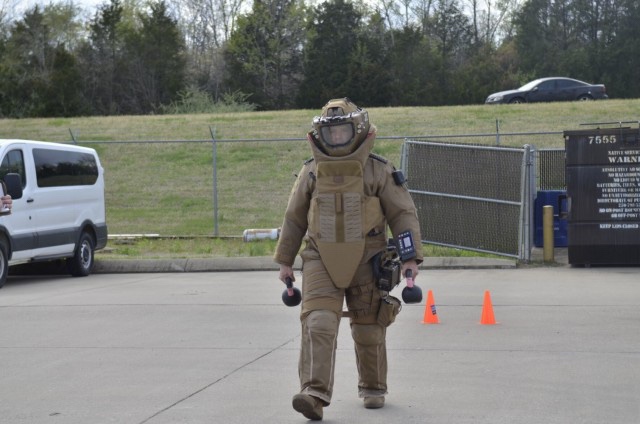
Fort Campbell’s 52nd EOD is playing a major role in pushing that equipment forward as the first unit to test the Next Generation Advanced Bomb Suit, or NGABS, the latest development in Army bomb suit technology.

“We got a lot of receptive feedback from the Soldiers, and they were very thorough,” said Sgt. 1st Class Jeremy Jordan, 184th Ordnance Battalion, 52nd EOD. “

“They understand it’s the next generation of bomb suit that we’re going to be using … (and) we can make sure we have a good suit that’s fielded to us, and in turn support the Army and local authorities through our mission,” he said.

Initial NGABS fielding is expected around the second quarter of 2023, said Maj. Justin Bond, assistant product manager, Soldier Protective Equipment, Program Executive Office Soldier. 52nd EOD has completed multiple human factors evaluations meant to provide feedback and help improve the suit’s design in the meantime, most recently April 5-19.

“We need EOD technicians to assess this capability, and the 52nd EOD group at Fort Campbell offers that,” Bond said. “They were willing and ready to provide the necessary Soldiers to help us evaluate the capability, and the availability of resources at the 52nd EOD was also helpful in facilitating the event.”

The NGABS provides increased mobility, 360-degree ballistic protection, weight reductions and a modular sensor suite that provides low light and thermal capability. All of these are improvements when compared to the existing advanced bomb suit, or ABS. Through human factors evaluation, or HFE, 52nd EOD evaluated the improvements through a series of operationally relevant training exercises.

“The engineers who are designing this suit are actually listening to our feedback and care about what we have to say,” said Sgt. 1st Class Eric Thom, 717th Ordnance Company, 184th Ordnance Battalion, 52nd EOD. “During the first round, there were a lot of negatives about the suit that they changed for the better, and I think it just needs a few more tweaks in the design, comfort and mobility.”

Thom said the suit’s mobility in certain areas and the addition of ballistic protection stood out as strong points, but he recommends improvements to its fitting and sensor systems.

“On a personal level, this is something I feel that I can contribute to fostering the career field and the equipment the guys that are following me will be able to use,” he said. “If I can help them get better equipment, that’s a huge part of what being EOD is – not just to protect myself, but to leave some-thing to protect future EOD techs.”

Fort Campbell also brought in Soldiers from other installations to effectively test how the NGABS functions for women because 52nd EOD is predominantly male.

“This has been a huge opportunity,” said Staff Sgt. Dione Brown, 55th Ordnance Company EOD, Fort Belvoir, Virginia. “Giving valuable input to a system that’s probably still going to be used 10 years down the line by techs that follow behind me is a big deal, and I feel very fortunate to be part of the process.”

Brown said the NGABS is a marked improvement over the ABS and could save time across the Army once it is fielded to active-duty Soldiers.

“The mobility, range of motion and the modular system are huge improvements over the suit we have right now,” she said. “The biggest thing is the range of motion – allowing us to do a job quickly with little impediment to our movement means we’ll be able to neutralize our target faster, get in and get out.”

Bond said the HFE was a success and provided PEO Soldier with valuable input on the suit’s strengths and weaknesses.

“These are EOD technicians, so it’s very important that we have the actual user’s feedback as we’re developing this capability,” he said. “We’ll take that feedback and make necessary design changes prior to the next HFE.”

Jordan said 52nd EOD is expected to conduct another HFE this fall, and the Soldiers look forward to helping make the NGABS the best it can be.

“I’ve been in the Army for 18 years, so I probably won’t see this suit fielded until right as I’m getting out,” he said. “But it feels good to do my part in helping it come together. And all the Soldiers, whether they know it or not, they’re helping to shape the future of EOD.”

By Ethan Steinquest, Fort Campbell Courier

SCUBAPRO Sunday – Go Sport Fin

Sunday, May 9th, 2021

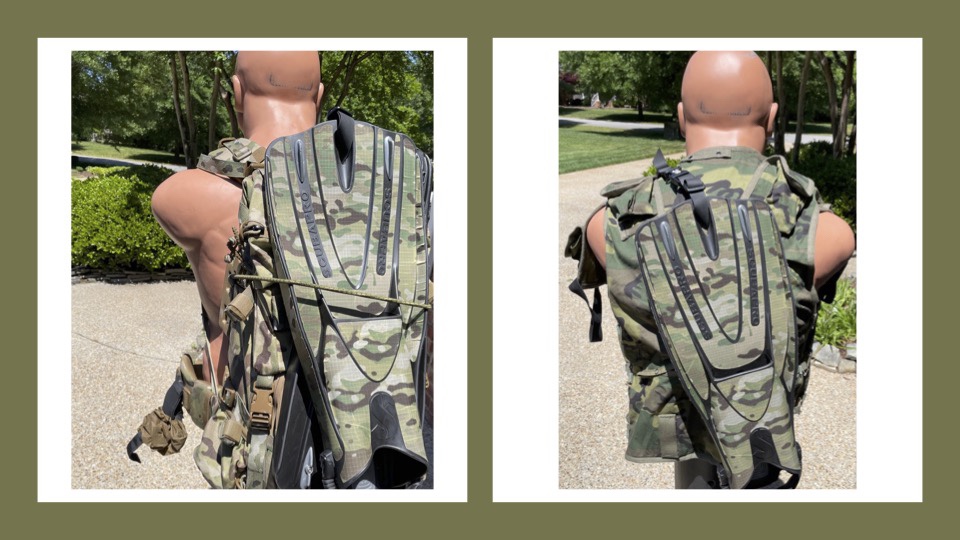
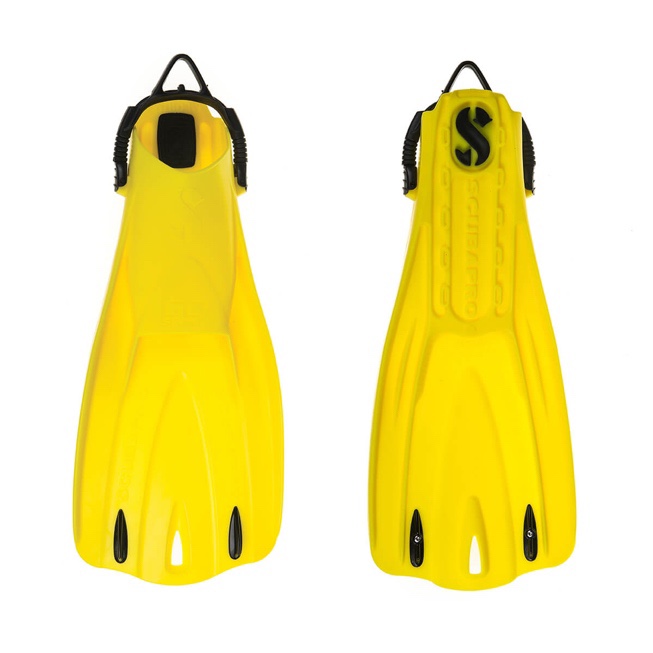
I have been around a lot of different end user diver groups of over the past couple of months and we always seem to talk about fins, and we have been discussing different designs and what is the best go-to fin. Now I have started to think of fins like shoes and I think you need more than one set for different types of water work. But if I was to pick one set of fins, I truly cannot say enough good things about the SCUBAPRO Go Sport fins. If you are in the military and you need a good fin for over the beach (OTB) operations, river and stream crossing, or diving, these fins do a great job! For OTB, where you might have to go through the surf, there is enough power to help you get through it. River and stream crossing, where you would have to carry them with you in the jungle or wherever, the pair weighs less than 1.5Lbs and are easy to don and doff with boots on, making getting in and out of the water easier. When used for combat swimmer operations, they are comfortable for long use and good for use in tight areas like around piers or ships. There are holes in the blade, which makes it easy to attach to your wrists when climbing a ladder if you want your fins with you if there is a strong current or coming out of the surf or attaching to your gear when patrolling.  Below they are attached to a Mystery Ranch patrol pack. The other picture they are attached to the famous SEAL Float coat used in patrolling the jungles of Vietnam (thanks Drew via Eric G). They also have the Matbock Skins on them.

A lot of the things I mentioned about that make them good for the military also apply for Public Safety Divers. They are outstanding for tight turns, like when you are doing a search grid. The fins are so light so they can be used in the summer when using a wetsuit or in the winter when using a dry suit. If you do plan on that make sure you get the right size for the winter bootie. You can always wear a winter bootie in the summer but trying to use a summer type bootie in the winter is never a good thing. They go on fast if you are a marine patrol unit and need to get into the water quickly.

Lastly, they are a great surface swim fin. For example, Go Sport Fins are the perfect option for PTs in ocean or pool swims. I used to have a CO who, anytime the weather was bad and the sea was rough, made us do ocean swims. He would say, ‘you have to train when the weather and surf are bad because you can’t choose when you will be on the water’.

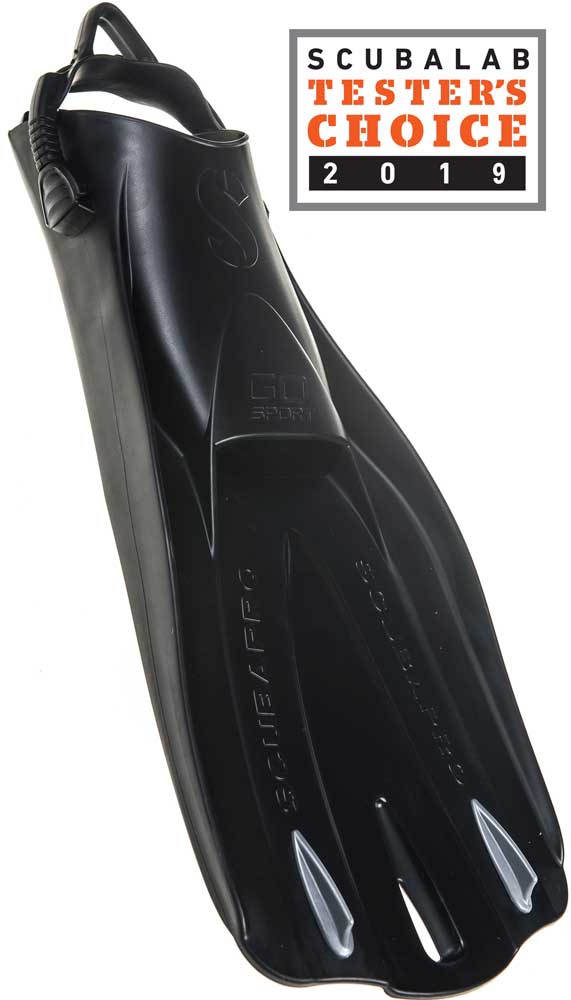
SCUBAPRO GO SPORT FINS WIN SCUBALab testers choice award.